Today's Healthcare Pulse

Abridge teams with Eli Lilly and Nvidia to expand AI scribe platform
Abridge announced a strategic investment from Eli Lilly and a partnership with Nvidia to build a foundation model for clinical conversations. The collaboration aims to broaden Abridge’s AI‑scribe services across more health systems and integrate with payers. The company already supports over 300 health systems.
Also developing:

Acadia Healthcare Company Inc (ACHC) Q1 2026 Earnings Call Transcript
Acadia Healthcare reported Q3 2025 revenue of $851.6 million, a 4.4% year‑over‑year increase, but adjusted EBITDA slipped to $173 million, $5 million below internal forecasts. The company lowered its full‑year outlook, trimming revenue to $3.28‑$3.30 billion and adjusted EBITDA to $650‑$660 million. Capital spending for 2026 will be cut by at least $300 million, while bed capacity continues to expand with 83 new beds added this quarter. Despite softer Medicaid volumes and higher bad‑debt provisions, Acadia maintains strong liquidity and highlights improved clinical outcomes at new joint‑venture facilities.

Improving Access to Essential Medicines via Decision-Aware Machine Learning
A new wave of decision‑aware machine‑learning models is being applied to pharmaceutical supply chains in low‑income regions, blending demand forecasts with inventory and distribution constraints. Early pilots in Zambia and Rwanda report up to a 30% reduction in stock‑outs and...

Amarin Corporation PLC (AMRN) Q1 2026 Earnings Call Transcript
Amarin Corporation reported first‑quarter 2024 net revenue of $56.5 million, down from $86 million a year earlier, as U.S. sales fell amid generic competition. The company secured an extended European patent runway for VASCEPA through 2039, reinforcing its market position. European commercial...

Agios Pharmaceuticals Inc (AGIO) Q1 2026 Earnings Call Transcript
Agios Pharmaceuticals reported a 45% year‑over‑year jump in PYRUKYND net revenue to $12.5 million, driven by stronger PKD sales, an extra ordering week, and higher specialty‑pharmacy processing. The company ends the quarter with roughly $1.3 billion in cash, supporting both commercial rollout...
Safety and Efficacy of Intratumoural Anti-CTLA4 with Intravenous Anti-PD1
The phase 1b NIVIPIT trial compared intratumoural (IT) ipilimumab at 0.3 mg kg⁻¹ plus intravenous nivolumab with the standard intravenous (IV) ipilimumab‑nivolumab regimen in untreated advanced melanoma. The IT arm achieved a markedly lower rate of grade 3‑4 treatment‑related adverse events (24 % vs 67 %...

Ionis Pharmaceuticals Inc (IONS) Q1 2026 Earnings Call Transcript
Ionis Pharmaceuticals reported record 2025 revenue of $944 million, a 34% year‑over‑year increase driven by strong sales of TRYNGOLZA, the launch of DAWNZERA, and robust R&D collaboration fees. Phase III data for olezarsen demonstrated up to a 72% reduction in triglycerides and...

Conmed Corp (CNMD) Q1 2026 Earnings Call Transcript
Conmed Corp reported Q1 2026 results with total sales of $373.2 million, a 7.9% year‑over‑year increase, and full‑year revenue of $1.375 billion, up 5.2%. Orthopedic sales led growth, rising 12.1% in the quarter and 5.5% for the year, while international sales surged...

Urban Edge Properties (UE) Q1 2026 Earnings Call Transcript
Urban Edge Properties reported Q1 2026 net revenue of $12.5 million, a 45% year‑over‑year increase driven by stronger PKD sales, an extra ordering week, and expanded specialty pharmacy distribution. Patient enrollment rose to 248 completed forms with 142 patients now on...

Anika Therapeutics Inc (ANIK) Q1 2026 Earnings Call Transcript
Anika Therapeutics posted total revenue of $28.2 million for the quarter, an 8% decline driven by manufacturing yield issues and a $900,000 shortfall in international osteoarthritis‑pain sales. Gross margin fell to 51%—down 16 percentage points—after a one‑time $3 million non‑cash charge, though...

Boosting T Helper Cells Could Curb Lifelong Viral Infections
The immune system actively combats lifelong viral infections acquired at birth, but its response is limited by a reduced pool of T helper cells; enhancing these cells may offer new therapeutic strategies. immunology

Psychedelics for Mental Illness: Dr. Joseph Varon on Trump’s Executive Order
In this episode, Fox News discusses President Trump's new executive order aimed at loosening restrictions and expanding access to psychedelic therapies for severe mental health conditions such as depression, PTSD, and addiction, especially among veterans. Dr. Joseph Varon, president and...
Cancer Is Increasing in Young People and We Still Don't Know Why
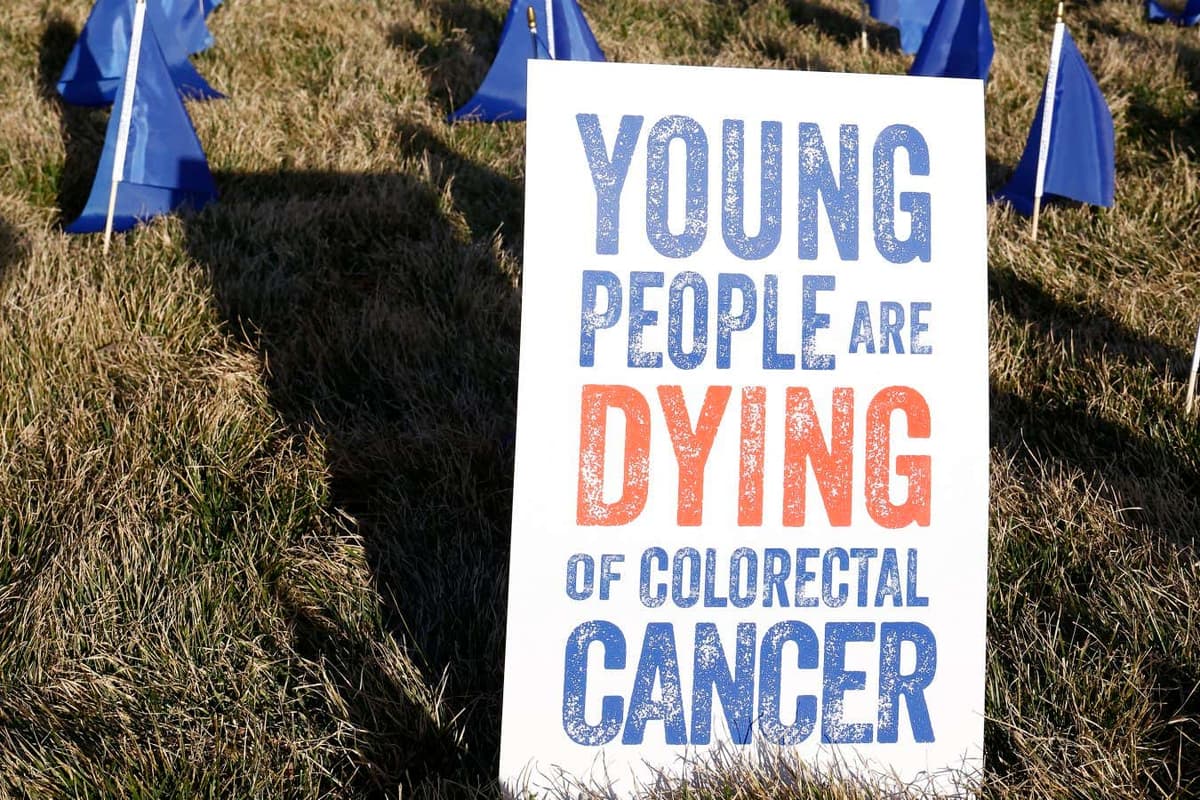
Recent research shows colorectal cancer among young adults is climbing sharply, with a 50% increase since the 1990s in several high‑income nations. A UK study identified 11 cancer types rising in people aged 20‑49, attributing only a small share of...

UConn Health Signs Letter of Intent for 2 Hospitals
UConn Health announced a letter of intent to bring Day Kimball Hospital and Bristol Health into its network, extending the academic medical center’s reach in Connecticut. The move follows UConn Health’s March acquisition of Waterbury Hospital from the bankrupt Prospect...

How Tech Can Bridge Gaps in Rural Healthcare Data Struggles
The Office of the National Coordinator for Health IT is pushing technology to cut costs and improve care in rural America. A new ONC mandate requires electronic health records to show prescription benefit information, giving patients price transparency at the...

UTHealth Houston Names Business Affairs, Strategy Chief
UTHealth Houston announced the appointment of Michael Patriarca as executive vice president and chief business affairs and strategy officer. The newly created role is designed to steer long‑range strategic planning while overseeing finance, operations, IT, data analytics, and infrastructure. Patriarca...

NVO’s 4.4% Yield Boosted by Oral Semaglutide Surge
$NVO pays a decent 4.4% dividend and oral semaglutide is surging: "First-time anti-obesity medication (AOM) prescribing increased 21.7% from December 2025 to March 2026, with first-time AOM semaglutide prescribing increasing by more than 50%. AOM semaglutide also showed its largest quarter-over-quarter percentage...

Air Pollution Exposure in the Womb Linked to Worse Language and Motor Development
A King's College London study of 498 Greater London infants links first‑trimester air‑pollution exposure to lower language scores at 18 months and, for pre‑term babies, to markedly poorer motor development. Children whose mothers lived in high‑pollution areas scored 5‑7 points lower...
![He Declined Routine X-Rays and Was Denied a Dental Cleaning [PODCAST]](/cdn-cgi/image/width=1200,quality=75,format=auto,fit=cover/https://kevinmd.com/wp-content/uploads/18cacd38-6c3b-419c-8d97-fab1cca74be2.png)
He Declined Routine X-Rays and Was Denied a Dental Cleaning [PODCAST]
Patient advocate Aaron Rosenberg was denied a routine dental cleaning after refusing non‑mandatory bite‑wing X‑rays, despite recent imaging and low risk. The clinic cited a licensure risk and an internal policy, though the ADA does not require such X‑rays for...

Site-Neutral Payment Debate Intensifies in Hospital Affordability Hearing
During a House Ways and Means hearing, hospital CEOs and lawmakers debated site‑neutral payment as a lever to curb soaring hospital costs, which have risen roughly 170% since 2005. Republicans touted proposals that could save $160 billion in taxes and $672 billion...

MultiCare to Open $479M Mary Bridge Children’s Hospital May 16
MultiCare is set to open the new Mary Bridge Children’s Hospital in Tacoma on May 16, a $479 million, six‑story facility that replaces the original 1955 campus. The hospital features eight operating rooms, 29 emergency‑department exam rooms, dedicated play spaces and...

CMS Veteran Blum Warns a Version of the Nursing Home Staffing Rule Could Return After November
Former CMS chief operating officer Jonathan Blum warned that a version of the controversial nursing‑home staffing mandate could be revived after the November midterms if Democrats regain control of the House. He told the LTC 100 Leadership conference that policymakers must...

‘Low-Hanging Fruit’: Nationwide Survey of Nursing Home Staff Shows Easy Fixes for Retention Amid Managed Care, PDPM Burdens
A nationwide AAPACN/LTC 100 survey of 489 skilled‑nursing‑facility nurses shows 65% overall job happiness but highlights documentation duplication across Medicaid, PDPM and managed‑care as a major stressor. Retention is driven by purpose, resident connections and a positive team culture, especially relationships...

AI Model Detects Normally 'Invisible' Tissue Changes of Pancreatic Cancer at Stage 0
Researchers unveiled REDMOD, an AI radiomics framework that identifies stage 0 pancreatic ductal adenocarcinoma on routine CT scans. In a multi‑institutional study of 219 cancer cases and 1,243 controls, REDMOD flagged disease an average of 475 days before clinical diagnosis, achieving 73%...

Bowel and Ovarian Cancer Cases Rising Among Younger Adults in England, Research Reveals
A BMJ Oncology study of England’s cancer registry (2001‑2019) shows bowel and ovarian cancers are the only two types rising among adults under 50, while rates for older adults remain stable or decline. The analysis links excess weight to ten...

How AI, Value Based Care Bundles, Medicare Payment Compression, and IMG-Driven Residency Match Dynamics Will Reshuffle the Wealthiest Physician Specialty...
Four converging forces—AI augmentation, mandatory value‑based care bundles, ongoing Medicare fee‑schedule compression, and tightening IMG‑driven residency pipelines—are set to reshape the hierarchy of physician specialty earnings by 2030‑35. AI tools are boosting productivity in radiology, pathology and anesthesia while modestly...

Peptides / Bioregulators
The AGI House in San Francisco hosted the inaugural California Peptide Club, drawing over 100 invite‑only attendees to discuss self‑optimization peptides. Organiser Julius Ritter highlighted the fragmented information landscape and showcased stacks ranging from growth‑hormone releasers to cognitive enhancers. Days later, HHS...

AI, Face Photos May Predict Cancer Survival: Mass General Brigham Study
Mass General Brigham researchers validated FaceAge, an AI tool that estimates biological age from facial photographs, as a survival predictor for cancer patients. The study examined two routine photos per patient for 2,279 individuals, finding that changes in the Face...

Tonsillectomy Doesn’t Lead To Illness, But Tonsillitis Just Might
A recent UK Biobank analysis of nearly 500,000 people shows that higher rates of inflammatory disorders such as IBS among those who had tonsillectomy are actually tied to earlier tonsil infections, not the surgery itself. This finding overturns a 2018...

Beth Israel Lahey Health Rolls Out AI Scribe Systemwide
Beth Israel Lahey Health, a 14‑hospital system in Massachusetts, has selected Heidi as its systemwide AI scribe vendor. After a six‑month pilot involving 1,000 physicians, the health system began rolling out the technology to all providers. Clinicians reported higher note...
FOXO4-DRI Is Fascinating, but Was Never Intended for Human Use, What Are the Takeaways?
FOXO4‑DRI is an experimental senolytic peptide that selectively eliminates senescent cells by disrupting the FOXO4‑p53 interaction, prompting p53‑mediated apoptosis. Pre‑clinical studies across vascular, reproductive, musculoskeletal and renal models report improved endothelial function, restored testosterone production, chondrocyte rejuvenation, and reduced frailty....
Peptides / Bioregulators
A new study examined 6,441 gray‑market peptide samples covering 14 compounds, measuring purity, dose accuracy, and endotoxin levels. Between 41.6% and 71.1% of the products failed basic pharmaceutical standards, and 2.4% contained no active peptide at all. Endotoxin contamination appeared...

The BioPharm Brief: Expanding Access and Redefining Cancer Treatment
Henlius and Organon received European Commission approval for a pertuzumab biosimilar, expanding HER2‑targeted therapy access across the EU. Pfizer announced Phase 3 data showing its bispecific antibody Elrexfio improves progression‑free survival in relapsed or refractory multiple myeloma. Genexine disclosed pre‑clinical activity...

Living Vessel ATEV Offers New Hope for Dialysis Access
Humacyte’s ATEV could change the game for dialysis patients who run out of fistula options. It’s a living vessel that resists infection and needs fewer repairs. Major unmet need, big potential. Biotech

Hire Passion, Not Experience, to Cut Medicare Costs
"No one is waking up every day thinking about Medicare." They work to save seniors $1,100-plus annually on their Medicare. But Chapter CEO Cobi Blumenfeld-Gantz says he's never hired someone from the healthcare industry. Instead, Chapter hires for people excited about working...
Semiglutide Regenerates Cartilage Loss Through Weight Loss Independent Metabolic Restoration Mechanism
Semaglutide, a GLP‑1 receptor agonist originally developed for diabetes, is showing promise as a cartilage‑regenerating therapy. Preclinical pair‑fed mouse studies demonstrate cartilage protection independent of weight loss, while a 24‑week pilot in humans reported a 17% increase in cartilage thickness....

Nicotinamide Boosts NK Cells, Induces NHL Remissions
Nicotinamide enhances natural killer cell function and yields remissions in patients with non-Hodgkin lymphoma https://t.co/VrC2ertsVd

Real‑World OmegaAI Workflow: Beyond Demo Perfection
Most demos show you the perfect path. But what does the software actually feel like to use? This hands-on look at RamSoft’s OmegaAI + Blume pulls back the curtain—no fluff, just real workflow insights. 🔗 https://t.co/F9IGWOx3zl @Ramsoft #RadiologyWorkflow #healthtech

IV Fluids Recalled over Possible Contamination—Patients Face Risk of Vascular Complications
B. Braun Medical is recalling two lots of its 1‑liter Lactated Ringer’s IV electrolyte solution (lots J4P756 and J4S843) after detecting particulate matter that could trigger pulmonary emboli, vessel occlusions, or phlebitis. The affected bags were distributed across the United States...

Judy Faulkner: Profitability Is a ‘Side Effect,’ Not the Goal
Epic Systems, led by founder‑CEO Judy Faulkner, continues to prioritize patient‑centric software over profit maximization, even as its revenue climbs to about $6.7 billion in 2025. Faulkner describes profitability as a "side effect" of delivering value, a stance enabled by the...

Why Patient Understanding Is the Missing Metric in Medicine
Physician Joseph Rotella argues that patient understanding is the lone unmeasured metric in modern healthcare. He proposes a brief, standardized teach‑back moment at the end of every visit to confirm patients can articulate their care plan. The article highlights how...

Wastewater Surveillance Supports COVID-19 Screening in Hospitals
A retrospective study at University Hospital Basel linked SARS‑CoV‑2 concentrations in municipal wastewater to COVID‑19 positivity among asymptomatic patients screened on admission. The analysis of 75,667 PCR tests showed a 1.2% positivity rate, with stronger correlations during periods of high...

MDaudit Launches “Revenue Integrity Redefined” To Help Healthcare Organizations Reclaim Financial Control
MDaudit unveiled its "Revenue Integrity Redefined" campaign, a suite of AI‑driven tools and a maturity‑assessment resource aimed at moving health‑system revenue cycles from reactive denial handling to proactive risk control. The platform’s Meaningful AI framework embeds intelligence across coding, billing...

Higher Lp(a) Threshold More Closely Linked to Major ASCVD Events
A pooled analysis of three large randomized trials found that lipoprotein(a) levels of ≥ 175 nmol/L independently predict all‑cause mortality, cardiovascular death and stroke over seven years, with risk comparable to current smoking. The association was strongest in secondary‑prevention patients and was not...
Ultralow-Temperature Cryoablation Shows Promise for VT
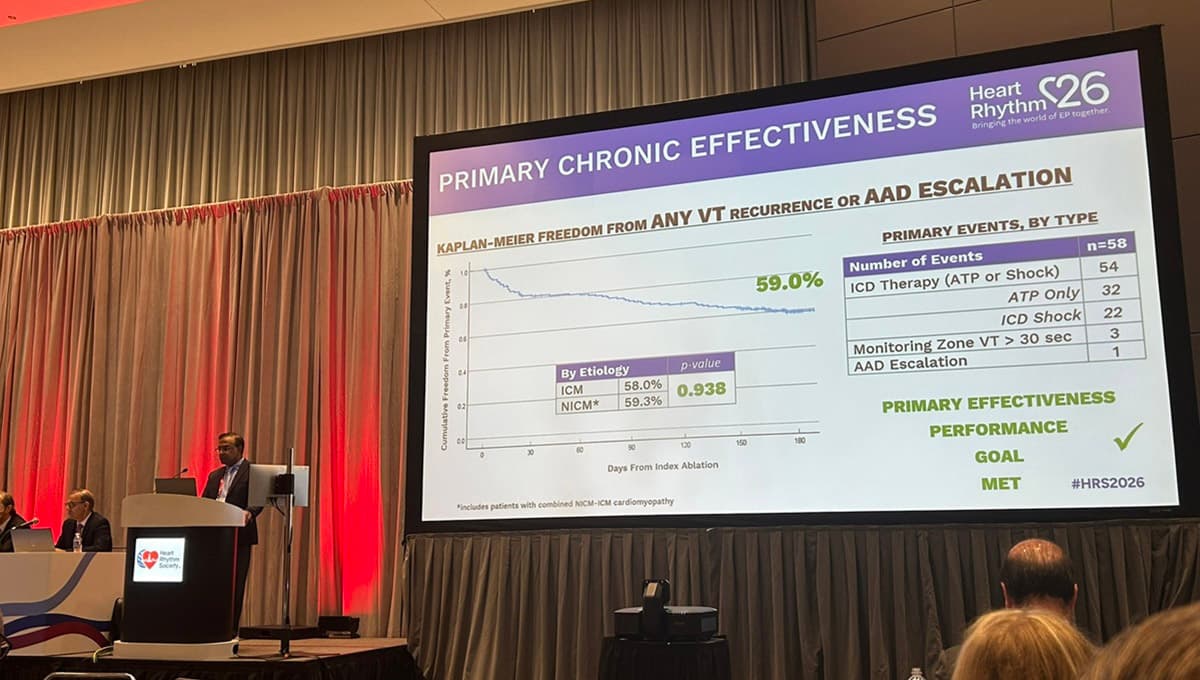
The FULCRUM‑VT IDE trial evaluated Adagio Medical’s vCLAS ultralow‑temperature cryoablation system in 209 patients with monomorphic ventricular tachycardia. At six months, 59% of participants remained free of recurrent VT, ICD interventions, and antiarrhythmic escalation, while acute success reached 98% non‑inducibility....

Allina Health Cybersecurity Chief Joins Baylor Scott & White
William Scandrett, former vice president and chief information security officer at Allina Health, has been appointed vice president of information security and chief information security officer at Baylor Scott & White Health. Scandrett announced the move on LinkedIn on April 28, highlighting his...

NPHI Execs: Quality Is Hospices’ Differentiator
At its annual Chicago summit, NPHI CEO Tom Koutsoumpas and President Carole Fisher argued that quality—beyond regulatory metrics—is the key differentiator for nonprofit hospices. NPHI’s Innovation Lab has launched quality dashboards that capture “Measures that Matter,” such as live discharges,...
HIV Drug (Maraviroc) Reverses Muscle Aging by Purging “Zombie Cell” Signals
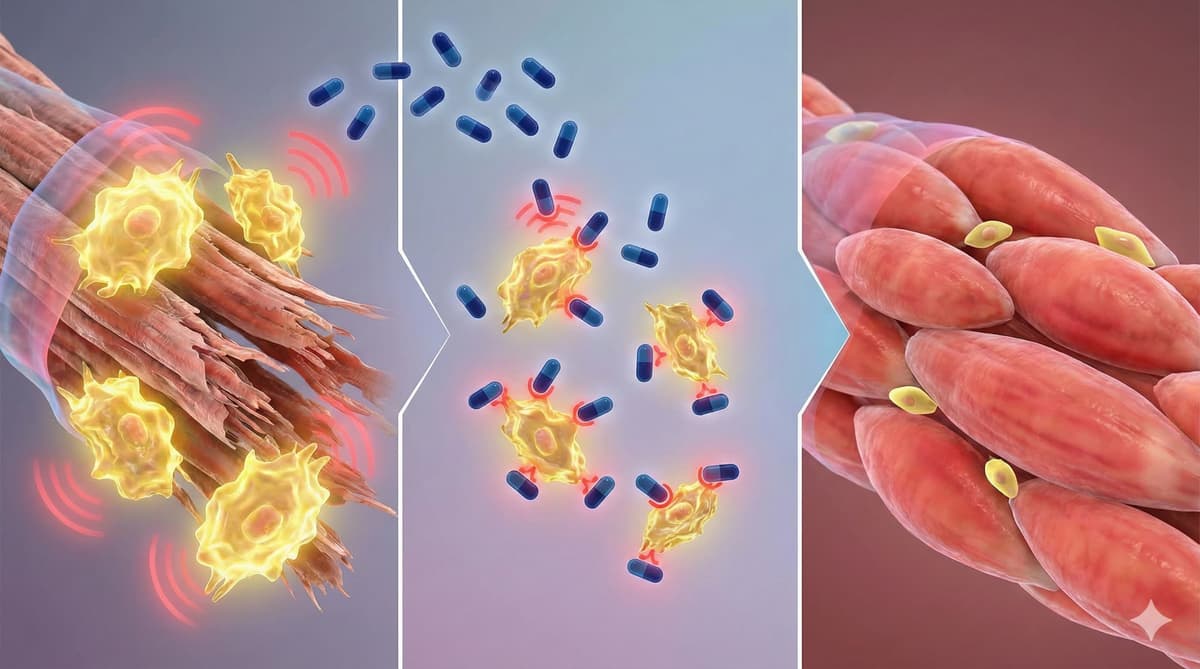
Researchers are exploring the HIV CCR5 antagonist maraviroc as a senomorphic agent that could blunt muscle aging by dampening chronic SASP signaling. Modeling suggests a 75 mg once‑daily dose achieves high CCR5 occupancy, but human data on sarcopenia are absent. The...
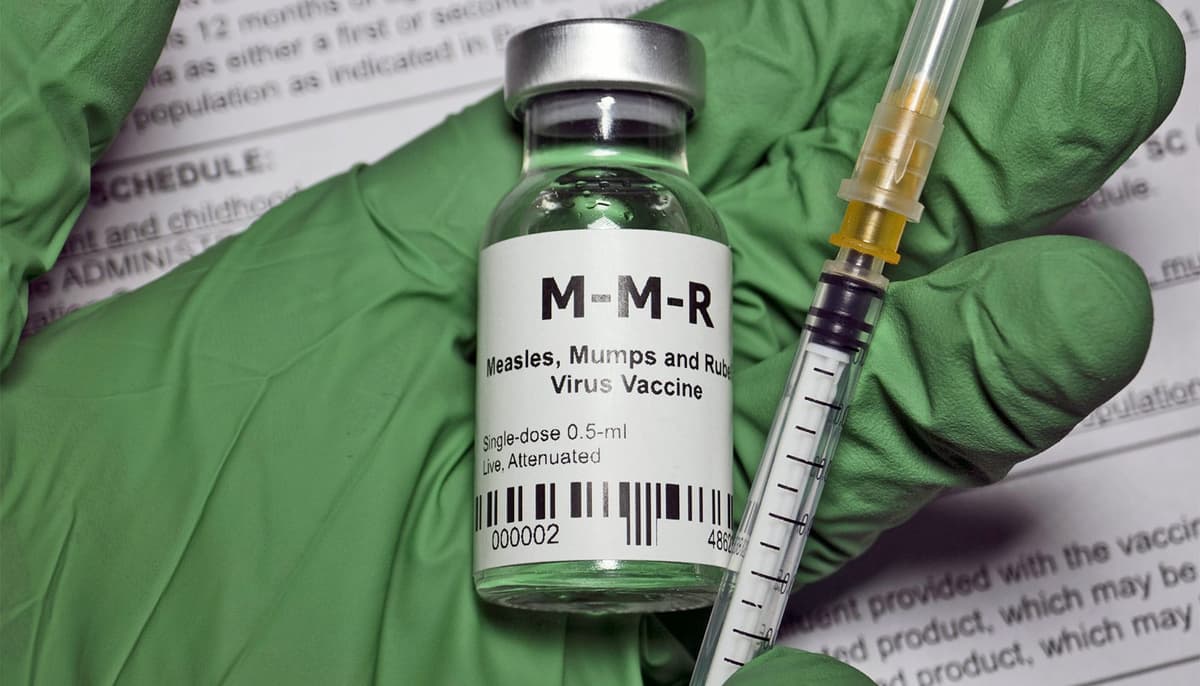
ER Patients Highlight Measles Vaccine Gaps
A University of California, Riverside study of 2,459 emergency‑department patients across ten U.S. hospitals found significant gaps in measles‑mumps‑rubella (MMR) vaccine knowledge, status, and acceptance. Disparities were tied to race, language, insurance coverage, and limited primary‑care access, highlighting systemic barriers....

The IPO Buzz: Biotechs Back in Play
Biotech IPO activity revives as three companies—Avalyn Therapeutics, Hemab Therapeutics, and Seaport Therapeutics—file to raise a combined $601.1 million. Each plans to sell 11.8 million shares within a $16‑$18 price band, targeting roughly $200 million per offering. The deals follow a recent pulmonary‑fibrosis...

Alamar Biosciences IPO Raises $219.9M for Blood-Based Biomarker Tools
Alamar Biosciences closed an upsized IPO, raising $219.9 million by pricing 12.9 million shares at $17 each, and began trading on Nasdaq under the ticker ALMR. The California‑based firm offers the NULISA platform, which detects low‑level protein biomarkers in blood, and its...