
The Everything Technology and Longevity Thread
Samsung unveiled a smartphone display that can measure blood pressure with a single touch, expanding consumer health monitoring. Atlas emerged from stealth with $14 million funding to launch a behind‑the‑ear brain‑sensing wearable that provides real‑time mental acuity feedback. Google announced the Fitbit Air, a screenless tracker, and confirmed the phase‑out of the Fitbit brand, consolidating its health platform. Meanwhile, the Ammortal chamber offers a multimodal therapeutic suite, requiring a $15,950 deposit for installation.

SDSC: Using NSF ACCESS Supercomputers to Improve Tuberculosis Treatment Options
A University of Michigan research team, led by Denise Kirschner, used NSF ACCESS allocations on the Expanse and Anvil supercomputers to simulate 219 tuberculosis drug combinations. By pairing a small set of virtual experiments with a machine‑learning surrogate, they rapidly...

Thursday May 7, 2026 — Field Note
Johnson & Johnson presented first clinical data for its Ottava robotic surgery system at the ASMBS meeting, reporting that all 30 gastric‑bypass cases were completed robotically without conversion and met 30‑day safety endpoints. The FORTE feasibility study, conducted across six...
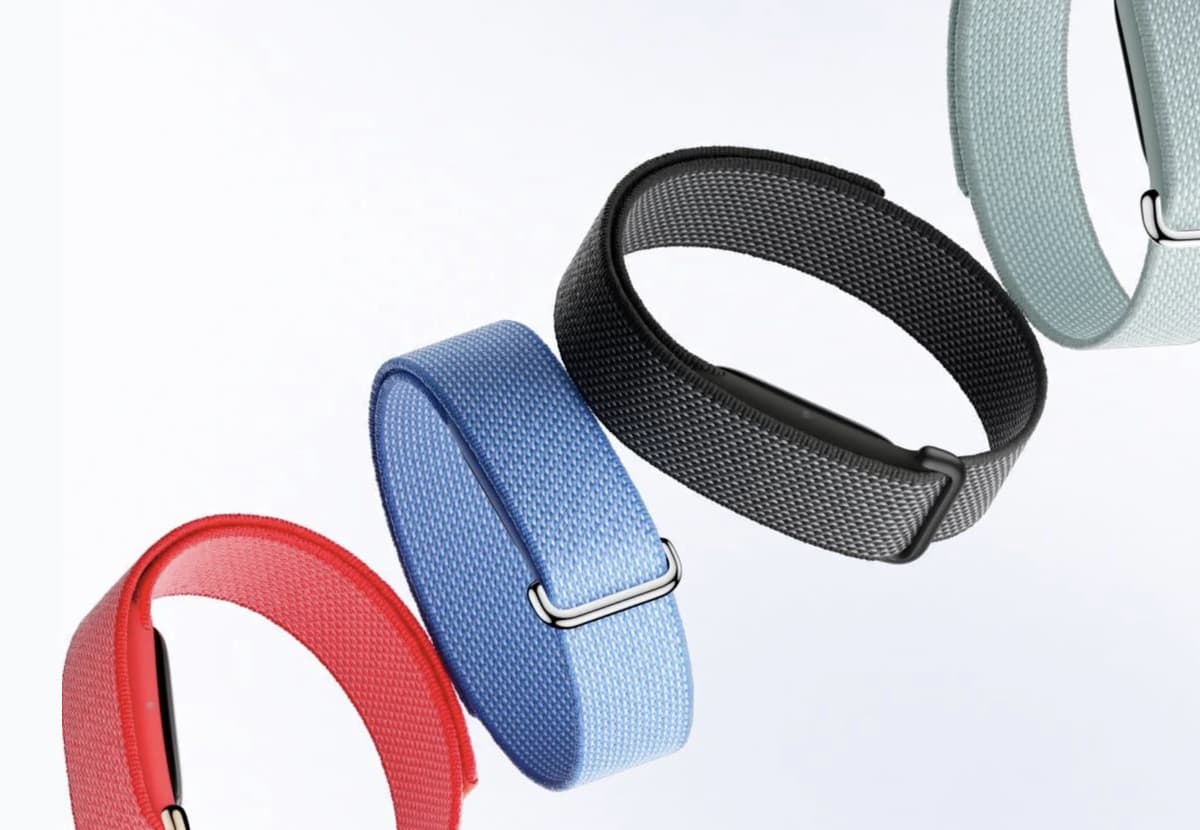
Google Fitbit Air
Google unveiled the Fitbit Air, a $99 screenless health tracker that mirrors the Whoop band’s minimalist design. The device ships with an optional $10‑per‑month Google Health subscription, contrasting Whoop’s hardware‑free model that requires a $200 annual fee. Priced below Apple’s...

🗺️ 5 Steps to Turn Your Google Maps Profile Into a Patient Booking Engine
The article outlines a five‑step system that transforms a Google Business Profile into a self‑servicing patient booking engine. It stresses completing every profile field, automating review collection, responding to reviews within 24 hours, posting weekly updates, and synchronizing data across...

Can Technology Make Home Care Services More Affordable?
CareYaya, founded by Neal Shah, links college‑health students with seniors, offering home‑based care at roughly $20 an hour—about 40% cheaper than traditional agencies that charge $35‑40. The digital platform streamlines booking and payroll, leveraging a workforce of over 50,000 students...

Your Galaxy Watch 6 May Know You’ll Faint 5 Minutes Early
A joint study by Samsung and Chung‑Ang University Gwangmyeong Hospital showed the Galaxy Watch 6 can predict vasovagal syncope up to five minutes before it occurs, using heart‑rate‑variability data fed into an AI model. The algorithm achieved 84.6% accuracy, with 90%...
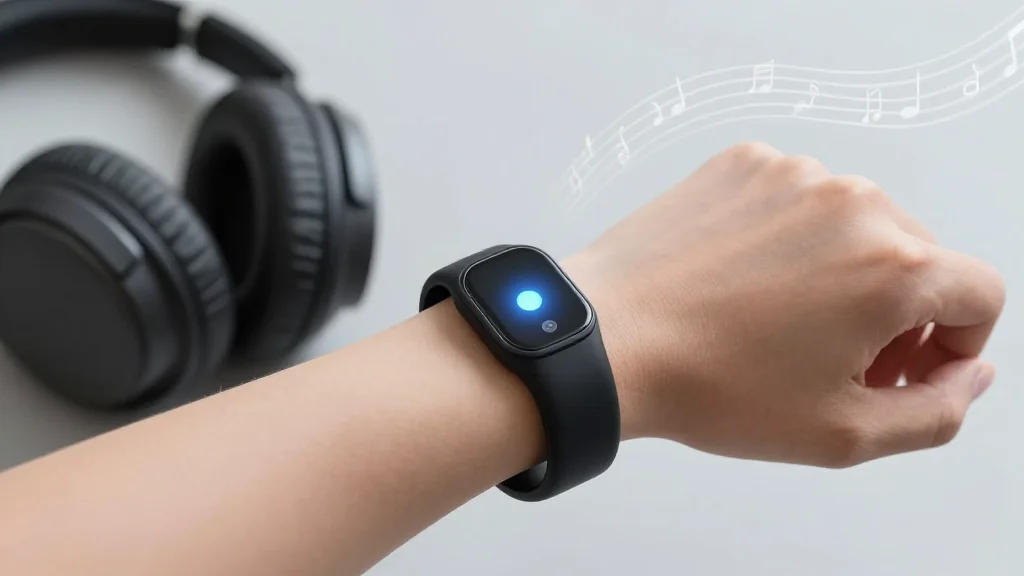
Dispensing Music Like a Drug: The New Frontier in Optimising Health Outcomes
AI‑driven music therapy is emerging as a measurable clinical intervention, with startups such as MediMusic, Endel and Biomedical Music Solutions using biometric data to personalize soundscapes that lower anxiety, pain and improve mobility. Major labels Warner, Sony and Universal have...

The Evolution of Shared Care Records – From Documents to Conversations
Shared Care Records (SCRs) have progressed from simple document‑exchange hubs to intelligent, conversational platforms that actively assist clinicians and patients. The first generation offered read‑only PDFs, while the second introduced structured, longitudinal data that could be queried and updated across...

Clinical Value Is Not Commercial Value
Healthtech firms often mistake strong clinical data for commercial traction, overlooking the complex adoption machinery that governs hospital, payer, and pharma purchasing. The article argues that pilots and physician enthusiasm are insufficient unless they translate into budget authority, procurement pathways,...

Should You Ask ChatGPT for Medical Advice?
A recent interview with Harvard assistant professor Adam Rodman examines the surge of AI chatbots like ChatGPT as sources of medical advice. While 68% of U.S. adults have turned to search engines for health information, about a third of those users...
How Vocal Biomarkers Are Revolutionizing Early Detection
Vocal biomarkers, powered by AI-driven speech analysis, are emerging as a rapid, non‑invasive tool for early detection of cognitive, neurological and mental‑health conditions. A single 40‑second voice sample can simultaneously screen for disorders such as Alzheimer’s, Parkinson’s, depression and anxiety,...

Ben Salter, SafeRide Health
SafeRide Health, a leading non‑emergency medical transportation (NEMT) provider for Medicaid and Medicare Advantage plans, showcased its end‑to‑end ride‑scheduling platform in a recent demo. Chief Product Officer Ben Salter walked through the system’s interface for call‑center agents and members, illustrating...

Veradigm Survey: Independent Practices Rely on Technology to Stay Independent
Veradigm’s March 2026 survey of 360 independent practice leaders shows that 79% view technology as essential to maintaining independence amid rising costs and administrative pressure. Over half (57%) say better automation would markedly improve performance, while 68% admit limited real‑time...

Waiv Enters Collaboration with Daiichi Sankyo to Deliver AI-Derived Biomarkers for ADC Program
Waiv, the Paris‑based AI precision‑testing firm formerly known as Owkin Dx, has partnered with Daiichi Sankyo to lead digital pathology biomarker discovery for an antibody‑drug conjugate (ADC) program. The collaboration will apply Waiv’s end‑to‑end computational pathology platform to early‑phase trial data,...

Lucent Diagnostics Announces Collaboration with Tempus to Integrate Blood-Based Alzheimer’s Biomarker Testing Into Clinical Workflows
Lucent Diagnostics, a Quanterix brand, partnered with Tempus AI to embed its LucentAD® Complete blood‑based Alzheimer’s biomarker panel into Tempus’ clinical ordering platform. The collaboration creates a Tempus Next care‑gap program that automatically identifies patients who meet guideline criteria for...

The OpenAI Anthropic AI Arms Race Pivoted From Models To Services & Deployment. And Healthcare Is The Stress Test.
OpenAI and Anthropic announced massive private‑equity‑backed joint ventures—roughly $10 billion for OpenAI and $1.5 billion for Anthropic—to create dedicated deployment arms that sell AI as a service rather than as raw models. Both firms argue that model capability is no longer the...

The Compression
The essay maps a recurring pattern where low‑profile, credentialed‑adjacent figures explode into political relevance within two years by leveraging a single catchphrase, a podcast or high‑profile interview, and a coordinated short‑form clipping operation. It identifies five floor‑clearing mechanisms—borrowed audience, paid...

Jacqui O’Connor | Meet the Speakers: Med-Tech Expo 2026
Jacqui O’Connor, founder and managing director of MedScan3D, will speak at Med‑Tech Expo 2026 on June 3, unveiling how modern anatomical modeling reshapes the “Concept to Clinic” pathway. Her talk highlights the impact of high‑fidelity 3D simulation on accelerating medical device...

Teen Builds Low-Cost Device to Detect and Correct Eye Drift
A 14‑year‑old Southern California student, Aaryan Balani, has engineered a wearable that monitors eye alignment and alerts the wearer in real time when the eyes drift. The prototype offers a low‑cost alternative to traditional strabismus treatments, which can run into...
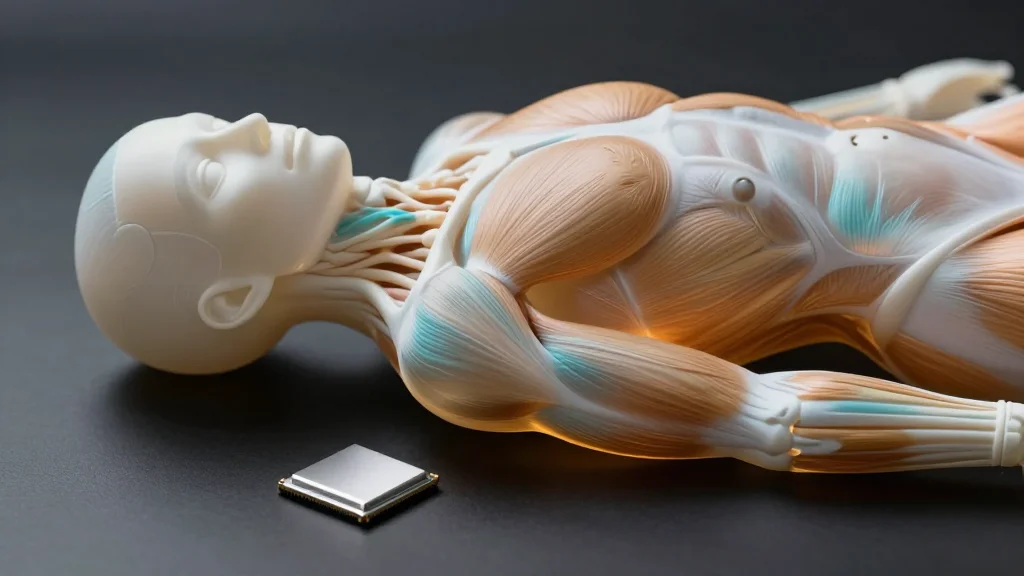
AI Body Composition Tool Predicts Future Health Risks
Researchers at University Medical Center Freiburg used an AI‑driven deep‑learning framework to analyze whole‑body MRI scans from 66,608 participants, creating the most detailed age‑, sex‑ and height‑adjusted body‑composition reference map to date. The study showed that skeletal‑muscle quality and visceral...

24/7 GP Appointment Booking Is Now Live in the NHS App for More than One Million Patients
Rapid Health’s AI‑driven Smart Triage is now live in the NHS App, giving more than one million English patients 24/7 access to GP appointments. The integration offers each user an average of 61 time slots, with most bookings occurring within...
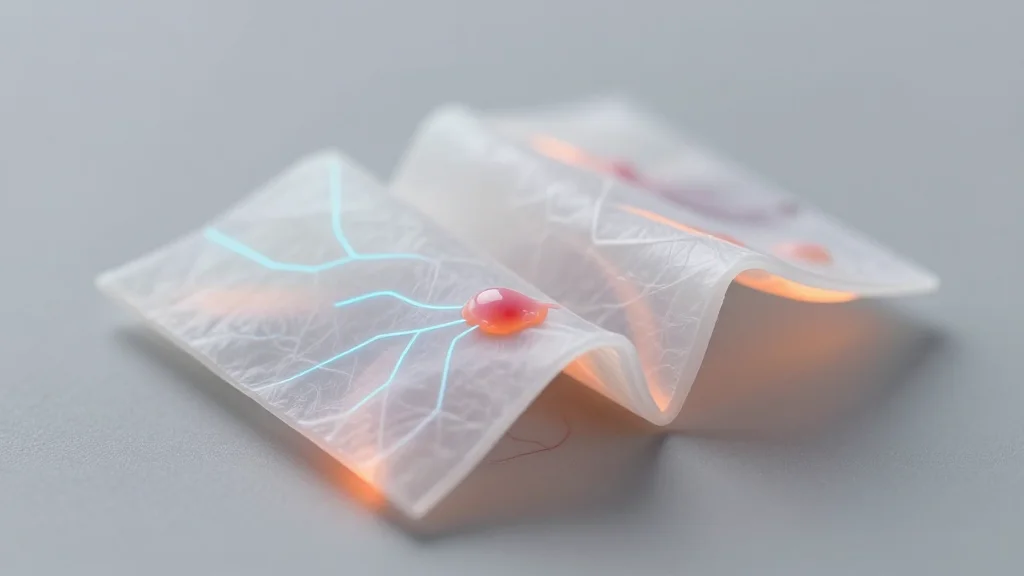
Piezoelectric MXene Scaffold Promotes Cartilage Repair While Limiting Vessel Growth
Researchers unveiled an origami‑folded PLLA/MXene scaffold that converts joint motion into piezoelectric signals and, when exposed to near‑infrared light, generates mild heat. The dual‑modality design doubles electrical output versus pure PLLA and reaches ~41 °C, a temperature that suppresses VEGF‑driven angiogenesis...

When the Data Favor Motion Preservation, How Long Does It Take for Surgeon Culture to Catch Up?
Recent IDE trial data on the Total Posterior Spine (TOPS) System suggest that motion‑preserving implants can match or exceed outcomes of traditional fusion for grade I degenerative spondylolisthesis at L4‑5. The study showed comparable pain relief, functional scores, and lower rates...
Tuesday May 5, 2026
Johnson & Johnson released first‑in‑human data for its OTTAVA robotic surgical system, showing safety and performance success in a 30‑patient gastric bypass cohort and filing a De Novo request with the FDA. The week also saw the US‑China tariff truce...
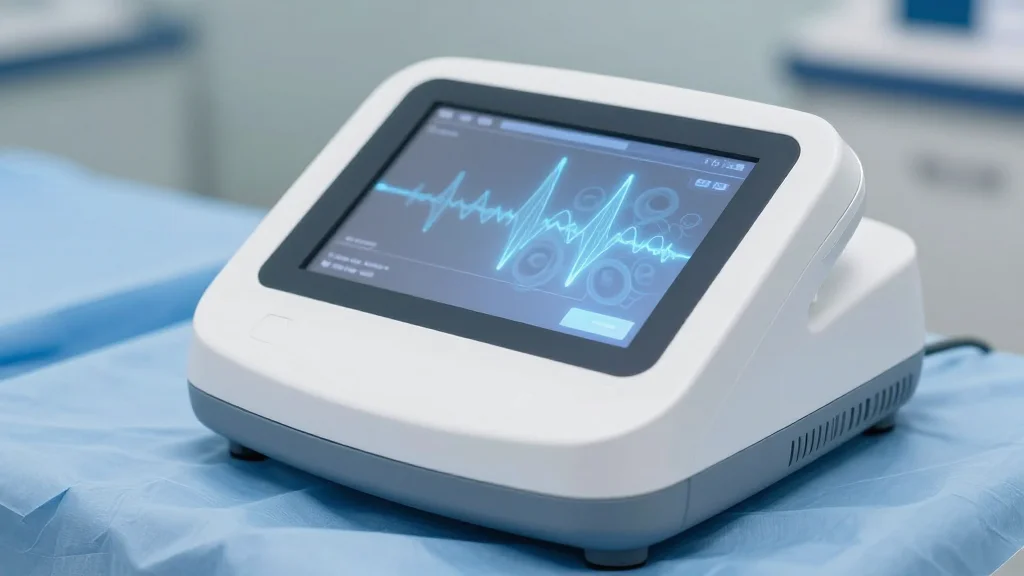
HemoSonics’ Quantra Hemostasis System for Obstetric Procedures Wins Silver 2026 Edison Award
HemoSonics' Quantra® Hemostasis System for obstetric procedures earned the Silver Edison Award in the Women’s Health and Reproductive Innovations category for 2026. The device is the first FDA‑cleared viscoelastic testing platform specifically approved for obstetric bleeding, delivering whole‑blood coagulation results...
Magnus Expands Access to 5-Day SAINT® Depression Therapy as Leading Health Systems Scale Nationwide Adoption
Magnus Medical announced that its FDA‑cleared SAINT® rapid‑remission depression therapy is expanding to 14 states, adding partners such as Cleveland Clinic, UPMC and HCA Healthcare. Payer reimbursement now covers more than 80 million lives, including Medicare fee‑for‑service and several commercial plans....

Bracco Launches BubbleGen™ Early Access Program for Microbubble-Based Cell Selection and Activation at ISCT
Bracco Imaging announced an Early Access Program for its new BubbleGen™ technology, which uses buoyant microbubbles to isolate and activate specific cell subtypes. The platform offers a one‑step, magnetic‑residue‑free alternative to traditional bead‑based cell separation, initially demonstrated with CD3⁺ T‑cell selection...

Hepta Reveals Blood-Based Epigenetic Signatures of GLP-1 Response, Enabling Precision Medicine in Obesity and MASH
Hepta unveiled a blood‑based cfDNA methylation assay at Digestive Disease Week 2026 that can identify patients who will lose at least 10% of body weight on semaglutide before the first dose. The SAMARA trial showed baseline epigenetic signatures distinguished responders...

Asembia AXS26: Closing the Gap Between Prescription Fill and Patient Use
Asembia’s AXS26 platform, presented by HealthBeacon GM Kieran Daly, tackles the gap between prescription fill and actual patient use. Traditional metrics track shipments and refills but lack visibility into at‑home administration. AXS26 uses connected in‑home devices that timestamp injections, giving...
What the Harvard ER Study Says About O1 Beating Doctors at Diagnosis, Why It Means Differential Diagnosis Just Stopped Being...
A Harvard‑led Science paper pitted OpenAI’s o1 reasoning model against board‑certified physicians on 76 Boston emergency‑department cases. At the triage stage, o1 achieved roughly 67% diagnostic accuracy versus 50‑55% for doctors, and both groups climbed above 80% once full workup...

The Technology Behind the Story: 3D Skin Grafts and the World of Scarpetta
The article highlights how 3D‑printed skin grafts are transitioning from laboratory experiments to clinical tools for complex wounds. Researchers at Columbia University have demonstrated patient‑specific, three‑dimensional grafts that fit irregular body parts like a glove, reducing surgery time and improving...

Photon Is Rewriting What E-Prescribing Actually Means
Photon Health is reshaping e‑prescribing by turning a simple electronic handoff into an end‑to‑end experience that links clinicians, pharmacies and patients in one workflow. The platform surfaces real‑time drug prices, pharmacy options and fulfillment paths while the patient is still...

ScopeXR — Cataract Surgery Using Apple Vision Pro Mixed Reality
SightMD announced that Dr. Eric Rosenberg performed the world’s first cataract surgery using Apple’s Vision Pro mixed‑reality headset, powered by the ScopeXR platform. Since the inaugural October 2025 case, the practice has completed hundreds of procedures, proving the system’s scalability. ScopeXR...
Non-Traditional Data in Pandemic Preparedness and Response: Identifying and Addressing First- and Last-Mile Challenges
A new paper by Mattia Mazzoli et al. examines how non‑traditional data—mobility traces, social media, wearables—were used during COVID‑19 and why they fell short. Drawing on a March 2024 Brussels workshop with 50 stakeholders and a survey of 29 epidemic modelers, the...
CIS News
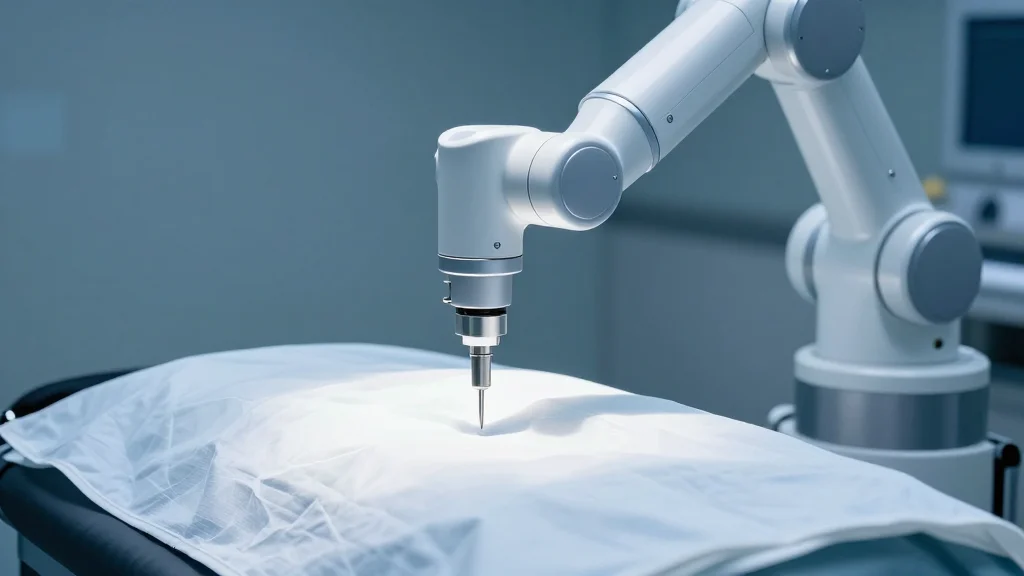
The latest roundup of surgical‑robotics news shows a surge of regulatory wins, funding rounds, and first‑in‑human procedures. Medtronic’s Stealth AXiS platform earned a CE mark and was deployed by U.S. surgeons for the first time, while EndoQuest secured $30 million to...

€4.8m EU-Funded AI Project to Tackle Child Diarrhoeal Disease in Africa
An EU‑funded CARE‑AFRICA project will develop an AI‑driven tablet tool to identify the pathogen behind diarrhoeal disease in children under five across sub‑Saharan Africa. The €4.8 million (about $5.2 million) grant brings together six partners from Europe and Africa to train models...

Have LLMs Improved Patient Outcomes?
The post argues that large language models (LLMs) have yet to demonstrate measurable improvements in patient health outcomes. It references Eric Topol’s review and a Nature Medicine editorial, both noting a paucity of clinical evidence despite hype. While LLMs can...
Why Artificial Intelligence Displacement Threatens Medical Specialties
Artificial intelligence is poised to reshape medicine in a tiered fashion, with pattern‑recognition specialties such as radiology and pathology facing functional AI parity within five to ten years. Protocol‑driven fields like cardiology and endocrinology will see AI‑managed routine care in...

Flickstop
SSI Mantra announced the Vimana drone‑based surgical system, a portable platform that launches autonomous drones to deliver sterile operating kits and real‑time tele‑medicine support to frontline combat zones. The system pairs a lightweight surgical module with AI‑driven diagnostics, enabling medics...

NomosLogic Founder Matt Hardy Launches Lyceum and Odyssey on Dendrite Lite
NomosLogic unveiled two consumer‑facing experiences, Lyceum and Odyssey, on its Dendrite Lite platform. Lyceum delivers a personalized genomic‑literacy quiz generated from a user’s own DNA, while Odyssey presents the genome as a seven‑chapter narrative. Both tools leverage NomosLogic’s Hardy Bridge...
Why Artificial Intelligence in Medicine Cannot Replace Clinical Intuition
A senior pediatric resident recounts a case where chart data suggested a patient with diabetic ketoacidosis was improving, yet subtle bedside cues indicated a looming cerebral edema. The article argues that artificial‑intelligence tools, trained primarily on electronic health record text,...
The Preclinical Signal in Routine Abdominal CT
A Mayo‑MD Anderson team unveiled REDMOD, a radiomics AI model that flags pancreatic ductal adenocarcinoma (PDAC) signals on routine abdominal CTs previously read as normal. The model delivers 73% sensitivity and 88% specificity, offering a median lead time of about...
The Limits of Large Language Models in Clinical Practice
Large language models (LLMs) such as ChatGPT and Med‑PaLM are entering clinical workflows, primarily for drafting documentation and summarizing records. While they can generate fluent, plausible text, they lack true clinical reasoning, can hallucinate misinformation, and inherit biases from training...

Promising New Technique Uses Nanoparticles to Detect Pancreatic Cancer
Scientists at Oregon Health & Science University have unveiled a blood‑based assay that uses an electronic jolt to harvest tumor‑derived nanoparticles, achieving 97% accuracy in detecting pancreatic cancer. The technique, validated in a blinded study of 36 participants, outperforms the...
![AI Is Already Reading Your Dental X-Rays and You Probably Have No Idea [PODCAST]](/cdn-cgi/image/width=1200,quality=75,format=auto,fit=cover/https://kevinmd.com/wp-content/uploads/maxresdefault.webp)
AI Is Already Reading Your Dental X-Rays and You Probably Have No Idea [PODCAST]
In a KevinMD podcast, Dr. Sowjanya Gunukula explained that artificial intelligence is already being used in dental practices to analyze radiographs and provide predictive risk assessments. AI software automatically color‑codes cavities and bone loss on X‑rays, acting as a tireless second...
E-Scopics Announces New FDA Clearance for Hepatoscope® With Expanded Capabilities in Managing Liver Disease Complications, Advanced Elastography Imaging Features, and...
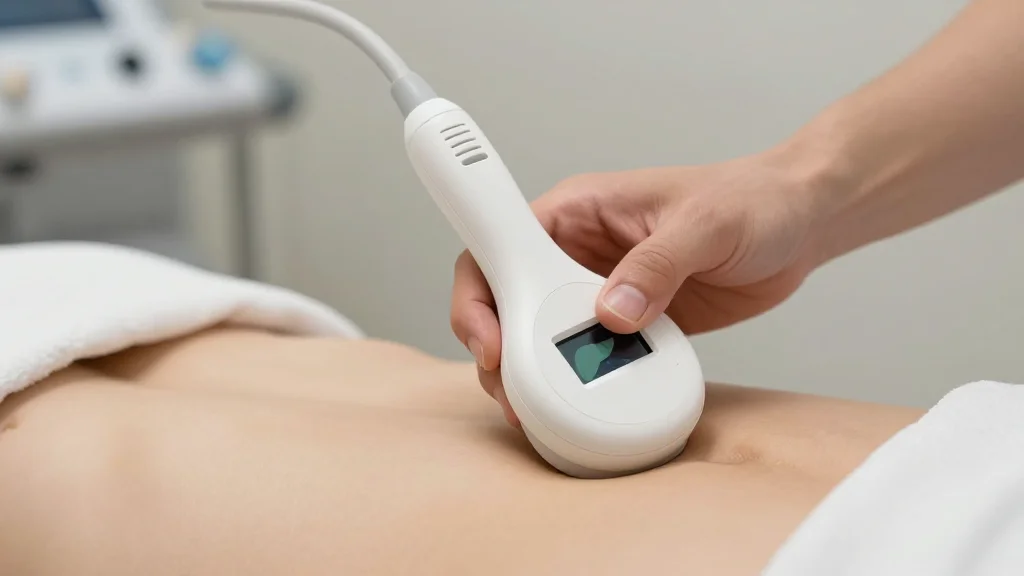
E‑Scopics announced FDA clearance for enhancements to its Hepatoscope® platform, adding a dedicated spleen exam workflow and upgraded 2D transient elastography (2DTE) that complies with IEC 63412‑1. The device now runs on macOS laptops with Apple M3 chips and integrates HL7 FHIR R4...

From Resistance Training to Robotic Surgery, New ASBrS Research Points Toward More Personalized Breast Cancer Care
Four studies presented at the American Society of Breast Surgeons meeting highlight a shift toward less invasive, patient‑centered breast cancer care. A three‑month supervised resistance‑training program boosted strength and body composition across lumpectomy, mastectomy and axillary‑dissection patients. Data showed that...

Photon Just Killed the “E” In E-Prescribing
Photon Health announced a $16 million Series A round led by Healthier Capital to commercialize a consumer‑focused e‑prescribing platform for integrated delivery networks. The solution adds a shopper‑style interface that surfaces price, availability and delivery options, turning the prescription fill into a...
The Fifty Billion Dollar Rural Health Wager
The CMS Rural Health Transformation Program (RHTP) will inject $50 billion over FY26‑30—$10 billion per year—into rural health, dividing each state’s allocation equally and merit‑based. RHTP sits atop a broader federal capital stack that includes HRSA grants, USDA loans, FCC broadband funds,...