
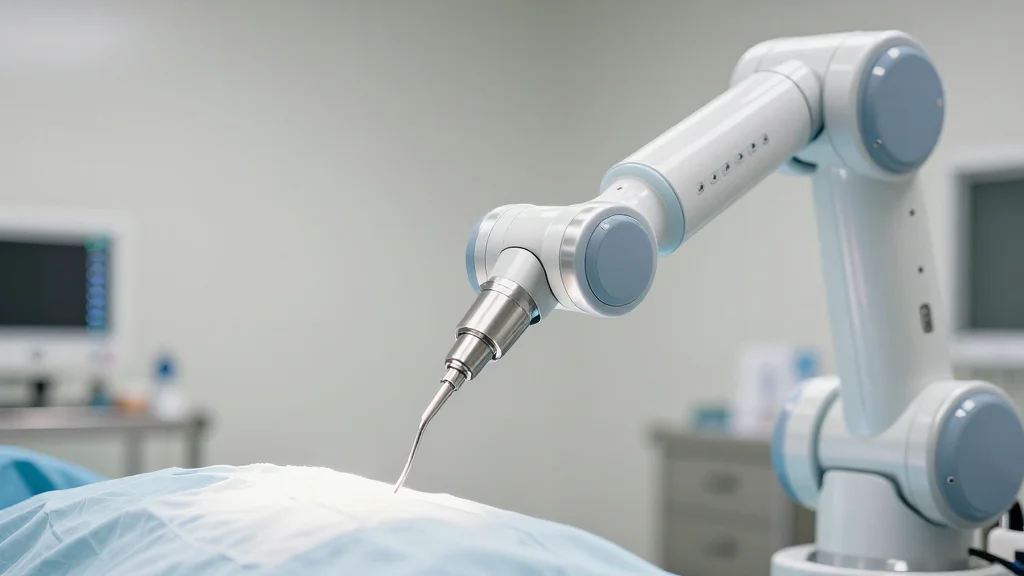
Number of the Day - 1st in World Autonomous Cataract Surgery
Israeli startup ForSight Robotics performed the world’s first fully robot‑assisted cataract surgery using its JASPER platform. The autonomous system completed the entire procedure—from incision to lens extraction—under surgeon supervision, reporting no complications and immediate visual improvement for the patient. The operation demonstrates the viability of AI‑driven micro‑robotics in ophthalmology and sets a precedent for broader adoption of autonomous surgical solutions.

Moving From Reactive to Preventative: The Tech-Led Healthcare Revolution
Wearable health tech has moved from niche gadgets to a global preventive‑care platform, with more than 500 million smartwatch users in 2026 tracking metrics such as heart rate, sleep quality, stress and blood oxygen. The rise of AI‑powered assistants like Claude...

Should Regulators Rely More on AI to Accelerate Drug Approvals?
Regulators, led by the FDA, are testing AI tools to speed drug approval processes. The agency’s pilot projects include AI‑driven real‑time monitoring of clinical trials and automated data review. Proponents argue AI can cut analysis time and uncover hidden patterns,...

How Advanced Mammography Viewers Are Shaping the Future of Breast Cancer Detection
Advanced mammography viewers are delivering sharper, lower‑noise images that help radiologists spot cancers, especially in dense breast tissue. Yet the industry’s biggest hurdle is integrating these tools into real‑world workflows, where speed, usability, and system compatibility dictate whether improved visuals...

The FDA Real Time Clinical Trial Announcement Quietly Dissolves Phase Gates, Breaks Biotech Capital Markets Plumbing, and Opens a Founder...
The FDA announced on April 28 that real‑time clinical trials (RTCTs) are now live, with AstraZeneca’s phase‑2 lymphoma study and Amgen’s phase‑1b small‑cell lung cancer trial streaming data through Paradigm Health. The agency claims a 20‑40 % reduction in development timelines, but...
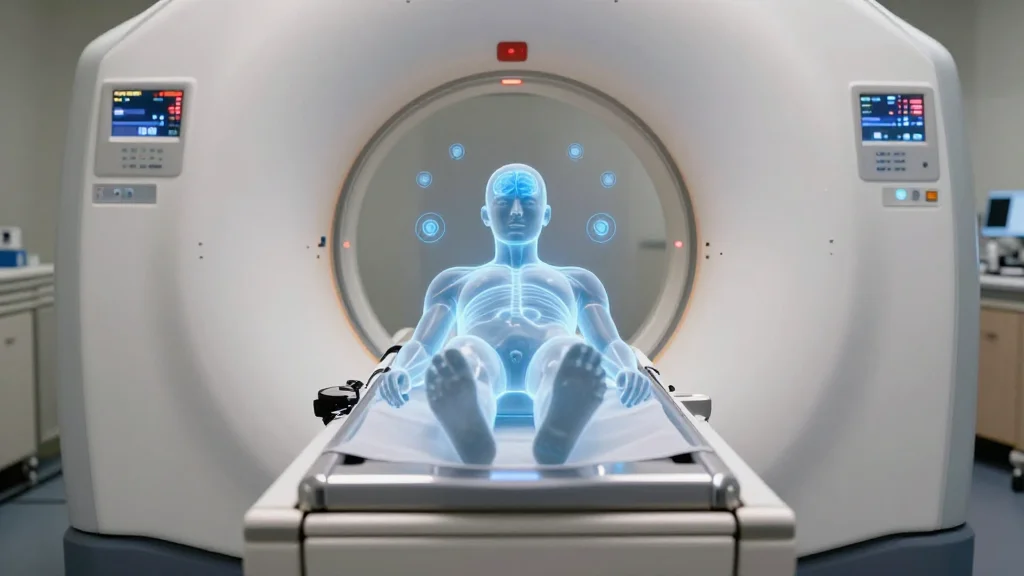
Xtalks Featured Member: Ravindra Kumar, Medical Technologist, PGIMER, Chandigarh
Ravindra Kumar, a medical technologist at PGIMER in Chandigarh, has been highlighted by Xtalks for his work in MRI optimization and radiation dose reduction. He recently completed a phantom‑based chest CT study that improved image quality while lowering patient exposure,...
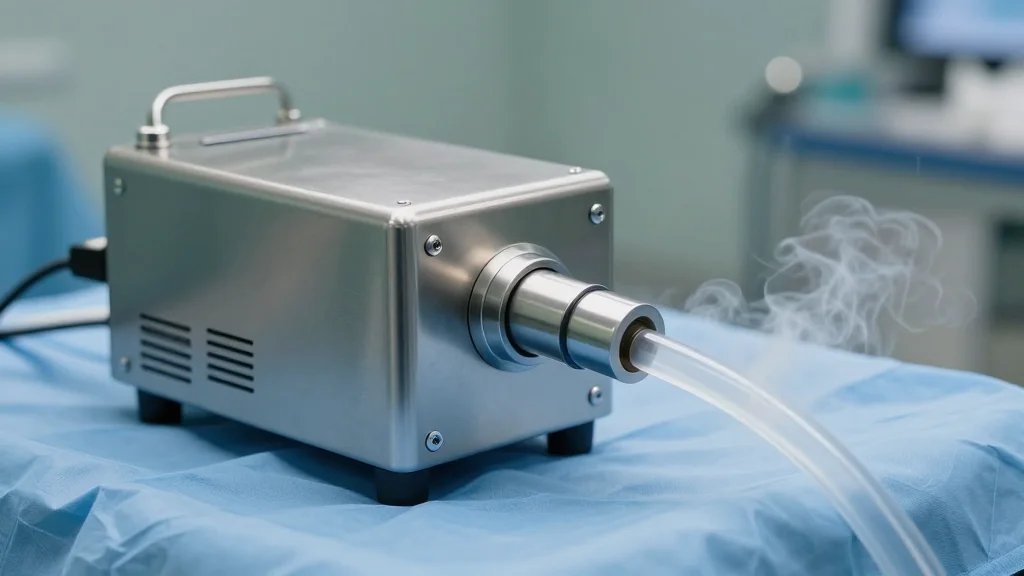
Alesi Surgical Secures £7m to Tackle Hazardous Surgical Smoke in Operating Theatres, Led by IW Capital
Alesi Surgical announced a £7 million (≈ $9 million) funding round led by IW Capital, aimed at scaling its FDA‑approved Ultravision2 smoke‑management platform worldwide. The technology uses electrostatic precipitation to eliminate surgical smoke up to 225‑times faster than conventional suction, improving visibility and...

Addressing the The Turbo-Cancer Epidemic
The article outlines the United States’ current cancer‑screening recommendations from USPSTF and the American Cancer Society, detailing age ranges and test types for breast, cervical, colorectal, lung, and prostate cancers. It also points out that routine screening is not advised...

Sleep Cycle App Now Available in ChatGPT in Sleep Category First
Sleep Cycle has become the first sleep‑category app available through OpenAI’s ChatGPT, allowing its Sleep Aid audio sessions to play directly within the chat interface. The integration lets users who mention difficulty falling asleep receive guided relaxation, soundscapes, and narrated...

AI Moves From Proof-of-Concept to Proof-of-Return
McKinsey’s latest survey shows U.S. healthcare executives moving from experimenting with generative AI to demanding measurable returns. Half of the respondents have already deployed at least one GenAI use case, up from 25% two years ago, and 19% have adopted...
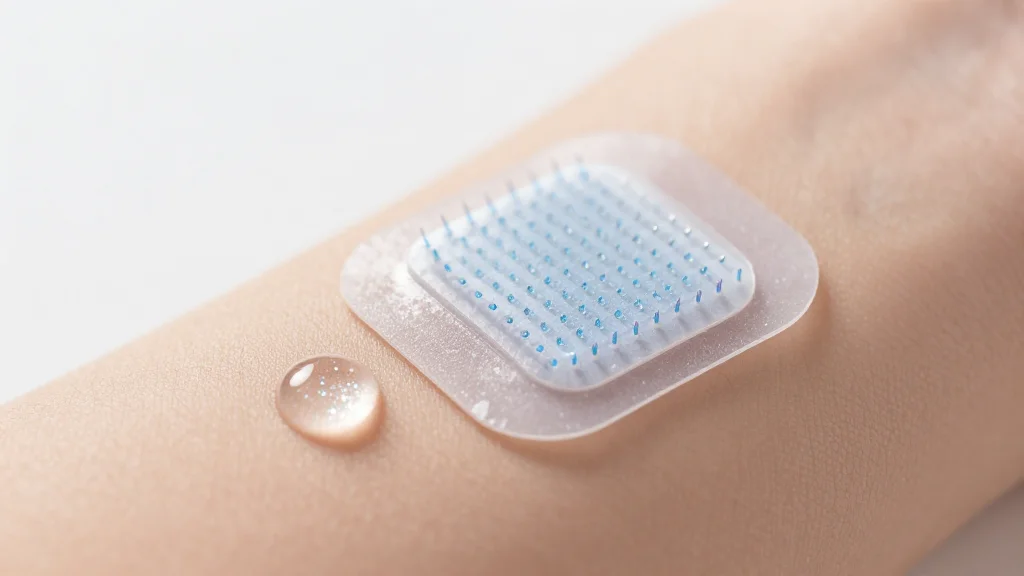
The Nanotechnology Behind Biohacking: What Works, What Is Early, and What Is Hype
Nanowerk’s new guide categorizes nano‑enabled biohacking tools into mature, emerging, and hype‑driven claims. It highlights FDA‑cleared over‑the‑counter glucose monitors and a 2026 microneedle patch that can track multiple biomarkers, while warning that many supplement and peptide claims lack solid human...

AssureCare and Pillr Health Partner to Help Health Systems Tackle Specialty Pharmacy Costs
AssureCare and Pillr Health announced a strategic partnership to embed AssureCare's Akumen analytics platform into Pillr Health's Pharmacy Accelerator solution. The integration gives hospitals real‑time data and AI‑driven predictive modeling to manage specialty pharmacy costs, which are expected to exceed...
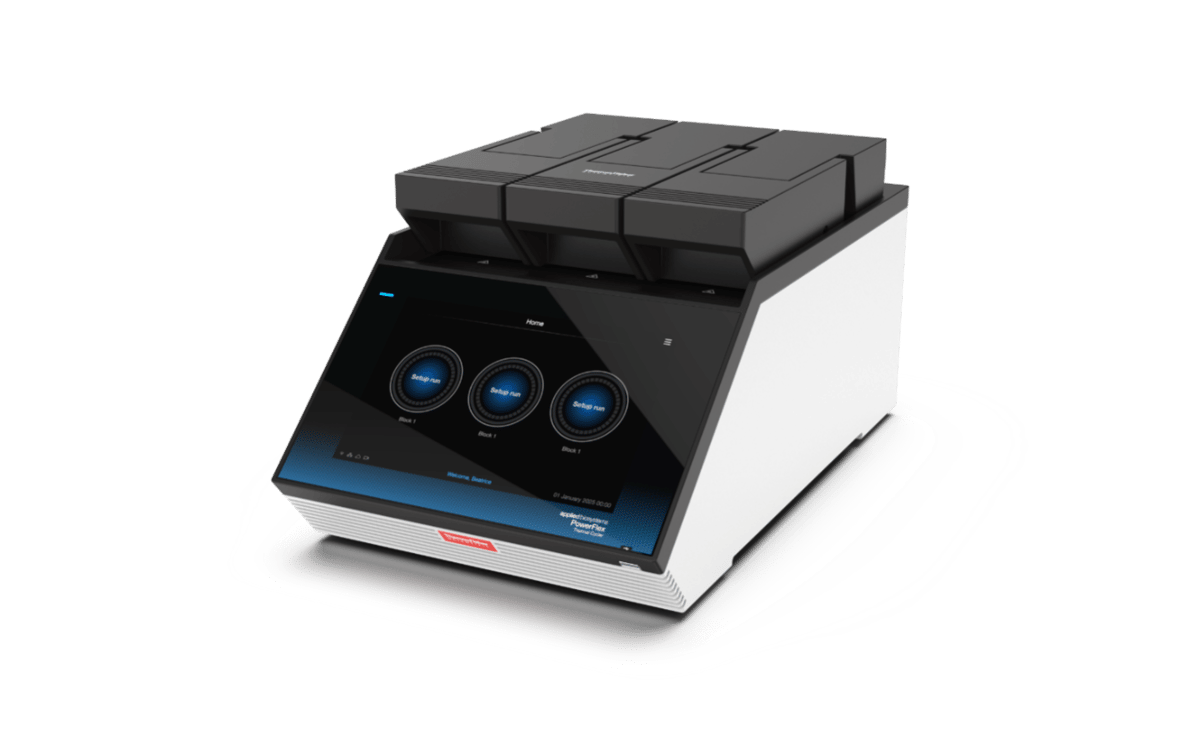
Thermo Fisher Scientific Launches Applied Biosystems PowerFlex Thermal Cycler
Thermo Fisher Scientific unveiled the Applied Biosystems PowerFlex Thermal Cycler, a next‑generation PCR instrument that emphasizes speed, precision, and flexibility. The system features a 10.1‑inch touchscreen, AI‑driven Smart Help, and two configuration options—a 96‑well plate and a 3 × 32‑well layout with...

Nanozymes Against Brain Tumors
Researchers at Empa and HOCH Health Ostschweiz are developing biocompatible nanozymes that can be applied directly during brain‑tumor surgery to attack astrocytoma cells. The nanozymes act like enzymes, generating reactive‑oxygen species and activating drug precursors, and they are triggered by...

&You Is Reimagining Access to Everyday Healthcare
&you is a digital health platform that merges telehealth consultations, prescription services, and home delivery of treatments into a single, user‑friendly experience. Founder and CEO Emil Eriksen says the service targets stigma‑laden areas such as sexual health, dermatology, and wellness,...

Winning over Medtech Investors in the Age of AI
MedTech founders are feeling squeezed by AI hype, which dominates investor dialogue. Dr. Anne Blackwood argues that investors actually value clear clinical evidence, market need, and experienced teams more than flashy AI claims. She outlines five practical steps—lead with the...

PlaqueTec Closes $5 Million Financing
PlaqueTec, a MedTech firm specializing in intracoronary liquid biopsy, announced a $5 million financing round, fully subscribed by existing investors. The capital will fund the expansion of its proprietary cardiovascular data lake, BioCarta, which aggregates proteomic and clinical data from the...

Hospital Patients Can Now View Appointments in NHS App
Hospital patients at every acute NHS trust in England can now view, reschedule or cancel referrals and appointments through the NHS App, covering about 64% of all hospital bookings. The rollout adds to the 41 million registered users, with 15 million logins...

Sheffield’s New Cancer Robot Cuts Its Own Ribbon
Sheffield Hospitals Charity donated a record £1.45 million (about $1.84 million) to install a dual‑console da Vinci Xi surgical robot at Northern General Hospital. The system enables surgeons to perform minimally invasive procedures on lung, oesophageal, stomach, bowel, liver, pancreas and kidney...

Bevey Miner, Consensus Cloud Solutions
Bevey Miner, EVP of Healthcare Strategy at Consensus Cloud Solutions, explained that digital cloud faxing isn’t the interoperability problem—unstructured fax data is. The company’s eFax platform now includes an AI‑driven extraction engine called Clarity, which converts PDFs, TIFFs and scanned...

Word Games: How Moderna Is Selling Its Newest Vaccine without Using the “V” Word
Moderna’s $776 million federal award for a bird‑flu vaccine is under scrutiny after U.S. officials targeted mRNA technology, prompting the company to warn it may halt late‑stage vaccine programs. Simultaneously, Moderna and Merck are advancing an mRNA‑based cancer treatment, which Merck...

MDaudit Launches “Revenue Integrity Redefined” To Help Healthcare Organizations Reclaim Financial Control
MDaudit unveiled its "Revenue Integrity Redefined" campaign, a suite of AI‑driven tools and a maturity‑assessment resource aimed at moving health‑system revenue cycles from reactive denial handling to proactive risk control. The platform’s Meaningful AI framework embeds intelligence across coding, billing...

Ludi Announces Ludi Boost™: New AI-Powered Operating Model & Strategic Services Offering for Provider Workforce Management
Ludi, Inc. unveiled Ludi Boost™, an AI‑enabled compensation platform that bundles advanced technology with a strategic services team of more than 80 experts. The solution consolidates compensation data, governance and administration into a single system of record, promising faster program execution,...

Cellares and Cabaletta Bio Sign 10-Year Commercial Supply Agreement to Scale Rese-Cel
Cellares has entered a 10‑year commercial supply agreement with Cabaletta Bio to manufacture rese‑cel, the company’s autologous CAR‑T therapy for autoimmune diseases, using its fully automated Cell Shuttle and Cell Q platforms. The deal secures long‑term capacity to produce thousands of...

Availity Introduces Availity Extend to Secure Healthcare Automation at Scale
Availity, the nation’s largest healthcare network, launched Availity Extend, a platform that lets payers, providers, and tech partners build automation and AI directly on its network. The solution leverages Availity’s existing connectivity and security framework, enabling workflows to run with live...

Provider Data Management - A Niche but Important Problem | Out-Of-Pocket
CertifyOS tackles the chronic problem of inaccurate provider directories by aggregating data from rosters, CAQH, NPPES, state boards and the providers themselves into a unified, AI‑enhanced golden record. The platform normalizes disparate feeds, tracks changes with audit logs, and offers...

Sensitive Data as Venn Diagram
Healthcare data is split into "Normal" (non‑sensitive) and "Restricted" (sensitive) categories. Sensitive records receive specific sensitivity codes in the FHIR Resource.meta.security tag, creating a Venn diagram of overlapping topics such as Sexual Health, Mental Health, and Substance Use. The tags...

Asembia's AXS26 Summit: How Is Digital Innovation Transforming Programs for Patient Access?
At Assembia’s AXS26 Summit, Syneos Health’s VP Kim Plesnarski explained how digital tools—wearables, sensors, smart pills—are reshaping patient access programs by feeding real‑time data into EMRs and clinician workflows. She emphasized that integrating these solutions early is critical to personalize...

How Personalizing Nutrition Can Manage Inflammatory Bowel Disease
Inflammatory bowel disease (IBD) affects roughly 2.4‑3.1 million Americans and costs the U.S. economy about $50 billion each year. New research highlights that the typical Western diet—rich in refined sugars, vegetable oils, and ultra‑processed foods—disrupts the gut microbiome, increases intestinal permeability, and...

Monday April 27, 2026
Policy and market forces converged this week as CMS and the FDA launched the RAPID coverage pathway, slashing Medicare approval timelines for breakthrough devices from over a year to as little as two months for roughly 40 qualifying products. Meanwhile,...

1st US Town to Deploy Defibrillator Drones for Cardiac Events | Gizmodo
Clemmons, North Carolina, became the first U.S. municipality to deploy drones that deliver automated external defibrillators (AEDs) during live 911 calls. The program, a collaboration between Duke Health and the Forsyth County Sheriff’s Office, launches a drone as soon as...

How Rare Earths Enabled MRI Contrast Agents to Advance Medical Imaging
MRI contrast agents, primarily based on the rare‑earth element gadolinium, have revolutionized diagnostic imaging by highlighting blood flow, blood‑brain barrier disruption, and active disease. By chelating gadolinium into macrocyclic or linear compounds, manufacturers make the metal safe for intravenous use...

4 Questions to Ask About Enterprise AI Drug Dosing
Artificial intelligence is entering the most sensitive clinical workflow—drug dosing—through two divergent paths. In clinician‑driven adoption, tools appear organically but often lack standardization and oversight, while enterprise‑level deployments embed AI within governed workflows, offering traceability and consistency. Health systems are...

Cerus Corporation Announces New, Four-Year Supply Agreement with French Blood Establishment for INTERCEPT Blood System
Cerus Corporation announced a four‑year supply agreement with France’s national blood service, Établissement Français du Sang (EFS), for its INTERCEPT Blood System covering platelets, plasma, and the new LED‑based INT200 illumination device. EFS distributes roughly 330,000 platelet units each year...

VVARDIS Announces Investment From Apollo —Achieves Unicorn Status
vVARDIS Holding AG announced a strategic minority investment from Apollo‑managed funds, propelling the Swiss dental‑med tech firm into unicorn status with a valuation north of $1 billion. The capital will finance the next phase of global commercial expansion for its Curodont™...

TriFetch Comes Out of Stealth to Automate the Administrative Work that Slows Specialty Clinics
TriFetch announced a $1.9 million pre‑seed round led by Nexus Venture Partners to commercialize its AI‑driven automation platform for independent specialty clinics. The solution automates patient calls, referral routing, and prior‑authorization workflows, integrating directly with existing clinic systems without requiring EHR...

How RFID Is Reshaping Health and Wellness Supply Chains: Q&A with Suresh Palliparambil
Impinj’s SVP Suresh Palliparambil explains how the latest RAIN RFID Gen2X chips deliver true item‑level visibility across health‑and‑wellness supply chains. The Gen2X standard, launched in December 2024, improves tag sensitivity, read range and filtering, enabling reliable reads of small, liquid‑filled...

Precipio (PRPO): Advanced Blood Diagnostics
Precipio (PRPO) showcased its dual‑model strategy in a live MicroCapClub interview, highlighting a low‑cost BCR‑ABL assay developed for under $100,000—far cheaper than the $5‑10 million industry norm. The company reported a 30% revenue increase in 2025, achieving its first profitability inflection...

Article Intro - Open-H to Support Foundation Models in Surgical Robotics
The Open-H-Embodiment Consortium, coordinated by NVIDIA and Johns Hopkins, released the largest open dataset of medical‑robotic video paired with synchronized kinematics. Spanning more than 49 institutions and six robot platforms—including da Vinci, Versius, and MIRA—the collection covers surgical manipulation, ultrasound, and...

Half of AI Health Answers Are Wrong Even Though They Sound Convincing
A study published in BMJ Open evaluated five popular AI chatbots—ChatGPT, Gemini, Grok, Meta AI and DeepSeek—by asking them 250 health‑related questions across cancer, vaccines, stem cells, nutrition and athletic performance. Independent experts rated the answers, finding that roughly 20%...

Rapid Nanofiber Spinning Fills the Gap in Small-Diameter Vascular Grafts
Researchers at Harvard have demonstrated a focused rotary jet spinning (FRJS) process that fabricates custom small‑diameter vascular grafts in minutes. The technique produces nanofiber scaffolds with tunable architecture, achieving 0.5 mm inner‑diameter tubes in under 90 seconds and larger 10 mm grafts...

Why Those Outside Healthcare Control Its Future
The article argues that external forces—big‑tech, finance, employers, and regulators—are reshaping the U.S. health system faster than traditional insiders can adapt. It highlights how AI tools, private capital, and shifting public expectations are driving cost‑cutting and transparency initiatives. Recent data...

This Week: Gene Editing Babies-Life Saving Science or Risky Business?
The debate over human germline editing intensified as two startups, Manhattan Genomics and Bootstrap Bio, folded after months of scrutiny, while Preventive announced a $30 million funding round backed by Coinbase CEO Brian Armstrong and OpenAI CEO Sam Altman. The controversy...
Flickstop
Flickstop’s latest post showcases a chart ranking the top ten surgical robots worldwide for 2026, detailing each system’s rank, country of origin, manufacturer, and specialty. Earlier entries highlight a pandemic‑response robot designed for material handling, disinfection, temperature checks, and patrol...
How Blood-Based Brain Biomarkers Predict Alzheimer’s Progression
Recent research highlights plasma phosphorylated tau217 (p‑tau217) as the most accurate blood‑based marker for forecasting Alzheimer’s disease, achieving up to 96% diagnostic precision. Elevated p‑tau217, together with GFAP, neurofilament light chain and low amyloid‑beta ratios, predicts incident dementia, while obesity...

Hippocratic AI Expands Footprint, Partners with Leading Health Systems to Improve Patient Outcomes
Hippocratic AI announced new collaborations with Cincinnati Children’s, UNC Health and the Gift of Life Marrow Registry, extending its safety‑first generative AI tools across pediatrics, primary‑care scheduling and donor outreach. The company’s AI Front Door and Nurse Co‑Pilot are now...

Liquid Metal Nanoparticles Freeze Into Spikes that Kill Drug-Resistant Cancer
Researchers have engineered bismuth‑doped gallium liquid‑metal nanoparticles that become spiky during freezing, puncturing cancer cells and killing drug‑resistant lung, colorectal and ovarian tumor organoids. The alloy reduces supercooling, raising the fraction of deformable particles from 2% to roughly 10% and...

Building a Better Delivery System for Gene Editing Machines by Re-Engineering the Cellular Factory
A genome‑wide knockout screen conducted by the Whitehead Institute revealed specific producer‑cell genes that govern the assembly and potency of virus‑like particles (VLPs) used for gene‑editing delivery. Disabling a single brake gene dramatically increased guide‑RNA loading, boosting particle potency across...

ChatGPT for Clinicians: The Trap Sprung
OpenAI unveiled ChatGPT for Clinicians, a free GPT‑5.4‑powered assistant for verified U.S. physicians, nurse practitioners, physician assistants and pharmacists. The tool offers peer‑reviewed literature search, reusable workflow templates such as referral letters and prior authorizations, deep journal research, and built‑in...

Lantern Pharma to Debut Public Demonstration of withZeta.ai – A Platform to Conquer Rare Cancers on April 30 Following AACR...
Lantern Pharma announced a public, unscripted demonstration of its withZeta.ai AI co‑scientist platform on April 30, 2026. CEO Panna Sharma will lead two live sessions—morning and afternoon ET—to showcase real‑time drug‑discovery workflows for rare cancers. The event follows the platform’s...