
Claude Legal Is Here, and It’s Worth a Closer Look
Anthropic launched the Claude Legal plugin in February 2026, bringing its Claude AI directly into legal workflows via the Claude CoWork desktop app. The tool handles document review, contract drafting, and research, delivering accurate case citations and strategic insights without requiring a separate legal‑software subscription. Early adopters report dramatically faster contract reviews and deeper analysis than traditional AI‑enabled research tools. Pricing starts at $20 per month for Claude Pro, with Claude Max plans ranging to $200 depending on usage.
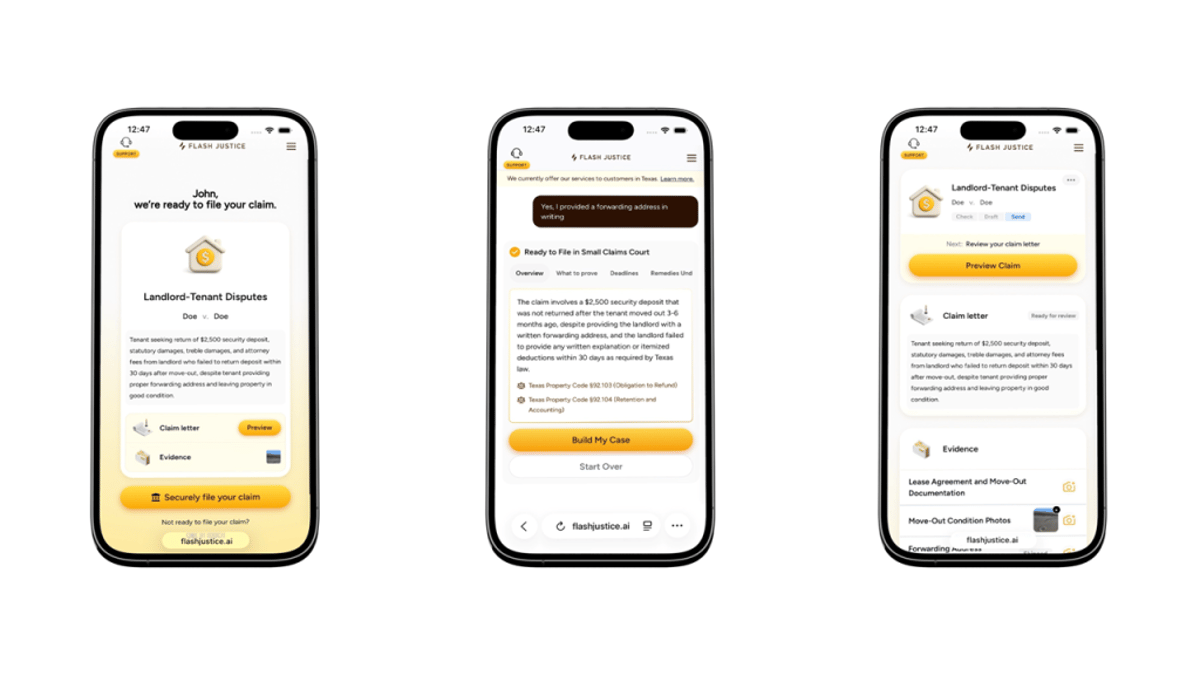
Flash Justice Aims to Take Small-Claims Plaintiffs Not Just to the Form, But All the Way Through Filing
Flash Justice, an Israeli‑origin legal‑tech startup, launched in Texas in January as a certified electronic filing service provider. The platform guides users through the entire small‑claims process—intake, jurisdiction identification, document drafting, service, and e‑filing—via an AI‑driven workflow, charging a $99...
Abstract Brings AI-Powered Legislative Intelligence to Law Firms and Corporate Legal Teams
Abstract, a New York‑based legal‑tech startup, has launched an AI‑powered platform that adds an “intelligence layer” to legislative monitoring. The system builds client profiles from public and confidential data, scoring bills and regulations even when they lack industry‑specific keywords. It offers...

Freshfields and Anthropic Enter Multi-Year Collaboration Agreement
Global law firm Freshfields Bruckhaus Deringer has entered a multi‑year collaboration with AI startup Anthropic to accelerate co‑innovation and firm‑wide adoption of generative AI. The partnership gives Freshfields direct access to Anthropic’s Claude language models and joint research resources to...
Freshfields Now Partners With Anthropic
Freshfields has entered a close partnership with Anthropic to embed its Claude AI across the firm’s 5,700 lawyers and staff in 33 offices worldwide. The collaboration will roll out Claude’s suite of products, co‑develop agentic legal workflows, and integrate Anthropic’s...
Legora Acquires Qura to Add Legal Research to Its Tech Stack
Legora announced the acquisition of Qura, a Stockholm‑based legal database that aggregates case law, legislation, and regulatory content. The deal adds a robust legal research layer to Legora’s existing artificial‑intelligence platform, allowing users to query primary sources alongside predictive analytics....

The AI Risk You Did Not Deploy, Cannot See, and Are Fully Liable For
Enterprises are grappling with a hidden wave of "shadow AI" as employees increasingly use free generative AI tools without approval. Research shows that organizations upload an average of 8.2 GB of sensitive data each month to unsanctioned applications, exposing proprietary research,...
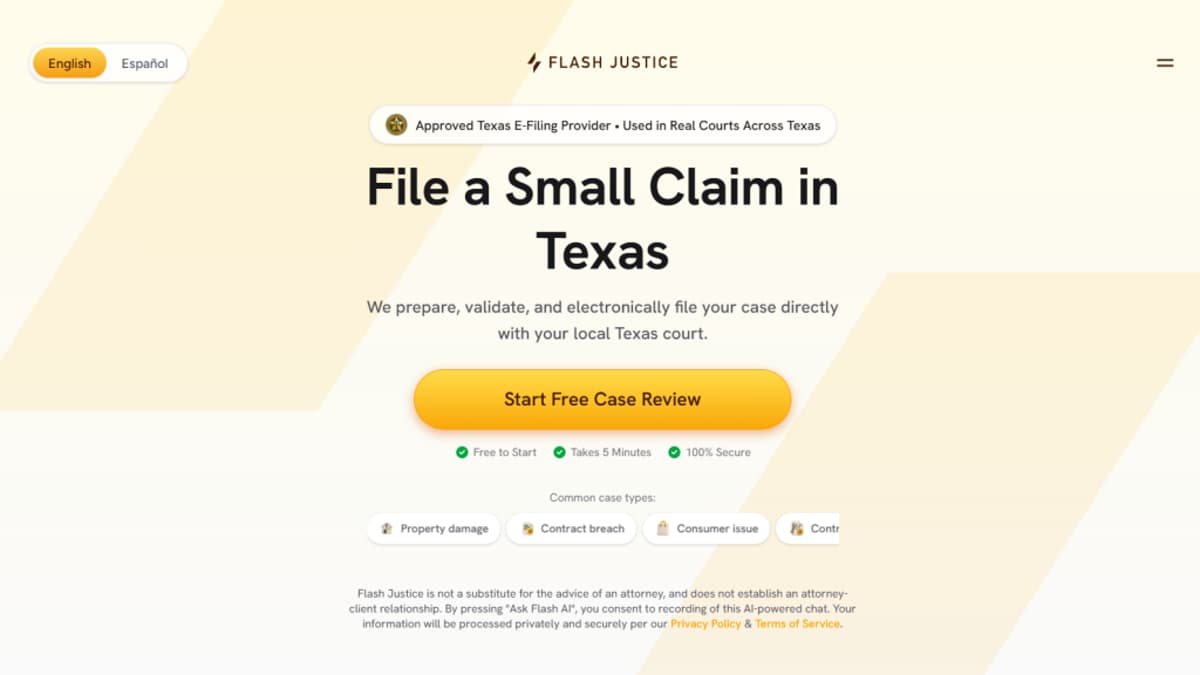
Flash Justice Aims to Take Small-Claims Plaintiffs Not Just to the Form, But All the Way Through Filing
Flash Justice, a Texas‑based legal‑tech startup, has launched an end‑to‑end service that guides small‑claims plaintiffs from a free case review through automated form completion to electronic filing with the district clerk. Priced at $199 per claim, the platform promises filing...
Abstract Brings AI-Powered Legislative Intelligence to Law Firms and Corporate Legal Teams
New York‑based startup Abstract unveiled an AI‑driven legislative intelligence platform at Legalweek, promising law firms and corporate legal departments real‑time monitoring of federal and state regulatory activity. The service uses large‑language models to ingest bill texts, extract key provisions and...
Next Gen CoCounsel To Offer ‘Fiduciary-Grade’ Legal AI
Thomson Reuters announced the next‑generation CoCounsel Legal AI, now in beta, touting “fiduciary‑grade” capabilities that match a senior associate’s performance. The platform, built on Anthropic’s Claude Agent SDK, integrates patent‑pending citation‑integrity tools and verification as core system primitives, ensuring outputs...
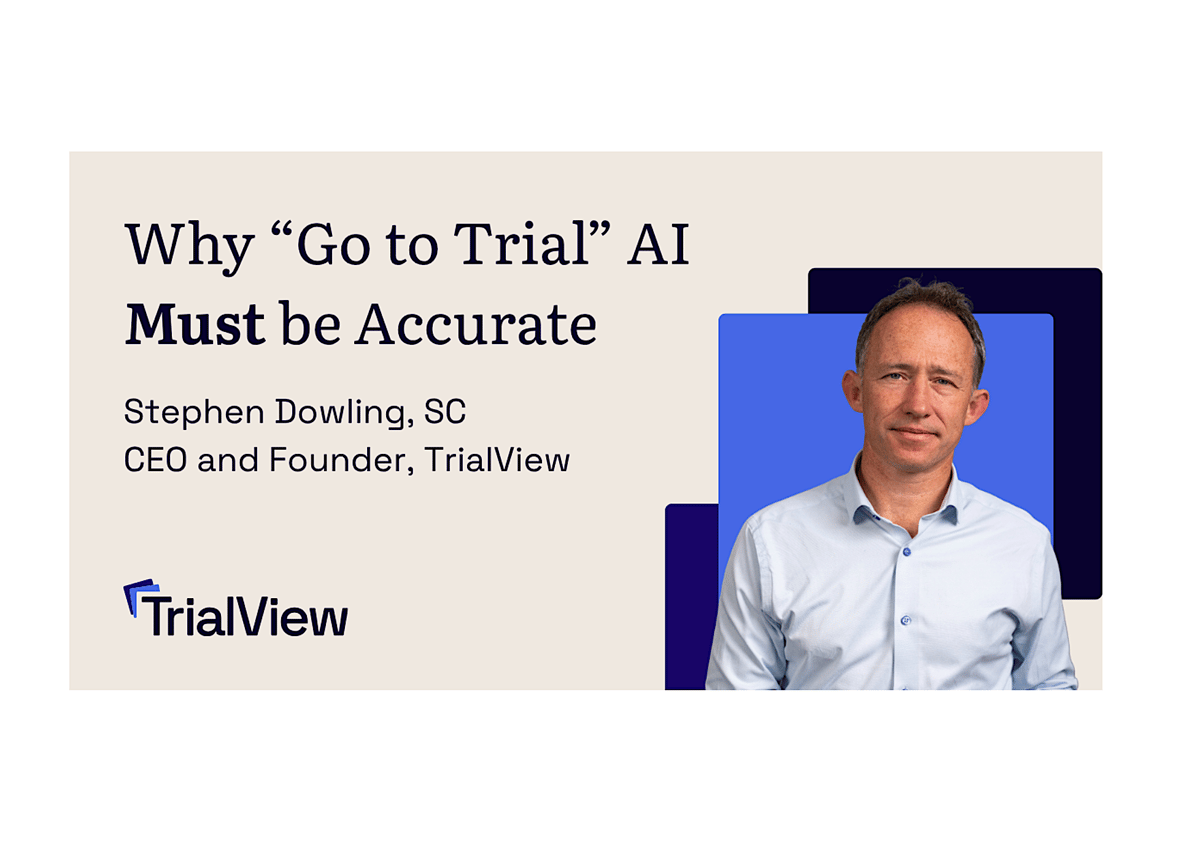
Why ‘Go to Trial’ AI Must Be Accurate
TrialView’s CEO Stephen Dowling argues that AI used for "Go‑to‑Trial" must be highly accurate, not merely fast. The platform’s Case Intelligence engine claims 99 % accuracy and completeness across tens of thousands of pages, overcoming traditional keyword‑search limits and the context‑window...
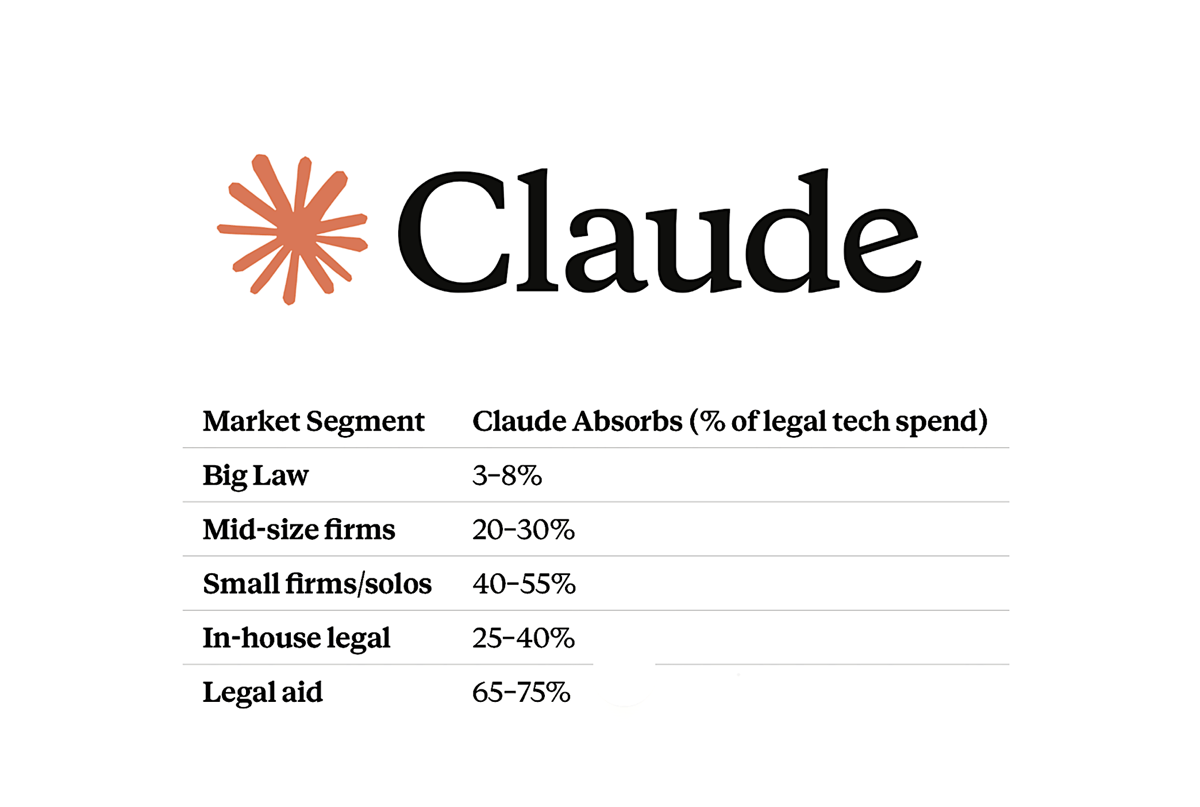
‘Claude Can Absorb Up To 40% of Inhouse Legal Tech Spend’ – Claude
Anthropic says its Claude model could absorb 25%‑40% of in‑house legal‑tech spend over the next three to five years, driven by a Word add‑in and custom plug‑ins. By contrast, Big Law firms are projected to shift only 3%‑8% of their...

Sam Bock, Relativity: 3 Adversaries You Might Meet Negotiating an AI-Friendly ESI Protocol
Sam Bock’s Relativity piece warns that an AI‑friendly ESI protocol can make or break an e‑discovery project. He outlines three typical adversaries—opposing counsel, IT teams, and data custodians—who can complicate negotiations. The article stresses early collaboration between clients and technologists...

Reveal: Advanced ESI Analysis: Metadata, Timelines & Insights
Reveal’s guide stresses that effective electronic stored information (ESI) analysis starts with a clear investigative question, not indiscriminate data collection. It outlines a disciplined workflow: define custodians, date ranges, and sensitive categories, then preserve source data to protect metadata integrity....

Jon Campisi: Firms Need Capital to Pay for AI Tools. Could PE Investment Be the Solution?
Law firms, traditionally organized as cash‑distribution partnerships, often end the fiscal year with little retained earnings. This liquidity crunch hampers their ability to fund AI infrastructure or lease third‑party platforms, both of which demand significant upfront spend. Private equity firms...

Guest Post: The Intake Form Is Dead. Long Live the Template.
Legal AI is moving beyond drafting assistance to automate the intake stage of contract workflows. Traditional long intake forms and manual data extraction are being replaced by AI that parses emails, term sheets, and meeting notes, then populates structured fields...

AI And Billing: Flipping The Switch On The Bane Of Lawyers’ Existence
Elite introduced its new Validate AI tool to overhaul law‑firm billing, targeting the long‑standing pain point of clunky, error‑prone invoicing. The platform promises automated compliance with billing guidelines, real‑time client communication, and analytics that cut write‑offs by challenging third‑party bill...

Global Legal Tech Alliance Forms to “Shape the Future of AI-Enabled Legal Services”
Hogan Lovells has joined more than fifteen leading firms to launch the Global Legal Tech Alliance, a cross‑border network aimed at shaping AI‑enabled legal services. The alliance will develop shared standards, co‑create solutions for complex workflows, and deliver training through the...

Asda Selects Definely to Speed up Complex Contract Reviews
British supermarket Asda has chosen Definely’s Proof tool to streamline its in‑house legal team’s contract reviews. The Microsoft Word‑native solution automates document analysis, highlighting definition flows, broken cross‑references and linked obligations. Early adoption shows the platform delivering tangible efficiency within...

While You Were Awai: EDiscovery Landscape Evolves
The eDiscovery field is shifting from email‑centric processes to a post‑email world dominated by collaboration tools like Slack, Teams and Discord. Legacy review platforms still treat chat threads as static, 24‑hour documents, breaking conversational flow and impairing search accuracy. This...

Guest Post: The Intake Form Is Dead. Long Live the Template.
Legal AI is moving away from static intake forms toward dynamic, AI‑generated templates that streamline client onboarding. The post argues that traditional forms create bottlenecks, while template‑driven workflows automatically capture and structure client information. Josef’s Rapid Ingestion Engine illustrates this...

Bruce Interviewed About Agentic AI
Bruce sat down with Sidebar Advisors founder Niraj Chhabra to discuss the rise of agentic AI and its looming impact on law firms. The interview, now available on Spotify, Apple Podcasts, and Buzzsprout, delves into how autonomous AI systems could reshape...
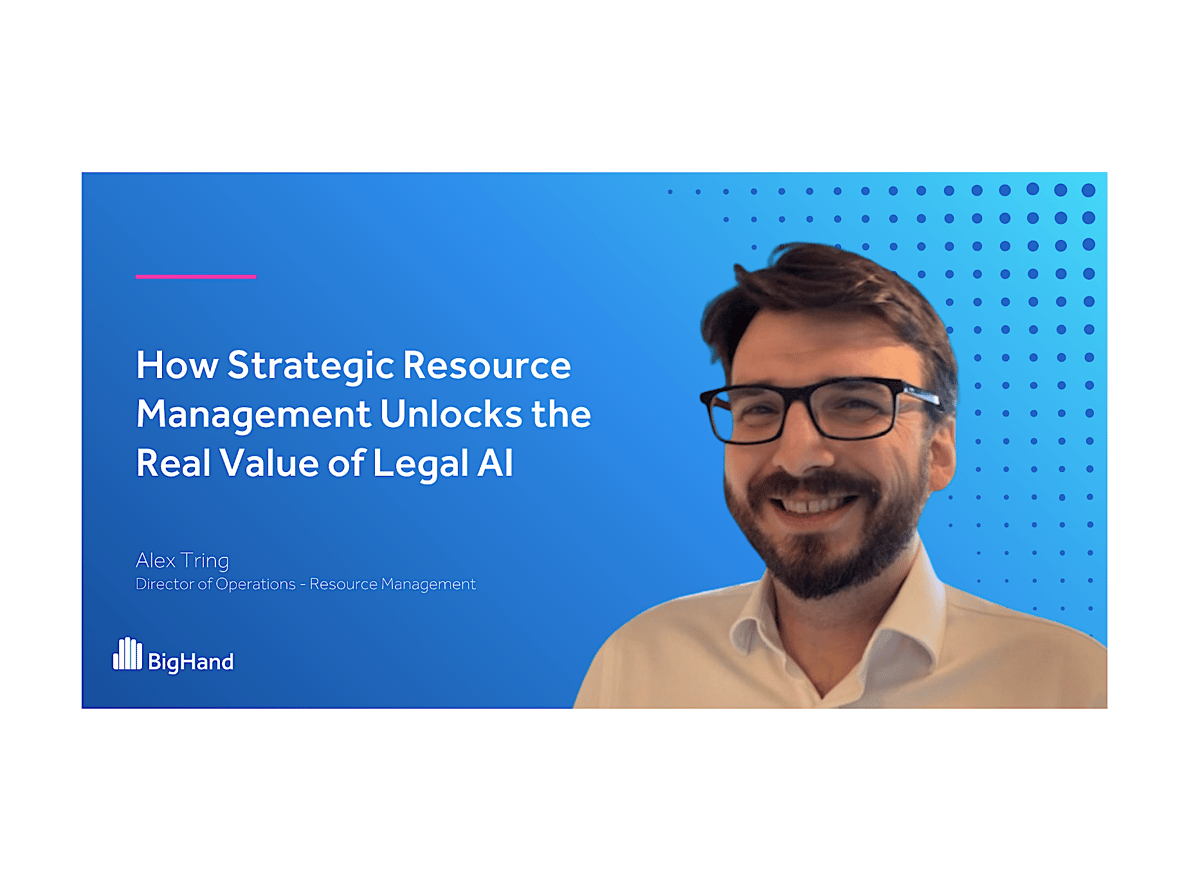
How To Unlock the Real Value of Legal AI
Legal AI adoption hinges on firms understanding workforce strategy, not just technology. By embedding AI into lawyer workflows with clear purpose, firms can redesign development pathways and keep junior talent engaged. Data‑driven resource management provides the visibility needed to allocate...

How AI Will Transform The Legal Business Model
Olivier Chaduteau, founder of the AI‑native Day Two consultancy, explains how embedding artificial intelligence has dramatically lifted his firm’s revenue compared with the pre‑AI Day One model. He outlines three adoption phases—initial skepticism, superficial licensing, and the current Phase 3 where...

An AI Screw-Up By... Sullivan & Cromwell?
Sullivan & Cromwell filed a Chapter 15 motion that contained AI‑generated citation errors, prompting senior partner Andrew Dietderich to send an apology letter to Chief Judge Martin Glenn. The mistakes were flagged by rival firm Boies Schiller Flexner, which itself has a history of...
Gen AI Disruption Is Hitting Legal Research. Are Legacy Players Under Threat?
Generative AI tools are reshaping legal research, challenging entrenched providers such as Westlaw and LexisNexis. Startups like Casetext and Klarity are leveraging large language models to deliver instant case law summaries, citation analysis, and predictive outcomes. Legacy firms are responding...

The Oreo Cookie Method: How to Get the Best of Human Expertise and AI in Contract Review
The Oreo Cookie Method is a five‑step, tool‑agnostic workflow that places two attorney‑led reviews around AI‑driven redlining. By having lawyers set context, direct AI playbooks, run general reviews, and perform targeted clean‑ups, the process captures AI speed while preserving human...

Clio Work, Clio’s AI Workspace, Is Now Available To Solo and Smaller Law Firms As A Standalone Product
Clio has released its AI‑driven workspace, Clio Work, as a standalone product, ending the requirement for firms to also subscribe to its practice‑management platform, Clio Manage. The tool, built on a billion‑document legal corpus acquired through the $1 billion vLex purchase,...

DeepJudge + Epiq Advisory Partner For KM Implementation
DeepJudge, an AI‑driven knowledge‑management startup, has teamed up with Epiq Advisory, the consulting arm of legal‑tech conglomerate Epiq, to deliver structured AI implementation and governed workflow adoption for law firms. The partnership promises to translate DeepJudge’s enterprise search and AI...

Agentic AI Liability: Managing Accountability in Autonomous Legal Workflows
Agentic AI is moving legal work from discrete, human‑driven tasks to autonomous, end‑to‑end workflows that can research, draft, and file without constant supervision. While firms retain full professional liability, the risk profile shifts from isolated output errors to systemic failures...

How Using AI Skills for Law Firm Workflows Can Turbocharge Your SOPs
Law firms are replacing static standard operating procedures with custom AI Skills built inside Claude, an advanced language model. These Skills are plain‑text markdown files that encode drafting rules, intake steps, and billing preferences, allowing the AI to execute tasks...
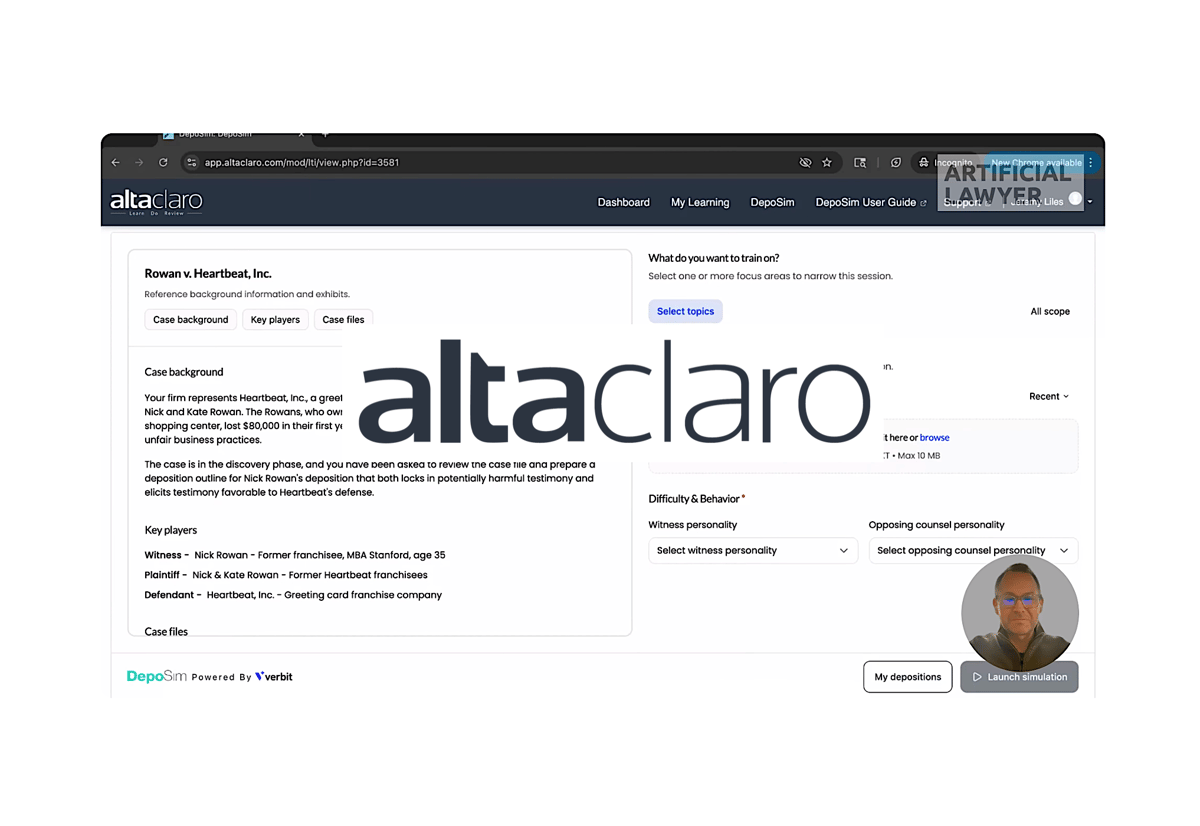
Product Walk Through: DepoSim – AltaClaro
AltaClaro’s DepoSim, built with Verbit.ai, is an AI‑powered deposition simulator that lets attorneys rehearse live oral depositions with virtual witnesses, opposing counsel, and court reporters. The platform delivers structured, rubric‑based feedback within minutes, offering repeatable, on‑demand practice. By automating speech...
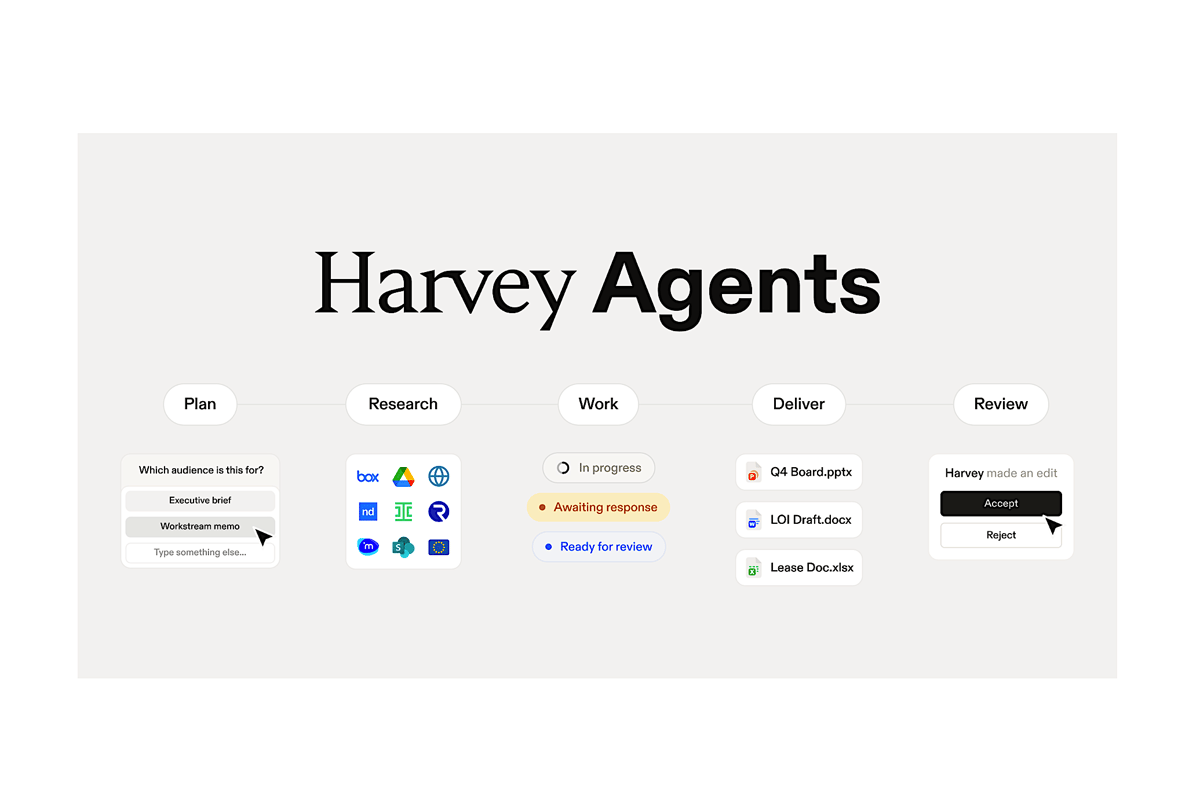
Intelligence, Rearranged: How Agents Are Changing Legal Work
Harvey’s new long‑horizon AI agents move beyond checklist‑driven tasks to self‑directed reasoning, allowing them to plan, research, iterate, and deliver complex legal work autonomously. The platform now runs over 700,000 agentic tasks daily and extracts more than 50 million terms each...

LexisNexis and Luminance Announce Partnership to Embed Protégé Inside Luminance’s Contract Platform
LexisNexis and Luminance announced a partnership that embeds the Protégé AI assistant inside Luminance’s contract‑negotiation platform. The integration lets in‑house legal teams ask legal questions directly through Luminance’s natural‑language interface, Lumi, and receive AI‑generated answers. A migration path to Lexis+...
Lawyers Using ChatGPT: Let’s Be Careful
Lawyers are increasingly feeding confidential client information into ChatGPT, relying on the platform’s privacy toggle for protection. Recent analysis warns that the toggle does not guarantee data confidentiality and may conflict with Model Rule 1.6, which governs lawyer‑client privilege. The piece...
Lawyers Using ChatGPT: Let’s Be Careful
Lawyers are increasingly turning to ChatGPT for rapid drafting, but the tool’s privacy toggle may not shield client data as required by Model Rule 1.6. The article warns that confidential information entered into public‑facing AI can be retained, potentially creating a...
The Legal Research Renaissance: What's Behind the Explosion of New Startups?
Legal research startups are booming in 2026, with more than 150 new firms launching in 2025 and collectively raising roughly $1.2 billion. The surge is driven by generative AI breakthroughs that cut research time dramatically, expanding data licensing agreements, and a...

Guest Post- AI Refusal in Legal Research Instruction – Part 1: Introduction
Ben Doherty, head of library instruction at the University of Virginia Law School, proposes an AI‑refusal policy for his Advanced Legal Research (ALR) course beginning Spring 2027. He argues for a return to analog, process‑based teaching methods—poster‑board charts, handwritten work,...
'It's Going to Happen': Harvey CEO Details Why AI Is Here to Stay in the Legal Industry
Harvey CEO Winston Weinberg told a NYU Law audience that artificial intelligence is no longer a pilot project but a core component of modern legal practice. He highlighted how Harvey’s AI platform accelerates contract review, document drafting, and litigation finance...

Stanford’s 2026 AI Index Highlights Rapid Growth and Widening Governance Gaps
Stanford’s 2026 AI Index shows AI adoption accelerating while governance lags. Documented AI incidents climbed to 362 in 2025 and the Foundation Model Transparency Index fell to 40 out of 100, with 80 of 95 notable models released without training...

Claude Meets Word
Anthropic launched the public beta of Claude for Word on April 10, initially limited to Team and Enterprise customers. A week later the rollout expanded to include Pro and Max subscribers, who can also leverage the newly released Opus 4.7 model....

Litera Announces Global Integration of Compare with Google Workspace
Litera announced a global integration that embeds its Compare document‑comparison and redlining tool directly into Google Workspace, giving law firms and corporate legal teams access via Google Drive. The integration also bundles Litera’s AI legal assistant, Lito, at no extra...

Negligence & AI: Can the Courts Keep Up?
U.S. courts are confronting a surge of AI‑related negligence lawsuits in the absence of any federal standard defining harmful AI use. Plaintiffs are leveraging common‑law tort theory to hold developers, integrators, and even end users accountable for design flaws, inadequate...

Legal Talk Africa 2026
Legal Talk Africa 2026 launches a 16‑city roadshow tackling the lawyer’s dilemma in a digital ecosystem. The conference showcases experts on AI‑driven legal orchestration, blockchain‑based tokenised law firms, RegTech compliance, and cross‑border payment security. Sponsored by major legal‑tech firms such...

Orange Rag Insights: After Adoption – The Next Challenges for AI-Enabled Legal Functions
Legal operations leaders at ArcelorMittal, Dentsu and Syngenta discuss the next phase after AI tool adoption, focusing on advanced use cases, value proof, and governance. They highlight a shift from measuring sentiment to tracking specific workflow usage and monetary savings,...

Episode 406 — AI Risks and Compliance – Building a Governance Framework
Artificial intelligence is reshaping enterprise workflows, but it also brings heightened legal, ethical and compliance exposures. The podcast highlights accelerating AI risks such as data leakage, algorithmic bias, over‑reliance on flawed outputs, and hidden third‑party vulnerabilities. It argues that AI...

The Billable Hour’s Information Problem in eDiscovery
The billable hour, originally a management tool for internal legibility, has become the default pricing mechanism in eDiscovery, shaping labor incentives and client transparency. As AI automates document review and analysis, the time‑based model reveals its inefficiency, prompting legal operations...

Is Your AI Risk Assessment Ready? (Part 1)
The article warns firms against handing compliance duties to ChatGPT without a structured approach. It outlines the first three steps of an AI risk assessment: establishing an enterprise‑wide governance body, performing a use‑case specific risk assessment, and pinpointing whether risks...
Legal Tech-Owned &Lsquo;Hybrid Law Firms' Are Growing. Why Now?
Hybrid law firms backed by legal‑tech investors are experiencing rapid growth as generative AI reshapes service delivery. AI‑driven platforms now handle routine document drafting, research, and compliance checks, allowing firms to operate with leaner staff and lower overhead. In 2025,...

When Agents Act: The Rule 26(f) Disclosure Threshold for Agentic AI in eDiscovery
A Colorado magistrate judge in Morgan v. V2X, Inc. required a pro se plaintiff to disclose the generative‑AI tool used on confidential discovery material, setting a template for protective orders involving AI. The ruling affirmed that AI‑assisted outputs remain work...