Aging Shares Disease Hallmarks, May Be Treatable
Is aging a disease? These authors reflect: “Disease is commonly defined as an abnormality of bodily structure or function, distinct from direct physical injury (Bulterijs et al., 2015). Whether ageing itself constitutes a disease has long been debated in the fields of gerontology, medicine, and bioethics. Ageing shares multiple features with pathological conditions, including progressive functional decline, accumulation of molecular damage, and increased susceptibility to chronic diseases, yet its universal and intrinsic nature has complicated its formal classification as a disease (Li et al., 2024, Tenchov et al., 2023). A major argument supporting the disease-like view of ageing is the recognition that ageing and chronic diseases are driven by overlapping biological mechanisms, including genomic instability, telomere attrition, epigenetic alterations, mitochondrial dysfunction, chronic inflammation, and cellular senescence, collectively conceptualized as the “Hallmarks of aging” (López-Otín et al., 2023). The modifiability of these processes by interventions such as caloric restriction, senolytics, and geroprotective agents has further reinforced the notion that ageing is a biologically regulated and potentially actionable process (Le Couteur et al., 2012). In parallel, the inclusion of “old age” as a health-related condition in ICD-11 (code MG2A) reflects increasing recognition of ageing within clinical and health policy frameworks, without formally defining it as a disease (Rabheru et al., 2022).“ They additionally note a “widely adopted intermediate framework in which ageing is conceptualized as a modifiable biological risk factor that predisposes individuals to multiple chronic diseases… [and that] the geroscience paradigm embodies this view by proposing that targeting core ageing mechanisms can delay or prevent a broad spectrum of age-related diseases without redefining ageing as a disease.” Ultimately, these authors argue that the practical value of targeting aging-related mechanisms stands on its own, regardless of whether aging is formally classified as a disease. Geroscience doesn’t depend on that debate. What makes it so powerful is its focus on the biology of aging itself, with the goal of extending both youthspan and healthy longevity.
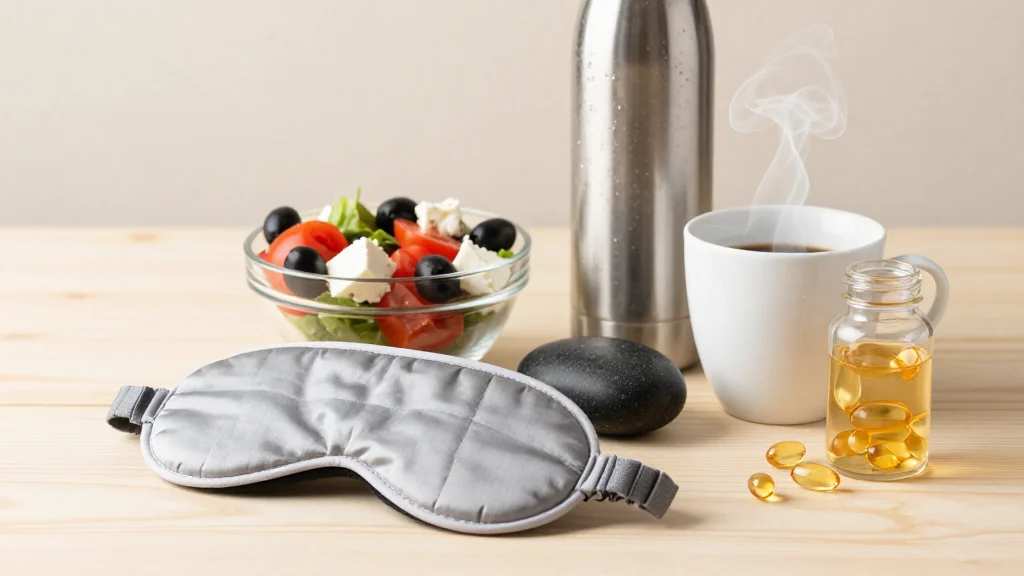
Sleep, Sprint, Mediterranean Diet Top Health Priorities
Health habits tierlist: - Sleep 7-8h: 10/10 - Sprinting: 9.5/10 - Mediterranean or Japanese diet: 9/10 - Sauna: 8.5/10 - Education: 8/10 - Consistent daily rhythms: 7.5/10 - Coffee and teas: 7/10 - Supplements: 5/10 - Walking <8k steps: 3/10 - Drinks 1-2/day: 2/10 - Snus: 1/10

Therapeutic Phlebotomy Restores Bone Marrow, Reverses Aging
Periodic Therapeutic Phlebotomy Mitigates Systemic Aging Phenotypes by Promoting Bone Marrow Function “our work provides preliminary evidence suggesting that periodic therapeutic phlebotomy exerts anti-aging effects by restoring bone marrow function and mitigating aging phenotypes, subsequently driving peripheral blood functional restoration.” 👉 “...

Safe Cell Reprogramming Restores Identity, Nature Reports
You're confused. Let me explain: My student @Y_Ryan_Lu worked for years to find a SAFE way to reprogram cells so they'd only RE-GAIN identity, not LOSE it, as Prof Yamanaka showed We tried innumerable combos to find the solution Story is @Nature...

NMN Reverses Ovarian Aging in Mice, Human Trials Needed
DATA REPRODUCED: In old female mice, NMN restores ovarian follicle reserve in 10 days. Optimal dose was 200-500 mg/kg body weight/day. Equivalent to 35-45 in woman years. Clinical trials are needed 🐭🧓 https://t.co/oVeGUZSaQ0
Basic Sleep, Exercise, Nutrition Trump Extreme Longevity Hacks
After almost a decade studying the biology of aging, I hate to break it to you: Consistency with the basics — sleep, movement, and nutrition — outperforms most extreme protocols when it comes to longevity.
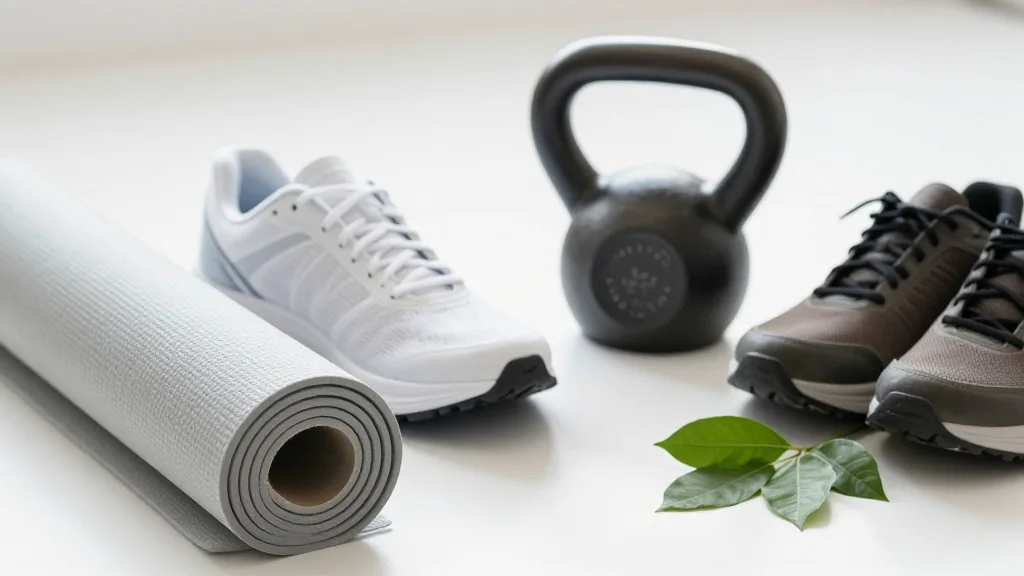
Four Essential Weekly Movements for Longevity
As a bioscientist studying aging, these are 4 types of movement I try to include each week: 👉 Walking 👉 Strength training 👉 Higher-intensity cardio 👉 Mobility work
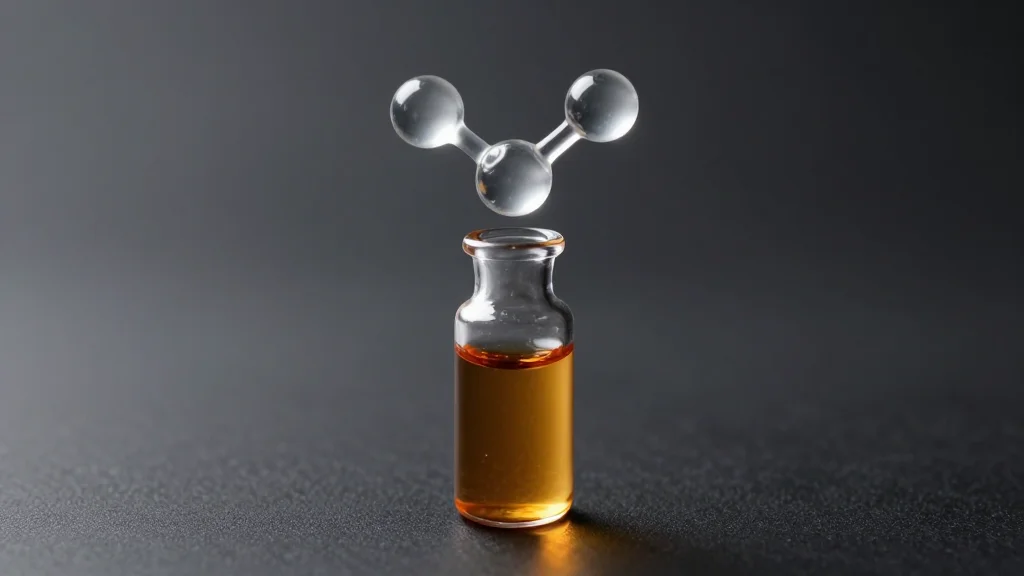
Seeking Experiences with GTWY Peptide From Β‑Lactolin
New smart drug peptide alert… (Possibly): who has experience with GTWY peptide isolated from β-lactolin? Research here: https://t.co/Sg7twStXvr
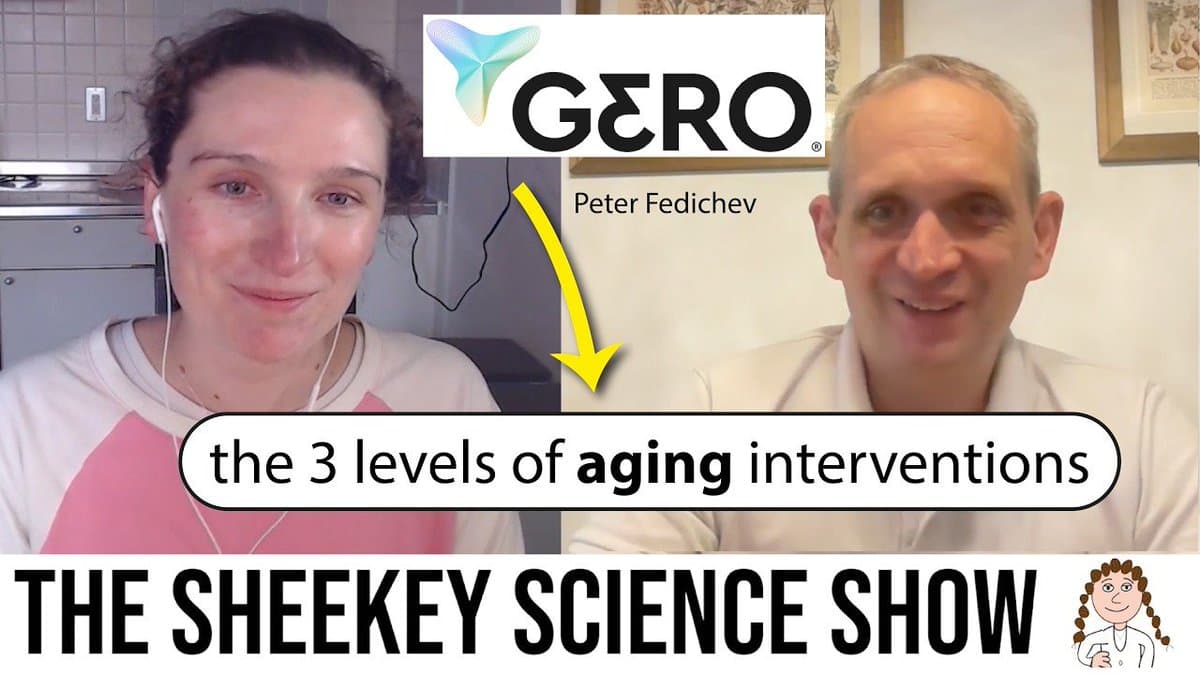
Targeting Aging: New Strategies From Fedichev
How We Should Target Aging | Peter Fedichev Love what @EleanorSheekey is doing with @SheekeyScience. One of the sharpest geroscience #scicomm channels around, and @fedichev always brings the fire 🧪 https://t.co/bh6MVJJvRs https://t.co/1VTerakN9p
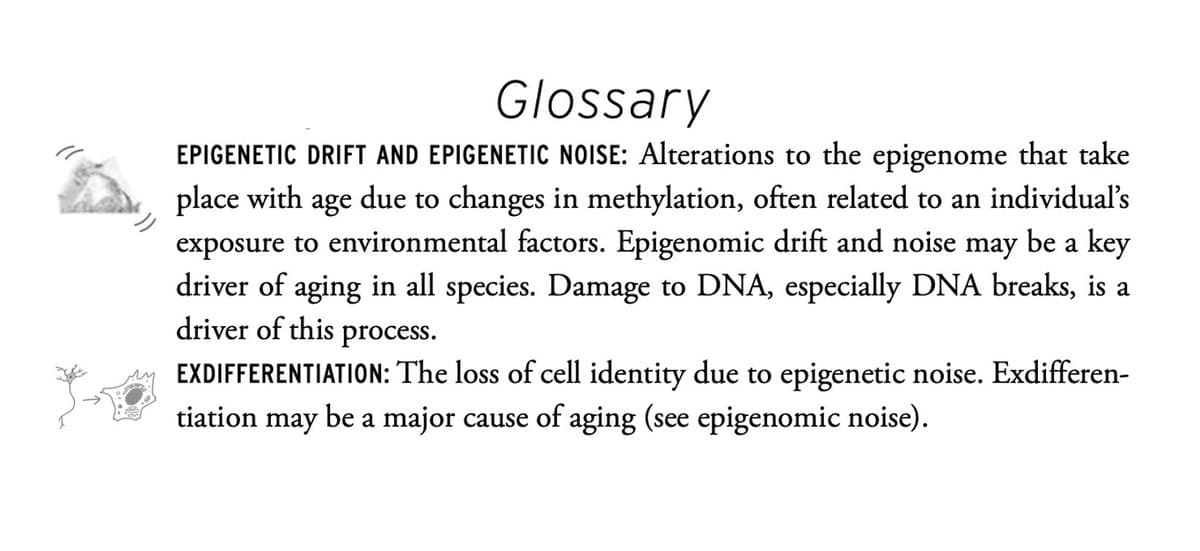
Early Aging Jargon Now Mainstream After Decade-Long Obscurity
In the 2000s, our lab invented new terms, just so we could converse about the Information Theory of Aging: Epigenetic noise Epigenetic drift Exdifferentiation Redifferentiation The Observer… No one understood us. We couldn’t publish Crazy to see them being used widely now https://t.co/7bkYUrudfp
Cut Inflammatory Foods, Add Creatine for Joint Health
Superfoods could be fueling your arthritis. When you remove inflammatory foods and upgrade your supplements and protocols, you can support collagen synthesis to lower your risk. I recommend creatine from Qualia. It is doctor-formulated, helps promote strength, build lean muscle,...
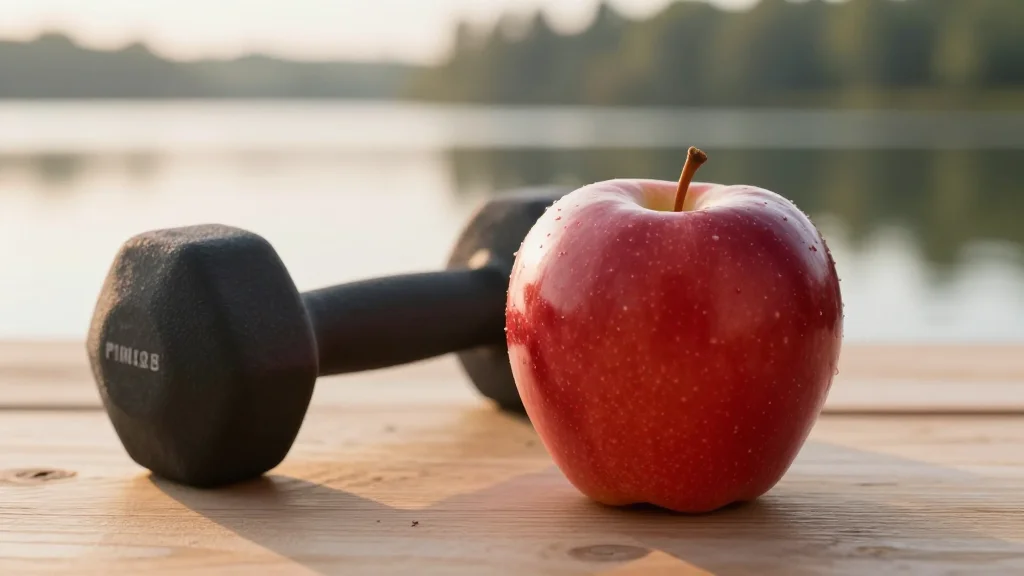
Evidence‑Based Habits for a Longer, Healthier Life
Ways to live healthier and longer that are backed by actual evidence: 1. Exercise: Most days a week= conversational. Occasionally intense 2. Strength train 3. Eat mostly real foods 4. Cultivate genuine relationships 5. Sleep 7+ hours 6. Don't smoke 7. Have ways to cope with stress
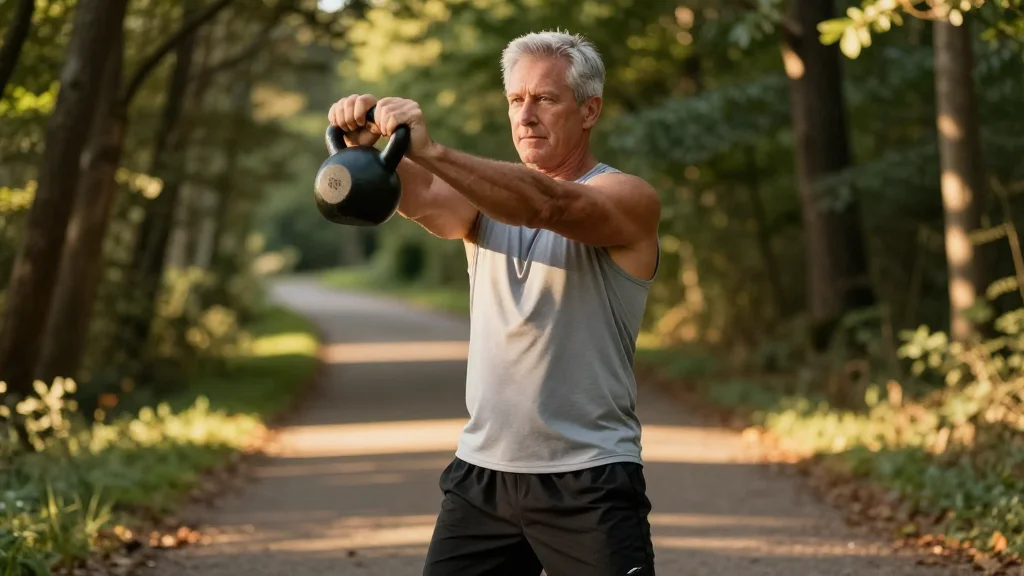
One Year of Training at 63 Reveals Surprising Aging Insights
Interesting post today. I’ve written about how and why I trained at 62. Now I’m turning 63 and I always look back… But this post is different. It isn’t a rehash of the same program with a new number...
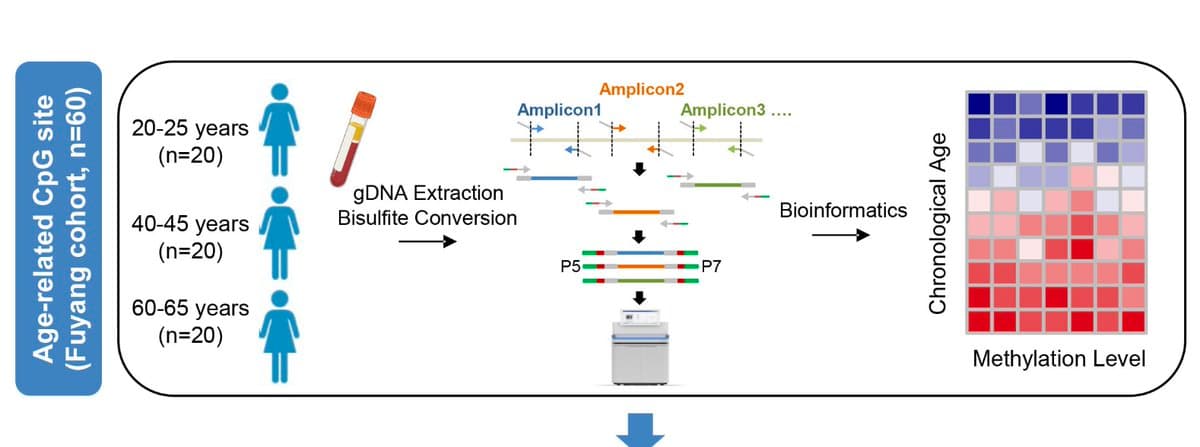
Epigenetic Clock Detects Aging and Cancer via Blood Test
This is the future: An epigenetic clock for the simultaneous assessment of biological aging and cancer from a simple, cheap blood test 👏 https://t.co/uzGoZWos9C
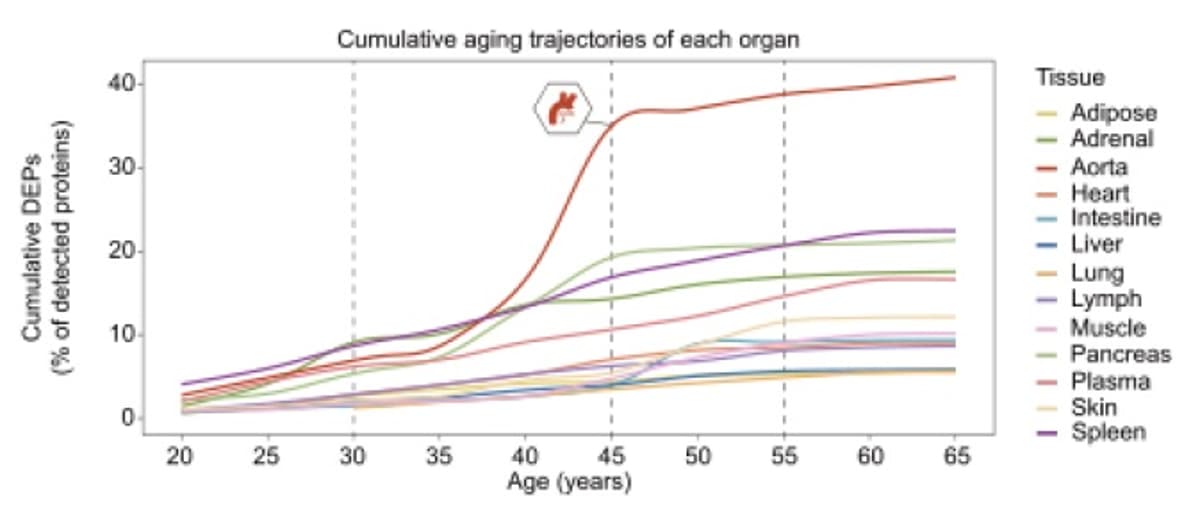
Aorta Ages First, Driving Heart Disease
13 major organs age at different rates. - Aorta: onset ~30, peak ~55 - Adrenal gland: onset ~30, peak 45-55 - Spleen: onset ~30, peak 45-55 - Pancreas: onset ~35, peak 45-60 - Liver: onset ~40, peak 50-60 - Muscle: onset ~40, peak 55-68 - Heart: onset...
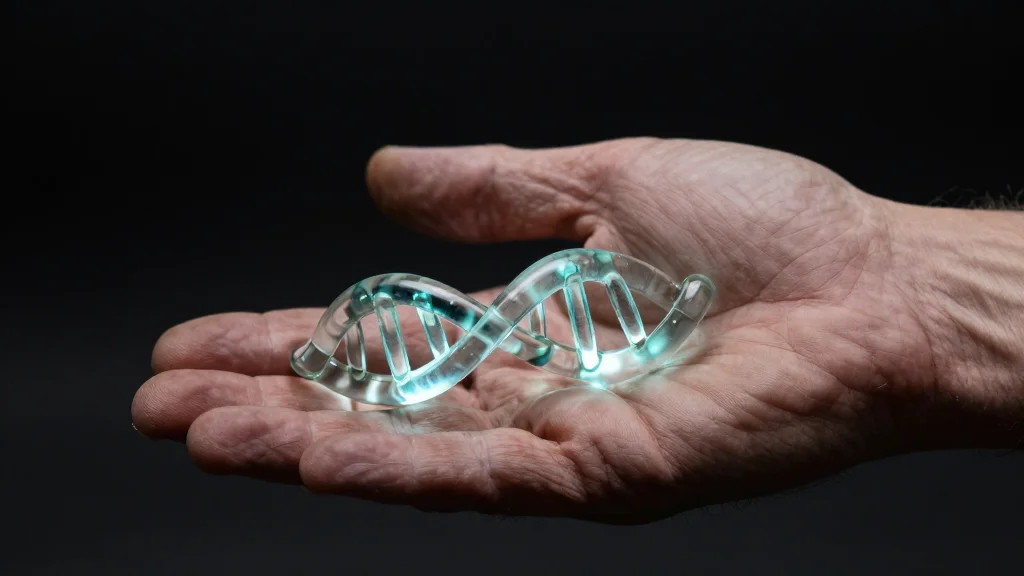
Progerin Bridges Premature and Natural Aging, Biomarker Potential
Progerin expression in humans: implications for natural ageing "These insights may collectively position progerin as a mechanistic link between premature ageing and physiological ageing, positioning it as a potential component of biomarker strategies." https://t.co/KZuV0c7TOK
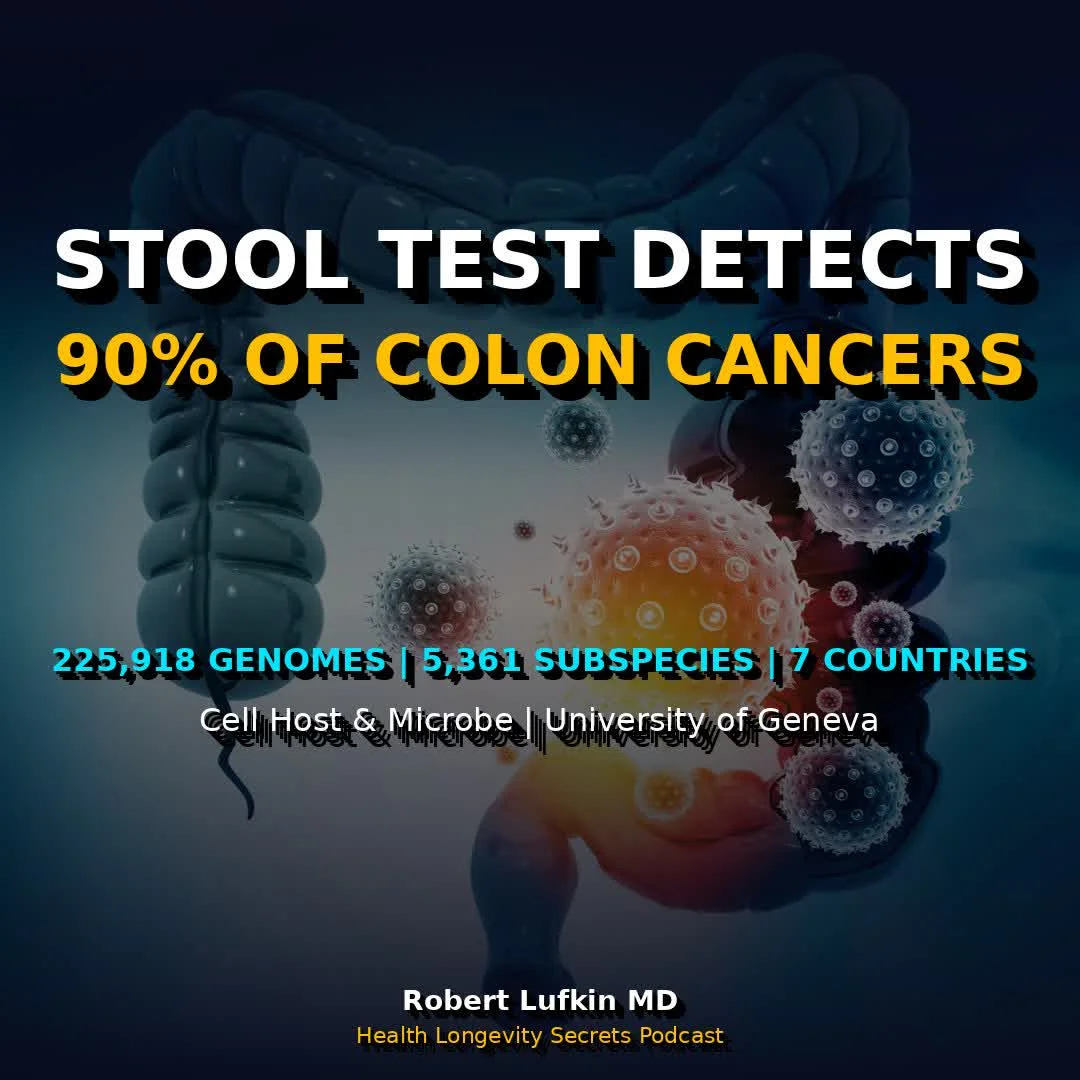
Stool Test Detects 90% of Colorectal Cancers
As a medical school professor, I've watched colorectal cancer screening rely on colonoscopies for decades. That era may be ending. Researchers at the University of Geneva just published a breakthrough in Cell Host & Microbe: a simple stool test that detects...
Cool Chronic Inflammation: Ancient Ayurveda Meets Modern Science
Ancient Health Secrets Revealed Pain that creeps in, brain fog that lingers, weight that resists every effort—what if the culprit isn't "just getting older," but inflammaging? We sit down with Dr. Shivani Gupta, author of The Inflammation Code, to connect ancient...
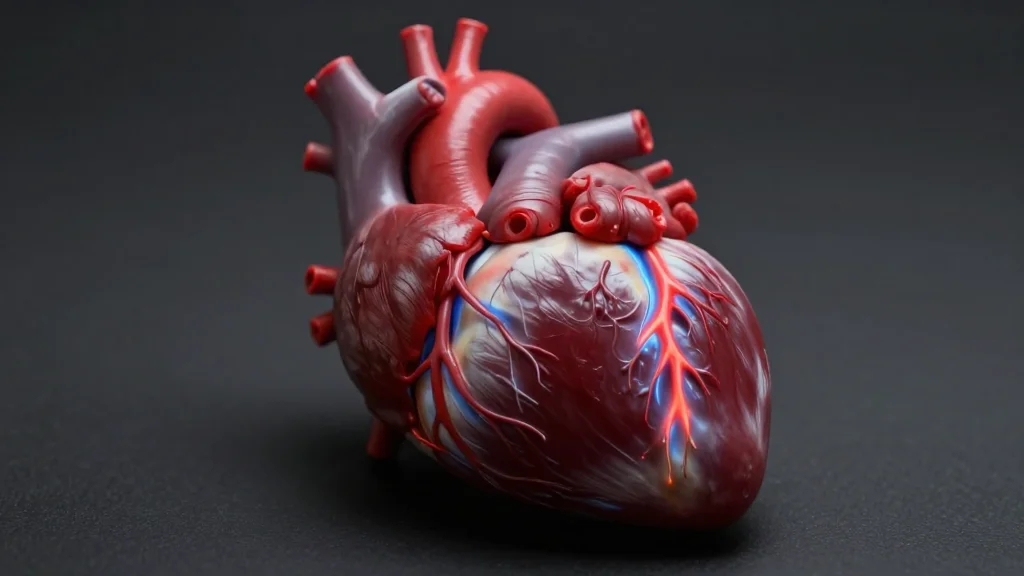
IL6R Protects, IL6 Harms: Genetic Proof of Survival Impact
Causal effects of inflammation on long-term mortality: A mendelian randomization study 🔑"The IL6/IL6R axis has a causal impact on human survival through cardiovascular mechanisms: IL6R exerts a protective effect, whereas IL6 is detrimental." https://t.co/0TwQldDrQe
Explore Cutting‑edge Nutrition Research at BEYOND Biohacking Conference
Interested in learning more about the latest research in nutrition? Learn about all the latest tech, equipment, and research involved in the future of Biohacking at the BEYOND Biohacking Conference. https://t.co/RahCiAxVHk

Aging
RIP Dr Skulachev who made serious contributions to the ROS theory of aging. Unfortunately, no FDA-approved drug out of his work yet. One of my goals is to have several FDA approved drugs before or after I die. Papers and...
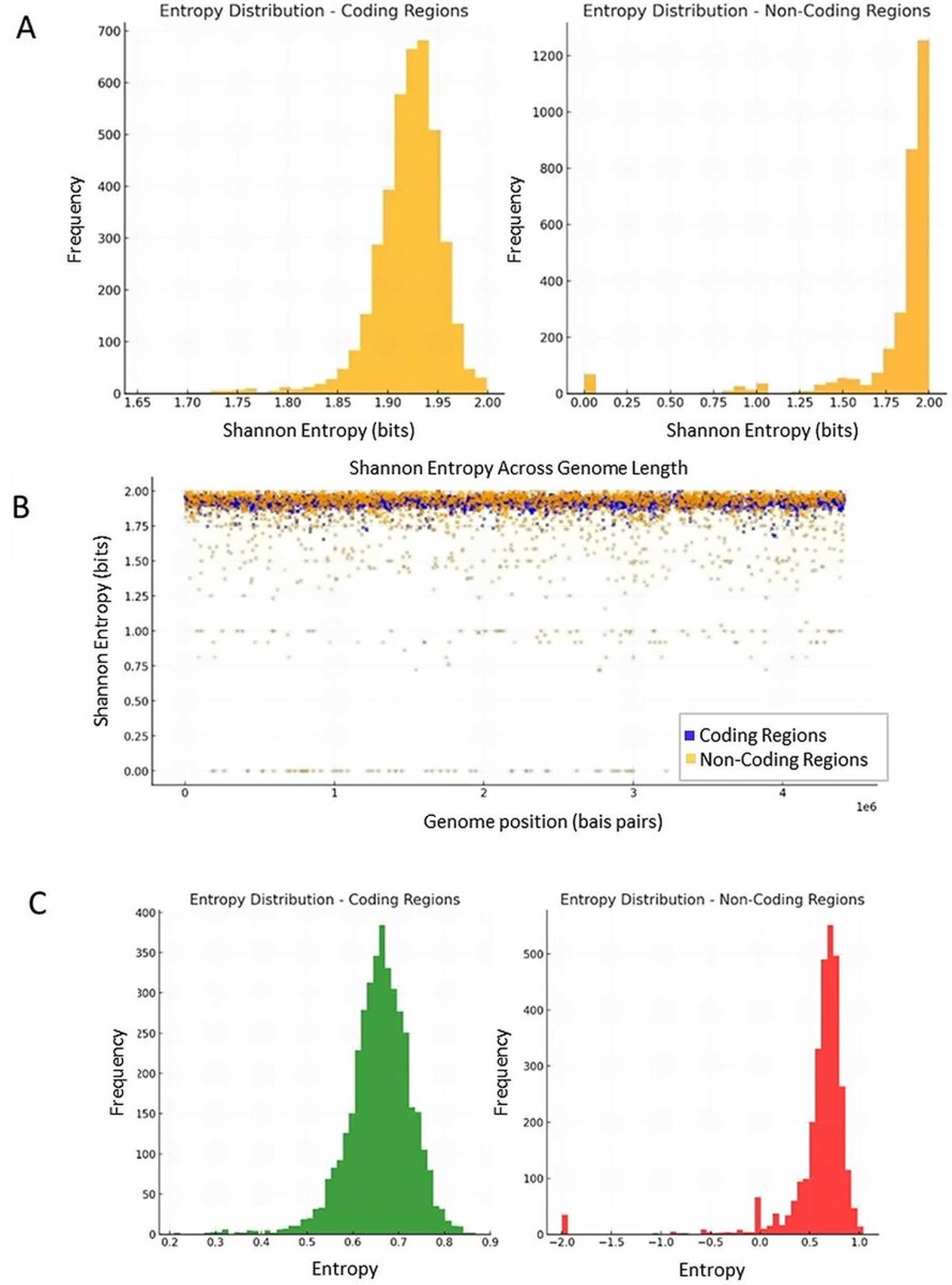
DNA's Quantum Nature Links Aging, Evolution to Cosmic Time
DNA as a quantum system in evolution ".... This framework connects cellular ageing and evolution to the flow of cosmic time and suggests experiments to probe DNA’s sensitivity to time‑dependent perturbations..." https://t.co/gKVEdE8ZBZ https://t.co/5A5qZeJ5Nq
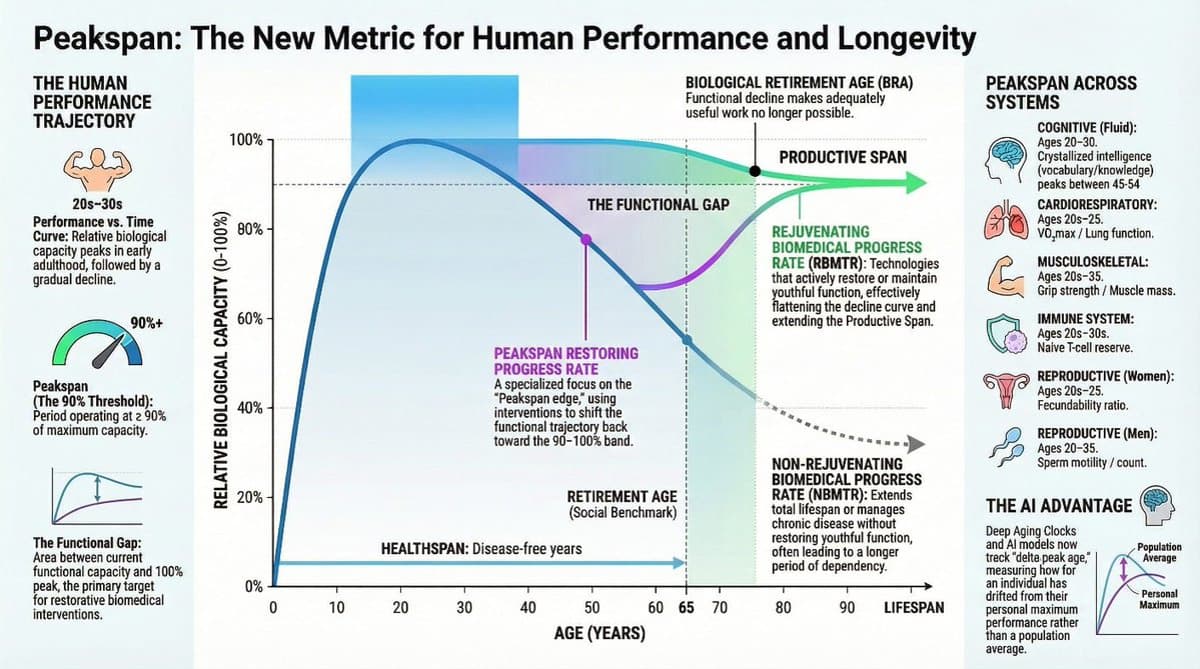
Redefine Longevity: Target True North Beyond Healthspan
Peakspan: The True North of Longevity and Why We Must Aim Beyond Healthspan 👉"We need a new metric. We need a concept that goes beyond simply keeping people out of the hospital..." https://t.co/a6JclqZrVC @biogerontology https://t.co/KPLdg5GveE

Longevity Strategies Miss Deeper Levels of Aging
Are we targeting aging the wrong way? In this interview with Peter Fedichev (@fedichev), CEO of Gero, we discuss why many longevity interventions may only be tackling “level 1” aging. https://t.co/jRnuYr3dFN
Explore Rapamycin's Role in Aging at UArizona
If you’re in Tucson next week, I’ll be giving a talk at the University of Arizona College of Pharmacy (@UAZPharmacy) on the science behind rapamycin and aging. We’ll cover what we know, what we don’t, and where the field is...

Extra 1,700–5,500 Steps Daily Cuts Chronic Disease Risk
Adding steps offsets risk of chronic disease: Study "Adding as little as 1,700 to 5,500 steps per day can offset the risk of a list of chronic diseases — including obesity, diabetes and sleep apnea — according to a new study...
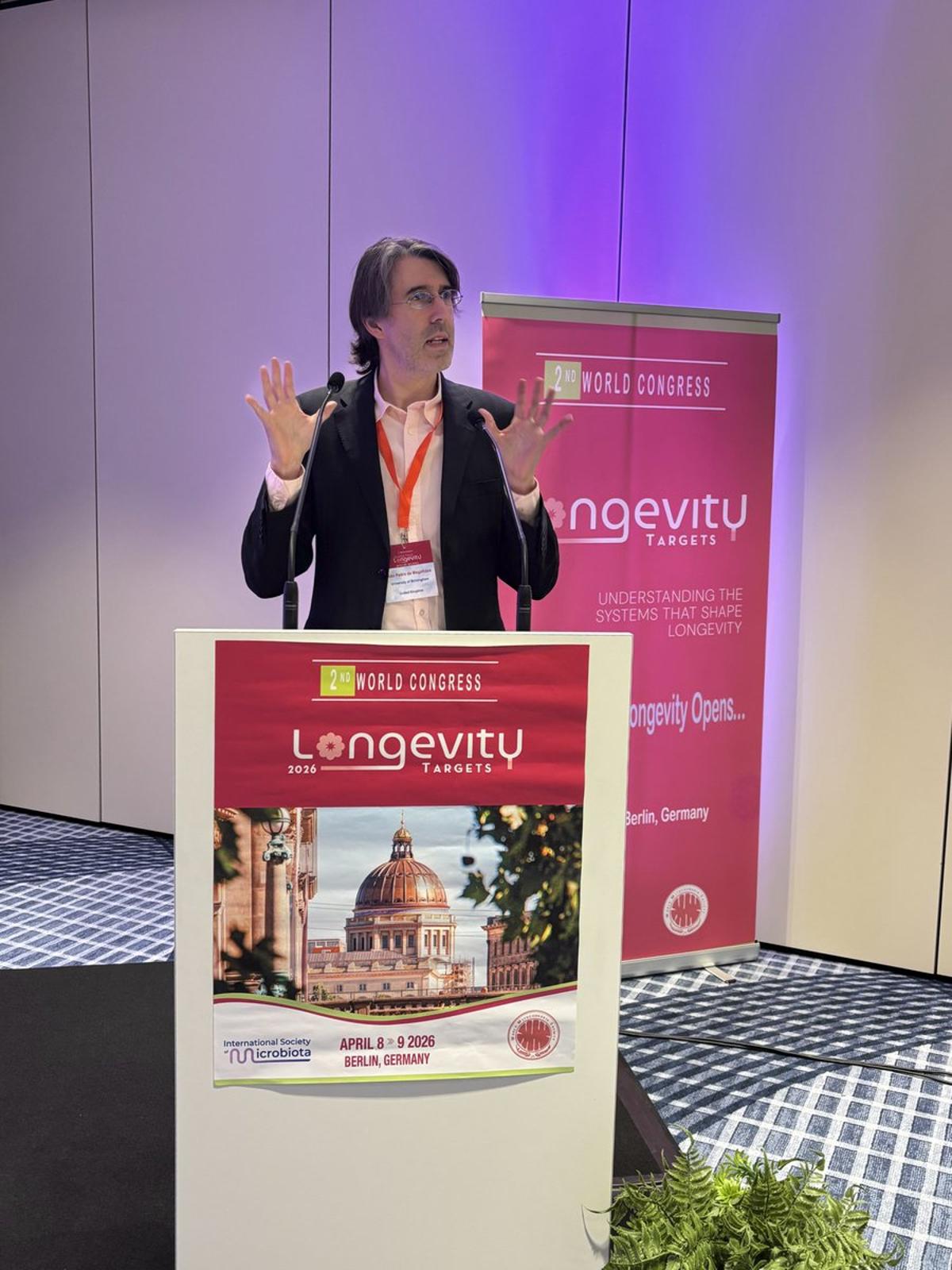
Data‑Driven Models Essential for Longevity Research
Great to speak at Targeting Longevity 2026 in beautiful Berlin, catch up with old friends, and meet new colleagues. From genomes to systems biology and machine learning, we need robust, data-driven models to understand ageing and identify the most promising interventions....

Kara Swisher Launches CNN Series on Longevity
With @karaswisher as her @CNN 6-part series on longevity and healthspan starts this weekend https://t.co/OvZxD33eJl https://t.co/Kn0Aux5G9n
Ezetimibe Shows Unexpected Potential to Prevent Alzheimer’s
Ezetimibe might help prevent Alzheimer's disease... but not in the way that you think. These data really caught me off guard. But the data are the data. (long-form video linked below)
Fear of Death Fuels Anti‑Aging Craze Amid Global Turmoil
Let me be clear that when I rail against anti-aging and longevity as they are currently being defined and used by Silicon Valley types and marketers, I'm still sympathetic to people's fears around DEATH. That's what all of this is about,...
Sex Drives Distinct Immune Aging Patterns and Disease Risks
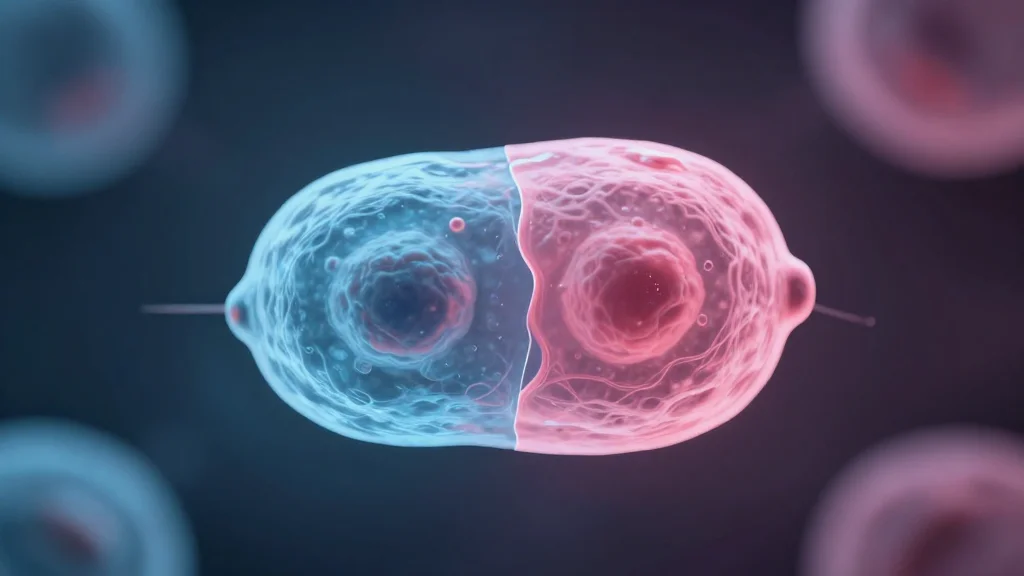
The way our immune cells age differs substantially by sex, from single-cell analysis of ~1,000 people. Implications for propensity for autoimmune diseases (women), vulnerability to cancer (men), immunosenescence and inflammaging @NatureAging https://t.co/GjcuZ8luNM
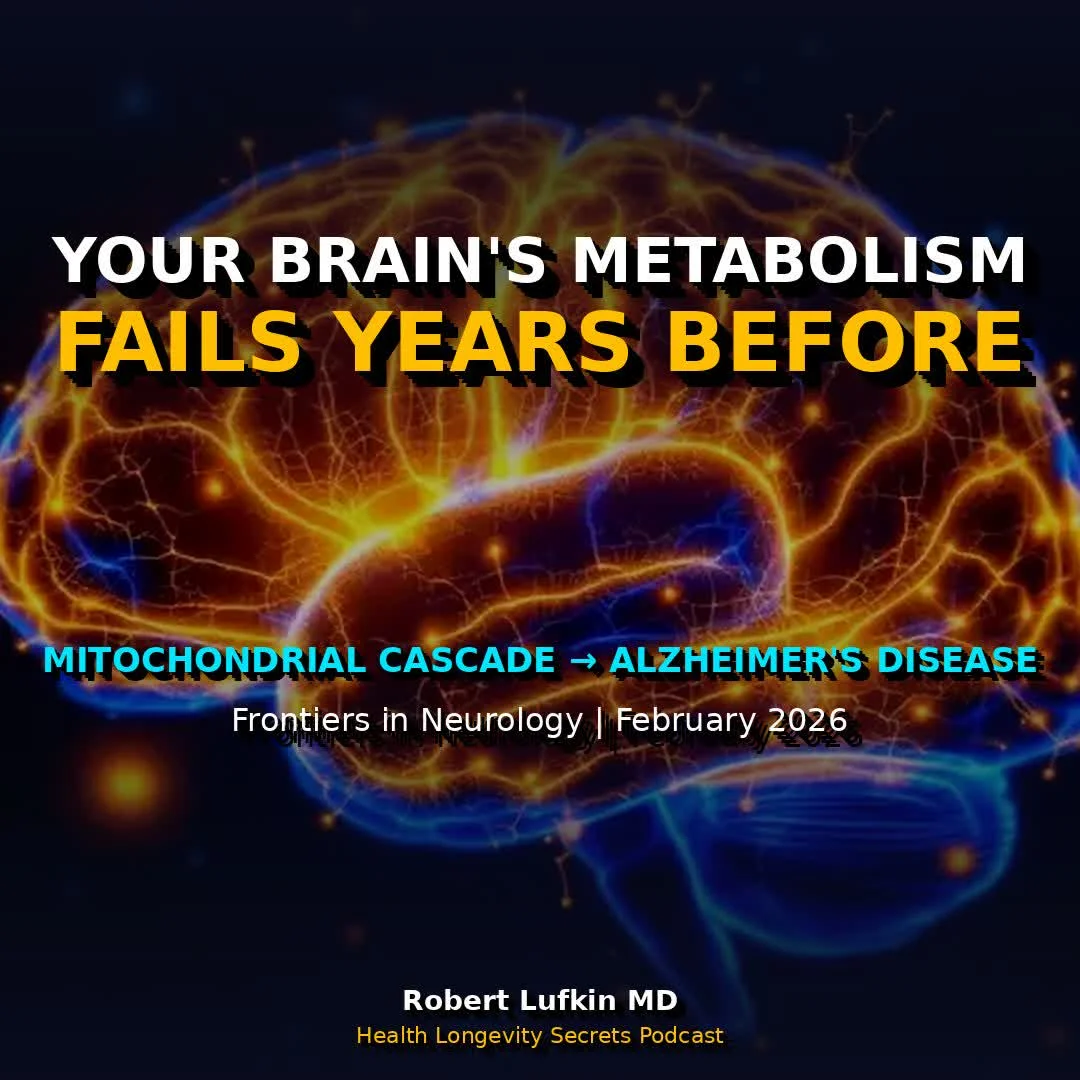
Metabolism, Not Plaques, Drives Early Alzheimer’s Decline
As a medical school professor, I now believe the biggest mistake in Alzheimer's research was ignoring metabolism. A comprehensive Frontiers in Neurology review makes the case clear: mitochondrial dysfunction and metabolic failure happen YEARS before amyloid plaques or memory loss. The evidence...
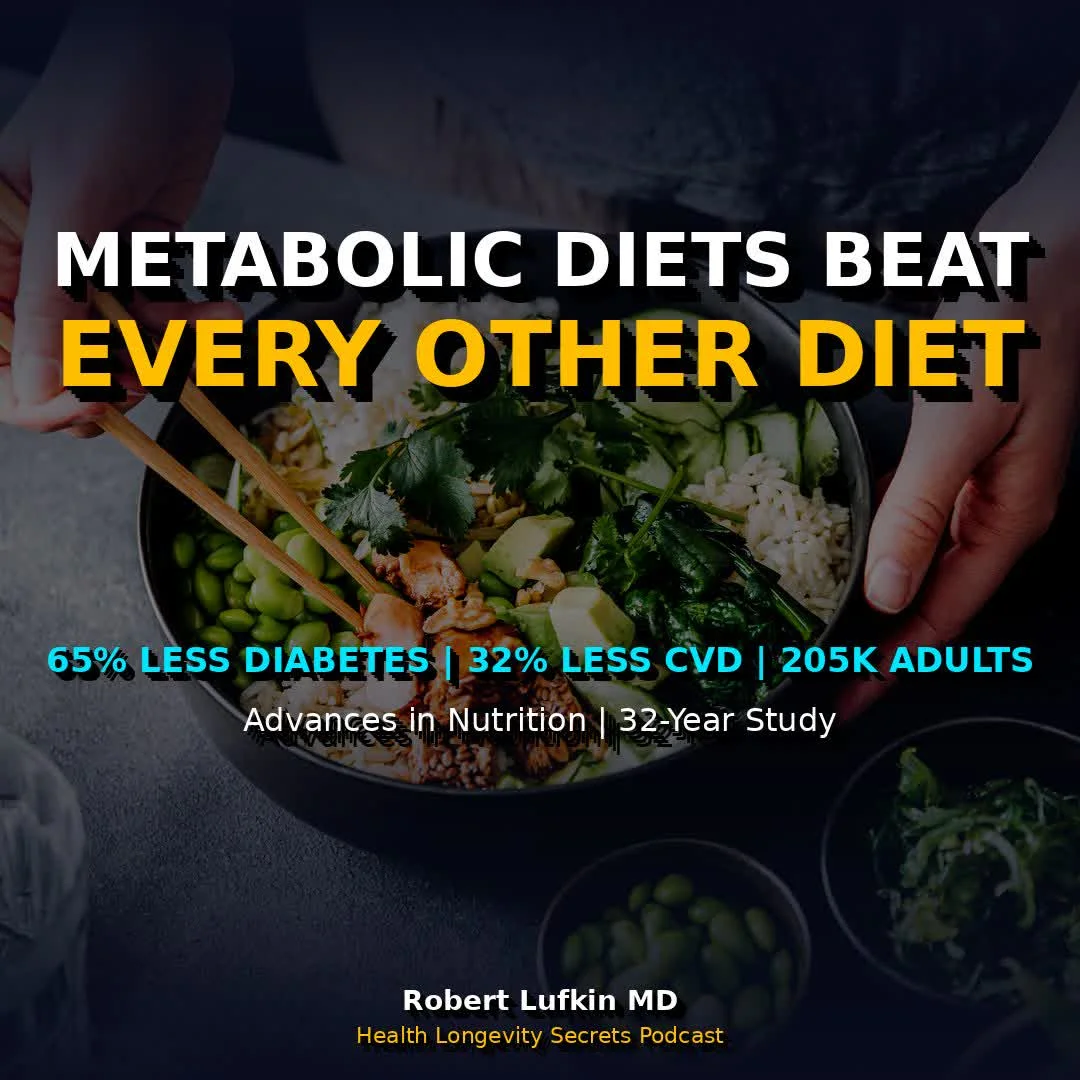
Target Insulin Resistance, Inflammation for Superior Diet Benefits
As a medical school professor, I teach my students about DASH, Mediterranean, and other "healthy" diets. They all help. But new research shows they're not targeting the right pathways. A massive study of 205,852 adults followed for 32 YEARS found that metabolic...

NMN Daily Restores NAD, Supports Healthy Aging
David Sinclair takes 1 gram of NMN every single day. Here's why. As you age, your body loses up to 50% of a molecule called NAD. NAD is a molecule that acts like fuel powering your sirtuin genes - the genes responsible...
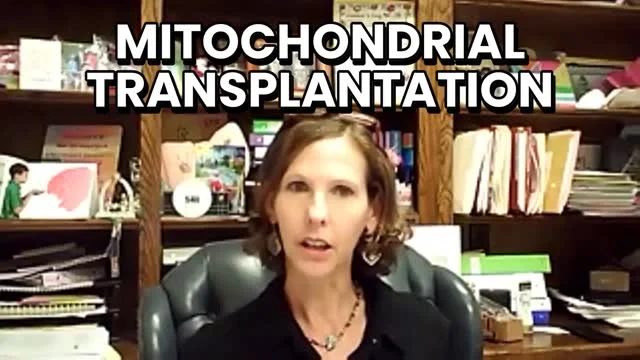
Young Mitochondria Transplants Could Reverse Aging and Disease
What if aging, ALS, Parkinson's, stroke, and diabetes all share a single upstream cause — and the fix is a transplant the size of a bacterium? Dr. Catherine Baucom and Van Hipp of MitoSense explain how injecting healthy young mitochondria...
Regeneration Depends on Environment, Oxygen, and Epigenetics
Awakening latent regeneration in mammals “regeneration is not simply a fixed genetic trait but rather a state that is dependent on the extracellular environment, oxygen sensing, and epigenetics.” https://t.co/HtTXENUEur

AI Predicts Heart Failure up to Five Years Early
New #AI tool can predict heart failure at least five years before it develops https://t.co/PAVvWoOaAD
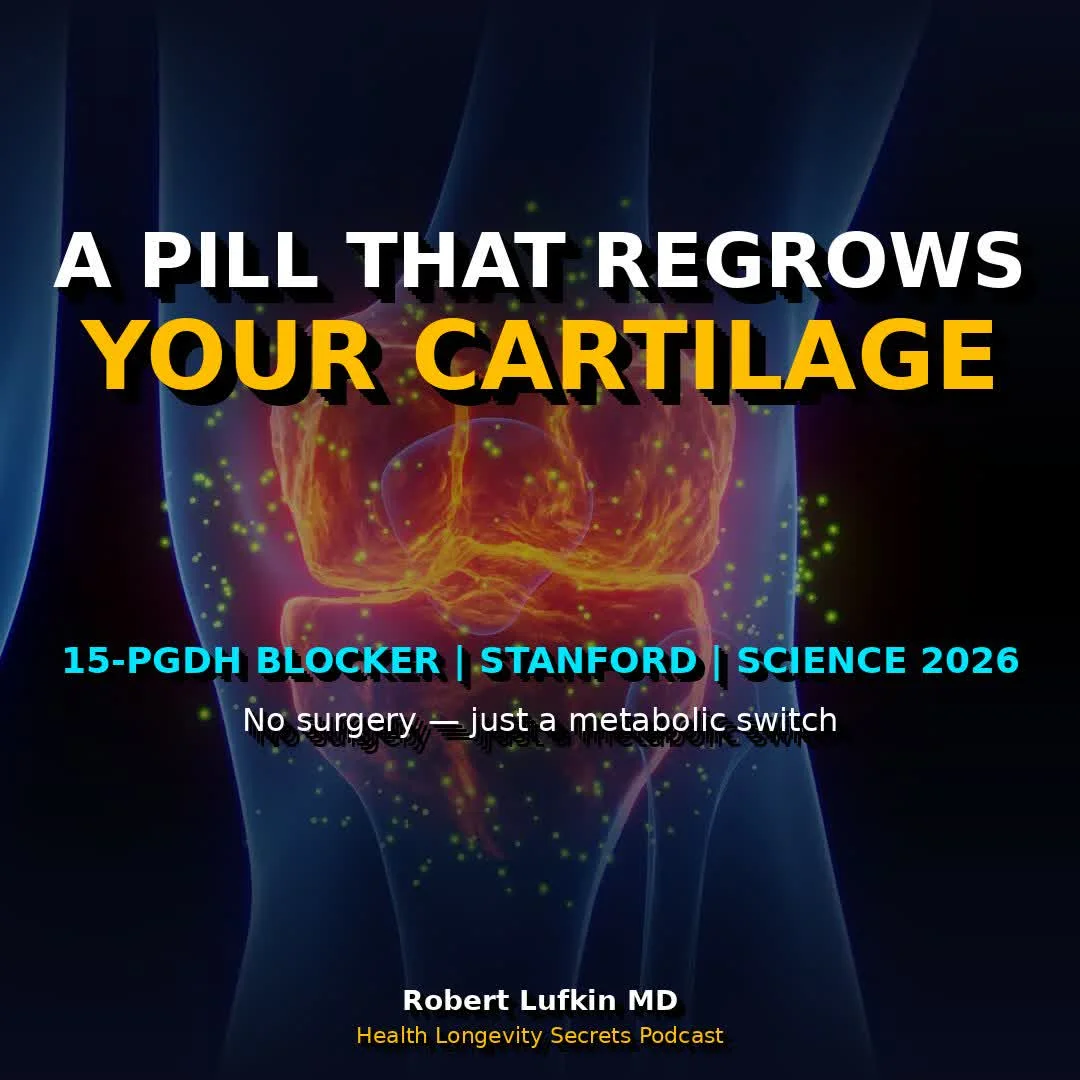
Blocking 15-PGDH Reverses Age‑Related Cartilage Loss
As a medical school professor, I was taught that lost cartilage is gone forever. Stanford just proved that wrong. Researchers discovered that blocking a single protein (15-PGDH) -- which rises as we age -- can actually REGROW joint cartilage in aging mice. The...
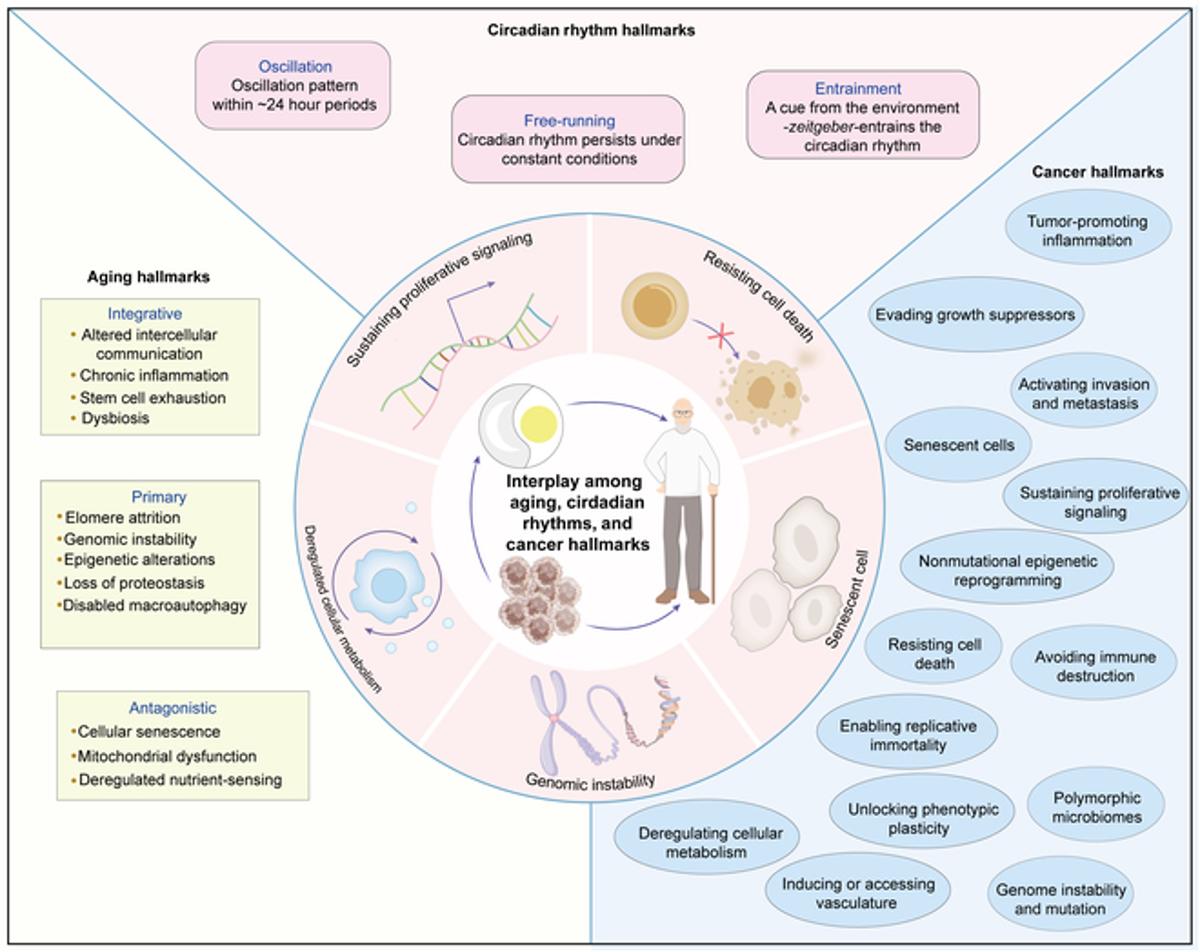
Aging Flattens Circadian Rhythms, Marking Clock Dysfunction
Circadian clock dysfunction is starting to be recognized as a hallmark of aging Circadian rhythms are diurnal cycles in the body that regulate virtually all processes, including hormones, energy metabolism, and sleep With age, these rhythms flatline and become more dysfunctional https://t.co/TKAnRFE202 Picture from:...

Shingles Vaccine May Curb Inflammation, Aging, Dementia
From rash to resilience: how herpes zoster vaccination may influence inflammation, aging biology, and dementia risk https://t.co/hA0U1BlLp9
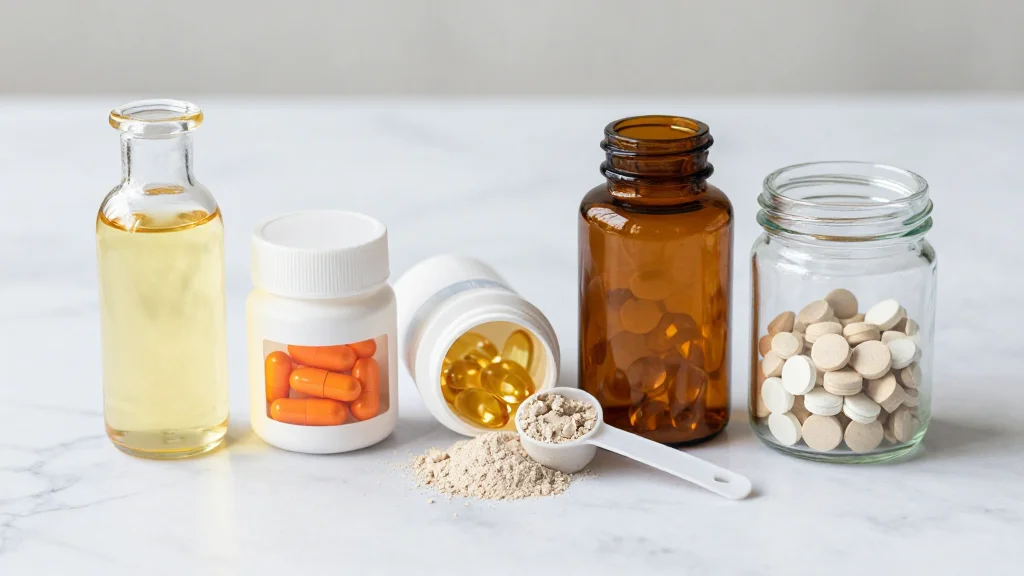
Five Essential Supplements Everyone Should Consider
I'm obviously a big fan of supplements. But if I had to narrow down my list to just 5 that I think most people should be taking, they'd be: - Omega-3s - Magnesium - Vitamin D - Creatine - A high-quality multivitamin

Modest LLM Matches Specialized Aging Clocks Across Modalities
The End of Aging Clocks: Training Foundation Models to Reason in Aging and Longevity 🤔 “These results demonstrate that a single modestly sized LLM can match or replace purpose-built aging clocks across data modalities.” https://t.co/WkOvpxDBiU @biogerontology https://t.co/Knb0368KN4
Exercise Fuels Muscle Growth and Extends Lifespan
Why Exercise is the Secret to Muscle Growth and Longevity | My conversation with Mike Haney https://t.co/AGOPeVwhuu via @YouTube
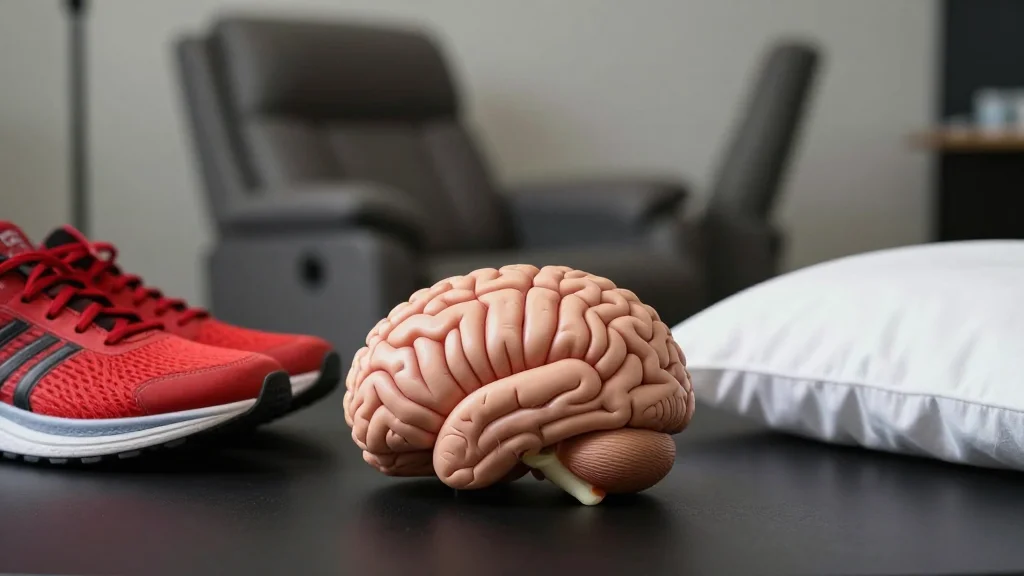
Exercise Cuts Dementia Risk; Sitting and Irregular Sleep Raise It
The Relationships between physical activity, sedentary behaviour, sleep, and dementia: A systematic review and meta-analysis of cohort studies "Regular physical activity significantly reduced the risk of incident dementia (pooled RR = 0.75... Prolonged sedentary behaviour (8 + hours/day sitting) increased dementia risk (RR = 1.27)... both short (8 hours;...

Genetics, Traits, and Geography Shape US Leukocyte Telomere Length
Genomic, phenomic and geographic associations of leukocyte telomere length in the United States [Mar 27, 2026] @NakaoTetsushi et al. @NatureGenet https://t.co/3b75zEElAP https://t.co/wIDjfhnrd9
10 Daily Habits to Dodge Aging, Backed by Science
I’ve spent 8 years studying the biology of aging. 🧬 Here are 10 things I avoid every day ↓
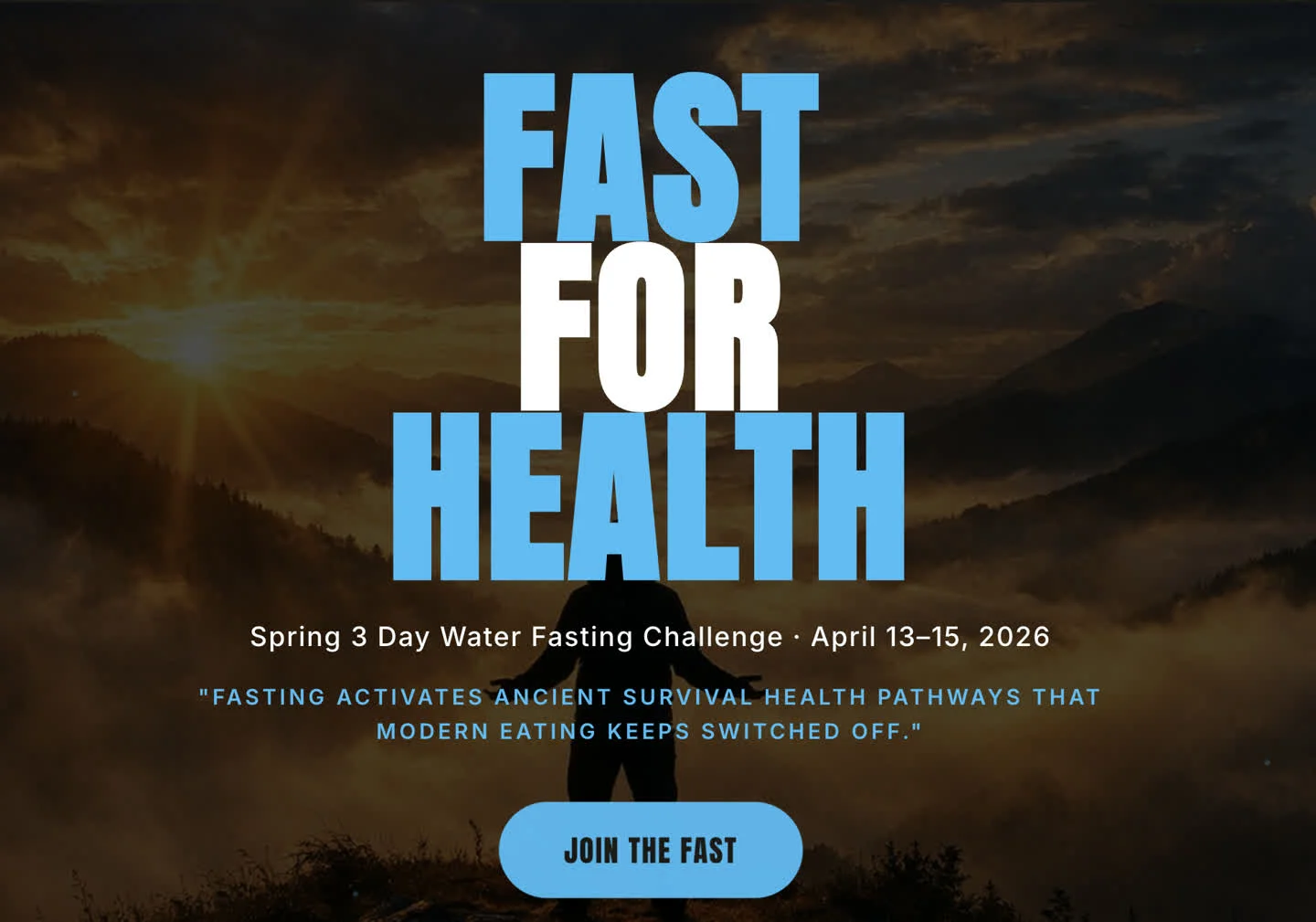
Three-Day Fast Triggers Autophagy and Survival Genes
What happens when you stop eating for 3 days? Your body activates ancient survival pathways — insulin drops, autophagy kicks in, damaged cells get cleared, and protective genes switch on. No calorie-restricted diet can replicate what happens during an extended fast. I'm...
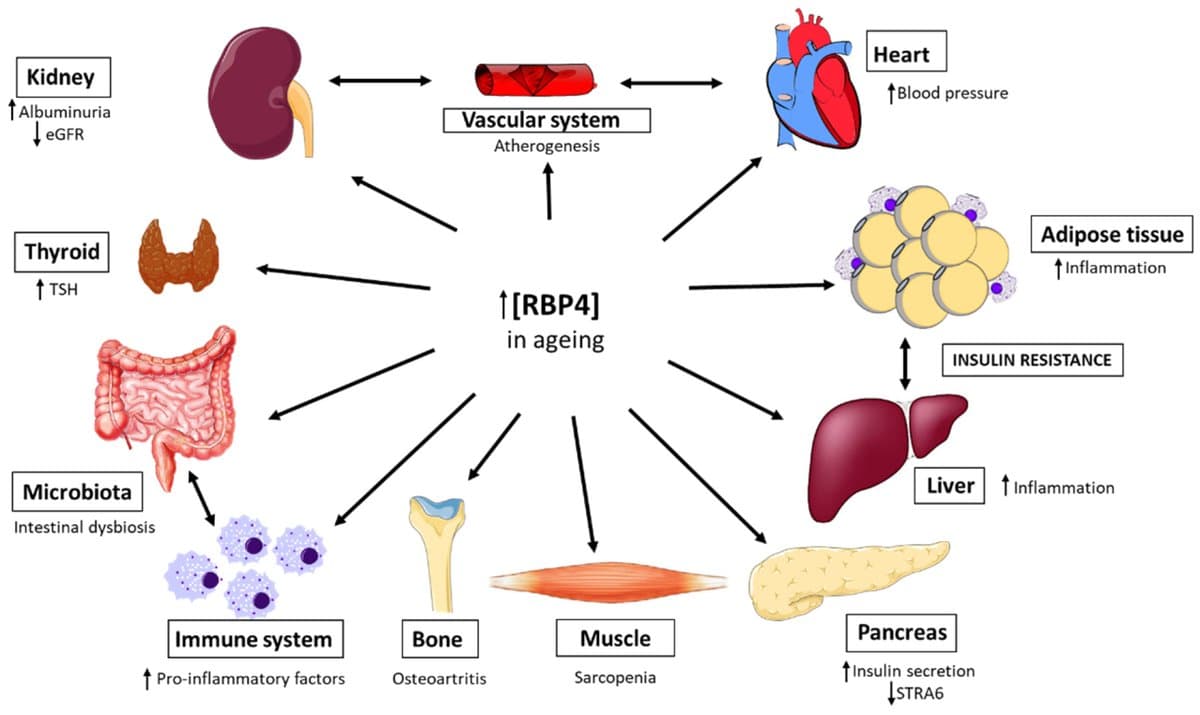
Rising RBP4 Drives Inflammation and Age‑Related Disease
RBP4 in Ageing "During aging, an increase in the blood concentration of RBP4 is observed. This alteration has been associated with different effects in various organs, such as an increase in pro-inflammatory factors and an activation of macrophages toward the M1...

Control Low-Grade Inflammation to Cut Aging Disease Risk
Chronic, low-grade inflammation helps create an internal environment where many of the major diseases of aging are more likely to develop. Manage it well, and you can lower your risk across the board.
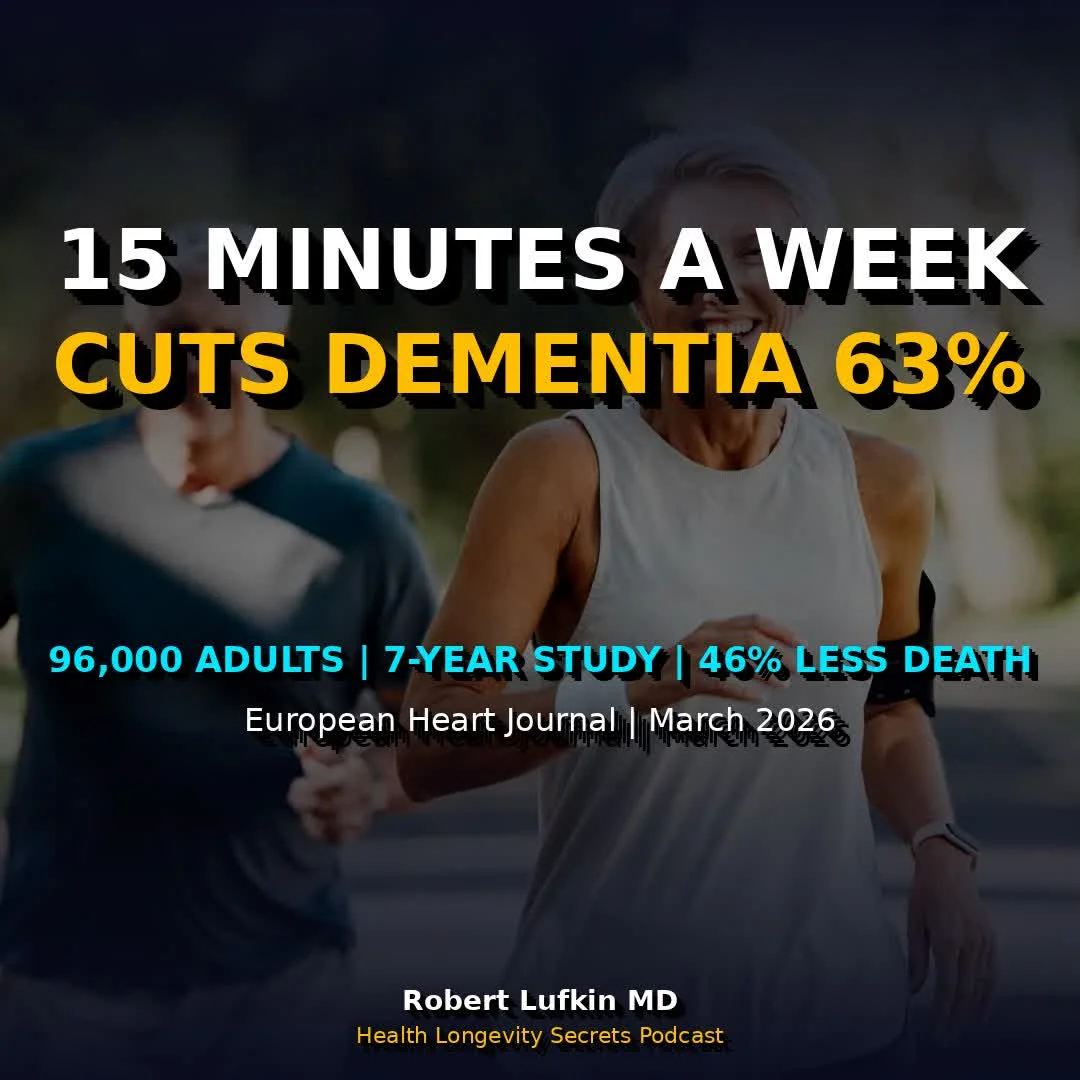
Just 15 Minutes Weekly Slashes Dementia and Diabetes Risk
As a medical school professor, I tell my students: intensity matters more than duration. A massive 7-year study of 96,000 adults just proved it. Published in the European Heart Journal, the findings are striking: People who did just 15-20 minutes of vigorous activity...