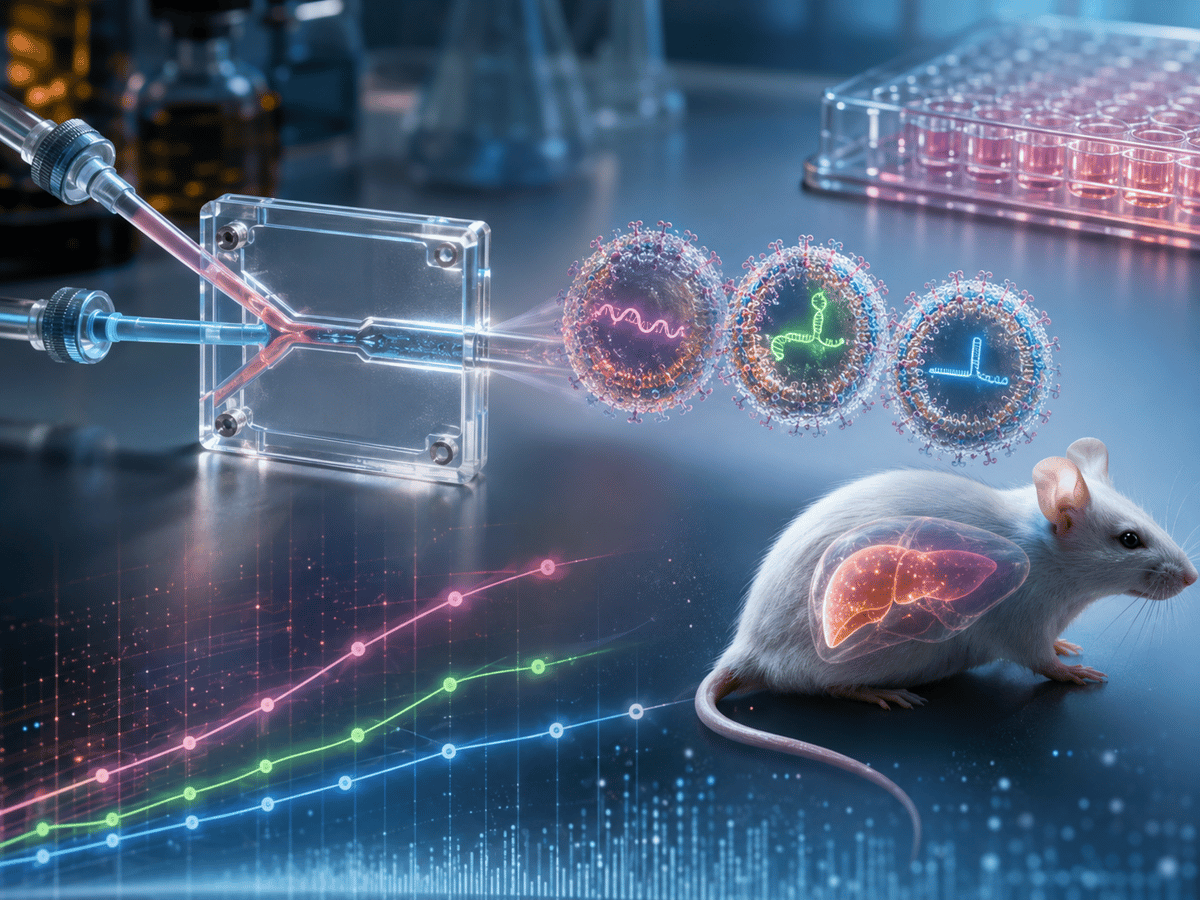
Nanoparticle Prime Editing Corrects Metabolic Disease Mutation in Mice
A study in Nature Nanotechnology reports an all‑RNA lipid nanoparticle (LNP) platform that co‑delivers a prime editor mRNA and two guide RNAs to mouse hepatocytes. The formulation achieved up to 49% indel‑free prime editing at the Pcsk9 locus and 12‑15% correction in a humanized phenylketonuria model after a single 4 mg kg⁻¹ dose, lowering blood phenylalanine by ~90%. The LNPs showed liver‑specific targeting, low off‑target edits, and only transient liver enzyme elevations, suggesting a repeat‑dose‑compatible, non‑viral alternative to AAV vectors for metabolic disease therapy.
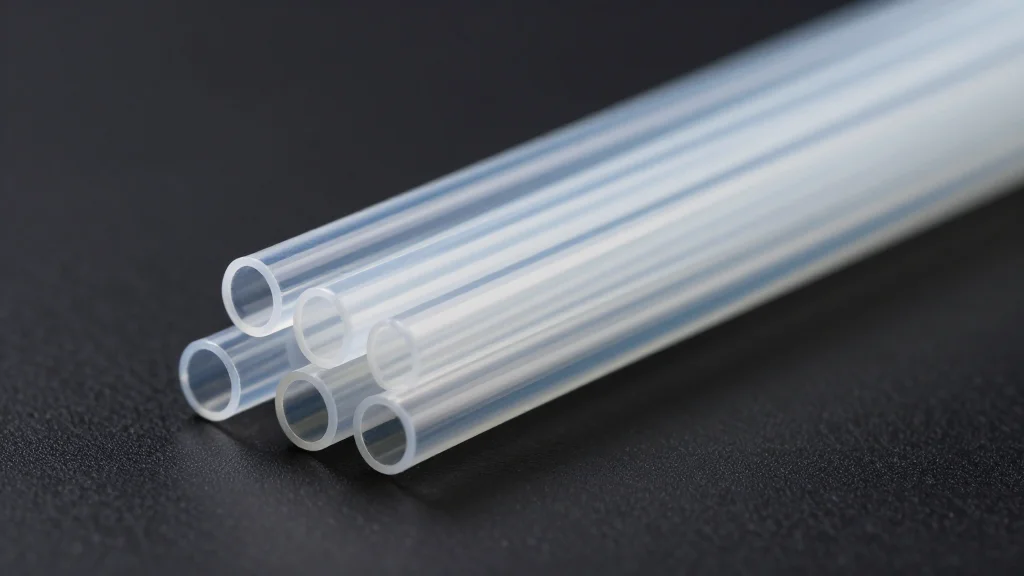
Nanotube-Based Thermoelectrics Open a New Pathway to Waste-Heat Energy Conversion
A POSTECH research team led by Prof. Chang‑Ki Baek demonstrated that hollow silicon nanotubes dramatically reduce heat flow, achieving about 70% lower thermal conductivity than solid nanowires and an extra 33% reduction when surface area is matched. The effect stems...

Nearfield Instruments Receives New Funding
Nearfield Instruments, a Dutch spin‑off specializing in semiconductor metrology, closed a $380 million Series‑D round. The funding, led by Fidelity Management & Research and joined by Qatar Investment Authority, Temasek and several venture partners, values the company at about $1.6 billion. Nearfield’s...
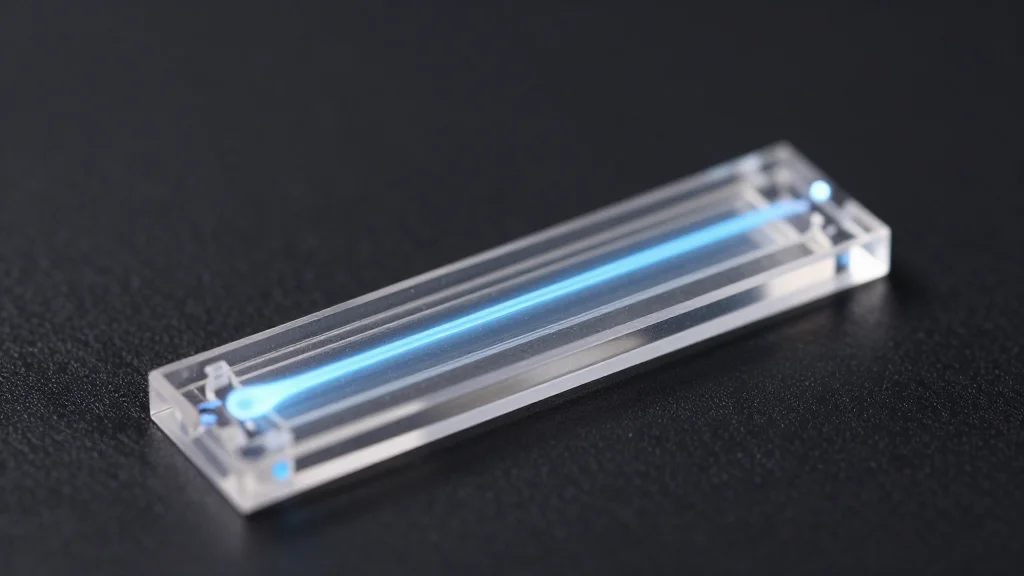
Investigating Quantum and Molecular Plumbing in Nanofluidics Research
Researchers at EPFL’s Quantum Plumbing Lab, led by Nikita Kavokine, have identified a quantum‑driven friction mechanism that couples water flow in nanometer‑scale channels to electron motion in the solid walls. This hydro‑electronic drag generates measurable electric currents, opening a pathway...
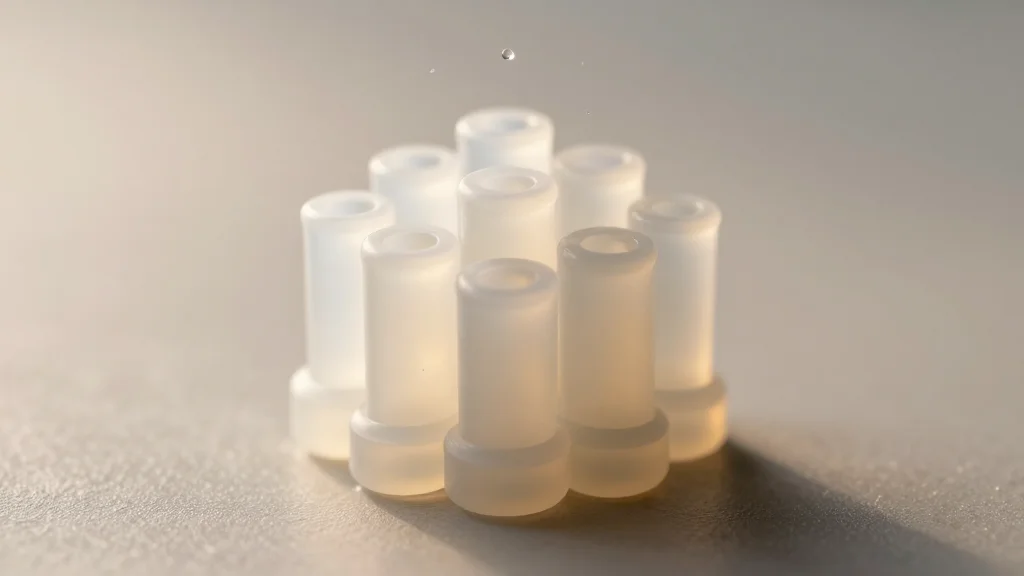
Interlocking 3D Nano-Architecture Powers Solar Desalination for Freshwater and Irrigation
Researchers at the Chinese Academy of Sciences and Shenzhen University unveiled a three‑dimensional interlocking photothermal nanostructure that achieves a record solar‑evaporation rate of 38.14 kg m⁻² h⁻¹, roughly 8.5 times faster than prior two‑dimensional membranes. The "nanoforest" architecture, formed by tightly binding PET...
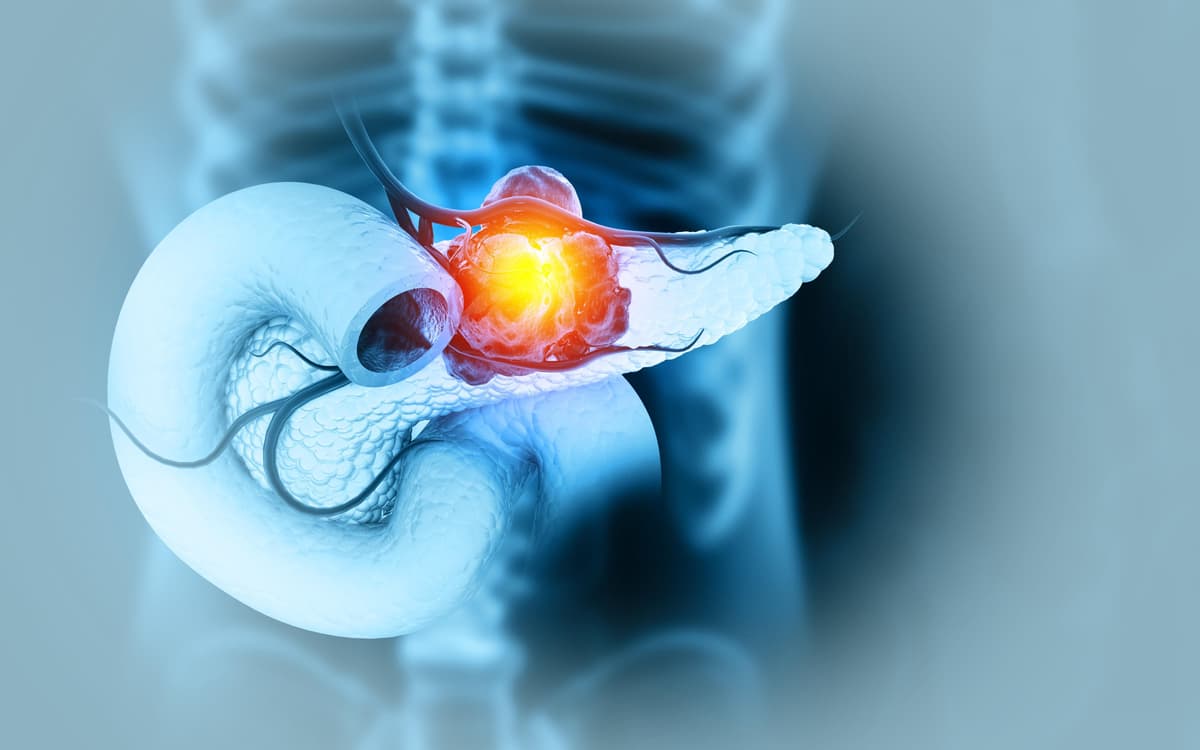
A New Way To Hit Pancreatic Cancer’s Hardest Target
Researchers have engineered a nanoparticle system that ferries mutant‑specific antibodies inside cells to pull the oncogenic KRAS protein out of pancreatic tumor cells. In vitro studies showed selective clearance of mutant KRAS while sparing the normal form, and mouse models...