Today's Nutrition Pulse
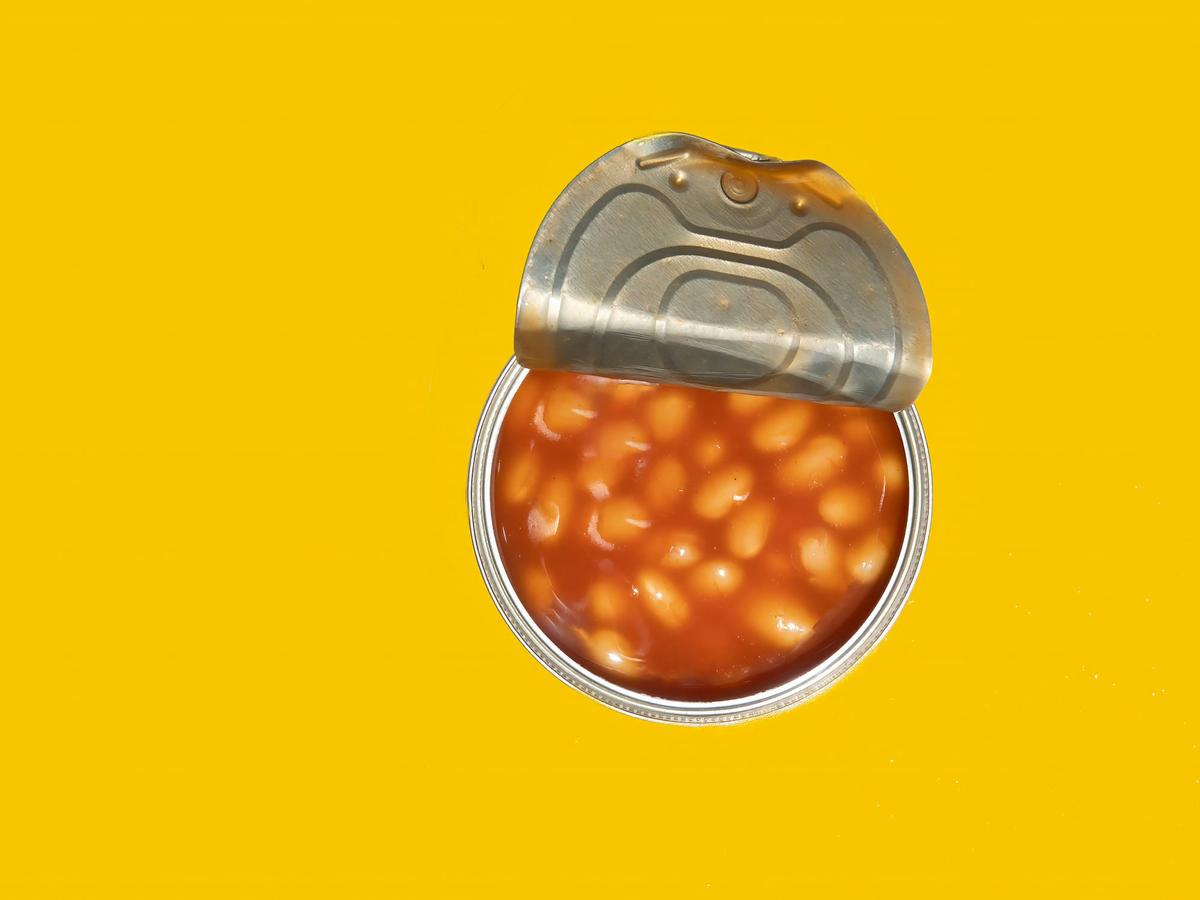
Europe’s fibre frenzy: excess intake can backfire
While most Europeans still miss the UK’s 30 g daily fibre target, recent trends have pushed some consumers to exceed 50–70 g per day. Such high intakes are linked to bloating, diarrhea, constipation and reduced mineral absorption, especially when fibre is increased rapidly without sufficient hydration.
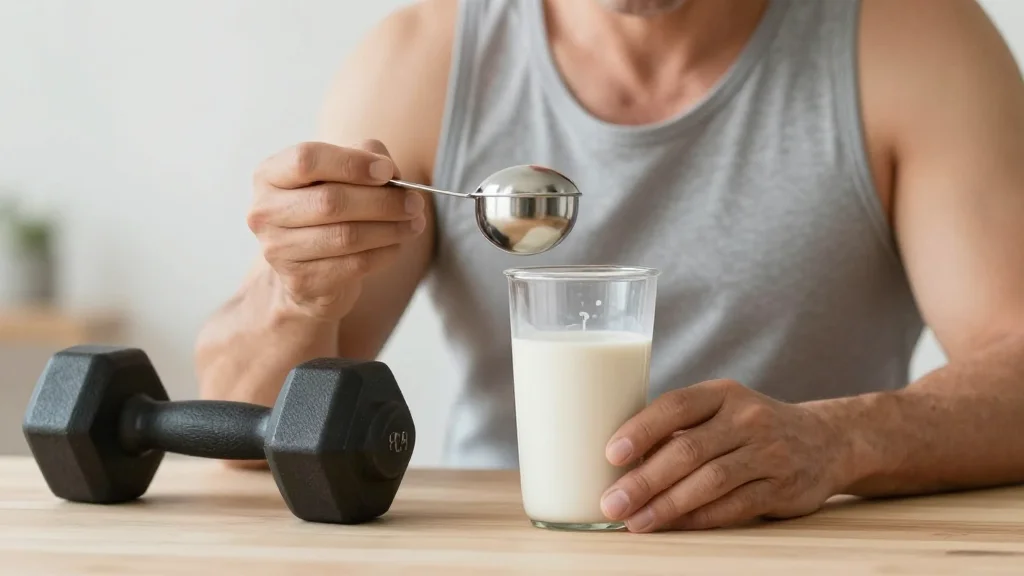
Protein Vs. Strength Training: What’s Better For Building Muscle In Midlife?
A meta‑analysis of 38 randomized trials involving 2,600 adults over 50 found that protein supplementation combined with strength training produced the greatest gains in lean mass, muscle strength, and functional performance. Strength training alone outperformed protein alone, confirming that resistance exercise is the primary driver of muscle hypertrophy in midlife. The researchers recommend 0.8‑1 g protein per pound body weight daily, with 25‑30 g per meal and at least 2.5 g leucine to maximize muscle‑protein synthesis. These findings underscore a synergistic approach for aging populations seeking to combat sarcopenia.

Will Caffeine Enhance Your Workout? Researchers Say Its Genetic
A recent double‑blind trial of 94 resistance‑trained adults found that caffeine’s strength‑boosting effect hinges on the CYP1A2 gene. Fast metabolizers (AA genotype) experienced 4‑12% higher propulsive velocity, while slow metabolizers (CC genotype) saw only marginal gains. The study administered 3 mg...

Impact of Enteral Feeding Strategies on Nosocomial Clostridioides Difficile Infection-Induced Diarrhea
A retrospective study of 78 Saudi hospital patients with Clostridioides difficile infection (CDI) found that continuous enteral feeding markedly lowered diarrhea severity compared with intermittent feeding (OR = 7.91, p < 0.001). Continuous feeding also stabilized serum sodium and reduced biochemical instability, while intermittent...

Fermented Milk Protein Consumption Improves Exercise Performance and Total Body Mass in Prepubertal Children: A Randomized Double-Blind, Placebo-Controlled Pilot Trial
A randomized, double‑blind pilot trial examined 8‑week consumption of a fermented milk protein beverage versus an equivalent non‑fermented milk protein drink and a protein‑free placebo in 44 prepubertal boys who play soccer. Both fermented and non‑fermented milk protein groups showed...
Uncovering Non-Linear Dietary Predictors of Cardiovascular Disease Risk in Older Adults with Periodontitis: A Cross-Sectional Analysis
A cross‑sectional analysis of NHANES and MPED data used interpretable machine‑learning to predict cardiovascular disease risk in older adults with periodontitis. XGBoost delivered the highest performance (AUC‑ROC 0.85‑0.89) and SHAP identified several non‑linear dietary predictors. Contrary to conventional guidance, higher...

Raw Farm Refuses FDA Recall Request as E. Coli Outbreak Spreads
On March 16, 2026, the U.S. Food and Drug Administration identified Raw Farm's raw‑milk cheddar as the likely source of an E. coli O157:H7 outbreak that has sickened at least seven people across California, Florida and Texas. Despite the agency’s recommendation...

Leafy Greens Linked to Younger-Looking Brains in 12‑Year Study
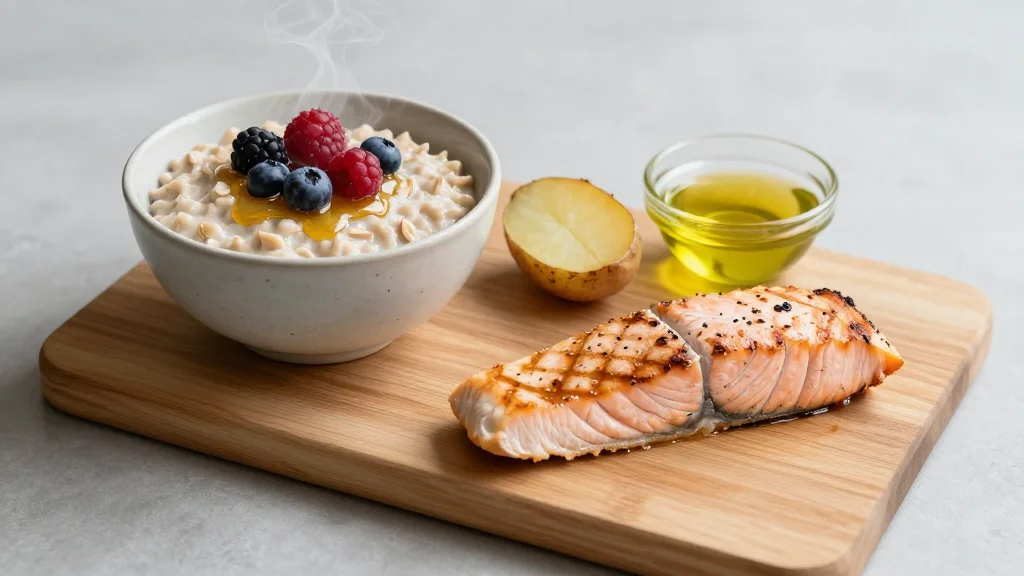
Researchers analyzing the Framingham Heart Study Offspring Cohort reported Tuesday that adults who closely followed the MIND diet—rich in leafy greens, berries, fish and olive oil—had brains that appeared about 2.5 years younger after 12 years of MRI scans. The...

FDA Links Raw Farm Cheddar to Multi‑State E. Coli Outbreak, Company Refuses Recall
The U.S. Food and Drug Administration (FDA) has identified raw cheddar cheese from California‑based Raw Farm as the likely source of a multi‑state E. coli O157:H7 outbreak that sickened seven people, including young children, in California, Texas and Florida. Illnesses...
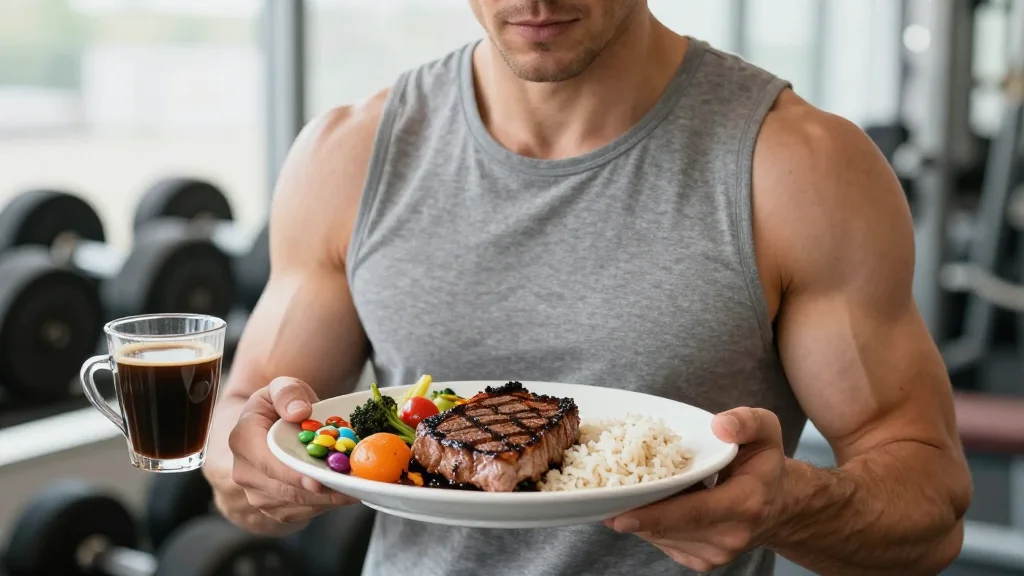
Athletes Need Multiple Protein Meals, Not OMAD
OMAD is not a smart strategy for athletes chasing muscle growth, strength gains, recovery, and peak performance. While OMAD can work well for fat loss in some scenarios (and a few studies show it doesn’t completely tank performance in short-term trials),...

Avoid Athletes' Biggest CGM Mistake – Last
LAST CHANCE for EARLY-BIRD: https://t.co/eN6PetWMGW How to avoid the biggest mistake athletes make with continuous glucose monitoring? https://t.co/LeoLb5ds7u

Ultraprocessed Food Again Linked to Higher CVD Risk: MESA
A new analysis of the Multi‑Ethnic Study of Atherosclerosis (MESA) links each additional daily serving of ultra‑processed food to a 5.1% rise in incident cardiovascular disease (CVD). Participants in the highest consumption quintile faced a 66% higher CVD risk compared...

Fuel Carbs to Prevent Late‑game Injuries
> 25% of all injuries occur in the last 15-20 min of a game when fatigue sets in. Carbs fuel muscle and brain. Carbohydrate intake can greatly impair or improve an athlete's performance. Inadequate carb intake = ❌Tired legs and brain ❌Muscle cramping and...

Cochrane Review Misses Intermittent Fasting’s Metabolic Benefits
A new Cochrane review claims intermittent fasting "doesn't work." But it only measured weight loss - not insulin sensitivity, autophagy, inflammation, or gene expression. Here's what the science actually shows. The 2026 Cochrane systematic review analyzed 22 randomized controlled trials and...

Study Shows 3-Hour Night Fast Improves Heart Health, Blood Pressure, and Blood Sugar
A Northwestern University study involving 39 overweight adults found that abstaining from food for at least three hours before bedtime improves cardiometabolic markers without altering calorie intake. Over a seven‑and‑a‑half‑week trial, participants who kept a 3‑hour night fast showed lower...

Scientists Show Dragon Fruit Peel Extract Boosts Bread Nutrition and Lowers Glycemic Potential
Researchers at the National University of Singapore have demonstrated that a purified betacyanin‑rich extract from red dragon fruit peel can be incorporated into wheat bread at a 0.75% level, enhancing antioxidant activity and slowing starch digestion. The fortified loaf maintains...
Dirty Bulking Harms Metabolism; Choose Whole‑food Fueling
I require routine labs for my athletes every 6–12 months and the trend is clear: “Dirty bulking” is damaging metabolic health. I am seeing: • Elevated triglycerides • Increased cholesterol • Poor blood glucose control Mass without strategy ≠ performance. Course correct with: ✔️ Fiber-rich carbs ✔️ Lean protein ✔️...

Watch Dr. McCubbin's Sodium in Sport Webinar Anytime
If you were unable to attend the recent webinar with Dr Alan McCubbin on Sodium in Sport, the recording is now available. The session includes supporting learning materials and can be accessed at any time with lifetime access. https://t.co/bjjTXlakSU https://t.co/07fqZzmJig

Beetroot Juice May Improve Post-Sprint Agility in Soccer Players
A Japanese crossover study found that a single 70 mL dose of concentrated beetroot juice containing 400 mg of nitrates improved post‑sprint agility in male soccer players. Participants performed three sets of six 20‑meter all‑out sprints and then completed sensor‑based agility tests,...

Creatine Supports Muscle, Bone, and Brain Health in Aging
Creatine supplementation and healthy ageing: https://t.co/NDGrsIncs2 This blog outlines the potential role of creatine for combating age-related changes in skeletal muscle and bone health, as well as cognitive function and memory. https://t.co/gVxO9C1mit

Master CGM Data Interpretation – Early Bird Ends Soon
Learn how to interpret CGM data correctly during training. 24h left to use the early bird discount. Webinar 25 March | 16:00-18:00 CET https://t.co/eN6PetWMGW https://t.co/1HxlnKcV5K

What If the Most Powerful Thing in Your Kitchen Is Something You Already Drink?
The article proposes a "tea medicinal cabinet"—a curated set of teas chosen for their scientifically backed health benefits. It distinguishes true teas (green, black, oolong, white) derived from Camellia sinensis from herbal infusions, noting that processing and oxidation drive their...
RHR: New Study Challenges the Plant-Based Longevity Myth
In this episode Chris Kresser reviews a new American Journal of Clinical Nutrition study of over 5,000 Chinese adults aged 80+, which found vegetarians and especially vegans were 19‑29% less likely to become centenarians than omnivores, with the effect driven...
#598: How Do Exercise & Diet Interact to Improve Glycaemic Control? – Jenna Gillen, PhD
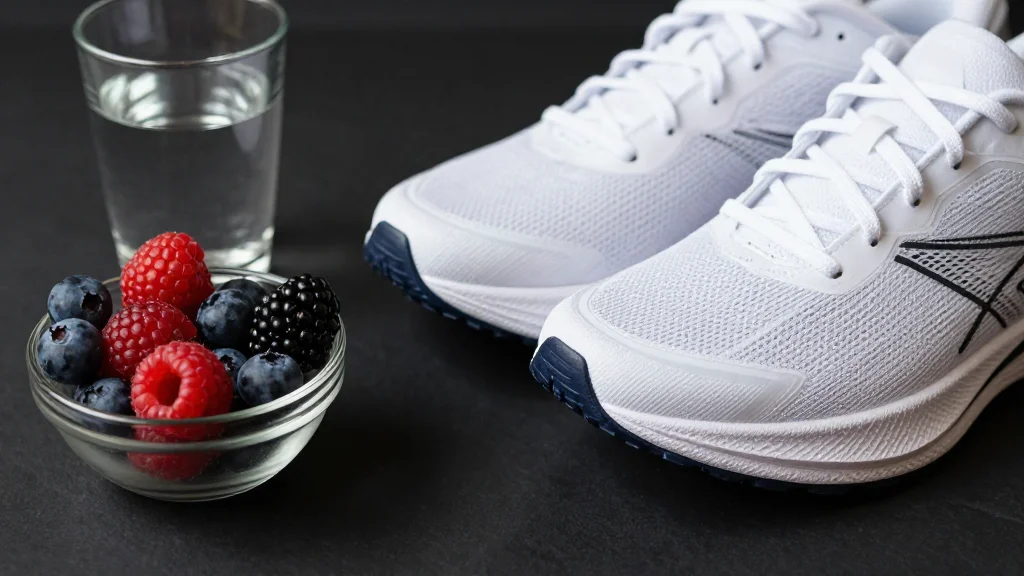
The episode with Dr. Jenna Gillen explores how exercise timing and nutrition jointly shape post‑prandial glycaemic control. It explains that muscle contractions during brief, low‑volume interval sessions can blunt glucose excursions and, over time, enhance insulin sensitivity. The discussion highlights...
Vitamin C Blocks Ferro‑aging, Boosting Longevity in Primates
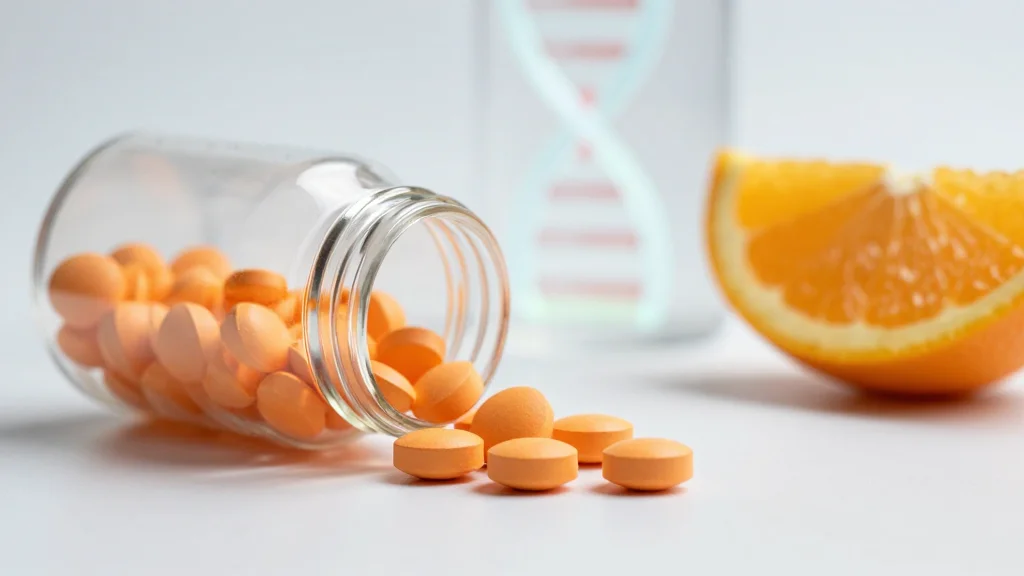
Simple nutrients, serious science. March 2026 is turning into a good month for longevity research on everyday supplements. First, a Nature Medicine paper (COSMOS trial) showing daily multivitamins modestly slowed epigenetic aging clocks (GrimAge and PhenoAge) in older adults: around...

Omega‑3s Cut Strength Loss After Intense Exercise
Omega-3s improve recovery from exercise. A new study reveals a potential mechanism. Men who supplemented with 2.5 grams of EPA + DHA per day for 8 weeks lost less strength after muscle-damaging exercise vs. those taking a placebo. This was attributed in part...

The 48-Hour Oatmeal Diet That Could Improve Heart Health by 10%
A two‑day oatmeal‑only diet cut LDL cholesterol by 10% in a German clinical trial. The 48‑hour regimen, providing 300 g of oats three times daily, also produced an average two‑kilogram weight loss and slight blood‑pressure reductions. Remarkably, these improvements remained evident...

Breast Milk Gets More Nutrient‑Dense After One Year
I weaned my first and second baby around 9 months. I'll see how long I go this time. I admire women who can do extended breastfeeding past 12 months. Some moms go 2+ years and that's remarkable. What most people don't...

Active Athletes Need More Calories, Protein, and Carbs
⚡️ Student-athletes and active adults have higher calorie, protein, and carbohydrate needs than their non-active counterparts. 🍉 NWW healthy cheat sheets and athlete-tailored recommendations vary based on goals, training, and intensity. 🍽️ Fundamentals include: 👉 Protein 👉 Carbohydrates 👉 Fluids 👉 Healthy fats 👉 Fruits & vegetables Here’s...

Biomarker Assessments Reveal Global Vitamin B2 Deficiencies in Women and Children
A multi‑country study of 3,567 participants found riboflavin (vitamin B2) deficiency to be widespread, especially among women and children. Using the erythrocyte glutathione reductase activation coefficient (EGRac) assay, researchers documented deficiency rates of 45%‑90% in high‑ and low‑income nations. In Ireland...

Should You Work Out Less When Cutting?
Cutting requires a calorie deficit, which can impair recovery and performance. However, most lifters—especially those with less than a year of experience—should not automatically reduce workout intensity or volume. Instead, they should focus on proper deloads, sufficient sleep, and eating...

Intermittent Calorie Restriction More Feasible for T2D Patients
The effect of continuous or intermittent calorie-restricted diet on body composition and 2 resting energy expenditure in patients with type 2 diabetes "both diets appear promising, with a lower 60 dropout rate in ICR suggesting greater feasibility..." https://t.co/sPAkTrVK40 https://t.co/C82NXBEddG
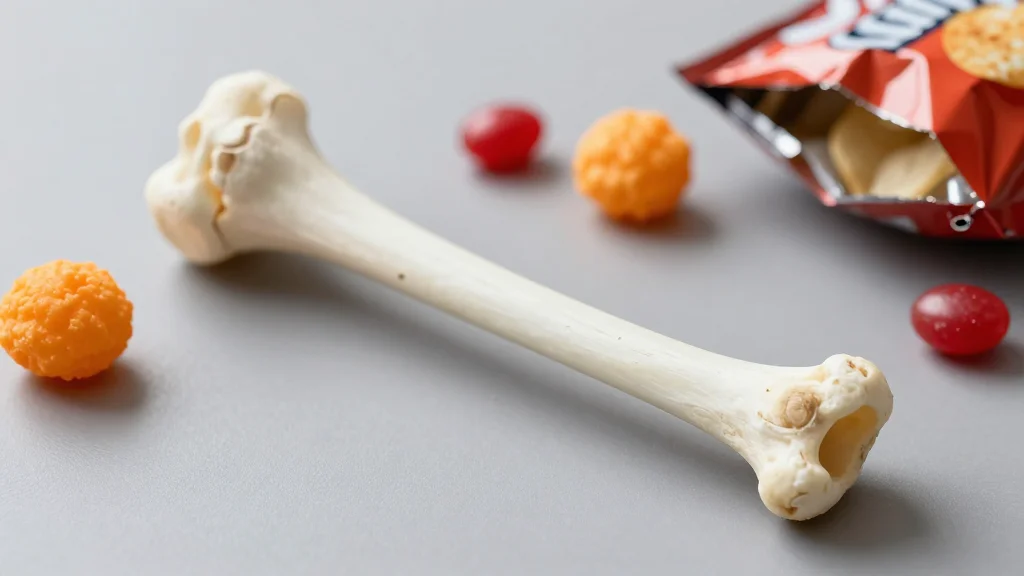
This Diet Pattern Is Linked To Weaker Bones, Based On 12 Years Of Data
A new British Journal of Nutrition study links high consumption of ultra‑processed foods to weaker bones. Analyzing 163,855 UK Biobank participants over an average 12‑year follow‑up, researchers found that higher intake corresponded with lower bone mineral density at the hip,...

Seed Oils Aren’t Uniquely Toxic Compared to Other Fats
#380 ‒ The seed oil debate: are they uniquely harmful relative to other dietary fats? | Layne Norton, Ph.D. https://t.co/tezM4gAKI9

Confused by the New Dietary Guidelines? Focus On These Simple, Evidence-Based Shifts to Lower Your Chronic Disease Risk
The 2026 Dietary Guidelines for Americans were released in a concise nine‑page format, shifting focus from nutrient targets to overall diet quality. Researchers, including USC professor Michael Goran, highlight that the strongest evidence supports cutting highly processed foods and sugary...

Red Meat in Plant-Forward Diet Impacts Aging Biomarkers
Effects of Minimally Processed Red Meat within a Plant-Forward Diet on Biomarkers of Physical and Cognitive Aging: A Randomized Controlled Crossover Feeding Trial https://t.co/hpjHcUsbtP https://t.co/Kf2yZhbmVe

Low‑dose EGCG + L‑theanine Reverses Fatty
Low-dose epigallocatechin gallate combined with L-theanine effectively alleviate obesity and metabolic dysfunction-associated steatotic liver disease by remodeling gut homeostasis and avoiding its hepatotoxicity https://t.co/rRnmHMr0An https://t.co/8DyZbmkAwg

Trying to Lose Weight? New Research Proves, Yet Again, That This Food Is the Best.
The article argues that lasting weight loss hinges on a sustainable calorie deficit rather than restrictive diets or obsessive calorie counting. It emphasizes shifting focus to high‑fiber, plant‑based foods, which naturally curb hunger and support health. The author outlines a...
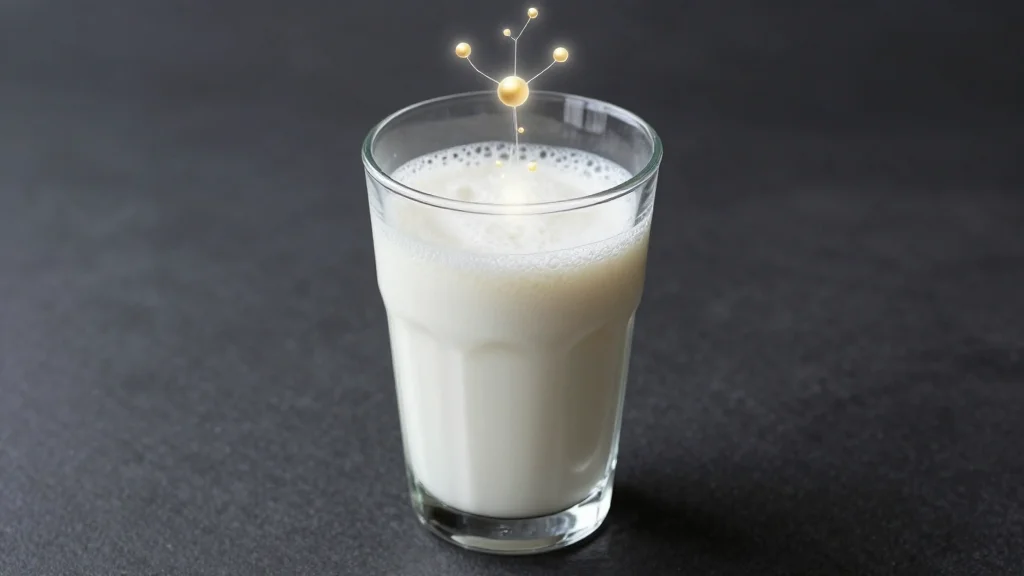
Whey’s Insulin Spike Isn’t Bad—Focus on Ratio
Well. Here the good “Dr” isn’t entirely wrong. But his believers are getting the wrong message. If you’re avoiding whey protein because “it spikes insulin,” you’re optimizing for the wrong variable. Yes, leucine stimulates beta cells directly. Yes, insulin...

Breast Milk Shifts Daily: Match AM/PM Feedings
Breast milk has a clock. Morning milk has higher cortisol and stimulating amino acids to help the baby wake up. Evening milk has more melatonin and nucleotides that have a sleep inducing effect on the nervous system to help the baby...

8 High-Protein Breakfasts You Can Make While You’re Still Half Asleep
A growing body of nutrition research emphasizes that a protein‑rich breakfast is essential for blood‑sugar stability, satiety, and muscle recovery. Dietitians recommend targeting roughly 30 % of daily protein—about 27 g—for a 150‑pound adult, which can be achieved with eight quick meals...

Turmeric: Simple Kitchen Spice That Fights Inflammation
Your kitchen might already contain a powerful inflammation fighter: turmeric. Used for centuries in traditional medicine, turmeric’s active compound (curcumin) helps support the body’s natural inflammatory response. Adding a pinch to soups, grains, vegetables, or tea is an easy place to...

EPA Outperforms DHA in Sleep‑deprivation Cognitive Decline
Dietary EPA shows superior efficacy over DHA in chronic sleep deprivation-induced cognitive decline by disrupting the crosstalk between intestinal ferroptosis and gut-derived Aβ production 🧠👨🏻⚕️ 🔗https://t.co/rqUO058bO9 https://t.co/Kr137l2BvH
:max_bytes(150000):strip_icc():format(jpeg)/heart-healthy-vegetables-GettyImages-1611366542-becff83e29cb43449d5692ed22b15635.jpg)
The One Vegetable a Cardiologist Recommends for a Healthier Heart
Cardiologist Dr. Dariush Mozaffarian highlights avocado as the top vegetable‑like food for heart health. Rich in monounsaturated fats, soluble fiber, potassium and antioxidants, avocado helps lower LDL cholesterol, reduce blood pressure, and curb inflammation. The nutrient profile supports healthier blood‑lipid...
:max_bytes(150000):strip_icc():format(jpeg)/sour-dough-vs-whole-wheat-bread-GettyImages-873239220-91394cce82204cc1a091ed4782be2fa7.jpg)
Is Sourdough Bread Better for You Than Whole Wheat? We Asked Dietitians
Dietitians compare sourdough and whole wheat breads, highlighting distinct nutritional profiles. Sourdough’s natural fermentation reduces gluten and phytic acid, offering lower glycemic response and easier digestion, while whole wheat delivers higher fiber, magnesium, and potassium for satiety and heart health....

Millions of Kids Take Melatonin but Doctors Are Raising Red Flags
Melatonin has become a ubiquitous over‑the‑counter sleep aid for children, driven by parental demand for quick, natural‑appearing solutions. A recent Boston Children’s Hospital review confirms strong short‑term efficacy for kids with autism or ADHD, but finds scant long‑term safety data...
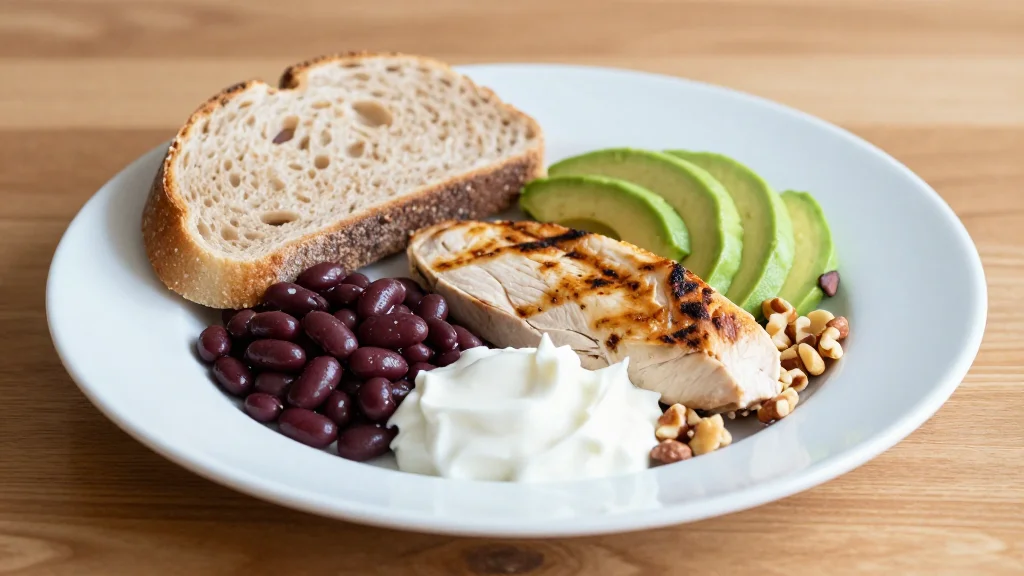
18 Things To Add To Your Lunch To Make It Way More Filling & Satisfying
The article outlines how to build a more filling lunch by incorporating all three macronutrients—carbohydrates, proteins, and fats. It explains the role of fiber‑rich carbs, lean proteins, and healthy fats in extending satiety and stabilizing energy. Nutrition expert Gisela Bouvier...
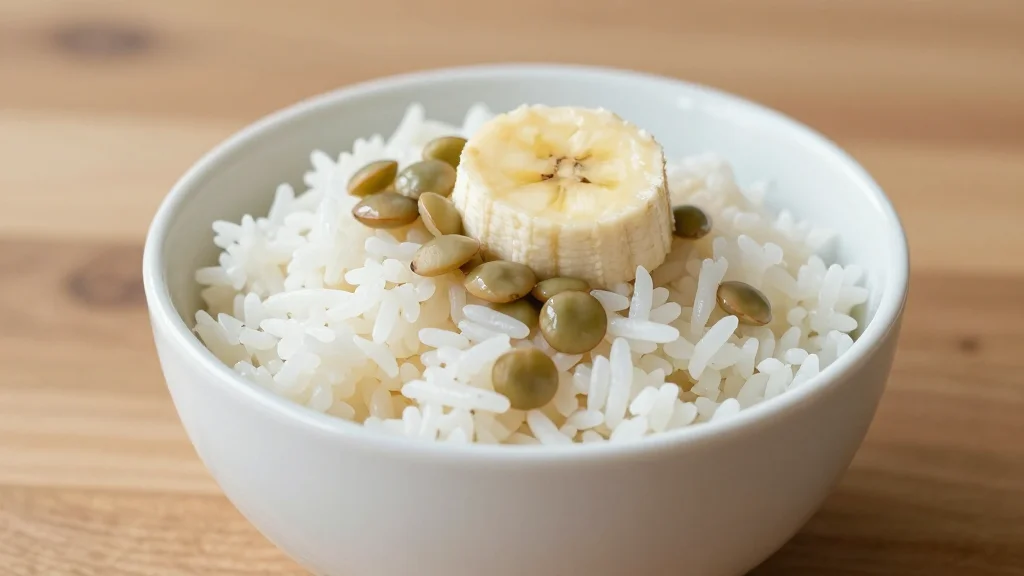
This Gut-Friendly Carb Might Help Prevent Blood Sugar Spikes (Not Fiber)
Resistant starches are a type of carbohydrate that escape digestion in the small intestine and act as prebiotic fibers in the colon. Research links them to improved insulin sensitivity, a “second‑meal” blood‑sugar stabilizing effect, and healthier colon tissue through short‑chain...
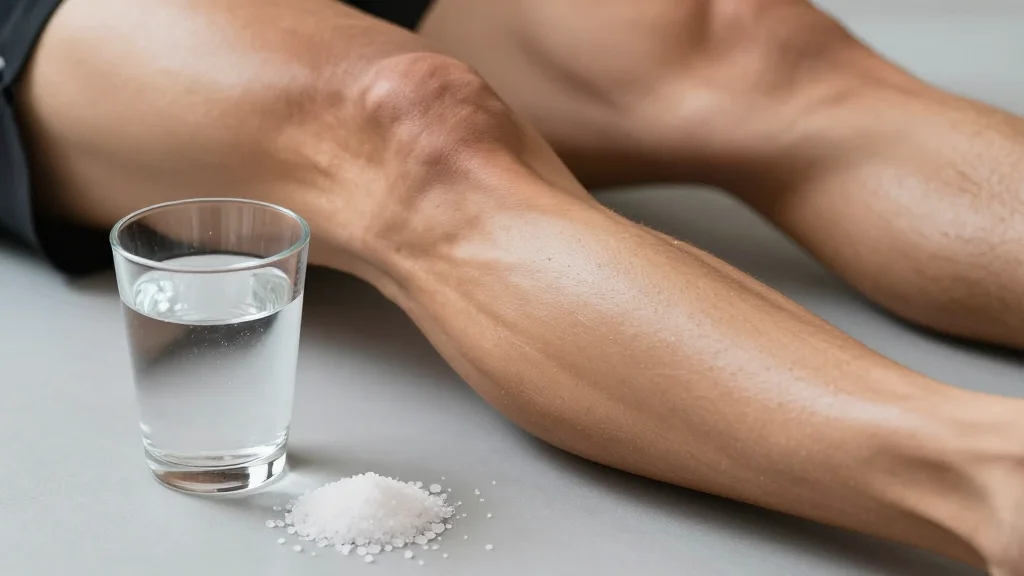
Hydration, Fuel, Warm‑up: Key to Preventing Cramps
Athletes cramp for 3 common reasons: 1. Lack of hydration and minerals 2. Inadequate pre-competition fueling 3. Poor conditioning/training preparation and warm-up Low-carbohydrate diets also cause the kidneys to excrete more sodium and water, which can further increase cramping risk. My tips to prevent muscle...

Insulin Spikes Can Halt Ovulation and Fertility
Most women don't realize that blood sugar issues can shut down ovulation. When insulin stays elevated, it suppresses something called SHBG, which means too much free testosterone begins to circulate. That excess testosterone interferes with follicle development and can stop the...
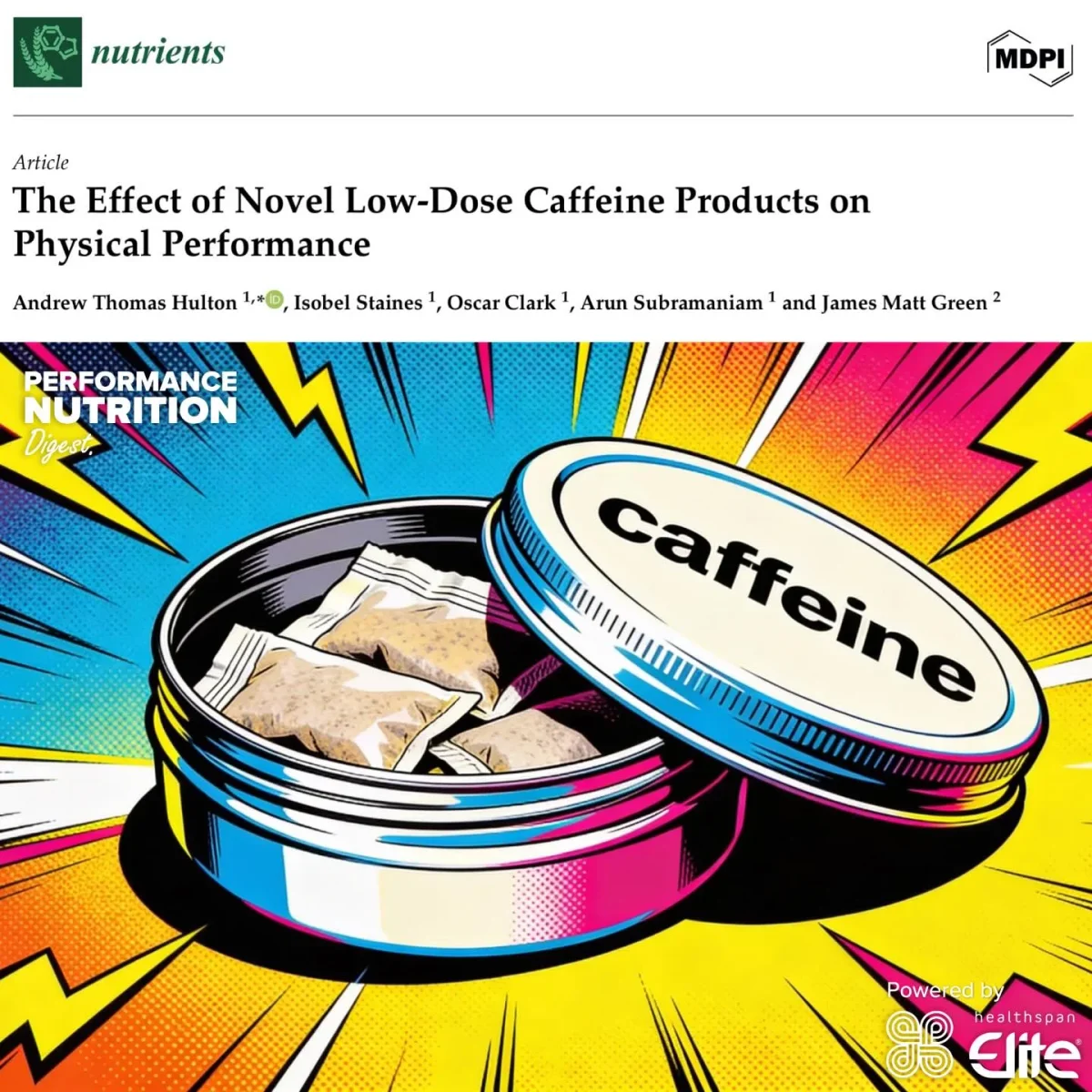
Low‑dose Caffeine Pouches Don’t Boost Strength Performance
Low dose caffeine pouches - a novel performance strategy? ☕️ This new study recruited 19 active adults to complete 3 x physical performance testing sessions after taking either… 1️⃣ 80 mg caffeine pouch (similar to snus) 2️⃣ 80 mg caffeine gum 3️⃣ Placebo gum 💊...