Today's Nutrition Pulse
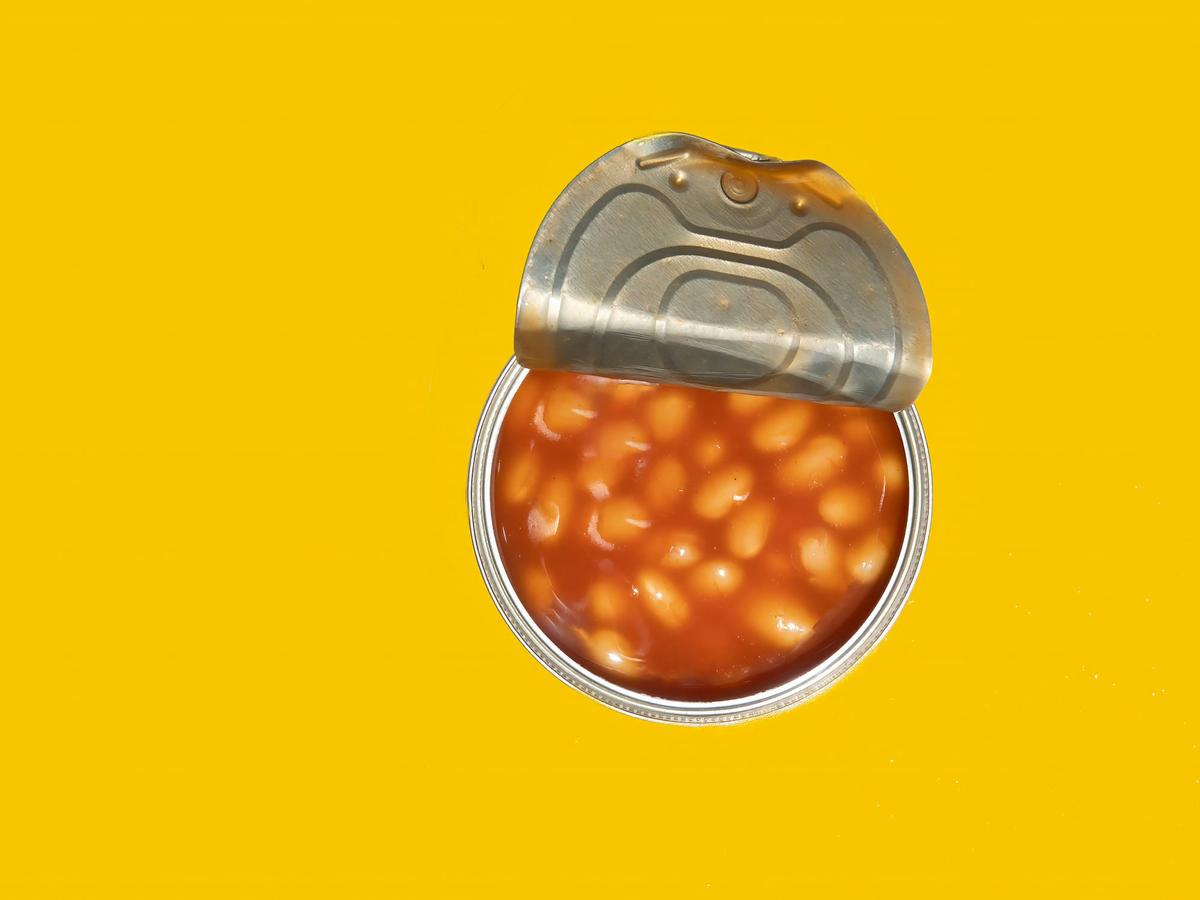
Europe’s fibre craze risks gut distress at excess levels
Most Europeans still fall short of the UK’s 30 g daily fibre target, yet recent trends have pushed some intakes above 50–70 g. Consuming fibre at those levels can cause bloating, diarrhoea, constipation and reduced mineral absorption, especially when the increase is rapid and hydration is insufficient.
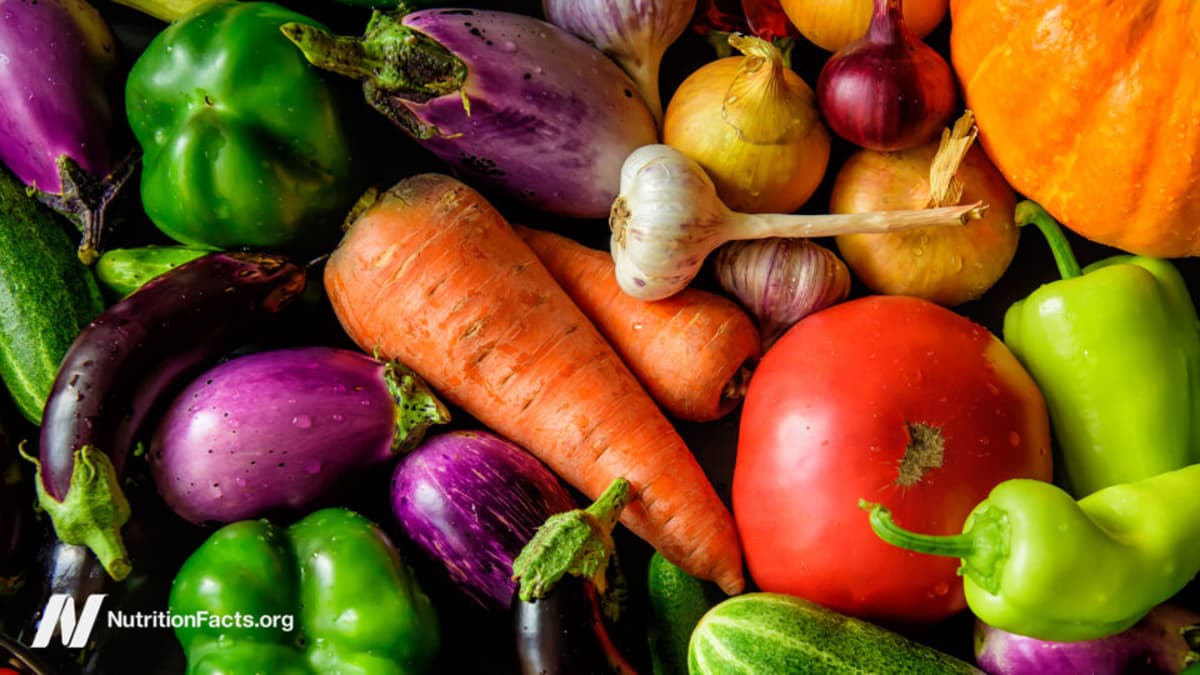
Fighting Cancer with Whole Plant Foods
The article argues that whole plant foods, not pharmaceuticals, are the most effective foundation for cancer prevention. It highlights the long latency of epithelial cancers and the ten hallmarks that drive tumor growth. Plant-derived bioactive compounds can simultaneously target multiple hallmarks, offering a synergistic, side‑effect‑free alternative to isolated drugs. Recent laboratory studies show that a cocktail of common vegetables and fruits can suppress breast cancer cell proliferation by over 80% without harming normal cells.
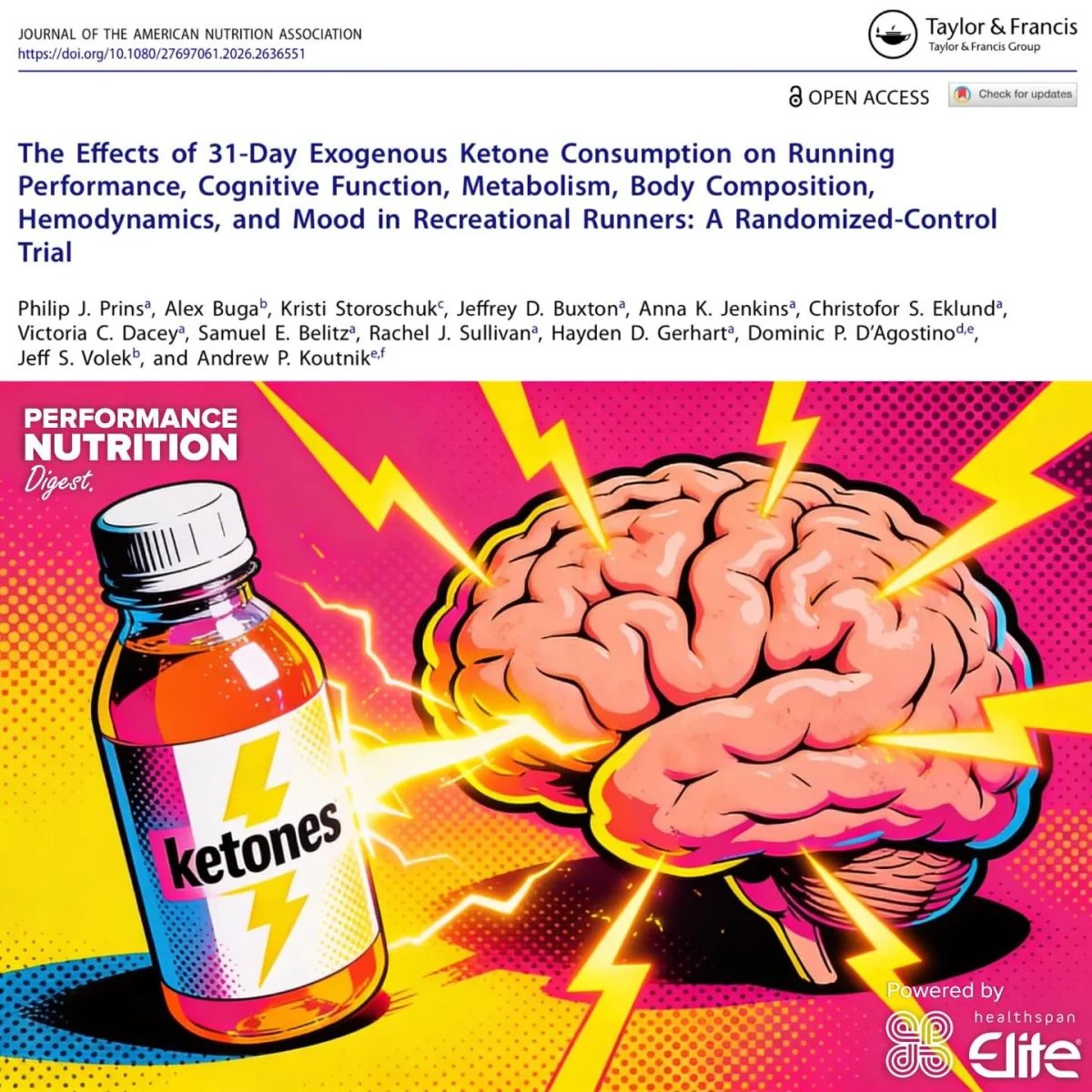
Daily Ketone Supplements Boost Brain Power, Lower Glucose
Daily exogenous ketone consumption enhances cognitive function 🧠📈 This new study investigated the effects of 90 g/day (3 x 30g) ketone monoester supplementation in recreational runners Analysed outcomes included… 🏃 Running performance 🧠 Cognitive function 🔥 Metabolism 🩻 Body composition 🩸 Hemodynamics 🎭 Mood Results 📊 Ingesting ketones led to...
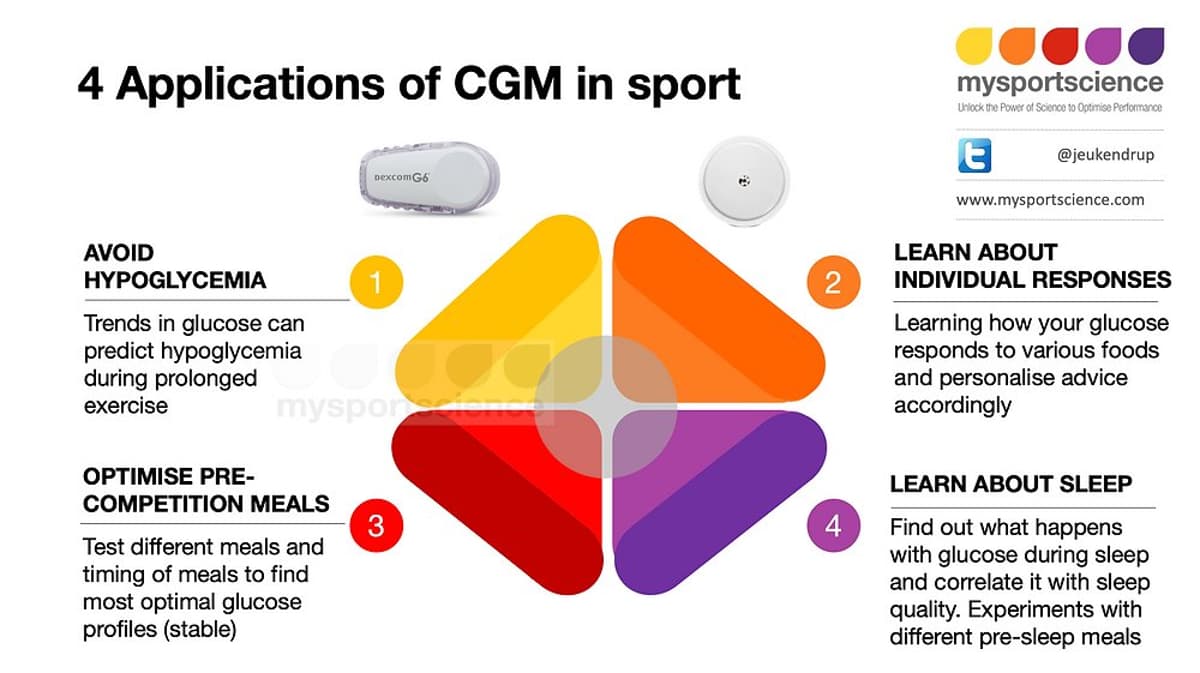
Four Ways Glucose Monitoring Boosts Athletic Performance
In our blog we discuss four potential applications: https://t.co/i88WCldGot • Preventing hypoglycaemia during exercise • Improving pre competition fuelling strategies • Learning how different foods influence glucose levels • Understanding glucose regulation during sleep and stress

Can You Drink Coffee While Pregnant?
Maternal‑fetal specialist Dr. Cara Dolin confirms pregnant people can drink coffee, but only in moderation. The American College of Obstetricians recommends keeping caffeine below 200 mg per day, roughly one 12‑ounce cup of coffee. Exceeding this limit has been associated with...
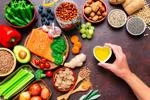
Heart-Healthy Foods To Add to Your Grocery List
Preventive cardiology dietitian Julia Zumpano outlines a comprehensive list of heart‑healthy foods that can lower cardiovascular risk. The guide highlights omega‑3‑rich fish, nuts, seeds, berries, fruits, whole grains, legumes, soy, colorful vegetables, leafy greens, and dark chocolate as nutrient‑dense options....
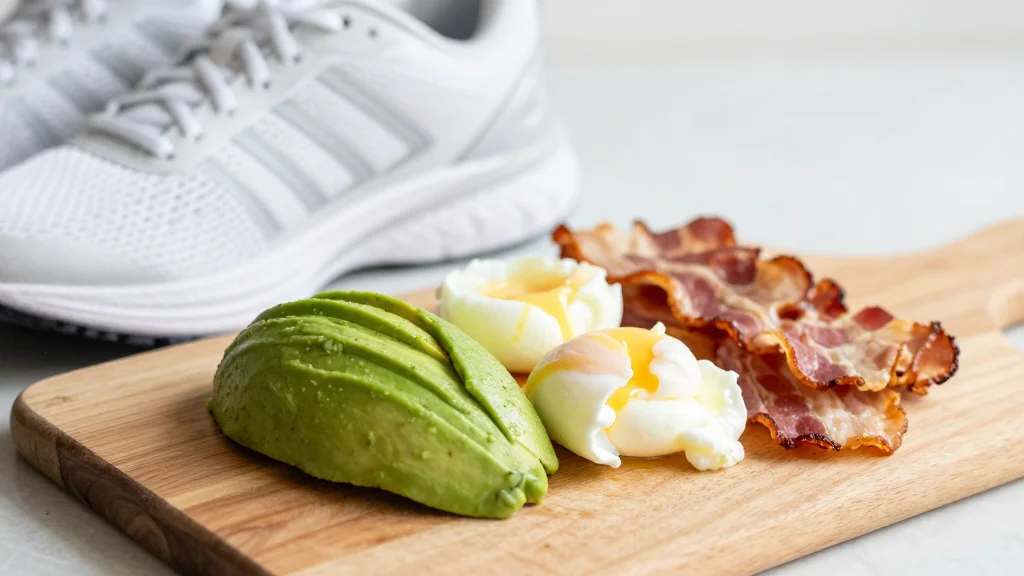
Scientists Found a Surprising Way to Make Exercise Work Better
Researchers at Virginia Tech discovered that a high‑fat ketogenic diet rapidly normalizes blood glucose in diabetic mice and enhances their response to aerobic exercise. Within a week, the mice’s hyperglycemia resolved, and prolonged feeding remodeled muscle fibers toward a more...
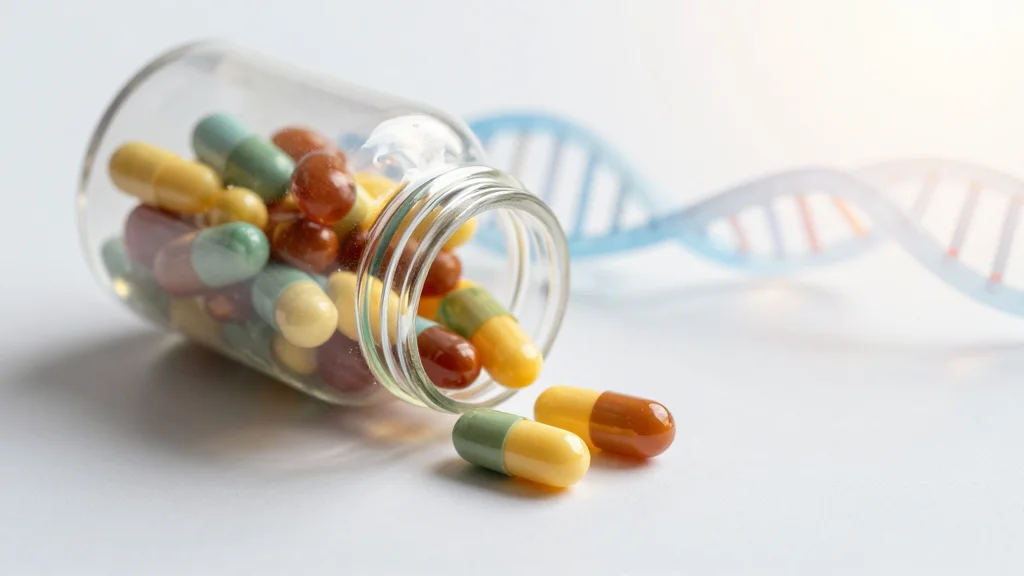
Taking a Multivitamin Could Slow some Signs of Aging, New Study Suggests
A randomized clinical trial of 958 adults aged 60 and older found that a daily multivitamin‑multimineral supplement modestly slowed two epigenetic aging clocks over two years. The clocks’ rate of increase decelerated by roughly 1.5 to 2 months per year...

Debunking Electrolyte, Gel, and Dehydration Myths
Do electrolytes make you cramp? Do you need gels during a half-marathon? How much dehydration impairs performance? I tackle fueling and hydration myths and reality on my new YouTube Video. Link below:

Frailty Sets in Far Earlier than You’d Expect, but You Can Reverse It
New research reveals frailty can begin decades before old age, with many people in their 30s and 40s already in a pre‑frail state. Around 10 % of those in their 50s show early signs, rising to about half of individuals in...

A Daily Multivitamin May Slightly Slow Rates of Ageing
Researchers conducted a double‑blind, placebo‑controlled trial with 1,000 participants averaging 70 years old, giving half a daily multivitamin (Centrum Silver) and the other half a placebo. After two years, analysis of five epigenetic aging clocks indicated the supplement group aged...

Sodium: Key to Hydration and Performance – Register Now
Sodium leads the way in controlling osmolality. That is why it sits at the centre of hydration and performance. LAST CHANCE to register: https://t.co/6IKMRNDI7X https://t.co/Khn3sEOM19

IV Vitamin Therapy: Does It Work?
IV vitamin therapy is gaining popularity as a wellness service that delivers nutrients directly into the bloodstream, bypassing the digestive system. Proponents claim benefits such as improved mental clarity, fatigue reduction, and immune support, while critics point to limited high‑quality...
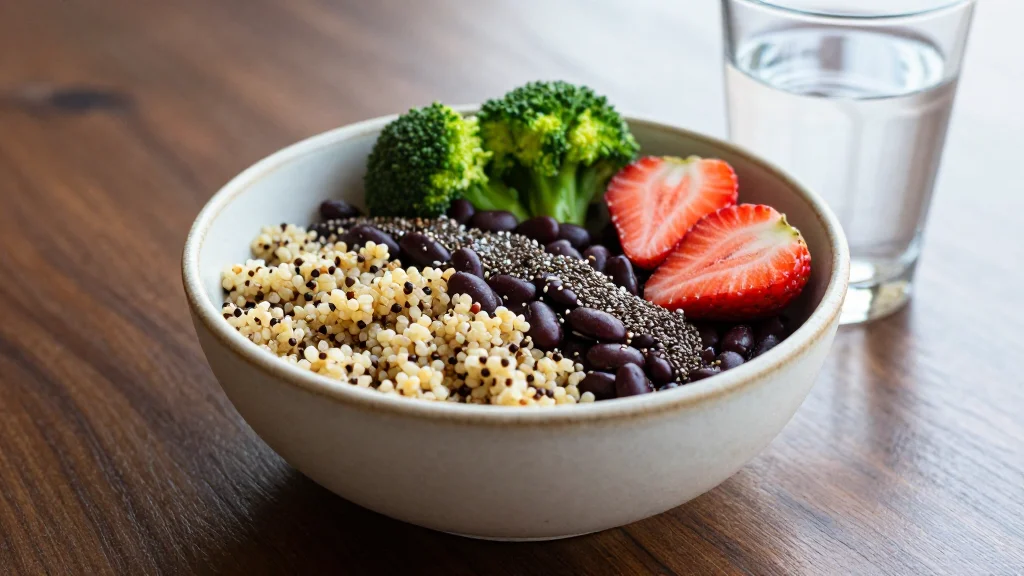
Scientists Say This Simple Diet Change Could Transform Your Gut Health
Scientists highlight “fibermaxxing,” a weight‑adjusted approach to meet daily fiber goals. Researcher Jennifer Lee explains that 22‑34 g of fiber (or 14 g per 1,000 calories) supports gut microbiota, improves satiety, and lowers metabolic disease risk. She differentiates soluble and insoluble fiber,...
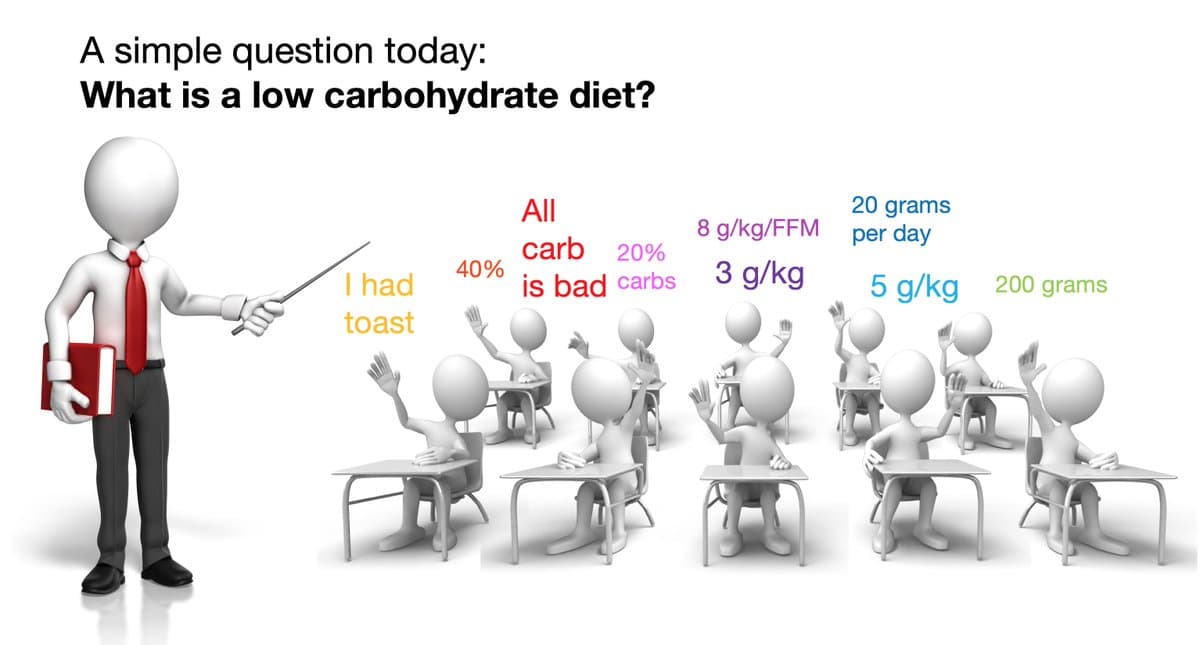
Low‑Carb, High‑Fat, Keto: Definitions Vary Widely
Is low carb low carb? We talk about high fat diets, low carb diets, keto diets, but these terms can mean different things to different people... https://t.co/5gHPGbc6uK https://t.co/RCwnNzDejQ
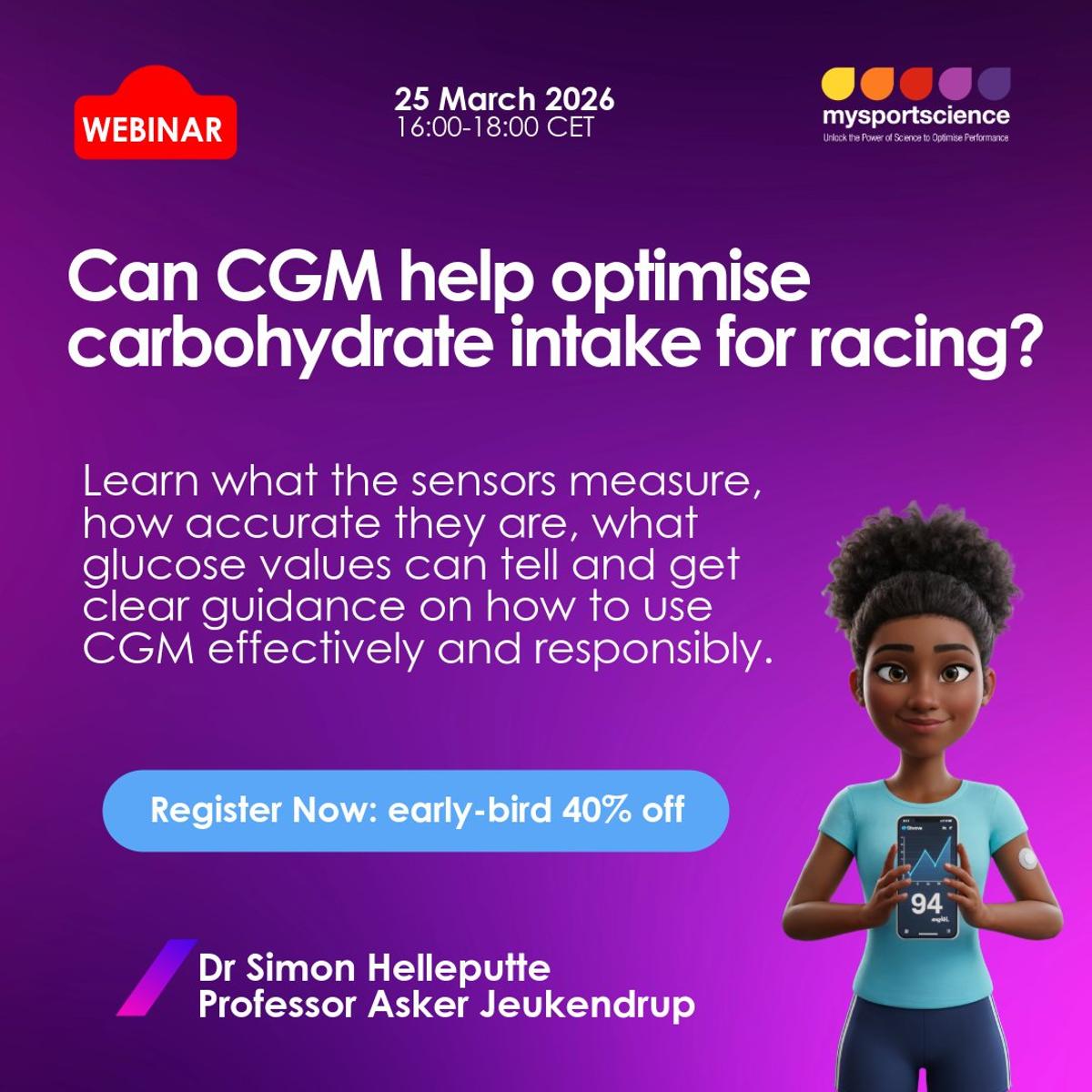
Science Checks Marketing Claims on CGM Meal Optimization
NEW: Marketing suggests CGM can optimise meals, stabilise energy, and personalise fueling. But what does the science actually show? https://t.co/B3MRb4lyXM Secure your early-bird spot now for £15 https://t.co/g9C0i7QJgO

Can Ultra-Processed Foods Fit in a Mediterranean Diet? (+ A Grocery Store Guide)
The article argues that ultra‑processed foods are not automatically excluded from a Mediterranean eating pattern, provided they meet key nutrient criteria. It references the PREDIMED trial, which linked a Mediterranean diet enriched with olive oil or nuts to a 30 %...

CGM Helps Athletes Spot Low Glucose Early, Though Imperfect
Continuous glucose monitoring offers interesting possibilities for athletes, but it is not a perfect fuel sensor. It may help detect falling glucose levels early and prompt an athlete to eat before hypoglycemia becomes a problem. Read now: https://t.co/uNfQi7HiW8 https://t.co/gVQz8Fqjbu
Decades of Creatine Use Show Science Eventually Catches Up
Those of us who have been taking 5-10g (20-30g in the “loading” (we now know not needed) of creatine daily and lifting low volume, heavy 3-4x per week for the last 30+ years will tell you: sometimes the science does...

Chris Masterjohn: COVID-19 to Mitochondrial Health, Communicating and Applying "the Science"
Chris Masterjohn, a nutritional scientist and mitochondrial biologist, launched Mitome, a consumer‑focused platform for mitochondrial health testing. In a conversation with Razib Khan, he critiqued the COVID‑19 response, alleging authorities overstated certainty and faced attempts at censorship. Masterjohn also argued...

Delay Your Morning Coffee for Better Performance
Yep. Do what works for you. If I’m exercising in the first hour or two after waking, I’ll go straight to caffeine otherwise I delay. Coleman:
NR Boosts NAD 2.3× More than NMN at 1.2 G/Day
ppl have been asking for head to head comparisons of NR v NMN in humans the data show that at 1.2 g/day, NR had 2.3x the blood NAD-boosting activity versus NMN the paper and the details in this 🧵 https://t.co/7KuP6LXyia

Is It Safe To Eat Sushi While You’re Pregnant?
Pregnant women face heightened risks when consuming raw or undercooked sushi due to potential Listeria infection, mercury exposure, and parasites. Maternal‑fetal specialist Dr. Cara Dolin advises eliminating raw fish, sashimi, nigiri, and high‑mercury species such as shark and swordfish. Safe...

Water + Sodium: Hype or Science? Webinar Seats Limited
"Drink more water and consume more sodium" marketing hype or science proven? Last few seats to grab at the webinar: https://t.co/YtBy9Dodjq https://t.co/gbjhlIpsm7

Sodium: Essential for Fluid Balance, Blood Pressure, Muscles
What exactly is sodium and why is it important? This blog explains sodium’s key roles in fluid balance, blood pressure regulation, and muscle contraction, and how the body tightly controls sodium levels. Click here: https://t.co/cstZeQc1rd https://t.co/mMtP5PyHd9

The Gut-Fatigue Connection: Is Your Digestion Making You Tired?
In this episode the host explores the emerging link between chronic fatigue—including Myalgic Encephalomyelitis/Chronic Fatigue Syndrome (ME/CFS)—and gut health, emphasizing how gut dysbiosis may drive persistent exhaustion. They explain the gut microbiome as a complex ecosystem, using a garden metaphor...

Low‑dose Creatine Boosts Performance in Kids Safely
Creatine isn’t just for adults. I give my son 2.5 g/day. There are (albeit few) studies in kids and adolescents showing creatine can improve performance. For example, trials in adolescent soccer and basketball players report improvements in power, jumping, sprint/anaerobic performance,...

Master Sodium Use: Decision Tree Webinar Guide
Join the webinar and walk away with a clearer understanding and a no-nonsense decision tree to guide when to use sodium, how to dose it, and when not to bother. Secure your spot: https://t.co/qvjELFGgfZ https://t.co/R3SCs3n4vx

What Does Personalized Nutrition Actually Deliver?
Personalized nutrition has surged in popularity, fueled by consumer genetics kits and promises of 3D‑printed custom foods. While genuine differences exist for allergies, intolerances, and certain metabolic traits, scientific studies show genetic variants explain only a few percent of nutrient...
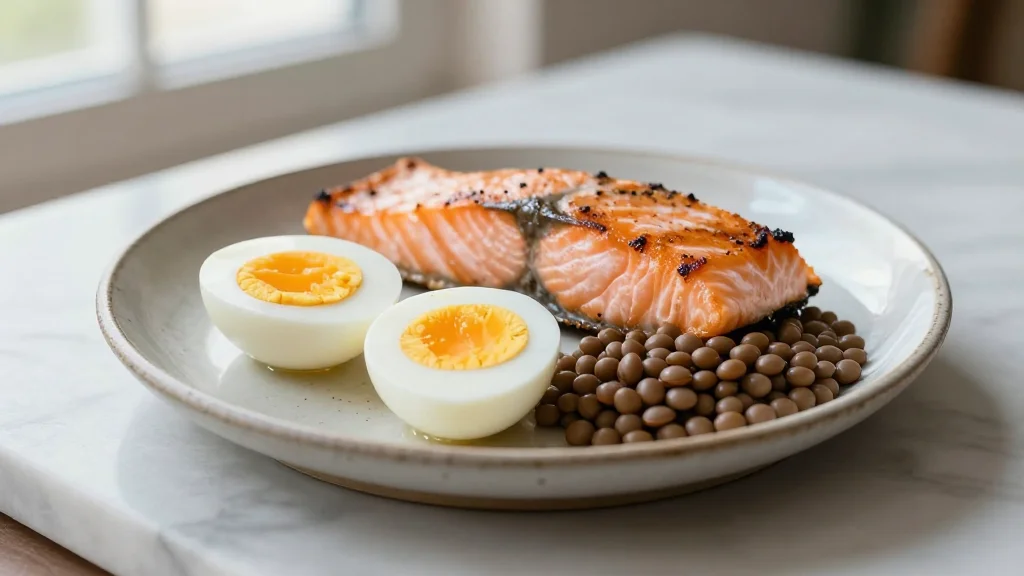
Protein From Food Beats Supplements—No Hot Take Needed
It shouldn’t be radical, controversial or a “hot take” to meet your protein needs from food and not supplements.
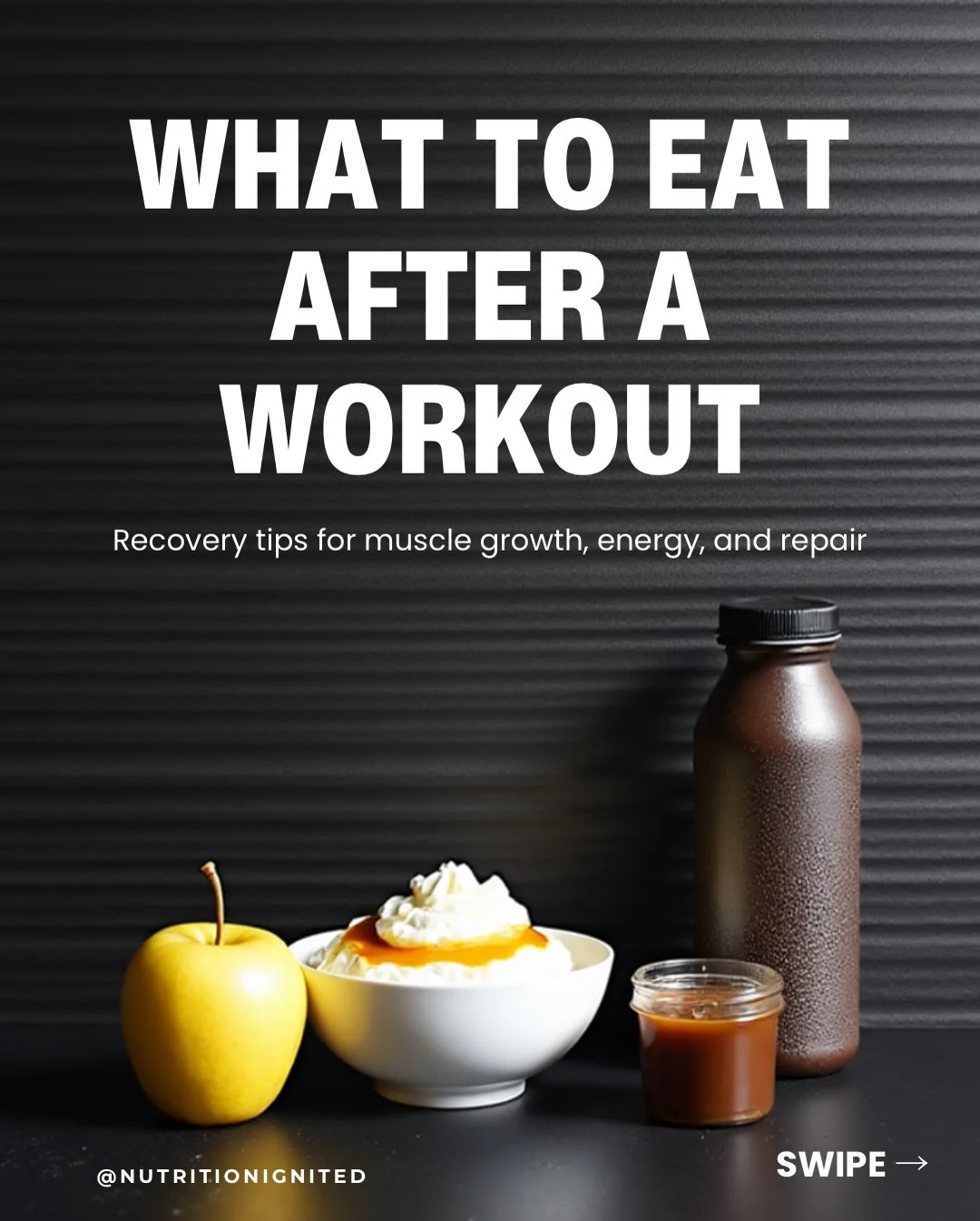
Eat Within 30 Minutes for Faster Muscle Growth
Post workout nutrition is crucial to optimizing performance, preventing injury, and promoting muscle growth. Having a post workout snack right after training can drastically enhance muscle growth and immediately begin the recovery process. Grab a simple snack such as chocolate...
Scientists Discover Diet that Tricks the Body Into Burning Fat without Exercise
Scientists at the University of Southern Denmark discovered that restricting dietary methionine and cysteine triggers thermogenesis comparable to chronic cold exposure, leading to significant weight loss in mice. Over a week, mice on the amino‑acid‑restricted diet burned 20% more calories...

There's No Such Thing As A Vitamin D Deficiency - Part 4
The 2024 Endocrine Society guidelines discard the notion of a vitamin D deficiency and limit supplementation to four specific groups: pregnant people, adults over 75, children under 18, and individuals with prediabetes. The series argues that robust evidence shows vitamin D pills...
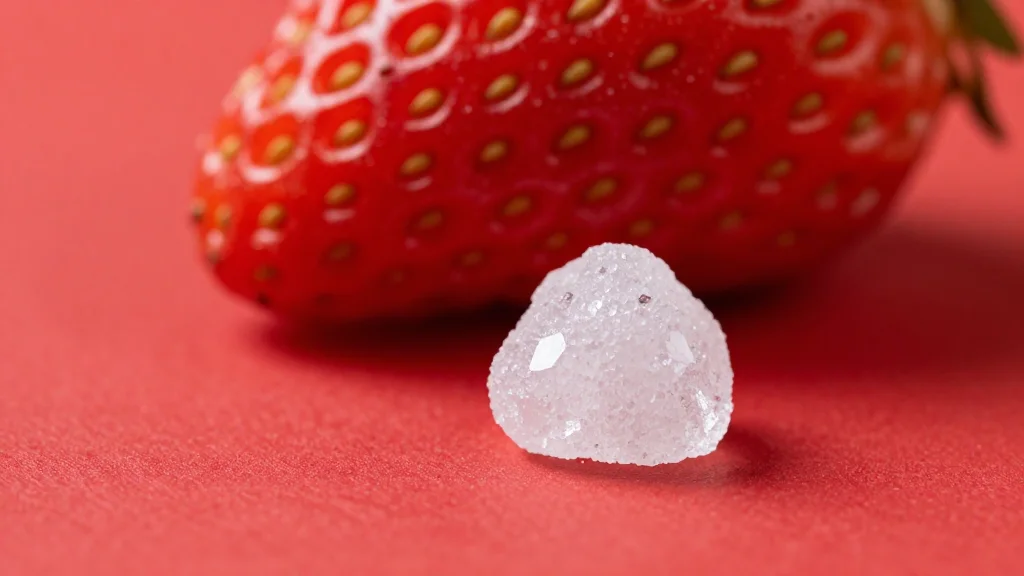
The False Promise of a “No Sugar” Diet
Recent U.S. dietary guidelines recommend zero added sugar for children under ten and advise adults to keep added sugar intake minimal. The push, amplified by health officials like Robert F. Kennedy Jr., conflates added sugars with all sugars, sparking calls...

Study Finds Vegetarians over 80 Less Likely to Reach 100
A longitudinal study of more than 5,000 Chinese adults aged 80 and older found that non‑meat eaters were less likely to become centenarians than meat eaters. The disparity was confined to participants who were underweight, while those of normal weight...
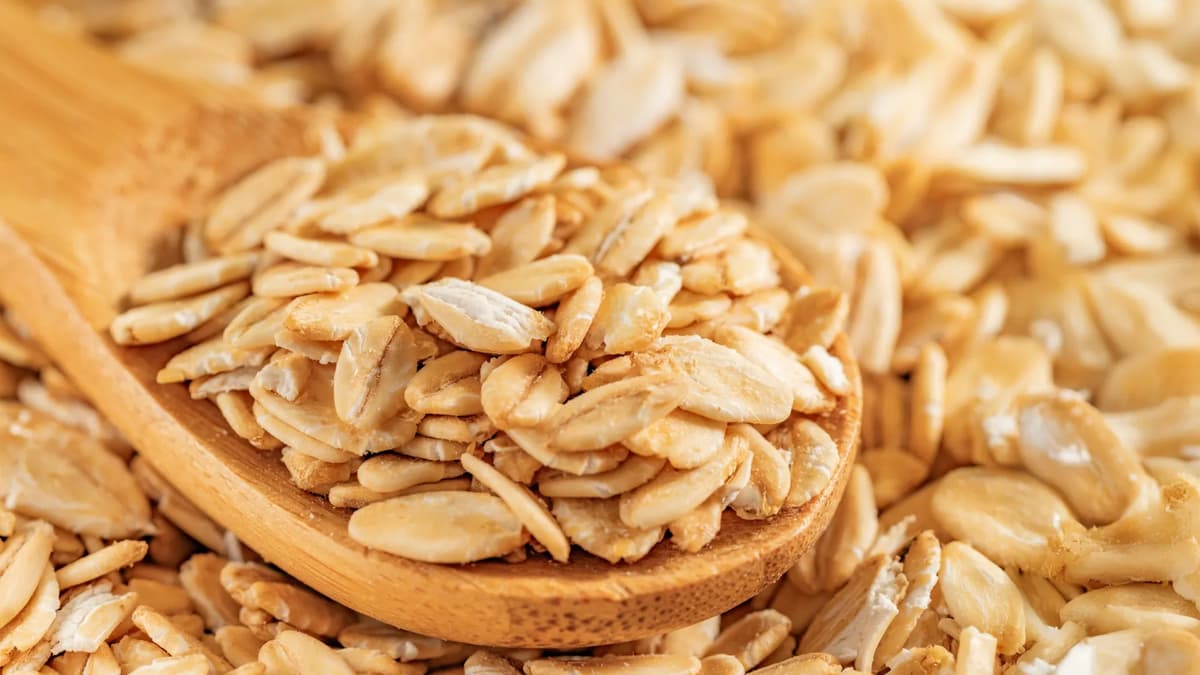
Just Two Days of Oatmeal Cut Bad Cholesterol by 10%
A University of Bonn randomized trial published in Nature Communications found that a two‑day, calorie‑restricted diet consisting of 300 g of oatmeal per day reduced LDL cholesterol by about 10 percent in participants with metabolic syndrome. The oat‑rich group also lost roughly...