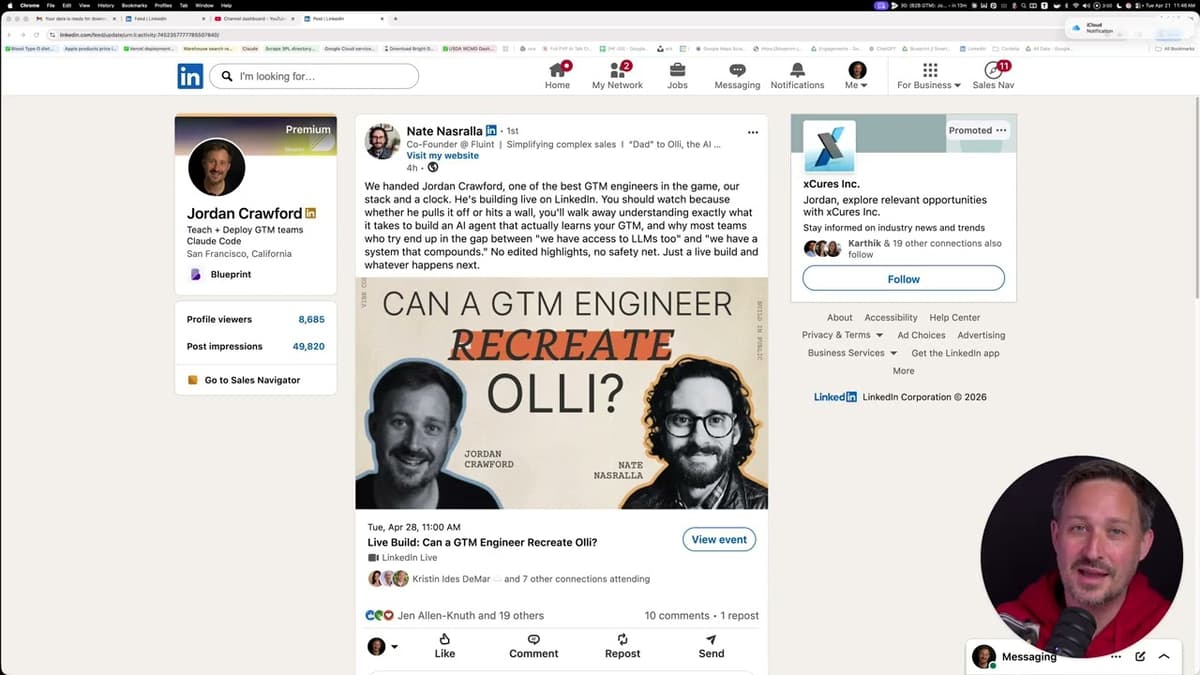
Can I Vibe Code Destroy a Million+ ARR B2B SaaS Software in 4 Hours (Live)?
The video announces a live experiment in which the host, Jordan Crawford, will attempt to recreate and potentially dismantle a $1 billion‑plus ARR B2B SaaS product in four hours using AI‑driven “vibe code.” Founder Nate Nalo will join the session to expose his company’s value proposition and let the audience watch the process in real time. Crawford frames the test around a four‑sentence soundbite from Nalo’s new book, arguing that AI now lets anyone deploy imagination instantly. He will compare the speed, cost and flexibility of building a custom solution versus continuing to purchase the existing SaaS, which he describes as overpriced, poorly integrated, and static. Key moments include Crawford’s claim, “If we can build anything ourselves with AI, we can deploy at 100× speed,” and Nalo’s candid answer to the question, “Why do I need you anymore?” The host also likens his betting style to playing slots in an airport, underscoring the experimental, high‑stakes nature of the showdown. The outcome will provide a concrete data point for B2B buyers and investors: whether AI‑generated tools can replace entrenched SaaS platforms. A successful rebuild could accelerate a shift toward in‑house AI development, forcing SaaS vendors to rethink pricing, integration, and customization strategies.
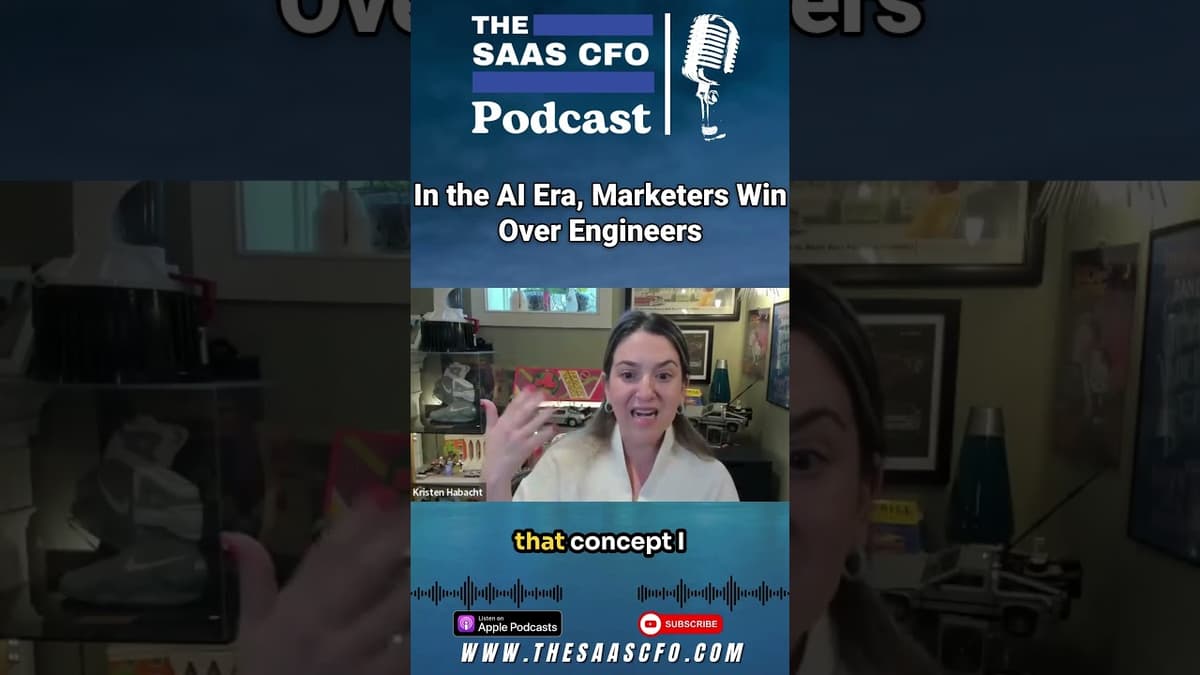
In the AI Era, Marketers Win Over Engineers #saas #podcast #shorts #ai #elly
In this short podcast excerpt, the speaker argues that the rise of AI‑driven coding tools is turning product development into a rapid‑distribution game, making go‑to‑market expertise the new competitive edge. He notes that because features can be shipped quickly, the most...

Medial CEO Rob Thomas on How They Became a Core Video Platform for Education and Enterprise Users
Rob Thomas, CEO of Mediasite, outlined how the company has become a core video platform for both education and enterprise users. The discussion highlighted Mediasite’s deep integrations with leading learning management systems such as Moodle and Canvas, positioning it...
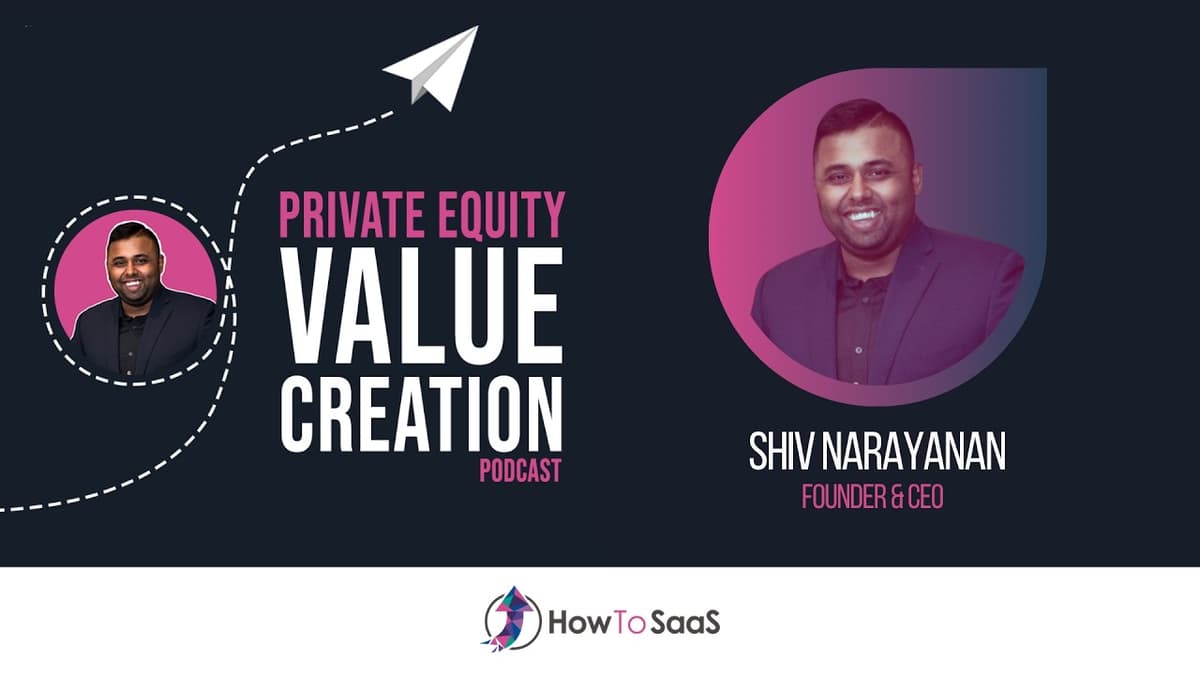
Ep.124: Shiv Narayanan of How To SaaS | The 7-Step AI Marketing Blueprint
In this episode Shiv Narayanan introduces his new bestseller, the AI Marketing Blueprint, and explains why traditional demand‑generation channels such as paid search and SEO are losing effectiveness. Buyers are increasingly turning to large‑language‑model platforms—ChatGPT, Gemini, Claude—to self‑educate, conduct research,...

Outgrown Excel? This AI Tool Does What Excel Can't
The video introduces Zite, an AI‑powered platform that transforms a traditional Excel spreadsheet into a fully functional, database‑driven web application. By uploading an existing CRM Excel file and providing a brief natural‑language prompt, users can generate a multi‑user app with...

3 Form Builders Better Than Google Forms
Google Forms is a free, quick solution, but its limited branding and workflow options prompt many businesses to seek alternatives. This video reviews three form‑building platforms—Tiger Form, Nerdy Forms, and Formsite—highlighting each one's strengths and pricing structures. Tiger Form is optimized...
Automate Your Life in 4 Hours – Agent and Automation Zapier Course
The video introduces a free‑code‑camp course that teaches professionals how to automate everyday workflows using Zapier, a no‑code integration platform. It walks viewers through core concepts—triggers, actions, and tasks—then expands to advanced features such as AI Copilot, Zapier Tables, and custom...

Essential SaaS Metrics for a Series A Raise | SaaS Metrics School | Series A Fundraising
The video walks founders through the core SaaS metrics investors demand during a Series A raise. It emphasizes that while early‑stage pitches can rely on narrative, a Series A must be backed by hard data such as annual recurring revenue (ARR), contracted...

The SaaS Ad CTA Mistake Killing Your Pipeline
The video warns SaaS marketers that using a demo as the first call‑to‑action (CTA) kills pipeline efficiency. Instead, early ads should invite low‑commitment actions that keep prospects in the funnel. It explains that demos sit too far down the sales process;...
I Built an AI Agent in 20 Minutes - Here's How
The video walks viewers through creating an AI assistant with MaxClaw, MiniMax’s hosted version of the OpenClaw orchestration framework, showing how a non‑technical user can have a fully functional agent up and running in about twenty minutes. Key insights include MaxClaw’s...
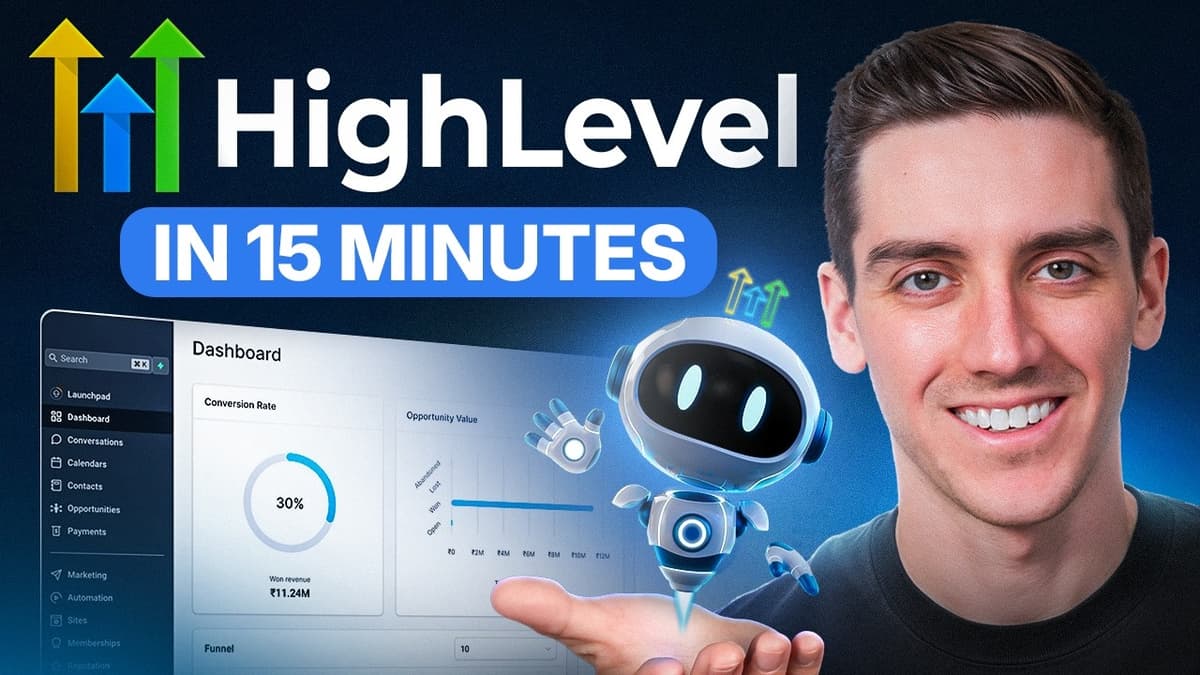
GoHighLevel Tutorial for Beginners 2026 - How to Use GoHighLevel
The video is a step‑by‑step beginner’s guide to GoHighLevel, a unified platform that combines CRM, marketing, payments, website building, and AI tools. Dan walks viewers through signing up for an exclusive 30‑day free trial, setting up sub‑accounts for separate businesses...
Real Customers React to Chloe — Close's AI Sales Teammate
The video introduces Chloe, Close’s AI sales teammate that functions as a conversational power‑dialer, calling prospects on behalf of users. Demonstrations show Chloe can be configured in under two hours, instantly learn product details, and qualify complex mortgage and tax offerings,...

Your CRM Just Started Calling Your Leads (Meet Chloe)
The video introduces Chloe, an AI‑driven virtual sales rep built into Close’s CRM that can call, email and text leads without human intervention. Chloe automatically qualifies inbound prospects, conducts discovery calls, follows up with personalized messages, and schedules meetings before handing...

How We Built a $1.5M ARR SaaS With 3 People and $0 in Ad Spend
The video details how Marie and Philip built Tally, a free‑first form‑builder, into a $1.5 million ARR SaaS with just three full‑time staff and zero advertising spend. Their journey began on a Mexican beach in 2018, shifted through a failed travel‑influencer...

I Spent 24 Hours With A SaaS Millionaire
The video follows Starter Story host Pat Walls as he spends a day with Jeremy, a solo founder who built and sold Taskmagic, a browser‑based automation SaaS, for a seven‑figure sum. Jeremy explains his "tentpole" strategy: develop a central, revenue‑generating...
The Only Ad Metric That Actually Scales SaaS
The video stresses that most SaaS marketers abandon ads after short failures, but the real lever is disciplined measurement of cost metrics. It outlines three core metrics—cost per lead (CPL), cost per qualified lead (CQL), and cost per acquisition (CPA)—and advises...
The GovTech Growth Metric That Matters: More Cities #saas #podcast #shorts #arkclimate
The podcast spotlights a simple yet powerful growth metric for GovTech firms – the number of municipalities they serve. Host argues that expanding the client base across cities drives sustainable revenue more than chasing large, one‑off contracts. Speakers note that once...

Get 1 Million Monthly Views From Your ICP
The video outlines a repeatable B2B marketing engine designed to generate one million monthly content impressions within a company’s ideal customer profile. It stresses producing at least one high‑quality piece each week—case studies, webinars, PDFs, or videos—that directly addresses the...
Structuring Your Board on Dashboard Legal
The video introduces Dashboard Legal’s customizable board system designed for law‑firm partners and legal directors who need a single source of truth for practice‑wide updates. By aggregating tasks, deadlines, client status, individual workloads and overall capacity in real time, the platform...
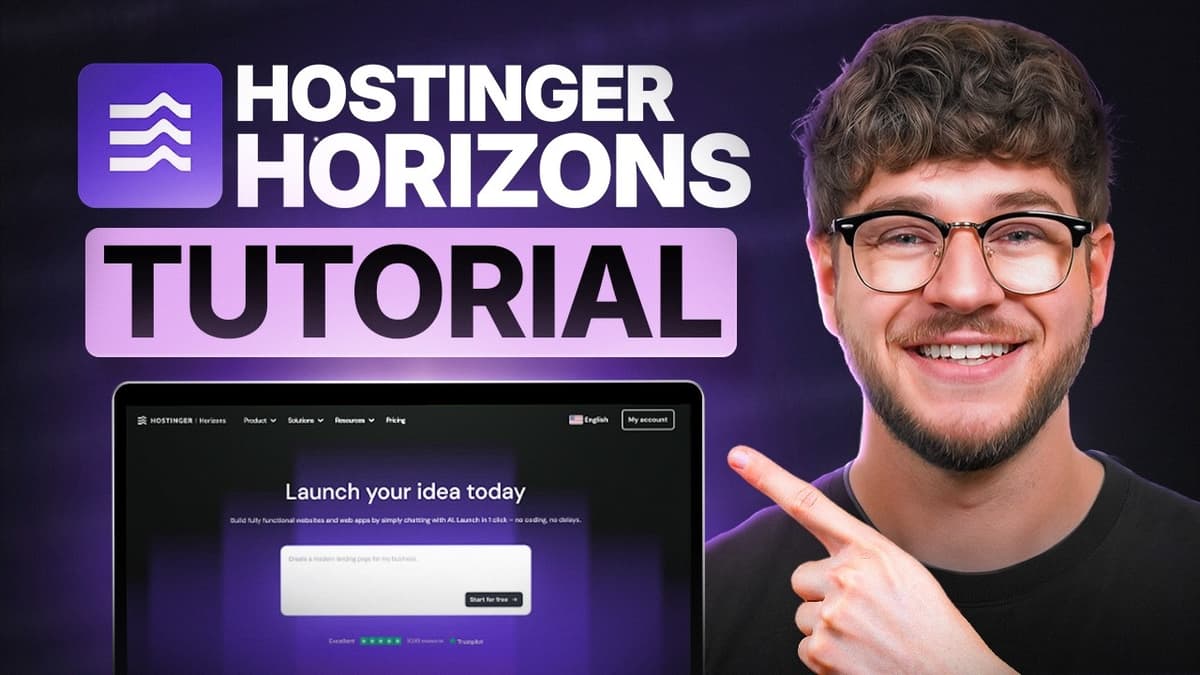
Hostinger Horizons Tutorial 2026 (Step-by-Step for Beginners)
The video is a step‑by‑step walkthrough of Hostinger Horizons, Hostinger’s AI‑driven website builder that lets beginners launch a full‑featured site or app without writing code. Khalb explains how to sign up, choose the Beginner plan (70 AI credits, free domain, up...

Climate Action Doesn’t Need More Strategy—It Needs Implementation #saas #podcast #shorts
In a brief podcast clip, a former McKinsey consultant argues that the climate‑change fight is stalled not by lack of ideas but by failure to put them into practice. He recounts moving from academic research and strategy work to confronting...

The Real Difference Between a $3M and $30M SaaS
Ryan Allis, founder of iContact and seasoned SaaS consultant, explains that the true lever separating a $3 million ARR company from a $30 million ARR powerhouse is not the product itself but the underlying marketing system. He contrasts the outdated, scattershot tactics—massive,...

Strategy& Insider Podcast - Episode 45 with Nils Von Dellingshausen
The Strategy& Insider podcast episode spotlights BetterDoc, a German digital‑health platform founded by Nils von Dellingshausen, his brother, and his wife. The company tackles the chronic problem of patients navigating fragmented specialist care by using data‑driven matching tools. Key strategic moves include...

CRO Role Hot Takes with Bridget Winston
In the CRO Spotlight Podcast, three‑time revenue leader Bridget Winston explains why modern chief revenue officers must oversee the entire customer lifecycle, not just acquisition. She describes how shifting product‑market fit can instantly erase a core buyer base and how...

Paperclip AI Tutorial: How to Build a Zero-Human Company
The video walks viewers through Paperclip, an open‑source platform that lets anyone spin up a fully autonomous company run by AI agents. By defining a mission, the system creates a virtual CEO that hires its own team, delegates work, and...

How We Cut GovTech Sales Cycles From 2 Years to 4 Months #saas #podcast #shorts #arkclimate
The video explains how a German GovTech firm slashed its sales cycle from the typical one‑to‑two‑year span to just three‑to‑four months. By targeting low‑threshold, non‑tendered solutions that avoid the lengthy public‑tender process, the company secures an initial foothold with municipalities. Two...

Are Disconnected Food Systems Your Hospital’s Biggest Blind Spot? Illumia Has The Solution.
The video introduces Illumia, a newly branded merger of Transact and Seaboard, offering a unified software platform that connects food services, nutrition management, and cashless retail operations in hospitals. By replacing fragmented, siloed systems with a single, interoperable solution, Illumia...

LTH Product Briefing - Clarilis 2026 Update
Clarilis, a drafting‑automation platform for law firms, unveiled its 2026 update, blending rule‑based workflows with generative AI drafting. The upgrade introduces AI‑driven clause suggestions, deeper cross‑document dependency handling, and native integrations with major cloud storage services. Early adopters report up...

Save 20+ Hours Per Week With This Simple AI Setup
The video demonstrates a quick, low‑code method to build a custom ChatGPT assistant that handles routine customer inquiries, promising to reclaim more than 20 hours of staff time each week. Viewers are guided to the “Explore GPTs” section, where they upload FAQs,...

Ark Climate on Funding, Metrics, and Scaling Government SaaS | The SaaS CFO | Ark Climate
Ruth Boza, founder‑CEO of Ark Climate, explains how her startup is building a SaaS platform that helps German municipalities track, plan and report climate‑action initiatives. The conversation covers the company’s product suite—a core data‑driven climate‑management tool plus a drag‑and‑drop public...

39 | SaaSpocalypse? How AI Is Reshaping Software M&A
The episode tackles the so‑called “SaaS apocalypse,” exploring how recent generative‑AI breakthroughs—most notably Claude’s legal‑vertical launch—have rattled private software valuations and reshaped M&A dynamics. Host Mike Lion and AI‑focused advisor Jeff Coons argue that the market’s panic is a short‑lived...

Is LTV Flawed with Multi-Year Contracts? | SaaS Metrics School | SaaS LTV
In a recent SaaS Metrics School episode, Ben Murray tackles whether the standard LTV calculation misrepresents value when a SaaS firm relies heavily on multi‑year contracts. He explains the conventional LTV formula—subscription ARR multiplied by subscription‑margin, divided by one minus...

The Ultimate Beginner’s Guide to Shopify (2026)
The video is a step‑by‑step tutorial for absolute beginners on building a Shopify store in 2026, covering account creation, plan selection, and overall workflow. It walks through selecting the Horizon 3.5 theme, leveraging Shopify’s AI “Sidekick” for copy and design, adding...

The Only AI Tools SaaS Teams Actually Use in 2026
The video outlines the AI‑powered stack that high‑performing SaaS product teams have adopted in 2026, highlighting seven tools that span from code generation to front‑end design and deployment infrastructure. Claude Code is the de‑facto reasoning engine, turning vague product specs into clean...

Supabase: Is This AI Database Startup Worth $10 Billion? #shorts
Supabase, the open‑source Postgres fork founded in 2020, has just been valued at $10 billion, prompting analysts to ask whether the price is justified. The company rode an unprecedented AI tailwind, positioning its self‑deploying database as the default backend for autonomous...

ServiceNow’s AI-First Shift | Agent Trap Alarms | Nutanix X NetApp Field Trip
The panel dissected ServiceNow’s announcement that its platform will become "AI‑first," meaning artificial‑intelligence capabilities are baked into the core product rather than sold as separate add‑ons. Executives debated whether this signals a genuine cost‑saving strategy for customers or a...

Introducing Osmosis AI
The video unveils Osmosis AI, a conversational study assistant that blends the speed of generative AI with Osmosis’s rigorously vetted medical curriculum. Designed for medical students preparing for high‑stakes exams such as the USMLE, the tool promises instant, trustworthy answers...
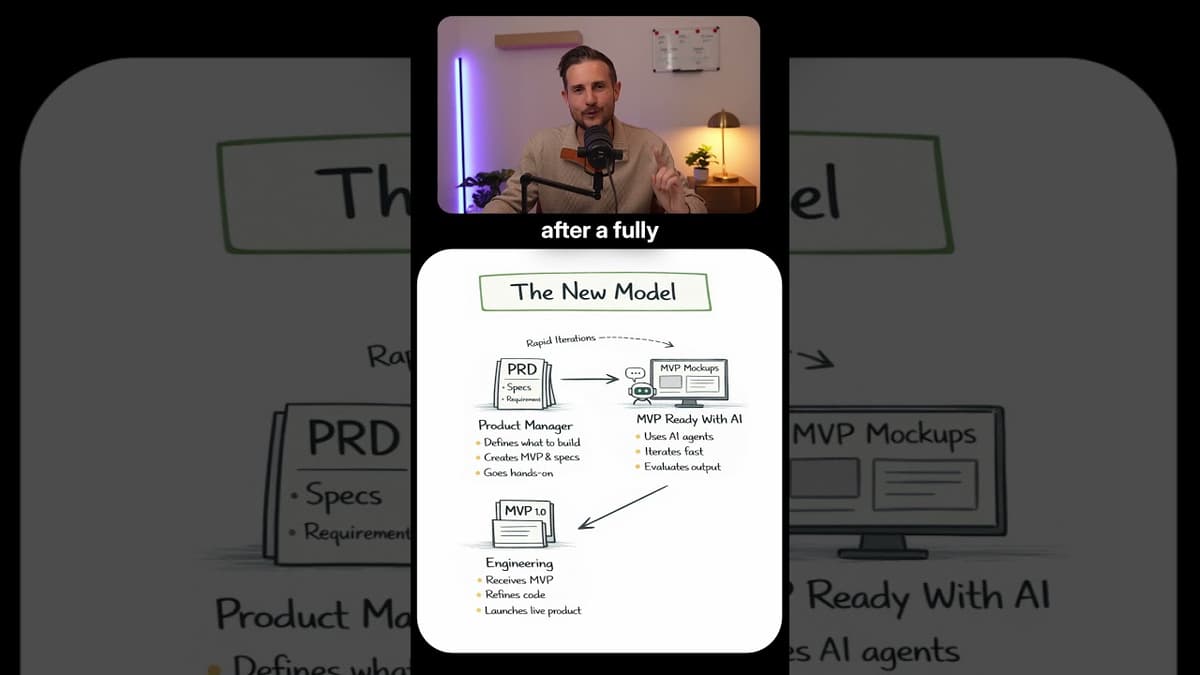
Product Manager With AI Engineers Reach 10x Speed
The video introduces a new product development model in which product managers (PMs) leverage AI agents to create fully functional MVP mock‑ups, eliminating traditional design handoffs. Instead of drafting lengthy requirement documents or static Figma screens, the PM builds a...

LTH Product Briefing - IPDAS by AutoDocs
The Legal Tech Hub briefing introduced Autodocs’ IPDOS, a specialized platform for patent‑prosecution practitioners. The demo highlighted its core strength—citation management—built on a quarter‑century of experience and positioned as a “perpetual magnifier” for IP teams. IPDOS syncs directly with docketing...

The Way You Build Software Is Already Obsolete
Traditional SaaS product development has followed a linear, multi‑stage process: product managers draft PRDs, designers create mockups, and engineers code the solution. This hand‑off chain, used by the speaker at iContact from 2002‑2025, often required weeks, months, or even quarters...

What If Your ERP Could Do Your Accounting Team's Manual Work? | Meet Campfire
The discussion centers on Campfire, an AI‑native enterprise resource planning platform that reimagines the general ledger for midsize tech firms. Co‑founder John Glasco, a former CFO at Adobe and other public companies, launched Campfire after experiencing the limitations of legacy...

The AI Tool Every Modern Manager Should Be Using in 2026
The video introduces Scribe, a desktop and web‑based AI tool that records on‑screen actions and instantly converts them into interactive how‑to guides. Targeted at modern managers, it promises to replace tedious manual documentation—Word files, screenshots, and video tutorials—with a single...

EP61: Why Companies Get Stuck at $3-5M ARR / DemandMaven
SaaS firms that hit $3‑5 million in annual recurring revenue often stall before reaching the $10 million mark. The episode explains that the playbook that secured product‑market fit—heavy founder involvement and flat hierarchies—creates operational, analytics, and leadership debt that throttles growth. Adding...

How Factorial Became Barcelona's HRTech Unicorn - Interview with Founder & CEO Jordi Romero
Factorial’s rise from a 2016 Barcelona startup to a 2022 unicorn is the focus of the EU Startups interview with co‑CEO Jordi Romero. The conversation explores how the company tackled the universal pain of manual HR processes, built a product that...

I Built the Same AI Agent Twice. The Difference Is Insane
The video demonstrates building two identical AI agents—one powered solely by a large language model (LLM) and another using Elastic’s Agent Builder—to highlight the impact of contextual data integration. In the first test, the LLM‑only agent answers the risk‑exposure query...

External Sharing with Dashboard Legal
Dashboard Legal’s new external‑sharing capability is positioned as a trust‑building tool for law firms, allowing clients to monitor case progress continuously rather than relying on periodic updates. By integrating structured workflows with a secure portal, every task, deadline, and milestone...

Jamie Burink - Fyndoo - Finovate Europe 2023
Jamie Burink, co‑founder of Fyndoo, opened his Finovate Europe 2023 session by outlining the company’s end‑to‑end SaaS lending platform, which promises to make credit origination, underwriting and servicing “effortless” for banks and alternative financiers. He positioned Fyndoo as a bridge...

Hostinger AI Website Builder — Full Tutorial for Beginners
The video walks viewers through Hostinger’s AI‑powered website builder, showing how anyone can launch a fully designed site without coding or hiring developers. Eric, a decade‑long web professional, demonstrates the four‑step workflow: selecting a Hostinger hosting plan, feeding an AI...

Turn Slack Support Threads Into Knowledge Base Articles Automatically
The video showcases Pylon, an internal tool that transforms customer‑support Slack threads into publishable knowledge‑base articles, streamlining the documentation workflow for support teams. Using a single‑click "Add article" command, Pylon parses lengthy Slack conversations, applies predefined article templates, and produces a...

The Startup Fighting to Save the American Farm with Modern Finance | Termsheet
The episode spotlights Ambrook, an AI‑driven financial‑toolkit startup founded by Mackenzie Burnett, which aims to modernize the accounting and cash‑flow management of American farms amid a wave of bankruptcies. Burnett explains that farms operate on roughly five‑cent margins per food dollar...