
The Reason to Endure Discomfort, Setbacks, and Uncertainty in Pursuit of Something that Matters.
The video explores why individuals must endure discomfort, setbacks, and uncertainty when chasing goals that truly matter, framing the discussion through a dialogue with a high‑performing athlete. It argues that awareness of mortality fuels relentless drive, while embracing both fear of defeat and desire for victory creates a balanced focus. Anxiety is presented not as a problem to cure but as energy that sharpens performance, and failure is portrayed as an essential, charming element of growth. Memorable lines include, “I’m a living thing. I will die, never to be born again,” and “Fear isn’t unpleasant, and safety isn’t always pleasant,” illustrating the speaker’s philosophy of using existential reality to motivate relentless effort. For business leaders and athletes alike, the message underscores that sustainable success requires accepting discomfort, leveraging anxiety, and viewing setbacks as stepping stones, reshaping how organizations cultivate resilience and high‑performance cultures.
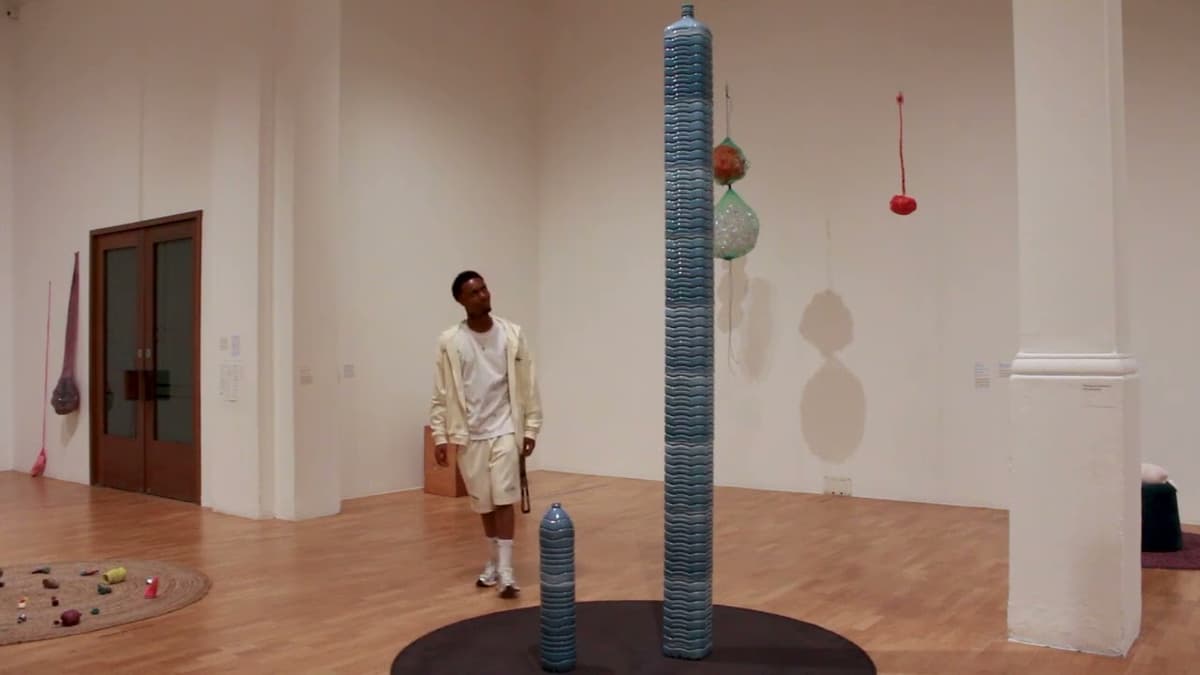
'Among the Mixes' By Josiahpoetis
The piece meditates on creativity, ownership and the fluidity of meaning, questioning whether one can adopt another’s craft and still claim it as their own. It frames human culture as a chain of borrowed fragments—discarded ideas and memories repurposed into...
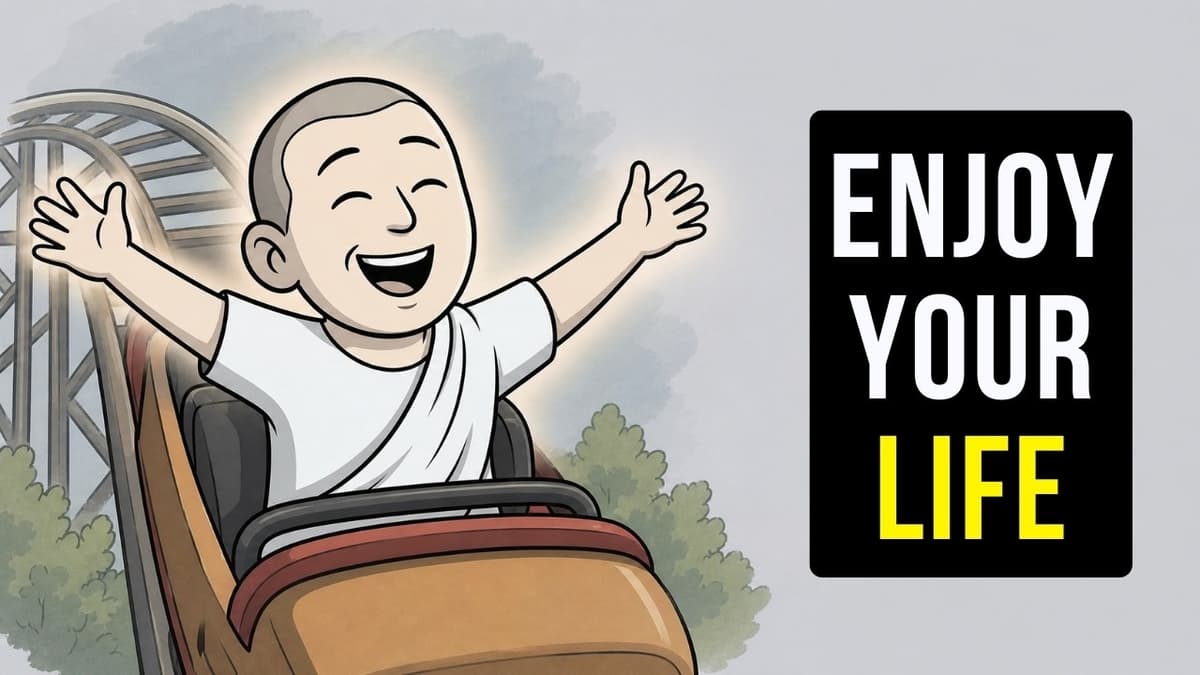
Montaigne - Quit Rat Race And Enjoy Your Life (Even If You Make Less)
Michel de Montaigne abandoned a prestigious judicial career at 38, retreated to his family estate, and wrote the Essais while deliberately studying his own habits and priorities. He argued ambition often sacrifices present life for an uncertain future and offered...
You Don't Have to Suffer to Awaken
The speaker argues that suffering can catalyze spiritual transcendence because it disrupts the mental narrative that defines personal identity. However, they say awakening need not wait for a “dark night of the soul”: by recognizing that thoughts are objects of...
Dealing with Regrets
The speaker argues that rumination about past regrets feels deceptively productive but is passive and unhelpful. Using a personal story about a missed romantic opportunity, she illustrates how dwelling on 'what ifs' substitutes for action. She reframes regret as a...

The Stoic Mind Behind D-Day
The video titled “The Stoic Mind Behind D‑Day” examines how General Dwight D. Eisenhower applied ancient Stoic principles to the planning and execution of the Normandy invasion on June 6, 1944, turning a massive military gamble into a decisive victory. It...
If Life Feels Frustrating and Empty, Please Watch This | Eckhart Tolle
Eckhart Tolle frames human experience as two intersecting dimensions: the horizontal, a temporal "doing" plane of actions, thoughts, and outcomes, and the vertical, a timeless "being" plane of presence. He argues that modern life is dominated by the horizontal, where...

8 Daily Habits That Help Heal Trauma Responses
The video outlines eight science‑backed daily habits designed to retrain the nervous system and mitigate trauma‑related symptoms without relying solely on therapy or medication. It explains how grounding exercises (5‑4‑3‑2‑1), intentional breathing, gentle somatic movement, and predictable routines engage the parasympathetic...
Seven-Day Retreat at The Vedanta, 5–12 June 2026
At a weeklong Vedanta retreat (June 5–12, 2026), the speaker challenged the prevailing materialist worldview that treats consciousness as a byproduct of the brain and the body as the core of identity. Drawing on experiential inquiry rather than intellectual argument,...
What If Your Visual Cortex Were Replaced? | Arnold Zuboff
Philosopher Arnold Zuboff argues for functionalism using a thought experiment: if a scientist replaced his right visual cortex with a device that preserved the same input-output relations, his visual experience and behavior would remain unchanged. From this he concludes that...
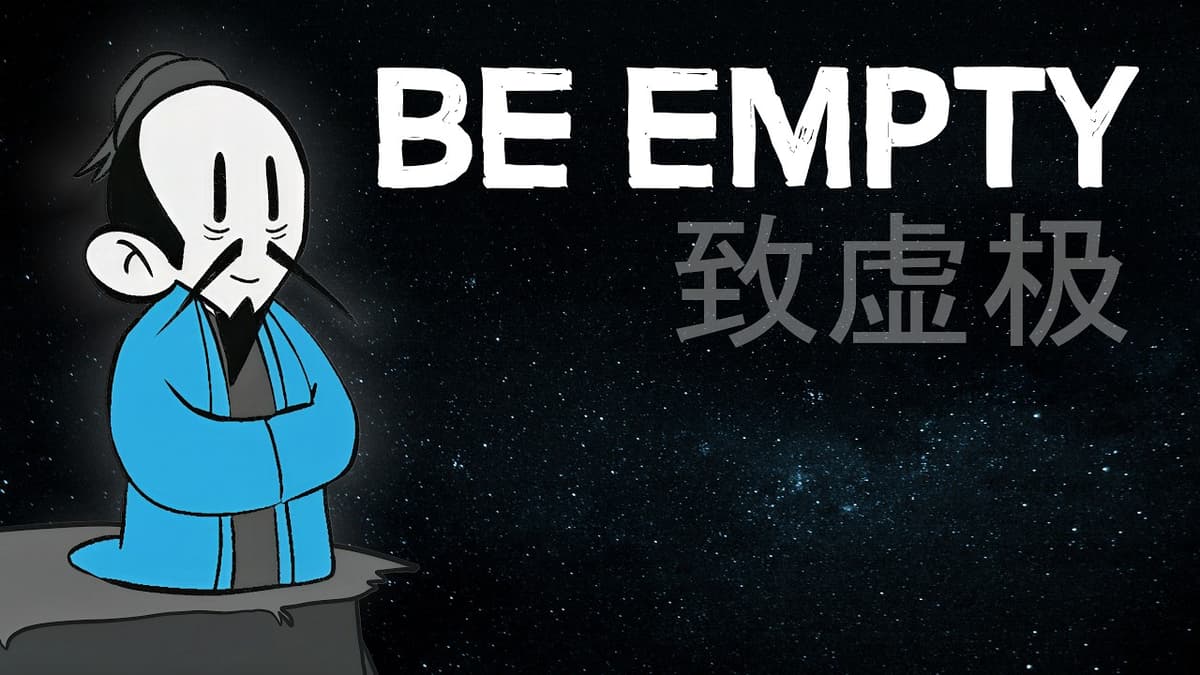
The Taoist Cure for a Crowded, Stressful Mind
The video explains the Taoist concept of emptiness (xū) as a positive, functional quality rather than a deficiency, using classical examples—the wheel’s hub and the pot’s void—to show that space makes things useful. It argues that modern minds are overly...
No-Thing Talking to No-Thing (From TikTok LIVE 6/4/26)
The TikTok LIVE session features Dr. Zdog MD riffing on non‑dual philosophy while fielding comments from nurses, patients, and fans. He frames the broadcast as “nothing talking to nothing,” emphasizing that time and self are illusory constructs and that true...

Not Seeing God's Power in Your Life? Here's Why
The speaker recounts a friend's recent experience of dramatic answered prayer and contrasts it with how many believers avoid situations that require outright faith. Using Elijah's contest with the prophets of Baal as a model, he urges listeners to stop...

Pilgrimage Is More Than Travel. It Changes How You See Reality
The video records a dialogue between John and Ish, a seasoned pilgrim and contemplative practitioner, exploring why pilgrimage is more than a journey. Ish shares his multicultural background, the poetic adoption of the name "Ish Peragro"—meaning pilgrim—and his decades of...
Your Prison Is Imaginary. Your Escape? Also Imaginary. 🤯
The speaker frames two central questions: how does a seemingly separate self live within the cage of its own creation, and what is revealed when that self is seen through as not ultimately real. They argue that practices like meditation,...
Interconnectedness #adyashanti #opengatesangha #unity
Spiritual teacher Adyashanti explains that the sense of a discrete, coherent self dissolves under true awakening, revealing that consciousness and events are not isolated but part of a single unfolding process. He argues that what we perceive as 'me'—the experiencer...

What Makes You the Same Person Over Time? | Rebecca Goldstein
Philosopher Rebecca Goldstein argues that a human’s persistent sense of self is rooted not merely in biological or informational continuity but in an instinct to matter to oneself — a commitment to one’s own persistence she links to Spinoza’s conatus....

The Trickster Illusion
A speaker draws on Indigenous worldview to argue that a disruptive force—described as the ‘trickster’—uses illusion, delusion and deception to create separation and undermine collective flourishing. They contend modern information channels, especially social media and news, amplify this trickster effect...

The Ancient Secret Hidden in Discomfort
Ancient spiritual traditions have long used deliberate exposure to discomfort—such as plunging a hand into cold water—to train practitioners to step outside automatic reactions and cultivate an observing consciousness. The video argues that by resisting the impulse to withdraw and...
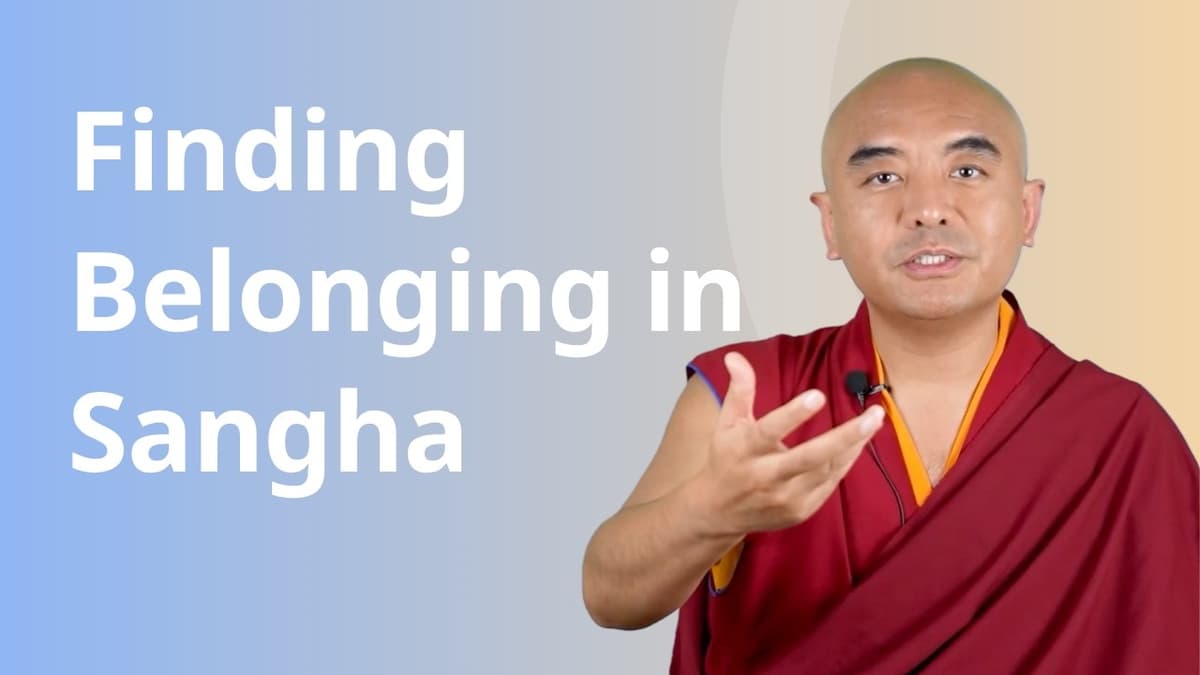
Finding Belonging in Community — Ask Mingyur Rinpoche
Mingyur Rinpoche fielded a question about belonging and inclusivity within Buddhist sangha, probing how newcomers can find a supportive environment when community dynamics feel unwelcoming. He framed the discussion around the inevitable ups and downs of any group and the...
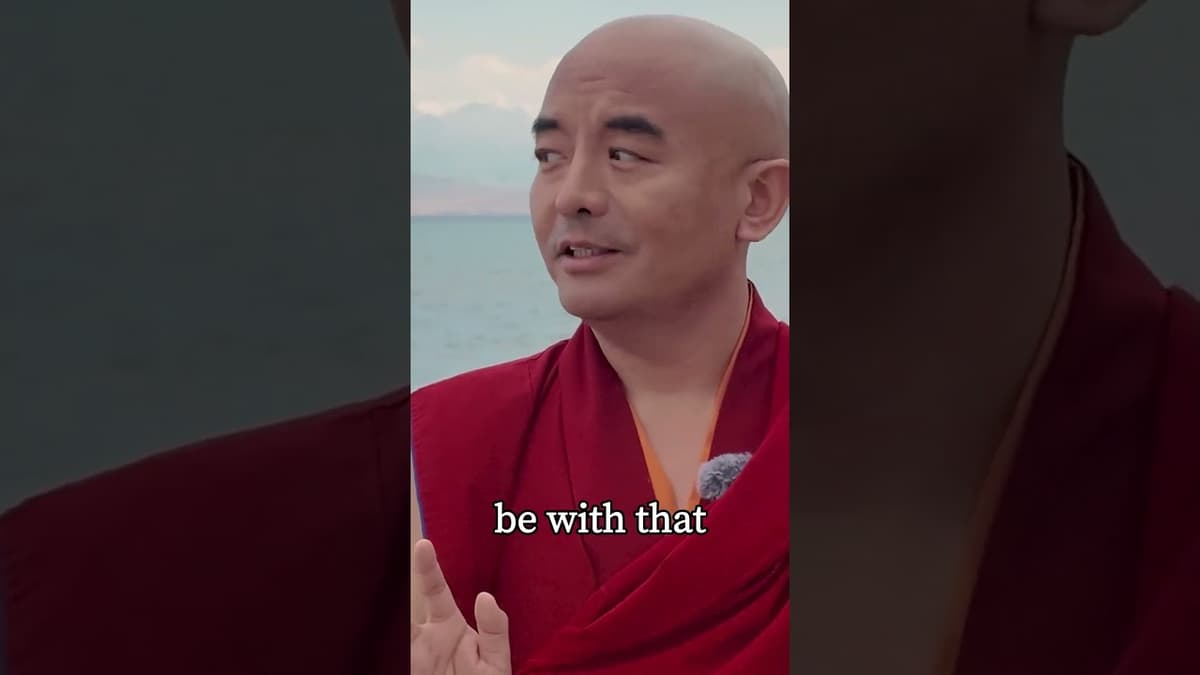
Non-Meditation Is the Best Meditation
The video titled “Non‑meditation is the best meditation” argues that true mindfulness does not require silencing thoughts or formal practice. Instead, it invites viewers to remain fully present with whatever arises. The speaker stresses four core principles: keep thinking, avoid chasing...

Dr. David Yeager | 5 Questions with a Psychologist #shorts #psychology #mentalhealth
In a brief interview, psychologist David Yeager explains how a middle‑school classroom project on conflict resolution sparked his lifelong interest in meaning, ethics, and the psychology of purpose. Yeager cites Viktor Frankl’s insight that knowing one’s ‘why’ eases any ‘how,’ and...
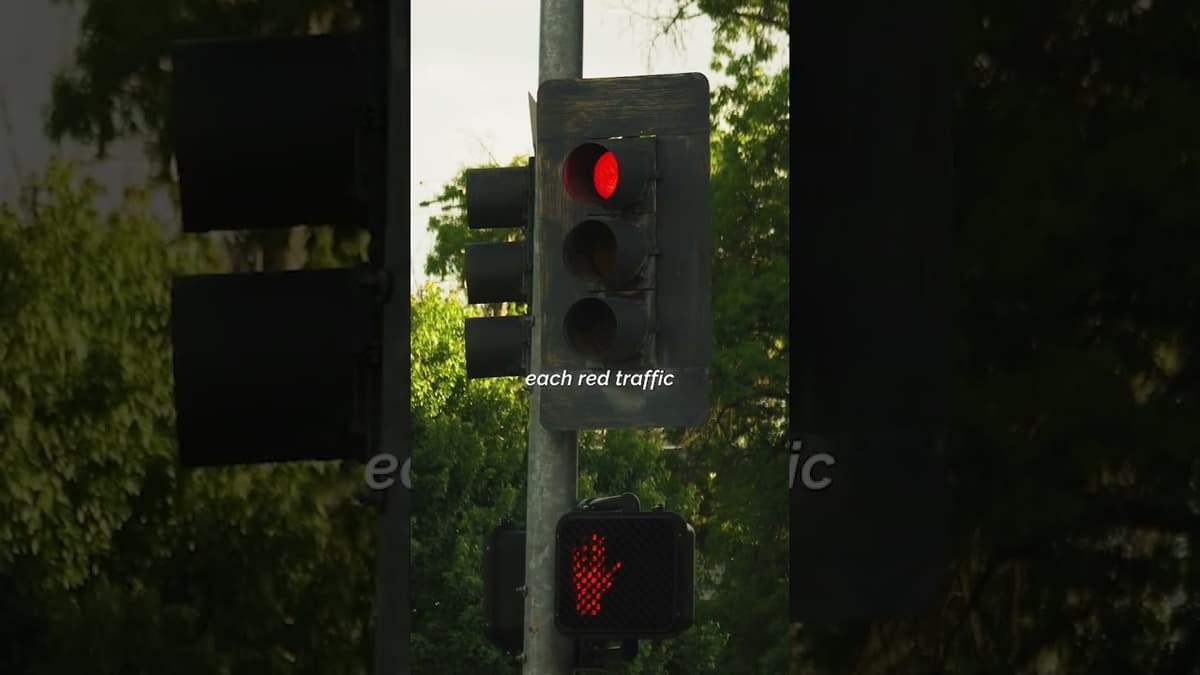
The Space Between Your Thoughts
The video titled “The Space Between Your Thoughts” invites viewers to explore the often‑overlooked gap between mental events, urging a practice of deliberate stillness. By learning to sit quietly, walk mindfully, or simply notice a traffic light without judgment, one...
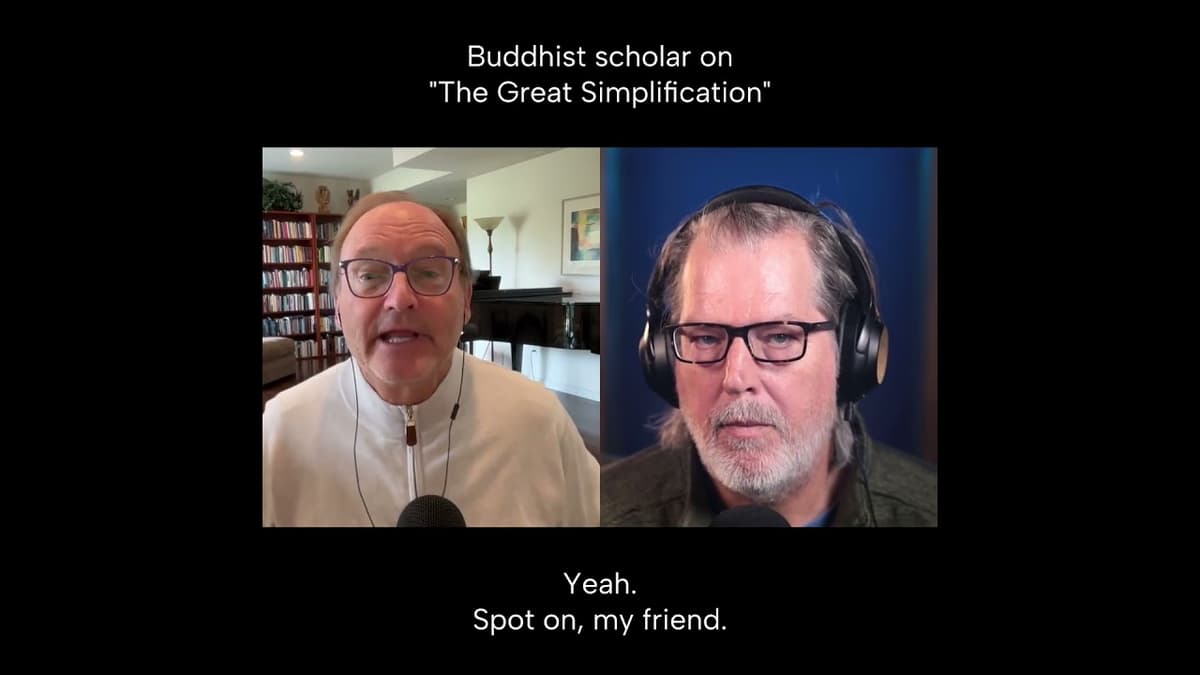
How Do We Prepare Our Inner Terrains as The Great Simplification Unfolds?
The video frames “The Great Simplification” as a response to Joseph Tainter’s insight that societies solve problems by adding complexity until energy and material limits make further complexity unsustainable. It argues that alongside macroeconomic and infrastructural downscaling, individuals should enact...

Albert Camus - Enjoy Your Life To The Fullest (Works On Any Income) (Absurdism)
The video distills Albert Camus’s philosophy of absurdism into practical guidance: because the universe offers no built-in meaning, waiting for a grand purpose or future rescue only postpones life. Instead Camus urges acceptance of life’s silence and recommends choosing meaning...
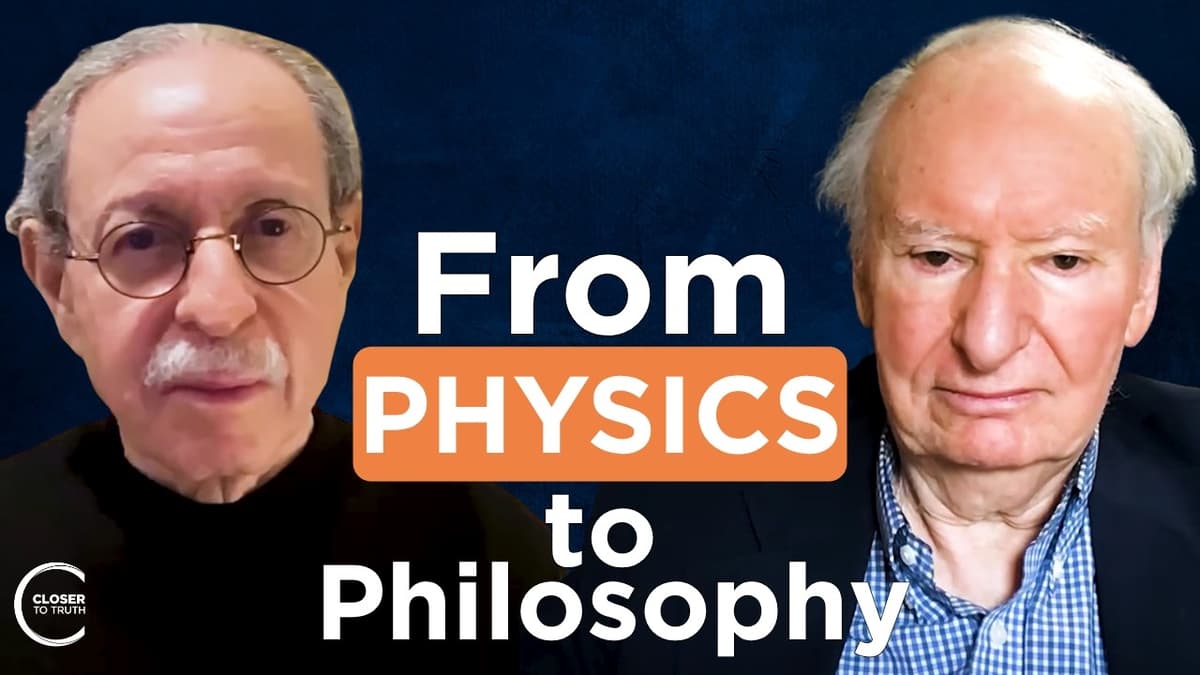
Consciousness, God, and Causation | Michael Tooley
Michael Tooley recounts his intellectual journey from mathematics and physics to analytic philosophy, sparked by early encounters with arguments for God and critical readings of Russell and Hume. He specialized in philosophy of religion at Princeton, defending the cognitive significance...
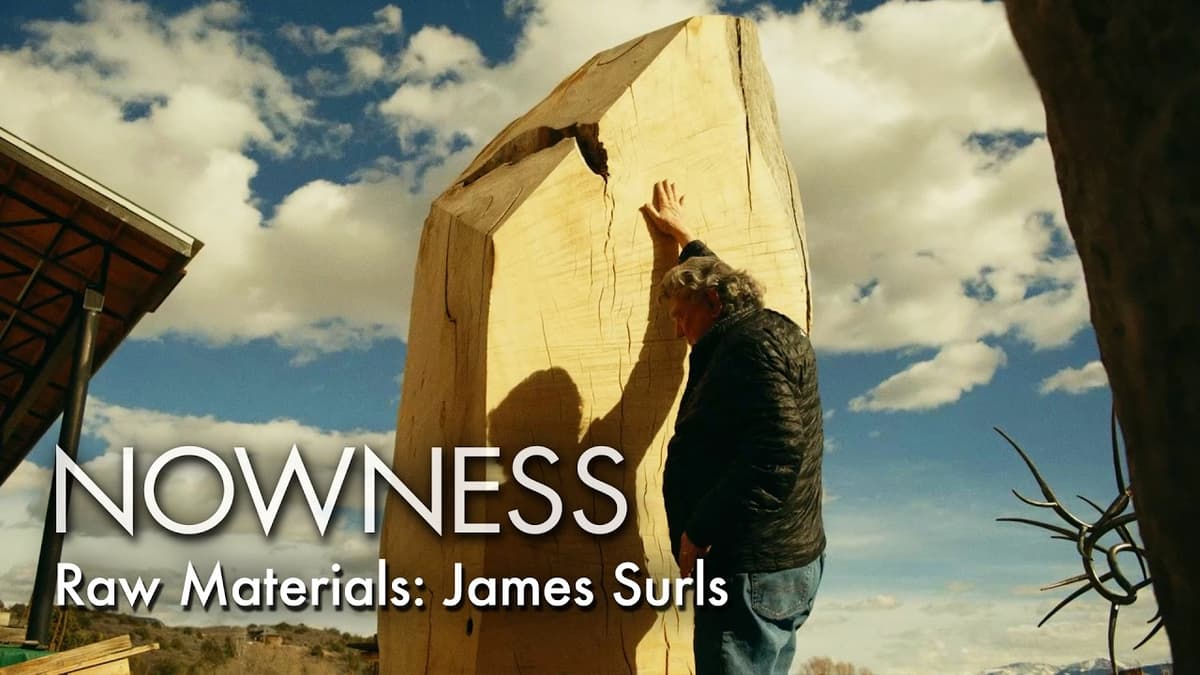
In Colorado, Sculptor James Surls Connects with Nature via Raw Materials to Create Vast Wooden Forms
The video profiles James Surls, a Colorado‑based sculptor famed for turning colossal, raw logs into towering wooden installations. It follows his latest project—a 36,000‑pound log he rescued from a field—highlighting his reliance on serendipitous material finds and his determination to...
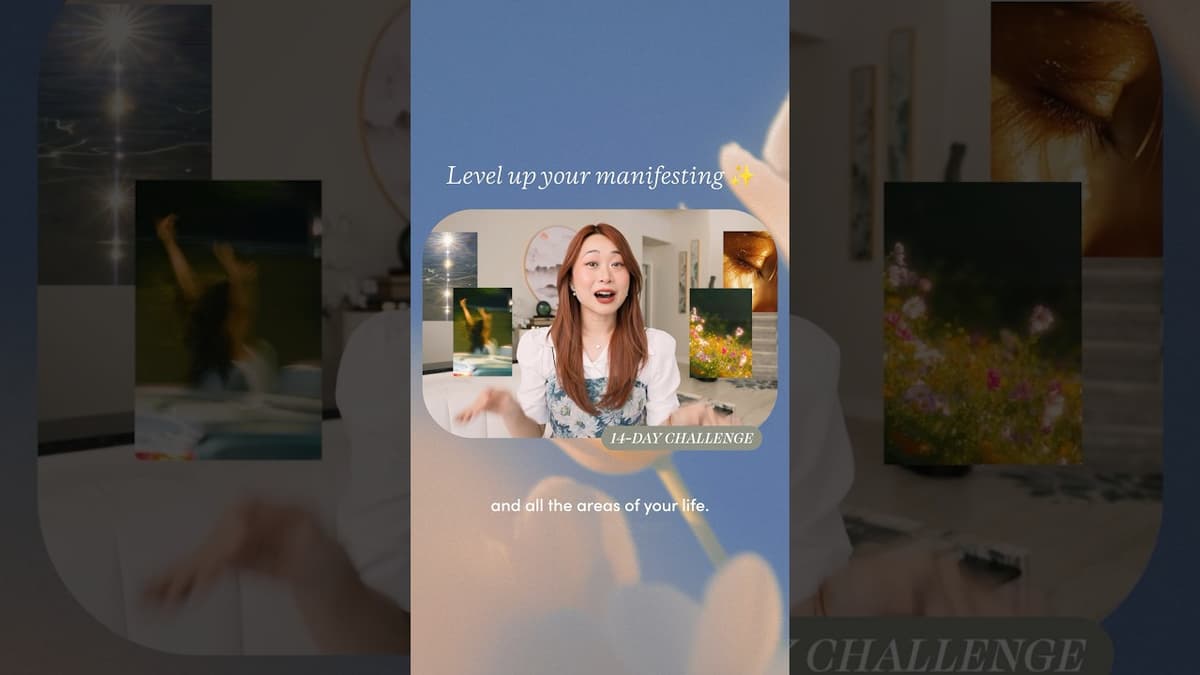
How to Become Magnetic | Manifest a Life You Love ✨
The video presents a 14-day “feel good” manifestation challenge designed to help viewers become more ‘magnetic’ by consistently cultivating positive emotion. Participants commit to at least one daily action—an affirmation audio or one of two journal prompts—to build a habit...

You’re TOO Self-Aware… and It’s Hurting You
The video challenges the popular mantra that “more self‑awareness is always better,” arguing that an over‑active inner observer can become a prison. It distinguishes between healthy metacognition—a curious, growth‑oriented mindset—and hypervigilant self‑awareness, a trauma‑driven survival tactic that keeps the mind...
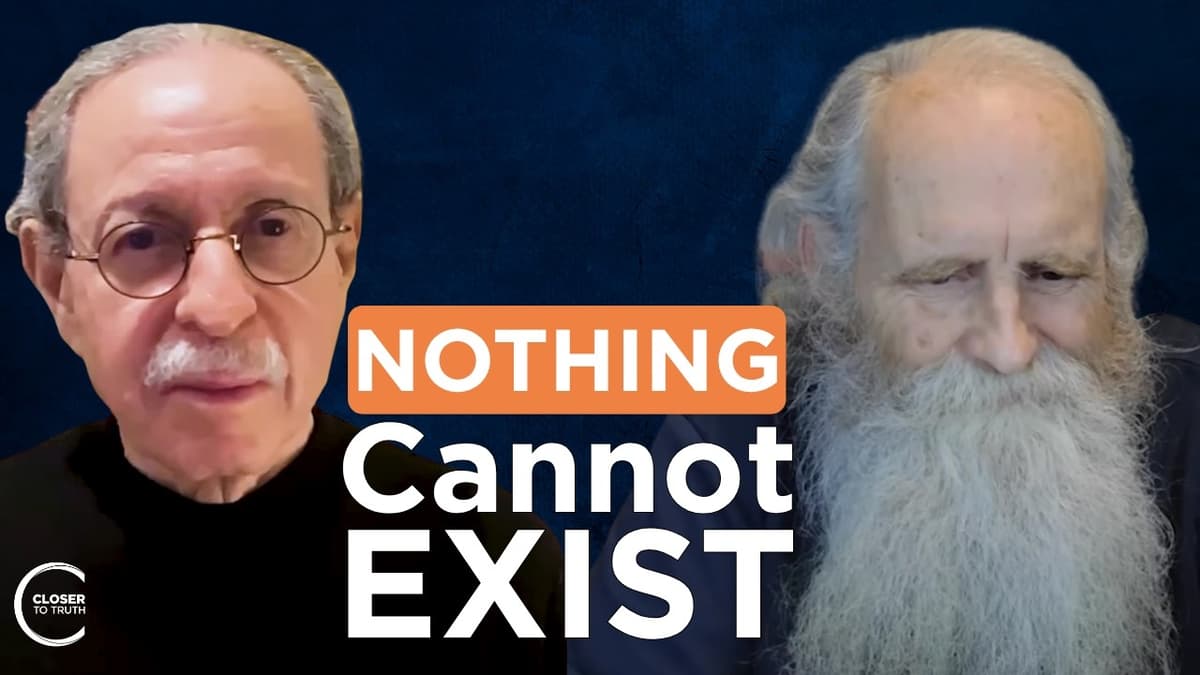
Why There Could Never Be Nothing | Michael James
Michael James argues that asking why there is something presupposes a prior cause, leading to infinite regress, and therefore the question is meaningless. He maintains that “nothing” is a self‑contradictory concept because nonexistence cannot be said to exist. The discussion frames...
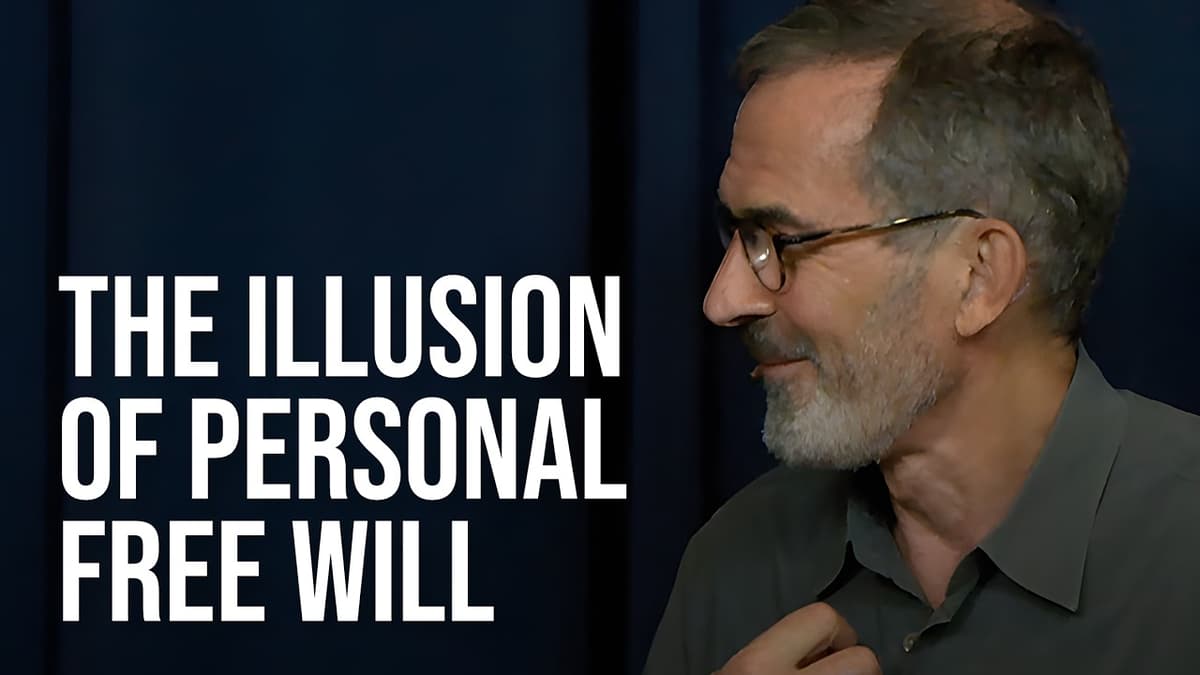
Is Free Will an Illusion for Awareness and the Finite Mind?
The video explores whether free will is genuine or an illusion, contrasting the perspective of the “I am”—the universal consciousness manifesting through us—with that of the finite, thinking mind. The speaker argues that the mind’s choices are activities, not actions of...
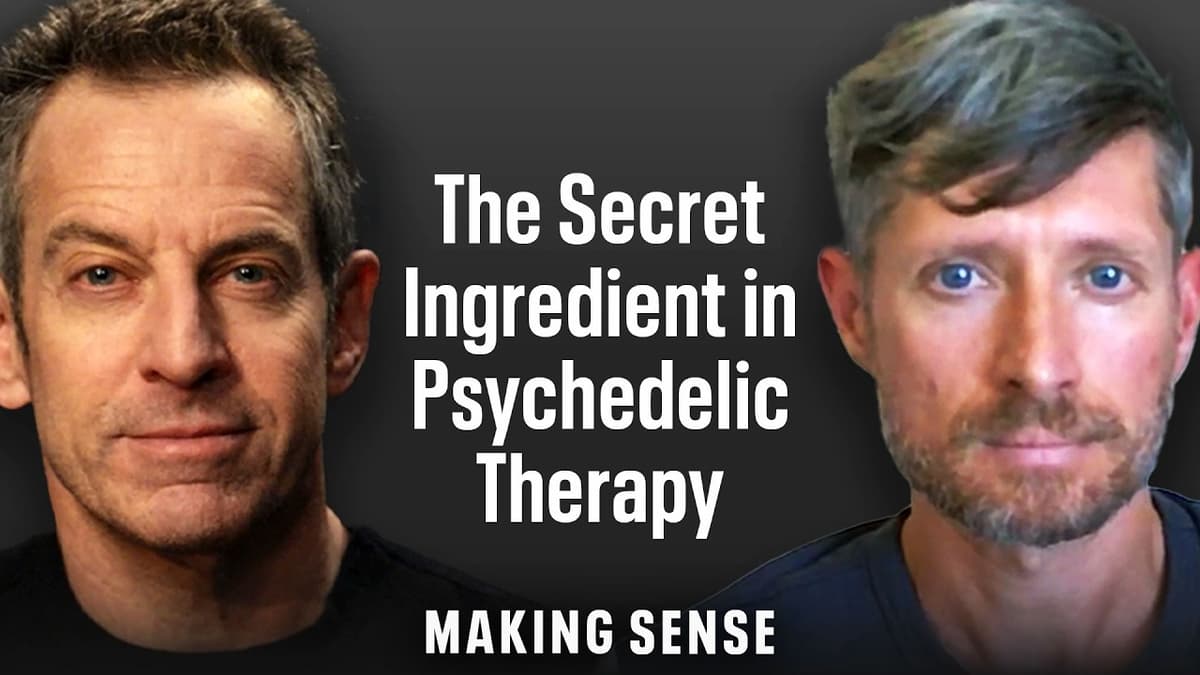
Is Psychedelic Therapy Ready for FDA Approval?
The conversation with UCSF neuroscientist Robin Carhart‑Harris examines whether psychedelic‑assisted therapies are poised for FDA approval. He frames the treatment as a combination of a drug that opens a "plastic" mental state and a carefully managed therapeutic context that must...
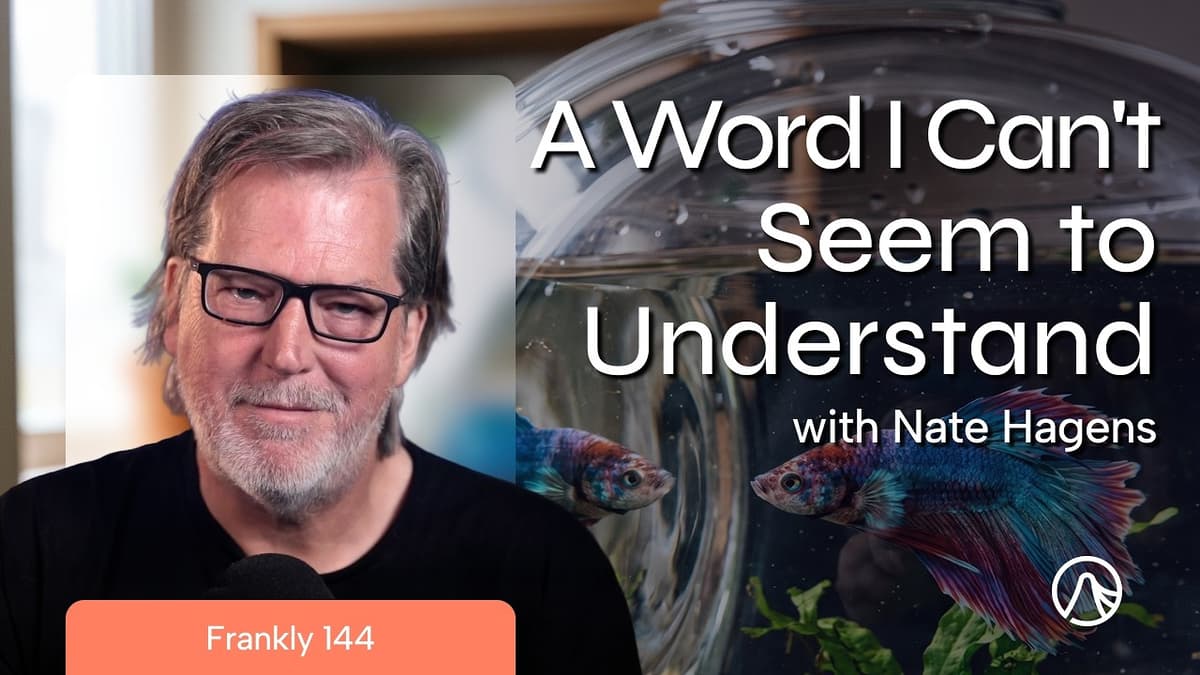
Non-Duality and Our Living World | Frankly 144
The episode centers on the host’s ongoing struggle to articulate non‑duality, ultimately concluding that the very act of definition may be the obstacle. He reflects on how Western linguistic habits—subject‑verb‑object constructions—instantly carve the world into "watcher" and "watched," erecting a...

How No One Can Ever Affect Your Self-Worth Again | Eckhart Tolle
The video by Eckhart Tolle explores how individuals can permanently protect their sense of self‑worth by moving beyond ego‑driven comparisons and childhood wounds. Tolle argues that most people anchor self‑esteem in external markers—career success, appearance, social status—creating a fragile identity that...
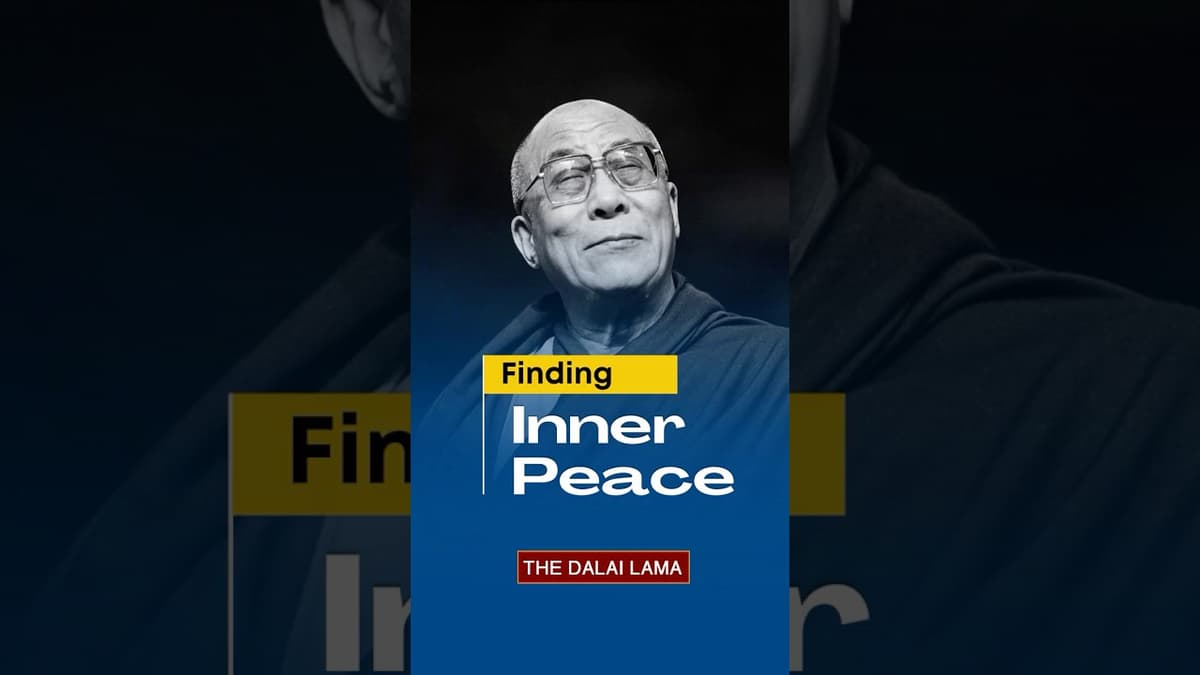
Finding Inner Peace
The video explores how to cultivate inner peace by confronting the root causes of emotional turbulence, chiefly anger and self‑centered thinking. It argues that anger stems from irritation and an extreme focus on self, which fuels fear and distress. By shifting...
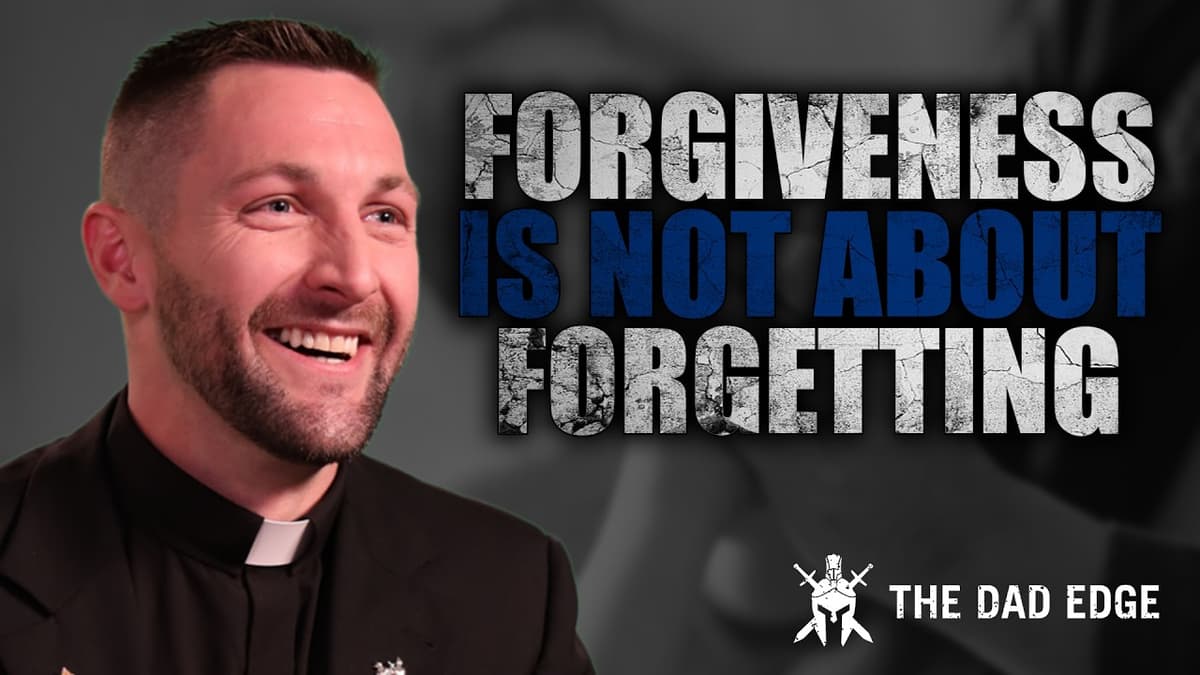
How to Forgive Someone Without Letting Them Off the Hook Featuring Father Stephen Gadberry
Father Stephen Gadbury joins the Dad Edge podcast to discuss how a priest can forgive, stay relatable, and use unconventional platforms—like American Ninja Warrior—to spread the Gospel. The conversation weaves his personal tragedy, military service, and seminary training into a narrative...

Your Brain Is a Virtual Machine. Not Hardware.
Speakers argue the brain functions like a virtual machine—an informational layer decoupled from biological hardware—similar to how software languages and runtimes mediate between apps and chips. They suggest mental states and multiple selves arise from this virtualization, making computation and...
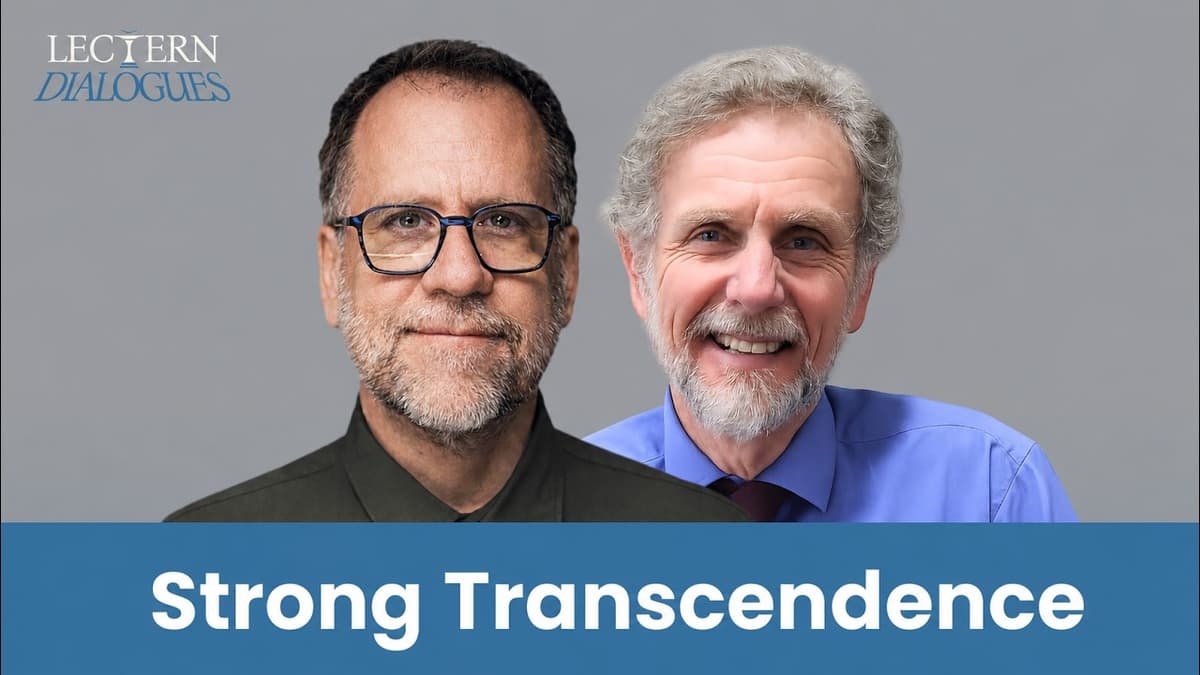
William Desmond and John Vervaeke: Why Transcendence Still Matters
John Vervaeke and William Desmond explore why transcendence remains vital, arguing that a revived Platonic tradition can counter the contemporary meaning crisis. Their dialogue builds on prior conversations about relevance realization, positioning Desmond’s phenomenological notion of the "metaxu" – the...
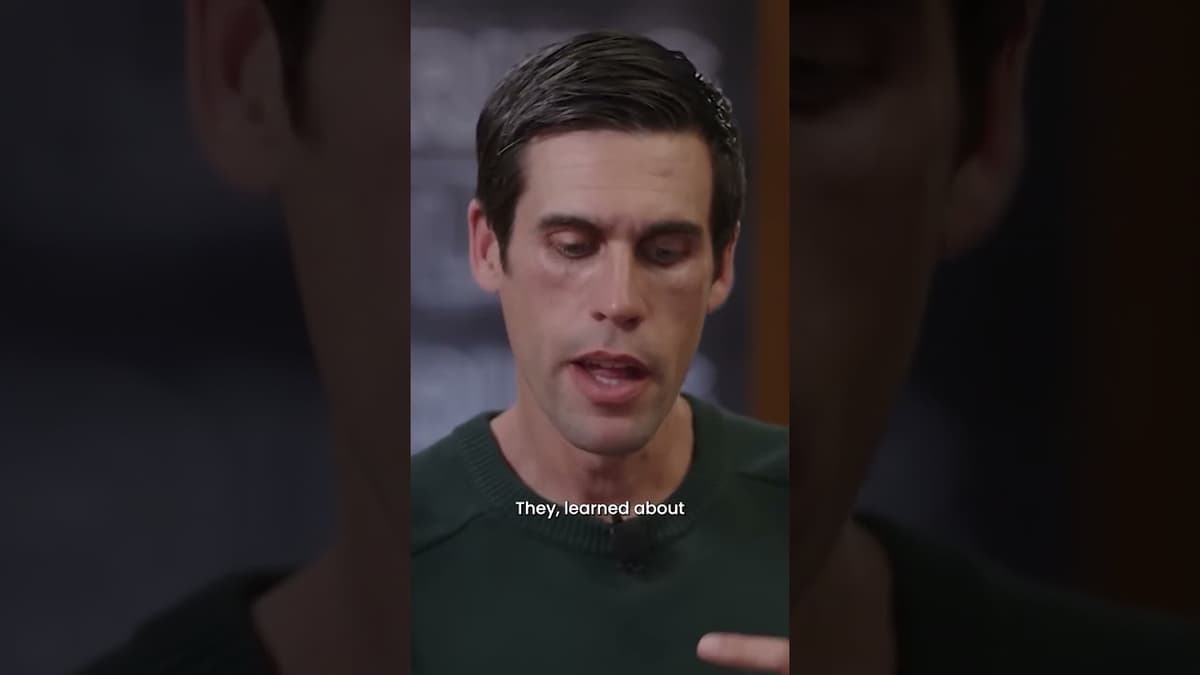
Why Stoicism Benefits the Military | Jim Mattis & Ryan Holiday
Jim Mattis and Ryan Holiday argue that Stoicism is a practical discipline ideally suited to military leadership, using George Washington as a prime example. They emphasize that Washington’s steadiness was not innate but the result of lifelong study and deliberate...

Is God Welcome in Your House?
On a short devotional episode of the Dad Tired podcast, the host unpacks Genesis 18 where Abraham welcomes three visitors—interpreted as God and angels—and prepares a lavish hospitality that results in God speaking to Sarah about bearing a son. He...
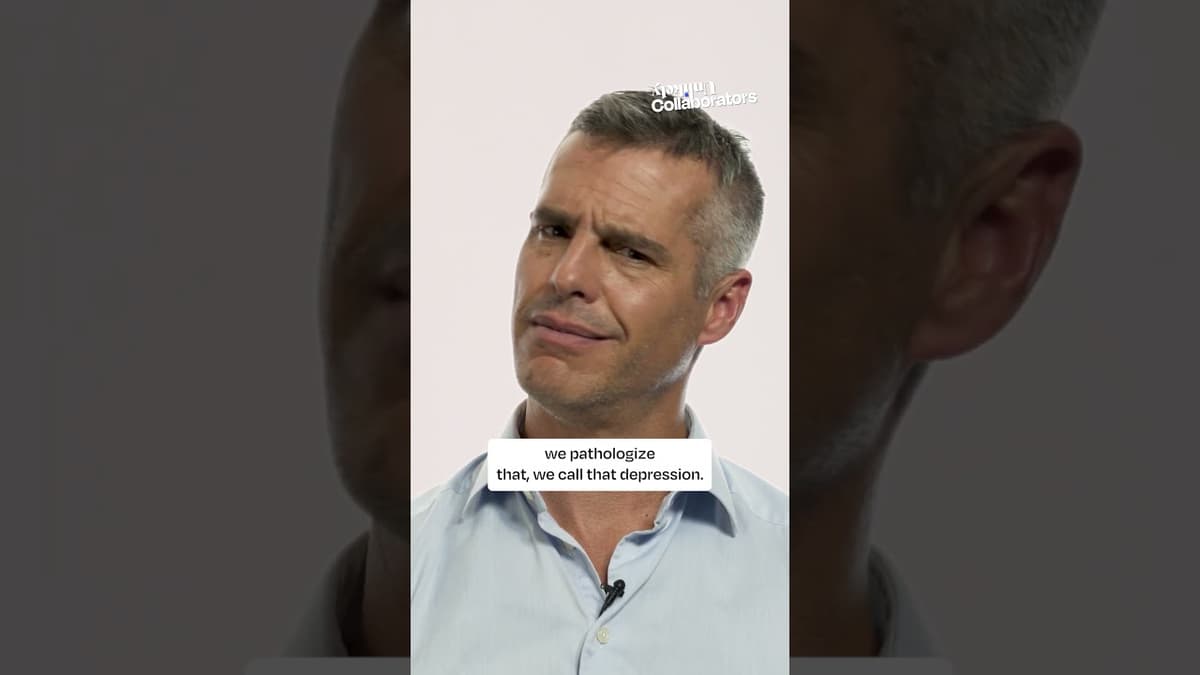
Think You’ve Been Grieving for Too Long? You’re Wrong.
The video argues that prolonged grief is a natural, complex human response rather than a pathological condition, noting that the brain’s reward system remains active when people are reminded of lost loved ones—similar to romantic longing. It criticizes modern psychiatry...
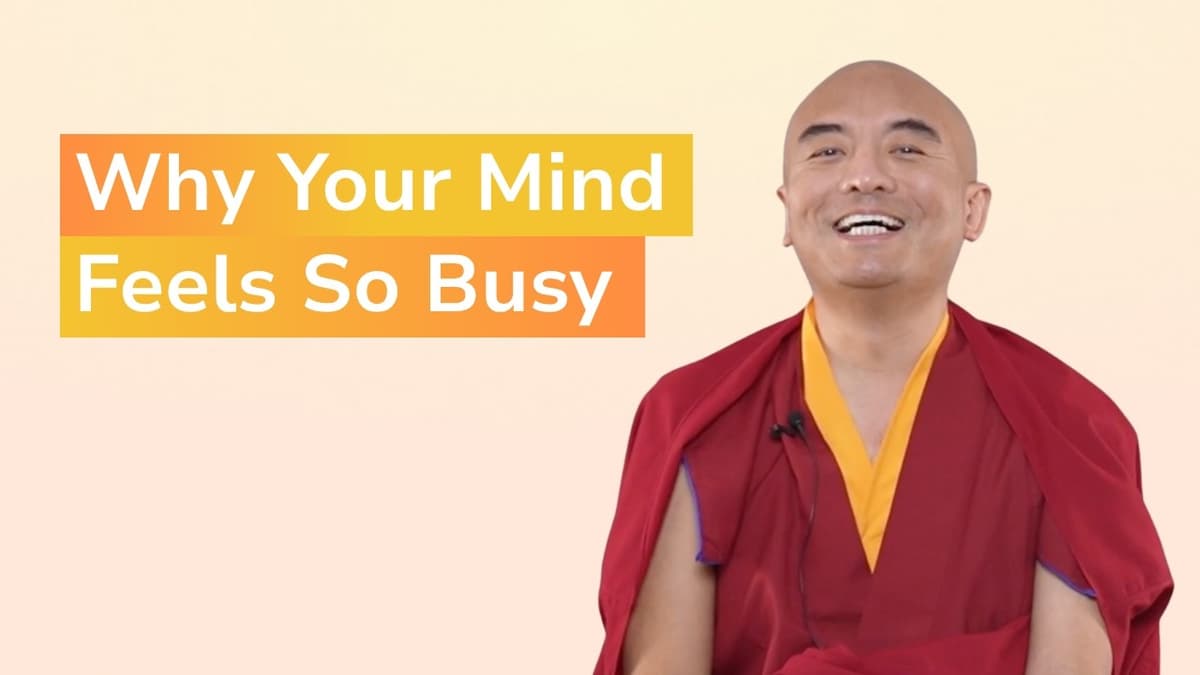
The Waterfall Experience: What Really Happens When You Start Meditating with Yongey Mingyur Rinpoche
In a recent talk, Yongey Mingyur Rinpoche explains what actually happens when beginners start meditating, using vivid analogies such as a “waterfall experience” to describe the early turbulence of mind. He argues that the mind is an “unlimited treasure” that most...
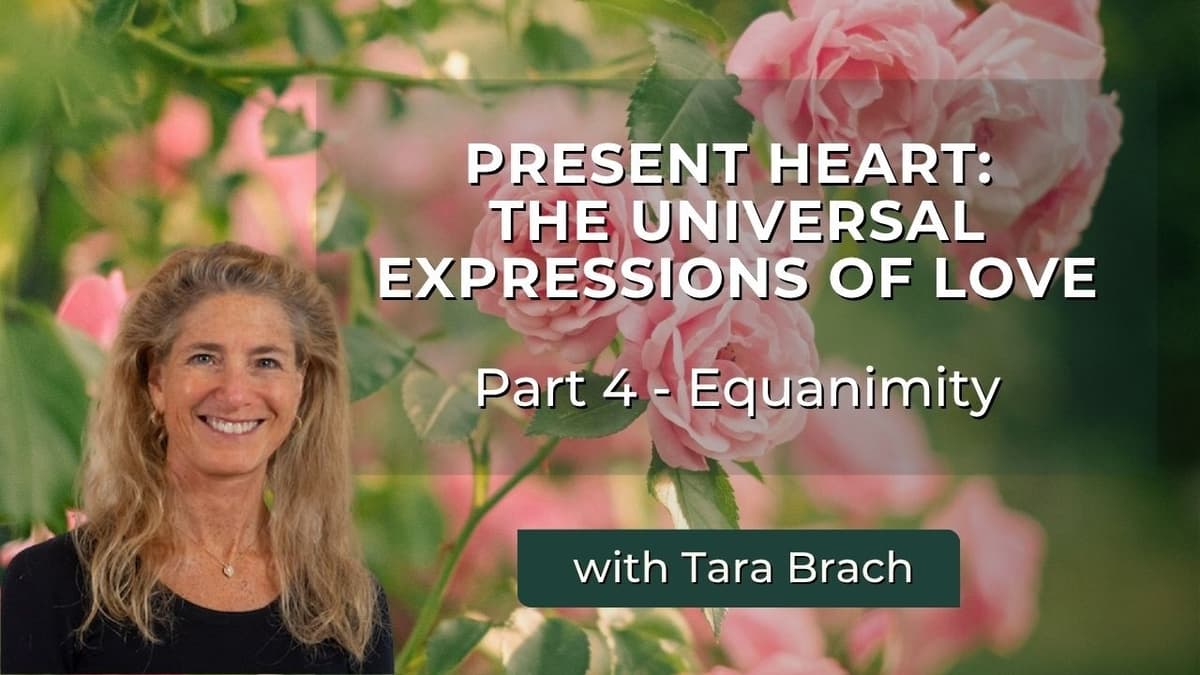
Present Heart, The Universal Expressions of Love, Part 4 - Equanimity | Tara Brach
Tara Brach opens this Wednesday session with a guided body‑scan meditation that invites listeners to soften each body part, smile into the heart, and settle into a field of sensation. The practice serves as a gateway to the week’s theme—equanimity—one...
Guided Meditation: The Space and Aliveness of Presence | Tara Brach
The video is a guided meditation by Tara Brach that centers on cultivating presence through systematic bodily awareness. Listeners are led to scan from the brow to the feet, softening tension and inviting a subtle inner smile that expands through...
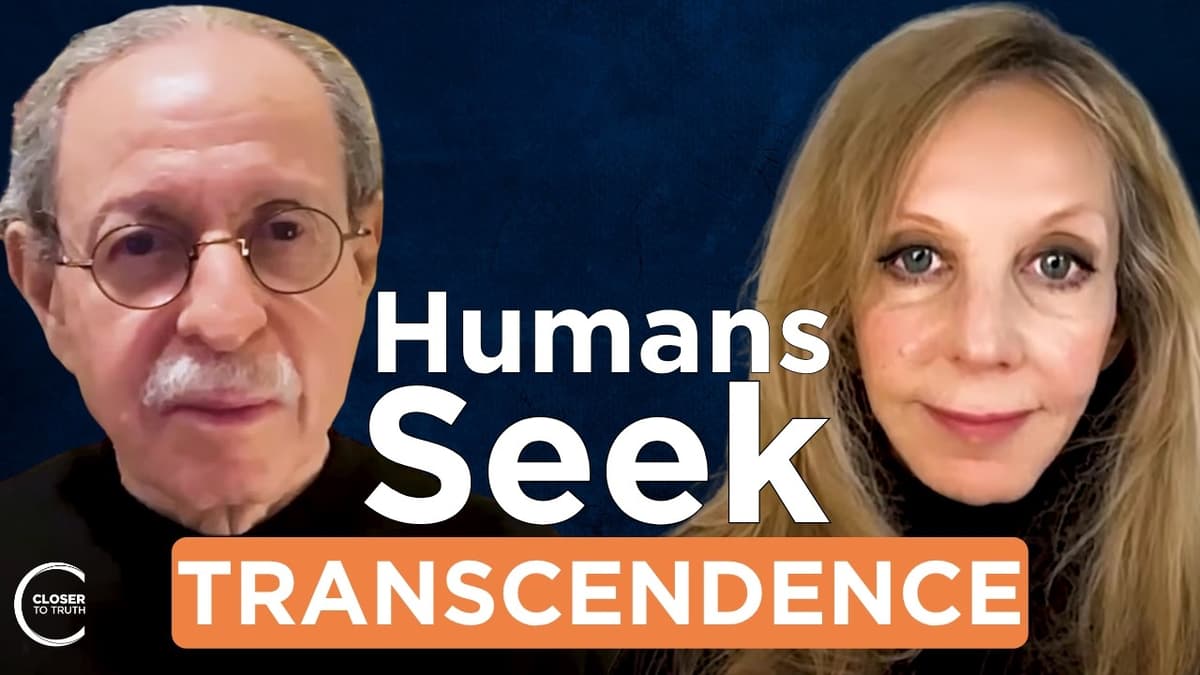
How Mattering Drives Spiritual Life | Rebecca Goldstein
The video explores Rebecca Goldstein’s argument that the human “mattering instinct” underlies spiritual life, shaping why people seek a sense of purpose beyond themselves. Goldstein contends that the instinct to matter is a basic mental drive that fuels the pursuit of...

What If You’re Not Who You Think You Are? | John Mark McMillan
Songwriter and worship leader John Mark McMillan — best known for “How He Loves Us” — discusses a late-career reassessment in which he nearly quit music to pursue writing books, ultimately keeping music as a side pursuit while returning toward...

The Courageous Heart Workbook
The video announces the launch of the Courageous Heart Workbook, a new companion guide titled “Choosing to Love in Perilous Times.” Its creator explains that the book gathers meditations, reflections and inquiry prompts aimed at people feeling distressed by current...

God Is Not Who You Think He Is
The speaker challenges the common argument that suffering disproves God by calling it a simplistic, patriarchal caricature of a controlling deity who could and would prevent pain. Instead, they portray suffering as the "birth pangs of consciousness," a collective process...
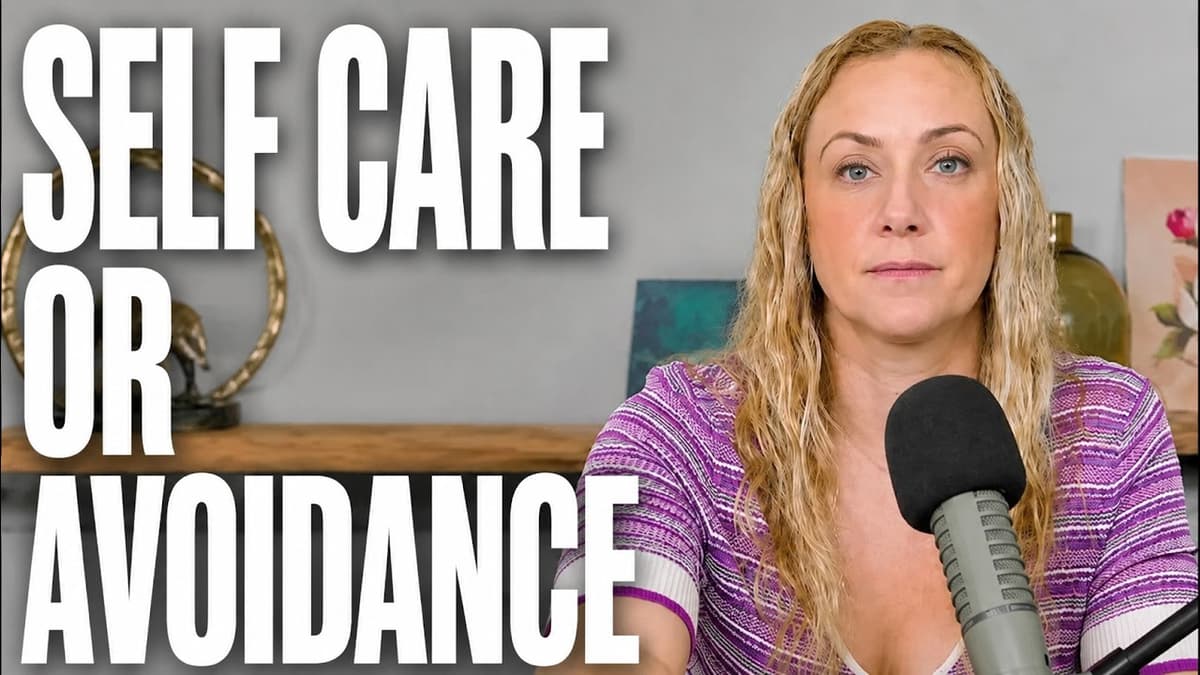
Why Self-Care Isn’t Helping
The video argues that self-care activities can both restore and avoid — and they often look identical. Avoidance is an automatic nervous-system protection learned in childhood when feelings were unsafe or unsupported, so calming rituals (baths, candles, productivity) can numb...

Spirit Guide Meditation, Receive Guidance and Support as You Fall Into Deep Sleep
The video presents a guided meditation designed to usher listeners from wakefulness into deep, restorative sleep while inviting a spirit‑guide encounter. Jason Stephenson leads a systematic body‑scan, directing breath into each limb and joint, creating progressive relaxation that prepares the...