Authentic Alan Watts - Full Talk Now Streaming ‘Being in the Way 2’
In this extended Alan Watts lecture, the speaker explores how modern social institutions condition us to view our identity as an isolated, protected entity rather than a fluid expression of universal energy. He argues that this self‑protective narrative—centered on personal importance, financial security, and mortality—creates an artificial barrier between the individual and the Dao, the all‑encompassing flow of nature. Watts draws on Daoist philosophy to propose that true liberation comes from perceiving oneself as a transparent whirlpool within the larger energetic stream. He cites Wilhelm Reich’s analogy of a bruised worm diaphragm to illustrate how emotional blockages impede the natural “wiggle” of energy through the body. By dissolving these blockages, one can experience an uninterrupted flow from foot to head, and ultimately, from one end of space to the other. Key moments include the vivid description of becoming “a whirlpool of energy in a stream which is the Dao” and the instruction to “wiggle all the way through,” emphasizing bodily awareness as a pathway to spiritual alignment. Watts’ use of concrete imagery—such as the worm’s limited movement versus the desired full‑body wave—makes abstract Daoist concepts accessible to a contemporary audience. The talk suggests that embracing this holistic flow can transform personal well‑being and decision‑making, offering leaders a framework to move beyond ego‑driven protectionism toward adaptive, resilient thinking aligned with larger systemic currents.
Truth Vanishes When You Look at It Directly
The video uses physics metaphors—non‑Newtonian fluids and thickotropic materials—to illustrate the paradox of truth, consciousness, and free will. The speaker argues that these concepts appear solid when observed indirectly, yet vanish when we attempt to formalize or scrutinize them directly. Key...
Wonder and Wisdom Point Toward God | Celia Deane-Drummond
Theologian Celia Deane-Drummond argues that wonder and wisdom are complementary ways to read the natural world as pointers to a divine creator: wonder opens human encounter with nature while wisdom discerns its intricate, non‑accidental patterning. She stresses these experiences do...
The Shift #adyashanti #opengatesangha #spiritualawakening
In this talk Adyashanti explains a sudden transformative “shift” in consciousness that can happen at any time—even the first time someone encounters the teaching—or after decades of seeking. He emphasizes that awakening is not the product of any single practice...

‘You Are Extraordinary Individuals with Extraordinary Talents’ - A Message to Oxford Graduates
At an Oxford graduation address, a speaker lauded graduates for completing rigorous courses and research at one of the world’s leading universities, calling their degrees the culmination of years of dedication. He emphasized Oxford’s exacting entry requirements, demanding curriculum and...

Always New (Excerpt)
Speaker shares a poem by Indian mystic Lalla that frames the soul as perpetually new—“like the moon, always new”—and urges turning attention from conditioned, repetitious patterns to a fresh, uncreated awareness. Using moon and ocean imagery, the talk contrasts transient...
Why Life Never Really Stops Hurting — Peter Wessel Zapffe
The video delves into Norwegian philosopher Peter Wessel Zapffe’s seminal essay “The Last Messiah,” arguing that humanity’s over‑developed consciousness—not the external world—is the root cause of profound, unending suffering. Zapffe describes how the sudden awareness of our nakedness in a vast,...
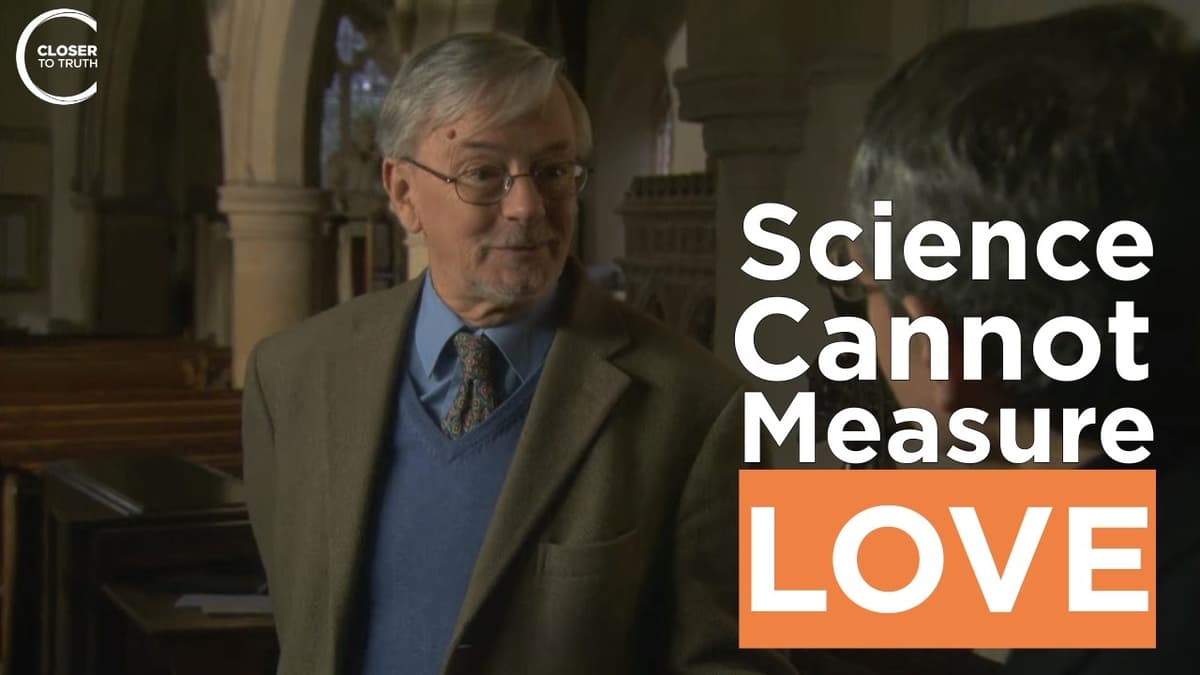
Science Cannot Measure Love | Keith Ward
Philosopher Keith Ward argues that science and religion address different domains: science uncovers measurable physical facts, while religion deals with values, personal experience and consciousness—areas that resist scientific measurement, such as love and moral meaning. He rejects reductionist materialism, saying...
Who's Trying to Get Rid of Ego?
The speaker argues that ego and mind are not separate entities but ephemeral appearances—phenomena arising in the present moment with no substantive self to locate. Attempts to suppress or combat the ego are themselves egoic actions, producing a futile loop...
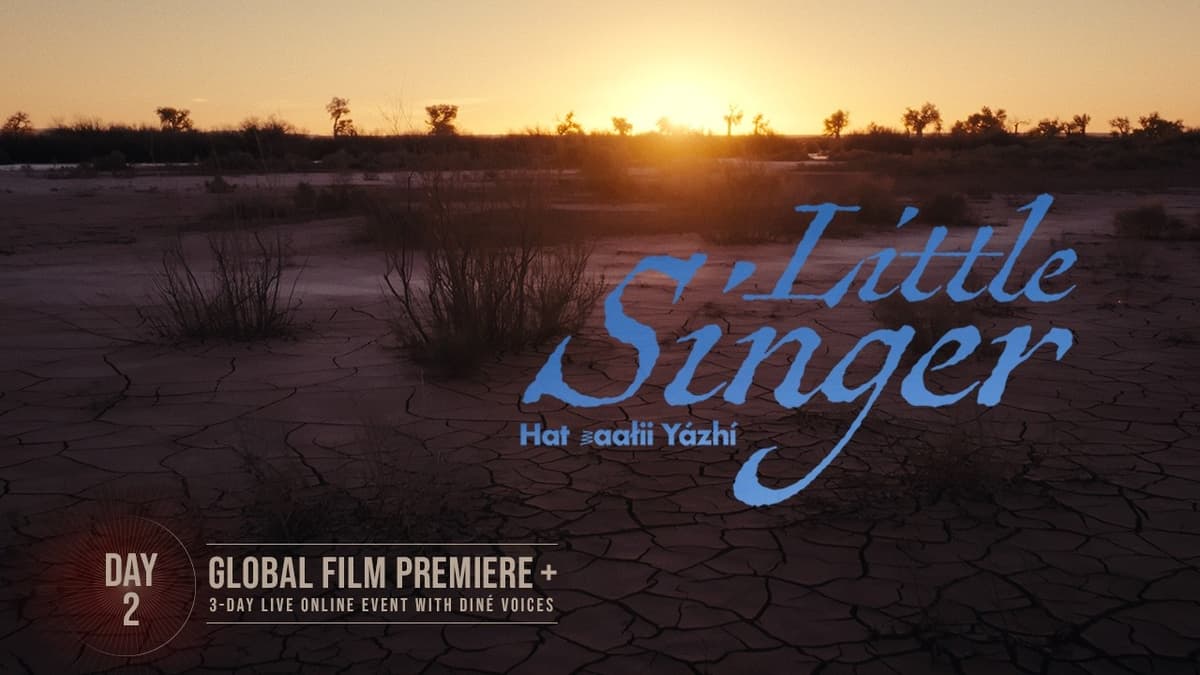
LIVE | Little Singer Film Premiere | Day 2
Day two of the Little Singer film premiere livestream featured Berdinette, a den mother and great-granddaughter of Little Singer, who offered a personal presentation on healing historical trauma and honoring her ancestors. She framed the talk around three concepts viewed...
Does Mindfulness Matter When the World Is Breaking Down?
The speaker reflects on a personal lapse of presence and uses it to launch a discussion about how chronic mental simulation—driven by the brain’s default mode network (DMN)—saps our ability to live in the now, especially for those who spend...
Be Wise Selfish
The speaker argues for 'wise selfishness'—pursuing self-interest through empathy and education rather than selfishness that isolates or through prayer alone. Using the behavior of dogs as an analogy, they contrast friendly, social animals that are happy and connected with barking,...
Are We Losing Our Taste for the Real? John Vervaeke, Guy Sengstock, Kyle Koch
The video introduces the second “Reconnecting to the Real” retreat, organized by philosopher John Vervaeke, experiential facilitator Guy Sengstock, and nature‑oriented guide Kyle Koch. It will take place Aug 31‑Sept 4 at Brew Creek Lodge, a sustainable cabin complex near Whistler, British...
The 15-Minute Technique Paul McKenna Used To Change A Stranger's Luck | Paul McKenna
In a candid LAX encounter, hypnotist Paul McKenna walks a poker player through a “15‑minute technique” designed to restore lost luck. McKenna guides the man to close his eyes, recall a vivid lucky moment, intensify colors, sounds, and feelings, then seals...
Judgmentalism vs Discernment (Excerpt)
The speaker distinguishes harmful judgmentalism from necessary discernment, arguing that spirituality criticizes reactive, attachment-driven judgments rather than the everyday capacity to assess situations. He describes judgmentalism as a pervasive, tech-amplified epidemic that creates social chaos when people cling to quick,...
19 Lessons From 1100 Episodes
The episode marks the podcast’s 1,100th release and revisits two of its core lessons: the mechanics of obsession versus discipline and motivation, and the paradox of self‑awareness. The host defines discipline as "friction accepted," motivation as "friction reduced," and obsession...
99% of People Will Never Understand This Truth About Life | Eckhart Tolle
The video presents Eckhart Tolle’s core teaching: individuals are not owners of a personal life but an expression of a single, timeless life that underlies all existence. He argues that the sense of a separate “me” is a mental construct...
![[Part 3] Present Heart: The Universal Expressions of Love - Joy | Tara Brach](/cdn-cgi/image/width=1200,quality=75,format=auto,fit=cover/https://i.ytimg.com/vi/cN7LodOFSZA/maxresdefault.jpg)
[Part 3] Present Heart: The Universal Expressions of Love - Joy | Tara Brach
Tara Brach’s third installment in the "Present Heart" series explores joy as a universal expression of love, framing it within a guided meditation that visualizes a smiling sky and an open heart space. The session blends live meditation instructions with...
Chess Was Just the Beginning
A speaker warns that AI’s progress will go far beyond narrow tasks like chess and could ultimately replicate or outperform virtually all human cognition, reshaping the role of people in work and daily life. They say continued advancement points toward...
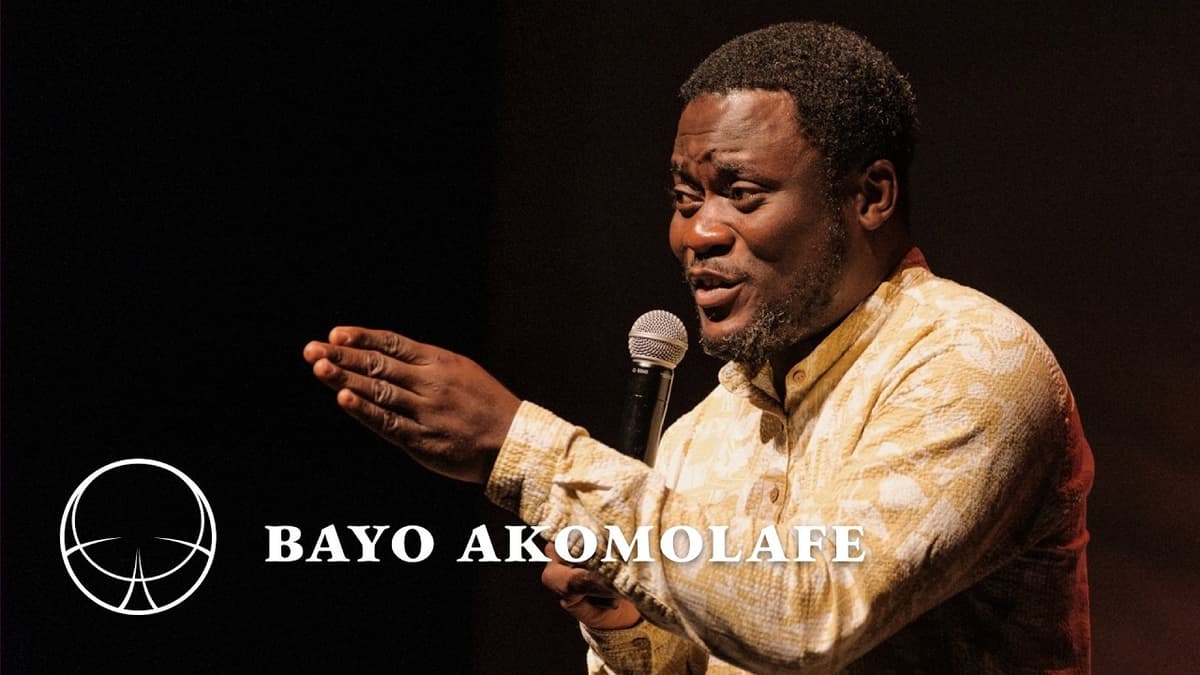
Bayo Akomolafe | The Untimely
In his talk "The Untimely," Bayo Akomolafe argues that time is not neutral or natural but a constructed story that enforces particular social agendas and human centrality. He critiques mainstream responses to temporal crisis—like appeals to deep time or long-term...
How Stoicism Changed Ryan Holiday's Life
The video explores how the ancient philosophy of Stoicism reshaped Ryan Holiday’s outlook after he first encountered Marcus Aurelius’s *Meditations* at nineteen. Holiday describes the moment as gaining direct access to the private thoughts of the most powerful man in...
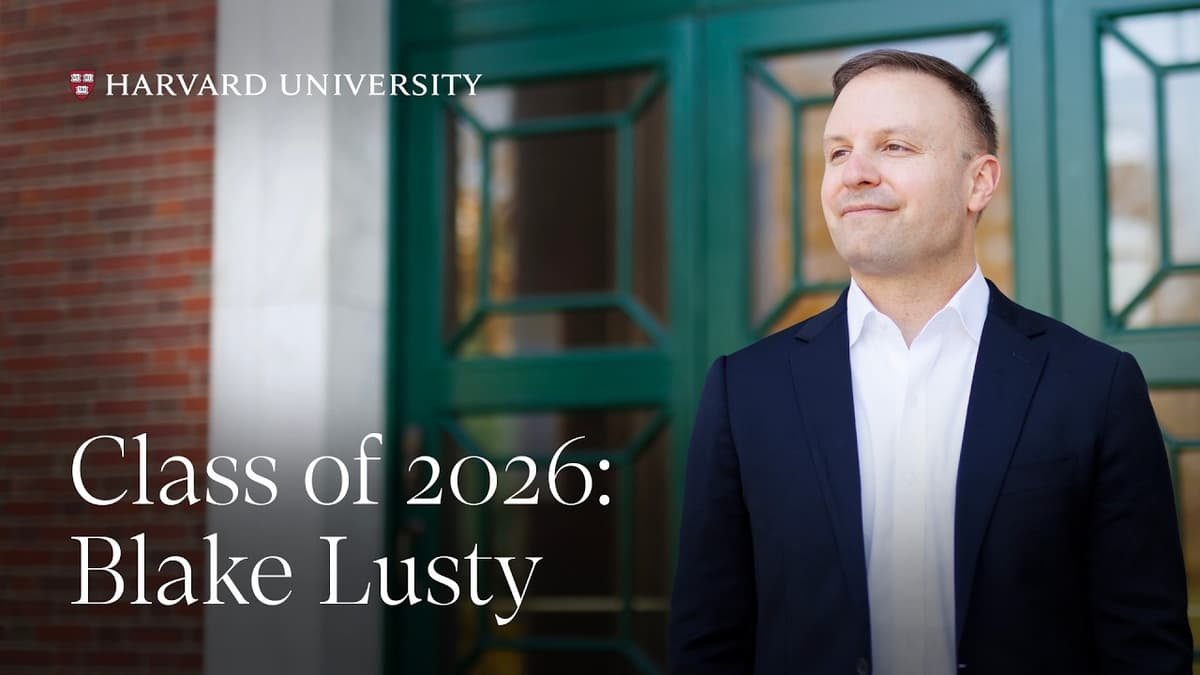
Harvard Class of 2026: Blake Lusty
Blake Lusty, a former U.S. Navy Lieutenant Commander and Naval Academy graduate from St. Petersburg, Florida, recounts surviving multiple metastatic cancer diagnoses and several rounds of treatment while building a distinguished naval career that included sailing across 25 seas and...
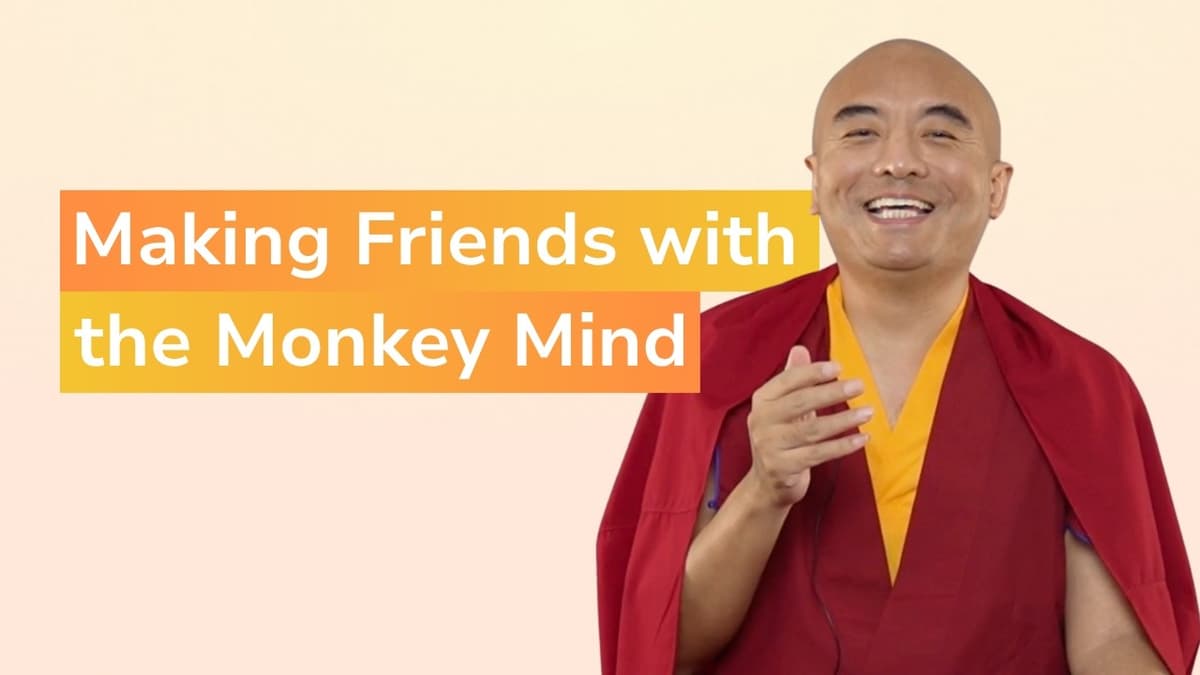
Making Friends with the Monkey Mind with Yongey Mingyur Rinpoche
In this talk, Tibetan master Yongey Mingyur Rinpoche explains how the restless “monkey mind” drives modern anxiety and over‑thinking, especially amid constant digital stimulation. He describes the mind’s craving for activity, citing a lab study where most participants chose painful self‑electric shock...

Those Who Are Terrified of Love
The video argues that society neglects to teach a crucial insight about romantic relationships: many people are instinctively avoidant—fearful of deep attachment—and can appear loving at first before withdrawing, provoking cycles of confusion and pain. The speaker likens withholding this...
Forgiveness Is Setting Yourself Free
The video argues that forgiveness—whether toward others or oneself—is one of life’s hardest but most liberating acts, clarifying that forgiving does not mean excusing wrongdoing or erasing consequences. The speaker cites Lewis B. Smedes’ line that forgiveness frees a prisoner...
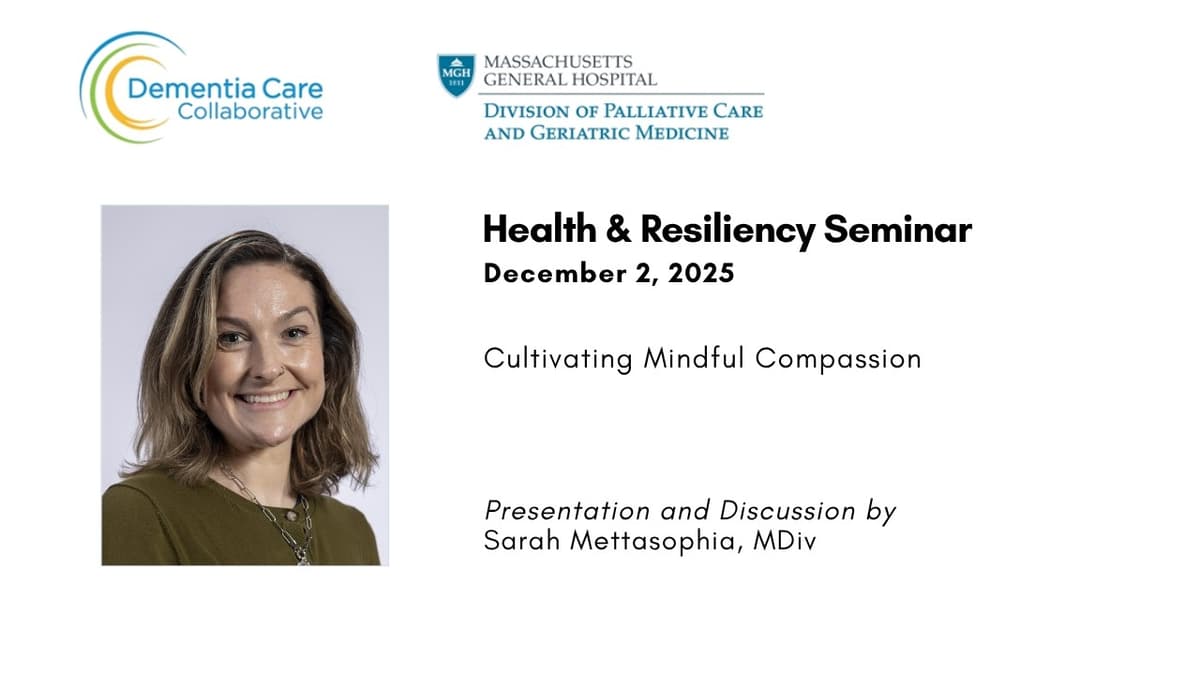
DCC Health & Resiliency Seminar - Cultivating Mindful Compassion
At a DCC Health & Resiliency seminar, Sarah Meta Sophia, a palliative care chaplain at MGH, led a guided session on mindful self-compassion, framing mindfulness as present-moment awareness and compassion as intentionally bearing one’s own suffering with gentleness. She reviewed...
Brendan Graham Dempsey: How Meaning and the Sacred Evolve Over Time
Brendan Graham Dempsey outlines his new Lexton course Matters Over Time, which traces how meaning, significance and the sacred evolve across individual life courses and cultural history. Drawing on his own meaning crisis, complexity and developmental-systems thinking, and influences like...
The State of Perfect Stillness (Excerpt)
The video redefines the traditional "middle way" as a state beyond simply avoiding extremes. It argues that true balance is achieved not by a conscious effort to stay centered, but by ceasing to push anything away and refraining from any...
What Carries Personal Identity | Michael James
The video tackles the age‑old puzzle of what carries personal identity across a lifetime of physical and mental turnover. Michael James draws on neuroscience—highlighting that every brain molecule is replaced over years—and on Advaita Vedanta to argue that continuity resides...
Zhuangzi - Flow Happily With Your Life (Even If You Make Less) (Taoism)
The video unpacks Zhuangzi’s Taoist philosophy as a guide for modern professionals to “flow” through life, even when income or status fall short. It frames the Tao as a natural, effortless rhythm that rewards letting go of control, staying present,...
Does Consciousness Point to God | William Dembski
William Dembski argues the 'argument from consciousness' is suggestive but not decisive: consciousness appears puzzling under standard evolutionary and computational accounts, and explanations invoking emergence or complexity remain unsatisfying. He rejects the idea that increased computational power alone explains subjective...
The Secret to Better Conversations? Stop Waiting for Your Turn to Speak #TEDTalks
The speaker argues that better conversations come from true listening rather than preparing your next remark—comparing distracted listening to trying to sing a different song over music. She highlights how phones, watches and wandering thoughts undermine attention and stresses the...
Are We All the Same Person | Arnold Zuboff
Philosopher Arnold Zuboff argues that if universalism is true — that a single subject of experience underlies all conscious beings — it would not fundamentally change ordinary definitions of personhood. What matters is the presence of immediate, first‑person experience in...
Conscious Leadership & Cultural Transformation with Jaclyn Orent
In this episode of Arthur’s Round Table, Jaclyn Orent, co‑founder and CEO of Cultural Catalysts, outlines a new framework for conscious leadership that bridges individual awareness with systemic cultural change. She argues that the current debt‑cycle transition—what Ray Dalio describes...
A Quote From Meister Eckhart #adyashanti #spiritualawakening #opengatesangha
The video introduces Meister Eckhart, a 12th‑century German mystic whose teachings lay dormant for centuries before a modern revival. It notes his historical brush with the Catholic Inquisition and how his death pre‑empted formal charges, a fate common to...
Hypnotherapy & Subconscious Healing for Trauma | Peter McLaughlin Interview
The interview centers on Peter McLaughlin’s journey from a Wall Street professional diagnosed with a rare leukemia after 9/11 to a hypnotherapy practitioner who believes the subconscious mind can extend lifespan. Facing a grim prognosis, McLaughlin spent years researching the mind‑body...
Choosing What Kind of Person to Become | Rebecca Newberger Goldstein
In a recent conversation, philosopher Rebecca Newberger Goldstein explores how the “mattering instinct” – a deep drive to feel significant – shapes the decisions that define the kind of person we become. Goldstein argues that confronting this instinct requires a second‑order...
Why Are Our Bodies Never Good Enough?
The video tackles the pervasive feeling that our bodies are never good enough, highlighting how cultural messages and online commentary pressure especially women to tie self‑worth to weight and appearance. It argues that this anxiety is less about current reality...
What Is Human Mind in a Theistic World | Louis Caruana
Louis Caruana, a neuroscientist‑turned‑priest, explores what the human mind means if God exists. He argues that mind, soul, and body are not separate substances but attributes of a single individual, rejecting the Cartesian dualism that treats consciousness as an independent...
Alan Watts - Being in the Way 2 | On Taoism, Energy & the Illusion of Separateness (Full Talk)
Alan Watts’ lecture explores Taoist philosophy, arguing that the Dao is fundamentally about relativity and the constant flow of energy rather than static, material objects. He contrasts the ancient Chinese view with Newtonian physics and highlights how 20th‑century discoveries—showing atoms...
When “You” Drop Away, only Trust Remains | Friday Zen, LIVE
The live “Friday Zen” session centered on the paradox that genuine trust can only exist when the illusion of a separate “you” drops away. Host Kazubin (Zuben) argued that the self‑concept is an energetic contraction, a mirage that prevents true...

Some Things Just Aren’t Worth the Price… (Epictetus)
Epictetus reminds viewers that desire for external success often ignores hidden sacrifices. The video opens by describing common envy when we see others' careers, relationships, and luxuries, then asks whether we are willing to pay the unseen price. It outlines how...
Navigating Dread and Carrying the Weight of Tomorrow | Frankly 142
The episode tackles the pervasive sense of dread that many feel as geopolitical tensions, climate collapse and energy decline loom, framing it as a mental and physiological burden that threatens daily functioning. Berman explains that the amygdala’s ancient fight‑or‑flight circuitry fires...
Beyond Differences
The Dalai Lama emphasizes that every encounter should begin with recognizing the other as a human being, not a title, nationality, or faith. He stresses that personal identity—whether Tibetan, Buddhist, or otherwise—should never eclipse our shared humanity. He argues that artificial...
The Truth Behind Memento Mori - Marcus Aurelius
The video explores the Stoic maxim “Memento Mori,” explaining how the reminder of mortality can act as a mental filter for contemporary worries. It recounts Marcus Aurelius’s counsel that every moment should be treated as if it were one’s final...
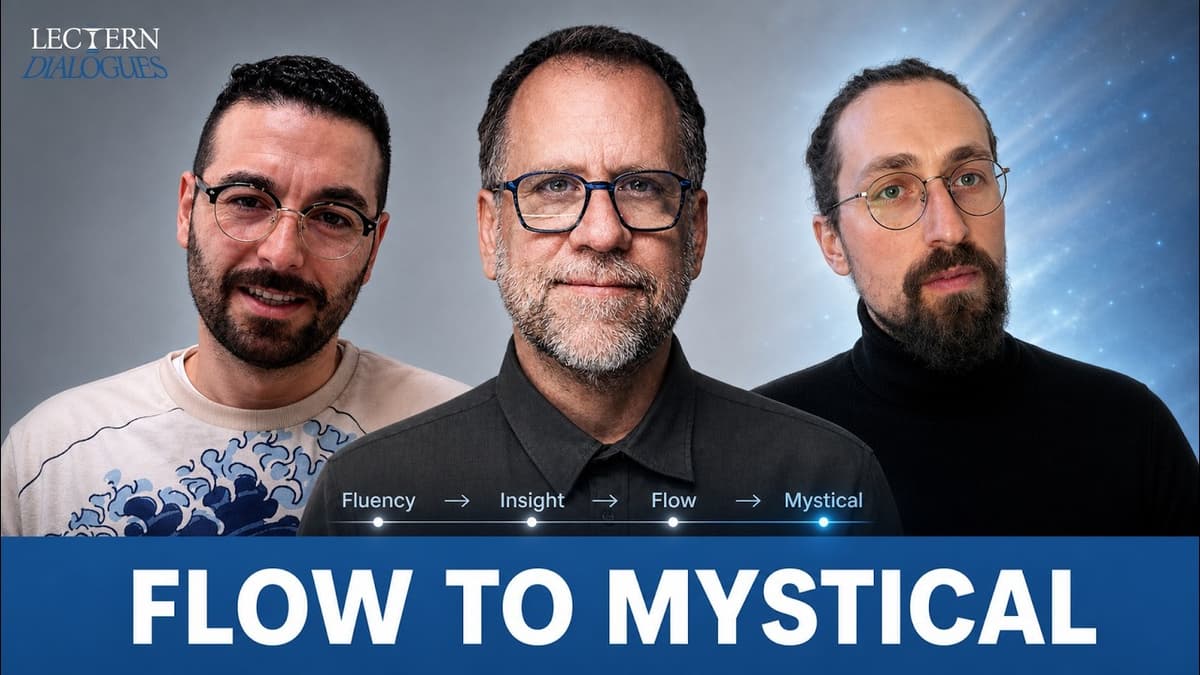
From Flow to Mystical Experience | John Vervaeke, Hüseyin Beyköylü, and Daniel Meling
John Vervaeke hosts co‑authors Hussein Beyköylü and Daniel Meling to unpack their newly published paper that extends the cognitive continuum—from basic fluency through insight and flow to full mystical experience—by embedding it within the inactive approach and complex‑systems theory. The...
Harvard Thinking: Breaking the Regret Cycle
The Harvard Thinking podcast episode delves into the psychology of regret, featuring Harvard Business School behavioral scientist Leslie John, neuroscientist Liz Phelps, and psychiatrist Susan Block. They define regret as a counterfactual cognition that requires personal responsibility, distinguishing it from...

The Simple Path to Peace - Retreat at Home 22-24 May.
The video promotes a three‑day online retreat, “The Simple Path to Peace,” scheduled for May 22‑24. It invites participants to explore a timeless inner stillness through guided meditations and conversational sessions conducted from home. The speaker frames peace as an innate oceanic...
Art & Fellowship with Erika Chong Shuch and Tiffany Steinwert
Stanford’s Art & Fellowship episode spotlights artist Erika Chong Shuch and Rev. Dr. Tiffany Steinwert discussing A Thousand Ways to Hold, a year‑long participatory project that pairs conversation and clay to ask “what have you held and what has held...
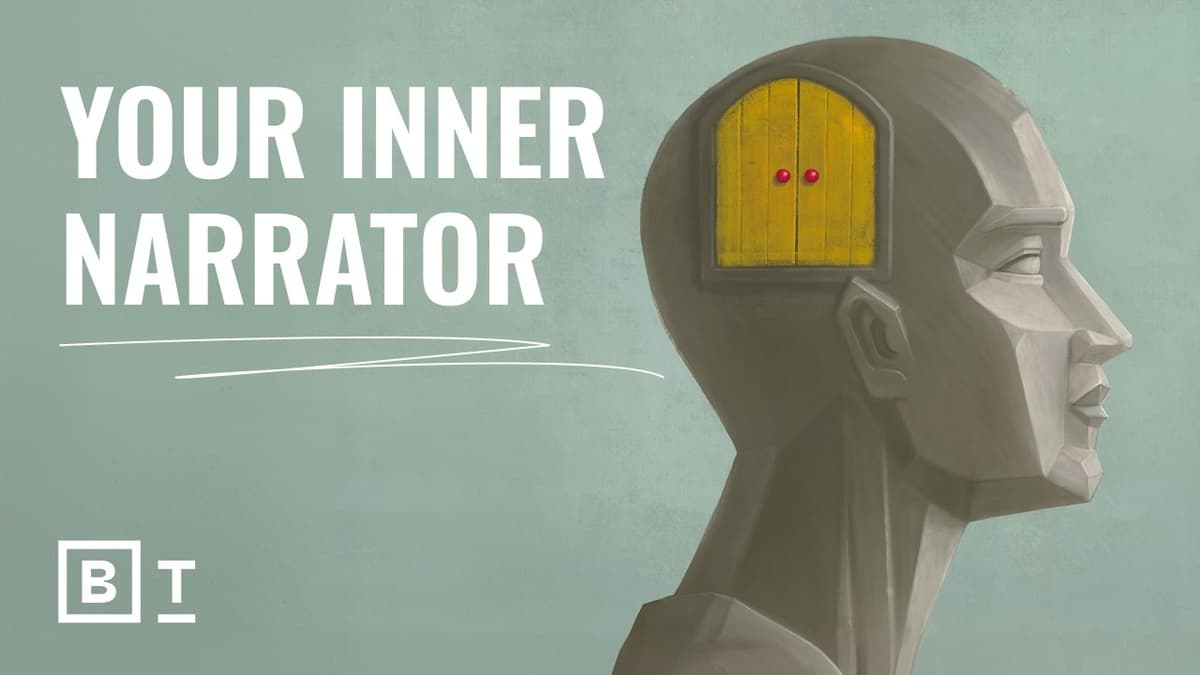
Why Humans Need Fiction, According to Neuroscience
The video explores neuroscience behind humanity’s craving for fiction, focusing on the left‑hemisphere “interpreter” that weaves our experiences into coherent stories. It argues that consciousness is not a seamless, linear stream but a post‑hoc narrative constructed by unconscious processes. Key insights...