
Why Your Income Isn’t Growing (Video)
The United States is experiencing a prolonged slowdown in real income growth, eroding the optimism that once characterized the post‑war era. Declining private investment rates are identified as the primary engine behind this stagnation, limiting productivity gains and wage increases. Government interventions aimed at boosting demand have largely failed to revive investment, and in some cases have deepened fiscal imbalances. The author’s animated YouTube breakdown outlines the problem, proposes policy fixes, and warns of a bleak outlook if corrective action is not taken.

Goldilocks Makes Surprise Cameo In US Services Sector
The Institute for Supply Management released a surprisingly strong services‑sector PMI on March 4, showing the index climb to 55.2, well above the 53.5 consensus. New orders surged 4.1% month‑over‑month and employment added roughly 150,000 jobs, underscoring robust demand. Analysts dubbed...

How Does the U.S. Tax System Stack Up?
The United States collects general‑government tax revenue equal to about 25.5% of GDP, roughly ten percentage points below the OECD average. Only two‑thirds of that revenue comes from the federal level, a share far lower than other industrial federations. Compliance...
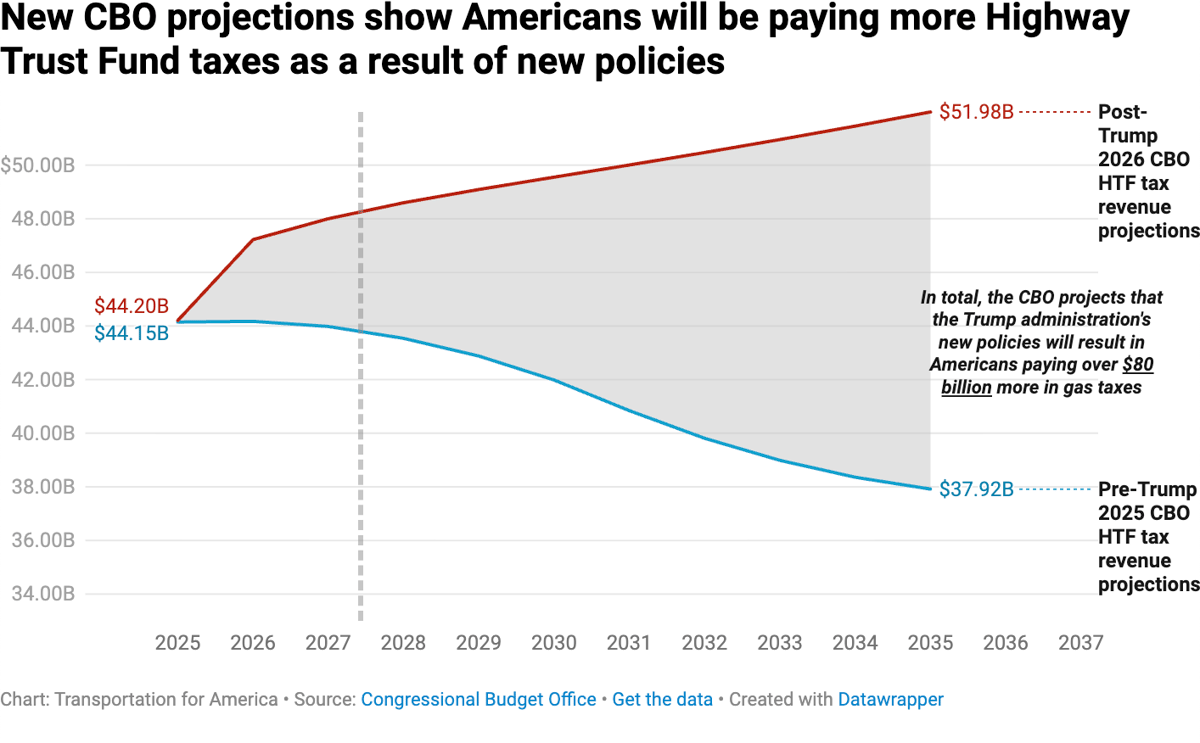
Analysis: New CBO Projection Accounting for Trump Administration Policies Shows Americans Will Pay Billions More in Fuel Taxes
The Congressional Budget Office now projects that Americans will pay more than $80 billion in additional gasoline taxes over the next decade, a sharp rise from earlier forecasts. The increase stems from Trump‑era transportation rollbacks that discourage fuel‑efficiency measures and freeze...

NEW POD! How Credit Markets Shaped a Nation with Sarah Quinn
In the latest Net Interest Extra episode, sociologist Sarah Quinn discusses her book *American Bonds*, which argues that credit markets have been a foundational force in shaping the United States. Quinn traces how borrowing practices influenced industrial growth, urbanization, and...

The Dollar Is the Only Game in Town
The U.S. dollar is strengthening across major G10 pairs as the Middle East conflict fuels risk aversion, pushing the euro, yen, and sterling lower. Emerging market currencies such as the peso, yuan and real also slide, while equity markets suffer...
Federal Reserve Revenue: Cutsinger’s Solution
The Federal Reserve sets its own operating budget and remits any surplus to the Treasury, but it lacks a residual claimant who would benefit from cost savings. Because officials do not capture saved dollars, there is little incentive to minimize...
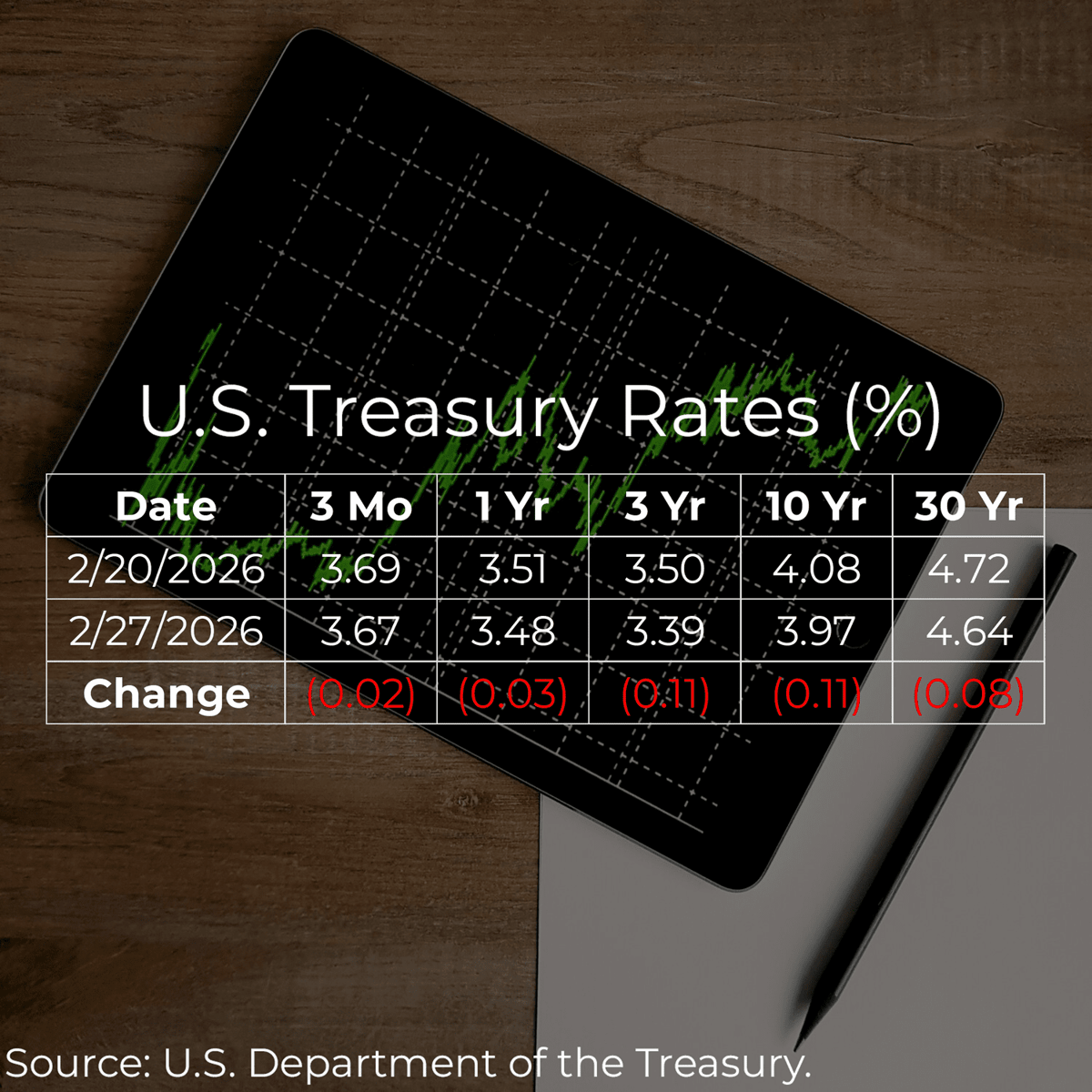
U.S. Treasury Rates Weekly Update for February 27, 2026
U.S. Treasury yields slipped across the curve for the week ending February 27, 2026. The 30‑year note fell 0.08 percentage points, while the benchmark 10‑year yield dropped 0.11 points to 3.97%. The 3‑year Treasury rate held at 3.39%, indicating modest...

Fed More Likely to Stay Pat?
The Federal Reserve is expected to keep interest rates steady, prompting the dollar index to climb and Treasury 10‑year yields to rise about nine basis points. Higher yields reflect tighter monetary expectations, while the 10‑year TIPS also edged up six...
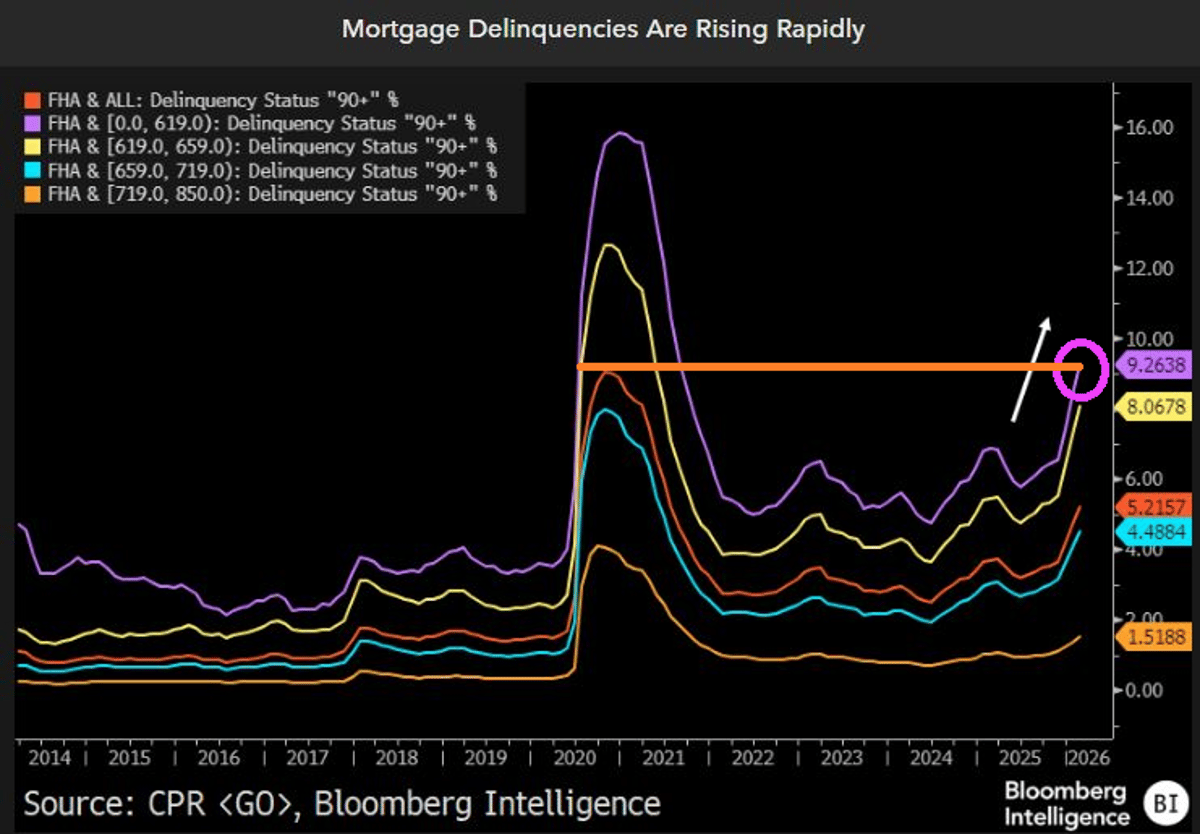
Simply Unaffordable! FHA Lower Credit Score Borrowers (0-619) Suffer Escalating Mortgage Delinquency Rates
FHA loans held by borrowers with credit scores between 0 and 619 are experiencing a sharp rise in 90‑day delinquency rates, the steepest since the program’s inception. The surge follows a post‑COVID fiscal stimulus that drove home prices to record...

Mortgage Rates Jump After Iran Attack
Mortgage rates slipped back above the 6% threshold after the Iran attack, with the 30‑year fixed climbing to 6.12%—a 13‑basis‑point jump. Ten‑year Treasury yields rose nine basis points, and mortgage‑backed‑security prices fell, feeding the rate increase. Simultaneously, oil prices spiked...

Measuring AI's Real Impact on Work and the Economy
Stanford economist Nick Bloom presented new empirical evidence on AI adoption and its effect on jobs and productivity. By merging firm‑level surveys, payroll records, and real‑time usage data, his team quantified how generative AI is being deployed across industries. The...

Jobs Report Collides With Iran War In Pivotal Week
U.S. nonfarm payrolls for February posted a solid gain of 210,000 jobs, nudging the unemployment rate down to 3.6%. The report arrived amid heightened geopolitical tension following the weekend assassination that sparked an Iran‑Israel conflict. Investors grappled with strong labor...

Newsquawk Week Ahead: Highlights 2nd-6th March 2026
The OPEC+ meeting on March 1 is expected to unwind 137,000 barrels per day of voluntary cuts, signaling a tentative supply increase as Brent hovers near $71. US economic data show a slowdown in manufacturing, with the ISM PMI dropping...

Interpreting the Shrinking Term Spread
The 10‑year versus 3‑month Treasury spread has been compressing sharply, as high‑frequency data show a pronounced narrowing. Analysts note that the traditional term premium calculation omits heightened default risk, which is evident in rising U.S. Treasury CDS spreads. When inflation...

'Soft' Data Soars To 2-Year Highs As Chicago PMI Smashes Expectations
The Market News International Chicago Business Barometer posted a 57.7 reading, the strongest level since May 2022 and well above analyst forecasts. This marks the second consecutive month the index has stayed above the 50‑point expansion threshold. Core components such...

The Market Brief
U.S. equity markets opened with a sharp selloff, pulling the S&P 500 and Nasdaq toward monthly losses while the Dow remains on track for a February gain. Despite the decline, about 70% of S&P constituents closed higher, indicating broad participation....

From Fed Failures to Inflation and Stablecoins: America’s Trust Is Cracking
The new book *Avoid Fiscal & Economic Disaster with Ethics, Economics, and Excellence* by former Fed official Bill Bergman and retired Air Force Lt. Col. Larry Feltes warns that America’s greatest vulnerability is a collapsing trust in its institutions. They...

Nothing Doing: Lowest Rates Since 2022 Fail To Spur Home Sales
U.S. mortgage rates have fallen to their lowest levels since September 2022, yet home sales remain stagnant. A roughly 50% imbalance between sellers and buyers underscores a deep‑seated market freeze. Inventory shortages and lingering affordability concerns continue to suppress demand...

Inflation Adjusted House Prices 2.2% Below 2022 Peak
The December Case‑Shiller report shows nominal house prices reaching fresh all‑time highs, while inflation‑adjusted (real) values sit slightly below their 2022 peak—2.2% for the national index and 2.4% for the composite 20. Despite the recent dip, real prices remain 10.3%...

How Africa Keeps Losing Despite China V. West Race for Minerals
The United States hosted its first Critical Minerals Ministerial in February 2026, unveiling a preferential trading bloc, price‑floor mechanisms and a $12 billion strategic stockpile to curb China’s dominance. At the same time, a US‑backed consortium struck a $9 billion deal with...

Trust in Numbers
The article argues that while the Bureau of Labor Statistics (BLS) faces accusations of political manipulation, there is no evidence of data tampering and the agency relied on its documented imputation methodology during the 2025 shutdown. It highlights the importance...
The Rising Burden of Elder Care in the United States
The United States faces a growing elder‑care burden as the population ages. About 29% of adults 65 and older report difficulty with daily activities, rising to 60% for those 85+, while roughly one‑quarter of those in need receive no care....

Update: A Year With No Jobs—But No Recession
The latest BLS employment report revealed that payroll growth stalled in 2024, with the March 2025 benchmark revision removing 898,000 jobs and total downward adjustments surpassing one million by year‑end. Despite the sizable cuts, the revised employment series closely mirrors...