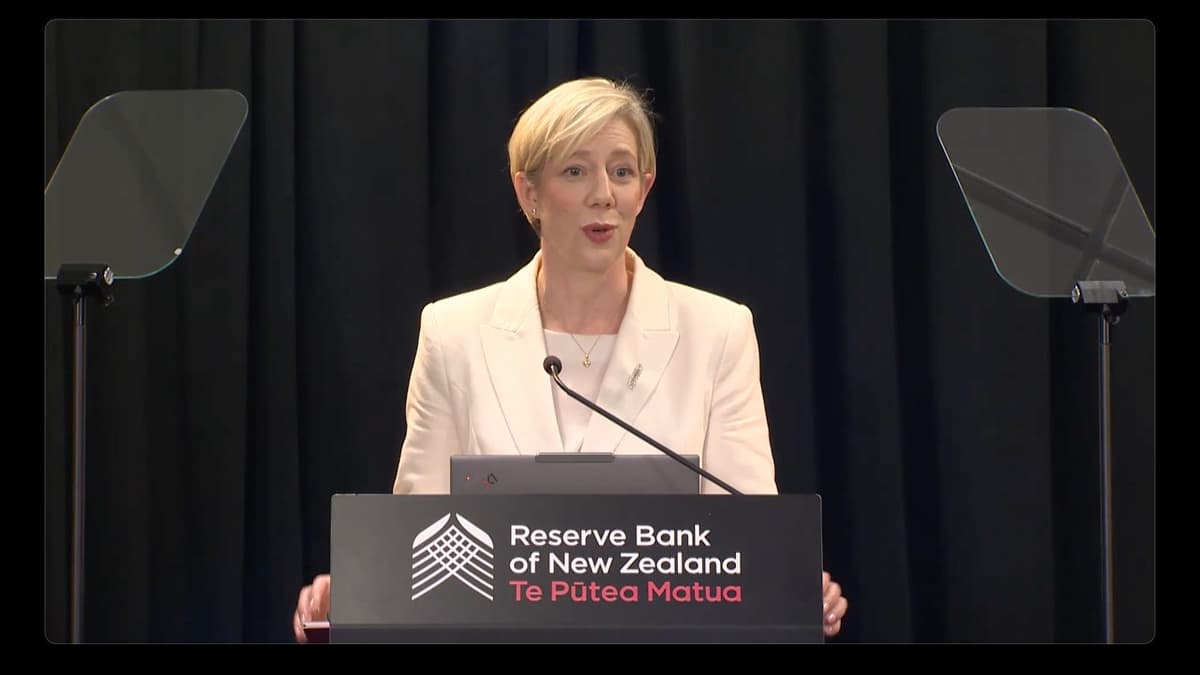
May 2026 Monetary Policy Statement Media Conference
The Reserve Bank of New Zealand left the official cash rate on hold at 2.25% after a 3–3 split on the Monetary Policy Committee, with Governor Anna Breman using her casting vote to maintain the pause. The bank said the Middle East conflict has driven up fuel and other input costs, lifting near-term headline inflation to about 3.1% in March and projecting a peak near 4.3% in Q3 before returning to the 2% midpoint by mid‑2027. RBNZ highlighted subdued core inflation, weak wage growth and a softening labour market (unemployment around 5.4%) as forces limiting second‑round inflation, but warned the OCR will likely need to rise sooner and by more than in February unless firms and households absorb higher costs. The committee published three alternative scenarios showing materially different OCR paths depending on oil prices and domestic price‑setting behaviour, and for the first time provided attributed votes to increase transparency.
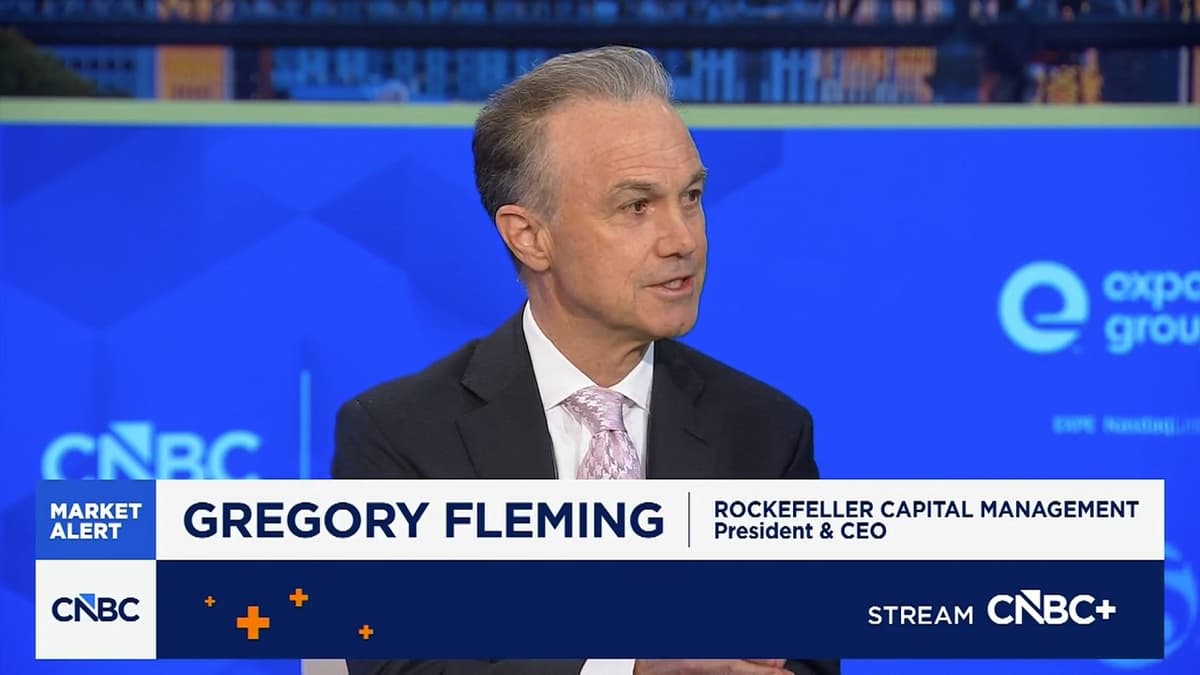
Rockefeller Capital CEO Greg Fleming on Squawk Box to Discuss AI, the Fed and US Economic Resilience
Rockefeller Capital CEO Greg Fleming told Squawk Box that the U.S. economy’s resilience reflects strong corporate earnings, steady employment and a surge in entrepreneurship—fueled in part by AI-driven productivity gains and increased capital spending on compute. He warned, however, that...
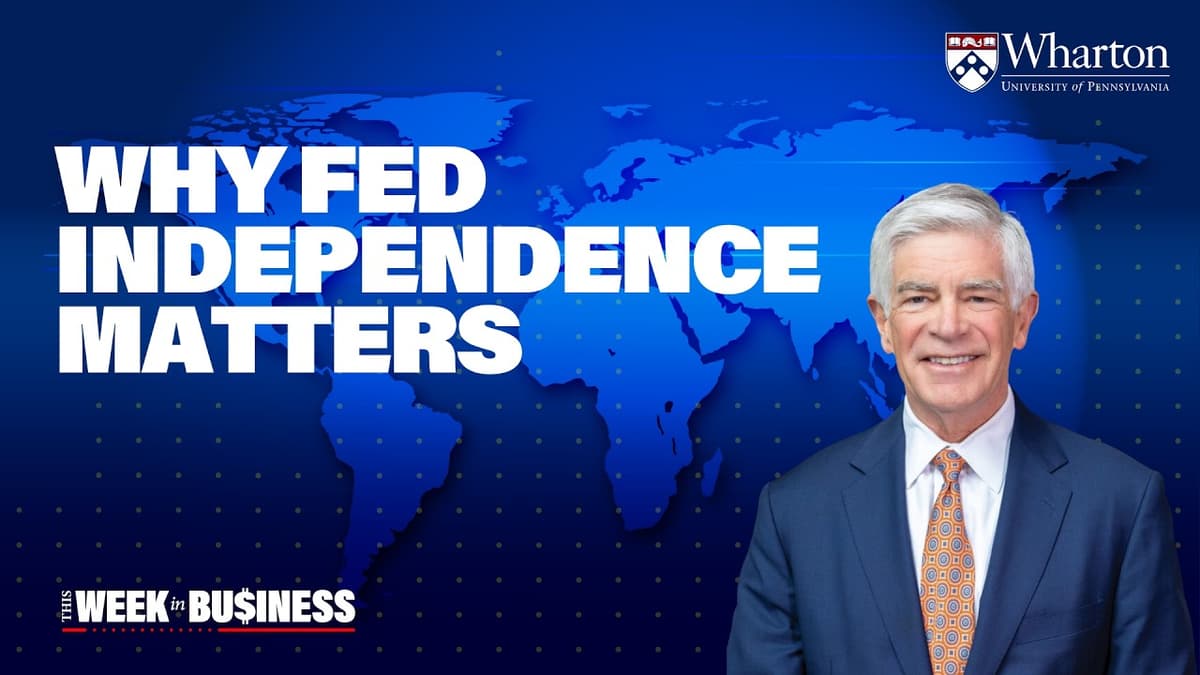
Fed Independence, Inflation, and the Future of the Federal Reserve
The interview with Pat Harker, former Philadelphia Fed president, focuses on Jerome Powell’s eight‑year tenure and the Senate‑confirmed appointment of Kevin Warsh as his successor, highlighting the stakes for Fed independence. Harker notes Powell weathered banking shocks, a pandemic and a...

The Economy Is Stuck In Neutral
The video argues the U.S. economy is stuck in neutral as the Federal Reserve faces two stark policy paths: treat recent inflation as persistent and raise rates—risking a delayed, highly restrictive stance—or treat it as transitory and cut or keep...
Texas and Florida Just Sent a HUGE Warning to the Housing Market
Two major U.S. house-price gauges show a clear cooling: the S&P CoreLogic Case‑Shiller index fell for a second straight month and the FHFA index slowed to its weakest year‑over‑year gain since 2012. The decline is concentrated in former pandemic boom...
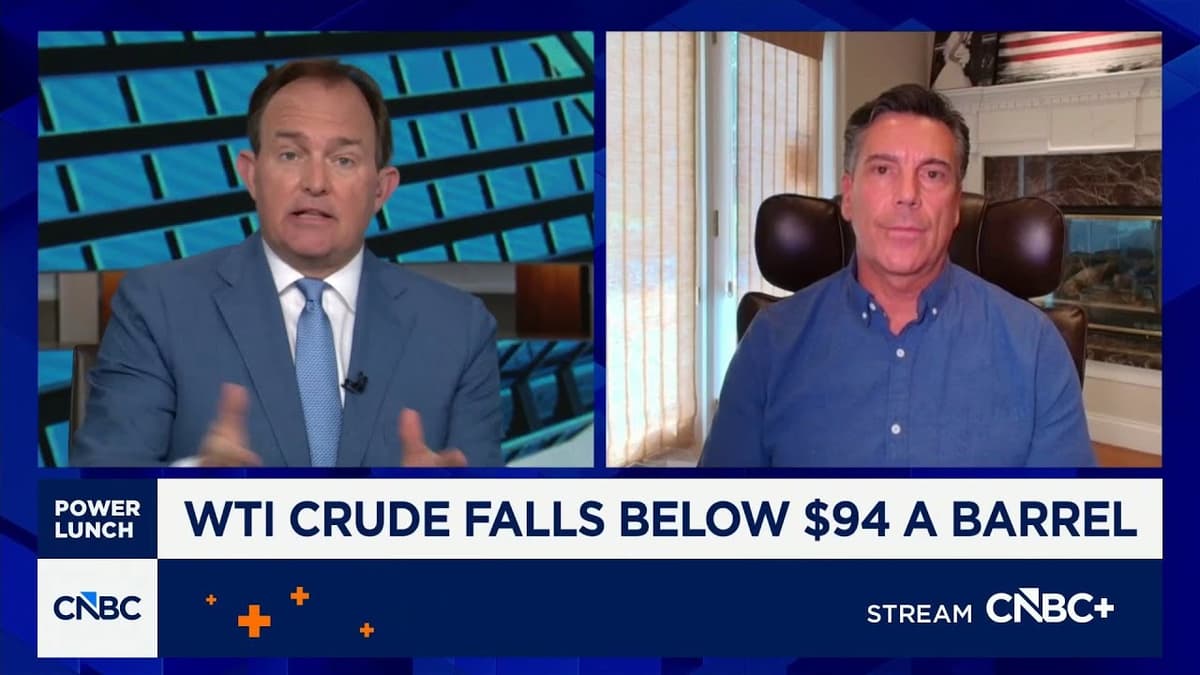
Steve Grasso: Fed Opening Doors to Rate Cuts Will Bring Gold Higher but May Take Time
Gold’s rally depends on Federal Reserve action, not just inflation or geopolitics, says Steve Grasso; if the Fed signals an opening to rate cuts and real yields move lower, gold should run higher, but the process could take time. Today’s...
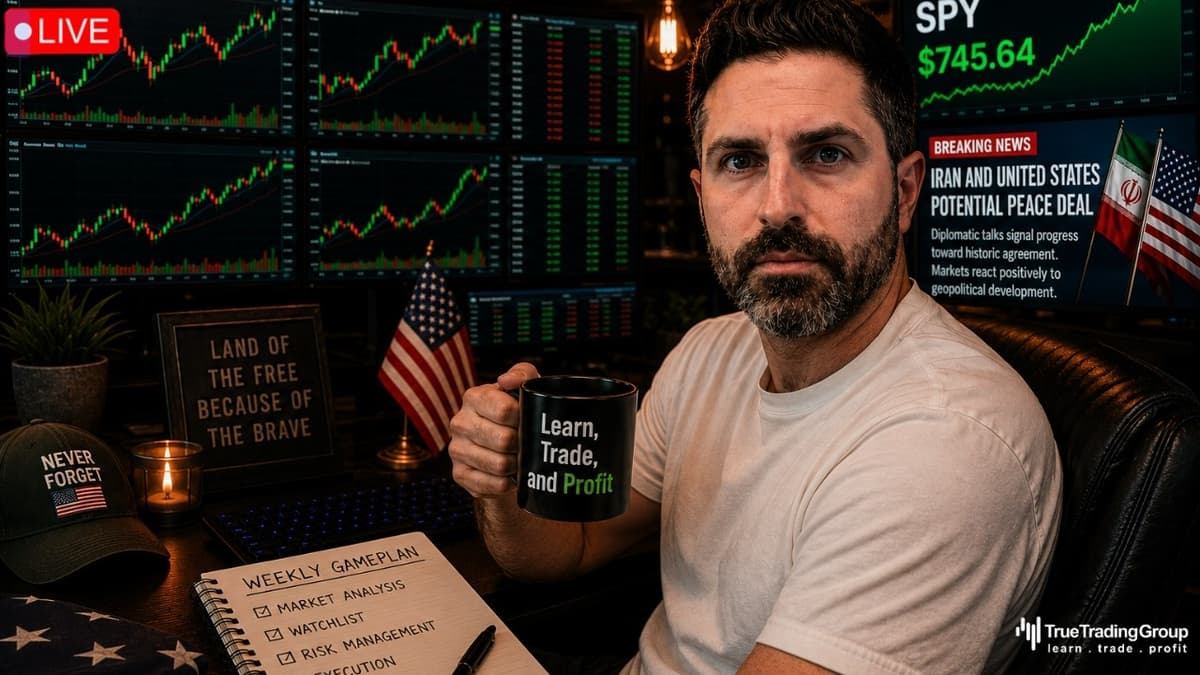
🚨Stock Market Outlook: Is a Massive Market Move Coming This Week? Find Out LIVE @ 8:00pm ET
The True Trading Group live broadcast, hosted by co‑founder Michael Edward, opened with a Memorial Day tribute before shifting to a detailed market outlook for the coming week. Edward promised to reveal exact entry, exit and price targets for a...
The AI Cycle Will Turn This Year but First Things Get Even Crazier | Andreas Steno Larsen
The episode with Andreas Steno Larsen focuses on the coming “AI cycle” but centers on a broader macro transition. He argues the semiconductor boom will peak by year‑end, with a wave of late‑cycle IPOs signaling the final stretch of the...
The Most Important Forex Events This Week | USD, AUD, JPY & CAD Outlook
The video by Kil Stokes previews the key macro releases that will shape forex markets this week, focusing on USD, AUD, JPY and CAD. He notes a quiet start due to Memorial Day holiday and low liquidity, but warns that...
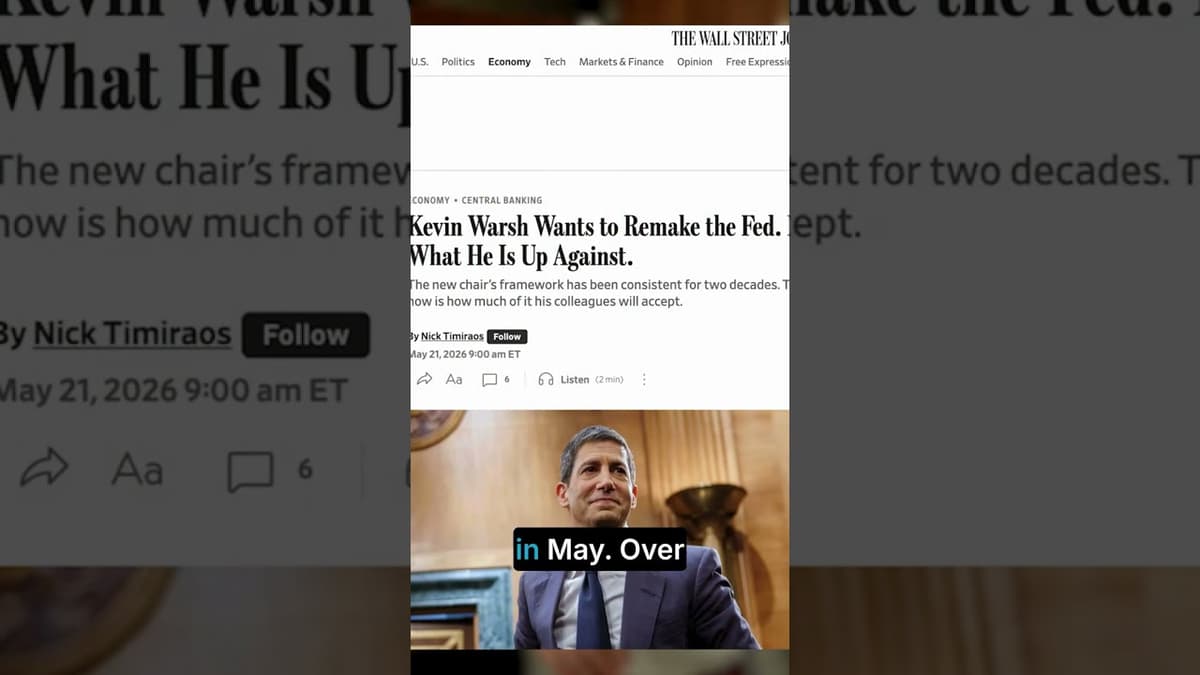
Market's Message to New Fed Chair: Don't Cut Rates!
Market participants are signaling to incoming Fed chair Kevin Worsh that rate cuts would be inappropriate given current inflation dynamics. Despite expectations that Worsh — seen as President Trump’s choice to loosen policy — might ease policy, recent data show...
Daybreak Holiday: Kevin Warsh, Costco, Inflation's Impact on Memorial Day | Bloomberg Daybreak:...
Bloomberg Daybreak aired a special Memorial Day edition, turning its focus to the economy as the U.S. markets remained closed and to upcoming retail earnings from Costco and Best Buy. Analysts Anna Wong and Michael McKe explained that new Fed chair Kevin...
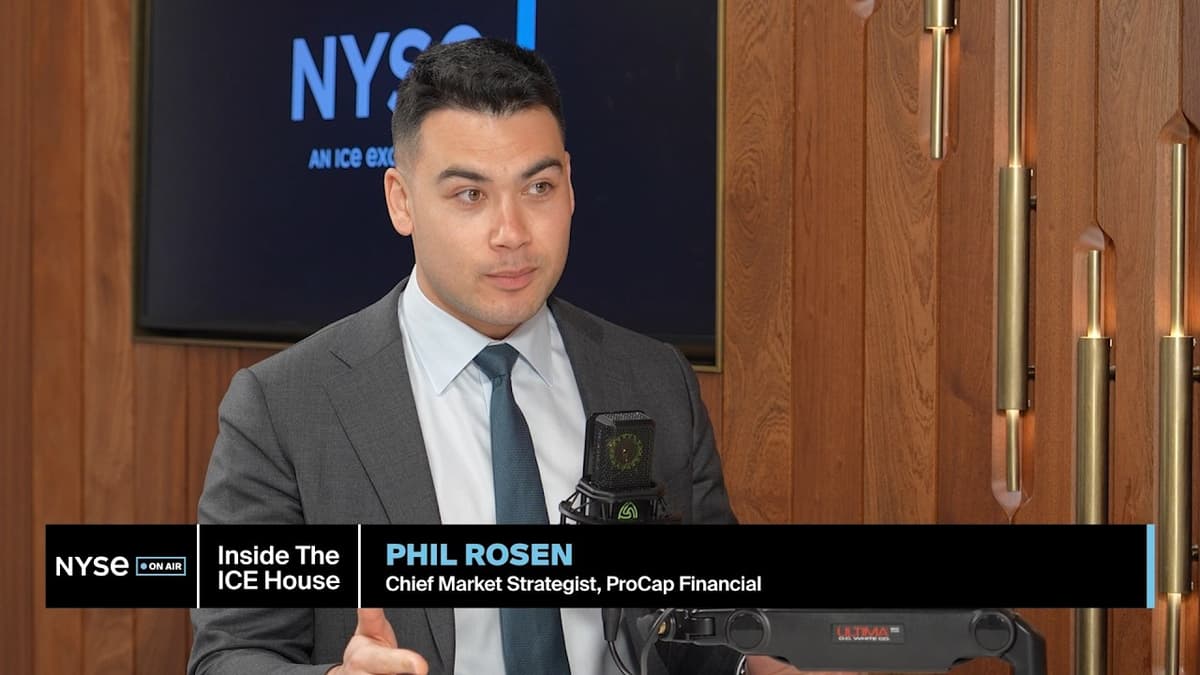
May Markets in Focus: The Kevin Warsh Era Begins + The Market's AI Response
The episode centers on the inauguration of Kevin Warsh as Federal Reserve chair and the parallel surge of AI‑driven capital. Warsh inherits a volatile mix of post‑Iran conflict inflation, elevated yields and a market that remains buoyed by massive AI...
ALERT: The Dollar Is Spiking While Interest Rates Crash… Here’s Why
The video explains why the U.S. dollar is climbing while short‑term interest rates are slipping, linking the two phenomena to a global "dollar shock" caused by soaring energy costs. Asian economies—Japan, South Korea, Indonesia and India—are feeling the strain...
New Grads Face Tightest Labor Market in Years
Graduating students from elite universities report entering one of the tightest job markets in years, where traditional signals like school pedigree matter less as competition intensifies. Despite expectations of entitlement, interviewees said they're willing to take menial or out-of-field work...
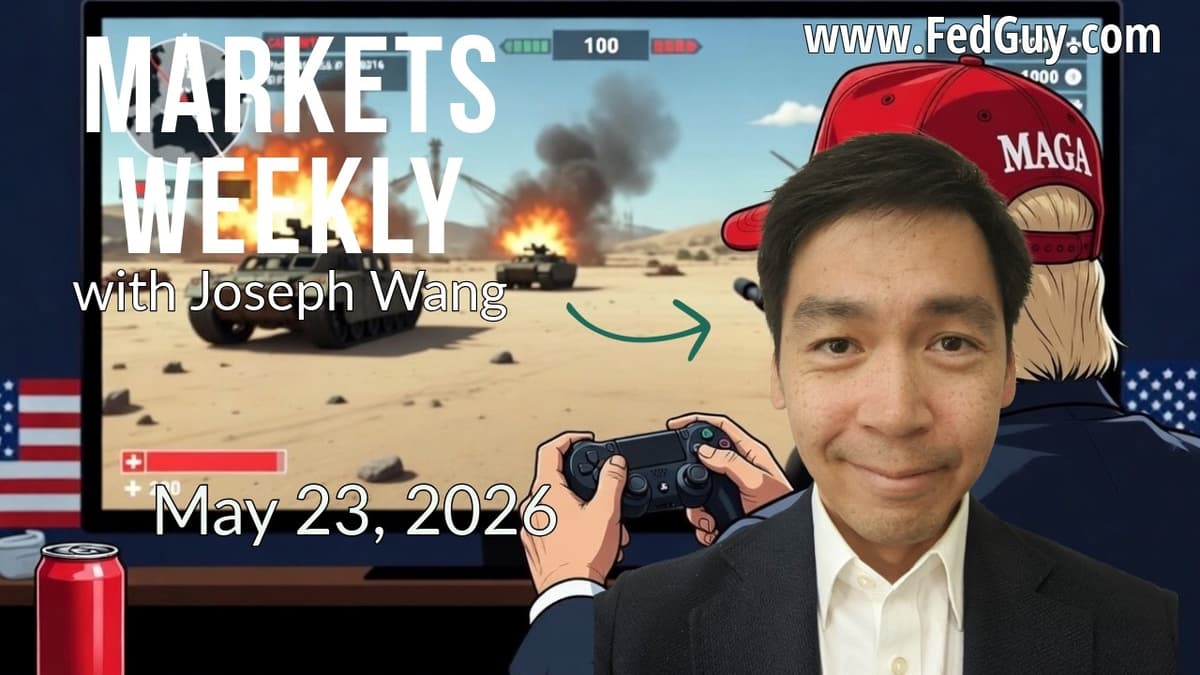
Markets Weekly May 23, 2026
Markets Weekly warns that markets face heightened geopolitical risk after signals the US may resume strikes on Iran imminently — a risk amplified by recent administration departures, President Trump’s focus on Iran, and movement of a carrier strike group into...
The Day America Ran Out of Options
The video argues the newly confirmed Federal Reserve chairman is inheriting a no-win crisis with three grim options: a crashed economy, a collapsing dollar, or the end of U.S. credibility. It recounts the 1907 panic where J.P. Morgan privately bailed...
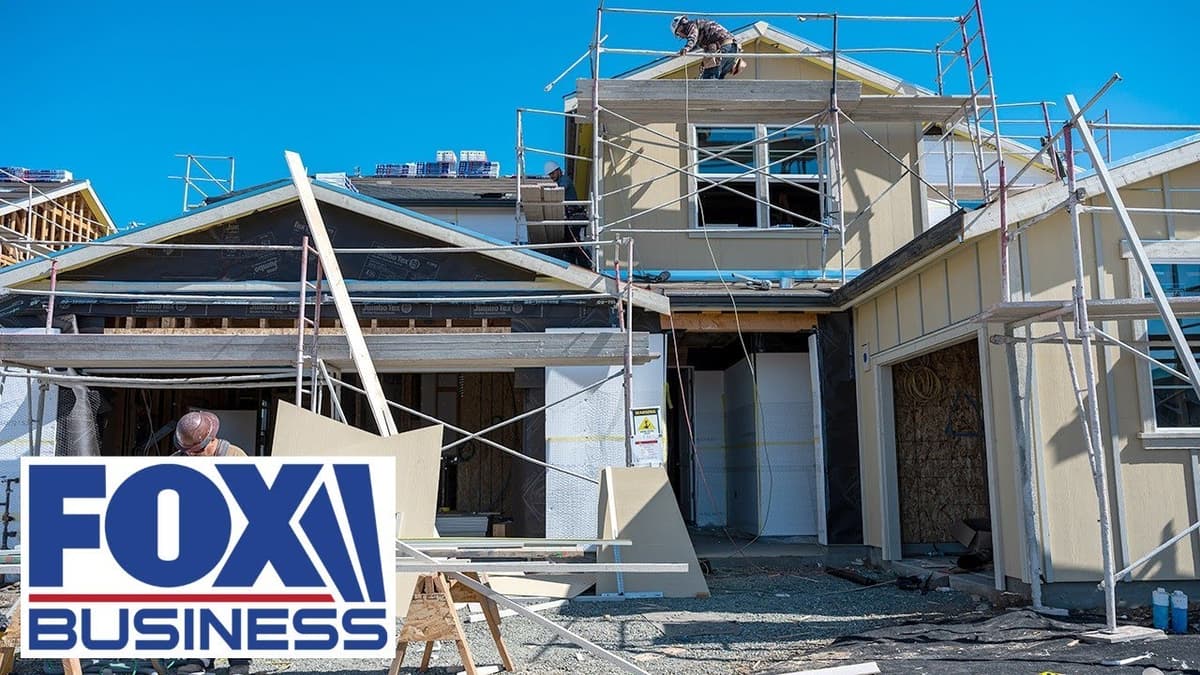
HOUSING NIGHTMARE: Expert Warns Home Construction Is ‘GRINDING TO A HALT’
Jeff Sica warns the U.S. housing market is “grinding to a halt” as rising energy and material costs and weak permit and construction data choke off new supply. With building starts and permits falling and interest rates high, Sica says...
Trump's U-Turn on Rates: Market Manipulates Politics?
President Trump signaled a sudden policy U-turn this week, saying he will "let" Fed nominee John C. Williams Warsh (note: transcript uses 'Warsh') make interest-rate decisions after previously pressing for cuts. The change followed a sharp uptick in the 10‑year Treasury...
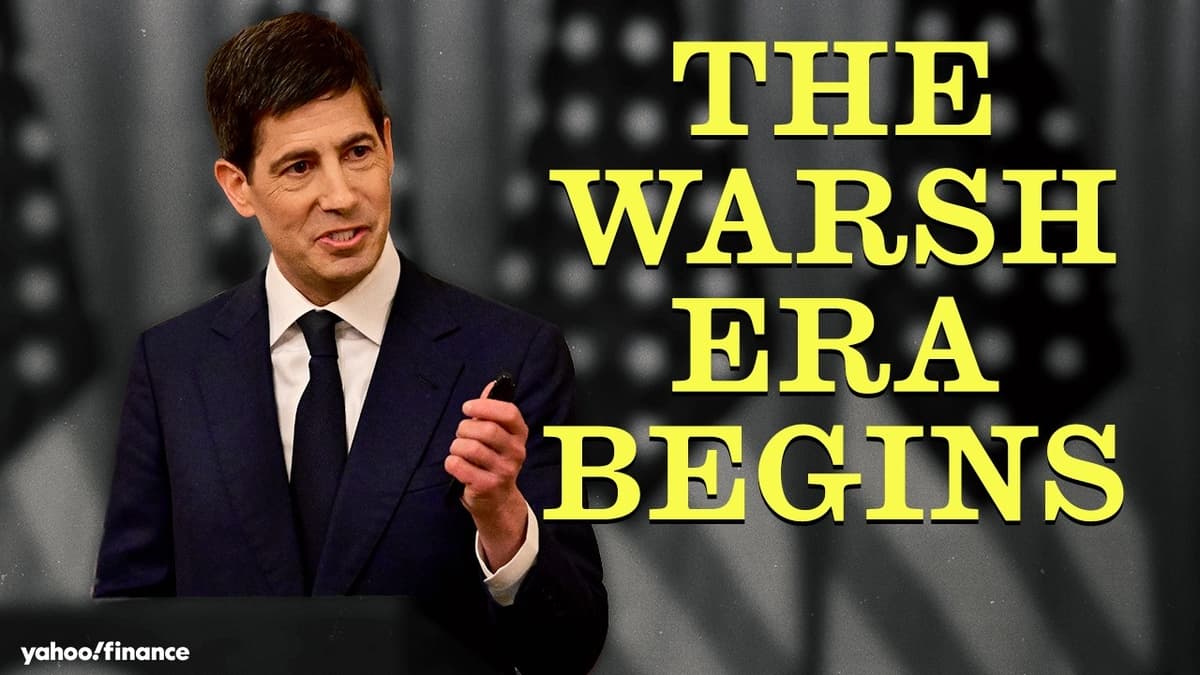
Kevin Warsh Is Officially the Chairman of the Federal Reserve.
The video announces Kevin Warsh’s official appointment as chairman of the Federal Reserve, highlighting his ascent to the nation’s most powerful monetary‑policy post. Warsh’s résumé includes a Stanford public‑policy degree, a Harvard law degree, mentorship under Nobel‑winning economist Milton Friedman,...
FULL SHOW: Bloomberg Businessweek Daily 5/22/2026
Bloomberg Businessweek Daily opened with the swearing‑in of Kevin Warsh as the new Federal Reserve chair, a ceremony attended by President Trump and Supreme Court Justice Clarence Thomas. The transition comes as the S&P 500 eyes its longest streak of...
Fmr. Fed President Fisher: Market Will React Negatively if Warsh Acts on Behalf of the President
Former Dallas Federal Reserve president Richard Fisher warned that the newly sworn‑in Fed chair, Kevin Warsh, must safeguard the central bank’s independence. Fisher emphasized that any perception Warsh is acting on behalf of the president would trigger a sharp market...
Chris Watling on AI, Inflation, Oil and the Fragile Foundations Beneath Markets
In this episode of the Rules of Investing podcast, Long View Economics chief strategist Chris Watling breaks down three dominant forces shaping markets: geopolitics around the Strait of Hormuz, the accelerating AI wave, and the fragile recovery of Western economies....
Raising Rates Won't Work
The speaker argues the Federal Reserve is operating near the high end of an unobservable neutral rate (r*), and because r* has been close to the zero lower bound, conventional rate cuts can no longer meaningfully stimulate the economy. Raising...
How Much Is Donald Trump Costing America’s Economy? | The Economist
The Economist video quantifies how Donald Trump's policies have weighed on U.S. economic performance, juxtaposing them against an unexpected AI‑driven surge that lifted growth in 2025. Using pre‑Trump baseline forecasts, the analysis estimates a near‑3% GDP expansion would have been realistic,...
"You Don't Fix the Fed. You Opt Out of Needing It."
The video traces the Federal Reserve’s origins to a clandestine 1910 meeting on Georgia’s Jackal Island, where six powerful bankers and a senator drafted the blueprint for America’s central bank. It argues that the Fed’s public façade masks a hybrid...
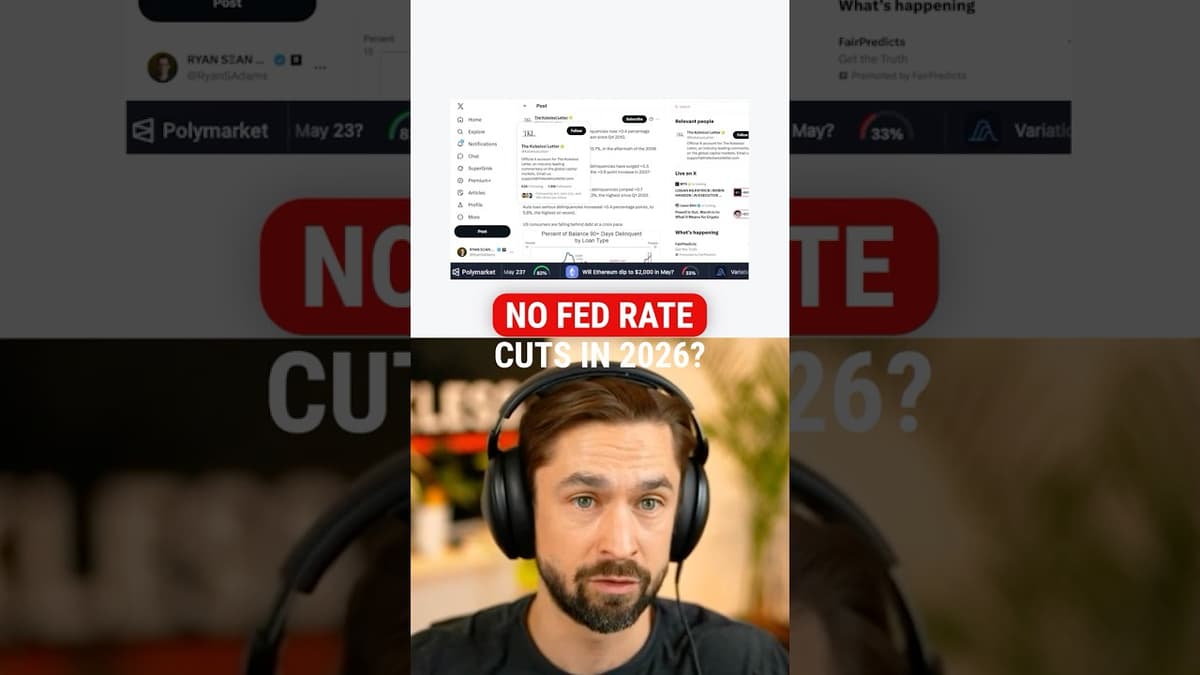
Polymarket Is Pricing a Macro Shock
Prediction markets on Polymarket have rapidly shifted to price out Fed rate cuts in 2026, with the probability moving from roughly the mid-30s to about 70–80%, signaling markets expect tighter policy for longer. The hosts flag a 55% market-implied chance...
Bloomberg Money Minute: US Mortgage Rates Surge, S&P 500 Win Streak, IMAX Seeks Buyer
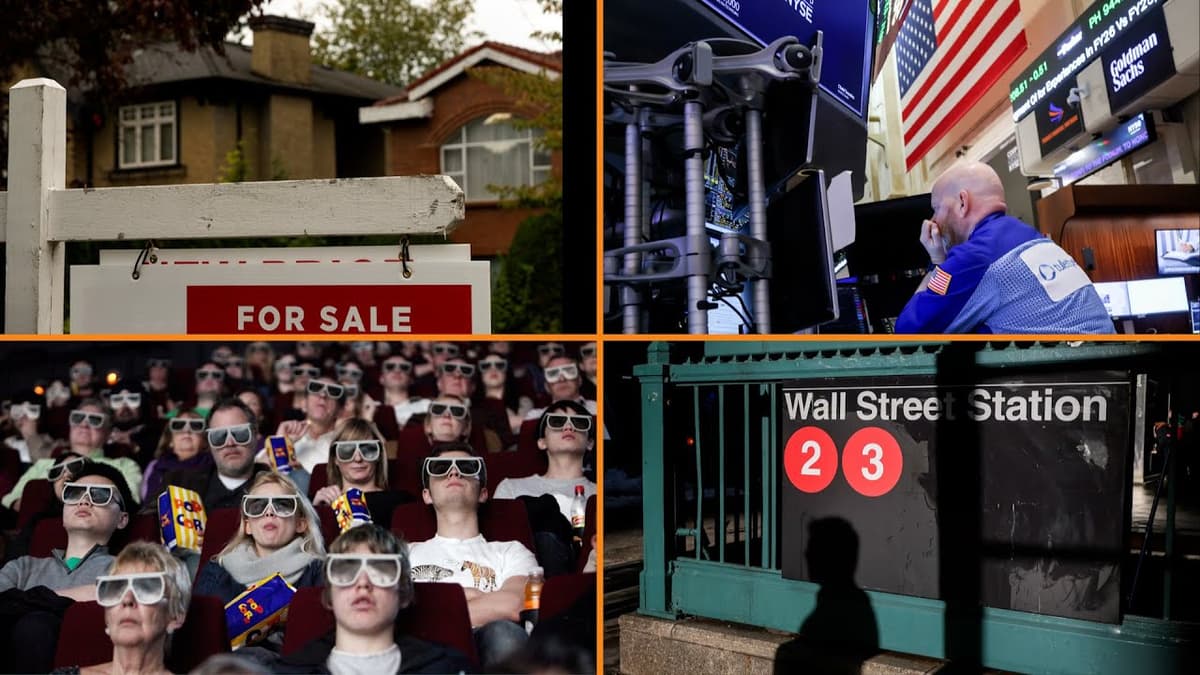
Mortgage rates jumped this week to an average 30-year fixed rate of 6.51%, the highest since August, as Treasury yields climbed on renewed inflation fears and geopolitical risks. The S&P 500 is eyeing its longest streak of weekly gains since...
Will Vacation Inflation Affect Your Summer Travel? Here’s What to Know
The episode examines how soaring fuel prices and the recent shutdown of Spirit Airlines are reshaping the U.S. summer travel landscape. A fresh CPI report shows fares rose roughly 3% in April, while airlines grapple with higher jet‑fuel costs stemming...
Daniel Lacalle: The Monetary Tsunami Is Coming
In a recent interview, economist Daniel Lacalle warns that the “monetary tsunami” is not a relic of the pandemic‑era stimulus but an imminent wave that will hit developed economies. He points out that the explosive money‑supply growth and soaring deficits from...
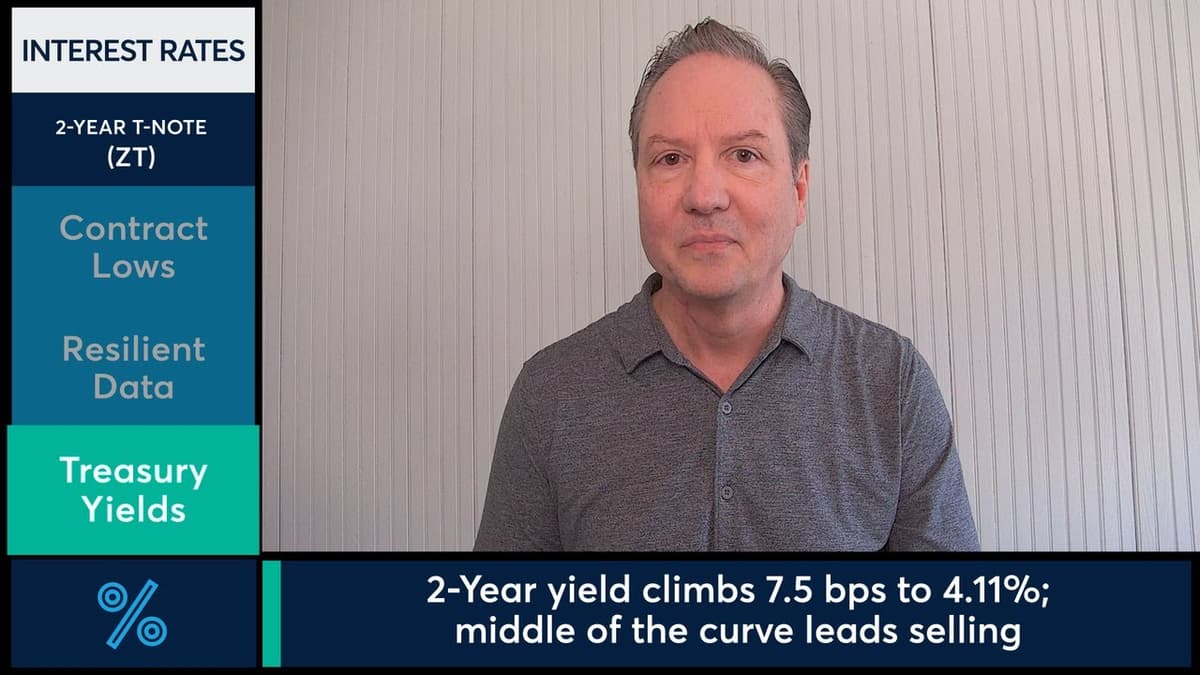
2-Year T-Note Futures Fell as Resilient Data Lifted Yields. 5/21/26
The market focus today was the continued decline of two‑year Treasury note futures, which slipped back toward the lows established two days ago. The June contract traded around 103.05, pushing the 2‑year yield up 7.12 basis points to 4.11%, just...
Nvidia Shares Muted After Fluctuation; Iran Assesses Trump's Proposal | Bloomberg Brief 5/21/2026
The Bloomberg Brief opened with a dual focus: Nvidia’s latest earnings report and Iran’s reassessment of a U.S. diplomatic proposal. Nvidia posted a solid beat and raised its dividend, yet the stock opened muted as analysts questioned the sustainability of...
Giving Americans a Break on Gas Tax Right Now 'Makes a Lot of Sense': Stephen Moore
The Trump administration is reportedly weighing a temporary federal gas tax holiday with a phased-in return to avoid supply shocks, prompting debate about its fiscal and practical effects. America First Policy Institute senior fellow Stephen Moore said a short-term suspension...
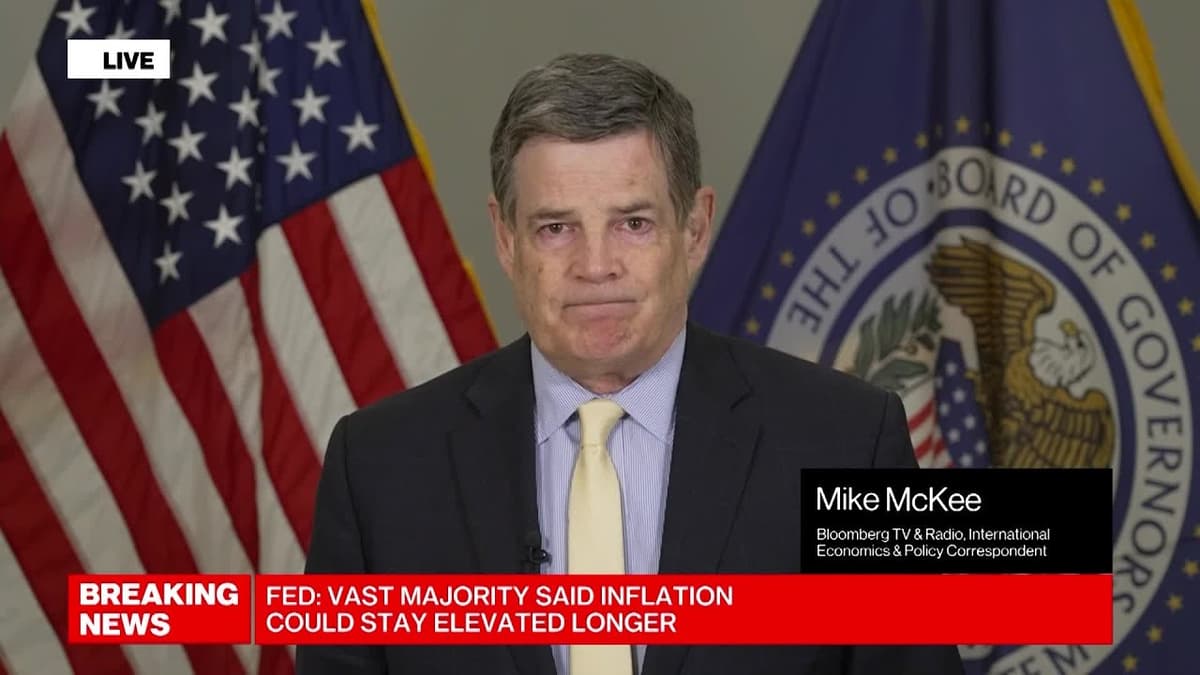
Fed Minutes Show More Officials Warned of Rate-Hike Scenario
The Federal Reserve’s minutes from Chairman Jerome Powell’s final meeting highlighted that officials are more concerned about a prolonged Middle‑East war and its inflationary fallout than markets had anticipated. The staff noted that high energy prices, lingering tariff pressures, and the...
Forget K-Shaped, This Is a Pac-Man Economy.
Speakers on Trader Talk said Q1 showed a rebound in consumer volumes—not just pricing—driven by brand loyalty and premiumization, with CPGs like Pepsi and P&G reporting stronger transactions. PwC’s chief economist described the recovery as a “Pac-Man” economy—low- and mid-income...
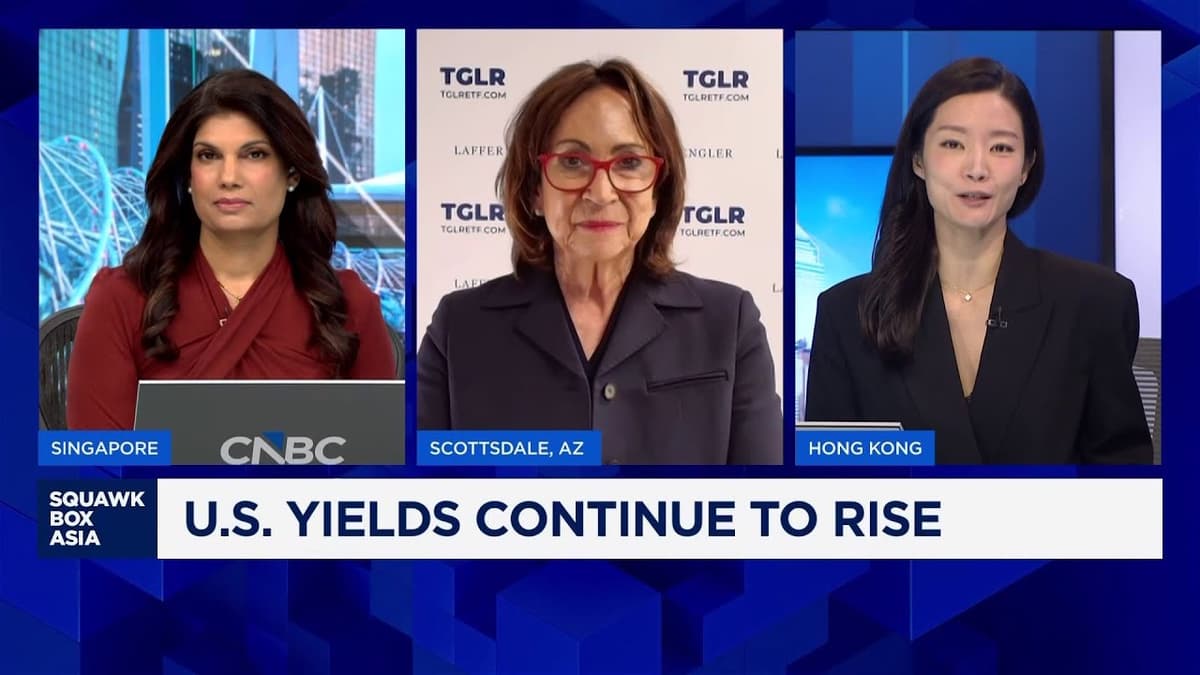
A 10-15% Market Correction Is Likely Given the Oil Shock and New Fed Governor: CIO
CIO Nancy cautioned that a 10–15% equity market correction is likely as rising bond yields, an oil supply shock and a more hawkish tone from new Fed governors increase downside risk. She warned yields above the mid‑5% range would justify...
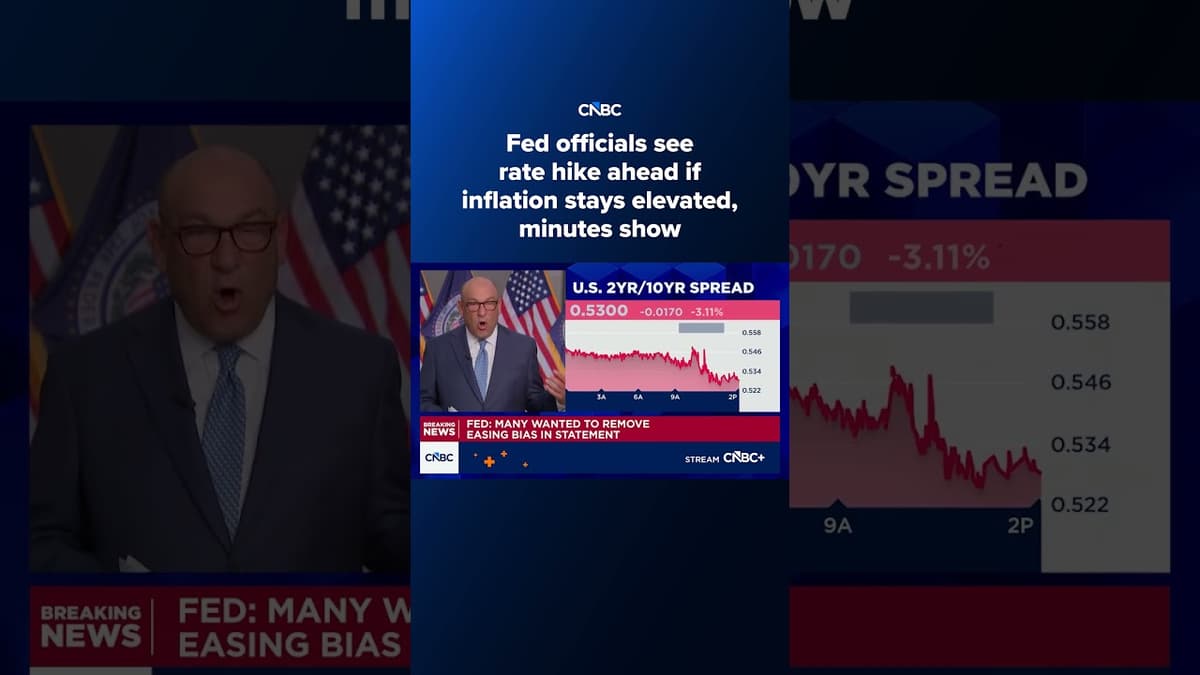
Fed Officials See Rate Hike Ahead if Inflation Stays Elevated, Minutes Show
The April Federal Reserve minutes revealed a decidedly hawkish tilt, with the majority of voting members signaling readiness to raise rates if inflation remains persistently above the 2% target. Chair Powell’s last meeting before the summer session showed a push...
Everything Traders Believed Last Month Is Changing
Markets are recalibrating as sticky inflation, higher Treasury yields and rising geopolitical risks push investors to accept that interest rates may remain elevated longer than expected — and could even climb further if inflation accelerates. The Fed’s cautious stance has...
'In the Short Run All Eyes Will Be on Nvidia': Schleif
Markets opened higher as a bond-market sell-off cooled and hopes rose that oil shipments through the Strait of Hormuz could resume, easing near-term energy-risk fears. Investors are shifting attention back to corporate earnings—most notably NVIDIA’s after‑hours report—while parsing persistent inflation...
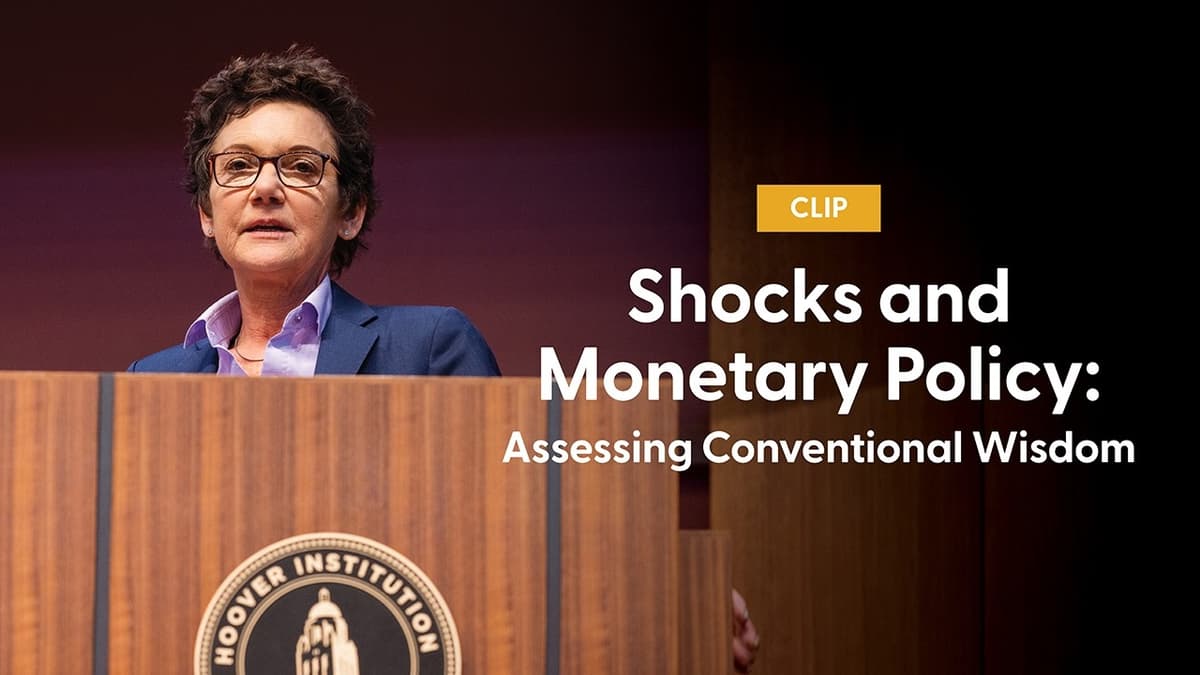
SF Fed’s Mary C. Daly on Economic Shocks, Inflation, and Monetary Policy
In a recent Hoover policy panel, San Francisco Fed President Mary C. Daly examined how policymakers assess economic shocks and decide whether to look through or react. She argued that the traditional split—identifying a shock as supply‑ or demand‑driven and judging its...
Cutting Rates Won't Work
The video argues that while the Fed can technically cut rates, it can no longer stimulate the economy by doing so because the neutral interest rate (R*) has risen and the policy rate is constrained by the zero lower bound....
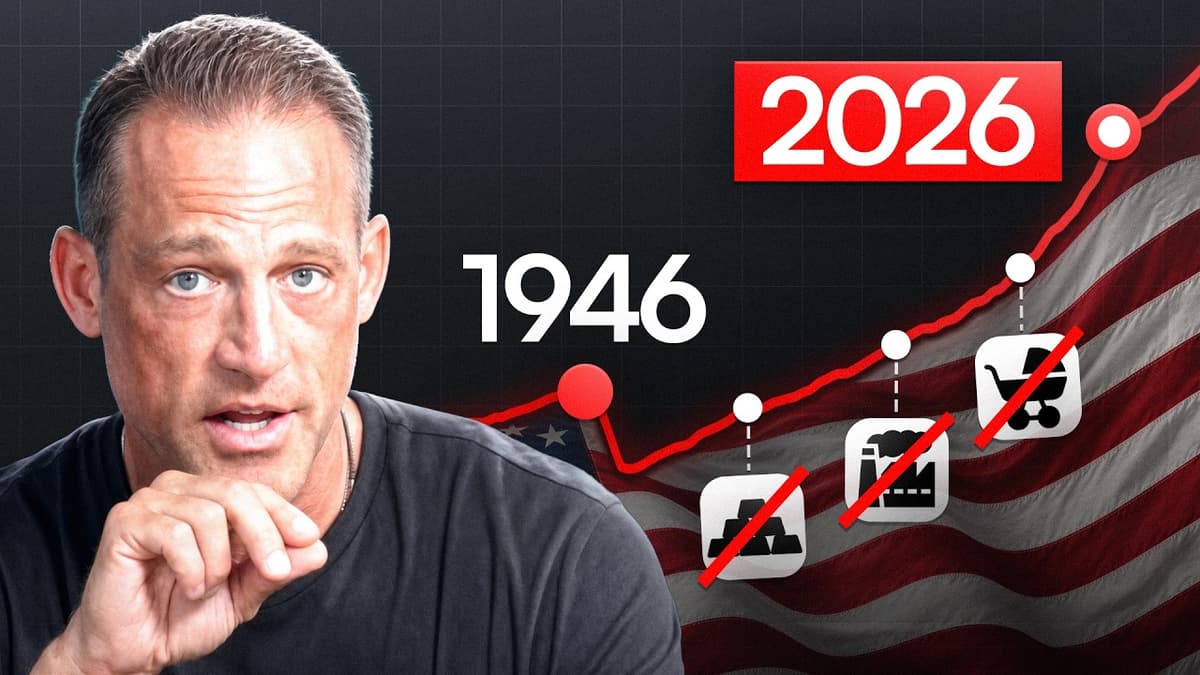
3 Things Saved America From Debt in 1946... All 3 Just Reversed.
Publicly held U.S. debt has topped 100% of GDP for the first time since 1946, rekindling comparisons to the post‑World War II era but with a crucial difference: the three structural tailwinds that enabled rapid debt reduction then have reversed....
30 Yr Bond Rate Just Hit 2007 Levels
U.S. Treasury yields surged last week, with the 30-year bond climbing to 5.189% — the highest since July 2007 — while the 10-year rose to about 4.6% and the 2-year to roughly 4.1%. The jump reflects investors dumping bonds amid...
Real Conversations | Markets, the Economy & the Global Risk Landscape W/ Jim Rickards
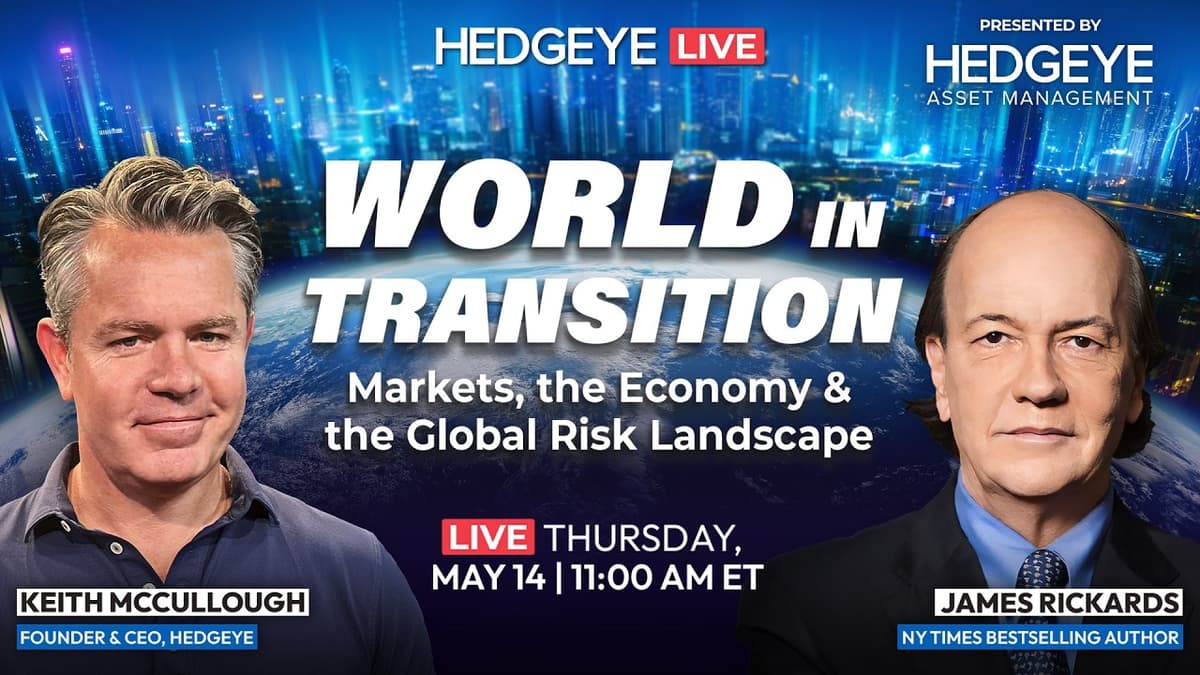
Jim Rickards opened the conversation by warning that the world faces a genuine global dollar shortage, not the sensationalist "debasement trade" narrative of an imminent dollar collapse. He emphasized that discussions about reserve currencies often miss the fact that foreign...
Stocks vs Bonds: Which Wins at 4.5% Yields? 🥊🆚🏛️ #Treasury #Yields
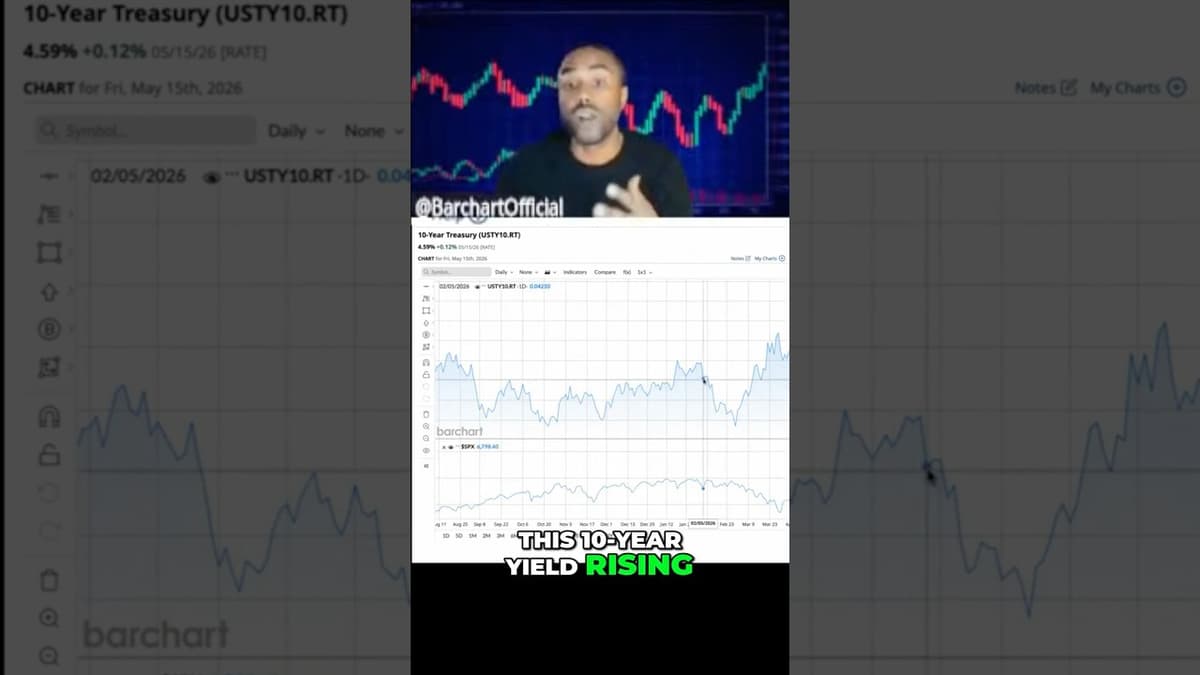
A market commentator highlights the recent rise in the 10-year Treasury yield to about 4.5% and examines its historical inverse relationship with the S&P 500, noting periods when higher yields drew capital away from stocks. Using price charts, the speaker...

Japanese and US Bond Rates Are Flashing Red
The video highlights a simultaneous surge in sovereign yields: the U.S. 10‑year Treasury climbed to its highest level in a year, while Japan’s 30‑year government bond posted a historic peak. Both moves reflect tightening financing conditions for the world’s two...
Can the Dollar Maintain Momentum? | Presented by CME Group
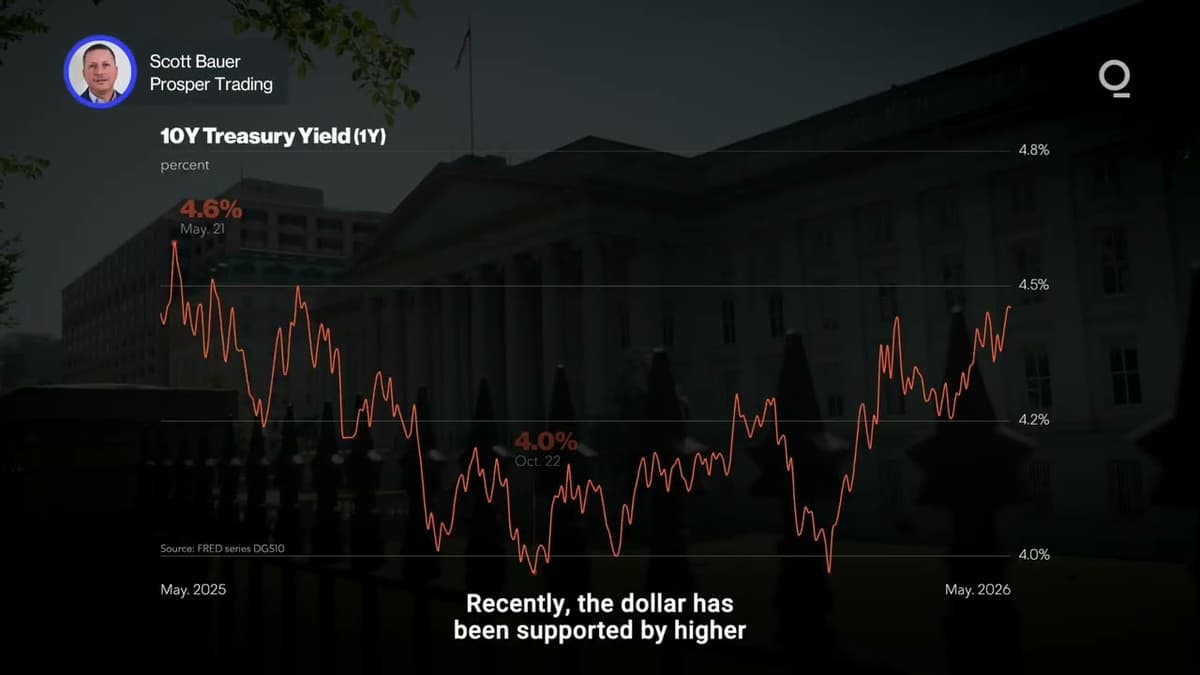
The CME Group presentation examines whether the U.S. dollar can sustain its recent rally, noting the index’s rise from roughly 95.5 to near 98.5 in 2024 after a 9% decline in 2023. Analysts point to hotter‑than‑expected CPI and PPI numbers, rising...
Ballooning National Debt Poses Interest Rate Risks | Presented by CME Group
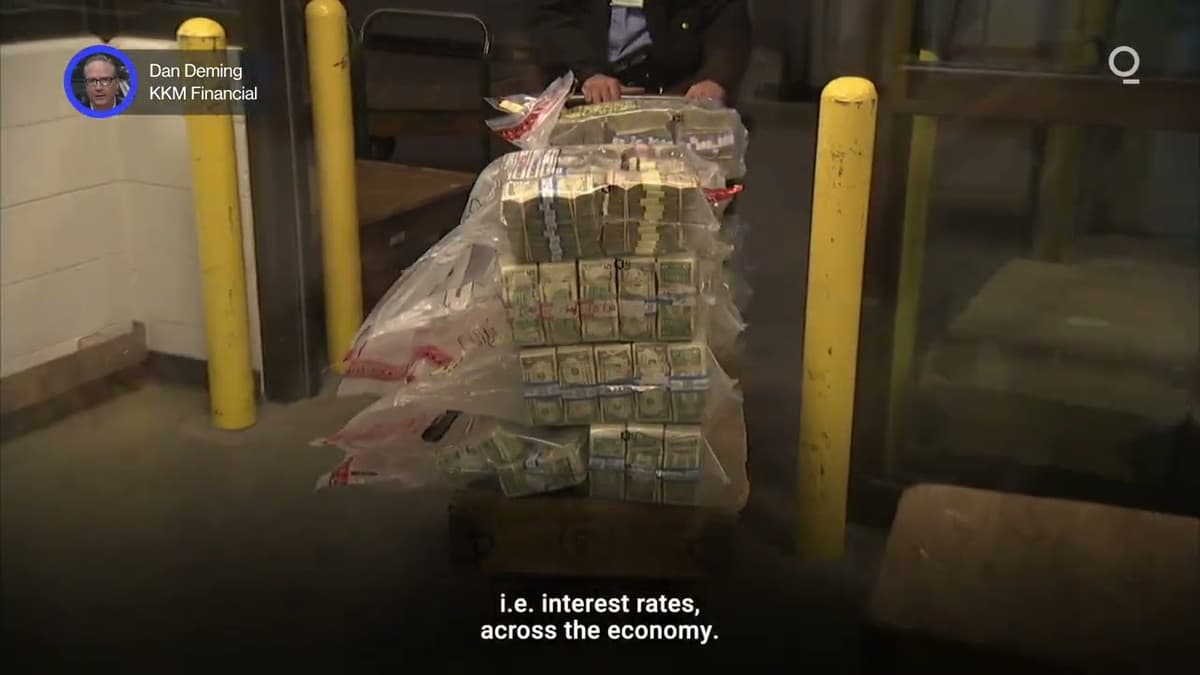
The CME Group presentation highlighted that U.S. national debt held by the public reached about $31.27 trillion at the end of April, edging past the prior 12‑month GDP estimate of $31.22 trillion. This marks the first sustained peacetime crossing of the debt‑to‑GDP...

What Is Sticky Inflation? (Simple Explanation)
The video explains “sticky inflation,” where price pressures persist, especially in services, despite overall cooling. Recent data show inflation is not confined to a single sector; service inflation jumped 2.5%, while goods prices fluctuate more rapidly. Key points include the contrast...
Financial Market Preview - Monday 18-May
The market preview for Monday, May 18, 2026, highlighted a sharply negative tone across U.S. equities and fixed‑income markets. Futures on the S&P were down, while the 30‑year Treasury yield breached the 5% mark, reaching a 20‑year high, as hawkish developments in...
AM Best’s Modica: Warsh’s Fed Leadership Could Be Shift Toward Leaner Central Bank Intervention
The interview with AM Best economist Anne Modica focuses on the possible appointment of former Fed governor Kevin Worsh as chair, a transition that would end a decade of Jerome Powell’s steady‑hand leadership. Modica outlines Worsh’s core belief that quantitative easing belongs...