Housing Market Is Beginning To Thaw
The video dissects Federal Reserve Chair Jerome Powell’s April 29, 2026 press conference, where the term “neutral rate” was invoked eleven times. Powell and other officials debated whether the current policy stance should be described as neutral, slightly restrictive, or a balanced mix of hikes and cuts, reflecting a split within the FOMC. Key points include the committee’s growing consensus that the Fed is now operating at the high end of the neutral range—roughly 3.5%—and that core inflation remains stubbornly above target at about 3.2%, keeping the outlook uncertain. Powell emphasized that the labor market is stabilizing while inflation “misbehaves,” suggesting a “wait‑and‑see” posture. Notable excerpts feature Powell’s admission that the neutral rate cannot be known with certainty, his reference to a “vigorous discussion” about forward guidance, and comments from journalists highlighting the shift away from an explicit easing bias. The dialogue underscores how forward‑guidance language can shape market expectations even when the Fed’s actual stance is ambiguous. The broader implication is that the Fed’s subtle move toward a neutral or mildly restrictive stance signals limited near‑term rate changes, affecting mortgage rates, housing demand, and investment decisions. Market participants must watch for further language tweaks that could pre‑empt shifts in monetary policy.

Markets Weekly May 16, 2026
The May 16 episode of Markets Weekly focused on two intertwined themes: a rapid global rise in bond yields and a historical look at farm productivity to draw lessons for today’s AI-driven productivity surge. The host highlighted that the U.S. 10‑year...
The First Domino in the US Debt Crisis
The video explains that the United Arab Emirates approached the U.S. Treasury for an emergency dollar swap, warning that without assistance it could be forced to dump its Treasury holdings and trigger a bond‑market crash. It highlights that foreign central...

Start Of A New Regime
The video argues that a new monetary‑policy regime is emerging as John Williams (often mis‑named Warsh) prepares to succeed Jerome Powell as Fed chair. It frames the transition not as a corrective reset but as the culmination of a strategy the Fed...
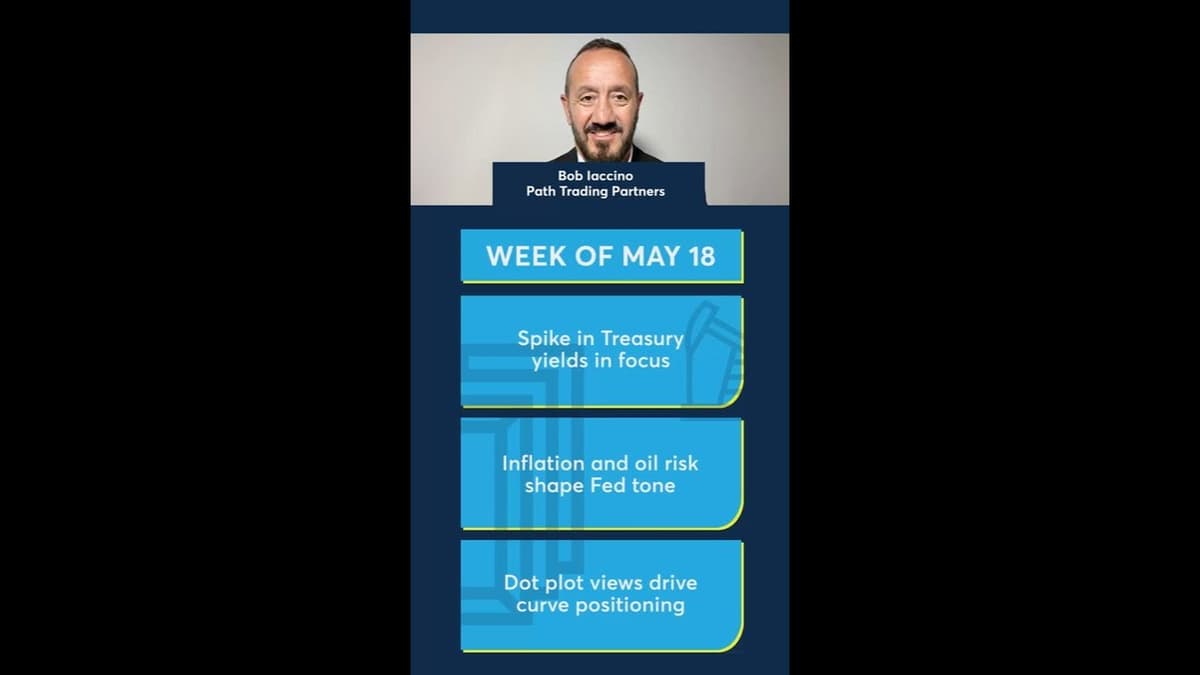
Yield Spikes and FOMC Minutes Will Drive Next Week's Action. 5/15/26.
Treasury yields surged double‑digit percentages across the curve last week, marking the steepest single‑day move since 2025. Market participants now await the Federal Open Market Committee minutes, seeking clues on the committee’s internal split over policy direction. Analysts will parse...

Oil Price Jump That Trump Just Caused
The Economic Ninja’s video centers on President Donald Trump’s recent remarks that he is losing patience with Iran, a stance he says is driving a jump in global oil prices. He also highlighted a Beijing summit where Chinese President Xi...
Powell Steps Down as Chair of the Federal Reserve
Jerome Powell officially stepped down as chair of the Federal Reserve, ending a tenure that spanned nearly a decade. His departure paves the way for former governor Kevin Warsh to assume the top job, a transition the market is watching...
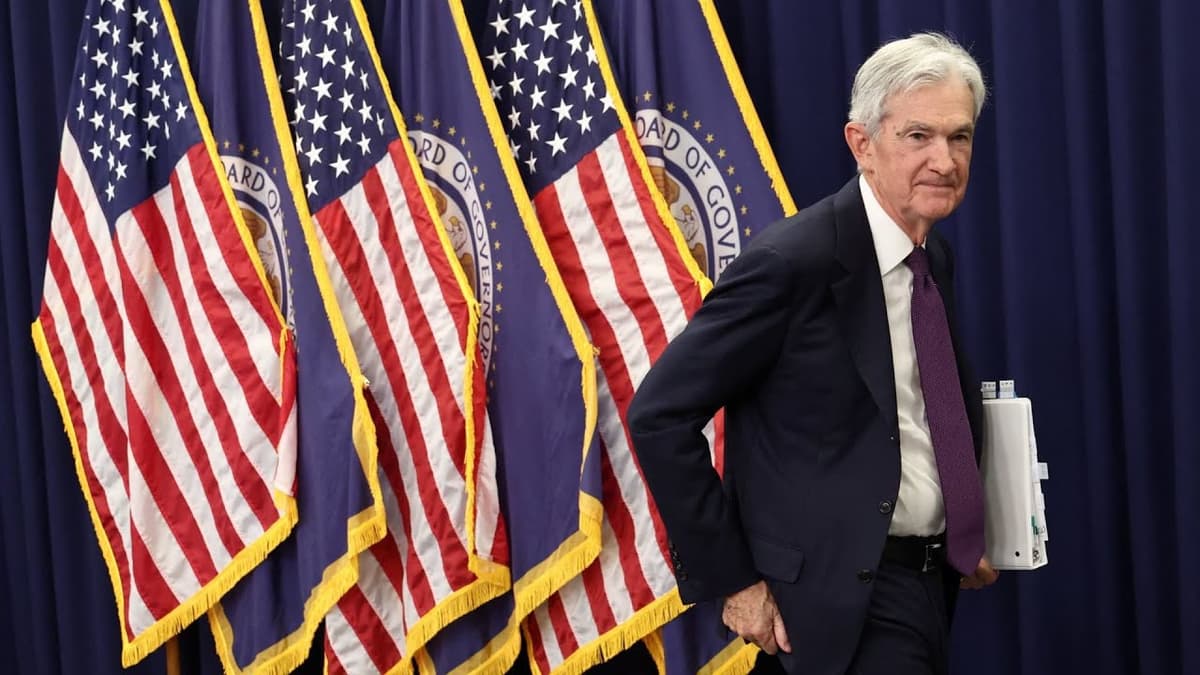
Jerome Powell’s Tenure as Fed Chair Comes to a Close
Jerome Powell’s last day as Federal Reserve chair sparked a data‑driven recap of his eight‑year tenure, highlighting the inflation battle, balance‑sheet expansion, and market performance that defined his legacy. The Fed faced a 9% CPI surge post‑COVID, prompting a series of...

Why SocGen's Albert Edwards Sees Double-Digit Inflation Coming Back | Odd Lots
The Odd Lots podcast features SocGen’s Albert Edwards, a veteran macro strategist renowned for his bearish equity outlook and bond‑bull stance. Edwards, who has topped Extel’s macro analyst survey thirteen times, argues that the world is on the cusp of...

Surging Inflation
The video examines the current surge in inflation and its interaction with the neutral interest rate, focusing on how persistent price pressures could reshape monetary policy. The host cites former Fed voting member Myron, who argues that declining population growth is...

Small Businesses Are Feeling the Pressure From Inflation
The video outlines how rising inflation is squeezing U.S. small‑business owners. The Bureau of Labor Statistics reports a 3.8% year‑over‑year increase, with energy accounting for more than 40% of the rise. Airline tickets have surged over 20% and grocery prices...
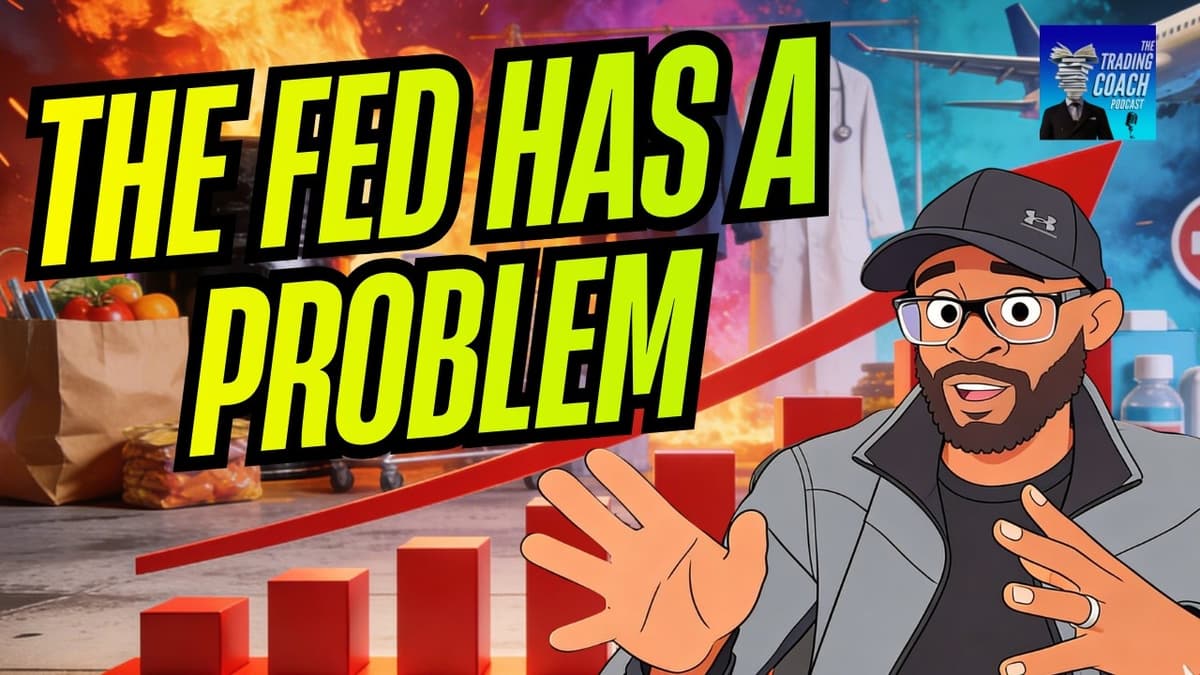
Inflation Just Shocked The Markets Again… Here’s What Traders Need To Know
The video breaks down Tuesday’s CPI and Wednesday’s PPI releases, explaining why the hotter‑than‑expected numbers rattled equities, bonds and currencies. CPI for April showed a 6% monthly rise, pushing annual inflation to 3.8%, while core CPI climbed 0.4% month‑over‑month to 2.8%...
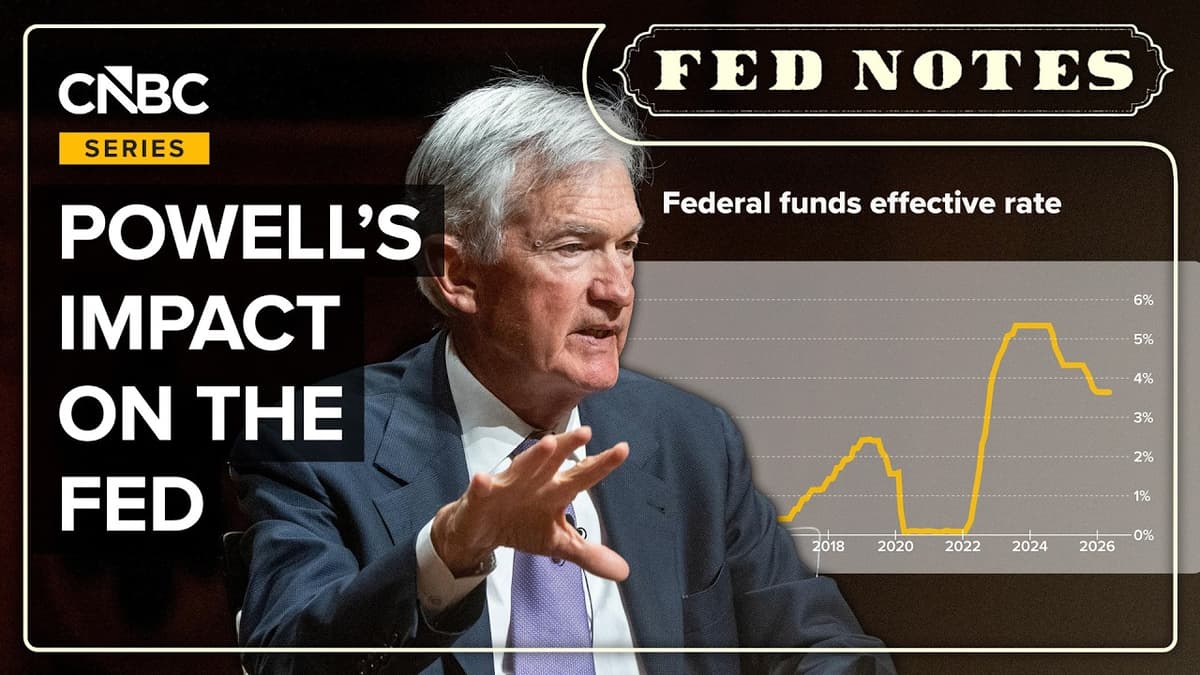
How Jerome Powell Reshaped The Federal Reserve
The video examines Jerome Powell’s tenure as Federal Reserve chair, arguing that his imprint on the central bank will be judged by two contrasting narratives – soaring inflation and a swift, decisive pandemic response – and by his willingness to...
Majority Agenda: Make It Easy to Tax the Rich
The speaker argues the U.S. should raise taxes on the wealthy to fund expanding government priorities like health care, child care and college, noting the top 1% now capture roughly 21–22% of income versus about 8% fifty years ago. Tax...

Ira Backs AI and Copper Trade
The video recaps Thursday’s market round‑up, highlighting Kevin Walsh’s confirmation as Federal Reserve chair, a rally in AI‑related equities, and the upcoming Trump‑Xi summit in Beijing. Despite a 6% year‑over‑year jump in the producer‑price index, equities rose; Nvidia, Tesla, and Cisco...
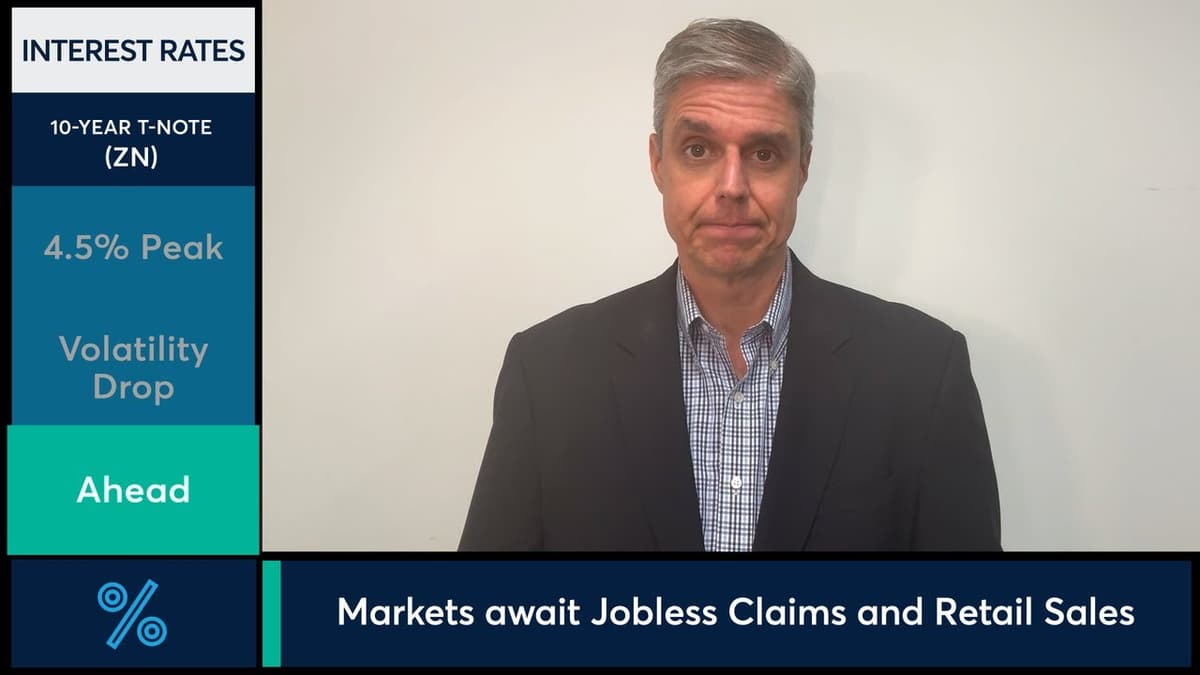
10-Year Treasury Note Futures React to 4.5% Yield Peak. 5/13/26
The video focuses on the recent surge in 10‑year Treasury Note futures, which climbed to a 4.5% yield – the highest level since June 2025 – and examines what the move means for market participants. Since the week of May 7, yields...
U.S.-UAE Swap Line to Test Fed Independence
The video examines the United Arab Emirates’ request for a permanent U.S. dollar swap line, a proposal surfacing as the Iran‑Israel conflict rattles markets. Swap lines are a unique Federal Reserve tool that can supply virtually unlimited dollars to foreign...
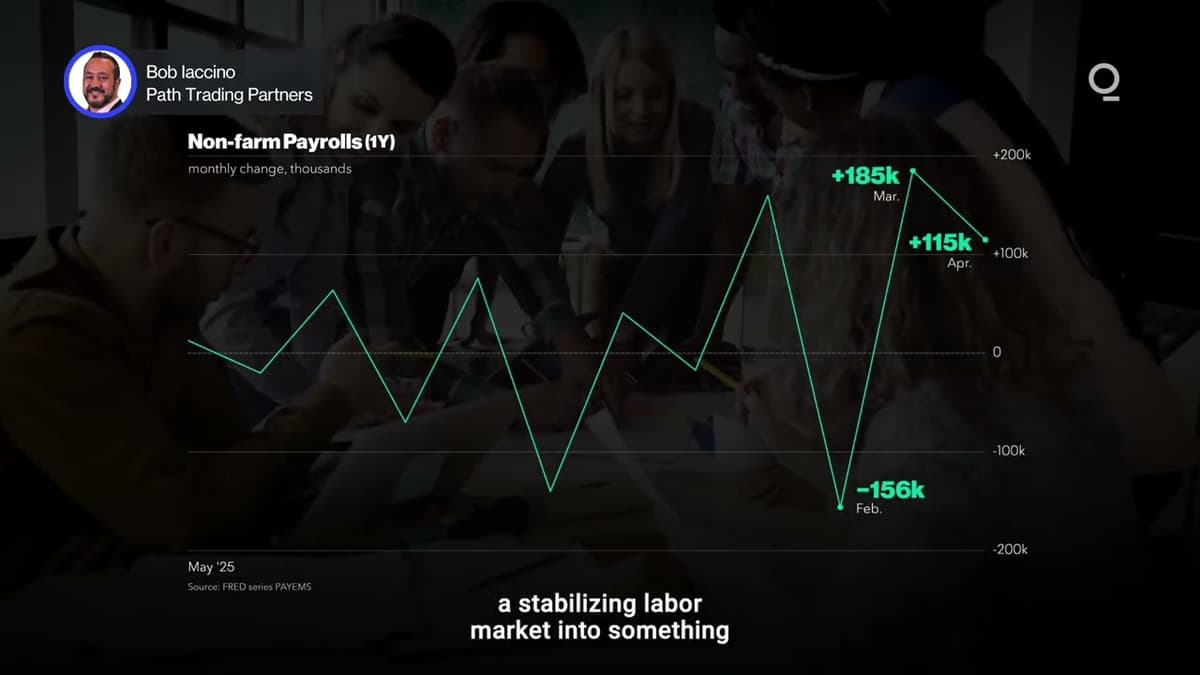
April Job Surge May Disguise Instability | Presented by CME Group
April’s employment report showed a robust gain of 353,000 jobs, beating analysts’ forecasts and marking the first two‑month advance in hiring since early 2024. The unemployment rate slipped modestly, reinforcing the headline narrative of a strengthening labor market. However, beneath...
Token Maxxing + Jensen Huang Joins Trump in China + OpenAI vs Elon Musk
The hosts reacted to a hotter-than-expected Producer Price Index print showing large month-over-month gains—driven by food, energy and electronic components such as memory chips—and warned that these inflation pressures have not fully passed through to consumer prices. They argued the...
What's Driving the Nation's Deficit Higher, and Is It Sustainable?
The video examines why the United States’ federal deficit is climbing and whether the current trajectory is sustainable. It frames the budget gap as a household that earns $100,000 but spends $136,000, highlighting a persistent monthly shortfall and an existing...

Bloomberg Money Minute: Amazon Delivery Speed and US Wholesale Inflation Jumps
Bloomberg’s Money Minute highlighted two divergent market stories: Amazon’s push to broaden its ultra‑fast, 30‑minute grocery delivery network and a surprise jump in U.S. wholesale inflation. Amazon said the service, already available in select metros, will be rolled out to additional...
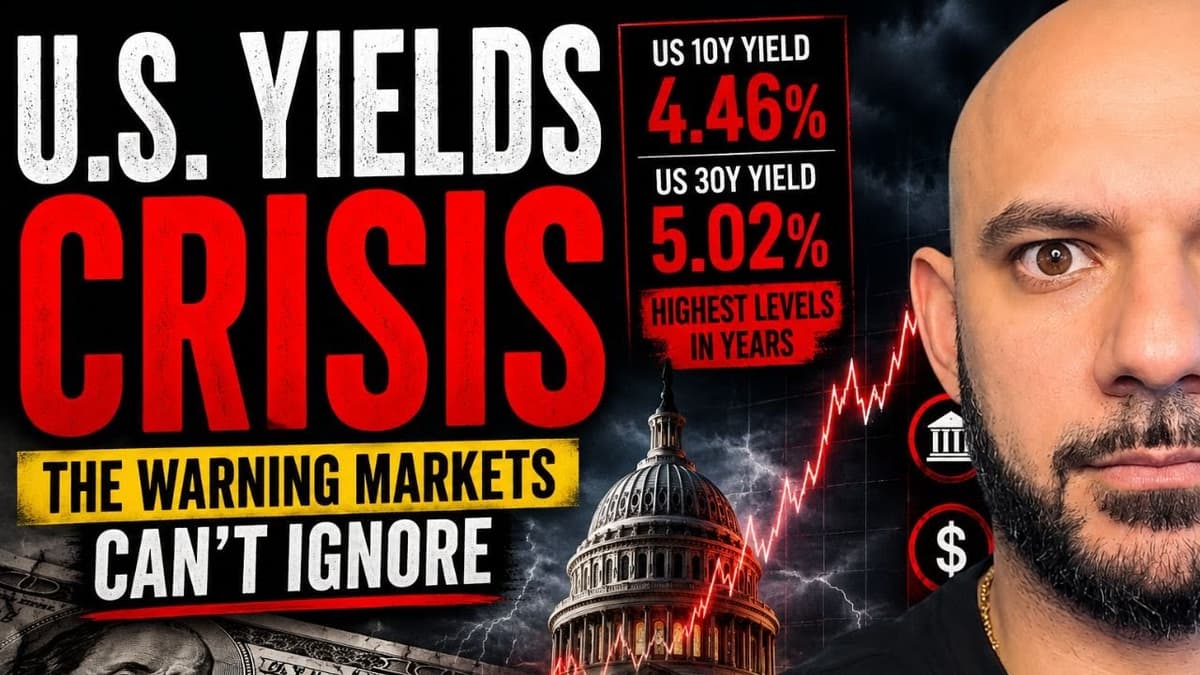
America’s Debt Crisis Has Started
The video warns that America is entering a debt‑driven crisis as inflation and bond yields climb sharply. Recent data showed core PPI jumping to 6% year‑over‑year, well above the 4.8% forecast, while the overnight index swap curve has steepened, with...
Mortgage Spreads Keeping Rates Under 7%
Analysts said Wednesday’s hotter inflation print and stabilizing labor market haven’t driven the 10-year yield much higher because mortgage spreads and expected Fed policy remain the dominant forces holding rates down; the 10-year is sitting around 4.45% and mortgage rates...
Oil Shock Could Hit US Equities
The video focuses on how a sharp rise in oil prices, driven by Middle‑East supply concerns, is threatening U.S. equity markets. Recent data showed U.S. consumer inflation climbing to 6% year‑over‑year, with energy accounting for more than 40% of the...
Why Is Inflation So High? | Asked & Answered
The video explains that the latest CPI reading jumped to 3.8%, largely because of a sharp rise in energy prices. The surge stems from the closure of the Strait of Hormuz, which carries roughly 20% of world oil. Energy costs have...
Evening Market Recap - Tuesday, 12-May
The FactSet Evening Market Recap for May 12 highlighted a broadly lower U.S. equity session, with the Dow up 0.11 % but the S&P 500 down 0.16 %, the Nasdaq slipping 0.71 % and the Russell 2000 falling 0.97 %. Energy stocks led gains as WTI crude surged...
How AI Investment Shapes the US Economy | Economic Update | Deloitte Insights
Ira Kalish, Deloitte’s chief economist, warned that AI‑related spending is now a key driver of U.S. growth, even as oil price volatility from Middle‑East tensions rattles markets. He noted that the S&P 500 has risen roughly 12% since April, but half...
The Morning Call Sheet: What Will Drive the Trading Day Ahead
The Morning Call Sheet opened with a preview of the trading day, zeroing in on three headline drivers: the highly anticipated Trump‑Xi summit amid the Iran conflict, a flood of U.S. inflation reports, and a runaway rally in semiconductor equities. Panelists...
Mohamed El-Erian: Inflation Numbers Are Going to Be 'Absolutely Critical' This Week
Mohamed El‑Erian highlighted that this week’s inflation releases will dominate market sentiment, emphasizing the United States’ relative strength amid a sluggish global backdrop. He noted the recent jobs report underscores a robust U.S. labor market, but warned that core CPI...

🚨 Will This Week’s Inflation Data Spark a Stock Market Rally or Selloff? Find Out LIVE at 8:00pm ET
The livestream titled “Will This Week’s Inflation Data Spark a Stock Market Rally or Selloff?” opened with host Jimmy greeting viewers, celebrating Mother’s Day, and framing the week’s focus on the upcoming U.S. inflation release and its potential to move...

America’s Debt Just Crossed a Historic Threshold
The Wall Street Journal video highlights that, as of March 31, the United States’ publicly held debt hit $31.265 trillion – essentially 100 percent of the nation’s gross domestic product. This marks the first time the debt‑to‑GDP ratio has reached parity, a historic...
Markets Weekly May 9, 2026
The latest Markets Weekly episode blends a quirky UFO anecdote with a deep dive into today’s economic pressures. After noting the recent declassification of UFO files, the host turns to the “lower part of the K,” highlighting that while headline...
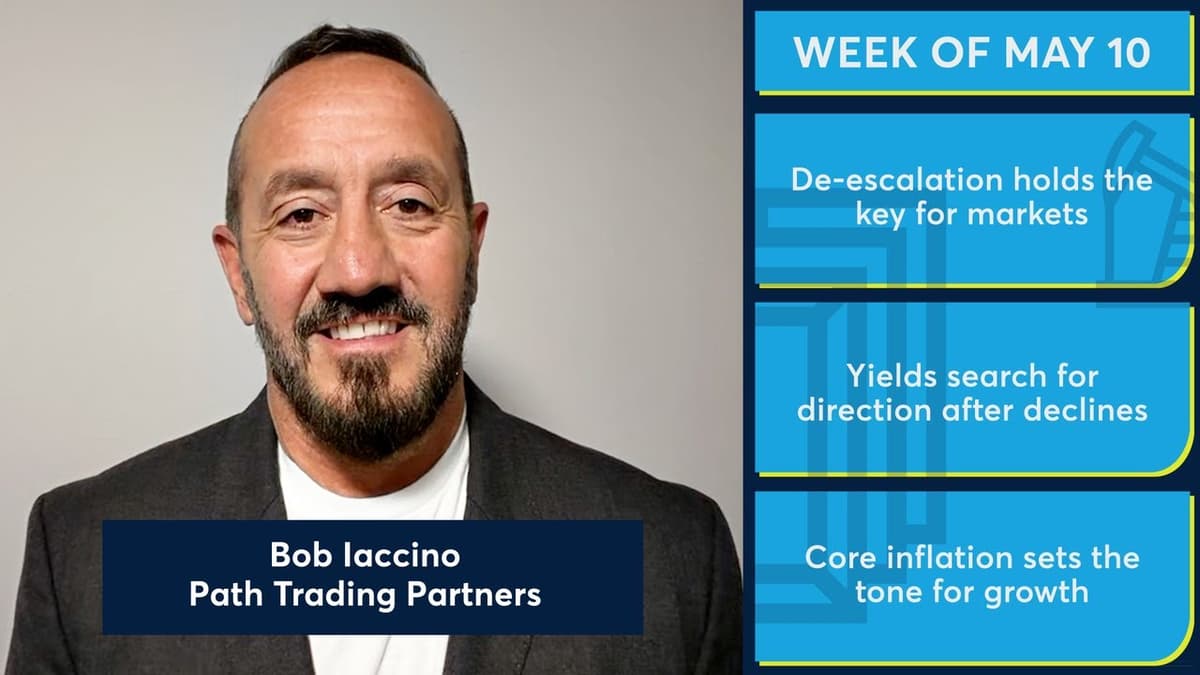
Falling Yields Set the Stage for U.S. Inflation Data. 5/8/26
The video outlines market focus for the week of May 10, highlighting the Iranian de‑escalation as the top geopolitical risk and the recent slide in Treasury yields that could reshape inflation expectations ahead of key U.S. data releases. Analysts note that...
Emons on Jobs Data: "This Is a Great Report"
The interview with Ben Emons, CIO of Fed Watch Advisors, opens with a quick rundown of the April jobs report: the economy added 115,000 positions and the unemployment rate held at 4.3%, comfortably above consensus forecasts. Emons frames the data as...

How Big Tech's Bond Spree and Rising US Debt Are Creating Risks and Opportunities
The episode examines the surge in corporate bond issuance by major technology firms to finance massive AI projects, alongside a soaring U.S. federal deficit that now tops $39 trillion. Companies such as Oracle and Alphabet have broken historical norms—Oracle’s deal...
Financial Market Preview - Thursday 7-May
The FactSet Thursday market preview highlighted a broad rally in US equities, with the S&P 500 and Nasdaq posting fresh all‑time closes, while Treasury yields slipped to 4.3% and oil fell to $94 a barrel.\n\nKey data points included a record‑high...
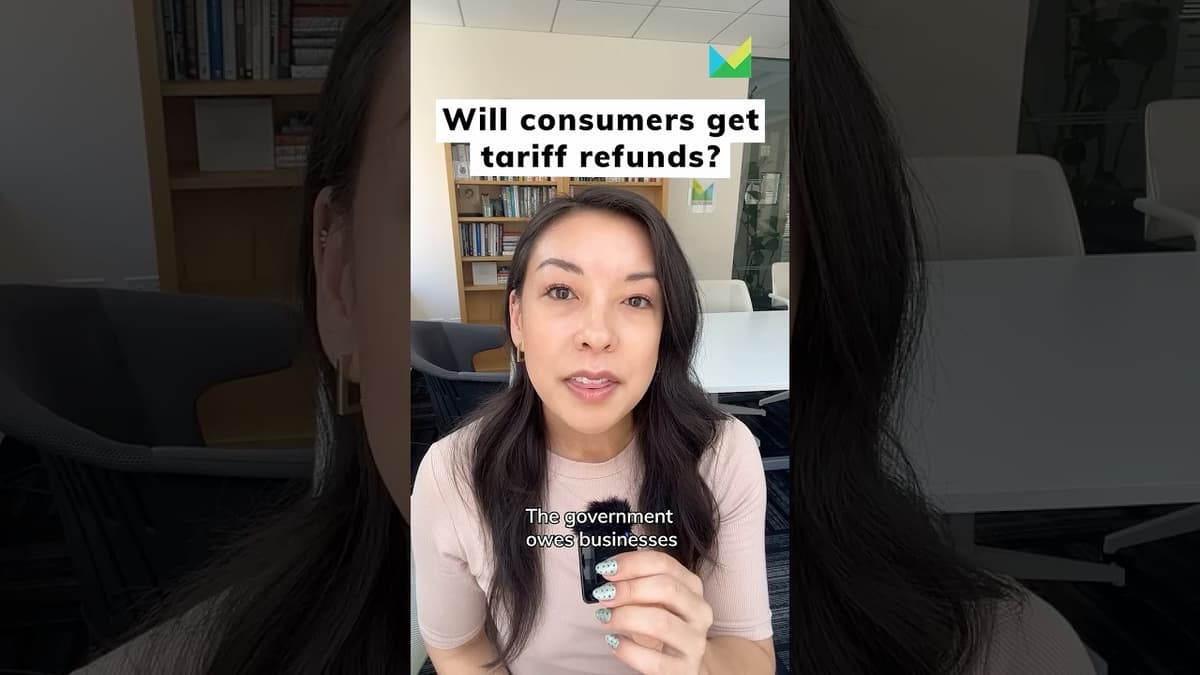
Will Consumers Get Tariff Refunds?
The video explains that the U.S. Treasury is still processing about $166 billion in tariff refunds owed to importers, sparking debate over whether shoppers will ever see that money. Refunds are paid to businesses that filed paperwork with receipts; meanwhile, consumer groups...
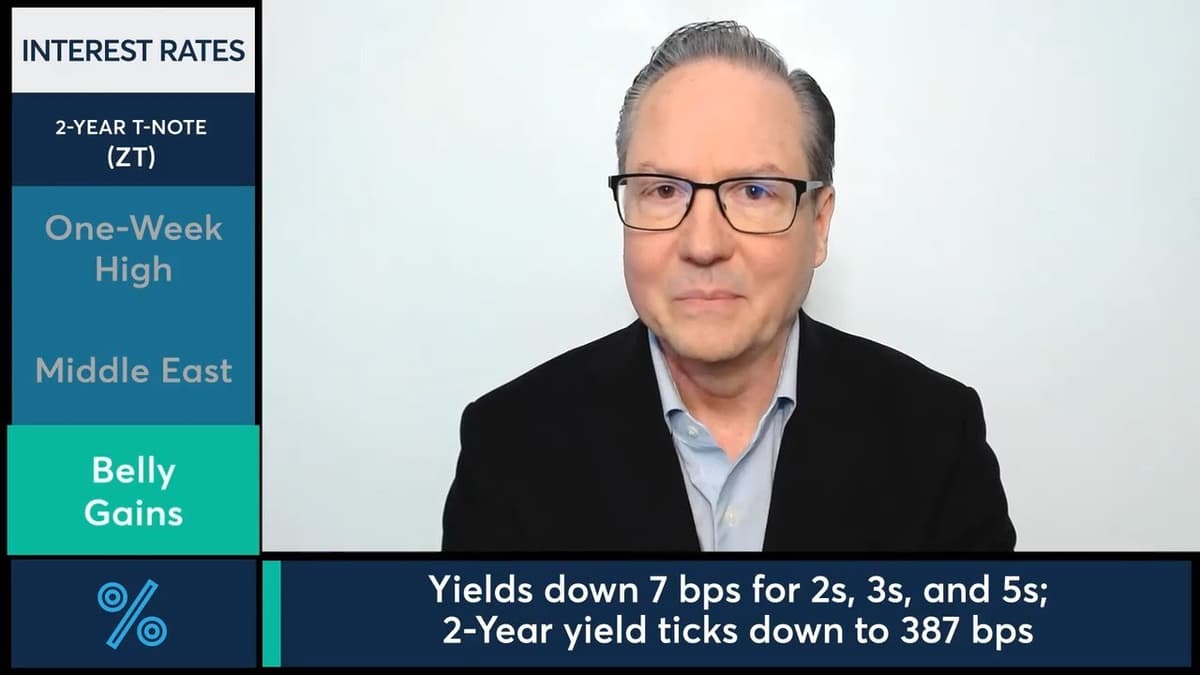
2-Year T-Note Futures Hit One-Week High as Yields Retreated. 5/6/26
Today's market focus was the two‑year Treasury note futures climbing to a one‑week closing high as yields fell across the curve. The futures traded at 103.19, just shy of intraday peaks, while the two‑year yield slipped seven basis points to...
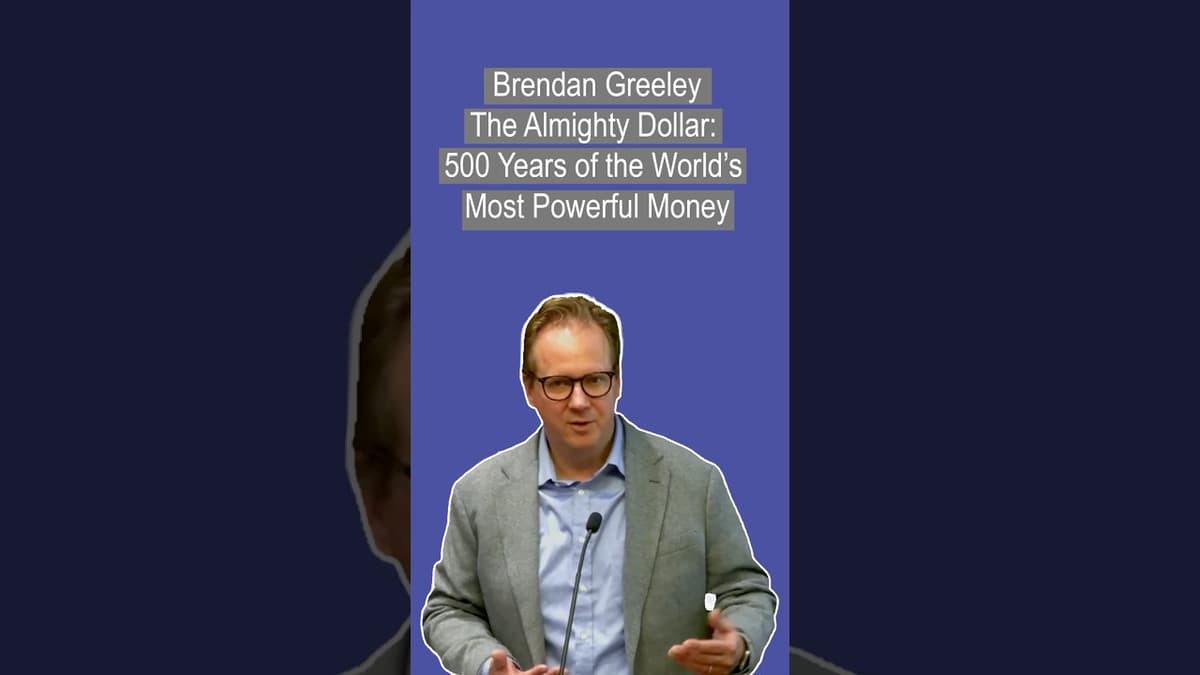
What Is the Purpose of the Federal Reserve - Brendan Greeley
The video titled “What is the Purpose of the Federal Reserve” features Brendan Greeley explaining that the Fed is essentially a large bank tasked with supervising other banks and maintaining monetary stability. Greeley emphasizes that the Fed’s original function was to...
We Asked Jim Paulsen Why 87% of the Economy Is Flatlining
The interview with Jim Paulsen centers on why the U.S. economy appears flat‑lined despite the Federal Reserve’s aggressive rate policy. Paulsen argues that oil prices are decoupled from Fed actions and will only ease when a diplomatic or military solution...

Falling Into Negative Real Interest Rates
The video warns that the United States is on the brink of a sustained negative real interest‑rate environment. The presenter explains that while headline inflation remains elevated, the Federal Reserve’s policy rate has stalled, causing the gap between nominal rates...
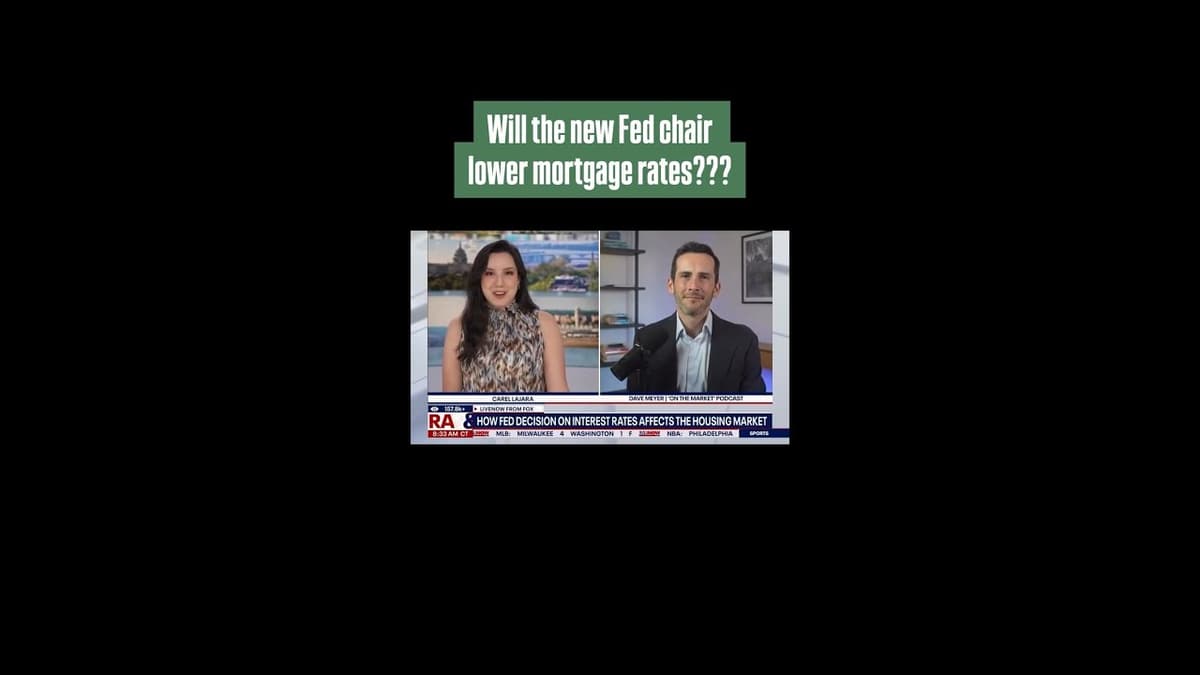
Will The New Fed Chair Lower Mortgage Rates? 🏠
The video examines whether the newly appointed Federal Reserve chair, Kevin Walsh, will bring down mortgage rates, featuring Bigger Pockets CIO Dave Meyer. Meyer stresses that Walsh alone cannot set policy; decisions require FOMC consensus. The latest vote kept the federal...
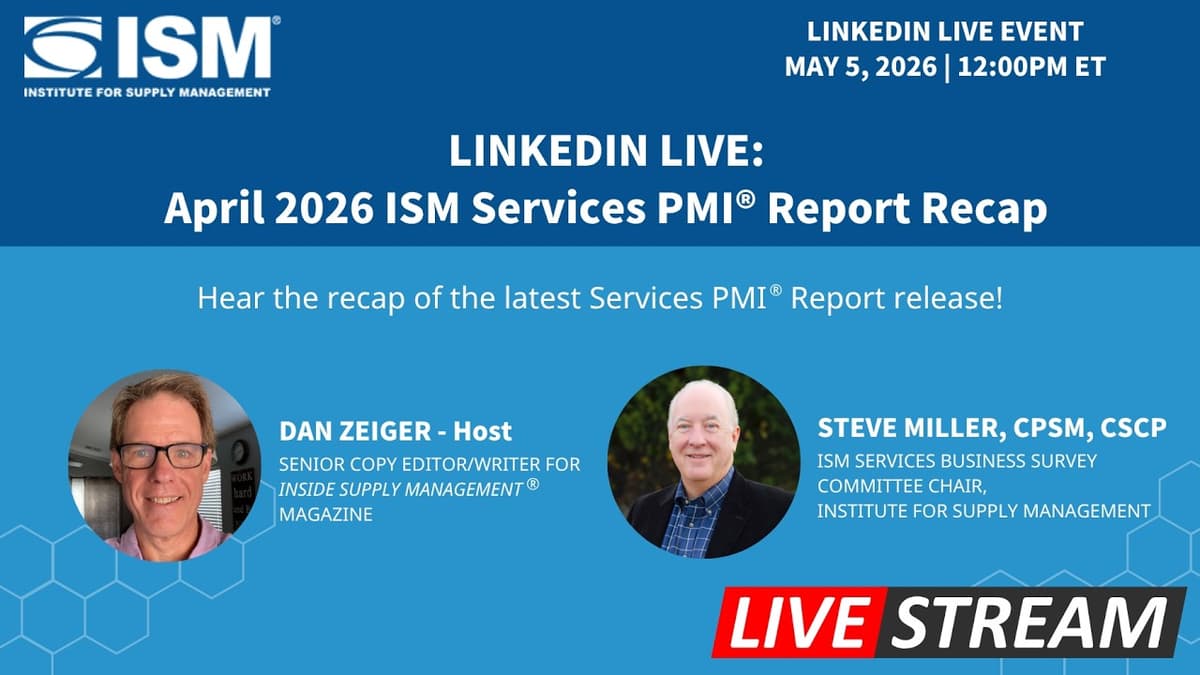
April 2026 ISM Services PMI Report Recap (LinkedIn Live)
The ISM Services PMI for April 2026 slipped to 53.6, signaling modest slowdown in the sector’s overall health. Dan Zeiger and ISM committee chair Steve Miller unpacked the data, noting that while new orders dropped to 53.5, the figure remains...
The New Fed Chair Just Told Congress His Plan — He Left Out The Part That Steals Your Savings!
The video examines the agenda of the incoming Federal Reserve chair, Kevin Walsh, and how his policy blueprint could reshape America’s $39 trillion debt burden. Walsh signals a return to ultra‑low interest rates, a reduction of the Fed’s balance sheet, and...
$25 Hour Minimum Wage Proposal Raises BIG Questions
The video discusses a newly introduced congressional bill that would raise the federal minimum wage from the current $7.25 to $25 an hour, marking the first increase since 2009. The legislation proposes a phased implementation, with large employers required to...
Bloomberg Surveillance 5/4/2026
Bloomberg Surveillance opened with a focus on the ongoing Iran‑U.S. standoff in the Strait of Hormuz, where Tehran’s blockade continues and Washington is testing electronic ship‑guidance under the banner of “Project Freedom.” The discussion quickly shifted to market implications,...

🚨 Stock Market Outlook: Earnings, Jobs Data & How To Make Money This Week Trading - LIVE at 8pm ET
The live stream from True Trading Group (TTG) focused on this week’s market outlook, highlighting upcoming earnings from Palantir and AMD, the U.S. jobs report, and geopolitical risks such as the US‑Iran tension. Host Michael Edward outlined how TTG’s proprietary tools—particularly...
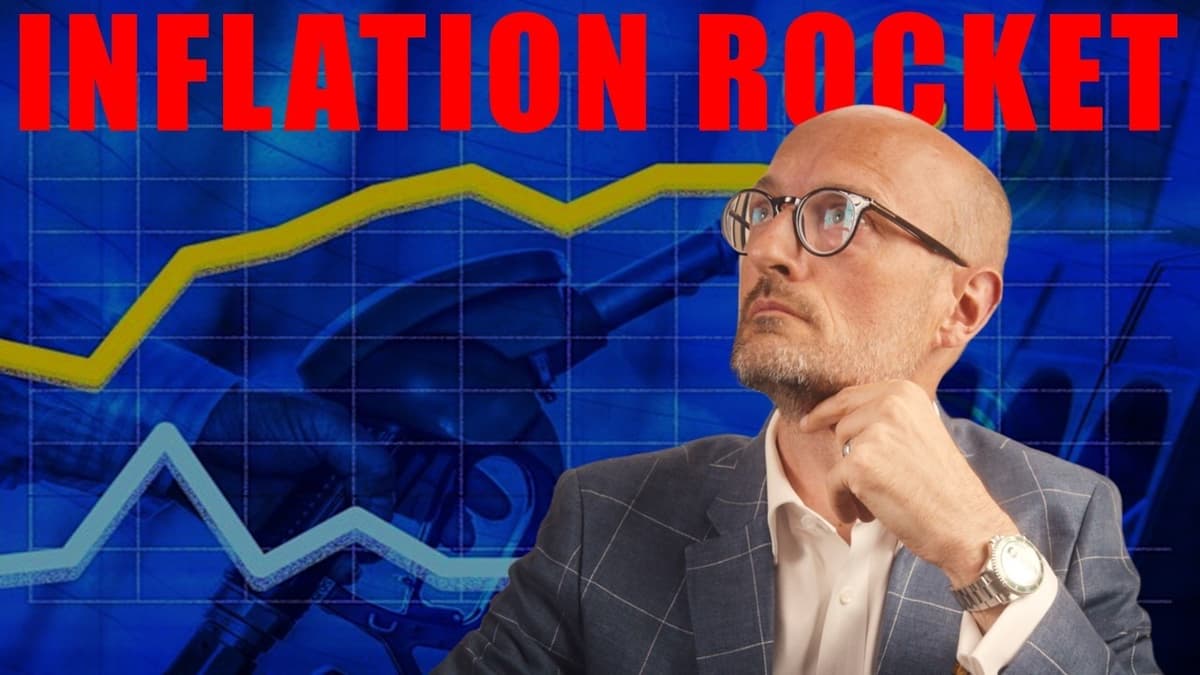
Is Inflation About to Get Much Worse?
The video warns that inflation could accelerate sharply as a confluence of geopolitical, demographic, and fiscal forces converge. A recent assault on Iran closed the Strait of Hormuz, cutting off roughly 20 million barrels of oil daily and lifting Brent crude...
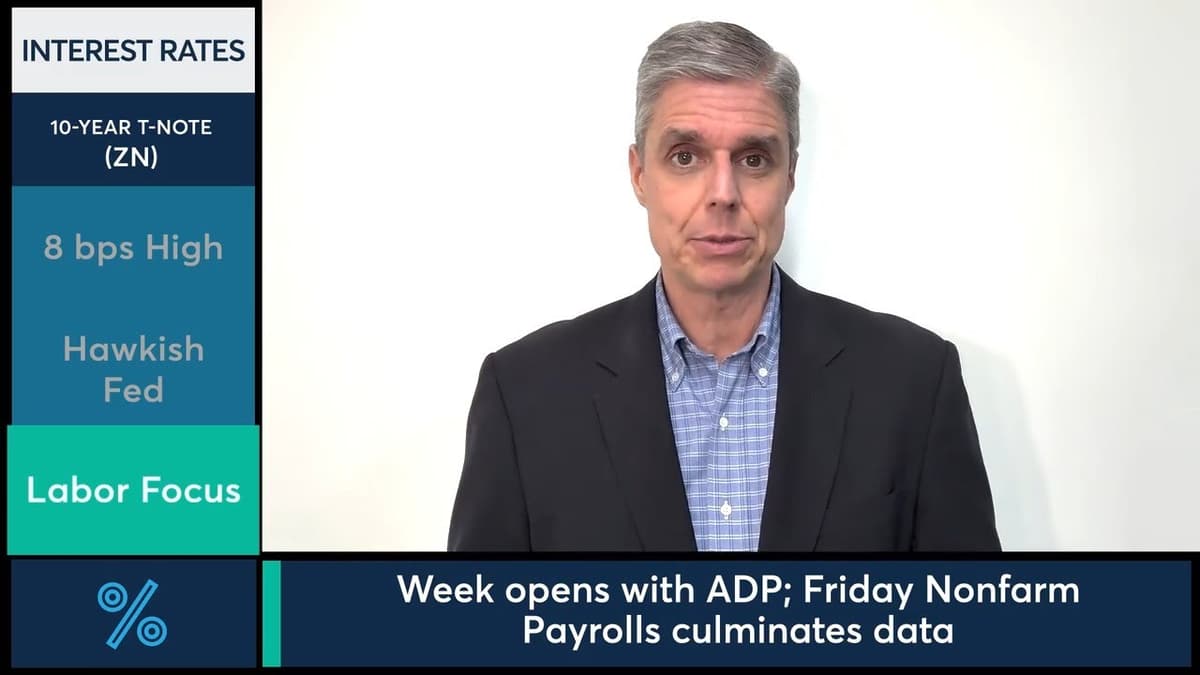
10-Year Yields Finish 8 Bps Higher as Fed Holds Steady. 5/1/26
The 10‑year Treasury yield closed Friday at 4.38%, up eight basis points for the week after a volatile intraday swing, ending the day essentially unchanged. The Federal Reserve kept policy unchanged but adopted a slightly more hawkish tone at Wednesday’s FOMC,...
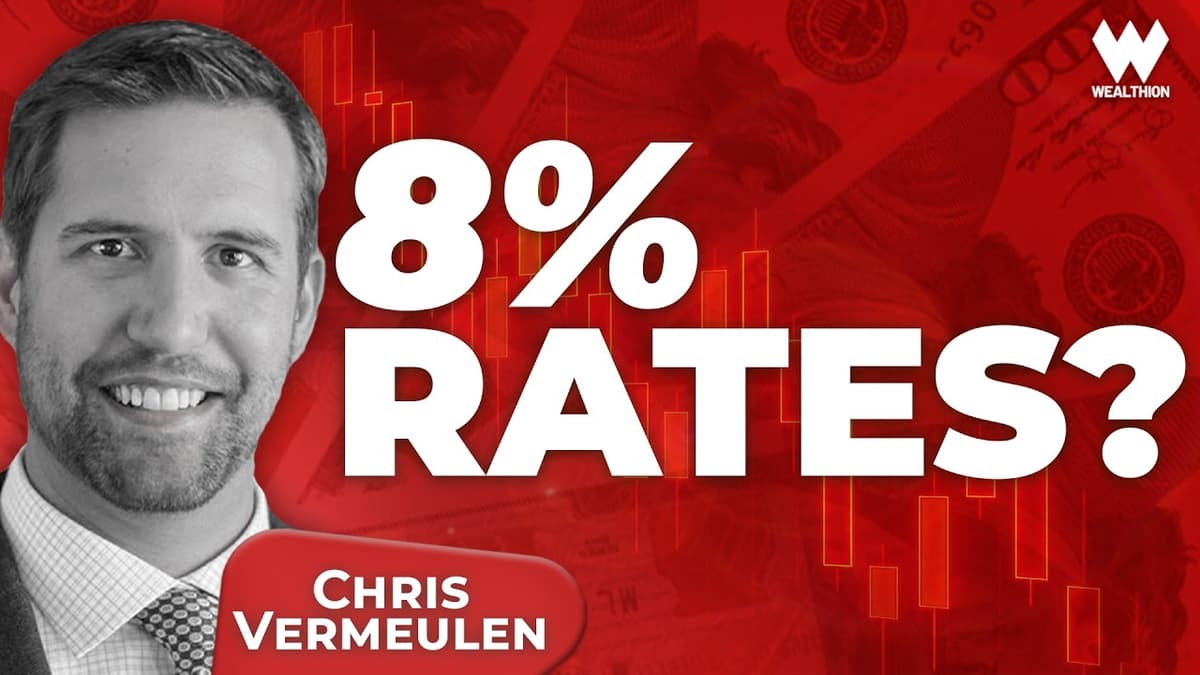
8% Interest Rates? Chris Vermeulen Warns the Bond Market Could Break
The interview centers on Chris Vermeulen’s warning that an 8% interest‑rate environment could trigger a sharp bond‑market collapse, even as equities rally. He cautions that when the majority of investors flock to a single asset class, the market becomes vulnerable...