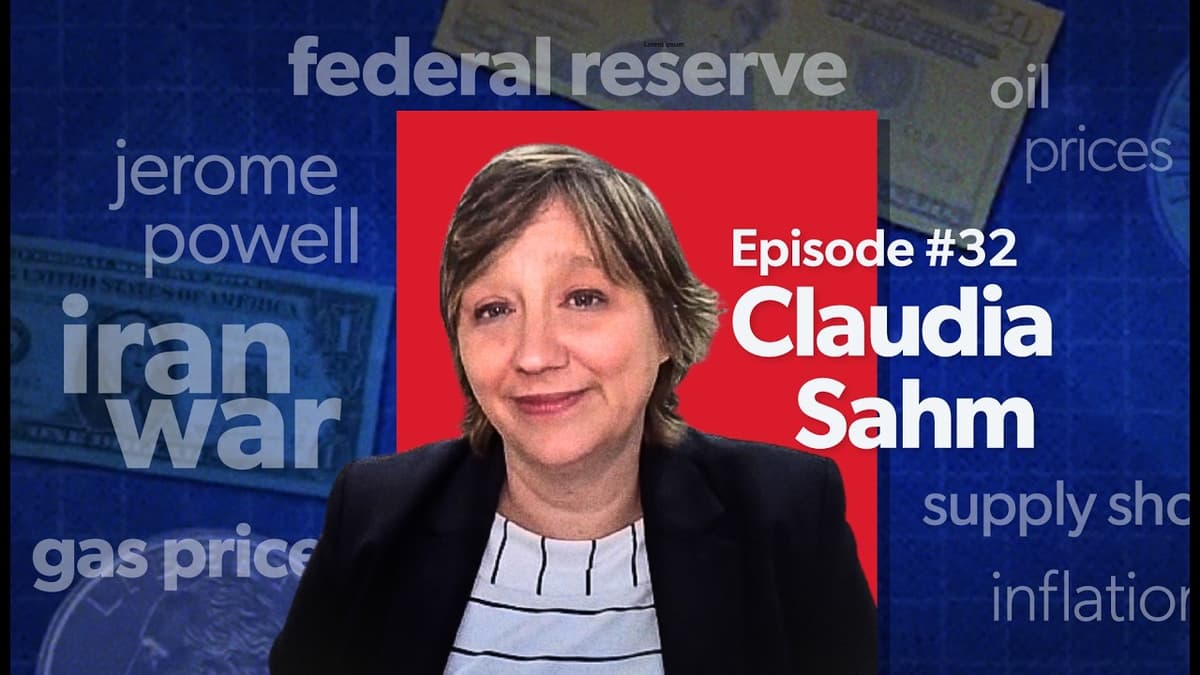
Mostly Economics Podcast: How the War on Iran Is Shaping the US Economy with Claudia Sahm:
The podcast examines how the escalating conflict in the Strait of Hormuz – often called the “war on Iran” – is feeding into the United States’ macroeconomic outlook. Host Dean Baker and chief economist Claudia Sahm explore two scenarios: a swift diplomatic resolution versus a protracted closure that could last months. In the optimistic case, even a rapid settlement would not instantly normalize markets. Recent weeks of gasoline hovering above $4 per gallon illustrate how supply shocks reverberate through energy, freight and even airfare costs. The episode places this shock alongside pandemic‑induced bottlenecks, Russia’s invasion of Ukraine and lingering tariff effects, emphasizing the long tail of price adjustments. Sahm highlights that the United States’ exposure is largely price‑based, not physical shortages, thanks to domestic production. She points to the Inflation Reduction Act’s green‑energy subsidies as a strategic hedge against future oil disruptions. The conversation also touches on broader market dynamics, noting that despite high valuations in AI‑driven stocks, a loss of confidence could quickly erode wealth and suppress spending. If the strait remains closed, higher diesel and gasoline costs will squeeze household disposable income and force businesses to trim other expenditures, potentially slowing growth. A deeper crisis of confidence could tip the economy toward recession, making policy responses and diversification into renewable energy increasingly critical for resilience.
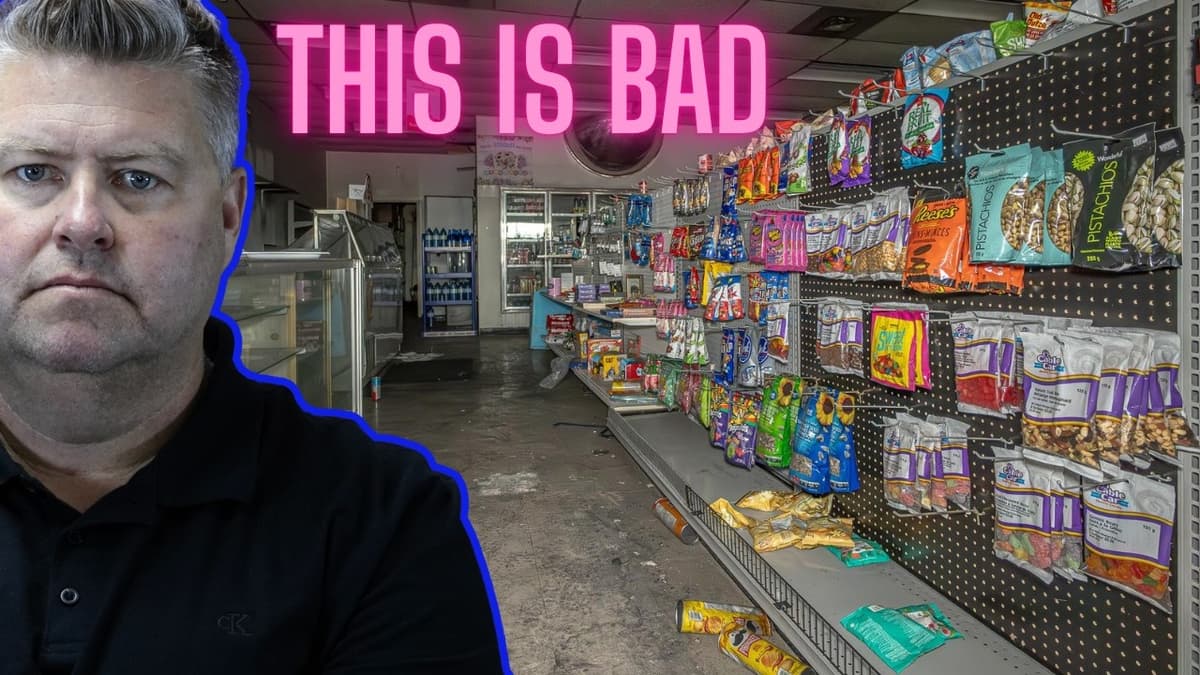
Here's What Happens When Over 600 Convenience Stores Close
The video outlines a wave of closures across more than 600 convenience stores and hundreds of other retailers, arguing that the trend is not isolated brand pivots but a symptom of a broader contraction in low‑income consumer spending. Data from 7‑Eleven,...
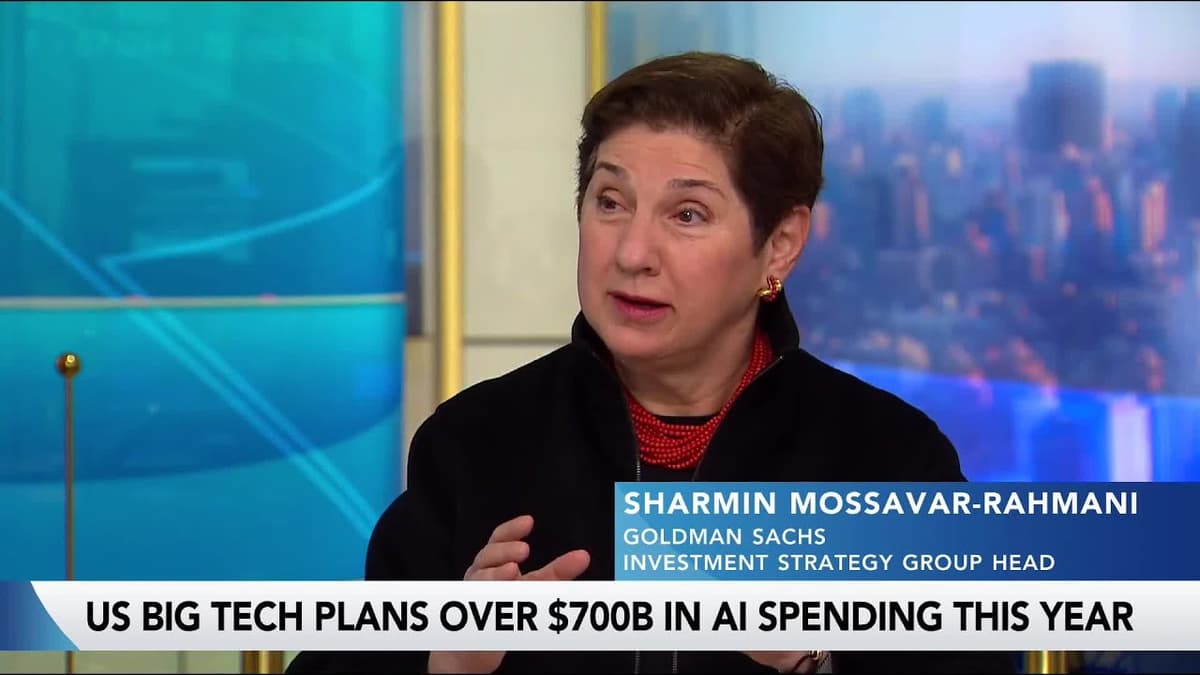
US Economy 'Incredibly Resilient': Mossavar-Rahmani
The video features Mossavar‑Rahmani emphasizing the United States’ surprising resilience as oil prices surge amid the Middle East conflict. He points to historical data showing equity markets typically climb about 4% after similar geopolitical shocks, and notes that recent corporate...

The New Buzzword "Forward Guidance"
The video unpacks the rising buzzword “forward guidance,” describing how central banks, especially the Federal Reserve, now steer the economy by shaping inflation expectations rather than merely adjusting nominal rates. The presenter argues that this communication strategy is the core...
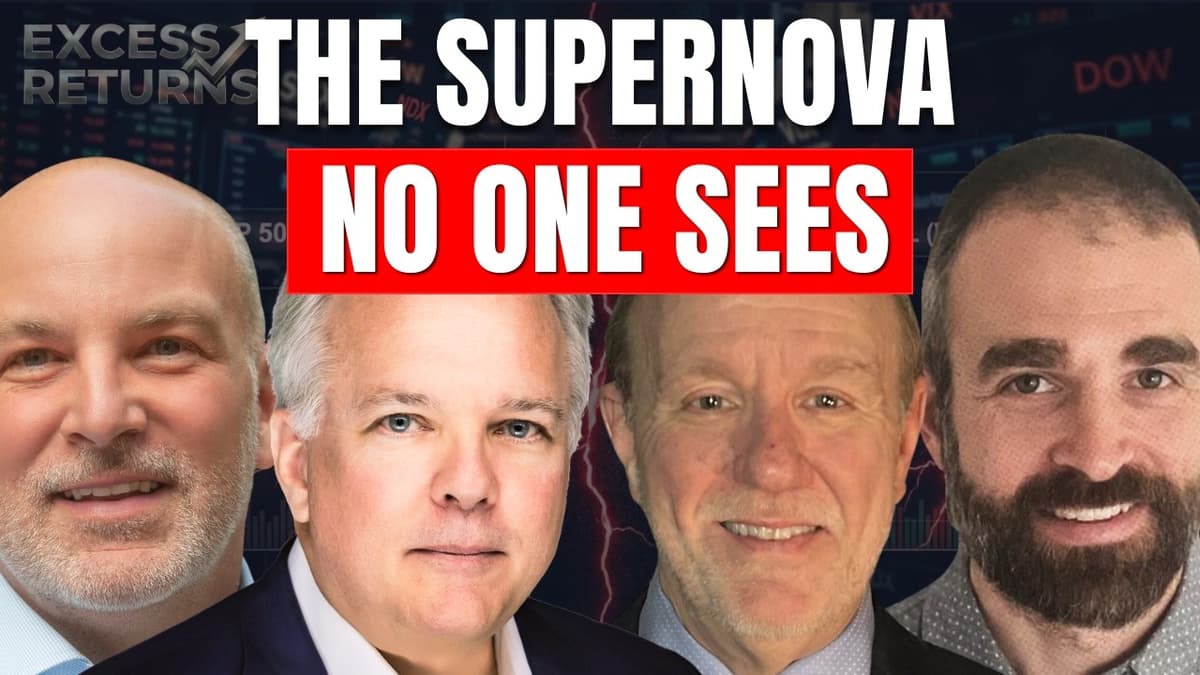
We Asked Ben Hunt, Jim Paulsen, Kevin Muir and Brent Kochuba Why Bad News Can’t Break This Market
The panel on "Excess Returns" tackled the puzzling question of why equity markets have stayed buoyant despite a cascade of negative headlines – from an oil shock in the Strait of Hormuz to a looming domestic private‑credit crunch. Host Matt...
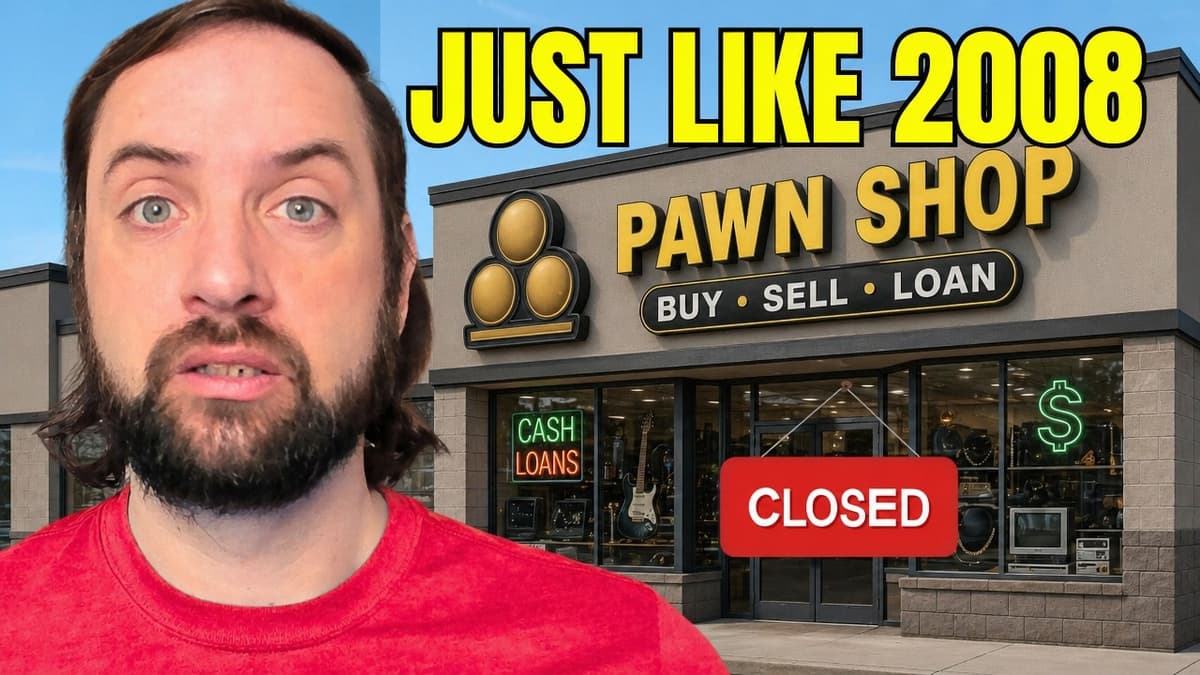
Pawn Shops Just Issued a Very Grim Warning About Consumer Behavior
The video highlights a growing alarm from pawn shops as suburban consumers, especially women, increasingly pawn personal jewelry to cover everyday expenses. This trend follows a cascade of macro‑economic signals—declining real private incomes, a plunging savings rate, and heightened traffic...
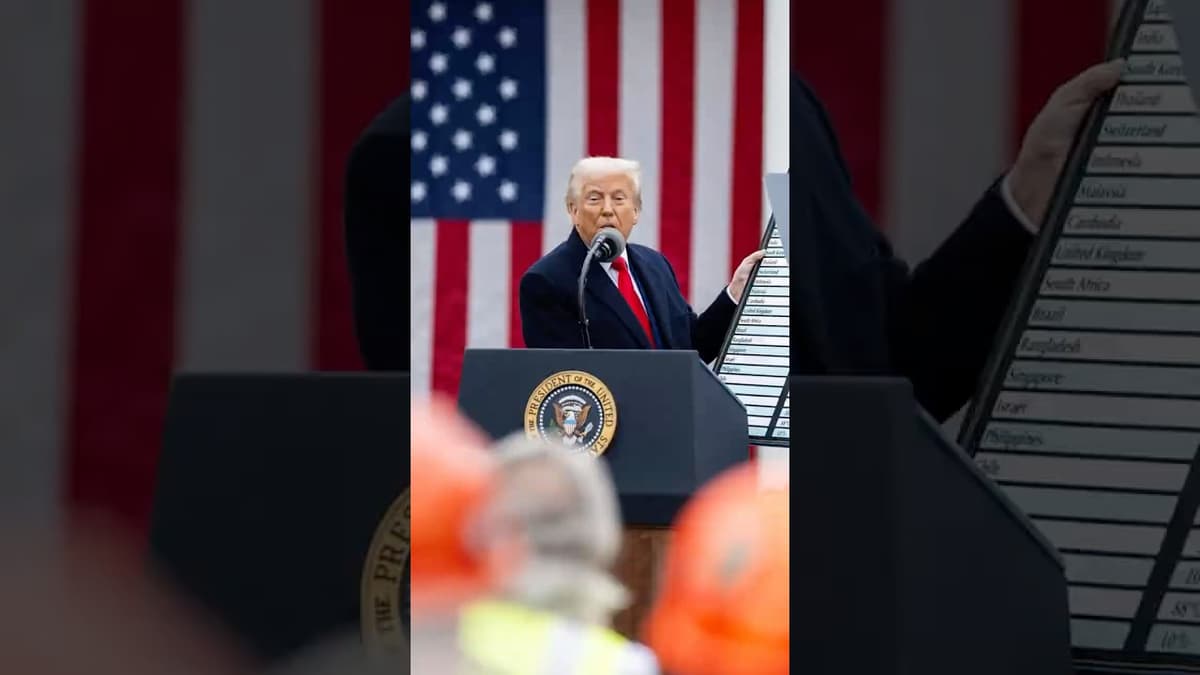
How the US Plans to Refund $166 Billion in Tariff Revenue
The Treasury announced a $166 billion reimbursement program to return tariff collections accrued under Section 122, a 10 percent levy that is set to expire in July. The refund scheme is intended to ease the fiscal burden on import‑dependent firms while signaling the...
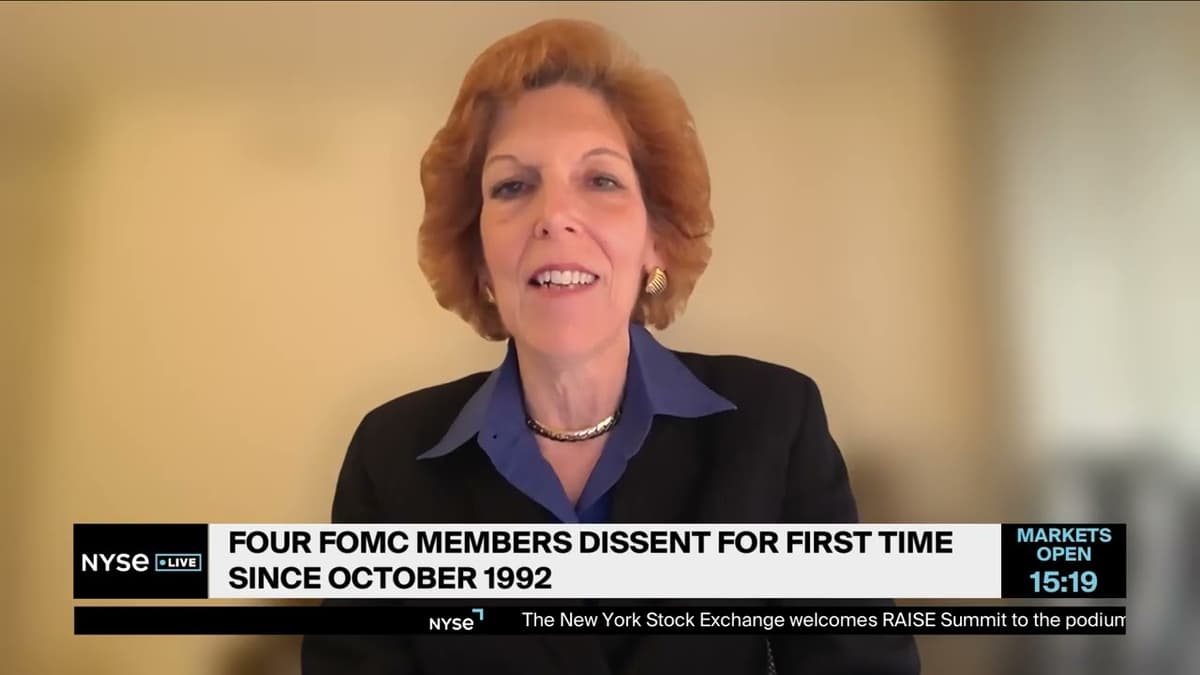
Former Fed Pres Loretta Mester Provides Takeaways as Fed Holds Rates Steady
The Federal Reserve left its policy rate unchanged, a move widely anticipated, but the meeting revealed a subtle shift in the committee’s tone. Former Cleveland Fed President Loretta Mester explained that the Fed is moving toward a “neutral, even‑handed” stance, leaving...
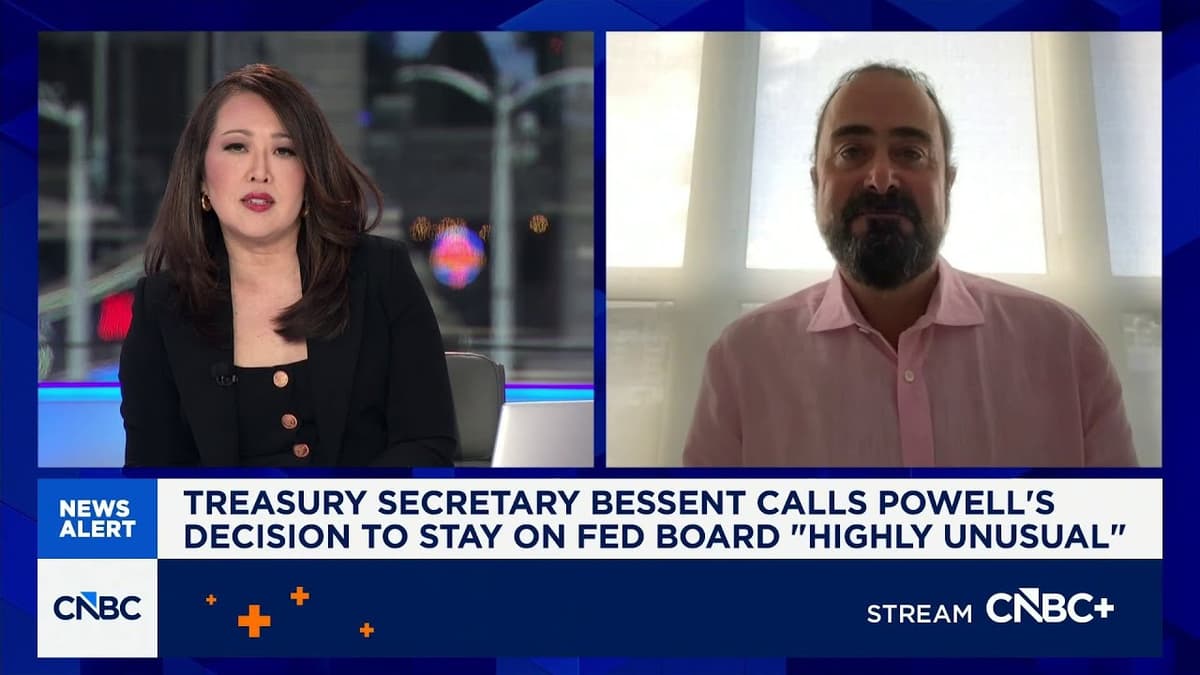
Powell Staying on the Board Is a Political Message, Says Jefferies' David Zervos
The interview centers on Jerome Powell’s decision to remain on the Federal Reserve board, which Jefferies strategist David Zervos frames as a deliberate political signal aimed at former governor Kevin Warsh. Zervos argues the move violates long‑standing Fed norms and...
Powell Says He Won't Be a 'Shadow Chair' At Warsh's Fed
Jerome Powell told host Warsh that, as a former Fed governor, he will not act as a “shadow chair” and will return to a purely gubernatorial role, deferring to the current chair’s leadership. Powell emphasized his respect for the chair’s authority...
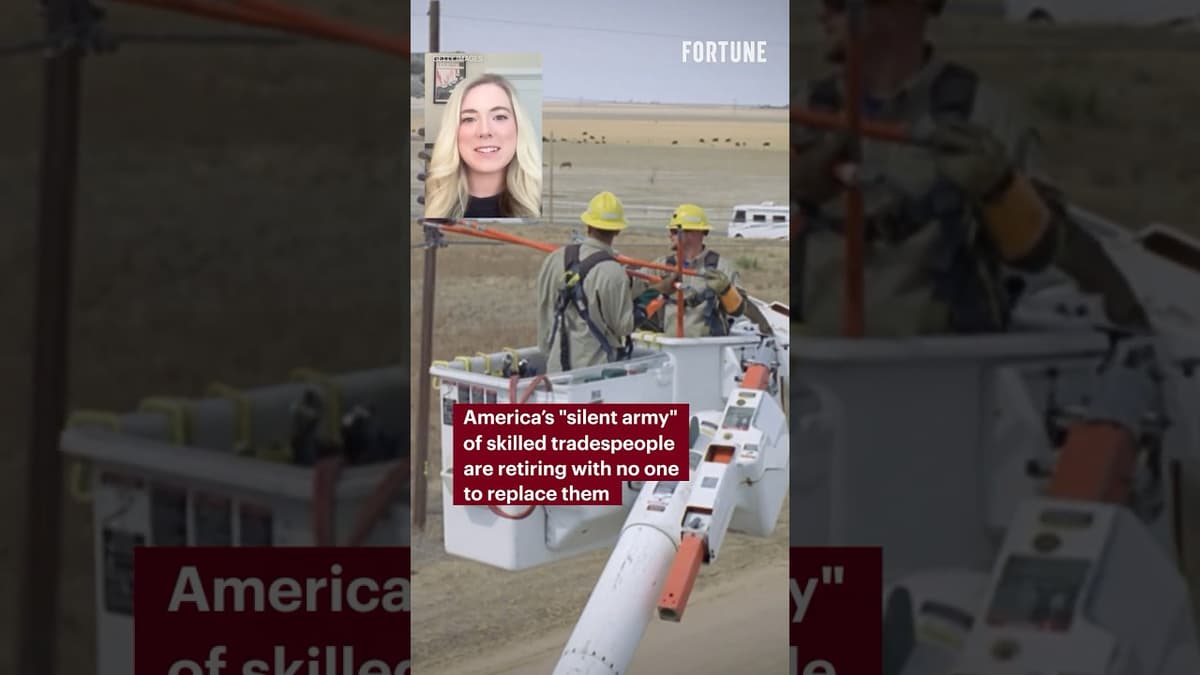
America’s "Silent Army" Of Skilled Tradespeople Are Retiring with No One to Replace Them
The video highlights a looming crisis: America’s skilled‑trade workforce is aging out faster than new workers can replace them, jeopardizing the nation’s ability to expand the data‑center infrastructure that powers the AI boom. JLL’s report estimates 2.1 million trade positions will remain...
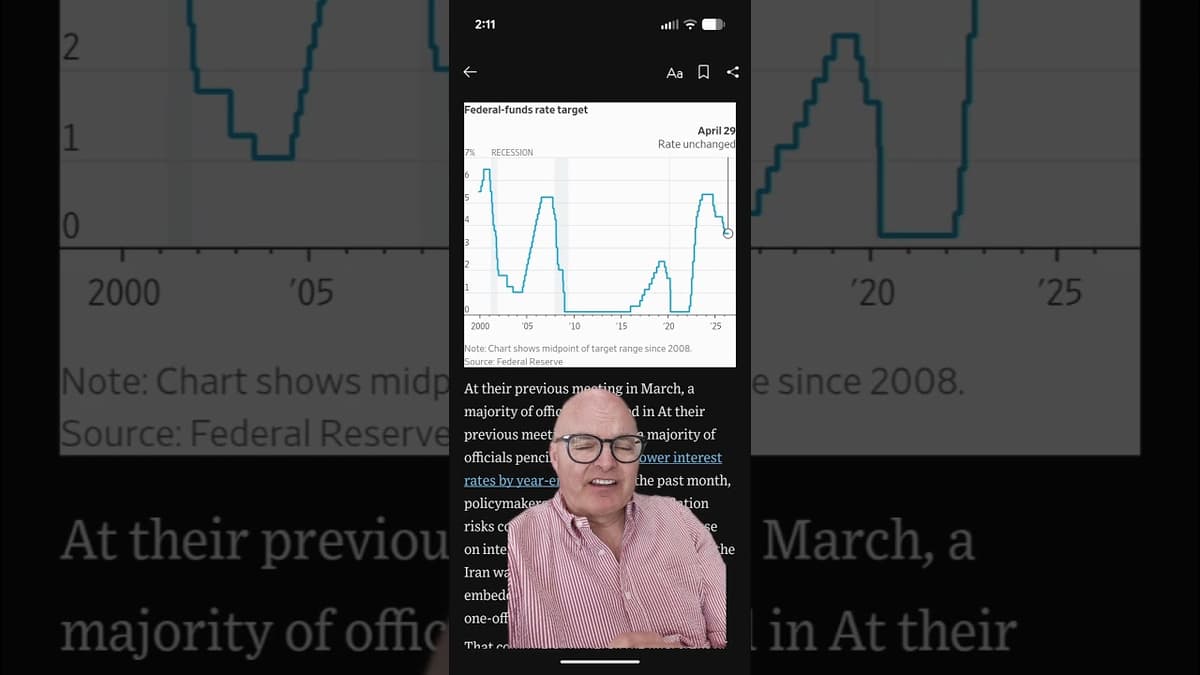
The Fed Held Steady, but What's Next for Inflation and Interest Rates?
The Federal Reserve left policy rates unchanged, as market expectations anticipated, but the post‑meeting vote revealed a split: three governors advocated a rate increase at the next meeting, while one pushed for a cut. The disagreement centers on how the...
BEHIND CLOSED DOORS: Fed Erupts Into Conflict over Policy Path
The Federal Reserve’s latest policy statement revealed a rare and stark split among its governors, with multiple officials openly dissenting over the preferred direction of monetary policy. The dissent comes as the board prepares to welcome a new chair, whose...
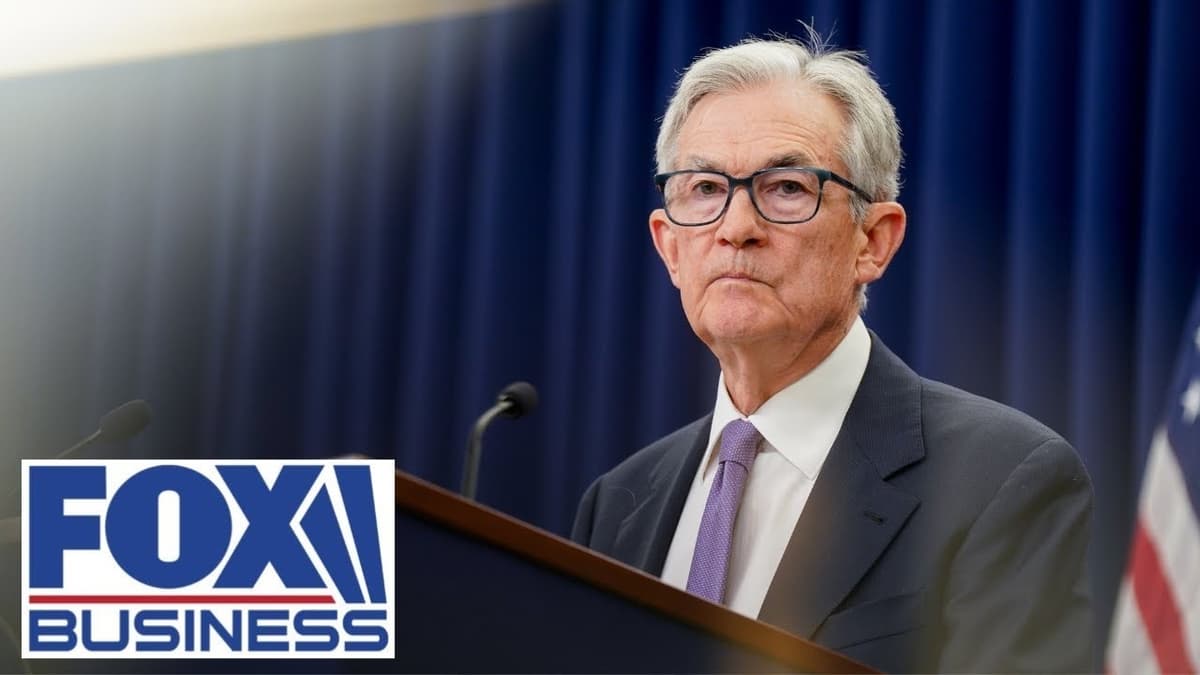
WATCH LIVE: Fed Chair Jerome Powell Speaks After Final FOMC Meeting
Jerome Powell delivered his final press conference as Fed chair after the March FOMC, announcing that the Committee left the target range for the federal funds rate unchanged at 3.50‑3.75 percent. The decision reflects a judgment that monetary policy is...
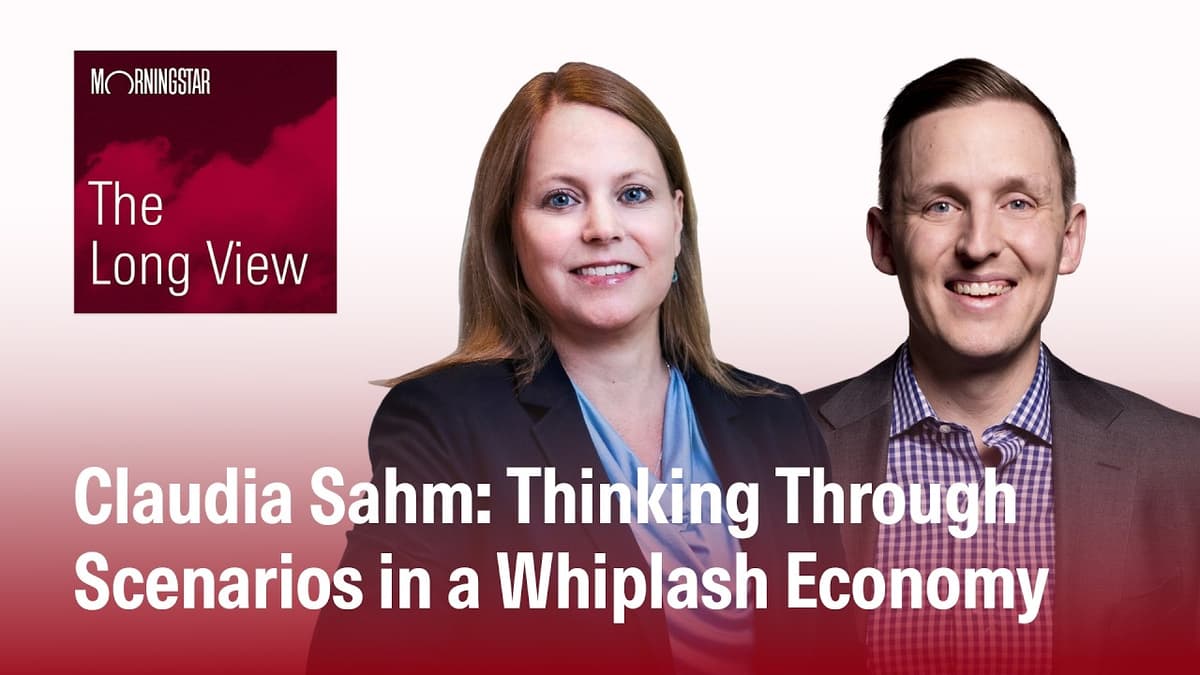
The Long View: Claudia Sahm - Thinking Through Scenarios in a Whiplash Economy
The Long View podcast features Claudia Sahm, chief economist at New Century Advisers, discussing today’s “whiplash economy.” She outlines how a succession of supply‑side disruptions—from pandemic‑induced labor shortages and global tariffs to the Ukraine war, Middle‑East tensions, and a looming...
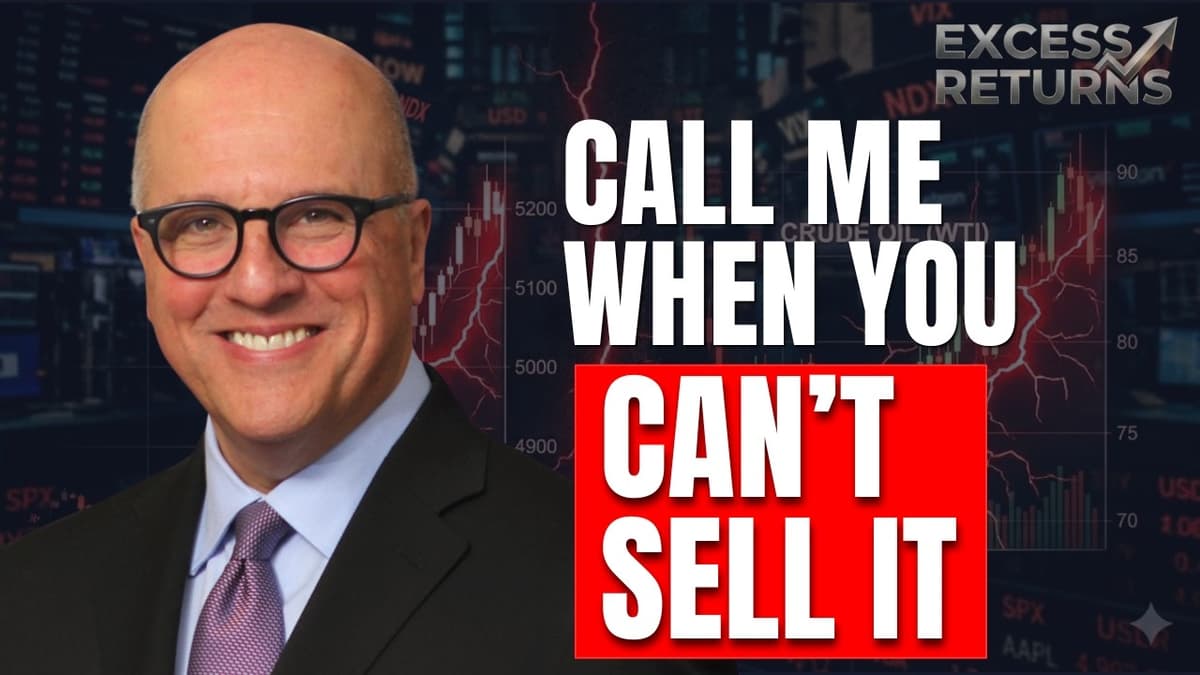
We Asked Rich Bernstein Why He Won’t Own the S&P 500 — And What He Owns Instead
The video features Rich Bernstein, global head of macro at Janus Henderson, explaining why he avoids a blanket S&P 500 allocation and instead focuses on macro‑driven themes such as import‑driven inflation, defense spending and cash positioning. He argues that today’s economy...
FOMC: The End of an Era
The video focuses on the April 29 FOMC meeting, which will be Jerome Powell’s last as Federal Reserve chair, signaling the end of an era for U.S. monetary policy. Powell can remain a governor until 2028, but this meeting will...
Inflation Vs. Recession, Which Is Worse?
The video examines the Federal Reserve’s perspective on inflation versus recession, emphasizing that a downward shift in inflation expectations raises real interest rates and can deepen economic downturns. It highlights the Fed’s dual mandate of full employment and stable 2%...
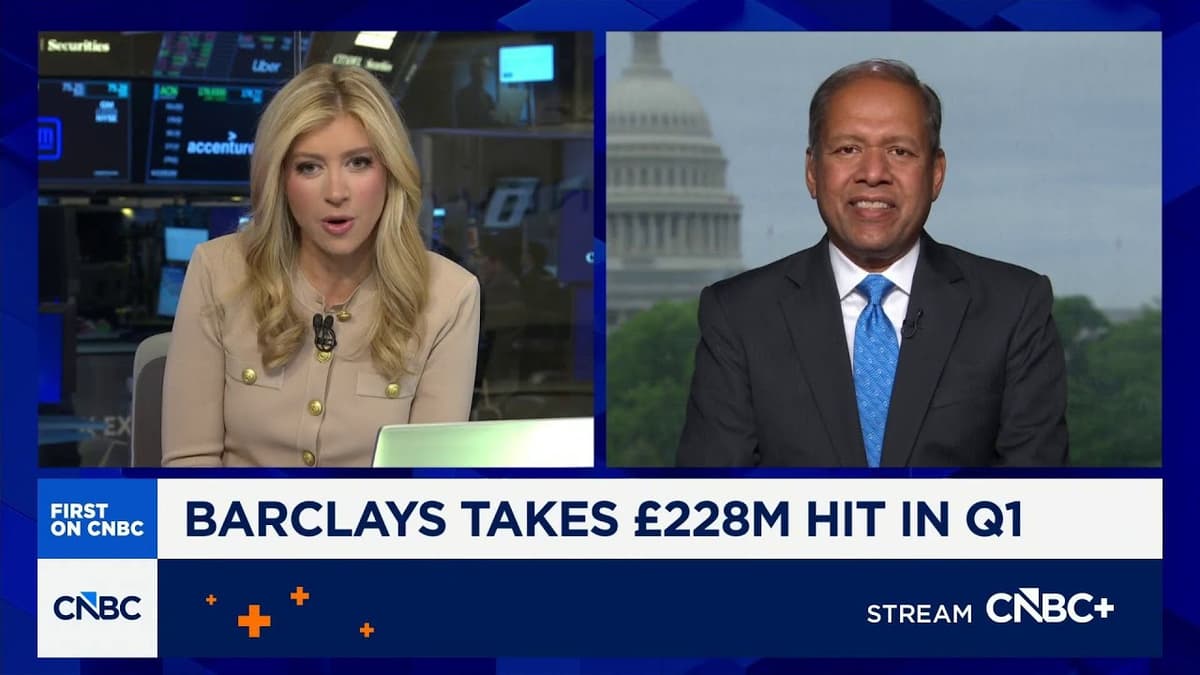
Barclays CEO on Inflation: 'In the Longer Term, You've Got to Be Worried'
Barclays CEO C.S. VenkataKrishna opened the Q1 earnings call by noting a solid quarter, driven by revenue growth across all divisions, but flagged a £228 million impairment linked to a collapsed mortgage‑originator. He highlighted a 13.5% return on equity overall, with...
Positive Housing Demand and a Preview of the Fed Meeting
The episode with analyst Logan Mohtashami reviews recent housing‑market tracker data and looks ahead to the Federal Reserve’s upcoming meeting, marking Jerome Powell’s final press conference. Data show pending home‑sale contracts at a multi‑year peak, new listings exceeding 80,000, and...
Currencies Call the Shots as Central Banks Hold the Line | the Trade
The Trade focused on this week’s central‑bank calendar, highlighting the Federal Reserve’s likely decision to keep rates on hold while hinting at possible hikes if inflation persists. In Asia, the Bank of Japan is expected to maintain its ultra‑easy stance,...
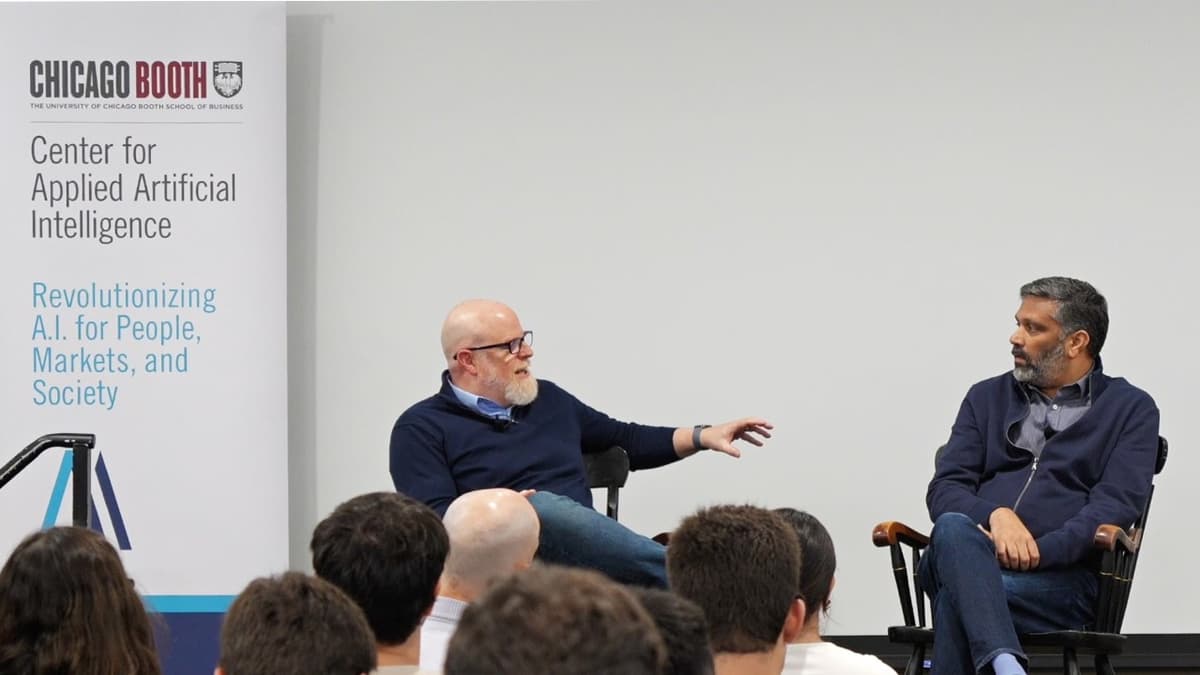
BFI and CAAI Public Event: Technology, AI, and the Labor Market
The Becker Friedman Institute and Booth’s Center for Applied Artificial Intelligence hosted a joint event to explore how artificial intelligence intersects with labor markets. Faculty members Eric Hurst and Sanjark Misra framed AI’s influence against a backdrop of centuries‑long technological...
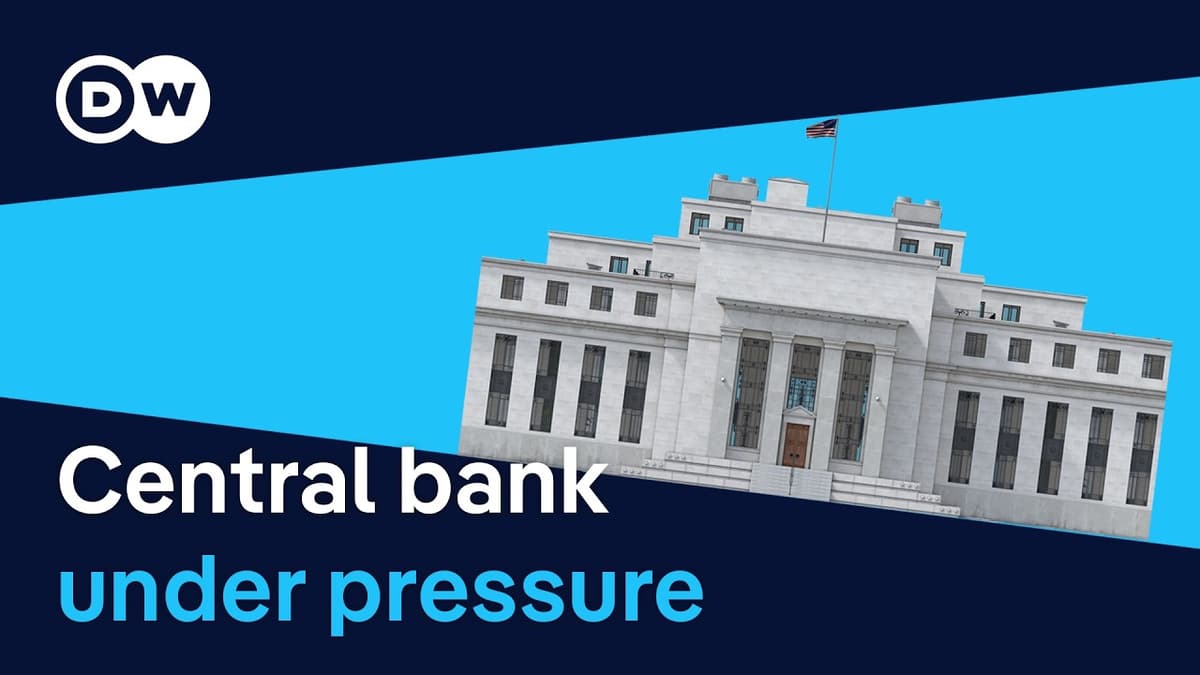
Can the US Fed Stay Independent as Political Pressure Grows? | DW News
The DW News segment examines growing political pressure on the U.S. Federal Reserve as President Donald Trump pushes for lower interest rates and his nominee, former Fed governor Kevin Warsh, prepares for confirmation. The clash centers on whether the central...
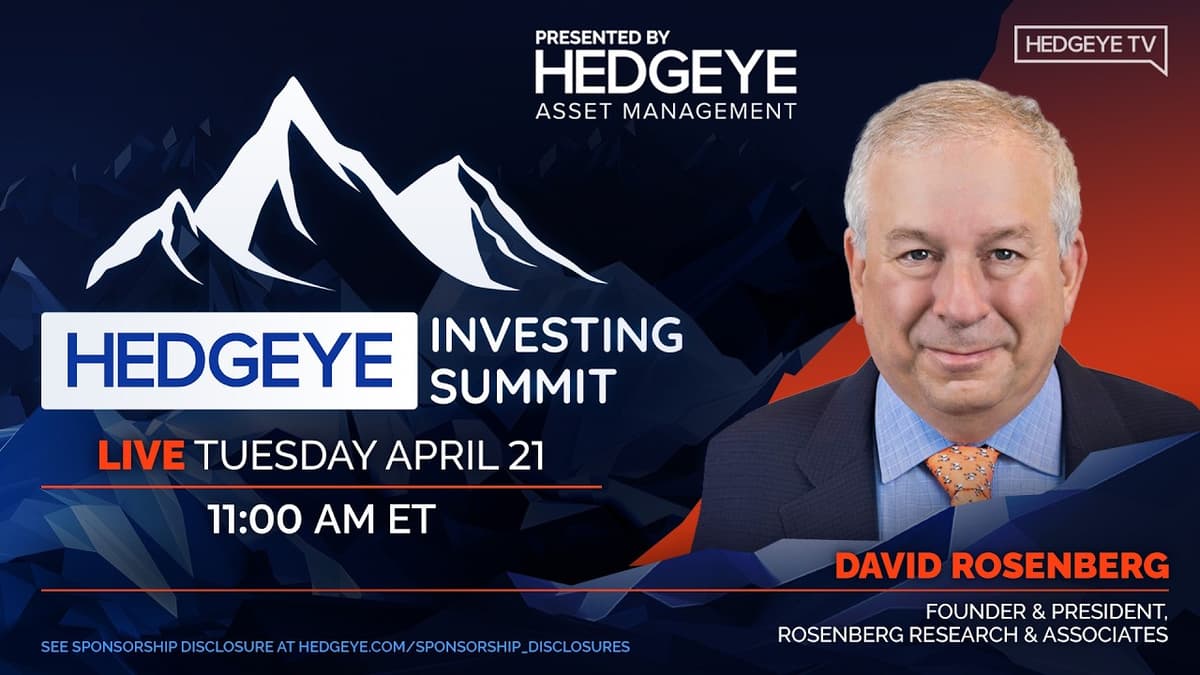
Hedgeye Investing Summit Spring 2026 | David Rosenberg, Rosenberg Research & Associates
The 16th Hedgeye Investing Summit opened with Keith McCullough introducing David Rosenberg, founder of Rosenberg Research, for a candid discussion on macro‑focused investing and personal discipline. Rosenberg outlined his daily routine—rising at 4 a.m., feeding chickens, scanning five to six newspapers,...
🚨 FOMC Meeting + Earnings Collide: Massive Market Move Incoming? Live at 8pm ET
True Trading Group (TTG) opened its live stream by celebrating what it called the largest trade in its history—a short position on AIS that fell from $715 to $200—while teasing a “massive market move” week driven by the Fed meeting,...
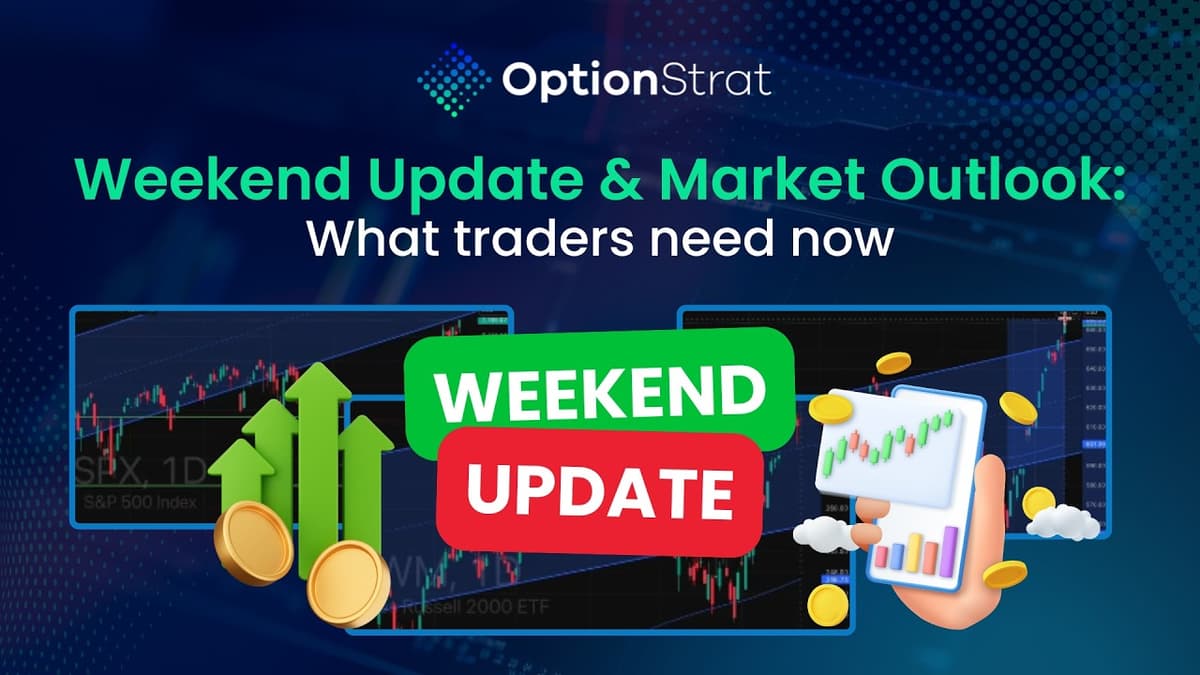
Weekend Trading Update | Performance and What's Coming
Steve Gans' weekend update on April 26 2026 highlights an extraordinary rally, with the S&P 500 climbing roughly 14 percent in just 18 days and the Nasdaq‑linked QQQ jumping about 20 percent over the same span. Gans attributes the surge primarily to three factors: a perceived dovish...
Markets Weekly April 25, 2026
The weekly market wrap focused on the confirmation hearing of Kevin Walsh, the president’s pick to lead the Federal Reserve, and his unconventional push to redefine inflation metrics in order to pave the way for rate cuts. Walsh argued that...
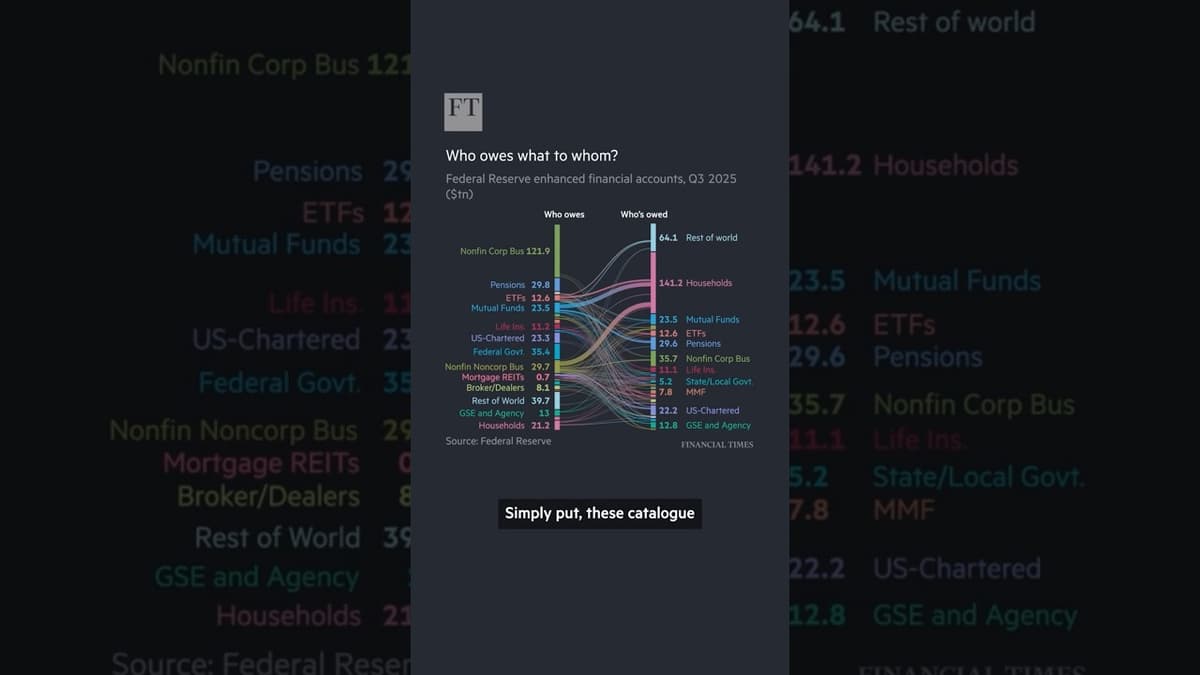
How the Fed Increased Its Exposure to Shadow Banks | FT #shorts
The Federal Reserve has expanded its oversight by launching the Enhanced Financial Accounts, a comprehensive database that catalogs who owes what to whom across the U.S. financial system. This initiative shines a light on the growing web of liabilities that...
What To Expect From The New Fed Chairman
The video tackles the buzz surrounding the appointment of a new Federal Reserve chair and the flood of speculation about whether interest rates – especially mortgage rates – will tumble. The host argues that the incoming chair, referred to as...
March 30th Was the Market Bottom and We Will Not Retest Those Lows, Says Ed Yardeni
Ed Yardeni told viewers that the March 30 pullback marked the market low and that he does not expect equities to retest those levels, citing a surprisingly resilient U.S. economy and a strong corporate earnings backdrop that could drive the...
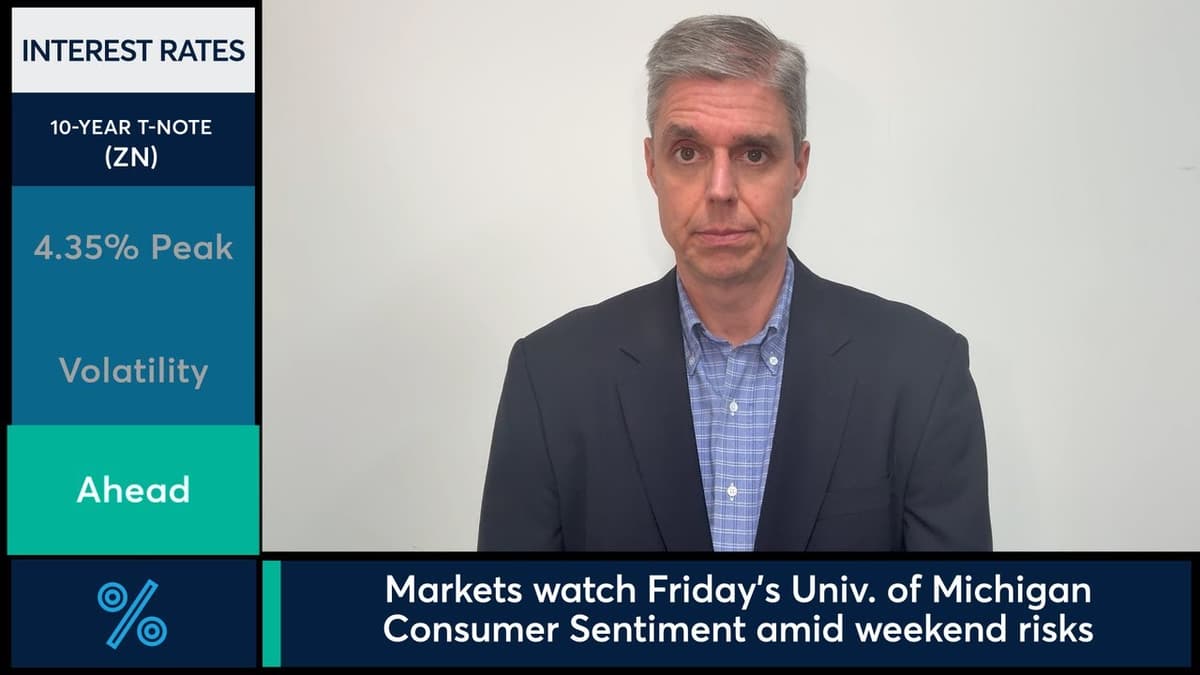
Treasury Futures React as 10-Year Yields Push Past 4.30%. 4/23/26
The video focuses on Treasury futures reacting to a sharp rise in 10‑year note yields, which opened above 4.30%, peaked at 4.35% and settled at 4.32% on April 23, 2026. Yield gains of two basis points for the session and...
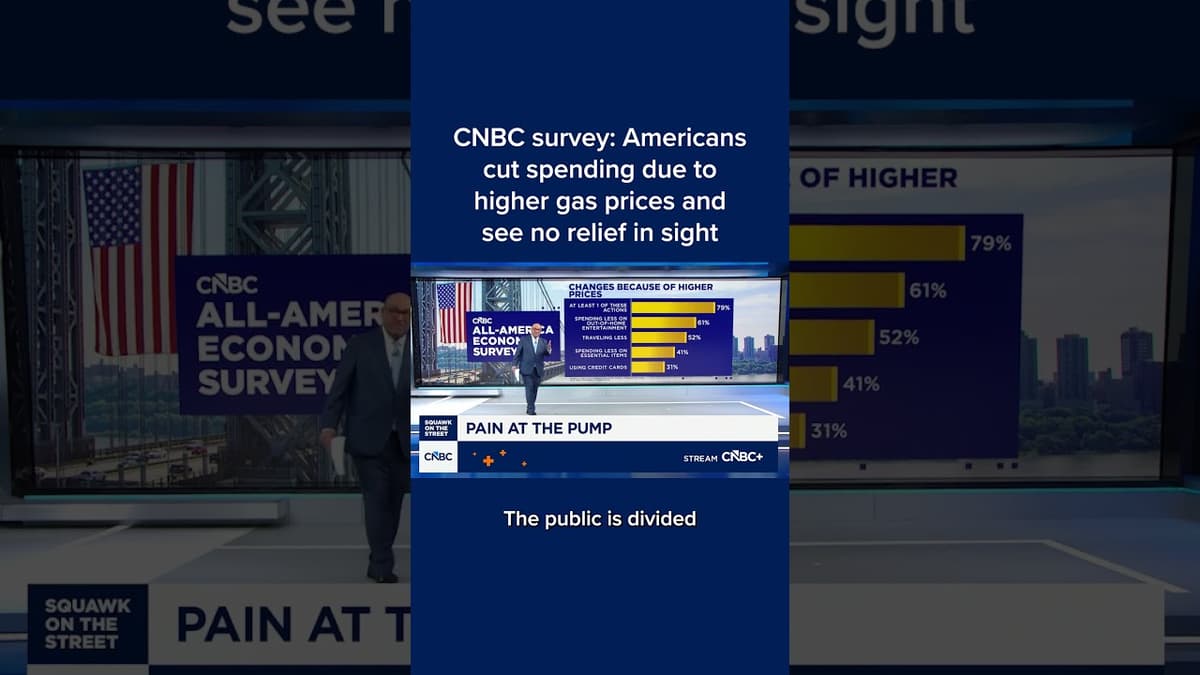
CNBC Survey: Americans Cut Spending Due to Higher Gas Prices and See No Relief in Sight
A recent CNBC‑commissioned All‑America Economic Survey of 10,000 U.S. adults finds that rising gasoline prices are prompting a measurable pullback in household spending. More than six in ten respondents say they are spending less on out‑of‑home entertainment, while over half are...
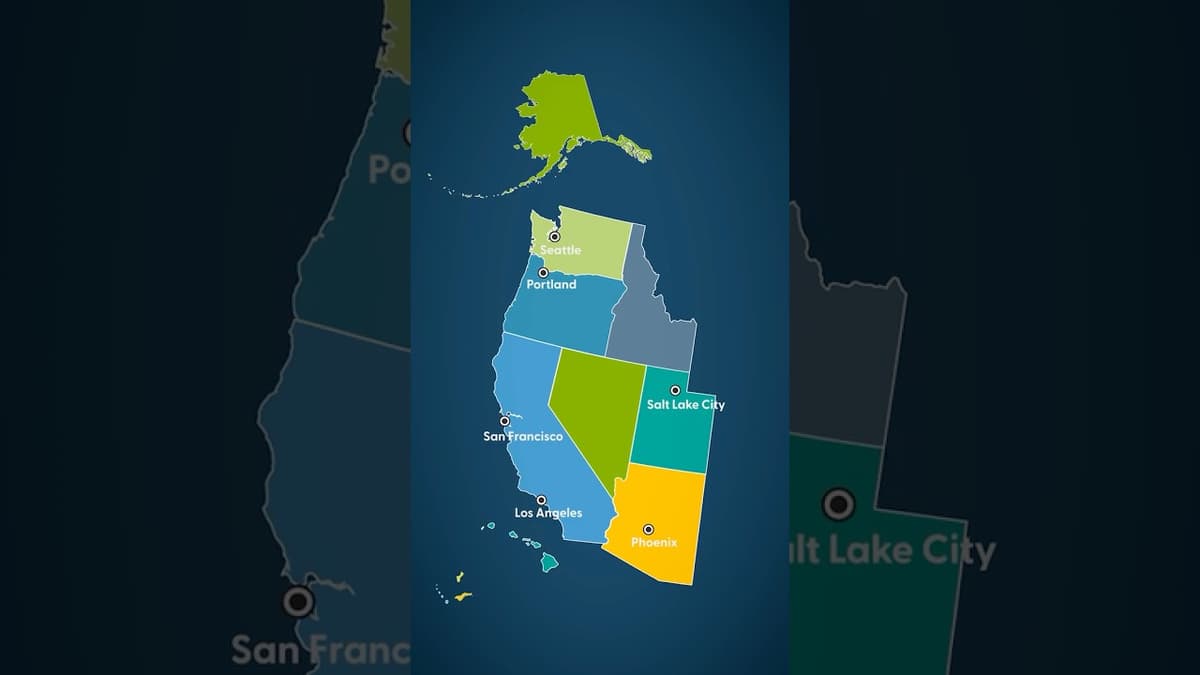
Regional Engagement: Federal Reserve Bank of San Francisco
The Federal Reserve Bank of San Francisco’s regional engagement office introduced its mission to listen, learn, and share research with the communities it serves across the 12th District. By maintaining a physical presence in six cities—San Francisco, Los Angeles, Portland,...
Steve Hanke: Massive Inflation Ahead & Markets 'Totally Complacent' On Iran War
Professor Steve Hanke warned that the accelerating U.S. money supply and the ongoing Israel‑Iran conflict are setting the stage for a new commodity super‑cycle and a broader inflationary environment. He noted that commercial‑bank credit, which makes up roughly 80 % of broad...
Mark Thornton: The Fed's REAL Dual Mandate EXPOSED #FederalReserve #Debt #banking
In a recent interview, former Fed official Mark Thornton argues the Federal Reserve’s publicly stated “dual mandate” of price stability and maximum employment masks a deeper, fiscal‑driven mission: financing the U.S. government’s massive budget deficit and ensuring the smooth rollover...
David Woo: Why Gold WINS if the Fed Doesn't Cut #Gold #Fed #Stagflation
In a recent commentary, market strategist David Woo explains why gold’s fortunes hinge on the Federal Reserve’s policy path, bond yields, equity performance, and oil prices. Woo argues that gold functions more like a bond proxy than a stock correlate. When...
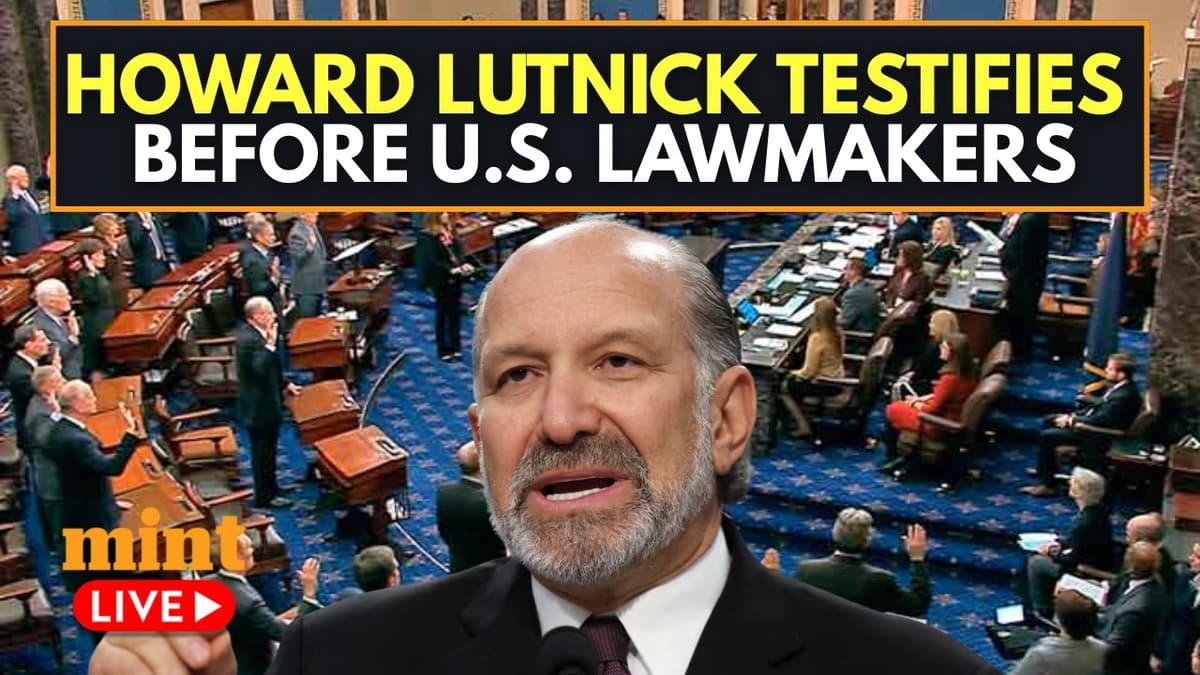
LIVE | US Commerce Secretary Howard Lutnick Testifies on President Trump's 2027 Budget Request
Commerce Secretary Howard Lutnick appeared before the Senate Appropriations Subcommittee to discuss President Trump’s FY 2027 budget request. The administration seeks roughly $1.9 trillion, a modest 3% increase over the prior year, with heightened funding for infrastructure, trade enforcement, and technology initiatives....
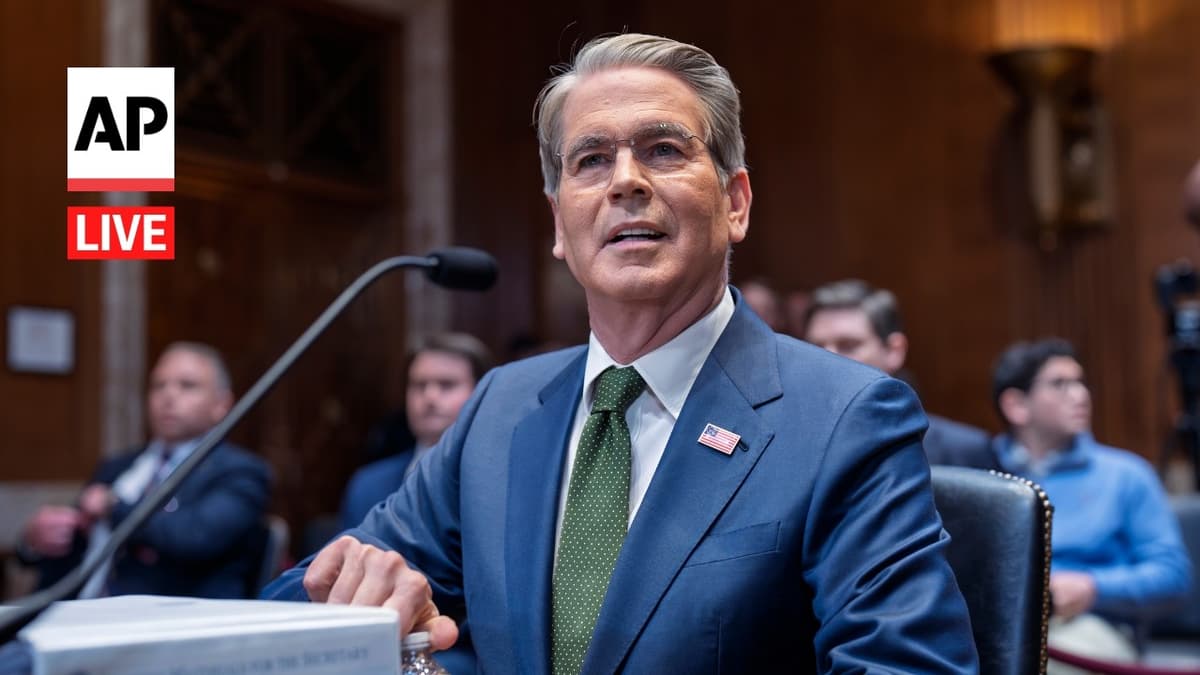
LIVE: Treasury Secretary Scott Bessent Faces Senate Hearing on Trump’s 2027 Budget
U.S. Treasury Secretary Scott Bessent testified before the Senate Appropriations Committee on the Trump administration’s 2027 budget request for the Treasury Department. He detailed a projected $1.9 trillion spending plan that emphasizes cybersecurity, climate‑resilient infrastructure, and expanded tax‑exempt financing. The hearing...
David Woo: The Fed Is Trapped | 1970s Stagflation Is Back #Fed #Stagflation #Inflation
David Woo warns that the Federal Reserve is entering a situation reminiscent of the 1970s, where an oil‑driven energy shock combined with geopolitical conflict sparked stagflation. He argues that the current war‑related supply disruption mirrors the Iranian crisis that forced...
Live: Stocks Fall Into the Red During Contentious Warsh Hearing | Apr. 21, 2026
The live broadcast from Market Domination focused on the contentious Senate hearing of Federal Reserve Chair nominee Kevin Wars, as Wall Street slipped lower amid lingering Iran‑negotiation worries and uncertainty over the nominee’s confirmation. Wars told senators he never agreed to...
What a Warsh Fed Could Mean for 10-Year Yields
The video examines how the Senate confirmation hearing for Fed Chairman‑designate Kevin Worsh could reshape expectations for the 10‑year Treasury yield curve. Market participants are watching the hearing for clues about future monetary policy, especially given the President’s public demand...
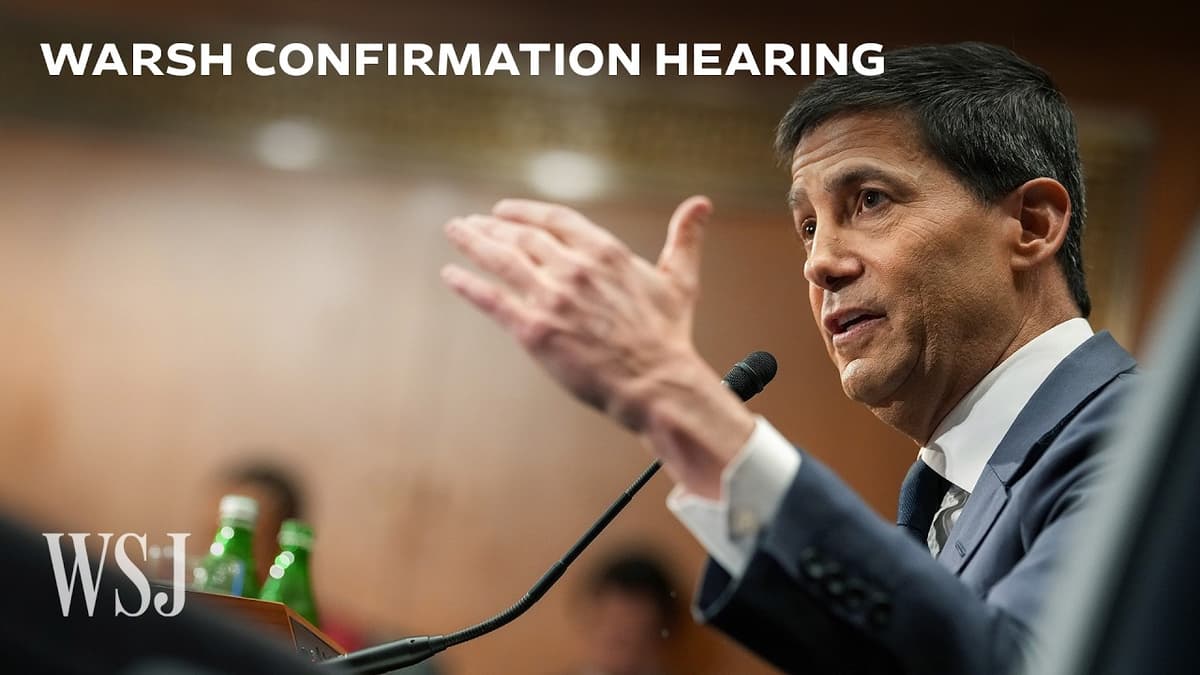
Watch: Kevin Warsh’s Full Fed Chair Confirmation Hearing | WSJ
The Senate Banking Committee held the full confirmation hearing for Kevin Warsh, nominated by President Trump to lead the Federal Reserve. The hearing was framed by supporters as a chance to restore confidence in the Fed’s independence after what they...
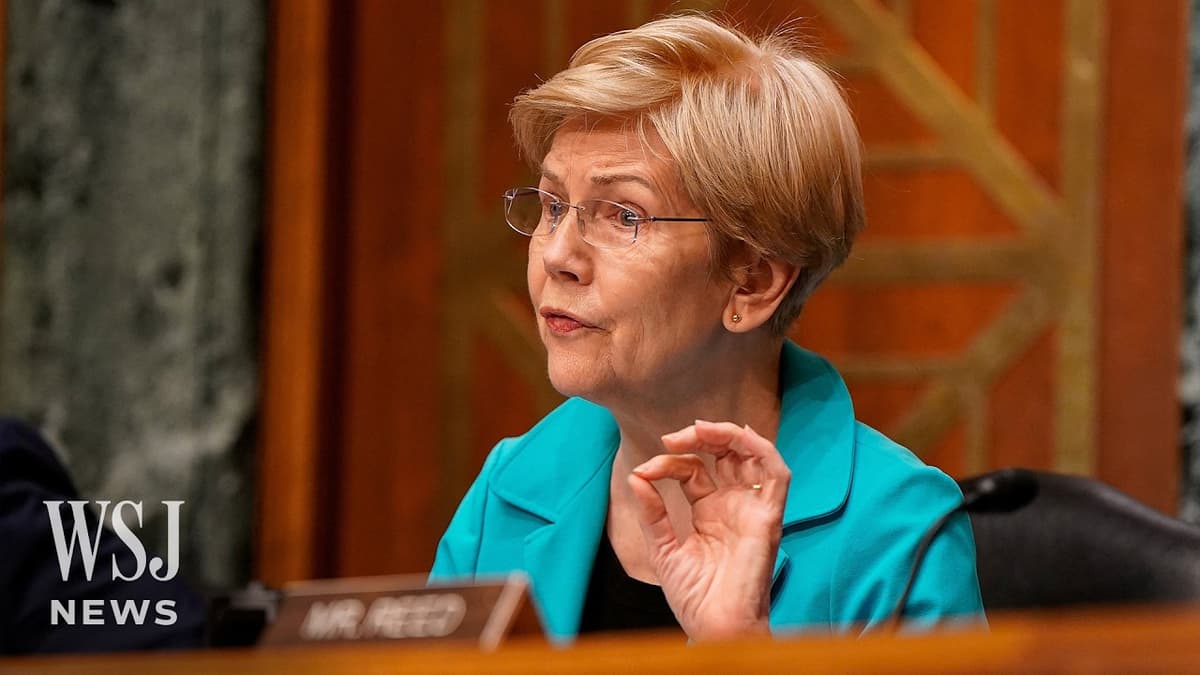
Sen. Warren Challenges Independence of Trump’s Fed Chair Pick | WSJ News
Senator Elizabeth Warren used a Senate hearing to press Kevin Warsh, President Donald Trump's nominee for Federal Reserve chair, on whether he would act independently of the White House. Warren framed the question of independence as a test of courage,...
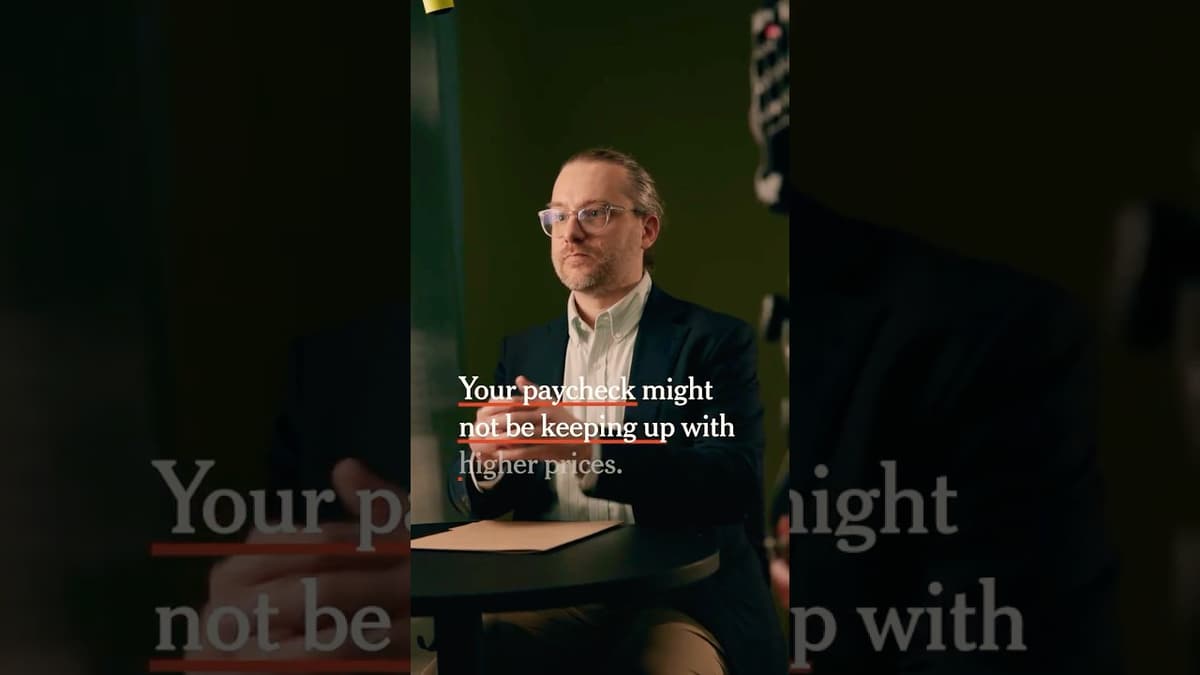
How Your Paycheck Feels Smaller
The video examines why American paychecks feel smaller, highlighting the widening gap between wage growth and inflation. Average hourly earnings have risen only 3.12% over the past year, while consumer prices surged after the Strait of Hormuz closure sent oil prices...
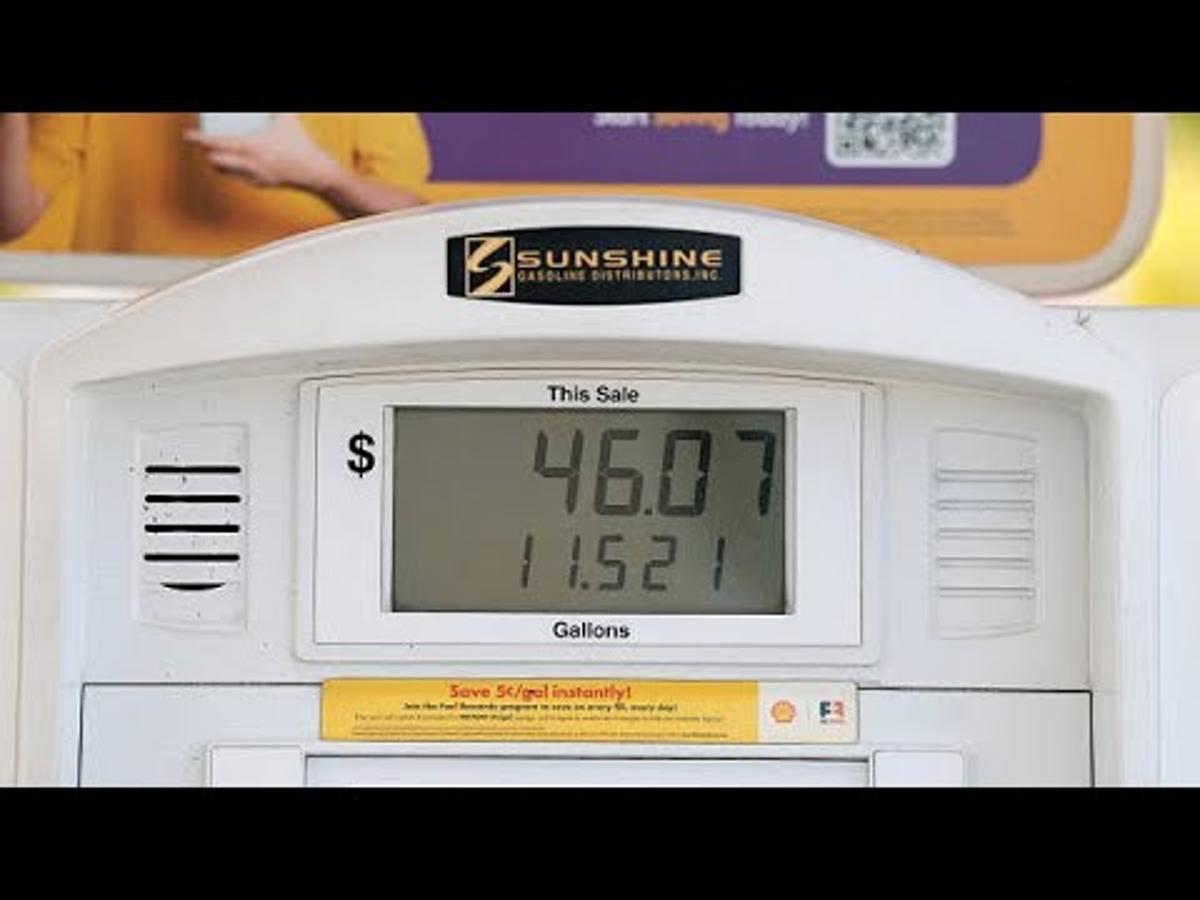
US Retail Sales Soar in March Led by Spending on Gas
The Commerce Department released March retail‑sales data showing a 1.7% month‑over‑month increase, the strongest gain since early 2023, largely powered by higher gasoline prices. When gasoline and autos are stripped out – the “core” or control group – sales still rose...
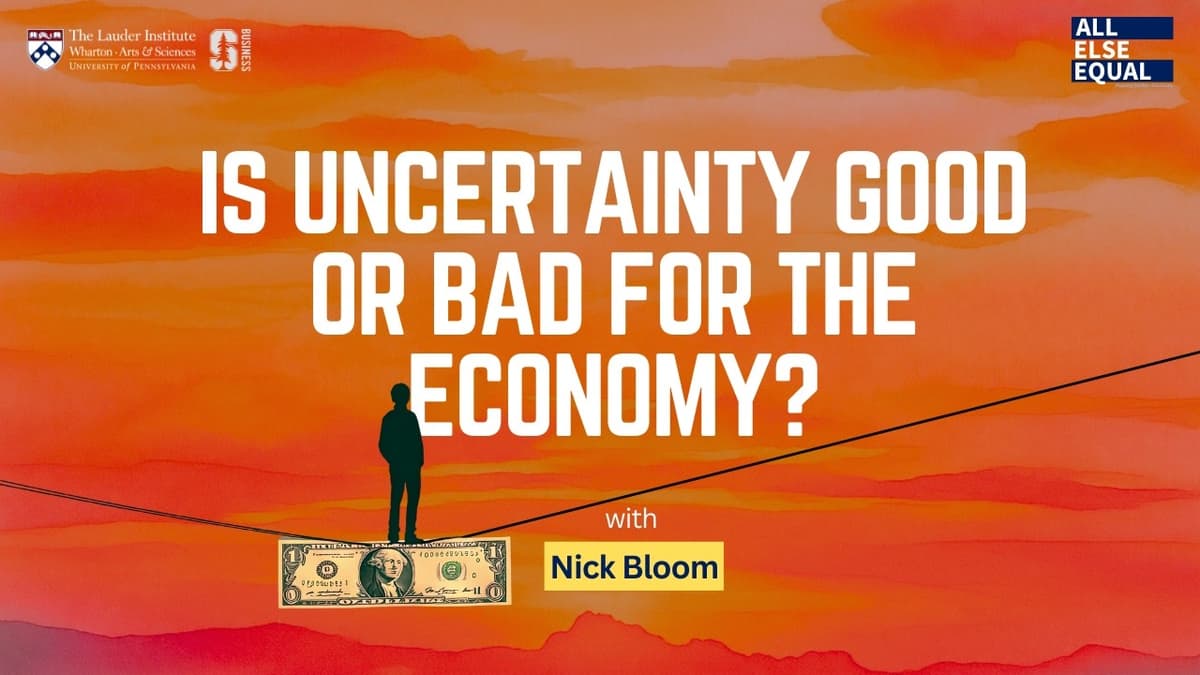
Ep76 “How Should You Deal with Uncertainty in Today's World?” With Nick Bloom
The All Else Equal podcast episode features Stanford economist Nick Bloom discussing how to measure economic uncertainty and why the choice of metric matters for businesses and policymakers. Bloom outlines three classic approaches—GDP growth volatility, financial market volatility such as the...
Why Trump’s Pressure on the Fed Might Be Counterproductive
Former Fed official William C. Dudley warned that President Trump’s public attacks on the Federal Reserve undermine its independence. He argued that questioning the Fed makes policymakers more cautious about cutting interest rates. The comment came during a CFR‑hosted Spillover...
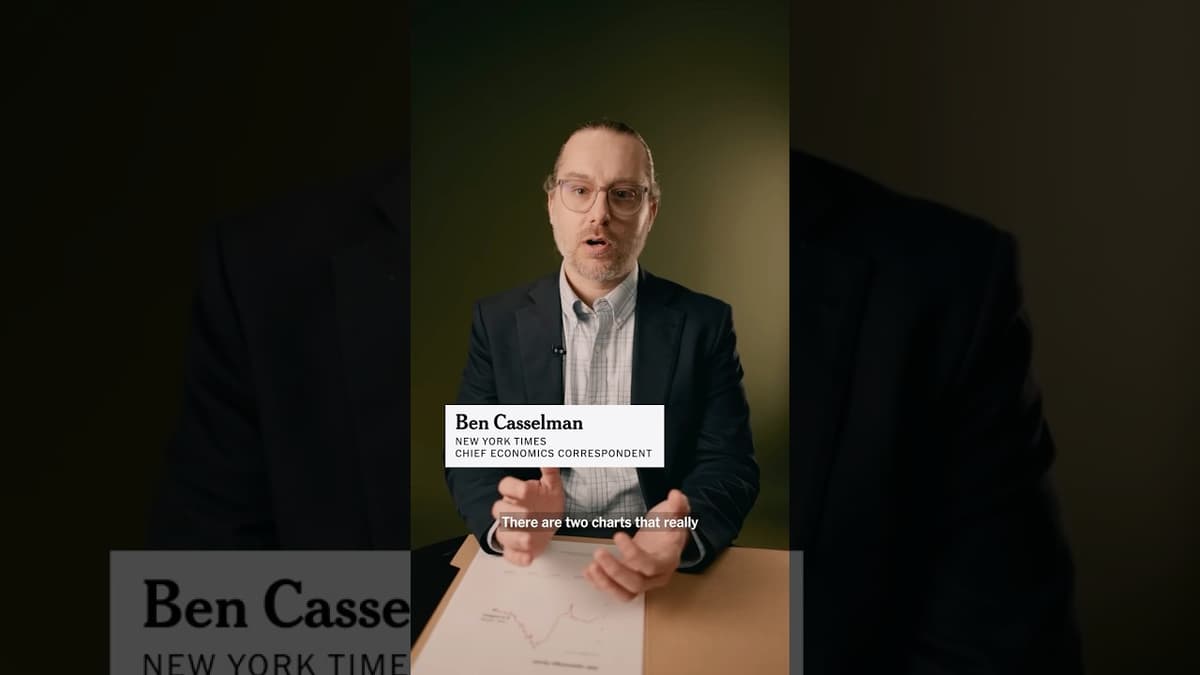
How the Job Market Is Stuck
The video examines why the U.S. labor market appears stuck, highlighting a paradox of declining job openings alongside stagnant hiring. Data show openings have dropped dramatically since the pandemic peak, yet payroll hires sit at historically low levels. Employers cite difficulty...

New IRS Tax Return Data Shows People Are COMPLETELY Out Of Money
The IRS reports that the average tax refund has climbed roughly 10% to about $3,500 this year, marking the largest per‑taxpayer windfall in recent memory. While the higher refunds are a welcome boost for households, early data reveal that the...

The Hormuz Shock + Why the Fed Is “On Hold” | The Spillover
The podcast episode examines the emerging energy shock from the Strait of Hormuz and its ripple effects on global growth, inflation, and U.S. monetary policy. Host Rebecca Patterson and former New York Fed president Bill Dudley discuss how an estimated...