
Adult Children Who Feel Almost Nothing on Routine Calls with a Parent — Not Love, Not Irritation, Not Connection, Just...
Adult children often experience a flat, neutral feeling during routine phone calls with a parent, which the article argues is not emotional numbness but a truthful signal that the relationship was never truly built. It distinguishes between "assigned closeness"—the cultural label of parent‑child bonds—and "developed closeness," which emerges from sustained relational work. The neutrality reflects the absence of that work, not a personal defect. Recognizing this distinction can shift self‑blame, reframe expectations, and open the possibility of late‑stage relationship building or acceptance of structural limits.

The Best Time To Start Hormone Therapy To Lower Disease Risk By 60%
A new analysis of more than 120 million patient records presented at The Menopause Society’s 2025 Annual Meeting found that women who begin estrogen‑based hormone therapy during perimenopause and continue it for at least ten years experience roughly a 60 % lower...
The Surprising Brain Upgrade That Happens When You Nap
A controlled study of 20 adults found that a 45‑minute afternoon nap reduces overall synaptic strength while enhancing the brain's ability to forge new connections. Researchers used EEG and transcranial magnetic stimulation to measure changes before and after the nap,...

Psychology Says the Cruelest Thing About Being Raised by a Narcissistic but Charming Parent Isn’t Anything They Did at Home...
The article explains how children of charming narcissistic parents face a structural barrier to being believed because the parent’s public persona masks private abuse. When the child reports the reality, listeners—who have only seen the parent’s likable side—dismiss the account,...
The Best Workouts For Restful Nights, Sleep Science Reveals
A new study examined five exercise categories—strength, aerobic, balance, flexibility, and combination workouts—to see which most improves sleep. Results show resistance training delivers the greatest gains in sleep quality, with participants reporting fewer insomnia symptoms. Aerobic activity of 60 minutes...

Why Neuroscientists Are Suddenly Interested In Strawberries & Walnuts
A recent scientific review highlights urolithins—metabolites produced by gut bacteria from ellagitannin‑rich foods such as pomegranates, berries and walnuts—as potential neuroprotective agents. Laboratory and animal studies show these compounds can cross the blood‑brain barrier, protect neurons from tau toxicity, reduce...

Psychology Suggests that Marriages that Are Technically Working — the Bills Paid, the Holidays Kept, the Affection Small but Consistent...
A growing body of research shows that up to one‑third of married adults feel lonely even when their marriage appears functional—bills are paid, holidays observed, and affection is routine. This “silent loneliness” stems from a gradual loss of mutual attention...

Do This 1 Thing for Any Amount of Time to Be Measurably Happier, Harvard Study Shows
Harvard researchers tracked 373 participants with a smartphone app and found that trimming social‑media use from roughly 84 minutes to 48 minutes a day produced measurable gains in mood, anxiety and sleep quality. The study relied on objective usage data...

ITC Right Shift Urges Families to Look Beyond “Main Theek Hoon”
ITC’s Right Shift brand launched a Mother’s Day video campaign urging Indian mothers to move beyond the customary “main theek hoon” reassurance and address hidden nutritional gaps. Featuring actress Tisca Chopra and child actor Darsheel Safary, the film highlights simple dietary swaps—such...

People Who Can’t Relax Until Every Email Is Answered Often Aren’t Disciplined — Many Learned Early that Being Unreachable, Even...
The article explains that compulsive email checking is less a productivity habit than a learned anxiety rooted in early childhood expectations of constant availability. It links this behavior to anxious attachment styles, showing how the need for immediate replies mirrors...
I Realized Last Sunday that the Reason I Keep My Phone Face-Down on the Counter Isn’t a Habit, It’s that...
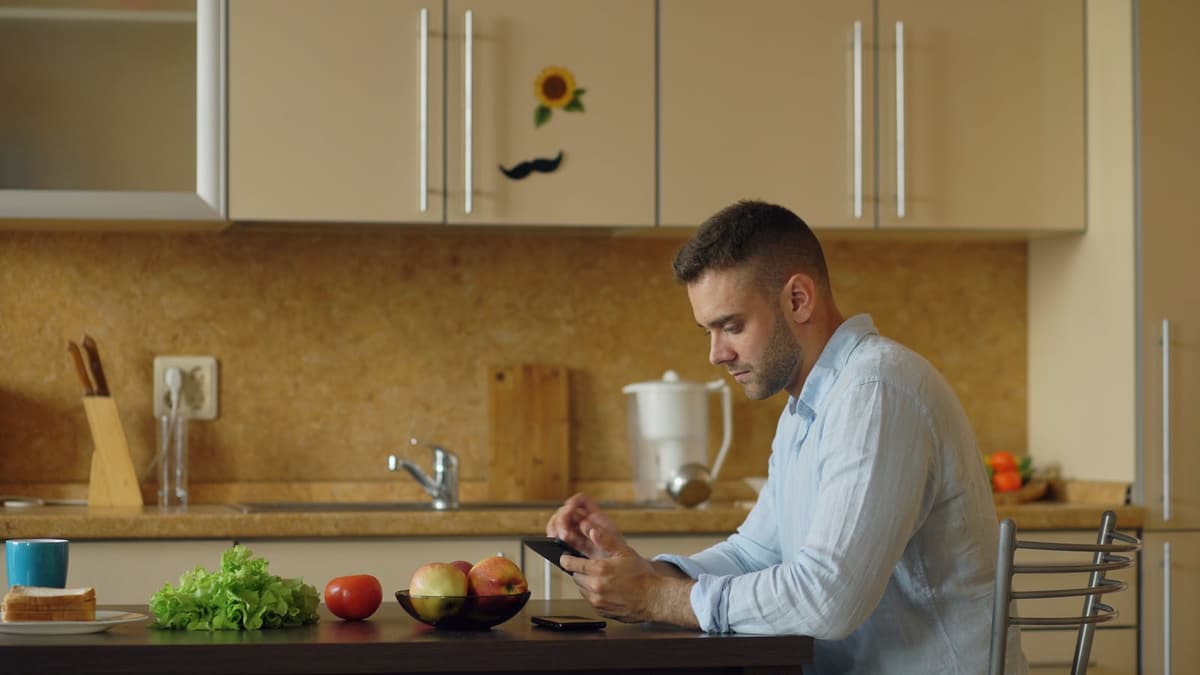
Founder reflects on two decades of being perpetually on‑call, noting that his habit of placing his phone face‑down is not a simple routine but a physiological response to chronic work stress. Continuous notifications have trained his nervous system to treat...

LG Electronics Expands Health Protection for Nigerian Consumers
LG Electronics is expanding its CSR health initiative in Nigeria, adding a comprehensive insurance scheme to its air‑conditioner sales. The new program, powered by AXA Mansard Health, covers malaria and a range of common illnesses for eligible customers. By bundling health...

The Overprescribing of Psychiatric Drugs Is Real and It Is Harmful
A rapid response published in BMJ argues that the overprescribing of psychiatric drugs, especially antidepressants, is a documented public‑health problem. The author cites data linking rising antidepressant use to higher disability‑pension rates and a three‑fold increase in mental‑health disability in...

My Husband’s Weight Loss Is Triggering My Eating Disorders. What Can I Do? | Ask Annalisa Barbieri
A reader shares how her husband’s recent weight‑loss success reignites her lifelong anorexia and bulimia, creating daily calorie‑focused conversations that threaten her recovery. The response urges her to seek professional therapy, leverage the UK charity Beat Eating Disorders for guidance,...

Fat Cells Burn Energy to Make Heat – Making Them the Next Frontier of Weight Loss Therapies
New obesity drugs such as Ozempic, Wegovy and Mounjaro have proven that appetite suppression can drive significant weight loss, but they address only half of the energy balance equation. Researchers are now turning to adipose tissue, especially brown and beige...
How to Stay Calm on a Hectic Day
The article explains how the Yerkes‑Dodson law describes an optimal arousal zone for peak performance and warns that exceeding it hampers focus. It offers practical tactics—breathing exercises, nutrition tweaks, brief movement, visual reminders, sunlight exposure, and micro‑tasks—to bring overstimulation back...

Motherhood Unfiltered: The Women Turning Social Media Into Support Networks
Linda Kwamboka, a 27‑year‑old Kenyan mother, turned her isolated pregnancy experience into the Unfiltered Tribe Podcast and a broader digital community for mothers. The initiative began after a social‑media call drew 20 women to a meet‑up, and it now hosts...

Turning the Tables: How 3 Hong Kong Mothers Are Spinning Trauma Into Hope as DJs
Hong Kong mothers Holy Lee, May Chen and Carrie Lam have transformed personal trauma into professional disc‑jockey careers through the Club Soul Good social enterprise. After years of abuse, mental‑health struggles and single‑parenting, they were introduced to vinyl mixing by...

Real World Outcomes Support the Benefits of Psychedelic Therapy for Severe Depression
A Swiss compassionate‑use program evaluated psychedelic‑assisted psychotherapy using either 100 µg LSD or 25 mg psilocybin in adults with treatment‑resistant depression or anxiety. More than a third of participants reported at least a 50% reduction in depressive symptoms within three months, and...

Taking 8,500 Steps Daily May Aid Long-Term Weight Management, Study Finds
A new longitudinal study finds that averaging 8,500 steps per day can help adults maintain weight loss over the long term. Researchers followed 5,000 participants for two years using wearable activity trackers, observing a consistent correlation between step volume and...
:max_bytes(150000):strip_icc():format(jpeg)/GettyImages-1155144740-10c4a881413d4846a0c4af823ddecb84.jpg)
Why Do You Talk to Yourself?
Self‑talk, whether spoken aloud or internal, is a common human behavior that research links to improved problem‑solving, motivation, and memory. Studies show positive, instructional, and motivational self‑talk can boost performance, while negative self‑talk may offer realistic feedback but erode confidence...

The Quiet Strength of Self-Compassion
The article "The Quiet Strength of Self-Compassion" highlights self‑compassion as a practical tool for personal resilience and professional performance. It explains how treating oneself with the same kindness offered to others can lower stress, improve focus, and boost decision‑making. The...
:max_bytes(150000):strip_icc():format(jpeg)/GettyImages-745831421-0411a5826efc4121a2477f7a49c82350.jpg)
Identifying and Coping With Relationship OCD
Relationship OCD (R‑OCD) is a subtype of obsessive‑compulsive disorder that generates intrusive thoughts and compulsive reassurance‑seeking about a romantic partner. Symptoms range from constant doubt about love to obsessive focus on a partner’s traits, often impairing daily functioning. Evidence‑based interventions...

Why Even High Achievers Stay Stuck
Larry, a CEO of a multi‑million‑dollar coaching firm, and Samuel, an engineer, both faced layoffs that triggered unconscious self‑sabotage. Despite their competence, limiting beliefs rooted in trauma caused sleeplessness, overwork, and stalled performance. The article explains how the unconscious mind,...
:max_bytes(150000):strip_icc():format(jpeg)/VWM-feeling-ugly-getty-B-38eb196f4f09469d82ef6328bfeed33d.jpg)
How I Broke the "I Feel Ugly" Negative Self-Talk Cycle
The article examines why many people experience "I feel ugly" moments, tracing the issue to unrealistic media standards, early negative comments, and cultural beauty ideals. It highlights the mental‑health fallout, including depression, anxiety, and eating disorders, and cites studies showing...
:max_bytes(150000):strip_icc():format(jpeg)/relationships-and-depression-10-tips-to-cope-1067466_final-1e6689418354424a836542e2a3c1b813-7c36168ef15445c69aeebdf1098794c1.png)
Relationships With Depression: 10 Ways to Support a Partner Who’s Depressed
Depression touches millions of Americans and often strains intimate relationships. Partners who educate themselves about the condition can replace misunderstanding with empathy, reducing stigma and fostering constructive dialogue. The article outlines ten actionable ways to support a depressed partner, from...
:max_bytes(150000):strip_icc():format(jpeg)/GettyImages-858253-001-57a0e7525f9b589aa9efd48b.jpg)
Medications That Increase Serotonin
A wide range of prescription drugs, over‑the‑counter painkillers, antibiotics, and herbal supplements can raise serotonin levels in the brain. The article outlines major classes—SSRIs, SNRIs, MAOIs, tricyclics, triptans, and others—detailing common brand names and the conditions they treat. It warns...
:max_bytes(150000):strip_icc():format(jpeg)/daydreaming-woman-in-bed-under-white-blanket-187591150-579fb74f3df78c3276ca9e56.jpg)
How to Ease Withdrawal Insomnia During Recovery
Withdrawal insomnia is a common, temporary symptom for people exiting substance use disorders, often lasting six months or longer. The article outlines practical sleep‑hygiene steps—regular sleep schedule, quiet pre‑bedtime activities, daylight exposure, and a calming environment—to reset circadian rhythms. It...

The Poetry of Simplicity
The article curates a suite of mindfulness resources—including sleep meditations, romantic rituals, grief release guides, and two‑minute practices—delivered via audio, music, and short reads. By emphasizing simplicity and brevity, it targets busy professionals seeking quick mental resets. The collection reflects...

Health Advice Is All over Social Media. Here's How to Vet Claims
A Pew Research Center survey released in May 2026 shows that roughly 40% of U.S. adults—especially those under 50—turn to social media and podcasts for health information. Among 6,828 health‑and‑wellness influencers with at least 100,000 followers, only about four‑in‑ten disclose...

Elisha Goldstein on the Power of Tiny Shifts
Psychologist Dr. Elisha Goldstein’s new book *Tiny Shifts* proposes a four‑step “Four R” method—Recognize, Release, Refocus, Reinforce—to break habitual emotional loops with micro‑adjustments. The approach blends mindfulness, somatic awareness, and neuroscience, showing how brief breath‑based releases can shift the brain’s...

Watching Netflix Tonight? The 'Lazy' Sofa Moves that Tone Your Core Instantly
A new article spotlights three "lazy" sofa exercises that can be done while watching Netflix, turning a typical binge‑watch session into a brief core‑strength routine. The moves—pelvic floor lifts, sofa marches, and cushion squeezes—require only 10‑second holds and minimal effort,...
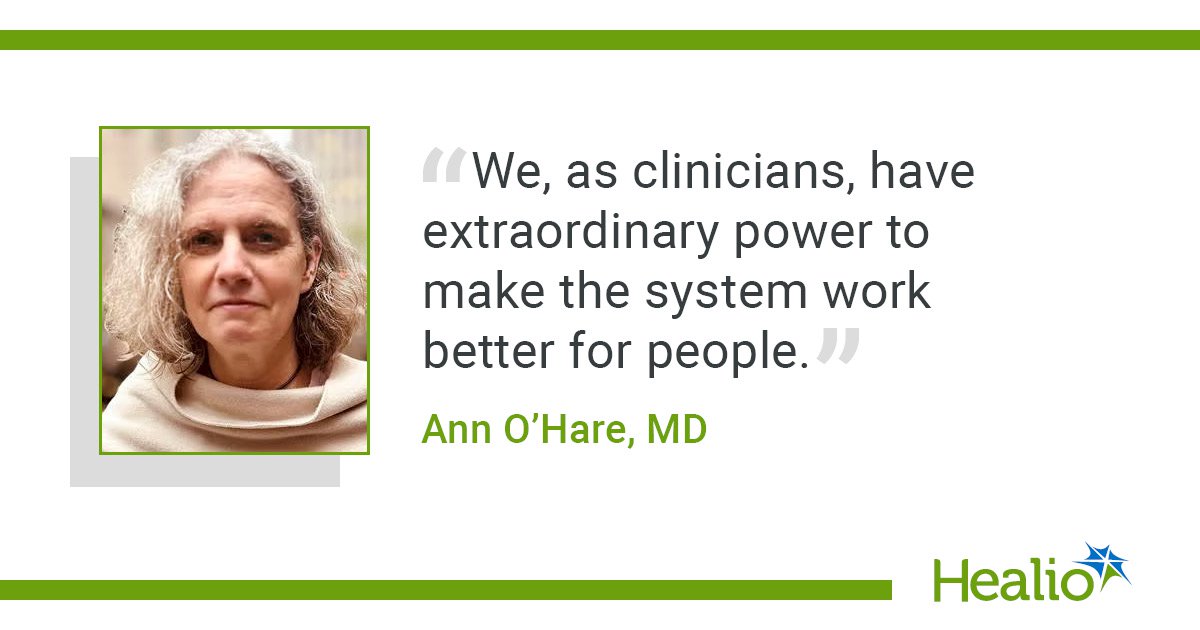
Q&A: How to Make Medicine ‘More Human’ Again
Ann O’Hare, a nephrology professor and recent Shaul G. Massry Distinguished Lecture winner, argues that the growing infusion of geriatrics and palliative‑care values is making nephrology more person‑centered. She warns that rapid AI adoption—particularly AI scribes—could strip away the nuanced, compassionate documentation that...

One Type Of Olive Oil Could Help Protect Your Brain (M)
A recent peer‑reviewed study shows that high‑phenol extra‑virgin olive oil (EVOO) can markedly protect brain tissue, outperforming standard olive oil in reducing oxidative stress and inflammation in rodents. The researchers fed the oil at roughly 20% of daily calories for...

Say Goodybe to Pilates, This 3-Minute Japanese Exercise Routine Is the New Trending Workout
Japan’s three‑minute radio taisō routine—daily stretches broadcast on radio—remains a staple for more than 25 million people, from schoolchildren to retirees. The low‑impact sequence of arm circles, twists and bends costs nothing and takes only minutes, yet it is credited with...

The Mental Health Risks of Ultra-Processed Foods (M)
Recent research highlights a strong association between ultra‑processed foods and mental‑health disorders such as depression and anxiety. These foods now account for roughly 60 % of all calories consumed in the United States, making them a dominant component of the average...

What Is LDL Cholesterol and How Do You Lower It?
The article explains what low‑density lipoprotein (LDL) cholesterol is, why it’s called “bad” cholesterol, and how it contributes to heart disease. A 2023 JAMA Cardiology study found over 40% of U.S. adults with high LDL are unaware of their condition,...
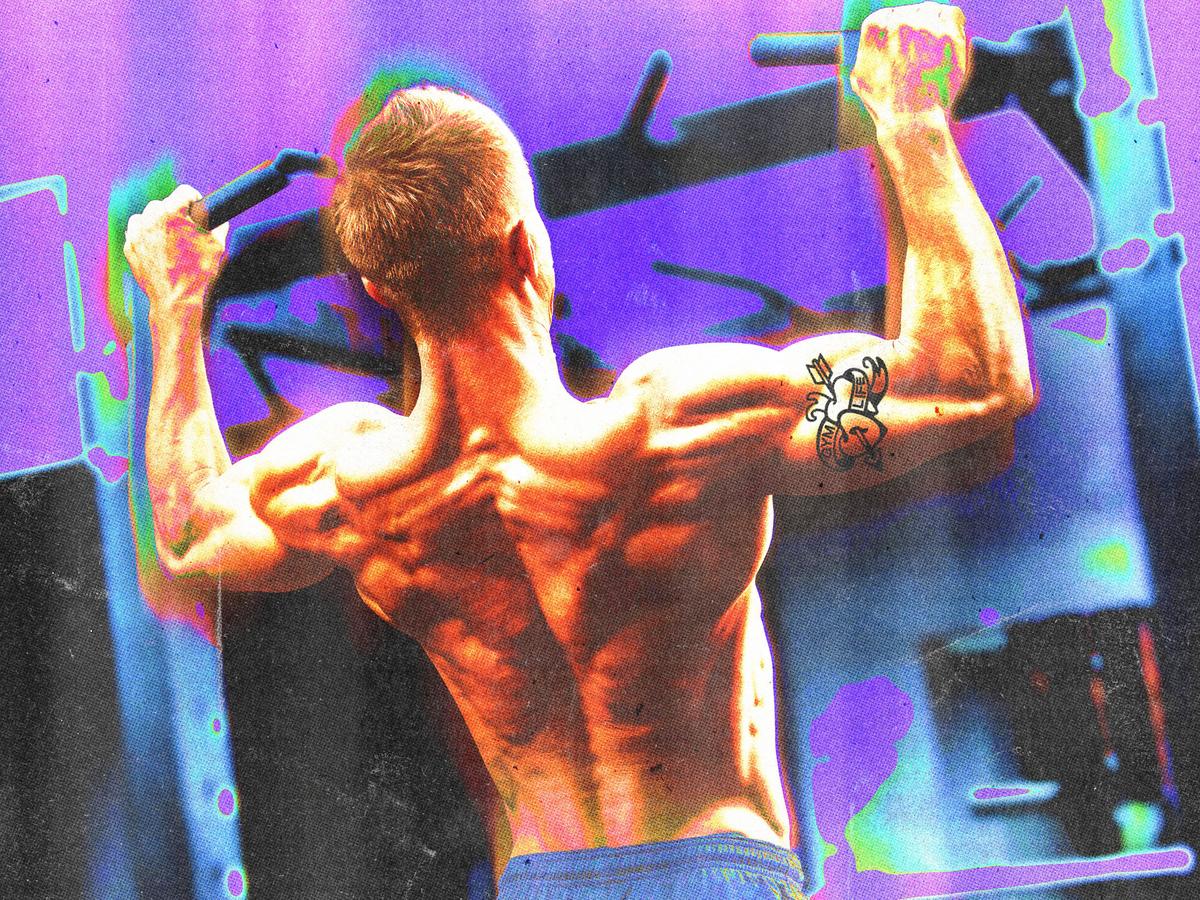
The 8 Best Exercises for Upper Body Strength
The article outlines eight expert‑recommended upper‑body strength moves—from bench press and incline press to Z‑press, pull‑ups, rows, face pulls, tricep extensions and concentration curls—while stressing proper form and programming. It highlights the functional benefits of stronger chest, shoulders, back and...

How Much Creatine Should You Take for Brain Health?
Recent studies suggest that taking creatine at doses far above the traditional 3–5 grams—often 10 to 30 grams daily—can increase brain phosphocreatine, potentially enhancing cognition, mood, and resilience to sleep loss. The brain’s blood‑brain barrier limits creatine uptake, so higher circulating levels...

People Are Putting Sesame Paste in Their Hair to Reverse Grey Hair – but Does It Really Work?
A TikTok‑driven craze is urging users to blend black sesame into a paste and claim it can reverse or slow grey hair. The idea borrows from Traditional Chinese medicine, where black sesame is believed to support hair health through its...

I’m A Sex Therapist Who ‘Lost’ Her Orgasm. Here’s How I Found It Again and What I Want Other Women...
Sex therapist Laurie Mintz discovered that a newly prescribed SSRI halted her ability to climax, despite normal arousal. After recognizing the medication’s side effect, she turned to a compounded sildenafil cream—marketed as Scream Cream—to restore clitoral blood flow and regain...

Exploring Science-Driven Wellness and Longevity in the Philippines
The Philippines is positioning itself as a premier wellness‑travel destination by leveraging its diverse natural landscapes—from surf‑rich Siargao to cool highlands like Baguio—and integrating indigenous healing traditions such as hilot and kawa baths with modern longevity programs. The Department of...

How to Avoid Shin Pain When You Run
Shin pain affects roughly one in five runners and accounts for over half of lower‑leg injuries, disrupting training cycles and overall wellbeing. The article outlines three primary sources—medial tibial stress syndrome (shin splints), tibial stress fractures, and chronic exertional compartment...

Shoulder Pain Exercises: 7 Moves to Improve Mobility
Shoulder pain is among the most common musculoskeletal complaints, driven by the joint’s shallow socket and reliance on soft‑tissue support. Experts from Hospital for Special Surgery and the University of Indianapolis explain that an imbalance between the powerful deltoids and...

Re: Make Compassion Visible in Emergency Medicine Again
In a letter to the BMJ, GP Ruth L. Evans reflects on the call for renewed compassion in emergency medicine, arguing that clinicians must first care for themselves and their colleagues. She describes how mounting patient demand and dwindling resources...

How to Let Go of Unhelpful Thought Patterns
The article "How to Let Go of Unhelpful Thought Patterns" curates a suite of mindfulness exercises designed to break negative mental loops. It links to practices such as setting a happiness intention, managing emotional energy, visualizing a "Tree of Knowledge,"...

The Healing Power of Presence
The Healing Power of Presence curates a collection of mindfulness resources ranging from Kamma teachings to shamanic flute meditations and practical worksheets. It highlights how simple practices—like palm awareness or naming feelings—can be integrated into daily routines. The article links...

Lilly and Caitlin Clark Reframe Progress with “Start How You Can”
Eli Lilly, together with Wieden+Kennedy Portland, launched the “Start How You Can” campaign featuring basketball phenom Caitlin Clark. The initiative reframes exercise as a form of preventive medicine, positioning health improvement over drug sales. Debuting alongside the WNBA season, the campaign...

Life Aboard the International Space Station: How Astronauts Eat, Sleep, Work, and Stay Healthy
Astronauts aboard the International Space Station live on a tightly coordinated 24‑hour schedule that blends scientific research, system maintenance, exercise, meals, sleep, and personal time. Microgravity forces redesign of everyday actions—food is packaged to avoid crumbs, water forms floating blobs,...

Adults Who Replay Conversations for Hours Afterward Aren’t Always Overthinking, They May Have Learned Early that the Wrong Tone or...
Adults who replay conversations for hours are often using a survival strategy learned in unpredictable homes, not merely overthinking. Children in such environments become hyper‑vigilant to tone and micro‑cues, a habit that persists into adulthood and turns harmless exchanges into...