
Dreams Partners with Mind and SAMH to Help Improve Sleep and Mental Wellbeing Across the UK
Dreams, the UK bed retailer, has launched a three‑year partnership with mental‑health charities Mind and SAMH. The collaboration is anchored by a £150,000 (≈$190,500) donation and aims to raise additional funds while promoting better sleep as a pillar of wellbeing. Research commissioned by Dreams reveals that Britons lose an average of 22 full days of sleep each year, with 37% attributing sleeplessness to a busy mind. The initiative will channel resources into Mind’s peer‑support platform and SAMH’s community services across England, Wales and Scotland.
This May Help Reduce Muscle Damage After Exercise, Study Shows
A recent study involving 34 recreationally active men examined tart cherry supplementation’s effect on muscle damage after a strenuous workout. Participants took either a placebo, low‑dose, or high‑dose tart cherry concentrate for ten days, after which muscle biopsies revealed significant...

When Is It Time to Quit Therapy?
Lori Gottlieb’s column tackles a reader’s dilemma: an 87‑year‑old husband has spent 17 years in weekly in‑person therapy and another two years in remote sessions with little observable change, while his wife bears the financial and emotional load. The husband...
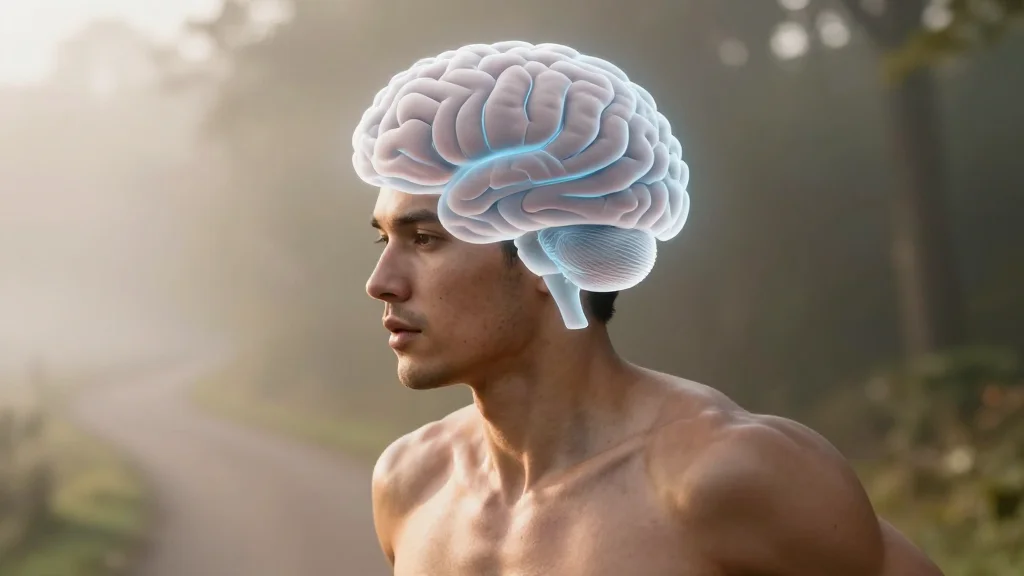
Physical Fitness Is Linked to Brain Health in Young Adults, but the Effects Differ by Sex
A small Spanish study of 94 university students found that higher cardiorespiratory fitness, measured by VO₂ max, correlates with faster cognitive processing speed and a smaller cingulate cortex volume, which may signal healthy brain maturation. Sex‑specific patterns emerged: flexibility boosted...

ADHD and Your Menstrual Cycle: A Phase-by-Phase Guide
ADHD symptoms in women fluctuate with menstrual hormone cycles, as rising estrogen during the follicular and ovulatory phases enhances dopamine pathways, improving focus and mood. When estrogen falls and progesterone rises in the luteal and premenstrual phases, dopamine availability drops,...
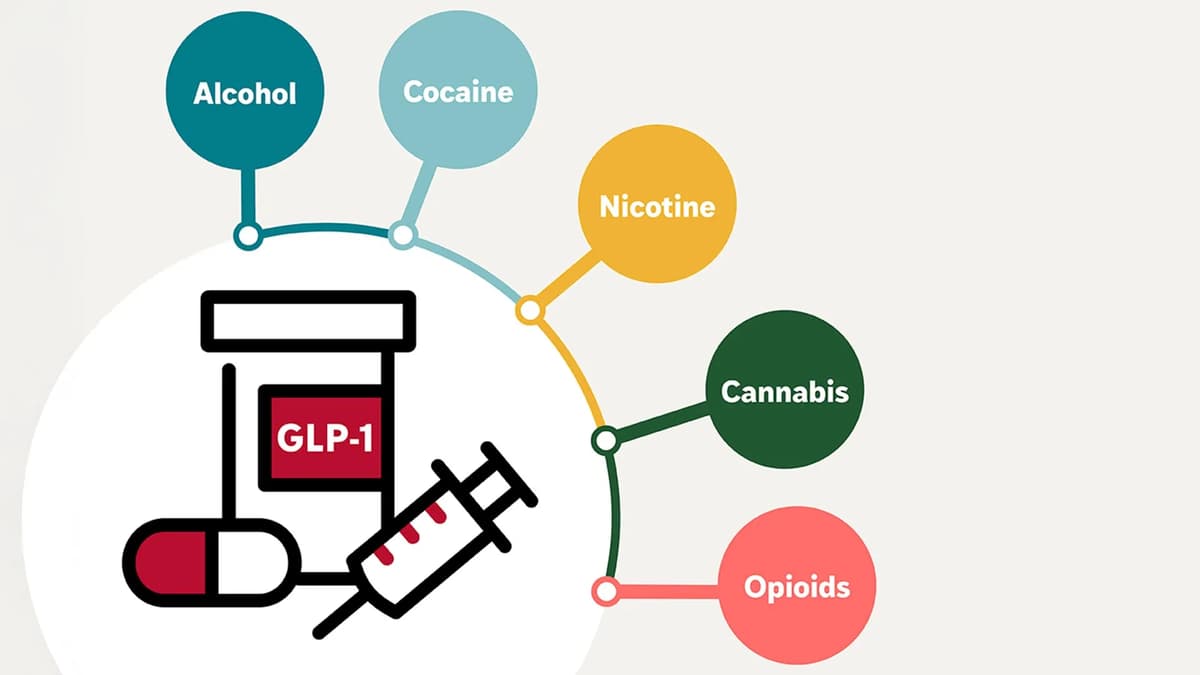
Popular GLP-1 Weight-Loss Drugs Linked to Lower Risks of Addiction and Overdose
A large VA study of 606,434 U.S. veterans found that GLP‑1 receptor agonists, originally used for type 2 diabetes and weight loss, lowered the risk of developing any substance‑use disorder by 14% and reduced addiction‑related emergencies among patients with existing disorders....
Promising New Evidence Supports Ketogenic Therapy for Anorexia Nervosa Treatment
UC San Diego researchers reported that a 14‑week ketogenic diet trial was feasible, safe, and showed clinical benefit for adults with weight‑normalized or mildly underweight anorexia nervosa. Twenty‑two participants completed the protocol with an 82 % retention rate and no further...
Metta Where It Matters
Oneika Mays, former bookseller turned mindfulness teacher, released her memoir and guide *Sit With Me* in March, championing a no‑BS, everyday approach to meditation. Drawing on nearly a decade at Rikers Island, she argues that mindfulness should be stripped of...

The Case for Jotting Down a Few Things We Are Grateful For
Recent research on gratitude journaling shows modest but reliable boosts to well‑being when practiced thoughtfully. Pioneering studies by Robert Emmons and Michael McCullough found that noting what one appreciates improves mood, relationships, and even physical health. A follow‑up experiment by...

Want to Lower Your Risk of Cognitive Decline? Here’s How Neuroscience Says You Can Produce 5 Times More Brain-Protecting Protein
A recent study in The Journal of Psychology found that just six minutes of high‑intensity exercise can raise brain‑derived neurotrophic factor (BDNF) levels five times higher than 90 minutes of light activity. BDNF is a key protein that supports neuron...

This Type Of Cardio Is One Of The Best Things You Can Do For Your Brain
A scoping review of 87 intervention studies across 19 countries found that structured cycling programs boost mood, cognitive performance, social connection, and overall psychological well‑being. The analysis highlighted that multi‑session outdoor rides produce the most pronounced benefits, outperforming indoor or...
AI Chatbot Use and Disclosure for Mental Health Among US Adolescents and Young Adults
A nationally representative survey of 1,009 U.S. adolescents and young adults found that 19.2% had used AI chatbots for mental‑health advice in 2025. Among users, 42.8% consulted a chatbot at least monthly and 91.7% rated the guidance as somewhat or...

What Is ‘Clean Eating’ and How Can It Affect Wellbeing?
Clean eating describes a diet focused on unprocessed, “pure” foods, a concept that has exploded on Instagram and TikTok thanks to wellness influencers. While the approach can promote healthier choices, the movement often blurs the line between balanced nutrition and...

Weight-Loss Drugs May Prevent Thousands of Knee Replacements, Study Suggests
A new study of 6.8 million knee‑osteoarthritis patients found that long‑term use of GLP‑1 weight‑loss drugs, especially semaglutide or tirzepatide, can cut the risk of knee‑replacement surgery by up to five percentage points. One‑year exposure lowered the three‑year surgery risk by...

A Meditation to Bring Comfort and Kindness to Pain and Illness
Juliana Sloane, a Buddhist teacher and hypnotherapist, offers a guided meditation designed to bring softness and self‑compassion to chronic pain and illness. The practice walks listeners through progressive muscle relaxation, then uses color visualization to reframe uncomfortable sensations. By inviting...

Indigenous Digital Colonisation: How the Internet Is Affecting the Lives of Indigenous Peoples in the Amazon
Researchers conducted an ethnographic study of remote Amazon tribes after recent internet expansion, observing both life‑saving benefits and troubling side effects. Connectivity via satellite links and solar power enables rapid health emergencies, family contact and access to broader information. However,...

Overwhelmed by Emotions?
Meditation often brings intense emotions like sadness or anger to the surface, challenging practitioners. Susan Moon advises shifting attention from thoughts to bodily sensations—feeling heat, placing a hand on the heart—to anchor awareness and calm overwhelm. She also notes that...

Nature as Refuge
The Mindfulness Association is hosting a two‑day “Nature as Refuge” retreat at The Crichton in Dumfries, Scotland, on June 18‑19. The program blends mindfulness practices with immersive nature experiences, such as animal‑sense exercises, soft‑gaze meditation, and contemplative walks among meadow...
:max_bytes(150000):strip_icc():format(jpeg)/how-to-know-when-you-re-overthinking-5077069.FINAL-c48bd931ee754dd39b0a609ed5342b62.gif)
How to Stop Overthinking
Overthinking—excessive rumination on problems—drains mental energy and hampers decision‑making. Research links it to anxiety, depression, sleep disruption, and reduced productivity. The article outlines practical tactics such as mindful distraction, cognitive reframing, and professional therapy to break the cycle. Implementing these...
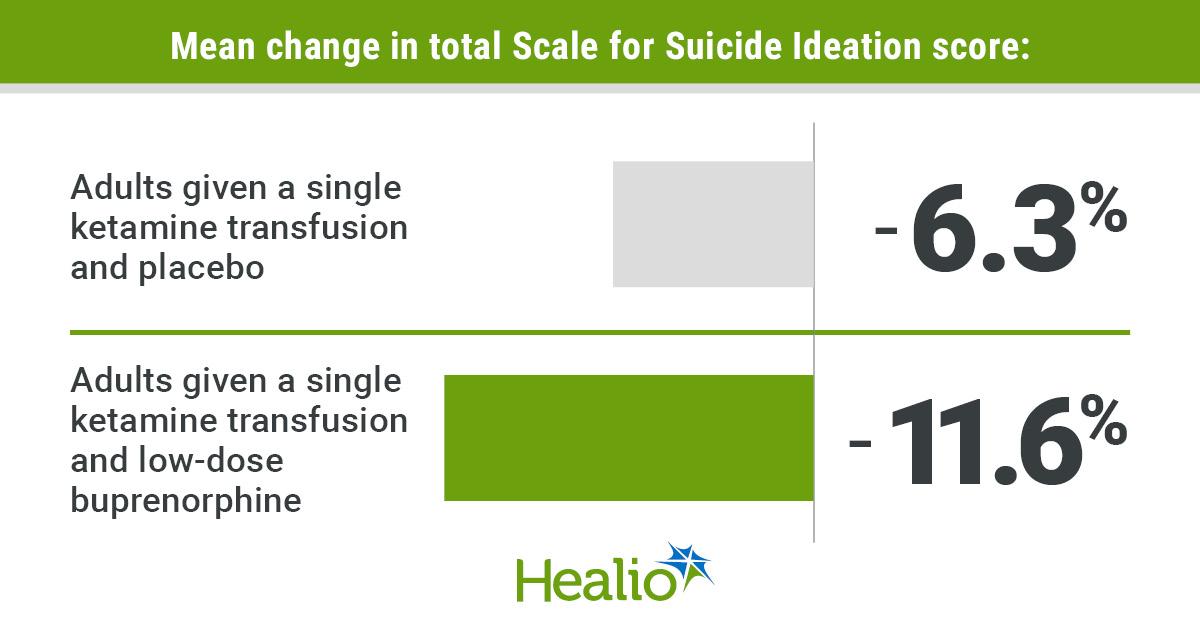
Buprenorphine Lowers Suicidality After Ketamine Treatment
A double‑blind, placebo‑controlled trial found that low‑dose buprenorphine administered after a single ketamine infusion reduced suicidal ideation by 76% in adults with major depressive or bipolar II disorder. Participants received sublingual buprenorphine (0.2‑0.8 mg) daily for four weeks, beginning 48 hours post‑ketamine. Both...
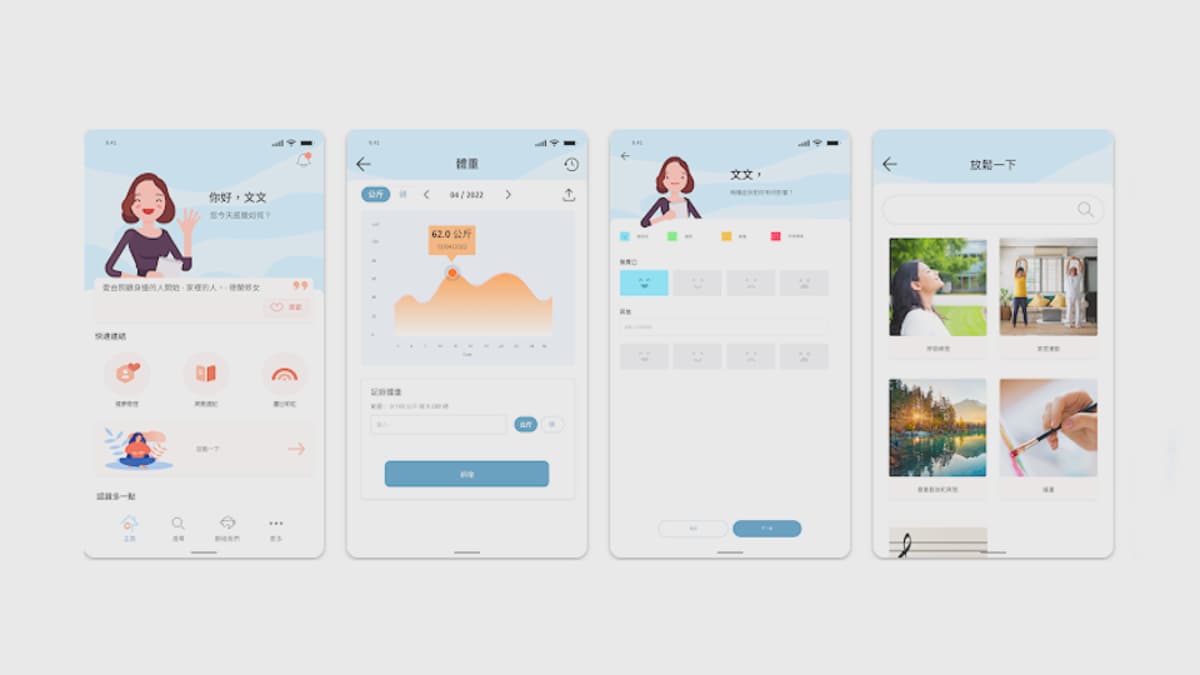
ASCO26: Symptom-Tracking App Helps Advanced Cancer Patients
Researchers at Hong Kong University tested the SUPPORT+ mobile app with more than 1,200 advanced‑cancer patients across six palliative‑care clinics. The app prompts weekly symptom questionnaires, offers self‑management advice, and escalates serious issues to nurses. Over an 18‑week trial, app...

Your Team Is Watching How You Handle Stress. Here's What They See
The Brunswick Group’s Leadership Stress Index now ranks executive stress higher than the COVID‑19 pandemic peak, signaling an unprecedented pressure environment. Prolonged stress narrows leaders’ cognitive bandwidth, shifting them from strategic planning to reactive decision‑making that can harm organizational performance...
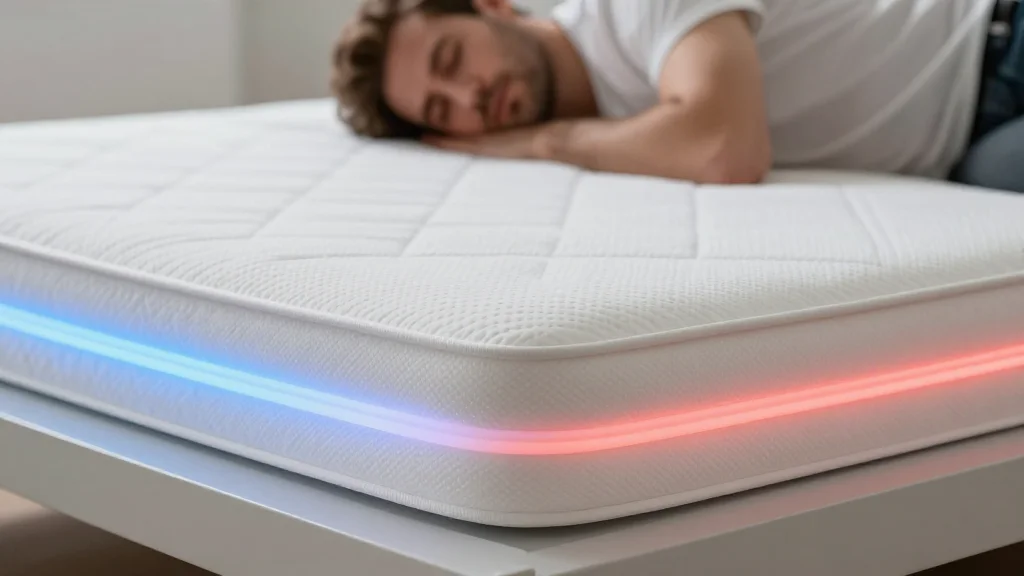
My Two Sleepless Months With the Eight Sleep Pod
New York Times Magazine writer Amy X. Wang spent two months testing the Eight Sleep Pod, a $3,500 AI‑driven temperature‑controlled mattress topper used by CEOs like Elon Musk and Mark Zuckerberg. The device monitors sleep with piezoelectric sensors, offers individualized...
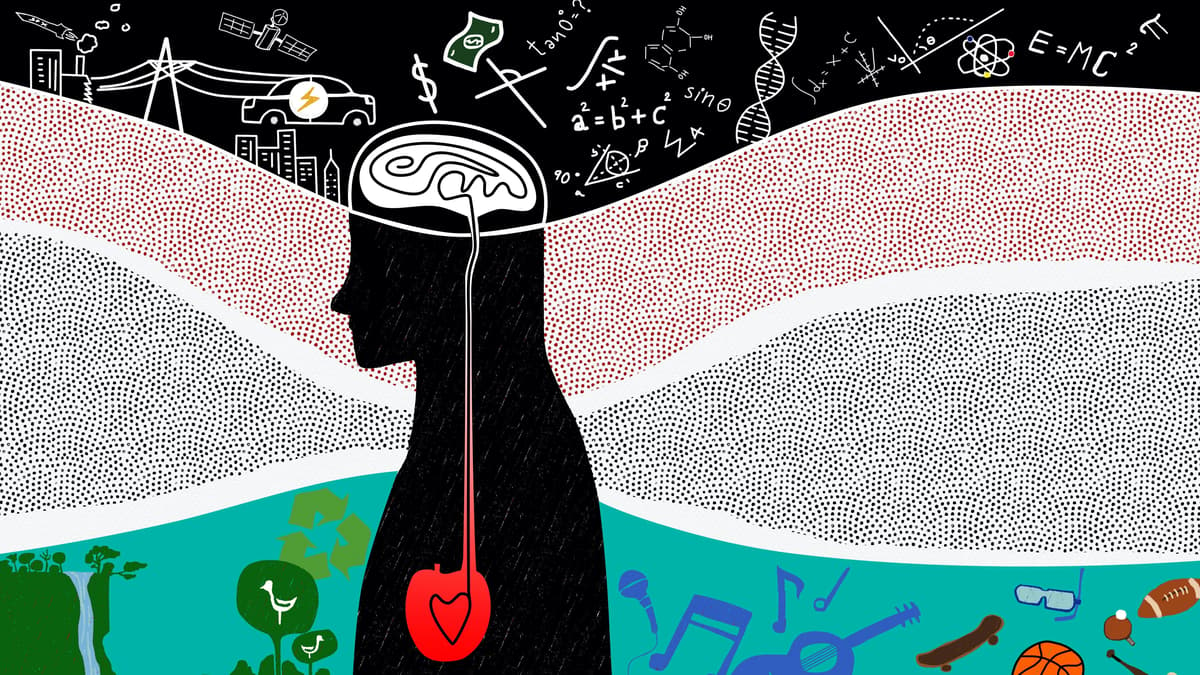
Does Hypnotherapy Actually Work? Here’s What 10,000 Sessions With Founders Like Sam Parr Have Taught Me About the Science
Grace Smith, a Harvard‑trained psychologist and hypnotherapist, recounts how she helped entrepreneur Sam Parr eliminate a long‑standing sugar addiction through two hypnotherapy sessions. Parr, founder of The Hustle and co‑host of My First Million, paid $2,000 for the hour and...
Johns Hopkins Research Says This Tweak to Your Daily Routine Slows Aging
Johns Hopkins researchers found that going to bed at the same time each night can slow biological aging, as measured by DNA‑methylation clocks. The study tracked over 500 adults and showed that irregular sleep timing accelerates epigenetic age, even when...
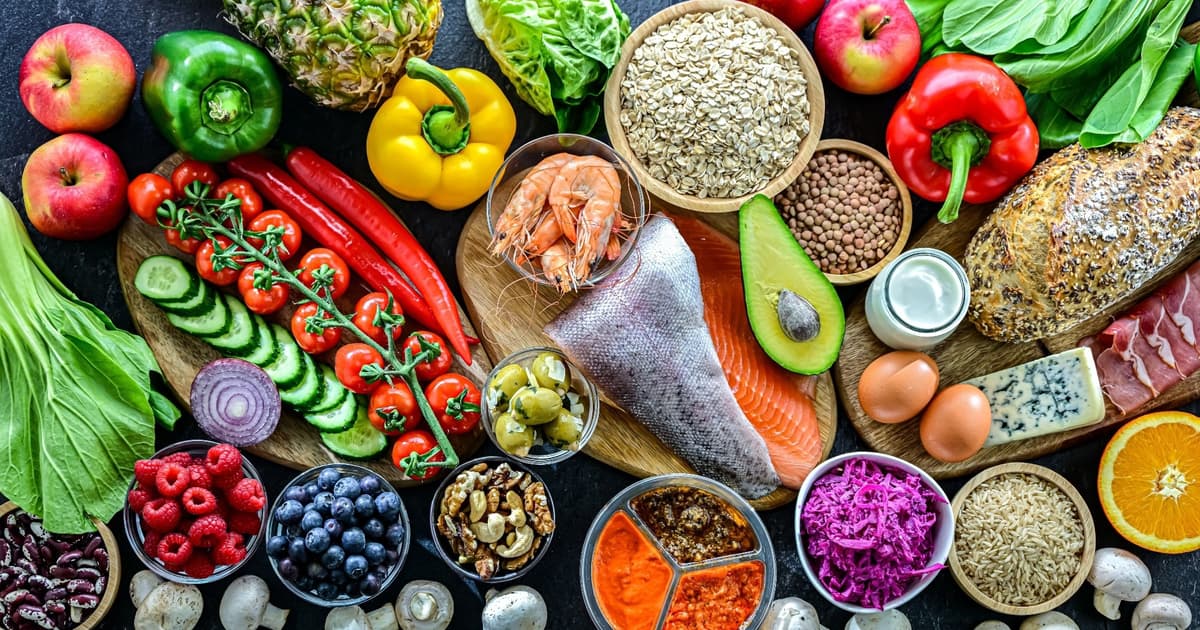
Eating a Mediterranean Diet May Lower Anxiety Symptoms in Teens
A new study published in *Nutrients* found that adolescents who closely follow a Mediterranean‑style diet report lower social phobia and separation anxiety scores. The research, part of the KLOTHO birth cohort, also showed that mothers who ate a Mediterranean diet...

Updating California’s Adverse Childhood Experiences (ACEs) and Toxic Stress Risk Assessment and Response Algorithm
California’s ACEs Aware program, launched in 2020 to screen for adverse childhood experiences and toxic stress, has released an updated risk‑assessment and response algorithm. The revision was driven by a ten‑member national expert committee and validated through usability testing with...

Brief Psychological Support for ‘Personality Disorders’: No Shortcut Found
A large UK randomised trial evaluated Structured Psychological Support (SPS), a brief, up‑to‑10‑session intervention for people with probable personality disorders. The study found SPS did not improve social functioning compared with enhanced treatment‑as‑usual and was not cost‑effective for the NHS....

Tara Brach’s Loving-Kindness Practice for Others
Tara Brach’s loving‑kindness meditation guides practitioners from caring for close loved ones to neutral acquaintances and finally to difficult relationships, expanding compassion to all beings. The exercise combines a gentle smile, heart‑centered visualization, and personalized blessings to cultivate unconditional goodwill....

“Making the Most of My Mental Health Medications With the GeneSight Test”
Madeline Bohlman, a former pageant queen, struggled for years with ADHD, anxiety and depression before a clinician recommended the GeneSight pharmacogenomic test. The cheek‑swab test revealed how her genetics affected medication response, prompting a switch that lifted her mood and...

CBT for Depression in Primary Care: Gold Standard, or One Option Among Many?
A systematic review and meta‑analysis of 44 randomized trials involving more than 10,000 primary‑care patients evaluated cognitive‑behavioural therapy (CBT), behavioural activation and cognitive therapy for depression. The therapies outperformed inactive controls, but the pooled effect was modest (g≈0.44). Direct comparisons...

Mo. Hospital Unveils Appreciation Lounge for EMS Crews
Freeman Health System in Joplin, Missouri, opened an EMS Appreciation Lounge during National Emergency Medical Services Week. The lounge, located at Freeman Hospital West, features recliners, a fully stocked refrigerator, and a color television. It is designed for paramedics, EMTs,...
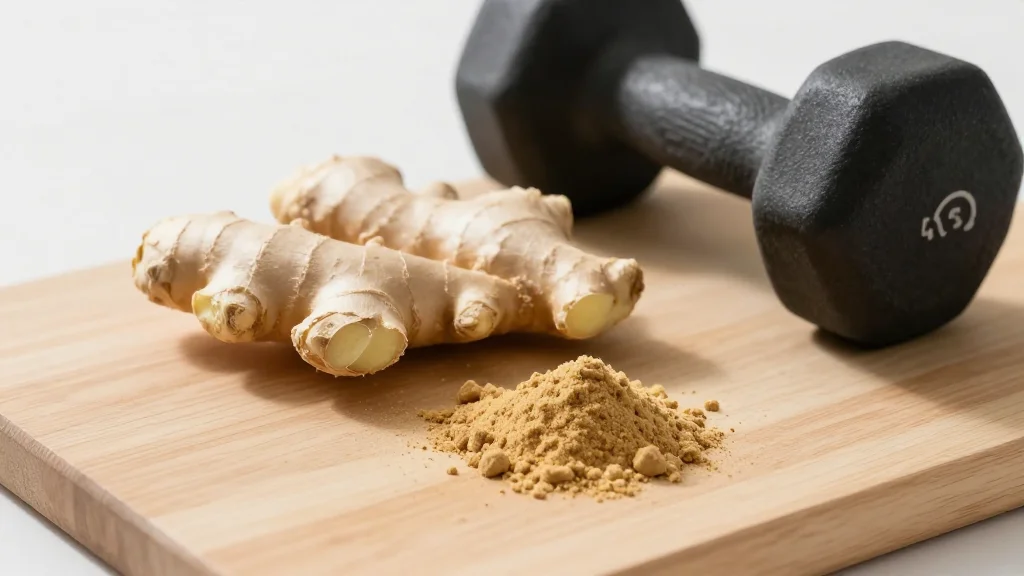
Feeling Sore After Workouts? This Spice Helps Your Muscles Recover
A recent review in Nutrition Reviews found that consuming 2 grams of ginger daily for 11 days reduces delayed‑onset muscle soreness by roughly 23‑25% after eccentric exercise. Single‑dose ginger taken before a workout showed no benefit, highlighting the importance of consistent...
14 High-Achiever Habits that Lead Straight to Burnout
High‑achievers often mistake status‑driven habits for productivity, chasing visible opportunities that fragment focus. The article cites a personal case where saying yes to board seats and advisory roles diluted energy and slowed business growth. By shedding status‑laden commitments and concentrating...

Becoming a Mentally Healthy Leader
The article illustrates mentally healthy leadership by describing how a manager can stay grounded during a mass‑layoff announcement. It highlights recognizing physiological stress signals, distinguishing anxiety from reality, and using breath and present‑moment focus to support oneself and the team....
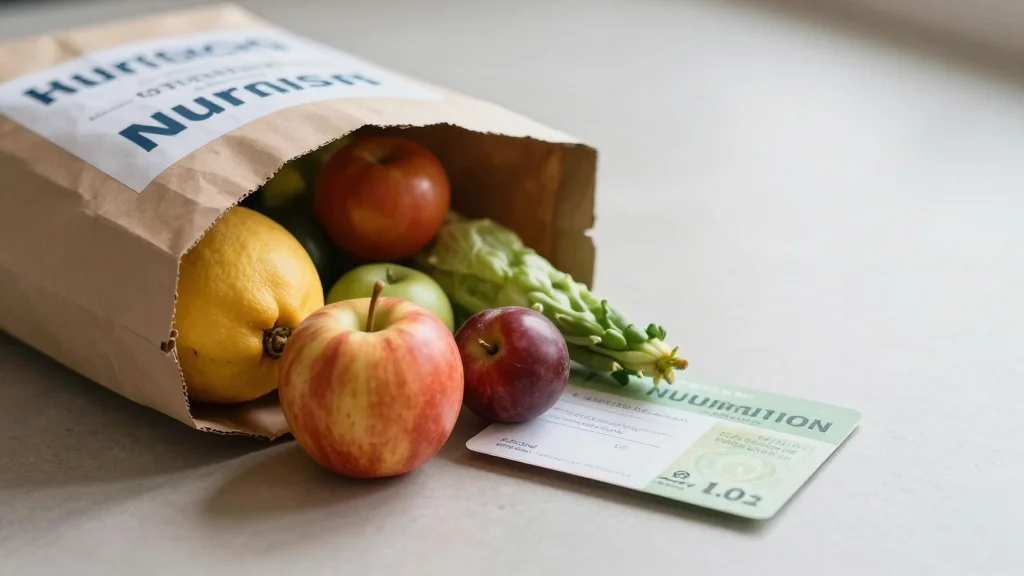
Preventive Nutrition Interventions in Protracted Humanitarian Crises: A SystematicReview and Meta-Analysis
A new systematic review and meta‑analysis of 71 studies—56 with quantitative data—examines preventive nutrition interventions in protracted humanitarian crises. The analysis finds statistically significant benefits across all six intervention categories, including a 28% reduction in wasting odds and a 48%...

Four-Day Week Gains Ground as Companies Report Lower Burnout and Stable Productivity
Employers testing a four‑day workweek in Australia report lower burnout, fewer sick days and unchanged or improved productivity. A study of 15 companies using the “100:80:100” model—full pay for 80% of hours—found all but one continued the reduced‑hour schedule after...

My Family of 5 Lives with My In-Laws. The More I Protected My Own Balance, the More I Noticed the...
A mother of three living with her in‑laws describes how she set quiet mental boundaries to protect her well‑being, only to realize the shift placed additional pressure on her husband. She notes that women in multigenerational households typically shoulder the...

Not in a Good Place? Change Your Space
Behavioral scientist Leidy Klotz’s new book *In a Good Place* argues that the physical environments where we live, work, and play shape our mental health by satisfying three core needs: agency, connection, and competence. Drawing on studies from nursing homes...

The Power of Saying No: Boundaries as a Productivity Superpower
The article argues that saying no is a productivity superpower, emphasizing personal boundaries as essential for preventing overload. It illustrates the concept with a real‑world example from a church music group, where the author resisted additional commitments despite peer pressure....

Talking About Trauma Doesn’t Always Help. Brain Scans Show One Reason Why
A new MRI study of 136 adults – 70 with PTSD and 66 trauma‑exposed without PTSD – examined brain activity while participants used cognitive‑restructuring techniques. The research revealed that PTSD sufferers have weaker connectivity between the prefrontal cortex and the...
Saying No To New Gadgets Might Make Us Happier
Eric Athas, a New York Times editor and lifelong early adopter, argues that instant purchasing has erased the natural pause that once curbed impulse buys. He labels this the collapse of the “new‑thing gap,” where one‑click ordering, free shipping, and buy‑now‑pay‑later eliminate...
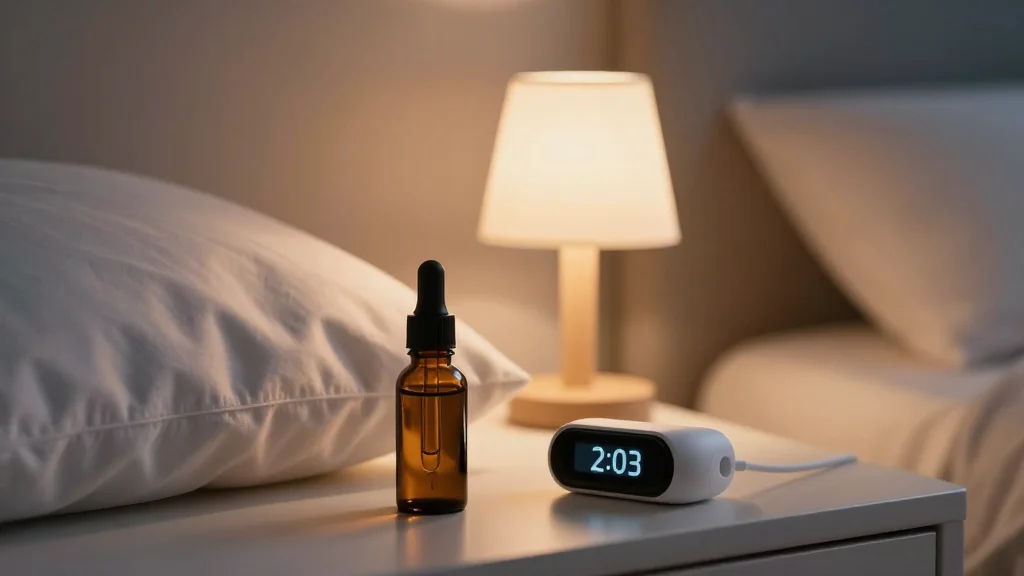
How a Dose of Medicinal Cannabis Alters Brain Waves During Sleep
A small crossover trial found that a single oral dose of 10 mg THC and 200 mg CBD reduced total sleep time by about 25 minutes and cut rapid eye movement (REM) sleep by roughly 34 minutes in adults with mild‑to‑moderate insomnia....
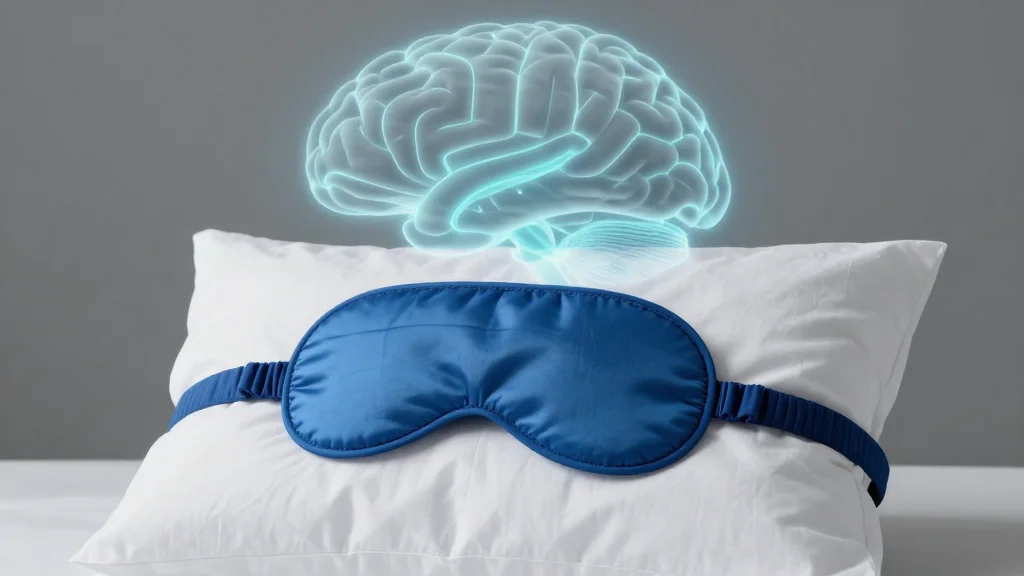
Brain Hygiene and Health Equity: Reimaging the Approach to Sleep in Mental Health Care
Medical leaders are urging clinicians to prioritize sleep evaluation when treating depression, anxiety, and cognitive decline. Dr. Martin Hopp explains that untreated sleep disorders, especially obstructive sleep apnea, leave metabolic waste in the brain, causing fog, memory lapses, and heightened...

Therapy App Boosts College Student Mental Health
A study of 6,200 university students found that a smartphone app delivering cognitive‑behavioral therapy, combined with text‑message coaching, significantly reduced symptoms of depression, anxiety and eating disorders compared with standard referral to campus counseling. The benefits persisted at six weeks,...

Ozempic May Be Reshaping the Brain, Scientists Say
GLP‑1 drugs such as Ozempic have become a global weight‑loss and diabetes solution, with tens of millions of users worldwide. A new brain‑imaging study of 13 young women on these medications found a rapid increase in connections within the salience...

Listen: How to Deal with Your Work Stress
University at Buffalo associate professor Min‑Hsuan Tu discussed her research on workplace stress in a Driven to Discover podcast. She highlighted how AI, Gen Z, and flexible schedules are reshaping employee expectations and contributing to stress. Tu offered practical tactics...
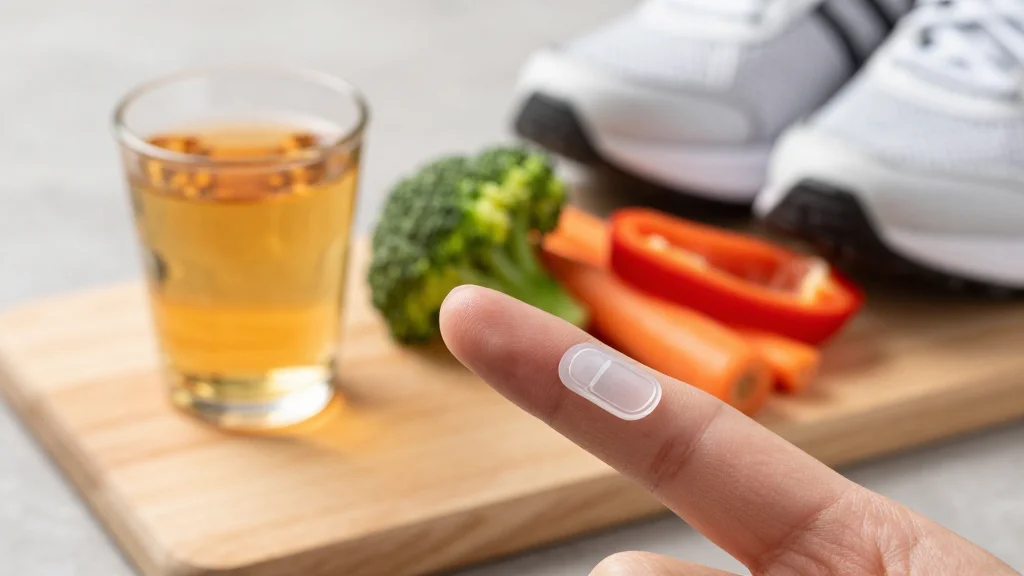
I Tried 5 Blood Sugar Hacks — Here’s What Worked According To My CGM
Assistant health editor Ava Durgin spent two weeks wearing a continuous glucose monitor (CGM) to test five popular blood‑sugar hacks. She found that a tablespoon of apple cider vinegar before meals modestly softened glucose spikes, while cooling cooked carbs boosted...

New Research Challenges What We Thought About Sleeping In
A new prospective study of 85,618 UK Biobank participants, validated by a 4,586‑person NHANES cohort, shows that short‑term sleep restriction followed by an acute rebound night reduces all‑cause mortality risk, whereas severe restriction without rebound raises it. Researchers used wrist‑worn...

I Survived Breast Cancer. I Wasn't Prepared for What Came Next.
A Business Insider author marks five years in breast‑cancer remission but finds the post‑treatment reality far from celebratory. She describes lingering PTSD‑like anxiety, frequent panic triggers, and a constant fear of recurrence that resurfaces during routine scans. Financial strain remains...