Today's Advertising Pulse

X’s ad revenue plummets to $2.3 bn, far below Twitter’s peak
X reported advertising revenue of $2.3 bn in 2023 and projects $1.7 bn for 2024 and $1.8 bn for 2025, a sharp decline from the $4.7 bn generated in Twitter’s final public year. Its share of the U.S. digital‑ad market slipped to roughly 1% in Q1 2026, down from a near‑10% peak in 2016, and former NBCUniversal sales chief Linda Yaccarino exited the CEO role in July 2025 after modest performance.

AdPlus Launches Public AI Cross‑channel Ad Platform, 50 Free Pro Seats
AdPlus, a bootstrapped Boston startup, opened its AI‑powered cross‑channel advertising platform to the public after a beta that attracted nearly 200 sign‑ups. The launch includes a promotion giving the first 50 users six months of the $99‑per‑month Pro plan at no cost, positioning the tool for SMBs and small agencies that juggle multiple ad networks.
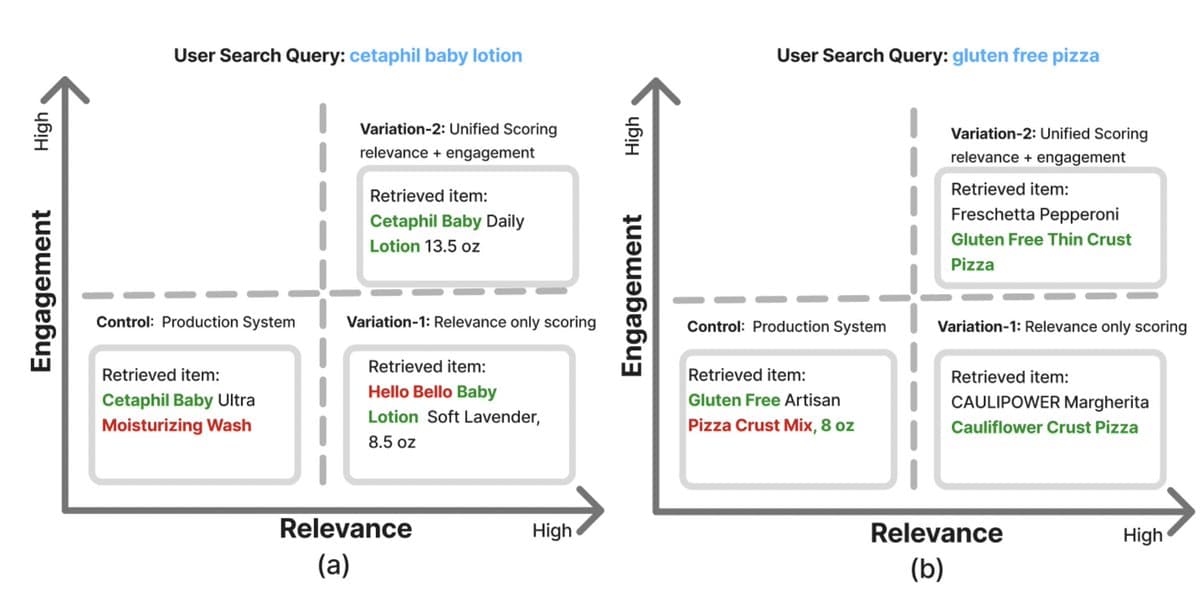
Walmart Boosts Ad Relevance by Prioritizing Semantics over Clicks
How Walmart improved sponsored search by prioritizing semantic relevance over engagement Candidate retrieval in ad / RecSys systems often uses a user's historical engagement data as a proxy for relevance. But researchers at Walmart argue that this approach is incomplete in...
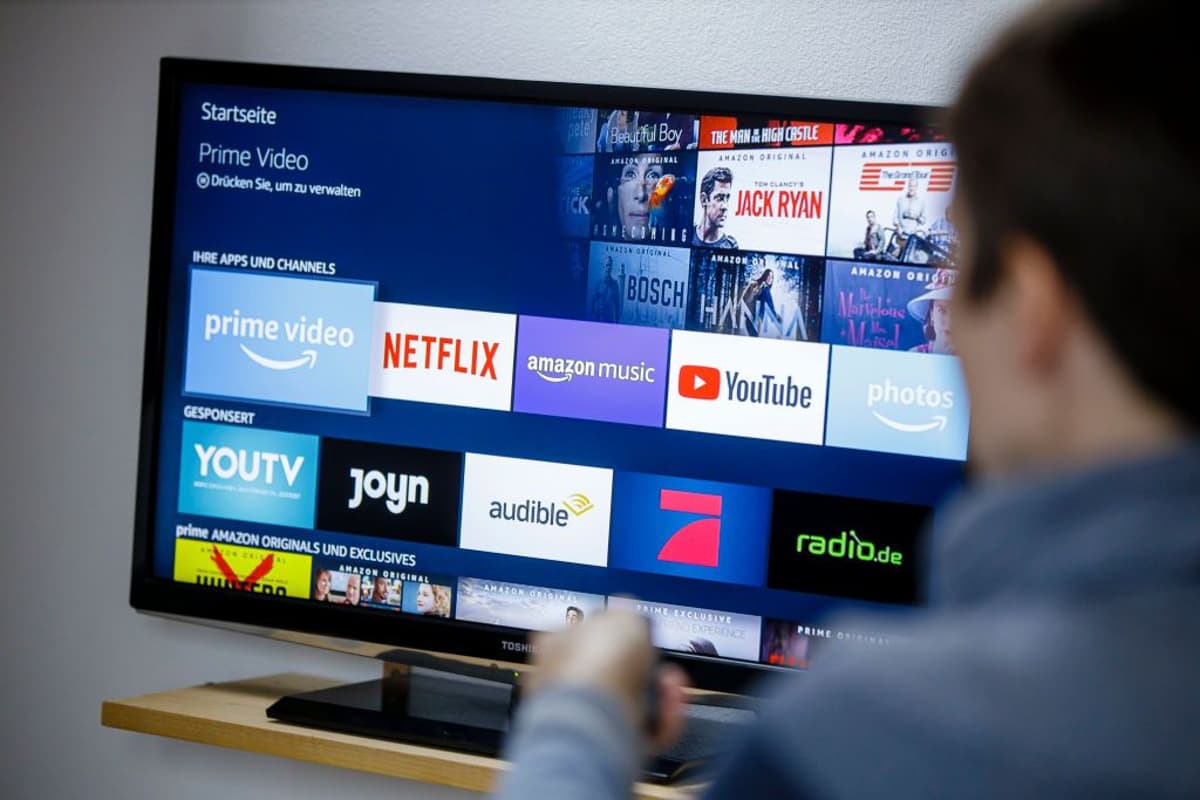
Amazon, Netflix and Google to Capture Half of CTV Ad Market by 2030
Omdia forecasts global connected‑TV (CTV) advertising revenue to rise from $44 billion in 2025 to $81 billion by 2030. Google, Amazon and Netflix together are projected to capture 50% of that market, with shares of 26%, 13% and 9% respectively. The data...

Why Marketing Measurement Feels Broken and How to Fix It
Marketing measurement feels broken because deterministic attribution once gave a false sense of certainty, and recent privacy and platform changes have exposed its limits. Gary Danks argues that the problem isn’t tools but mindset, urging teams to focus on total...

Cadent Launches First Audience‑Activation Platform on Gemini Enterprise
Cadent announced today that its audience‑activation platform is now available on Gemini Enterprise, making it one of the first such solutions on the programmatic marketplace. The integration gives marketers new ways to reach target audiences across digital channels.

Real Faces Beat AI Labels in Ad Clicks
I've launched 50+ AI image ads in the last 90 days. Here's the pattern: Ads with "AI model" front-and-center got 0.4% CTR. Ads with a real-looking face holding the product got 2.1% CTR. Your assumption that "AI" sells is wrong. Authenticity sells. AI...
What Agentic TV Buying Really Means, According to Disney, YouTube, Netflix, and More
Agentic TV buying, a buzzword from this year’s upfront week, is moving from concept to deployment. Major players including Fox’s AdStudio, Netflix, Disney, and YouTube announced AI‑driven tools that can plan, optimize, and eventually execute ad purchases without human intervention....

How AI, Smarter Signals And Omnichannel Strategies Are Reshaping Streaming TV’s Next Chapter
At this year’s POSSIBLE conference, industry leaders shifted conversation from streaming TV growth to execution, emphasizing operational efficiency and integrated workflows. Advertisers are now seeking AI that automates optimization and streamlines creative adaptation rather than broad, hype‑driven solutions. Targeting strategies...
Sea Of Sameness: Why Advertising’s Safest Strategy Is Killing Creativity
Snap Inc. ANZ’s Ryan Ferguson warns that the industry’s push for efficiency, AI‑driven automation and performance‑centric metrics is turning advertising into a “sea of sameness.” Agencies are reusing formats and designing platform‑agnostic creative to satisfy algorithms, which yields short‑term gains but...

2026 TV Upfronts Spotlight AI‑Driven Ad Buying, Creator Content and Sports Overload
At this year’s New York upfronts, Disney, NBCUniversal, Netflix, Amazon and Fox unveiled AI‑enhanced ad tools, creator‑centric content strategies and record‑breaking sports line‑ups. The shift signals a new era where personalized ad delivery and live‑sports dominance drive the bulk of TV...

Sir Martin Sorrell Says Advertising’s AI Reckoning Is Really an Efficiency Reckoning
Sir Martin Sorrell, founder of S4 Capital, says the advertising industry’s current AI wave is fundamentally an efficiency reckoning, not just a tech fad. He warns that slower global growth, stubborn inflation and higher interest rates will force marketers to...

AI Is the Next Generation Ad Channel. Here’s How Brands Must Get Ahead
OpenAI’s rollout of ads marks AI’s transition from a research tool to a full‑fledged advertising channel, forcing brands to confront a new, opaque influence point in the consumer journey. Large language models now shape product preferences before shoppers reach search...

Meta Expands Advanced Ad Placement Controls to Threads
Meta is extending its third‑party block‑list controls to ad placements on Threads, giving advertisers a vetted safety net against objectionable content. The feature, already used on Facebook and Instagram, will be powered by DoubleVerify, IAS, Scope3 and Zefr. Meta also...
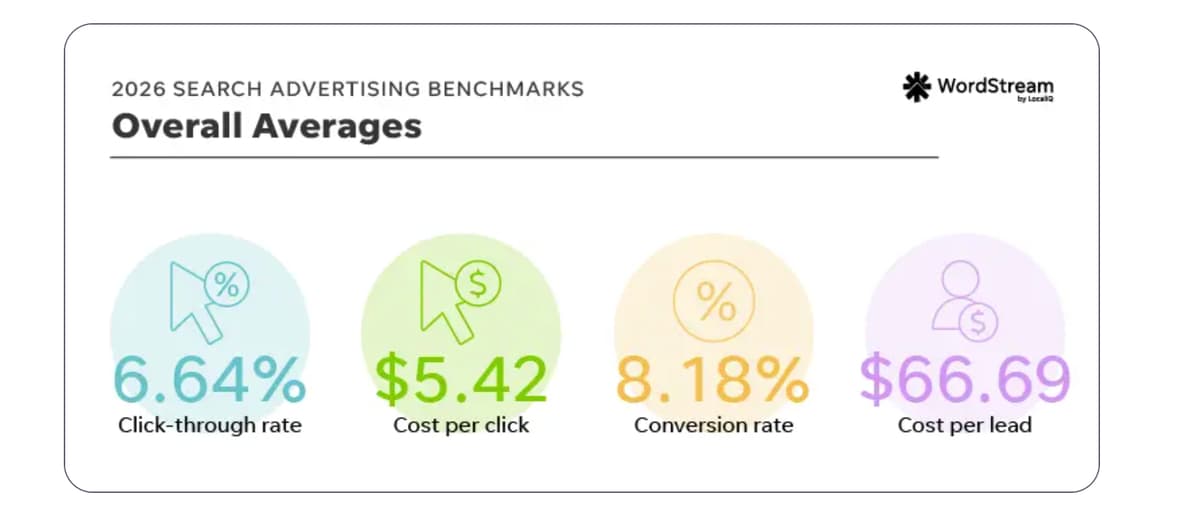
Google Ads Costs Keep Rising, but Conversion Rates Improved in 2025
The 2025 WordStream benchmark, covering over 16,000 Google Ads campaigns, shows the average cost‑per‑click climbing to $5.42, a 16% rise from 2024. At the same time, average conversion rates improved to 8.18%, indicating better efficiency despite pricier traffic. Automation tools...
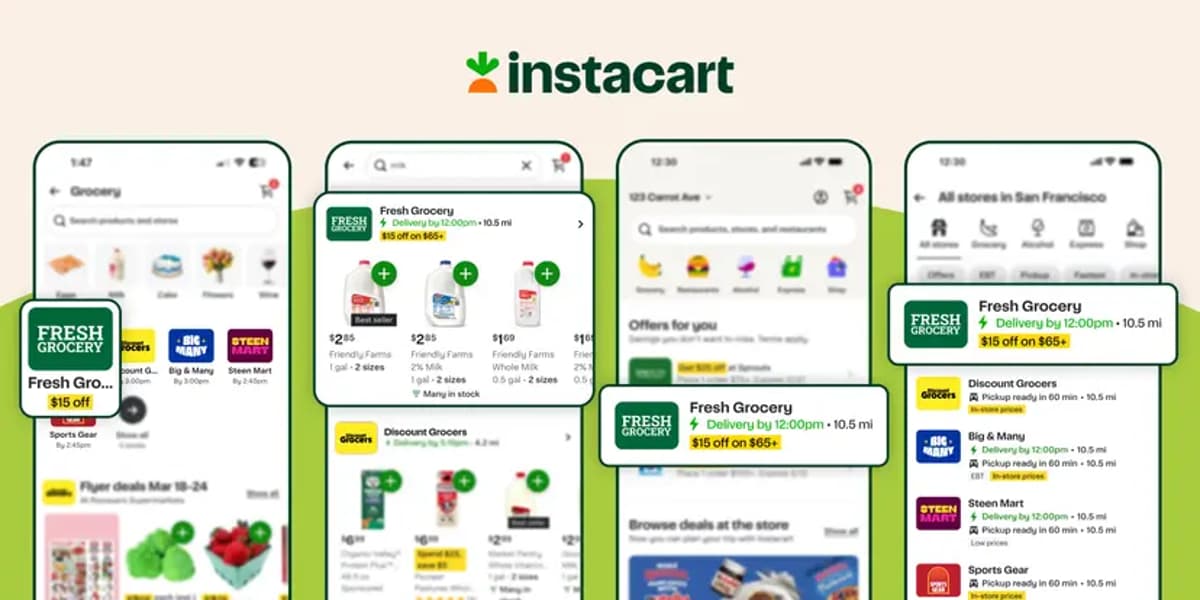
Instacart Expands Ads Manager Tools to Retailers
Instacart is extending its Ads Manager platform to grocery and retail partners, adding a self‑serve suite that lets retailers create basket‑level promotions, target high‑intent shoppers, and track performance in real time. The move follows a milestone year in which Instacart’s...

Bipartisan Bill Bars Sports Betting Ads Targeting Minors
US Sens Katie Britt and Richard Blumenthal have introduced a bipartisan bill that would prohibit social media companies, other ad websites from "targeting minors with sports betting through online advertising," per release announcing the proposal

OOH Delivers 2x the Performance Lift of TV, New OAAA and Kochava Study Finds
The Out‑of‑Home Advertising Association of America (OAAA) and Kochava released a study showing OOH advertising delivers roughly double the performance lift of connected and broadcast TV. Across seven verticals, OOH generated a median 20% lift in in‑person actions and 14%...
Podscribe Expands Audio Incrementality Measurement with Synthetic Controls and Randomized Holdout Testing
Podscribe, a leading podcast attribution platform, launched expanded incrementality measurement tools that include synthetic control groups, randomized user‑level holdouts, ghost holdouts, PSA‑based testing, and publisher‑created holdouts. The new features run through Podscribe’s SmartServe ad‑serving layer, which inserts a VAST tag...

Topsort Launches TikTok Offsite Ads to Extend Commerce Media Beyond Onsite Placements
Topsort unveiled TikTok Offsite Ads, a new AI‑native capability that lets marketplaces and vendors run TikTok campaigns directly from its commerce media platform. The feature integrates TikTok advertising into the same catalog, budgeting, scheduling and reporting infrastructure that powers onsite...
DoubleVerify Launches AI-Powered Threads Suitability Controls?
DoubleVerify introduced AI‑powered pre‑screen suitability controls for Meta Threads, letting advertisers block content that falls below their brand thresholds before ads are served. The new feature adds 30 granular avoidance categories, such as Youth Entertainment and Gambling, and refreshes hourly...

Cadent Becomes One of the First Audience Activation Platforms Available in Gemini Enterprise
Cadent has become one of the first audience‑activation platforms embedded in Google’s Gemini Enterprise, giving customers conversational access to its predictive advertising intelligence. The integration leverages Gemini and Vertex AI models to let marketers ask natural‑language queries about campaign performance,...

When the Bid Disappears: A Forensic Look at Why Ads Lose the Auction
Programmatic advertisers often see shortfalls in delivery without realizing the loss stems from auction mechanics rather than creative or budget issues. In real‑time bidding, a bid can be the highest yet still lose due to publisher floor prices, bid shading,...

Publicis Groupe Buys LiveRamp for $2.2 B to Power Agentic AI in Marketing
Publicis Groupe announced a $2.2 billion acquisition of data‑connectivity platform LiveRamp, targeting the rollout of agentic AI tools across its agency network. The deal, the largest in Publicis’s recent history, is positioned to accelerate personalized, AI‑driven client campaigns.

Maximizing ROI on Meta: IAS Expands AI-Driven Content Block Lists to Threads
Integral Ad Science (IAS) announced that its AI‑driven Content Block List solution now covers Meta’s Threads feed, extending protection beyond Facebook and Instagram. The upgrade offers real‑time, hourly refreshed brand safety filters that analyze image, audio and text at a...

Huella Launches HuellaNXT, AI‑Powered Programmatic Stack for Interactive Ads
Huella, the Gurugram‑based creative intelligence firm, rolled out HuellaNXT, a live programmatic infrastructure layer that brings AI‑driven interactivity to digital and connected‑TV ads. The platform already integrates with more than 100 premium publishers and major demand‑side platforms, promising advertisers richer...

These AI Agents Want To Handle All The Annoying Parts Of Media Buying
Kovva, an AI‑focused ad‑tech startup founded by former PubMatic executives, launched its platform to automate the tedious, manual tasks that still dominate programmatic media buying. The service deploys AI agents that can perform quality‑assurance checks, reconcile cross‑platform reporting discrepancies, and...

Publicis Groupe to Acquire LiveRamp for $2.2 Bn, Boosting AI‑driven Data Co‑creation
Publicis Groupe announced a $2.2 bn all‑cash acquisition of LiveRamp, a data‑collaboration platform, to accelerate its AI‑driven marketing services. The deal, valued at $2.167 bn enterprise value with a 29.8% premium, is expected to lift Publicis’ 2027‑28 net‑revenue and EPS growth targets.

Google Ads Primary Conversion Actions May Be Used For Enhance Predictions
Google has updated its Ads help pages to state that primary conversion actions, even when not used for bidding optimization, may be employed to enhance predictive models. The change, highlighted by LinkedIn posts from Dario Zannoni, could affect how Smart...

Marketing Is Entering Its ‘Air Traffic Control’ Era by AtData
Marketing is moving from a broadcast model to an "air traffic control" paradigm, where autonomous algorithms negotiate consumer interactions in real time. Recommendation, fraud, identity, and deliverability engines now operate simultaneously, often with conflicting objectives. This complexity exposes the fragility...

Marketing Is Entering Its ‘Air Traffic Control’ Era by AtData
AtData argues that modern marketing is evolving into an "air traffic control" function, where thousands of AI‑driven models coordinate decisions rather than follow a linear funnel. Recommendation engines, fraud detectors, identity systems and dynamic creative generators now act simultaneously, often...

Publicis to Acquire LiveRamp for $2.2 Billion, Boosting Data‑Driven Sales Platforms
Publicis Groupe announced a cash acquisition of LiveRamp valued at $2.2 billion, raising its total equity value to $2.546 billion. The deal, which includes $379 million of net cash, is expected to be earnings‑per‑share accretive from day one and to expand Publicis' data‑co‑creation...

Seven.One Media Launches Pause Ads on Joyn
Seven.One Media, the ad sales arm of ProSiebenSat.1, has rolled out a new "pause‑ad" format on its streaming service Joyn. The full‑screen ad appears four seconds after a viewer pauses VOD content and remains until playback resumes, offering uninterrupted brand...

How to Automate Ad Personalization in 7 Steps
Automating ad personalization in 2026 hinges on centralizing first‑party data in a CRM or CDP, using AI to segment users by intent, and deploying modular creative assets through dynamic creative optimization (DCO). These personalized ads are then pushed to platforms...
Adnami & Adnuntius Join Forces to Shape the Future of Political Advertising in the Nordics
Adnami and Adnuntius have formed a partnership to deliver a privacy‑first, TTPA‑compliant political advertising solution across the Nordics. The joint offering combines Adnuntius’s marketplace and automatic transparency labeling with Adnami’s high‑impact, attention‑measuring formats, operating in a 100 % no‑cookie environment. It...

Digest: Publicis Buys LiveRamp for $2.2bn; Netflix Expands Ad Tier
Publicis Groupe agreed to buy data‑collaboration platform LiveRamp for $2.2 bn cash, a roughly 30% premium, to embed identity‑ and AI‑driven capabilities into its agency network. LiveRamp will stay a neutral, interoperable platform with CEO Scott Howe reporting to Publicis chief...

Influencer Boost Budgets Are Throwing Gas on Social Video Spending Fire
Brand spending on social video is accelerating as influencer amplification budgets surge. Marketers now routinely allocate part of paid media spend to boost creator videos, with budgets ranging from a few thousand dollars to as much as $5 million per campaign....

Inside The Trade Desk’s Claude-Powered Campaign Agent
The Trade Desk unveiled Koa Agents, an AI‑driven layer that automates key steps of programmatic campaign creation using models like Anthropic’s Claude via its Open Agentic Kit. The agents ingest media plans, format them for the platform, troubleshoot creatives and...

LayerFive Unveils AI-Native Marketing Intelligence Platform to Cut Ad Waste
LayerFive introduced its unified marketing intelligence suite, an AI-native platform that merges analytics, attribution, identity resolution and privacy compliance into a single tool. Early adopters like Billy Footwear reported a 36% revenue increase while adding only 7% to ad spend,...

VIOOH and VENDO Media Link Canada's 550‑Billboard DOOH Network to Programmatic Buying
VIOOH announced a strategic partnership with VENDO Media that opens programmatic access to more than 550 digital out‑of‑home screens in 125 Canadian locales. The deal immediately makes 33 screens live for real‑time automated buying, positioning VIOOH as the first SSP...

Kenshoo Skai Debuts First Agent‑Native Marketing OS at ShopAble 2026
Kenshoo Skai announced the industry's first agent‑native marketing operating system at its ShopAble 2026 conference in San Francisco. The launch bundles a new Studio environment for AI agent squads, an upgraded Celeste commerce media agent, and a strategic advisory practice,...
VerticalScope Q1 Revenue Falls 15% as Programmatic Ads Slump, Direct Ads Gain Ground
VerticalScope posted first‑quarter 2026 revenue of $11.6 million, down 15% year‑over‑year, as programmatic advertising revenue plunged 34%. The company said growth in direct advertising and new AI‑driven products could reverse the trend in the second half of the year.

Publicis to Buy US Data Company in $2.2bn Deal as It Deepens AI Marketing Push
Publicis Groupe announced a $2.2 billion acquisition of US data‑focused marketing firm Cheetah Digital, combining cash and stock components. The deal is designed to embed advanced AI capabilities into Publicis' existing creative, media, and data services. Completion is expected in early...

Google Embeds Tag Manager in Ads Data Manager and Moves Offline Conversions to New API
Google has integrated Google Tag Manager directly into the Ads Data Manager interface and announced that offline conversion imports will migrate to the Data Manager API after June 15. The changes aim to streamline tag setup and centralize first‑party data,...

First-Price RTB Bidding Requires Joint Causal Value Learning
Can causal value be learned jointly with auction mechanics in a first-price RTB setting? A new paper from researchers at NYU and elsewhere argues that RTB bidding in first price auctions is fundamentally a causal inference problem, not simply an auction...

Trade Desk’s Q1 Margin Squeeze Dampens Connected TV Outlook
The Trade Desk posted a first‑quarter earnings miss, citing a sharp decline in net income despite revenue growth. The company completed a $2.43 billion share buyback that retired 45.94 million shares, but analysts warned that tighter margins could curb its Connected TV...

Amazon Unveils AI‑Powered Shopping Ads Tied to Streaming TV, Reaching 90% of U.S. Households
Amazon announced a new ad offering that blends AI‑driven campaign tools, authenticated audience data and premium streaming inventory. The platform claims to reach roughly 90% of U.S. households and will power “agentic shopping” experiences across live sports and on‑demand video.

Google Study Finds Diversified Ad Mix Doubles ROAS for 25 Ecommerce Brands
A Google‑Fospha research program of 25 ecommerce brands revealed that spreading budgets across more Google channels—especially Demand Gen and YouTube—raised return on ad spend by 14% with one extra channel and 37% with two, effectively doubling ROAS versus single‑channel strategies.

Ocean Outdoor Unveils Ocean Portal, a Walk‑In DOOH Experience at Battersea Power Station
Ocean Outdoor UK has launched Ocean Portal, a freestanding half‑cube DOOH installation that lets audiences step inside a 4.5 m × 3 m LED‑filled stage. Debuting at Battersea Power Station, the format blends motion‑tracking, mixed reality and 3D content to give brands a programmable, walk‑in...
![12M Dollars Lost to an AUC Metric That Ignored Probability Calibration [Edition #9]](/cdn-cgi/image/width=1200,quality=75,format=auto,fit=cover/https://substackcdn.com/image/fetch/$s_!INXp!,w_256,c_limit,f_auto,q_auto:good,fl_progressive:steep/https%3A%2F%2Fsubstack-post-media.s3.amazonaws.com%2Fpublic%2Fimages%2F486d4b79-6177-4bf3-b025-c4abbc2aa8c4_944x944.png)
12M Dollars Lost to an AUC Metric That Ignored Probability Calibration [Edition #9]
AdTechFlow, a growth‑stage demand‑side platform, recently surpassed $300 million in annual ad spend and posted 40 percent year‑over‑year growth. Its real‑time bidding engine handles 180,000‑260,000 requests per second, processing roughly 450 billion impressions each month. The company’s pCTR model is retrained weekly and...

AI Drives $1.23 B U.S. DOOH Surge, Forces Data Collaboration Overhaul
Artificial intelligence is accelerating demand for high‑quality audience data in digital signage, propelling U.S. programmatic DOOH spend toward $1.23 billion by 2026. Networks must add audience segmentation, clean‑room access and closed‑loop measurement, a shift highlighted by Decentriq’s Juan Baron.