
Northrop Grumman Minotaur IV Lofted USSF Tech Demonstration Payloads to Orbit
On April 7, 2026 Northrop Grumman launched the DoD Space Test Program S29A mission from Vandenberg using a Minotaur IV rocket. The launch deployed the primary STPSat‑7 satellite with five experiments and six secondary CubeSats, including Army‑sponsored Rawhide. The Minotaur IV, powered by three retired Peacekeeper ICBM motors, delivered about 1,730 kg to low‑Earth orbit, marking its 31st successful flight. The payloads support the Space Development Agency’s target of a 1,000‑satellite LEO constellation by the end of 2026.

How Satellite Services Support Smart Airports, Shipping, and Logistics Hubs
Satellite services are becoming core components of smart airports, ports, and logistics hubs, delivering outside‑the‑fence visibility, precise timing, and resilient communications. Providers such as Aireon and Spire are expanding from raw position data to integrated tracking, Earth observation, and connectivity...

Frontier Technologies of the Space Industry as of 2026
In 2026 space technology has shifted from single‑mission spectacles to an industrial ecosystem built on reusable launch, on‑orbit servicing, and autonomous data handling. Companies such as SpaceX, Blue Origin, Rocket Lab and Relativity are deploying fully or partially reusable vehicles,...

'Fear Of Retribution': Pilots Say Airlines Are Forcing Them To Fly In Conflict Zones
Pilots across the Middle East and South Asia are voicing safety concerns after airlines reportedly pressured them to accept flights over active conflict zones. The fear of contract breaches, loss of pay, or termination is prompting crew members, including a...

How Alaska Airlines' New Business Class Suites Stack Up Against Delta One & United Polaris In 2026
Alaska Airlines is debuting a reimagined business‑class cabin on its Boeing 787‑9 Dreamliners, offering 34 fully enclosed suites with sliding doors, lie‑flat beds, and upgraded West‑Coast‑inspired amenity kits. The product launch follows the 2024 merger with Hawaiian Airlines and introduces new...

Southwest Airlines To Layoff Over 100 Employees Following Chicago O’Hare Exit
Southwest Airlines will lay off 107 employees tied to its Chicago O'Hare operations as it ends service at ORD on June 4, 2026. The move reflects a strategic retreat from a less profitable airport, shifting focus to its core Midway...
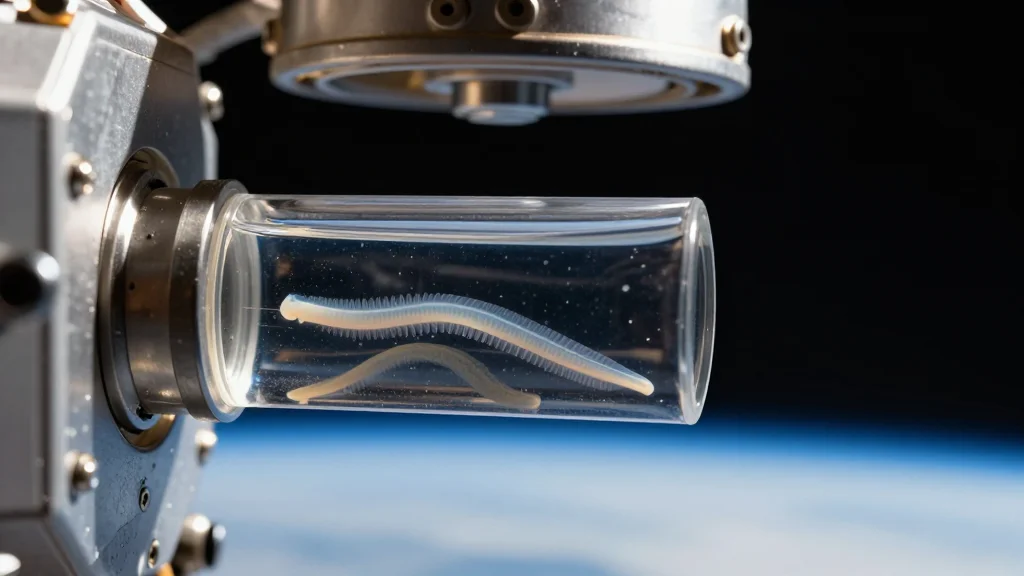
Regarding Those Worms Outside The ISS
University of Exeter’s Fluorescent Deep Space Petri‑Pods (FDSPP) will carry millimeter‑long C. elegans worms outside the International Space Station for a 15‑week exposure. Launched on NASA’s CRS‑24 mission, the 3 kg Petri Pod contains 12 sealed chambers that independently control temperature,...
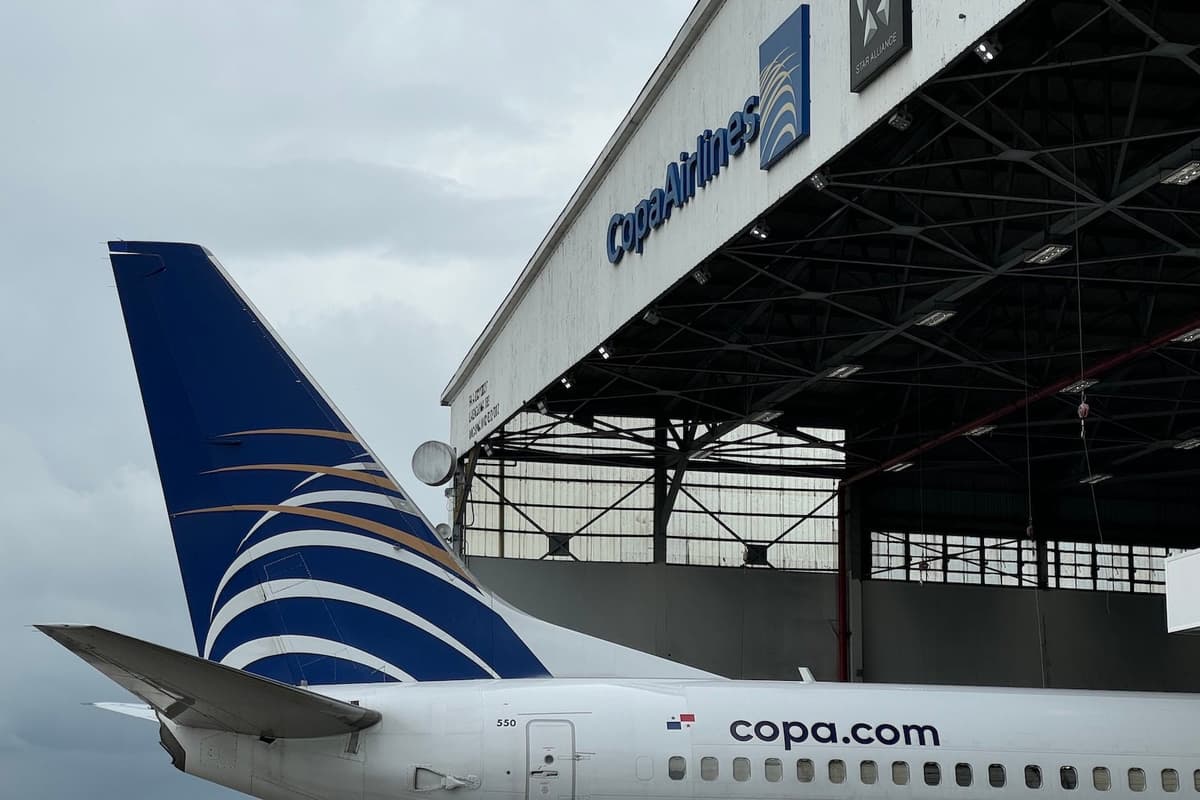
Copa Airlines to Add Starlink Wi-Fi, Becoming First in Latin America with the Service
Copa Airlines announced it will equip its Boeing 737 fleet with SpaceX's Starlink satellite Wi‑Fi, launching the service in October. This makes Copa the first carrier in Latin America to offer Starlink’s high‑speed inflight connectivity. The rollout follows CEO Pedro...

Artemis Reached The Moon. The Grid Can Reach The 21st Century.
Artemis II returned four astronauts from lunar orbit, highlighting how modern spacecraft rely on redundant, software‑driven digital control systems that are thousands of times faster than the Apollo era. In stark contrast, the United States electrical grid still operates on largely...

How Governments Buy Commercial Earth Observation Data
Governments are increasingly integrating commercial Earth observation (EO) data into their core operations, moving beyond one‑off pilots to repeatable contracts. Agencies such as NOAA and NASA now procure raw imagery, processed analytics, and managed services to fill mission gaps in...
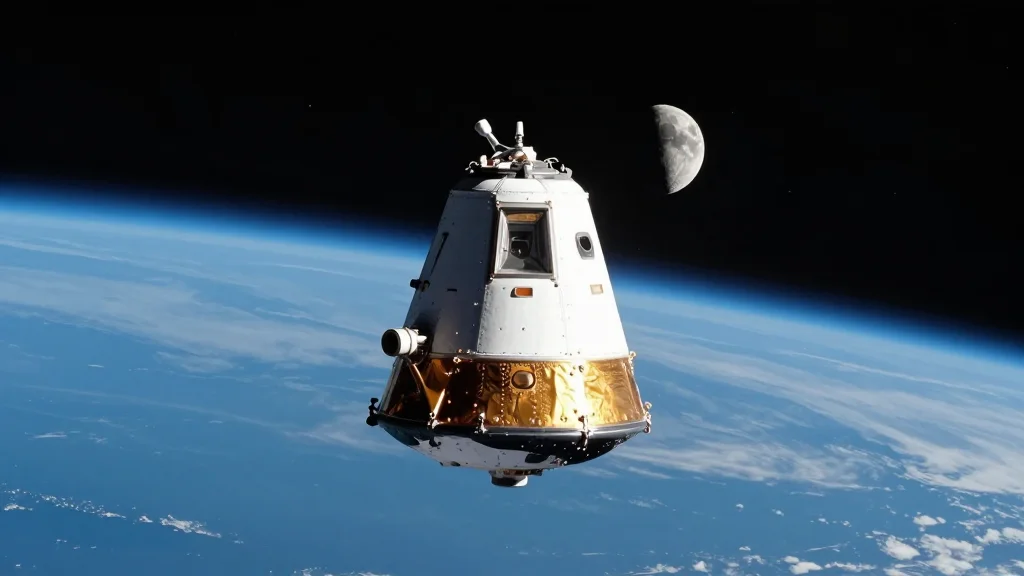
The National Space Society Welcomes the Crew of Artemis 2 Home
Artemis 2 returned to Southern California on April 10 after a flawless nine‑day flight that included launch, high‑Earth orbit, trans‑lunar injection, a lunar flyby and safe splashdown. The mission proved Orion’s systems operated as planned, earning praise from NASA veterans and the...

U.S. Air Force Expands KC-135 Stratotanker Fleet at Eielson to Boost Arctic Refueling Power
The Alaska Air National Guard’s 168th Wing received four additional KC‑135 Stratotankers at Eielson Air Force Base, raising its fleet to twelve aircraft. As the sole Arctic‑region air refueling unit, the wing now can generate more sorties and sustain operations...

Fire Catches Russia’s only Su-57 Production Plant in Komsomolsk-on-Amur
A fire erupted in Shop 46 of the Komsomolsk‑on‑Amur Aviation Plant, Russia’s sole serial producer of the Su‑57 fifth‑generation fighter. The workshop fabricates roughly 300 polymer‑composite components, including about 100 large‑format structural panels critical to the aircraft’s airframe. With only 20‑25...
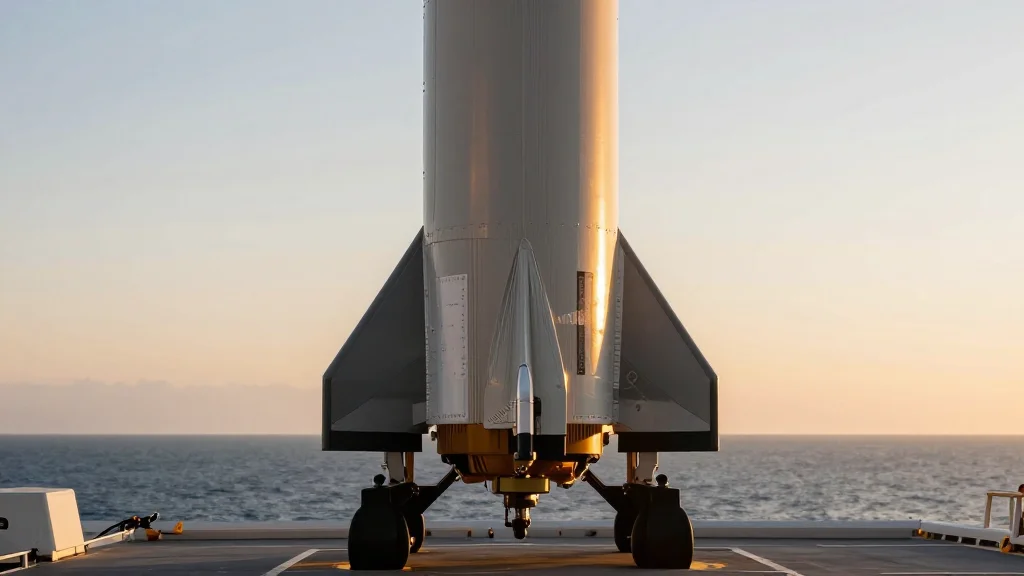
Three Launches, Two by SpaceX and One by China
SpaceX conducted two launches on April 11, 2026, placing 25 Starlink satellites from Vandenberg and sending Northrop Grumman’s Cygnus cargo capsule to the ISS from Cape Canaveral. The Falcon 9 booster B1063 completed its 32nd flight, tying for fourth‑most‑flown launch vehicle,...

ESA’s Celeste Mission First Signal Sets New European PNT Records
On 8 April 2026 ESA’s Celeste IOD‑1 transmitted the first dual‑frequency L‑ and S‑band navigation signal from a European low‑Earth‑orbit satellite, marking a historic milestone for Europe’s positioning, navigation and timing (PNT) ambitions. The Celeste pair, launched by Rocket Lab on...

Falcon 9 Launches Cygnus Cargo Spacecraft to the ISS
On April 11, a SpaceX Falcon 9 lifted off from Cape Canaveral carrying Northrop Grumman’s Cygnus NG‑24 cargo spacecraft, named S.S. Steven R. Nagel, to the International Space Station. The launch, delayed by weather, placed the 5‑ton XL‑class vehicle into low‑Earth orbit, where it will dock...

Trump Hires Orbital Towing Company to Build Space Interceptors
Donald Trump’s team has selected Impulse Space, a fledgling orbital‑tug firm founded by former SpaceX engineer Tom Mueller, to build the orbital layer of his “Golden Dome” missile‑defense concept. The contract pairs Impulse with Anduril Industries and a Pentagon prototype...

Boeing’s Moon Rocket Faces Uncertain Future Under Trump’s NASA
NASA’s $24 billion Space Launch System (SLS) propelled Artemis II crew around the Moon, yet the Trump administration is already soliciting commercial alternatives, casting doubt on the rocket’s future. The White House budget request and a direct outreach to rivals aim to...
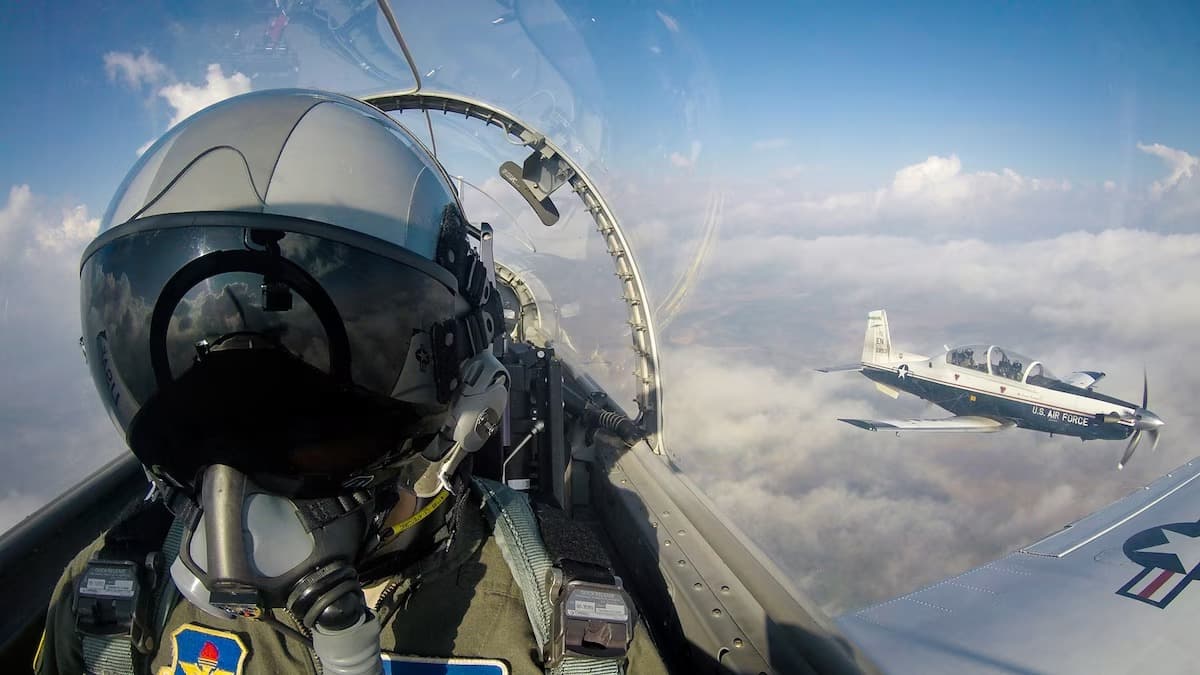
After F-35 “Stealth Shock” & Multiple F-15E Losses in Iran War, U.S. Seeks OMEN to Boost Aircrew Awareness
The United States has lost eight aircraft—including the first ever F‑35 stealth jet shot down—within a month of the Iran conflict, with additional drones and transport planes destroyed or damaged. A post‑mortem identified a missing in‑flight common operating picture (COP)...

New Era For Space Dawns, As Artemis II Returns
Artemis II successfully splashed down, confirming Orion’s heat shield endured the high‑speed, 400,000‑foot re‑entry despite earlier concerns from Artemis I. NASA reaffirmed its commitment to the Space Launch System and Orion through the “Ultimate 5” flights, even as the program faces cost overruns...

NASA Science, Cargo Launch Aboard Northrop Grumman CRS-24
NASA launched the Commercial Resupply Services‑24 (CRS‑24) mission on April 11, 2026, using a Northrop Grumman Cygnus XL mounted on a SpaceX Falcon 9. The spacecraft carried roughly 11,000 lb of scientific experiments, crew provisions, and hardware to the International Space Station....

Another Giant Leap Reminds Us How Small We Are
NASA’s Artemis II mission concluded on Friday with a clean splashdown in the Pacific after a ten‑day lunar orbit. The four‑person crew gathered scientific data, photographed the Moon and tested life‑support systems, marking a critical step toward sustained lunar exploration. Beyond...

The SPARTA Matrix: A Complete Guide to Space System Attack Tactics, Techniques, and Sub-Techniques
The Aerospace Corporation released SPARTA version 3.2, a publicly available matrix that catalogs more than 85 techniques and hundreds of sub‑techniques used to attack spacecraft and their supporting infrastructure. Modeled on MITRE ATT&CK, the framework spans cyber intrusion, electronic warfare, and...
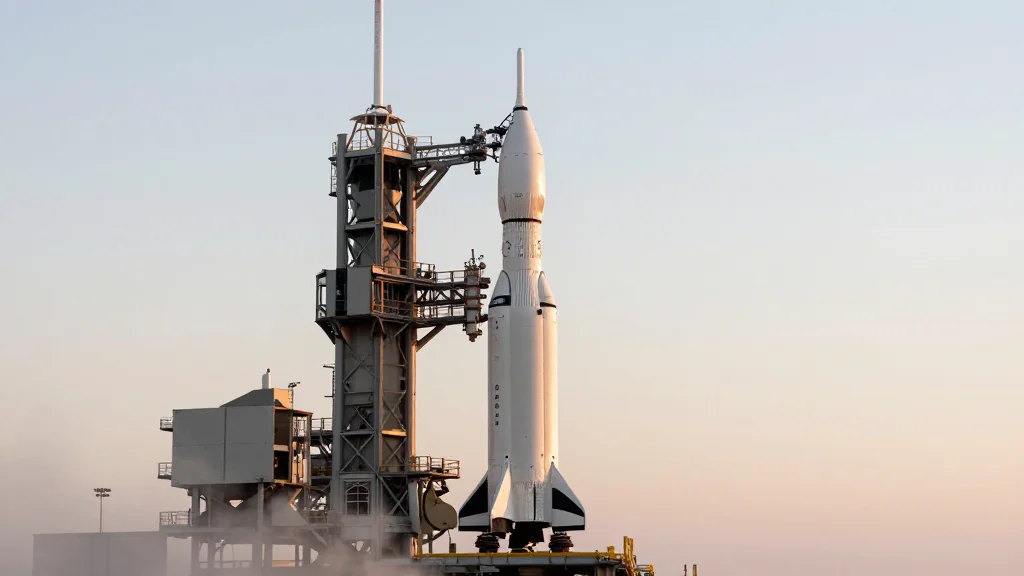
April 11, 1970: Apollo 13 Blasts Off for the Moon
On April 11, 1970 Apollo 13 launched as NASA’s third attempted lunar landing, crewed by Jim Lovell, Fred Haise and last‑minute replacement Jack Swigert. Ten minutes after a live TV broadcast, an oxygen tank in the Service Module exploded, crippling the spacecraft’s power and...

Before the Space Age: Congreve and the Pioneers of Early British Rocketry
William Congreve transformed early 19th‑century rockets from experimental curiosities into standardized weapons by introducing iron‑cased designs, launch racks, and systematic testing. His rockets saw combat in Copenhagen, the War of 1812 and elsewhere, demonstrating both destructive power and psychological impact....

Original Apollo 11 Code Open-Sourced by NASA — Original Command Module and Lunar Module Code Repos Are Now Public Domain...
NASA has released the original Apollo 11 Guidance Computer software for the Command Module (Comanche 055) and Lunar Module (Luminary 099) as public‑domain code on GitHub. The repositories were digitized by Virtual AGC and the MIT Museum, providing full machine‑code listings and build tools....

Artemis II Splashes Down
NASA’s Orion spacecraft safely splashed down in the Pacific Ocean on April 10, 2026, concluding the ten‑day Artemis II mission. The crew set a new distance record for human spaceflight, surpassing Apollo 13, and returned with unprecedented images of the Moon’s far...

Artemis 3 and Beyond: What's Next for NASA After Artemis 2 Moon Success
NASA’s Artemis 2 crew safely returned on April 10, 2026, marking the first U.S. crewed lunar mission since 1972. The agency has now redirected Artemis 3 from a lunar landing to an Earth‑orbit test of Orion’s docking with SpaceX’s Starship and Blue Origin’s...

Congratulations to the Artemis II Crew – but the Case for Sending Astronauts Into Space Is Rapidly Shrinking | Martin...
NASA’s Artemis II mission marked the first crewed flight of the new lunar system, returning astronauts safely after a 10‑day lunar loop. The program has already consumed roughly $100 billion, with Congress earmarking an additional $9.9 billion for Artemis IV and V. While the scientific...

U.S. Army Tests Micro-Guided Missile During Golden Shield Exercise
The U.S. Army’s 1st Cavalry Division ran Exercise Golden Shield at Fort Hood from April 7‑9, testing a range of counter‑UAS technologies. Perseus Defense showcased its Harpe micro‑missile, achieving radar‑cued multi‑launch and fully active‑guidance intercepts against Group 1/2 drones. The eight‑missile pod...

U.S. Navy Launches Affordable FLASH Hypersonic Weapon Program
The Office of Naval Research (ONR) released a solicitation on April 10, 2026 for the FLASH (Flight Advancement of Structures for Hypersonics) program, targeting a surface‑launched hypersonic strike weapon that fits the Navy’s Vertical Launch System and Virginia Payload Module. Proposals are...

Pentagon Upgrades Its Hypersonic Weapon Test Range
The Pentagon awarded Radiance Technologies a minimum $149.6 million cost‑plus‑fixed‑fee contract to modernize the Reagan Test Range in the Marshall Islands. The five‑year, sole‑source deal runs through April 10, 2031 and covers upgrades to radars, optical sensors, telemetry and data‑collection infrastructure. The range’s...
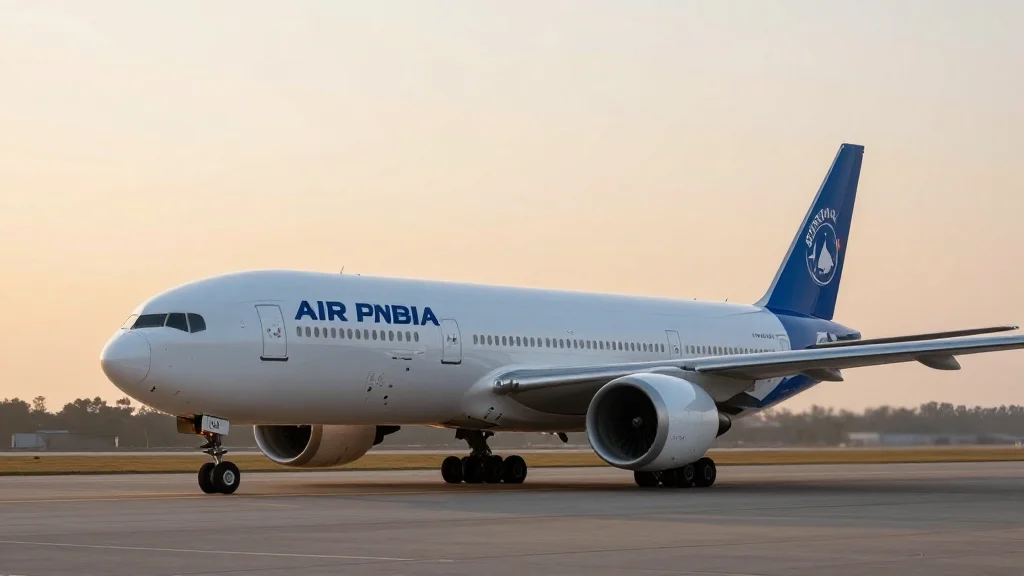
Tata Group Chair Tells Workers Air India Faces Challenging Time
Tata Sons chairman Natarajan Chandrasekaran warned Air India employees that the airline is in a "challenging time" as it grapples with record losses, the departure of CEO Campbell Wilson, and costly integration after merging with Vistara. Integration expenses and persistent...

Zelensky Pushes for THAAD in Ukraine: Why Kyiv Wants High-Altitude Defense Despite Patriot Systems
Ukraine has just received a new batch of Patriot air‑defence systems, but the flow of interceptors remains far below the war’s demand. President Volodymyr Zelensky has simultaneously intensified his appeal for the U.S. Terminal High Altitude Area Defense (THAAD) system,...

Artemis II Splashdown Gives NASA Momentum in Renewed Moon Race
NASA’s Artemis II mission splashed down safely in the Pacific on April 11, 2026, concluding the first crewed deep‑space flight since 1972. The four‑person crew—three Americans and a Canadian—completed a lunar‑orbit trajectory that demonstrated the Space Launch System’s performance and re‑entry capabilities....

The Artemis II Mission Has Ended. Where Does NASA Go From Here?
NASA’s Artemis II mission successfully completed a 700,000‑mile lunar flyby and splash‑down, marking humanity’s first deep‑space crewed flight in over 50 years. The Space Launch System delivered a near‑perfect orbit insertion, while Orion returned safely, providing valuable data on heat‑shield performance and...

NASA’s Artemis II Mission Was a Historic Success
NASA’s Artemis II mission returned safely on 10 April after a historic crewed flyby of the Moon, the first human trip beyond low Earth orbit since Apollo 17 in 1972. The Orion capsule traveled to a record‑breaking 406,771 km from Earth, surpassing Apollo 13’s distance...

How Recovery Personnel Will Secure Artemis II Capsule at Sea After Splashdown
NASA’s Artemis II Orion capsule splashed down in the Pacific off San Diego, leaving four astronauts afloat in a vessel that survived re‑entry temperatures near 5,000 °F. Five airbags on the capsule’s top automatically inflated, righting the spacecraft and stabilizing it against waves...

Elon Musk's Next Big Bet: Inside the Rise of SpaceX
Fox Business aired a panel titled “Elon Musk's next big bet: Inside the rise of SpaceX,” where analysts examined the company’s rapid growth and its pivotal role in NASA’s Artemis II mission. The discussion highlighted SpaceX’s Starship development, expanding Starlink broadband...

NASA Artemis II Splashes Down in Pacific Ocean in ‘Perfect’ Landing for Moon Mission
NASA’s Artemis II mission successfully returned the four‑person crew to Earth after a ten‑day lunar flyby. The Orion capsule, named Integrity, splashed down in the Pacific off San Diego at 5:07 p.m. PT, with all astronauts in good health. The flight marked the first...

Back to Earth: What Happens to the Artemis II Astronauts Now?
The Artemis II crew safely splashed down off California after re‑entering at 25,000 mph, completing the first crewed flight to travel farther than any human before – roughly 4,000 miles beyond Apollo 13’s record. Upon landing, the astronauts were examined on a U.S. warship,...
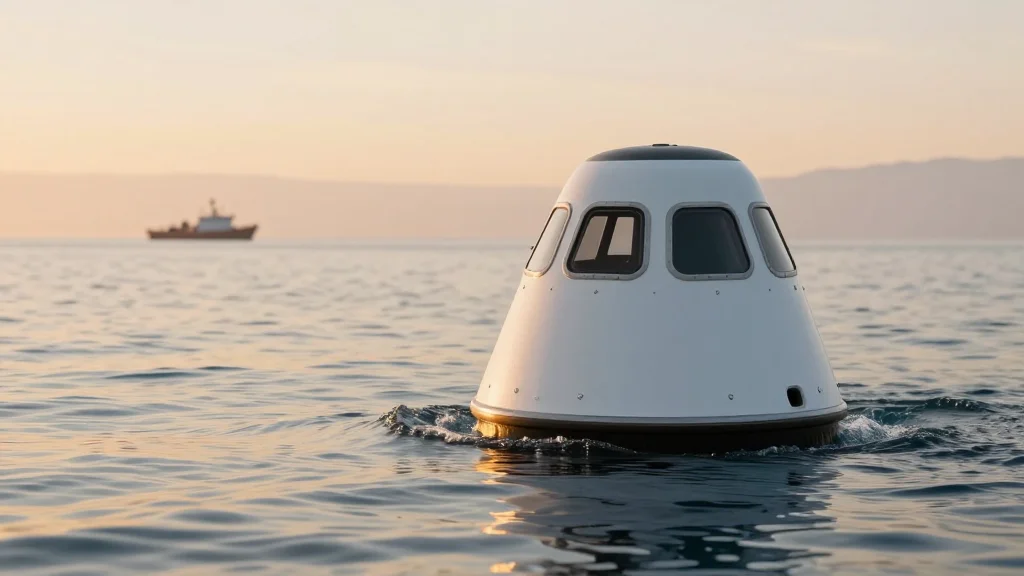
Orion Survives Re-Entry, Crew Splashes Down Safe
Orion’s Orion capsule survived a high‑energy re‑entry and splashed down off California, with all four astronauts remaining inside the capsule as recovery crews arrived. The Artemis‑2 mission, a three‑day lunar fly‑by, is now complete, though analysis of the heat‑shield performance...

‘It’s 13 Minutes of Things that Have to Go Right’: Artemis II Splashes Down Despite Faulty Heat Shield
NASA’s Artemis II mission returned safely to the Pacific after a historic 10‑day lunar flyby, despite a known flaw in the Orion heat shield. Engineers discovered the shield’s internal layers could trap gas during reentry, risking chunk loss. To mitigate, NASA...
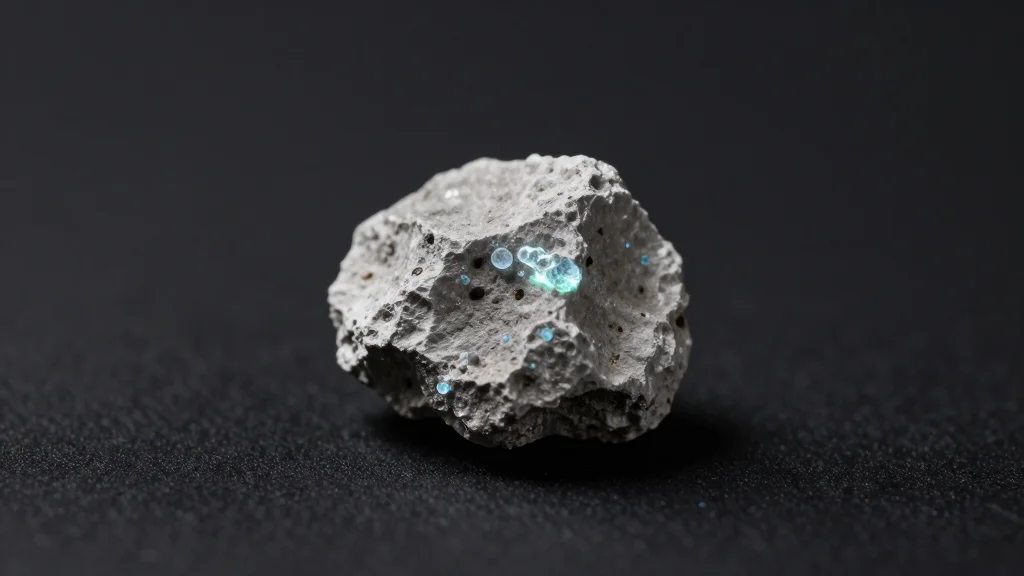
Chang'e Mission Samples Reveal How Exogenous Organic Matter Evolves on the Moon
China’s Chang’e‑5 and Chang’e‑6 lunar sample returns have, for the first time, revealed nitrogen‑bearing organic compounds embedded in moon soil grains. The study shows these organics exist as particles, surface‑adhered films, and mineral inclusions, and bear isotopic signatures that point...
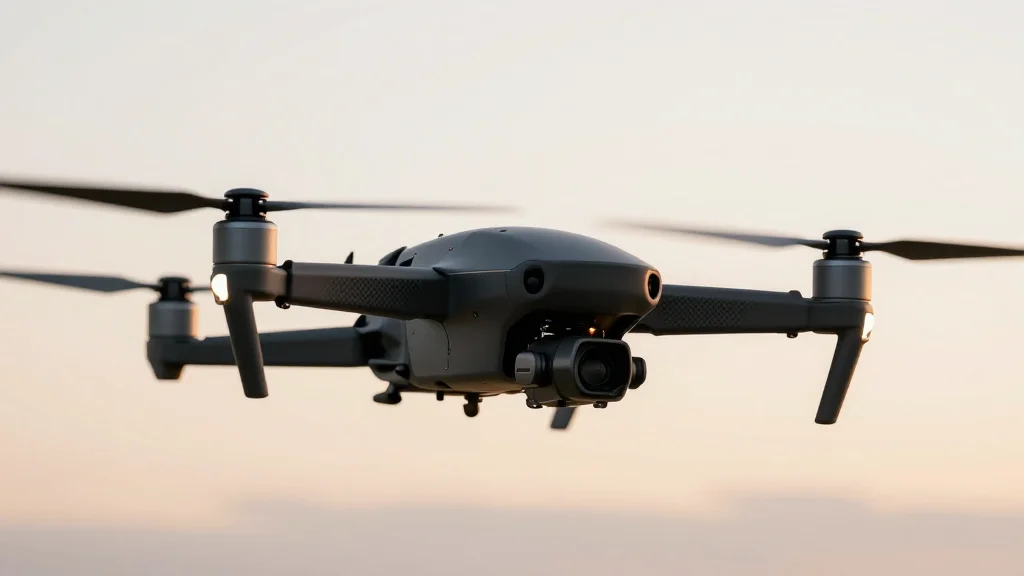
NATO Ally Taps Red Cat’s Black Widow Drones for Next-Gen Defense
Red Cat Holdings’ Black Widow small unmanned aircraft system has won a contract from an unnamed NATO ally after a competitive tender. The sUAS will be deployed in 2026 to augment the ally’s short‑range air‑defence and intelligence, surveillance, and reconnaissance...
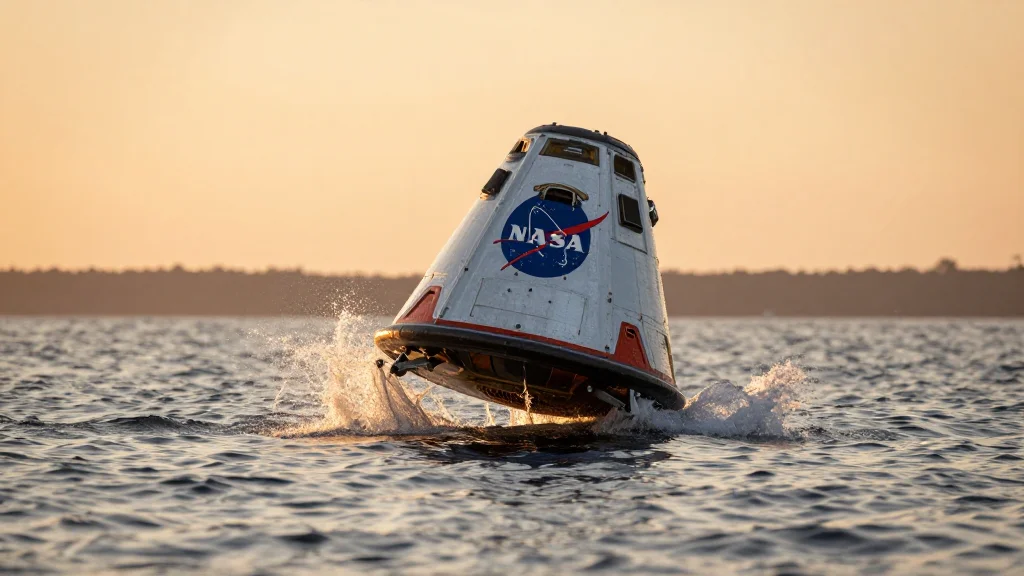
After More than 9 Days in Flight, NASA's Artemis II Is Set to Return to Earth
NASA’s Artemis II crew completed a nine‑day lunar flyby and splashed down in the Pacific off San Diego. The Orion capsule re‑entered at over 24,000 mph, enduring temperatures near 5,000 °F before deploying three parachutes. Four astronauts—including the first woman and the first person...

Artemis II and the Surprisingly Earth-Bound Problem of IP
Artemis II’s launch highlighted not only NASA’s return to lunar missions but also the massive patent portfolios behind the hardware. Boeing, Northrop Grumman, Aerojet Rocketdyne, Lockheed Martin and Airbus together hold seven‑figure numbers of patents covering propulsion, life‑support and communications systems. The article explains...

AFCENT to Spend up to $270 Million on Ultra-Long Range ISR Drones
U.S. Air Forces Central awarded an indefinite‑delivery, indefinite‑quantity contract worth up to $270 million to Kraus Hamdani Aerospace for its solar‑powered KH1000ULE ultra‑long‑range ISR drone. The 20‑foot, 42.5‑lb aircraft can stay aloft for 75 hours, cover more than 700 nautical miles and operate...

How Vandenberg’s Range Is Scaling to Meet Launch Demand
Vandenberg Space Force Base is gearing up for a dramatic increase in launch activity, targeting 150 launches in the next five years and over 200 by 2036. The effort is backed by $1.3 billion in federal funding through FY2028 and a...

How Will NASA Get the Artemis II Crew Safely Back on Earth? Here's the Science Behind Splashdown
NASA will bring the Artemis II crew back to Earth on 10 April 2026 with a splashdown in the Atlantic Ocean. The Orion capsule’s heat shield, redesigned after unexpected damage on the uncrewed Artemis I flight, will endure re‑entry temperatures near 1,500 °C before a...