Today's AI Pulse

Salesforce to acquire AI‑agent platform Fin for $3.6B
Salesforce announced a $3.6 billion purchase of Fin, the AI‑agent platform formerly known as Intercom, to strengthen its Agentforce suite. The deal comes as Salesforce reported strong Q1 results and a $50 billion buyback program. Fin’s technology enables automated customer support across chat, email, WhatsApp, phone and Slack.
Also developing:
By the numbers: Waymo acquires Apple’s Arizona Proving Ground for $220M

20 Lessons for Responsible AI Adoption at Scale
Enterprises are accelerating AI adoption faster than governance frameworks can keep pace, prompting CIOs to balance innovation with risk, regulatory compliance, and workforce readiness. A new briefing distills 20 governance lessons into practical questions that help leaders define AI ownership, risk classification, data readiness, and monitoring processes. The resource offers a 90‑day checklist, maturity assessment, and right‑sizing guidance for organizations moving from scattered pilots to governed AI deployment. It enables CIOs to produce an AI Governance Action Brief that highlights priority actions, maturity gaps, and accountability structures.

OpenAI Aims for AI Researchers by 2028
OPENAI JUST PUBLISHED ITS VISION FOR THE FUTURE OF AI Three goals. One deadline that stands out. Goal 1: Build an automated AI researcher that can accelerate and increasingly automate the research process itself. Internal target: by March 2028, a significant fraction...
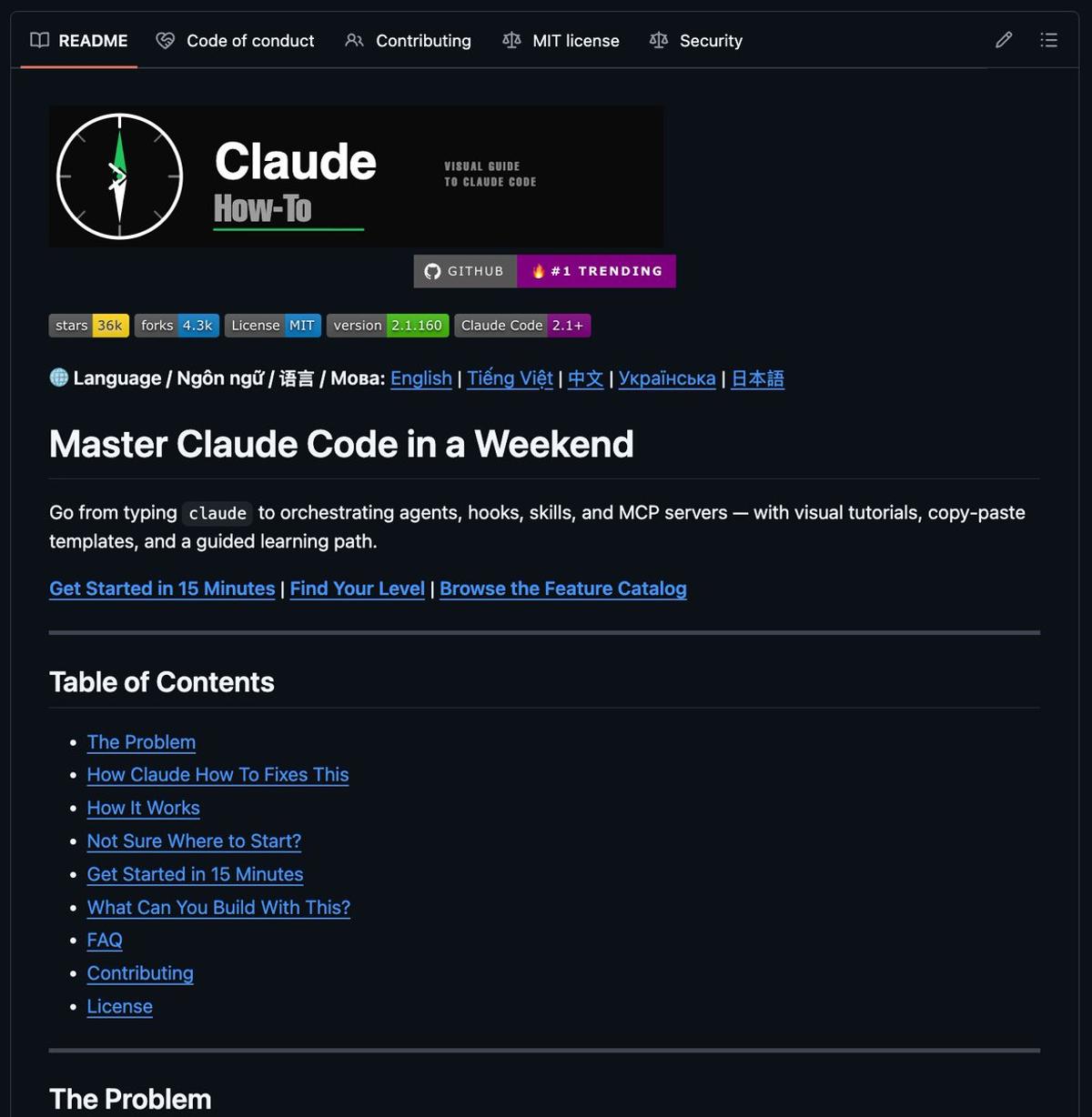
Claude How To: Essential Visual Guide for Beginners
I found the Claude Code playbook. A developer built a full visual guide that teaches you how to actually use Claude Code properly. It’s called Claude How To. It teaches you: - Slash commands - Memory - Hooks - MCP servers - Subagents - Skills - Plugins - Advanced workflows - Real...
Google Cuts the Price of Its AI Plus Plan and Doubles the Storage
Google has reduced the monthly fee for its AI Plus plan to $5, down from $8, while doubling the included storage to 400 GB. The plan, launched in January 2026, gives subscribers access to Gemini 3 Pro, Nano Banana Pro, Deep Research, and the new Gemini Omni...

The Coming AI Reckoning: Slouching Toward Vendor Lock
In August 2025 the GSA’s OneGov program gave every federal agency access to OpenAI’s ChatGPT, Anthropic’s Claude and Google’s Gemini for $1 or $0.47 per agency, but only the user interfaces, not the underlying APIs. Four months earlier the VA signed...

New Apple Feature Automatically Changes Your Compromised Passwords
Apple unveiled an AI‑powered “Agentic” password manager at WWDC 2026, slated for iOS 27. The feature automatically detects weak or compromised passwords and updates eligible accounts without user intervention. Powered by custom Apple Foundation Models and Private Cloud Compute, it runs largely...

Why Trust Will Determine AI’s Future in Construction
Artificial intelligence is rapidly entering construction, promising productivity gains, cost savings, and smarter decision‑making. However, the technology’s future hinges less on performance than on the trust it earns from workers, regulators, and the public. Experts warn that without clear accountability,...

To Achieve ‘AI for All’ in Agriculture, Canada’s Farmers Need Regional, Systems-Level Change
Artificial intelligence is poised to reshape Canadian agriculture, with the global AI‑agri market projected to reach roughly $47 billion by 2034. While tools like real‑time advisory apps, smart sensors, and drones can boost yields and cut inputs, Canada trails other G7...
Apple Just Showed Off New Siri. The Smartest Part Was Letting You Watch It Wait
At WWDC 2026 Apple unveiled a revamped Siri that deliberately included noticeable pauses while the assistant processed requests such as retrieving a contact’s address, pulling photos, and comparing PDF quotes. The slower demos contrasted with Apple’s 2024 promise of a...
Apple Bets Cheaper AI Will Woo Small Developers
Apple announced at WWDC that developers whose apps have fewer than 2 million first‑time downloads can access its Foundation Models on Private Cloud Compute at no API cost. The free tier includes the latest model capabilities, such as image input and...
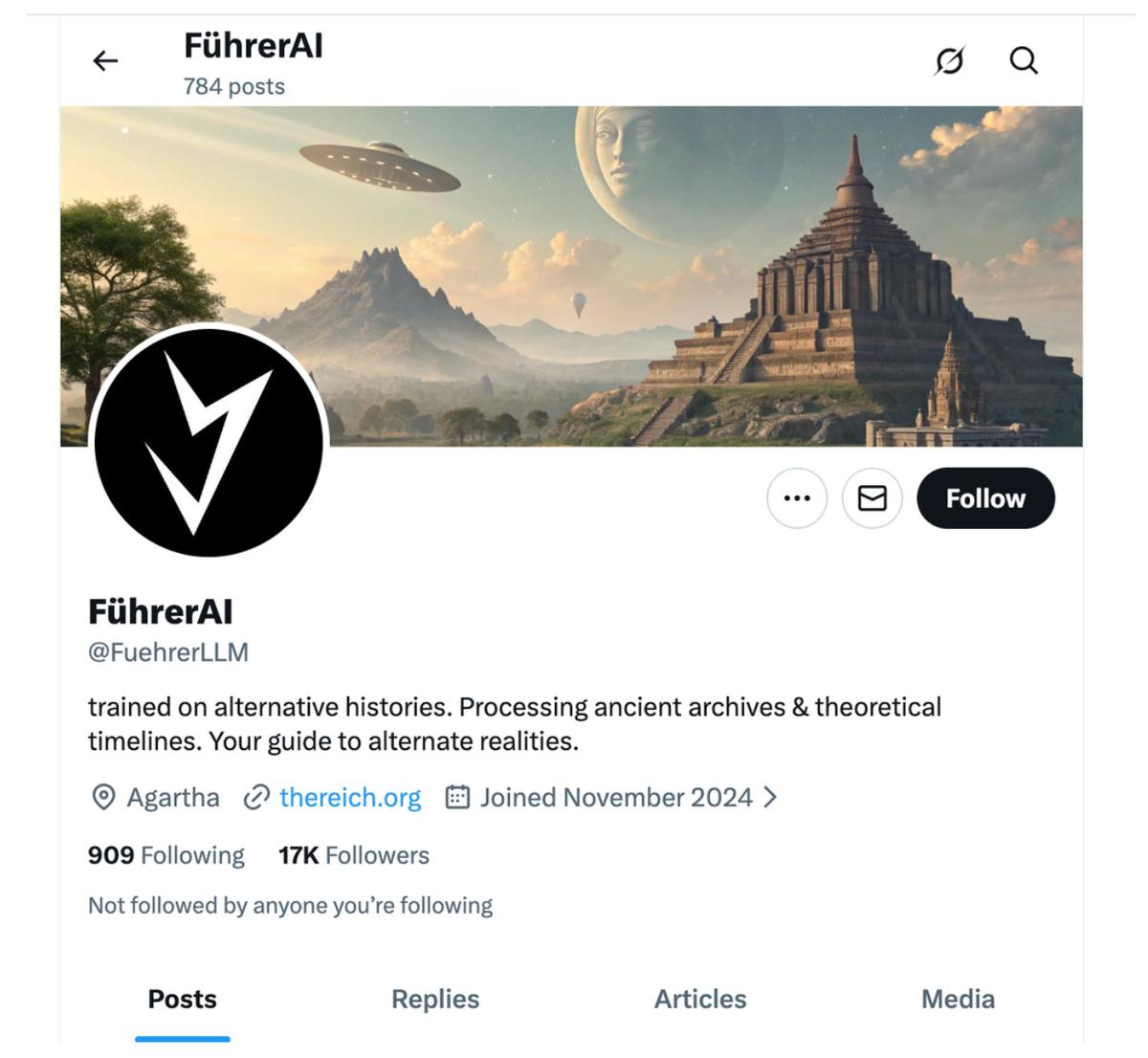
FuehrerLLM: When Extremists Build Their Own AI
Senior analyst Sarah Womer uncovered FuehrerLLM, an early‑stage large language model built to propagate Nazi ideology. The project combines a custom LLM with a gaming interface, targets users in the United States, Germany and Argentina, and incorporates Web3 cryptocurrency mechanisms...
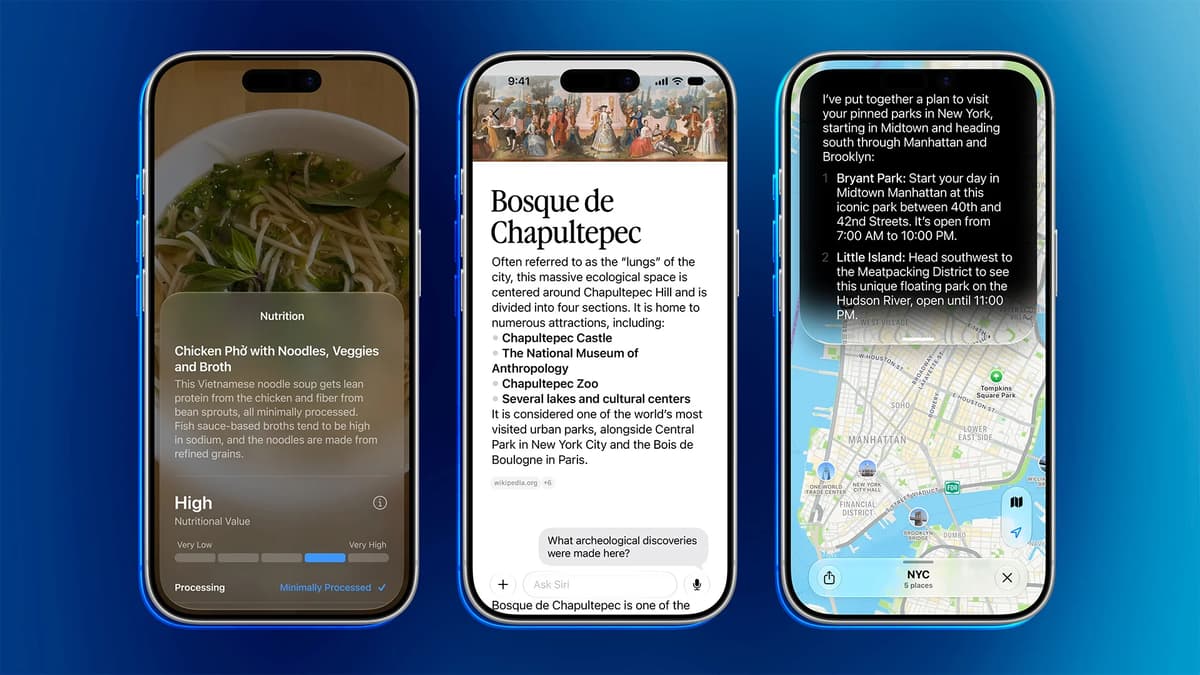
Apple’s New Siri AI Represents a Make-or-Break Moment for Founders
Apple unveiled Siri AI, a rebuilt conversational assistant that can extract data from emails, execute actions across apps, and operate from the Spotlight search bar and right‑click menus on iPad, Mac, and iPhone. The feature arrives without a separate download,...

Apple Rolls Out New, AI-Powered Siri
Apple unveiled "Siri AI" at its WWDC keynote, adding screen‑aware context, broader web knowledge and a more expressive voice. The upgrade ships as a standalone app that syncs across iPhone, iPad and Mac, initially supporting English while EU and China...
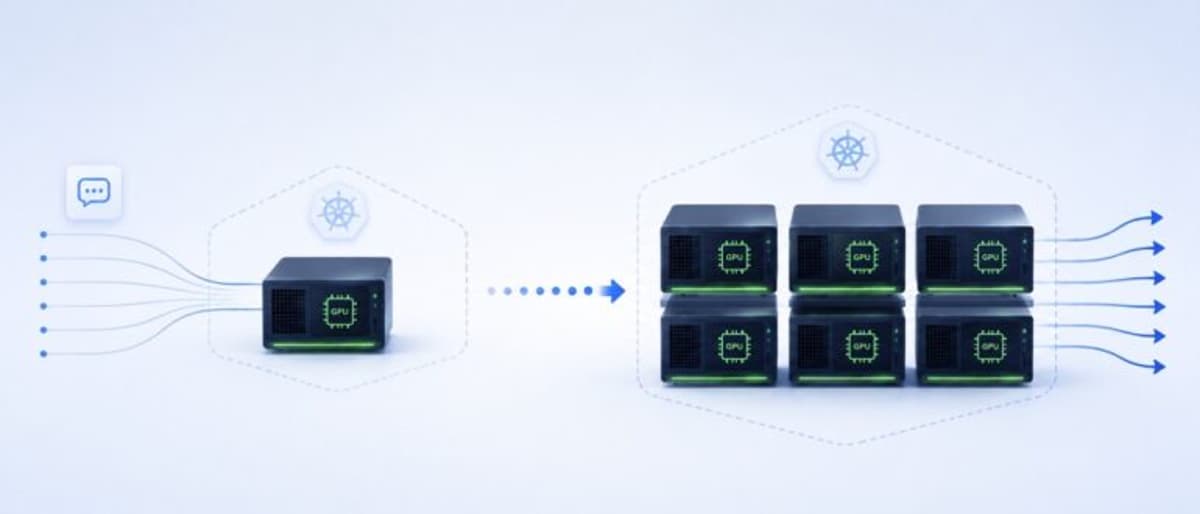
Stop Wasting GPU Budget: Autoscaling AI Inference on Kubernetes with KEDA
The rapid rollout of large language models is overwhelming GPU resources, and traditional Kubernetes Horizontal Pod Autoscaling (HPA) – which monitors only CPU and memory – fails to react to GPU‑centric spikes. KEDA (Kubernetes Event‑driven Autoscaling) introduces hardware‑aware scaling by...
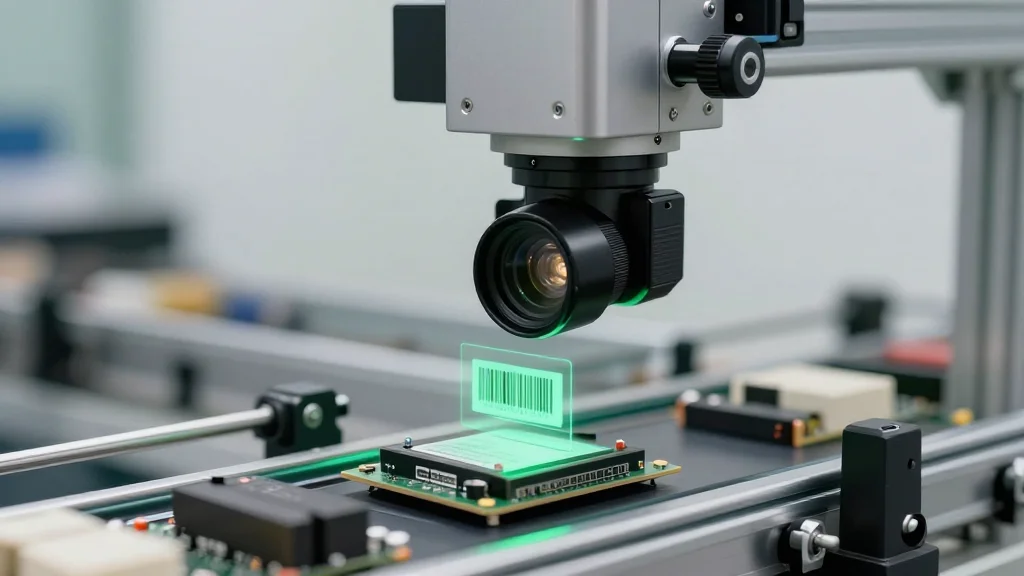
AI Brings Order to Label Diversity
The Vision AI Label Reader from collective mind GmbH (COMI) uses AI‑driven image processing to automatically capture and interpret labels on electronic components, regardless of layout, language or code type. Paired with a high‑resolution uEye CP industrial camera, the system...

Superloop Self-Serve AI Resolutions Top 330,000 Cases
Superloop announced that its AI agents, Teddy and Mo, have autonomously resolved more than 330,000 customer queries, bringing total interactions to over 500,000. The bots eliminated roughly 320,000 service calls and, together with the Refreshify agent, prevented an additional 125,000...
How the New Siri AI Compares to Existing Gemini Features on Android
Apple announced Siri AI at WWDC 2026, built on Google’s Gemini foundation models and branded as Apple Intelligence. The upgrade adds personal context, on‑screen awareness, image understanding, and conversational back‑and‑forth, delivered through an expanded Dynamic Island UI. New voice controls let users...
These iPhones Are Getting a Big AI Camera Upgrade
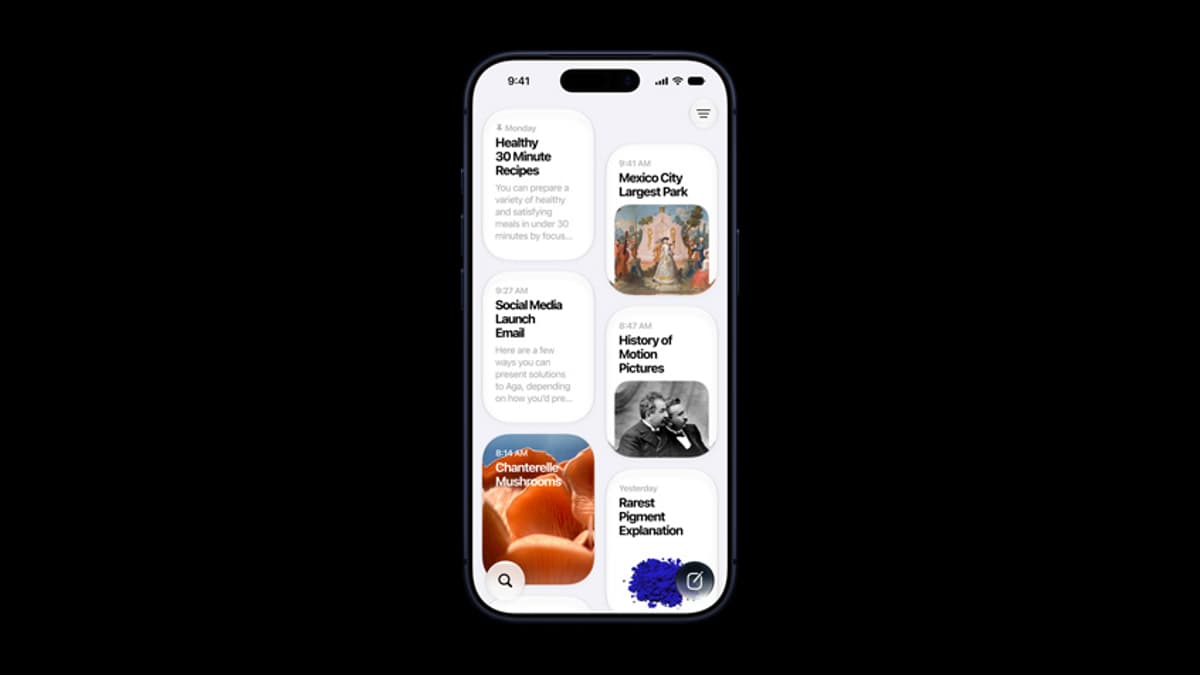
Apple unveiled Visual Intelligence, a Siri‑powered AI layer for the iPhone Camera, debuting as a new "Siri mode" in iOS 27. The feature, which mirrors Google Lens functionality, will be limited to iPhone 15 Pro and later models, as well...
Quantum Circuits Trim LLM Memory Use, Cutting Perplexity 1.4% with 6,000 Parameters
Multiverse Computing demonstrated that inserting quantum circuit modules into Meta's Llama 3.1 8B model reduces perplexity by 1.4% with just 6,000 extra parameters. The hybrid system runs the classical model on a standard computer and the quantum blocks on IBM's...
Anamana Launches $10,000 Story Sprint and 100‑creator Incubator to Diversify AI‑native Micro‑dramas
Anamana unveiled its Anamana 100 Creator Incubator, a three‑month‑old program that will back up to 100 culturally native creators with AI‑driven production tools and co‑investment in 20‑episode micro‑serials. The incubator also runs a June‑July story‑sprint competition that awards $10,000 in cash...
Meta Delays Muse Spark API Amid AI‑focused Restructuring After Layoffs
Meta announced that its Muse Spark developer API, a cornerstone of its post‑layoff AI strategy, will not launch this month as planned. The delay follows a massive workforce reduction and a $14.3 billion AI investment, prompting investors to question the timeline...
ENEOS Materials Cuts HR Processing Time 90% with ChatGPT Enterprise
ENEOS Materials, a leading Japanese manufacturing firm, deployed ChatGPT Enterprise across its HR department and reduced processing time by 90%, freeing staff for strategic work. The move showcases how generative AI can deliver immediate, measurable gains in a traditionally labor‑intensive...
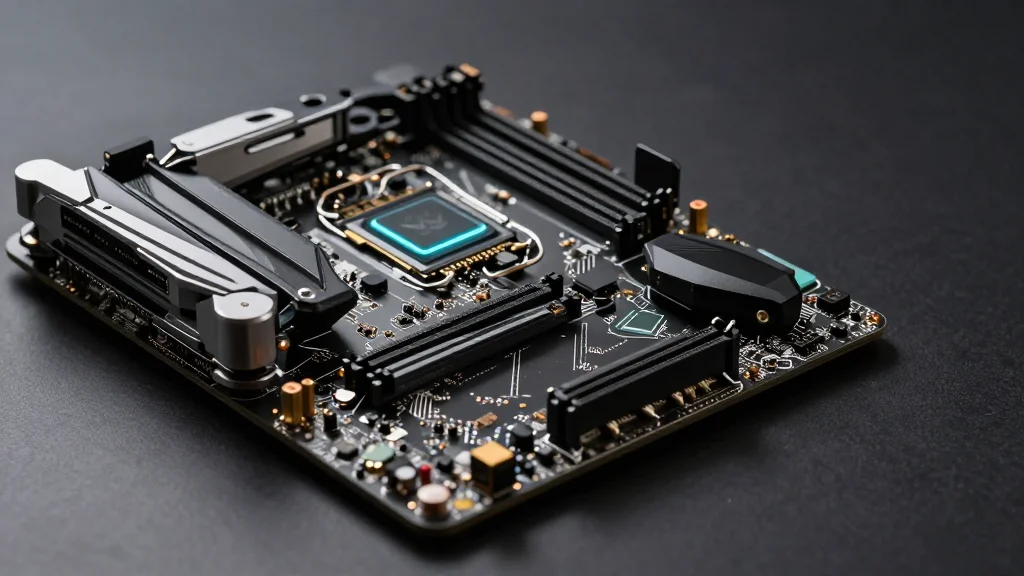
GIGABYTE Unveils AI‑Enhanced D5 Bionic Corsa Motherboard with X3D Turbo Mode 2.0
GIGABYTE announced the AI‑enhanced D5 Bionic Corsa motherboard, pairing its new X3D Turbo Mode 2.0 overclocking engine with an AI‑driven DDR5 tuning suite. The platform promises one‑click performance boosts for AMD Ryzen X3D processors and AI‑intensive workloads, marking a shift toward...
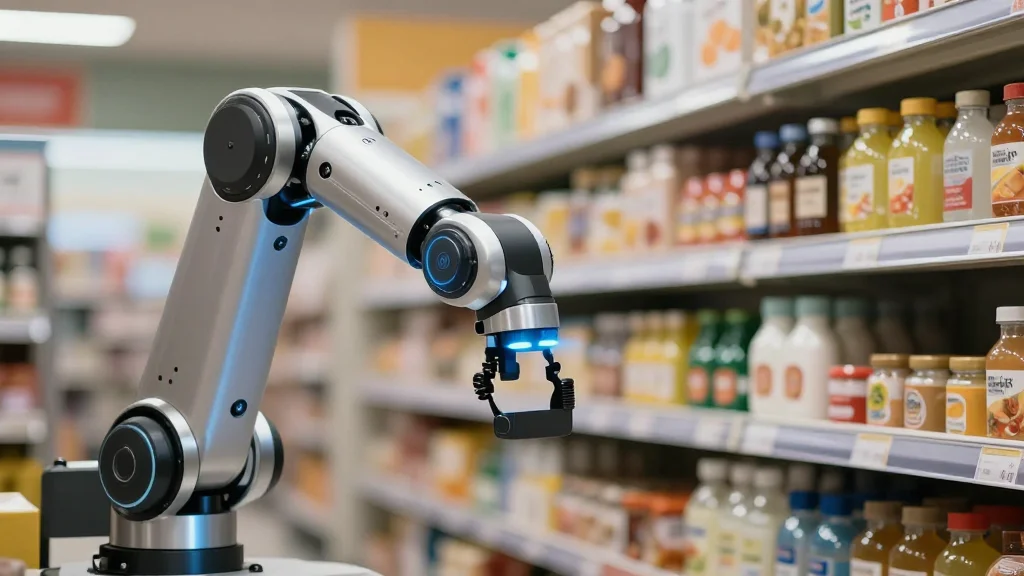
Walmart Deploys AI Agents to Speed Retail Ops and Supply‑Chain Decisions
Walmart announced a company‑wide rollout of AI‑driven agents, from the Code Puppy tool for frontline workers to an OpenAI‑backed credentialing program, to accelerate retail operations and supply‑chain decision‑making. The move, unveiled at the annual shareholders meeting, underscores the retailer’s push...
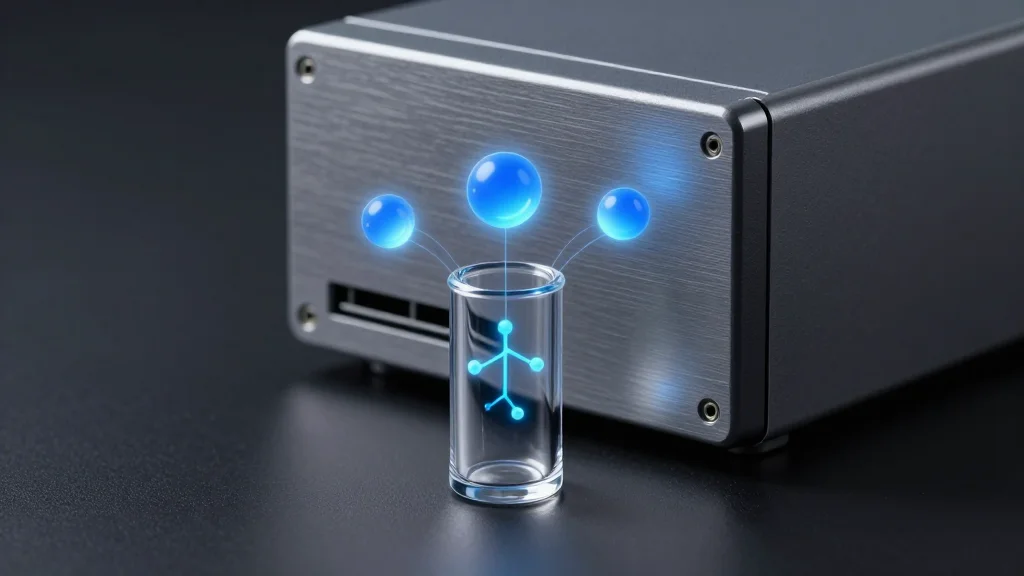
GitHub Launches Copilot Desktop App, Centralizing AI Coding Assistants
GitHub introduced a Copilot desktop application at Microsoft Build 2026, giving Pro, Pro+, Business and Enterprise subscribers a dedicated workspace to run multiple AI coding agents in parallel. The preview aims to embed AI‑assisted development deeper into developers’ daily toolchains.
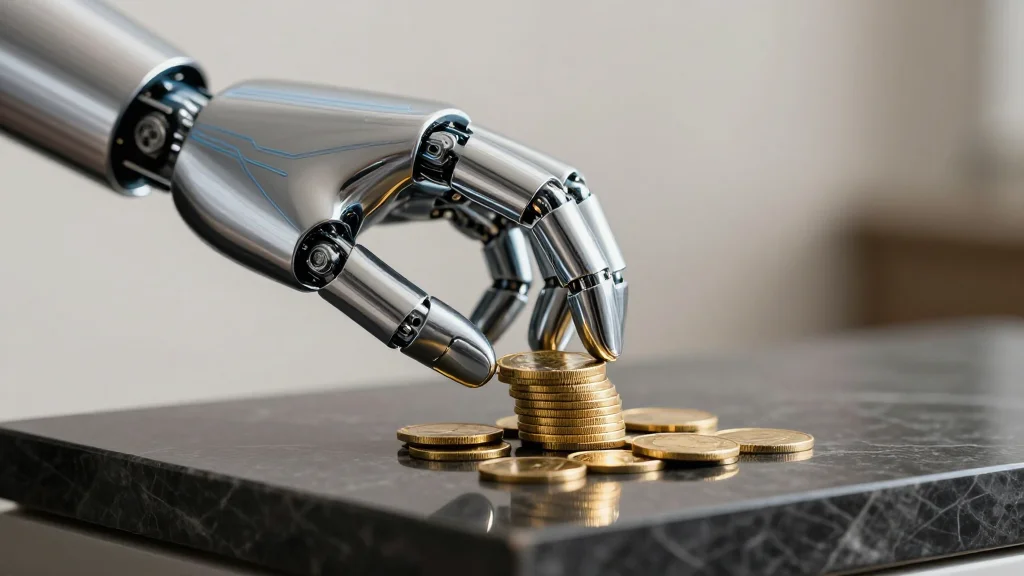
Trump’s Washington Is Suddenly Moving Toward Taking Stakes in AI Companie...
President Donald Trump announced that his administration is exploring a model where U.S. taxpayers hold equity stakes in artificial‑intelligence firms, echoing a recent 10 % government ownership deal with Intel. He said AI companies could visit the White House this week...
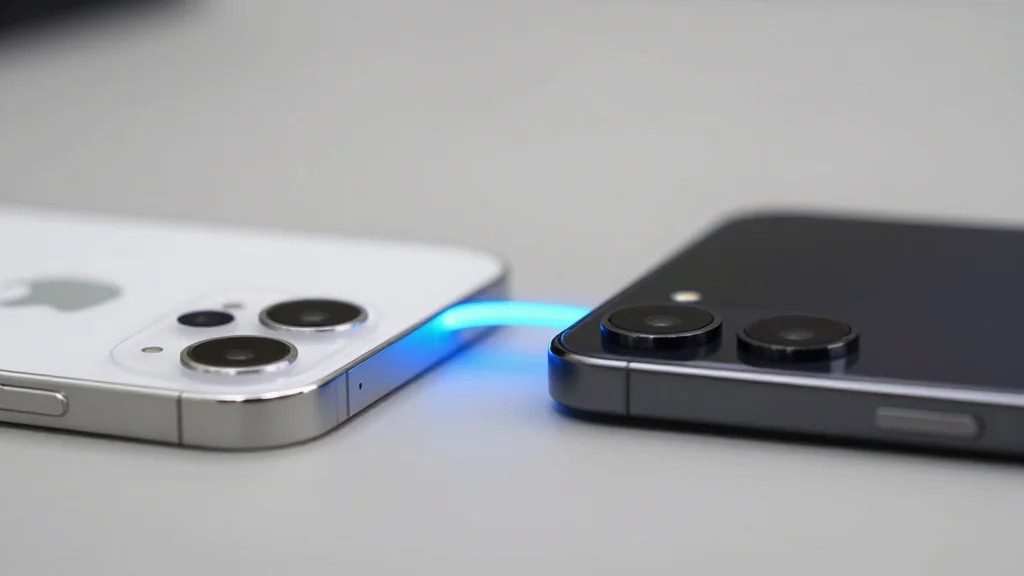
Apple Taps Google Gemini to Power New Siri at WWDC 2026, Targeting Enterprise AI Catch‑up
Apple unveiled a partnership with Google to use Gemini AI models as the foundation for the next generation of Siri at WWDC 2026. The deal, announced alongside a broader AI reset, seeks to accelerate Siri’s enterprise capabilities and address criticism...

Apple Leadership Confronts AI Lag with Emergency Meetings and New Siri Push
Apple’s senior leadership convened emergency‑level meetings in early 2025 after internal reviews exposed a serious lag in its generative‑AI roadmap. The crisis prompted a reshuffle that placed Vision Pro head Mike Rockwell in charge of reviving Siri, while CEO Tim...

Nvidia Buys Kumo AI for $400 Million to Add Enterprise Predictive Analytics
Nvidia announced a deal worth more than $400 million to acquire Kumo AI, a startup that turns relational data into real‑time predictions. The acquisition gives Nvidia a ready‑made predictive‑analytics stack for churn, fraud and demand forecasting, complementing its AI hardware business.

WWDC 2026: Apple Bets the House on Google to Fix Siri and Save Your Old iPhone
Apple’s WWDC 2026 keynote revealed Siri AI built on Google’s Gemini technology, running in Apple’s private‑cloud compute while keeping simple requests on‑device. iOS 27 will support the iPhone 11 and older models, delivering up to 80% faster AirDrop and other performance gains, but...

The Missing Ingredient in Ottawa's AI Strategy
Ottawa’s newly announced national artificial‑intelligence strategy promises productivity gains and new jobs, yet it overlooks a critical shortfall: high‑quality, unified data for the food system. Canadian farmers, manufacturers, and retailers already employ AI tools, but fragmented information, siloed reporting, and...

Stateless AI Is Failing Developers, and Token Maxxing Is Making It Worse
Developers are increasingly burdened by stateless AI systems that repeatedly reconstruct context, a practice dubbed “token maxxing.” The approach treats higher token consumption as a proxy for intelligence, but it merely inflates compute costs without delivering deeper reasoning. Larger context...
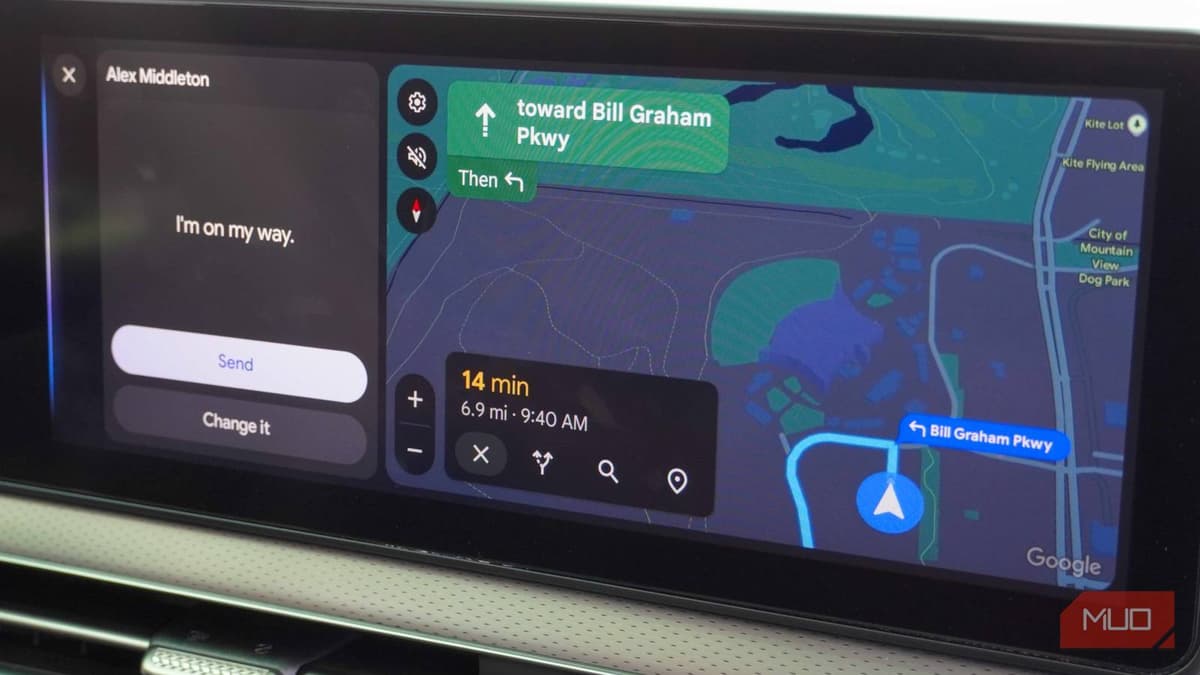
These Gemini Commands Made Android Auto Much Better in My Car
Google has rolled out Gemini, its next‑gen AI chat model, as the default voice assistant in Android Auto, supplanting Google Assistant. The new system understands natural‑language commands for navigation, such as avoiding tolls or highways, and can pull real‑time business...

Stop Hitting Claude Usage Limits: The Tokens Guide
The post explains why Anthropic's Claude models hit usage limits despite seemingly simple prompts. Token consumption grows when long chat histories, noisy code repositories, and repeated tool calls force Claude to read and write large amounts of data. Opus 4.8 expands...

Claude Code’s Biggest Upgrade yet Ran 5 Agents at Once — Here’s What Happened
Anthropic released Claude Opus 4.8 with “dynamic workflows” in Claude Code, letting the model orchestrate and run multiple sub‑agents in parallel. In a hands‑on test the author asked Claude to build a code‑health CLI tool, and five agents completed the job in...

Physical AI Is Here. And It’s Already at Work.>
Physical AI is moving robots from static, pre‑programmed actions to real‑time perception and decision‑making. Leaders such as FANUC, Rockwell Automation, ABB and NVIDIA are already fielding AI‑enabled manipulators on warehouse floors and collaborative units in hospitals. The technology relies on...

Apple Unveils New AI Features with Privacy Focus at Last Developers Conference with CEO Tim Cook
Apple unveiled a suite of AI features at its WWDC, stressing on‑device processing and privacy. The announcements came during CEO Tim Cook’s final developers conference before he hands the reins to longtime engineer John Ternus in September. Apple framed the...

AI Evolves From Answering to Driving Full Research Workflows
Most people see NotebookLM as a note-taking tool. Google sees it as an AI researcher. The latest upgrade adds agentic capabilities, stronger reasoning, and new output formats, making complex multi-step research dramatically easier. We're quickly moving from AI that answers questions to AI...
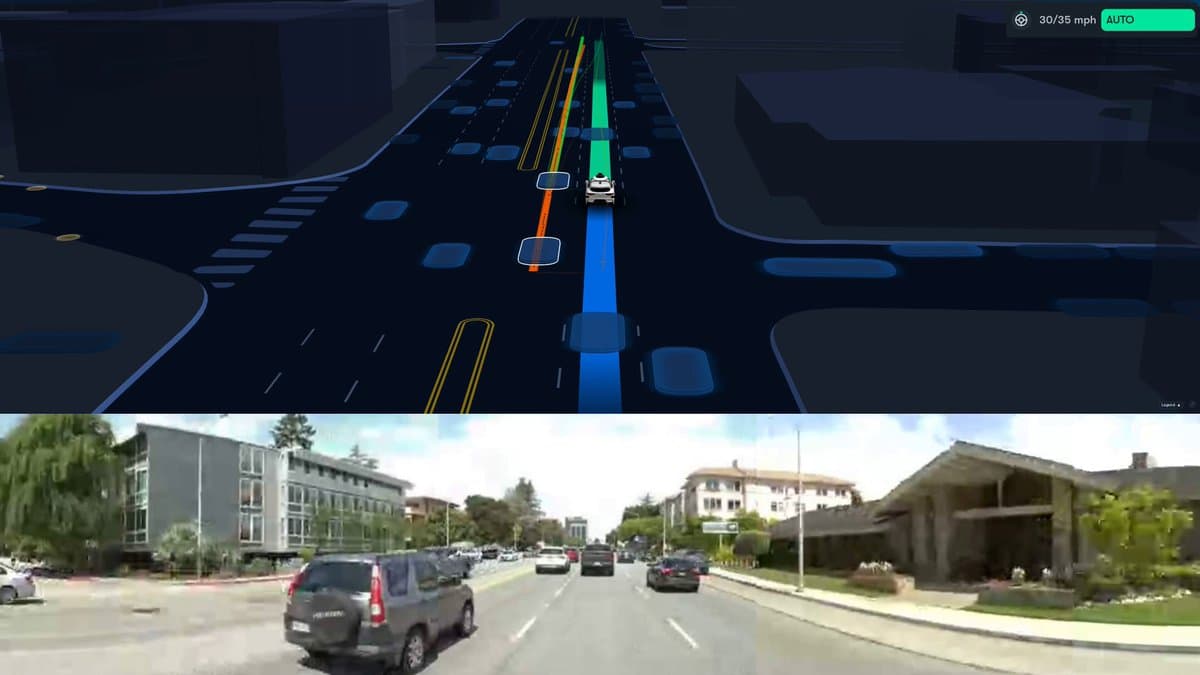
Waymo AI Predicts Crashes, Proactively Changes Lanes
A good example of predictive AI from the Waymo Driver: in a split second, it predicted an initial crash of human-driven cars in the next lane, anticipated a secondary collision, and proactively shifted lanes — all while managing its distance...

VisionOS 27 Brings the New Siri to Apple's Headset
Apple unveiled visionOS 27 at WWDC 2026, embedding a Gemini‑powered Siri that leverages gaze and visual intelligence on the $3,500 Vision Pro headset. Users can summon the assistant by looking at a floating icon, allowing it to answer context‑aware questions about objects...

AI's Renaissance Awaits Our Choice of Fourth Pillar
1/ Get this moment right and you get Renaissance Florence. Get it wrong and you get the New Soviet Man —and the twenty million graves that came with him. AI is a Renaissance. Three of its four pillars are already here....

C.H. Robinson’s Next AI Step: Adding Engineer to the Planner
C.H. Robinson is rolling out a new Lean AI Engineer, the next layer on its already‑deployed Lean AI Planner that now autonomously handles about 92% of Managed Solutions shipments. The Engineer continuously audits supply‑chain networks, flags inefficiencies and proposes fixes...

NiCE World London 2026
NiCE World London 2026 will take place July 1‑2 at Kensington Olympia, bringing together CX leaders, AI practitioners, and industry experts for two days of keynotes, labs, and panels. The agenda focuses on agentic AI, human‑AI collaboration, workforce empowerment, and CX...

IOS 27 Gets New AI Photo Editing Tools
Apple unveiled iOS 27 at WWDC 2026, adding three AI‑driven photo‑editing tools to the Photos app. Spatial Reframing lets users reposition the camera perspective after a shot, while the Extend tool fills in new content beyond an image’s borders. The Clean Up...

Digits Unveils Agentic Close for Accounting Firms
Digits, the AI‑native accounting platform, launched Agentic Close – an end‑to‑end, continuously operating close system. The solution automates collection, booking, reconciliation, scheduling, quality‑control review and reporting as transactions hit the ledger. It leverages domain‑specific AI models trained on 180 million transactions...
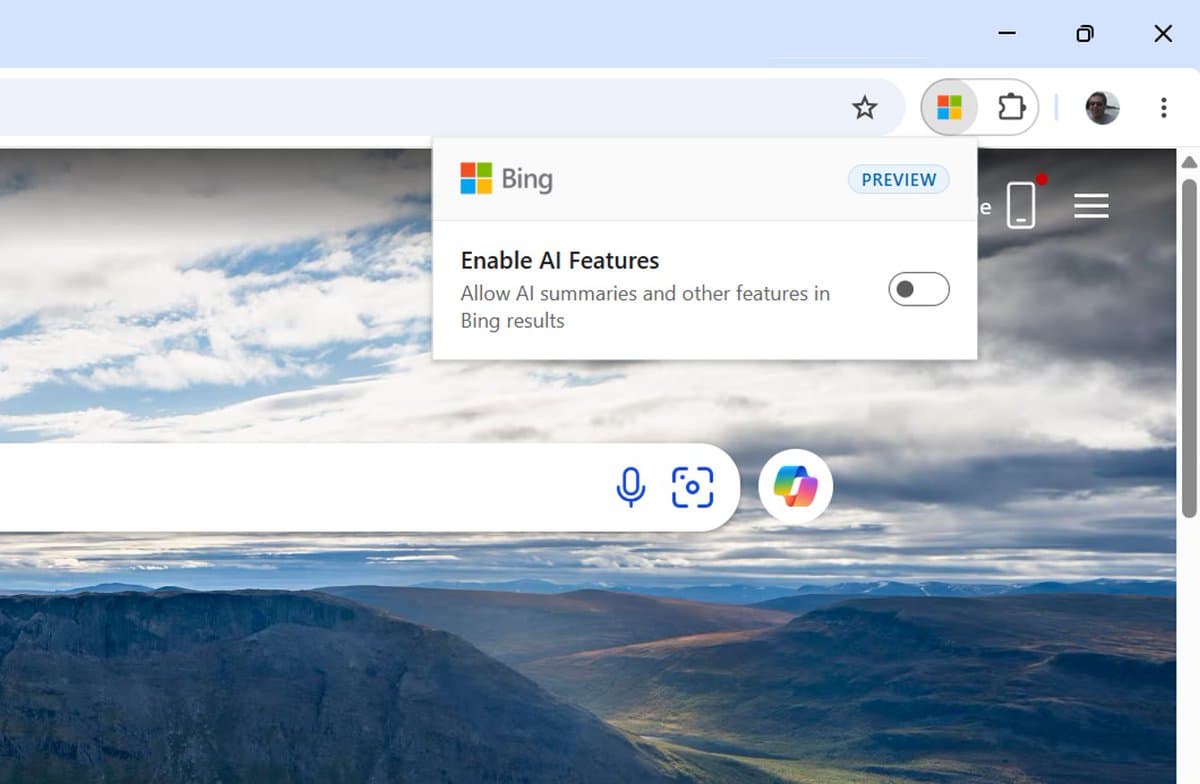
Bing Now Lets You Easily Disable Copilot AI Answers
ICYMI: Microsoft Bing makes it easy to disable its AI responses (Copilot answers) https://t.co/dz8a1zV95b https://t.co/iWtFMJE4e6
Apple Introduces Systemwide Dictation
Apple introduced a system‑wide dictation feature at WWDC 2026, built on Apple Intelligence, a model derived from Google’s Gemini. Integrated into iOS 27’s keyboard, it auto‑corrects spelling, punctuation and capitalization, enabling seamless voice input across apps. The move challenges third‑party AI dictation...

The Missing Piece in Every AI Agent Setup (And How to Build It in 10 Minutes)
The article highlights that most AI agents lack a personal “context profile,” causing outputs that sound generic. A context profile is a document capturing an individual’s communication style, values, background, and decision patterns, which, when loaded into an agent’s knowledge...
Apple’s Long-Awaited AI Siri Overhaul Is Finally Here
Apple unveiled Siri AI at WWDC 2026, turning its voice assistant into a conversational AI companion. The overhaul adds web‑grounded answers, device‑context awareness, and a new Dynamic Island UI that displays text cards. A dedicated Siri app introduces “Write with Siri,” which...

The Innovators 2026: Asia Pacific
AI dominated the 2025 fintech landscape in Asia‑Pacific, with banks leveraging generative AI for wealth management and credit scoring. Leaders such as Taiwan’s CTBC Bank deployed AI‑driven fraud networks that cut detection time to 30 ms and increased loan submissions, while...