
BsUFA IV: Fiscal Years 2028-2032
The FDA announced the kickoff of the fourth Biosimilar User Fee Act (BsUFA IV) reauthorization, covering fiscal years 2028‑2032. A public meeting was held on December 3, 2025 to launch the process, following the 2022 law that reauthorized BsUFA II. BsUFA III expires in September 2027, so new legislation will be required to continue funding biosimilar reviews. The agency will seek input from drug makers, patient groups, and other stakeholders as it drafts enhancements.

In a First, Scientists Are Rewinding Human Cells Back to a ‘Youthful’ State. Is This the Dawn of Immortality?
Scientists are advancing partial cellular reprogramming to reverse age‑related decline while preserving cell identity. YouthBio Therapeutics is preparing a first‑in‑human trial of its brain‑targeted YB002 program for Alzheimer’s after receiving FDA feedback. Parallel efforts such as Life Biosciences’ ER‑100 aim...

PRP Therapy Protocols Lack Expert Consensus
Platelet‑rich plasma (PRP) therapy lacks a unified peri‑procedural protocol, with leading experts disagreeing on NSAID washout periods, supplement restrictions, cryotherapy, and rehabilitation timing. The article highlights that ten top clinicians offered divergent recommendations on pre‑procedure NSAID use, corticosteroid washout, and...

Thailand Leads Longevity Tourism with 90‑Day Visas and Low‑Cost Regeneration
Thailand’s Tourism Authority has positioned the kingdom as the world’s premier longevity‑tourism destination, rolling out 90‑day multi‑entry medical visas and marketing the slogan “Healing is the New Luxury.” The move couples high‑tech clinics with cultural practices, delivering regenerative programs that...

Celcuity’s Gedatolisib Beats Novartis’ Piqray in Phase III Advanced Breast Cancer Trial
Celcuity announced that its PI3K‑mTOR inhibitor gedatolisib achieved a progression‑free survival benefit versus Novartis' alpelisib (Piqray) in a Phase III study of advanced breast cancer patients with PIK3CA mutations. The data could reshape treatment options for a disease that affects millions...

FDA Vaccine Studies Censored by Trump Admin After Finding Benefits of Shots
The Food and Drug Administration, under the Department of Health and Human Services, blocked the publication of two internal studies that demonstrated the safety and efficacy of COVID‑19 vaccines, and prevented two Shingrix (shingles vaccine) abstracts from being presented at...

Pfizer Posts $14.5 B Q1 Revenue, Reaffirms 2026 Guidance
Pfizer announced first‑quarter 2026 revenue of $14.5 billion, a 5% year‑over‑year increase, and a 22% rise in operational revenue from launched and acquired products. The company reaffirmed its full‑year 2026 financial guidance while highlighting progress in oncology and obesity pipelines.

S-Mitochonic Acid 5. Increases ATP, NAD+ and SIRTUINS
Researchers have synthesized the S‑enantiomer of Mitochonic Acid‑5 (MA‑5) with 99 % enantiomeric purity. The compound strengthens the mitochondrial protein Mitofilin, preserving crista junction geometry and boosting ATP synthase efficiency. It also acts as a direct NAMPT agonist, raising intracellular NAD⁺,...

Tofersen, a New Treatment for A.L.S., Reverses Symptoms for Some
Tofersen, the first FDA‑approved therapy targeting the SOD1 genetic form of ALS, is showing functional gains in a subset of patients. In a case highlighted by the New York Times, 58‑year‑old Amanda Sifford’s lung capacity rebounded from 48% to 86%...

LTZ Therapeutics Secures $38M to Advance Myeloid Engager Immunotherapy Pipeline
LTZ Therapeutics announced an oversubscribed $38 million financing round led by GL Ventures, bringing its total capital to roughly $130 million since 2022. The funds will propel the Universal Myeloid Cell Engager (U‑MCE) platform, supporting the Phase 1 trial of lead bispecific antibody...

COVID-19 Prevention Gaps in Immunocompromised Patients: Muhammed Bilal Abid, MD
Dr. Muhammed Bilal Abid highlighted persistent COVID‑19 prevention gaps for immunocompromised patients, especially those with chronic lymphocytic leukemia (CLL). He cited the CANOPY trial, which reported zero symptomatic COVID‑19 cases over six months in a small CLL cohort receiving the monoclonal antibody...

Latus Bio Secures $97 Million Series A to Scale Gene‑Therapy Access
Latus Bio closed a $97 million Series A financing, with a $43 million extension led by 8VC, to accelerate its AAV‑based gene‑therapy pipeline. The capital will fund IND filing for Huntington’s disease candidate LTS‑201 and a CLN2 trial, underscoring investor confidence in...

Heavy-Chain BsAbs More Manufacturable than Light-Chains
Bispecific antibodies (BsAbs) have grown to 19 FDA approvals and roughly 250 candidates in development, but scaling their production remains a bottleneck. A recent study by Universidad Nacional Autónoma de México researchers compared six BsAb architectures and linked design to...

Researchers’ Spinout Focuses on Simplifying Viral Vector Purification
Researchers at North Carolina State University have spun out ChromaGenix to commercialize synthetic peptide ligands for affinity purification of viral vectors used in gene therapies. The peptide ligands are cheaper, more stable and less immunogenic than traditional protein ligands, cutting...

Moss Powering the Next Drug Frontier
Eleva is commercializing a moss‑based biomanufacturing platform that can produce complex glycoproteins difficult to express in traditional CHO or yeast systems. The German firm has advanced its first candidate, a recombinant alpha‑galactosidase for Fabry disease, into clinical trials and is...

Regulators Should Rely on Peers’ GMP Audits to Cut Inspection Burden
Biopharma manufacturing sites face an average of 2.68 GMP inspections per year, each lasting up to nine days, and preparation can take six months to a year. The International Federation of Pharmaceutical Manufacturers and Associations (IFPMA) argues that regulators should...
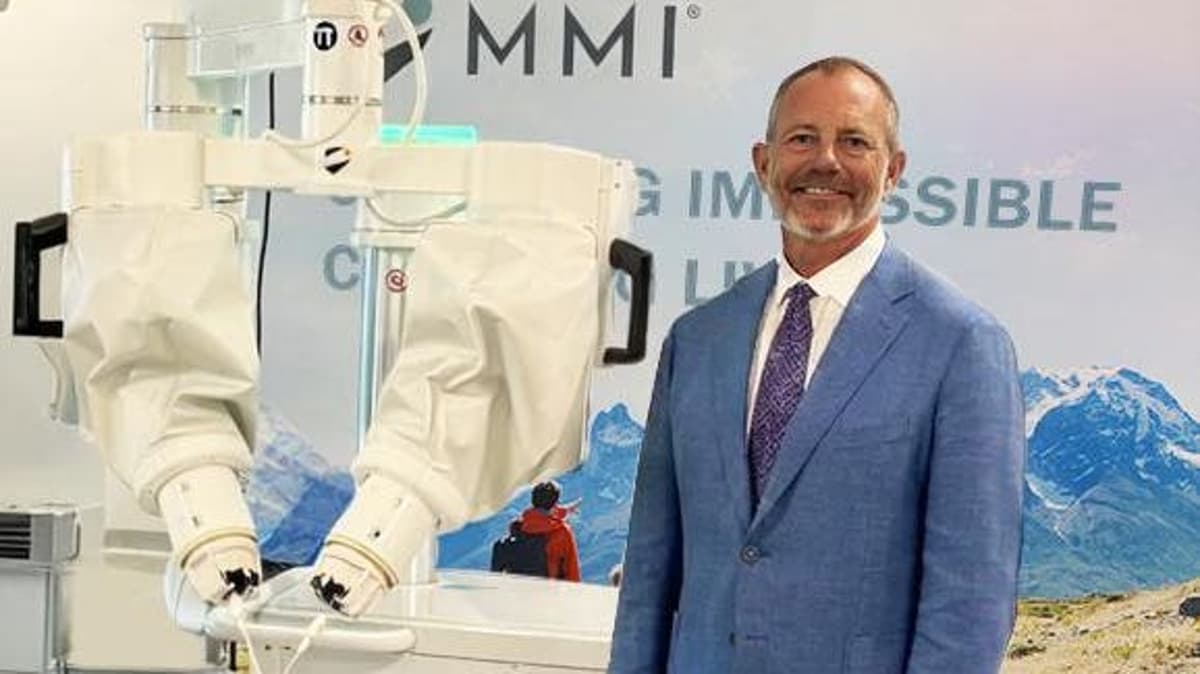
First U.S. Patients Treated With Microrobotic Surgery For Alzheimer’s
A microrobotic surgery trial for Alzheimer’s disease began at Baptist Health in Jacksonville, treating the first patient with moderate disease. Medical Microinstruments Inc. (MMI) plans to enroll 15 participants and monitor them for a year, aiming to clear cervical lymph‑node...

Financings for May 6, 2026
UK‑based Cytospire Therapeutics announced a £61 million (≈$82.7 million) Series A round to accelerate its EGFR‑targeted T‑cell engager pipeline for solid tumours. The capital backs multiple pre‑clinical programs and reflects strong investor confidence in next‑generation immunotherapies. Bio Korea 2026 highlighted a shift in...

Snowflake and Veeva Unlock Agentic AI in Life Sciences
Snowflake and Veeva announced a joint solution that links Veeva Vault’s read‑only data to Snowflake’s AI Data Cloud via the Openflow Connector. The integration lets life‑science firms run end‑to‑end analytics and agentic AI across clinical, safety, regulatory, quality and commercial...

Other News to Note for May 6, 2026
Cytospire Therapeutics announced a £61 million (≈$82.7 million) Series A round to advance its next‑generation T‑cell engager platform targeting the epidermal growth factor receptor (EGFR) in solid tumours. The funding will accelerate pre‑clinical and early‑clinical programs aimed at delivering more selective immunotherapies. Meanwhile,...

Eli Lilly Opens First Dedicated Genetic Medicine Facility
Eli Lilly inaugurated Lilly Lebanon Advanced Therapies, its first dedicated genetic‑medicine manufacturing site in Lebanon, Indiana, alongside a $4.5 billion capital infusion. The investment lifts Lilly’s Indiana spending to over $21 billion since 2020 and its U.S. commitments to more than $50 billion. The...
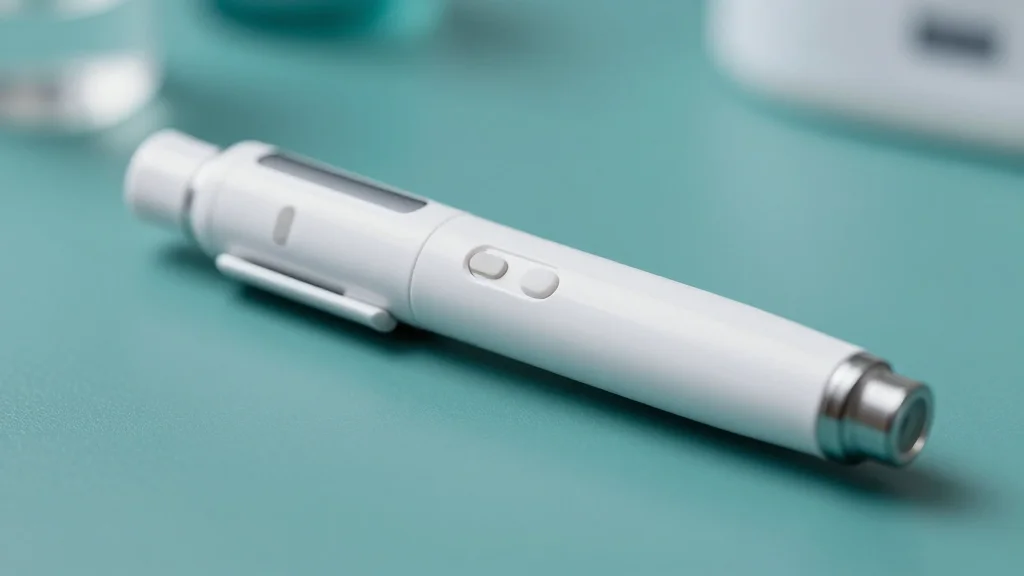
Briumvi’s Optional Subq Gives It Market‑share Edge
On the $TGTX call the following was casually mentioned in response to a question about subq: "We feel actually very confident in our ability to deliver a quarterly product." It's important to understand that Briumvi will be the only product that...

CoCoGraph AI Model Generates Molecules that Comply with Rules of Chemistry
Researchers at Universitat Rovira i Virgili have unveiled CoCoGraph, an AI diffusion model that generates synthetic molecules while strictly adhering to fundamental chemical rules. By progressively disordering and reconstructing real molecules, the system ensures valid bond counts and produces chemically...

Dark Proteome Research Redefines Human Disease Understanding
This, from @MeganMolteni, is frickin' cool. "How a global effort to explore the ‘dark proteome’ is upending our understanding of human disease." I remember when everyone was shocked that there were only 30,000 protein-coding genes found by the Human Genome Project. This...
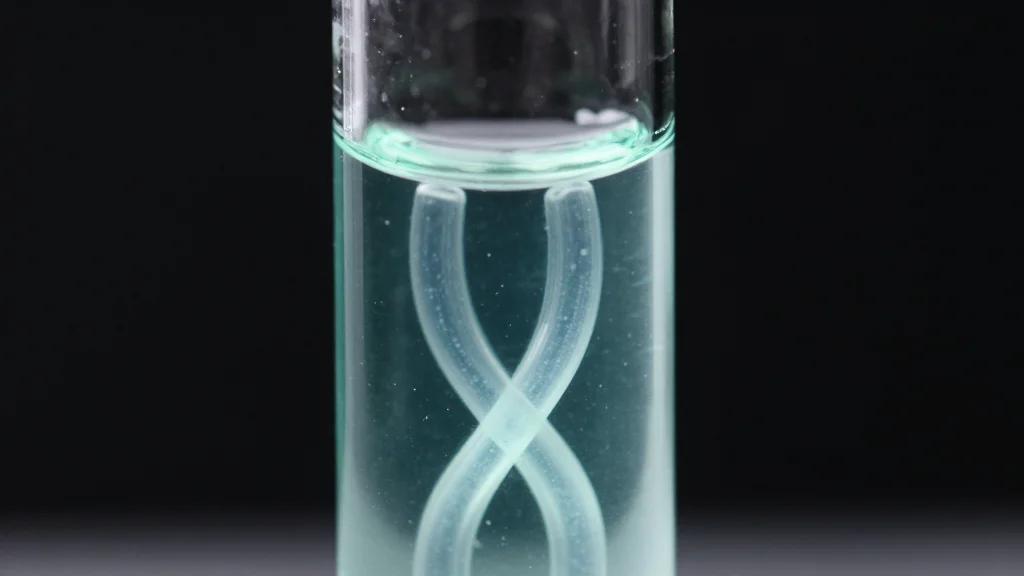
80+ Therapeutic Peptides Approved Across Major Disease Areas
Did you know... over 80 therapeutic peptides have been approved to treat a wide array of diseases, ranging from infectious diseases, cardiovascular, dysmetabolic diseases, and cancer: https://t.co/kW4zgAcmE3
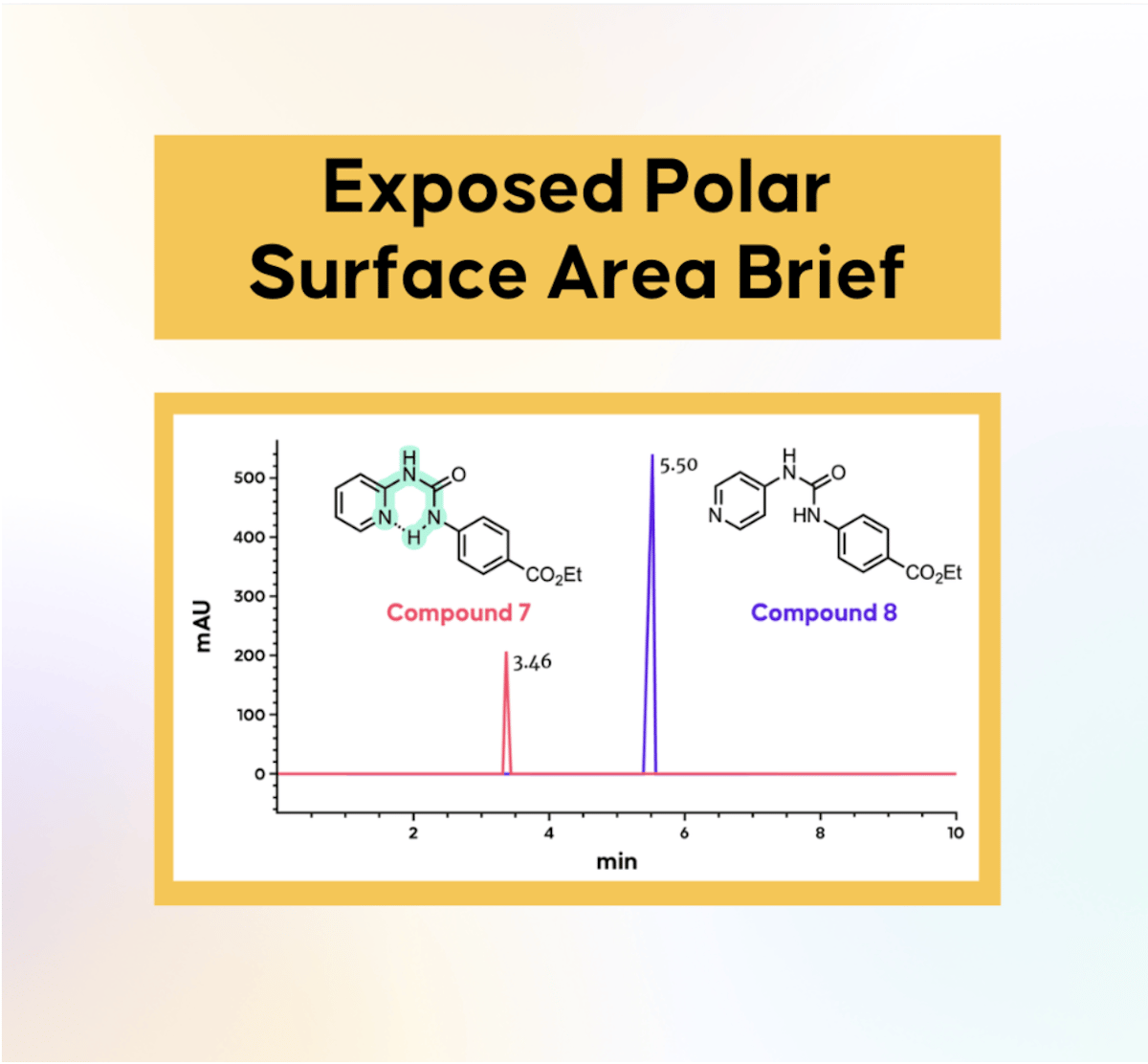
EPSA: A Useful Metric Across Chemical Space
The article highlights EPSA (Experimental Polarity Surface Area) as a robust metric for assessing molecular polarity across broad chemical space. Unlike traditional PSA, EPSA is derived from supercritical fluid chromatography, offering experimental insight into a compound’s three‑dimensional polarity profile. The...

Scientists Remove Essential Amino Acid, Redefining Life's Code
All Life Uses 20 Amino Acids. Scientists Just Deleted One in Bacteria The synthetic bacteria push the limits of life and could open the door to designer proteins and new medicines https://t.co/mVZrQ0z7vz https://t.co/zFzSpnrk6h

Pill GLP‑1 Drugs Activate Amygdala Reward Circuit, Not Hypothalamus
Discovery of a new brain reward circuit in the amygdala for small molecule (pill) GLP-1 drug effect, unlike the injectables (hypothalamus), as shown in mice https://t.co/3lkfxROh5Z

Light-Controlled Gene Expression Platform Reportedly Doubles Standard Fed-Batch Manufacturing Performance
Prolific Machines announced a 21 g/L monoclonal antibody titer after a 15‑day intensified fed‑batch CHO run, more than double the typical sub‑10 g/L industry benchmark. The company’s optogenetic platform uses light to dynamically regulate gene expression, giving manufacturers real‑time control over protein...
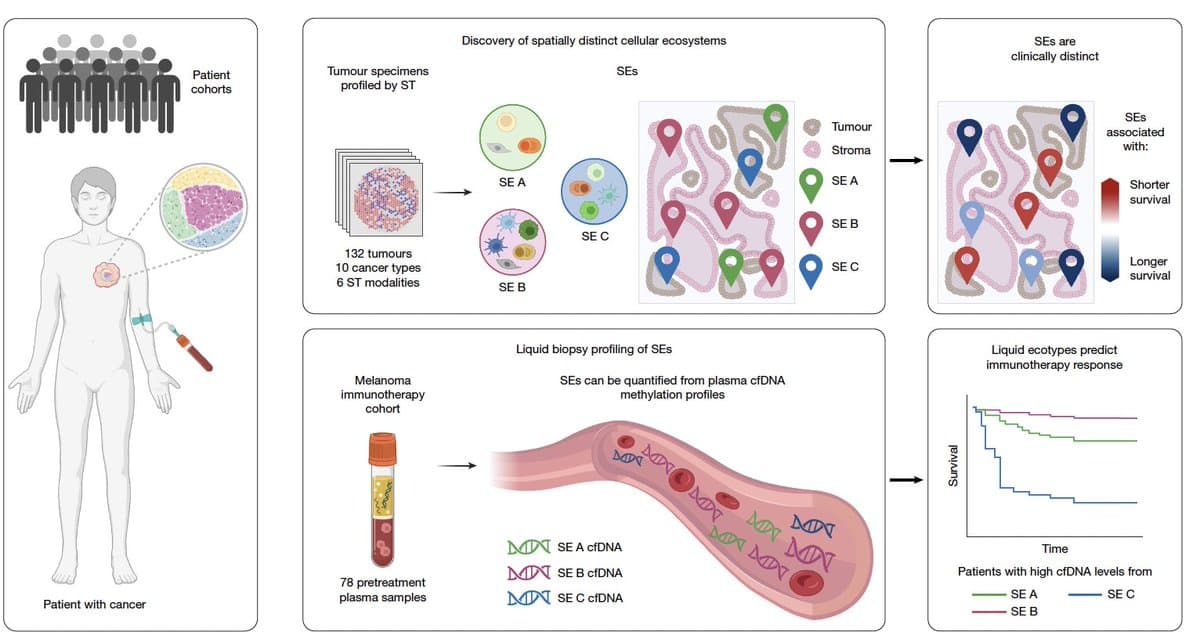
Blood Test Now Gauges Tumor Microenvironment Non‑invasively
We've known how important the tumor microenvironment is for cancer progression and treatment, but we never had a non-invasive blood test to assess it. Today, as reported @nature, one has been discovered https://t.co/rDaF5YUwTq

Dark Proteome Yields 1,785 New Microproteins that Could Reshape Disease Research
Scientists have identified 1,785 microproteins hidden in the human dark proteome, a roughly 10% increase to the known protein catalog. These tiny proteins, 65% under 50 amino acids, were uncovered by mining 95,520 mass‑spectrometry experiments and 3.7 billion spectra. The team...

A New Kind of CRISPR Could Treat Viral Infection and Cancer by Shredding Sick Cells' DNA
Researchers have engineered a novel CRISPR protein, Cas12a2, that acts as a molecular shredder, destroying DNA in cells that express a specific RNA trigger. In vitro, Cas12a2 cut the growth of KRAS‑mutant lung‑cancer cells by 50% and eliminated over 90%...

Waiv Enters Collaboration with Daiichi Sankyo to Deliver AI-Derived Biomarkers for ADC Program
Waiv, the Paris‑based AI precision‑testing firm formerly known as Owkin Dx, has partnered with Daiichi Sankyo to lead digital pathology biomarker discovery for an antibody‑drug conjugate (ADC) program. The collaboration will apply Waiv’s end‑to‑end computational pathology platform to early‑phase trial data,...

Lucent Diagnostics Announces Collaboration with Tempus to Integrate Blood-Based Alzheimer’s Biomarker Testing Into Clinical Workflows
Lucent Diagnostics, a Quanterix brand, partnered with Tempus AI to embed its LucentAD® Complete blood‑based Alzheimer’s biomarker panel into Tempus’ clinical ordering platform. The collaboration creates a Tempus Next care‑gap program that automatically identifies patients who meet guideline criteria for...
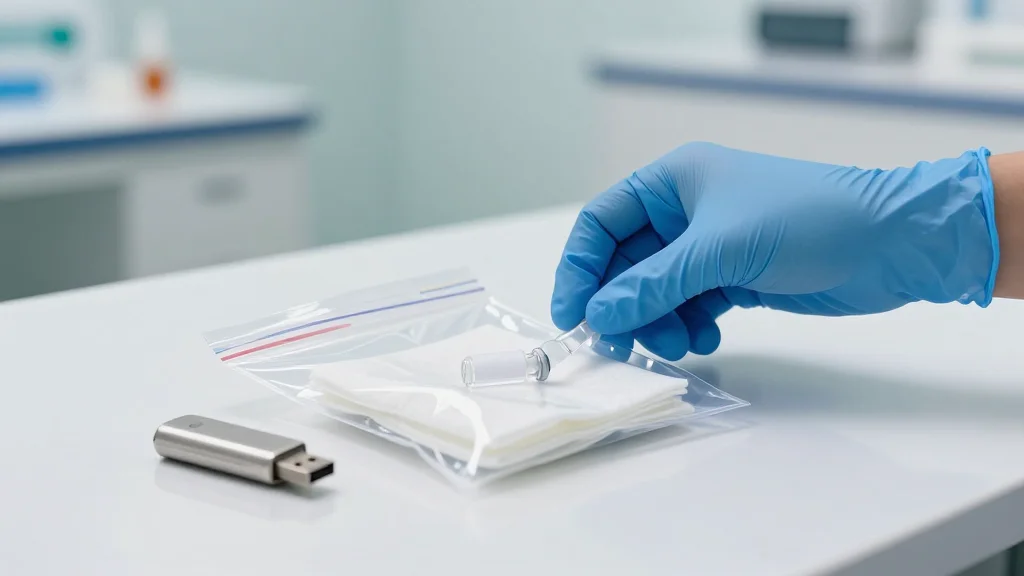
J&J’s Ottava Robot Meets Goals in Gastric Bypass Study
Johnson & Johnson reported that its investigational Ottava robotic system met safety and efficacy endpoints in a 30‑patient gastric bypass study, achieving an average 30‑pound weight loss within 30 days and no device‑related adverse events. All procedures were completed robotically...

IV Ketamine Shows Rapid Benefits for Suicide Risk, Depression in Major Depressive Episodes
A new meta‑analysis of 26 randomized trials involving 1,166 patients shows that intravenous ketamine rapidly alleviates both suicidal ideation and depressive symptoms in major depressive episodes. Single infusions cut suicidal scores by an SMD of –0.69 within 24 hours and depressive...
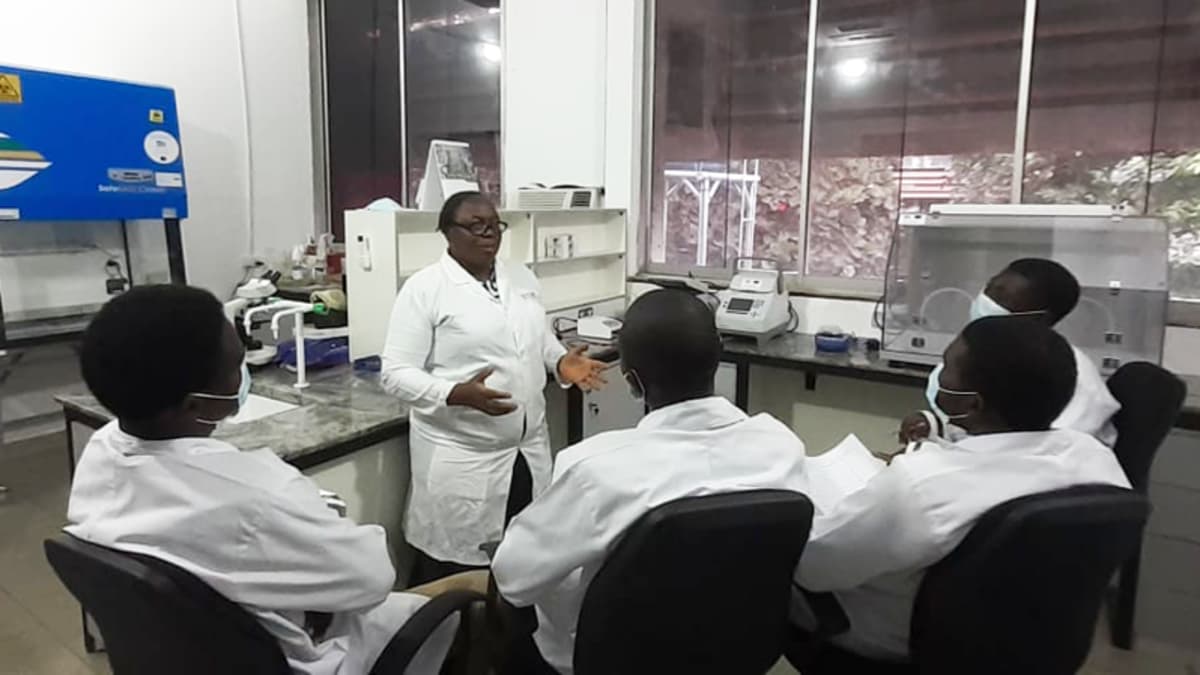
A Low-Cost Rotavirus Test Could Save Childrens’ Lives in Nigeria
Researchers at Obafemi Awolowo University have created a low‑cost, point‑of‑care rotavirus test that works without electricity or specialized training. The nanobead‑based kit showed 88% sensitivity in pilot hospitals, beating the standard ELISA test’s 60% sensitivity. Rotavirus accounts for nearly half...

Simulations Plus and NVIDIA Collaborate to Scale GPU-Accelerated, AI-Assisted Modeling Workflows
Simulations Plus announced a technical collaboration with NVIDIA to embed GPU‑accelerated and AI‑assisted modeling into drug‑development workflows. The partnership will re‑engineer Simulations Plus’ PBPK, PK/PD and QSP engines for NVIDIA GPUs, delivering up to a 75% reduction in simulation runtimes...
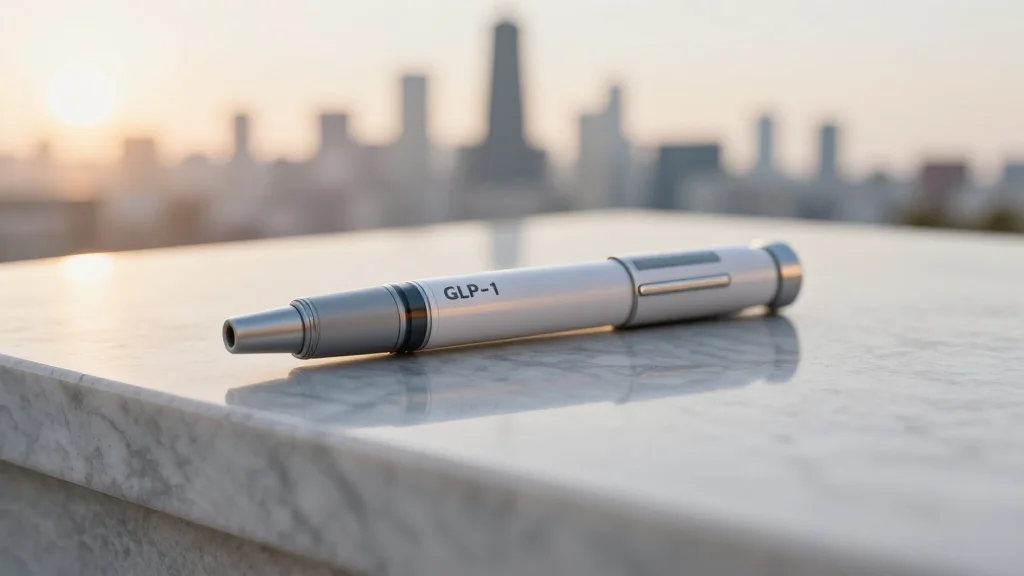
Chicago Trip Reveals GLP-1 Adoption Still in Infancy
being in Chicago for a few days has made me realize how insanely early we are in the GLP-1 adoption cycle

Most Oncology Brands Lose Before Launch Day — New ZoomRx Analysis of 40+ Drugs Quantifies the Awareness Gap That Predicts...
ZoomRx’s 2026 "Laggards and Leaders" analysis of 44 oncology brands shows that pre‑launch physician awareness drives commercial success. Brands entering the market with about 75% aided awareness outperform those starting at 55%, a 25‑point gap that persists through four years....

Gene Therapy Field Focused on FDA Shifts in Rome
Even at a meeting in Rome, FDA shifts are top of mind for gene therapy field https://t.co/J9WXJqzqTY via @statnews

The VESALIUS-CV Trial
In the VESALIUS-CV trial, researchers evaluated the impact of adding the PCSK9 inhibitor evolocumab to standard lipid‑lowering therapy in patients at high cardiovascular risk who had never experienced a myocardial infarction or stroke. Over a median follow‑up of 3.2 years,...

Cyclin E1 and CCNE1 Shift in Ovarian Cancer Post-PARP
The British Journal of Cancer study shows high‑grade serous ovarian carcinoma tumors develop resistance to PARP inhibitors by up‑regulating Cyclin E1 and amplifying the CCNE1 gene. Researchers compared pre‑ and post‑treatment samples using FISH and IHC, finding a significant rise in...

Novel Psychedelic Compound 25C-NBF Shows Rapid Antidepressant Effects without Addictive Traits
Researchers reported that the synthetic psychedelic 25C‑NBF rapidly induces dendritic growth and reverses depressive behaviors in male rodents after a single dose. The compound binds tightly to the serotonin 5‑HT2A receptor while showing minimal activity at 5‑HT2B, reducing heart‑valve risk....
GLP‑1 Use Surges, Unlocking $100B Anti‑obesity Market
i think roughly 40% of Americans are significantly overweight so still plenty of upside for GLPs. $LLY

Scientists Create "Living Plastic" That Can Self-Destruct on Command
Scientists at Shenzhen Institutes of Advanced Technology have engineered a "living plastic" that embeds dormant Bacillus subtilis spores. The spores stay inactive during normal use but can be triggered to awaken and produce two enzymes that sequentially break down polycaprolactone,...

Decoding Proteomic Changes in Pediatric Brain Injury
Researchers Khalifah and Guerguerian published a comprehensive proteomic analysis of severe pediatric traumatic brain injury in *Pediatric Research*. Using high‑throughput mass spectrometry, they mapped thousands of proteins in brain tissue and cerebrospinal fluid across acute, sub‑acute, and chronic phases. The...

STAT+: Novo Nordisk’s Less-Bad News on Its Wegovy Pill Boosts Earnings and Share Price
Novo Nordisk reported first‑quarter results that showed a modest improvement in its outlook for the obesity drug Wegovy. The company narrowed its adjusted sales decline forecast to 4%‑12% for the year, up from a prior 5%‑13% range, and aligned its...
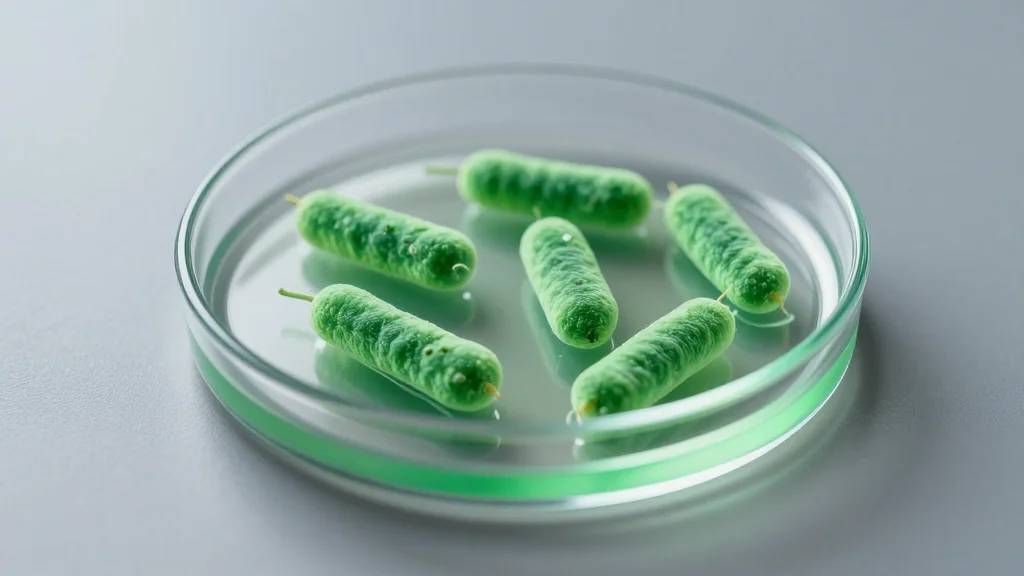
Engineered E. Coli Strain Uses 19 Amino Acids, Defying Long‑Held Biological Rule
Researchers have built a genetically engineered E. coli strain, Ec19, that discards isoleucine and operates with just 19 amino acids. The strain remains stable for over 450 generations, challenging the long‑standing notion that life requires a 20‑amino‑acid alphabet and unlocking fresh...

Cytokinetics Announces Positive Phase 3 Results for Aficamten in Non‑Obstructive HCM
Cytokinetics disclosed that its pivotal Phase 3 ACACIA-HCM trial of aficamten met both primary endpoints—improved Kansas City Cardiomyopathy Questionnaire scores and higher maximal exercise capacity—versus placebo. The data, presented on May 5, position the cardiac myosin inhibitor as a potential first‑in‑class therapy...