After Apellis Deal, Biogen Looks to Fill Early-Stage Pipeline
Biogen announced a $5.6 billion acquisition of Apellis Pharmaceuticals, adding a complement‑inhibition platform to its portfolio. While the deal closes this month, the company emphasized that its growth engine will now hinge on early‑stage development and research rather than late‑stage launches. Executives indicated a continued appetite for strategic deals to bolster the pipeline. The move reflects Biogen’s effort to diversify beyond its traditional neuro‑degeneration assets and address a slowing pipeline of late‑stage candidates.
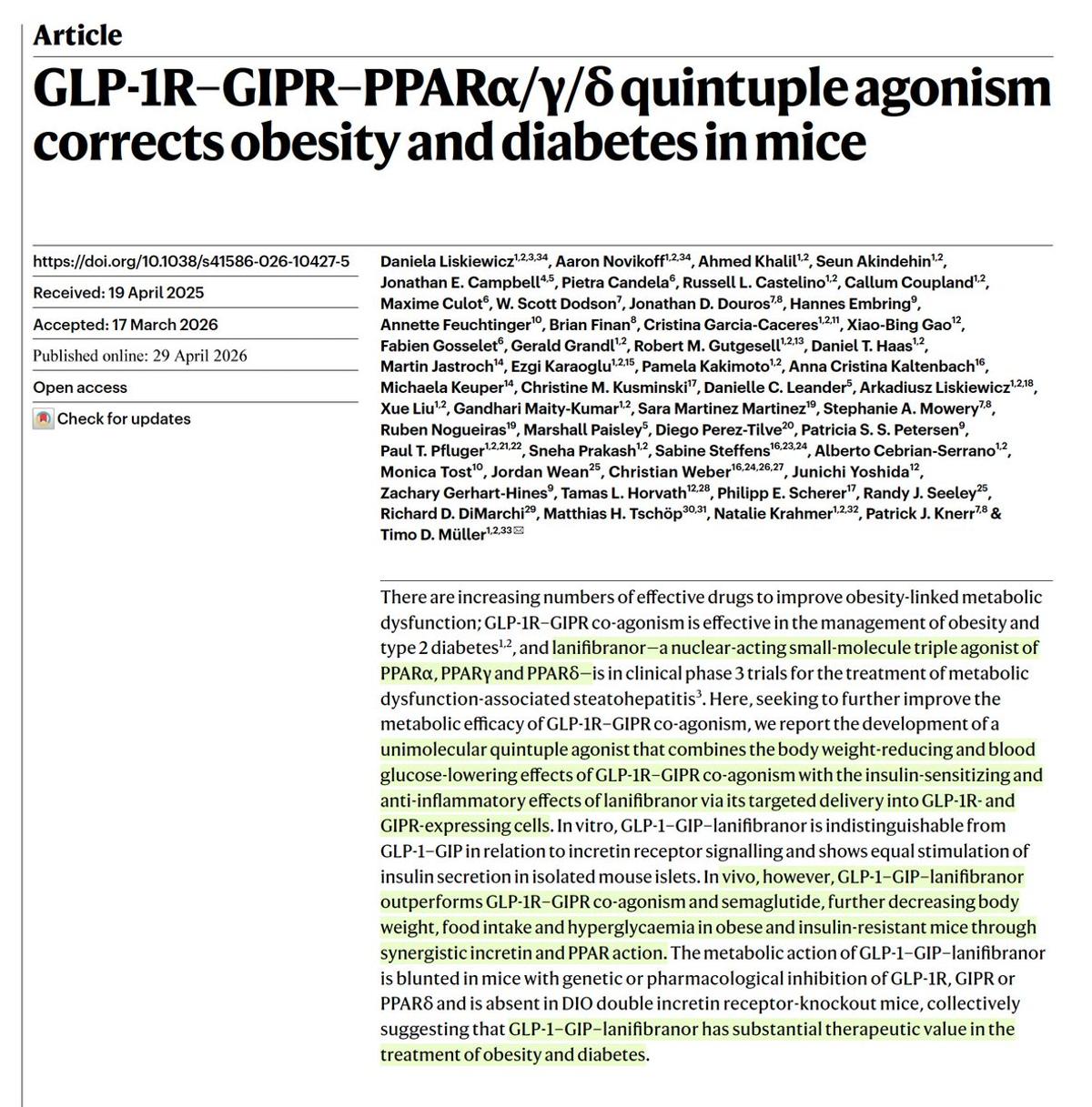
Quintuple Receptor Agonist Outperforms Tirzepatide in Trials
New @Nature A quintuple [GLP-1 + 4 other] receptor agonist drug that exceeds effects of the dual receptor (GLP-1 and GIP, tirzepatide) in the experimental model vs diabetes and obesity (in case you thought a dual receptor was max effect, as...
Brenntag Pharma Unveiled BYPHAR, the New Regulated Biopharma Manufacturing Brand
Brenntag Pharma introduced BYPHAR, a new regulated biopharma manufacturing brand that consolidates high‑quality raw materials, advanced facilities, and value‑added services into a single, compliance‑ready portfolio. The brand groups materials into three tiers—Explore, Enhance, and Excel—covering non‑GMP to LBLE critical grades,...

With Growth Curve Trending up, Biogen Looks to Early-Stage Assets for ‘Next Generation’
Biogen, fresh from its $5.6 billion acquisition of Apellis, announced on its Q1 earnings call that it will pivot toward early‑stage assets to thicken a pipeline it described as “quite thin.” The shift comes as Alzheimer’s patients transition off Eli Lilly’s Kisunla,...
March 2026 Patent Highlights
The March 2026 Patent Highlights page aggregates the latest drug‑discovery milestones, from 38 first‑time small‑molecule approvals by Europe’s EMA, China’s NMPA and Japan’s PMDA to a deep dive on protein‑structure advances and machine‑learning tools. It spotlights a newly optimized HPK1 inhibitor...

Circio Partners with TraffikGene Project to Advance Non-Viral circVec Delivery
Circio, an Oslo‑based circular RNA company, has partnered with the Universidad de Santiago de Compostela’s TraffikGene project to explore non‑viral delivery of its circVec circular RNA expression vectors. The collaboration merges Circio’s circVec platform with TraffikGene’s peptide amphiphile carrier system...
SYRE Jumps to $8B After Breakthrough UC Trial
$SYRE pushing $8 billion cap currently on a major $XBI red day following their open label a4b7 data proving that a4b7 continues to work. Valuation was ~$3B at the start of the year. Must’ve been a massive surprise that their...
Tomorrow's Dual AZN ODAC: Serena-6 AM, Truqap-281
Reminder that the dual $AZN ODAC takes place tomorrow. Camizestrant Serena-6 trial being debated in the morning, then Truqap Capitello-281 in the afternoon. Youtube link -> https://t.co/RDcvhRqVWR

Infinite Epigenetics Acquires Tally Health in ‘Largest Epigenetic Testing Deal to Date’
Infinite Epigenetics announced the acquisition of Tally Health, creating the largest private‑sector DNA methylation database. The deal merges Infinite's TruDiagnostic biological‑age platform with Tally's at‑home epigenetic test and supplement program, forming a vertically integrated measurement‑to‑intervention stack. Executives say the combined...
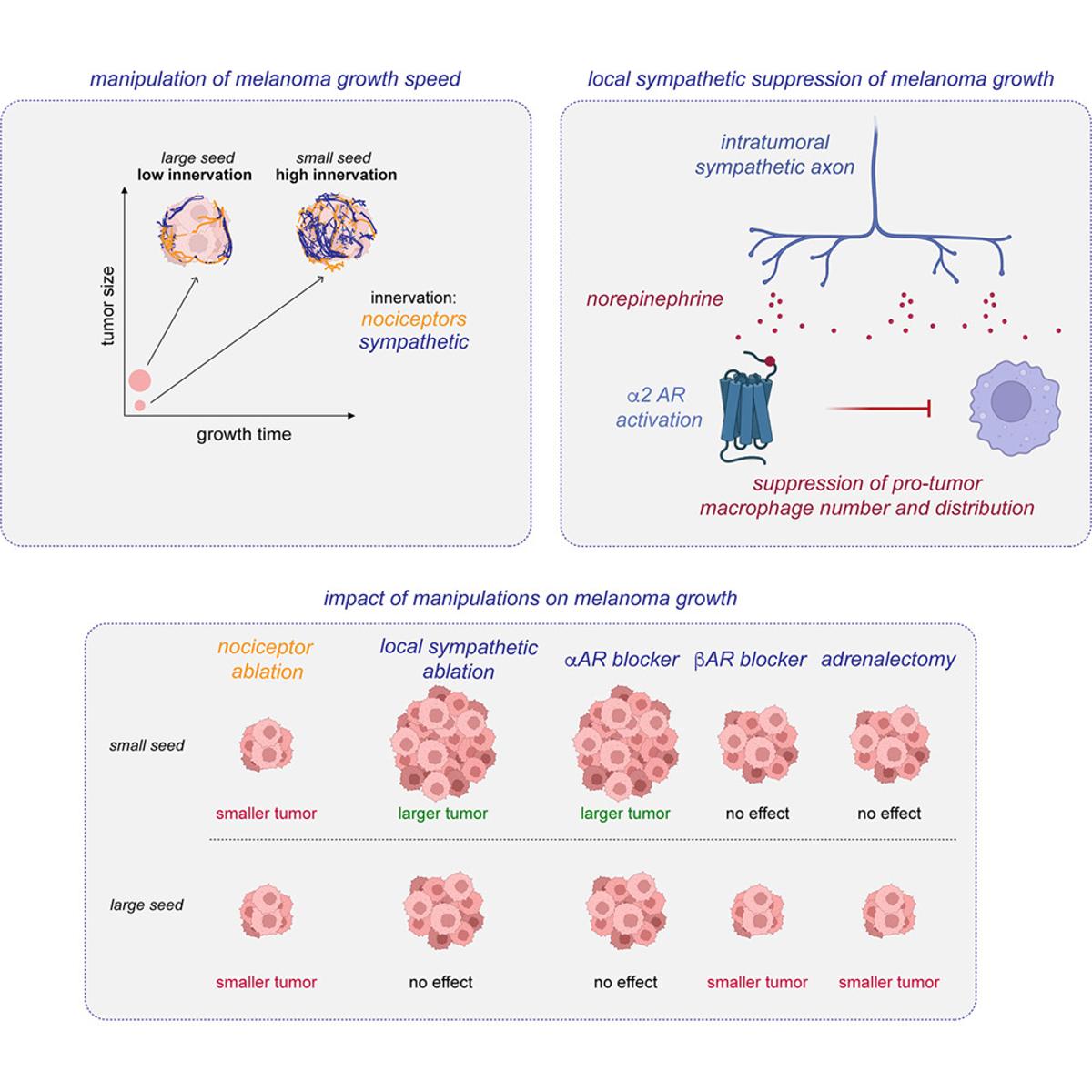
Skin Nerve Fibers Slow Melanoma Growth, Challenging Cancer Neuroscience
A twist in cancer neuroscience with many studies showing hijacking of neurons to promote cancer—melanoma growth slowed by nerve fibers in skin https://t.co/9OWEAhJPOb https://t.co/XGSdYYPqk8

FDA Knew of Better Method to Detect COVID Vaccine Safety Signals — But Refused to Use It
Senator Ron Johnson released a report showing that FDA officials during the Biden administration knew a superior empirical Bayesian data‑mining method existed for detecting COVID‑19 vaccine safety signals in VAERS but ordered staff to continue using the older, flawed tool....
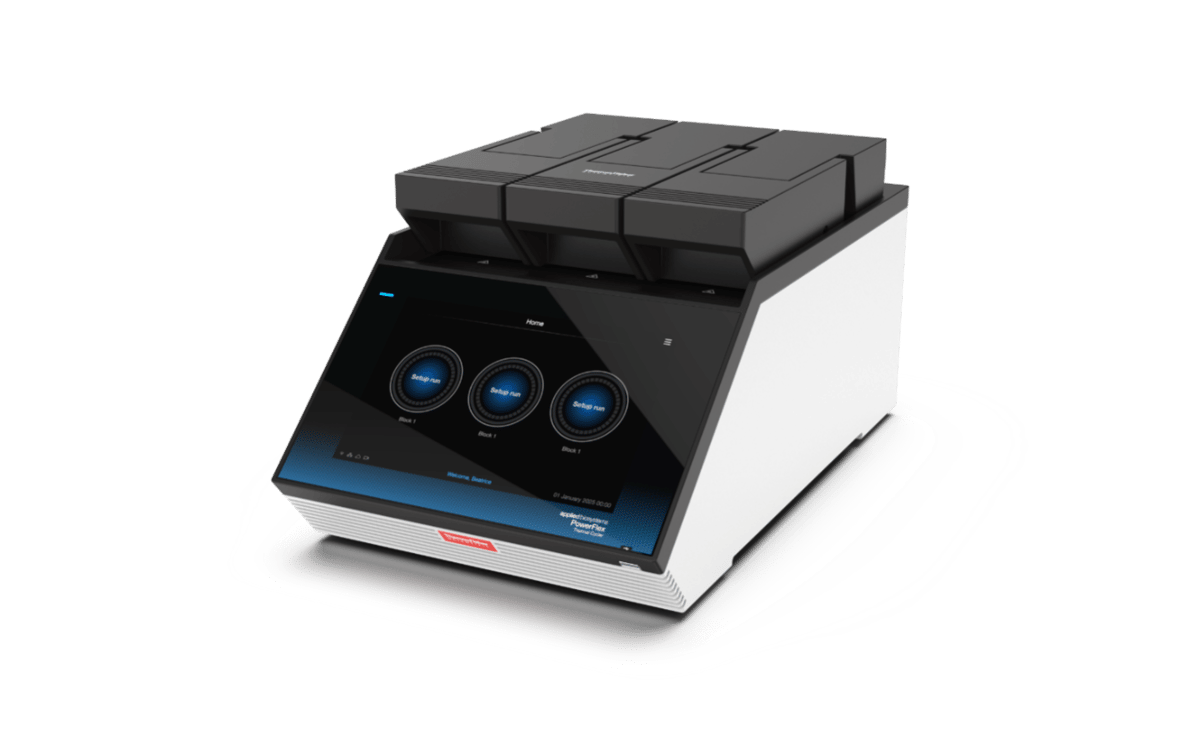
Thermo Fisher Scientific Launches Applied Biosystems PowerFlex Thermal Cycler
Thermo Fisher Scientific unveiled the Applied Biosystems PowerFlex Thermal Cycler, a next‑generation PCR instrument that emphasizes speed, precision, and flexibility. The system features a 10.1‑inch touchscreen, AI‑driven Smart Help, and two configuration options—a 96‑well plate and a 3 × 32‑well layout with...

Nanozymes Against Brain Tumors
Researchers at Empa and HOCH Health Ostschweiz are developing biocompatible nanozymes that can be applied directly during brain‑tumor surgery to attack astrocytoma cells. The nanozymes act like enzymes, generating reactive‑oxygen species and activating drug precursors, and they are triggered by...

Biogen Ready to Catch Alzheimer’s Patients Transitioning Off Lilly’s Kisunla
Biogen is positioning its Leqembi therapy to capture Alzheimer’s patients who will finish Eli Lilly’s 18‑month Kisunla regimen and need a maintenance option. Leqembi, approved in January 2023, saw a 74% year‑over‑year sales jump to $168 million in Q1 2026, beating expectations. Biogen is...

Inside Servier’s New €200M Venture Fund
Servier has unveiled a new corporate venture fund, committing roughly $216 million to back early‑stage biotech focused on oncology and neurology. The fund, Servier Ventures, will target late pre‑clinical and Series A assets where it can add capital and industrial expertise, especially...
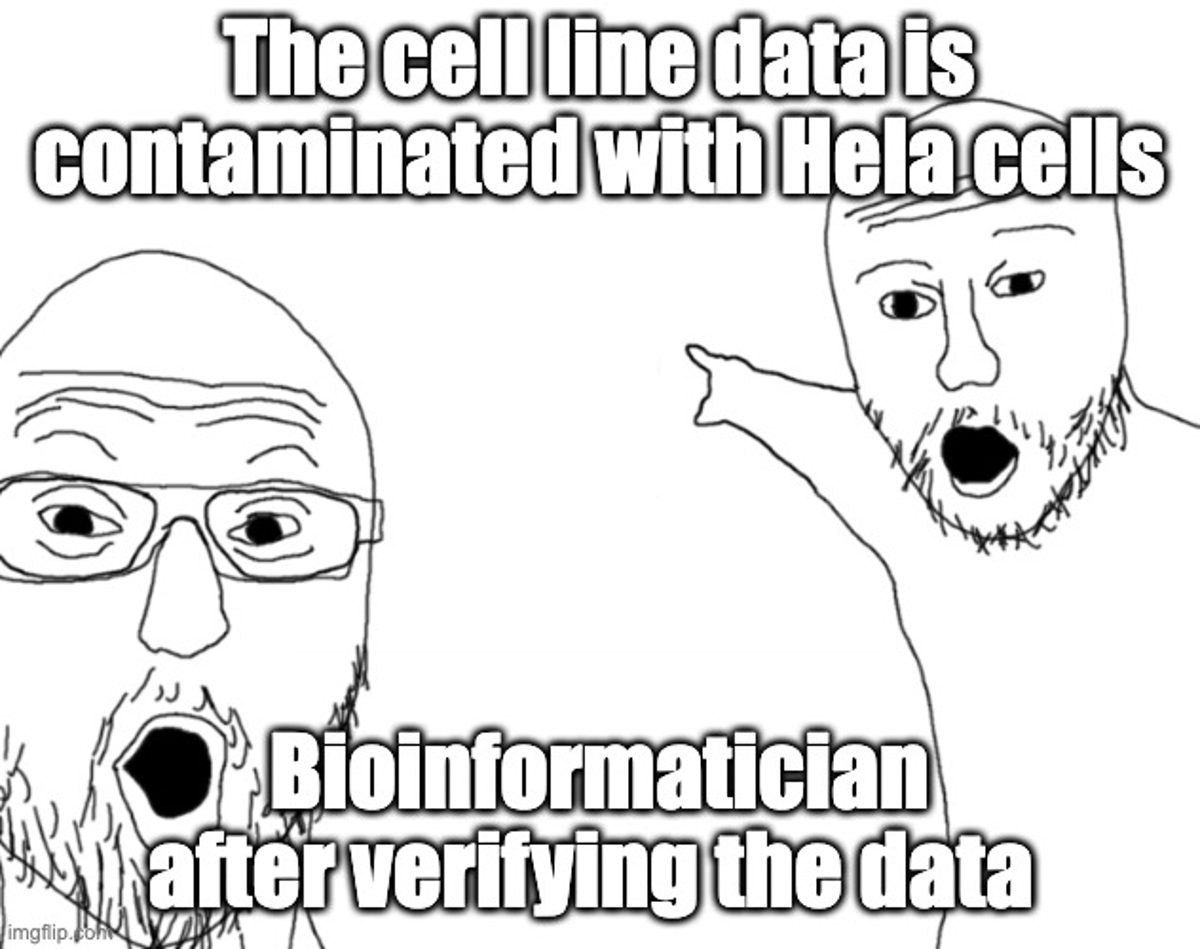
Never Blindly Trust Data, Even From Trusted Sources
1/ Bioinformaticians, I’ll say it loud: Never blindly trust the data you're given. Not from collaborators. Not from vendors. Not even from “reliable” sources. Here’s why: https://t.co/zXhgzqyISi

US Firm Implants Brain Device in China, Rare Cooperation
"A US company has tested a brain implant in a Chinese patient in Shanghai, a rare sign of cooperation as the two countries compete to develop the most advanced neurotechnology." https://t.co/4xEs7DZTpk

Candel Therapeutics Announces Commercial Agreement with EVERSANA to Support U.S. Launch of Prostate Cancer Therapy
Candel Therapeutics announced a commercialization agreement with EVERSANA to support the potential U.S. launch of its gene‑therapy candidate aglatimagene besadenovec (CAN‑2409) for intermediate‑ to high‑risk localized prostate cancer. EVERSANA will deliver a full suite of services, including data analytics, medical...

Chiesi Signs $1.9B Deal to Acquire KalVista and Its Approved Drug
Italian pharmaceutical group Chiesi announced a $1.9 billion cash acquisition of U.S. biotech KalVista Pharmaceuticals, paying $27 per share. KalVista brings an FDA‑approved therapy for a rare disease into Chiesi’s portfolio, bolstering its specialty drug offerings. The deal is part of...

SRN‑901 Extends Mouse Lifespan by 33% in Preclinical Trial, Raising Longevity Hopes
SinoGen, Tsinghua University and China National Pharmaceutical announced that the oral anti‑aging candidate SRN‑901 extended median remaining lifespan by 33% in naturally aging mice. The study also cut tumor incidence by 30% and slowed visible aging signs, positioning the drug...
Paradigm Health Teams with FDA and Pharma Giants to Speed Trial Data Review
Paradigm Health announced a partnership with the U.S. Food and Drug Administration, Amgen and AstraZeneca to pilot an integrated technology platform that delivers real‑time trial data to regulators, promising to shrink review cycles from months to days. The model, already...

Chiesi Expands Rare Disease Portfolio, Acquires KalVista for $1.9 Billion
Chiesi Group announced a $1.9 billion cash acquisition of KalVista Pharmaceuticals, its largest deal to date. The purchase adds EKTERLY (sebetralstat), the first oral, on‑demand therapy for hereditary angioedema (HAE), to Chiesi’s rare‑disease pipeline. EKTERLY is already approved in major markets...
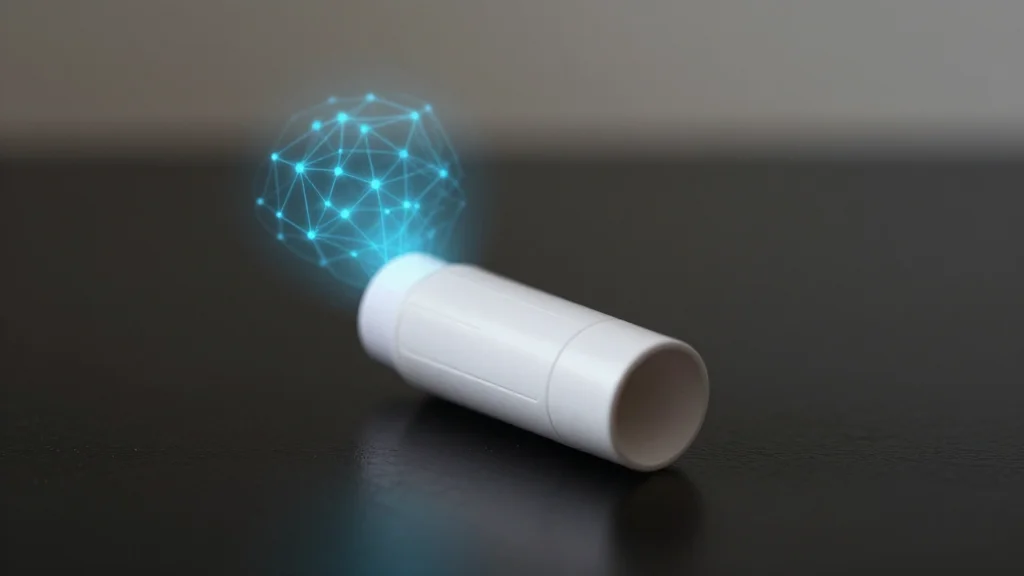
Insilico Medicine Secures IND for AI-Designed Rentosertib Inhalation, First Direct‑to‑Lung Trial
Insilico Medicine announced IND clearance from China's CDE for its AI‑designed Rentosertib inhalation solution, marking the 13th AI‑driven program to reach clinical testing and the first to use a direct‑to‑lung delivery route. The Phase I study will enroll about 80...

When ADCs Meet Targeted Protein Degraders: The Emerging Field of Degrader-Antibody Conjugates
The biotech sector is exploring degrader‑antibody conjugates (DACs), a hybrid that merges antibody‑drug conjugate targeting with catalytic protein‑degradation payloads. C4 Therapeutics has expanded its partnership with Roche to co‑develop two undisclosed oncology DAC programs, while Orum Therapeutics secured $100 million to...

Teva to Acquire Emalex Biosciences for ~$900M
Teva Pharmaceutical Industries has signed a definitive agreement to acquire Emalex Biosciences for an estimated $900 million, comprising $700 million upfront and up to $200 million in commercial milestones. The purchase brings Emalex’s lead asset, ecopipam—a selective dopamine D1 receptor antagonist—into Teva’s neuroscience...

FDA Halts Manual Trial Data Entry, AI Opportunity Ignored
The FDA Finally Stopped Re-Typing Clinical Trial Data. That's the AI Story Nobody Is Writing. https://t.co/hAH43sFSTg

Psychedelics Go Mainstream: Medicine, Mania Or Both?
Psychedelics are re‑emerging as a potential breakthrough in behavioral health, spurred by loosening regulations and a Trump‑issued executive order that accelerated research. Early clinical data suggest benefits for depression, PTSD and other conditions, prompting biotech stocks to rally after FDA...

Amgen, AZ Will Pilot FDA's Real-Time Clinical Trial Plan
The FDA unveiled a plan to receive clinical‑trial data in real time, aiming to accelerate drug development. AstraZeneca and Amgen have agreed to pilot the model with two studies that will stream endpoints and safety signals to regulators as they...
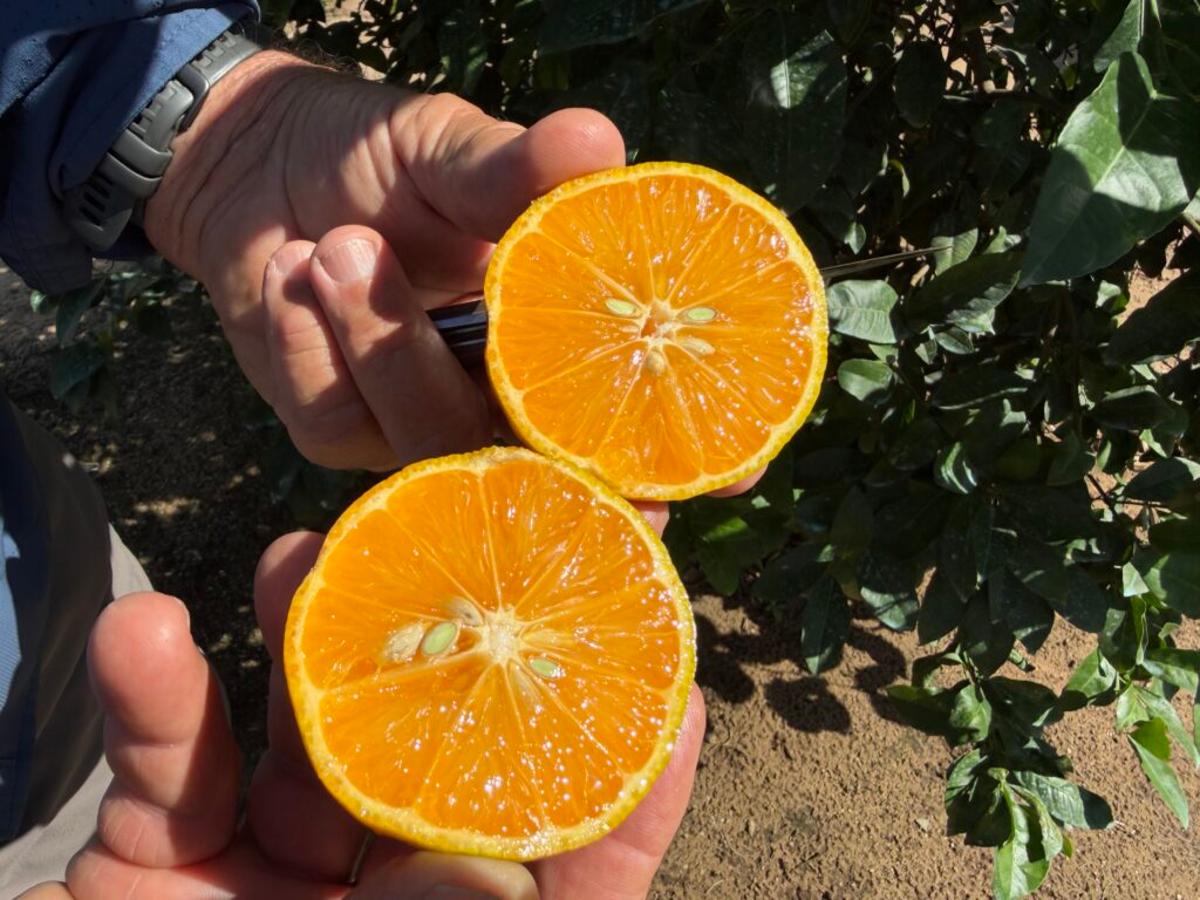
EPA Approves Soilcea’s CarriCea T1: The First CRISPR-Edited Rootstock to Offer Greening Tolerance for Florida Citrus
The U.S. Environmental Protection Agency has approved Soilcea’s CarriCea T1, the first CRISPR‑edited citrus rootstock engineered for tolerance to Huanglongbing (HLB) disease. Developed by University of Florida researchers and Soilcea, the rootstock blocks the bacterium’s interaction with the tree, limiting infection....

Robotics
Ekso Bionics' Ekso GT™ exoskeleton became the first FDA‑cleared wearable robot for stroke rehabilitation in May 2016. The device enables individuals with lower‑limb paralysis to stand and walk during therapy sessions. It also secured clearance for certain spinal‑cord‑injury patients, marking a...

Revolution’s on a Pancreatic Cancer Winning Streak. What Comes Next for the Biotech?
Revolution Medicines announced that its oral RAS(ON) inhibitor daraxonrasib nearly doubled overall survival in previously treated metastatic pancreatic cancer, while its second candidate zoldonrasib showed tumor shrinkage in over half of KRAS‑driven lung cancer patients. The breakthrough data sent the...
The 20 Enterprise AI Drug Discovery & Life Sciences CEOs You Need to Know in 2026
The AI Insider has compiled a roster of the 20 most influential CEOs steering enterprise AI drug discovery and life‑sciences firms in 2026. The list showcases companies that are compressing decade‑long development cycles into months through generative protein design, AI‑optimized...

Drug Trials Snapshot: DAXXIFY
Revance Therapeutics’ DAXXIFY, a daxibotulinumtoxin A formulation, received FDA approval on September 7 2022 for temporary reduction of moderate to severe glabellar lines. Approval was based on two randomized, double‑blind, placebo‑controlled trials (GL‑1 and GL‑2) that enrolled 609 adults across the United States...

HUTCHMED Reports NMPA’s NDA Acceptance Under Priority Review for Sovleplenib to Treat wAIHA
HUTCHMED’s oral JAK2 inhibitor sovleplenib has received NDA acceptance and priority review from China’s National Medical Products Administration for warm‑antibody autoimmune hemolytic anemia (wAIHA). The submission is backed by Phase II/III data showing a 43.8% overall response rate versus 0%...

Meet the Brand New Excuse for Medical Failures; It’s a Doozy
Google AI released research indicating roughly 10% of patients may not respond to GLP‑1 weight‑loss drugs because of specific genetic variations. The finding is framed as a scientific explanation for drug inefficacy, suggesting that patient genetics, not the medication, drive...
Drug Trials Snapshots: VOQUEZNA TRIPLE PAK, VOQUEZNA DUAL PAK
Phathom Pharmaceuticals’ VOQUEZNA TRIPLE PAK (vonoprazan, amoxicillin, clarithromycin) and VOQUEZNA DUAL PAK (vonoprazan, amoxicillin) received FDA approval for adult Helicobacter pylori infection based on a 992‑patient trial across six countries. In the modified intent‑to‑treat population, the triple regimen eradicated the...
Drug Trials Snapshot: OPDUALAG
OPDUALAG, a fixed‑dose combo of nivolumab and relatlimab, received FDA approval in March 2022 for adults and adolescents with unresectable or metastatic melanoma. The pivotal trial enrolled 714 patients and showed a median progression‑free survival of 10.1 months versus 4.6...
Drug Trials Snapshots: VONJO
VONJO (pacritinib) received FDA accelerated approval on Feb. 28, 2022 for adult myelofibrosis patients with platelet counts ≤50,000/µL. The decision rests on a single trial that enrolled 63 low‑platelet patients, of whom 31 received VONJO and 32 received best available therapy. In...
Drug Trials Snapshot: PYRUKYND
AGIOS Pharmaceuticals’ mitapivat, marketed as PYRUKYND, received FDA approval in February 2022 for treating hemolytic anemia caused by pyruvate kinase deficiency. In pivotal trials, 40% of non‑transfused adults achieved a ≥1.5 g/dL hemoglobin increase versus none on placebo, while 33% of...

Six-Step Playbook for Risk‑Stratified Lipid‑Lowering Therapy
Reducing cardiovascular risk: a playbook for lipid-lowering pharmacotherapy Risk-stratified targets and a six-step playbook for choosing, combining, and escalating lipid-lowering therapy https://t.co/PcIQNxmivX https://t.co/SzTN9ZAD85
Drug Trials Snapshots: ENJAYMO
ENJAYMO (sutimlimab‑jome) received FDA approval in February 2022 as the first therapy to reduce red‑blood‑cell transfusions in adults with cold agglutinin disease (CAD). Approval was based on a single open‑label, single‑arm trial (CARDINAL) that enrolled 24 patients across eight countries. After...
Drug Trials Snapshots: VABYSMO
VABYSMO (faricimab‑svoa), approved in January 2022, was evaluated in four pivotal trials involving 2,591 patients with neovascular age‑related macular degeneration (nAMD) and diabetic macular edema (DME). The drug was administered monthly for four doses before transitioning to a personalized schedule based...
Drug Trials Snapshot: CIBINQO
Pfizer's oral JAK inhibitor CIBINQO (abrocitinib) received FDA approval in January 2022 for adults with refractory moderate‑to‑severe atopic dermatitis. The approval rests on three phase‑3 trials involving 1,615 patients across 18 countries, which demonstrated robust skin‑clearance outcomes at week 12, especially with...
Drug Trials Snapshot: IMAAVY
IMAAVY (nipocalimab‑aahu) received FDA approval on April 29, 2025 for generalized myasthenia gravis in patients 12 years and older with AChR or MuSK antibodies. In a pivotal 24‑week Phase III trial of 196 adults, the drug achieved a statistically significant 1.5‑point improvement...

MPM Has Collected Three China Drugs for Its ‘Best of Both Worlds’ Strategy
MPM BioImpact, a biotech investment firm, has finalized the acquisition of three China‑origin drug candidates as part of its "best of both worlds" strategy. The deals were brokered through its portfolio company K2 Therapeutics, which now controls three distinct programs...

Scientists Invented a Chewing Gum That Might Help Fight Cancer Some Day
Scientists at the University of Pennsylvania have engineered an antimicrobial chewing gum from lablab bean protein FRIL that dramatically reduces oral cancer‑associated microbes. Ex vivo tests showed a 93 percent drop in HPV levels and near‑zero counts of Porphyromonas gingivalis and Fusobacterium...

Battle over DNA Within Fertilized Eggs May Explain Why some IVF Procedures Fail
A new mouse study published in Nature reveals that keeping maternal and paternal pronuclei separate in fertilized eggs promotes normal development. Up to 8% of IVF‑derived zygotes fuse these pronuclei prematurely, creating a single oversized pronucleus with altered DNA methylation....
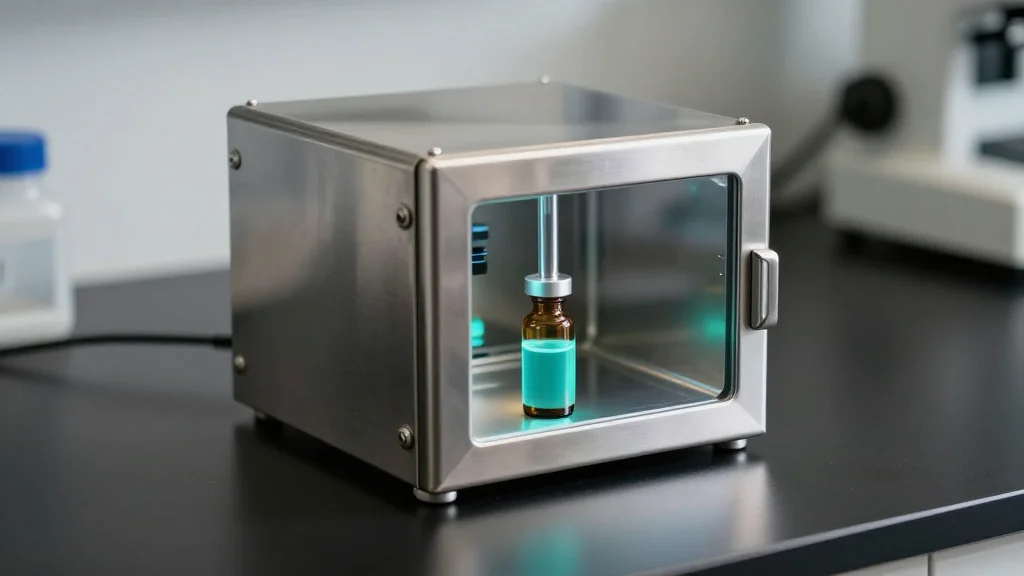
The Strategic Investments Expanding CDMO Capabilities for HPAPIs and ADCs
Contract development and manufacturing organisations (CDMOs) are accelerating investments to meet soaring demand for highly potent active pharmaceutical ingredients (HPAPIs) and antibody‑drug conjugates (ADCs). The focus is on backward integration, high‑containment infrastructure, and advanced processing such as chromatography and lyophilisation...

FDA Accuses ChemoCentryx of Trial Manipulation in Amgen‑Owned Tavneos Approval
The U.S. Food and Drug Administration has formally accused ChemoCentryx of manipulating results from the pivotal trial that secured approval of its drug Tavneos, now under Amgen’s ownership. The agency says the alleged misconduct could prompt a withdrawal of the...

Leipzig’s Primogene Raises €4.1 Million to Scale Enzymatic Biomanufacturing of Complex Bioactive Molecules
Leipzig‑based biotech Primogene announced a €4.1 million (≈$4.5 million) seed round led by High‑Tech Gründerfonds to expand its enzymatic biomanufacturing platform. The funding will be used to scale production, grow the team, and broaden its IP portfolio and strategic partnerships. Primogene’s enzyme‑driven...