
Exclusive: UC Berkeley Startup Bets on Jumping Genes for GLP-1 Gene Therapy
A UC Berkeley spin‑out is developing a gene‑therapy platform that inserts a GLP‑1‑producing cassette into patients' cells using a jumping‑gene (transposon) system. The approach seeks to turn the body into its own continuous source of the hormone, eliminating the need for daily GLP‑1 injections. Early animal studies report sustained hormone expression and significant weight loss over several months. The company hopes the technology will address the high dropout rates that plague current GLP‑1 drug regimens.

AI-Designed PRMT5 Inhibitor Nominated in UAE
Today marks a historic moment for Insilico and another world's first in AI-powered drug discovery. We nominated the first preclinical/developmental candidate in the UAE. It is also our 30th PCC/DC nominated in the past 5 years. 12 molecules reached clinical...

AAN 2026: Long Half-Life and Long-Acting Injectable, What Pharmacists Should Know About RAP-219's Dosing Advantages for Focal Epilepsy
Rapport Therapeutics presented phase 2 data for RAP‑219 at the AAN 2026 meeting, showing 24% of drug‑resistant focal epilepsy patients achieved complete seizure freedom over an eight‑week period. The trial leveraged responsive neurostimulation (RNS) devices to capture objective electrographic seizure data,...
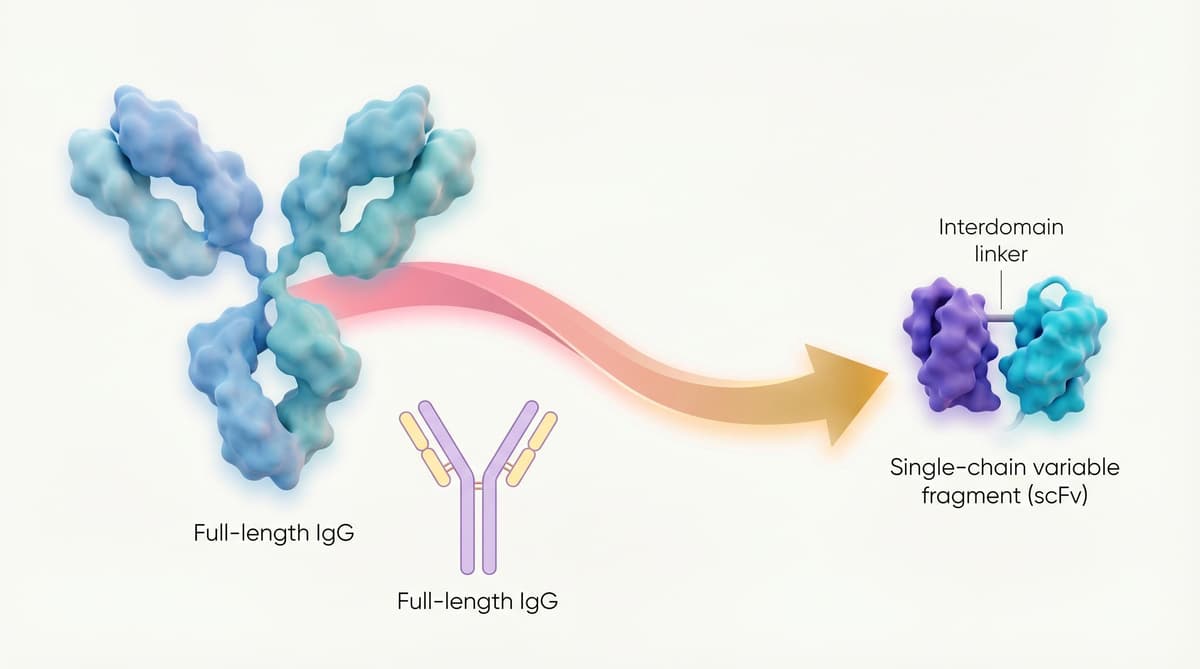
New Antibody Drugs Target Disease From Within
Researchers have used AI to redesign antibody binding fragments, creating more than 600 stable intracellular versions. By adjusting charge distribution, these fragments remain soluble inside cells and retain target specificity, enabling direct binding to disease‑driving proteins such as those implicated...
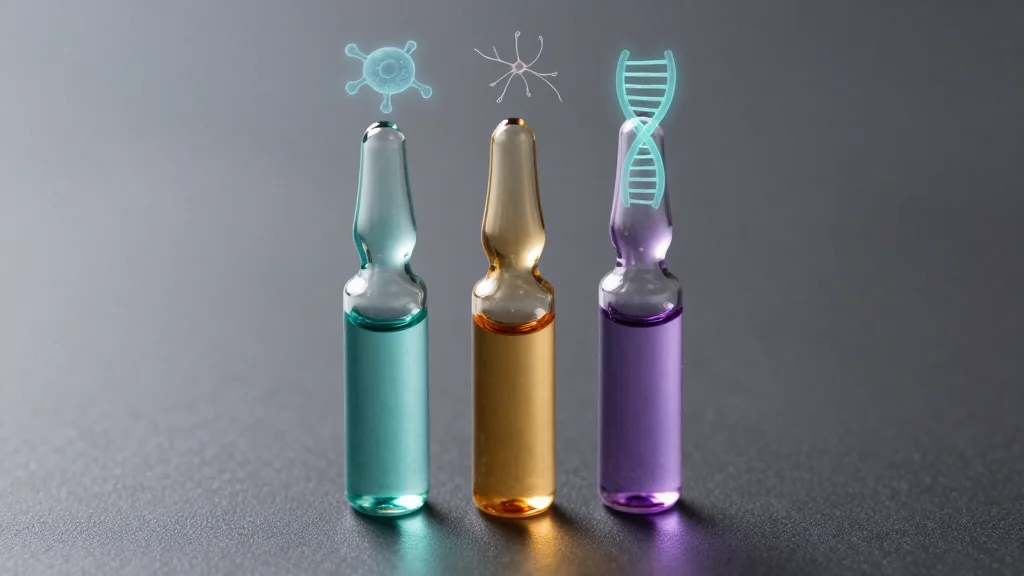
Regulatory Round-Up: Novartis, Sanofi and Arrowhead Secure CHMP Blessings
The European Committee for Medicinal Products (CHMP) issued positive opinions on three therapies: Sanofi's BTK inhibitor cenrifki for non‑relapsing secondary progressive multiple sclerosis, Arrowhead's siRNA drug redemplo for familial chylomicronemia syndrome, and Novartis' gene‑replacement therapy itvisma for spinal muscular atrophy....

Precision Delivered: How Radiopharmaceuticals Are Reshaping Cancer Care
Radiopharmaceuticals, especially alpha‑emitting agents, are emerging as precision tools that deliver high‑LET radiation directly to cancer cells while sparing healthy tissue. Building on decades of beta‑emitter use, alpha therapies generate dense DNA damage and are less dependent on tumor oxygenation....

Duodenal Mucosal Resurfacing Cuts Weight Regain After Ozempic Stop, Trial Shows
A blinded, sham‑controlled trial presented at Digestive Disease Week 2026 shows duodenal mucosal resurfacing (DMR) reduces weight regain after discontinuing GLP‑1 drugs like Ozempic. In 45 participants, those receiving DMR kept over 80% of their loss, while sham controls regained...
Agios Shares Plunge 27% After Novo Nordisk Announces Superior Sickle‑Cell Results
Agios Pharmaceuticals' shares tumbled 26.8% after Novo Nordisk disclosed Phase 3 data showing its etavopivat outperformed Agios' mitapivat in sickle‑cell disease. The setback comes as Agios reported a $1.1 billion milestone boost from vorasidenib approval but faces uncertainty over mitapivat’s accelerated‑approval prospects.

The Road Ahead—What’s Next for Host Cell Protein Analytics?
Advanced LC‑MS strategies are reshaping host cell protein (HCP) analytics, moving beyond the semi‑quantitative limits of traditional ELISA. Data‑independent acquisition (DIA) offers broad relative profiling, while stable‑isotope‑labeled (SIL) peptides provide absolute quantification for high‑risk HCPs. Integrating DIA, SIL, and ELISA...

Study Finds Habitual Coffee Alters Gut Microbiome and Boosts Cognitive Performance
Researchers at University College Cork completed a double‑blind trial of 62 Irish adults that linked daily coffee consumption to distinct shifts in gut microbiota and measurable gains on cognitive tests. The findings, registered under ClinicalTrials.gov IDs NCT05927038 and NCT05927103, could...

Bispecific Antibodies Are Reshaping Multiple Myeloma Care: Prerna Mewawalla, MD
Bispecific antibodies are rapidly reshaping multiple myeloma treatment by delivering response rates up to 80% in earlier relapse settings, far surpassing the historic 30% seen with conventional therapies. These agents simultaneously bind a myeloma antigen such as BCMA, GPRC5D or...

Pfizer Presents Auristatin S ADC for GPNMB Tumors
Pfizer has unveiled PF-08046033, an antibody‑drug conjugate that links the potent cytotoxic agent auristatin S to an antibody targeting the transmembrane glycoprotein NMB (GPNMB). The ADC is designed to deliver the payload directly into GPNMB‑expressing tumors, potentially widening the therapeutic...

Pharma Industry Faces Long Haul to Get Return on Investment From AI
The pharmaceutical sector is confronting a prolonged timeline before artificial intelligence delivers a clear return on investment. While AI tools have accelerated early‑stage drug discovery, most companies still grapple with data integration, regulatory compliance, and the high cost of talent....

Modified CRISPR Tool Targets Down Syndrome Mutation
Researchers at Beth Israel Deaconess Medical Center and Harvard Medical School have engineered a modified CRISPR system that inserts the long non‑coding RNA XIST into one copy of chromosome 21, silencing the extra genetic material that causes Down syndrome. The new...

PMVP Poised for Sale After Strong Phase 2 Results
Some movement on $PMVP worth flagging. Strong Phase 2 results, the market gave zero credit. But something is stirring. Board just appointed Laurie Stelzer as Chairman. CFO track record across multiple major pharma buyouts. Clear corporate finance chops. PMVP might be prepping for...

Pfizer Culls Early PD-L1 Asset After Series of Clinical Wins, Deals in Cancer
Pfizer terminated the Phase 1 study of its early‑stage PD‑L1 antibody‑drug conjugate PF‑08046037 after enrolling eight patients, citing strategic business reasons rather than safety or efficacy concerns. At the same time, the company announced a 47% reduction in disease‑progression risk for...

Arrowhead Pharmaceuticals Receives the CHMP’s Positive Opinion for Redemplo (Plozasiran) to Treat Familial Chylomicronemia Syndrome (FCS)
The European Medicines Agency’s Committee for Medicinal Products for Human Use (CHMP) issued a positive opinion on Arrowhead Pharmaceuticals’ RNAi therapy Redemplo (plozasiran) as an adjunct to diet for adults with familial chylomicronemia syndrome (FCS). The recommendation follows the Phase III...
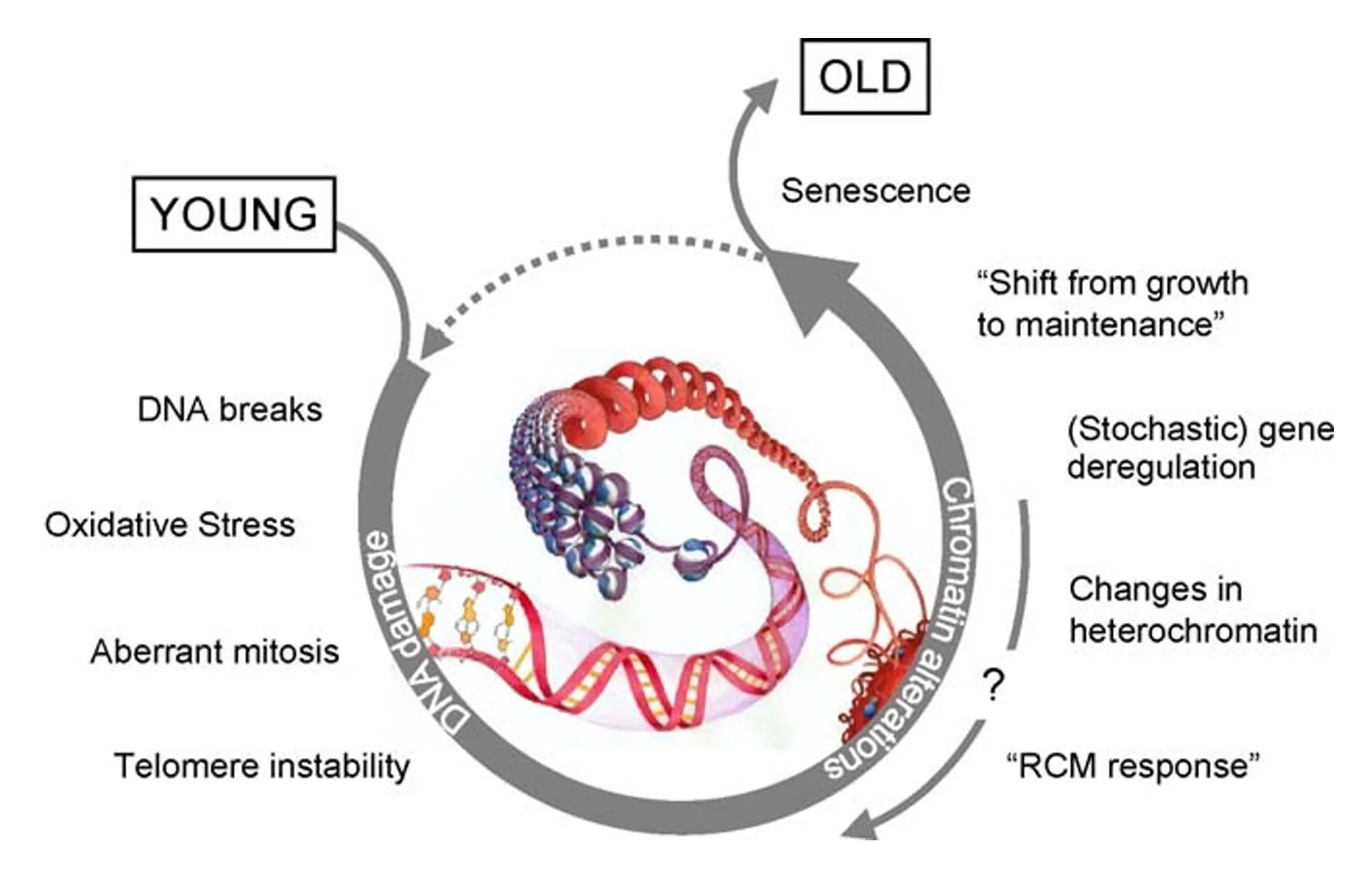
Epigenetic Reset: Once Mocked,
From 2008-2024 I was accused of hyping (a common slur) for suggesting that changes to the epigenome might cause aging and that therapeutics could "allow us to reset the epigenome to a more youthful state." - Oberdoerffer & Sinclair...

15 Companies You’ll See at NIBRT Careers in Biopharma 2026
On Saturday, April 25, the National Institute for Bioprocessing Research and Training (NIBRT) will host its 12th annual Careers in Biopharma event in Dublin’s O’Reilly Hall. The free‑registration fair will feature 15 leading biopharma companies—including AbbVie, Amgen, Eli Lilly, Pfizer and WuXi...

Former FDA Staffer Cites Political Pressure Blocking Rare‑disease Drug Approval
Former FDA staffer - “I recently left FDA due to the political pressure I was receiving to withhold my recommendation for approval for a drug that was intended for a rare disease. I was part of a review division that...

Japanese Pharma Companies Turning to CDMOs Earlier in Product Life Cycle
Japanese pharmaceutical firms are engaging contract development and manufacturing organizations (CDMOs) earlier in the product lifecycle, especially for peptide programs. Over the past 12‑24 months, demand for preclinical and early‑clinical peptide services has risen sharply, driven by venture‑backed biotech spinouts...

Lilly’s CAR-T Devotion; CBER’s Next Top Dog?
Eli Lilly announced the acquisition of Kelonia Therapeutics, an in‑vivo CAR‑T biotech, extending its push into next‑generation cell therapies. The deal follows Lilly’s recent milestone of becoming the first drugmaker to hit a $1 trillion market value, underscoring a diversification strategy that...

The Problem with Psychedelic Research
President Trump signed an executive order to speed the approval of psychedelic drugs for veterans with PTSD and depression, marking the first major regulatory push for these treatments. A new review of 24 studies compared psychedelics to open‑label antidepressants and...

Is Pharma Missing the Boat on Diagnostics?
Pharma giants are accelerating investments in diagnostics to support precision‑medicine strategies, highlighted by Roche's $595 million purchase of SAGA Diagnostics and Abbott's $21 billion acquisition of Exact Sciences. Venture capital for diagnostics lagged behind AI, with only $1.7 billion raised last year versus...

KT-621 Gets FDA Fast Track Designation for Eosinophilic Asthma
Kymera Therapeutics received FDA fast‑track designation for its oral STAT6 degrader KT‑621, targeting moderate‑to‑severe eosinophilic asthma and atopic dermatitis. The first‑in‑class molecule works intracellularly, offering a potential oral alternative to injectable biologics that block the IL‑4/IL‑13 pathway. Phase 2b trials are...
This Artificial Retina Doesn't Just Aim to Restore Sight—It Opens a Hidden Channel of Vision
Researchers at Yonsei University and the Institute for Basic Science have unveiled an implantable artificial retina that detects near‑infrared (NIR) light and converts it into electrical pulses to stimulate surviving retinal ganglion cells. The device combines a phototransistor array with...
Sanofi’s Tolebrutinib Gets CHMP Backing for Certain MS Patients Despite FDA Rejection
Sanofi’s BTK inhibitor tolebrutinib received a positive opinion from the European Medicines Agency’s CHMP for treating relapsing forms of multiple sclerosis, despite a complete response letter from the U.S. FDA in December. The CHMP recommendation paves the way for a...
CAR T-Cell Therapy May Prevent Progression of Smoldering Myeloma
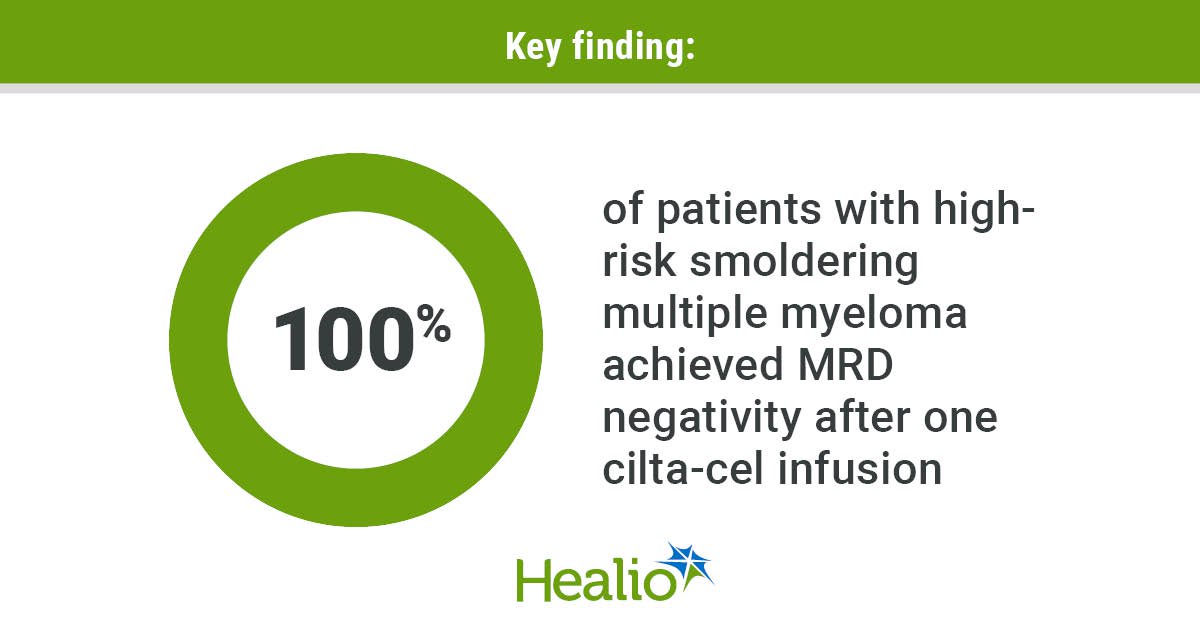
A phase‑2 trial of ciltacabtagene autoleucel (cilta‑cel) in 20 high‑risk smoldering multiple myeloma patients achieved a 100% overall response rate, with all participants reaching minimal residual disease negativity within two months and no progression after a median 15.3‑month follow‑up. The...
New Scoring Tool Shows Radiation Can Reprogram Pancreatic Tumor Environment
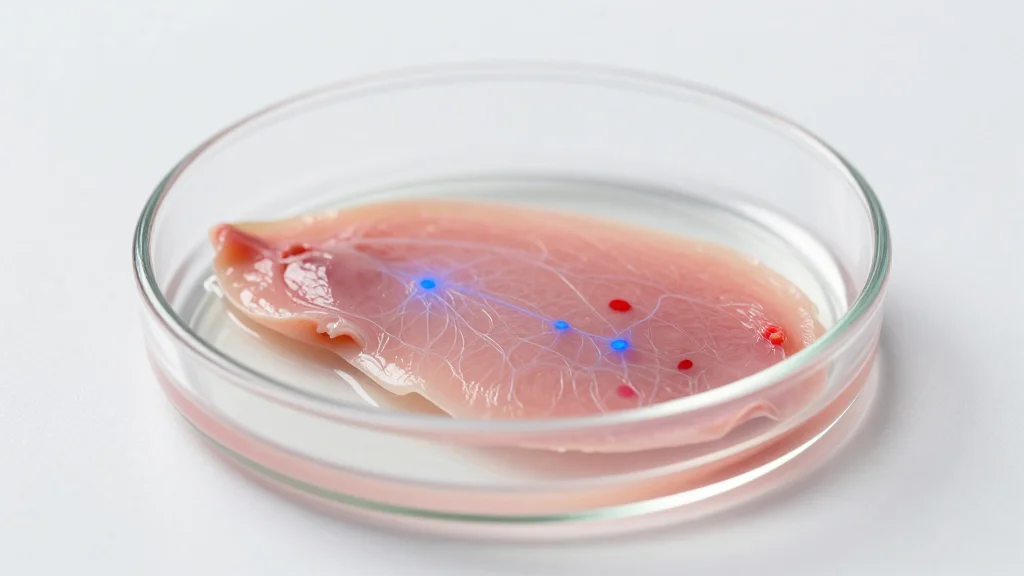
Researchers at Fox Chase Cancer Center introduced the Harmonic Output of Stromal Traits Factor (HOST‑Factor), a composite scoring system that quantifies the functional state of the pancreatic tumor microenvironment. Using the tool, they showed that pulsed low‑dose‑rate (PLDR) chemoradiation reprograms...

Start Lifestyle Changes With GLP‑1, Not After Stopping
The GLP-1 weight regain studies everyone is citing have a quiet design flaw: in a lot of those trials, patients were put on a rigid reduced-calorie plan while on the drug, then told to keep following that same rigid plan...
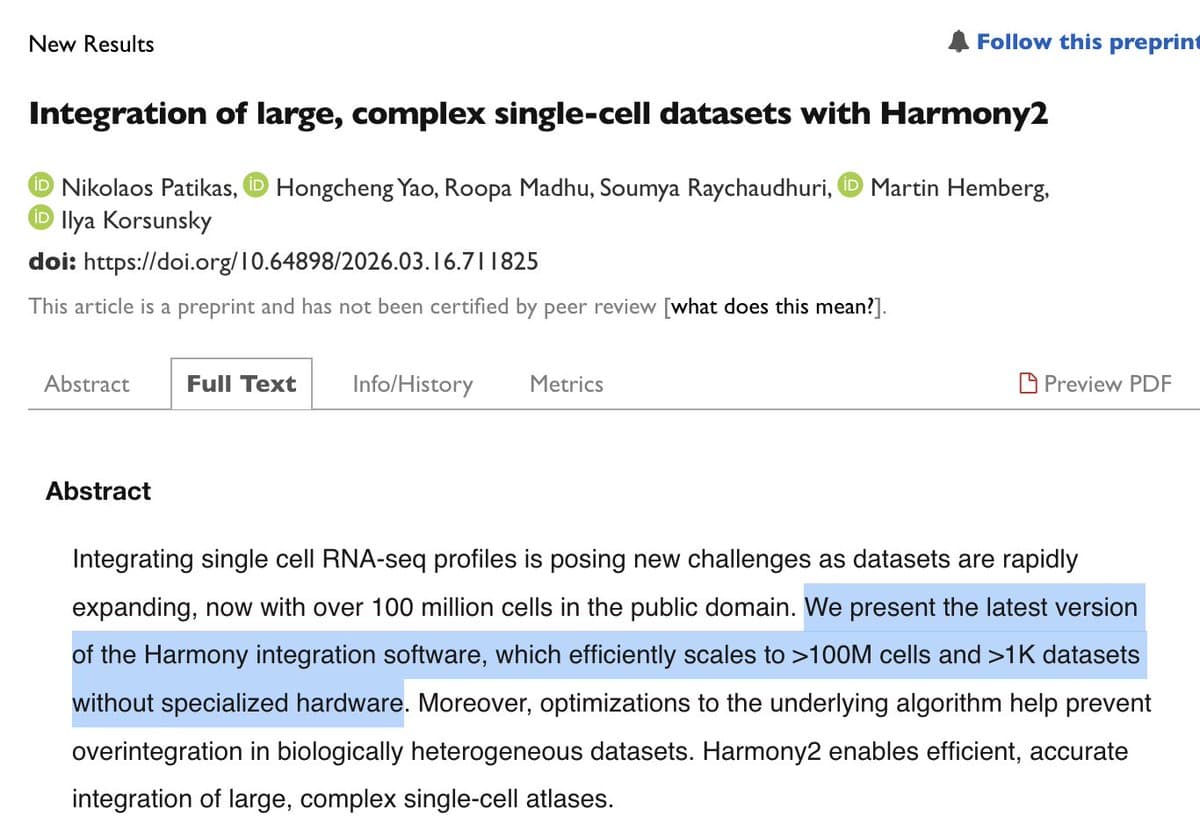
Harmony Scales scRNA‑seq Integration Beyond 100 Million Cells
Harmony is my go-to tool for scRNAseq integtation. Now it sales to >100M cells. https://t.co/4rdXHT8ask https://t.co/SzbC5MnaoU

BIO Is Expanding Its Work to Defend IP
The Biotechnology Innovation Organization (BIO) is scaling its intellectual‑property advocacy by creating an IP Task Force and a new Economic Growth, Innovation, and Intellectual Property Committee to steer strategy. BIO is actively lobbying on Capitol Hill, filing amicus briefs, and...

Real‑time CGM Cuts HbA1c in Large Type 2 Diabetes Trial
Researchers led by Dr. Emma Wilmot and Dr. Lala Leelarathna reported that real‑time continuous glucose monitoring (CGM) significantly improved glycemic outcomes for 303 adults with type 2 diabetes on basal insulin, outperforming traditional finger‑prick testing. The findings, published in The Lancet...

Cardiometabolic Trials: Using Expertise to Turn Complexity Into Robust Results
Nucleus Network’s Minneapolis site has emerged as a benchmark for early‑phase cardiometabolic trials, leveraging AI‑driven recruitment, rigorous PI oversight, and advanced imaging to deliver decision‑grade data. In the Rivus RIV‑HU6‑203 study the team screened 506 candidates, randomised 80 participants and...

Mabwell Initiates P-III Trial for 9MW2821 in TNBC
Mabwell has launched a Phase III trial of its Nectin‑4‑targeting antibody‑drug conjugate 9MW2821 in patients with locally advanced or metastatic triple‑negative breast cancer (TNBC). The study pits 9MW2821 against the investigator’s choice of chemotherapy in patients who have already received taxane‑based...

FDA Declines to Approve AbbVie's Botox Follow-Up
The FDA sent a complete response letter to AbbVie, rejecting its filing for TrenibotE, a rapid‑acting, shorter‑duration botulinum toxin intended as a follow‑up to Botox. The agency’s concerns focus on manufacturing data rather than safety or efficacy, and AbbVie says...

A Watershed Event.
The FDA approved Regeneron’s gene therapy that restores hearing in children born deaf, with the company pledging free access. At the same time, Anthropic unveiled Mythos, an AI model that autonomously discovers and exploits software vulnerabilities, prompting the U.S. to...
Dasatinib and Quercetin Outperform Navitoclax in a Mouse Model of Intervertebral Disc Degeneration
Researchers compared two senolytic strategies in a mouse model of intervertebral disc degeneration, finding that the dasatinib‑quercetin (DQ) cocktail outperformed navitoclax. In SM/J mice, DQ lowered degeneration grades, reduced senescence markers such as p19ARF, p21, and SASP, and preserved nucleus...
Vistin Pharma ASA Reports Q1 Earnings Dip as European Market Pressures Persist
Vistin Pharma ASA announced first‑quarter earnings of NOK21.49 million, down 0.9% from a year earlier, while revenue fell 2.5% to NOK112.21 million. The results reflect tightening reimbursement environments and competitive pressure across Europe’s pharmaceutical sector.

Lessons Learned in the Current Biotech Funding Environment
MaxCyte CEO Maher Masoud says the recent lumpy biotech funding climate has forced companies to sharpen their focus on lead assets rather than spreading resources across multiple programs. He notes that leaner financing is sufficient to advance cell and gene...

The Long Wait for Rare Disease Treatment Approval: Q&A with Dr. Patricia E. Greenstein
In early 2026 the FDA issued draft guidance that elevates real‑world data (RWD) to a primary evidentiary role in rare and ultra‑rare disease drug approvals. The agency now accepts a single pivotal trial supported by high‑quality RWD, reducing the need...

FDA Clears First Genetic Hearing Loss Gene Therapy
Regeneron became the first company to receive FDA clearance for a gene therapy targeting congenital hearing loss, approving its OTOF‑focused product Otarmeni. The therapy, an AAV‑delivered one‑shot infusion, will be offered free to U.S. patients, a rare move given typical...

CatalYm Doses First Patient in Phase II/III VINCIT Trial
CatalYm has begun dosing the first patient in its Phase II/III VINCIT trial, evaluating the anti‑GDF‑15 antibody visugromab for cancer‑associated cachexia. The double‑blind, placebo‑controlled study plans to enroll about 518 participants with advanced solid tumours such as NSCLC and colorectal cancer....

Nanoengineered Micellar Hydrogel with Controllable Strain‐Dependent Behavior for Brain Slice‐Like Tissue Patch Bioprinting
Researchers have created a nanoengineered chitosan micelle‑crosslinked hydrogel (CDP) that can be tuned to three distinct rheological states for extrusion‑based bioprinting. By balancing dynamic covalent crosslinks with shear‑induced micelle stacking, the CDP‑II formulation tolerates up to 200% strain while maintaining...

Is Stem Cell Therapy About to Transform Medicine and Reverse Ageing?
Stem cell therapy is re‑emerging as a credible route to tissue regeneration and age‑reversal after a decade of failed anti‑ageing bets. Researchers are now demonstrating partial cellular reprogramming that restores youthful function without erasing cell identity. Early‑stage human trials from...

Case Study: Data Sharing Through DECIPHER Supports Rare Disease Research and Clinical Care
The European Genomics Initiative’s DECIPHER platform now hosts data from the University of Bristol’s GenROC study, which has collected clinical and parent‑reported information on nearly 550 children with rare neurodevelopmental disorders. DECIPHER already contains genetic and phenotypic records for more...

Diagonal Therapeutics’ Innovative Clustering Antibodies for Vascular Diseases
Diagonal Therapeutics is advancing a pioneering platform of clustering antibodies designed to restore vascular receptor signaling, targeting the root cause of genetic vasculopathies. Its lead candidate, DIAG723, has earned FDA Orphan Drug Designation for hereditary hemorrhagic telangiectasia (HHT) and shows...
Johnson & Johnson Reports Clinical Findings on Imaavy (Nipocalimab) for Generalized Myasthenia Gravis (gMG) at AAN 2026
Johnson & Johnson presented Phase III Vivacity‑MG3 data on its anti‑IgG antibody, Imaavy (nipocalimab), in generalized myasthenia gravis (gMG). In the 24‑week post‑hoc analysis, patients receiving Imaavy plus standard of care were about four times more likely to achieve sustained...

Regeneron Reports the US FDA Accelerated Approval of Otarmeni (Lunsotogene Parvec-Cwha) in Genetic Hearing Loss
Regeneron’s Otarmeni (lunsotogene parvec‑cwha) received FDA accelerated approval for treating severe to profound sensorineural hearing loss caused by biallelic OTOF gene variants. The therapy, provided free of charge in the U.S., was evaluated in a Phase I/II CHORD trial of...

What Defines Equipment Readiness in Pharmaceutical Production
Equipment readiness is a critical pillar for pharmaceutical manufacturers, ensuring each batch meets strict quality and safety standards. Core elements include regular calibration, thorough sanitization, preventive maintenance, and meticulous documentation. Operator training and real‑time monitoring further safeguard compliance with regulatory...