
APC-Deficient Cancer Cells Rely on Single Enzyme for Survival
Researchers have identified aldehyde dehydrogenase 2 (ALDH2) as a critical survival factor for colorectal cancer cells lacking functional APC. Computational screening and lab experiments show that pharmacological inhibition of ALDH2, using agents such as disulfiram, sharply reduces proliferation and induces apoptosis through ROS‑mediated ASK1/JNK signaling. In contrast, APC‑intact cells are far less affected, indicating a synthetic lethal relationship. The discovery points to a metabolically‑driven therapeutic avenue for the common APC mutation in colorectal cancer.

Time‑restricted Eating Matches Calorie Restriction for PCOS Weight Loss
Time-restricted eating for body weight management in women with polycystic ovary syndrome: a randomized controlled trial “Our results show that in women with PCOS, TRE induced greater weight loss than the controls and was comparable to that achieved with daily CR” https://t.co/fqogoSQpkd

Trial Shows Safety of Novel KIR-CAR T Therapy in Solid Tumors
A Phase I dose‑escalation trial of SynKIR‑110, a novel KIR‑CAR T therapy, demonstrated safety in nine patients with advanced ovarian cancer, mesothelioma or cholangiocarcinoma. The multi‑chain design uses NK‑cell receptors to provide an on/off switch, reducing T‑cell exhaustion and side...

WHO-Recommended Antibiotics Ineffective for Many Neonatal Sepsis Cases
Researchers from Oxford and a network of hospitals in Pakistan, Bangladesh and Nigeria presented the BARNARDS II study at ESCMID Global 2026, revealing that the WHO‑recommended first‑line antibiotics ampicillin plus gentamicin are likely effective against only 25 % of neonatal sepsis pathogens in...

Dr. Kaeberlein's Optispan Podcast Series - Rapamycin and More
The Optispan podcast hosted by Dr. Kaeberlein outlines a translational protocol for 3‑hydroxyanthranilic acid (3HAA), a mouse‑tested longevity molecule. Using FDA BSA scaling, the human equivalent dose (HED) is calculated at roughly 1.1 g per day for a 70‑kg adult. Safety...

Conavi Medical Secures FDA 510(k) Clearance for Hybrid IVUS‑OCT Imaging System
Conavi Medical announced FDA 510(k) clearance for its next‑generation hybrid intravascular ultrasound‑optical coherence tomography system, positioning the company for a U.S. commercial rollout in the second half of 2026. The clearance opens a pathway into a global intravascular imaging market...

Tozorakimab Hits Primary Endpoint in Phase III MIRANDA COPD Trial
AstraZeneca announced that tozorakimab met the primary endpoint in the Phase III MIRANDA trial, delivering a statistically significant and clinically meaningful drop in moderate‑to‑severe COPD exacerbations. The result positions the IL‑33‑targeting biologic as a potential first‑in‑class therapy for a disease with...
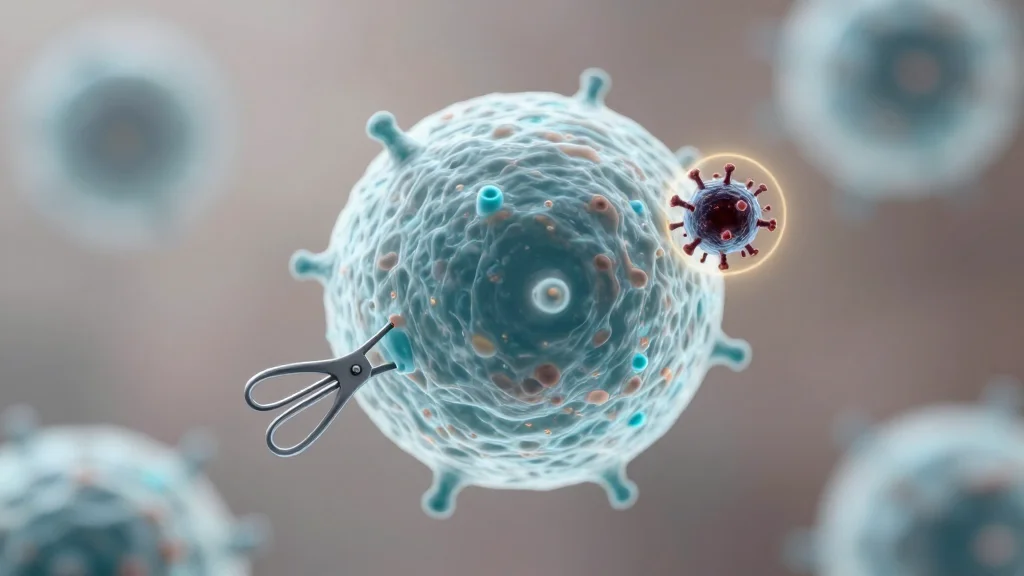
CRISPR Screens Map Human T‑Cell Genes That Promote or Block HIV Infection
Researchers at Gladstone Institutes and UCSF used genome‑wide CRISPR activation and knockout screens in primary human CD4+ T cells to map host genes that either promote or restrict HIV infection. By optimizing infection rates to about 70%, they could perturb...
Four Overlooked AACR Early-Stage Agents Worth Watching
While everyone was watching KRAS, some of AACR’s promising early stage pipeline agents were easy to miss. Here's an analysis on four examples which caught my eye and are well worth watching to see how they develop in the...

New RAS Cancer Drugs Aim to Beat RevMedicines’ Success
April20: Which RAS-based cancer drug developers are working to improve upon the dazzling pancreatic cancer results of @RevMedicines' daraxonrasib, whose stock surged 54%? Read about $RVMD plus updates on $MGTX and $TVTX in my latest StockWatch for @GENbio: https://t.co/9wQA7XsuLW
AACR26 Innovative Early Stage Developments to Watch Out For
At the AACR annual meeting in San Diego, four cutting‑edge oncology programs were showcased in a single session. Each candidate is at or just beyond the threshold for first‑in‑human trials, spanning bispecific antibodies, RNA‑based therapeutics, CRISPR‑edited cell therapies, and novel...

Korean Govt Backs University Project to Develop Precision Fermentation Toolkit
South Korea’s science ministry has awarded Kookmin University a core‑research grant in the 2026 Basic Research Program to develop a genetic toolkit for the food‑grade yeast Candida utilis. The toolkit will enable precision‑fermentation processes that produce proteins, amino acids, vitamins...

Nektar’s Phase II Alopecia Extension Reveals Late Responders to IL-2 Therapy
Nektar Therapeutics reported results from a Phase II extension study of its interleukin‑2 (IL‑2) therapy for alopecia areata. The data revealed a subset of patients who did not respond initially but achieved meaningful hair regrowth after prolonged exposure, raising the...

Zepzelca Plus Atezolizumab Gets First‑line Approval in Australia and Singapore
Specialised Therapeutics announced regulatory approval of ZEPZELCA (lurbinectedin) combined with atezolizumab as a first‑line maintenance therapy for extensive‑stage small‑cell lung cancer in Australia and Singapore. The approvals, granted under the FDA’s Project Orbis, add a new option for a disease...
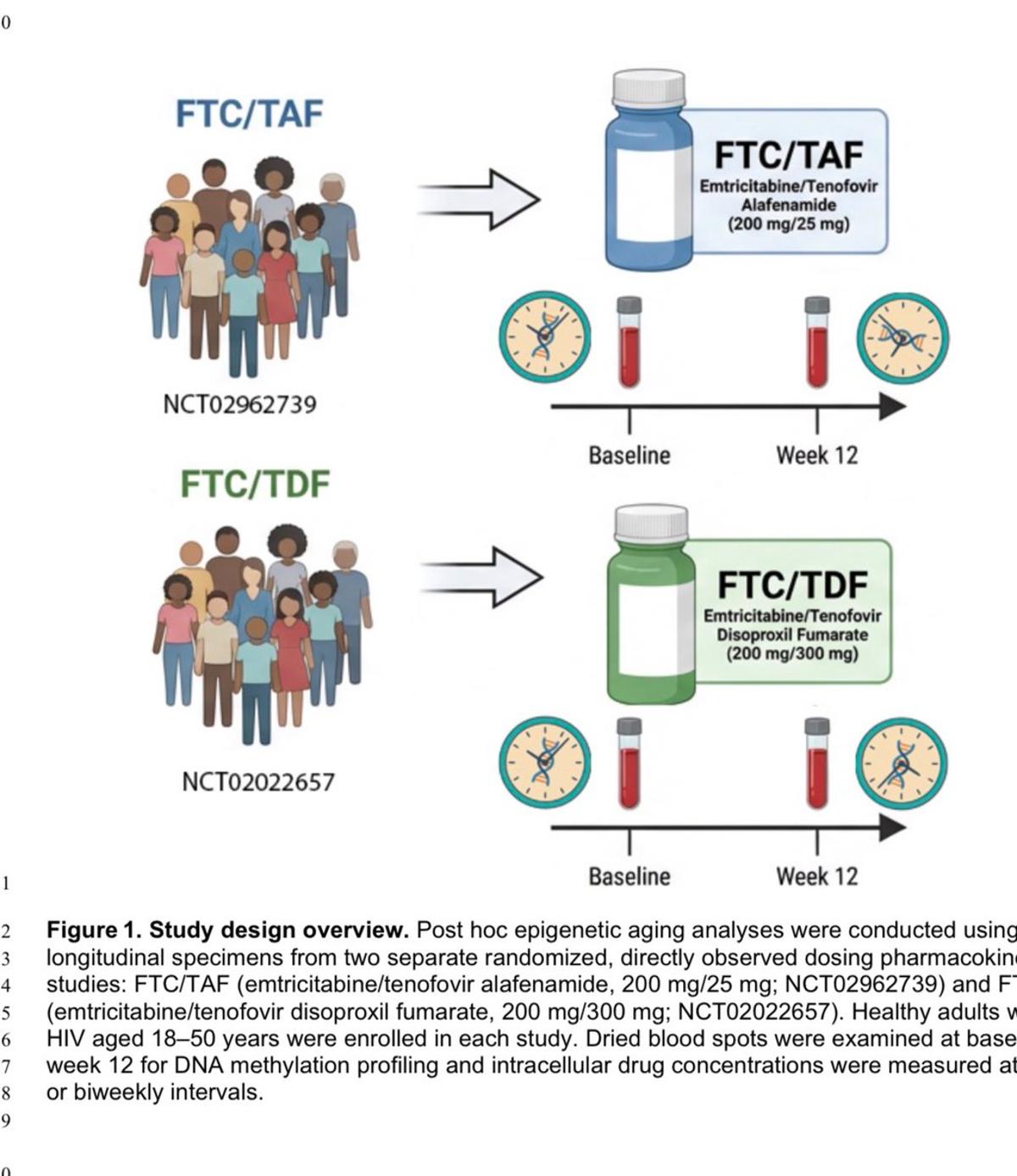
Tenofovir Alafenamide Cuts Biological Age in Adults
An FDA-Approved Tenofovir Alafenamide-Based Antiretroviral Therapy Reduces Biological Age in Healthy Adults: First Human Proof-of-Concept for Retrotransposon-Targeted Gerotherapeutics 💫 https://t.co/FFvTmJv2zv https://t.co/DHHQ18nAmy

Novo Nordisk’s Etavopivat Hits Co‑Primary Endpoints in Phase 3 Sickle‑Cell Trial
Novo Nordisk announced that etavopivat, its once‑daily oral pyruvate‑kinase‑R activator, met both co‑primary endpoints in the Phase 3 HIBISCUS trial, lowering annualised vaso‑occlusive crisis rates by 27% and raising hemoglobin response rates to 48.7% versus 7.2% on placebo. The data position...
Beta Bionics Inc (BBNX) Q1 2026 Earnings Call Transcript
Beta Bionics reported Q1 2026 net revenue of $12.5 million, a 45% year‑over‑year increase and 44% sequential growth, driven by stronger PKD sales and an extra ordering week. The company ended the quarter with $1.3 billion in cash and marketable securities,...

Personalized CRISPR Therapies Could Soon Reach Thousands — Here’s How
The FDA has proposed a "plausible mechanism" pathway to streamline approval of personalized CRISPR gene‑editing therapies. The new framework would let developers test multiple patient‑specific guide RNAs within a single trial, potentially shrinking the approval timeline from four years to...

US Speeds Research Into Mind-Altering Drugs — Including Mysterious 'Ibogaine'
On April 18, President Donald Trump signed an executive order to accelerate U.S. research on ibogaine and other psychedelics, directing the FDA to fast‑track review and providing $50 million in federal funding to match state programs. The order aims to ease...

Single-Cell Epigenomes Link Fat to Heart Disease Risk
A new study leveraging single‑cell epigenomic profiling of human adipose tissue has uncovered distinct regulatory signatures that link excess fat to heightened heart disease risk. Analyzing over 200,000 fat cells from 500 donors, researchers identified 12 epigenetic regions that correlate...

Epigenome Proteins Enable Precise Cellular Engineering Beyond On/Off Control
Epigenome proteins generate distinct gene expression patterns, influencing cellular behavior beyond simple on/off control and offering new avenues for precise cellular engineering. generegulation

HDAC7 Loss Predicts Poor DLBCL Outcomes; Restoration Stops Tumor
Loss of the HDAC7 protein in diffuse large B cell lymphoma is linked to poorer outcomes, while restoring HDAC7 in cancer cells halts tumor growth, highlighting its potential as both a biomarker and therapeutic target. bloodcancer

Each Protein in the Epigenome Produces a Different Pattern of Gene Expression, Study Finds
A study published in iScience reveals that each of the 87 epigenome proteins tested on a single yeast promoter generates a distinct gene‑expression trajectory, ranging from rapid activation to delayed spikes and variable noise. Researchers measured real‑time dynamics in about...

AI Model 'Reads' Protein Pairs, Unlocking New Insights Into Disease and Drug Discovery
Researchers at the National University of Singapore unveiled a paired protein language model (PPLM) that learns from two interacting proteins simultaneously, a departure from traditional single‑sequence AI approaches. Trained on more than 3 million protein pairs, the model powers three tools—PPLM‑PPI,...

Major Antineoplastic Mechanisms of Combination Ivermectin-Mebendazole
Recent preclinical analyses highlight the anticancer potential of combining ivermectin and mebendazole, two antiparasitic drugs repurposed for oncology. Ivermectin suppresses proliferative signaling pathways such as Wnt/β‑catenin, Akt/mTOR, and STAT3, while mebendazole disrupts microtubule polymerization, inducing G2/M arrest. Together they inhibit...

Editing Grapevine DNA Could Boost Resistance to Disease and Drought
Researchers at Stellenbosch University and the Agricultural Research Council used CRISPR to knock out the VvDMR6.1 gene in grapevines, marking the first successful DNA edit of a woody crop in Africa. The edited vines showed markedly reduced susceptibility to downy...

Smartphone Video Enhances Parkinson’s DBS Programming
Researchers have introduced StimVision, a smartphone‑based system that records video of Parkinson’s patients performing motor tasks and converts the footage into quantitative kinematic data for deep brain stimulation (DBS) programming. The platform’s computer‑vision and machine‑learning algorithms generate metrics that align...
Lab-Grown Mini Brain Models Offer New Hope for Diagnosing and Treating Alzheimer’s Disease
Johns Hopkins researchers created patient‑derived hindbrain organoids that faithfully reproduce Alzheimer’s molecular hallmarks. Using these mini‑brains, they tested the SSRI escitalopram, uncovering strikingly different serotonin‑signaling responses across individual organoids. Proteomic analysis of extracellular vesicles revealed disease‑related proteins that shifted with...

STAT+: At AACR, a Provocative Use of CAR-T, Merck’s New Thing and Cancer’s Geography Problem
At the AACR 2026 meeting, early‑phase data showed Merck‑partnered CAR‑T therapy Carvykti eliciting deep responses in 20 high‑risk smoldering multiple myeloma patients, suggesting a preventive angle for a precursor disease. The conference also featured Merck’s first glimpse of an oncology...

German Vaccine Scientists Are Now Applying Their Expertise to Scaling Cultivated Meat
The Max Planck Institute for Dynamics of Complex Technical Systems in Magdeburg has partnered with cultivated‑meat startup Innocent Meat on a two‑year ZELPI project to transfer vaccine‑scale perfusion techniques to food biotech. The collaboration will test Innocent Meat’s cell lines...

Promising Longevity Molecule Stalled by Misaligned Incentives
The Longevity Drug You’ve Never Heard Of This is one of those stories that captures both the promise—and the frustration—of longevity science. In this preview episode, Dr. George Sutphin (@senmorteco ), Associate Professor of Molecular and Cellular Biology at the @uarizona @UAZCancer , walks...

Stem Cell Embryo Model Grows Yolk Sac without Hypoblasts or Gene Editing
University of Michigan researchers have created a transgene‑free stem‑cell embryo model that forms a yolk‑sac‑like structure without hypoblasts or gene editing. By patterning human pluripotent stem cells on 0.8 mm circular islands and exposing them to BMP‑4, the cells self‑organized into...

AACR San Diego 2026: New Drugs on the Horizon
The AACR 2026 Annual Meeting in San Diego unveiled 11 first‑time disclosed oncology candidates spanning small‑molecule degraders, bispecific antibodies, T‑cell engagers and ADCs. Highlights include NEO‑811, a CRBN‑mediated molecular glue targeting HIF‑1β for VHL‑deficient renal cancer, and AZD8359, a STEAP2‑directed T‑cell...

Lilly Acquiring Kelonia In Largest Funded Biotech Startup Purchase In Years
Eli Lilly announced it will acquire Kelonia Therapeutics for up to $7 billion, marking the largest venture‑backed biotech purchase in years. The deal consists of $3.25 billion paid upfront with an additional $3.75 billion tied to clinical, regulatory and commercial milestones. Kelonia, founded only...

Delgocitinib Maintains QOL, Productivity Improvements at 52 Weeks in Chronic Hand Eczema
The open‑label DELTA 3 extension of the phase 3 delgocitinib trials shows that patients with moderate‑to‑severe chronic hand eczema who continued with twice‑daily or as‑needed delgocitinib cream for a full year maintained significant gains in disease‑specific and generic quality‑of‑life scores. Across 472...

How Trump's Psychedelics Executive Order Could Unlock Stalled Cannabis Reform
President Donald Trump signed an executive order that accelerates research, clinical trials, and Right‑to‑Try access for psychedelics such as psilocybin, MDMA and ibogaine, while leaving their scheduling unchanged. The order follows a prior, stalled effort to reschedule cannabis, highlighting the...

The ROI of Beating Cancer
A small early‑stage trial showed that a personalized mRNA vaccine triggered an immune response and extended survival for pancreatic cancer patients, a disease that kills over 90% within five years. Economists estimate that between 1988 and 2000, cancer detection and...

Lonvi’s New Capsule Boosts Mouse Lifespan by 9% and Extends Survival 64% in Trials
Lonvi announced that its experimental capsule, built around the grape‑seed compound procyanidin C1, increased overall mouse lifespan by 9.4% and extended survival by 64% from the first day of treatment. The claim, posted on the company’s website and amplified by...

A Protein Engineering Method May Lead to More Exact Cancer Treatments
Researchers at the University of Texas at Dallas unveiled ProSSpeC, a machine‑learning model that predicts protease substrate specificity by mining evolutionary data from thousands of related enzymes. The model identified engineered synthetic proteases that outperformed the commonly used tobacco etch...
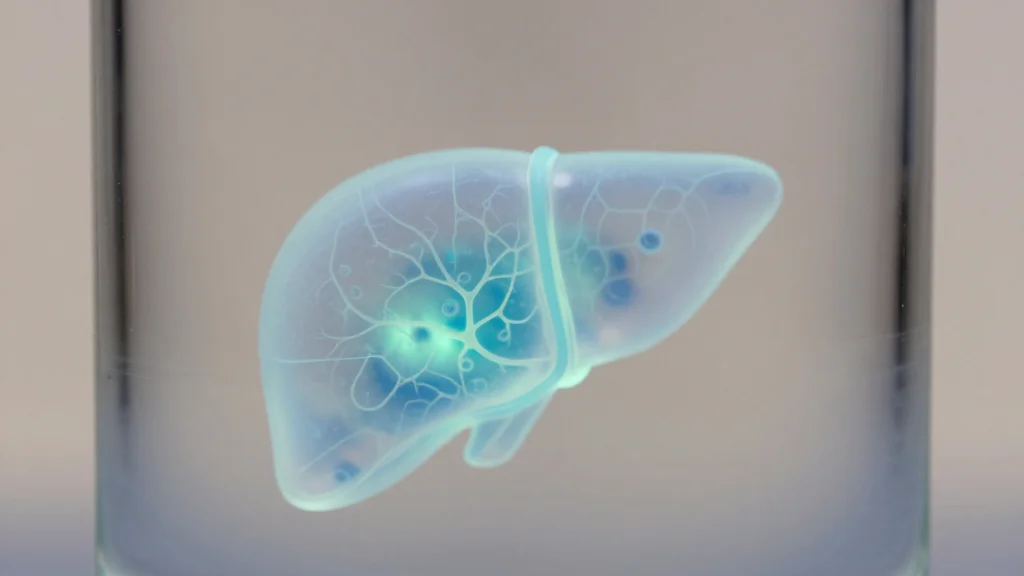
Synthetic Biology and Tissue Engineering Grow Liver Tissue In‑Body
Researchers at the Wyss Institute, Boston University and MIT have created a synthetic‑biology platform called BOOST that triggers growth of tiny engineered liver constructs after implantation. By rewiring hepatocytes and fibroblasts with a doxycycline‑controlled YAP protein and four growth‑factor genes,...

Sihuan Pharmaceutical Reports Positive Phase III Data for Dirozalkib in ALK‑Positive NSCLC
Sihuan Pharmaceutical announced on April 20, 2026 that its ALK inhibitor Dirozalkib met primary endpoints in the Phase III DIAMOND‑2 trial for first‑line treatment of ALK‑positive advanced non‑small cell lung cancer. The data, presented at the 2026 AACR meeting, could...

FDA Clears Next-Gen Hybrid System for Intravascular Imaging
Conavi Medical received FDA clearance for its next‑generation hybrid intravascular imaging system that simultaneously performs intravascular ultrasound (IVUS) and optical coherence tomography (OCT). The device builds on the company’s 2018 Novasight Hybrid System and aims to streamline coronary assessments by...

Anktiva Needs Trial Data Before FDA Approval
For the umpteenth time, these posters have zero relevance to Anktiva unless, or until, $IBRX conducts/completes randomized clinical trials that demonstrate the drug improves outcomes for cancer patients w/ lymphopenia. @LoriMills4CA42 and the rest of you can idolize @DrPatrick ...

Gene Therapy Works Best for Deaf Children Aged 5‑8
AAV gene therapy for autosomal recessive deafness 9: a single-arm trial 🌟“Gene therapy for congenital deafness has shown promising results in children but lacks data in older populations… . An age-dependent therapeutic effect was observed, with optimal outcomes in 5- to...

OpenAI Launches GPT Rosalind for Life Sciences Research
OpenAI has unveiled GPT Rosalind, a large‑language model tuned for life‑sciences research, designed to accelerate early‑stage drug discovery by automating literature review, evidence synthesis, hypothesis generation, and experimental planning. The model outperforms GPT‑5.4 on multiple chemistry, protein‑engineering and genomics benchmarks, and...

The BioPharm Brief: Oncology Innovations Continue with Durable Survival, In Vivo CAR-T, and Combination Therapies
Immunocore reported five‑year overall survival data confirming tebentafusp’s durable benefit in metastatic uveal melanoma, the first T‑cell receptor‑based therapy to show a clear survival advantage in this rare cancer. Eli Lilly announced the acquisition of Kelonia Therapeutics to accelerate in‑vivo CAR‑T...
FDA Grants Priority Review for Merck's KEYTRUDA‑Padcev Combo in Muscle‑Invasive Bladder Cancer
Merck announced that the FDA has placed its KEYTRUDA (pembrolizumab) and KEYTRUDA QLEX (pembrolizumab‑berahyaluronidase) plus Padcev (enfortumab vedotin) combos for cisplatin‑eligible muscle‑invasive bladder cancer under priority review, with a PDUFA decision due Aug 17, 2026. The move follows Phase 3 KEYNOTE‑B15 data showing...
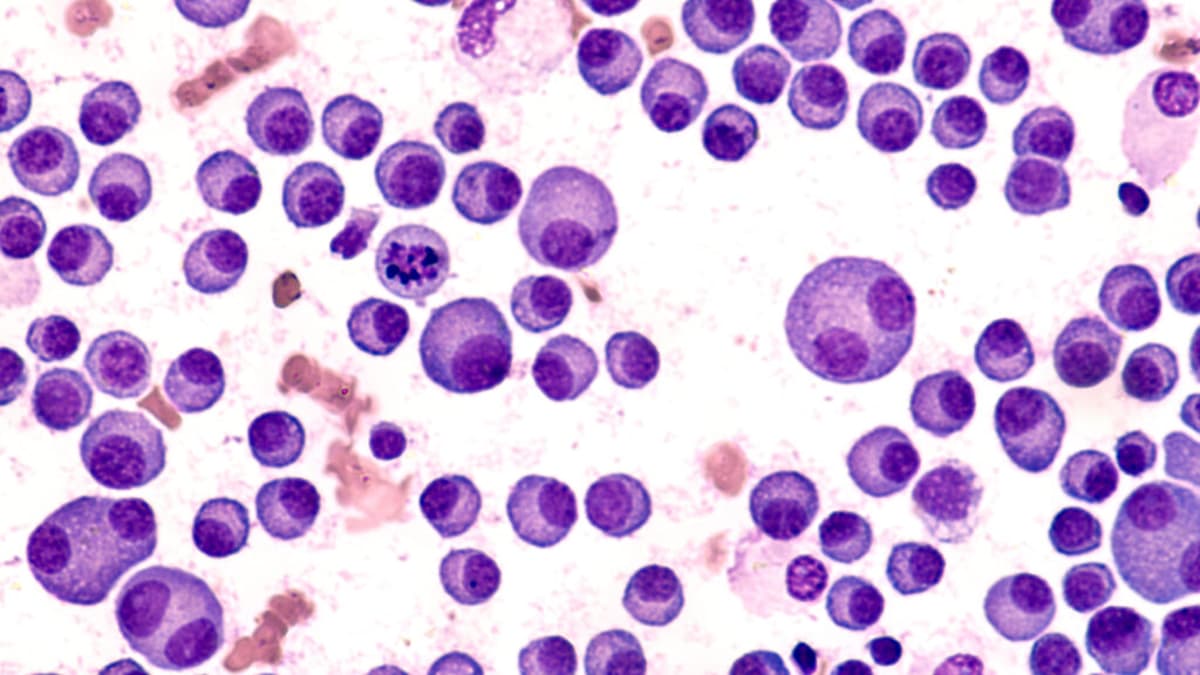
STAT+: In Early Trial, CAR-T Results Raise Hope of Preventing Multiple Myeloma in High-Risk Patients
A phase‑I trial of CAR‑T therapy in high‑risk smoldering multiple myeloma reported that all 20 participants achieved undetectable disease after treatment. The results, presented at the AACR meeting, suggest the possibility of preventing progression to active myeloma, a deeper response...

ViewsML Secures $4.9 Million to Help Scientists Virtually Analyze Tissue Samples
ViewsML, a Vancouver AI startup, closed a C$4.9 million seed round (approximately US$3.6 million) to commercialize its virtual biomarker platform. The technology uses artificial intelligence to extract quantitative biomarker data from pathology images without traditional chemical staining. By turning a lab‑bound process...
AB Science: New Publication on Medrxiv Demonstrating Substantial Survival Benefits and Preserved Quality of Life with Masitinib in ALS Patients
AB Science announced a medRxiv preprint showing its tyrosine‑kinase inhibitor masitinib dramatically improves survival for amyotrophic lateral sclerosis (ALS) patients. The data reveal a 5‑year survival rate of 42.3% overall and 52.9% among those treated before complete functional loss, roughly...