
Pulnovo Medical Raises $100 Million in Strategic Round Led by Medtronic
Pulnovo Medical announced a $100 million strategic financing round led by Medtronic, adding new investors and cementing a commercial partnership. The capital will accelerate clinical trials, regulatory filings and international rollout of its Pulmonary Artery Denervation system.

STAT+: Pharmalittle: We’re Reading About Trump Boosting Psychedelic Treatment, the Future for Weight-Loss Drugs, and More
Eli Lilly CEO David Ricks warned that GLP‑1 weight‑loss drugs will likely reach only about half of the eligible overweight and obese population due to healthcare system complexities and cost barriers. Currently, just 10% of those who could benefit are...

CStone Unveils Preclinical Data on Three Novel ADCs at AACR 2026
CStone Pharmaceuticals disclosed preclinical data for three proprietary antibody‑drug conjugates—CS5007, CS5006 and CS5008—at the American Association for Cancer Research annual meeting. The bispecific EGFR/HER3 ADC, CS5007, demonstrated plasma stability better than the DS‑8201 benchmark, with free payload release under 0.5%...
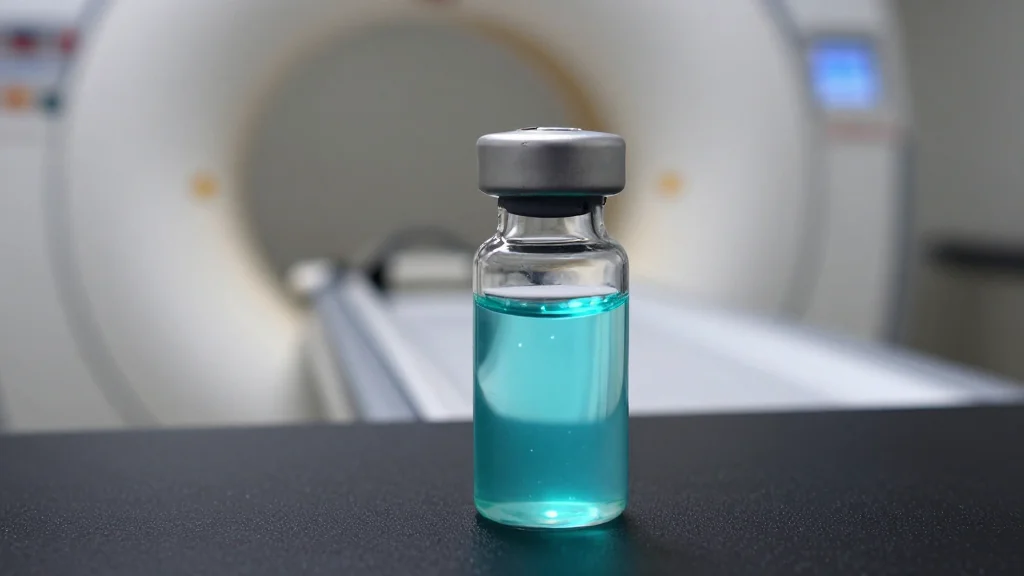
Bracco Imaging, NYU Langone Sign Multi‑Year Deal to Accelerate Nanotech‑Based Imaging
Bracco Imaging and NYU Langone Health have signed a multi‑year Master Research Agreement to co‑develop advanced imaging technologies that rely on nanomaterial contrast agents. The partnership targets MRI, photon‑counting CT, targeted ultrasound and AI‑enhanced PET/CT, aiming to speed precision‑medicine diagnostics.

A Vaccine for Lyme Disease Could Be on the Horizon
Pfizer and Valneva reported that their Lyme disease vaccine candidate LB6V reduced cases by about 70% in a Phase 3 trial. The four‑dose regimen targets the OspA protein, preventing bacterial transmission from ticks to humans. If regulators approve it, the...

Decoding Resistance to Targeted Therapy via New Cancer Models
ATCC and the Broad Institute have created a panel of isogenic non‑small cell lung cancer (NSCLC) cell lines that model resistance to osimertinib, the newest EGFR inhibitor. Using CRISPR editing and gene‑overexpression, the team introduced six clinically observed resistance mechanisms,...

Pheast Therapeutics Reports Early P-Ia Data for PHST001 at AACR 2026
Pheast Therapeutics presented initial Phase Ia data for its anti‑CD24 macrophage checkpoint inhibitor PHST001 at the AACR 2026 meeting. The study showed clear target engagement, activation of innate immunity and a favorable safety profile across dose‑escalation cohorts. Early clinical signals...

Allurion Treats First Commercial Patients in the United States, Marking Major Milestone
Allurion Technologies announced it has treated its first commercial patients in the United States, marking the company’s entry into the country’s $200 billion obesity market. The Allurion Program offers a non‑surgical, non‑pharmaceutical weight‑loss solution that appeals to patients who have stopped...

Boehringer Ingelheim Launches AI Center for Pharma Research in London
Boehringer Ingelheim announced the launch of a new artificial‑intelligence and machine‑learning centre in London, its fourth dedicated AI hub after sites in Austria, Germany and the United States. The company will invest £150 million (about $200 million) over the next ten years...

The Download: Murderous ‘Mirror’ Bacteria, and Chinese Workers Fighting AI Doubles
Scientists who once championed synthetic “mirror” bacteria now warn the microbes could spark a global biosafety disaster, prompting calls for tighter oversight of chirality research. At the same time, Chinese tech workers are confronting AI‑generated workplace doubles, documenting their workflows...
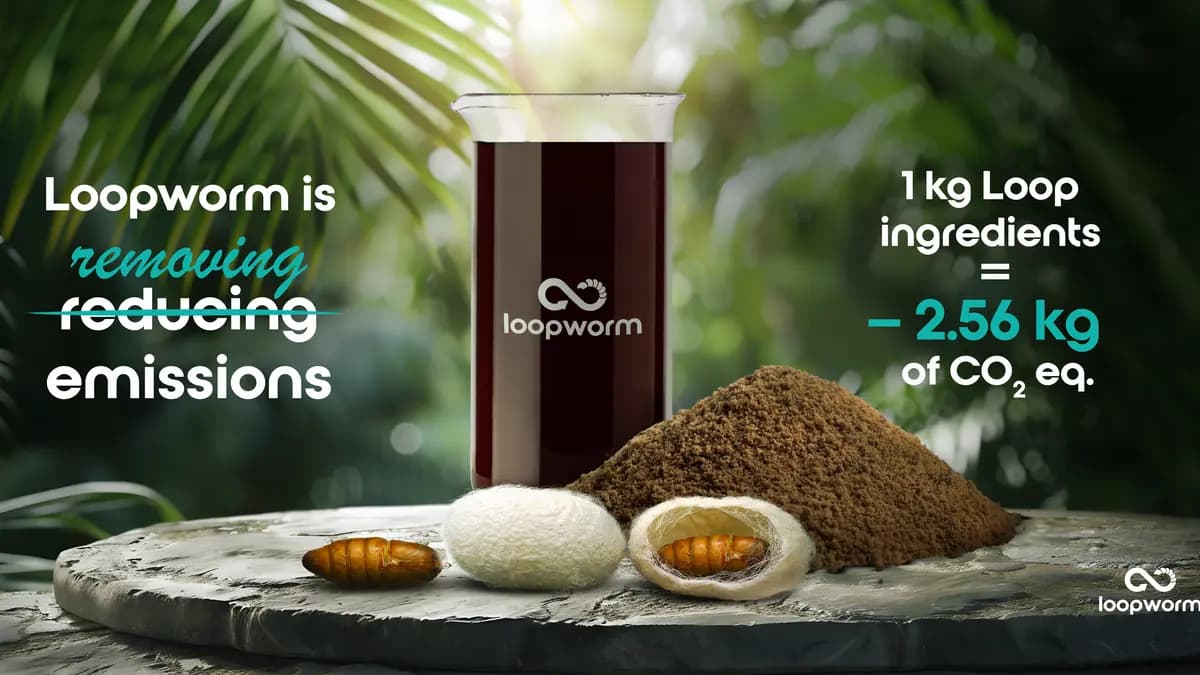
Loopworm Says Its Silkworm-Based Feed Ingredients Are Now Carbon Negative
Loopworm announced that its silkworm‑derived feed ingredients, LoopMeal and LoopOil, are carbon‑negative, removing 2.56 kg CO₂e per kilogram produced. An independent life‑cycle assessment by PwC India, conducted to ISO 14040/44 standards, benchmarked the products against soy and fish meals across 18 impact...
![[Podcast] From Protocol to Patient: Inside Clinical Supply with Almac Clinical Services](https://hixhlmpcokxhartfkpyi.supabase.co/storage/v1/object/public/images/thumbnails/e66ba866d739cb77f8cd3922f2eb37b8.webp)
[Podcast] From Protocol to Patient: Inside Clinical Supply with Almac Clinical Services
Almac Clinical Services has launched a six‑part podcast series that walks listeners through the end‑to‑end clinical supply chain, from protocol translation to global regulatory release. The series targets biopharma sponsors, highlighting how early collaboration with supply partners can streamline planning,...

Who Is Dr. Houman Hemmati, Potentially CBER’s Next Leader?
Dr. Houman Hemmati, a board‑certified ophthalmologist and biotech entrepreneur, is the leading candidate to replace Dr. Vinay Prasad as director of the FDA’s Center for Biologics Evaluation and Research (CBER). Hemmati co‑founded Optigo Biotherapeutics, held senior roles at companies such as...

Update: Lilly Makes $7bn Bid for in Vivo CAR-T Firm Kelonia
Eli Lilly has confirmed a $3.25 billion upfront offer for Kelonia Therapeutics, with milestone payments that could lift the total value to $7 billion. Kelonia’s in vivo CAR‑T candidate KLN‑1010 demonstrated MRD‑negative responses in a four‑patient early‑stage study, highlighting the promise of off‑the‑shelf cell...

Merck’s Early PD-1/VEGF Data Competitive in Lung Cancer, but Summit ‘Looms Large’
Merck’s anti‑PD‑1/VEGF bispecific MK‑2010 posted a 55% overall response rate in treatment‑naïve non‑small cell lung cancer (NSCLC) and a 44% response in later‑line patients, figures that rival the current leader, Summit/Akeso’s ivonescimab. The data were presented at the AACR meeting,...

Nektar’s Long-Term Mid-Stage Alopecia Data Fuel Phase 3 Plans
Nektar Therapeutics reported that its IL-2 variant rezpegaldesleukin achieved modest efficacy and safety signals in the long‑term extension of a previously failed Phase 2b alopecia areata trial, barely meeting Wall Street expectations. The data revive confidence in the program and...

STAT+: Extended Use of Nektar Therapeutics Drug Shows Promise in Alopecia
Nektar Therapeutics announced that its experimental oral drug rezpeg produced significant hair regrowth in patients with severe alopecia areata. After a year of treatment, 27% of participants reached a SALT Score 20, meaning at least 80% of the scalp was covered...
Novo Nordisk Reports Positive P-III (HIBISCUS) Study Data for Etavopivat in Sickle Cell Disease
Novo Nordisk announced that its oral pyruvate kinase activator etavopivat met both primary endpoints in the Phase III HIBISCUS trial for sickle cell disease. In 385 patients aged 12 and older, the drug reduced vaso‑occlusive crisis (VOC) rates by 27% and...

This Missing Vitamin Could Stop Cancer Cells in Their Tracks
Researchers at the University of Lausanne discovered that vitamin B7 (biotin) is essential for the mitochondrial enzyme pyruvate carboxylase, which lets cancer cells sidestep their usual glutamine addiction. When biotin is removed, the enzyme stalls, cutting off an alternative fuel pathway...

A Future Where Coffee Helps Fight Cancer? Research Suggests It's Possible
Scientists at Texas A&M have engineered caffeine‑responsive proteins, called caffebodies, that act as an on/off switch for CRISPR gene‑editing tools. The system activates with just 20 mg of caffeine—about one‑fifth of a typical coffee—and deactivates as caffeine clears, with rapamycin providing...

AstraZeneca Reports Positive P-III (MIRANDA) Data for Tozorakimab in COPD
AstraZeneca announced that its anti‑IL‑33 antibody tozorakimab achieved its primary endpoint in the Phase III MIRANDA trial, delivering a statistically significant reduction in the annualised rate of moderate‑to‑severe COPD exacerbations. The double‑blind study enrolled 1,454 patients receiving standard inhaled therapy and...
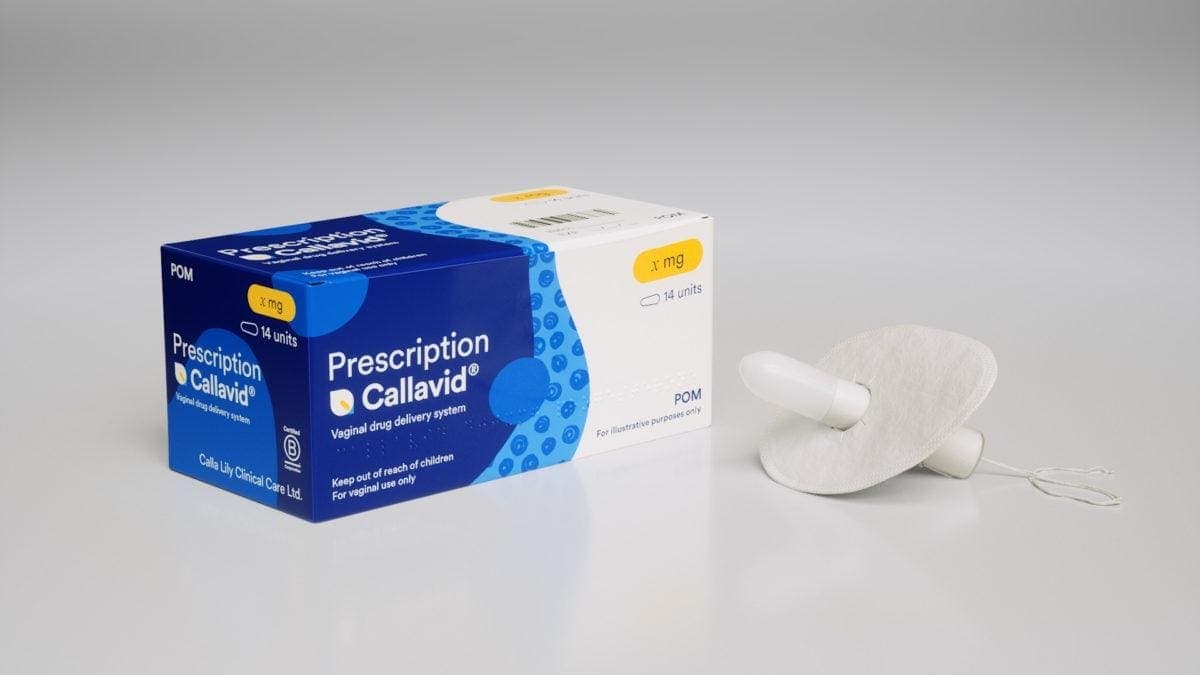
Vaginal Drug Delivery Had A Funding Problem—Merck Changed That
Calla Lily Clinical Care’s tampon‑shaped vaginal drug delivery platform, Callavid, has secured a strategic collaboration with Merck to accelerate clinical development for IVF luteal‑phase support and miscarriage prevention. The device, cleared under FDA 510(k) and patented in 14 countries, promises...

AZ Is Three for Three with COPD Hope Tozorakimab
AstraZeneca’s anti‑IL‑33 antibody tozorakimab has succeeded in all three pivotal Phase 3 COPD trials, showing a statistically significant reduction in moderate‑to‑severe exacerbations. The MIRANDA study confirmed benefit with biweekly dosing, while OBERON and TITANIA validated once‑monthly regimens. These results place AZ...
Novo Nordisk’s Sickle Cell Therapy Hits in Phase 3, but Data Lag Expectations
Novo Nordisk announced that its oral sickle‑cell drug etavopivat met its primary endpoint in a Phase 3 trial, showing a statistically significant reduction in painful vaso‑occlusive crises. The study, however, fell short of the ambitious efficacy and safety benchmarks the...
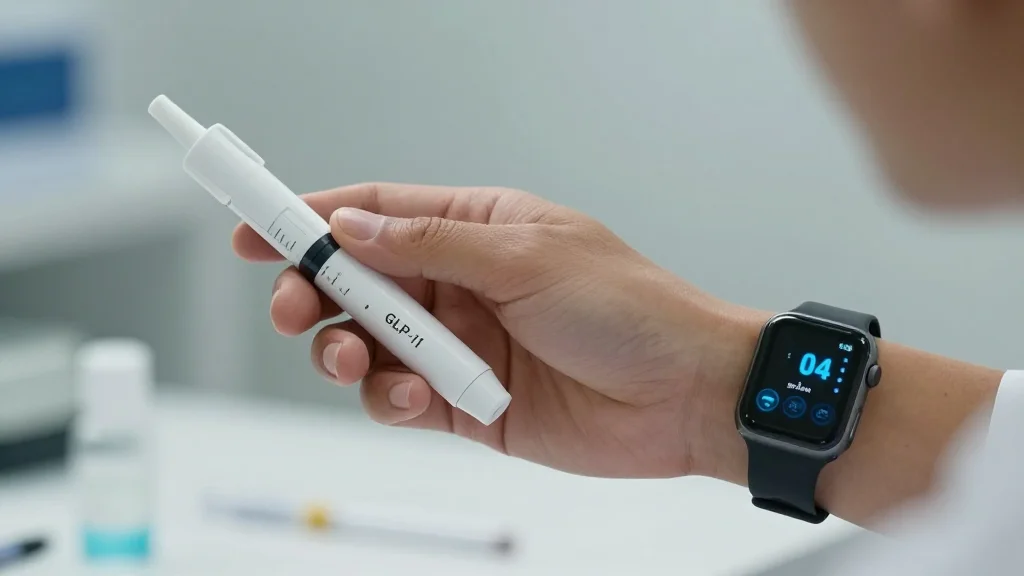
Omada Health Study Shows 6% Weight Loss and Muscle Preservation on GLP-1 Program
Omada Health released a 12‑week study of 245 adults with obesity showing its GLP‑1 Care Track delivered 6.0% average weight loss, a 3.3‑point drop in body‑fat percentage and a threefold rise in muscle‑mass share compared with a control group. The...

UCB to Acquire Neurona Therapeutics for $650M, Adding Regenerative Epilepsy Asset
UCB announced a definitive agreement to acquire Neurona Therapeutics for $650 million upfront and up to $500 million in milestones, adding the regenerative cell therapy NRTX‑1001 to its epilepsy pipeline. The deal, expected to close by Q2 2026, expands UCB’s portfolio into advanced‑therapy...
Innate Pharma to Present P-II (MATISSE) Interim Data of IPH5201 in NSCLC at AACR 2026
Innate Pharma will present interim Phase‑II (MATISSE) data for its anti‑CD39 antibody IPH5201 in resectable non‑small cell lung cancer (NSCLC) at the AACR 2026 meeting. The analysis of 40 patients shows a pathological complete response (pCR) of 35.7% in tumors...

CNET Highlights Top FDA-Cleared Red Light Therapy Devices as Market Nears $660 Million by 2032
CNET released its 2026 roundup of FDA-cleared red light therapy devices, naming the Shark CryoGlow mask, Smoothskin DuoLux patches, iRestore Elite hair helmet, and Clearlight Personal Tower panel as the top picks. The guide cites rapid market growth from $421 M...

ATF5 as a Point of Tradeoff in Muscle Mass versus Muscle Quality
Researchers discovered that deleting the transcription factor ATF5 in mice prevents the typical age‑related loss of skeletal muscle mass, but this comes at the cost of reduced muscle quality and endurance. ATF5‑deficient mice showed lower activation of mitochondrial quality‑control proteins,...

Mitrix Bio as an Example of the Trend Towards Alternative Paths to Initial Human Data
Mitrix Bio reported preliminary Phase 1 safety results for large‑dose mitochondrial infusions, showing no immediate adverse effects in two older participants. The company simultaneously opened Right‑to‑Try clinics in Dallas, Newport Beach and Palm Beach, offering the experimental therapy under a patient‑driven model. Its...

Eli Lilly in Advanced Talks to Buy Kelonia Therapeutics for over $2 Billion
Eli Lilly is in advanced talks to acquire Kelonia Therapeutics for over $2 billion, according to the Wall Street Journal. The deal, which may include milestone payments, could be announced as early as Monday and would bolster Lilly’s oncology pipeline. Shares...
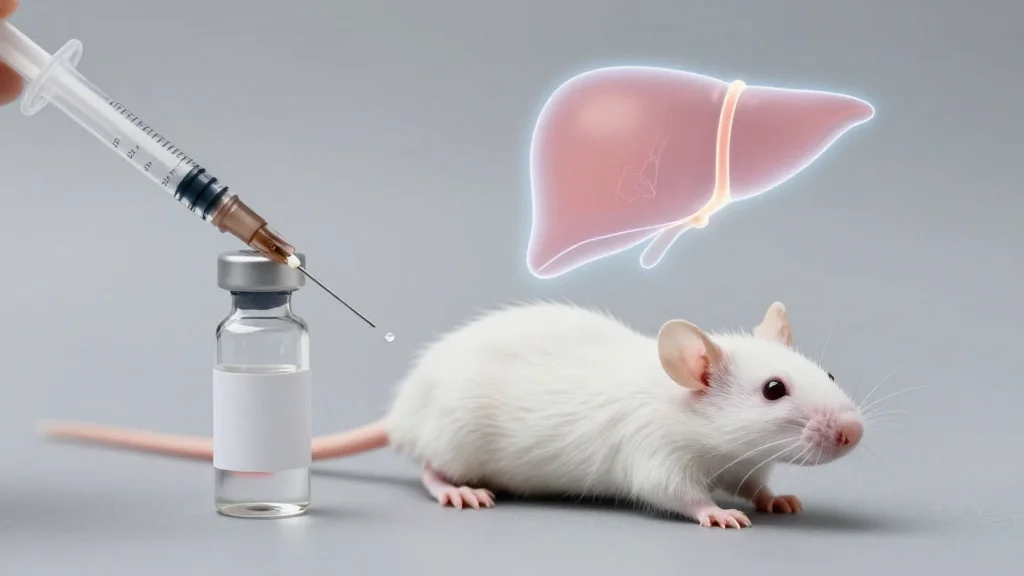
Nanobiotix's Nanoprimer Boosts LNP‑DNA Immunotherapy Bioavailability, Cuts Toxicity
Nanobiotix unveiled preclinical results that its Nanoprimer platform, given before lipid‑nanoparticle DNA immunotherapies, markedly increases systemic exposure and reduces hepatic toxicity in mice. The data, presented at the 2026 AACR meeting, could unlock more effective LNP‑based cancer treatments.

Kailera Therapeutics' $625 Million IPO Sets Record as Largest Biotech Offering
Kailera Therapeutics completed a $625 million IPO on Nasdaq, the largest biotech offering by proceeds to date. The upsized deal lifted its share price 62.5% on debut and dramatically increased RTW Bio’s net asset value, underscoring the appeal of its new‑co...

GLP-1 May Only Be the Beginning, Not the End of the Story
Researchers led by Richard DiMarchi and Matthias Tschöp published a paper in Molecular Metabolism showing that triple agonist retatrutide can drive weight loss even when GLP‑1 signaling is blocked. Their preclinical work demonstrates that co‑activating GIP and glucagon receptors produces...

Freudenberg Medical Launches ISO Class 5 Cleanroom for Biopharma
Freudenberg Medical announced CleanAssure, an ISO 5 controlled cleanroom that delivers washed, dried and gamma‑sterilized single‑use assemblies for biopharma customers. The service expands the company’s portfolio beyond component manufacturing to include validated cleaning and sterilization under cGMP conditions. By integrating this...

Scientists Say This Star-Shaped Brain Cell Holds the Key to Curing Anxiety and PTSD
Recent research reclassifies astrocytes—once dismissed as "brain glue"—as active regulators of neuronal function. A Nature study shows that stress‑induced reactive astrocytes can either shield neurons or release toxic factors, influencing neurodegenerative disease progression. Separate experiments demonstrate that manipulating astrocyte activity...

Georgetown Engineers Pectin-Based Bone Grafts to Replace Metal Implants
Georgetown University researchers have engineered a 3D‑printed bone graft that combines pectin—a food‑grade polysaccharide—with hydroxyapatite layers to mimic natural bone architecture. The pectin matrix can be printed at room temperature, creating a porous scaffold that promotes nutrient flow and cell...

Inclusive Clinical Trials: An Oxymoron?
The author argues that mandating the inclusion of pregnant and breastfeeding women in pivotal clinical trials is driven more by sentiment than scientific rigor. He highlights that strict eligibility criteria are essential for internal validity, and adding these populations would...
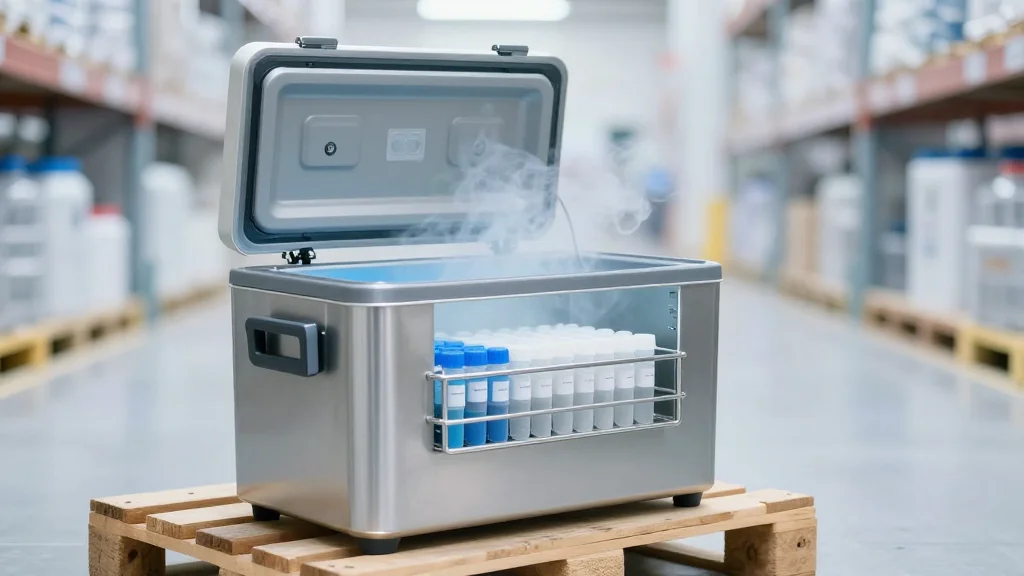
Four Ways to Build a Secure and Scalable CGT Distribution Network
Cell and gene therapies (CGTs) are expanding rapidly, with 34 US products approved and a projected $80 bn global market by 2029, driven largely by oncology. Successful commercialization now hinges on building secure, scalable distribution networks that protect fragile, cryogenic products...
What Actually Drives Speed in Complex Drug Development Programs
Speed in complex drug development is less about pushing harder and more about early, cross‑functional coordination. Traditional sequential handoffs often create hidden delays, forcing teams to revisit decisions under pressure. Thermo Fisher Scientific’s Accelerator™ Drug Development model integrates CDMO and...
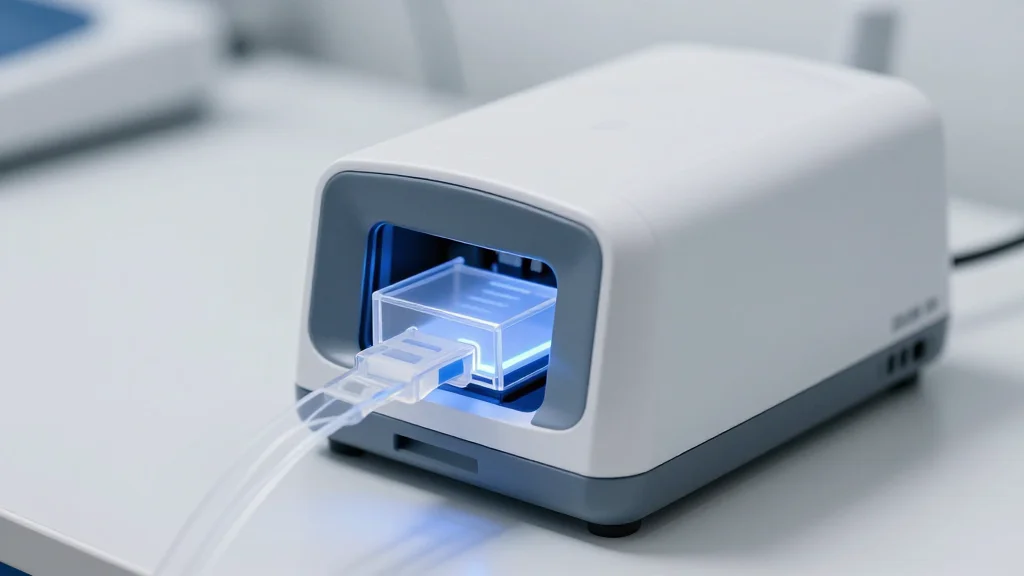
Bruker Unveils MyGenius PRO Diagnostics System
Bruker’s Microbiology & Infection Diagnostics division launched the MyGenius PRO automated sample‑to‑answer molecular diagnostics system at ESCMID Global 2026. The platform uses PCR technology to deliver high‑throughput, continuous loading and random‑access testing, automating the full workflow from patient sample to result. At...

Potential Spillover Effects on Diagnostic Delay for Cancer During the NHS-Galleri Trial
A quasi‑experimental study examined whether England’s NHS‑Galleri trial, which tests a cell‑free DNA multi‑cancer early detection (MCED) assay, caused spillover effects on cancer diagnostic timelines. Using a difference‑in‑differences design across 21 cancer‑alliance regions, researchers found that participating regions experienced a...

GSK's Blenrep Approved in China for Multiple Myeloma
#GSK Blenrep (belantamab mafodotin) approved in China with a Bortezomib and Dexamethasone combo for treating Adults with a form of multiple myeloma.
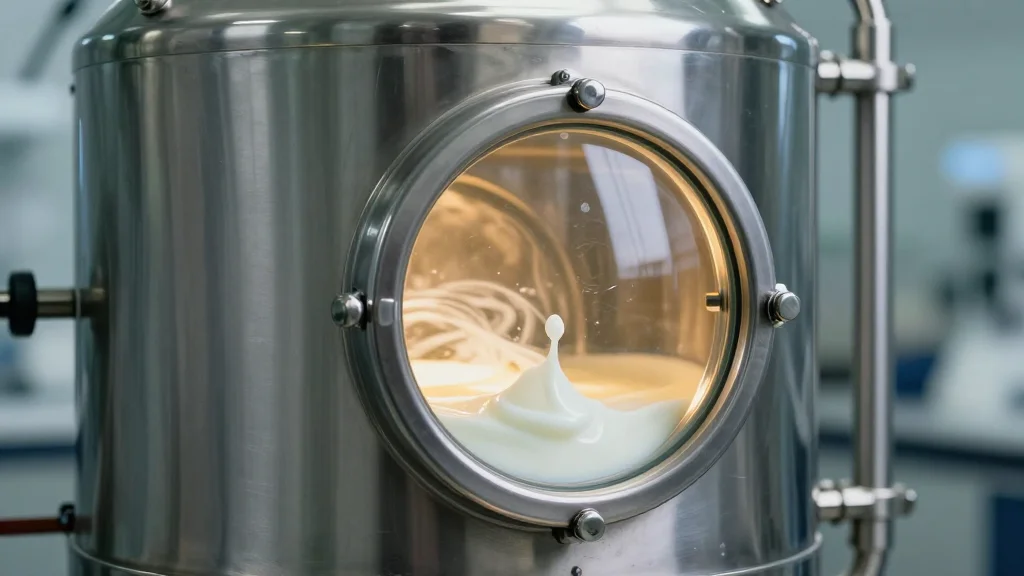
Kerry Expands Ireland Facility for Lactose Free Dairy Growth
Kerry has expanded its biotechnology manufacturing facility in Carrigaline, Ireland, boosting lactase enzyme capacity to meet surging demand for lactose‑free and sugar‑reduced dairy. The upgrade tightly couples advanced enzyme engineering and strain development with large‑scale production, linking the Global Innovation...
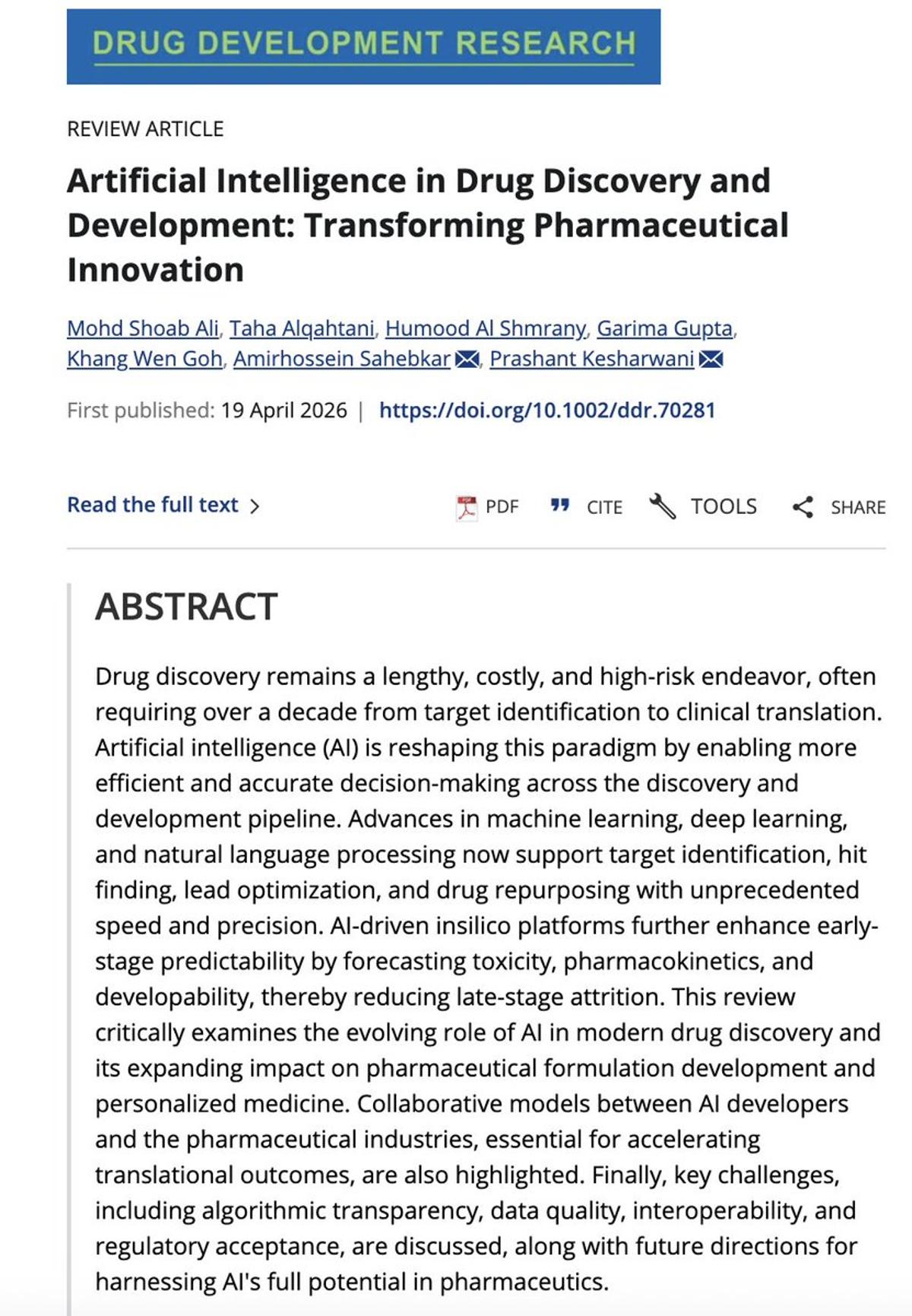
AI-Driven Drug Discovery: Current Landscape and Future Promise
Cool review and perspective on the current state and the future of AI-powered drug discovery https://t.co/AgwqOlt4RU
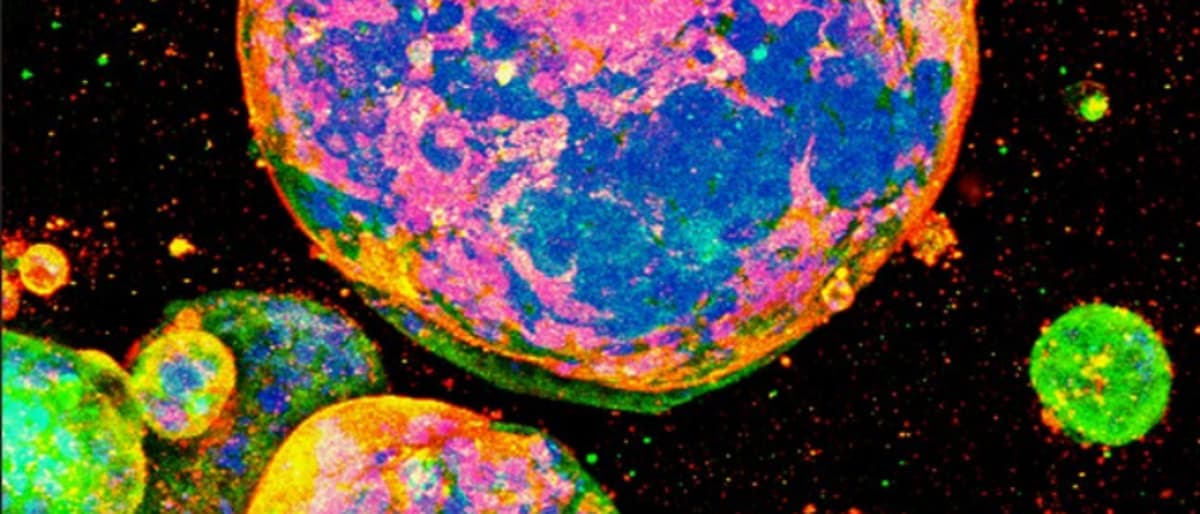
Fully Defined 3D Culture Substrate for Cancer Research
AMSBIO announced that its fully defined MatriMix 511 extracellular matrix enables patient‑derived colorectal cancer cells to form robust 3D organoids. In a Kyoto University study, the organoids preserved stage‑specific tumor biology and expressed metastatic markers, outperforming alternative matrices. MatriMix’s composition...

AlphaGen Therapeutics to Present Preclinical Studies of Two Next-Generation Alpha Therapies at AACR 2026
AlphaGen Therapeutics announced it will present preclinical data on two next‑generation alpha radiopharmaceuticals, AG1002 and AG1206, at the AAC 2026 meeting in San Diego. AG1002 is a non‑agonist SSTR2‑targeting agent that achieved a superior tumor‑to‑kidney ratio and robust tumor inhibition in multiple...

Speed, Scale, and Simplicity in Microarray Analyzer
Thermo Fisher Scientific introduced the SwiftArrayStudio microarray analyzer, a fully automated platform that consolidates hybridization, staining, washing and scanning into a single instrument. The system can deliver genomic results in roughly 30 hours, a dramatic reduction from the traditional five‑day turnaround....

Planetary Nets $28M to Scale Full-Stack Fermentation Platform for Sustainable Proteins
Swiss biotech startup Planetary secured CHF16 million ($20.4 million) in Series A financing and an additional CHF6 million ($7.6 million) credit facility, bringing total capital to roughly $41 million. The funds will expand its BioBlocks full‑stack fermentation platform, scale a global licensing business, and diversify its...

EpiBiologics Reports First Patient Dosed in P-I Study of EPI-326 for EGFR-Driven Solid Tumors
EpiBiologics has dosed the first patient in a global Phase‑1 trial of EPI‑326, a tissue‑selective bispecific antibody that targets EGFR in advanced solid tumors. The study will assess safety, tolerability, pharmacokinetics and early anti‑tumor activity in non‑small cell lung cancer...