
The Iran War Is Disrupting More Than Oil. Here’s What Could Get Expensive Next
The Iran‑Israel conflict is rippling through global commodity markets, pushing aluminum, helium, fertilizer, sulfur and plastics into shortage zones. Since February, aluminum has risen about 12% to $3,411 per metric ton after attacks on Middle‑East smelters, while helium supplies are tightening, threatening MRI scanners and semiconductor fabs. Higher yields on sovereign debt are nudging mortgage rates upward, and fertilizer price spikes threaten food costs. Together, these disruptions could lift everyday prices well beyond the oil market’s impact.

Russia’s Scrap Sector Grapples with Export Ban Concerns, Demand Changes
Russia’s scrap metal industry is embroiled in a debate over a proposed export ban, with officials warning it could curb competition and lift domestic prices. At the same time, leading steel producers such as Magnitogorsk and Severstal are sharply reducing...

EIA: Brent Crude to Reach $115/Bbl in Second-Quarter 2026
The U.S. Energy Information Administration projects Brent crude will climb to about $115 per barrel in the second quarter of 2026, up from a March average of $103. The rise reflects a sharp tightening in supply as Gulf producers curtail...

Fastmarkets Suspends 10 Steel Pipe Prices, CFR Jebel Ali
Fastmarkets announced the suspension of ten steel pipe price assessments for the CFR Jebel Ali market, covering both seamless and welded OCTG casings and linepipe grades. The suspension follows ongoing disruptions caused by the US‑Israel‑Iran conflict, which has hampered regional deliveries...

Oil Prices Rise Ahead of Trump's Deadline to Reopen Hormuz
Oil prices surged on April 7 as President Donald Trump set a final deadline for Iran to reopen the Strait of Hormuz, pushing U.S. WTI up 3.9% to $116.83 a barrel and Brent to $110.55. The heightened geopolitical risk dragged the...

Energy Storage Pricing Beginning to ‘Fracture’ by Product Type: Report
Anza Renewables reports a widening price gap between U.S. utility‑scale and distribution‑scale energy storage in Q1 2026, with utility‑scale costs dropping up to 20.9% while distribution‑scale prices remain flat around $203/kWh (AC) and $175/kWh (DC). The United States installed a...

Cash Dairy Prices Steady-to-Lower Tuesday
Cash dairy prices were largely unchanged Tuesday, with most commodities holding steady or slipping slightly. Dry whey remained flat at $0.69 per pound, while cheese blocks held at $1.6725 per pound after four sales. Butter edged down $0.0050 to $1.7475...

Midday Cash Livestock Markets
Midday cash cattle trading remained inactive on April 7, with no bids and lower showlists across feeding regions, pushing expected volume to later in the week. Boxed beef prices showed a mixed picture as Choice fell $1.87 to $386.17 while Select...

Hassett Has Stark Message for Investors Watching Gas Prices
Kevin Hassett, director of the National Economic Council, warned that the U.S. campaign against Iran will keep gasoline prices elevated, contradicting administration statements that the spike is temporary. The Energy Information Administration now projects average retail gasoline above $3 per...

Jeffrey Sherman on Oil, Deficits and the Private Credit Liquidity Trap | Bloomberg
Jeffrey Sherman, DoubleLine’s deputy CIO, warned that rising oil prices and energy‑sector infrastructure damage could sustain inflation longer than markets expect, pressuring global growth. He argued that higher energy costs function as a de‑facto monetary tightening, reducing the likelihood of...

How Tariffs And The Strait Of Hormuz Crisis Are Inflating Tomato Prices
The U.S. withdrew from the long‑standing Tomato Suspension Agreement with Mexico and imposed a 17 % duty on fresh Mexican tomatoes, cutting off roughly two‑thirds of the nation’s supply valued at $3 billion annually. The tariff alone is projected to raise retail...

Jet Fuel Supply Concerns Grow as War with Iran Drags on, Airlines Cut Flights
Jet fuel prices in the United States have nearly doubled since late February, driven by the U.S.-Israel attack on Iran and the resulting closure of the Strait of Hormuz. The spike is forcing major carriers such as Lufthansa, United and...

Southeast Nebraska Farmer Sees $50K Spike in Fertilizer Costs
Nebraska farmer Ben Steffen reported a $50,000 jump in fertilizer expenses as the 2026 growing season begins, compounding an already red‑lined operation. He also anticipates an additional $4,000‑$5,000 in diesel costs over the next eight weeks. Similar input‑price pressures are...

Oil Shock Sorts Cruise Lines Into the Hedged and Hedged Nots
A sudden spike in global oil prices has added roughly $1.2 billion in fuel costs to the cruise industry. Companies that locked in fuel prices through hedging contracts are largely insulated, preserving operating margins, while those without hedges face earnings pressure...
Crude Prices Soar as Iran War Looks to Escalate
Crude prices jumped 3.7% on April 7, with WTI May futures hitting a four‑week high as the Iran‑Israel‑U.S. conflict threatens to close the Strait of Hormuz. The New York Times reported Iran ended talks with Washington, while U.S. strikes on Kharg Island and...

Why Oil Markets Could Be Wildly Wrong on Strait of Hormuz
The article argues that oil markets may be overstating the impact of the Strait of Hormuz disruption, suggesting that while flows have been curtailed, they are not entirely halted. Analysts note that Iran is likely regulating traffic rather than enforcing...
How the Iran War Has Sowed Panic Among Farmers
The ongoing Iran‑Israel conflict has driven up global fertilizer and fuel costs, sparking panic among farmers worldwide. Prices for nitrogen‑based fertilizers have surged by more than 60%, while diesel rates have risen sharply due to disrupted shipping lanes in the...

Oil Prices Reach Low Boil Ahead Of Strait Of Hormuz End Game
Crude oil prices climbed to $115.79 a barrel, the highest level since the Iran‑Israel conflict began, as the U.S. deadline for Tehran to relinquish control of the Strait of Hormuz approaches. The S&P 500 slipped 0.9% amid fears that a further...

Softs Report 04/07/2026
Soft commodity markets showed mixed but generally upward pressure on April 7, 2026, as higher petroleum futures lifted input and shipping costs for cotton and coffee. Geopolitical tension from the U.S.‑Iran standoff added logistical risk, especially for coffee beans, while...

Fuel Crisis Forces Airlines to Cancel Flights Globally
A sharp surge in jet‑fuel prices, driven by geopolitical tensions and refinery outages, has forced airlines worldwide to slash schedules and cancel thousands of flights. Carriers are trimming up to 10% of their weekly departures, with European and Asian markets...
US Shale Drillers Expected to Lift Crude Output
U.S. shale drillers are gearing up to increase crude output after a 68% price surge triggered by the Iran‑Israel conflict and Hormuz closure. With West Texas Intermediate trading around $115 per barrel—well above the $62‑$70 profit threshold—companies like Continental Resources...

Iran War: FAO Food Commodity Price Index Rises in March
The UN’s FAO Food Price Index climbed to 128.5 points in March, a 2.4% month‑on‑month rise marking a second consecutive increase. All five commodity groups – cereals, vegetable oils, meat, dairy and sugar – posted higher prices, led by a...

Latest DOE/EIA Diesel Benchmark Price Increase Adds Almost 25 Cts
The U.S. DOE/EIA diesel benchmark rose 24.2 cents to $5.643 per gallon, marking the 12th consecutive weekly increase and the highest level since July 2022. Over the 12‑week run the price has added $2.184 per gallon, driven by geopolitical tension...

National Diesel Average Rises for the 14th Consecutive Week, Reports Energy Information Administration
The Energy Information Administration reported diesel prices rose to $5.643 per gallon for the week of April 6, marking the 14th consecutive weekly increase and a $2.00 jump from a year ago. The price is up 24.2 cents from the previous...

Singapore: Growers Face Pressure From Rising Energy, Fuel Costs
The war in the Middle East has pushed fertilizer, fuel and transport costs sharply higher for Singapore farms. Vegeponics Farm warns its fertilizer stock will last only six months, with prices set to rise further if the conflict continues. Delivery...

"Polyhouse Growers and First-Time Hydroponic Entrepreneurs Make up the Bulk of Our Customer Base"
India’s protected‑cultivation sector is fueling a 15‑20% annual rise in coir substrate demand, with polyhouse growers and first‑time hydroponic entrepreneurs forming the core of Biogrow Substrates’ client base. The company reports stable raw‑material costs but notes freight volatility, driven by...

Shipping Constraints Mount as US Crude Exports Test Limits
Overseas demand for U.S. crude has surged amid the Iran conflict, pushing export volumes toward record levels. Analysts now argue that practical constraints limit Gulf Coast shipments to under 6 million barrels per day, far below the often‑cited 10 million‑bpd capacity. The...
Fastmarkets to Launch Cold-Rolled Grain Oriented Electrical Steel, Ex-Whs Eastern China Price Assessment: Pricing Notice
Fastmarkets will begin publishing a bi‑weekly price assessment for cold‑rolled grain‑oriented electrical steel (GOES) in Eastern China starting April 17. The new assessment follows a month‑long consultation and adds to Fastmarkets’ existing coverage of non‑grain oriented steel in China and...

UBS Has Alarming News About Oil if the Strait of Hormuz Closes
UBS commodity analyst Giovanni Staunovo warned that a shutdown of the Strait of Hormuz could remove roughly 10 million barrels of crude per day from global markets, adding to an already 90% reduction in flow. The chokepoint normally carries about 20 million...

Current Price of Oil as of April 7, 2026
Oil’s benchmark Brent crude rose to $113.40 a barrel on April 7, 2026, up $2.15 from the previous day and roughly 75% higher than a year ago. The price jumped 33.85% over the past month, reflecting tighter supply and renewed geopolitical...

Oil Prices Rise as Hormuz Stays Shut Ahead of Trump Deadline, Strikes on Iran Intensify
Oil prices jumped as the Strait of Hormuz remained closed, with Brent at $111.16 a barrel and U.S. WTI nearing $116, creating a rare WTI premium over Brent. President Trump gave Iran until midnight GMT to reopen the strait, threatening...

War in Iran Drives Russian Oil Prices to a 13-Year High
Russian Urals crude surged to $116.05 a barrel on April 2, the highest level in over 13 years, as the Iran‑linked oil rally lifts global prices. The price far exceeds the $59 per barrel budget assumption, delivering a windfall that eases Kremlin...

Oil Outage Labelled ‘Biggest in History’ Sends Prices and Nerves Higher
Six million barrels per day have gone offline as the Strait of Hormuz remains closed, creating the biggest oil outage in modern history. The shutdown has cut roughly 20% of global supply, pushing Brent to about $109 and WTI to...

How February Broke One Grain Marketing Guru’s Heart
February saw an unusual break in grain market patterns, with corn futures falling below $4.60 per bushel and technicals pointing to a potential downside breakout. USDA’s first crop‑progress report showed planting ahead of schedule, reaching 3% of the U.S. corn...

"Limited Volumes Available, but €80 per Kilo Still Hard to Sell"
Van Ooijen Citrus received its first Spanish greenhouse cherries, delivering 60 kg today with an additional 100 kg expected next week. The fruit is priced at €80 per kilo, a level the company admits is hard to move. Buyers view these early‑season cherries as...

Strawberry Market Sees Higher California Supply and EU Price Pressure
The global strawberry market is diverging regionally as spring unfolds. California is set for a high‑volume season, with the Santa Maria area leading peak conventional output in April and organic supplies arriving later. Florida’s winter‑freeze damage has trimmed yields, while Mexican...
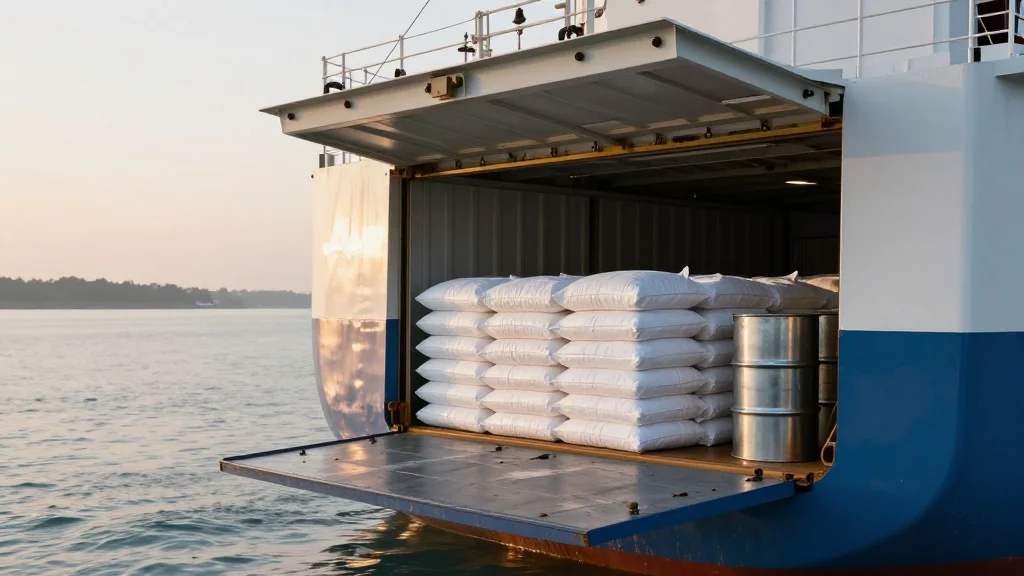
Agronometrics in Charts: Strait of Hormuz Disruption Sends Fertilizer Prices Skyrocketing 30 Percent
The closure of the Strait of Hormuz has halted roughly half of global urea exports, driving fertilizer prices up about 30 percent in just weeks. The disruption also curtails sulfur shipments, tightening supplies for phosphate fertilizers and compounding the shortage....

Will the Iran Crisis Lead to Another Round of Food Price Spikes?
The closure of the Strait of Hormuz has driven a sharp rise in fertilizer and energy costs, with urea prices up about 40 percent, while grain markets remain largely stable, showing only modest increases in wheat, maize and soybeans. Unlike...

Continuing Consequences From the US-Iran Conflict
The US‑Iran conflict has forced the closure of the Strait of Hormuz, driving crude oil prices up 83% to over $110 a barrel and pushing U.S. gasoline to $4.79 per gallon. Higher energy costs are feeding persistent inflation, complicating the...

Why Gold’s Liquidity Crunch Could Be a Buying Opportunity
Gold’s price plunged from a January high of just under $5,600 to around $4,400 by late March, driven primarily by a liquidity squeeze rather than a shift in fundamentals. Investors and central banks sold gold to raise cash, while Iran‑Hormuz...

Industry Perspectives Op-Ed: Is Canada Prepared for a Global Energy Shock?
Canada faces a looming energy shock as the Strait of Hormuz closure curtails roughly one‑fifth of global oil flow, prompting the United States to draw down 172 million barrels from its strategic reserve at a $20 billion cost. The op‑ed warns that...

Beer Cans, Helium Balloons and Mortgages: An Unexpected Mix of Things Affected by War
The Iran‑War’s disruption of the Strait of Hormuz is rippling far beyond oil, driving up prices for aluminum, helium, fertilizer, sulfur and petrochemicals. Aluminum cans for beer and soda, helium for balloons and MRI machines, and key agricultural inputs are...

How the US–Iran War Is Disrupting LPG Supply in Meghalaya and Tripura
The US‑Iran conflict has choked the Strait of Hormuz, the conduit for roughly 90% of India’s imported LPG, creating a supply shock. In the Northeast, Tripura and Meghalaya are seeing long queues as hospitals receive full quotas while commercial users...

Iranian Crude Trades at a Premium to Brent After US Waives Sanctions
The United States temporarily lifted the ban on Iranian crude on March 20, allowing Iran’s light oil to re‑enter global markets. This policy shift pushed Iranian crude $1 above the Brent benchmark, its first premium since May 2022, and narrowed the Brent‑Urals...

How Trump’s Iran Threat Is Hitting Oil, Inflation and Markets
President Donald Trump’s threat to eliminate Iran in a single night sparked an immediate surge in oil prices, pushing crude above $110 per barrel. Traders quickly priced in the heightened risk to the Strait of Hormuz, prompting equity markets to...

China Continues to Pile Into Gold as Reserves Climb for a 17th Straight Month
China’s gold reserves rose to 74.38 million troy ounces in March, marking the 17th consecutive month of net purchases and bringing the total to roughly 2,300 metric tonnes. Although the ounce count increased, the reported value fell to $342.76 billion from...
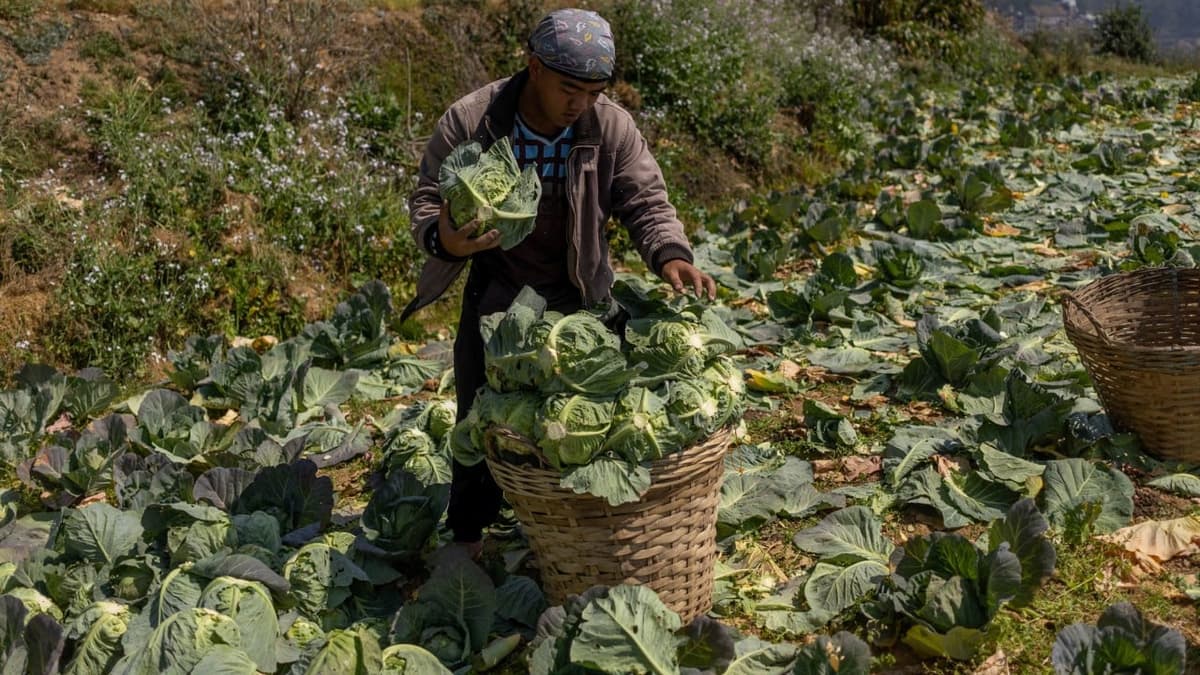
Filipino Farmers Leave Crops to Rot as Fuel Prices Drive up Cost of Harvest
Filipino vegetable growers in Benguet are leaving fields unharvested as soaring fuel prices—driven by the Middle‑East conflict—push labour, transport and packing costs above market prices. The surge in oil costs, combined with weak buyer demand, forces farmers like Romeo Wagayan...

India Back to Buying Venezuelan Crude
India is set to import over 12 million barrels of Venezuelan crude this month, the highest volume since February 2020, as it seeks to replace Middle‑East supplies disrupted by the Iran war. The cargoes, mainly the sulfur‑rich Merey blend, were secured before...

USDA Cotton Report Reflects Few U.S., World Changes
The USDA’s March cotton report shows a modest shift in global supply, with world production rising by 1.13 million bales, driven primarily by Brazil (+750,000) and China (+500,000). Imports increased 200,000 bales while exports grew 200,000 bales, all from Australia. World...

Time to Price New Grain Amid Iran Conflict?
U.S. farmers face sharply higher fertilizer costs as anhydrous ammonia rose 30% and urea jumped nearly 47% between February and early April, driven by supply chain constraints, tariffs and the Iran conflict. The country relies heavily on imports for key...