
Why Longer Kubernetes Release Cycles Are Critical for Private Cloud Adoption
A new ReveCom analysis highlights the “lag gap”—a two‑ to seven‑month delay between CNCF Kubernetes releases and their General Availability on private‑cloud platforms. Gartner projects sovereign‑cloud spending to reach $80.4 billion in 2026, with 20% of workloads expected to shift from hyperscalers to local providers. Release cadences differ: hyperscalers and VMware VCF typically ship updates within two months, while Red Hat OpenShift can lag up to six months. Longer support windows—24 months for VCF versus 12‑14 months for hyperscalers—make private‑cloud adoption financially attractive.

Telecom News: OpenInfra Foundation, StarlingX 12.0, Brightspeed, Huawei Network
The OpenInfra Foundation released StarlingX 12.0, an open‑source platform that merges OpenStack, Kubernetes, Ceph and virtualization tools to power edge and centralized cloud workloads for telecom operators. Brightspeed announced the completion of fiber construction in 13 Wisconsin communities, now reaching...

Bot-Driven OpenClaw Updates Frequently Break
Is there a better way to update OpenClaw than do this? Shit breaks half the time when I tell my bot to update itself. https://t.co/vvHrCq4xwW

OpenAI Unveils Symphony Spec, Boosts Pull Requests 500% in Early Tests
OpenAI has released Symphony, an open-source specification that ties coding agents to issue‑tracker tickets and CI/CD pipelines. Early internal trials showed a 500% increase in landed pull requests within three weeks, highlighting the potential for AI‑augmented software delivery.
Google Cloud Next ’26 Recap
Google Cloud Next ’26 highlighted a rapid shift in software delivery, with AI, platform consolidation, and efficiency driving change across the SDLC. Attendees moved from AI curiosity in 2025 to operationalizing AI agents that orchestrate CI/CD pipelines, enhance security, and...

Friday Five — May 1, 2026
Red Hat unveiled Tank OS, an open‑source utility that streamlines secure deployment of OpenClaw agents, while also rolling out Fedora 44 with upgraded Ansible, MariaDB, and OpenSSL components. A Red Hat‑sponsored survey shows more than two‑thirds of UK enterprises have AI exit strategies,...

Anthropic Opens Claude Security Public Beta to Scan Enterprise Codebases for Vulnerabilities
Anthropic has rolled out Claude Security in public beta, giving Enterprise‑tier Claude customers a tool that scans entire codebases for vulnerabilities and generates targeted patches using the Opus 4.7 model. The launch follows a closed preview that reportedly helped hundreds of...

Zulip 12.0 Launch Adds End‑to‑End Encryption and Docker Upgrade for SaaS Chat
Zulip announced the 12.0 release of its open‑source SaaS chat platform, introducing end‑to‑end encryption for mobile push notifications and a major Docker upgrade. The update follows 5,500 new commits from 160 contributors, underscoring rapid development and a new AI‑use policy...
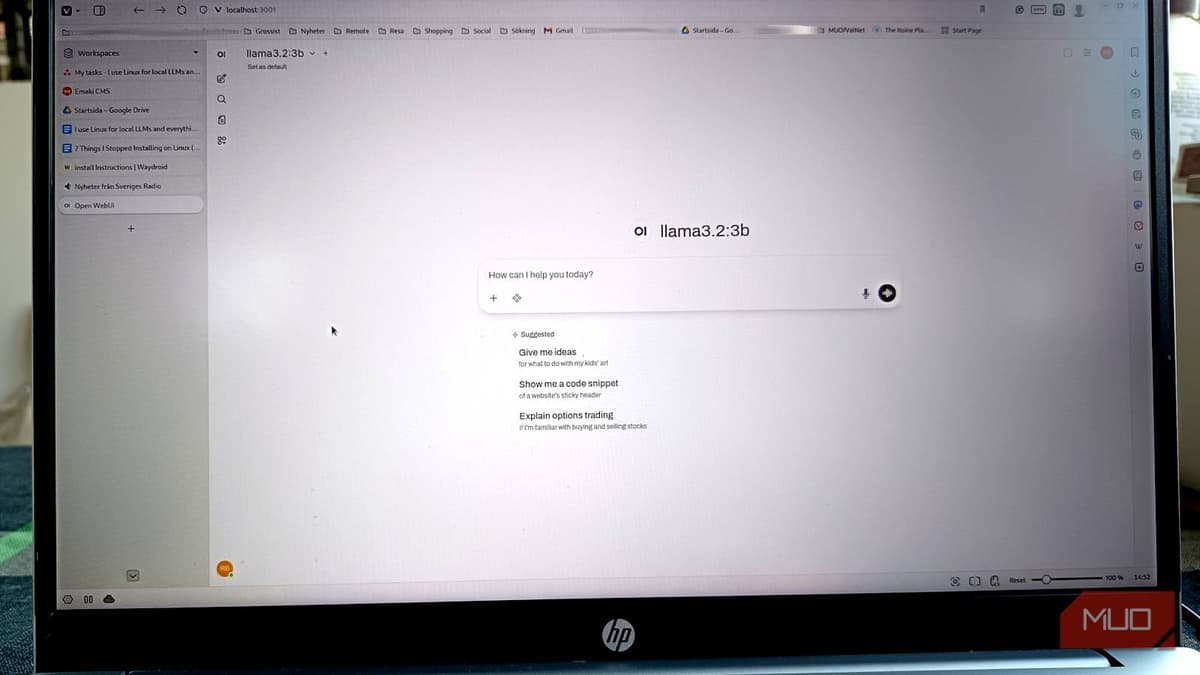
I Switched to Linux for Local LLMs and Setup that Took Hours on Windows Took Minutes
The author migrated from Windows to Linux for running local large language models with Ollama and found the Linux experience dramatically faster and more reliable. On Windows, the installer often defaults to CPU, requires WSL2, Docker configuration, and manual GPU...

Kubernetes v1.36: In-Place Vertical Scaling for Pod-Level Resources Graduates to Beta
Kubernetes 1.36 promotes In‑Place Pod‑Level Resources Vertical Scaling to beta, enabling default‑on resizing of a pod’s aggregate CPU and memory without always restarting containers. The feature is gated by InPlacePodLevelResourcesVerticalScaling and works with the existing pod‑level resource model introduced in...

How AI Moves Businesses From Damage Control to Near-Instant Recovery After a Data Crisis
AI‑powered continuous data protection (CDP) is replacing the decades‑old nightly backup model, allowing enterprises to capture changes in near‑real time. By using intelligent prediction and tiering, AI can prioritize critical files while discarding redundant I/O, making CDP affordable at scale....

End-to-End Event Streaming With Kafka, Spring Boot and AWS SQS/SNS (Production-Ready Code Guide)
A new DZone guide walks developers through building a production‑ready event pipeline that combines Apache Kafka, Spring Boot, and AWS SNS/SQS. The architecture uses a Spring Boot producer to write JSON events to a Kafka topic, a bridge service that...
A Nine-Point Checklist for Shipping Production-Ready AI
The New Stack outlines a nine‑point checklist that turns AI demos into production‑grade services. It walks readers through installing pinned dependencies, building robust tool interfaces, persisting retrieval indexes, adding schema‑based guardrails, and enforcing bounded agent loops. The guide also covers...
Faster Fixes, Less Context Sharing: How Grafana Assistant Learns Your Infrastructure Before You Even Ask
Grafana Assistant now builds a persistent, pre‑loaded knowledge base of your infrastructure by automatically scanning Prometheus, Loki and Tempo data sources. The AI agents map services, metrics, logs and dependencies ahead of any query, storing the information in a vector...

How Traversal Prevents Million-Dollar Outages
Major cloud providers have suffered multi‑hour outages, costing millions per hour. As AI‑generated code proliferates, outages become harder to diagnose, leading to executive turnover and massive fines. Traversal, founded by MIT researcher Anish Agarwal, offers an AI‑powered Site Reliability Engineer...

Anthropic’s Claude Security Emerges From Closed Preview to Scan Your Codebases for Vulnerabilities
Anthropic has taken Claude Security out of closed preview, launching a beta version for Claude Enterprise customers while extending access to Team and Max plans soon. The AI‑driven tool scans entire codebases with parallel agents, validates findings to curb false...
IBM Unveils Envizi Emissions API to Embed GHG Calculations in DevOps Pipelines
IBM announced the general availability of its Envizi Emissions API, a tool that integrates GHG Protocol‑aligned emissions calculations into existing software, CI/CD pipelines and monitoring systems. The API draws on IBM’s Envizi ESG Suite to deliver real‑time, traceable Scope 1‑3 data...

AI‑generated Tests Need Human Trust, Not Just Automation
🌶️ Hot take: just because agents can easily generate tests doesn't mean they're any good. In fact, I still spend quite a bit of human effort ensuring that my tests are trustworthy, as these are my guardrails for current and future...

AI Agents for DevOps on Kubernetes Need Real Engineering, Not Magic
AI agents can accelerate Kubernetes incident triage, but only when built on a solid engineering stack rather than acting as a black‑box controller. The article outlines a layered architecture—OpenTelemetry for telemetry capture, Kafka for durable event streaming, a lightweight consumer...

SPIFFE: Securing the Identity of Agentic AI and Non-Human Actors
SPIFFE, an open standard for workload identities, is being positioned as a solution for securing autonomous AI agents. The framework issues cryptographically verifiable SPIFFE IDs, enabling zero‑trust, federated trust and dynamic credential rotation. HashiCorp’s Vault Enterprise 1.21 and 2.0 releases...

Observability in Practice: Finding the Why Behind System Failures
The post explains why traditional monitoring falls short and how observability provides the “why” behind system failures. It outlines the three pillars—metrics, logs, traces—and shows how a Prometheus‑Grafana stack can be deployed in under 30 minutes. Real‑world data from a...

PolyAI Selects Kong to Scale Its API Infrastructure and Accelerate AI Innovation
PolyAI, a leading enterprise conversational‑AI provider, has partnered with Kong to adopt its Konnect unified API and AI platform. The move will standardize, secure, and dramatically scale PolyAI’s API infrastructure, enabling developers to build and manage agentic AI workflows more...

ActiveState Curated Catalog Secures AI-Generated Code Across Any Development Environment
ActiveState unveiled expanded support for AI‑assisted development through its Curated Catalog, a tool‑agnostic security layer that governs dependency ingestion across any AI coding assistant. The catalog draws from a library of more than 79 million open‑source components built from source in...
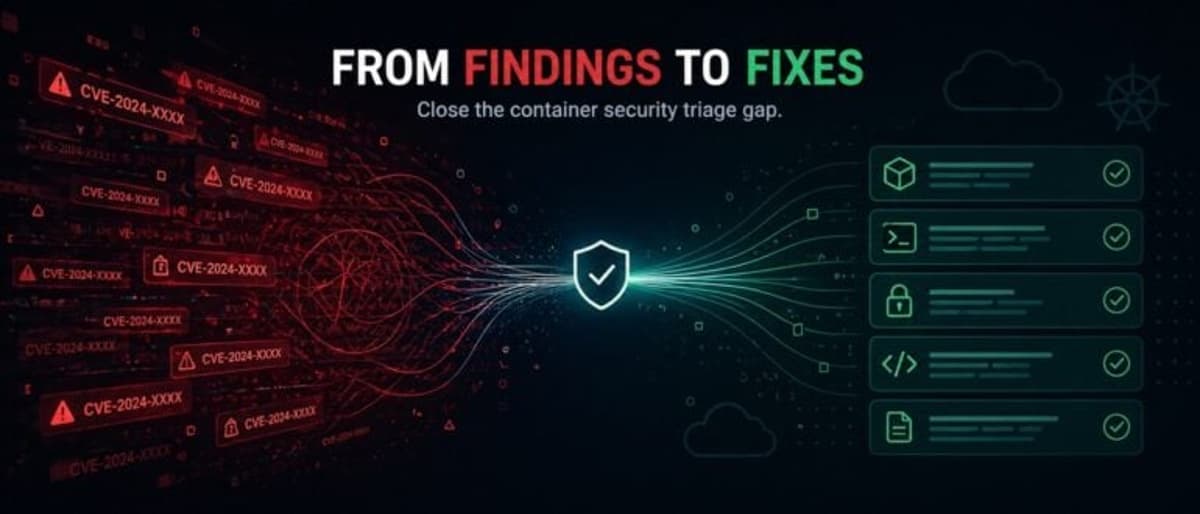
OWASP Has Adopted DockSec and the Cloud Security Community Is Taking Notice
DockSec, an open‑source container‑security analyzer, has been accepted into the OWASP Incubator Program after surpassing 13,000 downloads in more than 40 countries. The tool distinguishes itself by merging three detection engines—Trivy, Hadolint, and Docker Scout—and applying an AI layer that translates...

Warp Open‑Sources Rust‑Based IDE to Challenge Closed‑Source DevOps Tools
Warp announced that its Rust‑based, agentic development environment is now open source under the AGPL, with OpenAI as a founding sponsor. The move positions the IDE as a community‑driven alternative to proprietary DevOps tools and ties its agent workflows to...
Cisco Releases Open-Source Toolkit for Verifying AI Model Lineage
Cisco unveiled the open‑source Model Provenance Kit, a Python toolkit that verifies whether two transformer models share a common origin. The kit examines architecture metadata, tokenizer structure, and five weight‑based similarity signals to generate a provenance score. In internal testing...
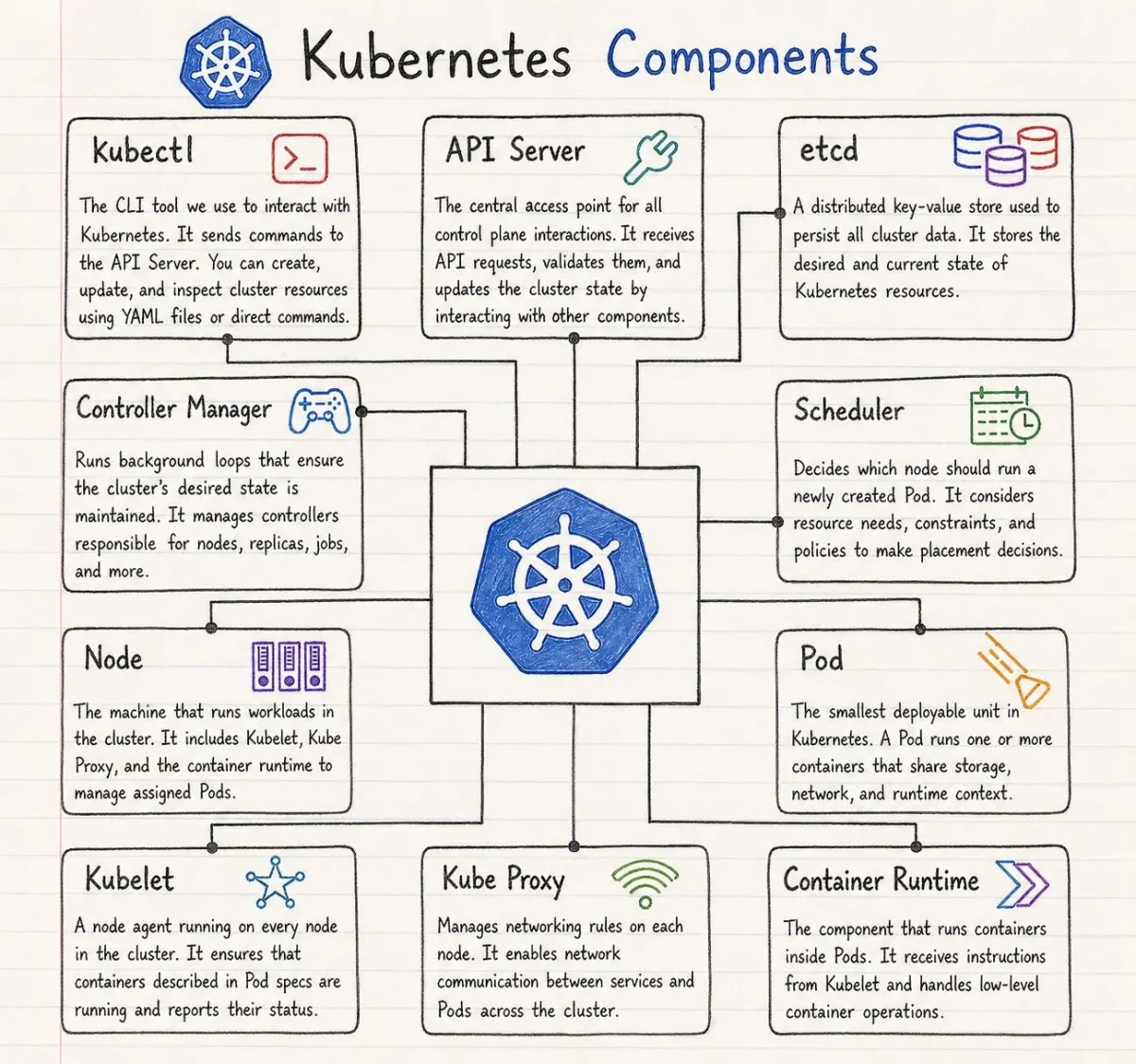
Master Kubernetes by Grasping Its Core Flow
Kubernetes broken down—simple. From kubectl → API Server → etcd → Scheduler → Controller Manager → Nodes → Pods, every piece works together to keep your apps running smoothly, scaled, and resilient. If you understand this flow, you understand Kubernetes. Save this for...
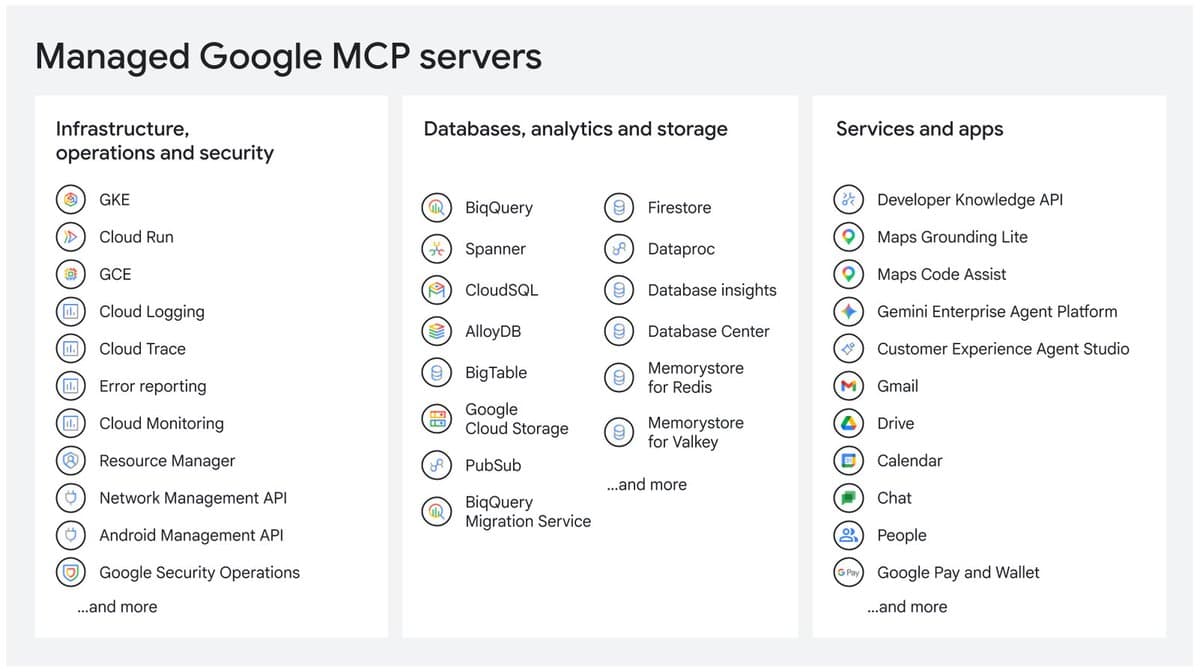
Fully‑managed Remote MCP Servers Accelerate Google Cloud Integration
0-to-50 in record time. We've now got dozens of fully-managed remote MCP servers that let your agents easily interact with your favorite @googlecloud services. Infra, AI, databases, ops, security, docs, Workspace, you name it. https://t.co/u7LZhEnT1B https://t.co/wt2CQODKq4

Tar Files Created on macOS Display Errors When Extracting on Linux (2024)
Developers who create tar.gz archives on macOS often encounter duplicate "._" files and extended‑attribute warnings when extracting them on Linux servers. The BSD‑based tar on macOS automatically embeds Apple‑specific xattr metadata, which Linux's GNU tar cannot interpret. Adding the "--no-xattrs"...

Test Everything, Harden Interfaces, Avoid Sloppy Code
To all the vibecoders making tools for real world scientists, please test for edge cases, harden your critical paths, log events, and make your interfaces robust. Test everything. Test often. Manually go into your app and try to break it...
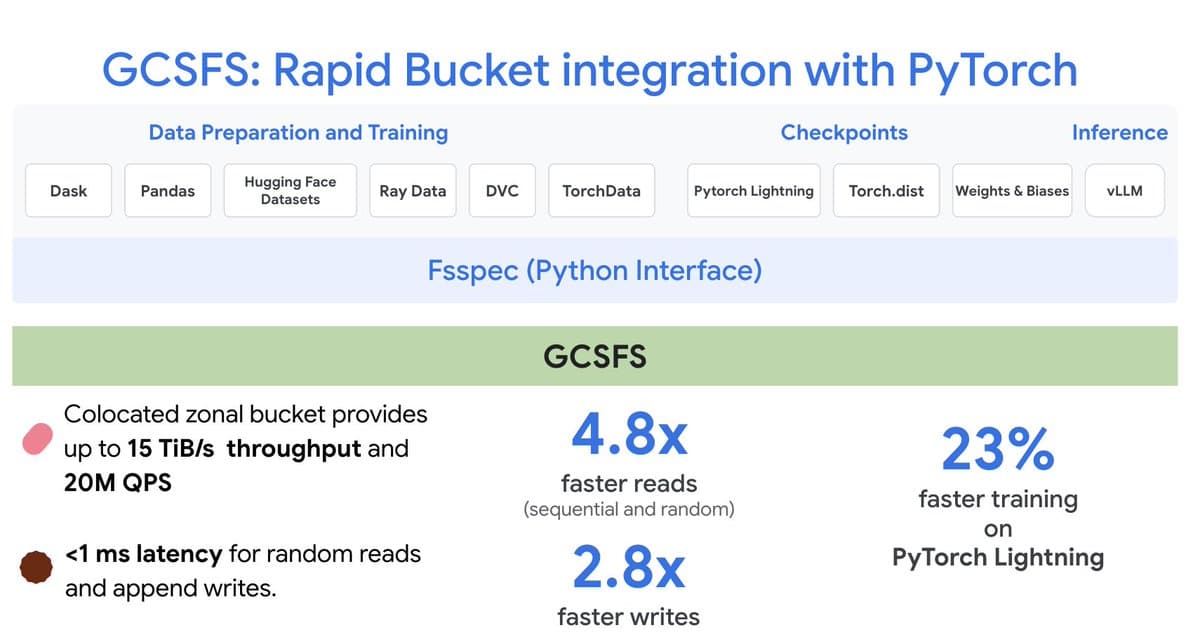
Rapid Storage Integration with PyTorch Keeps GPUs Busy
"By integrating Rapid Storage, powered by Google’s Colossus storage architecture, directly with PyTorch via the industry-standard fsspec interface, we are enabling researchers and developers to keep their GPUs busier than ever before." https://t.co/T0oMWbNKkc https://t.co/xS9wXRcmyi

LocalStack Simulates Data Flows Across AWS Cloud Services to Simplify Debugging with App Inspector
LocalStack introduced App Inspector, a new feature that visualizes data flows and configuration dependencies across AWS services inside a lightweight, container‑based sandbox. The tool lets developers debug AI‑generated or manually written code locally, avoiding the latency and cost of deploying...

AI Agents Can Now Auto‑Create Cloudflare Accounts and Deploy Apps
What could go wrong? :) -> Cloudflare says AI agents can now create Cloudflare accounts, start paid subscriptions, register domains, and deploy apps on behalf of users

Agent Orchestration: A Living Decision Framework, Not Static Architecture
developers talk about agent harnesses/orchestration like it's back-end architecture and that if they could only get it right, they can keep building on top of it but what if it's more like personal/organizational decision making processes and org charts, and it's...
Forward‑Deployed Engineers Emerge as Essential Layer for Enterprise AI Rollout
Analysts say forward‑deployed engineers (FDEs) are the missing operational layer that will move 93% of enterprises out of AI pilot purgatory. By embedding AI into live systems, firms can create recurring revenue streams, a model exemplified by Palantir’s near‑10‑fold share...
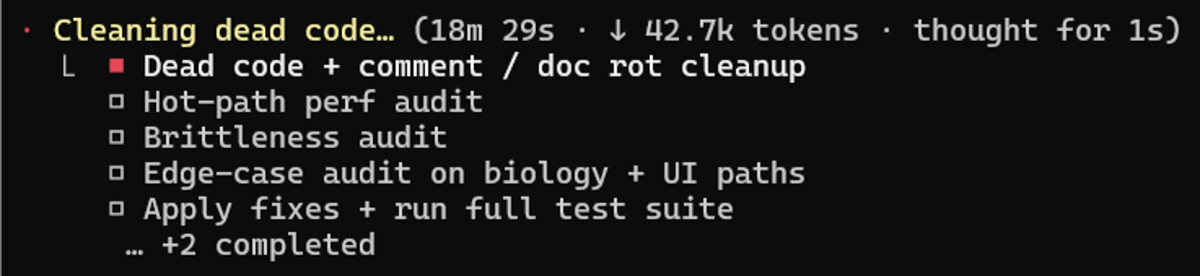
Biology Knowledge Crucial for Debugging Bio‑code Edge Cases
Vibedebuggin and vibehardenin and checking edge cases and making user inputs holy and tracking off-by-one errors that could kill a bioproject and and and... Good thing I know enough biology to test and check and know what matters to users. How...
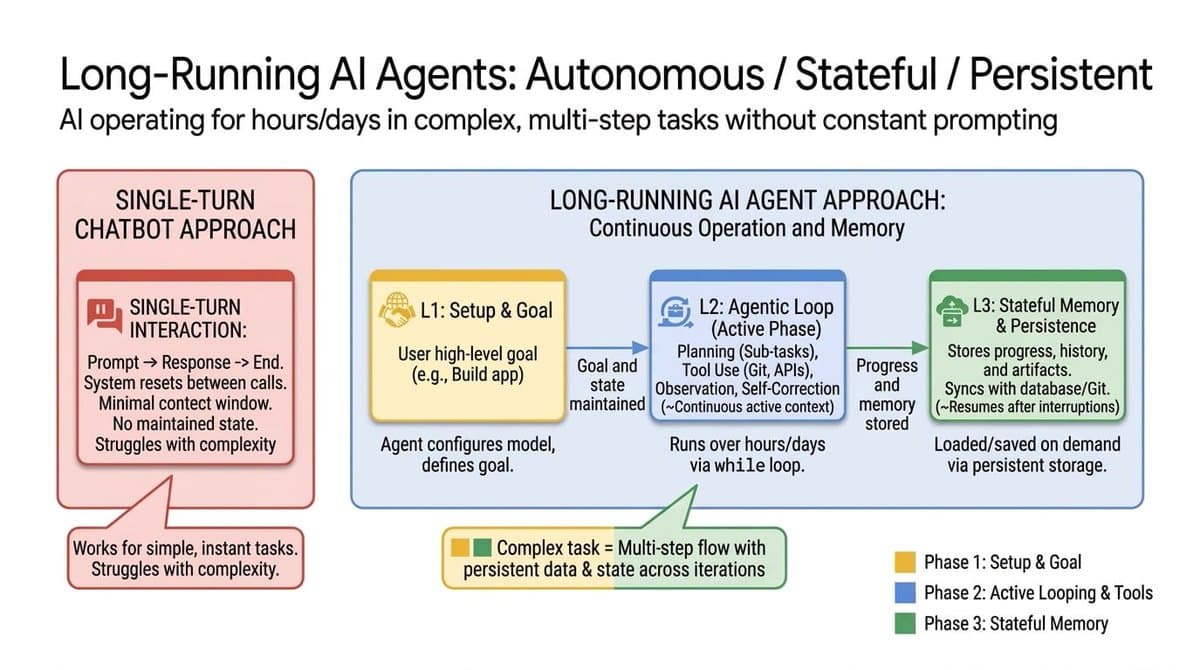
Managing State and Coordination for Long‑Running Agents
Long-running agents pose fresh challenges. Where and how do you persist state? Who does compute coordination and completion verification? @addyosmani wrote a fantastic deep dive that lists the patterns, solutions, and limits. A must read: https://t.co/Gg7apYKJuG https://t.co/XEBSbYnzTe
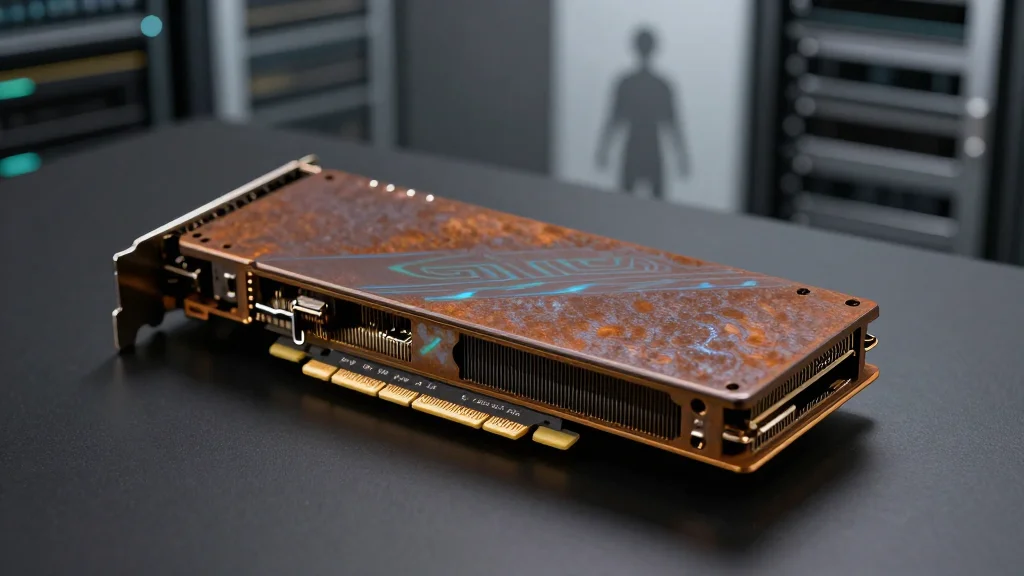
Zed 1.0 Debuts GPU‑Powered Desktop Editor, Ditching Electron for DevOps Efficiency
Zed announced the 1.0 release of its desktop editor, swapping the Electron foundation for a Rust‑based GPU‑shader UI called GPUI. The move aims to cut resource overhead, boost performance, and integrate AI agents, a shift that could reshape DevOps tooling.

AI Code Raises Critical Bugs 1.4×; QA Still Essential
AI-generated code comes with a hidden tax: 1.4x more critical issues in pull requests, including basic security flaws. You can't skip QA just because AI wrote the code. #DevSecOps #CIO https://t.co/p7yRF5nHjg

Browserbase /Browser-Trace Grants Agents Full Browser Observability
Okay, you need to see @Browserbase's new /browser-trace skill. 🤯 It literally gives your agent 100% observability into its browser. We are talking full access: network requests, DOM content, screenshots, and CDP logs. Everything gets dumped straight into a searchable filesystem 💥
Anaconda Acquires Outerbounds, Adding Metaflow to Its AI‑Native Platform
Anaconda announced the acquisition of Outerbounds, the company behind the open‑source Metaflow framework, to embed full‑stack AI/ML orchestration into its platform. Terms were not disclosed, but the move promises a governed path from AI experimentation to production for its 50 million...
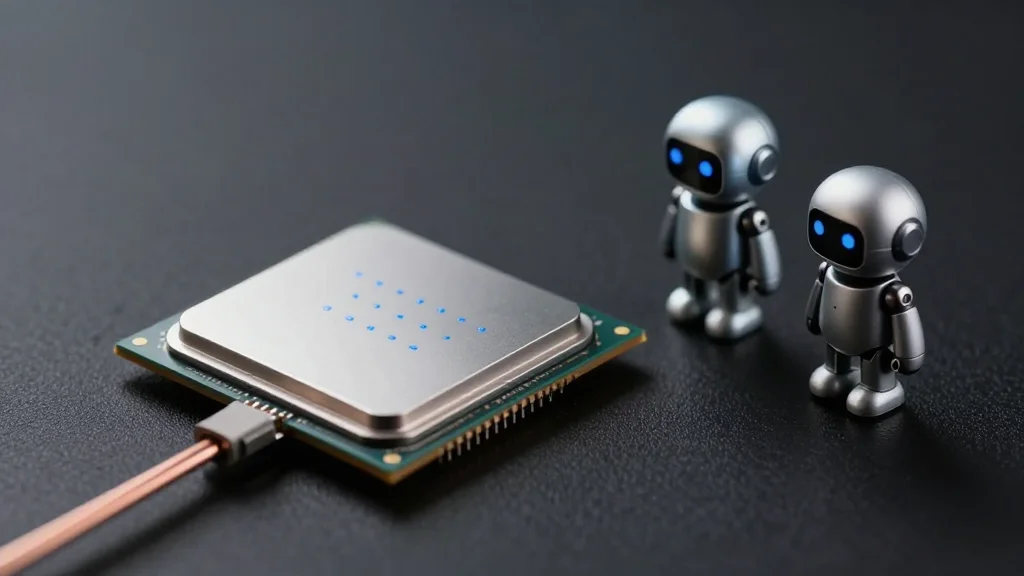
Harness Teams of Agentic Coders with Squad
At KubeCon Europe, Linux kernel maintainer Greg Kroah‑Hartman noted a sudden improvement in AI‑generated security reports, highlighting a broader productivity crisis for developers facing a flood of critical vulnerabilities. Open‑source project Squad, created by Microsoft’s Brady Gaster, offers an agent...

Immutable Infrastructure: Why You Should Never Patch Production Servers
The article argues that patching live production servers creates configuration drift and operational risk, and proposes immutable infrastructure as the antidote. It defines immutability as deploying a baked machine image that is never altered in place; any change requires building...
Learn How Checkmarx Benefited From Internal Developer Portal
Checkmarx adopted Port’s internal developer portal to replace five fragmented environment‑creation methods with a unified self‑service solution. The portal lets developers spin up and tear down Kubernetes‑based dev environments via a simple UI, enforcing TTLs that automatically trigger GitHub workflows...

Top Examples of Service Catalogs in Action
Modern service catalogs have become a cornerstone of platform engineering, acting as a real‑time metadata hub for microservices, Kubernetes, AppSec, and cost data. Unlike legacy IT catalogs, they automate data collection, providing developers with up‑to‑date ownership, dependency, and compliance information....

Announcing the New Partner Premier Tier for the Terraform Registry
HashiCorp has introduced a new Partner Premier tier on the Terraform Registry, building on the existing Partner tag. To earn the Premier tag, providers must supply a software bill of materials and implement at least one advanced feature such as...
.png)
What Is a Developer Portal? Benefits, Use Cases & Why You Need One
Internal developer portals (IDPs) are platform‑engineered hubs that consolidate tools, metadata, and self‑service actions to simplify complex software delivery. They address chronic productivity losses—78% of teams wait over a day for SRE help and 94% of developers are frustrated with...
Generate Partial Device Configurations with Netlab
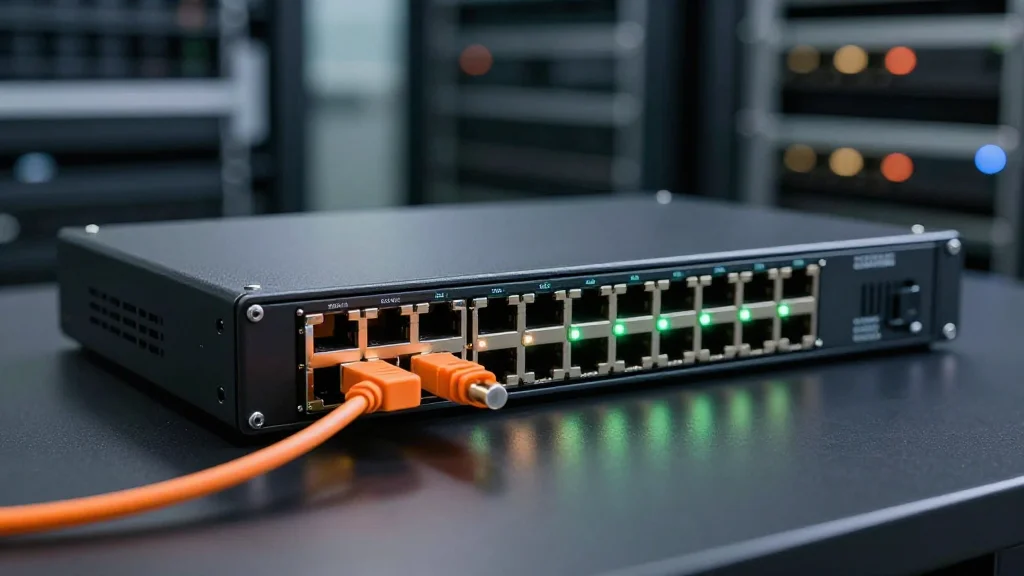
At ITNOG 10 the author used netlab to automate a complex, multi‑vendor lab consisting of a leaf‑and‑spine fabric, BGP route reflectors, and edge devices. By defining the topology in a YAML file, netlab produced a wiring diagram, an IP‑addressing plan, and...

DXC Technology Unveils OASIS, AI‑Powered Orchestration Platform for Managed Services
DXC Technology introduced DXC OASIS, an intelligent orchestration platform that blends human expertise with agentic AI to deliver real‑time, unified management of complex, multivendor IT environments. The launch aims to give CTOs a single, governed layer for performance, risk, and...
Opus Technologies Names Milind Kukday Chief Engineering & Delivery Officer to Drive AI‑Led Execution
Opus Technologies announced the appointment of Milind Kukday as Chief Engineering & Delivery Officer, tasking him with scaling AI‑augmented delivery across its banking, payments and fintech portfolio. The move signals a strategic push to embed opus.AI into core engineering practices...