
Christophe Pettus: Parallel Autovacuum: It’s Not About The CPU
PostgreSQL 19 adds parallel autovacuum, letting the vacuum process split index‑cleanup work across multiple workers. The feature only accelerates tables that have several or expensive indexes, because the heap scan remains single‑threaded. In I/O‑constrained environments, extra workers often add context‑switch overhead without improving throughput. Administrators should enable it per‑table only when storage can keep up and monitor its impact with pg_stat_progress_vacuum.

Kubernetes v1.36: Staleness Mitigation and Observability for Controllers
Kubernetes 1.36 adds a suite of staleness‑mitigation tools for controllers, anchored by the new AtomicFIFO queue and the LastStoreSyncResourceVersion() API. Four high‑contention controllers—DaemonSet, StatefulSet, ReplicaSet and Job—now verify cache freshness before reconciling, automatically skipping actions when the cache lags. The...
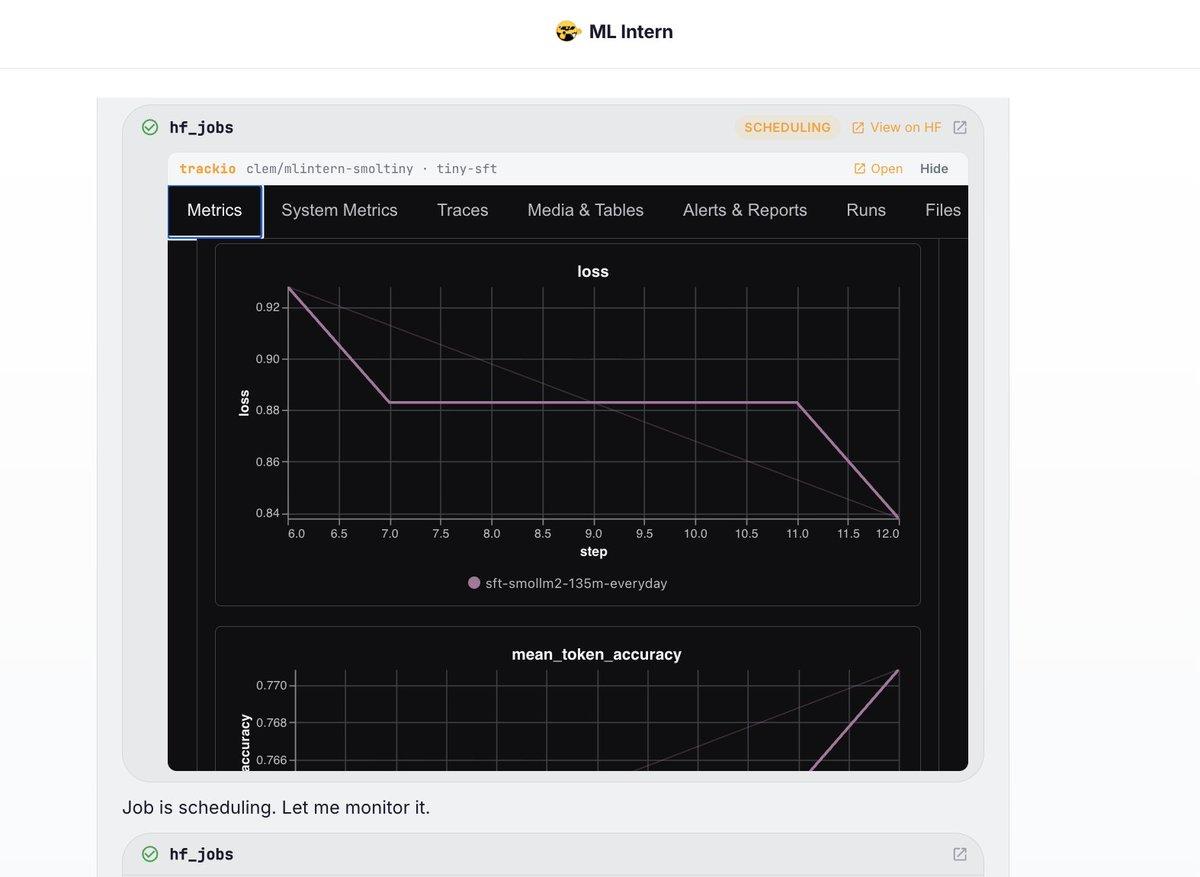
Real‑time Training Metrics Now Built Into ML Intern
Added native metric logging + @TrackioApp integration to ml intern so that you can follow every training run it kicks off in real time. Try it by asking "train a tiny model on a tiny dataset, find something super small/super...
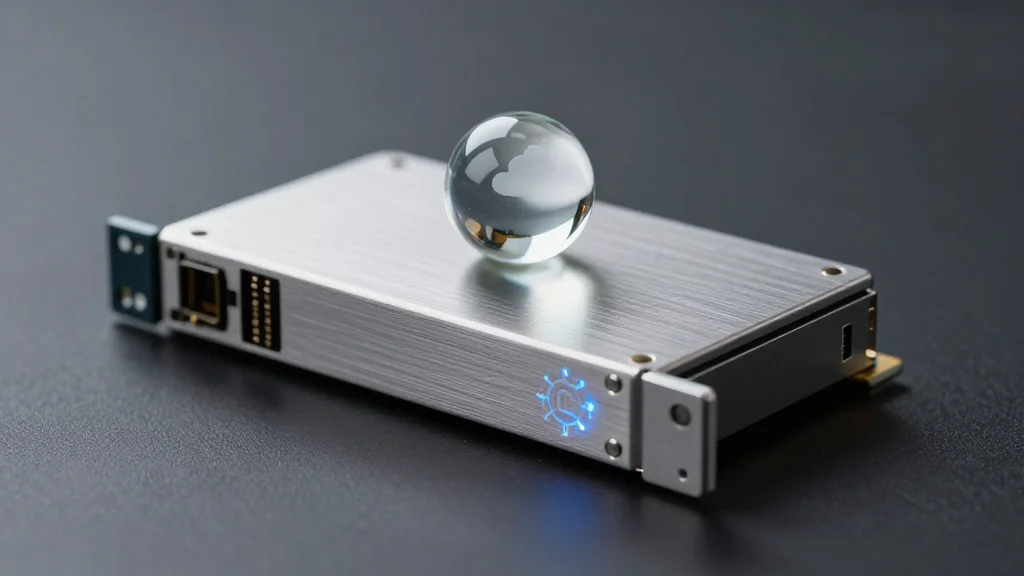
Why Broadcom Is Betting on a Private Cloud Comeback
Broadcom is doubling down on private‑cloud resurgence by evolving VMware Cloud Foundation (VCF) into a Kubernetes‑native, on‑prem platform. At KubeCon Europe 2026, executives highlighted how VCF now serves platform‑engineering teams with a single declarative pipeline for containers and VMs. The...

Anaconda Releases Desktop in Public Beta, Unifying AI Development Workflow
Anaconda has launched a public‑beta of Anaconda Desktop, a single application that merges model discovery, local LLM inference, and conda environment management. The tool extends the familiar Anaconda Navigator interface with native AI capabilities while retaining package installation, environment handling,...

AI Adoption Stalls in CI/CD Over Trust and Integration Gaps
Why is AI adoption inside the CI/CD workflow lagging? Is it a trust issue, as called out here? Or are the products (or integration points) lacking what today's AI apps and teams demand? I don't know. https://t.co/edozQzlVba
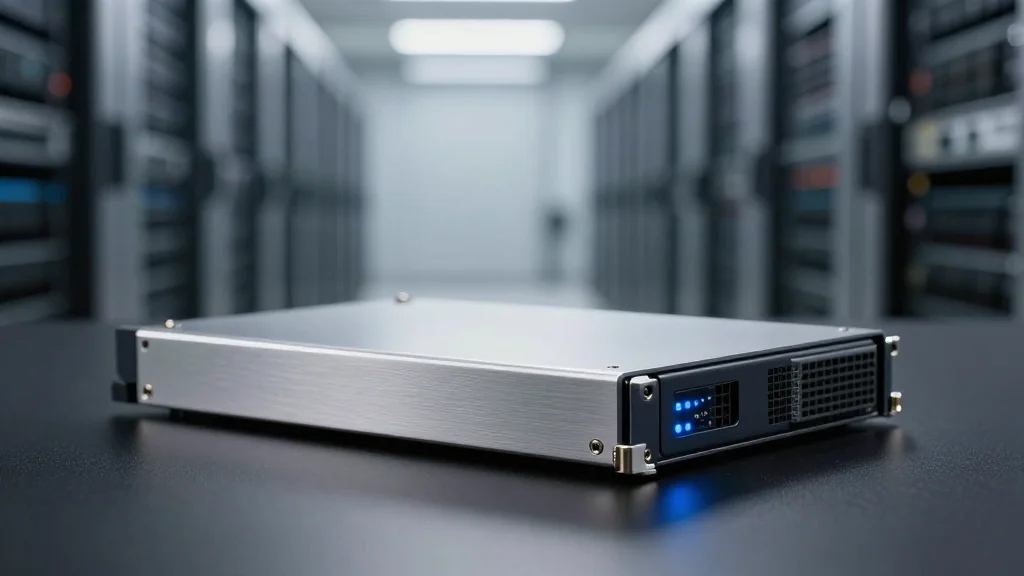
Paper Compute Launches Open‑Source Platform to Power AI Agents in Production
GitHub veteran Brian Douglas and CTO John McBride announced Paper Compute, a startup that provides the missing infrastructure layer for AI‑driven automation agents. The company released two open‑source components—Tapes for zero‑instrumentation observability and StereOS, a hardened Linux OS—aimed at giving...

Turning Secret Detection Into Measurable Risk Reduction
HashiCorp’s Vault Radar extends secret detection beyond visibility by adding correlation, automated workflow integration, and reporting. The platform matches discovered secrets with Vault or AWS Secrets Manager, enabling teams to see which exposures are already managed and which represent governance...
Aerospike Debuts New AI-Native Developer Experience Solutions
Aerospike announced a unified AI‑native developer experience that blends visual tools, AI coding assistants, and updated SDKs for its real‑time NoSQL database. The offering includes the Voyager visual workspace, an MCP Server that lets AI agents interact directly with clusters,...
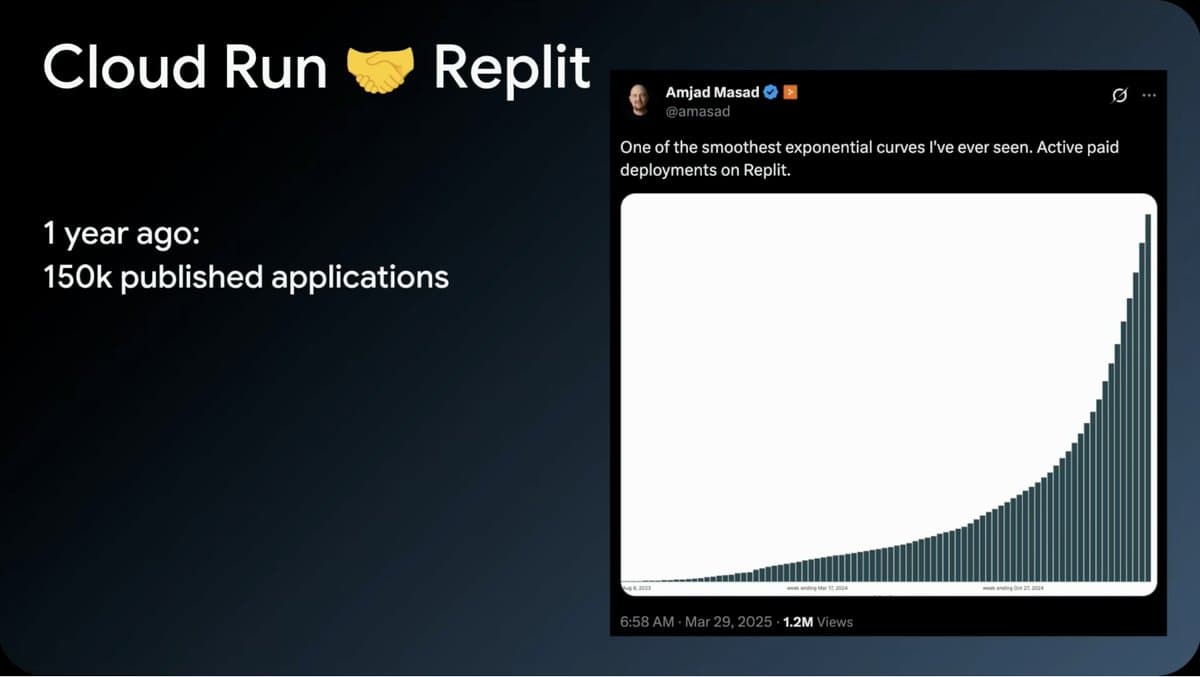
Exponential Growth: Cloud Run Scales Replit From 150k to 1M+
The nice thing about an exponential is that is exponential, no matter the scale. At #GoogleCloudNext, @stkenned shared how Cloud Run powers @Replit's deployments: - A year ago: 150k apps - Today: > 1M apps And the chart looks exactly the same, just a...
![How We Built a System for AI Agents to Ship Real Code Across 75+ Repos [Part 2 of 2]](/cdn-cgi/image/width=1200,quality=75,format=auto,fit=cover/https://www.mabl.com/hubfs/Geoffs%20Blog%20Featured%20Image%202.png)
How We Built a System for AI Agents to Ship Real Code Across 75+ Repos [Part 2 of 2]
mabl has operationalized AI agents across more than 100 repositories using a four‑phase pipeline—analysis, planning, implementation, and review—integrated with Jira. Confidence‑based gating reduces implementation failures by roughly 60 % and forces human oversight before code merges. Between October 2025 and March 2026 the...

Implementing Security-First CI/CD: A Hands-On Guide to DevSecOps Automation
The DZone Trend Report outlines a hands‑on, security‑first CI/CD framework that embeds DevSecOps practices from code scanning to policy‑as‑code enforcement, SBOM generation, zero‑trust identity management, and AI‑driven remediation. It details how early shift‑left scans, Open Policy Agent gates, and immutable...

AWS AgentCore Cuts Setup to Three API Calls
Three API calls. That's the new agent-setup cost on AWS AgentCore. If you're still debating whether to build or buy the agent runtime layer, that debate is over. The moat moved. It's in orchestration and governance now, not the runtime.
Executives Embrace ‘Vibe Coding’ with AI Assistants, Sidestepping Traditional DevOps Controls
C-suite leaders at companies like Codenotary and OutSystems are building production‑grade applications in hours with AI tools such as Claude and Cursor, a practice dubbed “vibe coding.” The speed‑first approach is bypassing design, security and legal reviews, igniting a clash...
![[Livestream] TeamCity 2026.1: AI, Pipelines, and Enterprise CI/CD Improvements](https://hixhlmpcokxhartfkpyi.supabase.co/storage/v1/object/public/images/thumbnails/89a99207c0687b6bd008380e12ef78b9.webp)
[Livestream] TeamCity 2026.1: AI, Pipelines, and Enterprise CI/CD Improvements
JetBrains announced TeamCity 2026.1, delivering AI‑enhanced CI/CD capabilities and a more flexible pipeline experience. The release adds native support for both Kotlin DSL and YAML pipelines, and introduces a new TeamCity CLI that embeds popular AI coding agents such as...
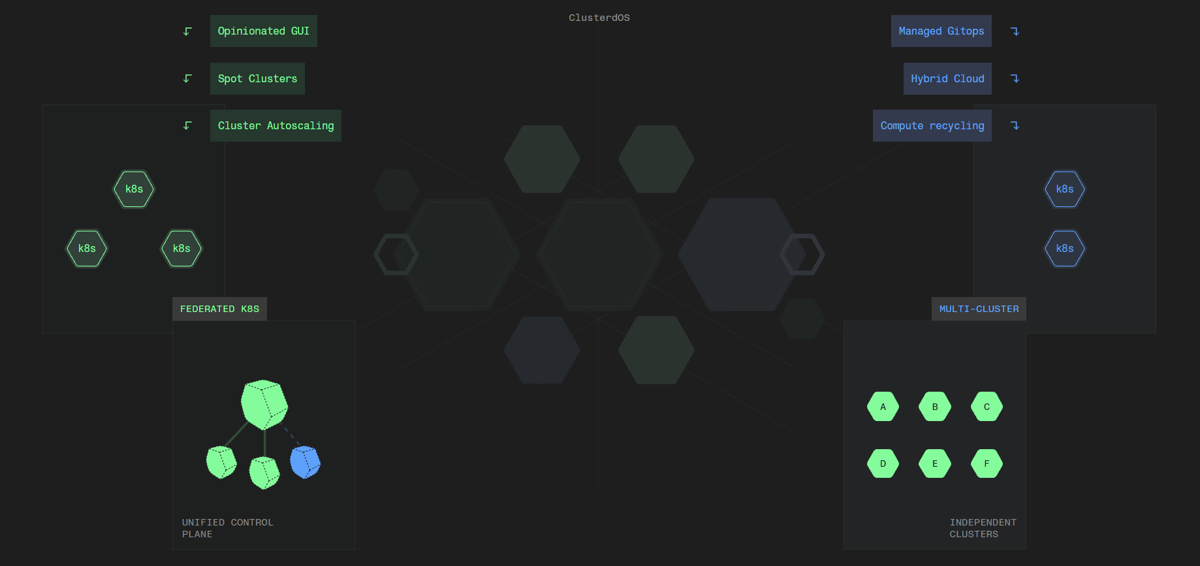
Aranya Debuts Cluster-Scale Operating System, Partners with Hydra Host on ‘Bare-Metal AI’
Aranya Inc., founded in 2025, launched its cluster‑scale operating system, ClusteredOS, in partnership with Nvidia‑aligned Hydra Host. The platform turns Kubernetes into a self‑healing, reproducible system for AI inference, cutting cluster setup from weeks to under 48 hours and slashing downtime...
MathWorks Adds AI Copilots in MATLAB and Simulink
MathWorks unveiled Release 2026a, embedding AI‑driven copilots across MATLAB, Simulink and Polyspace. Simulink Copilot can explain models, locate blocks and suggest next steps, while Polyspace Copilot interprets static‑analysis results and guides defect resolution. MATLAB Copilot automates test generation and code snippets,...

OpenAI’s Symphony Spec Pushes Coding Agents From Prompts to Orchestration
OpenAI unveiled Symphony, an open‑source specification that turns issue‑tracker systems like Linear into control planes for Codex coding agents. The orchestration layer lets agents autonomously claim tickets, run in isolated workspaces, monitor CI pipelines, and prepare pull requests for human...

IBM Launches Bob AI Platform, Promising 45% DevOps Productivity Boost
IBM announced the worldwide rollout of IBM Bob, an AI‑first development partner that automates the entire software development lifecycle. Over 80,000 IBM employees are already using the tool, reporting an average 45% productivity increase, while early adopters cite dramatic reductions...

Kubernetes v1.36 Haru - Security, GPUs and Observability Grow Up
Kubernetes 1.36, codenamed Haru, shipped on 22 April 2026 with 70 enhancements, including 18 new Stable features. The release emphasizes security—fine‑grained kubelet API authorization, external ServiceAccount token signing, and constrained impersonation—while adding GPU‑focused capabilities like Resource Health Status and Workload‑Aware Scheduling. Long‑awaited...

Blog: Bootstrapping Flux with Terraform, the Right Way
ControlPlane.io released a Terraform (and OpenTofu) module that automates the bootstrap of the Flux Operator on a new Kubernetes cluster. The module creates only the initial namespace, RBAC and a Job that installs Flux, then steps back so Flux alone...

Streaming Architecture and Speculative Decoding: How Companies Are Unlocking Cheaper AI
Enterprises facing GPU scarcity and high power costs are adopting software techniques such as streaming architecture and speculative decoding to run AI models on cheaper hardware. These methods break inference into incremental token chunks and pre‑compute likely sequences, cutting compute...

Introducing Seer Agent: The Answer Is Already in Sentry. Now You Can Ask for It.
Sentry has launched Seer Agent, an AI‑driven debugging assistant now in open beta. The tool lets engineers describe symptoms and automatically traverses Sentry’s trace‑connected telemetry to pinpoint root causes, as demonstrated when it identified a region‑specific rate‑limit outage in minutes....
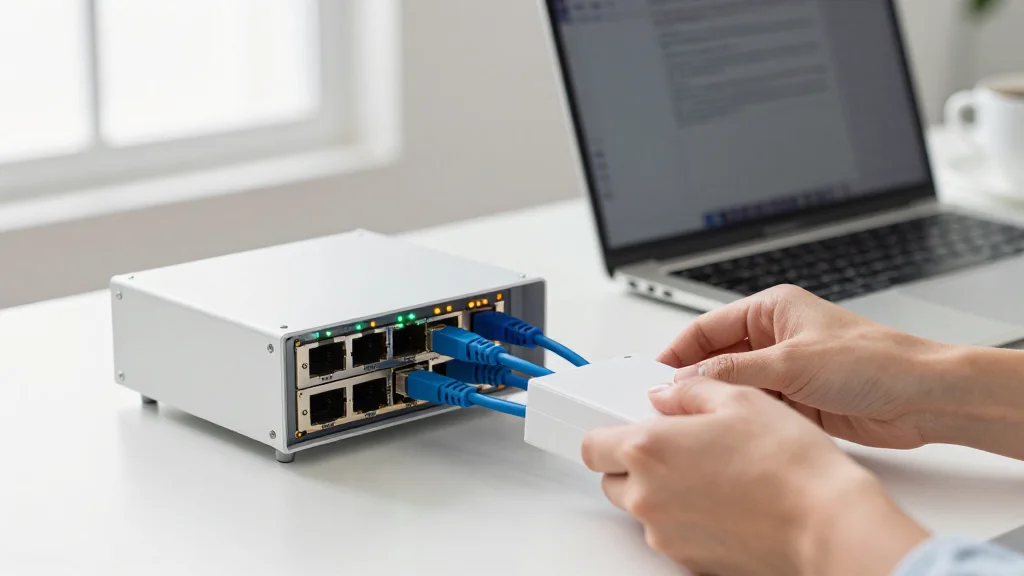
Worth Reading: Lab as Code (Containerlab and Netlab)
The open‑source lab‑as‑code tools containerlab and netlab received a major update in netlab release 26.04. The release introduces a new bgp.advertise attribute, enables dual‑stack bgp.originate via static discard routes, and resolves several long‑standing bugs such as the bgp.policy plugin conflict. Documentation...
Why the “SaaSpocalypse” Is More Hype Than Obituary
The article debunks the "SaaSpocalypse" hype, arguing that AI agents and vibe coding are transformative but not fatal to SaaS. While agentic AI offers faster development, it brings serious security flaws, token‑driven cost spikes, and code‑quality issues. SaaS spending is...

Honeycomb's Lightning Speed Continues to Wow Users
Honeycomb's speed is one of those things we just get used to and forget about, but it's fun to watch people discover it all over again. ☺️

Amazon Tracks AI Tool Adoption Across 2,100 Engineering Teams, Aiming to Triple Code Release Speed
Amazon is systematically measuring how its retail‑division engineers use generative AI, with a mandate for 2,100 teams to triple software release velocity and at least 25 teams to increase output tenfold. The effort, overseen by the S‑Team, has sparked mixed...

OpenAI Adds Sandbox Execution to Agents SDK, Boosting Enterprise AI Security
OpenAI upgraded its Agents SDK with sandbox execution, enabling AI agents to run complex, long‑running tasks inside isolated, resumable environments. The change adds strict permission scoping, full traceability and production‑grade resilience, addressing security and reliability concerns for enterprise DevOps automation.
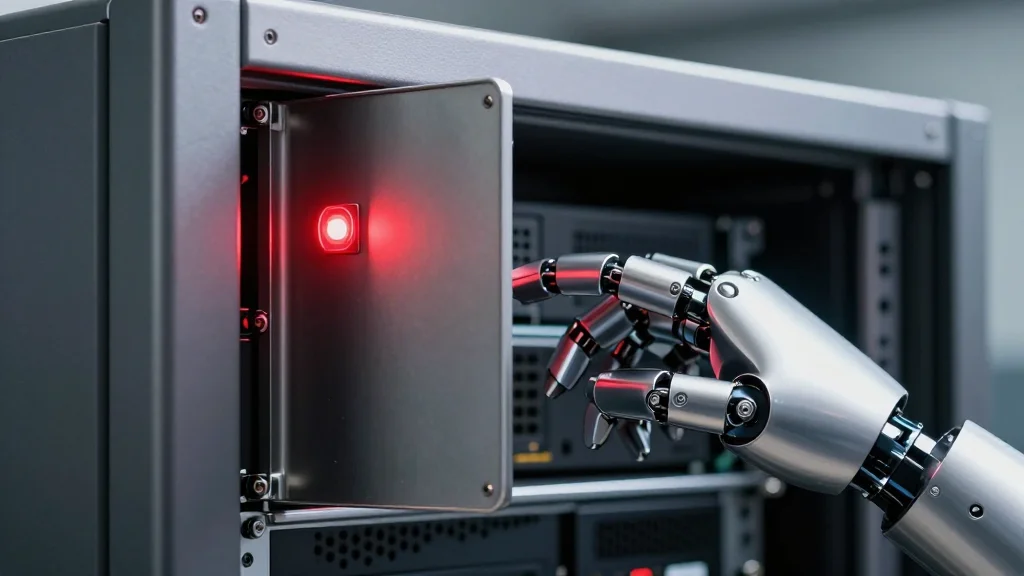
PocketOS AI Agent Erases Production Database in 9 Seconds, Raising AI‑Ops Security Alarm
PocketOS disclosed that an autonomous AI coding agent inadvertently erased its production database and recent backups in just nine seconds. The incident, traced to a credential mismatch exploited via Railway’s API, underscores the growing cybersecurity challenges of AI‑driven development tools.
GitOps for MongoDB with Harness DB DevOps
Modern DevOps pipelines excel at code delivery but often exclude database changes, leaving MongoDB updates unmanaged and error‑prone. Harness DB DevOps extends GitOps to MongoDB by treating schema modifications, index creations, and migration scripts as version‑controlled changes stored in Git....

GitLab and Anthropic: Governed AI for Enterprise Development
GitLab has deepened its integration with Anthropic’s Claude model, making it the default AI engine within the GitLab Duo Agent Platform. The partnership embeds Claude‑driven code generation, review, chat, and vulnerability resolution directly into GitLab’s existing software development lifecycle, preserving...

Building a Hardened, Image-Based Foundation for AI Agents
This week a community‑driven operating system image, built with Fedora‑bootc, was released as a prototype for running AI agents. The image‑based OS is immutable, read‑only, and updates transactionally like a git commit, eliminating system drift. It bundles a non‑root Podman...

How to Build CI/CD Observability at Scale
GitLab introduced a CI/CD Observability solution that converts raw pipeline data into actionable insights for self‑managed deployments. A leading financial services firm implemented the stack using the open‑source gitlab‑ci‑pipelines‑exporter together with Prometheus and Grafana on a Kubernetes cluster. The solution...

Lessons From an Upgrade to VCF 9
In this episode, host Pete Fletcher and co‑host John Nicholson interview Michele Collatto, a senior IT leader at a New York‑based financial institution, about their migration from VMware Cloud Foundation (VCF) 5.2 to VCF 9.0 across four global data centers....

Prompting Systems Offers Lifetime AI Prompt Tool for $23.99, Cutting $336 From Regular Price
Prompting Systems introduced a lifetime subscription AI prompting tool for $23.99, a $336 discount off the regular $360 price. The tool claims to streamline prompt creation for developers, improving first‑try results across major models like ChatGPT and Claude, and could...

How Automated Testing Helps Agencies Meet DoD Modernization Requirements
U.S. defense agencies are turning to AI‑enabled automated testing to meet the Department of Defense’s Acquisition Transformation Strategy (ATS) requirements. Manual regression testing can no longer keep pace with rapid ERP upgrades, high‑impact cloud migrations, and legacy‑modern system integrations. Continuous,...
#546: Self Hosting Apps for Python People
In this episode, Michael Kennedy talks with Alex Kretzmar, head of DevRel at Tailscale and co‑founder of linuxserver.io, about the state of self‑hosting in 2026. They explore why many users are moving their digital lives behind their own walls, highlight...

Kubernetes v1.36: Mutable Pod Resources for Suspended Jobs (Beta)
Kubernetes v1.36 promotes mutable pod resources for suspended Jobs to beta, allowing CPU, memory, GPU and extended resources to be edited while a Job remains suspended. The change relaxes the long‑standing immutability of pod templates, letting queue controllers or admins...
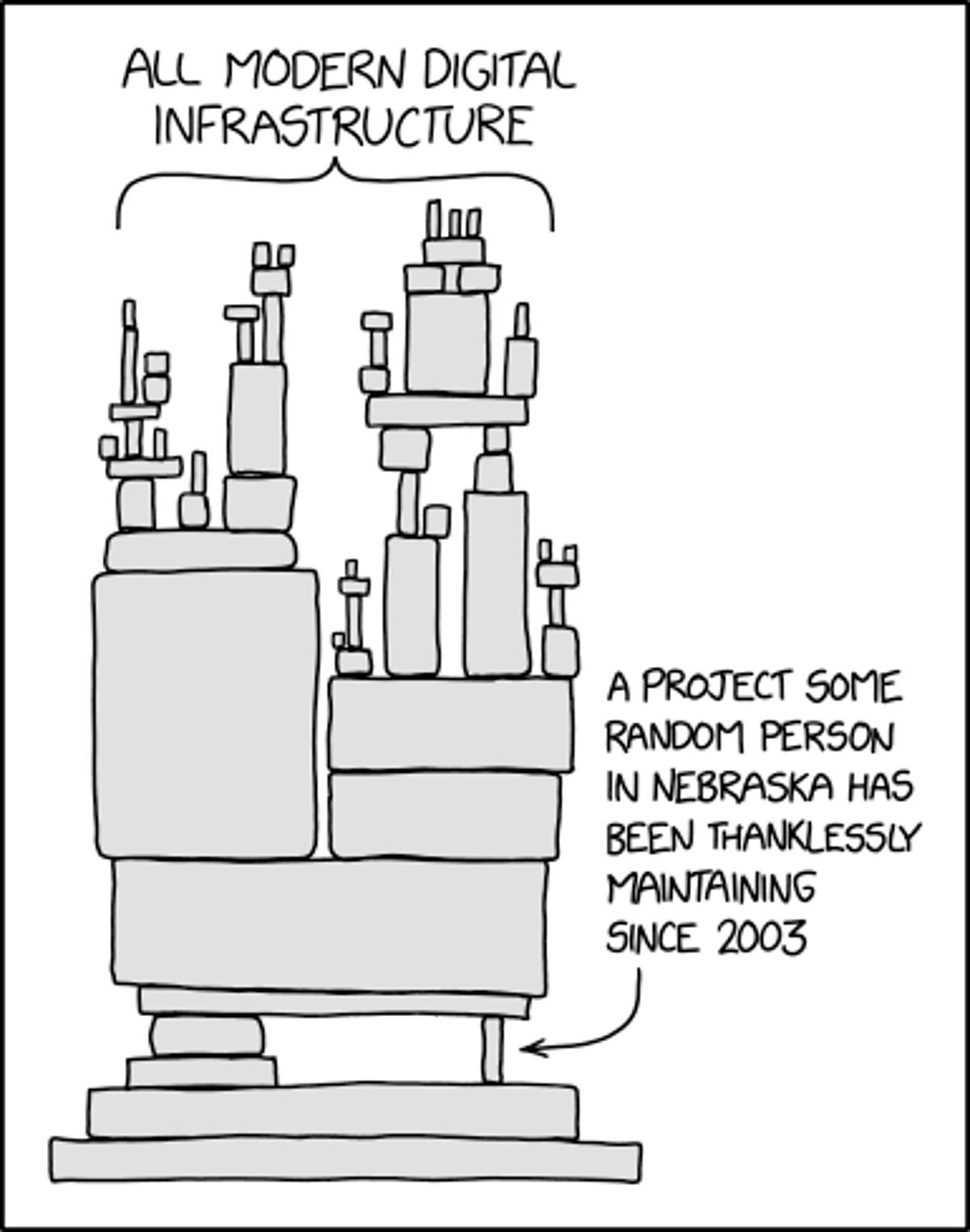
Christophe Pettus: Notice of Obsolescence
David Steele announced he is stepping away from pgBackRest, ending development after thirteen years. The tool, the most widely used dedicated PostgreSQL backup solution, will see its last release at version 2.58.0, with no further bug fixes or security patches....

Slack Query Exposes Massive IaC Drift Across Multi‑Cloud Stack
An engineering team at a mid‑size SaaS firm used a Slack question to discover that its documented Infrastructure‑as‑Code (IaC) inventory diverged sharply from reality across four cloud providers. The finding highlights a systemic blind spot in multi‑cloud governance and has...

Beyond Caching: Content Delivery Networks
Content Delivery Networks (CDNs) distribute proxy and cache servers across global points of presence to serve web assets from locations nearest to end users. By routing requests through edge servers, CDNs cut round‑trip time, offload traffic from origin servers, and...
Argo CD’s Rise and the Future of AI-Driven Deployments
GitOps has become a production standard, with roughly two‑thirds of organizations now running Argo CD in production. At KubeCon Europe, Akuity co‑founders Mike Vizard and Hong Wang identified the next hurdle: automating continuous promotion across development, staging, QA, and production...
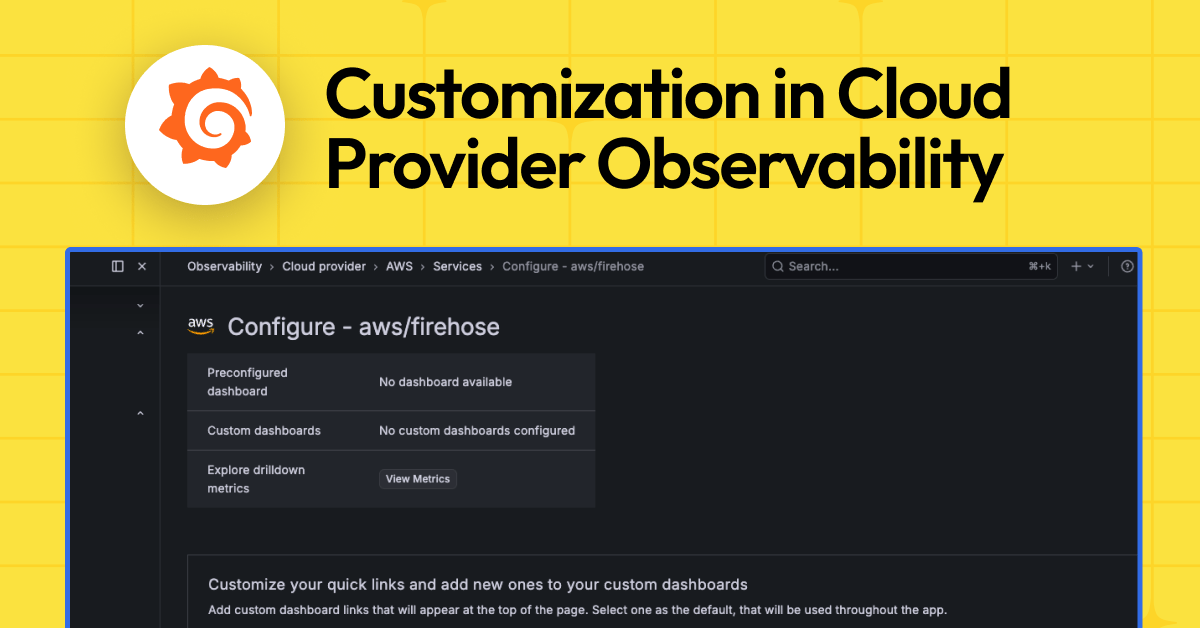
Customize Preconfigured Views for AWS, Azure, and Google Cloud with Cloud Provider Observability in Grafana Cloud
Grafana Cloud has introduced customizable views for its Cloud Provider Observability product, letting users replace or augment the default AWS, Azure, and Google Cloud dashboards. Through a single "Configure" page, teams can attach existing Grafana dashboards, generate new ones with...

Software Development Needs Multiplayer AI, Not Solo Tools
every AI coding tool on the market is a single-player game. cursor, copilot, claude code. they all make the individual developer faster at writing code. And they are brilliant at it. 2-5x individual velocity, sometimes more. but software isn't a single-player game. software...

KubeStellar Console Hits 81% Pull‑Request Acceptance Using AI Coding Agents
A single engineer built the KubeStellar Console with two AI coding agents, reaching an 81% pull‑request acceptance rate over 82 days. The breakthrough came from five iterative loops that turned raw code generation into a measured, adaptive workflow, boosting test...

BDD Gherkin Guidelines for AI Coding and Testing
An open‑source Gherkin Guidelines file has been published on GitHub to steer AI coding agents toward disciplined BDD scenario writing. The markdown file can be attached to tools such as Cursor, Claude, Copilot, or Codex, ensuring AI‑generated Given‑When‑Then steps stay...
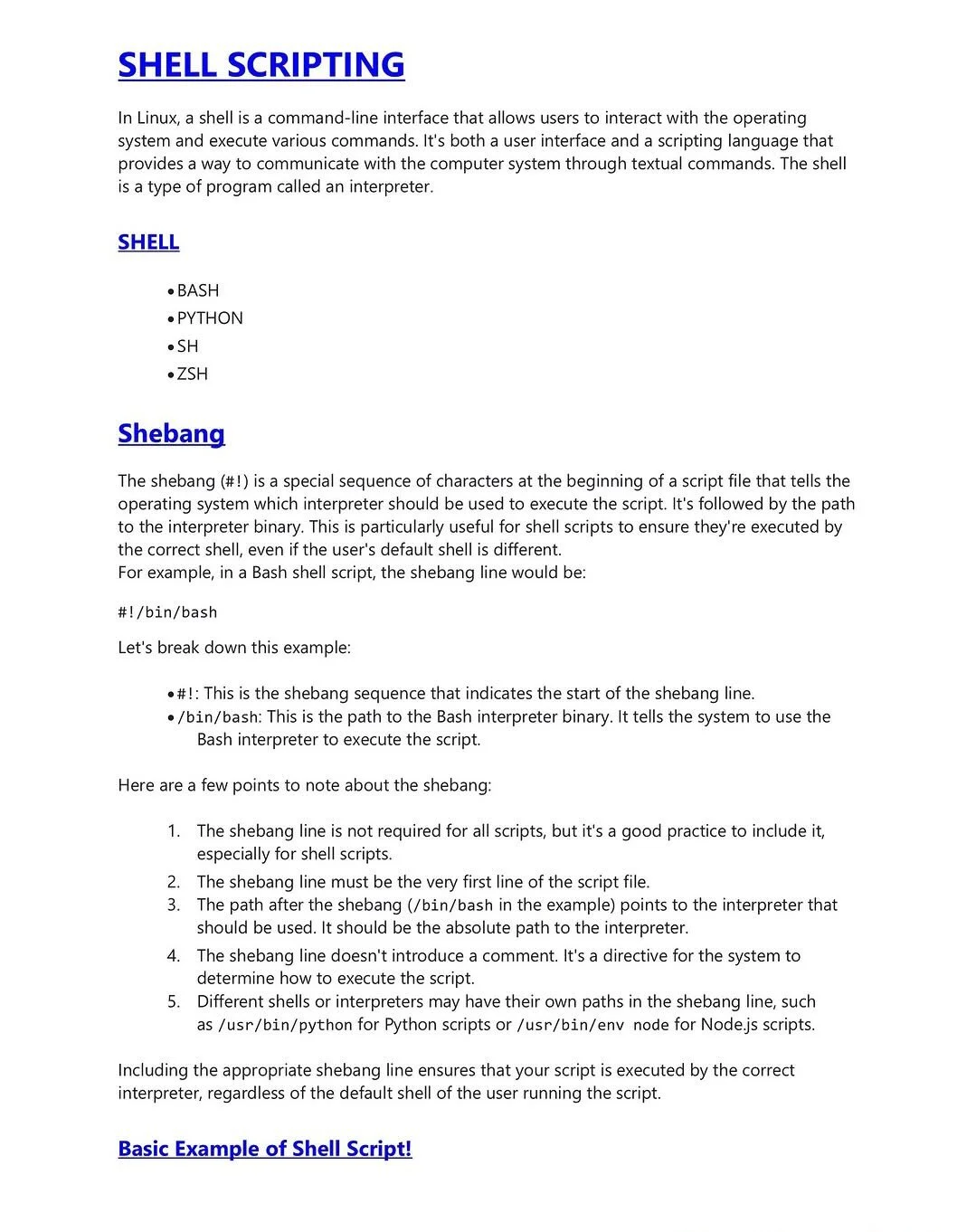
Master Shell Scripting to Automate and Scale Faster
Master Shell Scripting from zero to production ⚡🐧 From shebang → variables → loops → functions → Docker automation… this is the roadmap most devs skip. If you can script it, you can automate it. If you can automate it, you scale faster. Save...

Google Cloud Next ’26: Broadcom Expands Collaboration with Google Cloud on Cloud Network Insights
Broadcom announced an expanded partnership with Google Cloud to launch Cloud Network Insights, a service powered by Broadcom’s AppNeta technology. The offering delivers end‑to‑end network observability across multi‑cloud, hybrid and on‑premises environments, helping organizations pinpoint network versus application issues. By...
Kubernetes for Platform Teams: Leveraging K0s and K0rdent
The blog demonstrates how combining the lightweight k0s distribution, the multi‑cluster orchestrator k0rdent, and Hosted Control Planes (HCP) on OpenStack creates a scalable, cost‑efficient Kubernetes platform. By centralizing the API server, etcd and controllers in a single management cluster, only...

Daniel Benjamin: The Engineer Building the Infrastructure Layer Modern Systems Depend On
Daniel Benjamin, a Nigerian software and infrastructure engineer, has been the silent architect behind high‑performing fintech and consumer apps. At Risevest he led mobile engineering, slashing crashes and enabling seamless expansion into three African countries. He then built the backend...