Global Economy Blogs and Articles
Global Economy Blogs and Articles
Global Economy Pulse
EMAIL DIGESTS
Daily
Every morning
Weekly
Tuesday recap
EMAIL DIGESTS
Daily
Every morning
Weekly
Tuesday recap

The Australian government’s National Housing Accord, launched on 1 July 2024, set a goal of delivering 1.2 million new dwellings within five years. ABS data show that after the first 15 months, about 81,000 homes—27 % of the target—remain unbuilt, creating a sizable shortfall. The deficit is most acute in New South Wales and Queensland, where approvals have already slipped. A 0.1 % month‑on‑month decline in January approvals signals a further slowdown, threatening the Accord’s core objectives and its projected GDP contribution.

China’s foreign ministry publicly condemned Israeli and U.S. military strikes against Iran, urging an immediate cease‑fire and emphasizing diplomatic solutions. Wang Yi’s call with Israel’s Gideon Sa’ar highlighted Beijing’s call for de‑escalation and protection of shipping lanes in the region....

The Container News (CN) Index climbed to 543 this week, keeping global container shipping in the High Pressure zone. Freight rates across major East‑West lanes showed mixed movement, with softness on Asia‑USEC and Asia‑USWC but strength on Far East‑North Europe...

The Macdonald‑Laurier Institute argues that Canada’s internal trade barriers remain a costly, under‑addressed obstacle to growth. While the EU enjoys seamless cross‑border commerce, Canadian provinces still regulate goods, services and professional credentials independently, creating inefficiencies. The report proposes a joint...

The Prospectors and Developers Association of Canada (PDAC) conference in Toronto, drawing over 27,000 attendees, has placed critical minerals at the forefront of its agenda. Industry leaders warned that geopolitical fragmentation is heightening supply‑chain vulnerability for metals such as copper,...

At the outset of World War II, the United States relied almost entirely on imported natural rubber, which supplied roughly 70 percent of tire production. When Japan cut off shipments in April 1942, the country faced a crippling rubber famine that limited military...

British Prime Minister Keir Starmer faces a tightrope between upholding international law and maintaining the transatlantic partnership as the United States, under President Trump, conducts an illegal strike on Iran. Initially, Starmer refused to endorse offensive action, citing the lack...

The Supreme Court recently struck down a set of tariffs imposed by the Trump administration, obligating the White House to refund importers the duties collected. Instead of issuing prompt refunds, the administration has adopted a slow‑walk strategy, arguing fiscal constraints...

On March 3, 2026, coordinated U.S. and Israeli airstrikes continued to degrade Iranian command, missile and naval infrastructure while collateral damage caused civilian casualties. Major marine reinsurers issued 72‑hour war‑risk cancellation notices for the Persian Gulf and adjacent waters, effective March 5,...

Mexico’s government hailed 2025 capital investment as reaching historic highs, but the underlying data tells a different story. Year‑over‑year growth was roughly 2%, a modest rise that barely nudges the long‑term trend upward. Critics argue the figures are underwhelming and...

The U.S. dollar is strengthening across major G10 pairs as the Middle East conflict fuels risk aversion, pushing the euro, yen, and sterling lower. Emerging market currencies such as the peso, yuan and real also slide, while equity markets suffer...
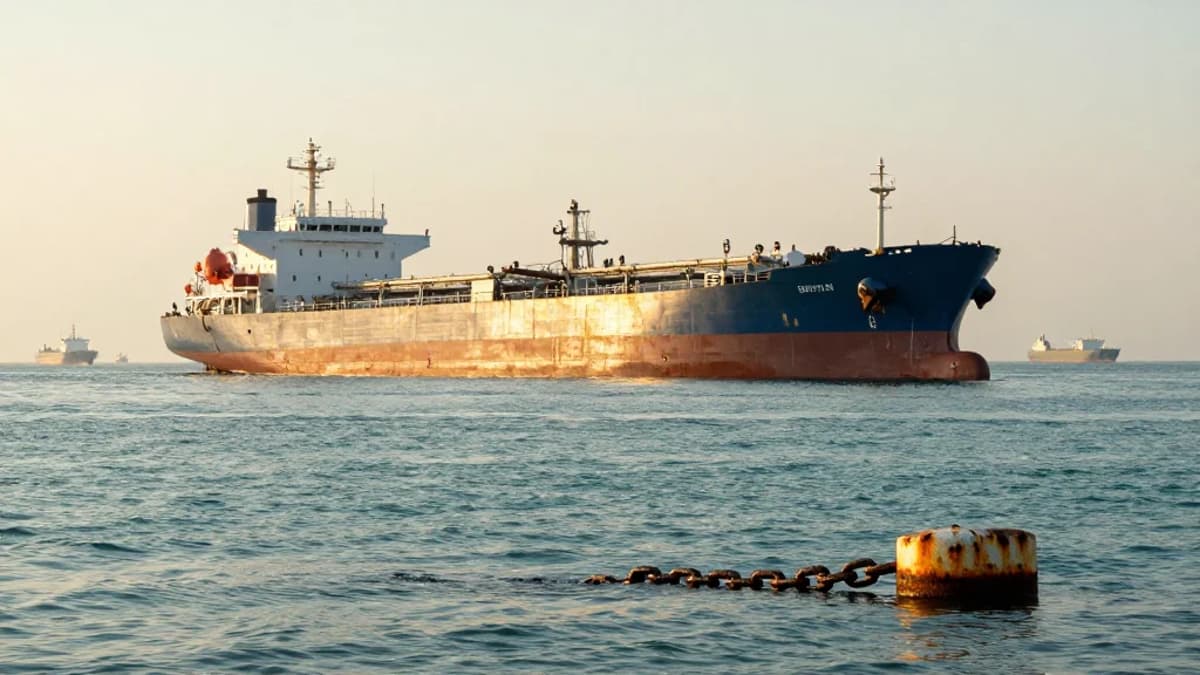
U.S. and Israeli strikes prompted Iran’s Revolutionary Guard to announce a closure of the Strait of Hormuz, one of the world’s most vital oil chokepoints. The move threatens to halt commercial traffic, immediately spiking crude prices and prompting insurers to...
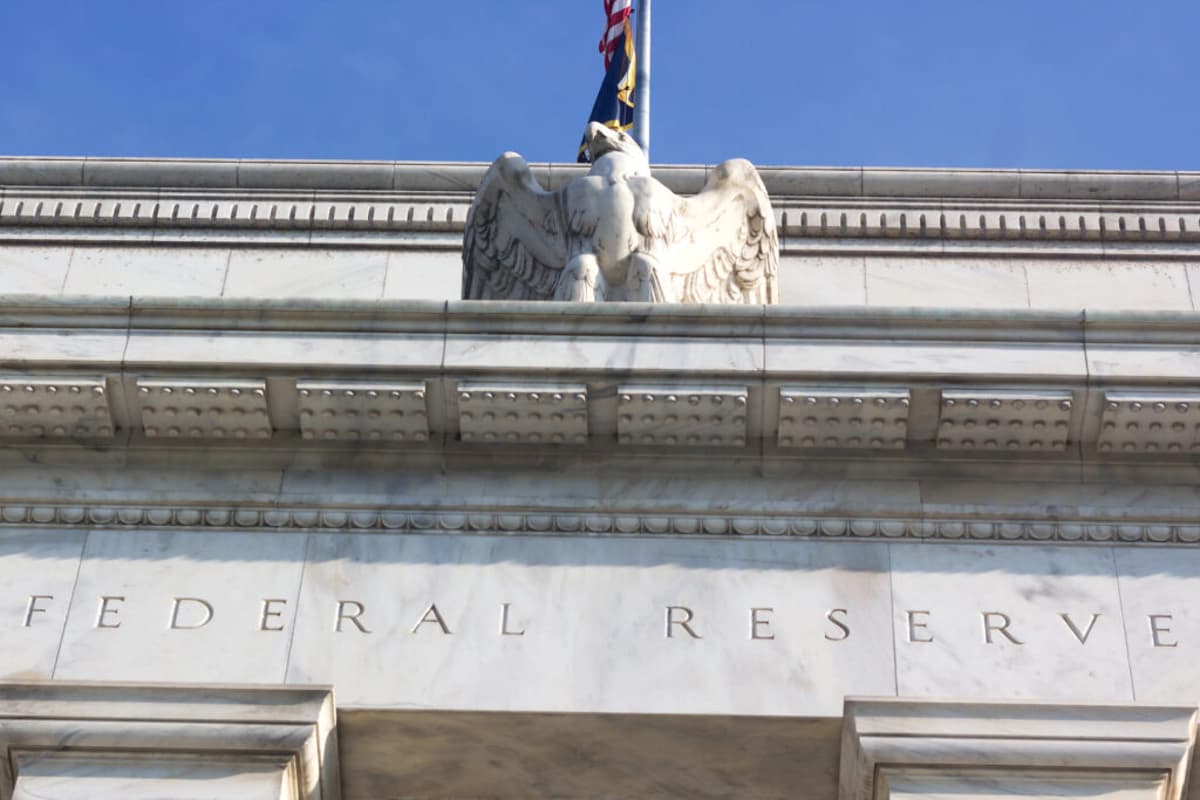
The Federal Reserve sets its own operating budget and remits any surplus to the Treasury, but it lacks a residual claimant who would benefit from cost savings. Because officials do not capture saved dollars, there is little incentive to minimize...

The United States and Israel have launched a military strike on Iran, prompting analysts to model two outcomes: a swift conflict that keeps oil prices near a baseline of $80 per barrel, and a drawn‑out war that could push prices...

Independent music retailers are grappling with a new 15% tariff imposed for 150 days after the Supreme Court struck earlier duties, while consumer confidence stays weak and industry consolidation accelerates. Vendors have raised prices and tightened MAP policies, squeezing margins...

Qatar, the world’s largest LNG exporter, faces a supply crunch as regional geopolitical tensions and export‑capacity constraints tighten the market. The disruption has injected a hefty risk premium into spot and forward LNG prices, pushing contracts up 15‑20% year‑over‑year. Buyers...

The blog argues that the U.S. strike on Iran is driven as much by oil and the desire to protect the petrodollar as by promoting freedom. It highlights how BRICS nations have been building alternative oil‑trade mechanisms using non‑dollar currencies...
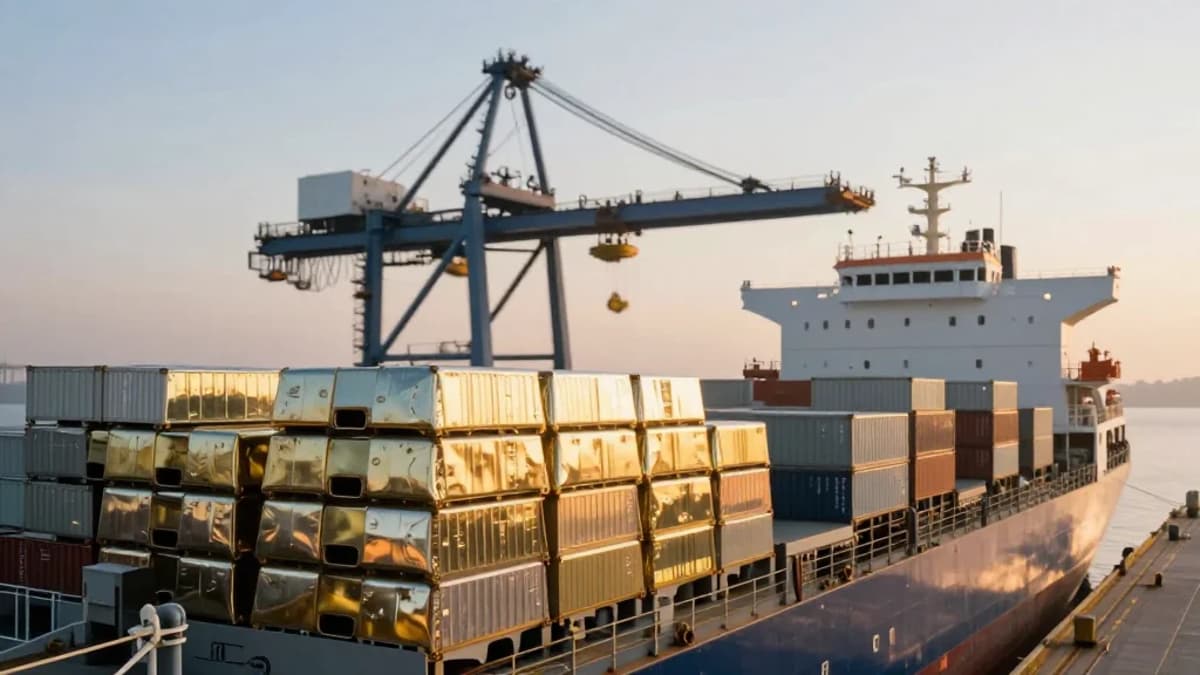
The article clarifies that “rare metals” and “rare earth elements” are distinct concepts. Rare metals are an industrial label for low‑volume, supply‑concentrated metals often produced as by‑products, while rare earths are a scientifically defined group of 17 elements. Key examples...

Gold futures surged roughly $100 on Monday, briefly topping $5,400 as investors fled to the traditional safe‑haven amid a new Middle East conflict. In contrast, silver futures slipped $3.62, ending near $89.80 after a volatile swing between $86.73 and $97.30....
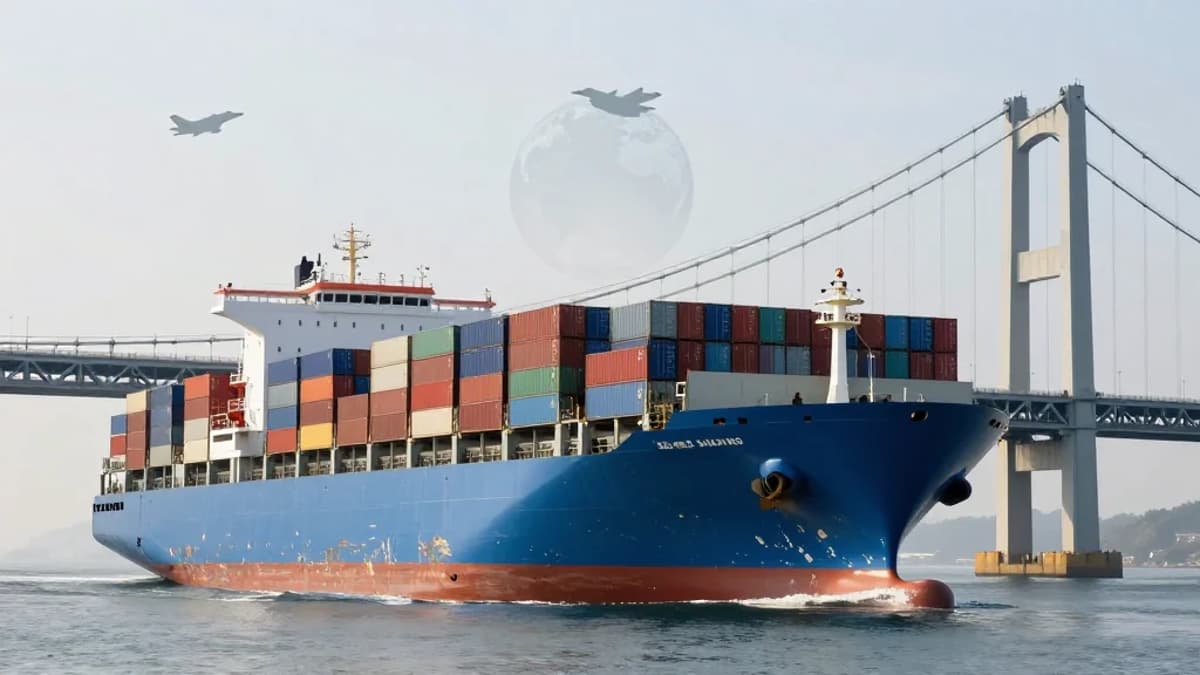
The United States and Israel launched a strike against Iran, dominating global headlines as China prepares for its annual Two Sessions. Beijing’s response has been limited to diplomatic condemnations, mirroring its usual stance in such crises. Iranian crude accounts for...

In a recent Morgan Stanley interview, legendary macro investor Stanley Druckenmiller explained that contrarianism is often overrated and that true returns come from anticipating shifts in perception. He highlighted his successful bets on Teva Pharmaceuticals, which doubled after the market...

The early stages of the Iran‑U.S./Israel war have pushed investors toward the dollar as a safe‑haven asset. While the dollar is currently strengthening, the article warns that a protracted conflict could unleash currency‑market turbulence reminiscent of the 1970s transition to...

The Federal Reserve is expected to keep interest rates steady, prompting the dollar index to climb and Treasury 10‑year yields to rise about nine basis points. Higher yields reflect tighter monetary expectations, while the 10‑year TIPS also edged up six...

A sudden conflict with Iran has forced the closure of Persian Gulf air traffic, curtailing more than 90% of flights for Emirates, Qatar Airways and Etihad. The three Gulf carriers—often called the ME3—operate the world’s busiest transit hub, moving 182 million...
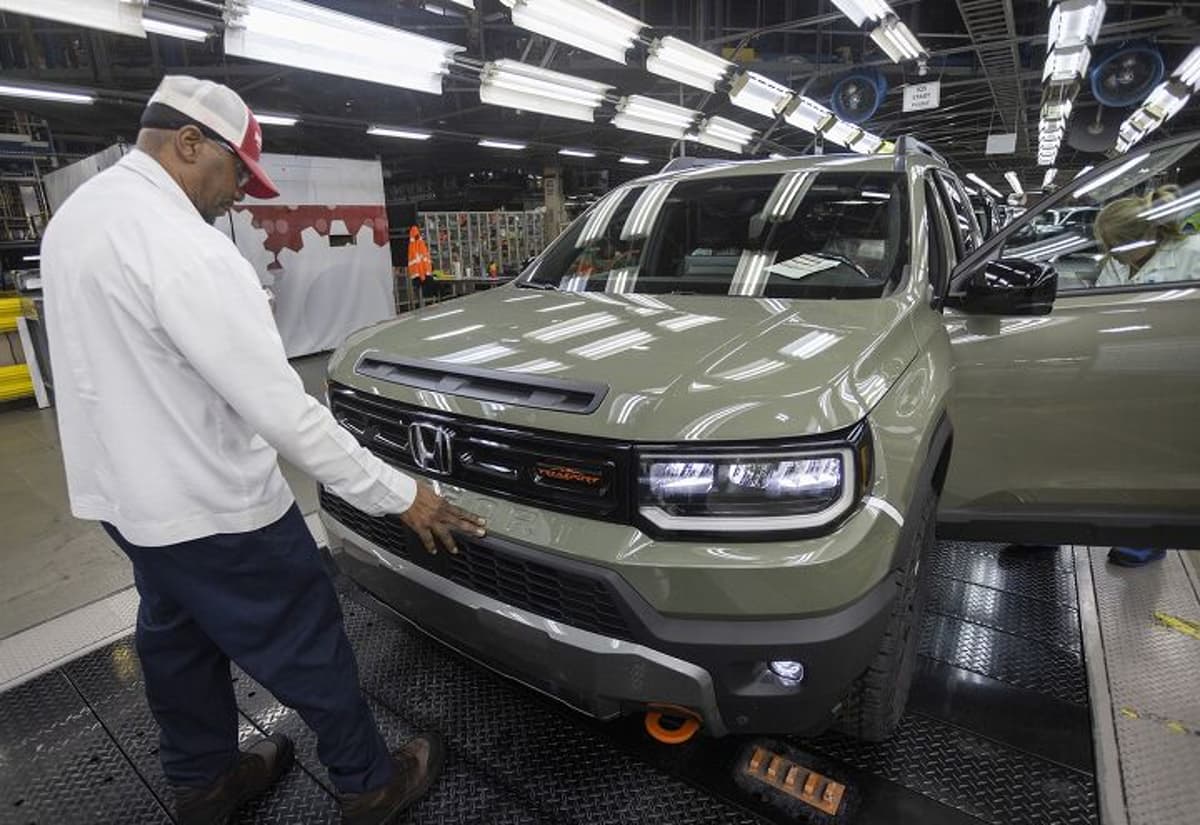
Honda Motor Co. will begin exporting two U.S.-built models—the Acura Integra Type S and the Honda Passport TrailSport Elite—to Japan in the second half of the year. The move follows a new U.S.-Japan trade accord that streamlines safety inspections and reduces...

The Canada‑China trade deal announced in January reduces the tariff on Chinese electric vehicles to 6.1 % for an initial 49,000‑unit quota, expanding to 70,000 over five years. The move stems from Trump‑era pressure on Canada, prompting a diversification toward Beijing....

The Strait of Hormuz, a 21‑mile narrow waterway, was shut after a severe incident dubbed “Epic Fury.” The closure halted the transit of roughly 20 million barrels of oil per day, about one‑fifth of global consumption. Heightened tensions between Iran and...

The U.S. military operation against Iran is pulling Washington’s attention away from its newly‑declared Western Hemisphere priority, threatening to sideline a March 7 summit of Trump‑friendly Latin leaders. Latin American governments are divided: Brazil and Colombia condemn the strikes, Argentina...

Attacks in Iran and retaliatory strikes across the Middle East sparked a classic risk‑off rally, pushing the U.S. dollar higher and dragging most Asian equity markets lower, with the notable exception of commodity‑heavy Australia. Hong Kong’s benchmark indices fell sharply, while...
The February Sinification digest captures a widening debate within China over how to navigate a fragmenting global order. Analysts propose a shift from free‑trade to “managed trade” frameworks, while others call for crystal‑clear economic red lines comparable to Taiwan policy....

February proved the year’s second‑worst market month as AI‑related anxieties and rising private‑credit loan‑loss fears weighed on equities. The Producer Price Index jumped 0.5% month‑over‑month and 2.9% year‑to‑date, pushing expectations of near‑term Federal Reserve rate cuts lower. Over the weekend,...

Corn, soybeans and wheat opened the month with firm trade but moved to mixed pricing as the night session progressed. Market focus shifted to geopolitics after the United States and Israel launched attacks on Iran, prompting risk‑led buying and sharp...

Iran’s recent missile barrage over the Persian Gulf resulted in debris striking Jebel Ali, the world’s busiest container port, igniting a fire that forced a temporary shutdown. The incident halted more than 10% of global container throughput, disrupting supply chains that...

Mark Carlson’s Federal Reserve note examines the era before the Fed when U.S. commercial banks issued their own paper money, backed by a mix of bank assets and government bonds. The piece highlights how those privately‑issued notes depended on a...

Sunil Mani’s new book India’s High‑Tech Leap reviews the rise of six high‑tech sectors—pharmaceuticals, software services, COVID‑19 vaccines, wind turbines, solar photovoltaics and electric vehicles—under India’s Make‑in‑India and Atmanirbhar Bharat initiatives. He credits government intervention and public‑private collaboration for early successes but flags...

German politician Merz blamed low productivity for China’s competitive edge, arguing Germans must work harder. The article counters that China’s advantage stems from systemic factors—an undervalued yuan, extensive subsidies and strategic industrial policy—that create a 40‑60% price gap despite higher...

The Capital Flows Research team notes that geopolitical instability and AI safety concerns are increasingly overlapping, creating a compounded risk environment. The analyst introduced a new AI-driven mapping tool and released a suite of TradingView indicators to monitor these dynamics....

Escalating conflict between Iran, Israel and the United States has forced the Strait of Hormuz shut, pushing crude oil prices up 8‑10% and reverberating through agricultural markets. Higher energy costs raise nitrogen fertilizer prices and boost biofuel demand, tightening grain...

Australian renters have faced a severe affordability squeeze as advertised rents surged 42% over the past five years, outpacing wage growth by nearly three‑to‑one. The median rental home now costs roughly $10,600 more per year than it did in early...

Money‑market volatility has markedly subsided, pushing overnight repo rates to near‑record lows and stabilising the SOFR‑FF basis. Higher inter‑bank volumes are keeping the basis narrow while swap spreads have widened, signalling easier funding conditions. The Federal Reserve’s aggressive volatility suppression...

Latin America’s MSCI index surged 20% in the first two months of the year, lifting the region’s weight in the global benchmark from 5% to roughly 15%, a level not seen since the early 2000s. The original “Big 3” markets—Argentina, Brazil...

U.S. nonfarm payrolls for February posted a solid gain of 210,000 jobs, nudging the unemployment rate down to 3.6%. The report arrived amid heightened geopolitical tension following the weekend assassination that sparked an Iran‑Israel conflict. Investors grappled with strong labor...

Over the weekend, coordinated US and Israeli strikes hit Iran, prompting missile and drone retaliation that shut Dubai’s airport and threatened oil flows through the Strait of Hormuz. The conflict pushed Brent crude toward $73 a barrel and heightened geopolitical...
Iran’s Supreme Leader Ayatollah Ali Khamenei has been eliminated, sparking a regional power vacuum and heightened political uncertainty. The Strait of Hormuz is operating at reduced capacity, causing semi‑shutdown conditions that disrupt global oil shipments. Market participants are closely watching...
Iran has evacuated all large oil tankers from the Persian Gulf, a maneuver that lifted its crude exports to the strongest levels seen since 2017. The clearance follows a recent attack on Iranian interests, which Tehran frames as a catalyst...

A U.S. and Israeli strike on Iran broke over the weekend, prompting immediate reactions in precious‑metal markets. Because traditional markets are closed, the first price signal came from crypto‑linked gold tokens, with Tether Gold jumping 1.57% to about $5,341 per...

The OPEC+ meeting on March 1 is expected to unwind 137,000 barrels per day of voluntary cuts, signaling a tentative supply increase as Brent hovers near $71. US economic data show a slowdown in manufacturing, with the ISM PMI dropping...

The Port of Yokohama remains Japan’s busiest container gateway, handling millions of TEUs each year and accommodating the world’s largest vessels. Its deep‑water berths link Japan’s export‑heavy industries—automobiles, electronics, food—to markets across Asia, North America and Europe. Beyond logistics, the...

USDJPY recorded a solid monthly gain in February as Japan's inflation slipped lower, strengthening expectations of a more dovish Bank of Japan. The currency pair’s upward momentum has reignited speculation that it could approach a multi‑decade high. Elliott Wave analysts...

The newsletter highlights a resurgence of U.S. geopolitical pressure on China, from Trump’s revived Monroe Doctrine in Latin America to a new 15% global tariff. Demographic data show major population gains in Texas and Florida while New York and California...


