Global Economy Blogs and Articles
Global Economy Blogs and Articles
Global Economy Pulse
EMAIL DIGESTS
Daily
Every morning
Weekly
Tuesday recap
EMAIL DIGESTS
Daily
Every morning
Weekly
Tuesday recap
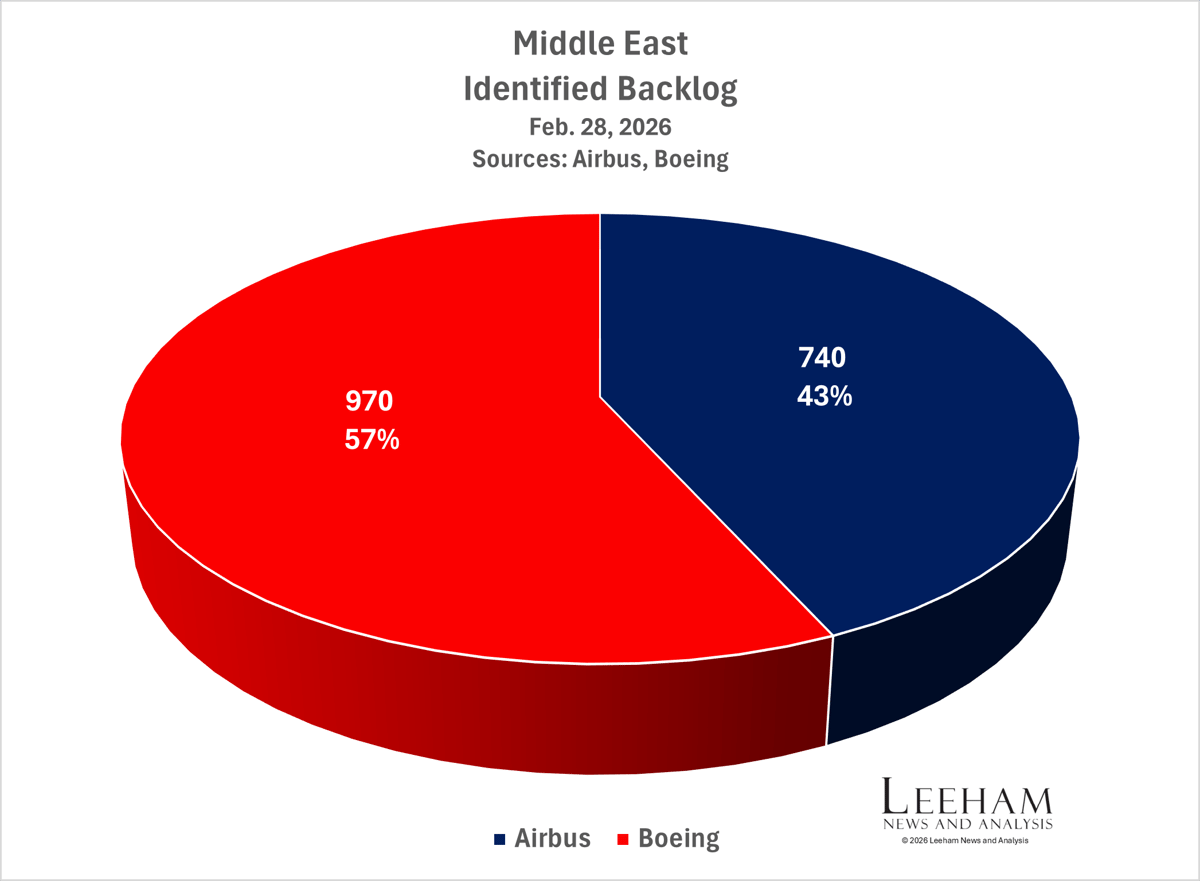
The escalating Iran‑Israel conflict is prompting Gulf states to reconsider US‑linked defense and commercial aviation contracts, putting major aircraft orders under review. Boeing’s flagship 777X program now faces heightened risk as regional airlines delay fleet expansion, while Airbus could capture redirected A320 and 737 orders. Analysts expect Middle Eastern carrier demand to remain subdued for at least a year, creating supply‑chain bottlenecks and pricing pressure across the aerospace sector. The broader geopolitical shift underscores the vulnerability of aerospace revenue streams to regional instability.

Geopolitical tension in the Strait of Hormuz has triggered a dramatic spike in spot LNG charter rates, soaring 600% to about $300,000 per day, the highest since the 2022 gas crisis. Analysts estimate a potential 20% reduction in global LNG...

The piece contends that Trump‑era tariffs have slashed the U.S. trade deficit with China, delivering a 32% drop and pushing the deficit to its lowest level in 21 years. China’s share of U.S. imports fell from 13% to 7% within...

President Donald Trump’s recent comments on the Middle‑East conflict acted as a catalyst for a broad market rally, lifting equities across the Pacific Rim, Europe and parts of Asia while U.S. futures slipped. His optimism drove oil prices down 24%...

President Donald Trump’s claim that the U.S.–Israel‑Iran war will end soon helped reverse a sharp oil rally, pulling Brent crude down more than 7% to around $92 a barrel. Iran vowed to halt all Gulf oil exports, while attacks on...
Ed Perks, a 40‑year veteran of Franklin Templeton, serves as CIO of Franklin Income Investors and president of its advisory arm. He credits early cross‑asset roles—from equity research to convertible securities—in shaping a disciplined, risk‑focused income philosophy. Perks emphasizes evaluating...

The Mexican Economy Ministry and the U.S. Trade Representative announced the formal launch of the joint review of the United States‑Mexico‑Canada Agreement, set to begin on March 16. While Mexico and the United States have been holding informal talks for...

Recent surveys reveal a majority of fund managers believe US technology companies are overinvesting in artificial intelligence. Analysts point to soaring R&D budgets and hiring spikes that outpace clear revenue prospects. The sentiment reflects growing skepticism that AI hype translates...

The On The Market podcast highlighted how the emerging Iran‑Russia conflict is injecting fresh uncertainty into the U.S. housing market, prompting buyers and sellers to pause amid rising oil prices and potential rate hikes. Transaction volume has slipped to under...

The Reserve Bank of Zimbabwe (RBZ) boosted its gold holdings by roughly 250%, rising from 1.5 tonnes in April 2024 to 4.03 tonnes by December 2025. This surge helped lift total foreign‑currency reserves from US$276 million to about US$1.2 billion, expanding import‑cover from 0.18 to 1.5 months....
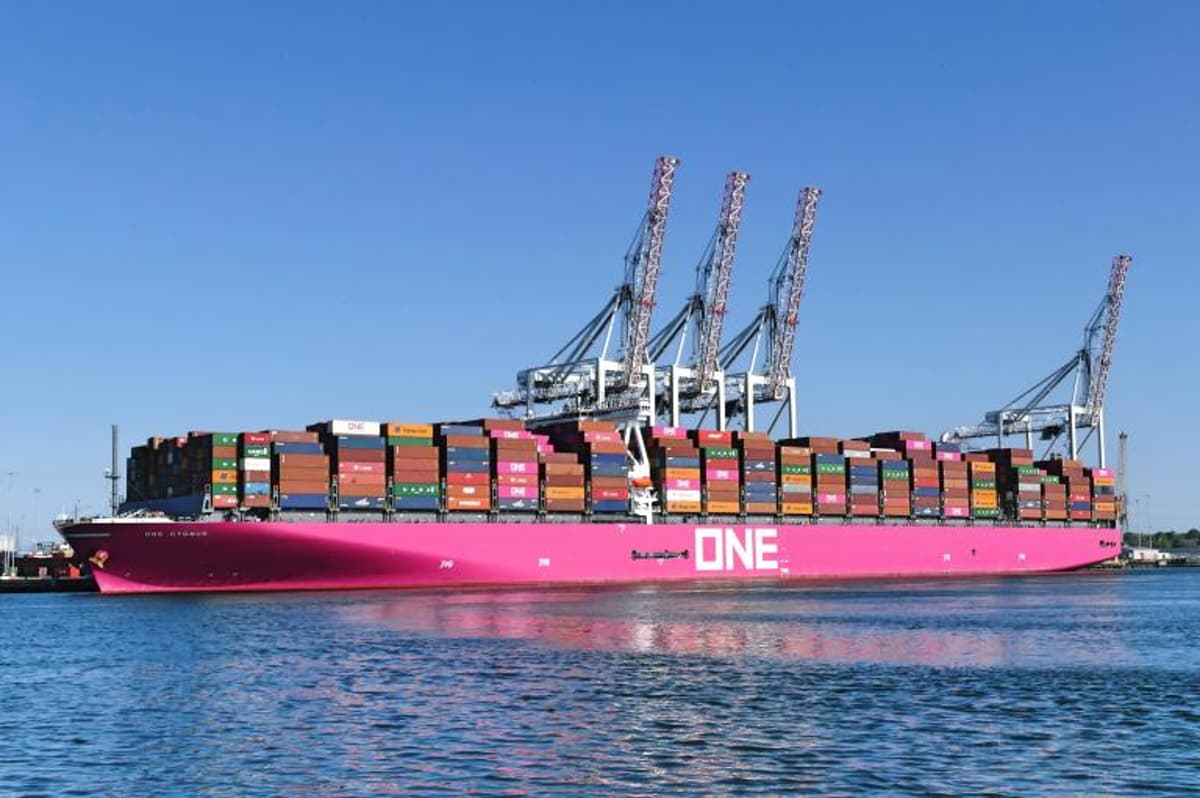
Ocean Network Express (ONE) announced immediate operational adjustments across multiple routes as the Strait of Hormuz effectively closed due to escalating security challenges in the Middle East. The carrier is deploying alternative routings to keep vessels moving while safeguarding crews,...

The article dissects Iran’s alleged ability to strike a U.S. aircraft carrier, revealing that long‑range anti‑ship missiles depend on airborne reconnaissance and mid‑course guidance rather than autonomous targeting. It explains that carriers operate beyond the radar horizon, can maneuver at...

Victoria’s 2025‑26 Mid‑Year Financial Report shows net debt jumping $10 bn to $160.9 bn, lifting the debt‑to‑GDP ratio to 24.2%. Interest costs surged to $3.8 bn, equating to roughly $1 million per hour in repayments. While tax revenue rose $2.1 bn, employee expenses climbed $1 bn,...

Senator Ralph Babet warns that Australia’s government spending per person has been rising at roughly twice the rate of tax collection, creating a widening fiscal gap. Decades of overspending have turned a once debt‑free nation into one where every citizen...

Australia’s labour‑productivity growth has slipped to the bottom of the advanced‑economy rankings over the past decade, as shown by Antipodean Macro’s chart. A long‑term “capital shallowing” effect—immigration outpacing business, infrastructure and housing investment—has already constrained output per hour. More recently,...

Senator Mark Kelly blasted President Donald Trump and White House adviser Hegseth, calling the U.S. response to the Iran conflict "amateur hour." The war, now in its second week, has produced nearly 2,000 deaths in the region, including seven American...

The Australian dollar surged after the G7 abruptly abandoned its pledge to release strategic petroleum reserves, sending the US dollar index (DXY) tumbling and pushing Brent crude sharply lower. The policy reversal erased the AUD’s recent losses against the US...

Australia is confronting a three‑pronged energy price surge, with petrol and diesel now topping $2 per litre in most capital cities. Gas and electricity costs are also climbing, adding pressure to household and business budgets. The spike follows a sharp...

Australian gas prices plunged in the first quarter of 2026, driving wholesale electricity costs down from an average $116 M/h to $60 M/h. The lower power component is projected to shave roughly 20% off residential and commercial utility bills, with the regulated...

U.S. President Donald Trump’s remarks that the conflict with Iran is “very complete” sent oil markets tumbling. Crude futures dropped about 6.9%, settling at $84.62 a barrel, the steepest decline in weeks. Trump claimed U.S. forces had neutralized Iranian naval...

On March 9 2009 the S&P 500 closed at a historic low of 676, marking the bottom of the Global Financial Crisis market decline. The National Bureau of Economic Research later confirmed the recession officially ended in June 2009, but did not announce this...

Gas prices hovering just above $3 per gallon have acted as a modest tailwind for U.S. consumers, but a rise to $4 per gallon would erase that benefit and return to a neutral stance relative to wages. The economy is...

Kevin Muir argues that claims of the business cycle’s demise are overstated, noting that cyclical patterns still shape macroeconomic outcomes. He points to a recent tipping point where labor market slack is eroding, causing unemployment to rise faster than expected....

Oil prices surged above $100 per barrel as the Iran‑US‑Israel conflict intensifies, leaving the Strait of Hormuz gridlocked. G7 finance ministers are meeting to discuss a coordinated release of strategic oil reserves, while the Federal Reserve and European Central Bank...
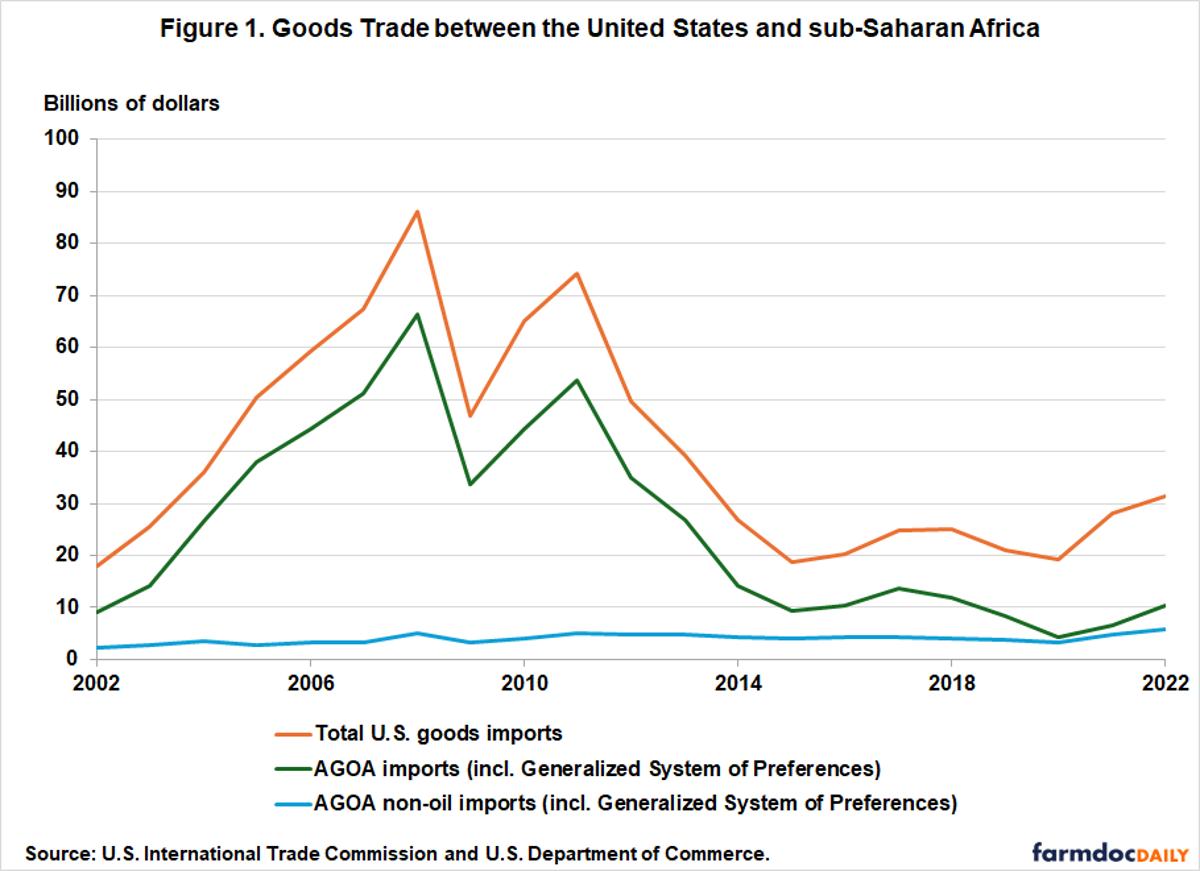
China’s Belt and Road Initiative has propelled its trade with Africa to $348 billion in 2025, a 17.7% jump driven largely by a surge in Chinese exports and massive infrastructure‑focused loans. The initiative recently expanded zero‑tariff market access to all 53...

Zimplats, Zimbabwe's leading PGM producer, will meet the government to resolve delayed local‑currency payments under the Reserve Bank's 30% export surrender policy. The company's deferred liquidation account swelled 158% to US$78.1 million between June 2025 and December 2025, reflecting export proceeds...

Australian Bureau of Statistics data shows real per‑capita household disposable income remained 3.9% below its COVID‑19 peak in 2025, with annual growth averaging just 0.6% this decade. This represents the slowest decade‑average increase since the late 1950s. The stagnant income...

The Middle East conflict triggered the biggest one‑week jump in oil prices on record, pushing WTI crude above $92 a barrel. At the same time, U.S. economic data revealed the worst monthly job loss since the pandemic, with 92,000 positions...

Oil futures surged nearly 20% on Monday, with Brent touching $111 and WTI $106, the highest levels since 2022. The spike follows the abrupt closure of the Strait of Hormuz, cutting roughly 20% of global oil and gas shipments. Asian...

Higher oil prices are increasingly aligning with rising interest rates, intensifying inflation pressures and prompting risk‑off sentiment across equity markets. Geopolitical shocks that push oil spikes tend to depress risk assets, though the effect fades once oil stabilises. The latest...

Bank of Korea Governor Chang Yong Rhee, appointed in April 2022, argues that central banks must broaden their remit beyond pure monetary policy. He has transformed the BoK into a more public‑facing institution, adding video studios, visualizations, staff media training...

Rare earth shortages, especially yttrium and scandium, are tightening for U.S. aerospace and semiconductor manufacturers as Chinese export controls drive prices up to 69 times higher. China still dominates the global rare‑earth value chain, controlling roughly 70% of mining, over...

South Korean President Lee Jae‑Myung announced the first fuel‑price cap in three decades as Brent crude breached $100 a barrel amid the Middle East conflict. Taiwan’s government simultaneously introduced a weekly cap limiting gasoline price hikes to roughly 5%, far...

The United Kingdom’s gas storage has plunged to roughly two days of supply, with reserves falling from 18,000 GWh last year to about 6,700 GWh today. A similar volume of liquefied natural gas (LNG) sits in storage, but the overall buffer is...

The article warns that rising geopolitical risk, highlighted by President Trump’s actions and a surge in crude oil prices, is driving equities lower. Higher oil prices are pushing the VIX up and causing a bear‑steepening of the yield curve, signaling...

Australian sheepmeat exports to the Middle East and North Africa (MENA) represent about $4.3 billion, or 23 % of total export value. Tasmania is the most exposed state, sending roughly 70 % of its sheepmeat to the region, while Victoria and Western Australia...

The Iran conflict has escalated from direct military exchanges to sustained attacks on critical infrastructure, including oil storage facilities, airports and desalination plants across Iran and neighboring Gulf states. These strikes, combined with ongoing constraints on commercial traffic through the...

Polymarket’s recession contract defines a U.S. recession as an NBER declaration for any quarter in 2025 or 2026, issued before the BEA releases its Q4 2026 advance estimate. Because the NBER typically confirms recessions with a lag, the contract’s definition lowers...

The ongoing Iran war is intensifying the Bank of Japan’s stagflation dilemma, forcing a choice between raising rates or maintaining ultra‑low policy for longer. Core inflation excluding food and energy fell further below the BOJ’s 2% target in January, while...

Brent prompt futures opened above $108 per barrel on NYMEX, marking a notable price surge. The rally is driven by OPEC+ output cuts, lingering Middle East tensions, and a weakening dollar that favors commodities. Analysts warn the $108 level could...

Norwegian Ambassador Petter Ølberg delivered a 12‑page report to the WTO General Council outlining the state of reform discussions ahead of the March 26‑29 MC14 Ministerial in Yaoundé. The document stresses that no member will challenge the consensus rule, and it frames...

Anas Alhajji warns that the escalating Iran war could push oil prices to unprecedented levels, potentially driving Brent above $120 per barrel. He cites a likely sharp reduction in Iranian output and limited OPEC spare capacity as key supply constraints....

A recent video analysis highlights a sharp oil price shock, driven by escalating Middle‑East tensions, that pushed crude above 10% in a single week. Simultaneously, the market for exchange‑grade silver bars is tightening, with inventories down roughly 15% as industrial...
The sudden closure of the Strait of Hormuz disrupted roughly 700 oil cargoes, representing about $40 billion in trade, and exposed the vulnerability of Europe’s post‑2022 energy strategy. Simultaneously, Russia warned it could exit the European market before any formal ban,...

MSCI stock index gains have halved to a 7% year‑to‑date increase, while JP Morgan’s local and hard‑currency corporate and sovereign bonds are up about 1% YTD. The escalating Israel‑US versus Iran war is drawing parallels to the Russia‑Ukraine conflict’s global market...

Friday’s 5‑year Treasury‑TIPS breakeven spread sits above the Federal Reserve’s 2 % inflation target, mirroring the Federal Reserve’s Dodd‑Katz‑Wright (DKW) expected inflation series. Both metrics suggest market participants price in CPI inflation well above 2 % for the medium term. Kalshi’s latest...

The sudden closure of the Strait of Hormuz triggered a rapid surge in urea prices, prompting sell‑side analysts to recommend buying North American nitrogen producers such as CF Industries, Nutrien and Mosaic. The logic hinged on the fact that roughly...

George Friedman of Geopolitical Futures provides his first assessment of the recent attack on Iran, describing the immediate strategic context and the organization’s internal response. He explains that Geopolitical Futures has moved to a “Red Alert” posture, mirroring past crisis...

The blog post claims that within a week the Trump administration is moving toward a ground invasion of Iran, citing rumors of U.S. special forces embedded with Kurdish fighters and coordinated air strikes with Israel. It asserts that Russia is...

China’s export sector remains robust, buoyed by deep‑seated cost advantages and policy support, while domestic demand continues to falter. Container freight rates edged higher despite Iran‑related shipping risks, and real‑estate prices and sales plunged 27% year‑on‑year. The economy is increasingly...


