Reeves Urges G7 to Reject Protectionism as Hormuz Crisis Escalates
The Strait of Hormuz blockade, now in its second month, has halted the flow of roughly 21 million barrels of oil per day—about 20% of global consumption—and disrupted 30% of the world’s nitrogen‑based fertilizer trade, sending Brent crude sharply higher. British Chancellor Rachel Reeves used a pre‑G7 finance summit appearance to warn against protectionist measures, promoting her "securonomics" doctrine that favours coordinated resilience over unilateral trade barriers. She also signalled new anti‑profiteering powers for the Competition and Markets Authority and government‑backed indemnities for offshore wind and nuclear projects. The UK Treasury’s fiscal headroom, roughly £23 bn (≈ $29 bn), is under pressure as gilt yields rise amid the crisis.

Uganda Moves to Join WTO Fisheries Deal as Tanzania Holds Out
Uganda is accelerating its accession to the WTO fisheries subsidies agreement, with a cabinet paper now awaiting approval. The deal, which curbs $22 billion in harmful subsidies annually, promises technical assistance and grants for better fisheries management. Uganda’s lake‑based sector generated...

International Business Briefs | Nigerians Face 65% Surge in Fuel Prices
Fuel prices in Nigeria have surged 65% as the newly built 650,000‑bpd Dangote refinery failed to offset market pressures from costly crude imports and debt‑linked export obligations. In the UK, mortgage approvals rose to 62,584 in February, outpacing forecasts, while...
Treasury Yields Slip as Trump Talks About Peace, Ahead of Labor Data
Treasury yields slipped as President Trump hinted at progress in peace talks and investors turned to upcoming labor data. The 10‑year yield fell to about 4.37% and the two‑year to 3.86% early, later adjusting to roughly 4.40% and 3.89% per...

Global Imbalances Are Back
Global current‑account imbalances have surged to their highest levels in 150 years, with surpluses becoming markedly more persistent. A new Bank of England staff paper attributes much of the excess to industrial‑policy programmes that suppress domestic consumption, especially where capital controls...
US-India Trade
The Federal Reserve Economic Data (FRED) series show that U.S. exports and imports with India have risen steadily since the 1990s, yet they remain a modest slice of overall trade. As of January 2026, Indian-bound exports account for roughly 2.5%...

Is South Korea About to Finally Get Full Control of Its Own Military?
South Korea fields the world’s fifth‑strongest military, yet wartime operational control (OPCON) remains with a U.S. four‑star general. The 2006 agreement to transfer OPCON to Seoul missed its 2012 deadline and is now 14 years overdue. A handover would grant...
Oil Prices Jump After Trump Says He Could ‘Blow up’ Iran’s Power Plants, Oil Wells and Kharg Island if Deal...
President Donald Trump warned he would destroy Iran’s power plants, oil wells and the Kharg Island export hub unless a deal to reopen the Strait of Hormuz is reached, sparking a sharp rally in crude markets. Front‑month Brent May futures...

CANZUK: A Fringe Idea Whose Time Has Come?
The article revives the fringe CANZUK concept, proposing a deeper political, economic and security partnership among Canada, Australia, New Zealand and the United Kingdom. It builds on the existing Australia‑New Zealand free‑movement and regulatory integration, extending those mechanisms to include the UK...

US-Iran Conflict Begins to Disrupt India’s Q-Commerce and Logistics Sectors
The US‑Iran conflict is beginning to ripple through India’s quick‑commerce, e‑commerce and logistics ecosystem, driving higher fuel, diesel and urea costs and causing truck delays in key states like Gujarat and Uttar Pradesh. Packaging inputs have surged, with plastics up...
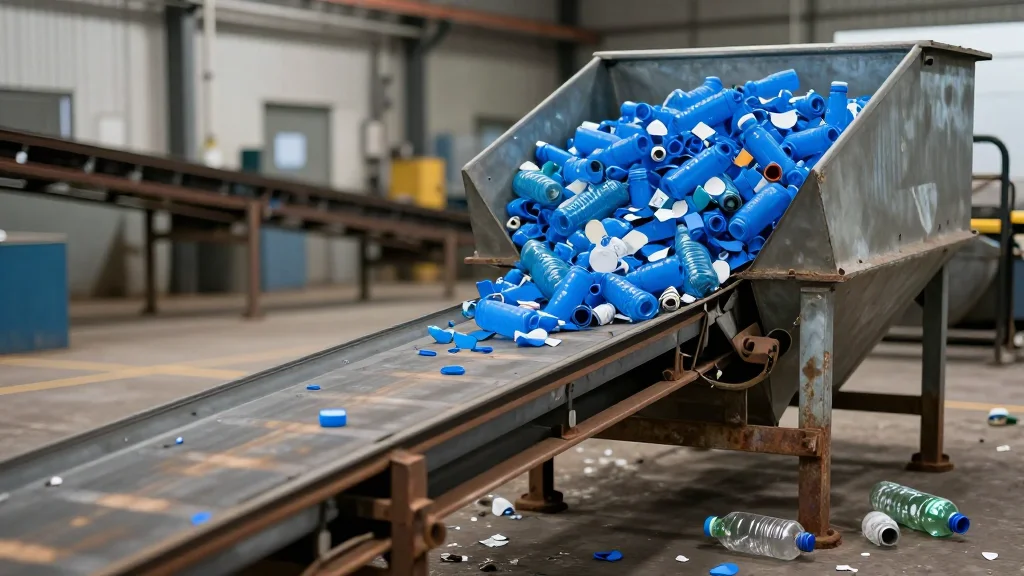
RPET Market Challenges Further Impacted by More Closures, Trade Pressures
The U.S. recycled PET (rPET) market is under severe strain as cheap virgin resin and rising overseas imports depress prices, prompting the closure of several key reclaimer facilities. Recent shutdowns, including two Evergreen plants, have cut domestic rPET capacity by...

Your Bottle Of Olive Oil Just Got Caught In A War Zone
The Iran war has turned the olive‑oil supply chain into a geopolitical liability, adding fuel‑price pressure, a 15% EU tariff and Red Sea shipping disruptions. The United States, which imports over 95% of its 380,000‑ton annual consumption, faces higher freight...
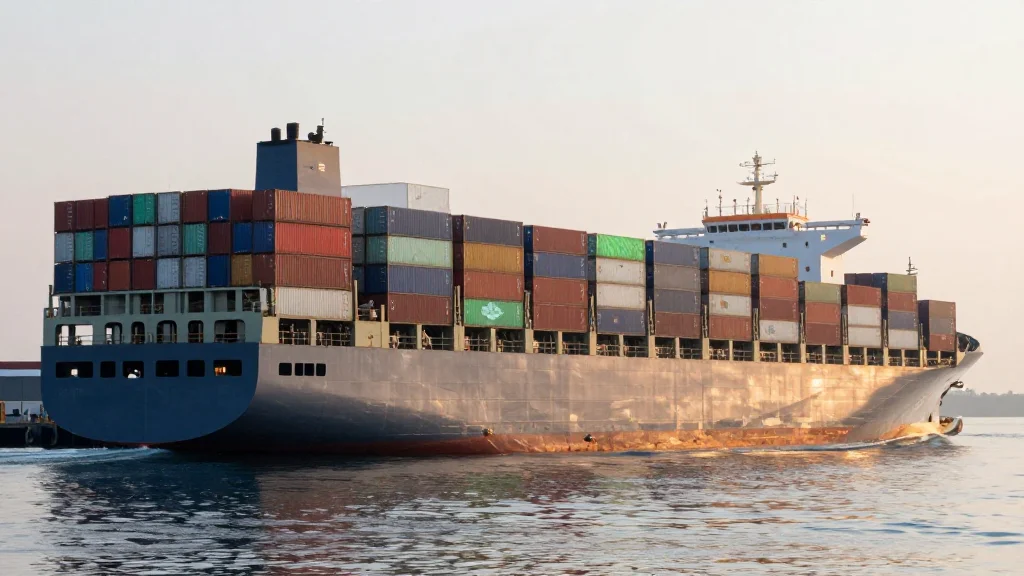
China Opens Probes Into US Trading Practices
China’s Ministry of Commerce announced two investigations into U.S. trade practices, focusing on alleged disruptions to global supply chains and restrictions on green product trade. The probes respond to recent U.S. Section 301 investigations targeting Chinese overcapacity and forced‑labor rules. Over...

Stagflation Risk Is Secondary to a Growing Commercial Real Estate Margin
Analysts at Moody's, AEW, Manulife and others see a 20‑40% chance the U.S. will slip into stagflation within the next year, driven by prolonged Middle‑East oil shocks that keep crude near $125 a barrel. A stagflation scenario would squeeze commercial‑real‑estate...

Why Food Prices Are Resisting the Oil and Fertiliser Shock — for Now
Food price inflation has stayed modest even as oil prices have surged over 50% this year and global fertilizer costs have jumped roughly 70%. The rise in input costs has been partially absorbed by farmers through larger inventories, cheaper alternative...

India’s Industrial Production Grows 5.2% in February
India’s industrial production index accelerated to a 5.2% year‑on‑year gain in February 2026, outpacing the 4.0% forecast and the 2.7% growth recorded a year earlier. Manufacturing led the surge with a 6.0% increase, while mining and electricity showed modest deceleration....

Energy Shock Masks Deeper Risks as Markets Misread Outlook: Desjardins
Desjardins warns that investors are fixated on energy‑driven inflation while underestimating deeper growth risks. Rising energy costs are benefitting exporters but straining import‑dependent economies, creating a split in global performance. Markets are pricing inflation aggressively but may be misreading the...

One Month On: Iran War Outcome for Investors Still Hard to Call
A month into the Iran‑US‑Israel conflict, analysts stress that the duration of the Strait of Hormuz closure will dictate oil price dynamics and broader economic outcomes. State Street outlines four scenarios ranging from a quick reopening to a prolonged energy...

IMF Chief Visits Philippines to Deepen Collaboration Amid Asean Chairship
The International Monetary Fund’s Managing Director Kristalina Georgieva visited Manila from March 11‑13, 2026, to deepen collaboration with the Bangko Sentral ng Pilipinas. The trip coincides with the Philippines’ chairmanship of the ASEAN summit, positioning the country as a regional...

White Van Men ‘Bleeding Cash’ in Iran War Diesel Chaos
Diesel prices in the UK have risen to 179.9p per litre (about $2.25), up more than 35p since the Iran‑Israel conflict began, creating the widest diesel‑petrol price gap in decades. The RAC reports that over 4.6 million vans – the backbone...

How Could US Forcibly Reopen Strait of Hormuz and What Are the Risks?
President Donald Trump is leveraging a newly deployed U.S. ground force to consider a forcible reopening of the Strait of Hormuz, a chokepoint that handles roughly 20% of global oil shipments. Iran’s threat to bomb its own territory and the...

Gold and Silver Prices Plunge: Why Has Safe-Haven Demand Faded Amid Iran War?
Gold prices have slumped about 25% from their record $5,602 (≈€4,873) peak to around $4,500 (≈€3,915) despite the ongoing Iran war, as a stronger US dollar and rising Treasury yields eroded safe‑haven appeal. The drop triggered a rapid unwind of...

Why High Oil Prices Could Plunge World Into Recession by the Summer
Economists warn that a sustained oil price of $150 per barrel, driven by escalating US‑Israel‑Iran tensions, could push the global economy into a rare mid‑year recession. Brent crude already breached $116, reflecting heightened war risk and supply concerns. Oxford Economics...

Gold Falls as Houthi Attack Lifts Oil, Fed Rate-Cut Hopes Dim
Gold prices slipped on Monday, with spot gold falling 0.6% to $4,466.99 per ounce, marking a 15% monthly decline—the sharpest since October 2008. The drop was driven by a surge in energy prices after a Houthi attack, which lifted Brent...

Italy and Hungary to Implement Customs Corridor
Italy and Hungary have signed an agreement to create a customs corridor that shifts all clearance procedures for cargo arriving at the port of Trieste onto Hungarian territory. The move aims to speed up processing, reduce paperwork and ease congestion...

South Korea Considers Nationwide Driving Curbs as Oil Prices Soar
South Korea is weighing a nationwide driving‑curb policy if global crude oil prices climb to roughly $120‑$130 per barrel, up from the current $100‑$110 range. The measure would extend the current public‑sector vehicle rotation system, marking the first country‑wide restriction...
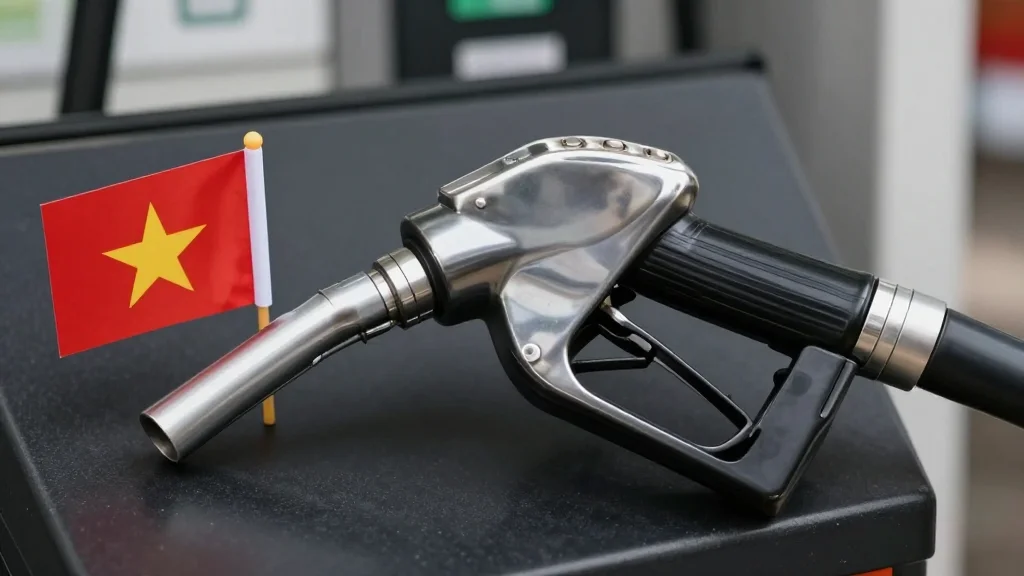
Vietnam Proposes Environmental Fuel Tax Cuts Amid Middle East-Driven Oil Volatility
Vietnam's finance ministry has drafted a resolution to halve the environmental protection tax on gasoline and cut diesel levies by 50%, lowering rates to VND 1,000 per litre for petrol and VND 500 for diesel. The tax currently represents about 6.7% of...

CNBC Daily Open: Trump's 'Favorite Thing' Is Iranian Oil
Donald Trump announced he would "take" Iran's oil, hinting at a direct seizure of the Kharg Island export hub. The Pentagon is reportedly preparing weeks‑long ground operations, with thousands of troops redeployed to the Middle East. The threat has lifted...

Westpac: Triple Hike Expected to Take Cash Rate to Highest Seen Since GFC
Westpac has revised its outlook, expecting the Reserve Bank of Australia to lift the cash rate to 4.85% by year‑end, the highest level since the Global Financial Crisis. The bank predicts three consecutive 0.25‑percentage‑point hikes in May, June and August,...

European Markets Mixed as Iran Tensions Push Oil Prices Higher
European markets opened lower on Monday but quickly split, with Germany's DAX barely down 0.04%, while the FTSE 100 rose 0.59% and France's CAC 40 edged up 0.05%. The divergence follows a 50% jump in Brent crude since the Iran...

Prices of Asia-Pacific's Fertilisers, Petrochemicals Set to Surge on Iran War: ADB
The Asian Development Bank warns that the Iran‑Israel conflict is driving sharp increases in fertilizer and petrochemical prices across the Asia‑Pacific. Methanol benchmark prices rose about 25% in two weeks, while urea and ammonia costs surged after Qatar’s QAFCO halted...

Gulf Crisis Drags Down Gold Demand
Indian jewellery retailers are seeing a sharp decline in Gulf sales as the West Asia conflict intensifies. March sales in key Gulf markets fell up to 70% year‑on‑year, hitting chains like Malabar Gold & Diamonds, Kalyan Jewellers, Joyalukkas and Titan’s...
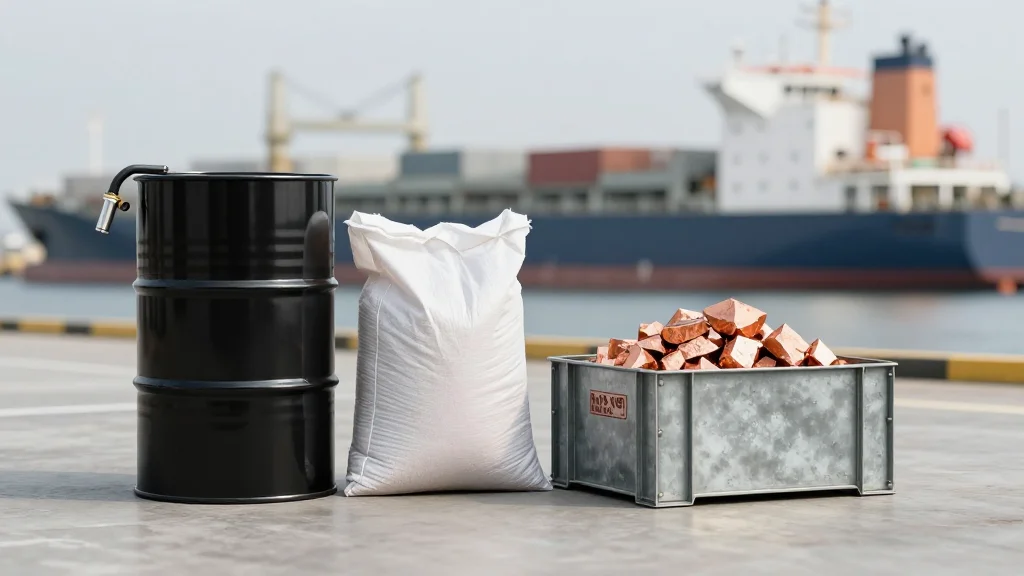
Australia Amends Policies to Ensure Commodity Security
The Australian government is amending the Export Finance and Insurance Corporation Act to give Export Finance Australia (EFA) new authority to underwrite, guarantee and finance additional cargoes of fuel, fertilizer and other strategic commodities. The legislation also creates a $823 million...

Why Faster Corporate Bond Markets Matter for the Real Economy
Recent record‑breaking corporate bond issuance, led by Amazon, has shrunk capital‑raising windows from weeks to mere hours. The speed of credit markets now hinges on rapid interpretation of massive data flows, yet many firms still rely on outdated terminals and...

Facing Section 301, ASEAN Must Reform Systems
The United States is pivoting from tariff‑based pressure to Section 301, using the trade act to label partner institutions as “unfair” and demand reforms. A recent Supreme Court ruling invalidated IEEPA tariffs, prompting the Trump administration to adopt a temporary 15%...
How Trump's Tariffs Ripped up the Global Trade Order
One year after President Donald Trump’s self‑styled "Liberation Day," his aggressive tariff regime has fundamentally altered the global trade architecture. The tariffs forced many U.S. firms to relocate production to lower‑cost Asian hubs, while European manufacturers grappled with rising input...

Bangladesh’s Missing Billions as Trade Misinvoicing Bleeds It Dry
Investigations reveal Bangladesh lost roughly $68 bn through trade misinvoicing over the past ten years, with additional illicit outflows estimated at $23‑$27 bn from major industrial groups. The scheme involved import over‑invoicing and export under‑invoicing, facilitated by weak customs, banking oversight, and...

LatAm Has Resource Buffer if Iran War Hurts Growth: BlackRock
BlackRock’s senior strategist says Latin America’s abundant metal reserves give the region a buffer against a potential global slowdown triggered by the Iran‑Israel conflict. The area’s copper, lithium and nickel supplies are essential for the AI‑driven hardware boom, providing a...

Market Reset: India Pulls the Plug on Chinese CCTV Makers
India’s Ministry of Electronics and Information Technology will stop certifying Chinese CCTV brands such as Hikvision and Dahua from April 1, effectively barring them from the market. The new essential requirements mandate disclosure of component origins and vulnerability testing, forcing...

Oil Prices Rise as Iran War Escalates with Houthi Attacks
Oil prices jumped above $116 a barrel on Sunday as Iran‑backed Houthi militants fired missiles and drones at Israel, extending the conflict into its fifth week. Brent crude rose 3.3% to $116.25, while U.S. WTI climbed about 3% to nearly...

RBA Opens Door to Board Member Speeches in Transparency Push
The Reserve Bank of Australia announced that its monetary policy board members will begin delivering public speeches this year, a move designed to increase transparency around interest‑rate decisions. Academic Ian Harper and business leader Carolyn Hewson are slated to give...

Letter: How to Avoid the Costly Subsidies of the Last Crisis
The Financial Times letter urges policymakers to learn from the recent crisis‑driven subsidies that strained public finances. It argues that transparent targeting, clear exit strategies, and market‑based incentives can prevent future fiscal burdens. The author highlights Brazil’s experience with pandemic...

Vietnam Pitches International Financial Center to San Francisco Investors
Vietnam’s Deputy Prime Minister Nguyen Hoa Binh urged San Francisco Mayor Daniel Lurie to back the Vietnam International Financial Center (VIFC), seeking U.S. investors for the flagship project in Ho Chi Minh City and Da Nang. The initiative aligns with Vietnam’s goal of becoming...

High Oil Prices Fuel Apac Energy Crisis as Middle East War Enters Fifth Week
Brent crude rose above $115 a barrel, up $3 over the weekend, as the Middle East war entered its fifth week. The conflict, which began on February 28 with Israeli and U.S. airstrikes in Iran, has tightened global oil supplies....

Why Chinese Tech Companies Are Racing to Set up in Hong Kong
Mainland Chinese technology firms are increasingly listing on the Hong Kong Stock Exchange, with IPOs jumping 153% to 76 companies last year. The surge reflects a strategic shift toward Hong Kong as a gateway for capital, international customers, and regulatory credibility amid...

Designing Fiscal Consolidation to Achieve Fiscal Sustainability and the Sustainable Development Goals
The paper by Bhasin and Loungani (2026a) examines over 200 fiscal consolidation episodes across advanced and emerging economies, revealing that specific design choices—such as timing with available monetary space, tax‑based versus spending‑based instruments, and the speed of adjustment—can dramatically alter...

Russian Oil Tanker Arrives Off Cuba Despite U.S. Ordered Embargo
After three weeks at sea, the Russian‑flagged tanker Anatoly Kolodkin, loaded with about 730,000 barrels of crude (roughly $62 million), arrived off Cuba on March 31. Despite a Trump‑era embargo, the U.S. administration quietly permitted the ship to dock, ending Cuba’s oil...

Pakistan's Crypto Diplomacy Paved Way for Key Role as U.S.-Iran Intermediary
Pakistan has leveraged crypto diplomacy to secure a non‑binding stable‑coin agreement with World Liberty Financial, the Trump family‑backed platform, after a high‑profile visit by CEO Zachary Witkoff in January. Bilal Bin Saqib, a self‑styled “crypto bro,” now chairs the Pakistan...
UK's Reeves to Warn G7 Against Unilateral Trade Moves During Iran War
Britain’s finance minister Rachel Reeves will tell her G7 counterparts not to impose unilateral trade barriers while the Iran war rages, warning that protectionist steps could undermine energy security. She will argue that coordinated action is essential to keep energy...

Why Kenneth Rogoff Thinks China’s Yuan Will Be a Reserve Currency ‘in the Next 5 Years’
Harvard economist Kenneth Rogoff predicts China’s yuan will join the ranks of global reserve currencies within five years. He argues that the U.S. dollar faces a legitimacy crisis due to mounting debt, political fragmentation, and waning confidence among central banks....