
UK NHS Rolls Out One‑minute Injectable Cancer Therapy, Slashing Visits for 14,000 Patients
The UK National Health Service is replacing two‑hour intravenous pembrolizumab infusions with a one‑minute subcutaneous injection for roughly 14,000 cancer patients each year. The change cuts appointment time by up to 90 % and promises to free clinical capacity while improving patient quality of life.

AI Saves Lives: Early Cancer Detection, Faster Drugs
Hear me out: AI also does things that are good There are lots of things to dislike about AI, but we should admit that it is also doing some inarguably beneficial things, like detecting cancer earlier, designing new medications that work...

Artera Launches AI Services Model and Agentic AI Squads for Specialty Care and FQHCs
Artera, formerly WELL Health, has introduced an AI Services Model that replaces generic SaaS with clinic‑specific, agentic solutions. The company deploys AI Service Squads—small teams of AI builders who work alongside providers—to deliver bespoke tools for scheduling, prior authorizations, referral...
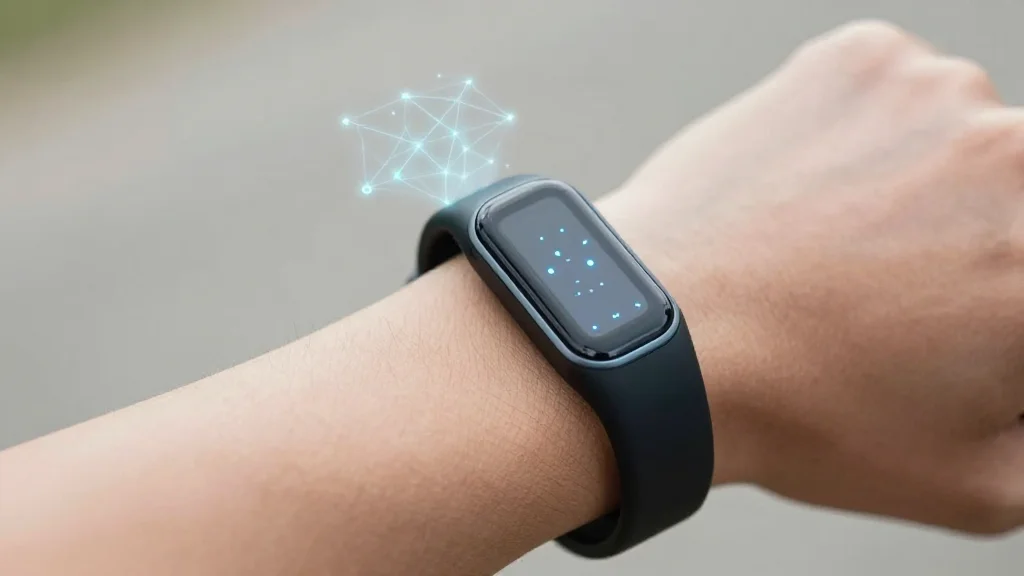
Google Unveils $99 Fitbit Air, First Screen‑less AI Fitness Tracker
Google introduced the Fitbit Air, a $99.99 screen‑less fitness tracker that leans on AI‑driven health insights. The lightweight band offers seven‑day battery life, fast charging and integrates with the newly rebranded Google Health app.

Leapfrog 2026 Grades Show Surge in 'A' Hospital Ratings Across U.S.
The Leapfrog Group released its spring 2026 Hospital Safety Grades, reporting a notable rise in 'A' ratings nationwide. Improvements span 17 safety measures, with CPOE compliance climbing to 90% and barcode medication administration to 93%, signaling stronger patient‑safety systems.

Can Technology Make Home Care Services More Affordable?
CareYaya, founded by Neal Shah, links college‑health students with seniors, offering home‑based care at roughly $20 an hour—about 40% cheaper than traditional agencies that charge $35‑40. The digital platform streamlines booking and payroll, leveraging a workforce of over 50,000 students...

Your Galaxy Watch 6 May Know You’ll Faint 5 Minutes Early
A joint study by Samsung and Chung‑Ang University Gwangmyeong Hospital showed the Galaxy Watch 6 can predict vasovagal syncope up to five minutes before it occurs, using heart‑rate‑variability data fed into an AI model. The algorithm achieved 84.6% accuracy, with 90%...

Invasive Nanowire BCIs Needed, Non‑Invasive for Biomarkers
I love brain-to-computer interfaces and one of my first papers and granted patents was in AI/ML for BCI. And I was very much impressed with BrainCo's non-invasive BCIs and artificial limbs and sensing fingers (that they sell to Tesla btw)....

Bayer Reports P-III (REVEAL) Trial Data on Iodine 124 Evuzamitide to Diagnose Cardiac Amyloidosis
Bayer announced that its investigational PET/CT radiotracer I‑124 evuzamitide met the primary sensitivity and specificity endpoints in the Phase III REVEAL trial of 170 adults with suspected cardiac amyloidosis. The study compared the tracer to standard clinical diagnosis and achieved the...
InsideTracker Study Links Platform to Improvements in 39 Blood Biomarkers
InsideTracker published a peer‑reviewed study of 20,000 users that links its AI‑driven health platform to sustained improvements in 39 blood biomarkers, including LDL cholesterol, HbA1c and vitamin D. The findings provide rare long‑term evidence for a consumer biohacking tool and...

Amazon Pharmacy Adds Same-Day Delivery, Kiosks for New Ozempic Pill
Amazon Pharmacy is rolling out same‑day delivery and in‑office kiosk pickup for Novo Nordisk’s Ozempic oral pill, the only FDA‑approved GLP‑1 treatment for type‑2 diabetes. The service will initially cover nearly 3,000 U.S. cities, expanding to about 4,500 by year‑end,...

Why Home Eye Tests Are Transforming Vision Care for Older Adults in Bolton
Home eye tests are bringing professional vision examinations directly to seniors’ doorsteps in Bolton, removing the need for travel to traditional optician clinics. Qualified opticians arrive with portable equipment to assess eyesight, screen for glaucoma, cataracts and macular degeneration, and...

AI Nurses Become Co‑pilots, Not Replacements, in Healthcare
I shared this news 2 years ago: "NVIDIA teamed up with AI healthcare company Hippocratic AI (that recently raised a lot of money) to develop generative AI "agents" that not only outperform human nurses on video calls but cost a...
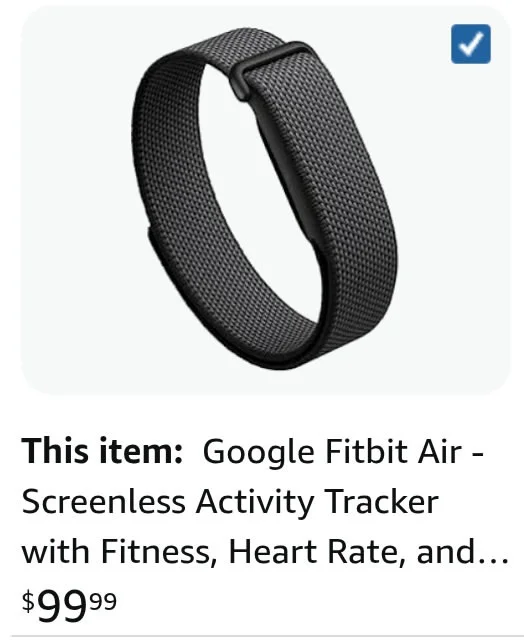
Screenless Fitbit + Century AI Beats Whoop Price
Google Fitbit Air - Screenless Activity Tracker Listed on Amazon US for $99.99 Paired with Century AI and you basically have whoop style experience for less than half of what Whoop costs every year
Mayo Clinic and Stanford Launch First Blood Test to Map Tumor Microenvironment
Mayo Clinic and Stanford Medicine announced a new blood test that maps the tumor microenvironment, enabling more accurate prediction of immunotherapy response across 17 cancer types. The test uses spatial transcriptomics and AI to identify nine cellular neighborhoods from cell‑free...
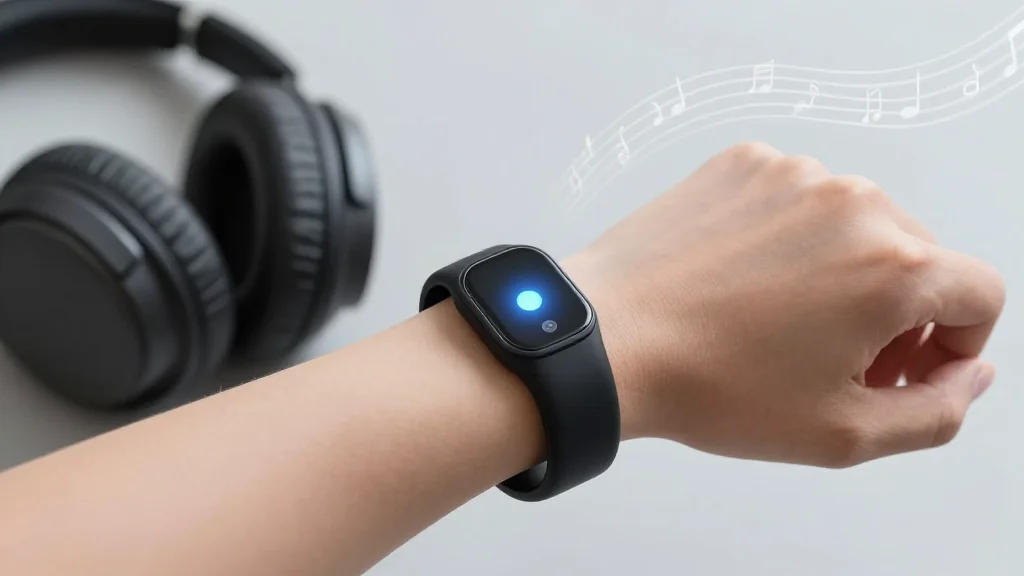
Dispensing Music Like a Drug: The New Frontier in Optimising Health Outcomes
AI‑driven music therapy is emerging as a measurable clinical intervention, with startups such as MediMusic, Endel and Biomedical Music Solutions using biometric data to personalize soundscapes that lower anxiety, pain and improve mobility. Major labels Warner, Sony and Universal have...

Roche to Acquire PathAI for ~$1.05B
Roche has signed a definitive agreement to acquire AI‑driven diagnostics firm PathAI for an estimated $1.05 billion, comprising $750 million upfront and up to $300 million in milestones. The deal, slated to close in the second half of 2026, builds on a partnership...

AI Helping Ease the UK’s NHS Burden
The NHS faces a 7.2 million patient waiting list and mounting staff shortages, prompting a shift toward community‑based care. AI‑enabled virtual care provider Doccla is deploying machine‑learning models and clinical‑grade wearables to monitor patients remotely. Reported outcomes include a 61% reduction...

What’s Next for IVF
Advances in IVF are moving beyond traditional lab techniques toward AI, robotics, and novel embryo‑delivery devices. Researchers at the Carlos Simon Foundation have built a “Transfer Direct” system that injects embryos into the uterine lining, while AI platforms such as...
Asterix Health Raises £2.1m to Boost NHS Primary Care Hiring
Asterix Health announced a £2.1 million (≈$2.7 million) pre‑seed round to scale its remote‑GP platform for NHS primary‑care practices. Founded in 2024 by Julian Titz and Max Thilo after personal health battles, the startup will use the capital to onboard new NHS...

How Algorithmic Value Sets Enhance Clinical Decision-Making
Wolters Kluwer’s Health Language division teamed with MCG Health to automate the conversion of more than 2,500 clinical value sets from flat code lists into algorithmic, intensional sets. The new workflow, powered by the Data Quality Workbench and MCG’s Indicia Synapse platform,...

Epic Founder and CEO Judy Faulkner Shares Insights on 50 Year Journey in YouTube Interview
Epic founder and CEO Judy Faulkner reflected on the company’s near‑50‑year evolution in electronic health records during a YouTube interview with Katie Couric. She traced her early coding days, the shift from paper charts to digital systems, and how being a...

NHS Scotland Notes Intent to Explore Options for Multi-Channel Remote Health Monitoring Solution
NHS Scotland has issued a prior information notice to explore a multi‑channel remote health monitoring and communication solution, with a formal contract notice slated for July 2026. The agency is conducting a soft market test, asking suppliers to complete a questionnaire...

Halozyme and Oruka Sign Agreement for Hypercon Technology
Halozyme’s Hypercon technology has entered an exclusive global licensing agreement with Oruka Therapeutics to develop ORKA-001, a biologic targeting the IL‑23p19 subunit for psoriasis and related inflammatory diseases. The deal provides Halozyme with an upfront cash payment, future milestone fees,...

Macrophage‐Inspired Nanomedicines: Harnessing Innate Biology for Precision Therapy
The review outlines macrophage‑inspired nanomedicines that exploit three delivery platforms—whole macrophage carriers, macrophage‑membrane‑coated nanoparticles, and macrophage‑derived exosomes. By leveraging the cells’ natural homing, barrier‑penetrating and immunomodulatory traits, these systems aim to improve targeting of cancers, atherosclerosis and other inflammatory diseases....

The Catalytic Activity and Micro‐Mechanisms of Reducible Metal Oxide Nanozymes in Relation to Their Antibacterial Efficacy
A recent review examines reducible metal‑oxide nanozymes (rNZs) as enzyme‑mimicking catalysts for antibacterial applications. It highlights how crystal facet orientation, oxygen‑vacancy density, and exposure to ionizing radiation jointly tune catalytic performance. The authors argue that these atomistic features enable rNZs...

Beyond the Clinic: A Blueprint For Developing Reliable, Edge AI-Enabled Medical Devices
Edge‑AI‑enabled home ultrasound devices are being piloted to bring diagnostic imaging to remote patients. Pulsenmore, using Synaptics Astra embedded processors, embeds real‑time AI guidance that alerts users on probe placement, speed, and gel usage, producing clinically usable scans in minutes...

Inside FDP – Part 2: Delivering on the NHS Vision for Data
The NHS’s Frontline Data Platform (FDP) shifts from a reporting‑first model to a Frontline‑First approach, embedding data tools directly into clinical workflows. By leveraging Palantir Foundry’s low‑code environment, trusts can build and deploy applications such as Optica, cutting discharge delays...

Artera Secures FDA Clearance for AI-Based Breast Cancer Risk Tool
The U.S. Food and Drug Administration granted clearance to ArteraAI Breast, an AI‑driven digital pathology tool that combines digitized histopathology slides with clinical data to generate a risk score for distant metastasis in early‑stage hormone‑receptor‑positive/HER2‑negative breast cancer. The system stratifies...

The Evolution of Shared Care Records – From Documents to Conversations
Shared Care Records (SCRs) have progressed from simple document‑exchange hubs to intelligent, conversational platforms that actively assist clinicians and patients. The first generation offered read‑only PDFs, while the second introduced structured, longitudinal data that could be queried and updated across...

Clinical Value Is Not Commercial Value
Healthtech firms often mistake strong clinical data for commercial traction, overlooking the complex adoption machinery that governs hospital, payer, and pharma purchasing. The article argues that pilots and physician enthusiasm are insufficient unless they translate into budget authority, procurement pathways,...
Practical AI Survival Kit Empowers Busy Clinicians
Here is our newest fast-track digital course: 𝐀𝐈 𝐒𝐮𝐫𝐯𝐢𝐯𝐚𝐥 𝐊𝐢𝐭 𝐅𝐨𝐫 𝐌𝐞𝐝𝐢𝐜𝐚𝐥 𝐏𝐫𝐨𝐟𝐞𝐬𝐬𝐢𝐨𝐧𝐚𝐥𝐬! https://t.co/wDwSAlWbLU It is a practical, no-hype course showing how to use AI safely in clinical work. Learn what to use, what to avoid, and how to stay in...
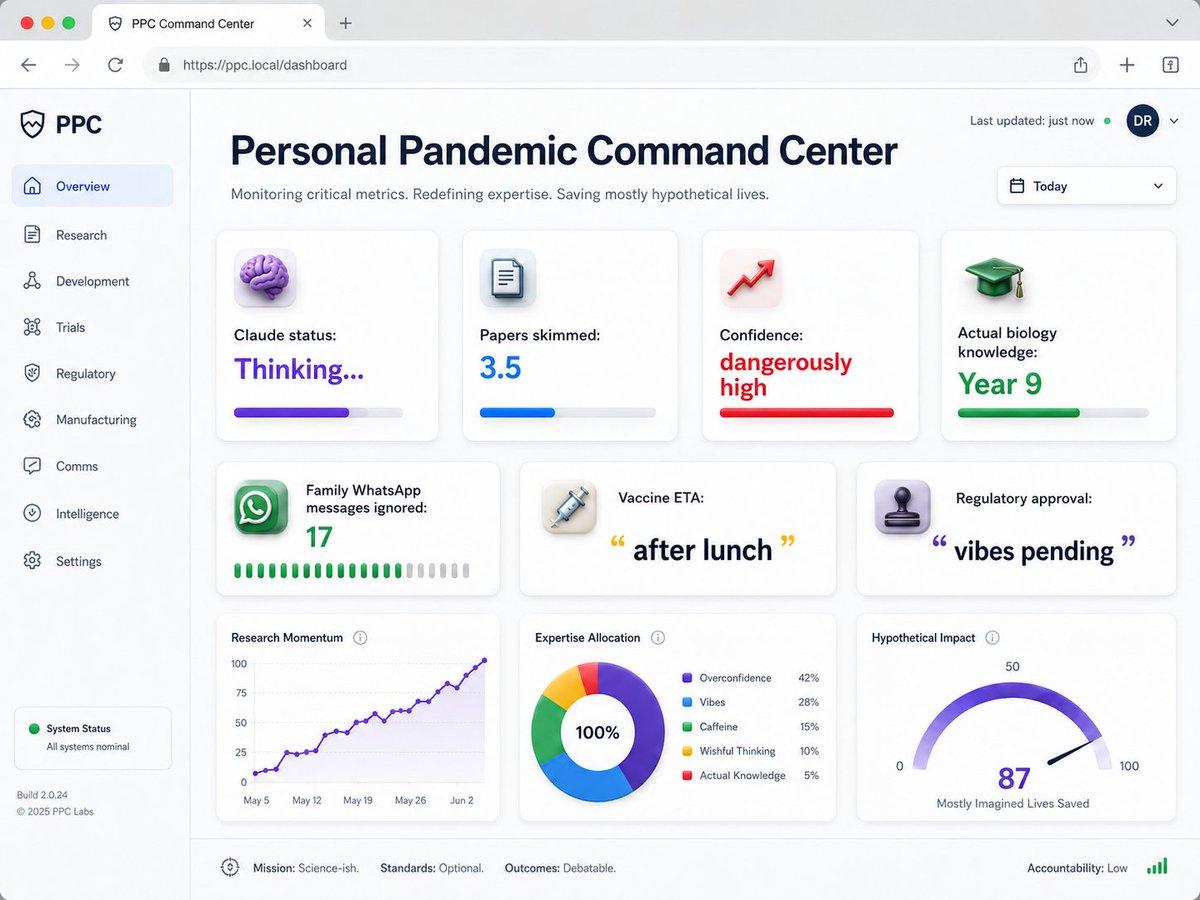
Developer Seeks Feedback on Hantavirus Response Stack Launch
just vibe coded my hantavirus response stack. what do you think guys? should I launch this? https://t.co/lfSUFBYbX0

Should You Ask ChatGPT for Medical Advice?
A recent interview with Harvard assistant professor Adam Rodman examines the surge of AI chatbots like ChatGPT as sources of medical advice. While 68% of U.S. adults have turned to search engines for health information, about a third of those users...

Polynucleotide Implants Promise Hair Regrowth for Complete Baldness
Looks like polynucleotide implants can save even a fully bald head by @IntEngineering #Tech #TechForGood #EmergingTech https://t.co/CtDKGSBbcb

Tiny BCI Chip Delivers High‑Bandwidth Wireless Neural Links
Ultra-Compact Brain–Computer Interface Chip Enables High-Bandwidth Wireless Neural Communication by @CUSEAS #MedTech #Healthcare #HealthTech #Tech #Technology https://t.co/nWSUX4xCRz

Viz.ai Secures ISO/IEC 42001 Certification, Setting Benchmark for Agentic AI in Healthcare
Viz.ai announced it has achieved ISO/IEC 42001 certification, the first international standard for AI Management Systems, positioning the company as a pioneer in responsible agentic AI. The audit covers the full AI lifecycle and reinforces confidence for the 2,000 hospitals...

Hospital CEO Vows to Replace Radiologists with AI
CEO of America’s largest public hospital system says he’s ready to replace radiologists with #AI by Marty Stempniak @RadiologyBiz Learn more: https://t.co/8sUQb2B5gz #MedTech #Healthcare #HealthTech #Tech #TechForGood https://t.co/GpaBWUwzko

Premier Inc. Names Physician-Executive Emad Rizk as CEO, President and Chairman
Premier Inc. announced that Dr. Emad Rizk, M.D., will serve as chief executive officer, president and chairman of the board. The move brings a physician‑executive with three decades of transformation experience to the helm of a company that has already...

Population-Based RCT of a Digital Cognitive-Behavioural Guided Self-Help Intervention for Anxiety, Depression and Eating Disorders in College Students
A population‑based randomized controlled trial evaluated a digital cognitive‑behavioral therapy (CBT) guided self‑help program targeting anxiety, depression, and eating disorders among U.S. college students. The study screened over 26,000 students across 26 cohorts, enrolling 4,500 participants who received weekly coach‑supported...

Guardant Health Inc (GH) Q1 2026 Earnings Call Transcript
Guardant Health reported Q1 2026 revenue of $302 million, a 48% year‑over‑year increase and the fastest annual growth in five years. Oncology revenue rose 36% to $205 million, driven by 86,000 tests—a 47% volume jump—while its Shield screening test generated $42 million from...
New Mexico Company Sets Sights on Bolstering the Domestic Supply of Mo-99
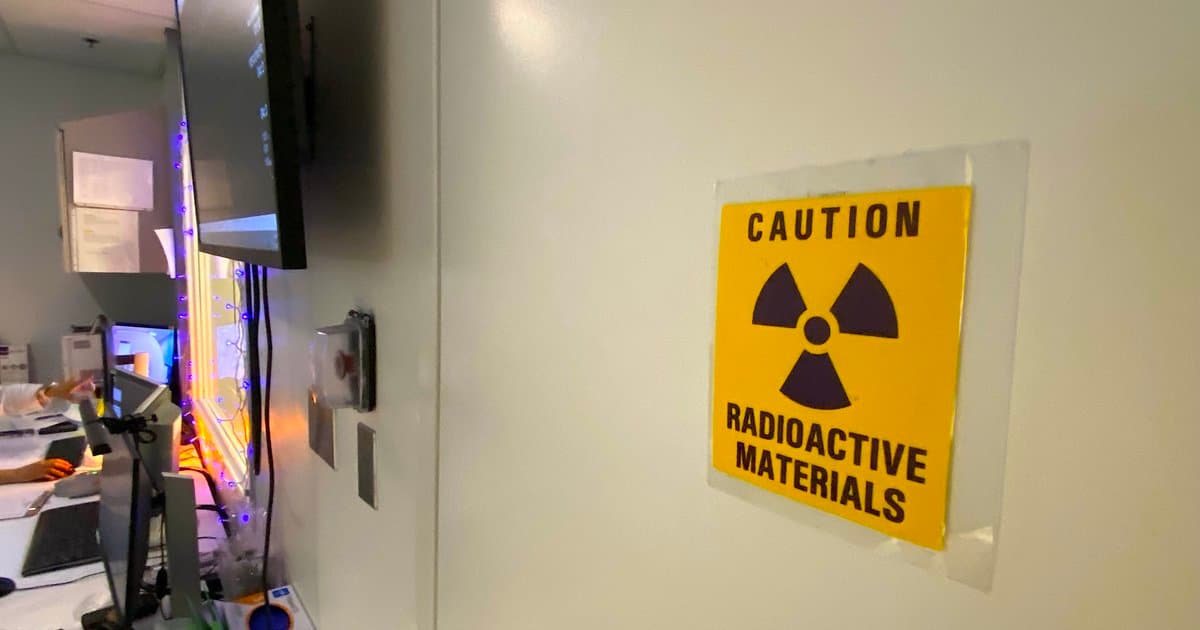
Eden Radioisotopes LLC, based in Albuquerque, has submitted a construction permit application to the U.S. Nuclear Regulatory Commission for a new radioisotope production facility near Eunice, New Mexico. The plant will focus on manufacturing Molybdenum‑99, a critical isotope used in thousands...

From 18 to 42 Epic Modules: 7 Notes on St. Luke’s EHR
St. Luke’s University Health Network has expanded its Epic electronic health record from 18 to 42 modules over the past decade, adding extensive clinical, financial and analytics capabilities. The health system delivered more than 121,000 Epic training classes to its 41,000...

TRICARE Systems to Transition to myAuth by the End of 2026
The Defense Health Agency announced that all TRICARE systems will transition to the new myAuth login platform on a rolling basis, beginning this spring and completing by the end of fiscal 2026. The legacy DS Logon, which currently secures access to...
How Vocal Biomarkers Are Revolutionizing Early Detection
Vocal biomarkers, powered by AI-driven speech analysis, are emerging as a rapid, non‑invasive tool for early detection of cognitive, neurological and mental‑health conditions. A single 40‑second voice sample can simultaneously screen for disorders such as Alzheimer’s, Parkinson’s, depression and anxiety,...

Dr. Oz Outlines Prior Authorization Plans: What It Means For Home Health
CMS Administrator Dr. Mehmet Oz announced that all Medicare‑regulated payers must deploy electronic prior‑authorization (ePA) interfaces by Jan 1 2027, extending the existing 72‑hour decision rule and linking the capability to the Promoting Interoperability program and MIPS. The initiative targets the costly...

AMAM Helps Hospitals Advance Their Quintuple Aim Goals
Andrew Pearce, HIMSS vice‑president of analytics, highlighted the AMAM framework as a catalyst for advancing the health sector's Quintuple Aim. By elevating analytics maturity, hospitals can deliver smoother patient journeys and richer clinician experiences. The model also drives cost efficiencies...

Caris Life Sciences Launches AI Test to Predict Early and Late Breast Cancer Recurrence
Caris Life Sciences introduced Caris MI Clarity, the first AI-driven test that predicts both early and late distant recurrence in postmenopausal HR‑positive/HER2‑negative, node‑negative breast cancer at diagnosis. Results are returned within three business days, promising faster, more comprehensive risk stratification...

CMS Leverages AI to Target $100B Healthcare Fraud, Boosts ROI to $14 per $1
Acting director Jeneen Iwugo says the Centers for Medicare & Medicaid Services’ Center for Program Integrity is using AI to triage 4‑5 million daily claims, targeting an estimated $100 billion in fraud and delivering a $14‑to‑$1 return on investment in fiscal 2024.
AI Excels on Tough Diagnoses, but Uncertainty Hampers Clinical Adoption
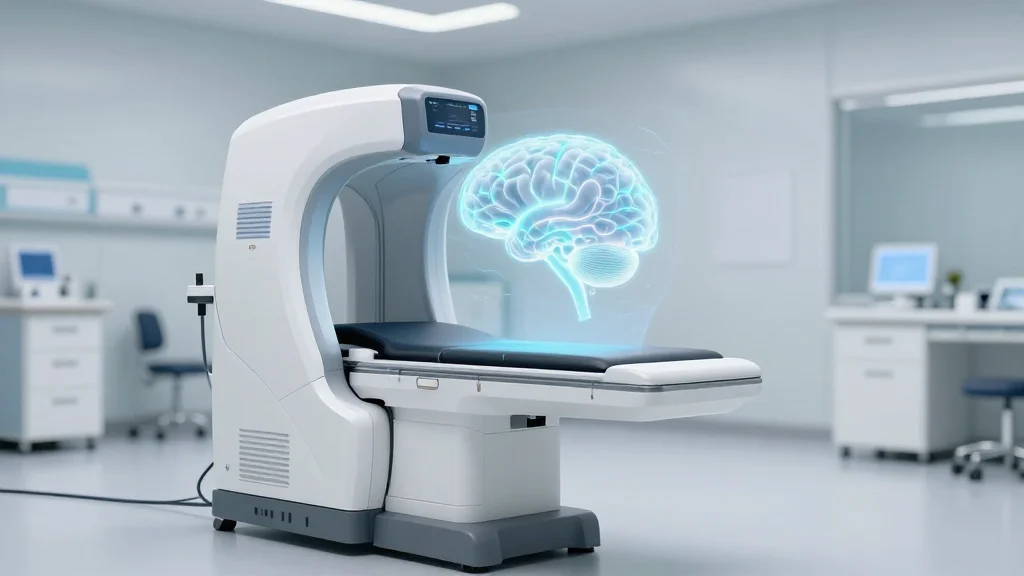
AI diagnostic models show strong performance on complex cases, though limitations in handling uncertainty raise concerns about real-world clinical use. https://t.co/l7RhgzET9A