Today's Nanotech Pulse

Left‑handed DNA origami tubes double chemotherapy efficacy
Researchers at the Cancer Center at Illinois showed that left‑handed DNA origami tubes loaded with the drug Daunorubicin kill acute myeloid leukemia cells more than twice as effectively as right‑handed tubes. The tubes display CD117‑targeting aptamers and their left‑handed geometry promotes rapid internalization, boosting cell‑killing potency.

A Non‐Volatile, Low‐Voltage, Stretchable Transparent Dielectric Heater for Real‐World Autonomous Thermal Management Platform (Small 7/2026)
Researchers Jin Woo Bae et al. present a non‑volatile, low‑voltage dielectric heater that is both stretchable and transparent, enabling wearable thermal management in harsh, cold environments. The device uses a sandwich‑structured dielectric heating layer that activates autonomously when ambient temperature drops below a set point. Integrated with flexible electronics, the heater maintains target temperatures without continuous power draw. The platform demonstrates real‑world viability for autonomous thermal regulation in next‑generation wearables.
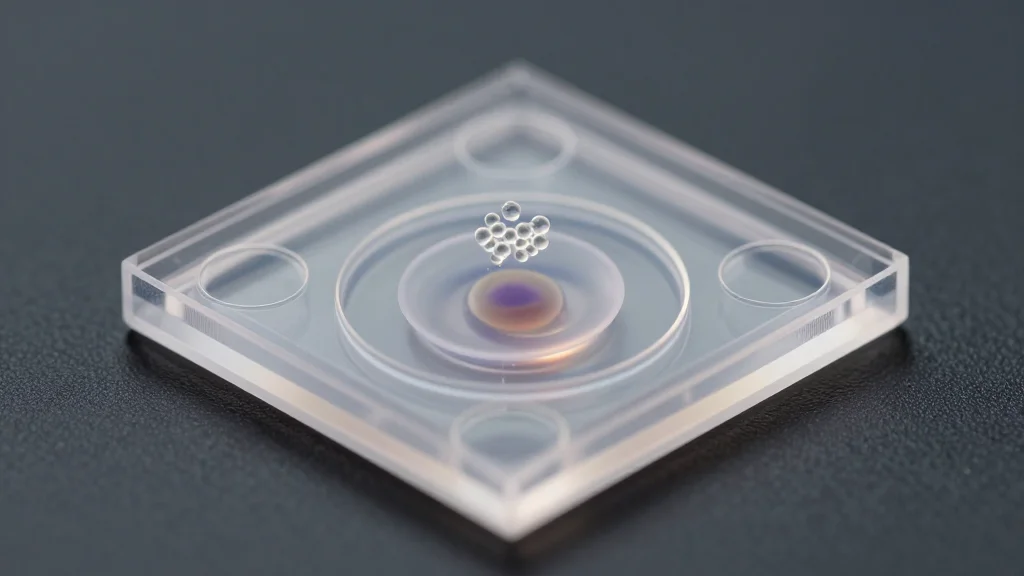
Single-Cell Microdevice Isolates and Profiles Extracellular Vesicles over Weeks
Researchers at Keio University unveiled a sealed microwell microdevice that can culture individual adherent cells for over 19 days while trapping the extracellular vesicles each cell releases. The platform isolates vesicles per well, eliminating cross‑contamination and enabling direct molecular profiling...
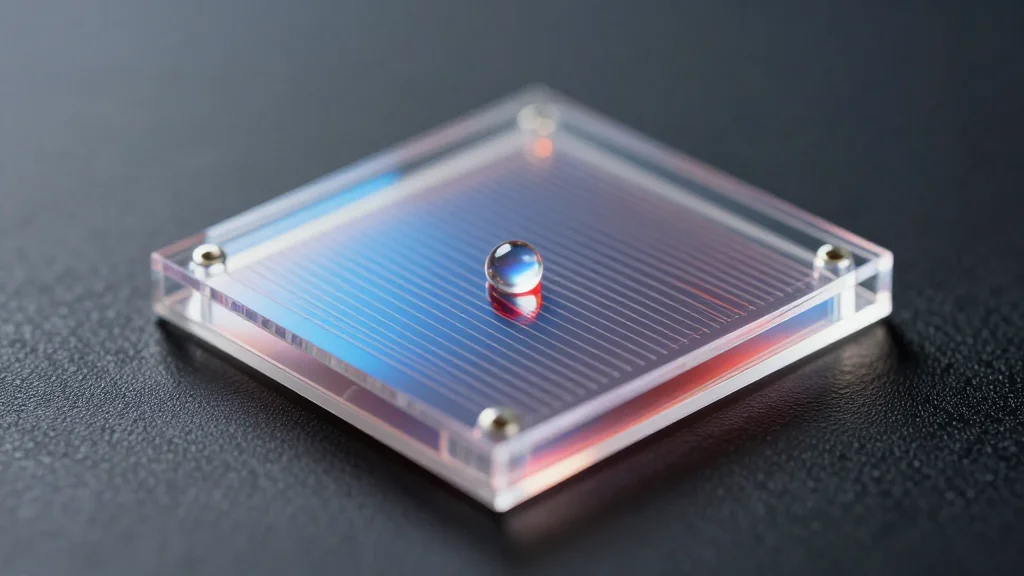
Ultra-Rapid Nanoplasmonic Colorimetry in Microfluidics for Antimicrobial Susceptibility Testing Directly From Specimens
Researchers at McGill University have unveiled QolorPhAST, an ultra‑rapid nanoplasmonic colorimetric microfluidic platform that performs antimicrobial susceptibility testing (AST) directly from clinical specimens. The system leverages self‑assembled plasmonic nanostructures that shift color in response to bacterial growth inhibition, delivering results...
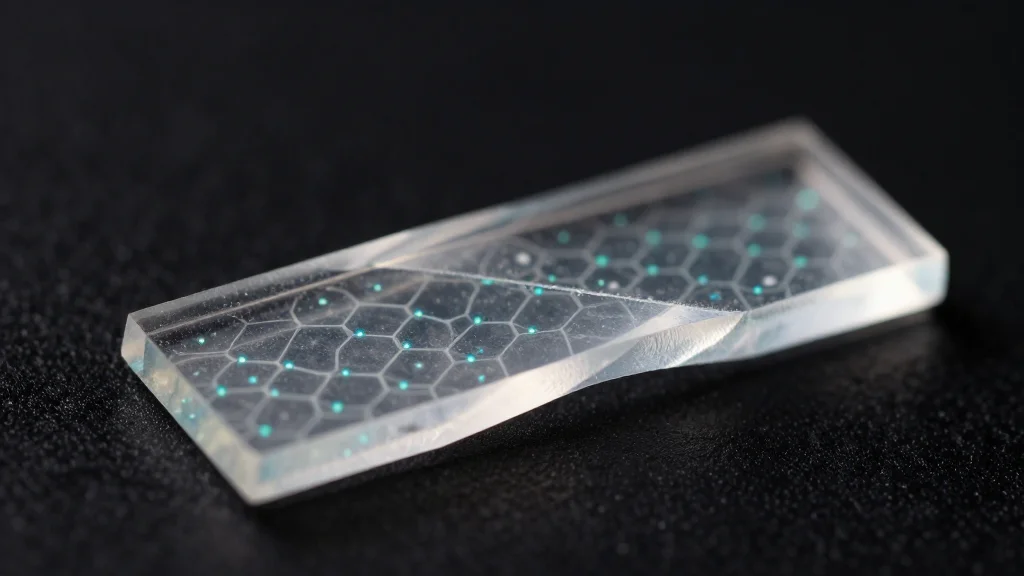
Super-Moiré Spin Textures in Twisted Two-Dimensional Antiferromagnets
Researchers used nitrogen‑vacancy scanning microscopy and atomistic Monte Carlo simulations to reveal super‑moiré antiferromagnetic (AFM) spin textures in twisted double‑bilayer CrI₃ with twist angles up to 2°. Unlike previous single‑moiré models, the magnetic domains extend over hundreds of nanometres, far larger...

Enzymatic Microbubble Robots
Enzymatic microbubble robots—tiny gas‑filled carriers powered by catalytic enzymes—are emerging as a versatile platform for precision drug delivery and real‑time imaging. Recent studies demonstrate urease‑driven bubbles that self‑propel, breach dense tumor stroma, and release therapeutics directly at bladder cancer sites,...
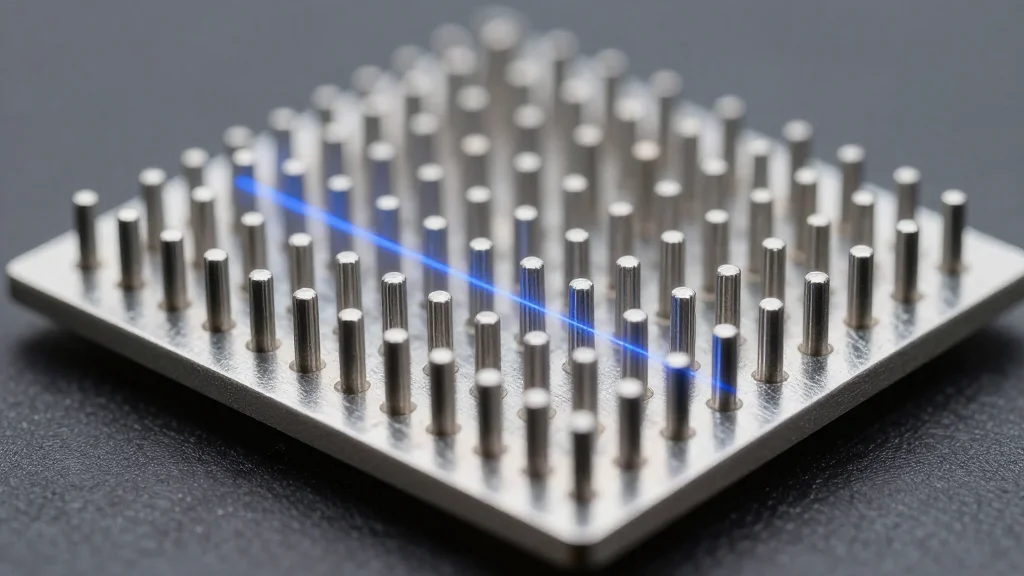
Tiny Titanium Pillars Move Hydrogen-Powered Flight Closer to Reality
Researchers at the University of Birmingham and Loughborough University have used digital design and laser micromachining to create ultrathin titanium flow distributors for polymer electrolyte fuel cells. The optimized micropillar structures achieved a record peak power density of 1.62 W cm⁻², translating...

Graphene-Based Wearable Intelligent Throat Enables Stroke Patients to Speak
An international research team has created Revoice, a washable graphene‑based wearable choker that captures throat vibrations and carotid pulse to reconstruct speech for stroke patients with dysarthria. The device uses ultra‑sensitive textile strain sensors and a two‑stage large language model...

Weak Magnetism Causes Big Changes in a Strange State of Matter
Physicists at Auburn University have shown that even weak magnetic fields dramatically alter the behavior of dusty plasmas, a hybrid state of matter found in space and labs. By magnetizing electrons, the fields change how dust grains acquire charge, speeding...
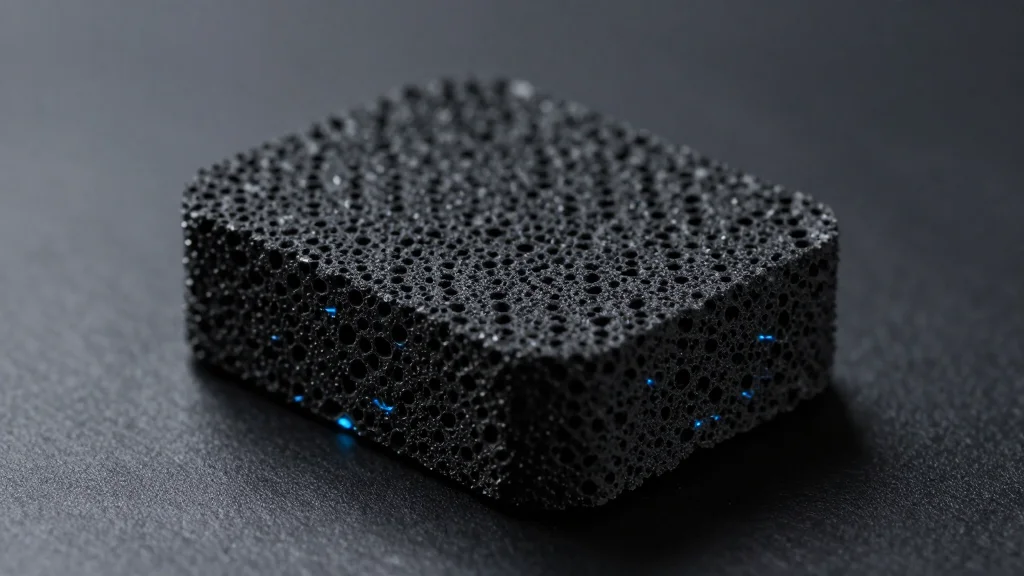
Cigarette Butts Could Power the Next Generation of Energy Storage
Researchers at Henan University have developed a scalable method to turn discarded cigarette butts into high‑performance carbon electrodes for supercapacitors. By combining hydrothermal carbonization with potassium hydroxide activation, they produced nanoporous carbon with a surface area of 2,133.5 m² g⁻¹ and a...
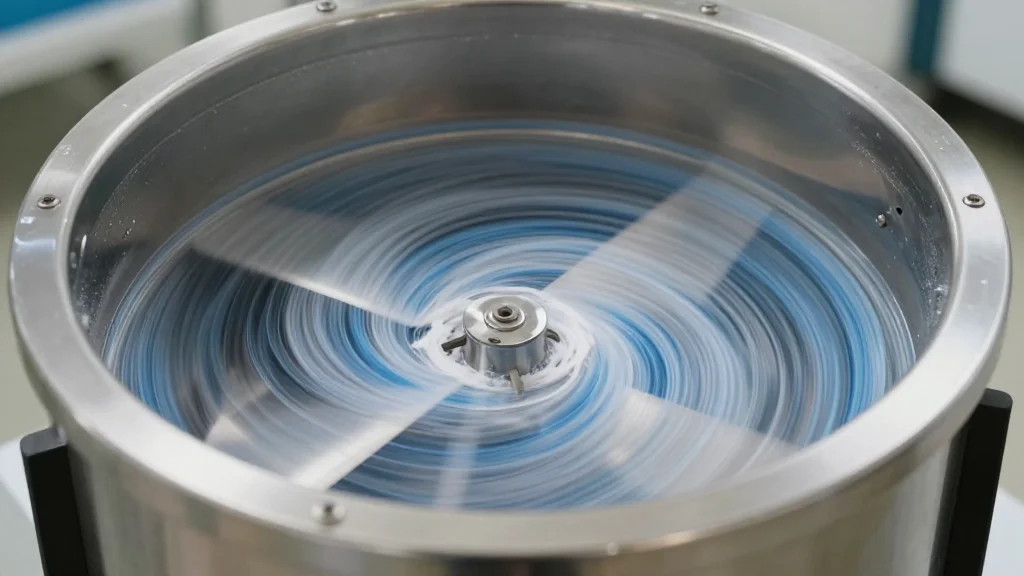
Mini Tornadoes Spin Out Dried Cellulose Nanofibers
Researchers at the University of Maine and Oak Ridge National Laboratory have unveiled a patent‑pending vortex drying technique that uses counter‑rotating, Mach‑3 heated air streams to rapidly remove water from cellulose nanofiber slurries. The high‑shear method avoids the fiber aggregation...

Accelerating the Exploration of Top Interface Passivators via Machine Learning for High‐Performance Perovskite Solar Cells
Researchers introduced a machine‑learning workflow that rapidly screens 162 ammonium‑salt molecules for perovskite surface passivation. The approach uses architecture‑specific models—XGBoost for n‑i‑p and RDKit‑SVR for p‑i‑n—to predict power‑conversion efficiency gains with low error. SHAP analysis revealed concentration, molecular weight, surface...

Self‐Powered Neuromorphic Touch Sensors Based on Triboelectric Devices: Current Approaches and Open Challenges
The review examines how triboelectric nanogenerators (TENGs) can power neuromorphic tactile sensors, mimicking human touch. It categorizes four coupling architectures—ex situ, discrete circuit, direct gating, and monolithic—and two operational modes, displacement-driven and pulse-driven. The authors detail neuromorphic functions achieved, including...

All‐in‐One Luminescent Dielectric Elastomer Actuator Driven by a Single Electrical Stimulus with Large Out‐of‐Plane Actuation and Fast Response
Researchers have created an all‑in‑one dielectric elastomer actuator that simultaneously bends out‑of‑plane and emits light using a single electrical input. By tuning ZnS:Cu2+ phosphor concentration and employing an asymmetric electrode design, the device achieves a high curvature of 4.71 cm⁻¹, a...
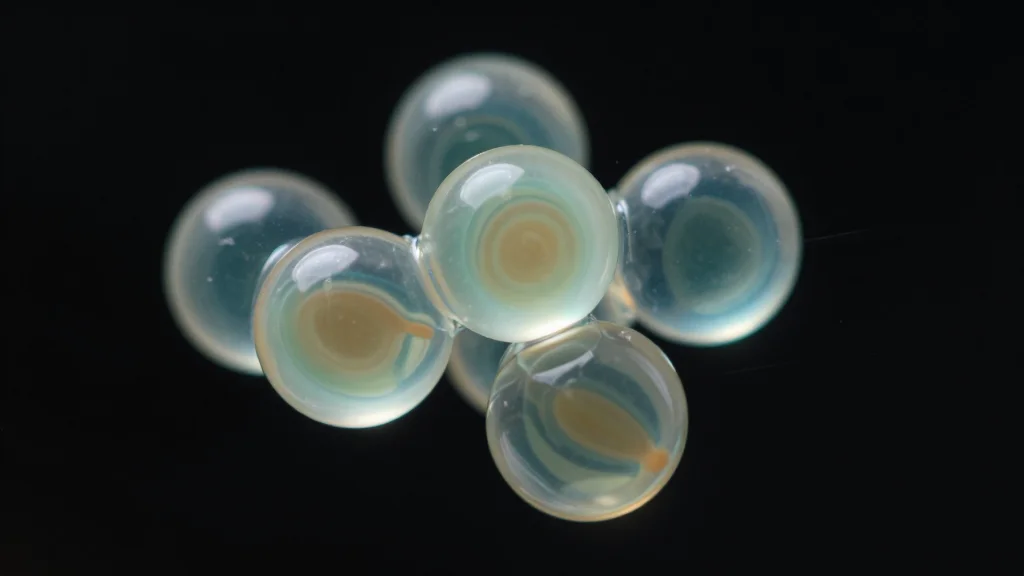
Dynamic Chain Exchange of Amphiphilic Alternating/Random Copolymer Micelles Promoted by Structural Uniformity and Flexibility
Researchers compared amphiphilic alternating and random copolymer micelles in water, finding that alternating copolymers form monodisperse multichain micelles with narrow size distributions. Kinetic studies using fluorescence energy transfer showed that chain exchange between alternating micelles occurs faster than with random...

Extreme‐Environment Adaptive Hydrogel with Vagus Nerve Modulation for Diabetic Wound Healing and Emotion Management
Researchers have developed a polyphenol‑mediated conductive hydrogel that remains functional at temperatures as low as –80 °C. The hydrogel, composed of casein, dopamine‑modified PEDOT and an antifreeze system, serves both as a wound dressing and a bioelectronic interface. When paired with...
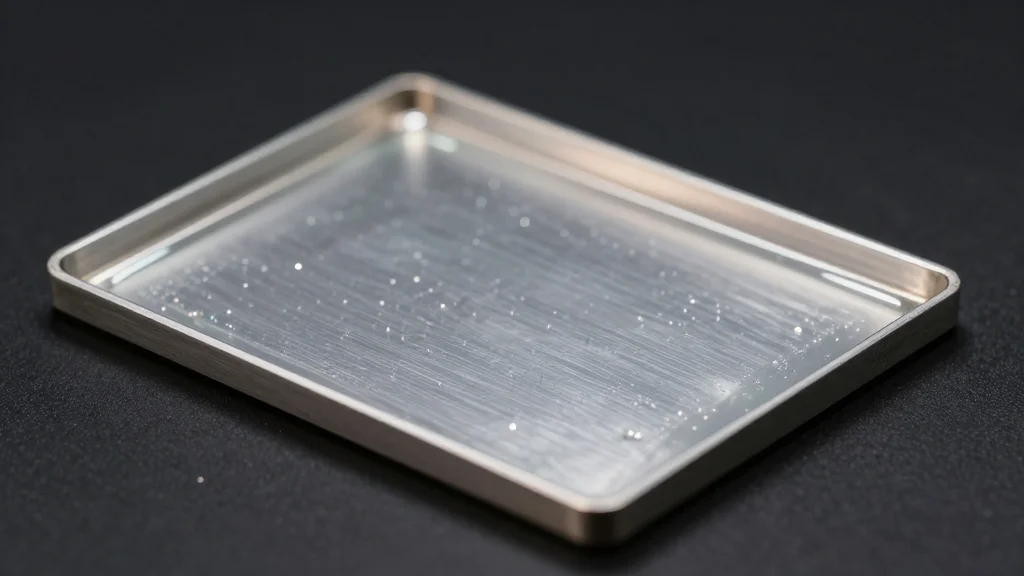
Additives for Aluminum‐Air Batteries: A Review
Researchers review electrolyte additives as a low‑cost strategy to boost aluminum‑air battery performance. Additives, comprising roughly 1 % of the electrolyte, mitigate aluminum corrosion, curb self‑discharge, and prevent surface barrier formation by creating protective films. The review classifies additives into organic,...

High‐Rate and Selective Conversion of Low‐Concentration Carbon Dioxide to Carbon Monoxide Using a Carbon Nanotube‐Supported Molecular Electrocatalyst
Researchers introduced a multi‑walled carbon nanotube (MWCNT) gas‑diffusion electrode functionalized with copper phthalocyanine (CuPc) and cobalt phthalocyanine (CoPc). The CuPc layer suppresses CoPc aggregation, increasing active‑site exposure and CO2 adsorption. Operating at an ampere‑scale current (0.625 A) with 20 % CO2, the...
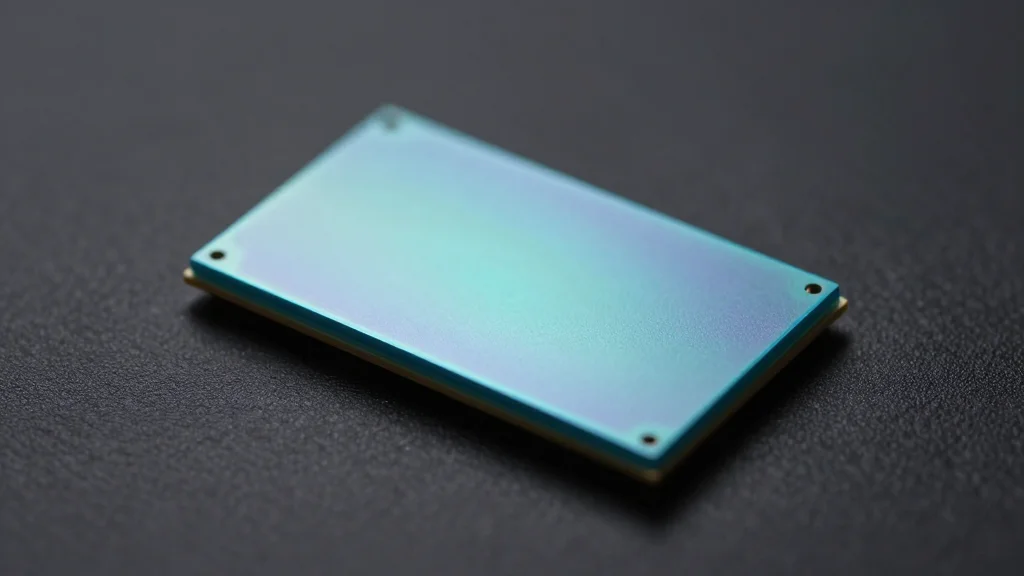
Chiral Lead‐Free Hybrid Organic‐Metal Halides for Thermally Switchable Nonlinear Optics
Researchers have created lead‑free antimony‑based chiral hybrid organic‑metal halide microplates using a solvent‑assisted drop‑casting method. The plates exhibit orientation‑controlled crystallinity, strong second‑harmonic generation (SHG) and a laser‑damage threshold above 133 mJ cm⁻². By exploiting a lattice phase transition, the team demonstrated reversible,...

F‐Block Element‐Based MOF Thin Films: A Platform for Luminescence, Sensing, and Energy Applications
f‑Block element‑based metal‑organic framework (f‑MOF) thin films are emerging as multifunctional platforms for luminescence, sensing, and energy applications. The review catalogs recent synthesis routes—including composite particle assembly, layer‑by‑layer, solvothermal, and electrodeposition—highlighting how thin‑film architecture enables precise substrate interfacing unavailable in...
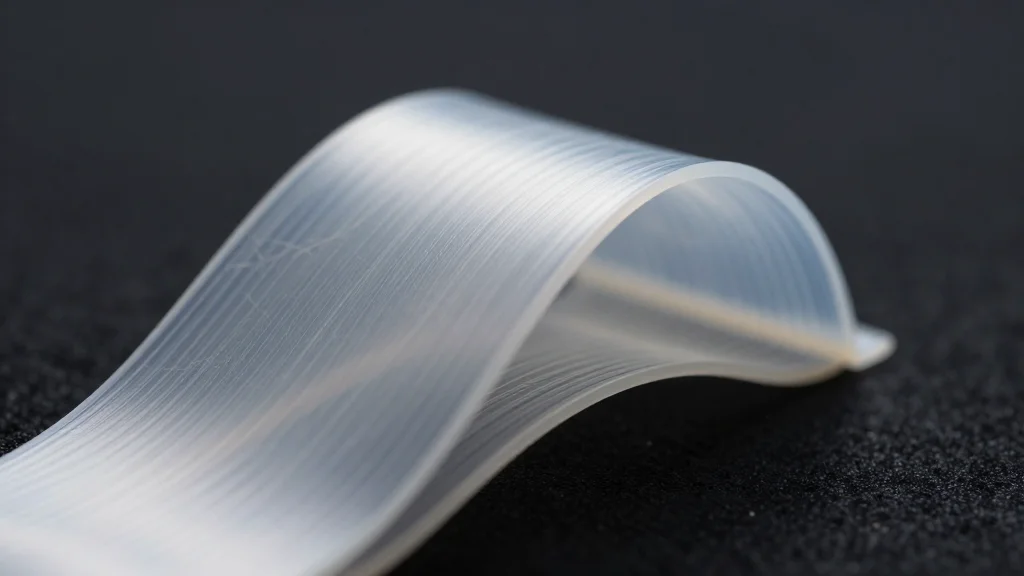
A MWCNT–PVDF/PCL Piezo‐Triboelectric Coupled Nanogenerator by Synergistic Regulation of Microcrystalline Phase and Patterned Structure for Self‐Powered Sensors
Researchers have created a piezo‑triboelectric coupled nanogenerator (PTCNG) that integrates multi‑wall carbon nanotube‑enhanced PVDF with patterned PCL membranes via solution electrospinning and melt‑electrospinning direct writing. By testing four assembly configurations, the optimal design delivers a peak open‑circuit voltage of 260 V...
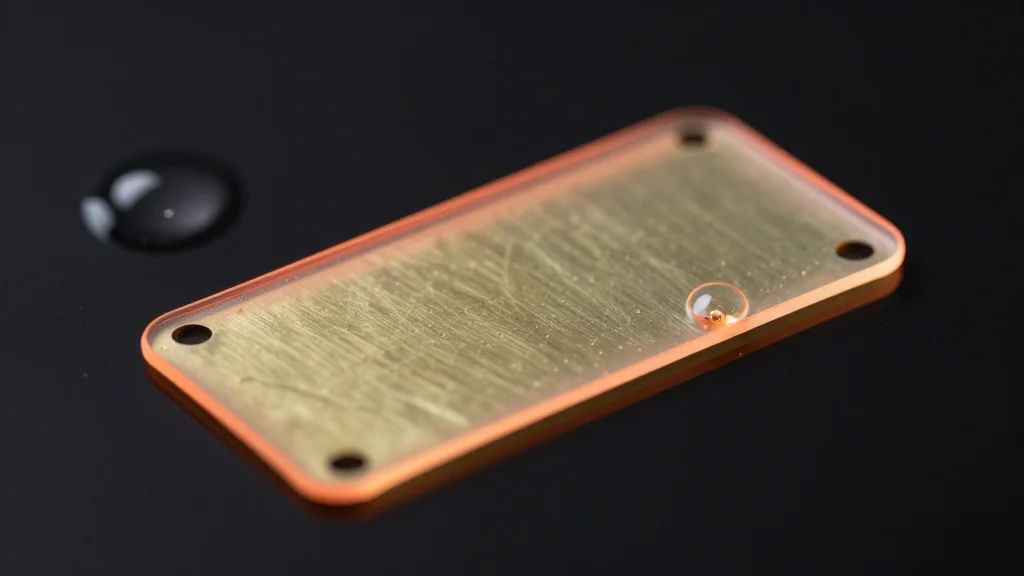
Harnessing Boron‐Mediated Ti Valence Cycling in TiB2‐PEG‐DOX: A Multimodal CDT/PTT/CT Platform for Colorectal Cancer Therapy
Researchers have engineered TiB2‑PEG‑DOX, a PEG‑modified titanium diboride nanosheet loaded with doxorubicin, to combine chemodynamic, photothermal, and chemotherapy for colorectal cancer. Boron in the lattice drives Ti4+ reduction to Ti2+, boosting Fenton‑like •OH generation in H2O2‑rich tumors. The nanocomposite exhibits...

Enhanced Charge Transfer Process and Chemical Sensing Ability Over a Lattice Rearrangement Strategy via Monatomic Ag Embedded Graphdiyne
Researchers have embedded monatomic silver into nitrogen‑doped graphdiyne, creating an AgO‑N‑C3 configuration that reorganizes the carbon lattice into a highly crystalline hexagonal framework. The resulting AgSAs/GDY material supports ballistic electron channels and achieves a record 10.2 wt% silver loading. When deployed...
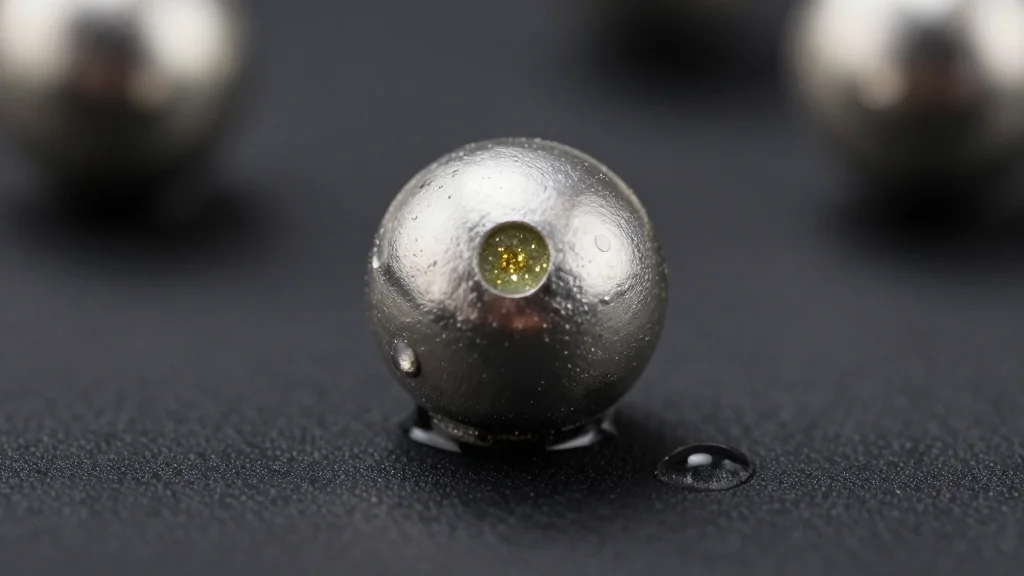
Electron Localization in Single Atomic Ga1/PdNi Metallene Boosts Ethylene Glycol Assisted Rechargeable Zn‐Air Battery via Accelerating *OH Adsorption
Researchers introduced a single‑atom gallium‑modified PdNi metallene catalyst that dramatically improves ethylene glycol oxidation in rechargeable Zn‑air batteries. The Ga1/PdNi alloy achieves a mass activity of 1.70 A/mg, nearly five times that of commercial Pd/C, and drives a power density of...
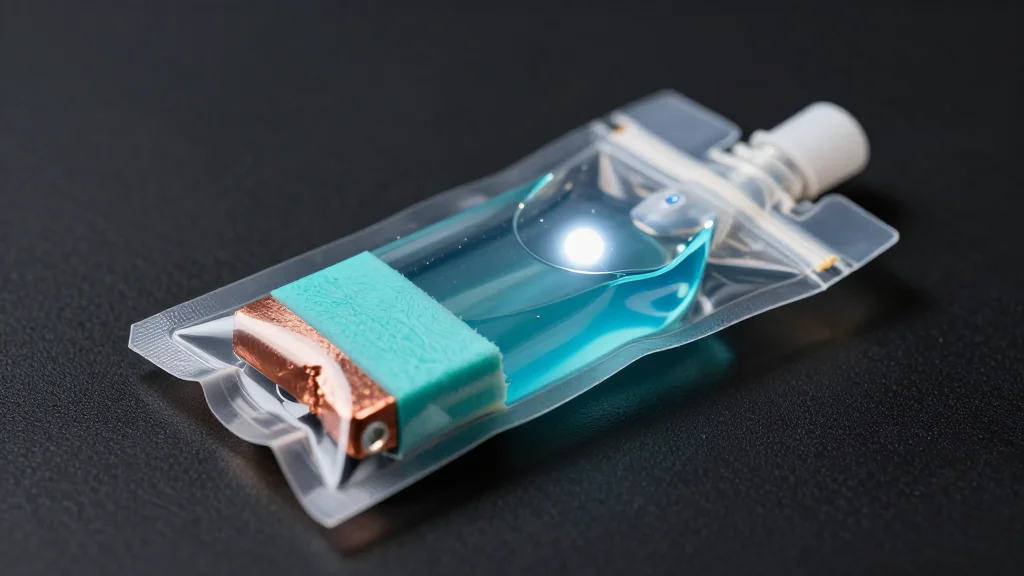
A New Secondary Battery Based on Carbonate Anion Shuttling in Aqueous Alkaline Electrolyte
Researchers have introduced a new aqueous secondary battery that uses carbonate (CO3²⁻) anion shuttling between a CoNiCu‑C layered double hydroxide (LDH) cathode and a Cu₂CO₃(OH)₂ anode. The cell delivers an initial capacity of about 130 mAh g⁻¹ at 200 mA g⁻¹ and retains roughly...
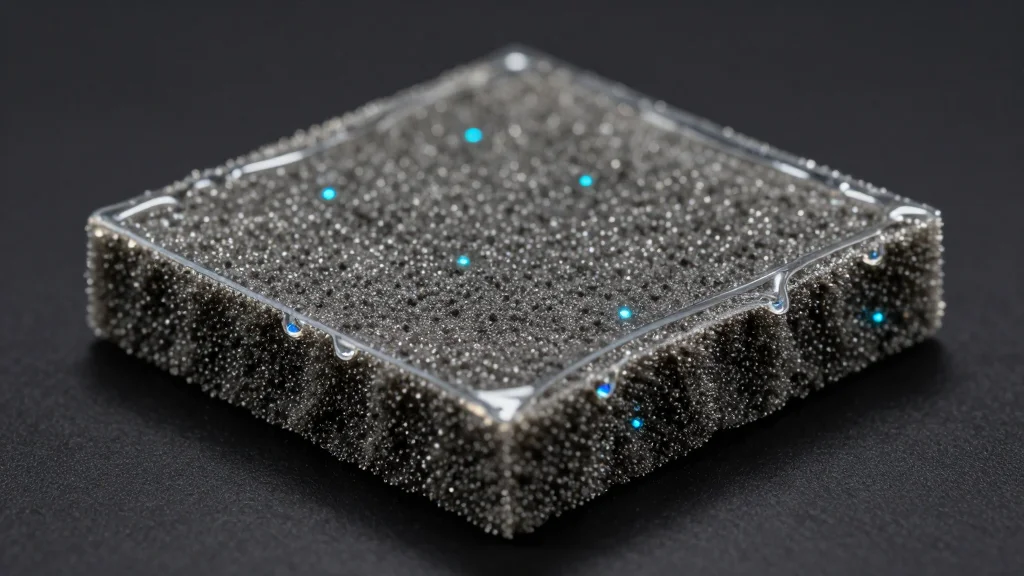
Enhanced Adsorption of NiNb Bimetallic Catalyst for CO2 Intermediates Facilitates the 100% Selective Dicarboxylation
Researchers have introduced a nickel‑niobium bimetallic catalyst (NiNb@NF) that enables the electrocatalytic carboxylation of conjugated dienes using CO₂. The material achieves approximately 100% selectivity toward dicarboxylic acids and delivers a 96.4% isolated yield. In‑situ infrared and Raman spectroscopy reveal that...
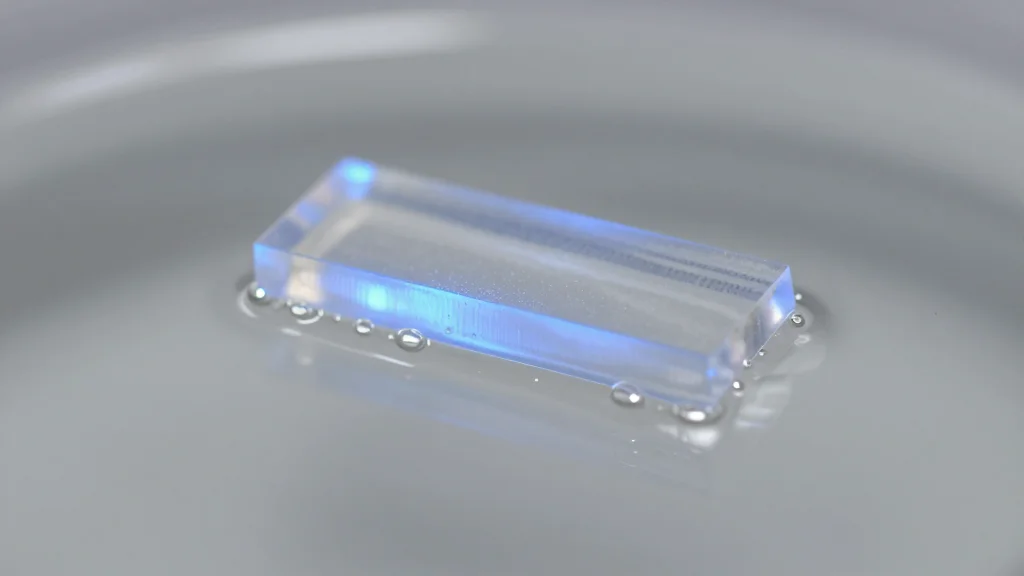
Hole Storage Layers in Photoelectrodes for Mitigating Recombination and Driving Stable PEC Water Splitting
The review surveys the emerging role of hole storage layers (HSLs) in photoelectrochemical (PEC) water‑splitting devices, distinguishing them from traditional hole‑transport layers. It details how HSLs temporarily trap holes to suppress recombination, improve interfacial charge transfer, and protect semiconductors in...

Low‐ and High‐Frequency Characterization of Hybrid Acoustofluidic Devices Using Motile Cells
Researchers introduced a novel technique that uses motile Chlamydomonas reinhardtii cells as living probes to characterize high‑frequency acoustic microfluidic devices. By balancing the cells’ swimming forces against acoustic radiation forces, the method visualizes evolving pressure fields in hybrid platforms that...
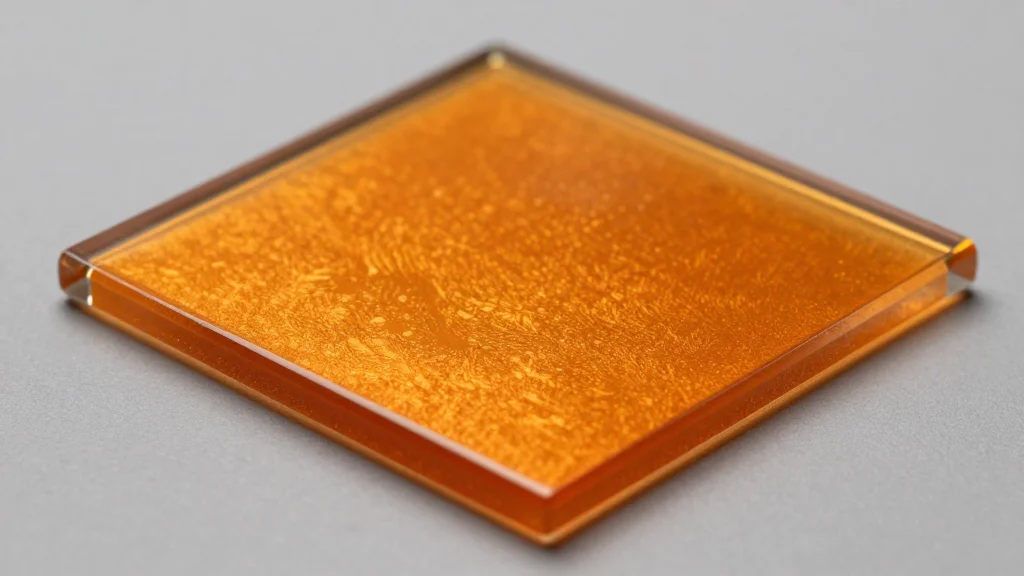
Suppressing the Oxygen/Moisture Effect with 9‐Fluorenylmethyl Carbazate to Facilitate Ambient‐Fabrication of Stable Perovskite Solar Cells
Researchers introduced 9‑fluorenylmethyl carbazate (9FC) into the lead‑iodide precursor to counteract oxygen and moisture degradation during ambient‑air fabrication of perovskite solar cells. The molecule’s carbonyl and hydrazino groups form multidentate chelation bonds, slowing crystallization, enlarging grains, and aligning crystals. This...

Amino Acid‐Based Intelligent Nanocarrier Enhances the Targeted Delivery of Fungicides for Banana Wilt Disease Control
Researchers have engineered an amino‑acid‑based nanocarrier using tryptophan and polysuccinimide to load the non‑systemic fungicide fludioxonil. The carrier achieves a 53.74% loading efficiency and exploits hydrogen‑bonding and π‑π stacking to transport the pesticide via the phloem to banana rhizomes. In...
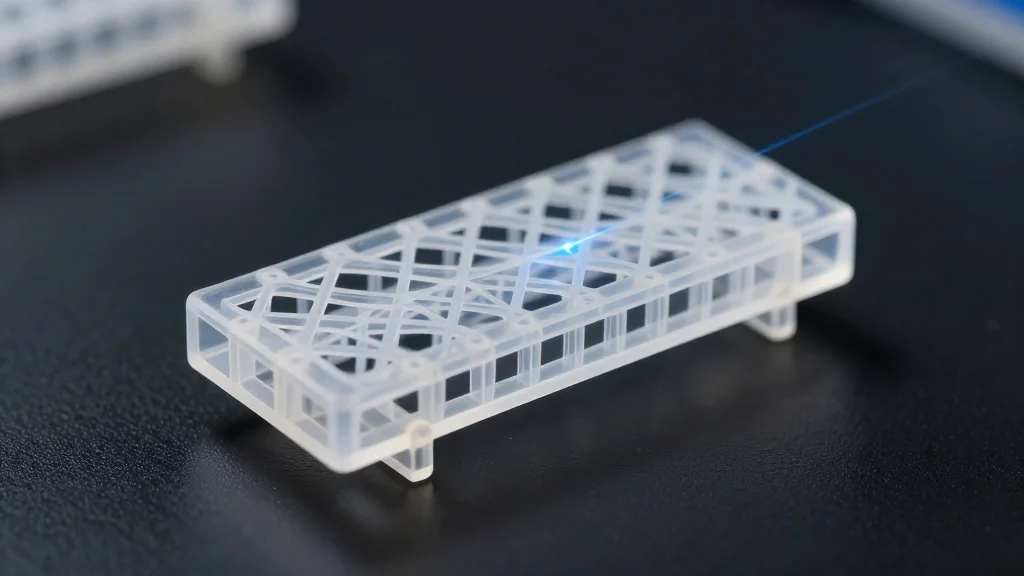
Two‐Photon Polymerization: Emerging Applications and Innovations in Clinical and Regenerative Medicine
Two‑photon polymerization (2PP) now enables sub‑micron, three‑dimensional printing of medical devices using femtosecond lasers. The technique produces patient‑specific scaffolds, drug‑delivery carriers, and microfluidic components across specialties such as ophthalmology, orthopedics, and neurology. Recent advances in photoinitiators and biomaterials have improved...

Plaid Technologies Ships Graphene to Petro Flow Ahead of Initial U.S. Well Plugging Field Tests
Plaid Technologies has shipped its proprietary graphene material to Petro Flow for the first field trials of graphene‑enhanced wellbore cement, scheduled for Q2 2026 in the United States. The shipment moves the technology from laboratory validation to real‑world testing, using an...

Quantum Capacitance Advances Kitaev Chain Identification with Minimal 1-Dot Coupling
Researchers led by Chun‑Xiao Liu demonstrate that quantum capacitance can precisely locate the optimal operating regime of a quantum‑dot‑based Kitaev chain. Their theoretical framework couples a normal‑metal lead to the chain and uses semiclassical rate equations to model parity switching...

Advances Chiral-Induced Spin Selectivity Understanding Via Enhanced Spin-Orbit Coupling Models
Researchers led by Ruggero Sala and colleagues present a comprehensive mini‑review that re‑examines the microscopic origins of Chiral‑Induced Spin Selectivity (CISS) in light‑element materials. By integrating molecular chirality, electric fields, and structural distortions, they demonstrate how effective spin‑orbit coupling (SOC)...

Computing Beyond Silicon May Depend on Circuits Built Molecule by Molecule
Molecular electronics that rely on quantum tunneling are emerging as a viable alternative to silicon scaling, with integration densities projected at 10^14 devices per cm²—about a thousand times current chip densities. Recent review research shows that atomic‑precision assembly, self‑assembled monolayers,...
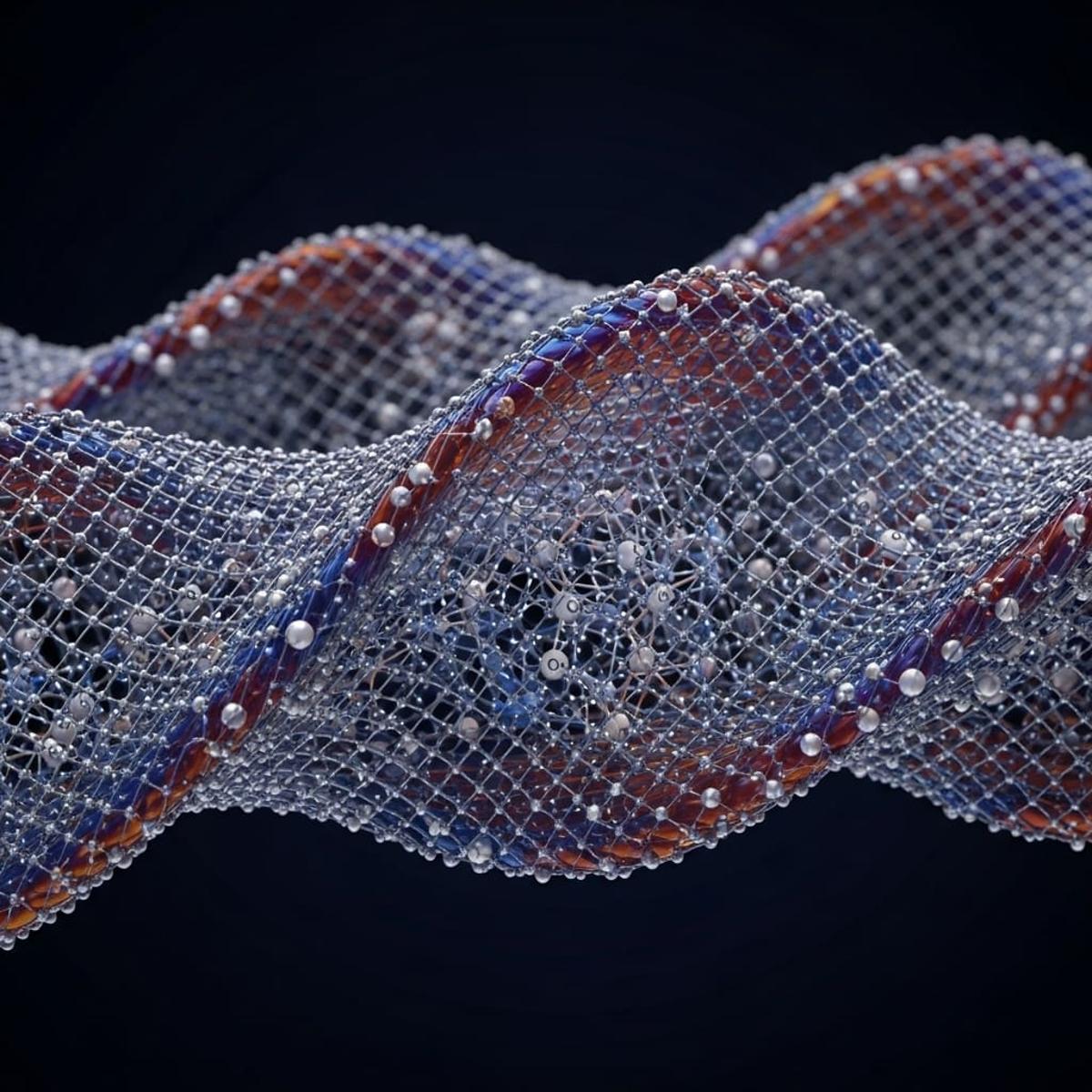
Atomic Coherence Achieved in Twisted NaNbO3 Membranes Via Controlled Oxygen Treatment
Researchers have demonstrated atomic‑scale coherence in twisted NaNbO₃ oxide membranes by applying a controlled oxygen annealing process. The treatment chemically reconstructs the interface, eliminating amorphous carbon layers and establishing a perovskite registry with measurable lattice contraction. Strain mapping shows a...

High-Q Resonators Achieve 10^7 Quality Factor with Optical Nanofiber Fabrication
Researchers at Waseda University and collaborators have demonstrated a single‑shot femtosecond laser ablation method that fabricates defect‑free optical nanofiber photonic crystal resonators with intrinsic quality factors exceeding 2.9 × 10⁷. The process uses a flame‑brush tapered nanofiber (500 nm diameter, 13 mm waist) and...

Near-Frictionless Motion of Pico- to Nanoliter Droplets with Liquid-Repellent Particle Coating
Scientists at Japan’s MANA have created a liquid‑repellent particle coating that lets pico‑ and nanoliter droplets move with near‑zero friction. By spraying fluorocarbon‑modified fumed titania nanoparticles onto droplets, the team turned them into “micro liquid marbles” that slide via solid‑solid...
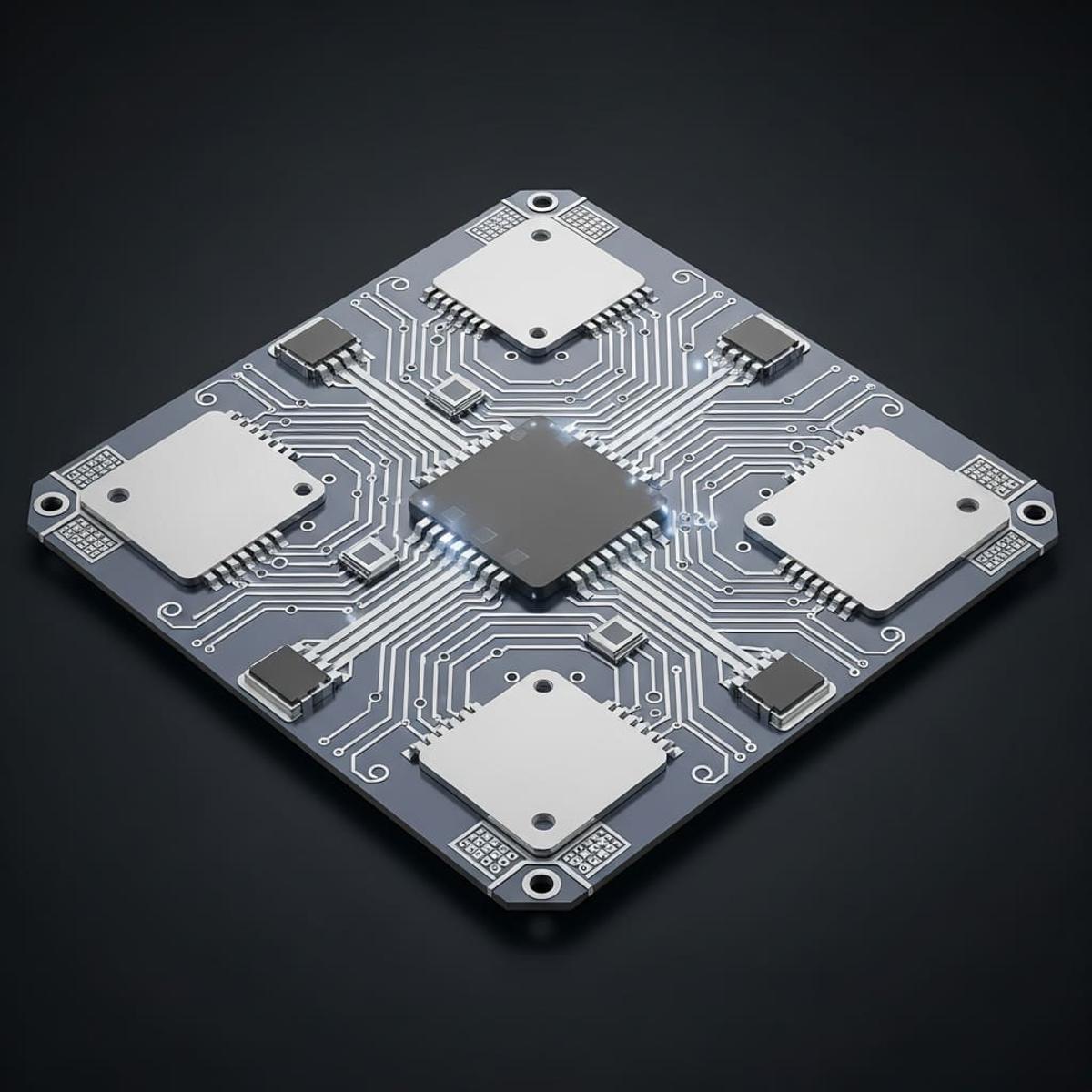
Flux-Tunable Transmon Achieves Robust Performance with 4hb-Tas Josephson Junctions
Researchers at Technion have demonstrated a flux‑tunable transmon qubit that incorporates a van‑der‑Waals 4Hb‑TaS₂ crystal via an Al/AlOₓ/4Hb‑TaS₂ Josephson junction. The hybrid fabrication process is fully compatible with conventional transmon manufacturing and yields coherent qubit operation inside a 3D cavity....
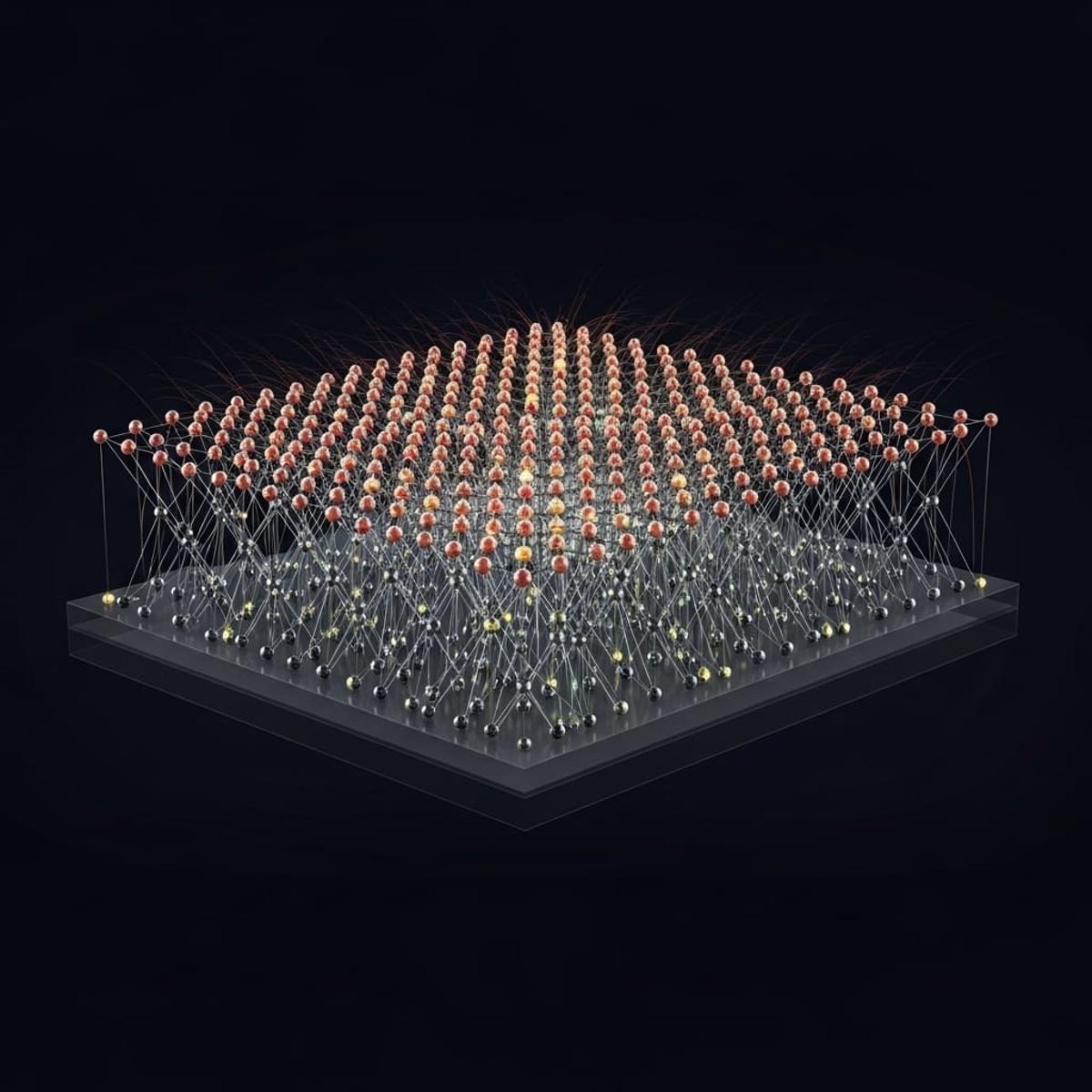
Silicon-On-Insulator Achieves Coupled Colour Centre Formation for Photon Sources
Researchers have demonstrated controlled formation of multiple colour centres—including T, W, G, and the newly observed CN—in silicon‑on‑insulator (SOI) platforms. By systematically varying carbon and hydrogen ion implantation, annealing temperature (200‑600 °C) and duration (30‑600 s), they identified optimal conditions such as...
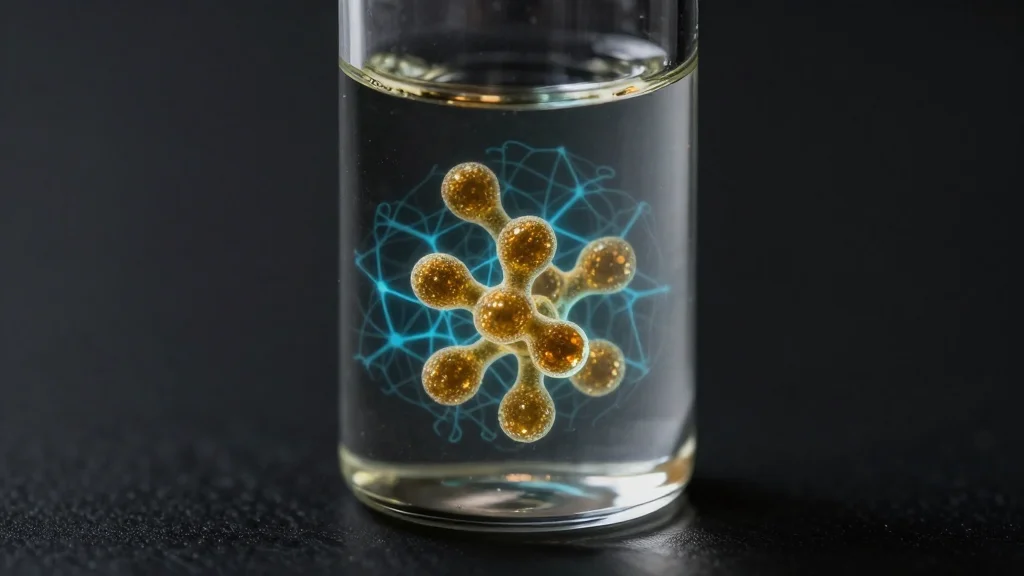
Machine Learning on Systematically Curated Data Reveals Key Determinants of Magnetic Hyperthermia Performance
Researchers introduced a machine‑learning framework that predicts the specific absorption rate (SAR) of superparamagnetic iron oxide nanoparticles (SPIONs) used in magnetic hyperthermia. The model was trained on a systematically curated dataset of 1,850 entries spanning 30 intrinsic and extrinsic features...
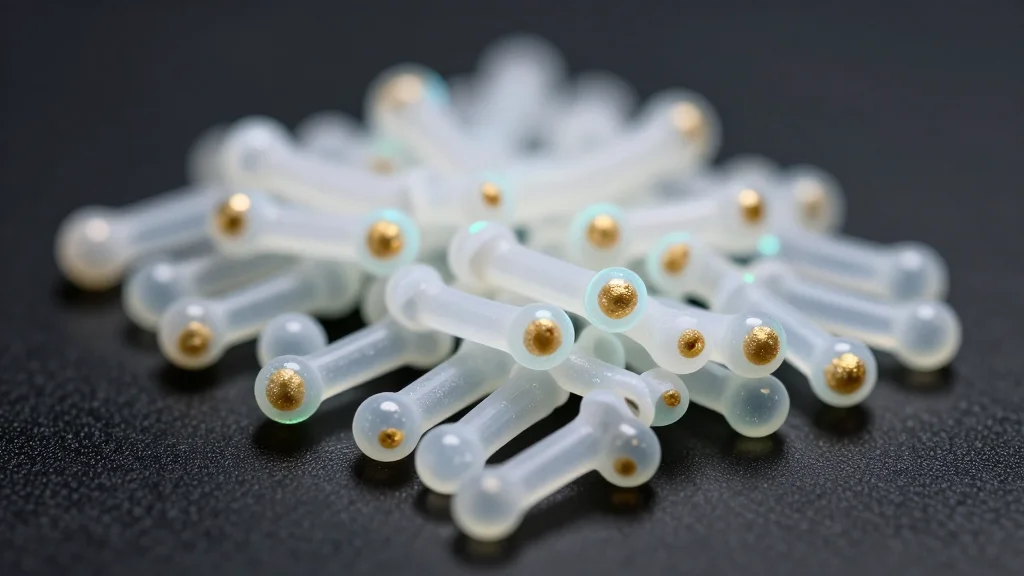
Toward a Robust ZnO Interface via Fullerene‐Based SAMs: Defect Passivation and Compatibility Tuning for High‐Performance Inverted Organic Solar Cells
Researchers introduced two fullerene‑based self‑assembled monolayers (SAMs) to modify zinc oxide (ZnO) electron‑transport layers in inverted organic solar cells. The tetra(ethylene glycol)‑linked 4EG‑PA forms a denser, more uniform film than the alkyl‑linked C2‑PA, delivering superior defect passivation and energy‑level alignment....

Mechanistic Understanding of Curvature Effects on ORR/OER Activity in Single‐Atom Catalysts From Atomic‐Scale Perspective
Researchers used first‑principles calculations to examine how the curvature of boron nitride nanotubes (BNNTs) doped with copper influences oxygen reduction and evolution reactions (ORR/OER). They discovered that nanotube curvature dramatically reshapes the d‑orbital energy hierarchy, inverting the dz2 level and...

Ice‐Templated Undaria Pinnatifida Aerogel‐Derived Porous Carbon for Enhanced Room‐Temperature Hydrazine Sensing
Researchers used an ice‑templating process to convert the marine alga Undaria pinnatifida into a self‑doped porous carbon aerogel (US‑1.5). The material exhibits a record‑breaking 22.53 k% response to 500 ppm hydrazine at room temperature, with rapid 21.3 s response and 2.5 s recovery times....
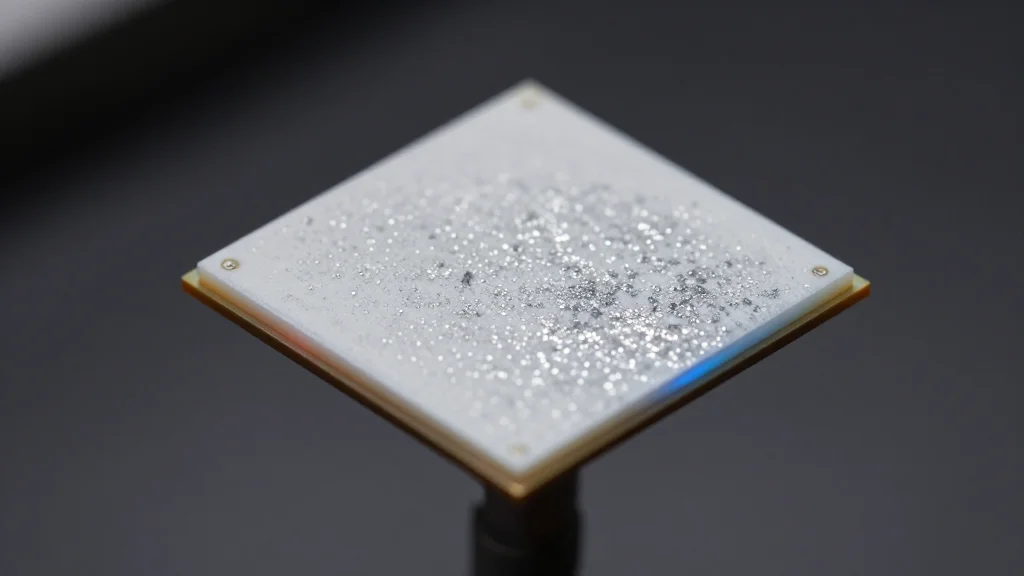
Nanosheet Sensor Detects Ethanol at Parts-per-Billion Levels Using Minimal Power
Researchers at Yonsei University have created a chemiresistive gas sensor that combines a tin‑dioxide thin film with ruthenium‑dioxide nanosheets, achieving ethanol detection down to 5 ppb while consuming less than 30 mW. The hybrid structure leverages catalytic activity and electronic sensitization to...
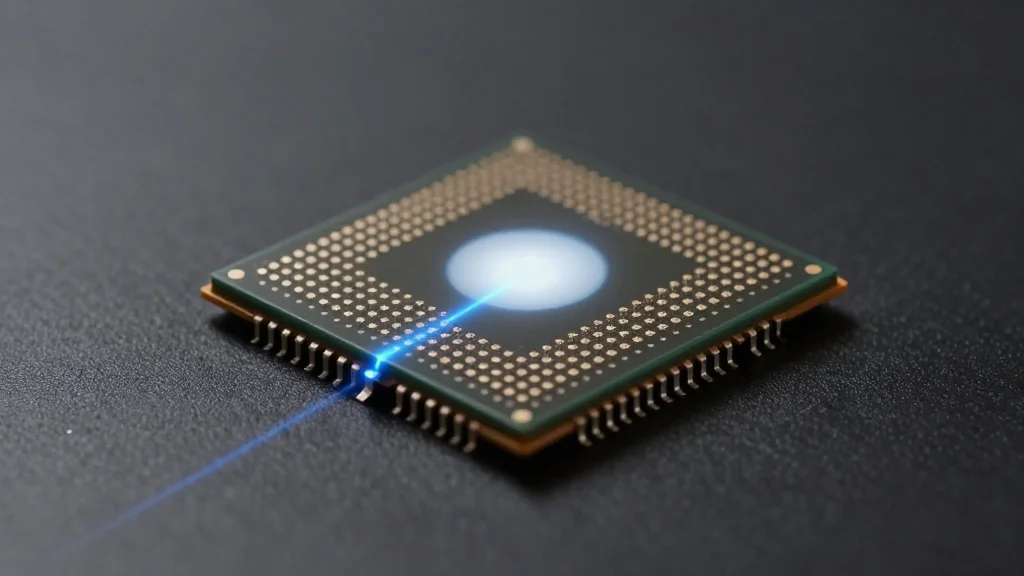
Metasurfaces Smooth Light to Boost Magnetic Sensing Precision
Researchers at Beihang and Westlake Universities introduced a polarization‑encoded metasurface that transforms a Gaussian laser beam into a uniform intensity profile for optical pumping. The chip‑scale device uses silicon nanoantennas to map intensity into polarization, producing a flat beam that...
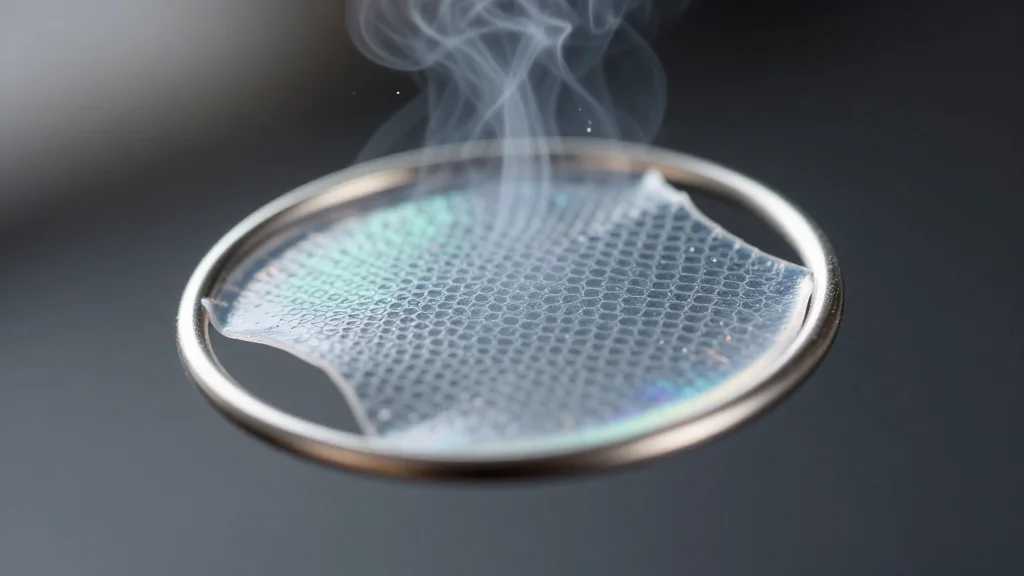
Ultrathin Polycage Membranes Facilitate Molecular Shuttling for Efficient CO2 Separation
Researchers have created ultrathin polycage membranes by cross‑linking amine‑rich porous organic cages (POCs) with terephthaloyl chloride. The resulting membranes feature angstrom‑scale, amine‑functional channels that act as highways for CO₂ molecules, delivering a permeance of 920 GPU and a CO₂/N₂ selectivity of...

Direct Observation of Electron Beam Induced Cu Ion Migration and Aggregation Dynamics in Van Der Waals Layered CuInP2S6
Researchers used in‑situ transmission electron microscopy and density‑functional theory to directly observe copper ion migration in the van der Waals ferroelectric CuInP2S6 (CIPS) under electron‑beam irradiation. The study shows that the beam induces a lateral electric field that drives Cu ions to...
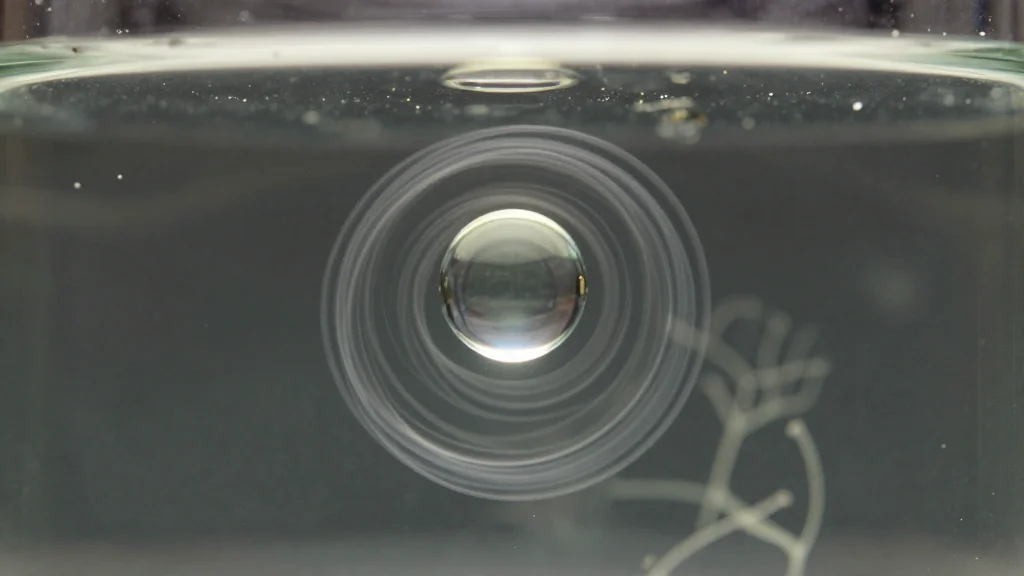
Liquid Phase TEM of Diffusing Emulsion Droplets
Researchers used in situ liquid phase transmission electron microscopy to track emulsion droplets at nanometer resolution, revealing that their motion deviates from classic Brownian behavior. Larger droplets displayed super‑diffusive trajectories constrained by spatial boundaries, while smaller droplets followed random walks...

Multi‐Subunit Nanozyme: A Functionally Programmed Ru Nanocluster‐Installed Tannic Acid‐Framed Hollow ZIF‐8 Single Construct Exhibits Subunit‐Specific Roles in Facilitating Remarkable Substrate...
Researchers have engineered a multi‑subunit nanozyme (Ru‑H‑ZIF‑8) by anchoring ruthenium nanoclusters onto a tannic‑acid‑framed hollow ZIF‑8 scaffold. The structural subunit provides hydrogen‑bonding activation of o‑aminophenol, while the Ru nanoclusters drive rapid electron‑transfer oxidation, delivering a high‑rate, substrate‑class selective reaction. Unlike...
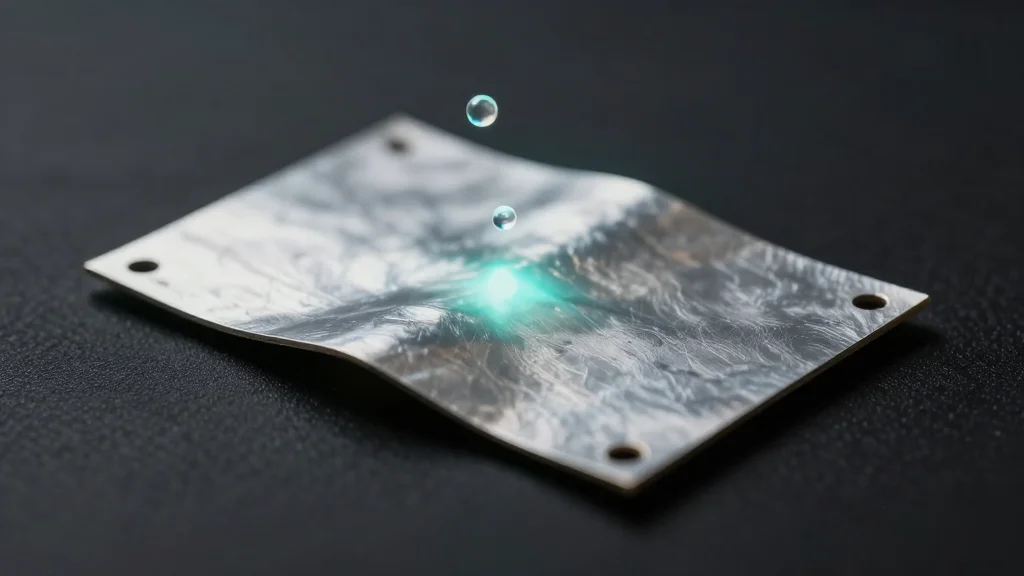
Activating Bismuth Nanosheets for Electrochemical CO2 Reduction by Strain Engineering
Researchers applied a ~0.6% compressive strain to bismuth nanosheets using an electrochemical cathodic technique, dramatically improving CO2 electroreduction to formate. The strained nanosheets achieved over 90% formate selectivity across a 700 mV potential window, outperforming many existing catalysts. Density‑functional theory linked...