Today's Nanotech Pulse

Left‑handed DNA origami tubes double chemotherapy efficacy
Researchers at the Cancer Center at Illinois showed that left‑handed DNA origami tubes loaded with the drug Daunorubicin kill acute myeloid leukemia cells more than twice as effectively as right‑handed tubes. The tubes display CD117‑targeting aptamers and their left‑handed geometry promotes rapid internalization, boosting cell‑killing potency.
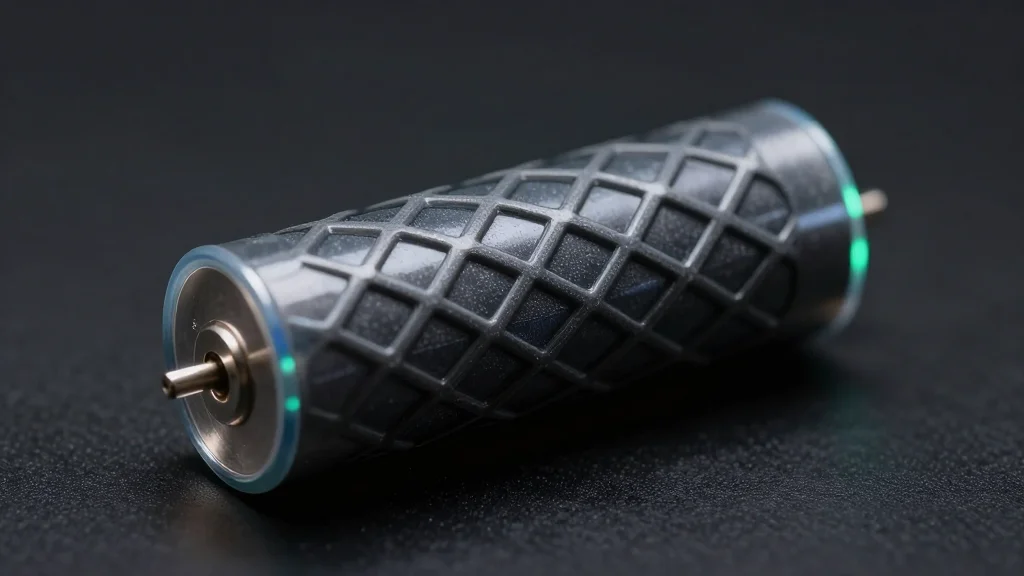
Graphene-Info Publishes a New Edition of Its Graphene Supercapacitors Market Report
Graphene‑Info released the February 2026 edition of its Graphene Supercapacitors Market Report, updating market data, project pipelines, and research breakthroughs. The report highlights graphene’s role in enhancing energy density and power delivery for supercapacitors used in electric vehicles, mobile devices, and grid storage. It includes a comprehensive list of graphene companies, research activity, and market forecasts through 2030. Buyers can choose a single‑user license for $349.99 or an enterprise license for $999.99, with free upgrades for a year and discounts for existing customers.
First Graphene Signs Agreements with Syron Greenthrust Dynamics
First Graphene has signed a distribution agreement and memorandum of understanding with India‑based Syron GreenThrust Dynamics, opening a commercial route for its PureGRAPH® products across India, the UAE and SAARC nations. The three‑year deal ramps volume from 0.25 tonnes in year...
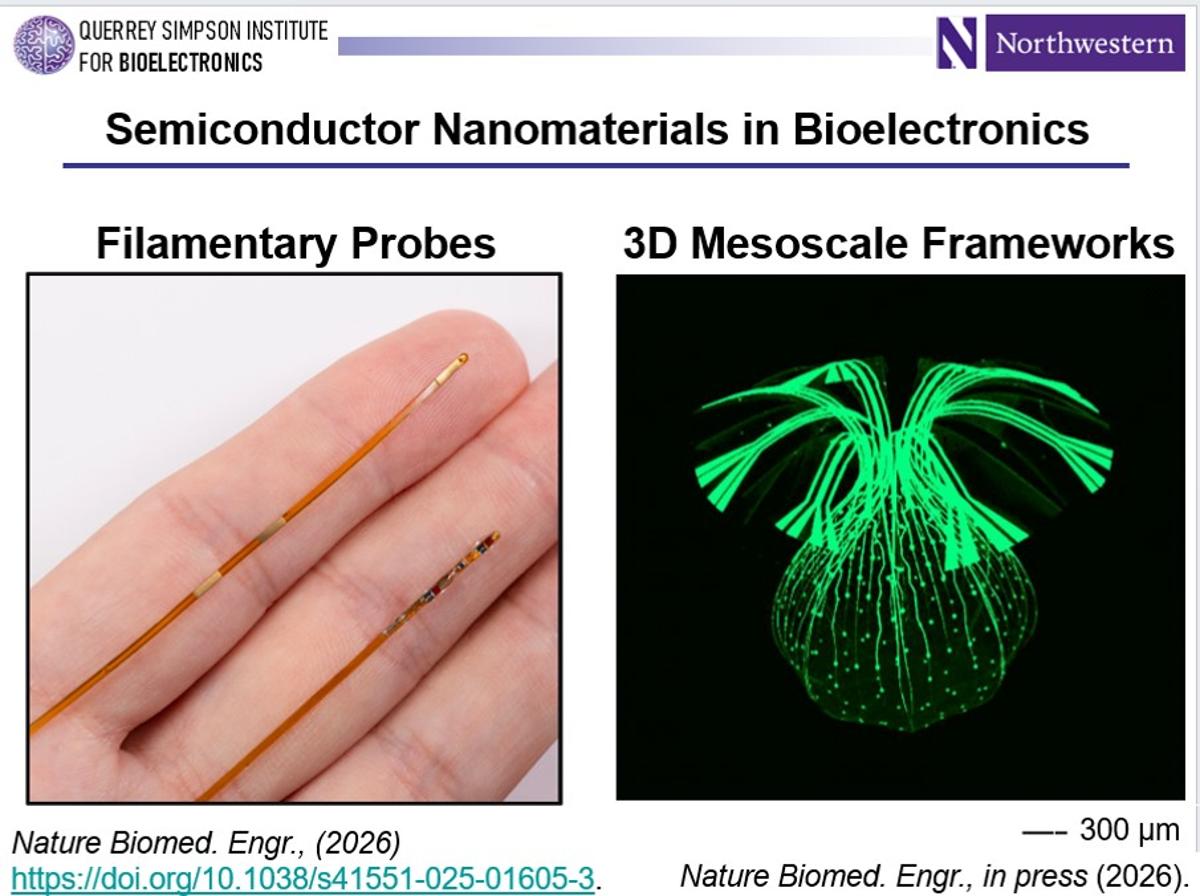
Editor Shares Insights at Nanotech Conference Plenary
Wrapping up two days at the 10th biennial International Conference on Nanoscience and Nanotechnology here in Sydney, Australia. Highly engaging event, where my participation involved serving on a panel discussion with other journal editors and delivering a plenary presentation on our...
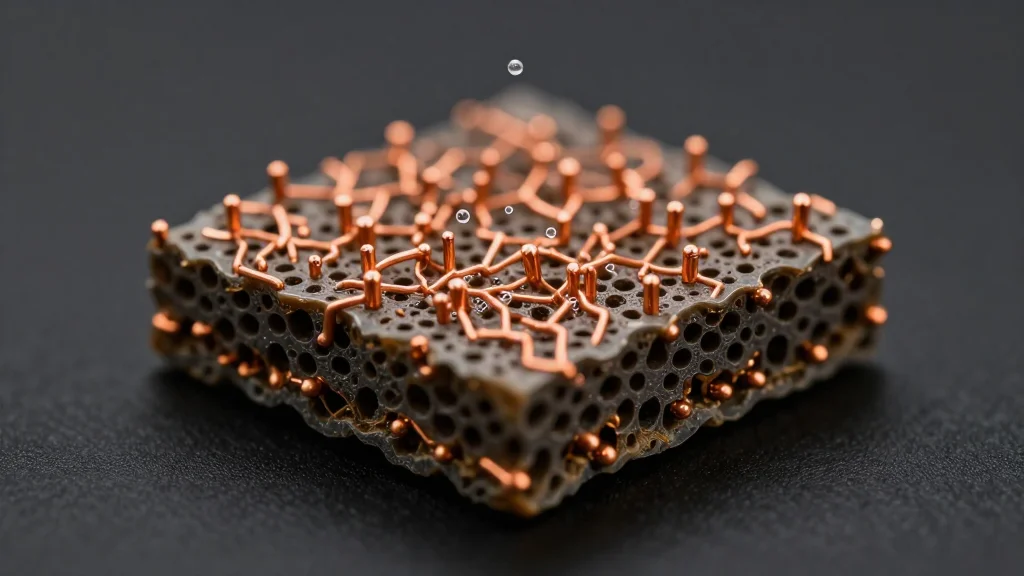
Tandem Architectures for Electrochemical CO2 Reduction: From Coupled Atomic Sites to Tandem Electrolysers
The review outlines how tandem architectures—linking atomic‑scale active sites with multi‑stage electrolyzers—drive electrochemical CO₂ reduction toward multicarbon products. It highlights the role of metal‑N‑C catalysts for selective CO generation, followed by copper‑based downstream catalysts that couple CO into C₂⁺ fuels....

Edible Electronics Harvest Heat From Hot Food to Power Color-Changing Safety Displays
The research team at EPFL unveiled the first fully edible thermoelectric generator made from chitosan and alginate hydrogels cross‑linked with vanillin. The ionic devices convert the heat from hot meals into up to 62 mV /K, and a series of six units...

Test Strip Breakthrough for Accessible Diagnosis
A La Trobe University research team has created a single‑use test strip that detects disease‑related microRNAs at attomolar levels, far surpassing the sensitivity of traditional glucose strips. The device uses a specialised enzyme to amplify an electrical signal, allowing detection...

Superconductivity Achieved in Nanowires Via 5.5m/mT Domain Wall Modulation
Researchers showed that aluminium shells on InAs/EuS nanowires become superconducting only when the EuS layer is in a multi‑domain magnetic state. Scanning SQUID magnetometry and low‑temperature transport revealed that a magnetic domain wall can be shifted at roughly 5.5 µm·mT⁻¹ using...

Warning of Kidney Cell Damage From High Exposure to Nanoplastics
Flinders University researchers have demonstrated that high concentrations of nanoplastics can damage kidney cells, altering shape, survival and regulatory functions. The laboratory study exposed renal cells to polystyrene, PMMA and polyethylene particles of varying sizes, finding toxicity depends on both...
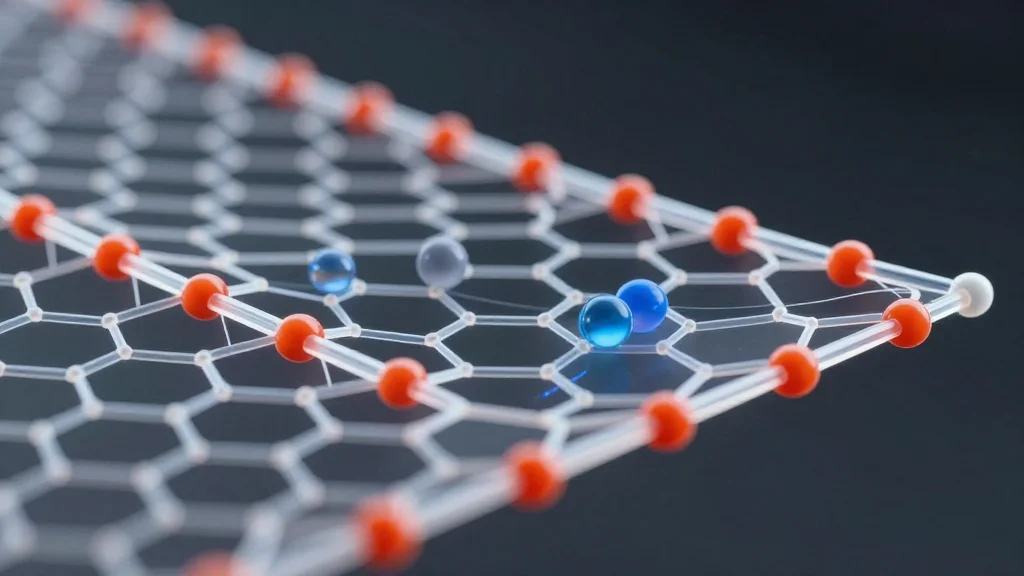
Oxygen-Modified Graphene Filters Boost Natural Gas Purification
Researchers at Chiba University have demonstrated that ultrathin graphene membranes functionalized with oxygen groups can selectively remove carbon dioxide from methane streams while preserving high gas permeability. Simulations identified a critical pore size near 0.4 nm, where oxygen‑modified edges attract CO₂...
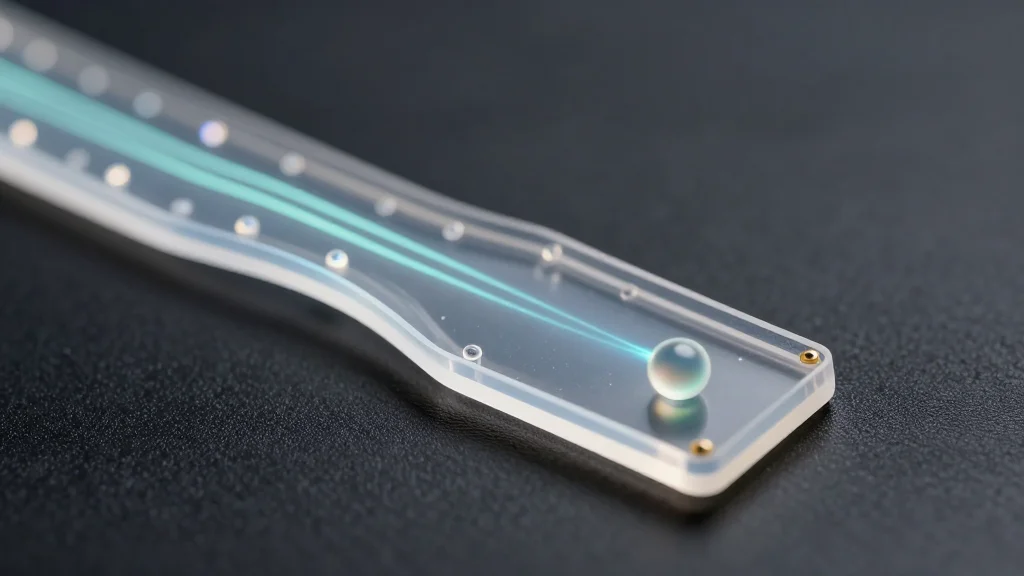
On-Chip Optical Tweezers Enable High-Throughput Biomanipulation
Researchers have introduced flexible, stretchable on‑chip optical tweezers that retain high‑precision trapping while bending or stretching. The platform uses elastomeric waveguides and micro‑lenses to deliver parallelized, high‑throughput manipulation of bioparticles. Demonstrations show reliable performance after thousands of deformation cycles and...
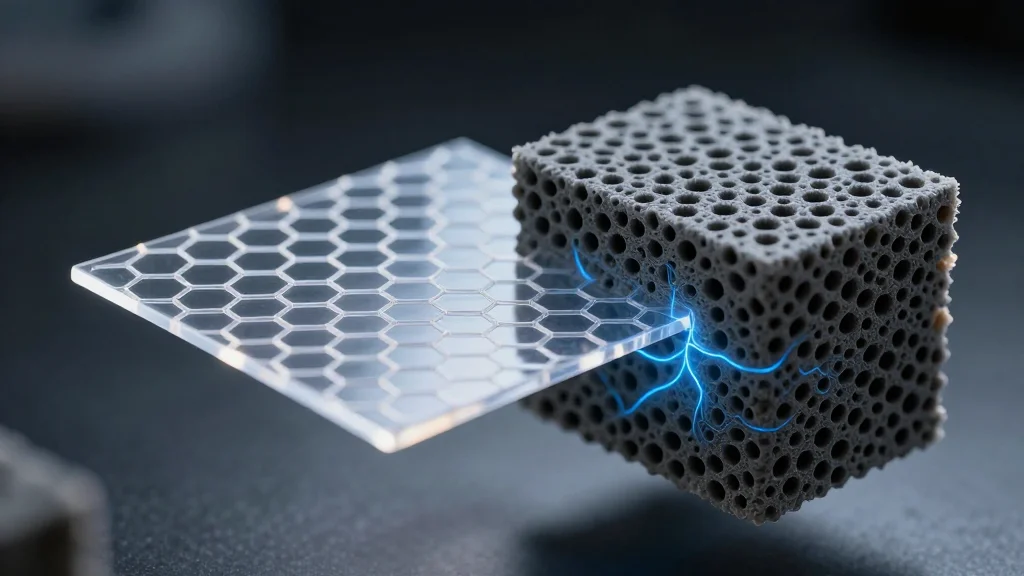
Agenda Update: Skeleton Technologies Joins Graphene Connect 2026!
Graphene Connect 2026 has added a new session featuring Skeleton Technologies, the European high‑power energy storage leader. The company will deliver a talk titled “From 2D to 3D: Turning Advanced Materials into Product‑Level Benefits,” highlighting how carbon‑based 2D materials can...
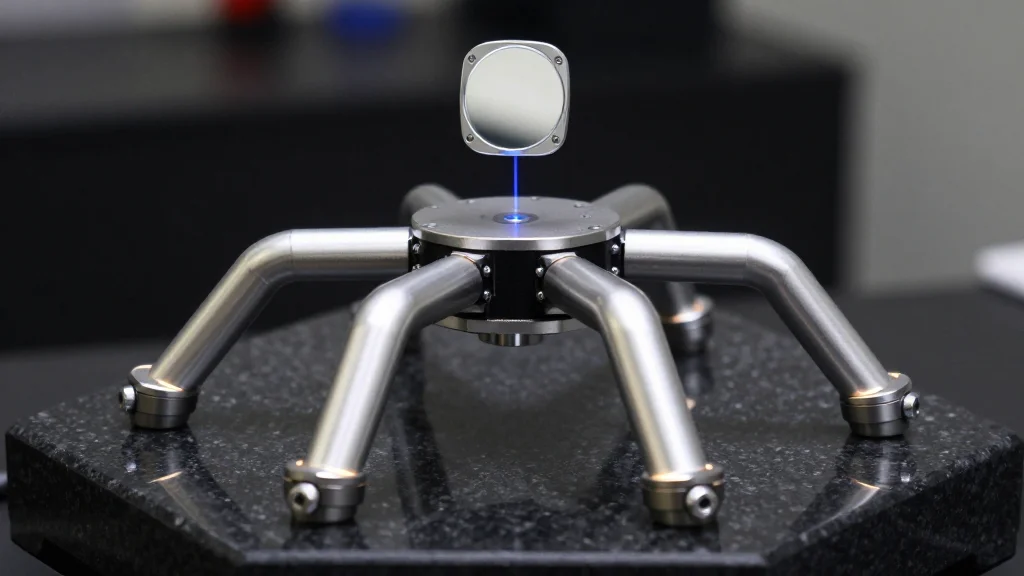
New Brochure for High-Precision Motion Control, Nanopositioning Automation & Piezo Solutions
Physik Instrumente (PI) has issued a new brochure positioning the company as a long‑term OEM partner for high‑precision motion control, nanopositioning and piezo solutions. The catalogue highlights fast steering mirrors, 6‑DoF hexapods, granite‑based multi‑axis platforms and nano‑focus motors tailored for...
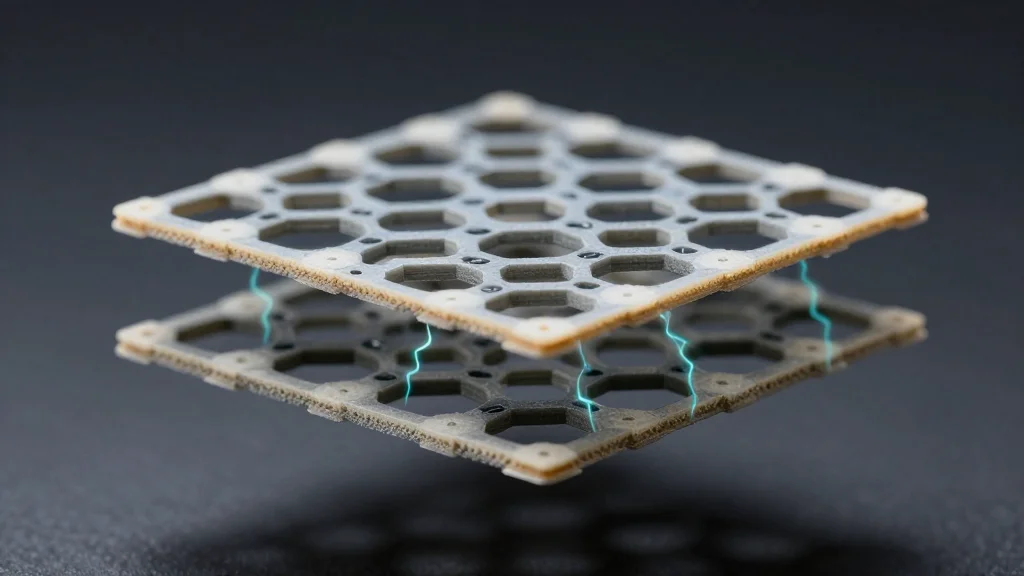
Stacked Graphene Sandwich Reveals Switchable Memory without Traditional Ferroelectrics
A research team from DGIST and KAIST demonstrated a novel memory device that uses a graphene‑hBN‑α‑RuCl₃ sandwich structure to generate switchable electric dipoles without any traditional ferroelectric material. The interfacial charge rearrangement creates a ferroelectric‑like state that can be written...

Ultra-Thin Metasurface Can Generate and Direct Quantum Entanglement
Researchers at Nanjing University and the University of Science and Technology of China have demonstrated an ultra‑thin metasurface that both creates and routes polarization‑entangled photon pairs. The nanostructured silicon‑pillar array converts two orthogonal photons into Bell‑state entanglement across multiple output...

Niobium's Superconducting Switch Cuts Near-Field Radiative Heat Transfer 20-Fold
University of Michigan engineers have demonstrated that a thin niobium film, when cooled below its superconducting transition at 7.4 K, suppresses near‑field radiative heat transfer by a factor of 20 compared with its normal metallic state. The team built a scanning...

Single-Photon Detector Flaws Unravelled, Paving the Way for Faster Data Transmission
Researchers from Oak Ridge National Lab and Single Quantum have mapped how nanoscale disorder affects superconducting nanowire single‑photon detectors (SNSPDs). By using helium‑ion irradiation to introduce controlled disorder, they combined DC transport, dark‑count, and microwave spectroscopy to separate local instability,...

Injectable Thermogel‐Loaded Bi2S3 Nanorods for Synergistic Photothermal Bacterial Elimination and Anti‑Inflammation to Remodel Periodontitis Microenvironment
Researchers have created an injectable, thermosensitive hydrogel (Bi2S3@Gel) loaded with bismuth sulfide nanorods that activates under near‑infrared light. The material delivers mild photothermal heating, amplifies reactive oxygen species, and depletes glutathione, achieving potent antibacterial action. At the same time, the...
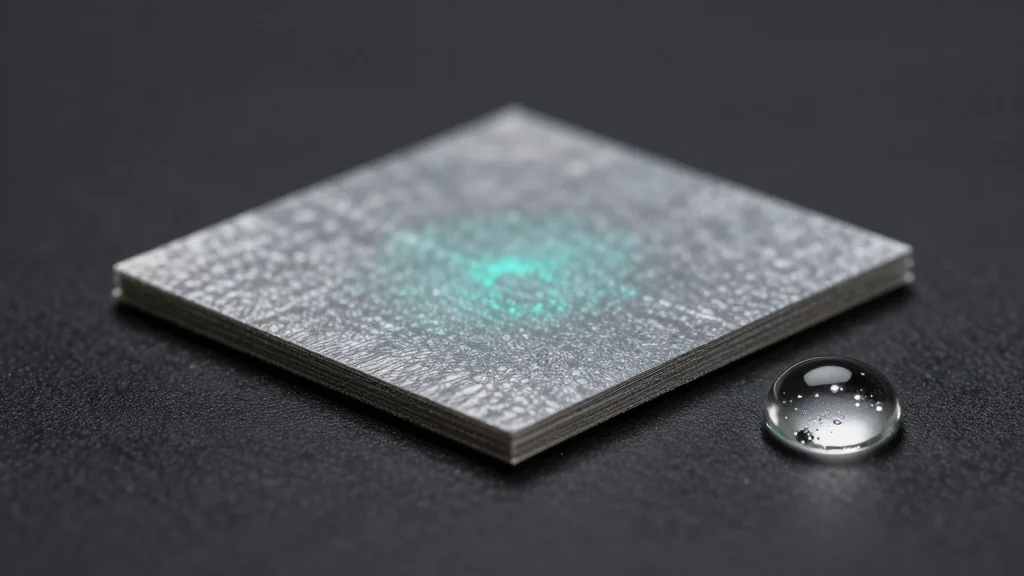
Ti3C2 MXene Nanosheets and K+/Strong Base Synergistically Regulated G‐C3N5 Jointly Construct a Novel Photogenerated Electron Capacitor for Efficient Photosynthesis of...
Researchers introduced a photo‑induced electron capacitor (MKCN) by self‑assembling Ti3C2 MXene nanosheets with potassium‑ and strong‑base‑treated nitrogen‑rich carbon nitride (g‑C3N5). The hybrid functions as a dual‑electrode system where g‑C3N5 generates electrons and MXene captures them, enabling spatial charge separation and...
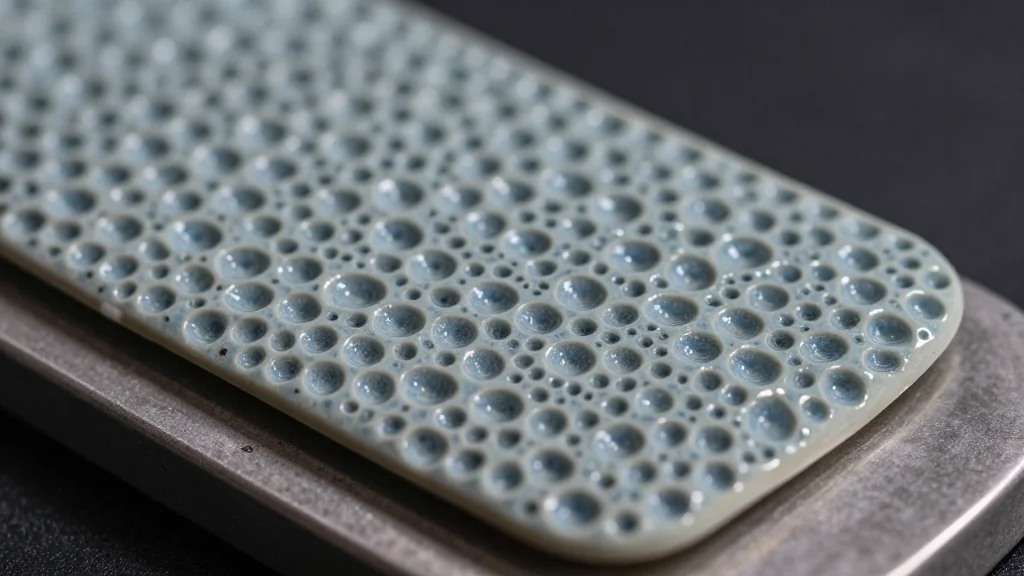
Enhancing Active Surface Area and Gas Diffusion Properties of Low‐Temperature Solid Oxide Fuel Cell Cathodes by Sputtering with Glancing Angle...
The research introduces glancing angle deposition (GLAD) to fabricate nanoporous La0.6Sr0.4Co0.2Fe0.8O3‑δ (LSCF) thin‑film cathodes for low‑temperature solid oxide fuel cells (LT‑SOFCs). By adjusting sputtering pressure and film thickness, the team achieved a nanocolumnar structure with 21.5% porosity, cutting polarization resistance...
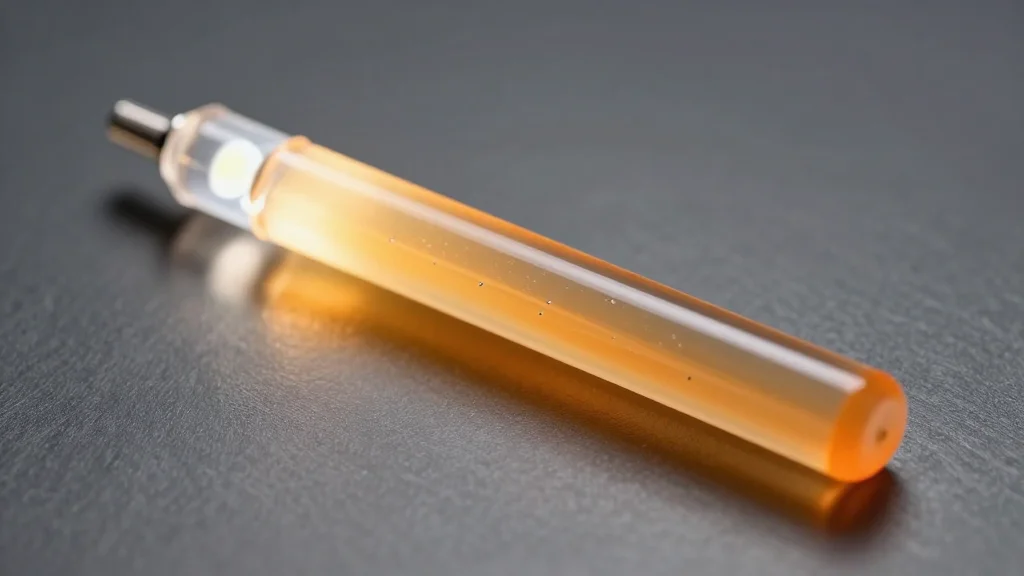
Cation‐Doped Ionic Thermoelectric Ionogels With Nonlinear Temperature‐Voltage Response Characteristics
Researchers developed a PVDF‑HFP‑based ionogel doped with various cations, achieving a thermopower of 23.7 mV K⁻¹ and a power density of 102.8 µW m⁻² K⁻². Precise temperature‑difference control induces a nonlinear temperature‑voltage response due to dynamic ion‑concentration reconstruction. An 18‑unit ionic thermoelectric device produced 2.09 V,...
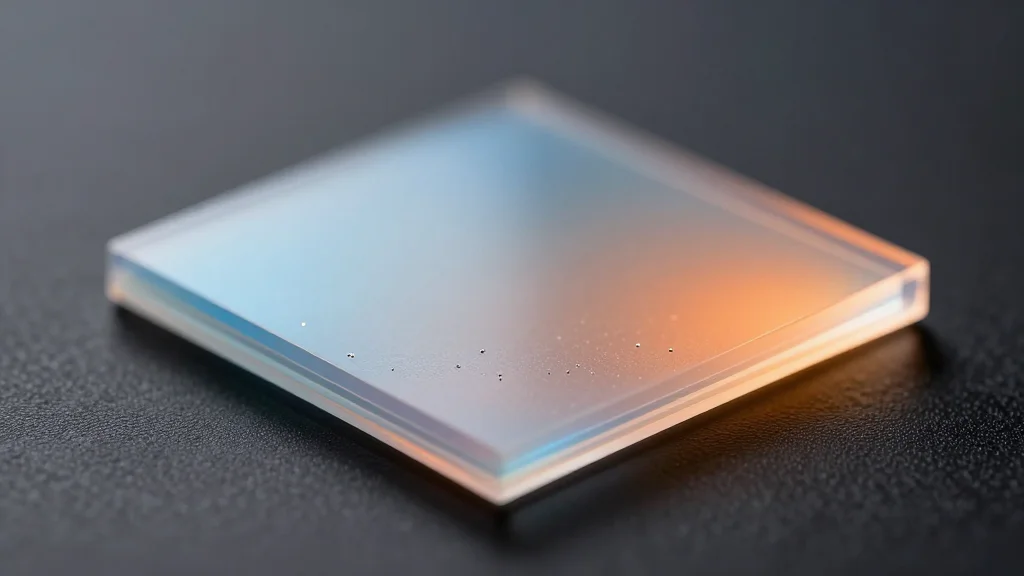
The Next Frontier in Perovskite Stability: Operando Smart‐Responsive Materials Driving the Next Revolution
Researchers are integrating stimulus‑responsive materials into perovskite solar cells to turn external stressors—light, heat, humidity—into stabilizing actions. These operando smart‑responsive layers dynamically adjust their physicochemical state, curbing ion migration and extending device lifetimes. The review outlines recent mechanisms, from reversible...
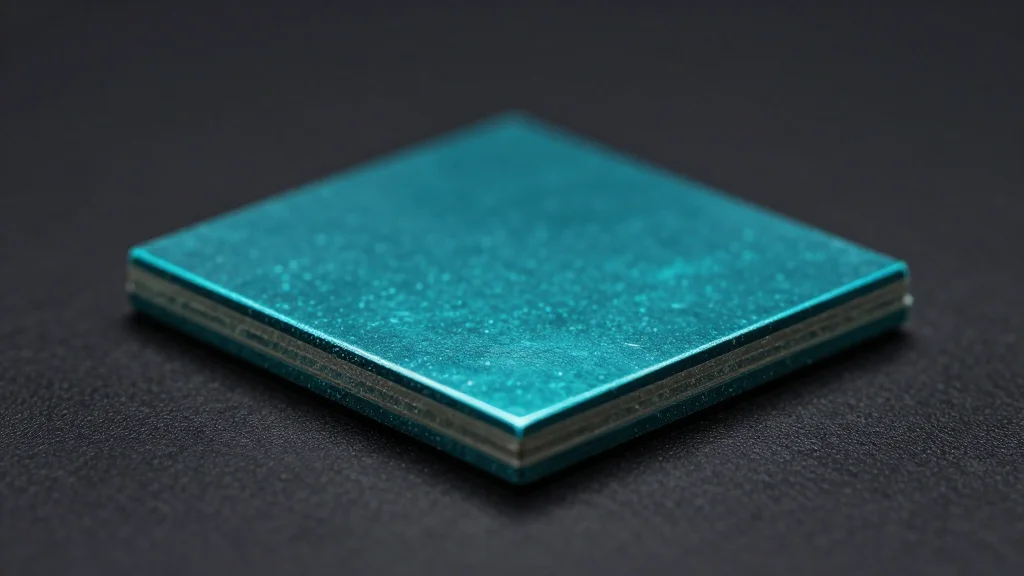
Selection of Metal–Tellurium (M–Te) Alloy as Recyclable Controlled Te Precursors for Wafer‐Scale Synthesis of MxTey Thin Films
The study presents a confined tellurization technique that uses recyclable metal‑tellurium (M‑Te) alloys as controllable tellurium sources to grow wafer‑scale metal telluride (MxTey) films. Cohesive‑energy calculations and experiments identify Au‑Te and Ag‑Te alloys as optimal, delivering steady Te flux while...
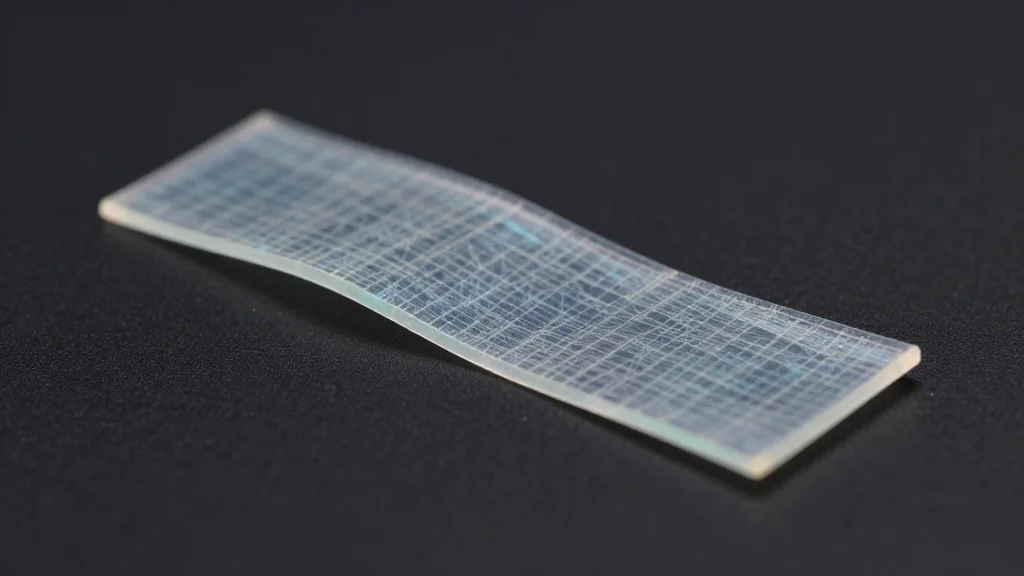
Large‐Area Bi2O2Se Nanosheets With Enhanced Optoelectronic Performance for Flexible Electronics
Researchers have demonstrated atmospheric‑pressure chemical vapor deposition (APCVD) of large‑area Bi2O2Se nanosheets, achieving domain sizes up to 0.4 mm. The nanosheets exhibit high carrier mobility—110 cm² V⁻¹ s⁻¹ at room temperature and over 3700 cm² V⁻¹ s⁻¹ at 2.3 K—while maintaining structural integrity under repeated bending. Detailed experiments...

Ligand‐Driven Optimization of Iron Oxide Nanoprobes for In Vivo MRI Enhancement at Ultra‐High Field
Researchers developed a ligand‑driven method to fine‑tune T2 relaxivity of 12 nm iron‑oxide nanoparticles for ultra‑high‑field MRI. By exchanging five surface coatings—PAA, PMA, PMAO, citric acid and silica—they achieved up to a 333 mm⁻¹ s⁻¹ increase in r₂, with citric‑acid‑coated particles reaching record...
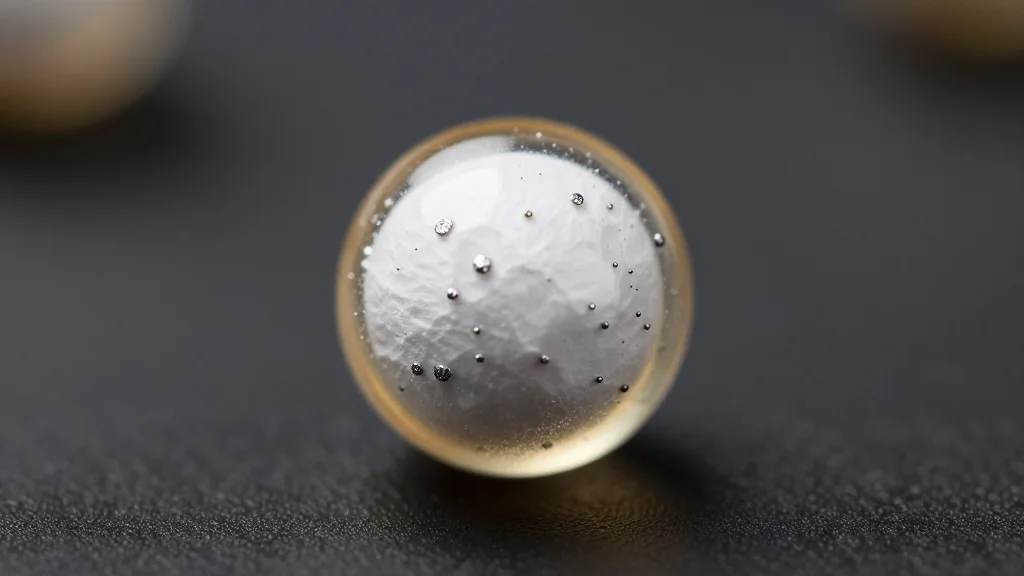
Oxygen Vacancy Shell Coupled Pt Clusters Engineering for Sunlight Driven Selective Decarboxylation of Amino Acids
Researchers have engineered a heterogeneous photocatalyst comprising a titanium‑dioxide core, an oxygen‑vacancy‑rich shell, and platinum nanoclusters. The Pt/TiO2@VO‑shell catalyst dramatically improves sunlight‑driven decarboxylation of L‑lysine, achieving 73.5% cadaverine selectivity and a productivity of 154.5 mM per gram, far surpassing conventional TiO2....

Anomalous Magnetoresistance Observed in an Antiferromagnetic Kagome Semimetal
Researchers at the Chinese Academy of Sciences have demonstrated anomalous, low‑field oscillatory magnetoresistance in an FeSn/Pt antiferromagnetic kagome semimetal heterostructure. By breaking inversion symmetry at the interface they enhanced the Dzyaloshinskii‑Moriya interaction, allowing precise control of spin configurations. Magnetic force...

Graphene-Enhanced Wallpaper Trial Launched in Fareham Military Homes
VIVO Defence Services has begun a six‑month trial of NexGen Heating’s graphene‑enhanced wallpaper in two military homes in Fareham, Hampshire. The electric graphene‑heated paper, installed on ceilings, emits low‑temperature far‑infrared radiation that warms occupants and objects within minutes, aiming to...

Magneto-Mechanical Forces Reprogram Macrophages for Tumor Immunity
Researchers have demonstrated that dynamic magneto‑mechanical forces applied within lysosomes can durably repolarize tumor‑associated macrophages from an M2 to an M1 phenotype. By loading macrophages with engineered magnetic nanoparticles and exposing them to alternating magnetic fields, the team triggered lysosomal...
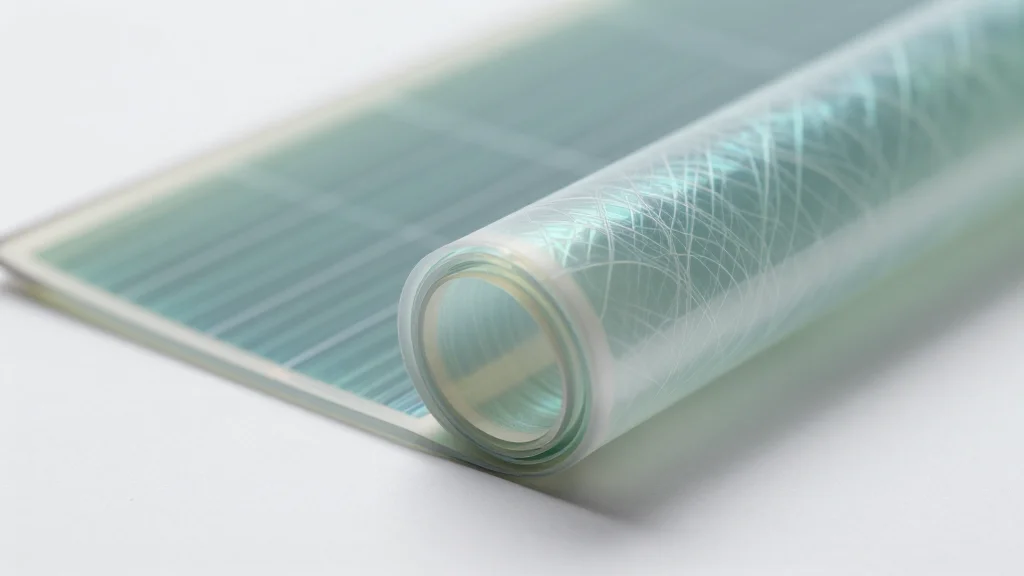
Acid Treated Carbon Nanotubes Raise Efficiency and Durability of Flexible Perovskite Solar Modules
Researchers from the Chinese Academy of Sciences and Zhengzhou University have demonstrated flexible perovskite solar modules exceeding 20% efficiency using sulfuric‑acid‑treated single‑walled carbon nanotube (SWCNT) window electrodes. The acid treatment raises the conductivity of the SWCNT network and creates a...

Polymer Nanoparticles Drive Platinum Free Solar Hydrogen
A research team at Chalmers University has demonstrated that conjugated polymer nanoparticles can photocatalytically split water into hydrogen using sunlight, eliminating the need for costly platinum. By engineering hydrophilic, loosely packed polymer chains, the particles achieve a production rate of...
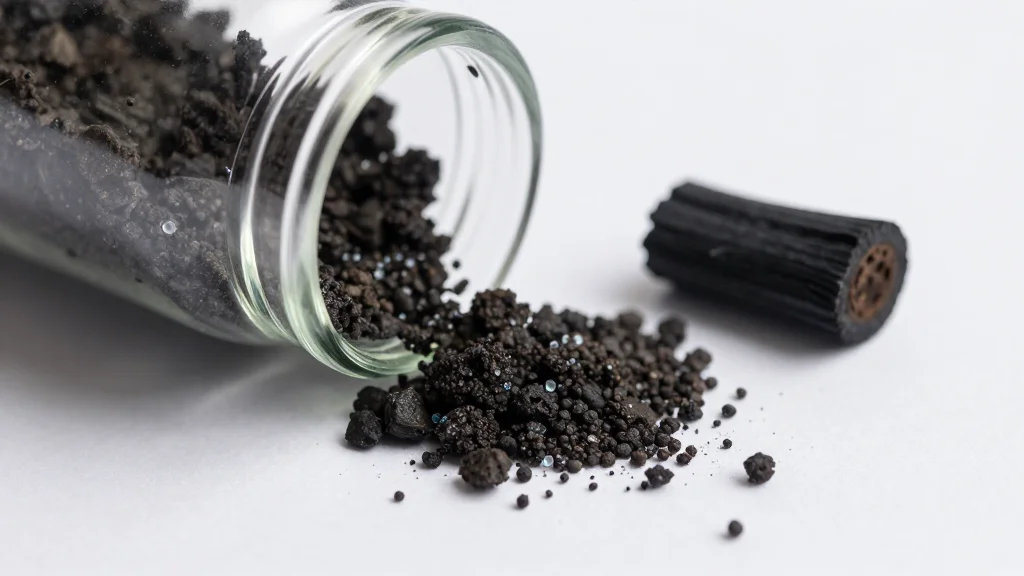
Corn Cob Biochar Filters Pull Ammonia and Micro and Nanoplastics From Water
Researchers at the University of Delaware have converted discarded corn cobs into high‑performance biochar filters that simultaneously adsorb dissolved ammonia and micro‑/nanoplastic particles. In lab tests, the optimized 700 °C corn‑cob biochar (CCB700) removed about 64% of ammonia at 10 ppm and...
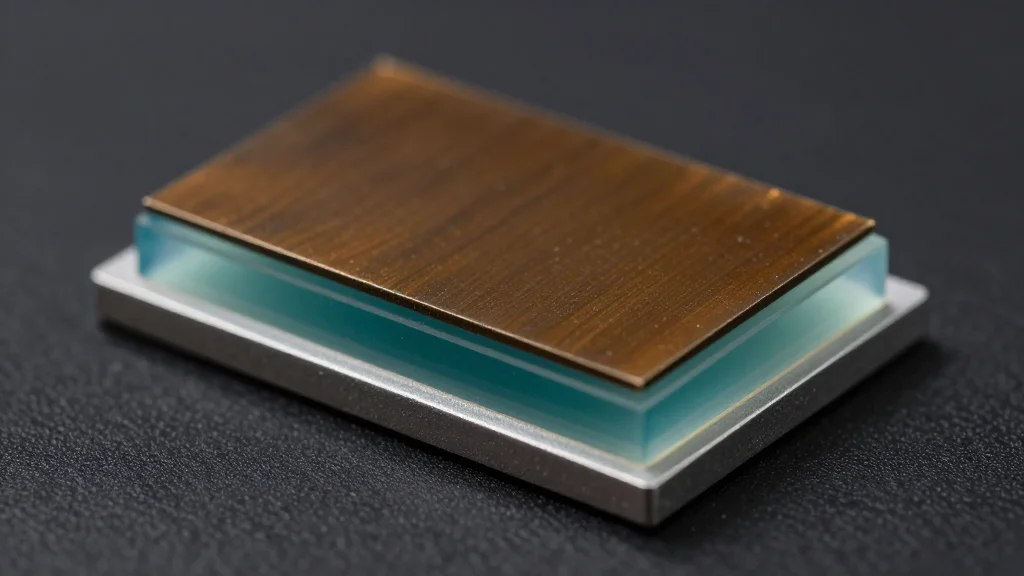
Germanium Oxide Interface Boosts Tin Monosulfide Thin Film Solar Cell Efficiency and Stability
Researchers at Chonnam National University introduced an ultra‑thin germanium oxide (GeOₓ) interlayer to improve the rear‑contact interface of tin monosulfide (SnS) thin‑film solar cells. The 7 nm GeOₓ layer, formed by vapor‑transport deposition and natural oxidation, suppresses deep‑level defects, blocks sodium...

Study Links Bottled Water to Higher Nanoplastic Levels than Tap
Researchers at Ohio State University found that popular bottled water brands contain roughly three times more nanoplastic particles than treated municipal tap water. The study introduced a combined scanning electron microscopy and optical photothermal infrared spectroscopy technique capable of detecting...

Paclitaxel Expands TREM2+ Macrophages, Reducing Efficacy
A recent preclinical study reveals that paclitaxel treatment expands TREM2‑positive macrophages within the tumor microenvironment, dampening anti‑tumor immune responses. The increase in these immunosuppressive cells correlates with a measurable reduction in paclitaxel’s cytotoxic efficacy across several cancer models. Researchers demonstrated...

Niobium Bilayers: XPS Demonstrates 17 Capping Layers Resist Surface Oxidation
Scientists used X‑ray photoelectron spectroscopy to evaluate 17 niobium capping layers for their ability to block oxygen diffusion. The rapid, non‑destructive XPS method identified metal nitrides and zirconium as the most resilient barriers, while 5 nm noble metals proved ineffective. Resonators...
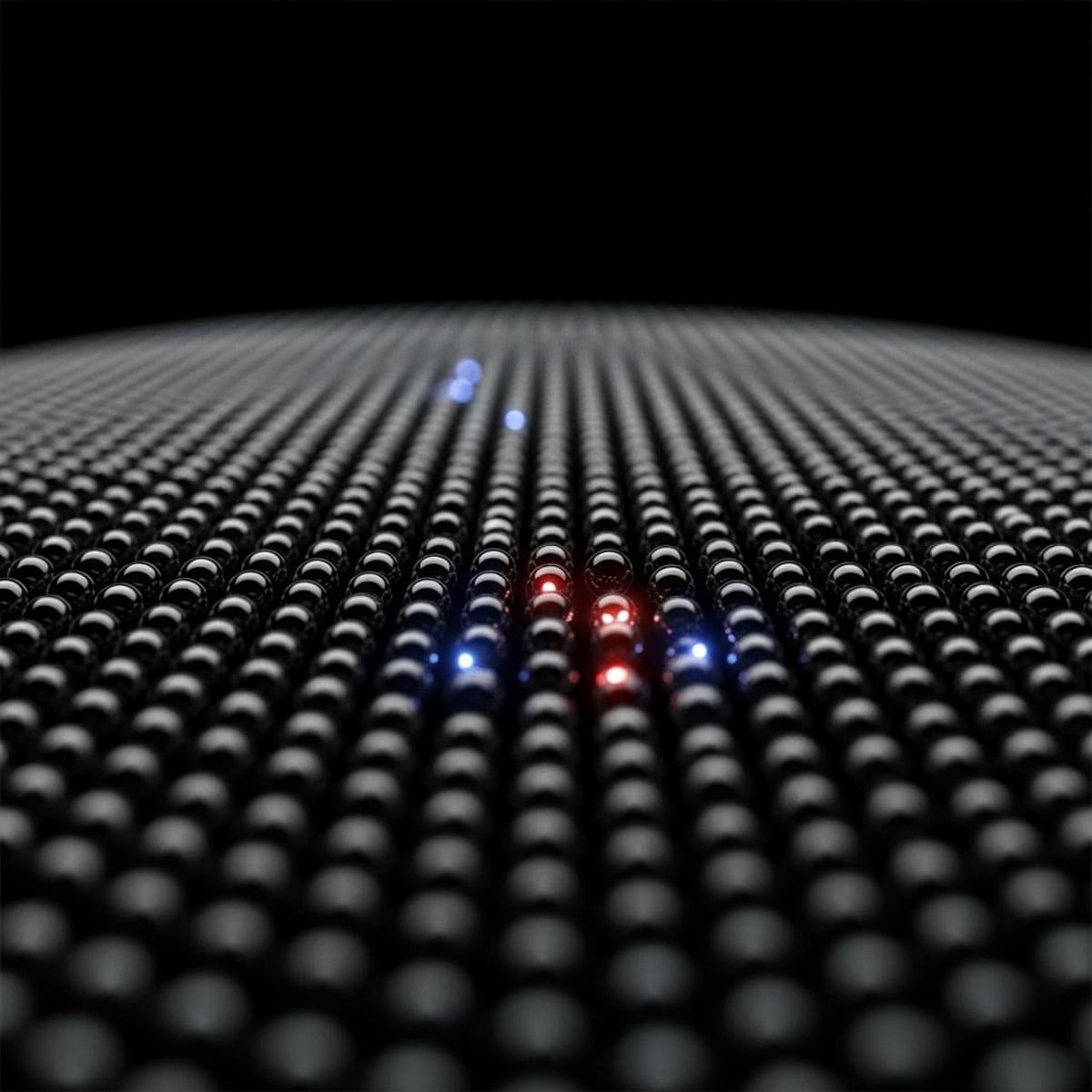
Researchers Identify Sp Dangling Bonds on H-C(100) Surfaces for Diamond Technologies
Researchers from the Australian National University and La Trobe University introduced a scanning tunnelling spectroscopy (STS) protocol that reliably identifies sp³ dangling bonds on hydrogen‑terminated diamond (H‑C(100)). By pairing high‑resolution STS measurements with density‑functional theory calculations, they mapped defect‑related electronic...

Researchers Demonstrate Collective Emission From Hexagonal Boron Nitride Emitter Ensembles
Researchers have demonstrated superradiant, cooperative light emission from quantum emitters embedded in hexagonal boron nitride (hBN) layers at room temperature. By using localized electron‑beam irradiation to form tightly spaced B‑center defect ensembles, they observed a super‑linear increase in photoluminescence intensity...

Identifying Mechanisms that Support Nanoparticle Therapy for Autoimmune Diseases
Northwestern Medicine researchers identified how a biodegradable nanoparticle therapy induces antigen‑specific tolerance in autoimmune disease models. The study shows myeloid cells ingest the particles, undergo apoptosis, and release oxidized DNA that activates the STING pathway, leading to type‑I interferon production....
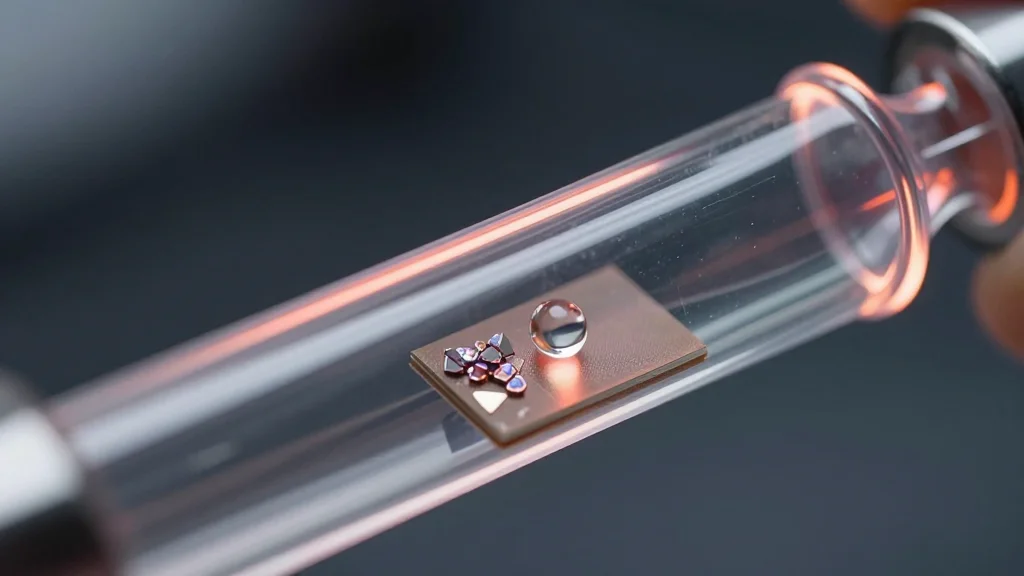
Real-Time View Inside Microreactor Reveals 2D Semiconductor Growth Secrets
A team led by Hiroo Suzuki at Okayama University captured real‑time, atomic‑scale images of monolayer transition metal dichalcogenide growth inside a micro‑reactor using an infrared‑heated CVD system. The study identified distinct growth regimes—triangular, hexagonal, and ribbon‑like crystals—driven by molten precursor...

How Aircraft Wing Physics Could Accelerate the Next Generation of RNA Medicines
Researchers at University College Dublin have created an aerofoil‑shaped microfluidic platform that delivers consistent lipid nanoparticle (LNP) formulations from milliliter‑scale screening to liter‑scale production. The MiNANO‑form cartridge can run eight parallel, contamination‑free mixes using as little as 0.1 mL of reagents,...
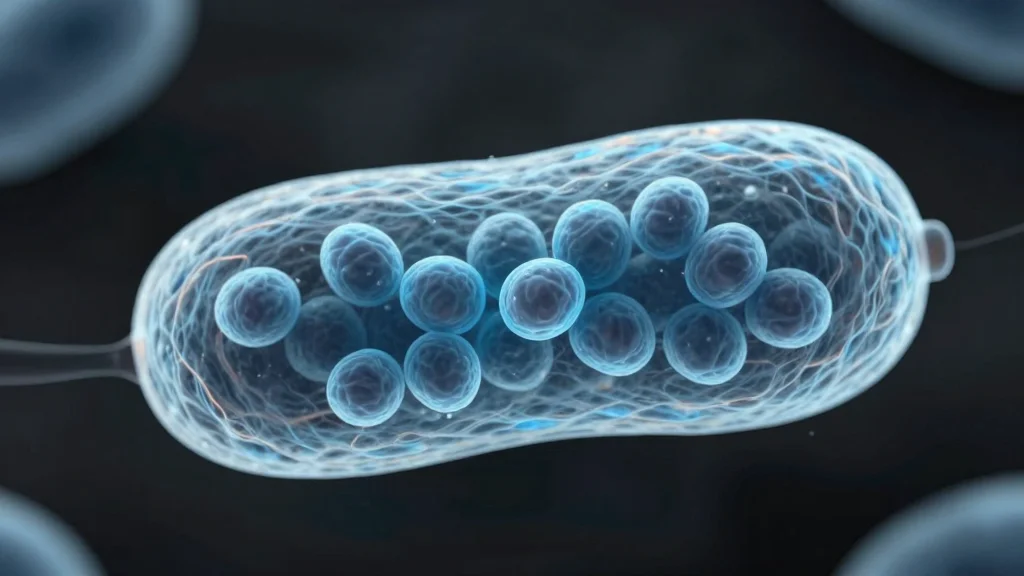
Two-Step Approach Creates More Sustainable Protein Nanostructures for Advanced Sensing and Therapeutics
Researchers at Rice University introduced a two‑step, dual‑inducer genetic system that decouples the expression of gas vesicle assembly factors from the shell protein in Escherichia coli. By giving assembly factors a two‑ to three‑hour head start, the method reduces cellular...

Lam Research & CEA-Leti Partner to Accelerate Next-Gen Specialty Tech Fabrication
Lam Research and France’s CEA‑Leti have signed a multi‑year agreement to speed development of next‑generation specialty‑technology devices. The partnership combines Lam’s etch, deposition and its Prestis™ pulsed laser deposition system with CEA‑Leti’s advanced device‑characterization platform to tackle material and integration...
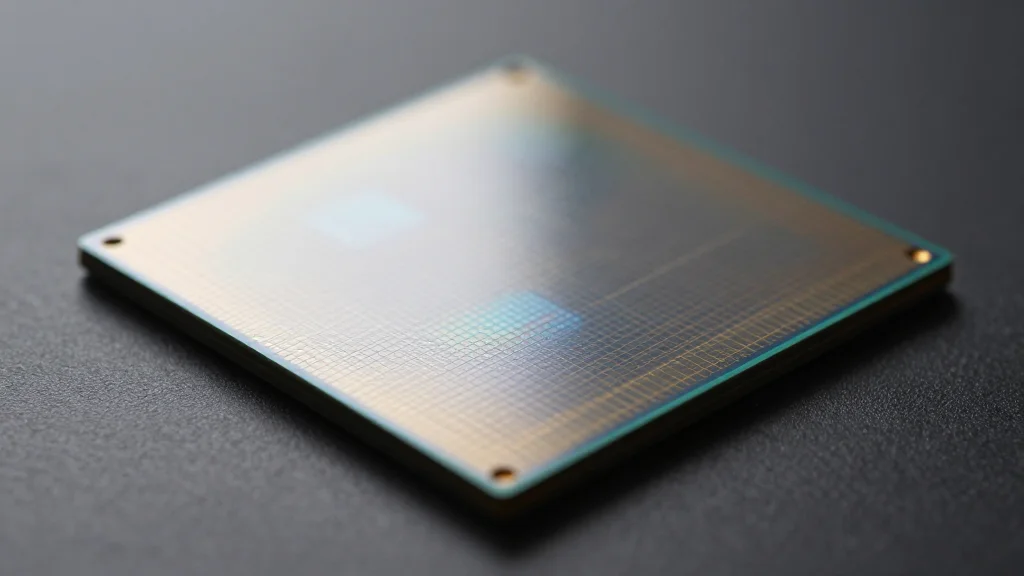
Thermonat Makes Nanoscale Thermal Prediction Practical for Real-World Chip Design
DARPA’s Thermonat program delivered nanoscale thermal modeling that matches atom‑level accuracy while cutting computation time by over 1,000×. The technology predicts chip temperatures within 1 °C of ground truth, addressing a critical barrier for sub‑10 nm transistor designs. Spin‑outs such as AtomTCAD...
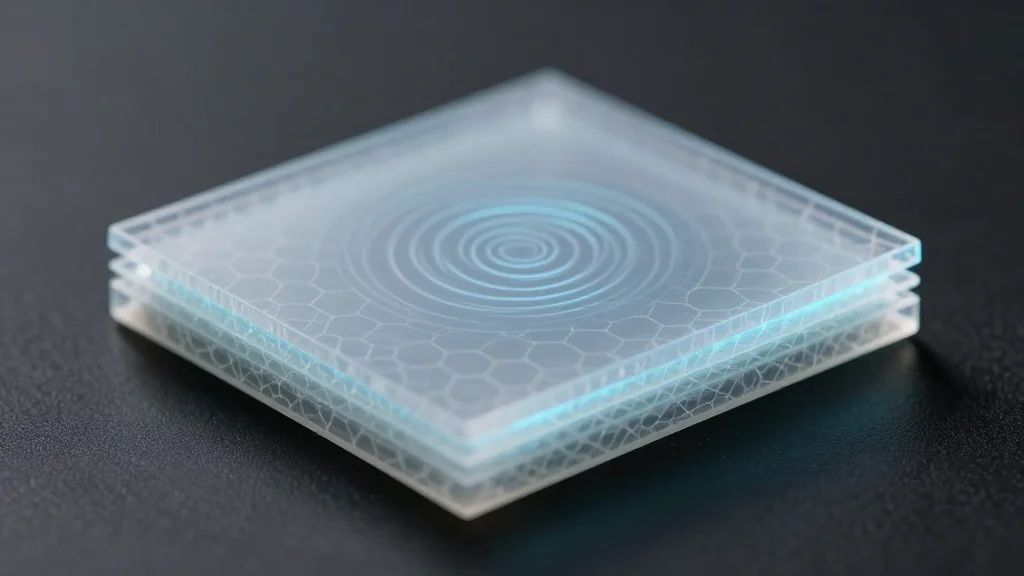
Voltage Tunable Polaritonic Crystals Bring Dynamic Control to Nanoscale Light
Researchers have created a hybrid polaritonic crystal that layers a patterned alpha‑phase molybdenum trioxide film with an electrically gated graphene sheet. The structure supports hybrid phonon‑plasmon polaritons, preserving the low‑loss, directional nature of phonon polaritons while gaining graphene’s voltage‑controlled tunability....
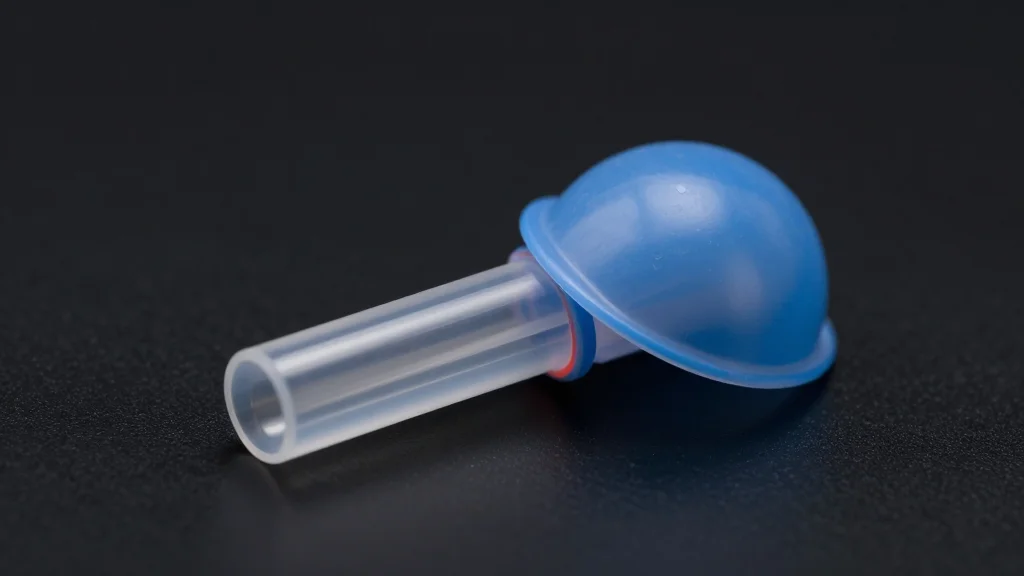
Nanotubes with Lids Mimic Real Biology
Lawrence Livermore National Laboratory and University of Maryland scientists engineered carbon nanotubes with pH‑responsive lid structures that act as molecular gates, mimicking biological ion channels. The lids close under acidic conditions, blocking water and ion flow, and open at neutral...

Giant Second-Harmonic Generation Achieves 104 Susceptibility in Bismuth Monolayer
Researchers at Fudan and Sun Yat‑Sen Universities demonstrated that buckling a bismuth monolayer triggers a topological transition, dramatically boosting its second‑harmonic generation (SHG) response. First‑principles calculations show a static susceptibility exceeding that of MoS₂ by two orders of magnitude, with...
Excited‐State Dynamics in Lead Halide Perovskite Nanocrystals: Effects of Size, Shape, Doping, and Surface Modifications
The review surveys how size, shape, composition, surface ligands, metal‑ion doping, temperature, and heterostructure engineering influence the excited‑state dynamics of lead halide perovskite nanocrystals. It contrasts these perovskite NCs with traditional chalcogenide quantum dots, highlighting distinct defect states and relaxation...
Oxygen Vacancy‐Engineered High‐Entropy Oxide Nanozymes for Spatiotemporal Cascading Antifouling in Marine Environments
Researchers have engineered oxygen‑vacancy‑rich high‑entropy oxide nanozymes (Vo‑HEO) that mimic haloperoxidase activity to produce both hydroxyl radicals and long‑lived hypobromous acid (HOBr). The dual catalytic system delivers rapid oxidative damage at the surface while HOBr diffuses into bulk water, suppressing...
Harnessing the Heavy‐Atom Effect and Linkage Engineering in Isomorphic COFs for Enhanced H2O2 Photosynthesis
The research introduces a heteroatom‑tuned covalent organic framework (COF) strategy that dramatically boosts photocatalytic H2O2 synthesis. By incorporating sulfur atoms and optimizing linker geometry, the thiourea‑based COF‑127 delivers a record 6672 µmol g⁻¹ h⁻¹ production rate and an 11.03% apparent quantum yield without...

How PNIPAM Microgel Architecture Controls Pickering Foam Formation
Researchers examined how the internal architecture of poly(N‑isopropylacrylamide) (PNIPAM) microgels affects Pickering foam formation. They found that microgels with a distinct core‑shell structure generate larger foam volumes, smaller bubbles, and higher liquid fractions compared with less‑structured particles. Faster interfacial adsorption...