Today's Nanotech Pulse

Left‑handed DNA origami tubes double chemotherapy efficacy
Researchers at the Cancer Center at Illinois showed that left‑handed DNA origami tubes loaded with the drug Daunorubicin kill acute myeloid leukemia cells more than twice as effectively as right‑handed tubes. The tubes display CD117‑targeting aptamers and their left‑handed geometry promotes rapid internalization, boosting cell‑killing potency.
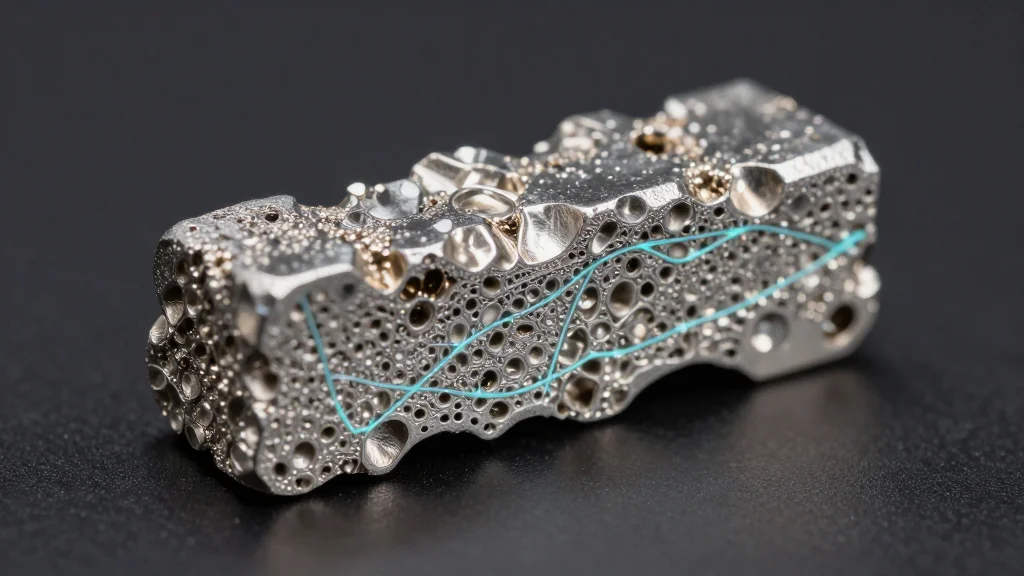
High Thermoelectric Performance Achieved in Nb0.8Ti0.2FeSb via PbI2‐Driven Multiscale Defect Engineering
Researchers introduced PbI2 into Nb0.8Ti0.2FeSb half‑Heusler alloys, forming a multiscale hierarchical microstructure during sintering. The engineered defects create a full‑spectrum phonon‑scattering network that cuts lattice thermal conductivity by 32% to 3.34 W m⁻¹ K⁻¹ at 973 K. Simultaneously, grain‑boundary barriers are lowered, boosting carrier concentration and electrical conductivity, which lifts the power factor to 52.7 µW cm⁻¹ K⁻² and pushes the thermoelectric figure of merit (zT) to approximately 1. The material also gains 38% higher compressive strength, demonstrating that sublimable additives can enhance both performance and durability.

Genetically Encoded Sterol‐Modification of a Synthetic Intrinsically Disordered Protein Drives Its Self‐Assembly Into Diverse Morphologies
Researchers engineered a mutant Hedgehog C‑terminal domain to covalently attach five distinct sterols to elastin‑like polypeptides, creating Sterol‑Modified Polypeptides (STaMPs). The sterol’s hydrophobicity (logD) dictates whether the resulting polymer remains monomeric or self‑assembles into spherical micelles. Sterol conjugation also shifts...
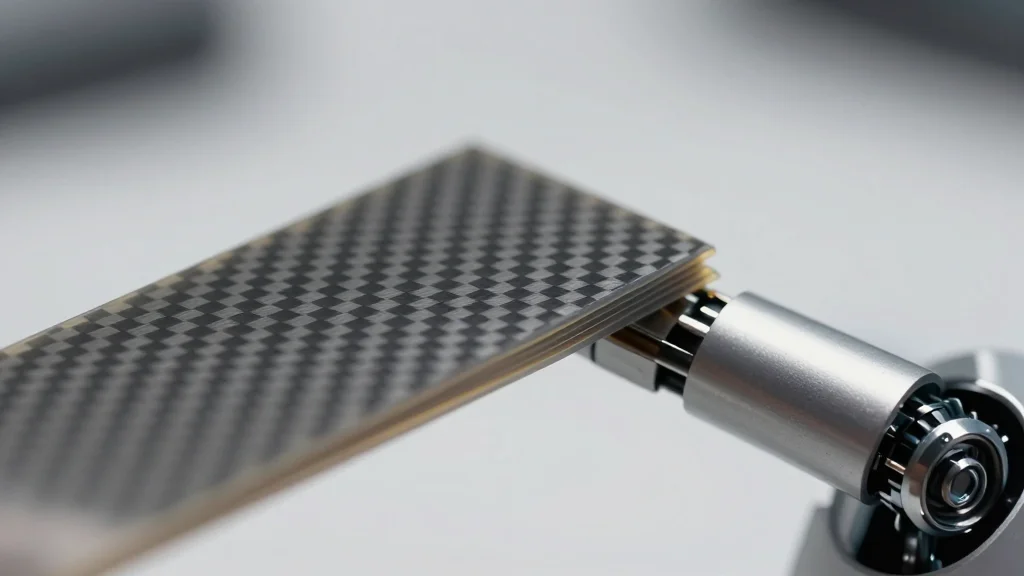
Stacked Carbon Nanotube Films Turn a Touch Sensor Into a Self-Computing Skin
Researchers at Xiamen University have created a flexible electronic skin that uses vertically stacked carbon‑nanotube films to sense both touch location and pressure simultaneously. The multilayer design produces a single analog signal for position and uses the number of activated...

Zwitterionic Self‐Constraining Lubricant Coating for Prevention of Dust‐Induced Icing
Researchers have introduced a zwitterionic self-constraining lubricant (SCL) coating that merges the ionic liquid EMIES with a zwitterionic copolymer to combat dust‑induced icing. The embedded EMIES raises surface conductivity to about 2.04 S/m, dissipating static charge that would otherwise attract dust...

Solvent‐Regulated CPL Enhancement via Chiral Transfer in Efficient Luminescent Ionic Hydrogen‐Bonded Frameworks for Information Encryption
Researchers introduced a multistage chiral‑transfer strategy that leverages hydrogen‑bond bridges to build ionic hydrogen‑bonded organic frameworks (R/S‑iHOF‑40). The new material exhibits a record‑high circularly polarized luminescence quantum yield of 67.8%, far surpassing the 5.41% of the parent HOF. Structural analysis...

Nanomedicine Strategies for Autoimmune Diseases: Targeting and Reprogramming Macrophages
A recent review highlights nanomedicine approaches that target and reprogram macrophages to treat autoimmune diseases. By exploiting nanodrug platforms, researchers can deliver agents directly to pathogenic macrophages, minimizing systemic exposure. The strategy has shown efficacy across rheumatoid arthritis, inflammatory bowel...
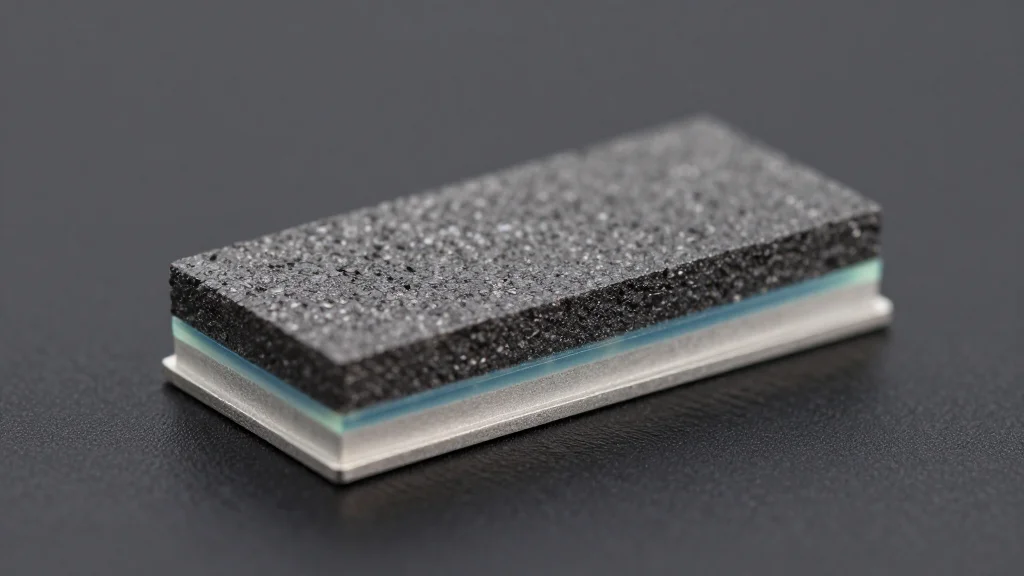
Bipolar Switching and Synaptic Behaviors Observed in Titanium‐Constrained Phase‐Change Heterostructures
Researchers introduced titanium interlayers into antimony‑telluride phase‑change memory, creating a bipolar PCRAM device that operates at roughly ±0.6 V. The titanium barrier curtails long‑range atomic migration, boosting endurance beyond 8 × 10⁴ cycles. The device reproduces key synaptic functions—potentiation, depression, and spike‑timing‑dependent plasticity....

Chiral Raises $12M in Seed Funding
Chiral, a Zurich‑based nanotechnology spin‑off from ETH Zurich and Empa, announced a $12 million seed round led by Crane Venture Partners, with participation from Quantonation, HCVC, Founderful and public funding from Innosuisse. The financing follows a 2024 pre‑seed round and will...

Nanotoxicology Moves Beyond Short Term to Integrated Safety Frameworks
Recent editorial in *Nanomaterials* highlights a paradigm shift in nanotoxicology toward predictive, mechanism‑based safety frameworks. Researchers are moving beyond short‑term cytotoxicity to assess chronic, low‑dose, system‑level effects of engineered nanoparticles across diverse biological models. Integration of computational tools such as...

Printable Potentiometric Ion‐Selective Electrodes Based on Carbon Fiber and Ti3C2Tx MXene Nanoflakes: Eliminating Complex Modifications (Small 8/2026)
Researchers led by Evgeny Smirnov have demonstrated printable potentiometric ion‑selective electrodes (ISEs) that combine carbon fiber substrates with Ti3C2Tx MXene nanoflakes. The MXene coating eliminates the need for multi‑step surface chemistries traditionally required for ISE fabrication. Comparative tests show MXene‑modified...

Defect Engineering in Large‐Scale CVD‐Grown Hexagonal Boron Nitride: Formation, Spectroscopy, and Spin Relaxation Dynamics
Hexagonal boron nitride (hBN) is a promising host for solid‑state quantum emitters, but scalable defect creation in large‑area CVD films has been elusive. Researchers demonstrated that ion, neutron, and electron irradiation can selectively generate negative boron‑vacancy (V_B⁻) defects, with defect...
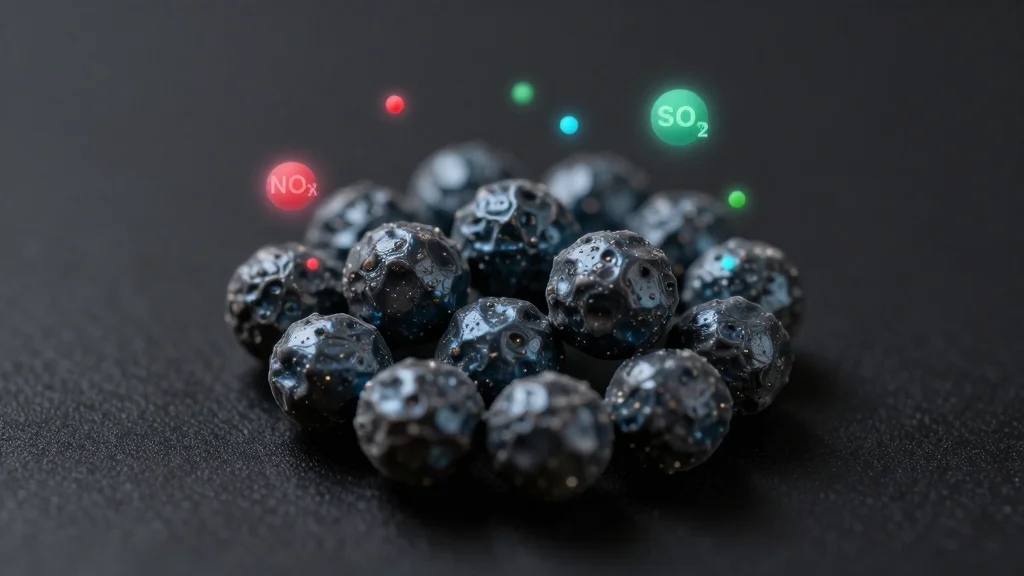
Recent Advancement of the Cobalt‐Based Catalysts for Gaseous Pollutants Emission Control
The review consolidates recent progress in cobalt‑based catalysts for mitigating a broad spectrum of gaseous pollutants, including NOx, VOCs, SO2, H2S, CO2 and O3. It establishes design principles that connect catalyst structure, defect chemistry, and redox behavior to pollutant‑specific performance....
Biomass‐Derived Carbon for Boosting Photocatalysis
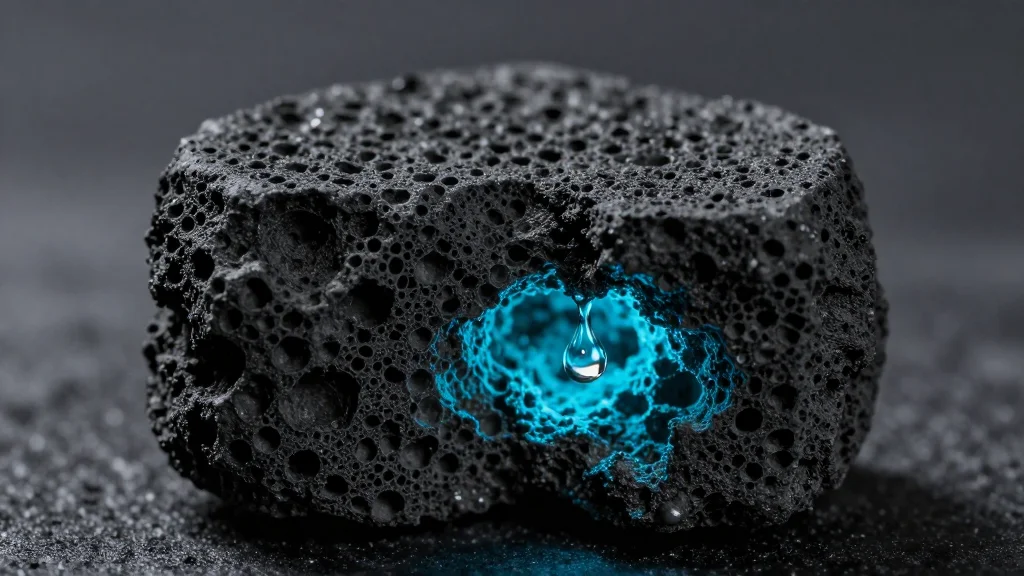
Biomass‑derived carbon (BDC) is emerging as a sustainable electron‑acceptor material for high‑performance photocatalysts. The review categorizes BDC synthesis into bottom‑up hydrothermal carbonization of soluble carbohydrates and top‑down conversion of natural biomass into biochar, detailing how feedstock diversity shapes morphology and...

Laser‐Shocked RuO2–FeCo2O4 Interface for Ultralow‐Voltage Hydrazine Splitting and Autonomous Hydrogen Production
Researchers used a continuous‑wave CO₂ laser to synthesize a RuO₂–FeCo₂O₄ heterointerface in just two minutes, creating a bifunctional catalyst for both hydrogen evolution and hydrazine oxidation. The composite delivers an HER overpotential of 50 mV and a HzOR potential of –21 mV...
Research Progress on Nickel‐Based Materials in Supercapacitors: A Review of Electrode Materials and Device Properties
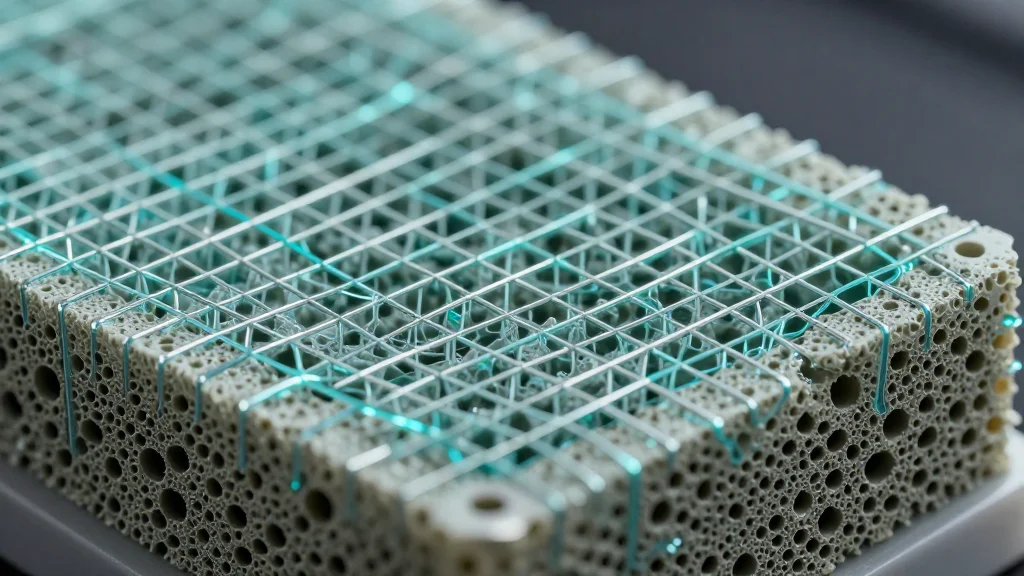
Recent research highlights nickel-based materials as promising electrodes for supercapacitors, combining high conductivity, reactivity, and specific capacity. The review details synthesis routes, multimorphological nanostructures, and synergistic material‑modification strategies supported by theoretical calculations. It also identifies persistent challenges such as complex...
Highly Selective Photocatalytic Degradation of Organic Pollutants by ZnO@C Core–Shell Nanoparticles Via Superoxide Radical Pathway
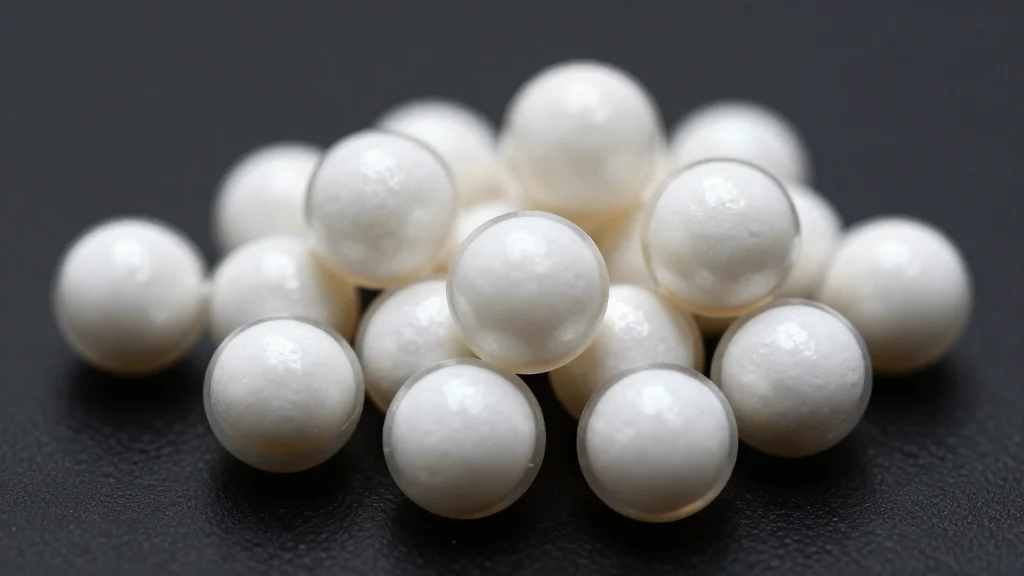
Researchers developed a two‑step synthesis of ZnO@C core‑shell nanoparticles that dramatically improve visible‑light photocatalytic degradation of organic dyes. The ultrathin carbon shell enhances light absorption, charge separation, and generates superoxide radicals as the primary reactive species. Compared with bare ZnO,...
Synergistic Integration of Quantum Materials with Smart Electrolytes for Next‐Generation Multifunctional Supercapacitors: Advances, Challenges, and Future Prospects
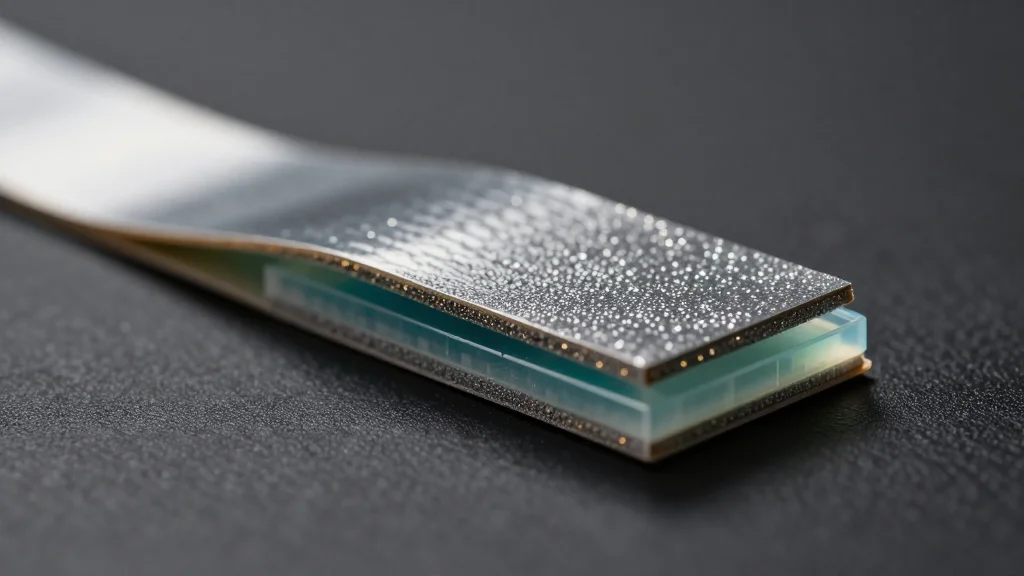
The integration of quantum materials with smart electrolytes is reshaping supercapacitor technology, delivering flexible, wearable devices with markedly higher energy density. Quantum dots, MXenes, MOFs, COFs, and TMDs provide quantum‑level charge storage, while stimulus‑responsive electrolytes add self‑healing and shape‑memory functions....
Versatile Organic Materials Advancing Non‐Metal Ion Storage in Zinc Batteries
The review systematically surveys organic electrode materials for non‑metal ion storage in aqueous zinc batteries, categorizing small molecules, conjugated polymers, and covalent organic frameworks. It details how H⁺, NH₄⁺, and anionic carriers such as Cl⁻, CF₃SO₃⁻, and ClO₄⁻ interact with...

Carbon Nanotube Artificial Muscles Multistimuli Actuation Mechanisms and Emerging Applications
The review surveys carbon‑nanotube (CNT) artificial muscles, detailing their structural designs—from flat sheets to coiled yarns and core‑sheath hybrids—and the range of multistimuli actuation mechanisms they support. It contrasts voltage‑driven electrochemical actuation with thermal, photothermal, and solvent‑induced pathways, highlighting performance...

Advancements in Catalytic Technologies for Chemical Hydrogen Storage: Materials, Mechanisms, and Future Prospects
The review surveys recent catalytic breakthroughs for chemical hydrogen storage, focusing on liquid organic hydrogen carriers (LOHCs) and ammonia (NH3). It details advances in noble‑metal, transition‑metal, bimetallic and single‑atom catalysts that improve hydrogenation and dehydrogenation kinetics. The authors highlight persistent...
From Electronic Structure to Catalytic Function: Rare Earth–Driven Strategies for CO2 Electroreduction
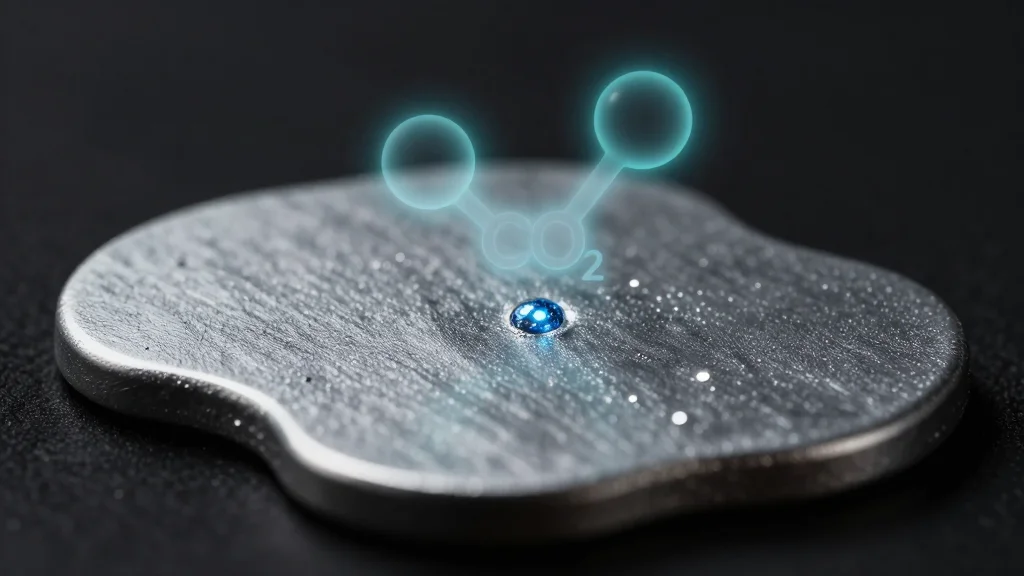
The review highlights rapid progress in rare‑earth‑based electrocatalysts—single‑atom catalysts, alloys, and oxides—for electrochemical CO₂ reduction. By exploiting the 4f orbital flexibility and strong oxophilicity of rare‑earth elements, researchers have achieved higher activity, improved product selectivity, and longer catalyst lifetimes compared...
Establishing Hybrid Electrode Frameworks via Hierarchical Integration of MOFs and Conducting Polymers for Multidimensional Redox Synergy
Researchers have created a multidimensional hybrid electrode (mPFC) by integrating 2D Fe‑BTC metal‑organic framework nanosheets with a polyaniline‑poly(styrenesulfonate) (PANI:PSS) conducting polymer on flexible carbon cloth. The hierarchical architecture provides strong interfacial coupling and continuous ion/electron pathways, yielding a reversible capacity...

Defect Engineering in Large‐Scale CVD‐Grown Hexagonal Boron Nitride: Formation, Spectroscopy, and Spin Relaxation Dynamics (Small 8/2026)
Researchers led by Ivan V. Vlassiouk have demonstrated controlled creation of optically active defects in large‑scale chemical vapor deposition (CVD) grown hexagonal boron nitride (hBN). By using suspended hBN films and tuning the energy and type of bombarding particles, they...

Role of Defects on the Electrochemical Activity of ZnV2O4 Spinel Cathode for Secondary Zn‐Ion Batteries
Researchers investigated ZnV2O4 spinel cathodes for aqueous zinc‑ion batteries, revealing that the first charge induces a conversion to a Zn‑deficient, disordered vanadium oxide phase. This newly formed phase supports reversible Zn²⁺/H⁺ co‑insertion, improving ion diffusion and providing additional redox sites....
Multimodal Phototherapy‐ and Ferroptosis‐Enhanced Ga(III) Supramolecular Nanomicelle for Tumor Theranostics
Researchers have engineered a hierarchically assembled supramolecular nanomicelle with a gallium(III) core that integrates a metal–organic dye (Cy71‑Ga) and a camptothecin‑hyaluronate conjugate (CPT‑HA). The nanomicelle delivers targeted chemotherapy, photothermal/photodynamic therapy, and induces ferroptosis by downregulating xCT and CD98, while also...

Printable Potentiometric Ion‐Selective Electrodes Based on Carbon Fiber and Ti3C2Tx MXene Nanoflakes: Eliminating Complex Modifications
Researchers have developed printable ion‑selective electrodes (ISEs) that replace traditional polyelectrolyte layers with Ti₃C₂Tx MXene nanoflakes on carbon fiber substrates. Two formats were demonstrated: MXene‑only electrodes on glass and screen‑printed MXene ISEs on flexible PVC, both targeting calcium‑ion detection. Tests...

Programmable Photothermal Upcycling of Mixed Polyesters via Light‐Intensity Gating on a Bifunctional Zn/Co‐ZIF‐C Catalyst
Researchers have engineered a bifunctional Zn/Co‑ZIF‑C catalyst that uses light‑intensity gating to depolymerize mixed polyester waste in a single reactor. By adjusting irradiation power, polycarbonate, PLA, and PET are selectively glycolysed at 420, 520 and 650 mW cm⁻², respectively, yielding high‑purity monomers....

Recent Advances in Strong Metal‐Support Interaction Engineering for Dry Reforming of Methane Catalysts
The review details how strong metal‑support interactions (SMSI) are being engineered to create more stable and active catalysts for dry reforming of methane (DRM). It covers both non‑noble (Ni, Co, Fe) and noble (Rh, Ru, Pt) systems, highlighting oxide encapsulation,...
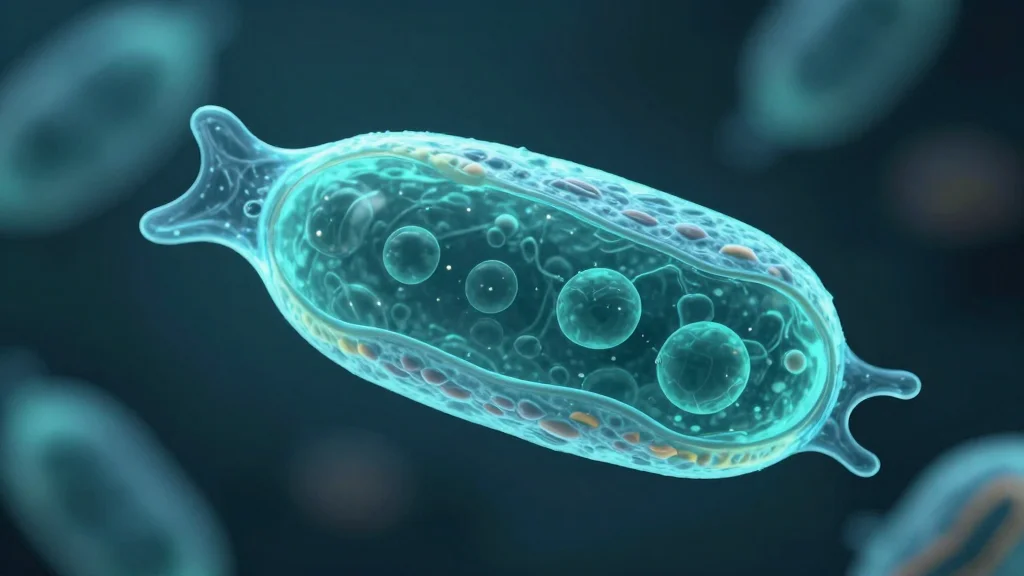
Delivery of Antisense Oligonucleotides Using the Nano‐Cell Vesicle Technology System (nCVTs) for Targeted Cancer Therapy
Researchers introduced Nano‑Cell Vesicle Technology (nCVTs), a hybrid system that merges cationic lipids with tumor‑derived cell membranes to ferry antisense oligonucleotides (ASOs) into cancer cells. The platform achieved superior cytoplasmic and nuclear delivery compared with conventional liposomes and free ASOs,...

Engineering Hierarchically Nano‐Structured Cu Foams: Dynamic Hydrogen Bubble Templated Binder‐Free Freestanding Electrodes for Energy Applications
Researchers employed dynamic hydrogen bubble templating (DHBT) to fabricate binder‑free, freestanding copper foams with hierarchical porosity and surface nano‑structures. By adjusting deposition current density, waveform, stirring, temperature, and electrolyte composition, they systematically tuned pore size, density, thickness, and electrochemically active...
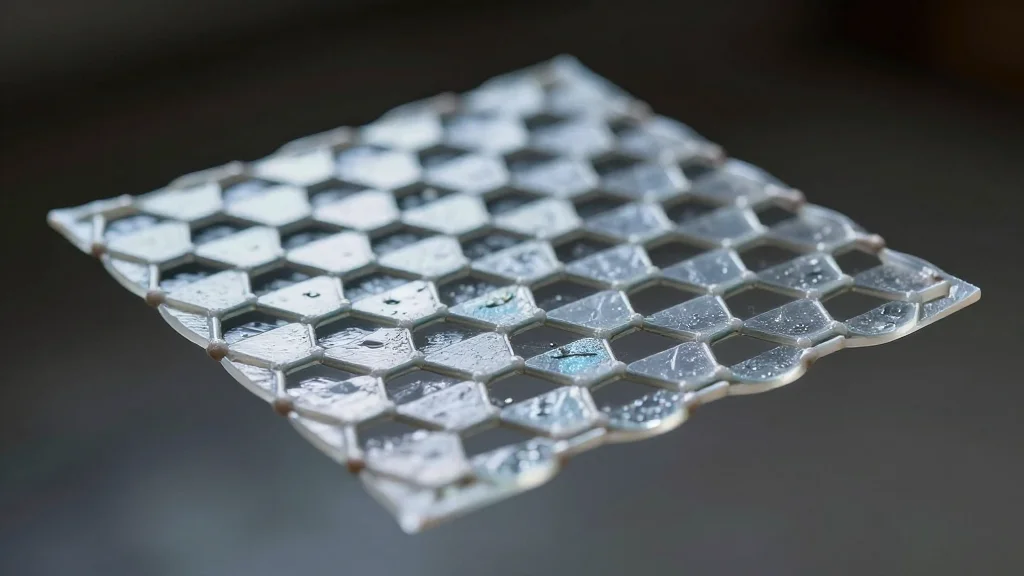
Atomic Structure Control of Graphene Oxide by Cascading Oxidation and Its Efficient Binding to Aromatic Compounds
Researchers introduced a cascading oxidation technique that produces low‑oxidation graphene oxide (LoxGO) using an oxidant‑to‑graphite ratio of just 0.5. The resulting material contains 41.8% graphitic regions and enlarged graphitic domains (~8.3 nm²) with virtually no holes. These structural advantages translate into...
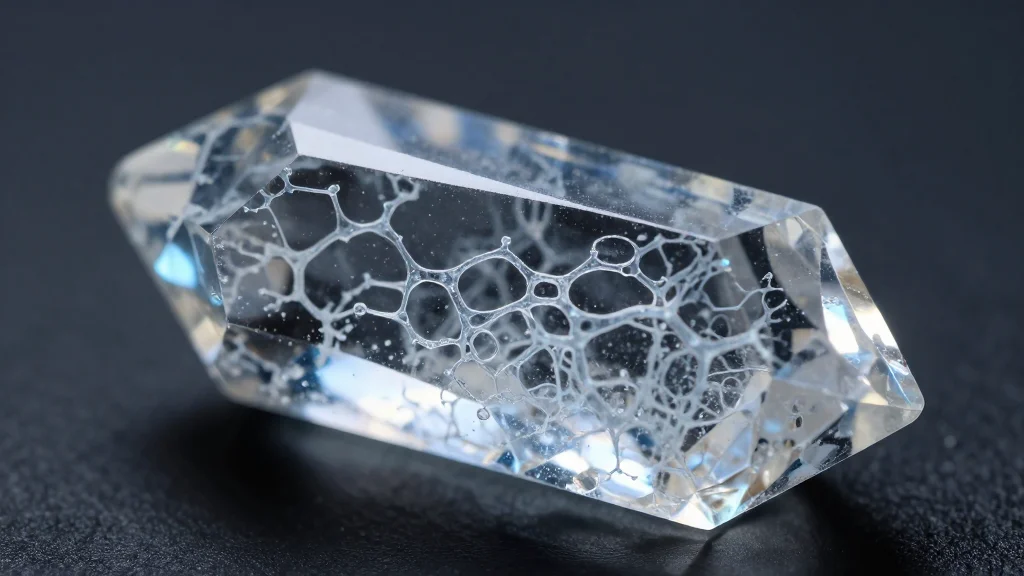
Water Confined in Sub‐Nanochannels of Supramolecular Crystals Exhibiting Ice‐Water‐Like Phase Transition Near Room Temperature
Two isomorphic supramolecular crystals, M(18-crown-6)3Al(ox)3·9H2O with M = K⁺ or NH₄⁺, display a room‑temperature ice‑water‑like phase transition within sub‑nanochannels. The transition is driven by rotational motion of crown‑ether rings and disordering of lattice water molecules, mimicking the hexagonal‑ice to liquid‑water transformation. Between...

CO2 Hydrogenation‐Induced Size‐Dependent Strong Metal‐Support Interactions in Platinum/Titanium Dioxide Catalysts
Researchers demonstrated that platinum nanoparticle size on rutile TiO₂ dictates the strength of strong metal‑support interactions (SMSI) during CO₂ hydrogenation. Larger ~7 nm Pt particles develop a mild electronic metal‑support interaction with discontinuous TiO₂₋ₓ encapsulation, preserving Pt–O–Ti interfacial sites, while smaller...

Mechanical Threshold‐Guided Harvesting of Microalgal Therapeutics via Designer Nanovesicles
Mechanical threshold‑guided harvesting enables controlled production of designer nanovesicles from microalgae while preserving native carotenoid profiles and boosting antioxidant capacity. The study links vesiculation efficiency to cellular elasticity, identifying critical thresholds of roughly 100 kPa (local) and 390 kPa (global) membrane rigidity....

Dual‐Function Interface Engineering of SnO2 Electron Transport Layers: Wettability Enhancement and Work Function Tuning for Efficient and Stable Perovskite Solar...
Researchers incorporated polyethyleneimine (PEI) into tin oxide (SnO2) electron transport layers to simultaneously improve surface wettability and lower the work function. The dual-function modification suppresses oxygen‑vacancy defects, creates interfacial dipoles, and aligns energy levels for better carrier extraction and uniform...

Design of Experiments (DoE)‐Optimized Polymeric Oxytocin Nanoparticles for Enhanced Nose‐to‐Brain Delivery
Researchers have engineered PEGylated PLGA nanoparticles encapsulating oxytocin for intranasal administration, aiming to improve nose‑to‑brain delivery for autism and related neuropsychiatric conditions. Using a design‑of‑experiments approach, the optimized formulation achieved ~93–116 nm particle size, low polydispersity, and drug loading of 2.8–3.5 %...

Photocatalysis‐Assisted Silver Reduction via ZnO Nanoparticles for High‐Resolution, Flexible, and Etch‐Free Printed Electronics
A new photonic‑assisted technique combines ultraviolet (UV) exposure and intense pulsed light (IPL) to produce highly conductive silver films on flexible substrates in seconds. Zinc oxide nanoparticles (ZnO NPs) act as photocatalysts under UV, accelerating Ag⁺ reduction and improving thermal...

Researchers Break Materials Theory with a New Type of Plastic
Researchers at Wageningen University have created a new class of plastic, dubbed a compleximer, that defies conventional materials theory. The polymer is held together by physical ionic attractions rather than chemical cross‑links, giving it glass‑like reshaping ability while retaining plastic‑like...
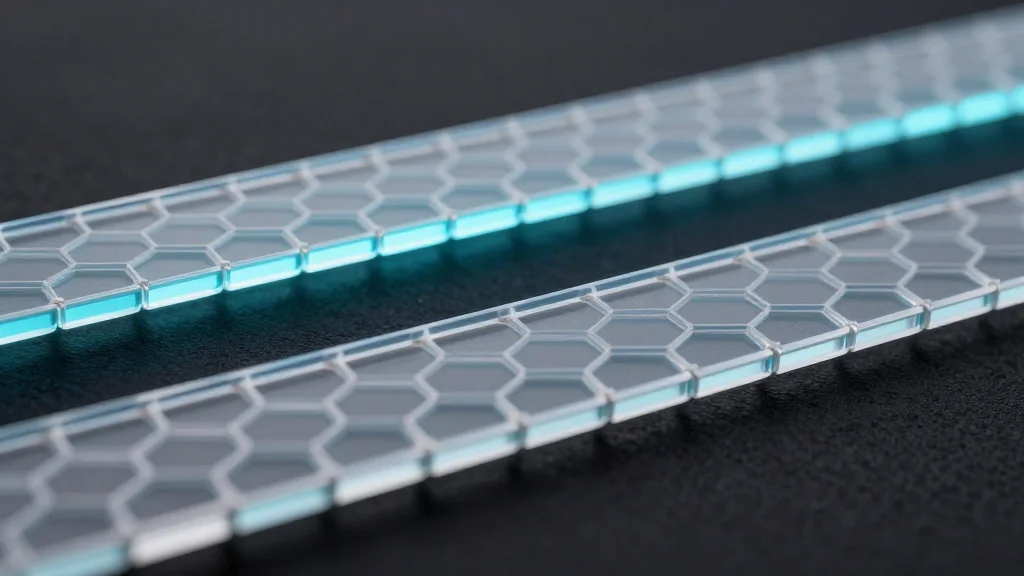
Researchers Observe Superfluid-Insulator Transition in Bilayer Graphene Excitons
Researchers have demonstrated a quantum phase transition in double‑layer graphene where an excitonic superfluid abruptly becomes an insulator by tuning layer imbalance and exciton density. In the quantum Hall regime, interlayer magnetoexcitons form a coherent condensate that shows near‑perfect Coulomb...

This Tiny Molecular Trick Makes Spider Silk Almost Unbreakable
Researchers have identified a specific arginine‑tyrosine interaction that acts as a molecular “sticker” during spider silk formation, explaining how the fiber achieves its legendary strength and elasticity. Using AlphaFold3 modeling, molecular dynamics and NMR spectroscopy, the team showed these interactions...

This Paper-Thin Chip Turns Invisible Light Into a Steerable Beam
Researchers at CUNY’s Advanced Science Research Center have created an ultra‑thin metasurface chip that converts infrared light into visible light while steering the output beam. The device shifts 1530 nm infrared to 510 nm green via third‑harmonic generation and directs the beam...

DNA Vaccine Scaffolding Boosts HIV Immune Response
Researchers at Scripps Research and MIT engineered a DNA origami scaffold that carries HIV envelope proteins while remaining immunologically silent, eliminating antibodies against the carrier. In mouse models the DNA‑based particles displayed 60 copies of the antigen and generated ten...
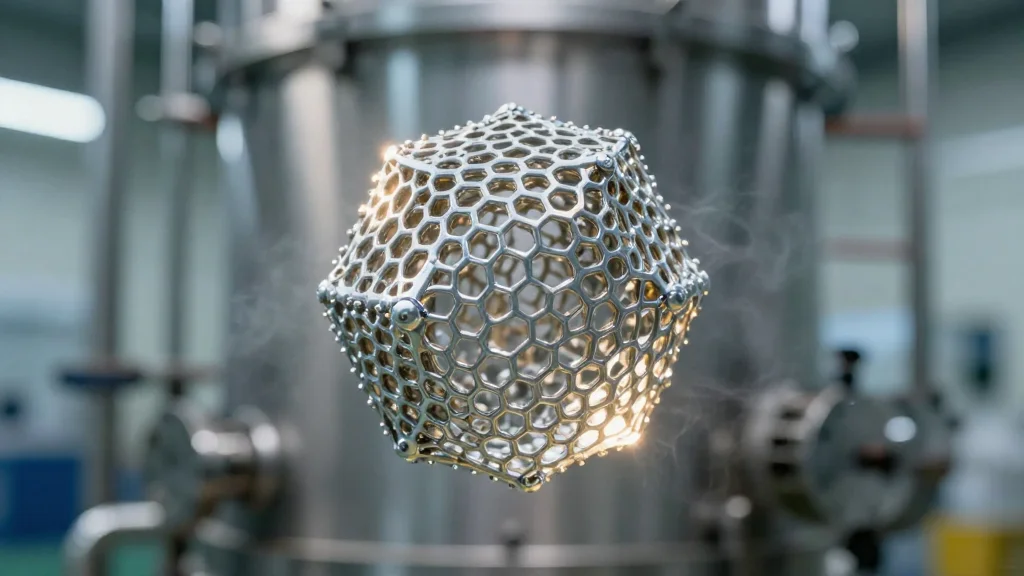
Industrial-Scale Production Could Bring MOFs From Lab to Everyday Pollution Control
Researchers at Kaunas University of Technology have demonstrated that metal‑organic frameworks (MOFs) can be manufactured at industrial scale with a financially viable techno‑economic profile. By adapting laboratory synthesis to existing industrial equipment, the study shows production lines capable of several...
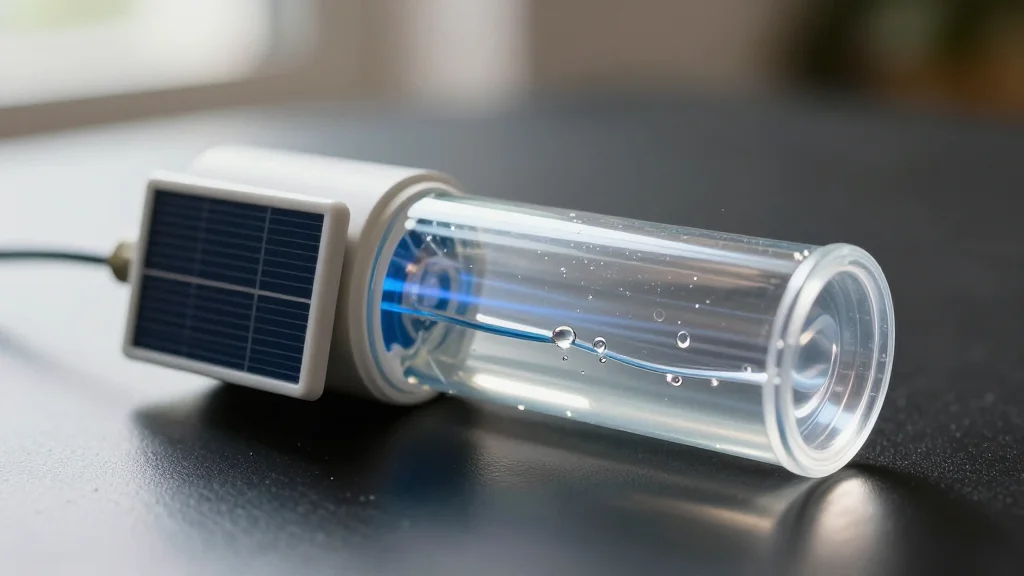
Electric Fields Remove Nanoplastics From Water without the Need for Nanoporous Filters
Researchers at Pohang University unveiled a solar‑powered electrokinetic water filter that eliminates nanoplastics and bacteria without nanoporous membranes. The hierarchical membrane uses a charge‑based depletion zone to repel particles smaller than 10 nm, achieving over 99.9% removal at fluxes above 400 L m⁻² h⁻¹...
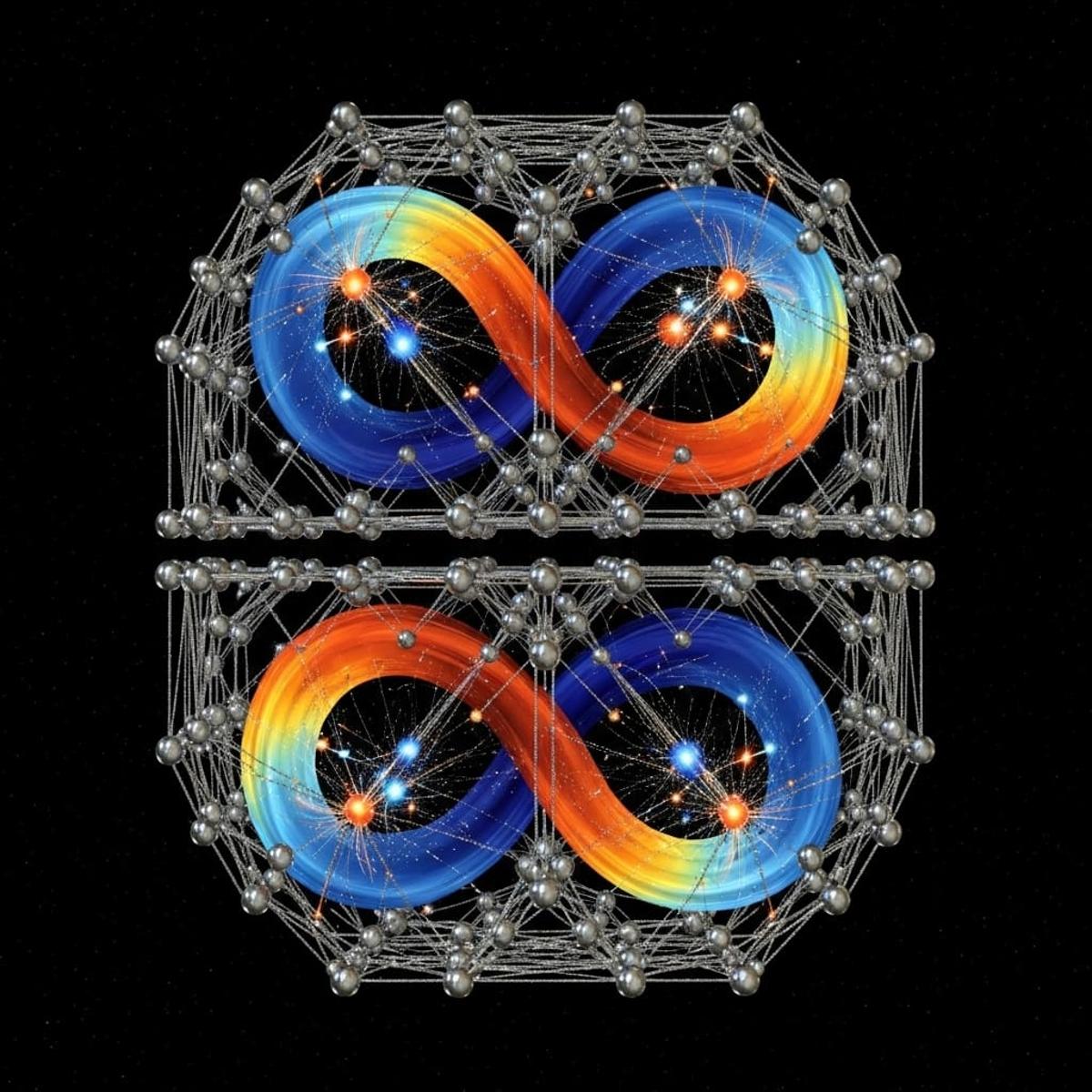
New 2D Material Combines Magnetism and Quantum Properties at Room Temperature
Scientists have assembled a two‑dimensional iron‑dicyanoanthracene metal‑organic framework directly on a bismuth selenide topological‑insulator surface at room temperature, revealing two distinct structural phases. Phase A conforms to a known close‑packed Fe₁DCA₃ lattice, while Phase B displays a larger, previously unreported unit cell...

Nanomaterial Restoration of Colossal Statues on Mount Nemrut (Türkiye)
Turkey’s Ministry of Culture and Tourism has expanded a nanotechnology‑based conservation program to protect the colossal limestone and sandstone statues on Mount Nemrut, a UNESCO World Heritage site. The project, which began with pilot work in 2022, now uses nano‑lime...

MXenes for Energy Storage: More Versatile than Expected
A team at the Helmholtz Centre Berlin (HZB) used the in‑situ scanning transmission X‑ray microscope MYSTIIC at BESSY II to map titanium oxidation states on individual Ti₃C₂Tₓ MXene flakes during ion intercalation. The study revealed two opposite redox reactions: protons reduce...
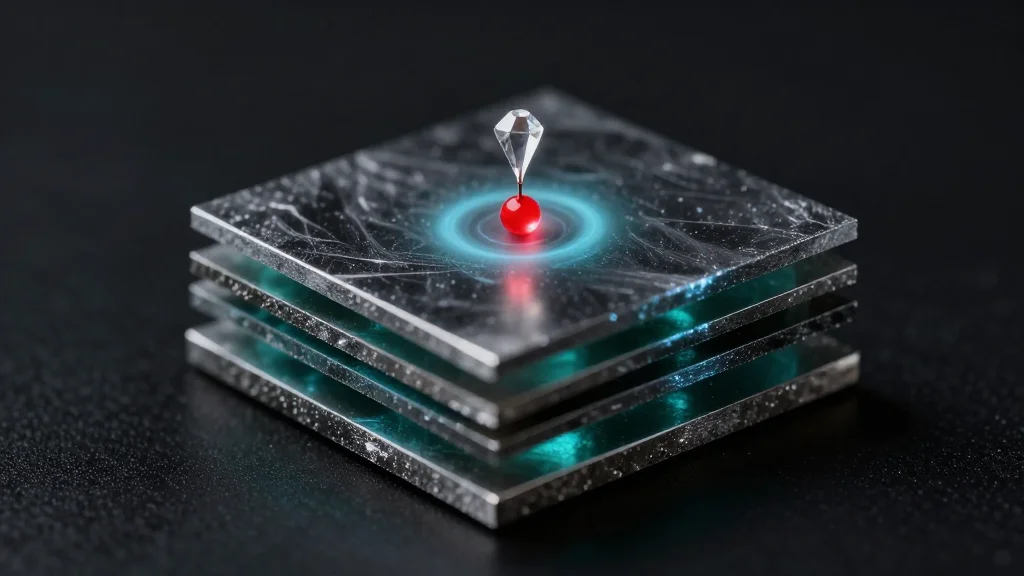
Twisted 2D Layers Reveal Stable Nanoscale Magnetic Structures
Researchers at the University of Stuttgart experimentally created and directly detected skyrmions in a twisted four‑layer chromium iodide (CrI₃) structure. By rotating two bilayers relative to each other, a novel magnetic state emerged that is robust against environmental disturbances. Detection...

Negatively Charged Carbon Dot‐Linked Glycyrrhizic Acid Hydrogel Promoted Hemostasis, Immunoregulation and Re‐Epithelialization of Wound Closure
The study introduces a charred Trachyparcus‑derived carbon dot (CT‑CD) linked glycyrrhizic acid (GA) hydrogel, termed CT@GA‑gel, that forms at GA concentrations below 0.5 %. The negative surface charge of CT‑CDs enables low‑dose crosslinking, yielding an injectable, self‑healing, and adhesive dressing. Enhanced...

Laser‐Induced 3D Arch‐Bridged Solar Evaporator Based on Diradical‐Featured Photothermal Polymers for Highly Efficient Seawater Desalination
Researchers unveiled PSSe‑Se, a diradical‑featured conjugated polymer that absorbs across the solar spectrum and converts 32.04% of sunlight into heat. Leveraging this material, they fabricated a laser‑induced 3D arch‑bridged evaporator (LIBA‑Se) that reaches evaporation rates of up to 2.67 kg m⁻² h⁻¹ under...