Today's Nanotech Pulse

Left‑handed DNA origami tubes double chemotherapy efficacy
Researchers at the Cancer Center at Illinois showed that left‑handed DNA origami tubes loaded with the drug Daunorubicin kill acute myeloid leukemia cells more than twice as effectively as right‑handed tubes. The tubes display CD117‑targeting aptamers and their left‑handed geometry promotes rapid internalization, boosting cell‑killing potency.

Atomically Dispersed Co Anchored Into Highly Nitrogen‐Doped One‐Dimensional Mesoporous Carbon with Large Pore Size for Ultra‐Stable Potassium‐Ion Storage
Researchers introduced a cobalt single‑atom‑doped, nitrogen‑rich mesoporous carbon anchored on carbon nanotubes (Co‑NMC@CNTs) using a tetraethyl orthosilicate‑mediated co‑assembly route. The composite exhibits a large 23.7 nm mesopore size, robust one‑dimensional structure, and 13.6 at% nitrogen doping, which together lower potassium‑ion diffusion barriers. Electrochemical testing shows a reversible capacity of 362.3 mAh g⁻¹ at 100 mA g⁻¹ after 300 cycles and retains 192.0 mAh g⁻¹ at 1 A g⁻¹ after 4,000 cycles. These results position Co‑NMC@CNTs as a promising anode for next‑generation potassium‑ion batteries.

Interactions Weaken Precision of Electrical Current in Novel Hybrid Materials
Researchers Sobrino, Taddei, Fazio and colleagues analyzed Andreev‑mediated transport in normal‑superconducting quantum‑dot hybrids, showing that Coulomb interactions renormalize resonant conditions and suppress superconducting coherence. Their real‑time diagrammatic master‑equation approach revealed a marked reduction in current precision, even though average currents...
Quantum Simulations Boosted by Technique Correcting Atomic ‘Jitter’ at the Nanoscale
Researchers introduced path‑integral generalized smoothed trajectory analysis (PIGSTA), a post‑processing framework that systematically incorporates nuclear quantum effects into molecular dynamics simulations. By convolving existing trajectories with analytically derived kernels, PIGSTA corrects discretization errors caused by limited bead numbers, achieving exact...

New Mineral Sunscreen Eliminates Unsightly White Cast
We developed a mineral #sunscreen that reduces white cast - described in https://t.co/2FW3QLelWT @ACSMatLett & featured @UCLAHealthJCCC https://t.co/PegyIICqN0 & @WomensHealthMag https://t.co/7LgQK3JLex #ChallengeInitiative @UCLA https://t.co/lSeguUK4nB

Supercapacitor Developer Skeleton Opens First US Engineering Facility in Houston, Texas
Estonian supercapacitor maker Skeleton Technologies opened its first U.S. engineering facility in Houston, Texas, to support AI data‑center customers. The graphene‑based devices can smooth power spikes and claim up to 45% energy savings for high‑performance computing workloads. Skeleton already has...

Unveiling Polymeric Interactions Critical for Future Drug Nanocarriers
Researchers at Chiba University have experimentally quantified how poloxamer 407 (P407) micelles interact in phosphate‑buffered saline, a physiologically relevant medium. Using small‑angle X‑ray scattering and dynamic light scattering, they derived the pair interaction potential and observed that micelles become more regularly...
Silicon Breakthrough Unlocks Quantum Effects at Room Temperature for Efficient Electronics
Scientists have optically detected the quantum Hall effect in silicon nanostructures at room temperature, using electroluminescence spectra linked to dipole‑center chains. The study shows nondissipative single‑carrier transport enabled by negative‑U boron dipole chains, producing fractional quantum Hall signatures and terahertz...
Graphene‑BC₂N Heterostructures Could Enable High‑capacity Anodes for Next‑generation Lithium‑ion Batteries
Researchers from several Chinese institutions have designed BC₂N/graphene heterostructures as high‑capacity anodes for lithium‑ion batteries. Six interface configurations were modeled, with the III‑HN and III‑HH variants delivering a theoretical capacity of 414 mAh g⁻¹, surpassing graphite and many competing 2D materials. The...

New Devices Might Scale the Memory Wall
Researchers at UC San Diego unveiled a new bulk resistive RAM (RRAM) that switches an entire material layer instead of forming filaments, enabling 3D stacking and selector‑free operation. The devices are 40 nm wide, can be stacked in up to eight layers,...
Production of Ultra-Clean MXenes with Outstanding Electrical Performance
An international team introduced a gas‑liquid‑solid (GLS) synthesis that produces MXenes with atomically uniform halogen terminations, eliminating the impurity‑laden surfaces of traditional chemical etching. The method, demonstrated on eight MAX phases, yields titanium carbide Ti₃C₂Cl₂ with a 160‑fold boost in...

New Method Measures Energy Dissipation in the Smallest Devices
Stanford researchers have unveiled a breakthrough technique that directly measures entropy production in quantum dots, providing the first experimental quantification of energy dissipation in a non‑equilibrium nanoscale system. By pulsing a laser to drive the dots far from equilibrium and...

Scientists Finally Solve a 100-Year-Old Mystery in the Air We Breathe
University of Warwick researchers have introduced a simple, predictive method to calculate the motion of irregularly shaped nanoparticles in air, reviving a century‑old Cunningham correction factor. The new framework replaces spherical assumptions with a shape‑agnostic correction tensor, eliminating the need...
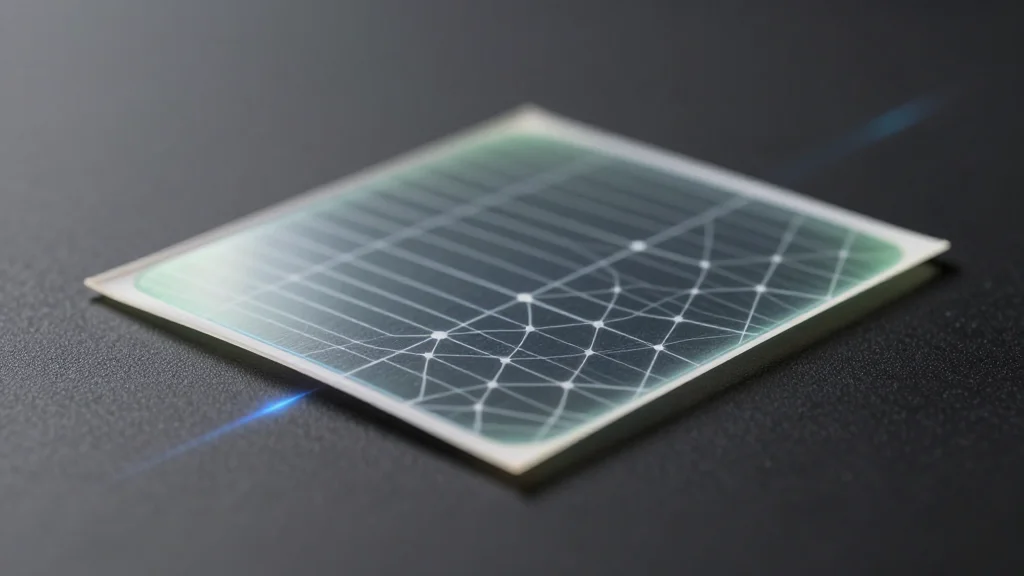
Graphene-Engineered Interfaces Enable Stable, High-Efficiency Flexible Perovskite Solar Cells
Researchers at India’s CSIR‑Central Scientific Instruments Organization demonstrated that incorporating reduced graphene oxide into SnO₂ and TiO₂ electron‑transport layers creates graphene‑engineered interfaces for flexible all‑inorganic perovskite solar cells. The graphene‑modified contacts boost interfacial conductivity, suppress trap‑assisted recombination and reduce hysteresis,...
Dutch Tech Giant ASML Posts Bumper Profits, Eyes Bright AI Future
ASML reported a 2025 after‑tax profit of €9.6 billion, up €2 billion from the prior year, and record net sales of €32.7 billion. CEO Christophe Fouquet highlighted robust AI‑related demand as the primary growth driver and forecast 2026 sales between €34 billion and €39 billion....
US Contract Vehicle to Speed US Made Defense Semiconductors Into Military Systems
Northrop Grumman has secured a $25 billion, ten‑year award under the Defense Microelectronics Activity’s Advanced Technology Support Program V (ATSP‑5). The indefinite‑delivery, indefinite‑quantity contract lets the company respond to proposals within 30 days and move from award to delivery in roughly 80‑90 days, dramatically shortening...
Encapsulated PbS Quantum Dots Boost Solar Water Splitting without Sacrificial Agents
UNIST researchers have engineered a metal‑encapsulated PbS quantum‑dot photoelectrode that resists corrosion during photoelectrochemical water splitting. The device delivers a record photocurrent density of 18.6 mA cm⁻² in 1 M NaOH and retains roughly 90 % of its initial output after 24 hours of continuous...

Exposure to Grilled Lamb‐Borne Carbon Quantum Dots Induces Intrahepatic Cholestasis by Activating the Intestinal Microbial‐Derived Lipopolysaccharide‐TLR4 Pathway
Researchers discovered that carbon quantum dots (CQDs) released from grilled lamb accumulate in mice after nine weeks of oral exposure at 25 mg kg⁻¹, damaging liver and intestinal barriers. The CQDs elevate gut‑derived lipopolysaccharide, triggering the intestinal LPS‑TLR4‑MyD88 signaling cascade and hepatic...

Advanced Photoporation: Micro‐Nanostructures for Size‐Specific Highly Efficient Biomolecular Delivery
Photoporation is emerging as a versatile, non‑viral platform for intracellular delivery, and a new review proposes a size‑centric framework that categorises strategies by cargo dimensions rather than by laser or material type. The authors analyse how micro‑ and nanostructured substrates...
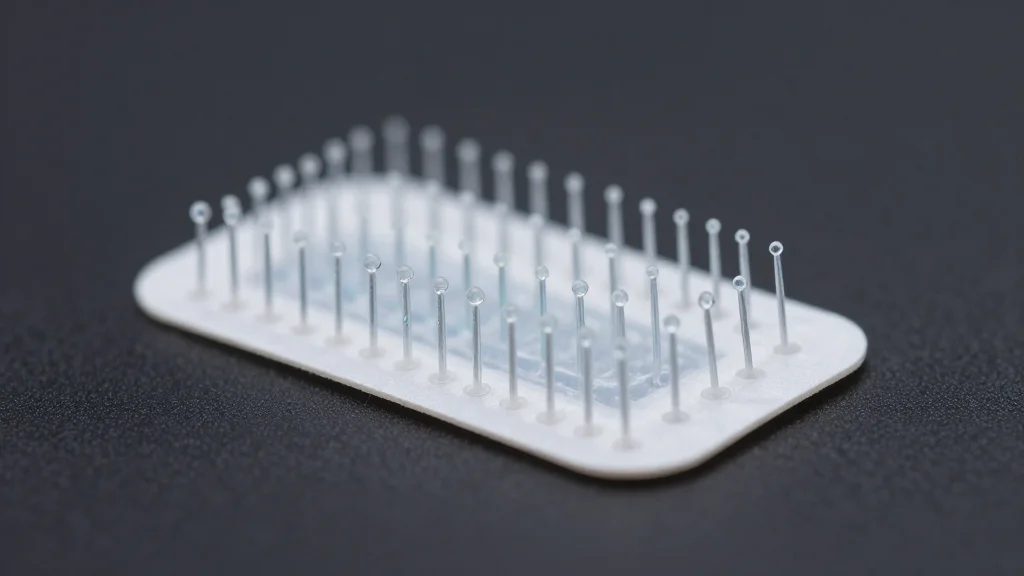
Biocompatible Glue‐Enabled Drug Localization and Mechanical Reinforcement of Lyophilized Microneedle Systems
The Lyophilized Microneedle System with Biocompatible Glue (LMS‑BG) integrates a porous, drug‑loaded microneedle tip with a biodegradable ethanol‑based glue to create a mechanically robust, ultra‑fast dissolving transdermal platform. In tests using lidocaine, the system dissolved 11‑times faster than conventional dissolving...

Cu–O–In Bridge Engineering in Cu2O/In2O3 Nanowires for Efficient CO2‐to‐CO Electroreduction
Researchers have engineered a Cu2O/In2O3 heterointerface within three‑dimensional copper foam nanowires, creating Cu–O–In bridges that precisely tune the d‑band centers of Cu and In sites. This electronic modulation boosts CO2‑to‑CO electroreduction, achieving over 90% Faradaic efficiency across a wide potential...
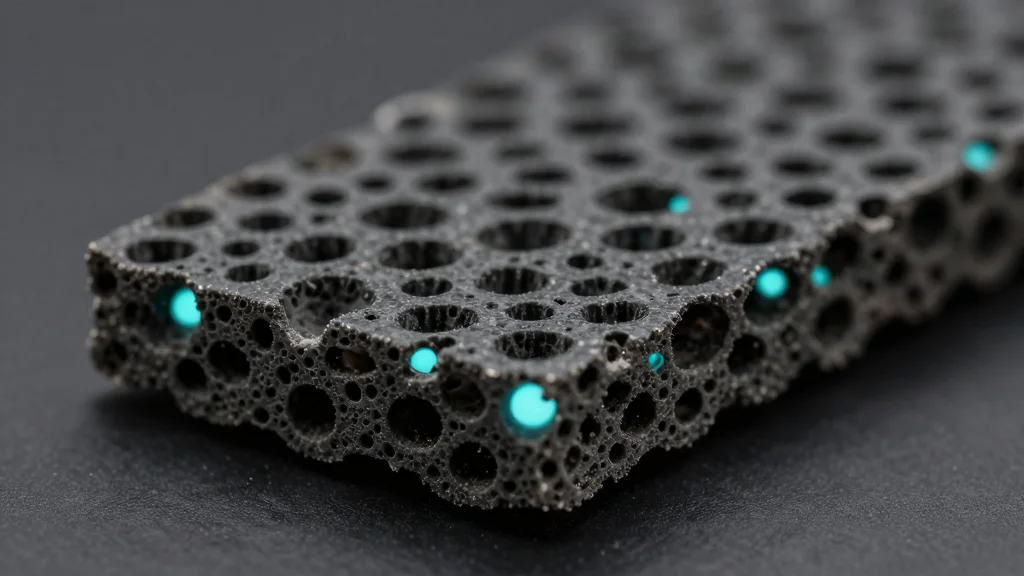
Microstructure‐Interface Modulation Boosts Sodium Storage Capacity and Stability of Hard Carbon
The researchers applied a synergistic microstructure‑interface modulation to resin‑derived hard carbon, introducing carbonyl groups for reversible Na⁺ adsorption and using carboxyl/phenolic hydroxyl groups to anchor Zn²⁺ ions that template a hierarchical pore network. Expanded interlayer spacing further speeds Na⁺ intercalation,...

Bioinspired and Engineered Ion‐Selective Membranes Toward High‐Flux and High‐Selectivity Energy Devices
The review examines recent advances in ion‑selective membranes that aim to break the longstanding permeability‑selectivity trade‑off. By drawing inspiration from biological ion channels, researchers are engineering nanofluidic architectures, hybrid polymer‑nanomaterial composites, and AI‑assisted design tools to boost both ion flux...
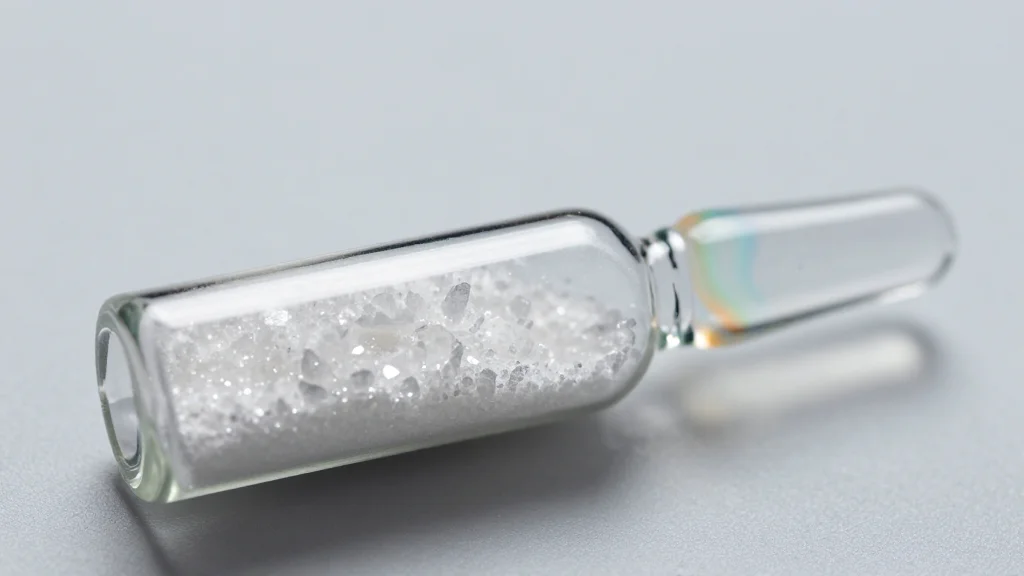
Optimizing HostGuest Interaction Sites in Metal‐Organic Frameworks for Benchmark One‐Step Ethylene Purification
Researchers introduced three conformational isomeric Fe3‑based metal‑organic frameworks (SNNU‑705‑α/β/γ) that strategically combine open metal sites, aromatic rings, and amino Lewis basic sites to preferentially adsorb acetylene and ethane while weakly binding ethylene. This host‑guest interaction design enables a benchmark one‑step...

Synthesis of Zirconium Boron‐Oxo Clusters With Tunable Third‐Order Nonlinear Optical Response
Researchers have developed a modular synthesis route for zirconium boron‑oxo clusters (Zr‑BOCs) using in‑situ condensation of boron sources with dioxime ligands under pyrazole‑thermal conditions. The resulting planar Zr₂B₈O₁₀ cores feature d‑p‑π delocalization, and systematic ligand exchange with aromatic acids tunes...
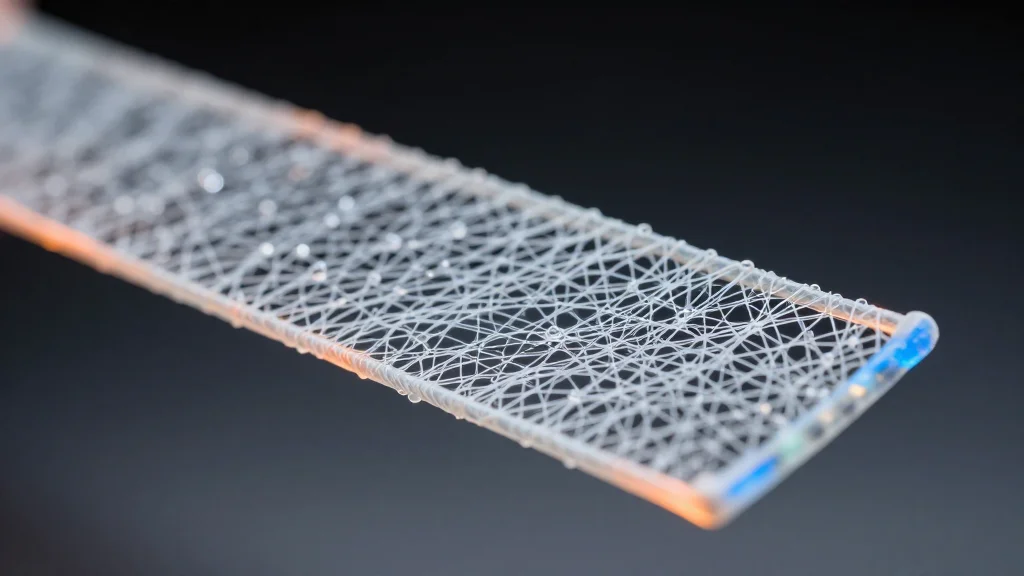
Self‐Lubricating Nanofiber/Hollow Microsphere All‐Ceramic Architecture for Robust Flexible Thermal Insulation
Researchers have created an all‑inorganic SiO2 composite membrane by electrospinning nanofibers embedded with hollow silica microspheres. The resulting self‑lubricating 3D architecture delivers an ultralow thermal conductivity of 31.39 mW m⁻¹ K⁻¹ while maintaining exceptional flexibility, surviving over 100 000 bending cycles at 99 % strain....

Dynamically Reprograms Mitochondrial Respiration to Augment Cuproptosis in Cancer Therapy
Researchers engineered a copper‑coordinated polymer that transports lactate oxidase into cancer cells, converting intracellular lactate to pyruvate. This metabolic shift elevates mitochondrial respiration, sensitizing tumors to copper‑driven cuproptosis. Simultaneously, copper triggers DLAT oligomerization and a Fenton‑like reaction, inducing ferroptosis. In...
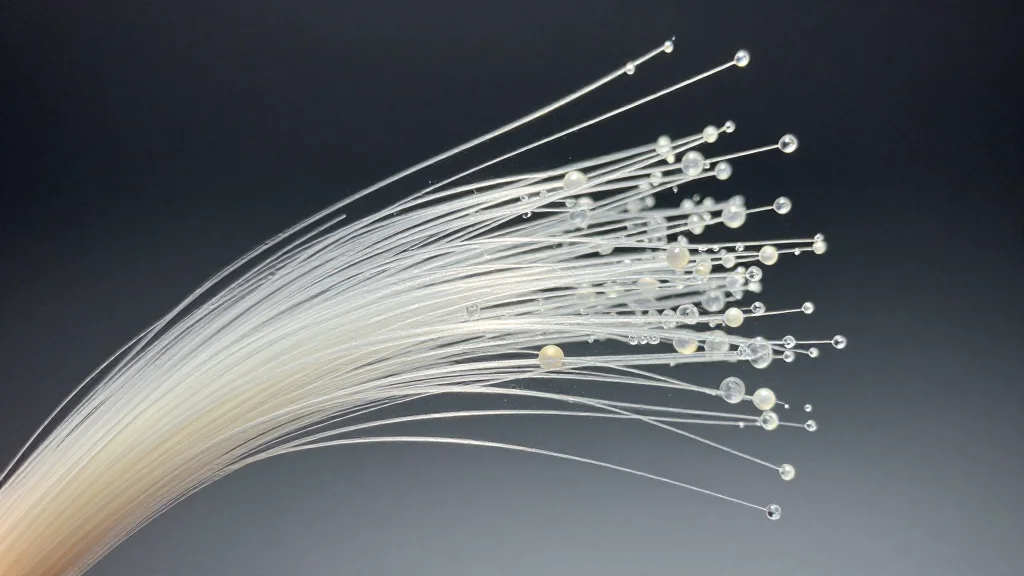
Biomimetic, Hierarchical‐Porous Composite Aerogel Fiber with Spectral Selectivity and Water Microchannels for Synergistic Radiative‐Evaporative Passive Cooling Textile
Researchers have created structure‑engineered aerogel fibers (SAFs) that replicate desert animal hair, using a double‑diffusion wet‑spinning process and hollow glass microspheres. The fibers exhibit 96.1% emissivity in the atmospheric window and 92.3% solar reflectivity, while their 93.9% internal porosity enables...
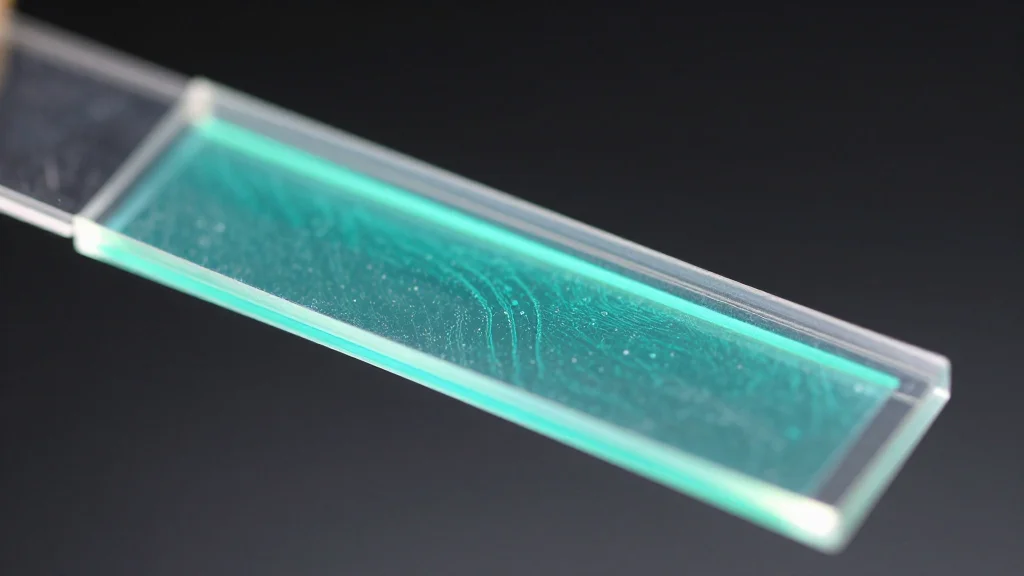
A Metal‐Free Phthalocyanine Additive for Defect Passivation and Processing Tolerance in High‐Efficiency Perovskite Solar Cells
Researchers have introduced CG-0, a fully substituted, metal‑free phthalocyanine, as a highly soluble additive for wide‑bandgap perovskite solar cells. The additive simultaneously promotes defect passivation, controlled crystallization, and remarkable processing tolerance, allowing ultra‑high doping levels up to 1.75 mM. Devices incorporating...

Asymmetric Metal Oxide Electrodes for High‐Efficiency Evaporation‐Induced Energy Harvesting
Researchers have built an evaporation‑driven energy generator using a montmorillonite clay membrane and surface‑modified graphitic carbon electrodes coated with TiO₂ and Co₃O₄ nanowires. Replacing traditional copper contacts with these metal‑oxide electrodes boosted power output by roughly 8,000 times. The device...

NBD Integrated and Vitamin B6‐Driven Charge‐Reversible Peptide‐Based Nanocarriers for Targeted Therapeutic Delivery
Researchers have engineered a phenylalanine‑tryptophan dipeptide nanocarrier functionalized with the fluorescent probe NBD and a vitamin B6‑derived pH‑responsive unit. The self‑assembled nanospheres load doxorubicin with high efficiency and undergo charge reversal at mildly acidic pH, triggering rapid drug release and nuclear...

Dual Therapeutic Effects of Ultra‐Small Platinum‐Selenium Nanoparticles on Oxalate‐Induced Acute Kidney Injury
Researchers synthesized ultra‑small platinum‑selenium (Pt‑Se) nanoparticles that effectively halt calcium oxalate (CaOx) crystal nucleation and growth, reducing crystal‑cell interactions and oxidative damage. In vitro assays demonstrated strong inhibition of CaOx crystallization, while a hyperoxaluria mouse model showed markedly lower renal...

Fluorescently Labeled Gradient Hydrogels Reveal Matrix‐Dependent Cell Responses to Substrate Stiffness
Researchers introduced a thermophoresis-based method to fabricate fluorescently labeled stiffness gradient hydrogels, enabling contactless stiffness mapping via standard microscopy. The technique leverages fluorescein isothiocyanate labeling, where fluorescence intensity reflects polymer concentration and thus stiffness. Experiments with gelatin methacryloyl (GelMA) and...
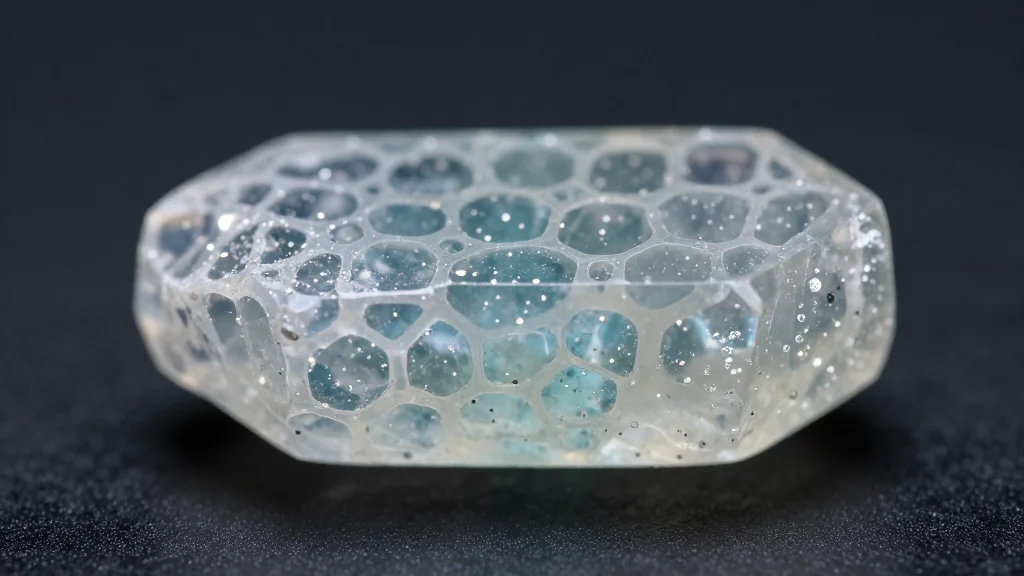
Synthesis of Atomically Dispersed Nickel Confined in Hierarchical MFI Zeolite
Researchers have developed a ligand‑protected in situ synthesis that embeds atomically dispersed nickel within hierarchical MFI zeolite. The tri‑functional template, combining quaternary ammonium heads and metal‑coordinated porphyrins, directs mesoporous architecture while suppressing nickel aggregation. The resulting catalyst displays uniformly distributed...

Making Hydrogen Fuel Cells 'Less Precious'
Engineers at Washington University in St. Louis have stabilized inexpensive iron catalysts to replace platinum in hydrogen fuel cells, potentially cutting vehicle costs from $70,000 to $30,000. Platinum currently accounts for about 45 % of fuel‑cell stack expenses, limiting market adoption...
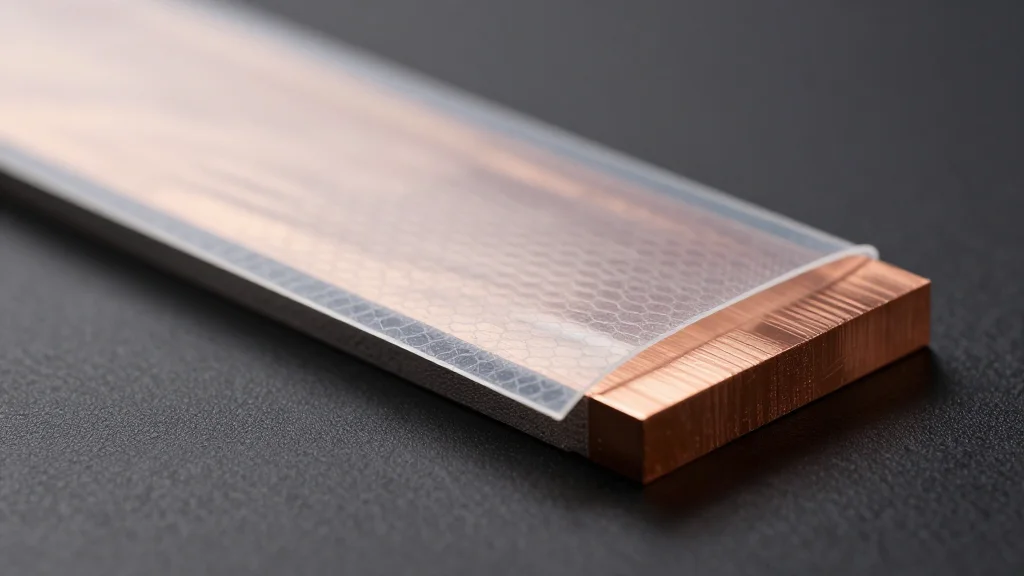
Grapherry Expands Battery-Related Partnerships to Evaluate Its Graphene in Anode Materials
Grapherry, a Chicago‑based clean‑tech materials firm, is widening collaborations with battery manufacturers to test its waste‑derived graphene in anode applications. The partnerships will evaluate the material’s electrical conductivity, rate capability, cycling stability and manufacturability at scale. Grapherry’s patented continuous process...

A Review On Morphology-Selective Biofabrication Of Zinc Oxide Nanostructures
The review outlines a green, cost‑effective route to synthesize zinc oxide nanoparticles (ZnONPs) using plant extracts or biomass as both reductants and stabilizers. By fine‑tuning pH, temperature and reaction time, researchers can direct the morphology of ZnONPs, producing nanorods, nanospheres,...
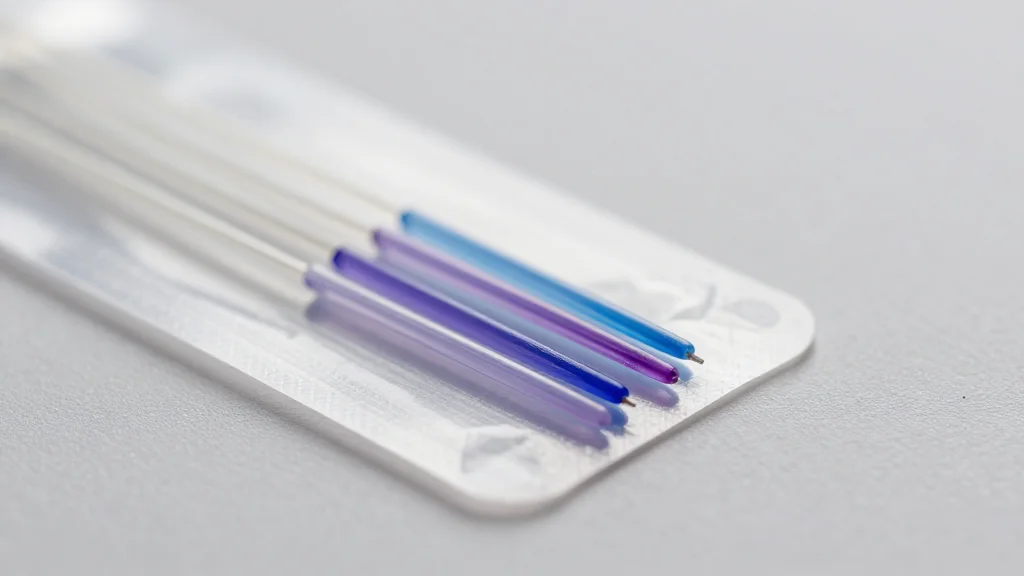
A Color-Changing Microneedle Sensor Made From Food Ingredients Can Detect Spoilage Through Sealed Packaging
Researchers have created a food‑safe gelatin microneedle sensor that pierces sealed packaging and changes color as protein‑rich foods spoil. The device embeds red‑cabbage anthocyanin, shifting from purple to blue when pH rises, providing a visual spoilage cue. Mechanical tests show...
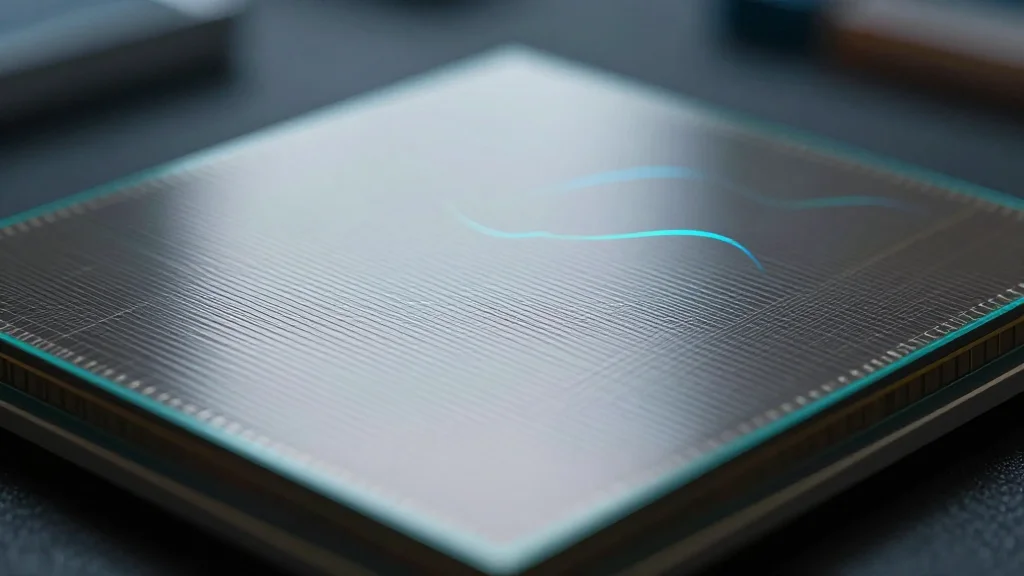
Magnetoconductivity and Quantum Interaction Mechanisms in 2D SiGe Heterostructures
Researchers investigated magnetoconductivity in two‑dimensional p‑Si/SiGe heterostructures at temperatures between 0.3 K and 1.8 K. By applying weak‑localization and electron‑electron interaction frameworks in the diffusive regime, they confirmed theoretical predictions across the measured range. The study also revealed that magnetic‑field‑induced carrier interactions,...
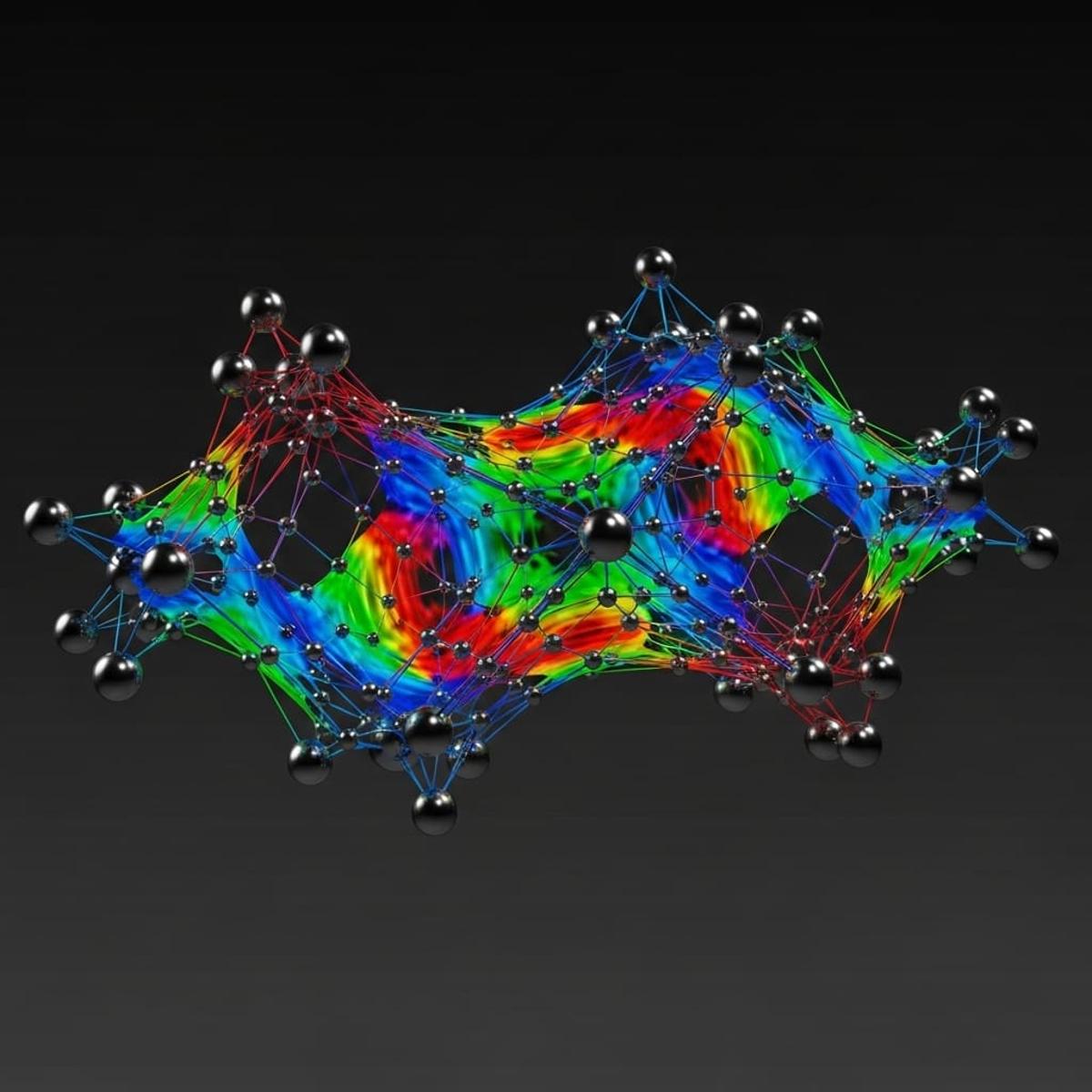
New 2D Material Links Strain and Magnetism in a Novel Way
Researchers have identified a novel topological orbital piezomagnetic effect in two‑dimensional Dirac quadrupole altermagnets. Applying mechanical strain distorts the Dirac points, forming a “Dirac dipole” that generates magnetization without spin contributions. The phenomenon is captured by two minimal theoretical frameworks—a...
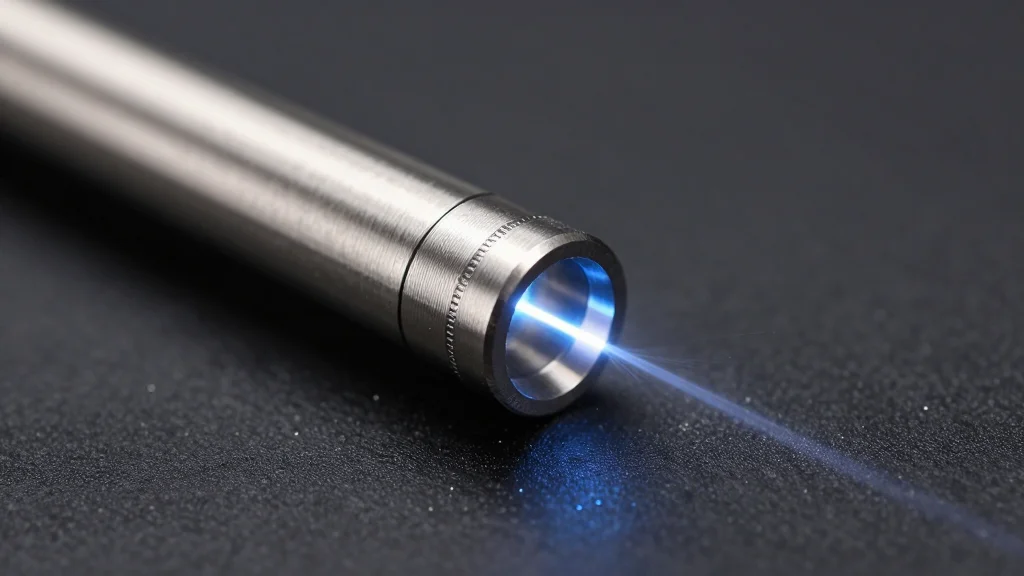
Researchers Find a Way to 3D Print One of Industry's Hardest Engineering Materials
Researchers at Hiroshima University have demonstrated a novel additive‑manufacturing route that uses hot‑wire laser irradiation to 3D print tungsten‑carbide‑cobalt (WC‑Co) cemented carbides. The process softens, rather than fully melts, the material and achieves industrial‑grade hardness above 1400 HV without defects. By...

The Chemistry From Tin Iodide Molecular Inks to FASnI3 Nanocrystals
Researchers mapped how tin iodide (SnI2) complexes with two common Lewis bases—oleylamine and trioctylphosphine—affect the formation of tin halide perovskite nanostructures. In situ 119Sn NMR, UV‑Vis spectroscopy, and DFT calculations show that amine ligands bind more strongly than phosphines, and...

Structural Superlubricity and Triboelectric Nanogenerators in MEMS: Opportunities, Challenges, and Future Directions
The review spotlights structural superlubricity (SSL) and triboelectric nanogenerators (TENGs) as dual solutions to the chronic friction, wear, and power constraints of microelectromechanical systems (MEMS). It details the underlying mechanisms, material choices, and fabrication routes that enable near‑zero friction interfaces...

Sp‐Hybridized Carbon Modulates the Spin States of Ir Nanozyme for Efficient Oxygen Activation
Researchers engineered an Ir/GDY/CNT nanozyme where sp‑hybridized carbon (sp‑C) modulates iridium’s spin state from low‑spin to high‑spin. This creates a unique sp‑C‑O‑O‑Ir dual active site that accelerates oxygen activation, delivering a 6.2‑fold boost in oxidase‑like activity versus pristine Ir nanoparticles...
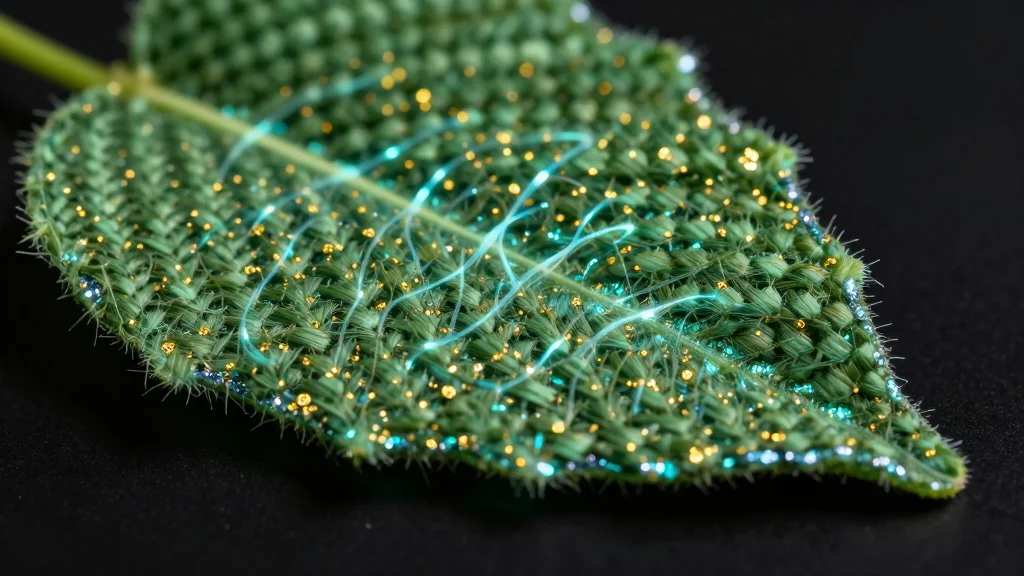
Bioinspired Multifunctional Carbon Platforms Decorated with MoS2/Au Nanohybrids for Integrated Antibacterial and Electromagnetic Shielding Performance
The study introduces a biomimetic carbon cloth platform patterned after Oxalis leaves and functionalized with MoS2 nanosheets and gold nanoparticles. This hierarchical structure delivers three synergistic effects: mechano‑bactericidal surface killing, photocatalytic sterilization under light, and reflection‑dominant electromagnetic interference (EMI) shielding...

Nanoplastics Impair GnRH Neuron Migration and Neuroendocrine Function: Emerging Players in the Pathogenesis of Reproductive Disorders
Researchers demonstrated that polystyrene nanoplastics (PS‑NPs) are internalized by gonadotropin‑releasing hormone (GnRH) neurons and disrupt their function. In hormone‑secreting GT1‑7 cells, PS‑NP exposure lowered GnRH release, while in migrating GN11 progenitors it impaired cell movement. Transcriptomic profiling identified altered expression...

Graphene Oxide Nanosheets as Direct Photosensitizers for Photodynamic Therapy in a Size‐Dependent Manner
Researchers discovered that graphene oxide (GO) nanosheets act as direct photosensitizers for photodynamic therapy (PDT) when their lateral size exceeds ~3.5 µm. Under near‑infrared (NIR) irradiation, large GO generates abundant reactive oxygen species (ROS), driving oral squamous cell carcinoma viability down...
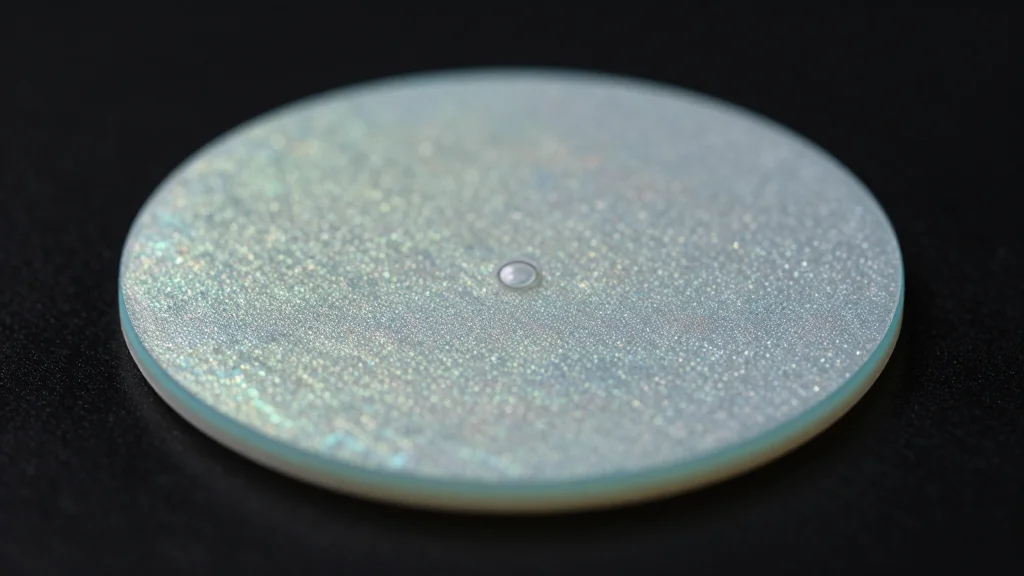
Short‐Range‐Engineered Nd‐Doped IrOx Enables Oxide Path Mechanism for High‐Performance PEM Water Electrolysis
Researchers have developed a neodymium‑doped amorphous IrOx catalyst that restructures the short‑range lattice to enable the oxide‑path mechanism for oxygen evolution. This design lowers the OER overpotential to 254 mV at 10 mA cm⁻² and sustains activity for 520 hours. In PEM water electrolyzers,...

Unveiling a Tetrahedrally Coordinated Cobalt‐Nucleotide Hydrogel as an Efficient Bifunctional Electrocatalyst for Alkaline Water Electrolysis
Researchers have created a cobalt‑adenosine monophosphate (CAH) hydrogel that functions as a bifunctional electrocatalyst for alkaline water electrolysis. The hydrogel delivers a cell voltage of 1.56 V at 10 mA cm⁻², outperforming the conventional IrO₂||Pt/C benchmark. Its performance stems from phosphate coordination, a...
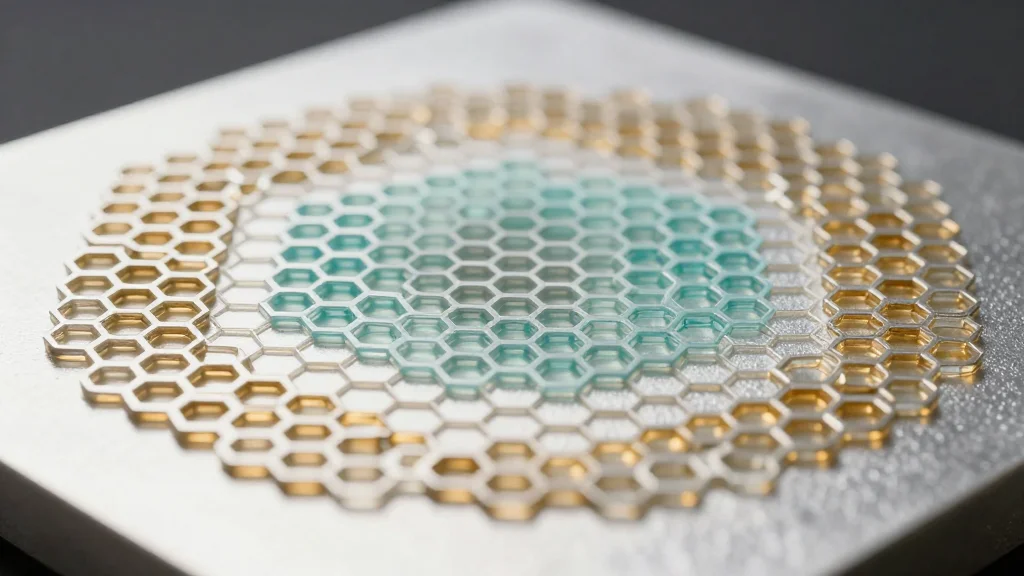
Electronic Structure Modulation via Composition‐Preserving Phase Transformations in Metal–Organic Assemblies on the Surface
The researchers observed a room‑temperature, composition‑preserving phase transformation in Ag‑carboxylate metal‑organic assemblies on Ag(111). Using scanning tunneling microscopy/spectroscopy and density functional theory, they identified three distinct hexagonal lattices that emerge stepwise. Geometric relaxation during the transformation strengthens metal‑molecule interactions, leading...
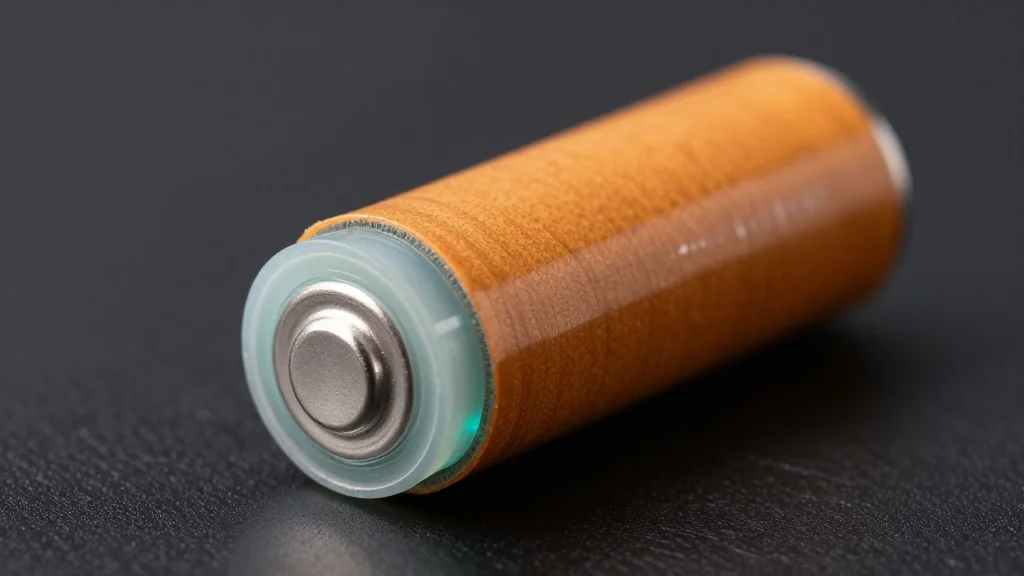
Interfacial and Kinetic Origins of Voltage Loss in Neutral Zinc‐Air Batteries
The study investigates neutral‑electrolyte zinc‑air batteries using ZnCl₂‑based gel polymer electrolytes and an OER‑biased Ni/Fe layered double hydroxide catalyst. While the cells demonstrate stable cycling for hundreds of hours, they operate at significantly reduced charge and discharge voltages compared with...