Today's Nanotech Pulse
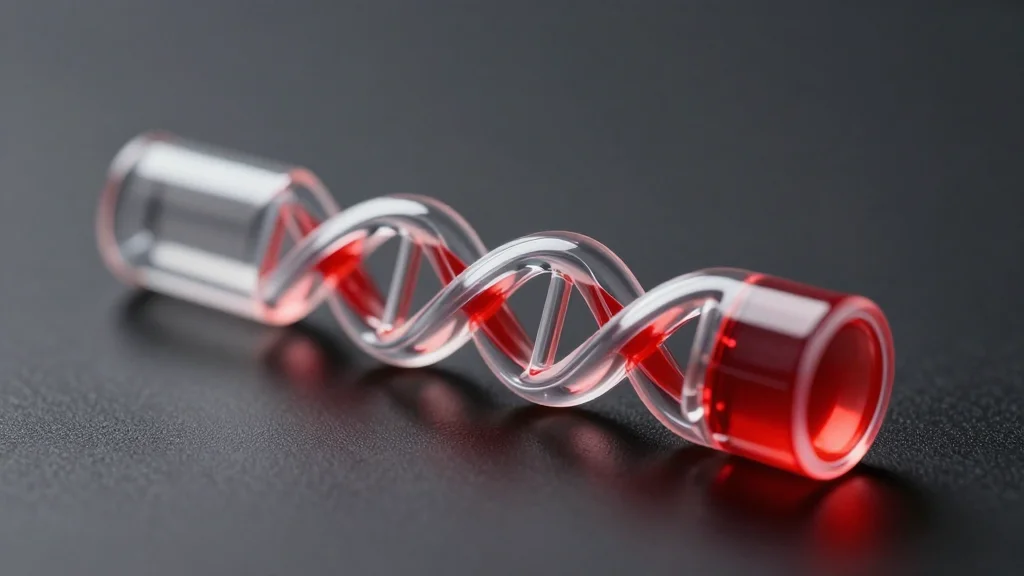
Left‑handed DNA origami tubes double chemotherapy efficacy
Researchers at the Cancer Center at Illinois showed that left‑handed DNA origami tubes loaded with the drug Daunorubicin kill acute myeloid leukemia cells more than twice as effectively as right‑handed tubes. The tubes display CD117‑targeting aptamers and their left‑handed geometry promotes rapid internalization, boosting cell‑killing potency.
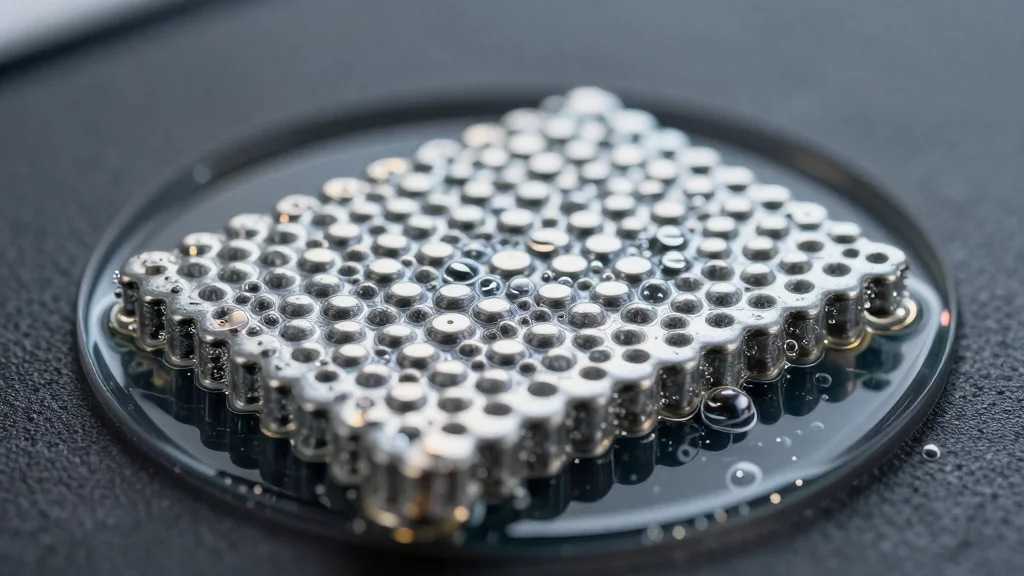
Dynamic Adsorption of Molybdate Promoted Self‐Optimization and Self‐Healing of NiFe/NiMo in Alkaline Water Electrolysis
Researchers have engineered a NiFe/NiMo heterojunction catalyst that delivers exceptional bifunctional performance in alkaline water electrolysis. The material achieves 100 mA cm⁻² at only 99 mV overpotential for the hydrogen evolution reaction (HER) and 233 mV for the oxygen evolution reaction (OER). Free molybdate ions (MoO₄²⁻) in the electrolyte dynamically boost HER activity and heal OER degradation by regulating NiFe‑LDH and preventing Fe leaching. In a two‑electrode configuration the system operates at a record low cell voltage of 1.707 V for 100 mA cm⁻².
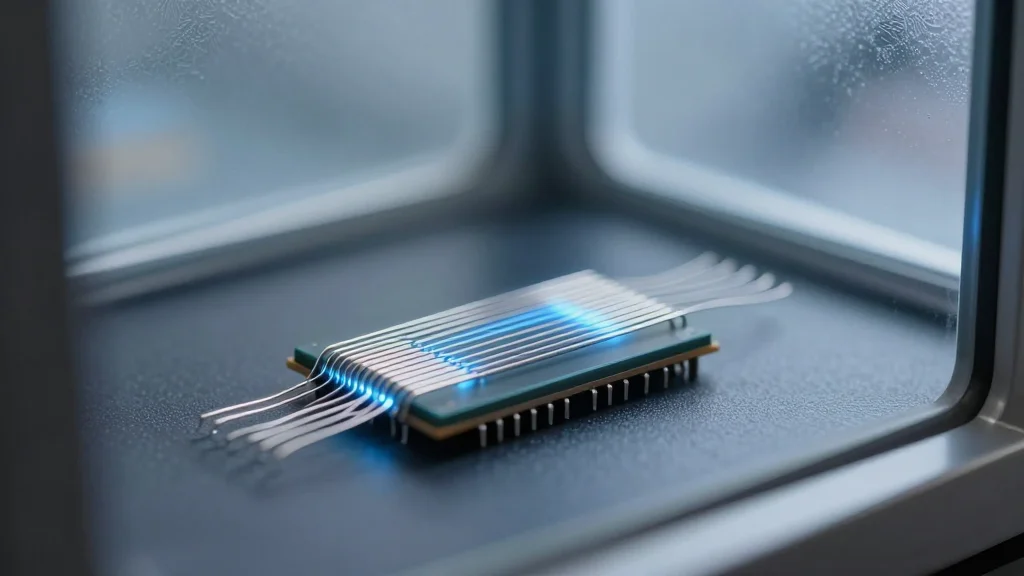
Superconducting Nanowire Memory Array Achieves Significantly Lower Error Rate
MIT researchers have demonstrated a 4 × 4 superconducting nanowire memory array that operates at 1.3 K and delivers a bit‑error rate of roughly 10⁻⁵, a ten‑fold improvement over earlier designs. The cell architecture combines temperature‑dependent switches with a kinetic inductor, enabling precise...

Scientists Directly Visualize the Hidden Spatial Order of Electrons in a Quantum Material
A team led by KAIST professor Yongsoo Yang used liquid‑helium‑cooled 4D‑STEM to directly image charge‑density‑wave (CDW) amplitude in 2H‑NbSe₂ across its phase transition. The nanoscale maps reveal that CDW strength is highly inhomogeneous, with regions of strong order interspersed with...
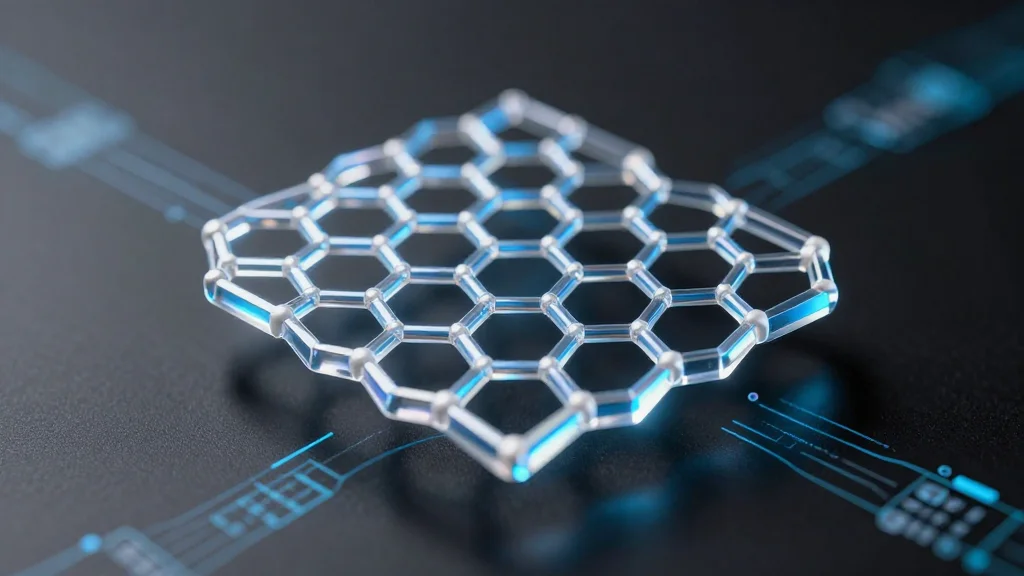
Why You Should Not Miss Graphene Connect 2026
Graphene Connect 2026, a virtual conference hosted on the TechBlick platform, will take place March 11‑12, bringing together industry leaders, researchers, and innovators in graphene and 2D materials. The two‑day program includes deep technical sessions on industrial‑scale production, standards, energy...
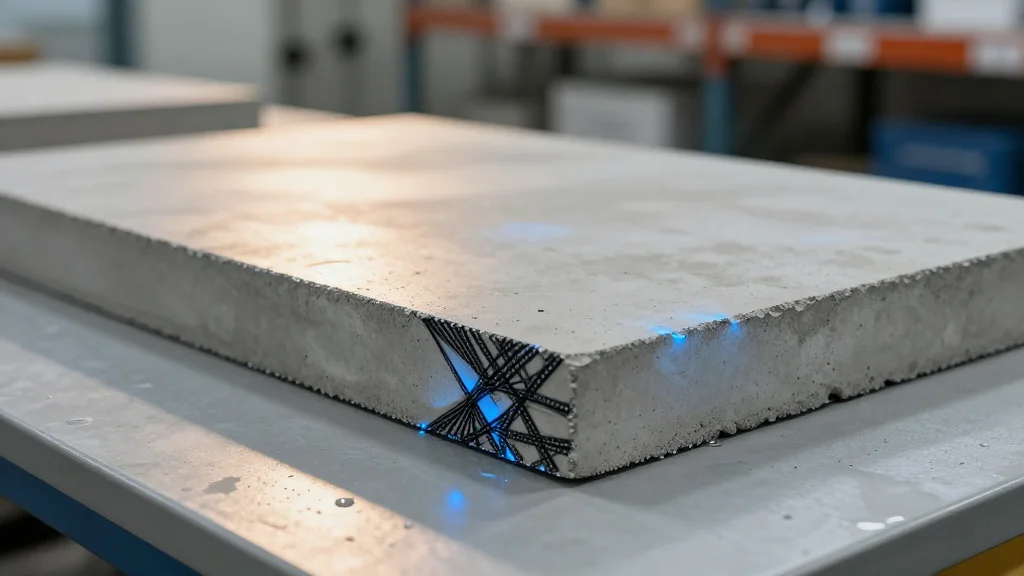
Using Amino Acids as Fuels to Make Conductive Graphene
Researchers have demonstrated that blending graphene oxide with common amino acids and heating the mixture in a conventional furnace produces a highly conductive form of reduced graphene oxide (C‑rGO). The combustion of the amino acids supplies sufficient heat to graphitize...
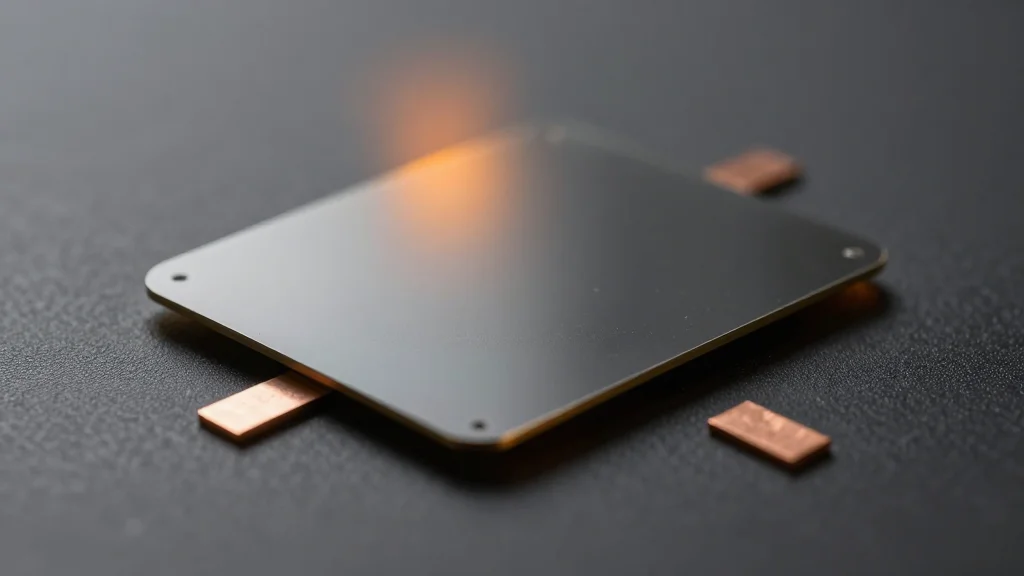
Researchers Discover Record-Setting Heat-Conducting Metallic Material
UCLA researchers have identified metallic theta‑phase tantalum nitride (θ‑TaN) as the most thermally conductive metal ever measured, achieving roughly 1,100 W m⁻¹ K⁻¹—about three times copper’s performance. The breakthrough was confirmed with ultrafast optical spectroscopy, X‑ray scattering, and theoretical modeling that reveal unusually...

Eco-Friendly Agrochemicals: Embracing Green Nanotechnology
The agrochemical sector is turning to green nanotechnology to create eco‑friendly pesticides and fertilizers. Researchers report that nano‑encapsulation can cut active ingredient use by up to 70% while maintaining pest control efficacy. Biodegradable nanomaterials ensure rapid breakdown, minimizing soil residues...

Graphene May Have Been Unintentional Byproduct of Edison's 1879 Light Bulb Experiments
Researchers at Rice University have shown that Thomas Edison’s 1879 carbon‑filament light bulbs likely generated turbostratic graphene through flash Joule heating. By applying a 110‑volt DC pulse for just 20 seconds, the carbon filaments reached 2,000‑3,000 °C, a temperature regime known...

Octopus Antioxidant Shields Perovskite Solar Cells From Decay
Researchers introduced a thin taurine interlayer between tin‑oxide electron‑transport layers and perovskite absorbers, dramatically slowing oxygen‑induced decay. The antioxidant quenches superoxide radicals, regenerates via a peroxide cycle, and reduces interfacial trap density, enabling 97% efficiency retention after 450 h at 65 °C....

Ultra-Thin Wireless Retinal Implant Offers Hope for Safely Restoring Vision Signals
An international team led by Prof. Dr. Sedat Nizamoğlu at Koç University has created an ultra‑thin, wireless retinal implant that uses a photovoltaic nano‑assembly to convert near‑infrared light into precise electrical stimulation. The device operates at light intensities far below...
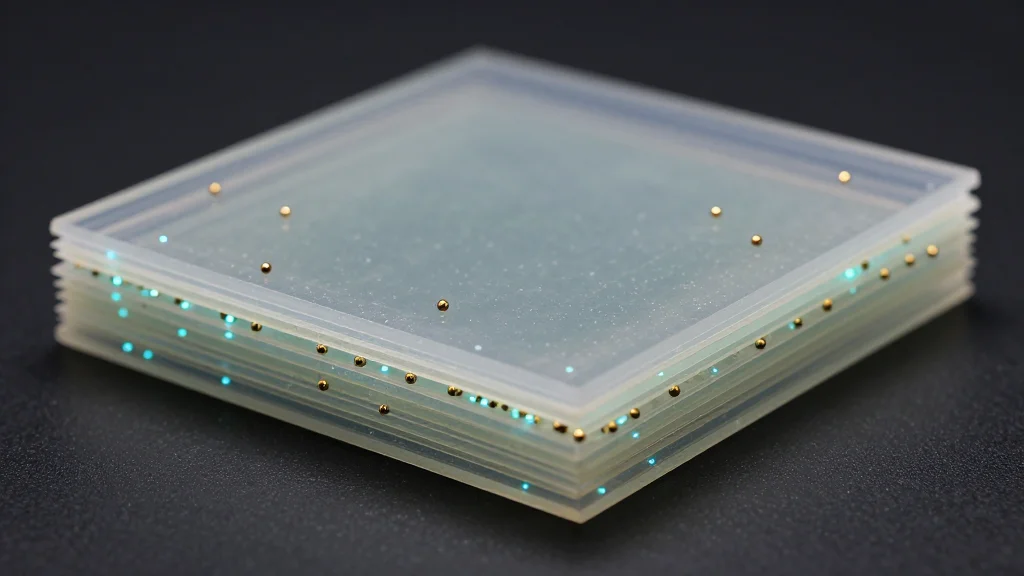
The Art of Custom-Intercalating 42 Metals Into Layered Titanate Nanostructures
A UNIST research team unveiled a one‑step synthesis that directly intercalates up to 42 different metal cations into layered‑titanate nanostructures. The proton‑rich H‑LT precursor exchanges its H⁺ ions for a broad spectrum of metals, from alkali to rare‑earth elements, without...
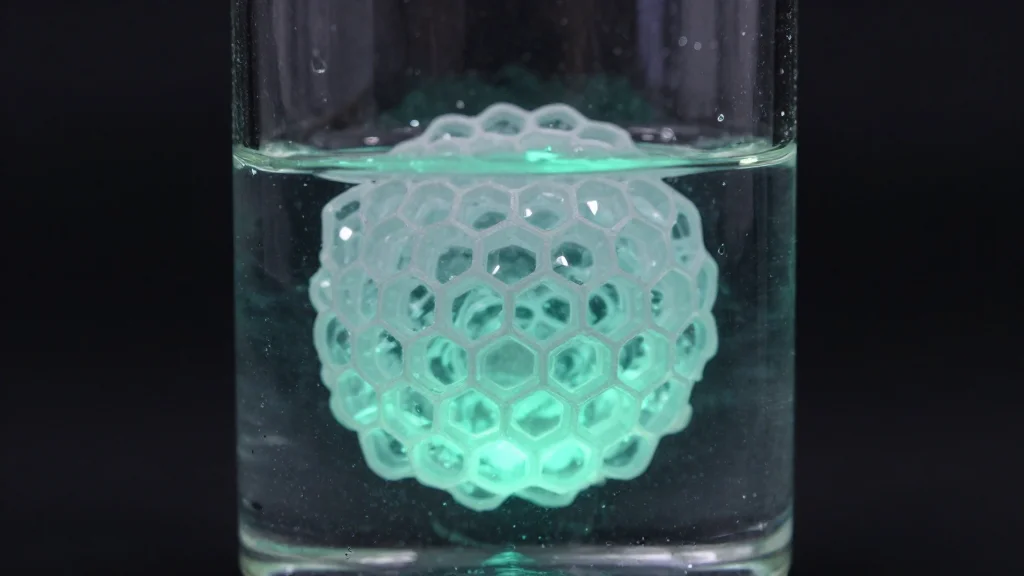
New Metal-Organic Framework Material Achieves Real-Time Fluoride Removal and Detection in Water
Researchers at the Chinese Academy of Sciences have created a metal‑organic framework (MOF) that simultaneously removes fluoride ions from water and emits a visible fluorescence signal. By engineering interfacial water to expose specific crystal facets, the dual‑metal La/Fe‑MOF achieves high...
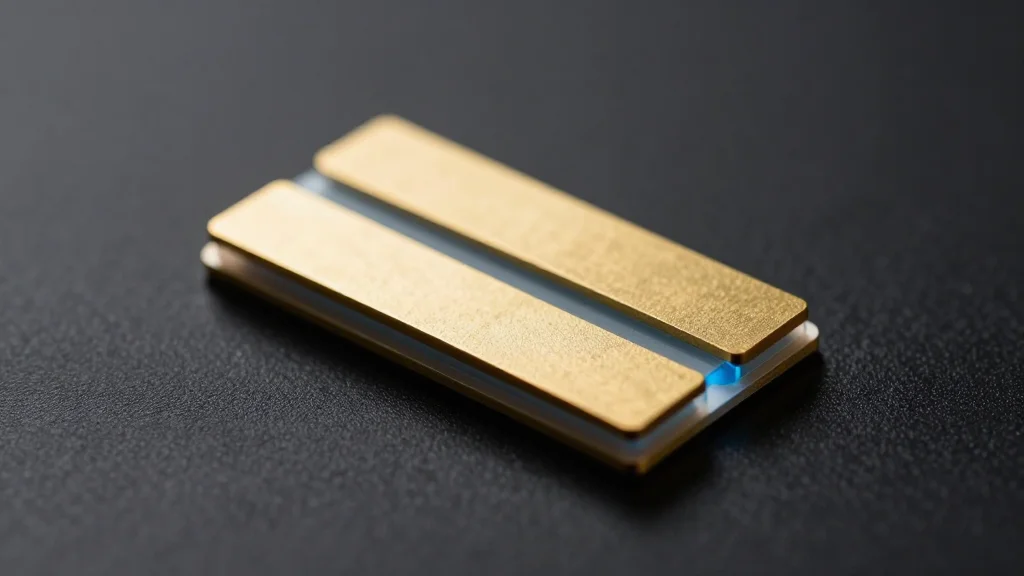
Researchers Redefine Capacitor Behavior at the Nanoscale
Researchers at Stony Brook University have introduced a quantum‑mechanical framework that accurately models nanocapacitors, overcoming the failures of conventional physics at the nanoscale. The method cleanly separates electrode and dielectric contributions, establishing fundamental size limits and enabling first‑principles evaluation of...
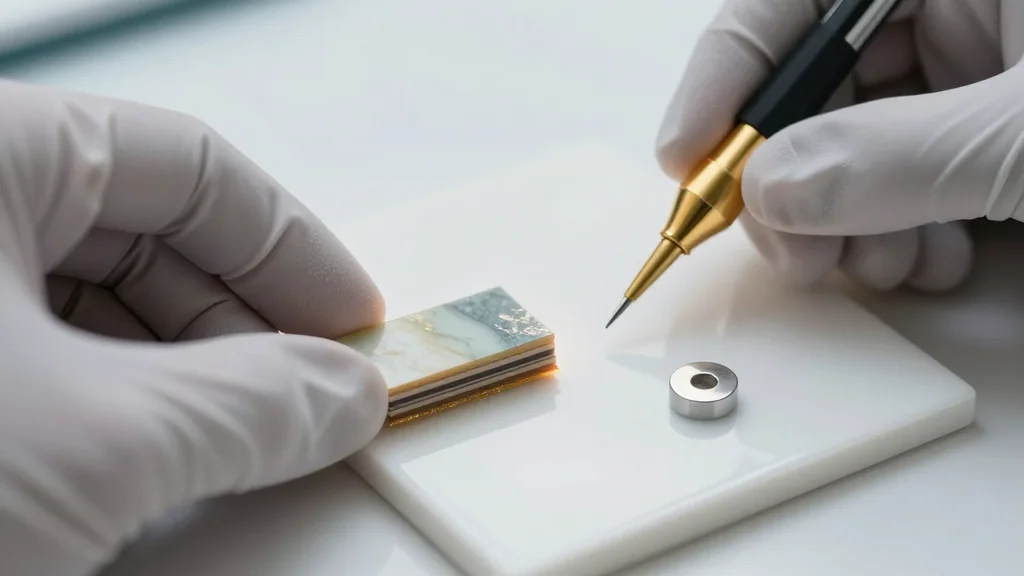
Harnessing Nanoscale Magnetic Spins to Overcome the Limits of Conventional Electronics
Researchers at Kyushu University demonstrated that inserting a 0.3 nm gadolinium layer into a Pt/Co/Ni stack dramatically enhances spin‑orbit torque, enabling magnetic skyrmions to move faster with lower electrical currents. The engineered Pt/Gd/Co/Ni multilayer preserved skyrmion stability while shifting the balance...
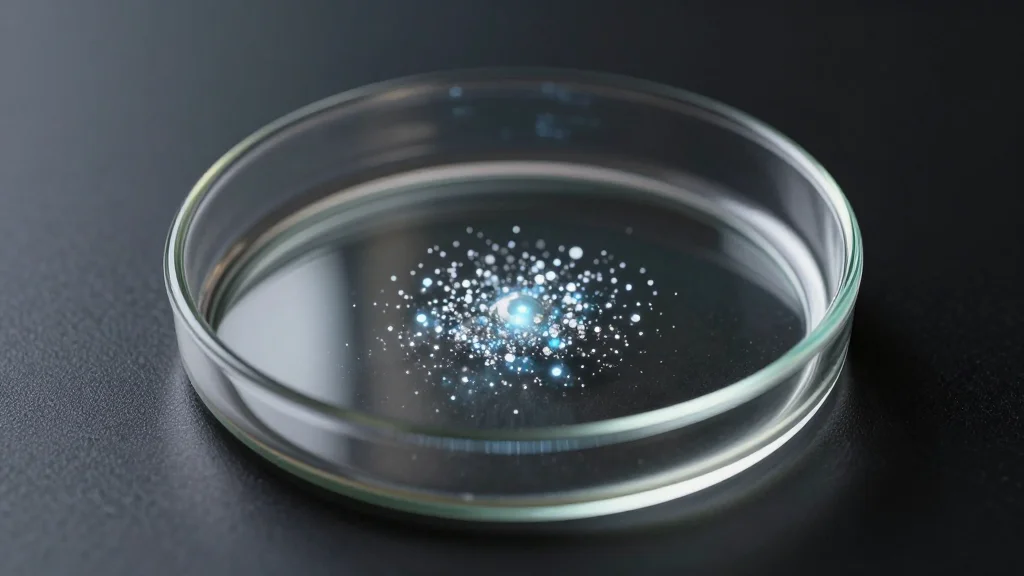
Real‐Time In Vivo Detection of Nanocarrier Number and Velocity in the Cerebrovasculature Using Hot Band Absorption
The study introduces DNA‑stabilized silver nanoclusters (DNA640) that emit anti‑Stokes fluorescence via hot‑band absorption, encapsulated in cationic mesoporous silica nanoparticles and coated with liposomes for enhanced brightness and chloride resistance. Using adeno‑associated virus‑driven albumin‑mNeonGreen to label mouse cerebrovasculature, researchers combined...
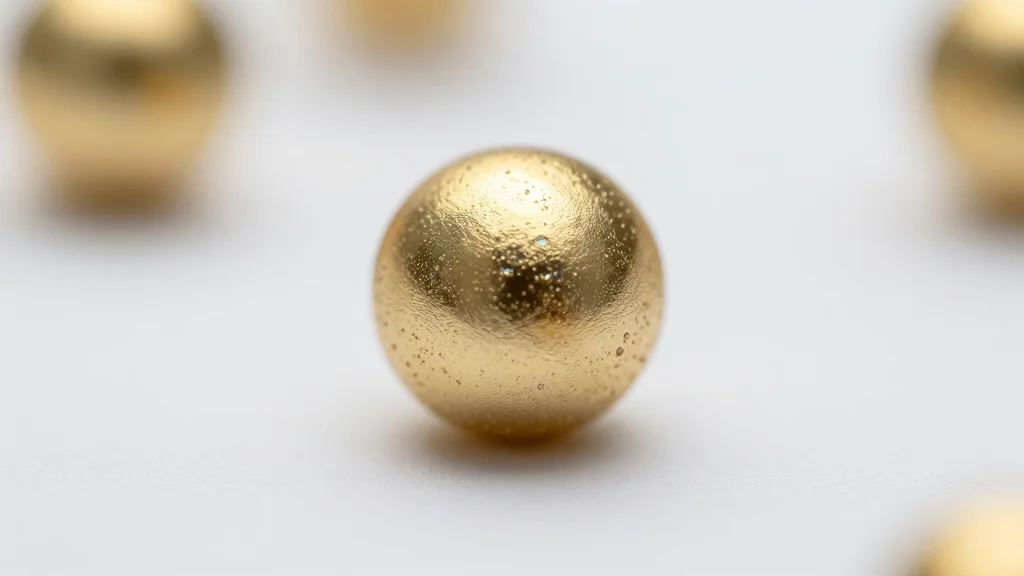
Size‐Dependent Effect of Ni Nanoparticles Confined in Ni‐Modified Flower‐Like Carbon Toward CO2 Electroreduction Reaction
Researchers engineered a flower‑like nitrogen‑doped carbon framework to confine nickel species, enabling coexistence of Ni‑N‑C sites and size‑controlled Ni nanoparticles. Moderate Ni loading (0.2–1 mmol) stabilized small particles, delivering a CO faradaic efficiency of ~90% at –1.0 V vs RHE and maintaining...
Comparative WS2‐NbS2 and MoS2‐NbS2 Binary Alloy Nanosheets as Excellent Hydrogen Evolution Reaction Electrocatalysts
Researchers synthesized binary alloy nanosheets W1‑xNb xS2 and Mo1‑xNb xS2 via colloidal routes, achieving uniform atomic mixing across the full composition range. Incorporating niobium transforms the semiconducting WS2 and MoS2 into a more metallic phase, which DFT calculations confirm. In...
Flexoelectric Polarization Control via Defect‐Driven Strain Gradients in Complex Oxide Thin Films
Researchers have demonstrated deterministic control of in‑plane flexoelectric polarization in epitaxial LaAlO₃ thin films by engineering oxygen‑vacancy gradients. Electrically written vacancy‑rich lines induce localized lattice expansion, generating converging strain gradients that produce a strong shear‑type electromechanical response observed via lateral...
Confinement and Self‐Supply of Carbon Sources by Micro‐Containers Enable Efficient In Situ Growth of Carbon Nanotubes for Li‐Ion Storage
Researchers have introduced a scalable method that uses expanded graphite micro‑containers to confine carbon and nitrogen precursors, enabling rapid in situ growth of nitrogen‑doped carbon nanotubes (N/CNTs). The confined environment supplies sufficient carbon/nitrogen locally, achieving a high yield (>14%) and...
Toward Stable Mn Metal Anodes and Electrolyte Design for Mn‐Based Batteries
Manganese metal anodes promise higher capacity and a lower redox potential than zinc, positioning them as a next‑generation battery candidate. However, rapid hydrogen evolution, corrosion, and dendritic growth have limited practical deployment. Recent research highlights concentrated aqueous electrolytes, halogen‑mediated non‑aqueous...
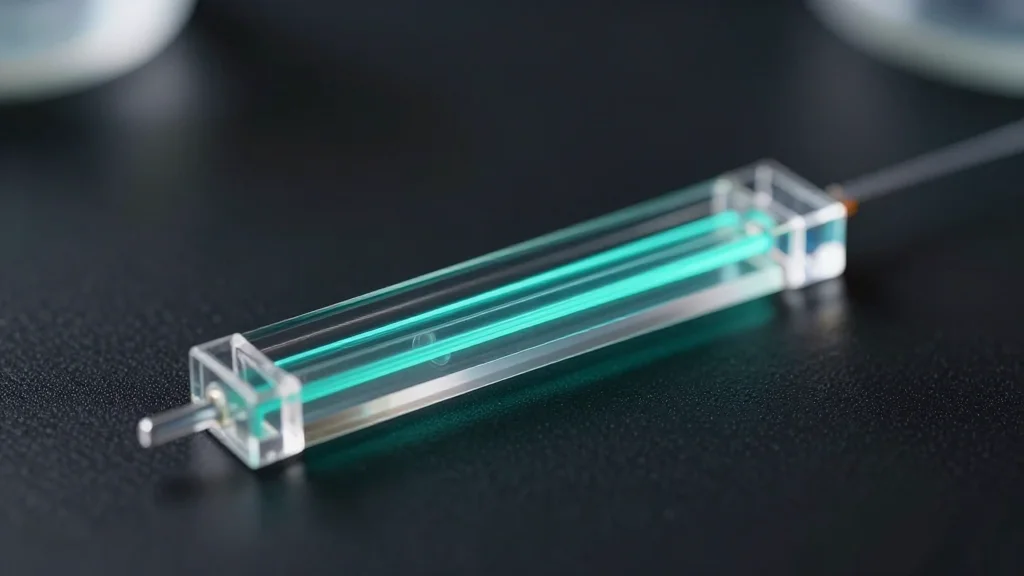
Mechanically Robust and Anti‐Biofouling Hybrid Encapsulation via Layered Organic–Liquid Interfaces for Implantable Devices
Researchers introduced a Multi‑layered Organic‑based Liquid Encapsulation (MOLE) that merges amine‑functionalized silicone elastomer with Parylene‑C to protect implantable bioelectronics. The outer silicone layer, infused with silicone oil, cuts protein adsorption to under 1% and repels biofilm formation. MOLE delivers an...
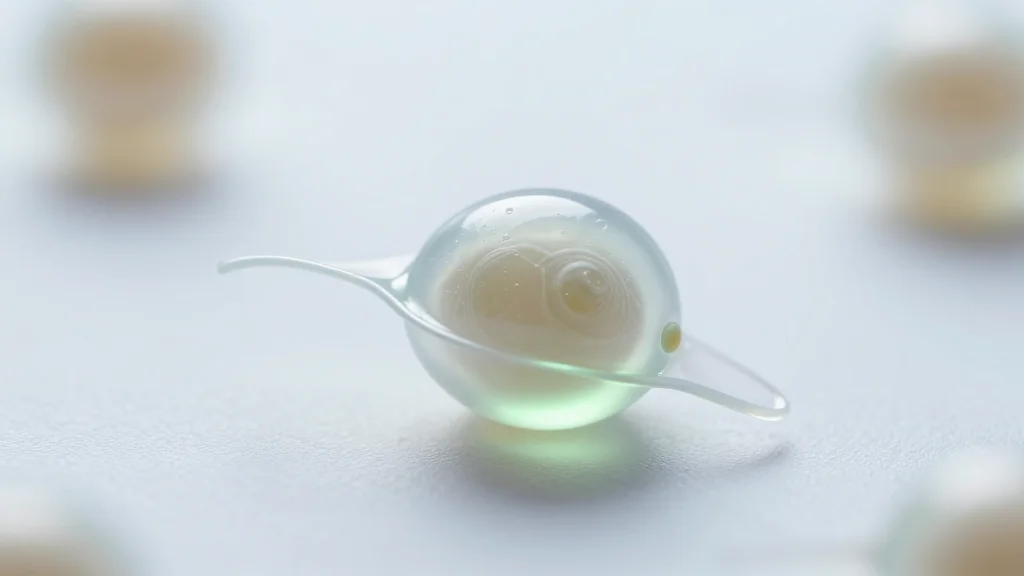
High‐Conductive Stretchable Electrode Array Patch for Real‐Time High‐Fidelity Electromyography Monitoring
Researchers unveiled a multilayer stretchable microelectrode array patch (MEAP‑S) that combines photolithographically patterned gold electrodes with an ultrathin SEBS dielectric. The device delivers conductivity above 10^5 S m⁻¹, stretches up to 100 % strain, and packs 100 channels per cm² while suppressing crosstalk....

Neutralizing Charge Centers Radius via Dipole‐Charge Interaction in Perovskites
Researchers introduced 3,3-difluoropyrrolidine hydrochloride (GOSO-005), a fluorinated dipolar molecule, to neutralize positively charged defects in organic‑inorganic perovskites. The dipole‑charge interaction reduces electron‑trapping radius, enhancing charge transport and suppressing Shockley‑Read‑Hall recombination. Devices incorporating GOSO-005 achieved a certified power conversion efficiency of...
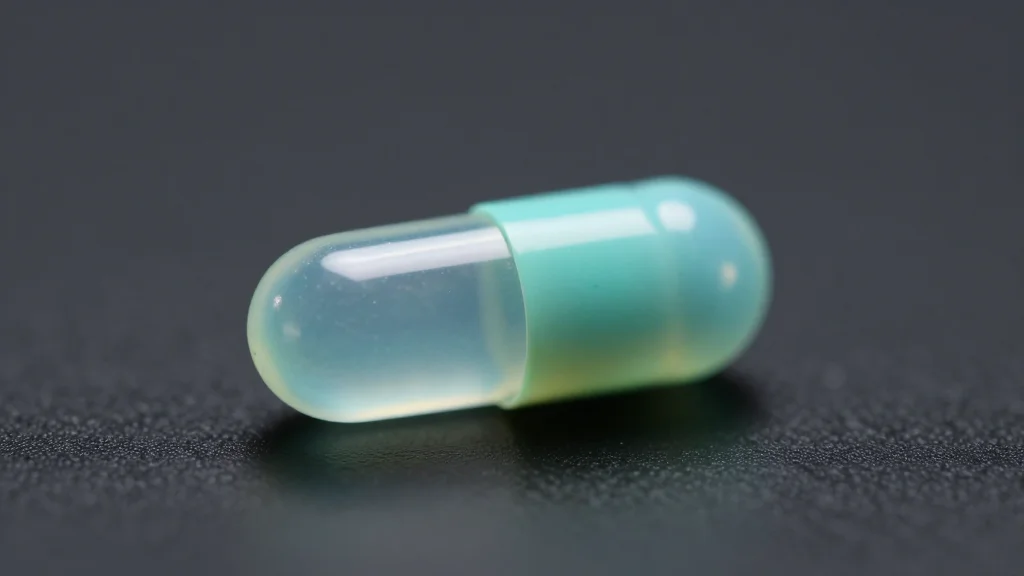
Nanocatalytic Mitochondrial Oxidative Stress Amplification and Mitophagy Disruption for Efficient Tumor Catalytic Therapy
Researchers have engineered a mitochondria‑targeted nanocatalyst, Co‑SA‑TPP@CQ, that couples cobalt single‑atom catalysis with triphenylphosphine localization and chloroquine co‑delivery. Once inside tumor mitochondria, the catalyst produces superoxide anions and oxygen, disrupting the electron transport chain and creating a self‑sustaining oxidative‑stress amplification...
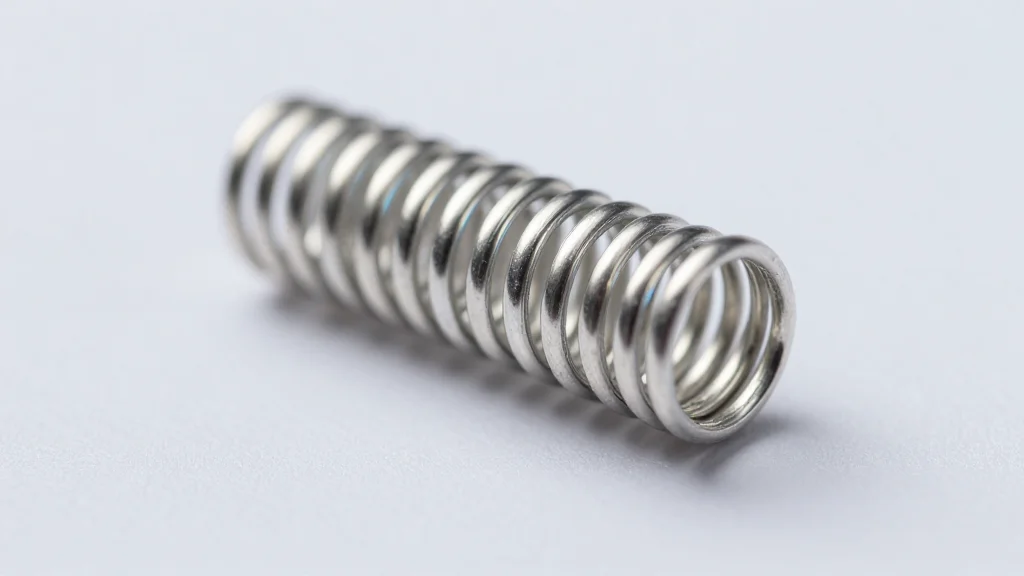
Activating High‐Loading Cathodes Using Percolative Graphite in Rechargeable Alkaline Zn–MnO2 Batteries
Researchers introduced percolative graphite (PG), a moderate‑surface‑area conductive additive, to address the insulating nature of MnO2 in rechargeable alkaline Zn–MnO2 batteries. By replacing large amounts of low‑surface‑area graphite or reactive nanocarbons, PG forms an effective conductive network while maintaining high...
Self‐Generated Chemical Gradients for Controlling the Locomotion of Artificial Nanomotors
Researchers have engineered lipase‑activated nanomotors that generate their own chemical gradients to drive motion in ion‑rich aqueous environments. By hydrolyzing acylated dextran, the motors release carboxylate fragments that accumulate at the particle interface, creating localized concentration differences that propel the...
Multifunctional Hybridized Local and Charge‐Transfer Small Molecular Fluorophore for Imaging‐Guided Photodynamic Anticancer Therapy
Researchers have engineered a D‑π‑A‑π‑D small molecule, XSOTA, that exhibits hybridized local and charge‑transfer (HLCT) excited‑state behavior. This HLCT architecture delivers an exceptional fluorescence quantum yield of 89.2% and a reactive oxygen species (ROS) generation efficiency of 56.3%. When formulated...
Multifunctional Oral Hydrogel Containing Dual‐Active Pt/Mn3O4 Nanozyme for Synergistic Pyroptosis Suppression and Gut Microenvironment Reprogramming to Alleviate Radiation Intestinal Injury
Researchers have engineered an oral hydrogel, PMC@Gel, that co‑encapsulates a Pt/Mn3O4 nanozyme and curcumin to treat radiation‑induced intestinal injury. The nanozyme provides catalase‑ and SOD‑like activity, rapidly scavenging reactive oxygen species, while curcumin restores autophagy and modulates inflammation. The pH‑responsive...

Decoding the Oxygen Evolution Reaction Mechanism in a Novel Octanuclear Nickel(II) Double Cubane Cluster: Unleashing the Electrocatalytic Performance
Researchers synthesized a novel octanuclear nickel(II) double cubane cluster using a Schiff‑base ligand and confirmed its structure by single‑crystal X‑ray diffraction. When immobilized on activated carbon cloth (CC‑3), the catalyst achieved a low OER overpotential of 290 mV at 10 mA cm⁻² in...
High‐Efficiency Water Desalination in Metal Chalcogenide Superlattice via Natural Van Der Waals Wrapping
Researchers introduced a van der Waals (vdW) wrapping strategy to build a (SnS)1.15TaS2 superlattice that combines puckered SnS layers with conductive 1H‑TaS2. The architecture stabilizes the structure, accelerates charge‑transfer kinetics, and preserves atomically smooth ion‑transport channels. In capacitive deionization tests...
Monolithic Acoustic Droplet Centrifuge Array for Enhancing Point‐of‐Care Detection of Trace MicroRNAs
A monolithic acoustic droplet centrifuge array (SAWA) integrates nine miniaturized units on a 13 cm² chip, using a single surface‑acoustic‑wave activation to spin and analyze droplets in parallel. The platform enriches tumor cells and trace microRNAs within droplets, boosting fluorescence signal...
Machine Learning‐Optimized Electromagnetic Wave Absorption in Metal/C Nanocomposites
A combined genetic algorithm and machine‑learning workflow was applied to metal‑carbon nanocomposites, optimizing five synthesis variables across three evolutionary generations. The approach more than tripled the enhanced absorption bandwidth, raising it from 1.24 GHz to 4.08 GHz, while pushing the minimum reflection...
Tellurium‐Vacancy Engineering in Ultrathin Bi2Te3 Enables Broadband Multifunctional Optoelectronic Synapse for Energy‐Efficient Neuromorphic and Optical Information Processing
Researchers engineered tellurium vacancies in ultrathin Bi2Te3 films to create a multifunctional optoelectronic synapse. The defect‑engineered device achieves a record‑low energy consumption of 37.2 fJ per spike and exhibits 191.7% paired‑pulse facilitation. Demonstrations include 93.3% facial‑recognition accuracy, 86.7% urban‑traffic segmentation, optical...

Heavy‐Metal‐Free ZnSeTe Quantum Dots‐Based Liquid Scintillators for Scalable X‐Ray Imaging
Researchers have developed a heavy‑metal‑free liquid scintillator using ZnSeTe core‑shell quantum dots combined with the energy‑transfer donor PPO. By tuning the Te/Se ratio and applying halogen surface passivation, the QDs achieve a blue emission with a light yield of 11,222...
Multifunctional Cyanuric Fluoride‐Mediated Crystallization and Defect Passivation for 2D Sn‐Based Perovskite Thin‐Film Transistors
Researchers introduced cyanuric fluoride (Cy‑F) as a multifunctional additive into 2D PEA₂SnI₄ perovskite films, simultaneously regulating crystallization and passivating defects. The optimized 12 vol% Cy‑F formulation yielded a record‑high thin‑film transistor mobility of 1.88 cm² V⁻¹ s⁻¹, over ten times the pristine device, while...
Polyimide Microwave Absorption Foam Reinforced With Epoxy Resin and Integrated With Multifunctionality
Researchers introduced a novel molecular‑design and component‑regulation strategy that grafts epoxy groups onto polyimide (PI) chains and incorporates rigid segments, forming a cross‑linked, interpenetrated network. This approach simultaneously boosts the foam’s mechanical strength and microwave absorption performance, maintaining structural integrity...

Stacked 2D Materials Unlock Diamond-Based Electronics Circuits
Researchers at Argonne National Laboratory have demonstrated that a monolayer of molybdenum disulfide (MoS₂) stacked on boron‑doped p‑type diamond creates a functional PN junction that operates at room temperature. The heterointegration uses electrostatic doping rather than traditional chemical dopants, allowing...

A New Implantable Scaffold Captures and Destroys Circulating Tumor Cells in the Bloodstream
Researchers in China have created an implantable vascular scaffold equipped with magneto‑optical probes that capture circulating tumor cells (CTCs) directly from the bloodstream and eliminate them with near‑infrared (NIR) light. In rabbit and goat models the system achieved capture efficiencies...

Aspartame Peptide‐Based Piezoelectric Supramolecular Material Toward Energy Harvesting
Researchers have demonstrated that aspartame dipeptide crystals self‑assemble into a non‑centrosymmetric supramolecular lattice that exhibits a piezoelectric coefficient of 37.9 pC/N. A prototype device built from these crystals generated approximately 0.62 V and 2.08 nA under a 50 N mechanical load. The output remained...
Atom‐Efficient Ir Nanoclusters in Laser‐Engineered MoC@N‐Carbon for Ultralow‐Overpotential Hydrogen Evolution
Researchers used pulsed laser irradiation in liquids to embed iridium nanoclusters within a MoC/N‑doped carbon matrix, creating defect‑driven interfacial polarization. The resulting IrNC/MoC@NC catalyst delivers ultralow overpotentials of 25 mV for the hydrogen evolution reaction at 10 mA cm⁻² and 338 mV for hydrazine...
Biomimetic Multifunctional Scaffolds for Osteochondral Regeneration: Bridging Material Design and Functional Integration
The review outlines a systematic framework for engineering biomimetic osteochondral scaffolds, integrating four coordinated components: functional properties, bioactive material systems, advanced fabrication methods, and hierarchical structural designs ranging from monophasic to gradient configurations. By aligning these modules, researchers aim to...

Synergistic Morphology‐Material Design in a Hierarchical Composite Surface for High‐Efficiency Drag Reduction
Researchers introduced a biomimetic hierarchical composite surface (BHCS) that merges staggered denticle arrays, a flexible substrate, and a surface‑grafted PDMS molecular brush using multi‑material 3D printing and spray coating. The optimized BHCS delivered an 18.65% reduction in underwater drag by...

Mapping Out Fast Charging Safe Limits for High‐Loading Lithium‐Ion Cells by High‐Fidelity Operando Microscopy
Researchers used operando optical microscopy on transparent micro‑Li‑ion cells to directly observe lithium plating during fast charging. An ether‑based electrolyte delayed plating onset, delivering up to 54 % more charge capacity at high C‑rates compared with conventional carbonate electrolytes. The effect...
Surface/Interface Design Strategies for Highly Efficient Electrocatalysts: Progress and Perspectives
The review surveys cutting‑edge surface and interface engineering tactics—crystal‑plane orientation, defect creation, functional component modification, and hierarchical geometry—to lift electrocatalyst activity while preserving stability. It underscores the persistent trade‑off between performance and durability under industrial‑scale, high‑current, corrosive environments. Looking forward,...

Protein‐Capturing Microgel‐Integrated Microneedle Array Patches for Enhanced Tip‐Loading, Storage Stability, and Transdermal Delivery of Recombinant Proteins
Researchers introduced a microgel‑integrated microneedle array patch (MI‑MAP) that concentrates recombinant proteins at the needle tips and stabilizes them through phenolic interactions. Compared with conventional hydrogel‑based patches, MI‑MAP achieved markedly higher tip‑loading efficiency and maintained protein activity after 28 days at...
Unconventional Gas Sensing Mechanism in Phase‐Separated N‐Type Mixed Tungsten Oxide 2D‐Nanosheets Compared Against Tungsten (VI) Oxide
Researchers created oxygen‑deficient WO3‑x nanosheets by thermochemical reduction, yielding phase‑separated WO2.9 domains within an insulating WO2 matrix. The mixed‑phase material exhibits unconventional gas‑sensing behavior, showing opposite resistance changes to NO2 and CO compared with pristine WO3. WO3‑x delivers −125 % response...

Mild Photothermal Stimulation Driven Nanoparticles Hybrid Dual‐Network Hydrogels for Bone Repair
The researchers present a PDA@GelMA/HA-DA/Fe3+ dual‑network hydrogel that combines gelatin methacryloyl, dopamine‑modified hyaluronic acid, Fe3+ crosslinking and polydopamine nanoparticles. Fe3+ ions act as angiogenic cues while the nanoparticles provide mild photothermal stimulation under near‑infrared light. In vitro, bone‑marrow mesenchymal stem...

In Situ Exsolved Ni Nanoparticles From Pr0.5Sr0.5Ti0.5Mn0.5O3 with Varying Ni Doping Levels for Direct Methane Solid Oxide Fuel Cells
Researchers investigated nickel‑doped Pr0.5Sr0.5Ti0.5Mn0.5O3 anodes for solid oxide fuel cells, comparing PSTMN41 (Mn0.4Ni0.1) and PSTMN51 (Mn0.5Ni0.1). In‑situ reduction generated dispersed Ni nanoparticles and abundant oxygen vacancies, markedly improving methane oxidation and electron conductivity. PSTMN41 delivered peak power densities of 119.6 mW·cm⁻²...
Controlling Selectivity for Efficient Nitrogen Photo‐Fixation Over Hydrogen Evolution Using Anthracene‐Containing D–A Conjugated Polymers
Researchers engineered anthracene‑BTSO donor‑acceptor conjugated polymers with tunable monomer ratios to steer photocatalytic selectivity between nitrogen reduction (NRR) and hydrogen evolution (HER). The 1:1 donor‑to‑acceptor polymer AnSO‑6 delivered an unprecedented NH3 production rate of 1645.25 µmol g⁻¹ h⁻¹ under full‑spectrum light without sacrificial...
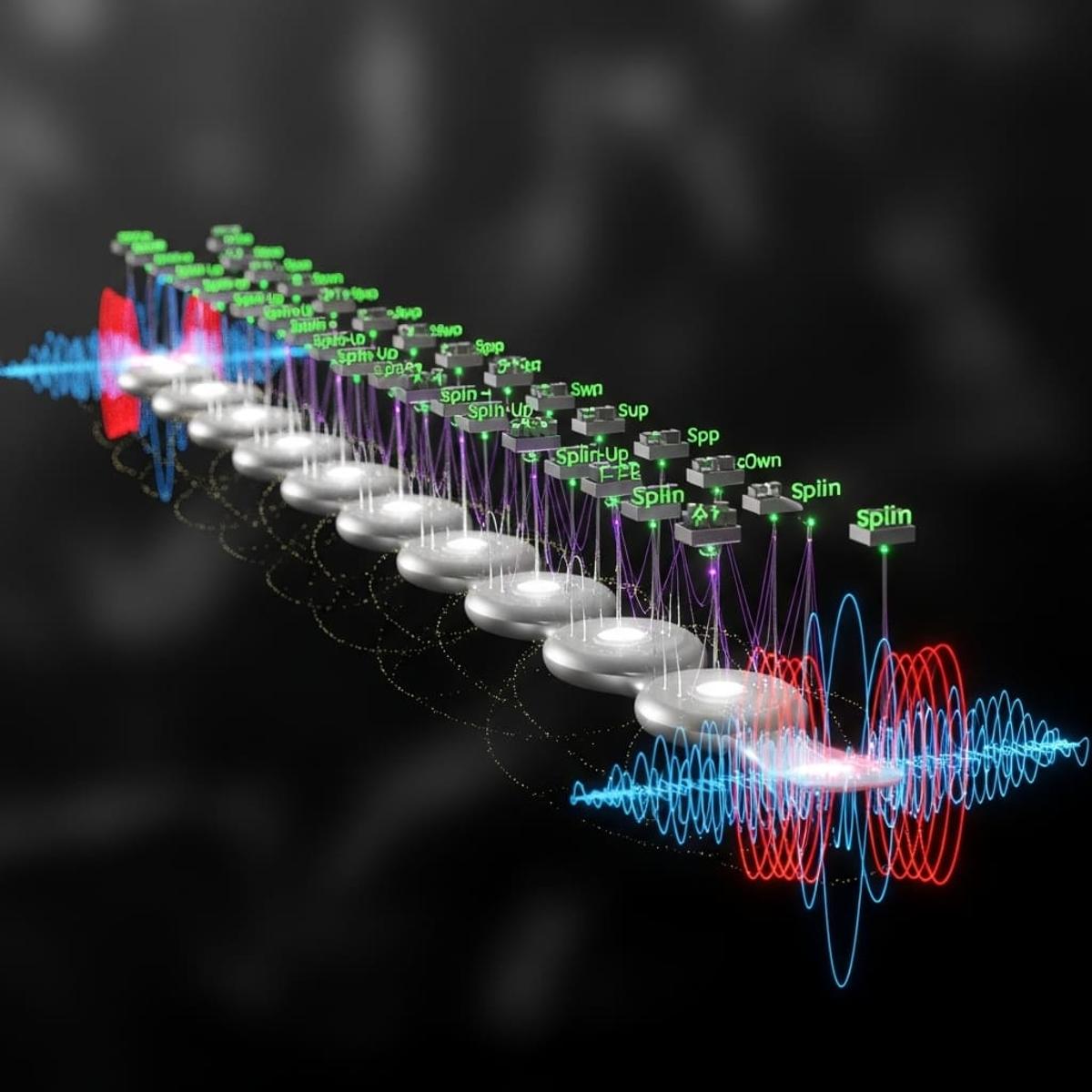
Spin Control Advances Kitaev Chain Coherence, Enabling Exponentially Scalable Qubits
Researchers at QuTech and Delft demonstrated spin‑based control of phase differences in Kitaev chains, eliminating the need for external magnetic flux. Using a three‑site InSbAs 2DEG device with quantum‑dot‑superconductor hybrids, they tuned the superconducting phase via the spin state of...