Today's Nanotech Pulse

Left‑handed DNA origami tubes double chemotherapy efficacy
Researchers at the Cancer Center at Illinois showed that left‑handed DNA origami tubes loaded with the drug Daunorubicin kill acute myeloid leukemia cells more than twice as effectively as right‑handed tubes. The tubes display CD117‑targeting aptamers and their left‑handed geometry promotes rapid internalization, boosting cell‑killing potency.

Drug Delivery Concept Boosts Nanoparticle Surfactants for Enhanced Oil Recovery
Skoltech researchers have adapted drug‑delivery technology by encapsulating two surfactants in mesoporous silica nanoparticles to improve enhanced oil recovery (EOR). Laboratory tests on carbonate rock cores showed the nanocarriers lower surfactant adsorption, cut water‑oil interfacial tension and increase rock wettability toward water. The encapsulated formulations also performed well under high‑temperature, high‑salinity conditions typical of mature fields. The authors stress that dynamic flow experiments are needed before field deployment.

Regulating 4f‐2p‐3d Orbital Coupling in CeO2 via Dual‐Transition Metal Doping for Efficient Peroxymonosulfate Activation
Researchers engineered a Fe/Co co‑doped CeO2 catalyst that creates a gradient 4f‑2p‑3d orbital coupling, dramatically improving peroxymonosulfate activation. The dual‑metal system narrows the Fe/Co‑O energy gap, boosts Ce(IV) content, and accelerates electron transfer at Ce sites. As a result, the...

Researchers Develop a New Method for Water-Based, Layer-Selective Exfoliation of Few-Layer Graphene
Researchers at Korea‑based Edmayim Corp. unveiled a scalable, water‑based method for producing few‑layer graphene by first expanding interlayer spacing and then applying controlled centrifugation to fractionate layers. The technique avoids chemical oxidants, yields reproducible five‑layer graphene with preserved crystalline order,...

Pyrochlore‐Type Bi2Ru2O7 With Regulated Local Electronic Structure for Efficient Oxygen Evolution Reaction
Researchers introduced pyrochlore‑type Bi2Ru2O7 (BRO) as a next‑generation oxygen evolution reaction (OER) catalyst for anion‑exchange membrane water electrolysis. BRO achieves more than 20‑fold higher OER activity than conventional RuO2 while containing 48.3 wt % less ruthenium. The superior performance stems from bismuth‑induced...

High‐Entropy Spinel Oxides‐Decorated MXene Nanoarchitectures for Efficient Methanol Oxidation‐Assisted Hydrogen Production
Researchers have engineered high‑entropy spinel oxide nanoparticles containing five transition metals directly on ultrathin Ti3C2Tx MXene sheets. The resulting HEO/MX nanoarchitecture acts as a bifunctional electrocatalyst, delivering low‑voltage methanol oxidation (MOR) and efficient hydrogen evolution (HER) in alkaline media. It...

Prussian Blue Analogues for Non‐Aqueous Sodium‐Ion and Potassium‐Ion Batteries: The Landscape From Lab‐Scale Optimizations Toward Practical Applications
Prussian blue analogues (PBAs) are emerging as scalable cathode materials for non‑aqueous sodium‑ion and potassium‑ion batteries. The review connects crystal chemistry, defect control, and particle engineering to electrochemical performance, highlighting synthesis routes, crystal water, and interfacial stability. It outlines lab‑scale...

Interfacial Water Reorganization via Polyethyleneimine‐Functionalization for Enhanced Alkaline Hydrogen Evolution on Single‐Atom Platinum Anchored on Reduced Graphene Oxide
Researchers introduced a dual‑function electrocatalyst, RGO‑PEI/Pt1, that couples single‑atom platinum with a polyethyleneimine‑functionalized reduced graphene oxide scaffold. The PEI layer reorganizes interfacial water into a hydrogen‑bonded chain, acting as a proton pump and dramatically accelerating alkaline hydrogen evolution. The catalyst...
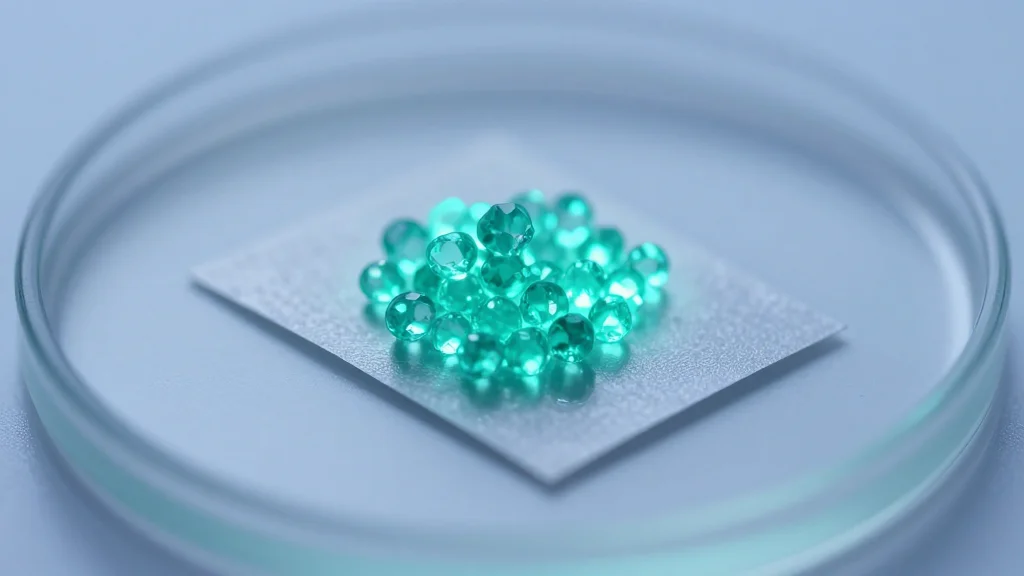
Enhanced Low‐Temperature Photoluminescence in Α‐CsPbI3/WS2 Heterostructures: Experimental and Theoretical Insights Into Exciton Dynamics in Low‐Dimensional Materials
Researchers have achieved a 109‑fold increase in photoluminescence (PL) from α‑CsPbI3 perovskite quantum dots integrated with a monolayer WS2 at 8 K, compared with room temperature. Combined photoluminescence spectroscopy and density functional theory reveal that reduced structural distortion in the perovskite...
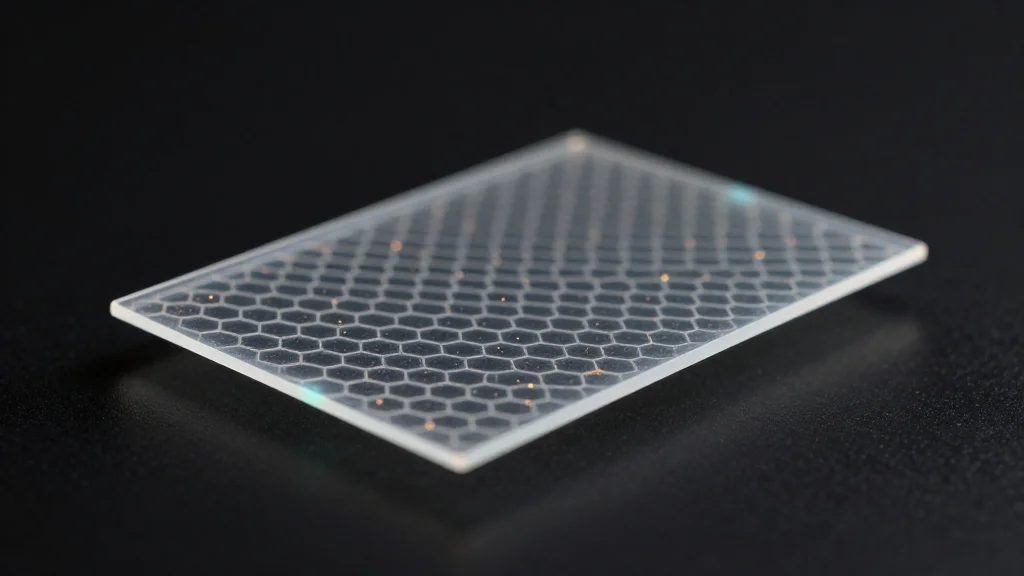
Metalloborophenes: Structural Diversity and Emerging Properties of Metal–Boron Two‐Dimensional Frameworks
Metalloborophenes are a newly emerging class of two‑dimensional boron frameworks whose stability and functionality derive from incorporated metal atoms. The first experimental realization—copper‑borophene nanoribbons—in 2024 confirmed long‑standing theoretical predictions and highlighted the material’s tunable electronic, magnetic, and catalytic traits. Computational...

Tuning Spin Valley Coupling via Strain‐Amplified Magnetic Proximity in Fe3GaTe2/WS2 Heterostructures
Researchers have shown that applying strain via a gold‑grating substrate dramatically strengthens the magnetic proximity effect in Fe3GaTe2/WS2 heterostructures. The enhanced interlayer coupling expands the exciton valley‑polarization hysteresis and drives the excitonic Landé g‑factor to an unprecedented –30. First‑principles calculations...

Turning Methane Into Carbon Nanotubes and Hydrogen
Researchers at the University of Cambridge and Stanford have engineered a continuous‑flow floating‑catalyst chemical vapor deposition reactor that simultaneously converts methane into low‑CO₂ hydrogen and high‑performance carbon nanotubes (CNTs). By recycling process gases in a multi‑pass configuration, the system dramatically...

How AI Agents Are Transforming Solid Electrolyte Discovery
AI agents are reshaping solid‑electrolyte discovery by uniting data analysis, materials modeling, simulation, and experimental planning into adaptive, closed‑loop workflows. This integrated approach moves beyond isolated predictions, enabling rapid screening of sulfide, oxide, and halide chemistries while pinpointing degradation mechanisms...

New Approach to Circuit Design Introduces Next-Level Quantum Computing
Researchers at the University of Osaka have unveiled a nanophotonic circuit that routes six distinct laser wavelengths through integrated waveguides to control trapped‑ion qubits. The design uses innovative bubble‑sort and blockwise‑duplication patterns to split, rearrange, and independently switch beams while...

Green Hydrogen From Water Splitting via Unique Two-Dimensional Photocatalysts
A team led by National Taiwan University researchers engineered two‑dimensional SrTiO₃ nanoplatelets by hydrothermally converting Bi₄Ti₃O₁₂ precursors, creating a 2D/2D epitaxial SrTiO₃/Bi₄Ti₃O₁₂ heterostructure. The process produces rough, high‑surface‑area platelets that dramatically lower charge‑carrier recombination and accelerate interfacial charge transfer. Photocatalytic...

Atomic Scale Features Explain Why some Rare Earth Magnets Resist Demagnetization
Researchers have identified an ultra‑thin copper‑rich layer at the boundary of a critical phase in samarium‑cobalt magnets that acts as a pinning barrier, suppressing demagnetization. Advanced microscopy, magnetic measurements and micromagnetic simulations revealed that this one‑to‑two‑atom‑thick layer is present only...
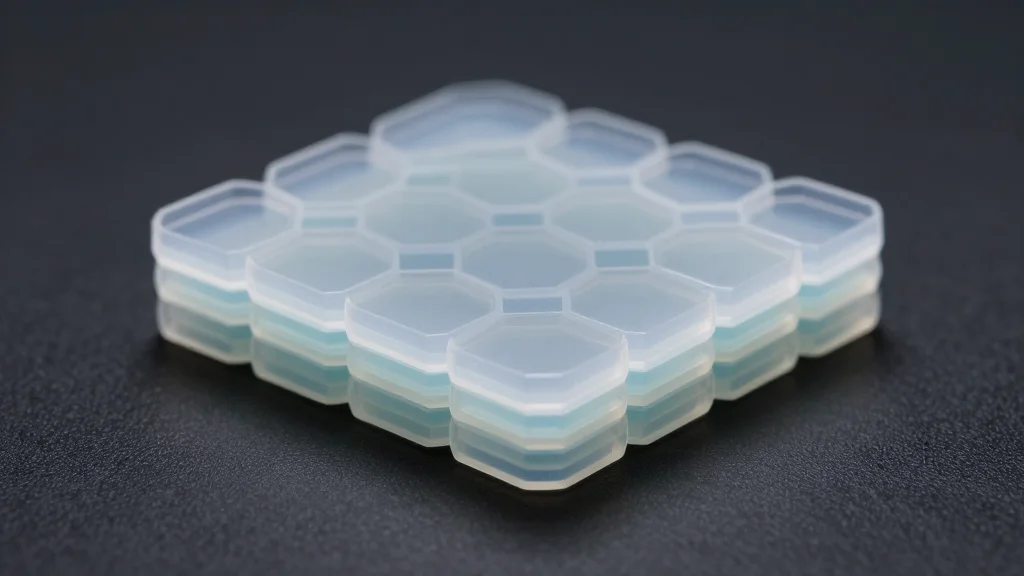
Layered Double Hydroxides‐Incorporated Thin‐Film Nanocomposite Membranes: Emerging Strategies for Sustainable Liquid Separation
Recent research highlights layered double hydroxides (LDHs) as versatile nanofillers in thin‑film nanocomposite (TFN) membranes, offering tunable chemistry, adjustable interlayer spacing, and inherent hydrophilicity. By integrating LDHs into substrates, interlayers, or selective polyamide layers, researchers have demonstrated simultaneous gains in...

Synergistic Interactions Between Single Atoms and Clusters/Nanoparticles on Nitrogen‐Doped Carbon Supports for Electrocatalysis: A Critical Review
Recent research highlights the integration of single‑atom catalysts with nanoparticles on nitrogen‑doped carbon supports, forming hybrid electrocatalysts that surpass the performance of each component alone. The review outlines synthetic routes for co‑stabilizing atoms and particles, classifies structural motifs, and examines...

Amine‐functionalized Ti3C2Tx MXene‐integrated Nanocomposite Membranes via Vapor‐phase Interfacial Polymerization for CO2 Separation
A sustainable vapor‑phase interfacial polymerization (VP‑IP) method creates Ti₃C₂Tₓ‑NH₂ MXene‑enhanced thin‑film nanocomposite membranes for CO₂ capture. The solvent‑free process precisely controls polymer growth and embeds MXene nanofillers that form CO₂‑philic channels. The optimized TFN@0.5MX membrane (0.5 wt% MXene) reaches 389 GPU CO₂...

Corneal Nerve Regeneration via MSC‐Derived EVs: Tissue Source and Culture Dimensionality Dictate miRNA Cargo and Therapeutic Efficacy
Researchers compared extracellular vesicles (EVs) from human corneal and bone‑marrow mesenchymal stem cells (MSCs) grown in traditional two‑dimensional (2D) plates and three‑dimensional (3D) spheroid cultures. EVs were characterized and tested for their ability to promote corneal nerve regeneration in vitro...
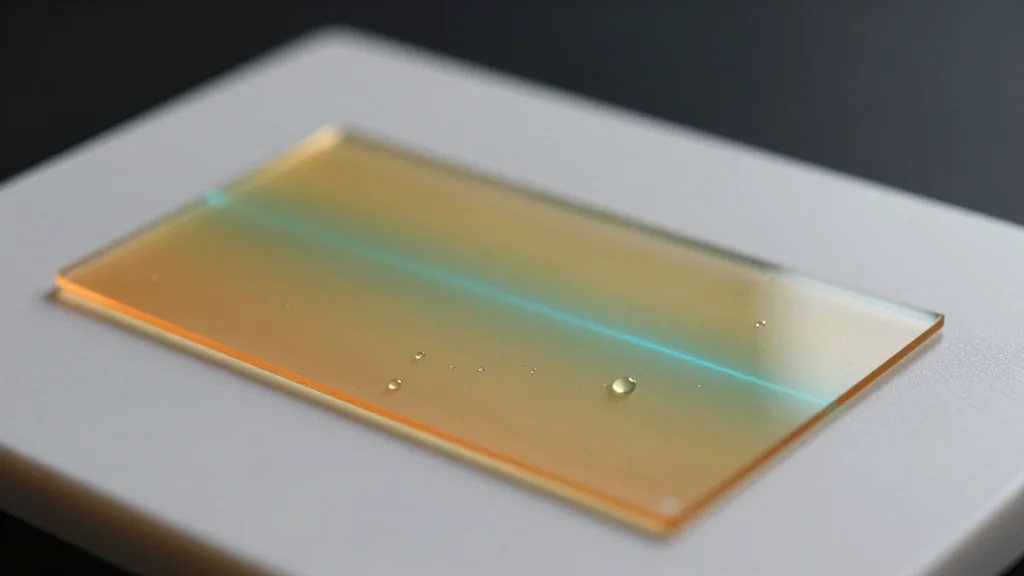
Unravelling Mixed Organic‐Halide Perovskite Degradation Under Extrinsic Factors
Researchers used neutron reflectometry with isotope substitution to probe degradation of mixed organic‑halide perovskite films under humidity and temperature stress. The technique revealed that films deposited on TiO₂ exhibit enhanced stability and form a distinct interfacial layer composed of formamidinium...
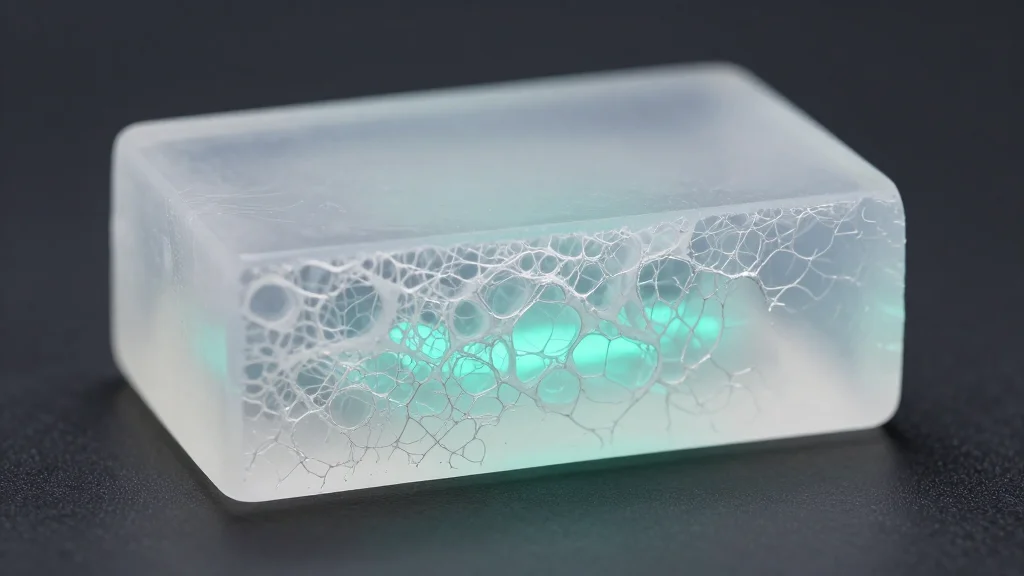
Designing Stable Graphitic Networks on Ultra‐Porous Polyimide Aerogels via Solvent‐Guided Structuring
Researchers engineered a thermally robust, hierarchically porous polyimide aerogel by tuning solvent‑polymer interactions, enabling stable laser‑induced graphitization. The process creates a uniform graphene network within the aerogel, achieving sheet resistivity as low as 6.5 Ω sq⁻¹ while preserving a dielectric constant of...

Modulate Stresses for Efficient Full‐Air Processed Flexible Perovskite Solar Cells with Polymer Adhesive
Researchers introduced an in‑situ polymerized adhesive (CHDMGE/TETA) that simultaneously mitigates microscopic strain and provides macroscopic stress dissipation in flexible perovskite solar cells. The polymer creates a viscous environment that slows solute diffusion, yielding high‑crystalline perovskite films, while its cross‑linked gel...

Suppression of Dendrite Growth and Enhanced Sodiophilicity in Sodium Metal Batteries by Sb‐Coated Zn Current Collector
Researchers introduced a Sb‑coated Zn (Sb@Zn) current collector to stabilize sodium metal anodes. Density functional theory shows Sb incorporation boosts Na binding energy, fostering uniform deposition. Electrochemical tests reveal the Sb@Zn electrode suppresses dendrite growth, delivering 500 cycles at 5 C...
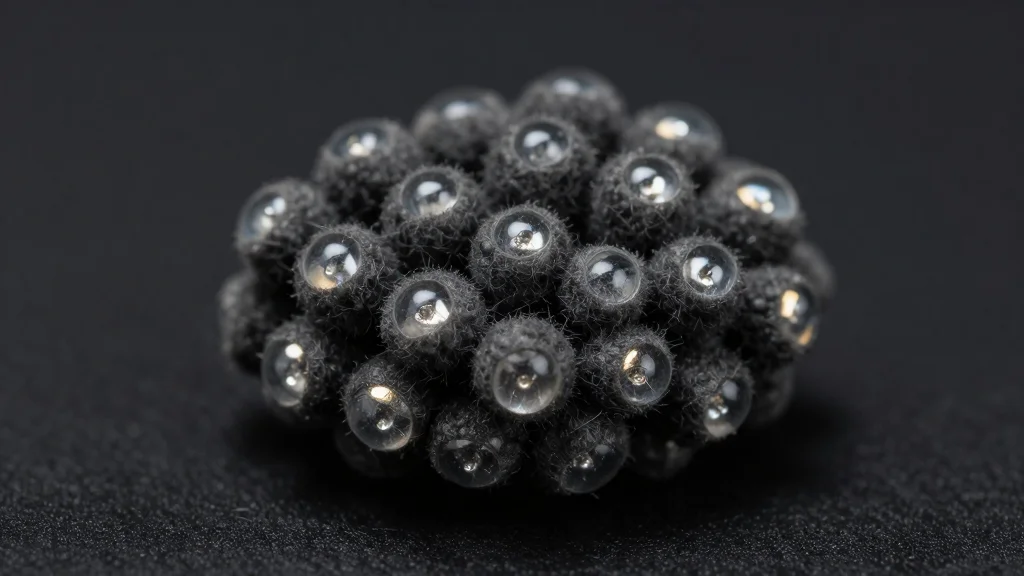
In Situ Preparation of Bismuth Nanoparticles Encapsulated in Porous Carbon Spheres on Graphite Felt Electrodes for Vanadium Redox Flow Batteries
Researchers have developed an in‑situ method to grow bismuth nanoparticles encapsulated in nitrogen‑doped carbon spheres directly on graphite felt (Bi@NC/GF). The multicore‑shell architecture prevents particle agglomeration, improves electron conductivity, and creates abundant active sites for the V³⁺/V²⁺ redox reaction. When...

Printed Nb2O5 Metasurfaces for Ultraviolet‐Visible Chiro‐Optical Holography
Researchers have created a niobium pentoxide (Nb2O5) particle‑embedded resin that combines a high refractive index with low UV‑visible absorption, enabling single‑step nanoimprint lithography of chiral metasurfaces. The etch‑free process produces large‑area, transparent devices that generate spin‑dependent holographic images from 375 nm...

Supramolecular Gelation of Hydrogen Peroxide: Reconciling Safety and Reactivity
Researchers have created a supramolecular gel using glycyrrhizic acid and polyvinyl alcohol that locks hydrogen peroxide into a mechanically strong, thixotropic matrix. The gel exhibits a storage modulus above 3600 Pa, remains stable for over six months, and eliminates leakage. It...

Twisting‐Induced Phonon Localization and Ultralow Thermal Conductivity in Penta‐PdTe2 Bilayer Revealed by a Universal Machine‐Learning Potential
Interlayer twisting in a penta‑PdTe2 bilayer dramatically localizes phonons, driving the lattice thermal conductivity down to 0.30 W m⁻¹ K⁻¹. The study employs a fine‑tuned universal machine‑learning potential (NEP89) with sub‑2.3 meV atom⁻¹ energy errors, coupled to homogeneous non‑equilibrium molecular dynamics and Wigner transport theory....

Intralayer Nanoconfined CuOx Nanocatalysts in Boron Nitride Membrane for Efficient Micropollutant Oxidation
Researchers have integrated copper oxide (CuOx) nanocatalysts into the water‑transport channels of a boron nitride (BN) membrane, creating a nanoconfined catalytic platform for advanced oxidation processes. The CuOx@BN system activates peroxymonosulfate (PMS) to generate hydroxyl radicals and singlet oxygen, delivering...

ROS‐Responsive Hybrid Nanoparticles Enable Dual‐Target Neurovascular Repair via Blood–Brain Barrier‐on‐Chip Validation
Researchers engineered a reactive oxygen species‑responsive exosome‑liposome hybrid nanoparticle that simultaneously delivers siBACH1 and siGSDMD to target oxidative stress in neurons and pyroptosis in the blood‑brain barrier. The platform incorporates a microfluidic BBB‑on‑chip model that reproduces endothelial, astrocytic, and neuronal...

Beyond C1 Products: How Single‐Atom Catalysts Contribute to Solar‐Driven CO2 Reduction Into C2+ Hydrocarbons
The review examines how single‑atom catalysts (SACs) can be engineered to steer photocatalytic CO₂ reduction toward multi‑carbon (C₂⁺) hydrocarbons. It highlights that coordination environment and electronic structure of isolated metal sites dictate CO₂ activation and C‑C coupling pathways. Dual‑atom and...
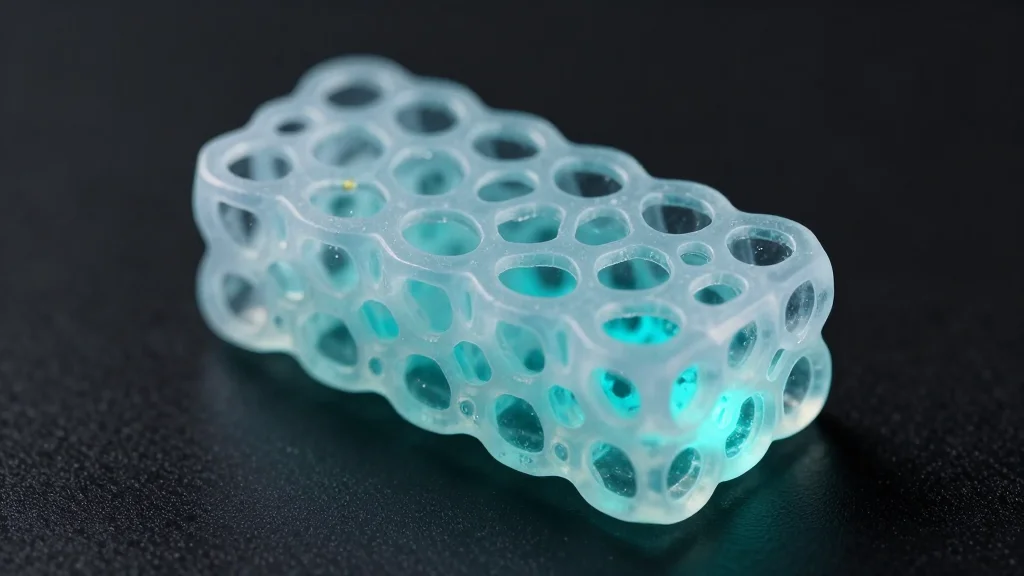
Pyridine‐Functionalized Covalent Organic Frameworks as Metal‐Free Photocatalysts for Chlorotrifluoromethylation of Alkenes via Inner‐Sphere Mechanism
Researchers have synthesized two pyridine‑functionalized covalent organic frameworks (COFs) that act as metal‑free photocatalysts for the chlorotrifluoromethylation of alkenes. The linearly conjugated COF‑25Th outperforms its cross‑conjugated counterpart, delivering up to 99% conversion across diverse substrates. The superior activity stems from...

Soft Interferometric Nanostrain Sensor Reveals Solid‐Liquid Interfacial Tension Oscillation Amplified by Competitive Adsorption
Researchers have created an interferometric nanostrain sensor that measures solid‑liquid interfacial tension of unlabeled protein drops with sub‑0.25 mN m⁻¹ resolution. Using fetal bovine serum, the device shows that γSL declines as protein concentration rises while γSV stays unchanged. Beyond the expected...
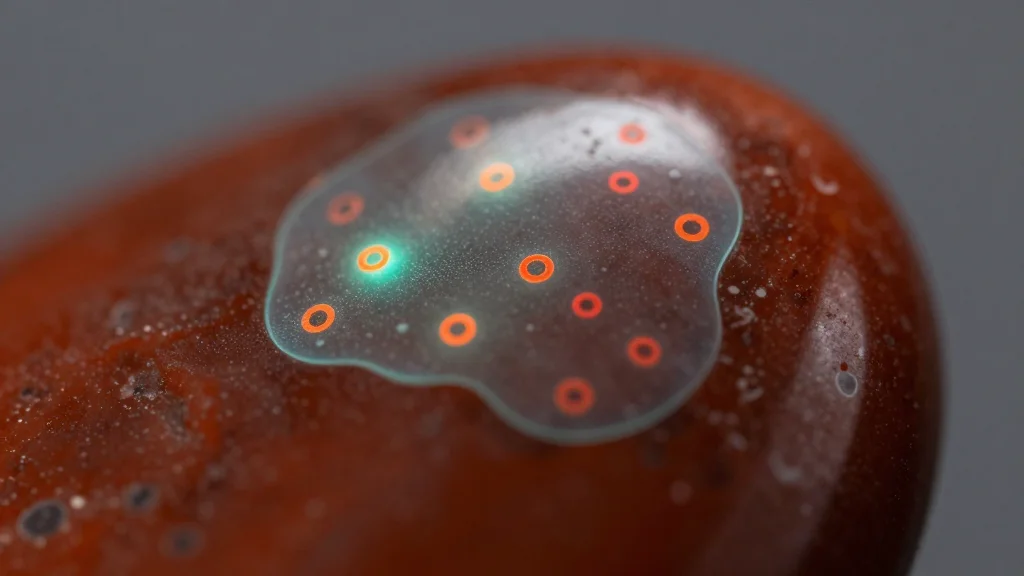
Phosphonic Acid Porphyrin Assemblies Boost Surface Kinetics and Water Oxidation of Α‐Fe2O3 Photoanodes
Researchers introduced a phosphonic‑acid‑terminated porphyrin self‑assembly as a hole‑transport layer on α‑Fe₂O₃ photoanodes. The TPPP (‑PO₃H₂) anchoring group exhibited the strongest chemical adsorption, cutting interfacial charge‑transfer resistance. This molecular interface boosted the photocurrent density by 6.7‑fold and the applied‑bias photon‑to‑current...
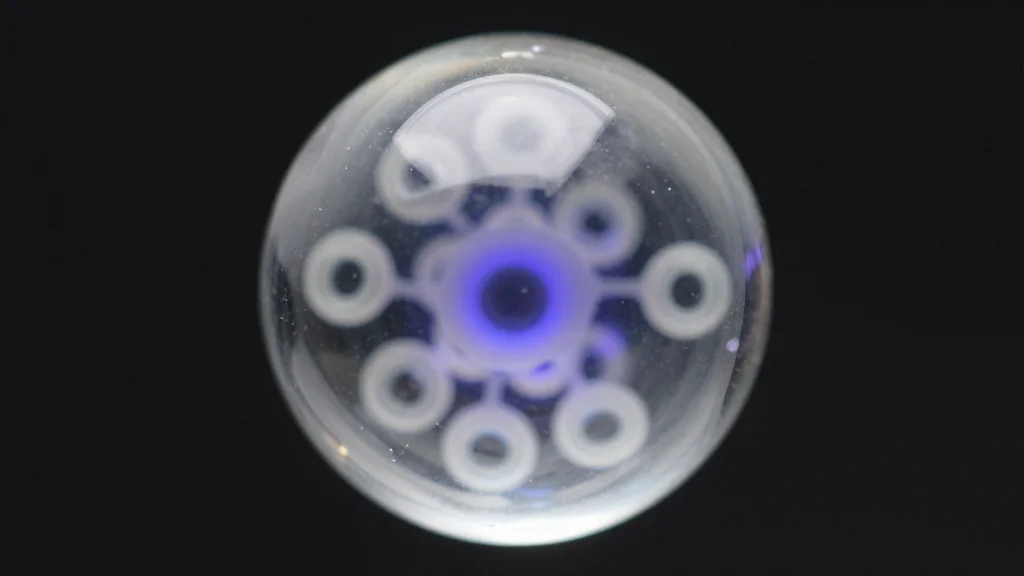
Photoacid‐Fueled Nanopropeller for the Controllable Motion of One‐Hole Colloidal Motors with On‐Board ATP Supply
Researchers have created a light‑driven colloidal motor by co‑assembling chloroplast‑derived F₁F₀‑ATP synthase onto a single‑hole silica capsule preloaded with a photoacid. UV illumination triggers proton release, generating a transmembrane proton motive force that rotates the ATPases and propels the particle...

Transducer Systems Integrated Into Organ‐on‐a‐Chip Devices: From Detection to Fabrication
Organ‑on‑a‑chip (OoC) platforms are advancing drug testing by mimicking human tissue functions in microfluidic devices. Recent advances in microfabrication and 3D printing have lowered costs and improved reproducibility, but accurate, continuous monitoring of cellular responses remains a bottleneck. Integrating miniaturized...

Engineered Β‐Crystal Domains Enable Strong Humidity‐Responsive Actuation in Recombinant Spider Silk
Researchers engineered recombinant spider‑silk proteins by adding terminal cysteines that form disulfide‑stabilized β‑sheet domains during shear‑assisted wet spinning. The resulting C4S fibers retain crystalline alignment up to 90 % relative humidity, delivering rapid, reversible contraction. Mechanical testing shows a recovery stress...

Underlying Polymorphism: Superhelical Crystallization Induces Architectural and Functional Diversity (Small 6/2026)
Jiahao Zhang, Guanghong Wei, Hai Xu, Kai Tao and colleagues report a hierarchical peptide crystallization pathway that progresses from flexible, twisted fibrils to bundled ribbons and finally to robust, plate‑like crystals built from superhelices. The study reveals that superhelical crystallization...

Thermo‐Responsive Smart Window Coupled with Heat Storage Effect
Researchers unveiled a dual‑layer thermo‑responsive smart window that merges dynamic optical switching with solar heat storage. The device combines a thermochromic PNIPAM layer and a supercooled calcium chloride hexahydrate phase‑change layer, achieving a solar modulation of 70.1% and storing 199 J g⁻¹...
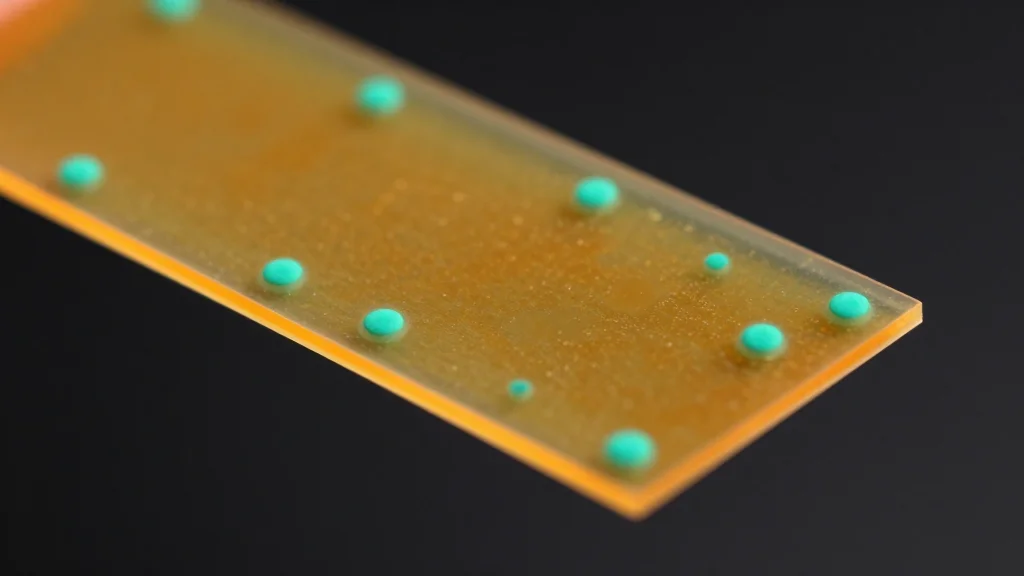
Multifunctional Additives for Performance Improvements in WBG and NBG Perovskite Solar Cells
Researchers highlight multifunctional additives as a key route to boost stability and efficiency in both wide‑bandgap (WBG) and narrow‑bandgap (NBG) perovskite solar cells. In WBG absorbers, additives help reduce open‑circuit voltage loss and curb halide segregation, while in NBG devices...

Functional Nucleic Acids for Cell–Cell Interactions
The review outlines how functional nucleic acids (FNAs) are emerging as programmable tools to modulate cell‑cell interactions. It categorizes regulatory strategies—DNA hybridization, molecular recognition, scaffold construction, and stimulus‑responsive designs—and showcases applications in cellular immunotherapy, force monitoring, 3D tissue model reconstruction,...

Biomimetic Bimetallic‐Polyphenol Network as a Novel siRNA Carrier for the Treatment of Rheumatoid Arthritis via Macrophage Repolarization
Researchers have engineered a biomimetic nanocarrier—TSSC@M1—by integrating a metal‑polyphenol network loaded with TNF‑α siRNA, Sr²⁺, and Cu²⁺, and cloaking it with M1 macrophage membranes for inflammatory targeting. The carrier exploits a proton‑sponge mechanism to escape lysosomes, releasing its cargo to...

Corneal Nerve Regeneration via MSC‐Derived EVs: Tissue Source and Culture Dimensionality Dictate miRNA Cargo and Therapeutic Efficacy (Small 6/2026)
Elmira Jalilian and colleagues published a study in Small (June 2026) showing that the tissue source of mesenchymal stem cells (MSCs) and whether they are cultured in two‑dimensional versus three‑dimensional environments dictate the microRNA cargo of extracellular vesicles (EVs) and...

Rational Design and Application of MOF‐Based Materials for Photocatalytic CO2 Reduction
The review outlines recent advances in metal‑organic framework (MOF)‑based photocatalysts for CO2 reduction, detailing synthesis routes, mechanistic pathways, and structure‑performance correlations. It categorises MOF design into directly modified frameworks, MOF‑derived structures, and MOF composites, each offering distinct active‑site configurations. The...
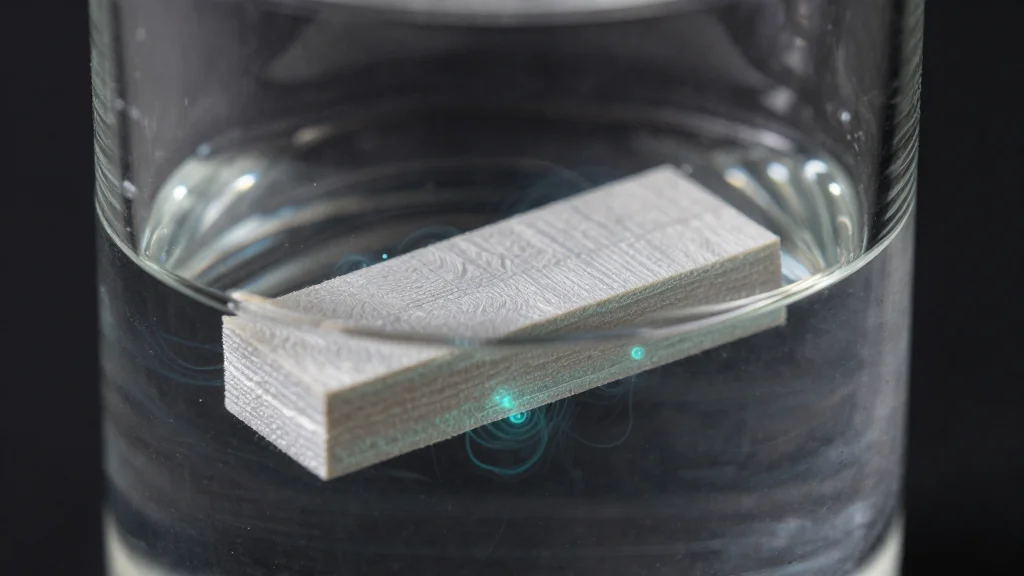
Reaction Kinetics in Proton Batteries: An EIS/DRT‐Based Case Study of Vanadium Pentoxide Electrodes
Researchers used vanadium pentoxide (V2O5) electrodes in an aqueous proton electrolyte to dissect the individual contributions of charge transfer, diffusion, and interfacial phenomena to overall impedance. By pairing electrochemical impedance spectroscopy (EIS) with distribution of relaxation time (DRT) analysis, they...

Holes in Silicon Are Heavier than Expected - Solving a Mystery in Quantum Electronics
Physicists at UNSW Sydney, together with imec and Diraq, proved that holes in silicon travel slower because they have an intrinsically higher effective mass, not because of defects. Record‑high mobilities were measured, reaching 40,000 cm² V⁻¹ s⁻¹ for electrons and 2,000 cm² V⁻¹ s⁻¹ for holes....

Spectral Slimming for Single-Nanoparticle Plasmons
Researchers at Singapore University of Technology and Design have demonstrated that engineering the photonic substrate beneath a single metal nanoparticle can dramatically sharpen its plasmon resonance, achieving quality factors over 80 times higher than on conventional dielectric supports. Numerical simulations...

A Hidden Magnetic Order Could Unlock Superconductivity
Physicists have uncovered a subtle magnetic order that persists in the pseudogap phase of quantum materials, linking it directly to the emergence of superconductivity. The discovery was made using an ultracold‑atom quantum simulator that mimics the Fermi‑Hubbard model, allowing researchers...

Software Allows Scientists to Simulate Nanodevices on a Supercomputer
Researchers at ETH Zurich and MARVEL unveiled QuaTrEx, a software suite that merges density‑functional theory, GW approximation, and non‑equilibrium Green functions to simulate nanotransistor components at the exascale level. Running on Swiss and U.S. supercomputers, the tool modeled a nanoribbon...

Toothbrush-Activated Powder Whitens, Repairs and Protects Teeth
Researchers at ACS Nano have created a ceramic powder called BSCT that activates under electric‑toothbrush vibrations, generating reactive oxygen species to whiten teeth while simultaneously depositing strontium, calcium and barium ions to repair enamel. Lab tests showed up to 50%...
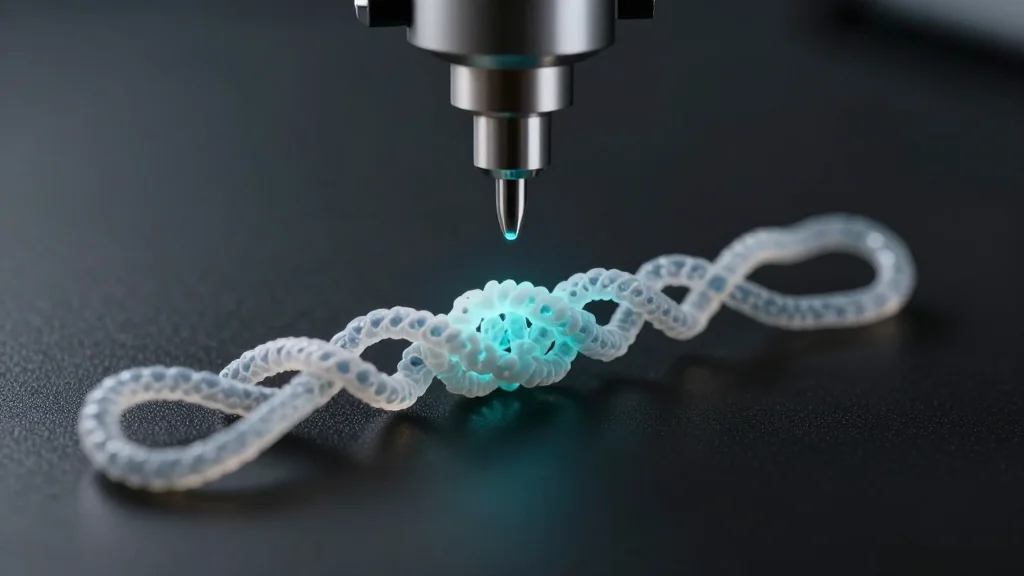
Visualizing How Cancer Drugs Reshape Proteins Linked to Lung Cancer
Researchers at WPI‑NanoLSI and Kanazawa University used high‑speed atomic force microscopy to watch individual EML4‑ALK fusion proteins change shape in real time. They found that the ALK inhibitor alectinib physically compacts the flexible EML4 region, suppressing oligomer formation that drives...