Today's Nanotech Pulse
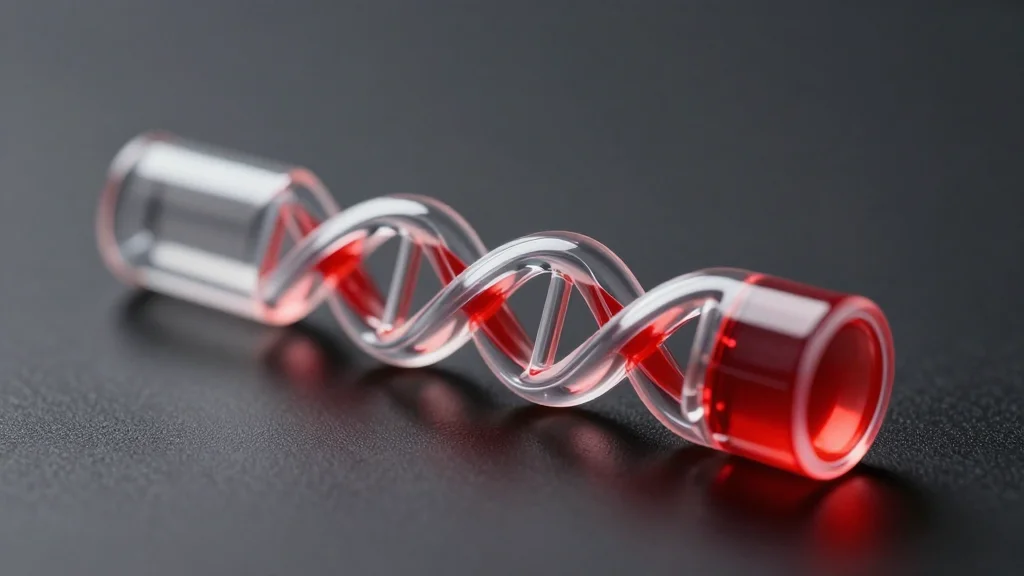
Left‑handed DNA origami tubes double chemotherapy efficacy
Researchers at the Cancer Center at Illinois showed that left‑handed DNA origami tubes loaded with the drug Daunorubicin kill acute myeloid leukemia cells more than twice as effectively as right‑handed tubes. The tubes display CD117‑targeting aptamers and their left‑handed geometry promotes rapid internalization, boosting cell‑killing potency.

Unlocking Klockmannite: Formation of Colloidal Quasi‐2D CuSe Nanocrystals and Photo‐Physical Properties Arising From Crystal Anisotropy
A thiol‑free hot‑injection technique enables the colloidal synthesis of quasi‑2D klockmannite CuSe nanocrystals, producing large nanosheets and uniform triangular nanoplatelets by tuning temperature and precursor ratios. The triangular plates, only 12–25 nm across, display strong near‑infrared plasmonic absorption driven by intrinsic crystal anisotropy. Computational CSDDA analysis reveals pronounced optical anisotropy and a hyperbolic regime where propagating and evanescent fields mix. Ultrafast spectroscopy shows rapid hot‑hole cooling, carrier trapping, and coherent phonon generation, highlighting the material’s dynamic photophysical behavior.

Paradox in Visible‐Light: O2•‒ Generation by CsPbBr3 Perovskite Nanocrystals
The Perspective reexamines CsPbBr3 perovskite nanocrystals, showing that visible‑light excitation converts ambient O₂ into superoxide radical anions. These reactive species destabilize the crystal lattice, creating defects that paradoxically enable aerobic photocatalytic reactions. By linking defect formation, surface chemistry, and reaction...
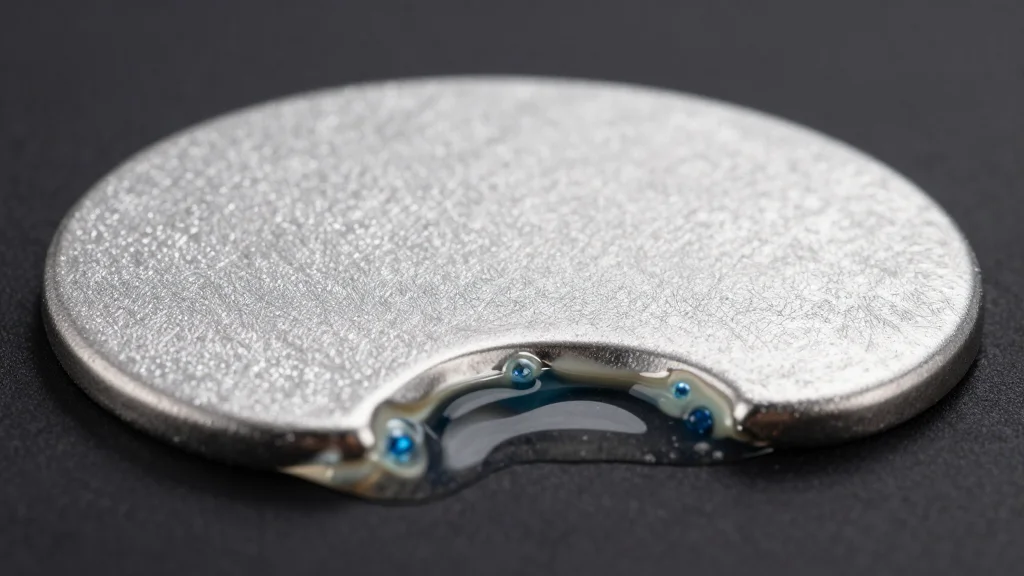
Live Imaging of Silver Nanostructures Electrochemically Dissolving at Open‐Circuit Potential
The researchers combined beam‑effect‑corrected electrochemical liquid‑phase electron microscopy (EC‑LP‑EM) with bulk electrochemical testing to directly image silver nanostructures dissolving on a platinum substrate under open‑circuit conditions. Their workflow incorporates automated image analysis and beam‑effect assessment, delivering quantitative, real‑time data on...

AIEgen‐Based Photothermal Nanoparticles With Dual Antibacterial and Anti‐Inflammatory Activities for Enhanced Healing of Infected Diabetic Wounds
Researchers have engineered an aggregation‑induced emission luminogen (AIEgen) that converts near‑infrared light into heat, forming photothermal nanoparticles for diabetic wound therapy. The NIR‑activated particles efficiently kill multidrug‑resistant bacteria such as MRSA and carbapenem‑resistant Pseudomonas, while also disrupting biofilms and mitigating...

Heteroatom Loading of Nanodiamonds Modulates the Coupled Electrocatalytic Production of H2O2 by Oxygen Reduction and Water Oxidation
Researchers have synthesized oxygen‑doped nanodiamonds (O‑ND) and copper‑doped nanodiamond composites (Cu‑OND) that excel in two‑electron oxygen reduction (ORR) and water oxidation (WOR), respectively. O‑ND raises ORR Faradaic efficiency from 71% to 87.1%, while Cu‑OND delivers 78.2% WOR efficiency. When paired...
Non‐Corrosive Methide‐Based Lithium Salt for Stabilizing Ni‐Rich NMC Cathodes
Researchers introduced lithium bis‑trifluoromethanesulfonyl‑methide (LiCTf2), a methide‑based analogue of LiNTf2 that eliminates aluminum current‑collector corrosion and reinforces interfacial stability for Ni‑rich NMC cathodes. The CTf2⁻ anion forms low‑solubility Al³⁺ complexes and strengthens Li⁺ coordination, creating a hybrid inorganic‑organic cathode‑electrolyte interphase....

Engineered Biomimetic Nanorobots Orchestrate Targeted Nose‐to‐Brain Delivery to Resolve Neuron‐Glia Entanglement Against Parkinson's Disease
Researchers have engineered a biomimetic nanorobot (hPH‑RNPEC) that can be administered intranasally to deliver a combined payload of endogenous miRNAs and curcumin directly to the brain. The platform uses Pueraria lobata‑derived exosomes cloaked in neutrophil‑like membranes, a rabies virus glycoprotein...

Programmable G‐Quadruplex@DNA Nano‐Highway Network Platform Enables One‐Pot Electrochemical Detection of Exosomes for Breast Cancer Lymph Node Metastasis Evaluation
Researchers have created a rapid, one-pot electrochemical sensor for breast‑cancer‑derived exosomes. The device leverages an aptamer‑triggered hybridization chain reaction combined with a streptavidin‑biotin cross‑link to assemble a G‑quadruplex‑DNA nano‑highway network at room temperature. Binding of the vimentin aptamer disassembles the...

Renovating Neural Networks With Viral‐Mediated Gene Transfer From A Tissue Contacting Matrix Mimic
Researchers engineered a self‑assembling peptide hydrogel (Fmoc‑DDIKVAV) to encapsulate adeno‑associated virus delivering brain‑derived neurotrophic factor (AAV‑BDNF). In a mouse Huntington's disease model, the hydrogel‑mediated delivery achieved markedly higher BDNF expression and neuroprotection in the striatum than direct AAV injection. The...

Charge Directed Selective Co‐Assembly of Ionic Complementary Peptide Binary Mixtures
Researchers have shown that designing peptide charge distribution, together with pH, stoichiometry, and concentration, can selectively direct the co‑assembly of ionic complementary peptide binary mixtures. By adjusting these parameters, they control β‑sheet strand alignment, assembly kinetics, nanofiber morphology, and hydrogel...

Tunable Morphological Engineering of Self‐Assembled Copper‐Glutathione Nanoarchitectures: Size‐Dependent Antibacterial Action for Pathogen Infections Management
Researchers have developed size‑tunable copper‑glutathione (Cu‑GSH) nanocapsules using a simple co‑precipitation method, enabling precise control over particle morphology. In kiwifruit trials, the optimized formulation delivered 77% therapeutic and 66% protective efficacy, outperforming conventional copper pesticides. Small spherical nanocapsules penetrated plant...
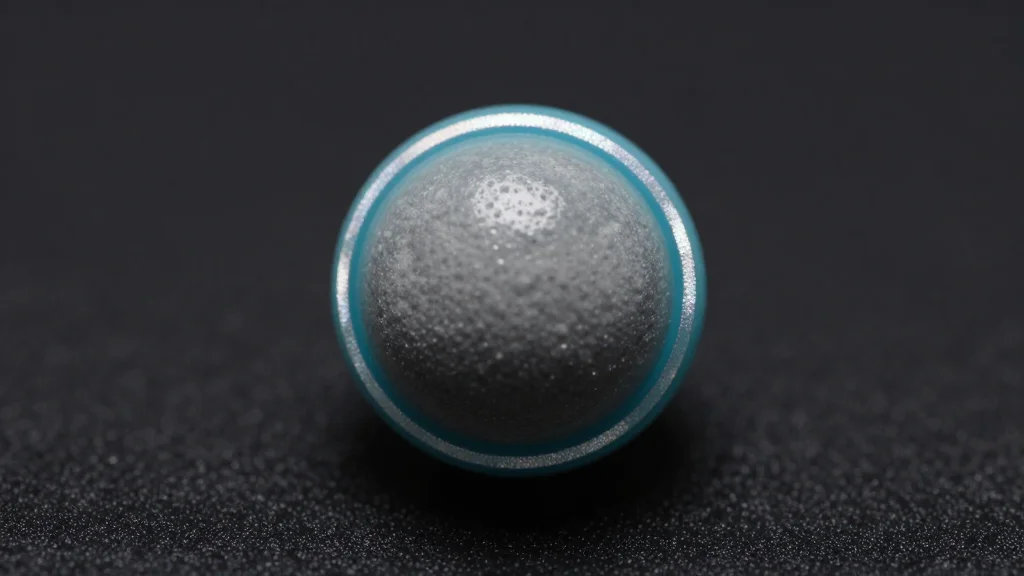
Lithiated PAA‐Coated SiOx Anode for Stable and High‐Capacity Lithium‐Ion Batteries: Interfacial Regulation and Volume Expansion Suppression
Researchers have engineered a spherical SiOx@LiPAA composite anode using spray‑drying, where lithiated polyacrylic acid forms a conductive, elastic coating. The LiPAA layer buffers silicon‑oxide volume expansion and fosters a thin, LiF‑rich solid‑electrolyte interphase. Electrochemical tests show 1,234 mAh g⁻¹ after 200 cycles...

Ultrasensitive MicroRNA Detection Combining Reduced Graphene Oxide Electrolyte‐Gated Transistors and Machine Learning
Researchers have created an ultrasensitive biosensor that merges DNA‑functionalized reduced graphene oxide (rGO) electrolyte‑gated transistors (EGTs) with machine‑learning analytics to detect cancer‑ and neuro‑related microRNAs. The platform targets the miR‑34 family and achieves a limit of detection as low as...
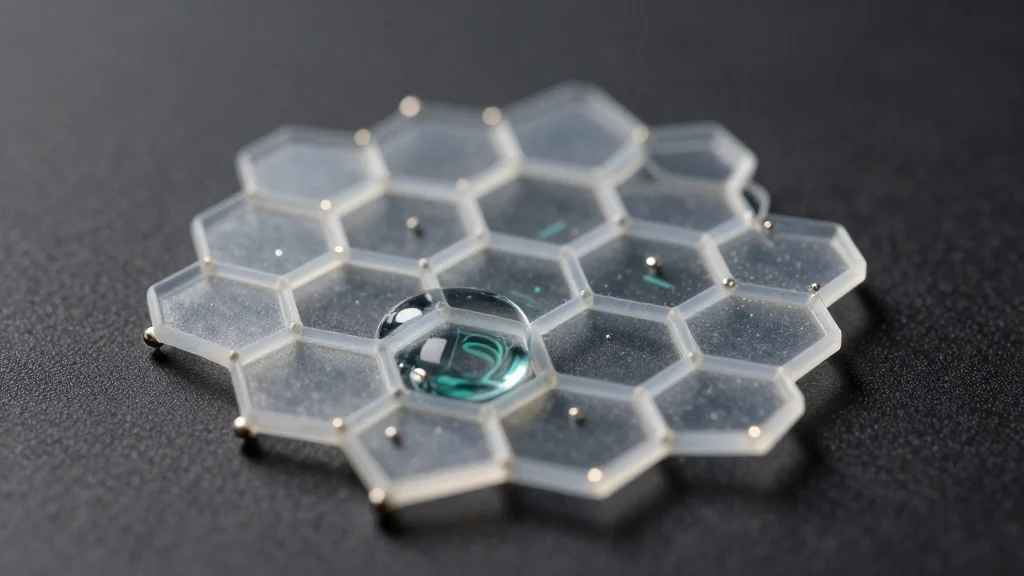
Transition‐Metal‐Doped Hexagonal Boron Nitride for Efficient and Selective Nitrate‐to‐Ammonia Electrocatalysis: Theoretical Perspective and Design Principles
Researchers used first‑principles calculations to evaluate transition‑metal‑doped hexagonal boron nitride (TM@h‑BN) monolayers for electrochemical nitrate reduction to ammonia. Fe@h‑BN and Ir@h‑BN emerged as the most promising single‑atom catalysts, showing low limiting potentials of –0.45 V and –0.31 V respectively. Their balanced nitrate...
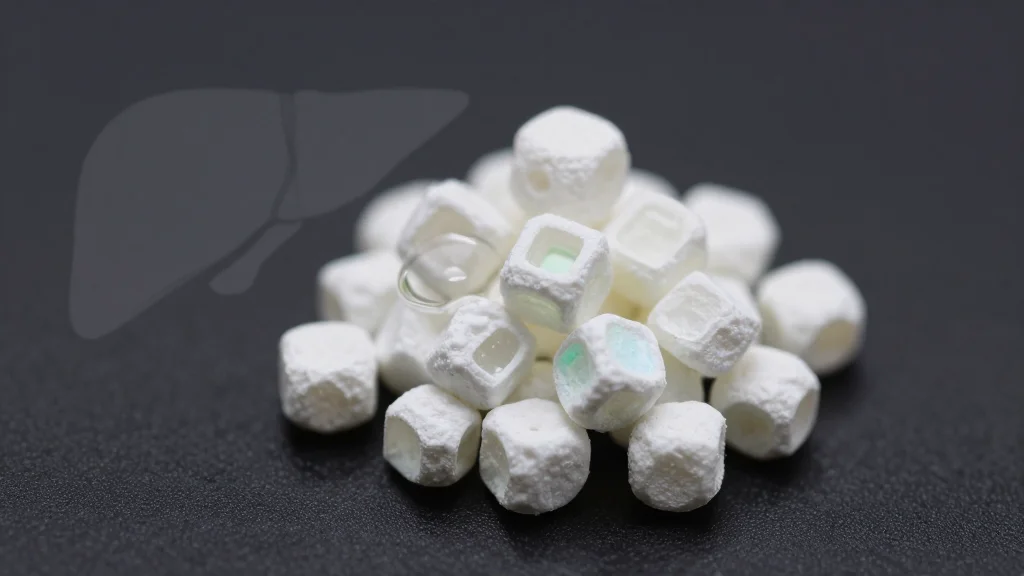
Sulfur‐Fumigation Engineered Ceria Nanoparticles With Augmented Oxygen Vacancies for Enhanced Therapy of Drug‐Induced Liver Injury
Researchers applied sulfur fumigation to reconfigure ceria nanoparticle surfaces, exposing (200) and (220) crystal facets and generating abundant oxygen vacancies. This structural shift dramatically boosts the particles’ reactive oxygen species (ROS) scavenging capability while maintaining a liver‑targeting hydrodynamic size (~136 nm)....
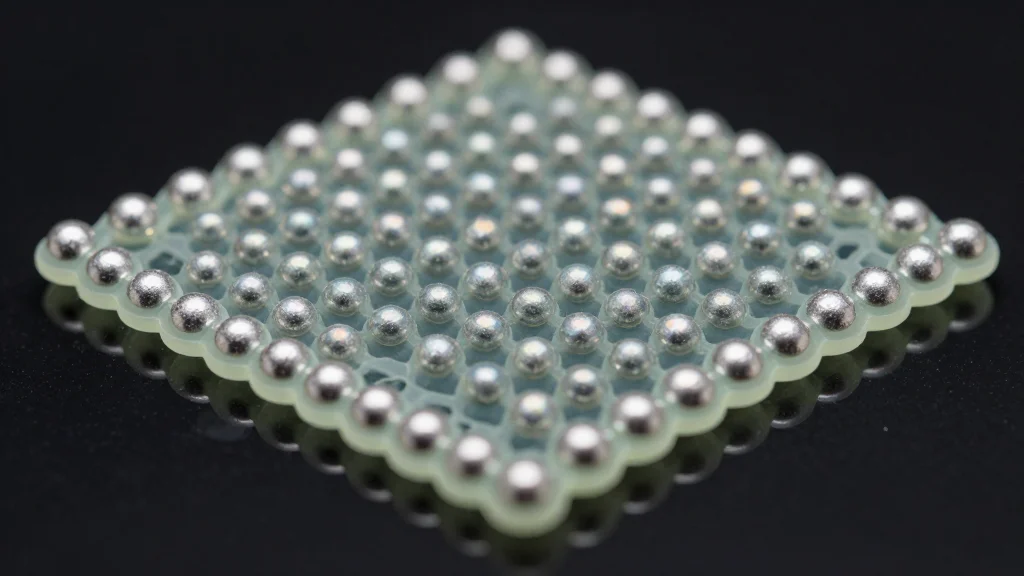
Symmetric Metal Organic Framework‐Plasmonic Architectures for Reversible and High‐Sensitivity Optical Sensing
The study introduces a plasmonic sensing platform that couples surface lattice resonances (SLRs) from two‑dimensional metal nanoparticle gratings with ZIF‑8 metal‑organic framework (MOF) films. Gratings are fabricated via a template‑assisted, scalable colloidal assembly compatible with MOF growth. By exchanging solvents...
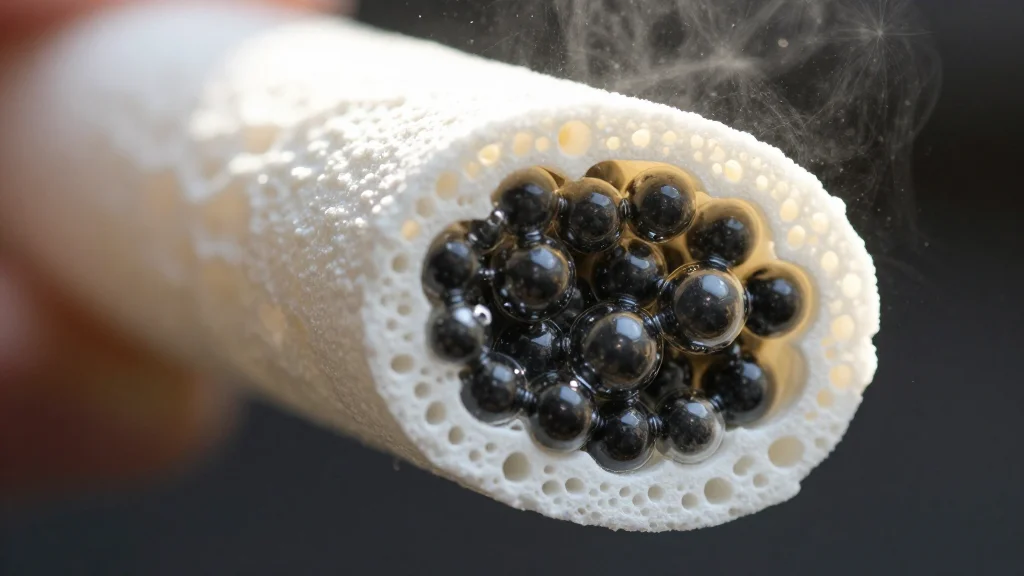
Hollow RuSe2‐MoSe2@NC Microsphere/Chitosan Aerogel Janus Electrode for Solar‐Driven Photothermal‐Promoted Synchronous Seawater Splitting and Evaporation
Researchers introduced a Janus‑type electrode that merges hollow RuSe2‑MoSe2@NC microspheres and carbon black within a chitosan aerogel matrix. The asymmetric design simultaneously drives seawater electrolysis and solar‑driven evaporation on a single platform. Under 1 kW m⁻² illumination, the device reduces the overall...

Co‐Assembled Layers for High Performance Wide Bandgap Inverted Perovskite Solar Cells
Researchers introduced a co‑assembled hole‑transport layer (AH‑SAM) by blending aminoguanidine dihydrochloride with the standard Me‑4PACz self‑assembled monolayer. The hybrid interface passivates halide vacancies, curbs Me‑4PACz aggregation, and lowers the HTL HOMO level, delivering an open‑circuit voltage of 1.27 V and a...

Pollutants to Products: A Tailored Multicomponent Photocatalyst for Simultaneous CO2 and Plastic Waste Conversion
Researchers have engineered a high‑entropy oxide photocatalyst (BaTiNbTaZnO9) that simultaneously reduces CO₂ to carbon monoxide with over 95% selectivity and oxidizes polyethylene terephthalate (PET) waste into methane, acetate, glycolate and terephthalate under light. The catalyst’s distorted lattice combines electron‑accepting d⁰...

Tailored Molecular Fillers Enable High‐Temperature Insulation and Long‐Term Operating Stability in All‐Organic Polymers
Researchers introduced the TU3 organic molecule as a molecular filler for epoxy resin, creating deep charge traps that dramatically improve dielectric performance. With just 0.02 wt% TU3, breakdown strength rose 30.75% at room temperature and 52.28% at 120 °C, while maintaining long‑term...

Promises and Challenges of Na4Fe3(PO4)2(P2O7) Cathode for Electric Vehicles and Energy Storage From an Industrial Perspective
The review establishes a performance‑to‑application framework for Na4Fe3(PO4)2(P2O7) (NFPP) cathodes in sodium‑ion batteries, assessing six key metrics including energy density, power density, cycle life, temperature range, safety and cost. It benchmarks NFPP against commercial LiFePO4, highlighting comparable energy density, superior...
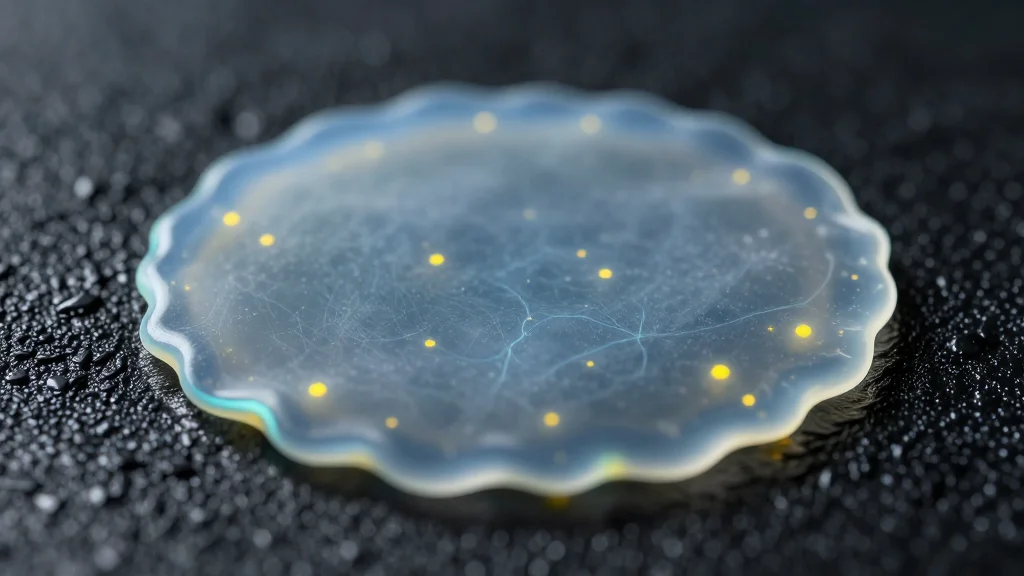
Engineering Interface Polarity via Halide‐Functionalized Self‐Assembled Monolayers for NiO‐Based QLEDs with High External Quantum Efficiency
Researchers introduced halide‑functionalized 2PACz self‑assembled monolayers (SAMs) on Cu‑doped NiO hole‑injection layers, creating a strong interfacial dipole that deepens the valence band and lowers the hole‑injection barrier. The high polarizability of the halide groups enhances van der Waals forces, yielding...
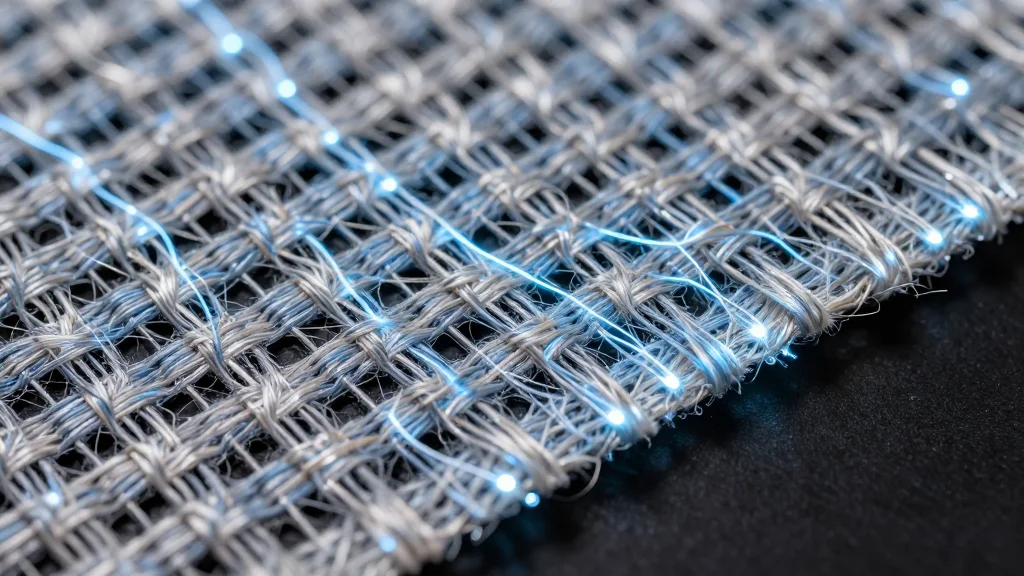
Dual‐Mode Triboelectric Textiles with Electrostatic Breakdown for Energy Harvesting and Motion Monitoring
The researchers introduced a dual‑mode triboelectric textile (DMTT) that can generate direct‑current (DC) in contact‑sliding mode and alternating‑current (AC) in contact‑separation mode. By employing core‑sheath‑structured fibers woven with cotton and conductive yarns, the fabric achieves a peak instantaneous DC current...

Confining Polyiodide in Polymer Cathode Boosts Cycling Stability in High Energy‐Dense Aqueous Zinc‐Sulfur Batteries
Researchers introduced a cationic polymer, poly(vinyl butyl imidazolium iodide) (PVIMI), that immobilizes polyiodide species within the cathode of aqueous zinc‑sulfur batteries. This confinement accelerates sulfur redox reactions, curtails polyiodide shuttling, and mitigates zinc anode corrosion. The binder‑free PVIMIx cathode delivers...

A Breakthrough that Turns Exhaust CO2 Into Useful Materials
Scientists have created a three‑layer electrode that simultaneously captures carbon dioxide from exhaust streams and converts it into formic acid. The device outperforms existing technologies, delivering about 40 % higher efficiency with pure CO₂ and maintaining strong output in simulated flue...
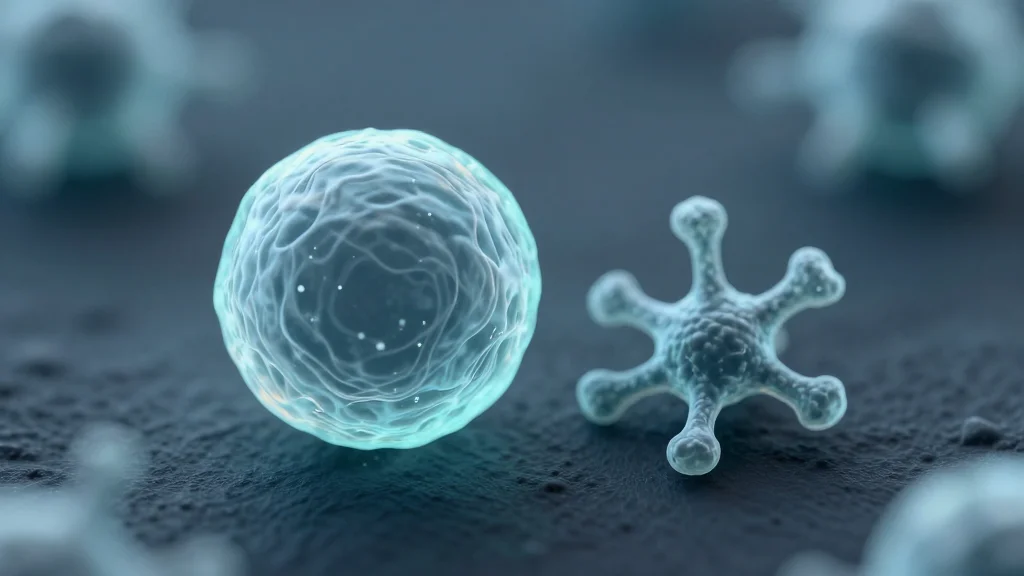
Biomimetic Vesicles Engineered From Modified Tumour Cells Act as Personalized Vaccines for Post-Surgical Cancer Immunotherapy
Researchers engineered tumor cells to overexpress STX11, converting them into dendritic‑cell‑like antigen‑presenting units. Membrane fragments from these cells were fused with PLGA nanoparticles carrying a TLR7 agonist, creating RP@SMs vesicles that act as personalized post‑surgical cancer vaccines. The platform demonstrated...

Biodegradable Graphene Sensors Made From Agripapers
Researchers at XYZ University have unveiled a new class of biodegradable sensors that combine graphene with agripaper—a paper made from agricultural residues. The devices demonstrate up to 95% of the sensitivity of conventional graphene sensors while fully decomposing in compost...

Framework Sets New Benchmarks for 3D Atom Maps in Amorphous Materials
Researchers at UCLA’s California NanoSystems Institute unveiled a step‑by‑step framework that maps three‑dimensional atomic positions and elemental identities in amorphous materials, achieving 100% accuracy for silica with roughly 7 picometer precision. The team validated the workflow using rigorously simulated atomic electron...

PlasmoBridge Chip Enables Ultrasensitive and Rapid Monitoring of Methotrexate
Researchers at the Chinese Academy of Sciences unveiled PlasmoBridge, a dual‑functional sensor chip that uses aptamer‑linked silver nanoparticles to generate plasmonic hotspots for methotrexate detection. The platform achieves a limit of detection of 4.64 × 10⁻⁸ M and, with a convolutional neural network,...

Capturing the Moment of Organelle Handoff Inside Living Cells
Researchers have, for the first time, directly visualized autophagosomes moving from the endoplasmic reticulum (ER) onto microtubule tracks inside living cells. By combining interferometric scattering microscopy with fluorescence labeling in a custom DySLIM platform, they captured the handoff event with...
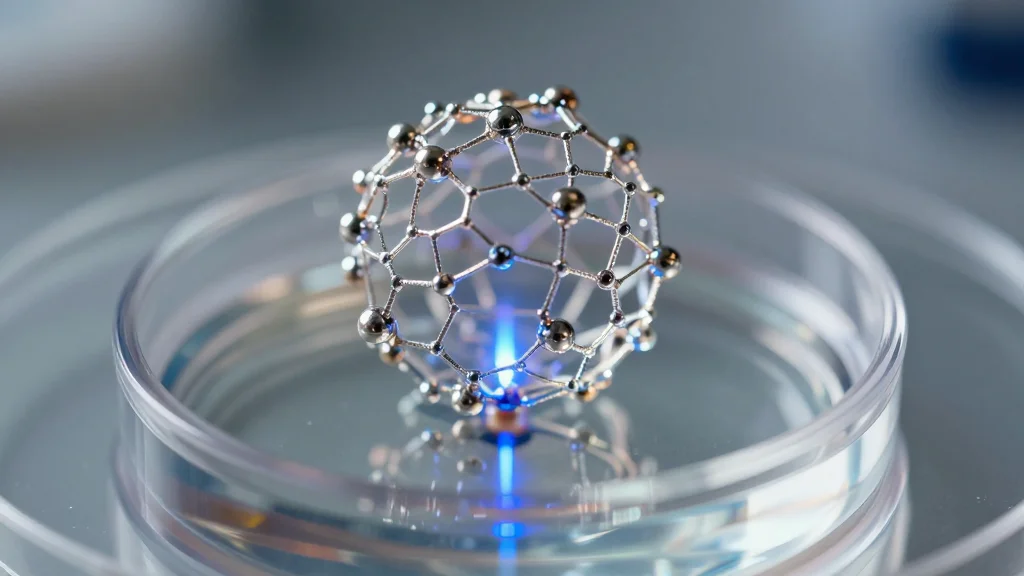
Beyond Polymers: New State-of-the-Art 3D Micro and Nanofabrication Technique Overcomes Material Limitations
Researchers at the Max Planck Institute and NUS have unveiled an optofluidic laser technique that assembles micro‑ and nanoparticles in liquid to create 3D structures without relying on polymers. By focusing a femtosecond laser inside a particle suspension, a localized thermal...

Light Changes a Magnet's Polarity
Scientists at the University of Basel and ETH Zurich have demonstrated that a femtosecond laser pulse can permanently reverse the polarity of a ferromagnetic state in a twisted MoTe₂ bilayer without heating the material. The technique exploits topological Chern‑number control...
Crystalline Nitride Alloys Pushed to Glass-Like Limits of Thermal Insulation
Researchers at Waseda University and HKUST have engineered a yttrium‑barium nitride alloy that drives the thermal conductivity of wurtzite AlN down to 0.98 W·m⁻¹·K⁻¹, essentially matching the glass‑like limit of its amorphous counterpart. By substituting a small fraction of aluminum with...

292: Move Over Perovskite - There’s a New Solar Kid in Town
In this episode, Matt and Sean Ferrell shift focus from perovskite to kesterite, a newer solar‑cell material that could become a cheaper, less toxic alternative to current technologies. They explain kesterite’s historical roots, its manufacturing challenges, and why it may...

Laser-Activated Nanodroplets Enable Photo-Activated Ultrasound Imaging
Researchers introduced photo‑activated ultrasound localization imaging (PAULI), using laser‑activated nanodroplets that vaporize into microbubbles for ultrasound detection. The method delivers micrometer‑scale spatial resolution and high contrast‑to‑noise ratios, surpassing traditional ultrasound. Activation is tunable via laser wavelength and pulse settings, allowing...

Self‐Adaptive Absorption‐Superspreading Coating for Environment Endurable and Long‐Lasting Antifogging Applications
Researchers have introduced a bioinspired self‑adaptive absorption‑superspreading coating (SAASC) that rapidly absorbs moisture and spreads water droplets within 2.5 ms, preventing fog formation. The polymer blends hydrophilic N‑methyl‑D‑glucosamine with hydrophobic glycidyl methacrylate, creating a cross‑linked network that remains optically clear and...

Periscope-Inspired Solar Windows Achieve Record 92% Transparency While Generating Electricity
Researchers have unveiled a periscope‑inspired reflection‑mode semi‑transparent organic photovoltaic that delivers 92.2% average visible transmittance while generating 8.27% power‑conversion efficiency. By using dual‑angle mirrors to bounce visible light around the active layer, the device avoids parasitic absorption and reaches a...

How Iron-Sulfur Nanolayers Are Formed: X-Ray View Into Chemical Reactions
Researchers at the University of Hamburg, University of Toulouse and European synchrotron facilities captured the real‑time formation of iron‑sulfur nanolayers using time‑resolved X‑ray spectroscopy. The study revealed a short‑lived, two‑dimensional intermediate that transforms topotactically into the final crumpled nanosheet, preserving...

Curcuma Longa Starch for Effective Green Synthesis of Cerium Oxide Nanoparticles
Researchers have introduced a green synthesis route for cerium oxide nanodots using debranched Curcuma longa starch, achieving uniform 2–4 nm particles. The starch acts as both reducing and stabilizing agent, eliminating the need for toxic solvents and high‑temperature steps. In vitro...
Scientists Create Ultra Thin Metal with Never Before Seen Quantum Behaviour
Researchers at Monash University have engineered a three‑nanometre‑thin Mn₃Sn kagome film that exhibits a genuine three‑dimensional flat electronic band across the full momentum space. The team used molecular‑beam epitaxy and photon‑energy‑dependent ARPES to confirm the band’s existence, demonstrating that quantum...
HydroGraph Scales up Graphene Capacity with Two New Hyperion Reactors
HydroGraph has begun construction of two additional Hyperion graphene reactors, each capable of producing about 10 tons per year of its FGA‑1 fractal graphene. The reactors, identical in size to the existing unit (6 × 6 × 18 feet), will be commissioned in Manhattan, Kansas, in...

Switching Graphitic Polytypes in Elastically Coupled Cavities
Researchers have demonstrated reversible switching of graphene polytypes using elastically coupled optical cavities. By modulating cavity strain, the stacking order—Bernal, rhombohedral, and mixed configurations—can be toggled on demand, altering band structure and ferroelectric behavior. The technique leverages super‑lubric interlayer sliding...
A Unified Model for Light Emission From Solids
Recent research converges on a unified framework that describes light emission from solids across thermal, plasmonic, and quantum regimes. By extending Kirchhoff’s law to non‑equilibrium nanostructures and linking fluctuational electrodynamics with the Fermi‑golden‑rule approach, the model reconciles disparate emission mechanisms....

Novel Nanomaterial Uses Oxidative Stress to Kill Cancer Cells
Scientists at Oregon State University have engineered an iron‑based metal‑organic framework that simultaneously generates hydroxyl radicals and singlet oxygen within cancer cells, exploiting the acidic, hydrogen‑peroxide‑rich tumor microenvironment. This dual‑reactive‑oxygen‑species approach achieved complete tumor regression in mice bearing human breast...
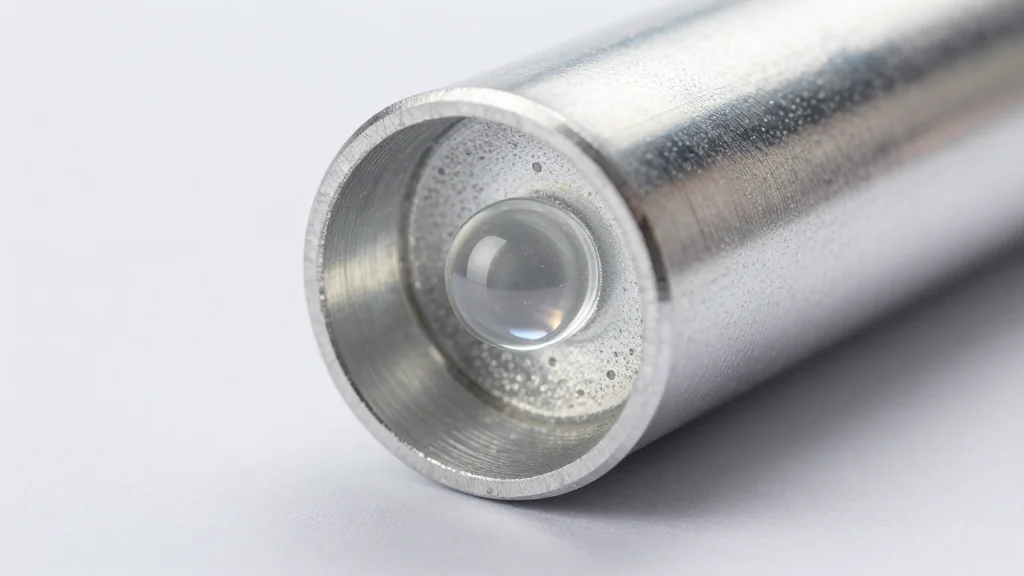
Engineers Etch Tiny Pits Into Metal Tubes to Create Unsinkable Aluminum (W/Video)
Researchers at the University of Rochester’s Institute of Optics have engineered aluminum tubes that remain afloat regardless of submersion depth or damage by etching micro‑ and nano‑scale pits inside the metal. The etched interior renders the surface superhydrophobic, trapping a...
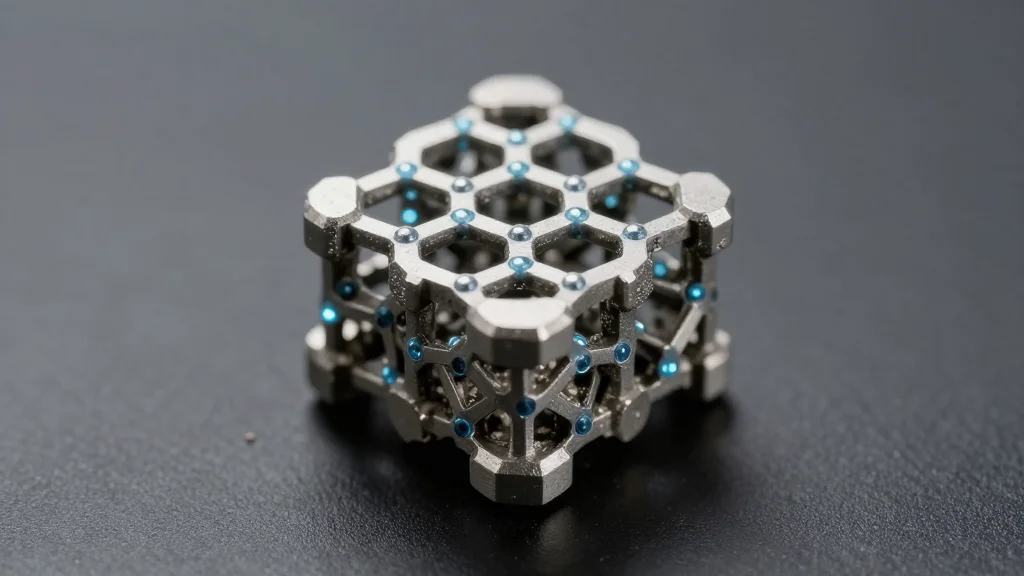
3D Material Mimics Graphene's Electronic Speed without the Fragility
University of Liverpool researchers discovered that hafnium stannide (HfSn₂) exhibits graphene‑like, ultra‑fast electron transport within a fully three‑dimensional honeycomb chiral lattice. The material decouples structural and electronic dimensionality, preserving 2D mobility through Weyl points while remaining mechanically robust. This breakthrough...

A New Route to Synthesize Multiple Functionalized Carbon Nanohoops
Researchers at Tokyo University of Science have unveiled a gold‑mediated macrocyclization route that delivers a brominated [9]cycloparaphenylene (CPP) in five steps with a 37 % overall yield. The resulting nanohoop carries six bromine atoms, providing a versatile platform for palladium‑catalyzed cross‑couplings...

Gold 'Supraballs' Nearly Double Solar Energy Absorption in Tests
Researchers at ACS Applied Materials & Interfaces have engineered gold nanosphere clusters called supraballs that capture nearly the entire solar spectrum. Laboratory tests showed an 89% absorption rate, almost double the 45% achieved by conventional gold nanoparticle coatings on a...

La Luce Cristallina Launches Scalable Oxide Pseudo-Substrate for Quantum & RF Applications
La Luce Cristallina announced a CMOS‑compatible oxide pseudo‑substrate that allows high‑quality strontium titanate films to be grown directly on standard 200‑mm silicon and SOI wafers. The platform replaces expensive single‑crystal substrates, offering film thicknesses from 4 nm to 50 nm and enabling scalable production...
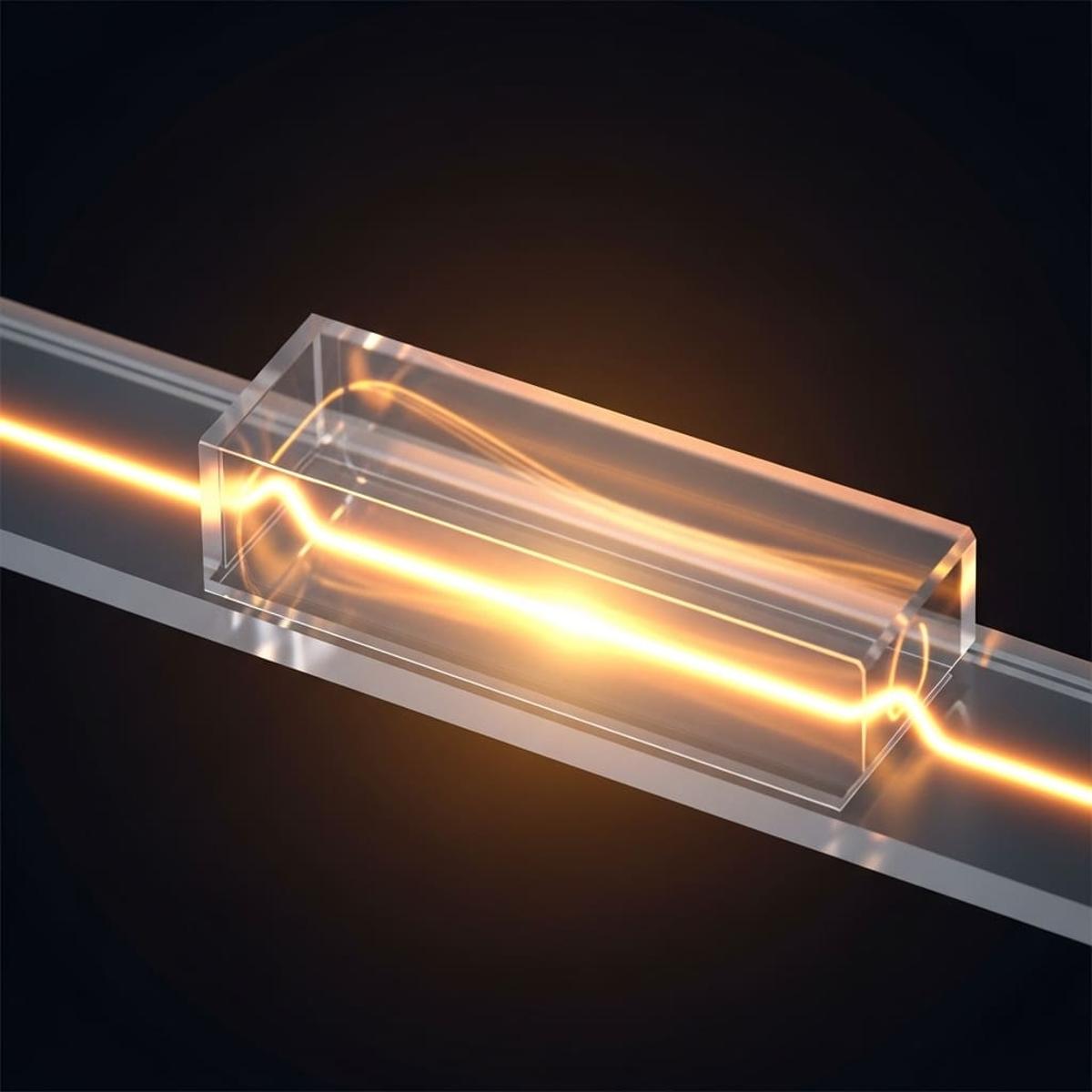
High-Temperature Operation Advances Lithium Niobate Waveguide Power Thresholds
Researchers at Paderborn University demonstrated that an auxiliary 532 nm laser can suppress photorefractive damage in titanium‑in‑diffused periodically‑poled lithium niobate (Ti:PPLN) waveguides. The method restores degraded sum‑frequency generation phase‑matching spectra and reduces pyroelectric distortions both at elevated temperatures and at cryogenic...