Today's Nanotech Pulse

Left‑handed DNA origami tubes double chemotherapy efficacy
Researchers at the Cancer Center at Illinois showed that left‑handed DNA origami tubes loaded with the drug Daunorubicin kill acute myeloid leukemia cells more than twice as effectively as right‑handed tubes. The tubes display CD117‑targeting aptamers and their left‑handed geometry promotes rapid internalization, boosting cell‑killing potency.

Stable Coacervate Microdroplets as Robust Microreactors for Enhanced Enzymatic Catalysis
Researchers have engineered highly stable coacervate microdroplets using polyethyleneimine (PEI) and sodium thioctate (ST) that resist coalescence for over 35 days without any additives. The droplets exploit electrostatic and hydrophobic interactions, creating a charge‑repelled surface that preserves structural integrity. They demonstrate exceptional molecular recruitment, accommodating small molecules, polymers, and proteins. When employed as enzymatic microreactors, they accelerate esterase‑catalyzed hydrolysis of 4‑nitrophenyl acetate up to 53‑fold, showcasing their potential for biomimetic catalysis.
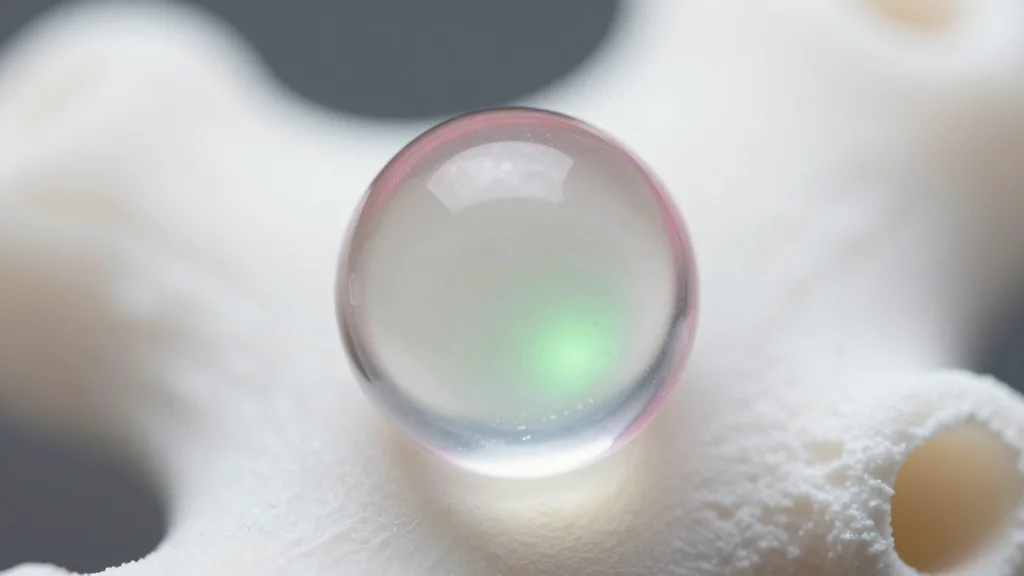
Multifunctional Biomimetic Hematoma Microspheres for Sustained Local Hydrogen Sulfide (H2S) Delivery to Enhance Vascularized Bone Regeneration
Researchers have engineered biomimetic hematoma microspheres that combine a pH‑responsive GelMA outer layer with a NaHS‑loaded liposomal core to deliver hydrogen sulfide (H₂S) directly to bone defect sites. The microspheres release H₂S in acidic environments, simultaneously reducing chronic inflammation, stimulating...
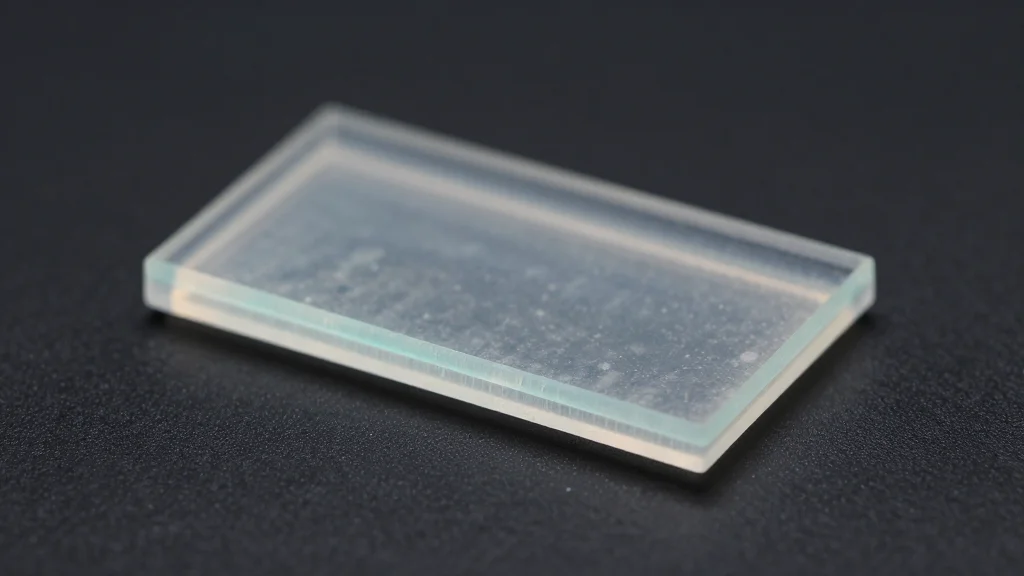
Surface Band Bending Engineered via Lithium‐Induced Reconstruction for Minimized Voltage Deficit in Kesterite Solar Cells
Researchers introduced a lithium‑based surface reconstruction for kesterite absorbers by spin‑coating a high‑concentration Li solution onto CZTSSe precursor films. The treatment forms n‑type ZnLi defects that generate strong band bending, enhancing p‑n conversion at the CZTSSe/CdS heterojunction. Devices treated with...
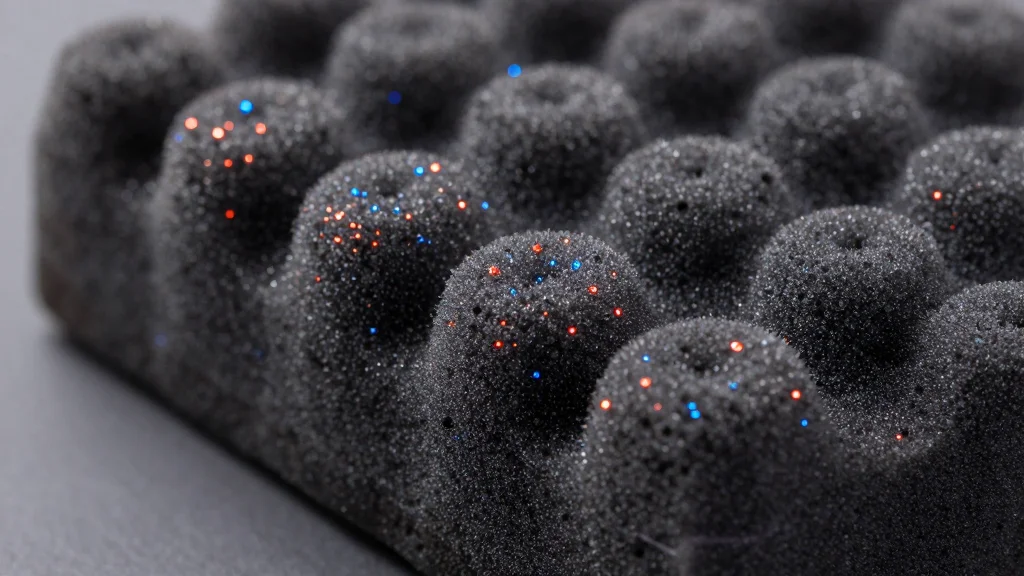
Phthalocyanine‐Based Bimetallic Azo Polymers as Highly Efficient Electrocatalysts for CO2 Reduction to CO
Researchers introduced a coordination‑driven method to embed Cu and Co ions into an azo‑phenolic porous organic polymer, creating the Cu@Azo‑CoPG catalyst. Electrochemical testing showed the bimetallic material delivers a 94.3% Faradaic efficiency for CO production, surpassing its monometallic Cu‑PG and...
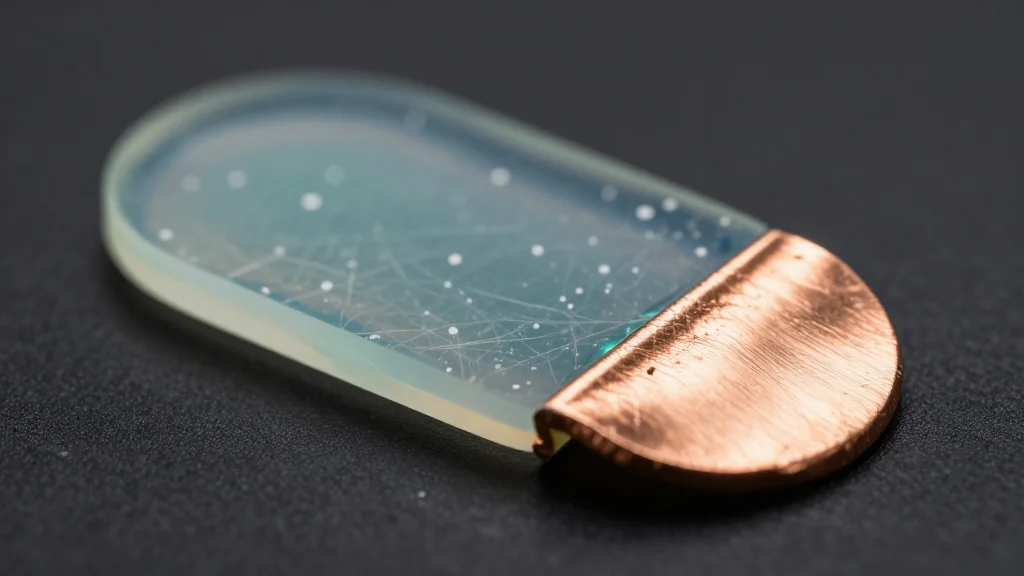
A Focused Review of Anthraquinone Derivatives for Aqueous Soft‐Gel Electrode Batteries
The review introduces soft‑gel electrodes, a hybrid physical state that sits between solid and liquid designs, as a novel strategy for durable aqueous batteries. By leveraging the water affinity contrast between inorganic sulfate ions and water‑soluble polymers, a self‑forming gel...
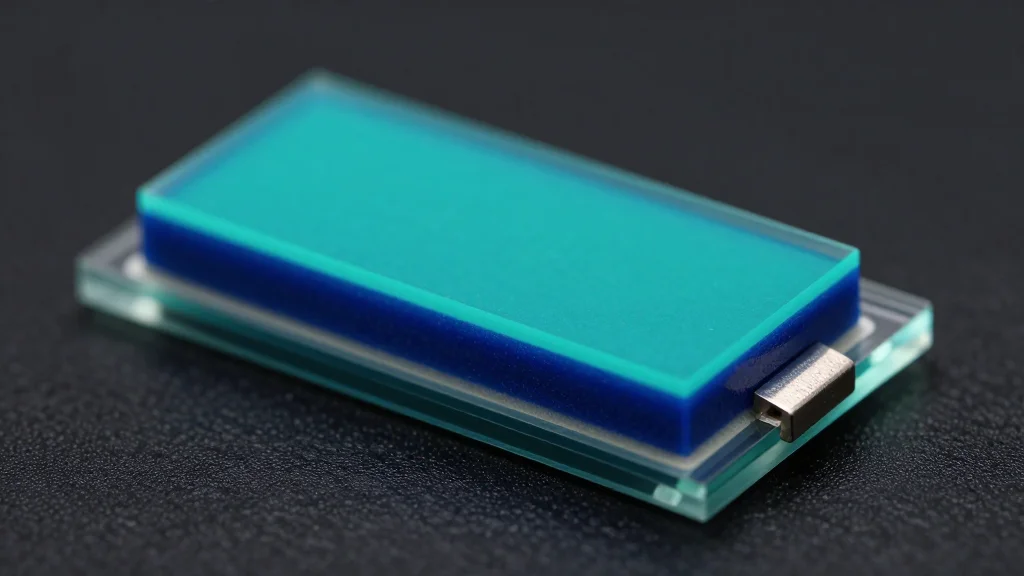
Quasi‐Dual‐Channel Oxide Transistors With Enhanced Stability and Performance
Researchers have introduced a quasi‑dual‑channel architecture for metal‑oxide thin‑film transistors that pairs an oxygen‑rich tantalum‑doped tin oxide (TTO) channel with an oxygen‑deficient HfOx surface layer. The new design delivers a 4.4‑fold increase in carrier mobility compared with conventional single‑channel TFTs...
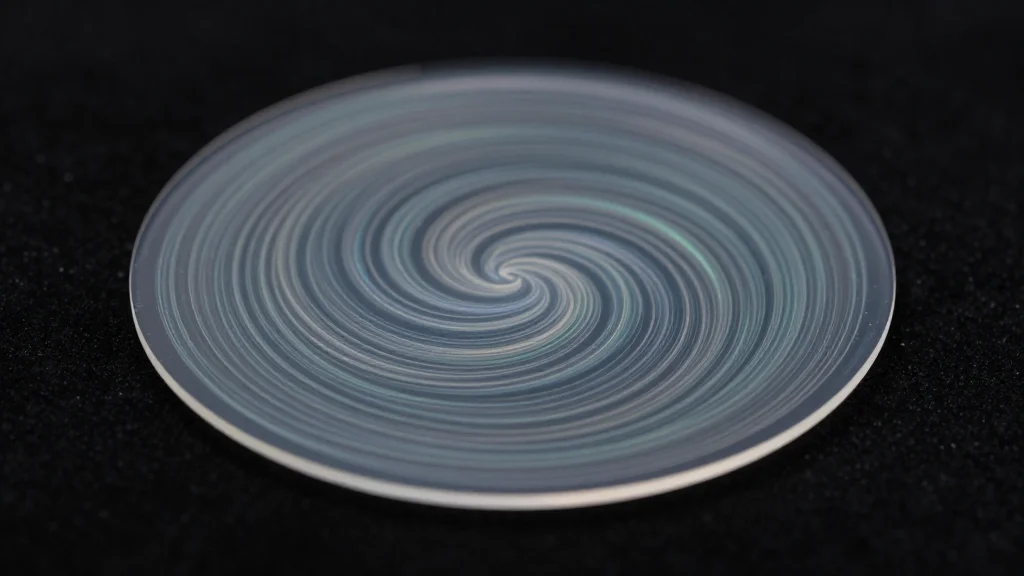
Elucidating the Hierarchical Architecture of Polymer Spherulites via 4D Scanning Transmission Electron Microscopy
Researchers applied low‑dose four‑dimensional scanning transmission electron microscopy to poly(ε‑caprolactone) and polyethylene spherulite films, achieving unprecedented nanoscale visualization of their hierarchical architecture. The technique disclosed the preferential orientation and growth direction of lamellar crystals, as well as chain tilt within...

Alginate/PCL Dressing for Silver Nanoparticle and PDGF-B Delivery
Researchers have engineered an alginate/polycaprolactone (PCL) composite dressing that co‑delivers silver nanoparticles and platelet‑derived growth factor‑B (PDGF‑B). The hybrid matrix provides sustained antimicrobial release while preserving the bioactivity of PDGF‑B to stimulate tissue regeneration. In vivo tests on rodent wound...
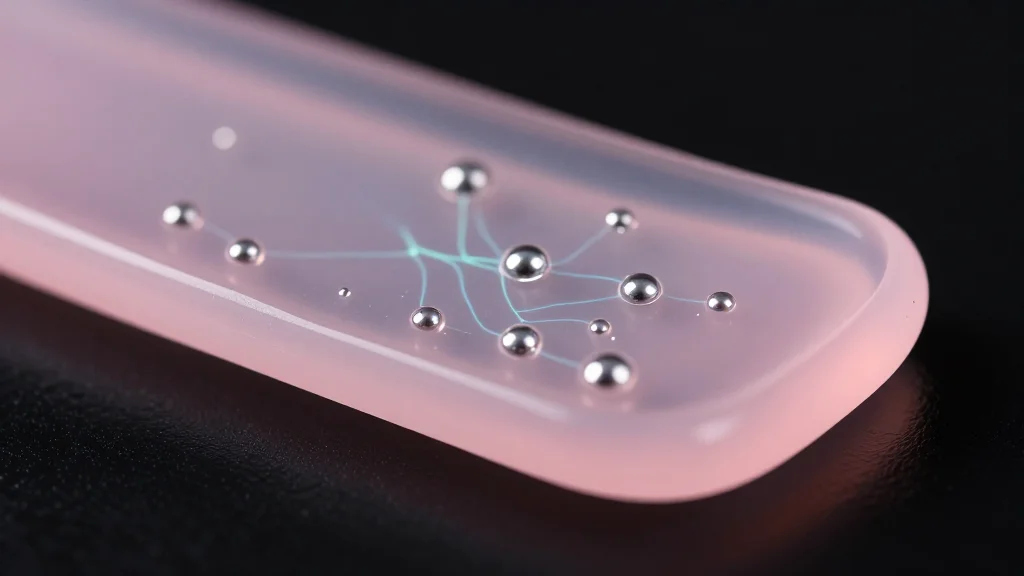
Liquid Metal‐Reinfored Hierarchically Aligned Double‐Network Hydrogels: Ultrahigh Crack/Fatigue Resistance and Strain‑Responsive Sensing
Researchers introduced a hierarchically anisotropic double‑network hydrogel reinforced with deformable liquid‑metal particles. The material achieves a fracture energy of 60.6 kJ m⁻² and a fatigue threshold of 5,560 J m⁻² while retaining a skin‑like modulus of 1.3 MPa. Liquid‑metal inclusion supplies stable electrical conductivity, enabling...

Nitral Superconducting Density of States Advances Cosmic Radiation Device Quality
Researchers used scanning tunneling microscopy to map the superconducting density of states in nitridized‑aluminum (NitrAl) thin films. The study found a clean, near‑zero in‑gap density, a gap centered at ~360 µeV—larger than pure Al—and only ~10 % nanometer‑scale variation across the film....

Mosaic’s Nanoneedle Granted Advanced Manufacturing Technology Designation for Gene Therapy Products
The FDA’s Center for Biologics Evaluation and Research granted NanoMosaic an Advanced Manufacturing Technology (AMT) designation for its Nanoneedle platform, which multiplexes vector genome and capsid titer testing in AAV gene‑therapy production. The designation confirms the technology’s ability to streamline...
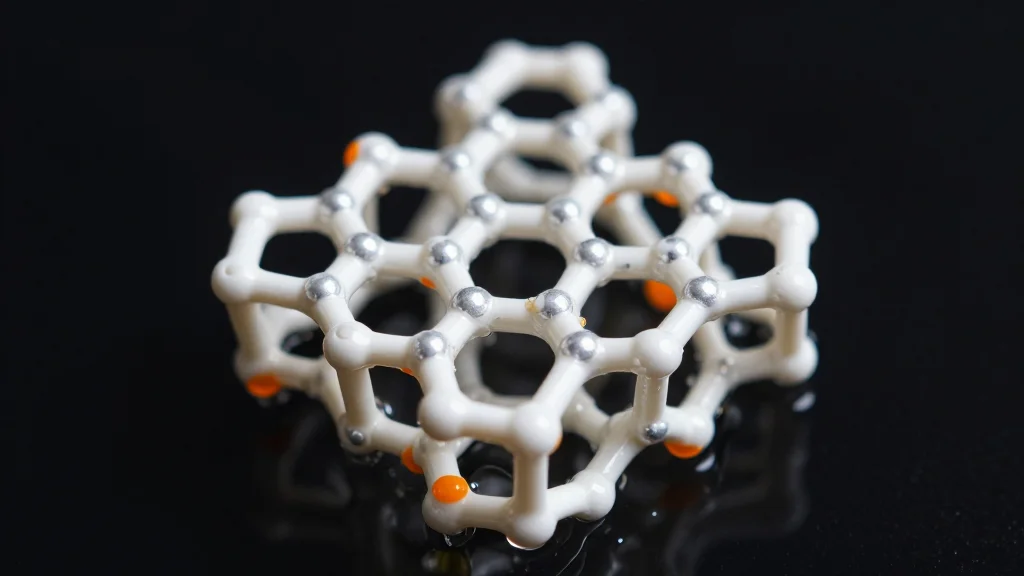
3D Covalent Organic Framework Offers Sustainable Solution for Wastewater Treatment
Researchers at Tohoku University unveiled TU-123, a three‑dimensional imidazole‑linked covalent organic framework that captures anionic dyes from wastewater with unprecedented efficiency. The material achieves a maximum adsorption capacity of 495 mg g⁻¹ for Acid Orange 7 and removes over 86 % of the dye...
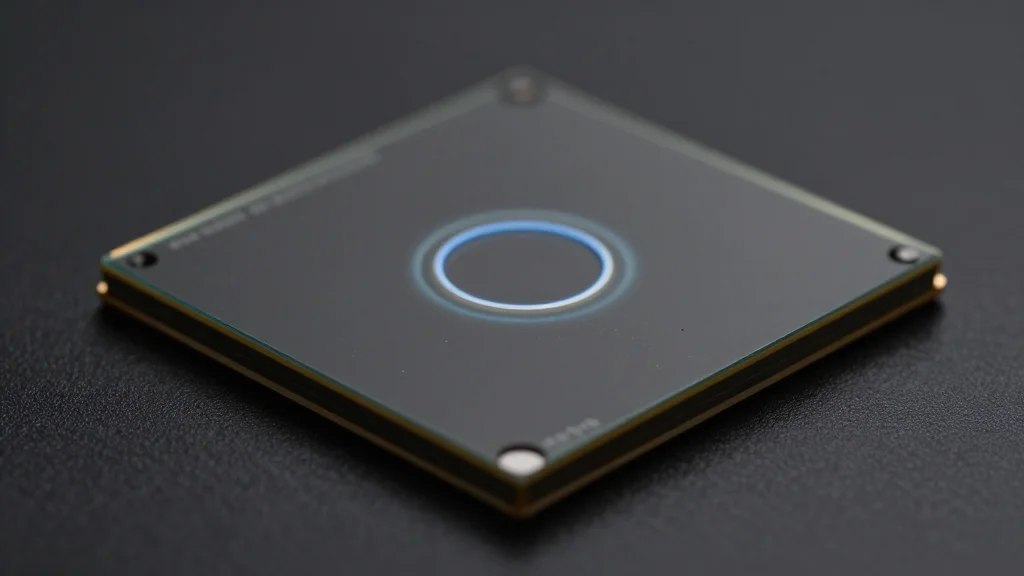
Atomic Layer Processing for Silicon Carbide-Based Quantum Photonic Circuits
Atomic‑layer etching (ALE) is being applied to silicon carbide (SiC) photonic components, dramatically reducing surface roughness and optical losses in waveguides and ring resonators. The ALP‑4‑SiC project, a collaboration between the Max Planck Institute for the Science of Light and Fraunhofer...
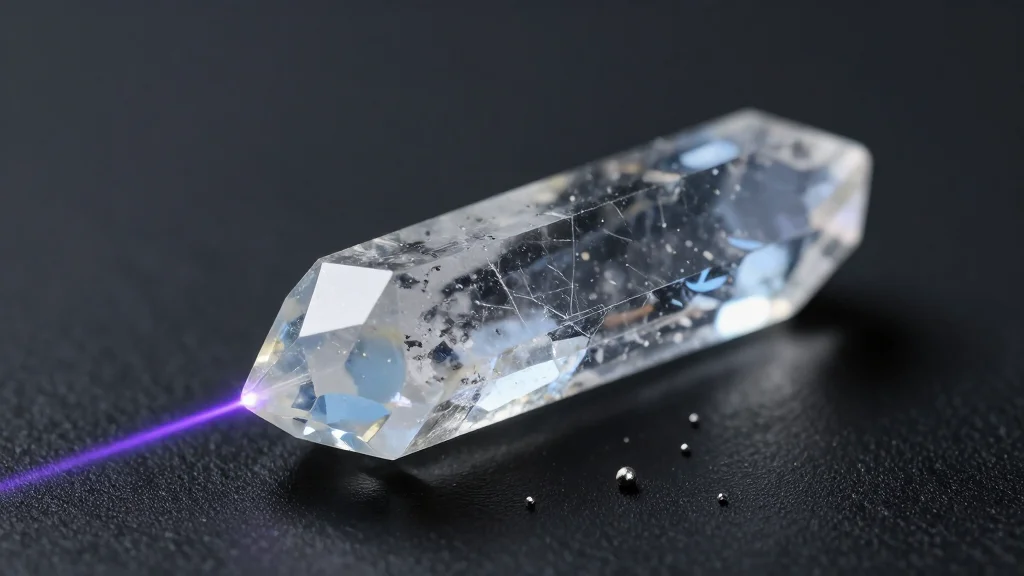
Zinc Doping Enables Visible-Light Programming of Ferroelectric Memristors for Neuromorphic Computing
Researchers at Hebei University have demonstrated that adding 5 mol % zinc ions to lithium niobate crystals reduces the ferroelectric polarization‑switching barrier by roughly 69 %, enabling reliable, non‑volatile programming of memristors with low‑intensity visible light. The zinc‑doped LiNbO₃ memristors operate with a...

New Study Reveals Hidden Topological Structure in Polarons
A new PNAS study reveals that polarons can host symmetry‑protected vortex‑like atomic distortion patterns, giving them a hidden topological structure that is stable across many crystalline solids. The research, led by the University of Texas at Austin, used large‑scale supercomputing...
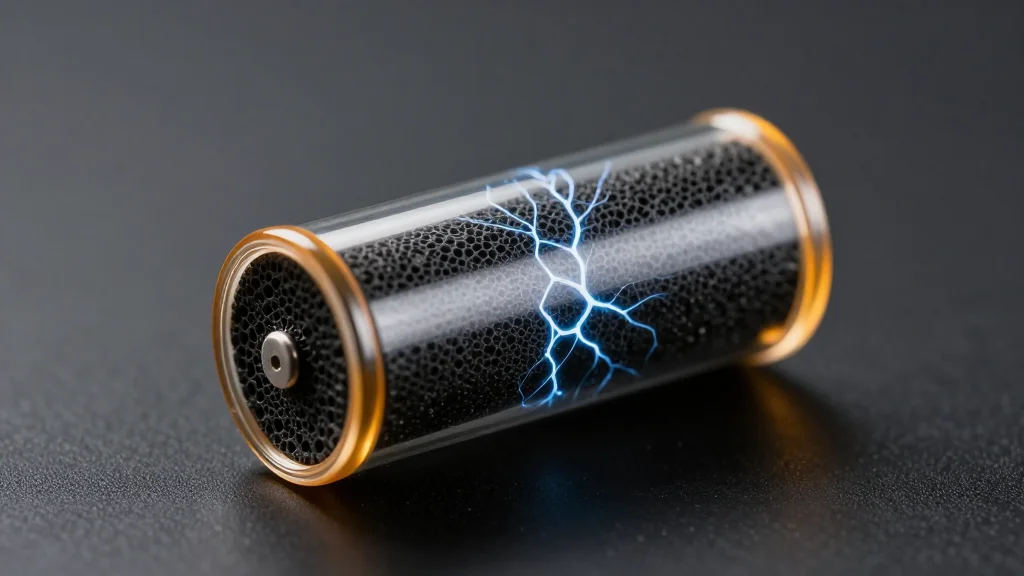
Researchers Develop Improved Supercapacitors Based on Dual-Functional Porous Graphene
Researchers at India’s ARCI have created a dual‑functional porous graphene carbon nanocomposite (PGCN) electrode that enables supercapacitors to operate at 3.4 V, exceeding the typical 2.5‑3.0 V ceiling. The material’s water‑repellent and organic‑electrolyte‑compatible surface boosts ion transport, delivering 33 % higher energy storage,...

Argo Graphene Solutions Starts Testing of Graphene-Infused Asphalt Mix
Argo Graphene Solutions has begun specialized design and testing of a proprietary graphene‑infused asphalt mix at its Saskatchewan R&D facility. The program targets enhanced tensile strength, freeze‑thaw resistance, and thermal conductivity to improve road durability in extreme cold. The company...

Tiny AI Chip Brings On‑Device Intelligence to Wearables
Everyone keeps asking when AI will get bigger. As a nanotechnoogist I’m more interested in when it gets smaller. This is a @Femto_AI chip designed to run AI directly on tiny, power-constrained devices like the hearing aids in the photo. No cloud dependency,...
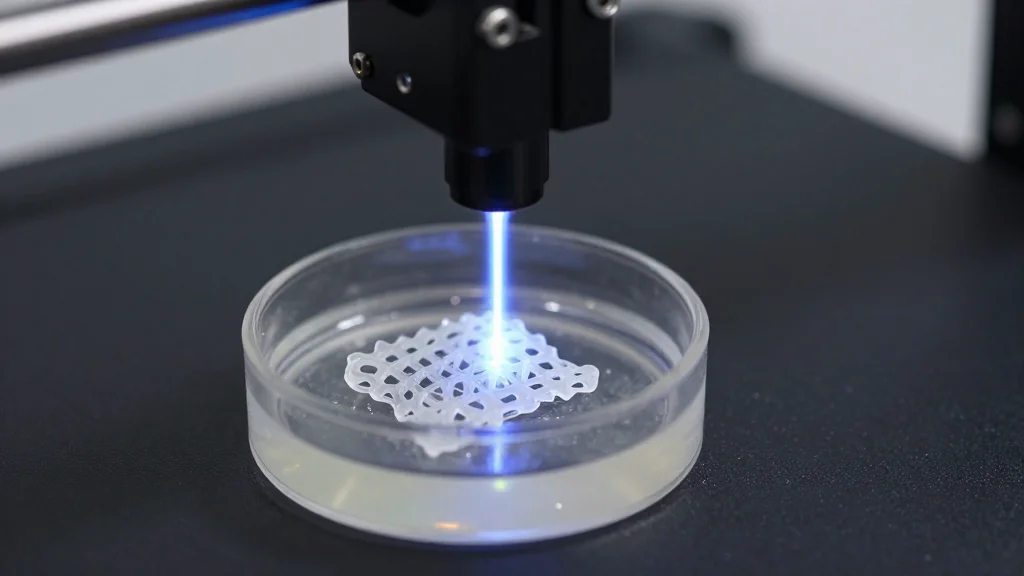
Light-Based 3D Printing Method Lets Scientists Program Plastic Properties at the Microscale
Researchers at Lawrence Livermore National Laboratory and partner institutions unveiled CRAFT, a light‑based 3D printing method that regulates thermoplastic crystallinity at the microscale. By adjusting light intensity during polymerization, the technique creates spatially varying rigid and flexible zones within a...

Low-Frequency Excitations Could Soon Be Mapped with Nanometer Precision
Researchers at ICFO have introduced wave‑mixing cathodoluminescence (WMCL), a theoretical method that captures low‑frequency far‑infrared and terahertz excitations with nanometer spatial resolution. The technique combines an electron beam‑induced excitation with a visible laser, using nonlinear wave mixing to encode terahertz...
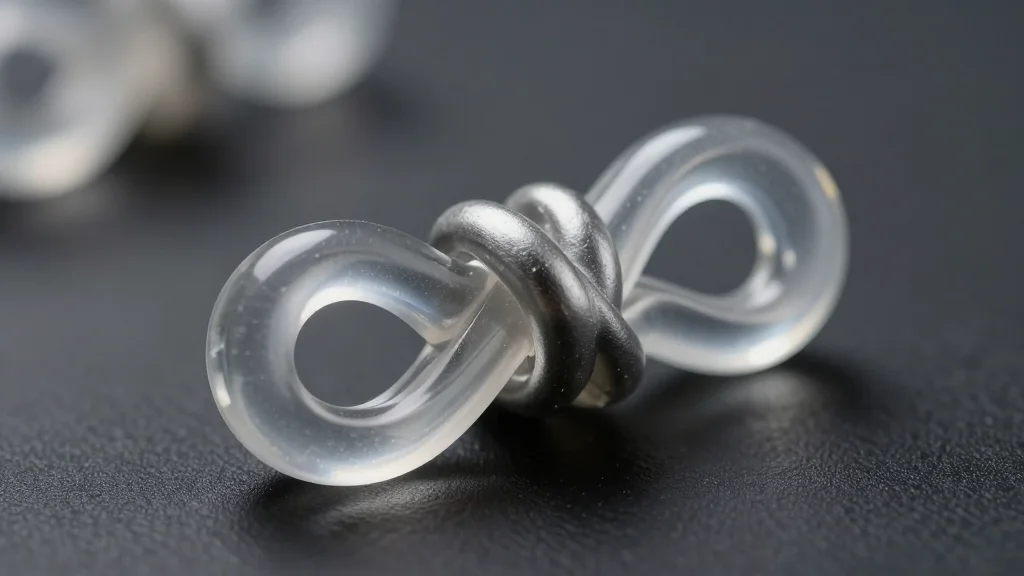
Nanosculpting Quantum Materials
Researchers at TU Wien have unveiled a refined focused ion milling method that can sculpt three‑dimensional chiral nanostructures directly from single‑crystal quantum materials. The technique achieves sub‑10 nm feature sizes while preserving the crystal lattice and intrinsic quantum properties. Results, published...
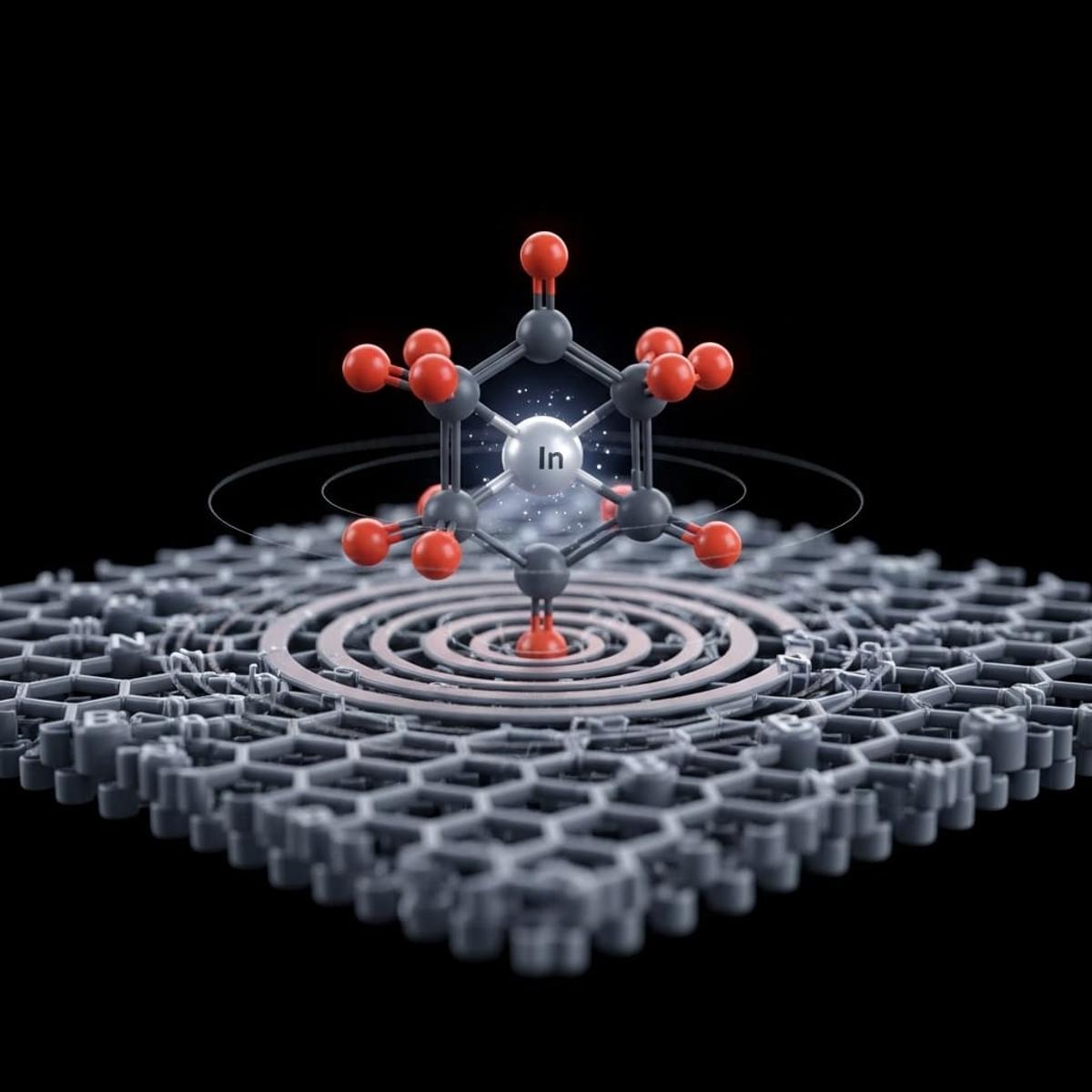
S Coherence Achieved in Surface-Scaffolded Molecular Qubit Via hBN Stabilisation
Scientists at the University of Chicago and Northwestern University have created a surface‑scaffolded molecular qubit by placing deuterated pentacene molecules on hexagonal boron nitride (hBN). The platform achieves a record‑breaking 214 µs coherence time under dynamical decoupling, surpassing shallow nitrogen‑vacancy (NV)...
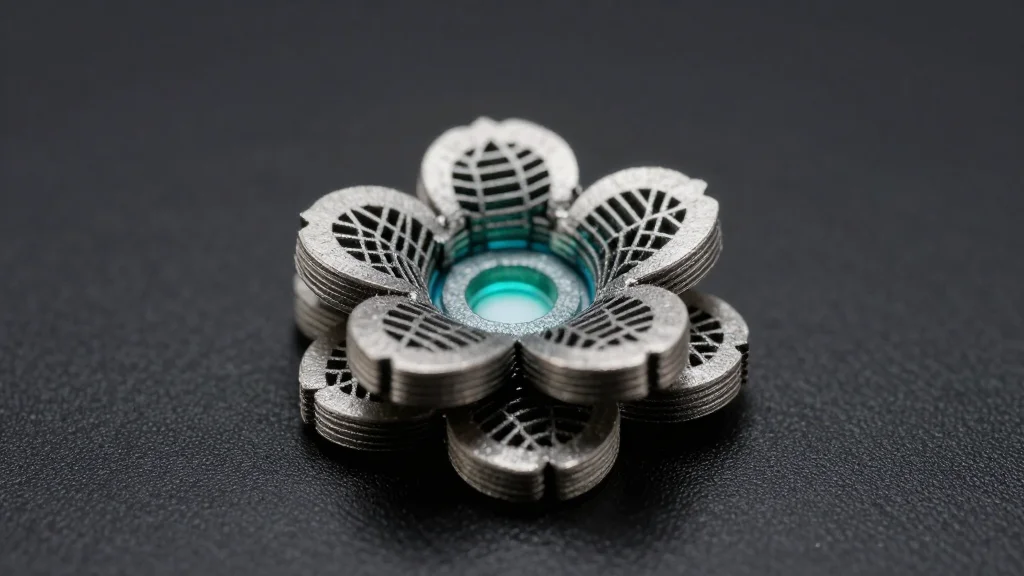
Freestanding 3D MXene Structures Push the Limits of Microscale Devices
Carnegie Mellon researchers have introduced a single‑step aerosol‑jet printing method that converts additive‑free MXene nanosheet ink into freestanding three‑dimensional structures. The technique eliminates ceramic backbones and post‑processing, enabling intricate micro‑flowers and tree‑like architectures. Using these printed networks, the team built...

New Light-Based Nanotechnology Could Enable More Precise, Less Harmful Cancer Treatment
Researchers at NYU Abu Dhabi have engineered hydroxyapatite‑based nanoparticles loaded with a near‑infrared II (NIR‑II) dye for photothermal cancer therapy. The particles are coated with lipids and polymers to prolong circulation and feature an acidic‑responsive peptide that promotes tumor‑cell entry....
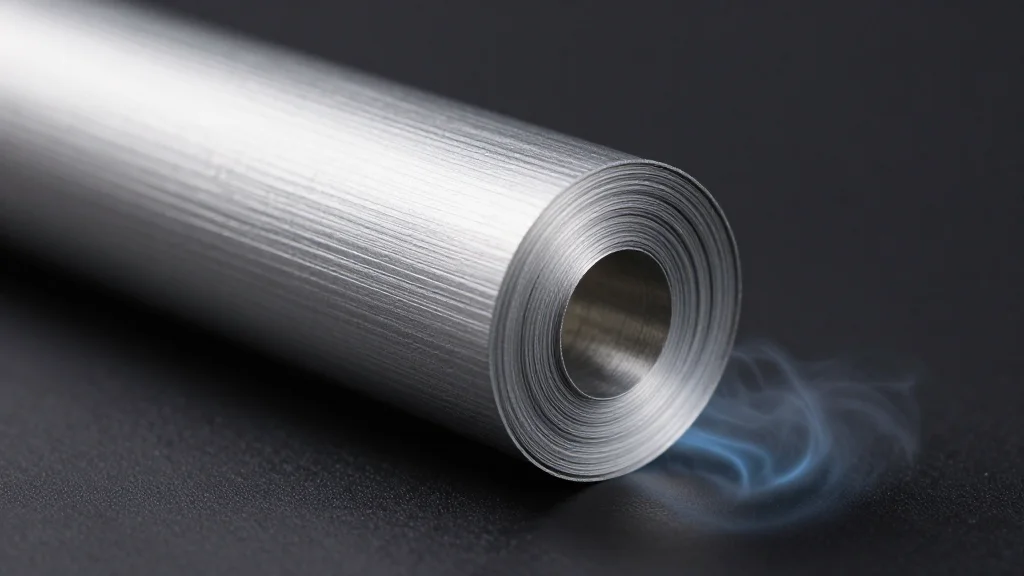
A New Method Rolls MXene Into Scrolls by the Gram Unlocking Superconductivity and Faster Ion Transport
Researchers at Drexel University and the University of Pennsylvania have devised a scalable method to roll MXene sheets into tubular scrolls, producing up to 10 g per batch with 45 % delamination efficiency. The scrolls exhibit a 33‑fold increase in electrical conductivity...

Refractive-Index Microscope Measures a Sample's Optical Properties with Pinpoint Accuracy
Researchers at TU Wien have created a hybrid microscopy technique that merges single‑molecule localization microscopy with atomic force microscopy to directly measure the refractive index of biological samples at nanometer scales. By using AFM‑derived topography to decouple distance‑related blur from...

Engineering Graphene to Block and Detect Malaria
A recent review in Advanced NanoBiomed Research maps how graphene and its derivatives could be deployed at multiple points in the malaria fight. It details synthesis routes—from mechanical exfoliation to green chemistry— and highlights three intervention zones: physical barriers on...

Flexible Photodetector Selects Wavelengths Through Electrical Control
Researchers at Xi’an Jiaotong University have created a flexible photodetector that switches its peak wavelength response using only a gate voltage. The device leverages an asymmetric graphene‑MoS₂‑carbon‑nanotube heterostructure, delivering up to 40.3 A W⁻¹ responsivity and a detectivity of 1.3 × 10¹¹ Jones. Spectral tuning...
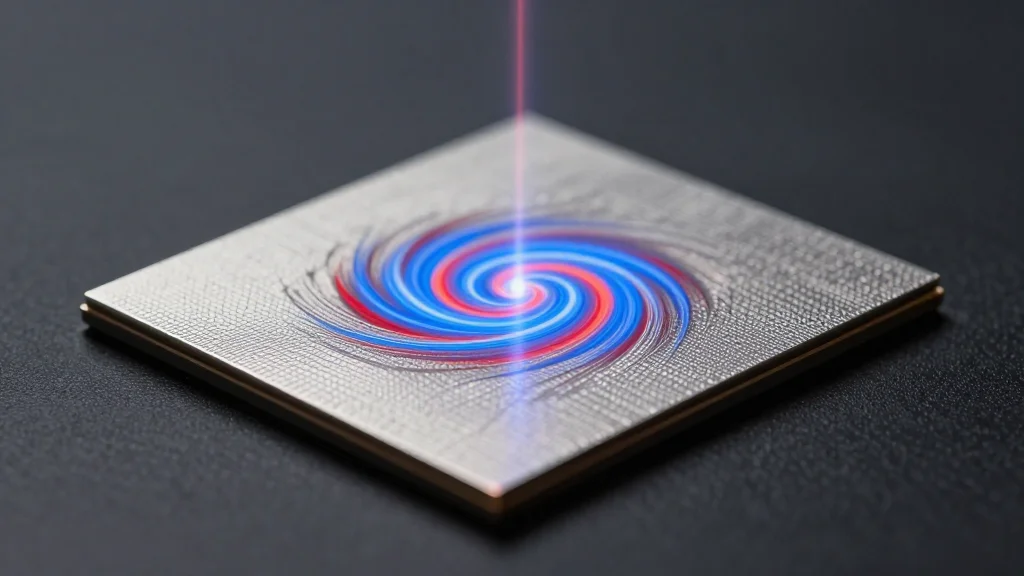
New Device Switches Terahertz Pulses Between Electric and Magnetic Skyrmions
Researchers at Tianjin University and Nanyang Technological University have demonstrated an optical device that can generate and actively switch between electric and magnetic skyrmion vortex patterns in free‑space terahertz pulses. The switching is achieved using a nonlinear metasurface illuminated by...

MXene Hydrogel Sensor Enables Heart and Breathing Monitoring in Endurance Sports
A stretchable MXene‑based hydrogel sensor has been demonstrated to monitor heart rate and respiration continuously during intense endurance exercise. The dual‑network polymer retains over 94 % of its water content after six hours at 38 °C, stretches up to 800 % strain, and...
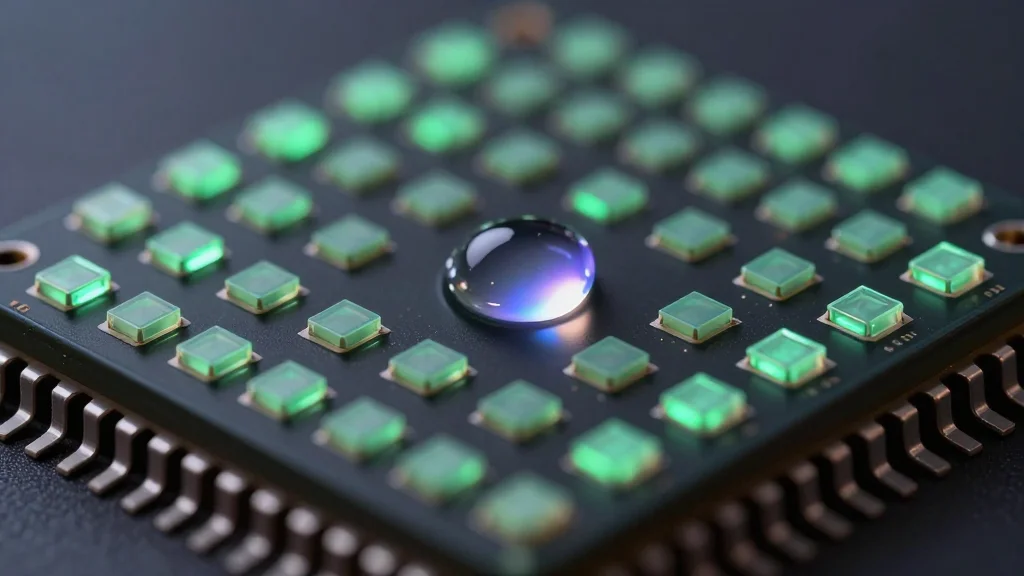
Reading Neurochemical Signals with Integrated Graphene-CMOS
Researchers at INL unveiled a CMOS platform that simultaneously reads 32 graphene field‑effect transistor sensors at 16 kS/s per channel, enabling real‑time, high‑resolution mapping of neurochemical signals. The integrated chip converts minute ionic currents into digital data while maintaining low power...

Nanoclay-Melon Protein Coatings Extend Mushroom Shelf Life
Researchers have created an edible nanoclay‑melon protein coating that dramatically prolongs the shelf life of fresh mushrooms. Laboratory tests showed the coating extended freshness by up to seven days and cut weight loss by roughly 40% compared with untreated produce....
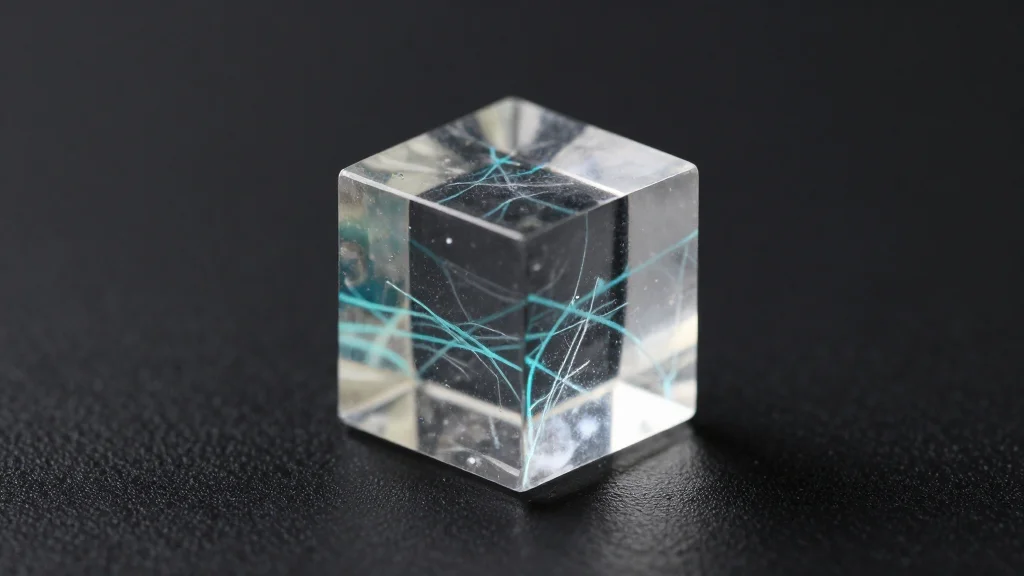
Battery Electrolyte Stays Solid at Room Temperature yet Conducts Ions Like a Liquid
Researchers at UNIST and KAIST have created a solid‑state electrolyte from ethylene carbonate that remains crystalline at room temperature yet conducts lithium ions at 0.64 mS cm⁻¹. By using a very low concentration of LiTFSI, the mixture (EC₀.₂ₜ) freezes around 29 °C, forming...

How Topological Surfaces Boost Clean Energy Catalysts
Researchers at Tohoku University demonstrated that monolayer PtBi₂ retains its topological surface states even when covered by a hydroxyl layer during the oxygen reduction reaction (ORR). The hydroxyl‑induced electrochemical surface state reshapes the electronic structure, creating spin‑orbit‑coupled states with high...
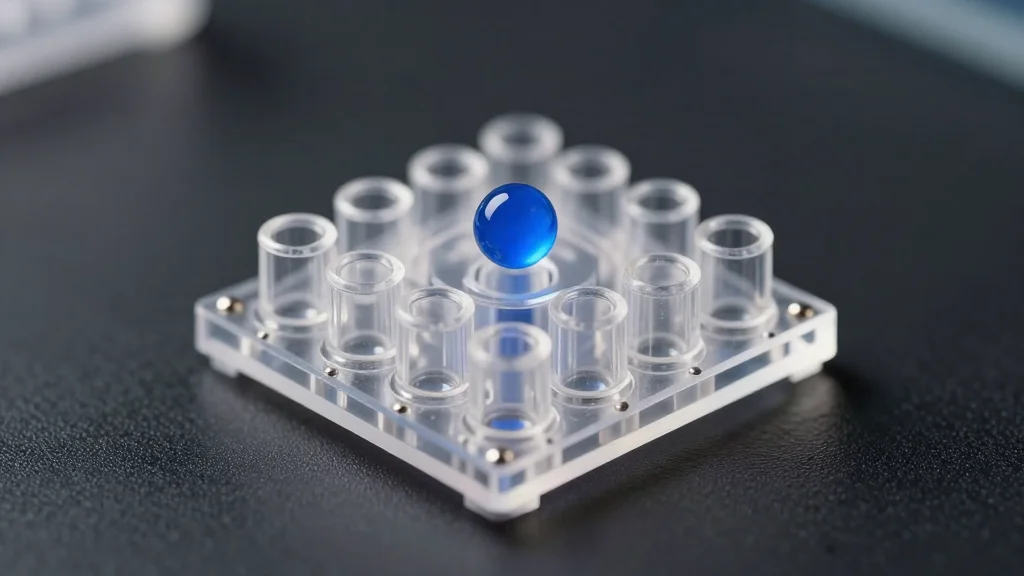
One-Step 3D Microfluidic Chip Brings Cells Closer to Real Tissues
Researchers at the University of Macau introduced a digital microfluidic chip fabricated in a single 3D‑printing step that incorporates micro‑structured wells directly onto the electrodes. The device precisely moves droplets, captures cells, and rapidly forms viable 3D spheroids that persist...
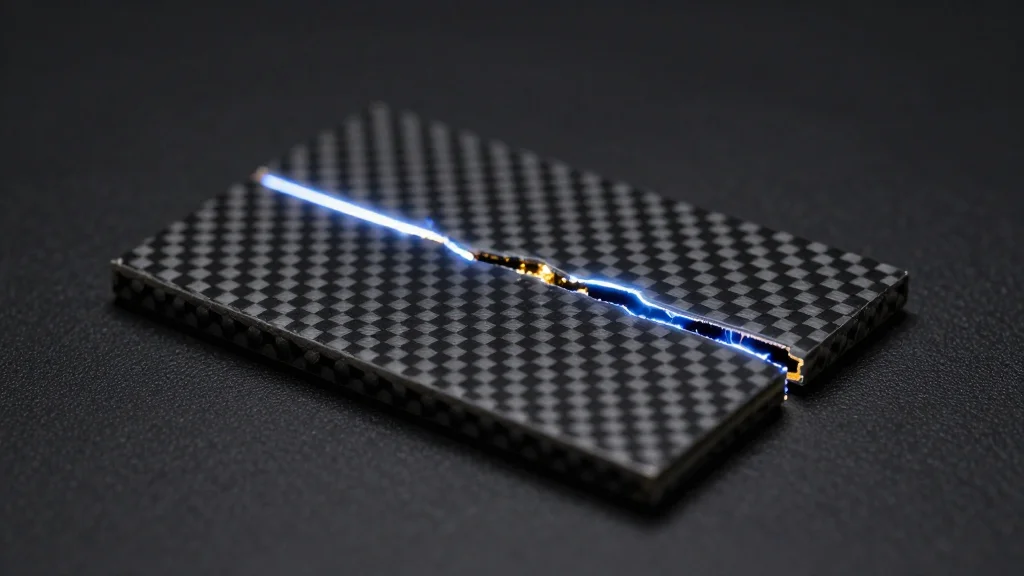
Self-Powered Nanocomposite Material Detects Its Own Cracks
Researchers at Tohoku University have created a carbon‑fiber‑reinforced polymer (CFRP) composite that incorporates a lead‑free piezoelectric nanomaterial, potassium sodium niobate (KNN), to harvest vibration energy and detect internal cracks. The material generates up to 13.6 V under vibration, and the output...

Atomic Spins Set Quantum Fluid in Motion
Researchers at the Institute of Science Tokyo have experimentally demonstrated the Einstein–de Haas effect in a quantum fluid by using a Bose–Einstein condensate of highly magnetic europium atoms. By lowering a weak magnetic field from 1 µT to a few nT, spin...
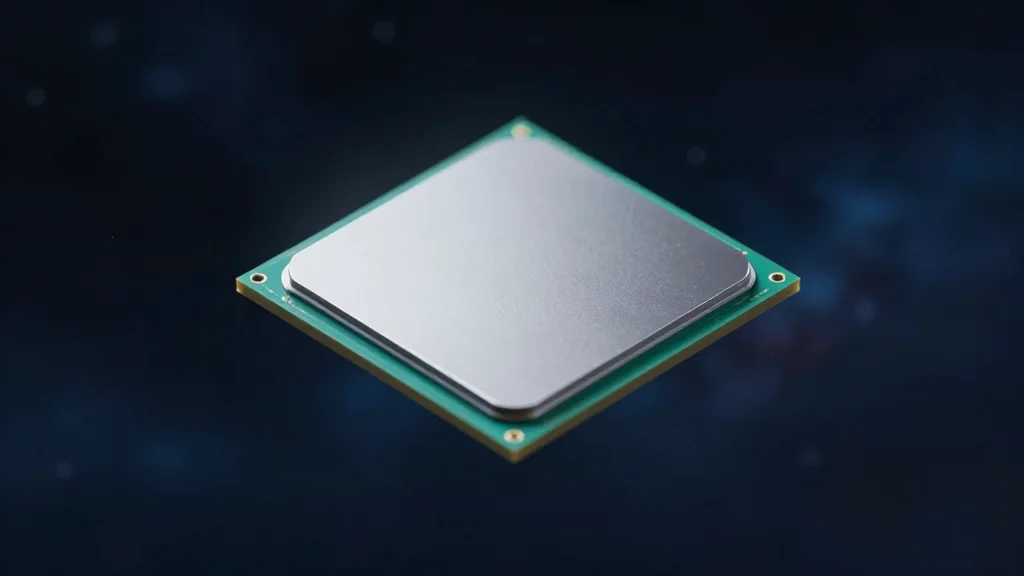
Radiation Hardened Circuit Platform Expands Space Electronics Development
BAE Systems introduced its RH12 Storefront, a radiation‑hardened 12‑nanometer circuit platform aimed at space‑grade integrated circuits. The offering bundles a full library of IP blocks, design tools, and licensing options, enabling customers to create custom system‑on‑chip solutions for harsh off‑Earth...
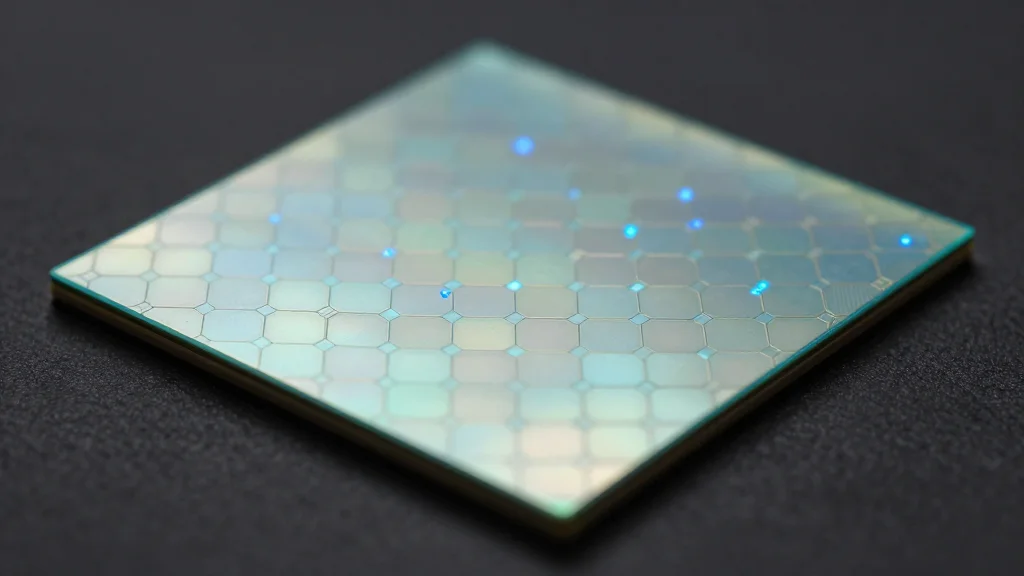
Archer Materials Advances Graphene and Carbon Quantum Technologies
Archer Materials announced significant progress in its graphene‑based quantum computing program during the December 2025 quarter, including on‑chip electrical detection of spin states and precise gating of carbon films. The company recorded room‑temperature electron spin lifetimes exceeding 0.4 µs and demonstrated wafer‑scale...
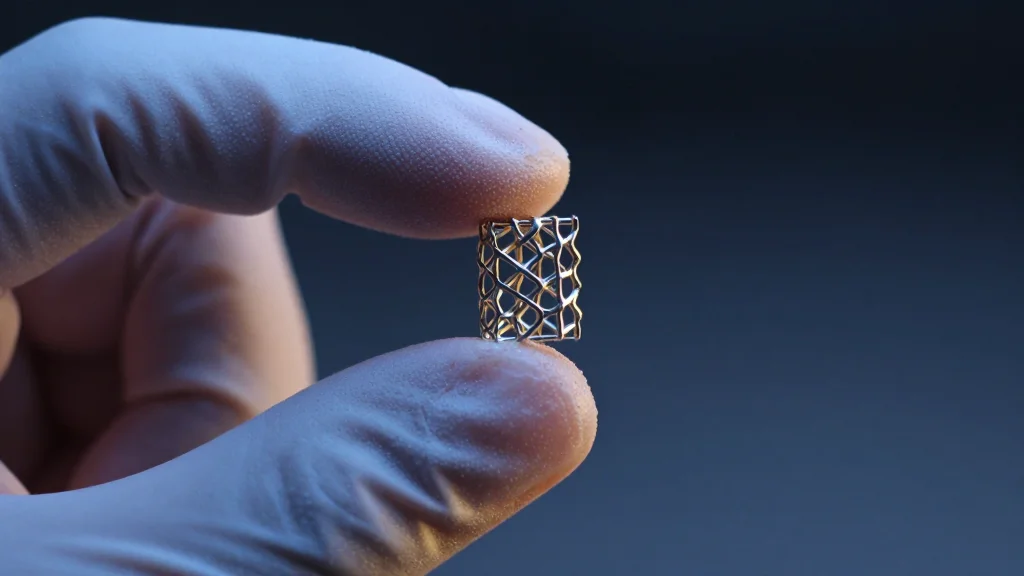
Advancing Flexible Zinc Air Battery: Exploring Non‐Noble Metal Oxides for Enhanced Electronic Structure Modulation in Scalable Engineering Design
Researchers have developed hierarchical flower‑like Fe–Mo oxide electrocatalysts using a scalable reflux‑calcination method. The optimized Fe0.25Mo0.75O (FeMoO‑III) shows an OER overpotential of 240 mV at 10 mA cm⁻² and an ORR half‑wave potential of 0.86 V, with durability exceeding 200 h. Integrated into both alkaline...
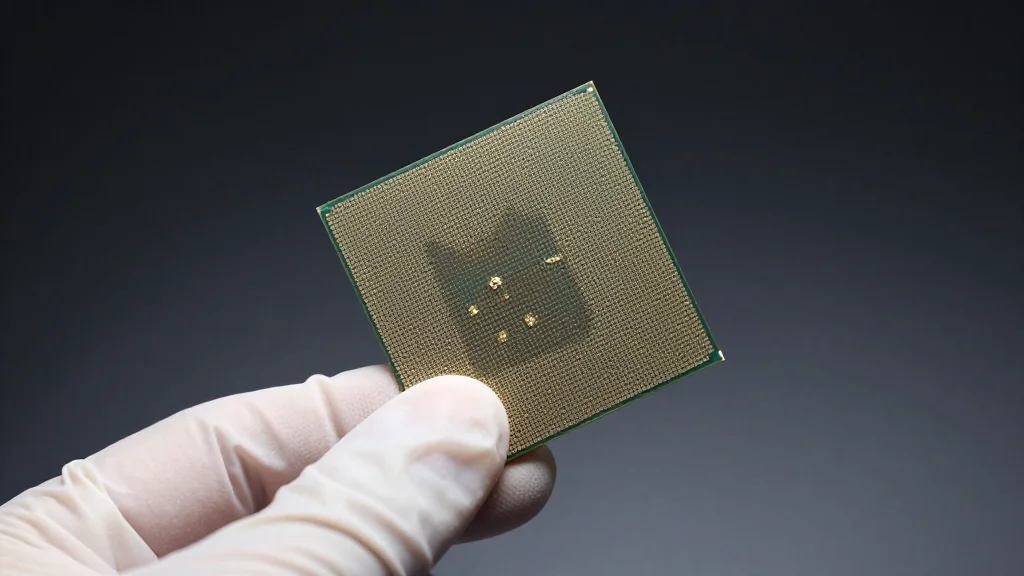
High‐Throughput Screening Enables Ultrathin and High Thermal Conductivity All‐Carbon Graphene Foam Thermal Interface Materials
Researchers have created an ultrathin all‑carbon graphene foam thermal interface material using PMMA microsphere templating and finite‑element high‑throughput screening. The foam delivers exceptional thermal diffusivity—608.6 mm²/s in‑plane and 51.8 mm²/s through‑plane—and an ultra‑low contact thermal resistance of 0.104 K·cm²/W at 40 psi. Its bond‑line...

DNA‐Assisted Synthesis of Defect‐Rich MnO2 Cathodes for High‐Rate and Long‐Life Aqueous Zinc‐Ion Batteries
The study presents a DNA‑assisted hydrothermal route to fabricate defect‑rich δ‑MnO₂ nanoflake cathodes for aqueous zinc‑ion batteries. DNA molecules coordinate with Mn ions, generating phosphate and nitrogen groups that create oxygen‑related defects and increase Mn³⁺ content while expanding interlayer spacing....
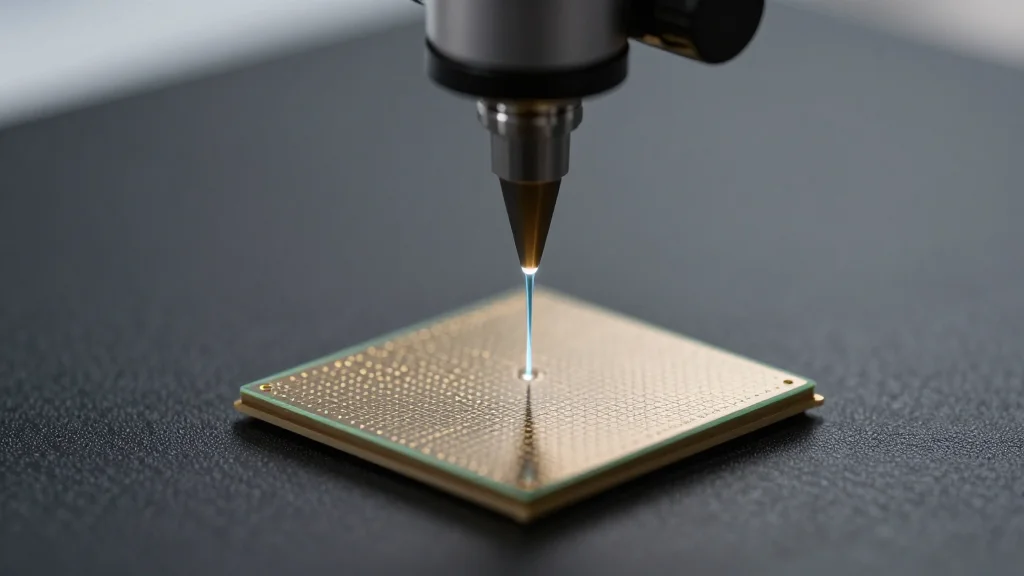
Synthesis of Highly Stable CdSe Magic‐Size Clusters Displaying Optical Absorption Peaking at 272 Nm
Researchers have demonstrated a ligand‑induced conversion of conventional CdSe magic‑size clusters (MSC‑391) into a newly identified MSC‑272 that absorbs at 272 nm. The transformation, driven by diphenylphosphine and cadmium carboxylate salts, yields a cluster with superior dispersibility and thermal stability up...
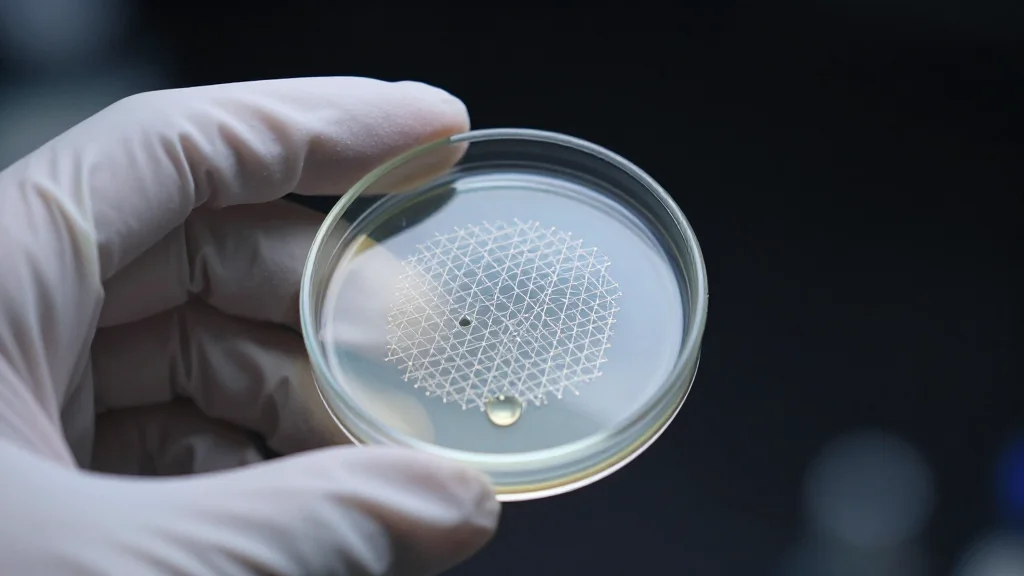
NIR‐Triggered 3D‐Bioprinted Hydrogels for Antibacterial Skin Regeneration
Researchers have developed a near‑infrared (NIR) triggered hydrogel bio‑ink that incorporates up‑conversion nanoparticles (UCNPs) with acrylic acid‑N‑vinyl‑2‑pyrrolidone and carboxymethyl cellulose. The NIR exposure induces rapid hydrogen‑bonding condensation, enabling in‑situ 3D printing of wound‑filling scaffolds. The printed hydrogel generates reactive oxygen...
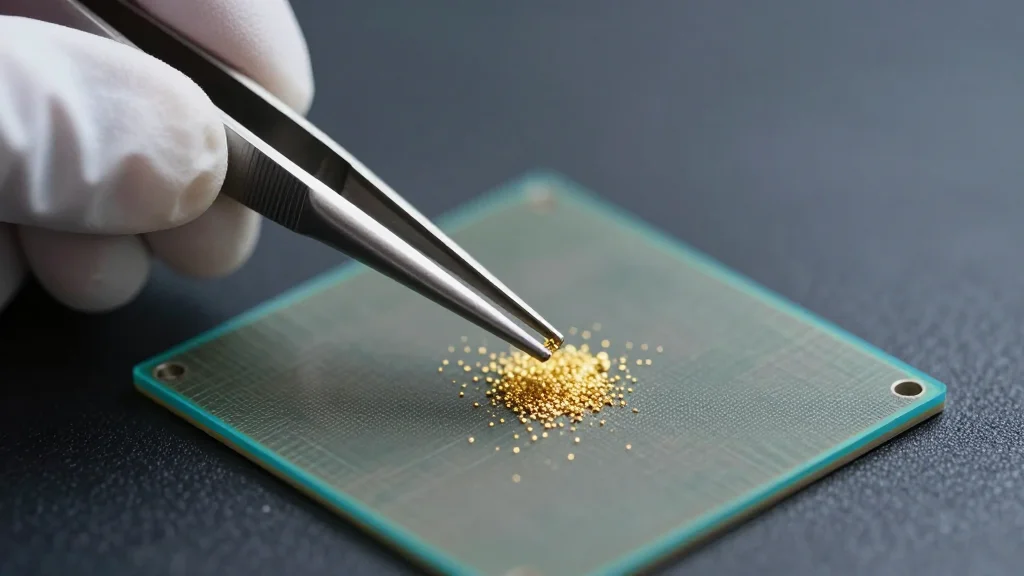
Optimizing the Adsorptive Separation of Three‐Component C2 Hydrocarbons by Pore Environment Regulation in Metal–Organic Frameworks
Researchers engineered the pore environment of two isoreticular Zr‑MOFs, HIAM-411 (methyl‑functional) and HIAM-412 (amino‑functional), to tackle the long‑standing challenge of one‑step adsorptive separation of C2H2/C2H4/C2H6 mixtures. HIAM‑411 preferentially adsorbs acetylene and ethane but suffers low C2H2/C2H4 selectivity, limiting its efficiency....
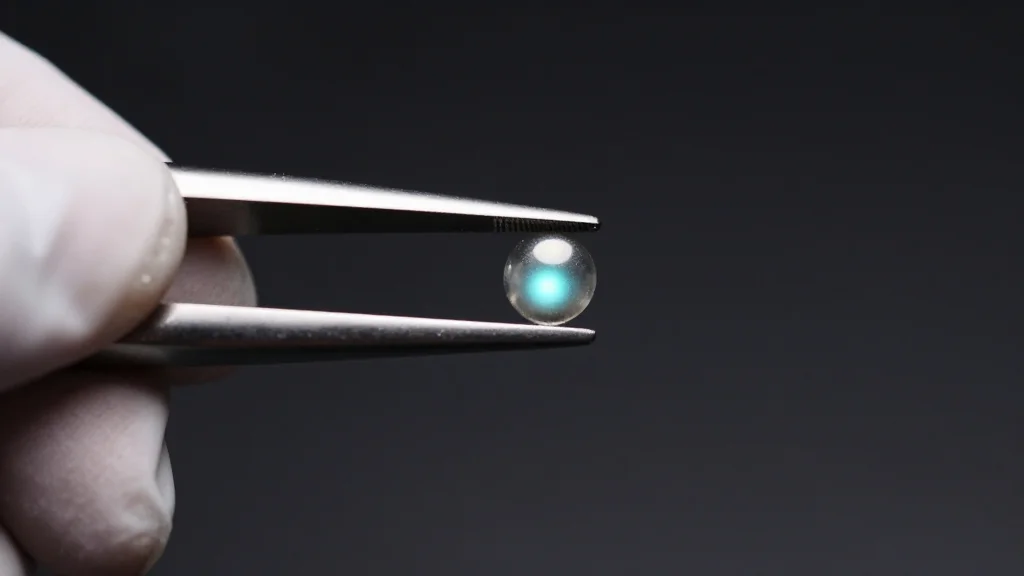
Bioinspired Ultratough and Rapidly Responsive Hydrogels Empower Silent Communication
Researchers have engineered a starch‑based hydrogel by covalently grafting protocatechuic acid, creating a bioinspired material that is both ultratough and rapidly piezoresistive. The hydrogel’s dynamic hydrogen bonds and π‑π interactions eliminate the typical brittleness‑hysteresis trade‑off, enabling reliable strain‑dependent resistance. Integrated...
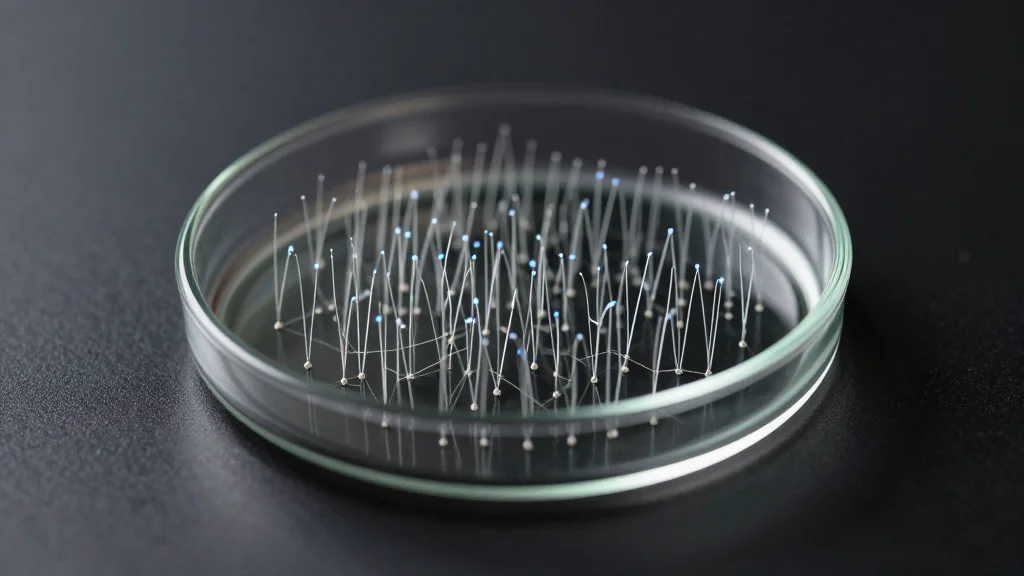
Regulated Zinc‐Based Organic Frameworks by Linker Functionalization for Multifunctional Photocatalysis and Photoelectrocatalysis
Researchers engineered four zinc‑based metal‑organic frameworks (Zn‑MOFs) by modifying organic linkers with electron‑donating or -withdrawing groups, precisely controlling the type of reactive oxygen species (ROS) produced. The fluorine‑substituted MOF (HIAM‑3001F) favored superoxide generation, achieving near‑unity conversion and 88.5% yield in...
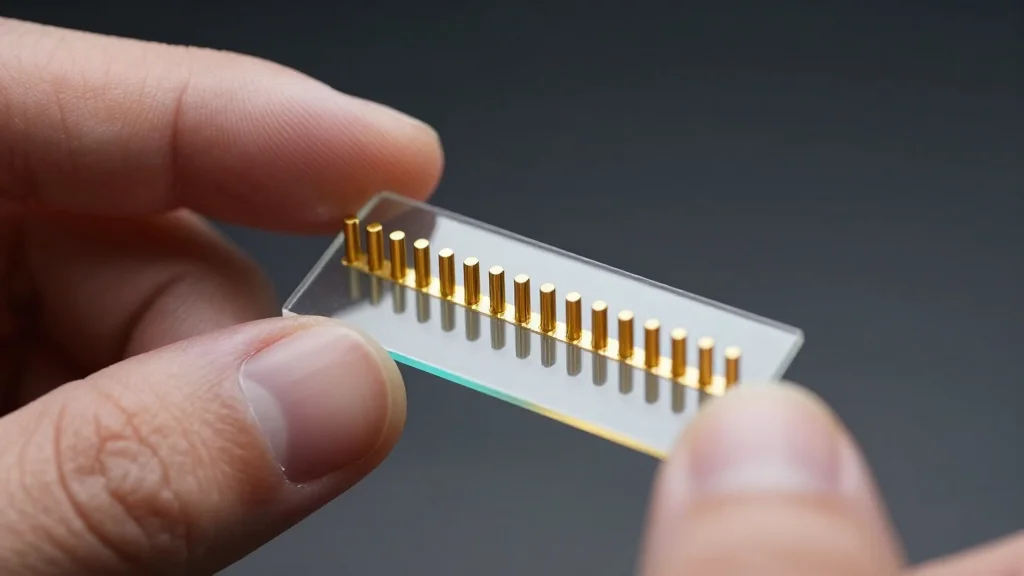
Heterointerfacial and Architectural Engineering in MOF‐Templated Corn‐Like FePS3‐ZnPS3‐C@NC Anode for Durable Sodium Storage
Researchers have created a corn‑like FePS3‑ZnPS3 heterostructure anode using a MOF‑on‑MOF templating method, coated with N‑doped carbon. The architecture combines heterointerfacial engineering and structural design to improve charge transfer and buffer volume expansion. The resulting anode delivers an initial discharge...

A‐Site Cation‐Induced Hot‐Carrier Lifetime Extension in 2D Perovskites: A New Strategy for X‐Ray Detection Enhancement
Researchers engineered the A‑site cation in 2D perovskite single crystals, creating MPDA (MPDAPb2I6) that prolongs hot‑carrier cooling to 80 ps—eight times longer than the DMePDA counterpart. The extended hot‑carrier lifetime boosts hot‑electron extraction efficiency to 51.4%, a six‑fold increase, and raises...
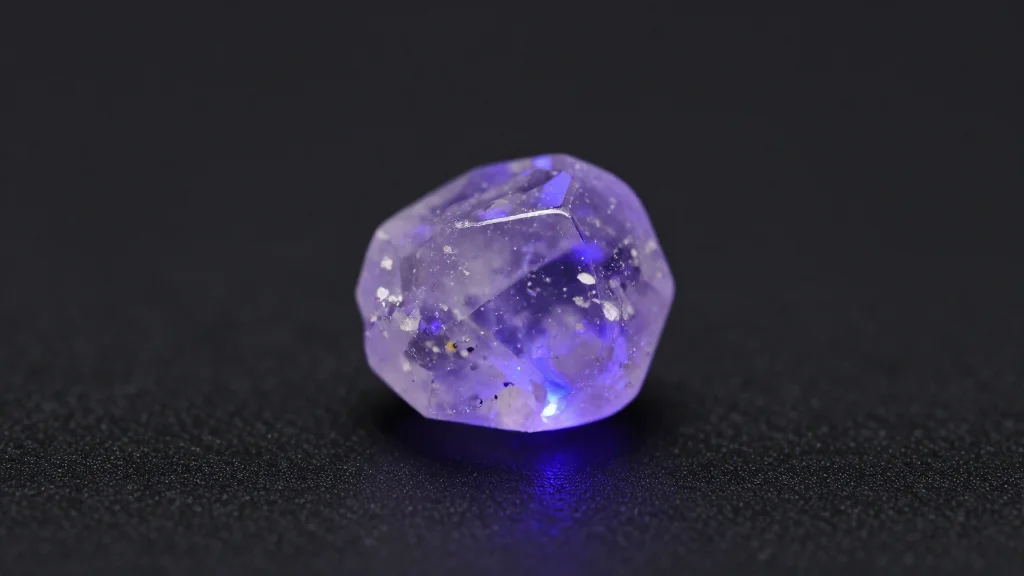
Optically Stimulated Ultraviolet‐C Luminescence for Solar Blind Imaging
Researchers have introduced a double‑perovskite phosphor, Cs2NaYF6 doped with Pr3+, that exhibits optically stimulated luminescence (OSL) in the ultraviolet‑C (UVC) range. After X‑ray exposure, the material stores charge carriers in deep traps and releases them as persistent UVC light when...