Today's Nanotech Pulse

Left‑handed DNA origami tubes double chemotherapy efficacy
Researchers at the Cancer Center at Illinois showed that left‑handed DNA origami tubes loaded with the drug Daunorubicin kill acute myeloid leukemia cells more than twice as effectively as right‑handed tubes. The tubes display CD117‑targeting aptamers and their left‑handed geometry promotes rapid internalization, boosting cell‑killing potency.
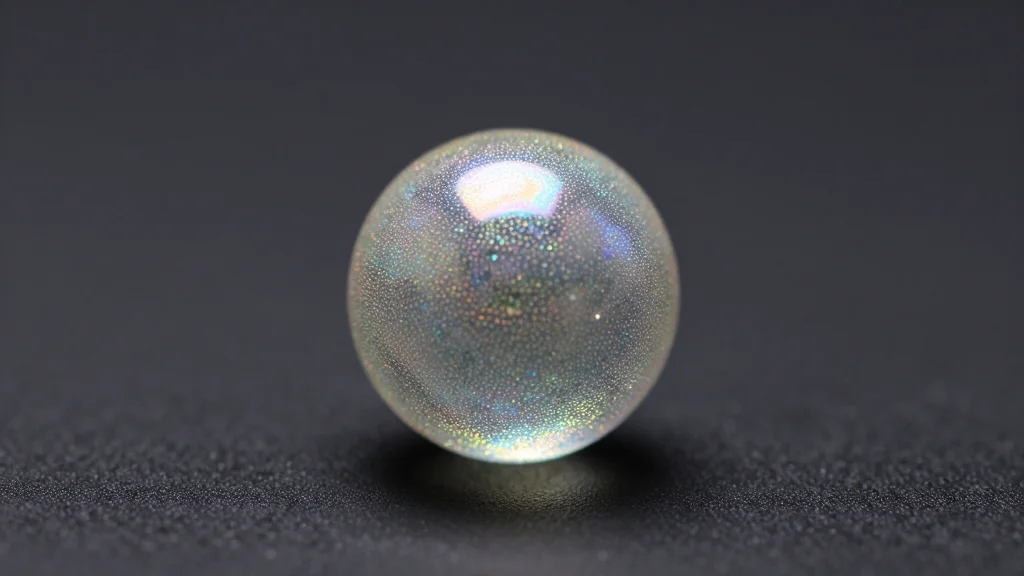
Advances in Functionalized Metal–Organic Frameworks for PFAS Detection: Design, Mechanisms, Performance, and Future Perspectives
The review details how functionalized metal‑organic frameworks (MOFs) are being engineered for ultra‑sensitive detection of per‑ and polyfluoroalkyl substances (PFAS) in water. It outlines design strategies such as pre‑synthetic pore tuning, post‑synthetic functionalization, and MOF‑based composites, linking these to detection mechanisms like fluorescence, Raman, and electrochemical sensing. Performance metrics show trace‑level PFAS identification, yet the transition to field‑deployable sensors remains challenging due to sampling, preconcentration, and matrix‑tolerance issues. The authors propose integrated sensor platforms as the next research frontier.

Pair‐Resolved Fe–M Dual‐Atom Catalysts for Programmed PMS Activation: Mechanisms, Membrane Confinement, and Standardized Benchmarks
The review introduces a pair‑resolved framework for Fe‑M dual‑atom catalysts (DACs) that program peroxymonosulfate (PMS) activation, allowing seamless switching between radical and non‑radical pathways. It connects synthesis details, µ‑peroxo bridging, and spin/electronic coupling to pathway selection, pollutant selectivity, and catalyst...

Unveiling Novel Biomarkers: Ferroptosis and M1A in the Progression of Nanographene‐Induced Lung Fibrosis
The study demonstrates that inhalation of graphene nanomaterials induces pulmonary fibrosis accompanied by ferroptotic cell death. Dose‑ and time‑dependent exposure leads to organ‑specific damage, especially in the lungs and immune system. Researchers identified 1‑methyladenosine (m1A) as a responsive biomarker, whose...
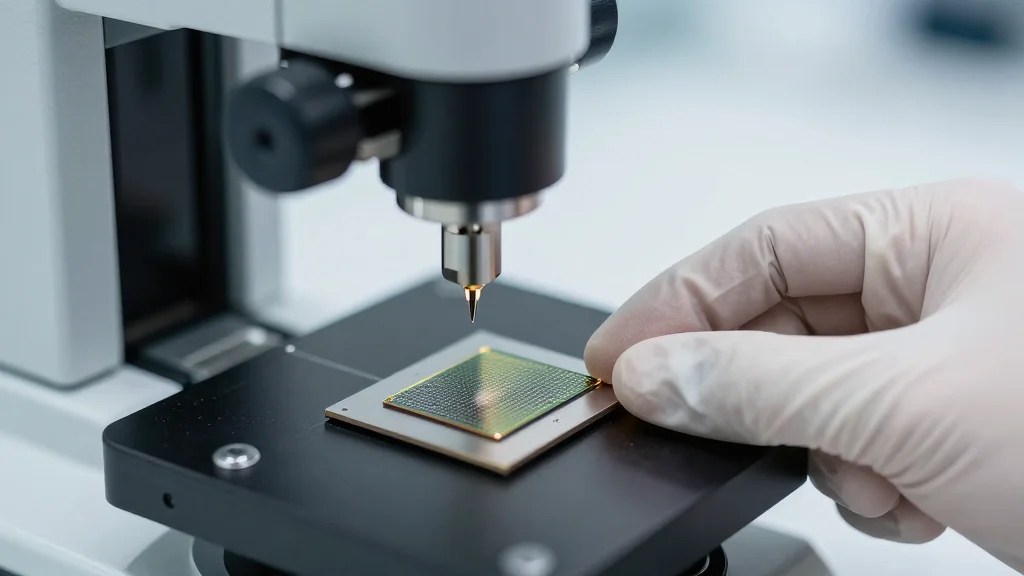
Self‐Strain Suppression of the Metal‐to‐Insulator Transition in Phase‐Change Oxide Devices
Researchers used X‑ray nano‑diffraction to map vanadium sesquioxide (V2O3) devices at the nanoscale, showing that focused gallium ion irradiation creates a defect region that lowers the metal‑to‑insulator transition temperature. The lattice mismatch between pristine and irradiated zones generates internal strain,...
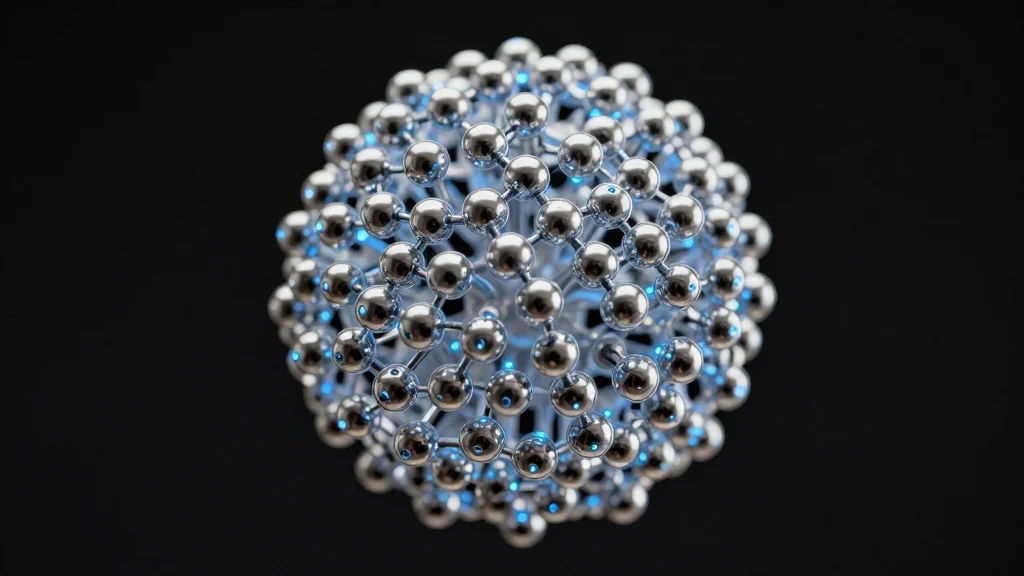
Interface Engineering Effected Charge Redistribution Within High Entropy Alloy‐Metal Heterostructured Catalyst Enables High Performance Anion Exchange Membrane Water Electrolysis (Small...
Researchers engineered the interface of a Mo‑decorated FeCoNiCuMo high‑entropy alloy (HEA) with metal to redistribute charge, improving hydrogen adsorption/desorption balance and OH‑ affinity. This modulation accelerates the Volmer and Heyrovsky steps, boosting hydrogen evolution reaction kinetics. The heterostructured catalyst delivers...

Atomic Layer Deposition of Aluminum Phosphorus Oxynitride and Its Application as a Passivation Layer on Aluminum Metal Anode
Researchers have introduced aluminum phosphorus oxynitride (AlPON) thin films using plasma‑enhanced atomic layer deposition (PEALD) as a novel passivation layer for aluminum metal anodes. The coating is deposited between 100 °C and 180 °C from trimethylaluminum, water, tris(dimethylamino)phosphine and oxygen plasma, yielding...

Bacterial Membrane Vesicles: Next‐Generation Nanoscale Antibacterial Biomaterials
Researchers are positioning bacterial membrane vesicles (MVs) as next‑generation antibacterial biomaterials. Their natural lipid bilayer enables encapsulation and protected delivery of antimicrobial agents, while intrinsic bioactivity can stimulate immune responses. Functionalization strategies improve biosafety, targeting specificity, and cargo loading, turning...

Selenium‐Diffusional Precursor Engineering for High‐Efficiency CdSeTe Solar Cells with 80% Fill Factor
Researchers introduced O₂/CdCl₂‑assisted engineering of Se‑diffusional CdSe precursors, achieving deeper, uniform selenium interdiffusion and improved crystallization. The method yields dense, graded CdSeTe absorbers with fewer buried voids and reduced surface‑potential fluctuations, lowering interfacial recombination. Resulting solar cells reach 20.6% power...

Monash-Led Team Secures Funding to Develop Graphene Oxide Sensor for Early Cancer Detection
Monash Health and Monash University have secured a $100,000 grant from the Love Your Sister Foundation to develop a graphene‑oxide biosensor that detects circulating tumor DNA for early cancer diagnosis. The interdisciplinary team will engineer a functionalised GO surface that...

Al/Ingaas System Achieves Continuous Films with No Detectable Indium Interdiffusion
Scientists have demonstrated a robust method for growing epitaxial aluminium films on indium‑gallium arsenide (InGaAs) using molecular‑beam epitaxy at near‑room temperature. By depositing aluminium at 3 Å s⁻¹ onto a 14 °C substrate, they achieved continuous, superconducting layers with no detectable indium interdiffusion....

Perovskite Betavoltaic Cell Sets Record Efficiency Using Carbon 14 Source
A research team at DGIST has unveiled a perovskite‑based betavoltaic cell that reaches a record 10.79% energy‑conversion efficiency using carbon‑14 nanoparticles as the beta source. The device demonstrates stable power output for over 15 hours, a six‑fold gain versus the...
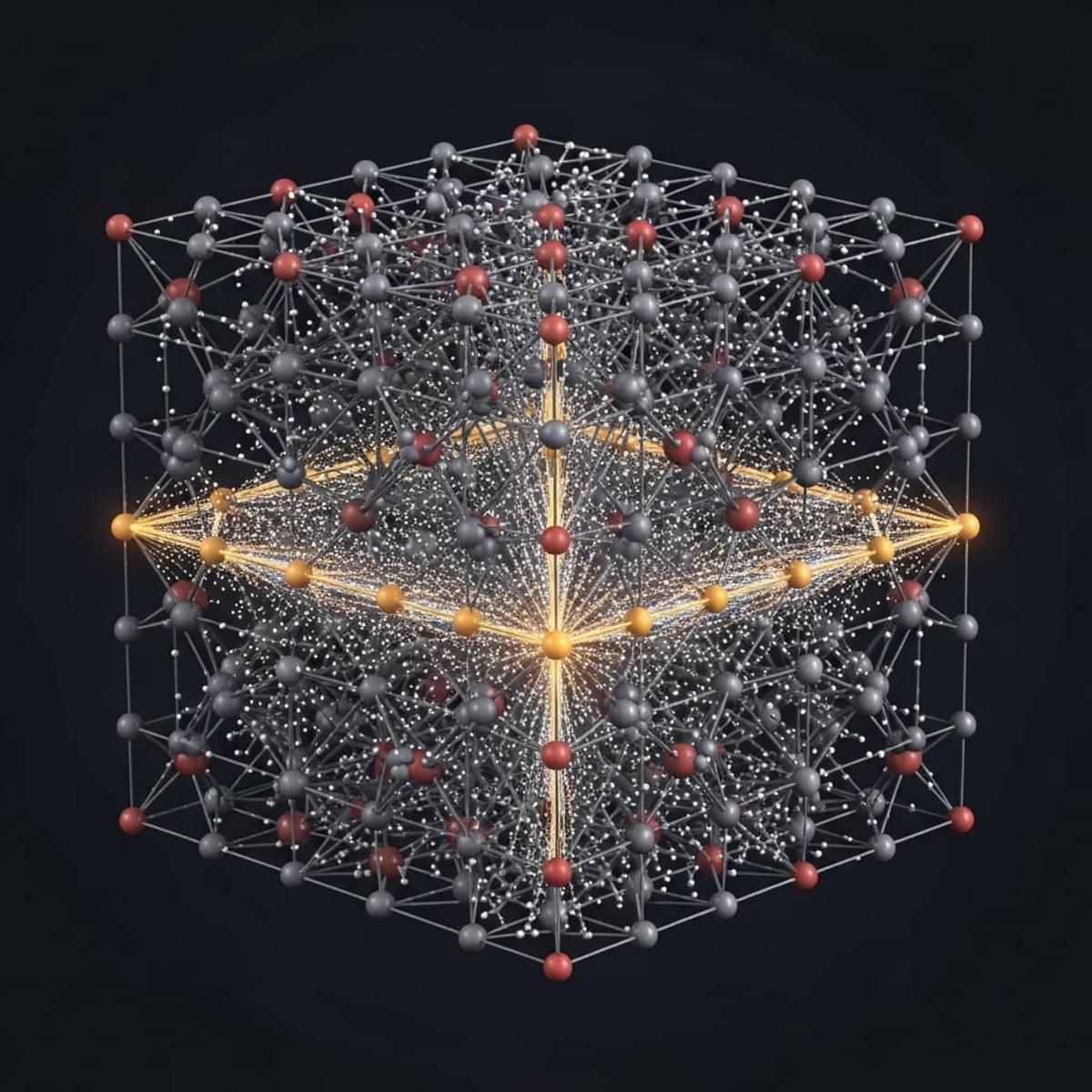
Electrons Meet Ferroelastic Walls in Strontium Titanate, Advancing Oxide Electronics
Researchers have shown that ferroelastic domain walls in strontium titanate (SrTiO₃) are active participants in electron transport, exhibiting emergent polar order, glass‑like relaxations and memory effects. Using resonant piezospectroscopy, electric‑field‑dependent optical imaging, scanning SQUID and single‑electron‑transistor microscopy, they visualized wall...

Silver Nanoparticle Size Influences Light Interaction, Finds Study
A recent study published in the International Journal of Nanoparticles examined how silver particles ranging from 10 nm to 240 nm interact with light. Researchers found that particles under 100 nm primarily absorb light, midsized particles (40‑60 nm) exhibit plasmonic resonance, and larger particles...
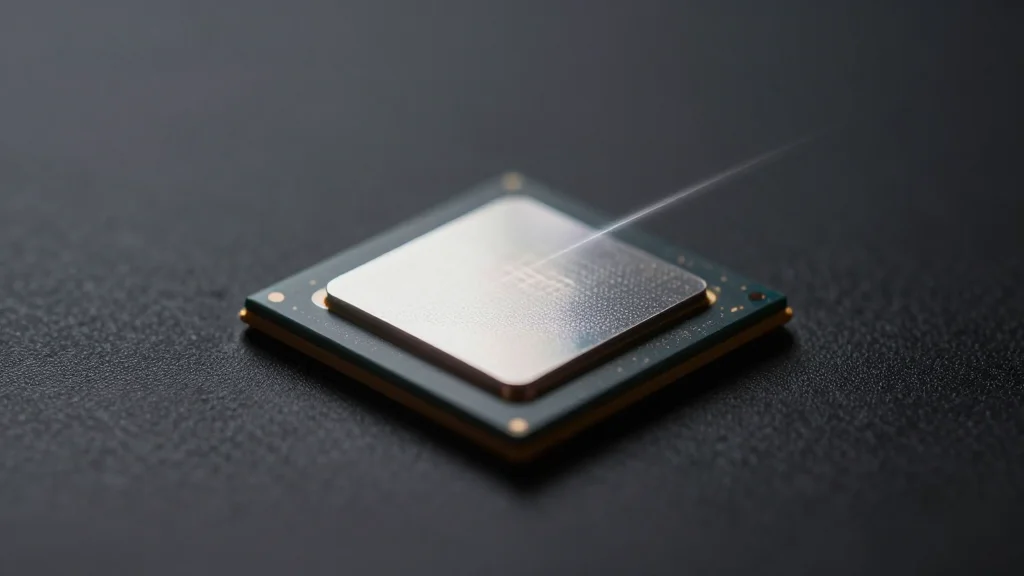
Ultrafast Light Switches Use Atomically Thin Semiconductors for Rapid Optical Control
Researchers at the University of Oldenburg have created a hybrid nanostructure of silver and a monolayer tungsten disulfide that acts as an ultrafast optical switch, changing its reflectivity within 70 femtoseconds. The device, described in Nature Nanotechnology, demonstrates a 10 %...

Using Magnetic Frustration to Probe New Quantum Possibilities
UC Santa Barbara researchers led by Stephen Wilson have shown that magnetic and bond frustration can coexist in a triangular‑lattice antiferromagnet, creating a dual‑frustrated system. By embedding lanthanide moments in a crystal that also hosts strained dimer bonds, they demonstrated that tiny...

Soft Nanoparticles Exploit Membrane Stiffness to Deliver mRNA Selectively Into Cancer Cells
Researchers at Xidian University have engineered soft‑membrane nanoparticles (PGC@FM) that fuse selectively with cancer cells, exploiting the lower membrane stiffness of tumors. The particles deliver mRNA directly to the cytoplasm, bypassing lysosomal degradation that plagues conventional lipid nanoparticles. In mouse...
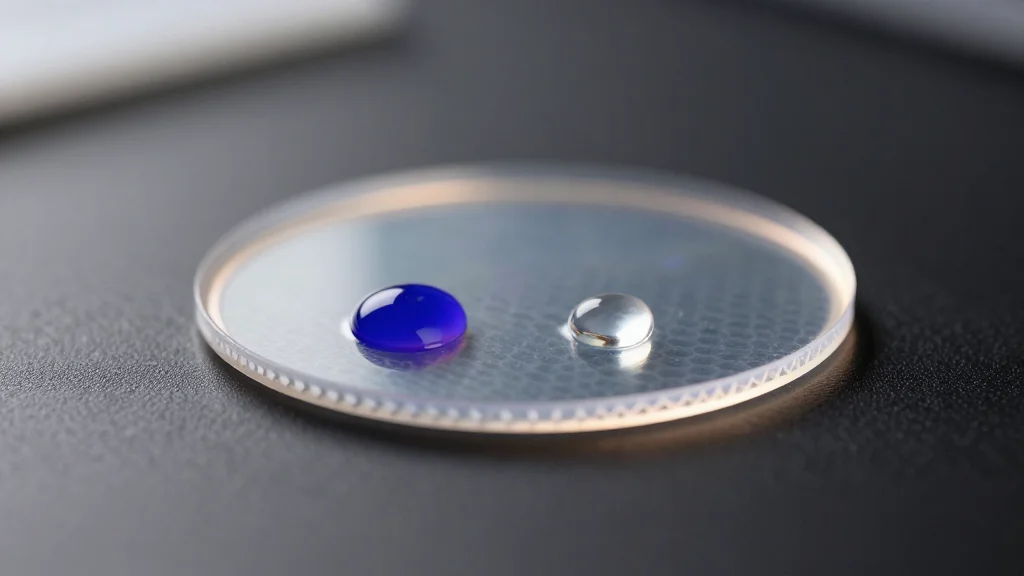
When Scientists Build Nanoscale Architecture to Solve Textile and Pharmaceutical Industry Challenges
Scientists from CSMCRI, IIT Gandhinagar, NTU Singapore and S N Bose have created ultra‑selective crystalline membranes called POMbranes, featuring permanent 1 nm pores. The membranes achieve ten‑fold higher separation performance than conventional polymer filters while remaining flexible, chemically stable and scalable. Laboratory tests show...
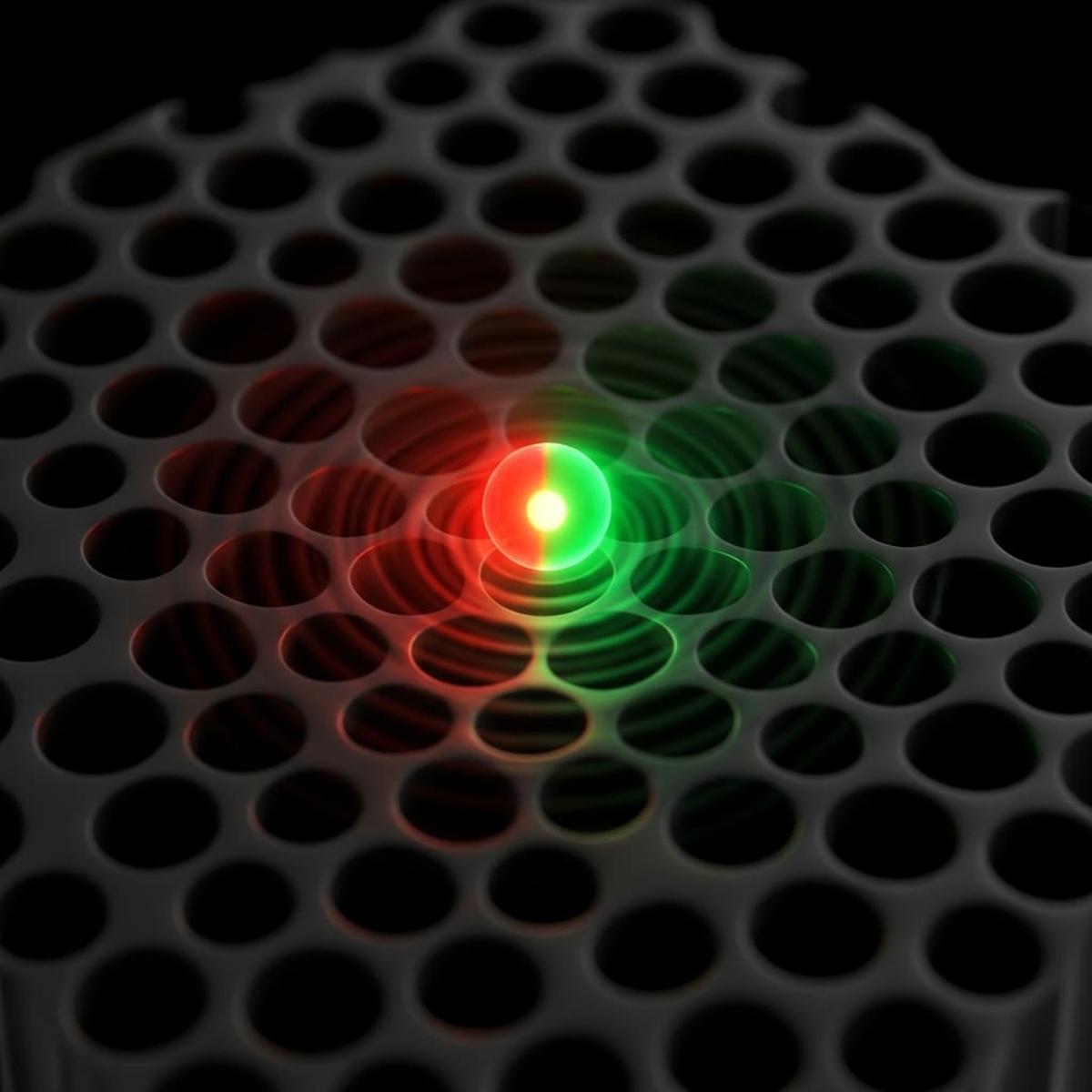
Quantum Dots Achieve 0.7 Energy Shifts Via Phononic Crystal Waveguide Coupling
Researchers from Wrocław University of Science and Technology and the University of Münster have theoretically demonstrated strong coupling between quantum dots and gigahertz phononic crystal waveguides, achieving energy shifts up to 0.7 meV. By combining k·p and configuration‑interaction modeling, they show...

Two-Dimensional Materials Expand Options for Next-Generation Terahertz Quantum Devices
Scientists at the National University of Singapore have shown that atomic‑scale substitutional dopants in two‑dimensional transition‑metal dichalcogenides can act as stable quantum defects with terahertz‑range zero‑field splitting. High‑throughput first‑principles simulations of 50 MoS₂ and WSe₂ monolayers identified several spin‑triplet defects...

Room-Temperature Microscopy Achieves Spatially-Resolved Coherence in Molecular Spin Thin-Films
Researchers at UNSW Sydney have demonstrated room‑temperature, optically detected coherent control of organic molecular spins combined with microscopy to map spatial coherence in pentacene‑doped p‑terphenyl thin‑films and crystals. The study reveals that thin‑films exhibit up to 7.6 % variability in magnetic‑field...
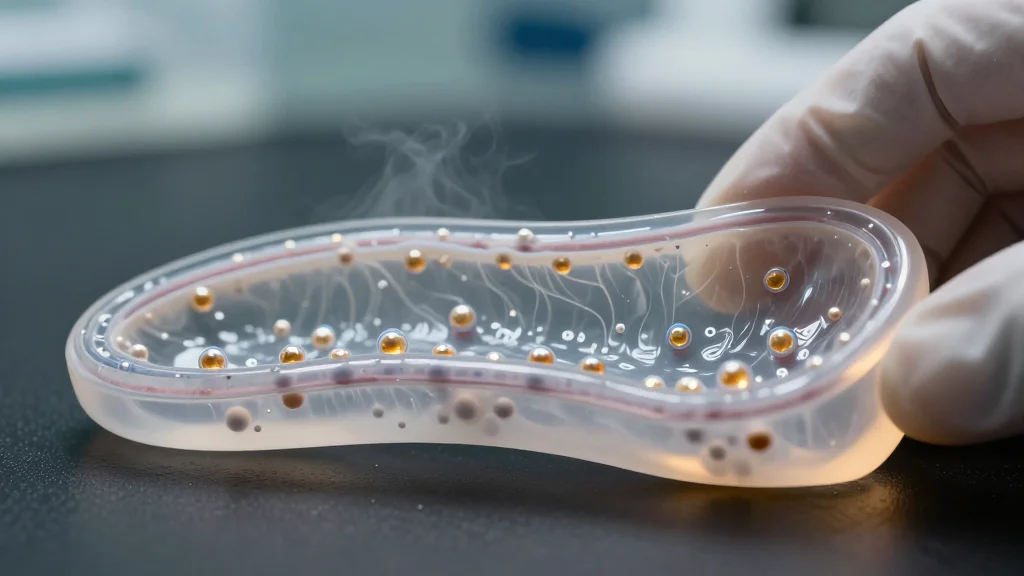
Engineered Nanobodies Improve Respiratory Defenses in Preclinical Study
Researchers at MD Anderson and Stanford engineered bispecific nanobodies that anchor viral particles to the respiratory mucus, boosting the airway’s first‑line defense. In preclinical mouse models the nanobodies reduced infection rates for influenza and SARS‑CoV‑2 and cut viral transmission. The...

Tungsten Oxide Nanorods with Removable Dopants Enable Low-Cost Sodium-Based Smart Windows
Researchers at Seoul National University of Science and Technology have introduced thermally removable dopants into hexagonal tungsten‑oxide nanorods, unlocking sodium‑ion electrochromic activity. The dopant‑free tunnels allow low‑cost sodium electrolytes to deliver near‑infrared (NIR) modulation comparable to lithium‑based systems, even with...

Researchers Pioneer Greener Route to High-Performance Graphene
Monash University researchers have unveiled a solvent‑free, mechanochemical process that produces nitrogen‑doped graphene nanoplatelets from a bio‑derived nitrogen source. By grinding materials instead of using liquid chemicals, the method slashes energy consumption and eliminates toxic by‑products. The resulting graphene exhibits...

Levidian and Kanoo Energy Secure Second Graphene Order in the Middle East
Levidian announced a second tonne‑scale graphene order for a large industrial client in Saudi Arabia, delivered via its regional partner Kanoo Energy. The deal follows an earlier order, highlighting a shift from laboratory testing to commercial performance trials in the...

Tackling Thermal Management Challenges in Portable Fuel Cell Reactors
Researchers in Japan have unveiled a palm‑sized solid‑oxide fuel cell (SOFC) microreactor that can reach 600 °C within five minutes and generate electricity for edge devices. The device uses a yttria‑stabilized zirconia cantilever structure and a multilayer insulation system to eliminate...
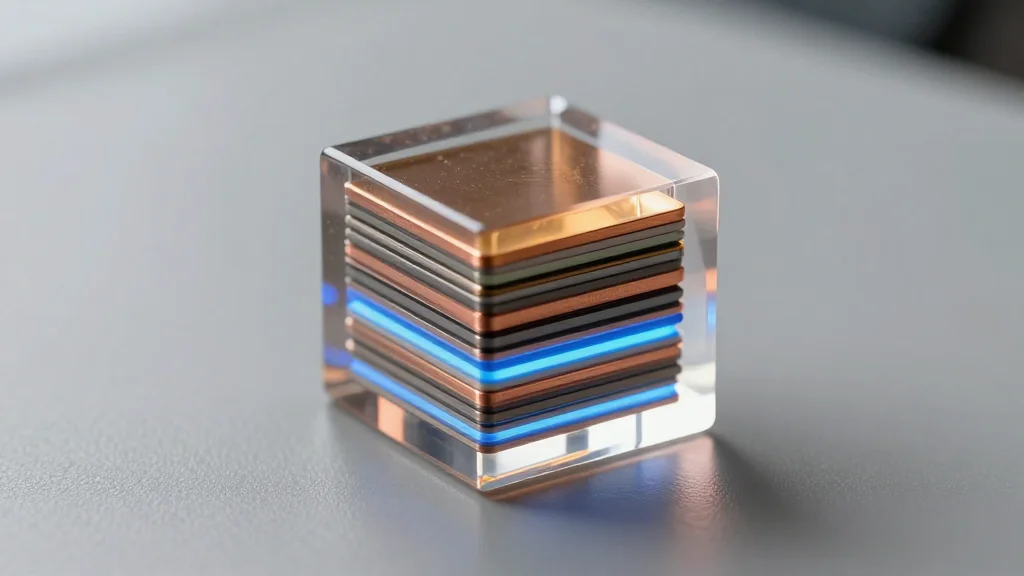
Stacked Memristor Arrays Compute Euclidean Distance in Memory to Accelerate Self-Organizing Maps
Researchers at Hanyang University have built a three‑dimensional stacked memristor cross‑bar array that computes squared Euclidean distance directly in memory, eliminating the need for external arithmetic circuits. The 2 × 32 × 32 architecture stores raw weights in a lower layer and their squares...

Double-Cycle Circular Cavity Raman System Enables Stable, High-Sensitivity Gas Detection
A research team at the Chinese Academy of Sciences has unveiled a double‑cycle circular confocal Raman‑spectroscopy system (C‑CERS) that doubles the optical path length and tolerates misalignment. By arranging spherical mirrors in a confocal ring and adding a retro‑reflector, the...

Sculpting Complex 3D Nanostructures with a Focused Ion Beam
Scientists at RIKEN have introduced a focused ion beam technique that can carve three‑dimensional nanostructures directly from single‑crystal materials. Using this method they sculpted helical devices from the magnetic Weyl semimetal Co₃Sn₂S₂, which displayed a switchable diode effect that reverses...

Identifying Interface-Specific Transformation in Nanoglass
Researchers in China have discovered an interface‑specific structural‑compositional transformation in a bulk Pd₄₀Ni₄₀P₂₀ nanoglass that occurs well below its glass transition temperature. Using a two‑step process of inert‑gas‑condensed nanoparticles and 8 GPa consolidation, they produced a dense granular nanostructured glass whose...

Untangling Tree-Like Structures Within Thin-Films
Researchers at Tokyo University of Science unveiled a novel method to analyze dendritic growth in thin‑film materials. By combining persistent homology, a topological data analysis technique, with principal component analysis, they correlated dendrite shapes to Gibbs free energy gradients. The...

Nanoparticles that Shrink over Time Deliver Eye Drugs to the Retina without Injections
Researchers at Wenzhou Medical University have engineered size‑evolving nanoparticles that can be administered as eye drops to deliver the anti‑VEGF protein bevacizumab to the retina. The particles begin at roughly 214 nm, linger on the ocular surface, and shrink to about...

Revealing Hidden Pathways in Hybrid Plasmonic Nanostructures
Researchers led by Denis Karaiskaj used multidimensional electronic spectroscopy to uncover previously hidden energy transfer pathways in hybrid plasmonic nanostructures. The technique captured the rapid shift from coherent to incoherent excitations with femtosecond temporal resolution. Results demonstrate that these nanostructures...

Engineered Mucus-Tethering Bispecific Nanobodies Enhance Mucosal Immunity Against Respiratory Pathogens
Researchers engineered bispecific nanobodies that tether to airway mucus, creating a localized barrier against respiratory viruses. In mouse models, the mucus‑anchored nanobodies dramatically lowered H1N1 influenza titers in nasal passages, trachea and lungs. In a hamster cohousing experiment, a single...

Nanosculpted 3D Helices of a Magnetic Weyl Semimetal with Switchable Non-Reciprocal Electron Transport
Researchers at RIKEN have used focused ion beam sculpting to fabricate three‑dimensional helical nanostructures from the magnetic Weyl semimetal Co₃Sn₂S₂. The helices display switchable non‑reciprocal electron transport, with current‑induced magnetisation reversal approaching 100 %. Harmonic resistance measurements reveal a quadratic current...
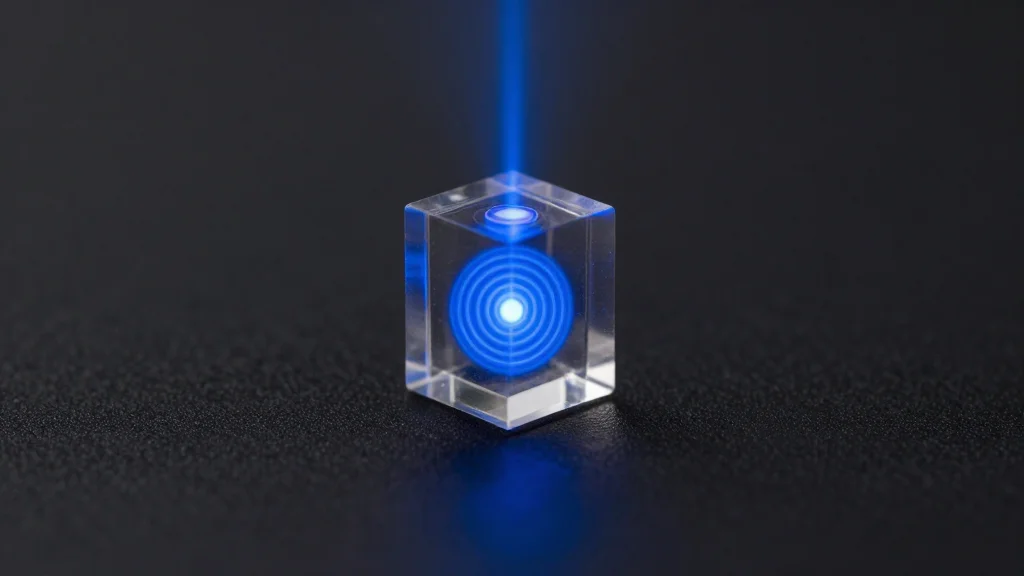
Ultrafast Transition From Coherent to Incoherent Polariton Nonlinearities in a Hybrid 1L-WS2/Plasmon Structure
Researchers employed 10‑fs two‑dimensional electronic spectroscopy to probe a hybrid monolayer WS₂ on a silver nanoslit array. The exciton‑plasmon strong coupling produced a 20‑fold increase in optical nonlinearity relative to uncoupled WS₂. Coherent Rabi oscillations with a ~64 fs period were...

Bioinspired Omnidirectional Iontronic Sensors Based on Triboelectric Charge
Researchers unveiled a bioinspired omnidirectional iontronic sensor (BOIS) that merges triboelectric coupling with iontronic effects. The device employs a cross‑scale architecture featuring a 70° inclined ciliary array optimized by a Fibonacci spiral, enabling simultaneous detection of normal and shear forces....
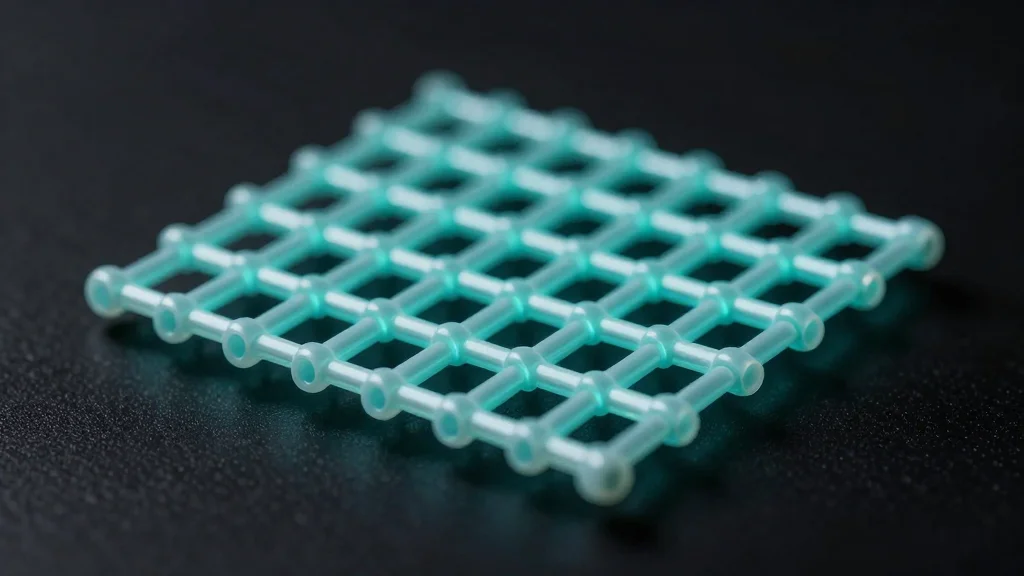
Tribocatalysis and High‐Temperature Resistance Characteristics of Magnetically Responsive Lubrication Additives
The paper presents a magnetic‑responsive composite lubricant that modulates friction in real time when a magnetic field is applied, producing a stepwise drop in coefficient of friction (CoF). At 250 °C the additive cuts CoF by 19.8% (from 0.131 to 0.105)...

Mesoporous Materials for Electrochemical Biosensors: From Broad Structure to Silica Film
The review examines how mesoporous materials—ranging from silica and carbon to metal‑organic frameworks—enhance electrochemical biosensors through tunable porosity, large surface area, and versatile chemistry. It highlights the unique role of mesoporous silica thin films as planar platforms that enable miniaturization...

Advanced Characterization and Rejuvenation of End‐Of‐Life Lithium‐Ion Anodes: Toward the Development of a Green Upcycling Route
Researchers demonstrated that simple green solvents—deionized water and ascorbic acid—can rejuvenate end‑of‑life lithium‑ion battery anodes without delamination. Multimodal analyses, including high‑resolution X‑ray tomography, revealed removal of surface impurities and restored graphite microstructure. The regenerated anodes delivered a stable discharge capacity...

PH‐Responsive Psoralen Delivery System for Infected Bone Defects: Spatiotemporal Photothermal Disinfection Coupled with Osteogenesis and Osteoclast Regulation
Researchers introduced a pH‑responsive nanoplatform—PSO/ZIF‑8@PDA (PZP) nanoparticles—that couples photothermal activity with controlled psoralen release. The system degrades rapidly in acidic, infection‑laden bone tissue, delivering antibacterial action first, then promoting osteogenesis as the environment normalizes. In vitro studies identified an optimal...
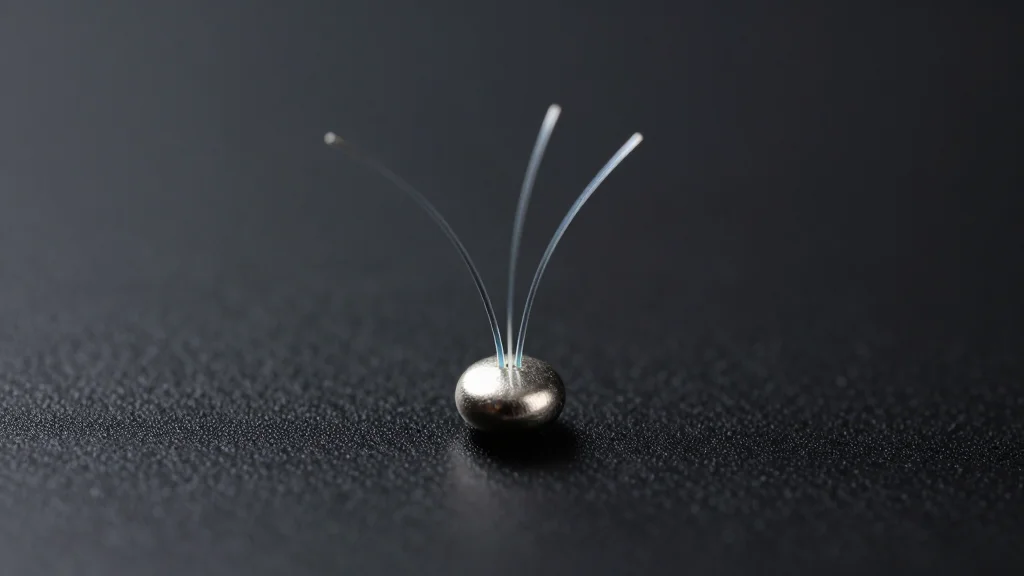
Chemiresistive Gas Sensors: Materials, Mechanisms, and Applications on the Road to Intelligence and Multifunctionality
The review outlines rapid advances in chemiresistive gas sensors (CGSs), detailing key performance metrics and a broad palette of sensing materials such as metal‑oxide semiconductors, carbon nanomaterials, conducting polymers, MXenes, and 2D TMDs. It evaluates engineering strategies—morphology control, heterojunctions, doping,...

New Nanocrystalline Material Significantly Extends MEMS Switch Chip Lifespan
Researchers at the Chinese Academy of Sciences have created a nanocrystalline Ni/Ni‑W laminated composite that dramatically improves the fatigue life of MEMS switch chips. Laboratory tests show the material exceeds the industry‑required one‑billion bending‑cycle threshold by roughly 60 percent. The...

New Quantum Boundary Discovered: Spin Size Determines How the Kondo Effect Behaves
Researchers at Osaka Metropolitan University have experimentally realized a Kondo‑necklace model using an organic‑inorganic hybrid crystal, allowing direct comparison of spin‑½ and spin‑1 lattices. Thermodynamic measurements show that spin‑½ moments form non‑magnetic singlets, while spin‑1 moments develop long‑range magnetic order....

Db Signal Boost Achieved by Mitigating Nonlinear Transduction Noise in Cavity Optomechanics
Researchers at the Technical University of Denmark introduced a nonlinear transform that fully suppresses thermal intermodulation noise (TIN) in high‑cooperativity cavity optomechanics. By inverting the full cavity response, they eliminated TIN of all orders, including the first experimental detection of...

Ion Trap Enables 1 Minute in the Nanocosmos
Researchers at the University of Innsbruck have stored electrically charged helium nanodroplets in an ion trap for up to one minute, a 10,000‑fold increase over the previous millisecond lifetimes. This breakthrough expands the experimental window for ultracold chemistry and spectroscopy,...

Turning Retired Wind Turbine Blades Into High-Performance Lithium-Ion Battery Anodes
Retired wind turbine blades, made of glass‑fiber‑reinforced plastics, can be upcycled into high‑performance silicon‑carbon anodes for lithium‑ion batteries. Researchers at Hebei University of Technology devised a multistep chemical route that transforms the silica‑rich fibers into a porous silicon framework with...

Rigid‐Flexible Layered Immobilization Enables Precise Confinement and Dynamic Activation of Small Enzymes
A novel rigid‑flexible layered immobilization combines metal‑organic framework (MOF) micropores with hydrogel macropores to stabilize small enzymes (10–50 kDa) while preserving activity. The dual‑pore architecture reduces substrate‑enzyme distance by 34.2% and prevents leakage, enabling 40 consecutive cycles of high conversion for...

High‐Sensitivity Self‐Powered X‐Ray Detectors Based on Chiral Bismuth Perovskites
Researchers have introduced a lead‑free, chiral bismuth perovskite single crystal, (R/S‑NEA)4Bi2Cl10, that leverages the bulk photovoltaic effect for self‑powered X‑ray detection. The detector delivers a record sensitivity of 10,200 µC·Gy⁻¹·cm⁻² at 1000 V and operates without external bias, detecting as low as...

Enriching Triboelectric Signal Waveform Characteristics Based on Complex Interface Structure for Monitoring Device Operating Status
Researchers have created a PDMS‑encapsulated honeycomb nickel sheet that forms a complex polymer‑metal interface, enriching triboelectric nanogenerator (TENG) signal waveforms. The closed‑sandwich architecture delivers detailed vibration signatures and achieves roughly 95% recognition accuracy. Frequency monitoring errors remain under 4% across...
In Situ Growth of 2D Perovskite Nanocrystals to Induce Β–Phase of PVDF for Piezoelectric Nanogenerators with Ultra‐High Output Voltage
Researchers have demonstrated flexible piezoelectric nanogenerators (PENGs) by in‑situ growing 2D perovskite nanocrystals (PEA2MA2Pb3Br10) within a PVDF matrix. The nanocomposite achieves an 86.35 % β‑phase content and a piezoelectric coefficient (d33*) of 35.16 pm/V, delivering a peak output voltage of 66.54 V—over seven...