Today's Nanotech Pulse

Left‑handed DNA origami tubes double chemotherapy efficacy
Researchers at the Cancer Center at Illinois showed that left‑handed DNA origami tubes loaded with the drug Daunorubicin kill acute myeloid leukemia cells more than twice as effectively as right‑handed tubes. The tubes display CD117‑targeting aptamers and their left‑handed geometry promotes rapid internalization, boosting cell‑killing potency.

Triboelectric Wearable Devices for Wound Healing: Materials, Mechanisms, and Innovative Designs
A new review outlines triboelectric wearable devices—primarily triboelectric nanogenerators—as self‑powered platforms for wound healing. It details core design elements, including triboelectric and electrode materials, and structural strategies that enable electrical stimulation without external power. The paper explains multi‑scale mechanisms such as antibacterial action, drug delivery, and angiogenesis promotion, and highlights integration with intelligent diagnostic systems. Finally, it identifies challenges like material stability, device integration, and scalable manufacturing, proposing research directions for clinical translation.

Morphology‐Regulated Structural Dynamics and Stress Mitigation Enable Stable Chloride Storage for Bismuth Oxychloride Cathodes
Researchers introduced a pH‑tailored hydrothermal route to produce bismuth oxychloride nanoplates (BiOCl‑N) that serve as high‑performance cathodes for chloride‑ion batteries. The nanoplates feature a high surface area, mesoporous framework, and a low Cl⁻ diffusion barrier, which together accelerate ion transport...

Defect Engineered MoS2 Films Boost Solar CO2 Conversion
Researchers at National Taiwan University have introduced a capped vapor‑liquid‑solid (VLS) method to synthesize wafer‑scale ultrathin Mo₁₋ₓVₓS₂ alloy films with engineered sulfur vacancies. The vanadium‑sulfur‑vacancy (V‑S‑vac) pairs act as highly active sites, boosting solar‑driven CO₂‑to‑CO conversion rates to roughly five...

High‐Temperature Afterglow Color Tuning via Förster Resonance Energy Transfer
Researchers have developed a low‑temperature processed boric acid matrix that embeds triphenylboronic acid (TPBA) to produce persistent luminescence at high temperatures. The hybrid material exhibits a phosphorescence lifetime of up to 2.56 seconds at 460 K, overcoming typical thermal quenching. By introducing...

Au LSPR Effect Enhanced R‐CeO2/G‐C3N4 S‐scheme Heterojunction for Accelerating CO2 Photoreduction Performance
Researchers engineered a ternary photocatalyst that couples oxygen‑vacancy‑rich CeO₂ with graphitic carbon nitride (g‑C₃N₄) and plasmonic Au nanoparticles. The Au‑induced localized surface plasmon resonance (LSPR) creates an S‑scheme heterojunction, dramatically improving charge separation and lowering the energy barrier for the...
Synergistically Enhance the Mechanical and Electrochemical Properties of Fiber Batteries by Designing Aramid Fiber Skeletons
Researchers have introduced an aramid‑fiber reinforced skeleton for fiber lithium‑ion batteries (FLIBs) that separates charge transport from structural support. The composite achieves a tensile strength of 800 MPa and a modulus of 35 GPa, far surpassing traditional metal‑wire scaffolds. Energy density climbs...

Self‐Driven Interfacial Assembly of MIL‐68 MOFs on Group‐III Nitride Nanorod Arrays for Constructing Efficient Photoanodes
Researchers introduced a surface‑cluster‑assisted, self‑driven method to grow MIL‑68 metal‑organic framework layers directly on InN and GaN nanorod arrays. The resulting heterojunctions exhibit dramatically reduced interfacial resistance and a direct Z‑scheme charge‑transfer pathway. InN/MIL‑68 delivers a record photocurrent density of...

MXene 3D‐AJP: Three‐Dimensional Well‐Oriented Freeform Networks of 2D MXene Nanosheets via Aerosol‐Based 3D Printing
Researchers have unveiled an additive‑free aerosol jet 3D printing method that builds self‑supporting, high‑aspect‑ratio architectures from Ti₃C₂Tx MXene nanosheets. The technique exploits rapid droplet evaporation and real‑time ink thickening to create freestanding 3D geometries without binders. Demonstrated 3D microsupercapacitors exhibit...
In‐Built Reactive Polymer as Versatile Electrolyte to Shield the Bi‐Electrode Surfaces for Practical Li‐Metal Batteries
Researchers have introduced an in‑situ formed polymer electrolyte, PTGI, that simultaneously creates protective interphases on both the lithium metal anode and high‑voltage cathode. The material’s narrow orbital energy gap and strong electrode affinity trigger a sacrificial reaction that outpaces solvent...

Concurrently Suppressing Side Reaction and Freezing in Flexible Zinc–Air Batteries with a Robust Eutectogel Electrolyte
Researchers introduced a deep eutectic solvent‑based eutectogel electrolyte using formamide, which dramatically improves ionic conductivity and mechanical stability for flexible zinc‑air batteries (FZABs). The formamide’s –CONH2 groups bind water, limiting free‑water side reactions such as hydrogen evolution and zinc corrosion...

Electrocatalytic Valorization of PET Hydrolysates Into High‐Value Chemicals Coupled With Renewable Energy Generation
Researchers have devised a full‑molecule valorization route for PET waste by converting PET‑derived benzene‑1,4‑dicarboxylate into a bifunctional Pt/Ni‑BDC electrocatalyst. The catalyst delivers a record 378.8 mA cm⁻² ethylene glycol oxidation at 1.0 V vs. RHE with 90% selectivity toward glycolic acid while cutting...
Regulating Cu Atom Dispersity on Nitrogen‐Doped Carbon for Boosting Electrocatalytic Nitrate Reduction in Strongly Acidic Media
Researchers engineered a copper‑based electrocatalyst on nitrogen‑doped carbon by adjusting pyrolysis temperature, creating a hybrid of Cu single atoms and nanoparticles. This dual‑site architecture enables a two‑step relay mechanism that dramatically improves nitrate‑to‑ammonia conversion in strongly acidic media. The catalyst...

A Sensitive Thermoelectric Respiratory Sensor Using a Hollow‐Square Structure of Cubic Silicon Carbide‐Based Heterojunction
Researchers have unveiled a self‑powered respiratory sensor built on a hollow‑square cubic silicon carbide (3C‑SiC)/silicon heterojunction. By engineering thermal transport through the heterojunction, the device generates a thermal voltage about 3.5 times higher than conventional solid‑state designs. The sensor demonstrates...

A Self-Assembling Shortcut to Better Organic Solar Cells
Osaka Metropolitan University researchers have engineered a donor‑acceptor‑donor molecule, TISQ, that self‑assembles into built‑in p/n junctions essential for organic thin‑film solar cells. Depending on solvent polarity, TISQ forms nanoparticle‑like J‑type aggregates or fibrous H‑type aggregates, each exhibiting distinct charge‑transport behavior....

Dehydration‐Assisted Rapid Modulated Synthesis of Monodisperse Covalent Organic Framework Single Crystals With Tunable Sizes
Researchers introduced a dehydration‑assisted modulated method that rapidly produces imine‑linked three‑dimensional COF single crystals. By replacing 1,4‑dioxane with benzonitrile and controlling water content, crystal sizes can be tuned from 213 nm to 44.3 µm within just one to three hours. The approach...

Intrinsically Chiral Excimers: Water‐Compatible Trityl‐Based Nanoparticles as Tailored Dual Emitters of Circularly Polarized Luminescence in the Vis or NIR Regions
Researchers have created metal‑free organic nanoparticles (ONPs) from a brominated trityl radical that emit circularly polarized luminescence (CPL) in both visible and near‑infrared (NIR) regions. By adjusting the ratio of radical enantiomers within the particles, the system produces two distinct...

Nanoscience at the Centre of Optical Computing
Optical computing is gaining traction as a low‑energy alternative for AI‑driven workloads, leveraging nanophotonic structures to perform high‑bandwidth linear operations. Advances in photonic crystals, plasmonics, quantum‑dot lasers, and metasurfaces are shrinking key functions to the nanoscale, enabling on‑chip integration. However,...

Light Could Lower AI’s Appetite for Power
Optical computing is emerging as a low‑power alternative for artificial intelligence by using photons instead of electrons. Recent breakthroughs in metasurfaces, plasmonics, and thin‑film lithium niobate have enabled photonic circuits that can be co‑integrated with CMOS chips. These hybrid photonic‑CMOS...

Nanoparticle-Mediated Targeting Chimeras Transform Targeted Protein Degradation
Recent studies demonstrate that ligand‑installed nanoparticles can act as targeting chimeras, directing both membrane‑bound and intracellular proteins to degradation pathways. Liu et al. (2025) showed broad membrane protein degradation across diverse nanoparticle platforms, while Huang et al. (2024) revealed that positively charged...

World's Smallest Capacitor Paves Way for Next-Generation Quantum Metrology
TU Wien researchers have fabricated a parallel‑plate capacitor with a 32‑nanometre gap, setting a new world record for miniaturization. The device couples an aluminum nanomembrane to an electrical resonant circuit, enabling ultra‑sensitive vibration detection without optical components. Experiments show that both...
Vibrational Spectroscopy Technique Enables Nanoscale Mapping of Molecular Orientation at Surfaces
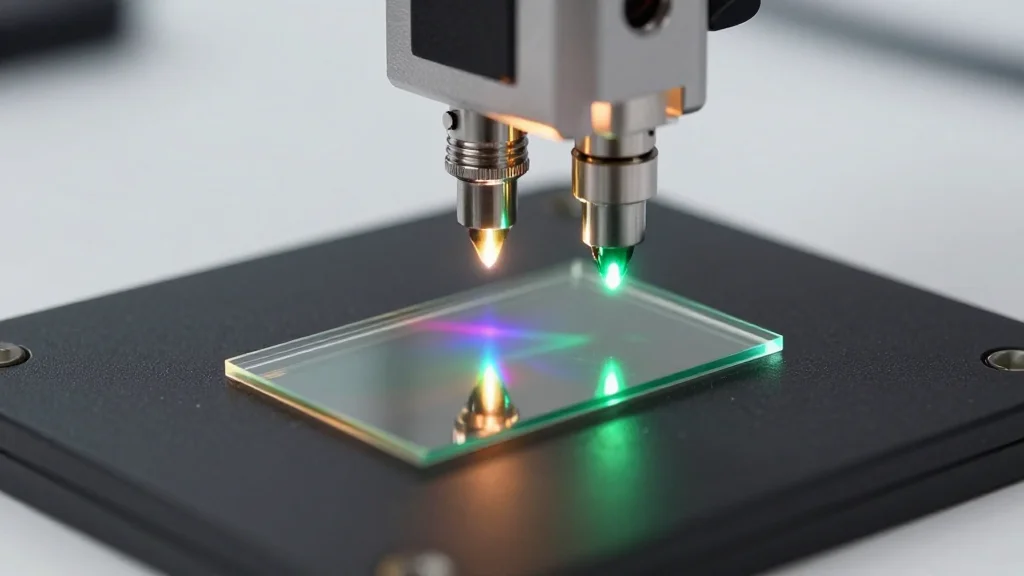
Researchers have pushed sum‑frequency generation (SFG) spectroscopy into the nanoscopic regime by integrating a plasmonic nanogap tip with a scanning tunneling microscope, achieving roughly 10 nm spatial resolution. The new tip‑enhanced SFG (TE‑SFG) directly visualizes absolute up/down molecular orientation on heterogeneous...

Dual Closed-Loop Insulin System Adds Chemical Safeguard to Protect Against Dangerous Overdoses
Researchers unveiled a wearable dual closed‑loop insulin system that combines a Transformer‑based AI controller with a glucose‑responsive polymer insulin. The chemical safeguard releases insulin only when blood glucose rises, while the AI predicts glucose trends and directs pump delivery. In...

Atomistic Simulation Software CP2K Enables AI Models
CP2K, the open‑source atomistic simulation suite, has released a comprehensive overview aimed at newcomers in theoretical chemistry and materials science. The paper details CP2K’s hybrid classical‑quantum methods, its ability to run on tens of thousands of CPUs or thousands of...

Lifting Magnetic Fingerprints Using Scanning Probe Microscopy
A Czech‑Spanish research team used a nickelocene‑functionalized scanning tunneling microscope to differentiate magnetic ground states of two nanographene molecules and to map their spin distribution at atomic resolution. The method leverages exchange‑coupling between the probe‑bound nickelocene and the sample, which...

Reprogramming the Cancer Messenger: A New Era of Tumor Extracellular Vesicle Engineering
Researchers at National Taiwan University unveiled the EV Bimodal Functional Regulator (eBFR) platform, which separates and edits tumor‑derived extracellular vesicles (EVs) to remove oncogenic cargo while preserving surface features. The system integrates CLEAR, SWITCHER, and eSimoa modules to map and...
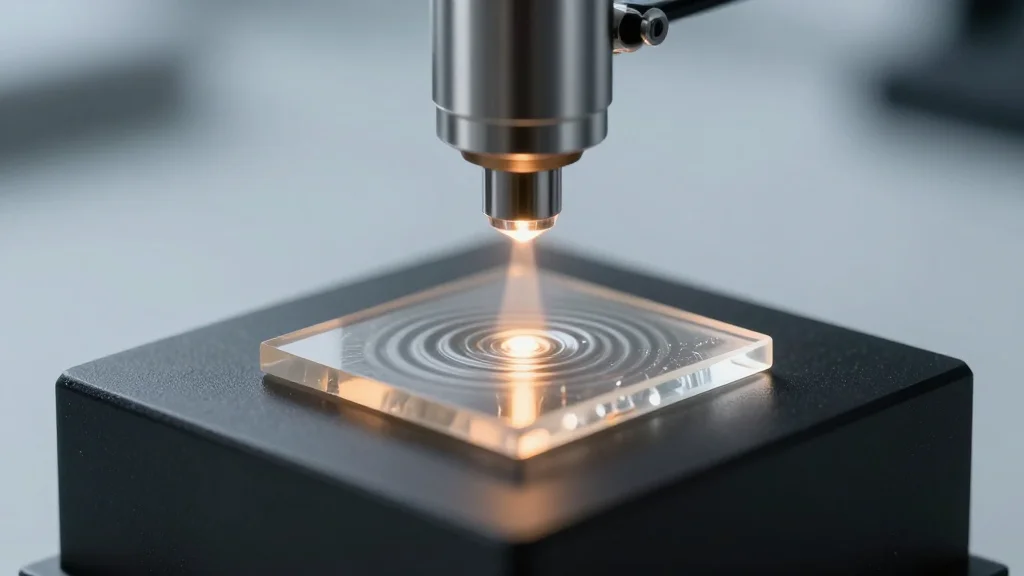
Ultrafast Spectroscopy Allows New Insights Into Energy Flow in Semiconductors
Researchers at the University of Basel employed ultrafast spectroscopy to map energy flow in germanium, a key semiconductor material. By pairing time‑resolved Raman spectroscopy with transient reflection, they tracked electron‑to‑phonon transfer after 30‑fs laser excitation with picosecond resolution. The method...

Atomic Force Microscopy Reveals Nanoscopic Raft Dynamics on Cell Membranes
Scientists at National Taiwan University combined atomic force microscopy with a Hadamard product‑based image reconstruction algorithm to directly visualize membrane raft dynamics on live cells for the first time. The study captured the formation, fusion, and dissolution of nanoscopic rafts...

Eco‐Friendly Synthesis and Mechanistic Exploration of Multifunctional Cu/Cr Self‐Assemblies for Durable and High‐Performance Fuel Cell Composite Membranes
Researchers introduced eco‑friendly Cu(II) and Cr(III) L‑aspartic acid self‑assemblies into sulfonated poly(phenylene oxide) membranes, creating mixed‑matrix composites that outperform pristine SPPO. The Cr(III)‑based filler, featuring both –COOH and –NH2 groups, boosted proton conductivity and water uptake, delivering a peak power...

Atomically Precise Iron Catalysis for Efficient Electrochemical Cycloaddition of CO2 With Low‐Cost Feedstocks to Styrene Carbonate
Researchers have developed a ZIF‑derived single‑atom Fe/N‑C catalyst that drives the electrochemical cycloaddition of CO₂ with styrene oxide to produce styrene carbonate under mild conditions. The Fe1.98‑N‑C material achieves a 78% yield and 99% selectivity within six hours, outperforming conventional...

Modulation of SpiroOMeTAD Hole‐Transport Layers for Carbon‐Based Perovskite Solar Cells
The review surveys recent strategies for modulating hole‑transport layers in carbon‑based perovskite solar cells, emphasizing doping of Spiro‑OMeTAD with asymmetric carbon nanohorns (ACNHs). ACNH incorporation boosts the HTL’s electrical conductivity, curtails hysteresis, and markedly improves long‑term stability. By addressing intrinsic...
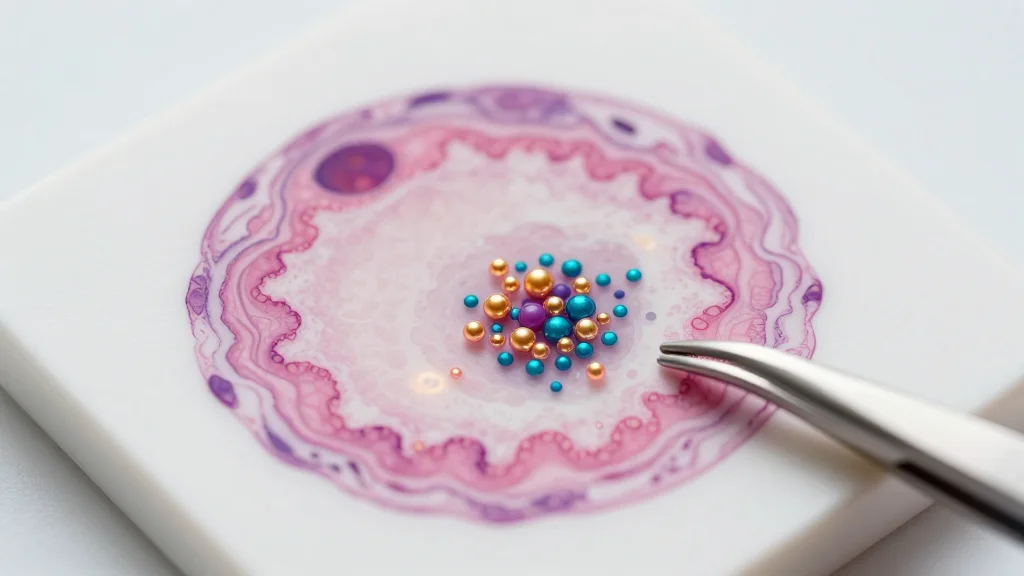
A New Nanorobot Designed to Improve Immune Cell Recognition Could Help Treat Colorectal Cancer
Researchers at Xinqiao Hospital and the CAS Center have created a peptide‑based nanorobot that binds PD‑L1 on colorectal‑cancer cells, blocks the PD‑1/PD‑L1 checkpoint, and self‑assembles into fibrils in the acidic tumor microenvironment. The fibrils perforate cancer‑cell membranes, releasing damage‑associated molecular...

Defect‐Passivating and Dense Indolocarbazole‐Based Self‐Assembled Monolayers for Efficient Inverted Perovskite Solar Cells With over 26.1% Efficiency
Researchers introduced indolocarbazole‑based self‑assembled monolayers (SAMs) with tailored nitrogen positions and phosphonate anchoring groups to improve inverted perovskite solar cells. The monophosphonate‑anchored M3PAICz‑1 achieved a record 26.12% power conversion efficiency for a 1.55 eV bandgap device and 22.19% for a 1.68 eV...

Carbon Nanogrid‐Directed Interfacial Electric Field Engineering Boosts Selective CO2‐to‐Formate Electrosynthesis
Researchers have developed a nanogrid-directed interfacial electric field engineering approach that embeds tin nanoparticles within a conductive carbon nanotube framework (Sn@CNT). The architecture generates intense, well‑distributed electric fields that boost charge transport, facilitate water activation, and lower the desorption barrier...

Synthesis of Large‐Area 2D Prussian Blue as Ion‐Transport Channels for Non‐Volatile Memristors
Researchers have developed a scalable liquid‑liquid interfacial method to grow large‑area, continuous 2D Prussian blue (FeFe) films with thicknesses from ~2 nm to several hundred nanometres. The technique avoids nanoparticle aggregation, delivering high‑quality flakes suitable for device integration. When incorporated into...

New Hybrid Nanocomposite Films for Optical Diagnostics and Optical Temperature Sensing: Synergy Among Α‐Synuclein, Gold and Upconverting Nanoparticles
Researchers engineered a quasi‑monolayer hybrid film by using the intrinsically disordered protein α‑synuclein as a molecular linker between gold nanoparticles and Yb³⁺, Er³⁺‑doped CaF₂ upconverting nanoparticles. The resulting 2D nanocomposite exhibits strong upconversion emission under 980 nm excitation and functions as...
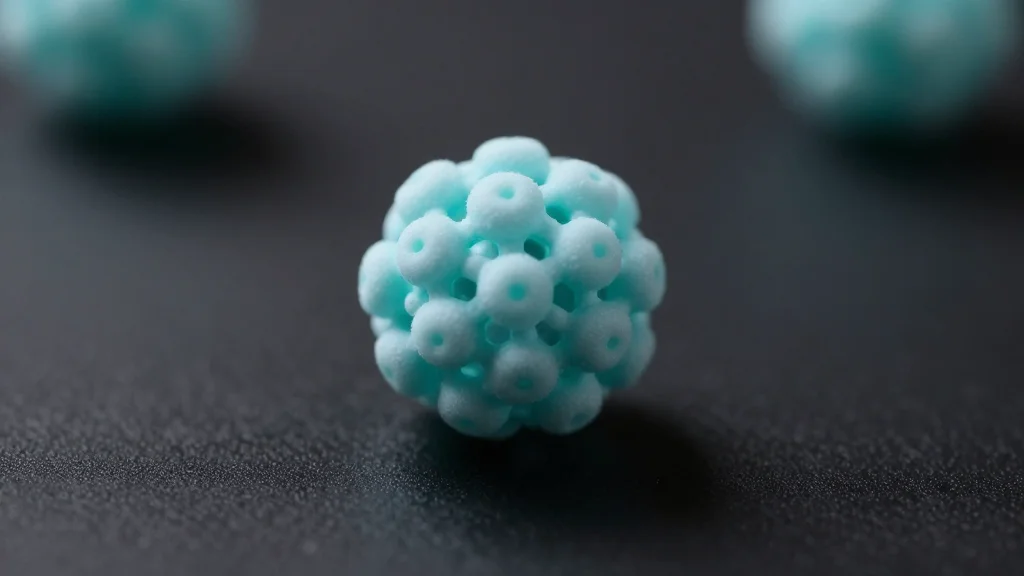
Correction to “Janus Magnetic‐Plasmonic Nanoparticles for Magnetically Guided and Thermally Activated Cancer Therapy”
Small, EarlyView.

Cellulose Formate‐Based Surgical Sutures With Tunable Absorbability and Enhanced Biocompatibility
Researchers have developed a cellulose formate‑based surgical suture that combines collagen and a poly(vinyl alcohol) surface coating to deliver mechanical strength comparable to commercial collagen sutures. By tuning the polymerization and substitution degree of the cellulose formate, the suture’s absorbability...

The Preparation of Porous CuO@F‐GDY Nano‐Arrays for High‐Performance Sodium‐Ion Battery Anodes
Researchers have engineered a porous CuO nano‑array anode coated with fluorinated graphdiyne (F‑GDY) for sodium‑ion batteries. The F‑GDY shell confines the CuO structure, mitigating volume expansion and facilitating rapid interfacial charge transfer. Electrochemical testing shows a reversible capacity of 681 mAh g⁻¹...
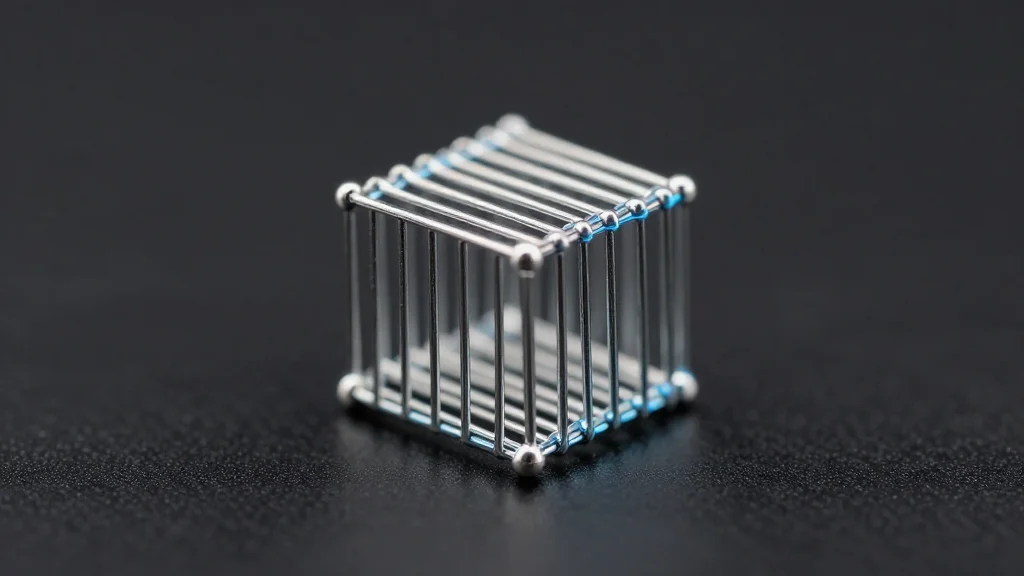
Leveraging Natural Wood Structures for Sustainable and High‐Performance Osmotic Energy Harvesting
Researchers created a heterogeneous membrane by infiltrating sodium alginate into delignified wood, leveraging the wood's natural channels and added surface charges to boost ion transport for osmotic energy harvesting. The wood/alginate (W/SA) membrane achieved a power density of 14.43 W m⁻² under...

A Multifunctional Bioactive Nanoscale Coating Deposited by Atmospheric Pressure Plasma Polymerization of Peppermint Essential Oil
Researchers have developed a substrate‑independent nanoscale coating by atmospheric pressure plasma polymerisation of peppermint essential oil. The plasma‑derived film retains antioxidant, antibacterial and immunomodulatory functional groups, delivering up to 90% reactive species scavenging and significant cytokine modulation. In vitro tests...

Experimental Visualization and the Mechanism of Current‐Collector Geometry Effects on Ion Distribution and Device Longevity
Researchers experimentally mapped the three‑dimensional ion distribution in transition‑metal‑oxide cathodes and identified a pervasive “bottom effect,” where trapped cations accumulate far from the current‑collector pole, accelerating localized aging. Simulations had predicted uneven current density from collector geometry, but this study...

Light‐Guided Molecular Patterning for High‐Throughput Single‐Molecule Mechanical Characterization
Researchers have introduced a light‑guided molecular patterning technique that arranges oligonucleotides on surfaces using UV patterns projected through a digital micromirror device. The method eliminates the need for specialized lithography tools, offering a cost‑effective, scalable way to create precise single‑molecule...
Real‐Time Imaging of Intercalation–Conversion Li Storage in MXenes for Solid‐State Batteries
Operando scanning transmission electron microscopy directly visualizes lithium transport and redox evolution in Ti3C2Tx MXene electrodes within a sulfide‑based solid‑state battery. The study identifies three reaction pathways: interlayer Li (de)intercalation with Ti redox, partially reversible Li2O formation on the MXene...
Highly Connected Stable Metal–Organic Frameworks With Polyhedral Cage‐Like Cavities for Natural Gas Upgrading
Researchers synthesized four highly connected metal‑organic frameworks (MOFs) featuring polyhedral cage‑like cavities using an isoreticular design strategy. The materials demonstrate strong uptake of ethane (C2H6) and propane (C3H8) while adsorbing significantly less methane (CH4), enabling CH4 purification to over 99.9%...

Chemical Passivation and Crystallization Kinetics Regulation for Enhancing Efficiency and Stability of Inverted Perovskite Solar Cells
Researchers introduced the organic small‑molecule additive MSB into perovskite precursor solutions, slowing crystallization and enlarging grain size while simultaneously passivating defects. The multifunctional sulfonyl and amidinium groups bind lead ions and resist deprotonation, delivering multi‑site, long‑term passivation. These combined effects...

Nano‐Functionalized Biopolymer Films with Green‐Synthesized CuO/Attapulgite for Light‐Promoted Antibacterial Therapy and Wound Healing
Researchers used olive leaf extract to green‑synthesize copper‑oxide nanoparticles anchored on attapulgite clay, creating a visible‑light‑responsive nanocomposite. The CuO/attapulgite particles were embedded in κ‑carrageenan/carboxymethyl chitosan films, yielding dressings with a water contact angle of 56.7°, high moisture retention, and robust...
Printed Liquid Metal–Solid Metal Hybrid Electrodes for Stabilizing Liquid Platinum–Gallium Droplets During Electrocatalysis
Researchers have created a printed liquid‑metal catalyst platform that confines platinum‑in‑gallium droplets within a fused tungsten nanoparticle matrix on porous molybdenum mesh. The W‑nanoparticle scaffold physically traps the Ga‑based liquid droplets, preventing agglomeration and leaching while maintaining reactive surface exposure....

AI‐Guided Droplet Microreactors Enable Rapid and Reproducible Protein Crystallization
Researchers unveiled the Droplet Concentration Control and Vision (DCCV) platform, a microfluidic system that combines programmable osmotic modulation with automated computer‑vision analysis. By using semi‑permeable double‑emulsion droplets, the platform can adjust solute concentrations after droplet formation, precisely managing protein supersaturation....

High‐Selective and Ultrafast Furfural Removal From Simulated Biomass Hydrolysates via a Sustainable MOF‐Based Strategy
Researchers introduced MIL-53-TDC, a metal‑organic framework that removes furfural from simulated biomass hydrolysates with unprecedented speed and selectivity. The material combines size‑based molecular sieving with moderate hydrogen‑bonding to achieve 98% furfural removal and a static capacity of 424.6 mg g⁻¹, while leaving...

Carbon Monoxide Enables Rapid Atomic Scale Control for Fuel Cell Catalysts
Researchers at the Korea Institute of Energy Research introduced CO Adsorption‑Induced Deposition (CO AID), a carbon‑monoxide‑driven method that forms 0.3 nm platinum shells on low‑cost metal cores. The technique reduces catalyst fabrication time to 30 minutes‑2 hours at kilogram scale, far faster than...