Today's Nanotech Pulse

Left‑handed DNA origami tubes double chemotherapy effectiveness
Researchers at the Cancer Center at Illinois demonstrated that left‑handed DNA origami tubes loaded with the chemotherapy drug Daunorubicin kill acute myeloid leukemia cells at more than twice the rate of right‑handed tubes. The tubes are functionalized with aptamers that target the CD117 protein, and their left‑handed geometry promotes rapid internalization.

Corn Cob Biochar Filters Pull Ammonia and Micro and Nanoplastics From Water
Researchers at the University of Delaware have converted discarded corn cobs and other agricultural residues into high‑performance biochar filters. In laboratory trials, the optimized biochar removed up to 64 % of dissolved ammonia and more than 97 % of polystyrene micro‑ and nanoplastics from water. The material demonstrated no leaching of hazardous chemicals, confirming its safety for water‑treatment applications. This breakthrough leverages low‑cost waste feedstock to address two pervasive contaminants.
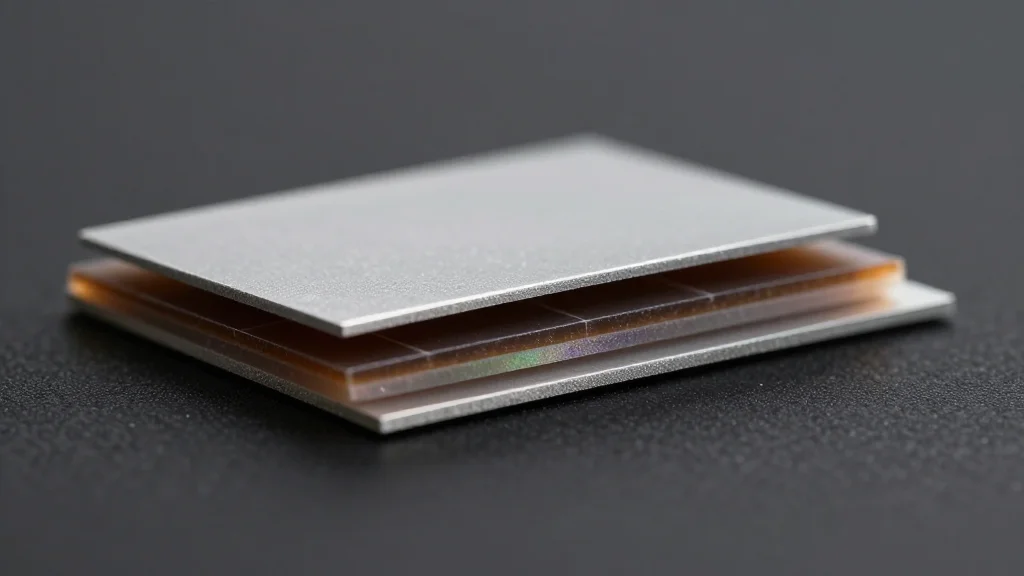
Germanium Oxide Interface Boosts Tin Monosulfide Thin Film Solar Cell Efficiency and Stability
Researchers at Chonnam National University introduced a nanometer‑scale germanium oxide (GeOₓ) interlayer between the molybdenum back contact and the tin monosulfide (SnS) absorber, addressing deep‑level defects, sodium diffusion, and MoS₂ formation. The 7 nm GeOₓ layer improves SnS grain uniformity and...

Nanoscience Breakthrough Puts Low-Cost, Printable Electronics on the Horizon
Researchers led by Dr. Tian Carey have unveiled a predictive framework that links in‑plane versus out‑of‑plane stiffness to successful electrochemical exfoliation of 2D materials. The model identified dozens of new semiconducting nanosheets, enabling the fabrication of printed transistors, digital‑to‑analogue converters...

Hebrew University Team Develops Flexible Color Tunable Solar Window Technology
Hebrew University researchers have created a flexible, semi‑transparent perovskite solar cell that can be color‑tuned for use in windows and curved surfaces. The device achieves up to 9.2% power‑conversion efficiency while maintaining about 35% visible transparency. Light transmission and hue...

Acid Treated Carbon Nanotubes Raise Efficiency and Durability of Flexible Perovskite Solar Modules
Researchers at the Chinese Academy of Sciences and Zhengzhou University have demonstrated flexible perovskite solar modules exceeding 20 % efficiency by using sulfuric‑acid‑treated single‑walled carbon nanotube (SWCNT) films as ITO‑free window electrodes. The acid treatment raises conductivity and creates a NiSO₄–NiOₓ...
Polymer Nanoparticles Drive Platinum Free Solar Hydrogen
A team at Chalmers University has demonstrated a photocatalytic system that uses conjugated polymer nanoparticles to split water into hydrogen under simulated sunlight, eliminating the need for expensive platinum. By engineering hydrophilic, loosely packed polymer chains, the particles achieve a...

Micro Nano Robots Aim to Cut Carbon Buildup in Closed Life Support Systems
Researchers at Guangxi University unveiled micro‑nano reconfigurable robots (MNRM) that capture and release carbon dioxide using sunlight as an energy source. In laboratory tests the robots sequestered 6.19 mmol CO₂ per gram of sorbent and regenerated at just 55 °C, maintaining over...

Carbon Nanotube Films Boost Flexible Perovskite Solar Module Performance
Researchers at the University of Surrey have replaced indium tin oxide (ITO) with single‑walled carbon nanotube (SWCNT) films in flexible perovskite solar modules, achieving over 20% power‑conversion efficiency on large areas and a record 24.5% on small cells. A sulfuric‑acid...
In Situ Constructed Zn3N2‐Enriched Hybrid Solid Electrolyte Interphase Enables Highly Efficient Zinc Deposition Kinetics for Ultra‐Stable Zinc‐Iodine Batteries
Researchers introduced copper hexadecafluorophthalocyanine (FCP) as an electrolyte additive that in situ creates a Zn3N2‑rich inorganic‑organic hybrid solid electrolyte interphase (SEI) on zinc anodes. The hybrid SEI provides high Zn2+ conductivity and a delocalized electric field that speeds desolvation, leading...
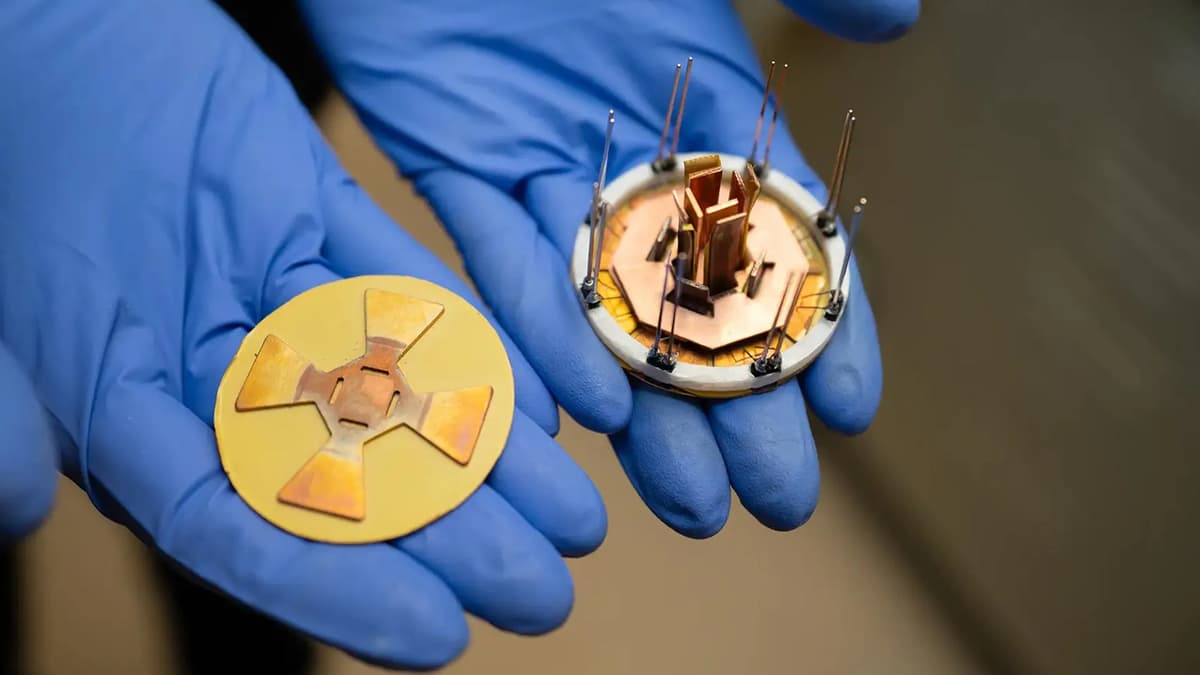
This Tiny Power Module Could Change How the World Uses Energy
Researchers at the National Renewable Energy Laboratory have unveiled ULIS, an ultra‑low inductance smart power module built on silicon‑carbide that delivers record‑breaking efficiency and five‑fold higher energy density. The 1,200‑volt, 400‑amp device cuts parasitic inductance by 7‑9×, enabling ultra‑fast switching,...

Haydale Graphene Industries Announces Change of Name
Haydale Graphene Industries has legally renamed itself Haydale and will trade on AIM under the unchanged ticker HAYD and ISIN. The rebrand drops the explicit graphene reference, suggesting a strategic pivot toward a broader advanced‑materials and clean‑technology portfolio. Management signals...
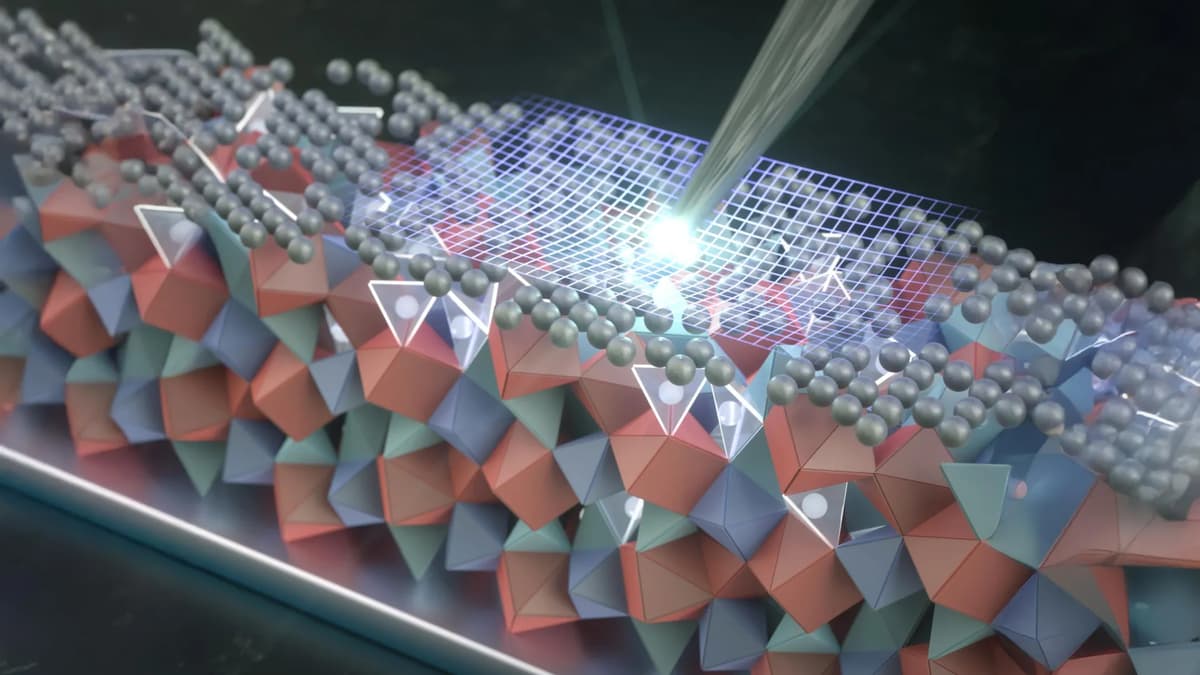
Silver Just Solved a Major Solid-State Battery Problem
Stanford researchers have demonstrated that a 3 nm silver ion coating on the LLZO solid electrolyte can dramatically improve its mechanical resilience, making it five times more resistant to cracking. The heat‑treated Ag⁺ layer infiltrates the ceramic surface, replacing lithium atoms...

Spatiotemporal Targeting of Messenger RNA Lipid Nanoparticles to the Endometrium for the Treatment of Reproductive Disorders
Researchers engineered lipid nanoparticles (LNPs) functionalized with an RGD peptide directly attached to the lipid tail, enabling precise mRNA delivery to the uterine endometrium during the window of implantation. In mouse models, the RGD‑LNPs achieved a 3,900‑fold increase in uterine...

Atomic-Scale Channels Destroy Water Pollutants that Treatment Plants Cannot Touch
Researchers have engineered a copper‑single‑atom catalyst confined within MXene interlayer nano‑channels (Cu‑SACs/MXene) that achieves 94.9% removal of bisphenol A in just five minutes. The 1.37 nm channels concentrate oxidants and accelerate mass transport, while the isolated Cu atoms cycle between Cu⁺/Cu²⁺ to...

Megan Engel: Harnessing Machine Learning to Build Better Molecular Models
In this episode, Professor Megan Engel discusses how machine learning and modern optimization techniques can streamline the creation of coarse‑grained molecular models, building on the challenges faced by the original oxDNA developers. She explains shortcuts that reduce the labor‑intensive parameterization...

Lyten Expands Into Construction Materials with Graphene-Enhanced Concrete
Lyten announced Lyten S Cure™, a graphene‑enhanced concrete admixture that boosts early strength and durability without altering existing mix designs. The product delivers a 110% increase in one‑day compressive strength, 29% higher strength at seven days, and up to 20% improvement in...

Team Develops a Better Method to Create 2D Superlattices with a Twist
Stanford chemist Fang Liu unveiled a gold‑tape technique that produces ultraclean twisted 2D moiré superlattices with near‑100% yield and centimeter‑scale dimensions. The method replaces the low‑yield Scotch‑tape approach, enabling uniform samples of graphene, MoS₂ and other semiconductors. Using SSRL’s X‑ray...

Engineers Just Created a “Phonon Laser” That Could Shrink Your Next Smartphone
Engineers at the University of Colorado Boulder, the University of Arizona and Sandia National Laboratories have demonstrated a surface‑acoustic‑wave (SAW) phonon laser that generates coherent vibrations on a single chip. The device combines silicon, lithium niobate and indium‑gallium‑arsenide layers to...

Voltage Pulses Can Flip, Create, and Erase Magnetic Bimerons in Two-Dimensional Ferroelectrics
Researchers have demonstrated that voltage pulses can write, erase, and invert magnetic bimerons in a two‑dimensional ferroelectric by flipping the material's polarization. The flip reverses the Dzyaloshinskii‑Moriya interaction (DMI) chirality, changing the bimeron's topological charge from +1 to ‑1, while an antiferroelectric...

Molecule Deposition on 2D Materials Promotes Defect Healing and Quality Restoration
Researchers at the Institute of Physics Zagreb deposited a thin layer of organic H₂Pc molecules onto MoS₂ and WS₂ monolayers, demonstrating that the molecules can both heal surface defects and modulate optical emission. In MoS₂, electron transfer from the semiconductor...

Reorientation‐Driven Degradation in Oriented Perovskite Films: Shifting Facet Engineering to Thermodynamic Stability
Researchers investigated the link between crystallographic orientation and thermal stability in narrow‑bandgap Sn‑Pb mixed perovskite solar cells. Using an additive‑free two‑step deposition, they produced highly oriented films that, when aged at 120 °C, retained only 73 % of their initial power conversion...
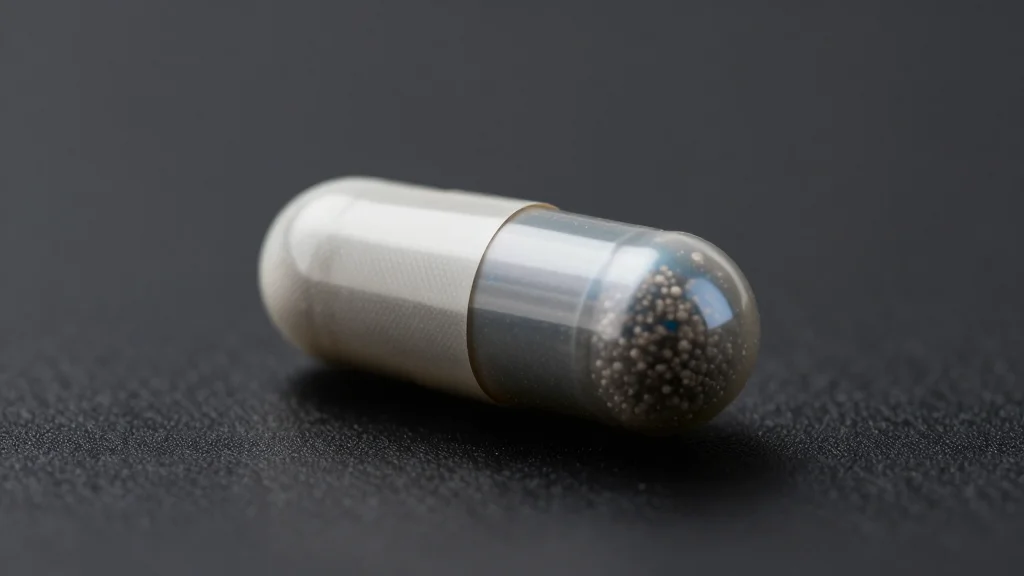
Superior High‐Temperature Capacitive Energy Storage Enabled by Interfacial Ion‐Matrix Synergy in Fluoride‐Composites
Researchers have introduced a dual‑functional interfacial design that embeds calcium fluoride (CaF2) nanoparticles into a polyetherimide (PEI) matrix, addressing the degradation of polymer dielectrics at high temperatures. The fluoride anions neutralize mobile ions while the Ca2+ cations form deep energy...
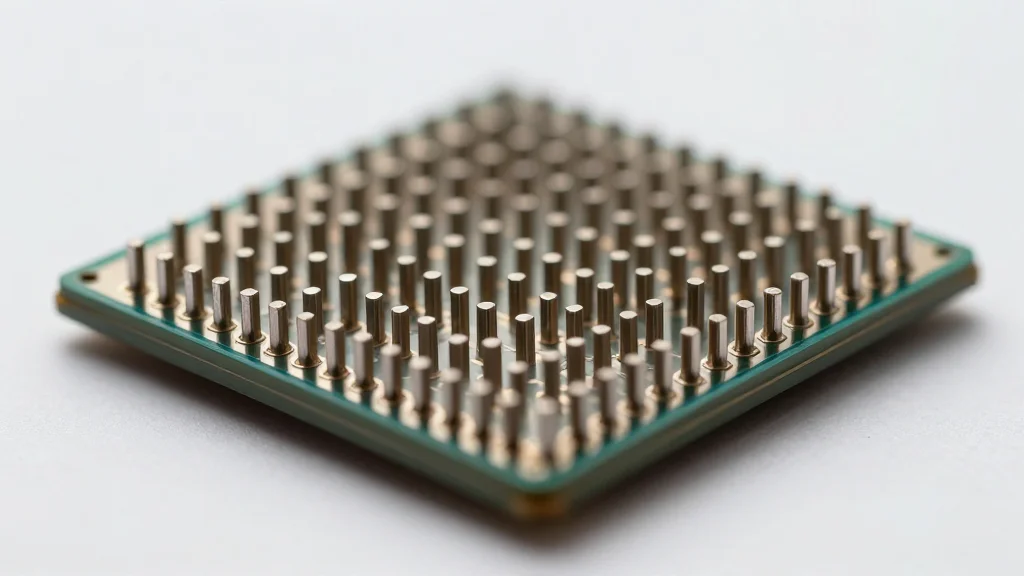
High Perpendicular Anisotropy in Mo‐Inserted Mg Composite Free Layer for Nonvolatile Magnetoresistive Random Access Memory in 4K‐400K Universal Temperature Applications
Researchers have unveiled a universal‑temperature nonvolatile MRAM (UTF‑NVMRAM) that operates reliably from 4 K to 400 K by inserting molybdenum into a CoFeB composite free layer and optimizing a MgO/MgOx capping stack. The design dramatically reduces temperature‑dependent switching‑voltage drift to 0.68 mV/K and...

Vapor‐Phase Synthesis of Potassium‐Doped Polymeric Carbon Nitride Photocatalytic Panels
Researchers have introduced a vapor‑phase condensation technique to grow potassium‑doped polymeric carbon nitride (CN) panels directly on KCl‑coated substrates. The process creates cyano‑group defects that shift the band edge, enhancing light absorption and charge separation. As a result, the doped...
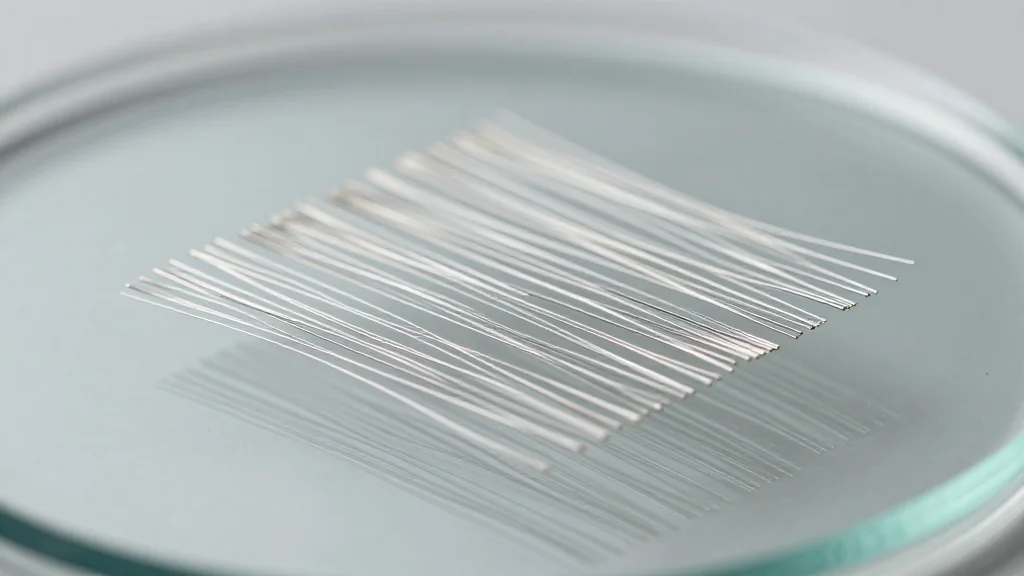
Microbubble‐Mediated Synthesis of Smart Spindle Microfibers for Fog Harvesting
Researchers have introduced a microfluidic technique that injects microbubbles into a PNIPAm pre‑gel and uses pulsatile flow to form spindle‑knotted microfibers. The resulting fibers feature textured hydrophilic surfaces that extend the three‑phase contact line, delivering a 1.65‑fold increase in fog‑water...

Decoding pH‐Driven Phase Transition of Lipid Nanoparticles
Researchers applied constant‑pH molecular dynamics to the Comirnaty lipid nanoparticle formulation, uncovering a dramatic pKa shift for the ionizable aminolipid ALC‑0315. The intrinsic pKa of 9.3 in water drops to an apparent 4.9 within the LNP, with surface regions remaining...

Highly Selective and Flexible HCl Sensor Enabled by Ag2O‐Functionalized Graphene Micropatterns
Researchers have functionalized graphene with silver oxide (Ag₂O) nanoparticles, creating a flexible sensor that detects hydrogen chloride (HCl) at room temperature. The device achieves an ultra‑low detection limit of 5.61 parts per trillion and operates on just 6.47 mW of power. Real‑time...

Tailored Supramolecular Self‐Assembly Nanoporous Carbon Toward Zinc Ion Hybrid Supercapacitor Application
Researchers have introduced a supramolecular self‑assembly route to produce a nanoporous carbon with uniform ~10 Å pores and reinforced nitrogen doping. The “twin template” method uses heavy bio‑oil precursors to create a carbon fiber mesh that serves as an efficient cathode...

Attapulgite Template for Oxygen Vacancies Boost of Manganese Dioxide Nanozymes With High Oxidase‐Like Activity
Researchers used natural attapulgite as a template to create oxygen vacancies in MnO2 nanozymes, dramatically boosting oxidase-like activity. Surface hydroxyl groups on ATP weaken Mn‑O bonds, lowering the energy barrier for vacancy formation. The engineered nanozyme achieves a Michaelis constant...
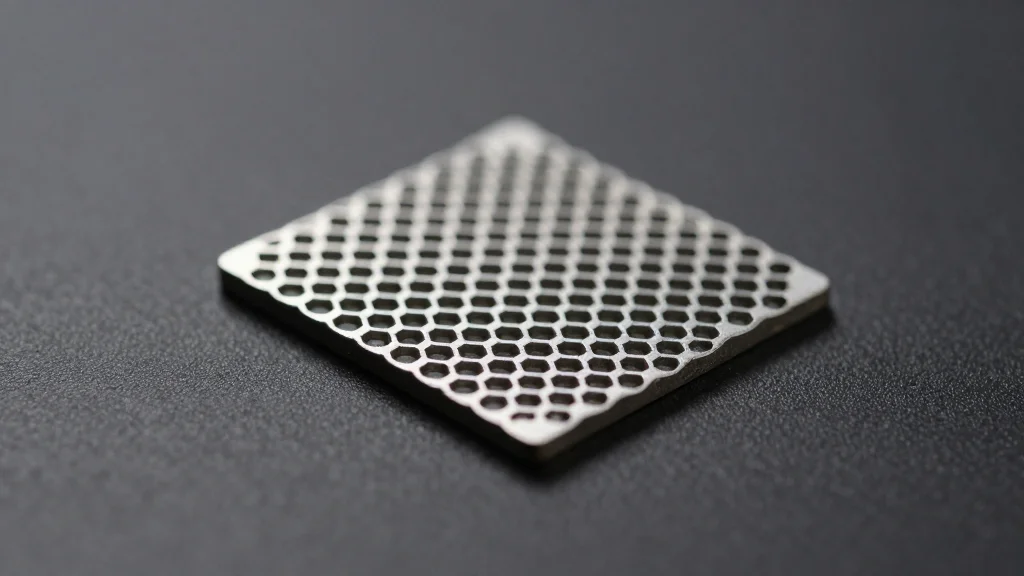
Self‐Assembled Nanostructured Microgels with Reconfigurable Morphologies
Researchers have introduced a new class of bent‑core amphiphiles that self‑assemble into fibrillar, tubular and helical organogels. These organogels can be emulsified in water, producing nanostructured microgels that preserve the internal liquid‑crystalline architecture. By incorporating fluorocarbon oils, the droplets form...
In Situ Cu‐N Sites: Weak Interactions Drive Strong Catalysis by Mimicking Cu–His Metallocofactor
Researchers introduced imidazole into copper‑oxide nanozyme systems, creating reversible Cu‑N active sites that mimic the Cu‑His pocket of natural phenolic oxidases. This dynamic coordination replaced static Cu‑O centers and boosted the oxidation rate of 2,4‑chlorophenol by 110‑fold. Electrochemical data revealed...
Electron‐Rich Platinum Atoms in Lattice of Nickel‐Iron Layered Double Hydroxide Enhance Seawater Electrolysis
Researchers doped sub‑percent platinum atoms into the lattice of nickel‑iron layered double hydroxide, creating the PtNiFe‑D15 catalyst. In alkaline seawater the catalyst achieves 1000 mA cm⁻² at only 217 mV overpotential, far outperforming commercial 20 wt% Pt/C. The electron‑rich Pt sites and oxygen‑vacancy‑induced Ni...

Superhydrophobic Coatings with Perfluorinated Metal–Organic Frameworks for Enhanced Corrosion Resistance
Researchers have developed a superhydrophobic coating by spray‑depositing fluorinated UIO‑66 metal‑organic framework (MOF) nanoparticles onto an epoxy resin matrix. The hierarchical coating delivers exceptional corrosion resistance, maintaining impedance values roughly seven orders of magnitude higher than bare Q235 steel after...

Amorphous Red Phosphorus: Host–Guest Assembly with Cyclodextrin
Researchers have demonstrated that amorphous red phosphorus (ARP) can form host‑guest complexes with α‑ and β‑cyclodextrins in aqueous solution, creating water‑soluble pseudo‑polyrotaxanes. β‑CD, whose 0.60 nm cavity matches ARP’s 0.582 nm width, threads rapidly, while α‑CD requires conformational distortion and achieves only...

Reconstruction Induced Dynamic Incorporation of Zn Into Cobalt Hydroxide via Synergistic Structural Evolution for Efficient Hydrogen Evolution Reaction
The researchers present a ZnO@CoMoO4 core‑shell electrocatalyst where ZnO nanorods dissolve during operation, dynamically doping the reconstructed Co(OH)2 with zinc. This Zn‑doped Co(OH)2 achieves a hydrogen evolution reaction overpotential of 40 mV at 10 mA cm⁻² and maintains 65 mV in simulated seawater. The...
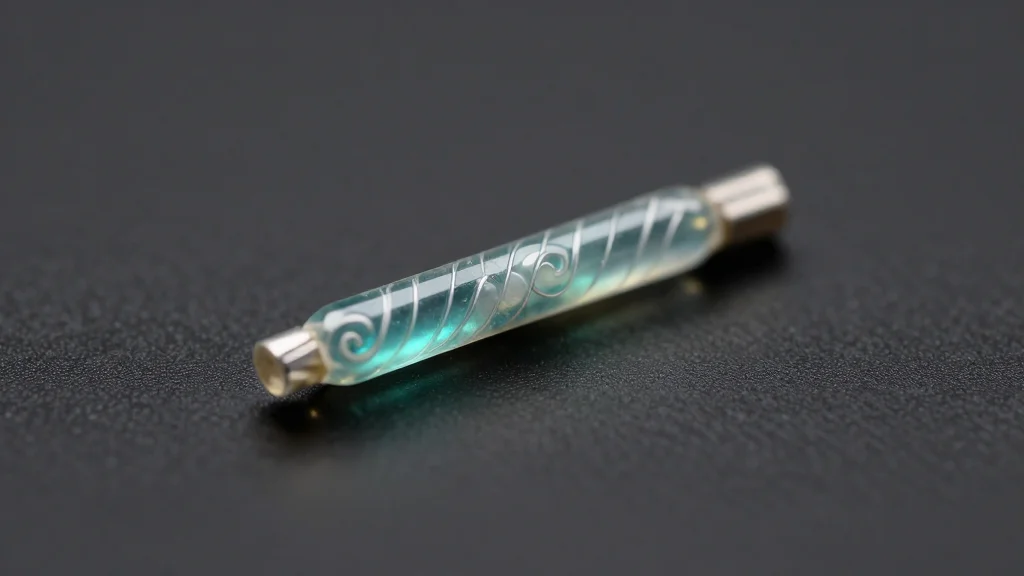
Facile Access to Energy‐Efficient Heterostructured Films via Scalable Planar Frontal Polymerization
Researchers introduced a planar frontal polymerization (FP) method that couples self‑propagating polymer curing with gravity‑driven microsphere assembly to create heterogeneous films. The technique yields a high‑crystallinity colloidal photonic crystal layer that reflects 96% of solar radiation and emits 98% of...

Strength in Synergy: MoS2‐VS4 Nano‐Architecture Modified with Reduced Graphene Oxide as a Robust Electrocatalyst for Overall Water Splitting
Researchers engineered a 2D heterostructure combining MoS2, VS4, and reduced graphene oxide (r‑GO) to serve as a bifunctional electrocatalyst for water splitting. The catalyst delivers a low overpotential of 104 mV for the hydrogen evolution reaction and 236 mV for the oxygen...

Metallic Transport in Pseudocubic Quaternary Diamondoid Thermoelectric Semiconductor
Researchers have demonstrated that CdSe‑doped Cu₂ZnSnSe₄ exhibits metallic transport, achieving a room‑temperature electrical conductivity of 1,200 S cm⁻¹. Substituting 10 % of Sn⁴⁺ with Cd²⁺ raises carrier concentration to ~10²¹ cm⁻³ while preserving the pseudocubic lattice. Adding a small fraction of Ag further lowers...
Interfacial Bidirectional Anchoring for CsPbI3 Phase Stabilization in Inverted Perovskite Solar Cells
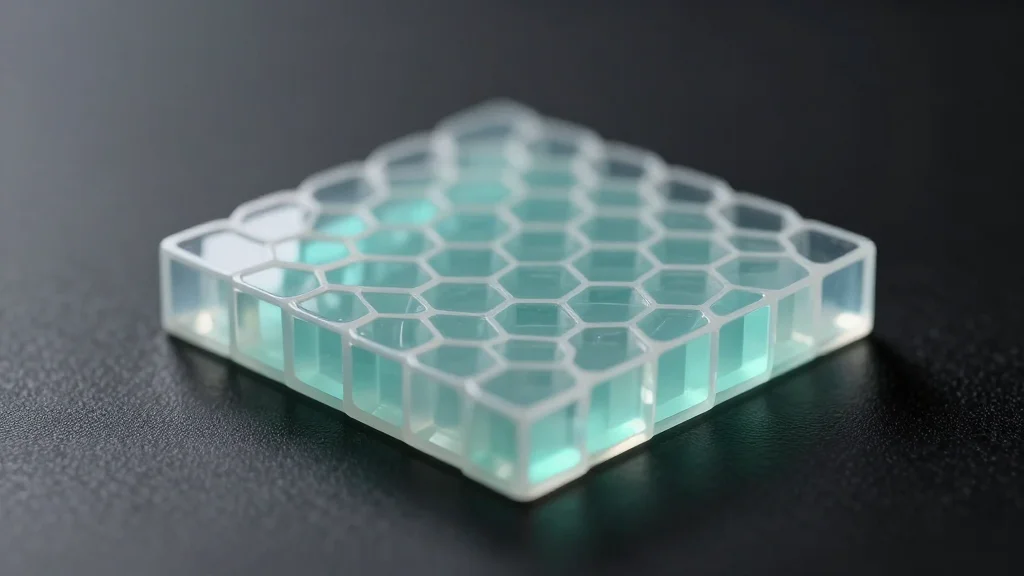
Researchers introduced a bidirectional anchoring strategy using 1‑Methyl‑3‑(3‑sulfopropyl)‑1H‑imidazol‑3‑ium chloride (SM Cl) to stabilize the black phase of inorganic perovskite CsPbI3. The sulfonate group binds Cs⁺ while the imidazole coordinates the [PbI₆]⁴⁻ octahedra, creating compressive strain that suppresses phase transition. Inverted perovskite...

Facile Synthesis of Sodium Titanate Nanosheets as Promising Electrode Material for High Power and Energy Density Supercapacitors
Researchers have developed sodium titanate (NTO) nanosheets via solid‑state sintering as a high‑performance supercapacitor electrode. The material delivers 670 F/g at 1 A/g and retains 175 F/g at 10 A/g, with 98.5 % coulombic efficiency over 5,000 cycles. An asymmetric device pairing NTO with activated...
Multi‐Dimensional Engineering Enables Interfacial and Mechanical Stability of Mesoporous Carbon Anode for Lithium‐Ion Batteries
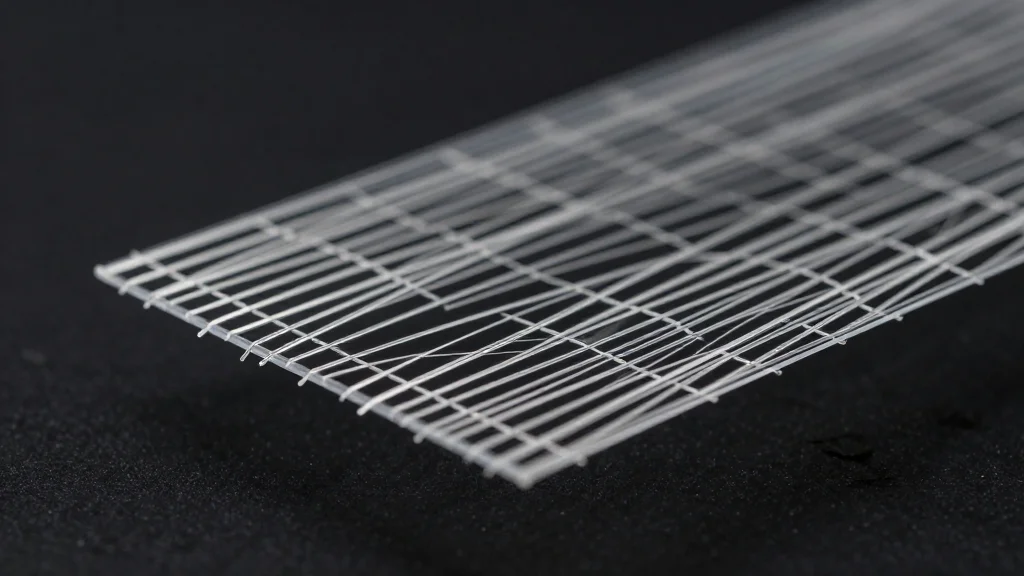
Researchers have engineered a rigid‑flexible MC@MXene‑CNT composite that encapsulates mesoporous carbon spheres with Ti3C2Tx MXene nanosheets and interwoven carbon nanotubes. This multi‑dimensional architecture preserves the high surface area of the carbon while leveraging MXene’s surface chemistry and CNTs’ conductivity to...
Yield‐Stress Composite Fluids With High Thermal Conductivity and Tunable Rheology via Hierarchical Filler Architecture
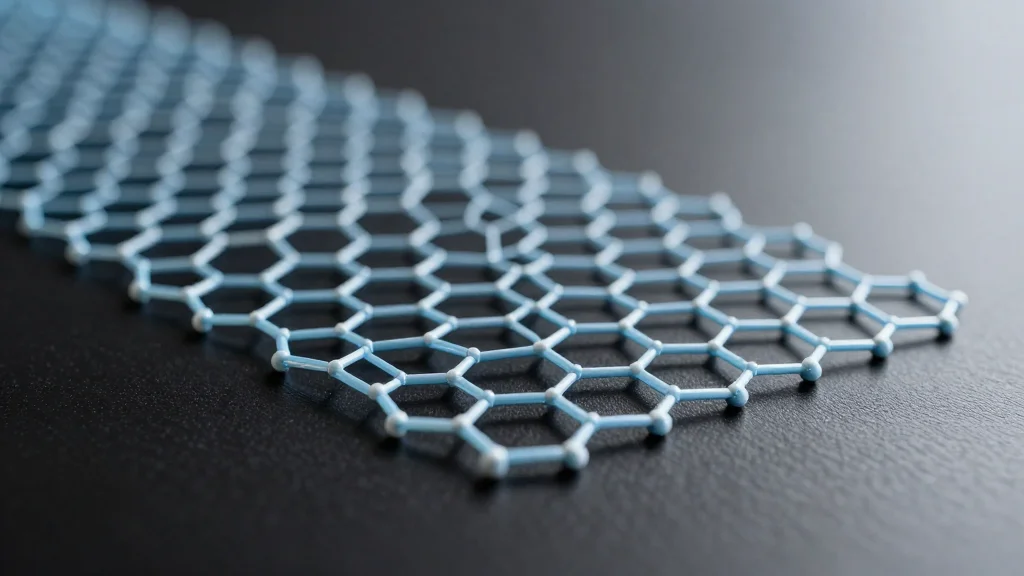
Researchers introduced a yield‑stress composite fluid that combines liquid‑like flowability with solid‑like rigidity by embedding multi‑sized aluminum nitride (AlN) particles in a polydimethylsiloxane matrix. The hierarchical filler architecture creates dense thermal pathways, delivering a thermal conductivity of 12.0 W·m⁻¹·K⁻¹ while maintaining...

Plaid Technologies Announces Graphene-Enhanced Cement Platform Progress
Plaid Technologies completed internal validation of a graphene‑enhanced cement additive that can be mixed like conventional cement. The new ready‑to‑blend formulation replaces the company’s earlier mechanical modification system, removing the need for specialized equipment on‑site. Centralized production delivers tighter formulation...

Upcoming US Clinical Trial to Test a Tiny Eye Implant that Could Restore Sight for Age-Related Macular Degeneration (AMD)
USC’s Roski Eye Institute, together with Regenerative Patch Technologies, is launching a phase 2b, multicenter, masked clinical trial of a stem‑cell‑derived retinal pigment epithelium (RPE) implant for advanced dry age‑related macular degeneration (AMD). The ultra‑thin patch, derived from embryonic stem...

New SLAC Method Guides Better Cell Slice Preparation for Cryo-ET Imaging
SLAC National Accelerator Laboratory researchers have introduced a tri‑coincident system that synchronizes a scanning electron microscope, an ion‑beam mill, and an optical microscope to guide cryogenic electron tomography (cryo‑ET) sample preparation. By exploiting interference patterns in fluorescent light emitted from...

Haydale Completes SMCC Acquisition and Associated Fundraise
Haydale has completed its acquisition of Intelligent Resource Management Limited, trading as SaveMoneyCutCarbon (SMCC), after raising roughly £5.75 million in associated fundraising. The deal brings SMCC’s Impact Partner Programme and JustHeat technology under Haydale’s graphene‑enabled portfolio, creating immediate cross‑selling opportunities. SMCC’s...

Vertical Translation Stages with Magnetic Counterbalance Combine Dynamics with Nanometer Precision
Physik Instrumente (PI) has launched the V‑571.Z vertical translation stage, featuring a user‑adjustable magnetic counterbalance and direct‑drive linear motor for friction‑free, high‑dynamic motion. The compact 95 mm wide design supports up to 4 kg loads with 25 mm or 50 mm travel and offers...

New Graphene-Based Laser Transfer Method Could Advance Flexible Electronics
Researchers at Huazhong University of Science and Technology unveiled a self‑aligned laser transfer (SALT) technique that leverages a thermal conductivity gradient carbon (TCGC) layer to move microchips with micrometer precision without needing exact laser‑to‑die alignment. The TCGC, formed by UV‑laser‑induced...

Resolving DNA Origami Structural Integrity and Pharmacokinetics in Vivo
The study introduces PLASTIQ, a proximity‑ligation assay that quantifies intact DNA origami structures in vivo with single‑helix resolution. Using ligatable staple pairs, the method detects intact nanostructures from as little as 1 µl of blood, achieving a 0.01 fM detection limit. PLASTIQ...

Excitonic Negative Refraction Mediated by Magnetic Orders
A new study demonstrates that excitons in the van der Waals magnet CrSBr can exhibit negative refraction when coupled to magnetic order, creating a tunable exciton‑polariton beam steering effect. The authors report an ultra‑low‑loss regime where the refractive index becomes negative for...