Today's Nanotech Pulse
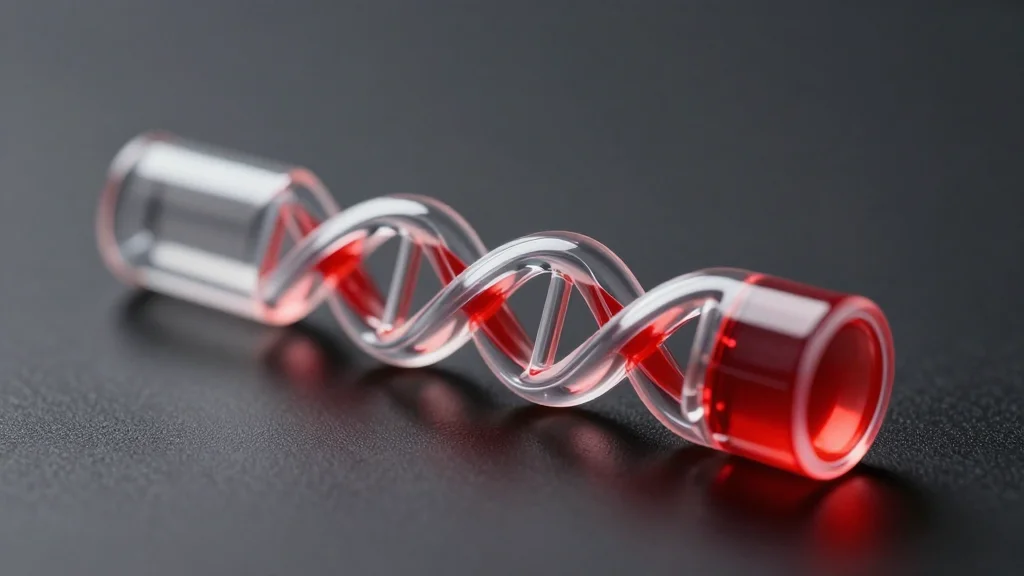
Left‑handed DNA origami tubes double chemotherapy efficacy against AML
Researchers at the Cancer Center at Illinois showed that left‑handed DNA origami tubes loaded with Daunorubicin achieve more than twice the cell‑killing efficacy of right‑handed tubes. The tubes display aptamers that target the CD117 protein on acute myeloid leukemia cells and their left‑handed geometry promotes rapid internalization.

DNA Nanomachine Inside Living Cells Measures How Aggressive a Cancer Is
Researchers at Wenzhou and Fuzhou Universities unveiled a three‑wheel DNA nanomachine (TW‑harvester) that rides a gold‑nanoparticle track inside living tumor cells. The device uses a DNA tetrahedron with an aptamer targeting nucleolin and miR‑21‑triggered wheel activation to cleave fluorescent substrates, producing a signal proportional to microRNA levels. It achieves picomolar sensitivity (5.4 pM), >20 hour intracellular stability, and a fluorescence output four times stronger than conventional FISH. Multiplexing with miR‑125b demonstrates broader diagnostic potential and quantitative correlation (R² = 0.995) with qPCR.
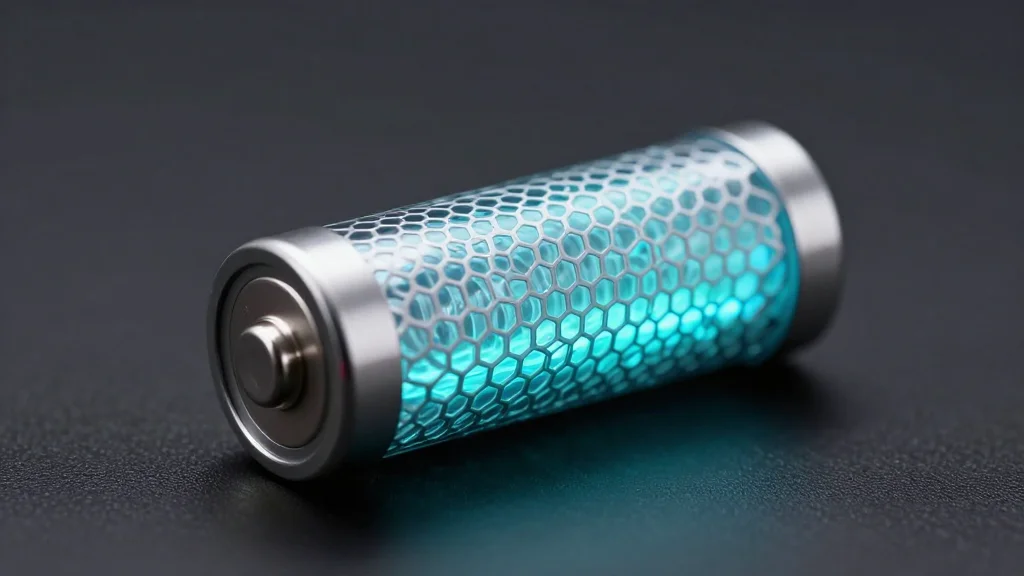
Novel Calcium-Ion Battery Technology Enhances Energy Storage Efficiency and Sustainability
Researchers at HKUST have unveiled a high‑performance quasi‑solid‑state calcium‑ion battery that uses redox‑active covalent organic framework electrolytes. The QSSEs achieve 0.46 mS cm⁻¹ ionic conductivity and enable Ca²⁺ transport rates above 0.53 at room temperature. A full cell delivers 155.9 mAh g⁻¹ specific capacity...
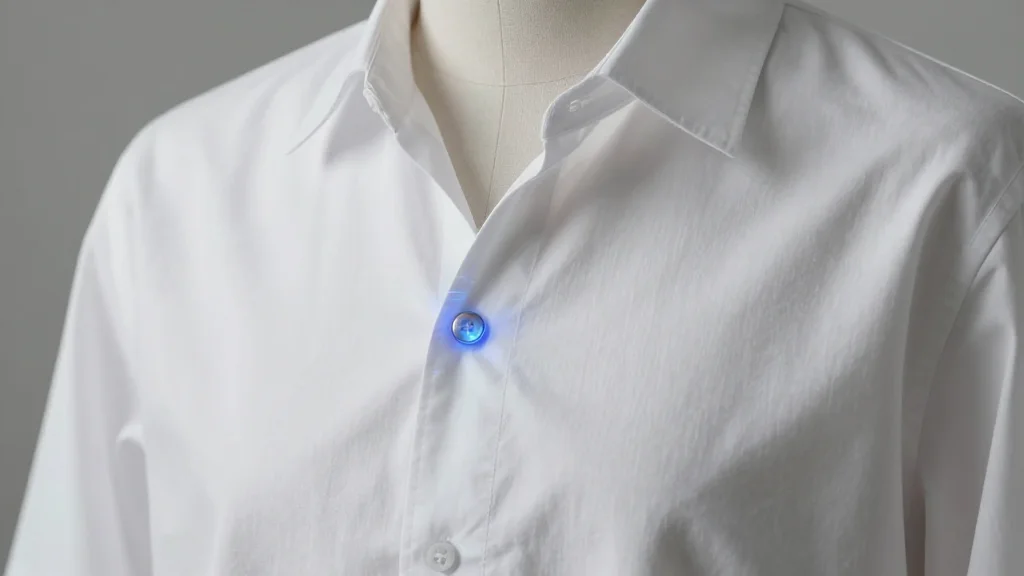
Beyond the Fitbit: Why Your Next Health Tracker Might Be a Button on Your Shirt
Scientists at King’s College London discovered that loose‑fit clothing can track human movement more accurately than tight wearables, delivering 40% higher precision while using 80% less data. The research, published in Nature Communications, suggests that simple fabric elements—such as a...
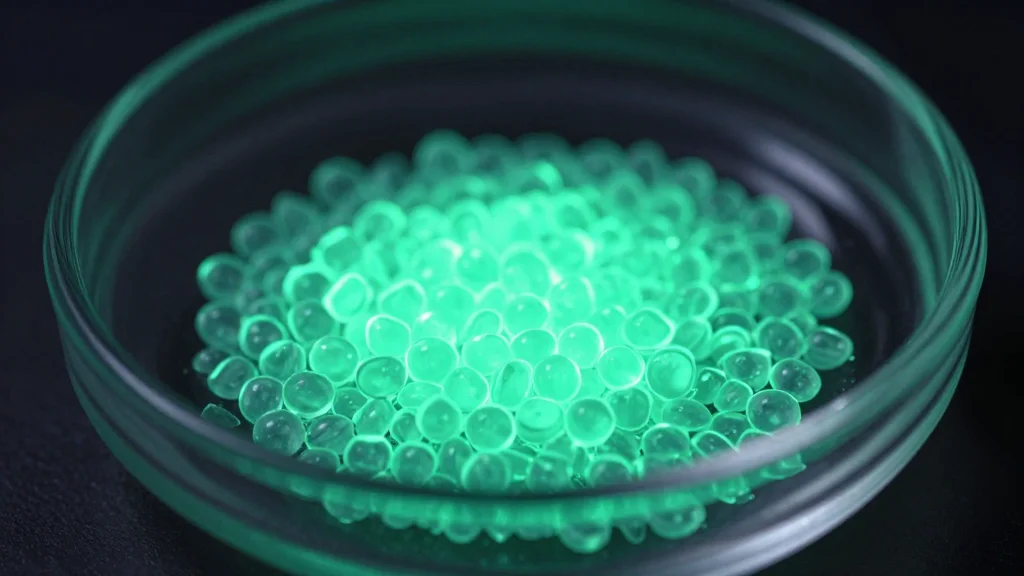
New Fluorescence Strategy Could Enable Real-Time Tracking of Microplastics Inside Living Organisms
Researchers have devised a fluorescence‑monomer synthesis that embeds light‑emitting units directly into microplastic polymers, allowing stable, real‑time imaging of particles inside living organisms. Current detection methods provide only static snapshots and require destructive sampling, limiting insight into particle transport, transformation,...

Fast Microwave Method Produces Advanced Carbon Materials for Efficient CO2 Capture
Scientists have introduced a microwave‑assisted synthesis that converts coal into nitrogen‑doped ultramicroporous carbon in about ten minutes. The rapid method preserves nitrogen and oxygen functional groups, creating pores of 0.6‑0.7 nm that tightly fit CO₂ molecules. The resulting adsorbent captures up...
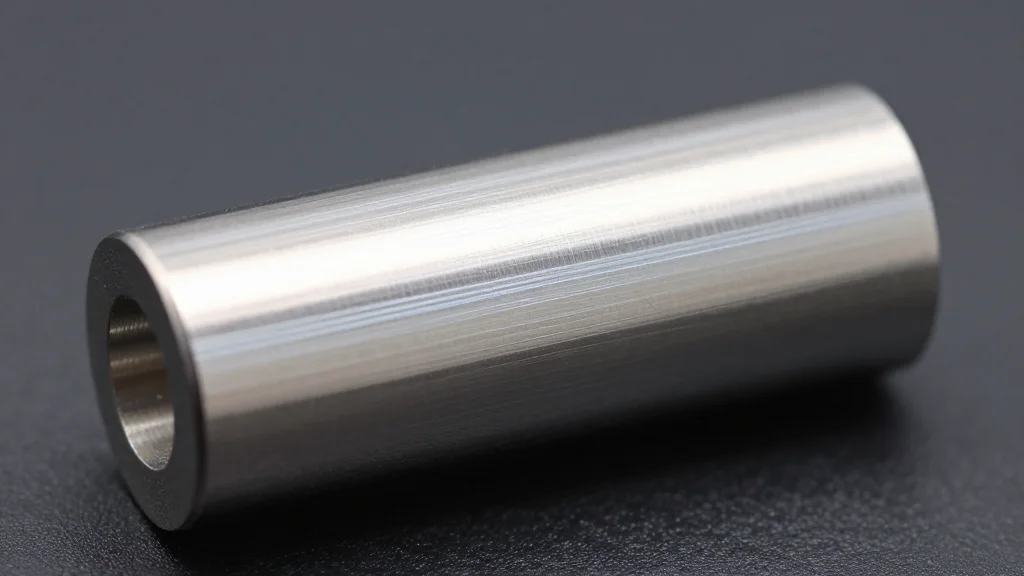
New Alloy Design Strategy at the Atomic Scale Greatly Enhances Metal Fatigue Resistance
Engineers at the University of Illinois Urbana‑Champaign have uncovered a fundamental deformation mechanism—dynamic plastic delocalization—that spreads plastic strain uniformly across metallic alloys, dramatically boosting fatigue resistance. By leveraging high‑throughput, high‑resolution digital image correlation and atomistic simulations, the team demonstrated that...

NSF Invests Up To $100 Million Over Five Years in National Quantum Research Network
The National Science Foundation announced a $100 million, five‑year National Quantum and Nanotechnology Infrastructure (NQNI) program. The initiative will establish up to 16 open‑access research sites offering advanced fabrication and characterization tools for quantum information science, biotechnology, AI, and semiconductor development....

Current State of US Government Research Funding
🧪⚛️ A very incomplete look at where we are on government support for research in the US right now. https://t.co/C4McqCRrX1 https://t.co/Ef8HSF2kRH

Nanostructured Plasma Engineering Extends the Life of Industrial Steel
A plasma‑based low‑energy nitrogen ion implantation (PBLEII) treatment dramatically improves the corrosion resistance of 17‑4PH martensitic stainless steel, with peak performance at 450 °C. Electrochemical tests show the corrosion potential shifting to –169.4 mV (SCE), passive current density dropping to 0.5 µA cm⁻², and...
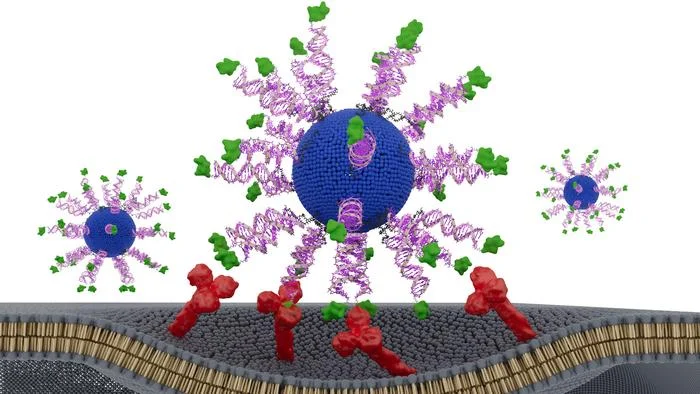
Antigen Orientation Boosts HPV Cancer SNA Vaccine, Slows Tumors in Models
Northwestern researchers engineered a spherical nucleic acid (SNA) vaccine in which the HPV16 E7 peptide is displayed at the nanoparticle surface via its N‑terminus. This N‑terminal orientation (N‑HSNA) generated up to eight‑fold higher interferon‑γ secretion and 2.5‑fold greater cytotoxicity than...
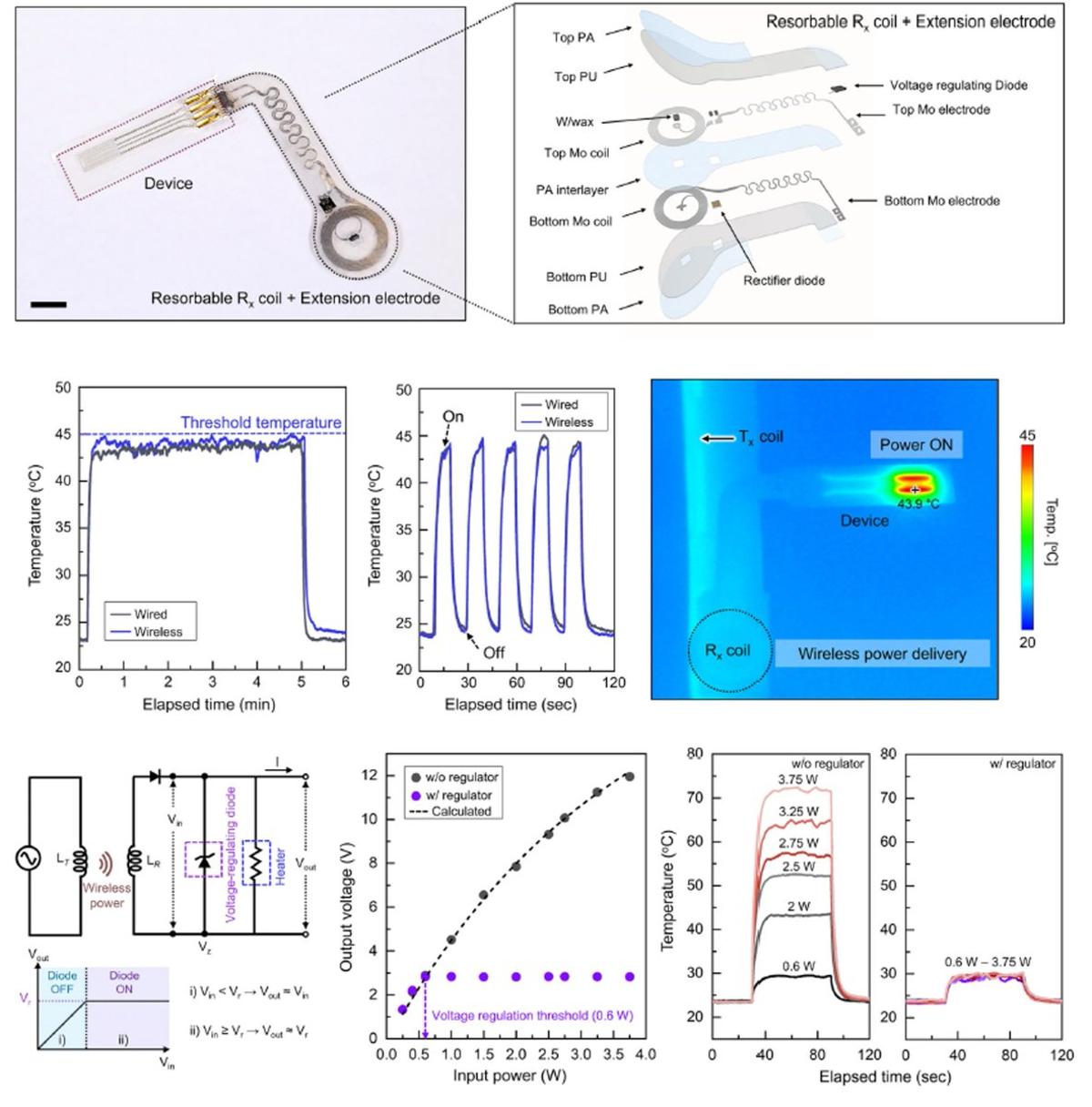
Bioresorbable Implant Uses Heat to Block Pain
Our latest paper appeared today as a cover (inside front) feature article in Advanced Functional Materials, titled “A Bioresorbable Neural Interface for On-Demand Thermal Pain Block.” The focus is on a bioresorbable, implantable form of neural electronics that supports precisely...

Is a 96% Lower-Power NAND Coming?
Samsung researchers demonstrated a ferroelectric transistor that can cut NAND flash power consumption by up to 96%, integrating it into planar and 3‑D NAND strings. The approach replaces the traditional polysilicon channel or charge‑trap layer with a hafnium‑based ferroelectric oxide,...
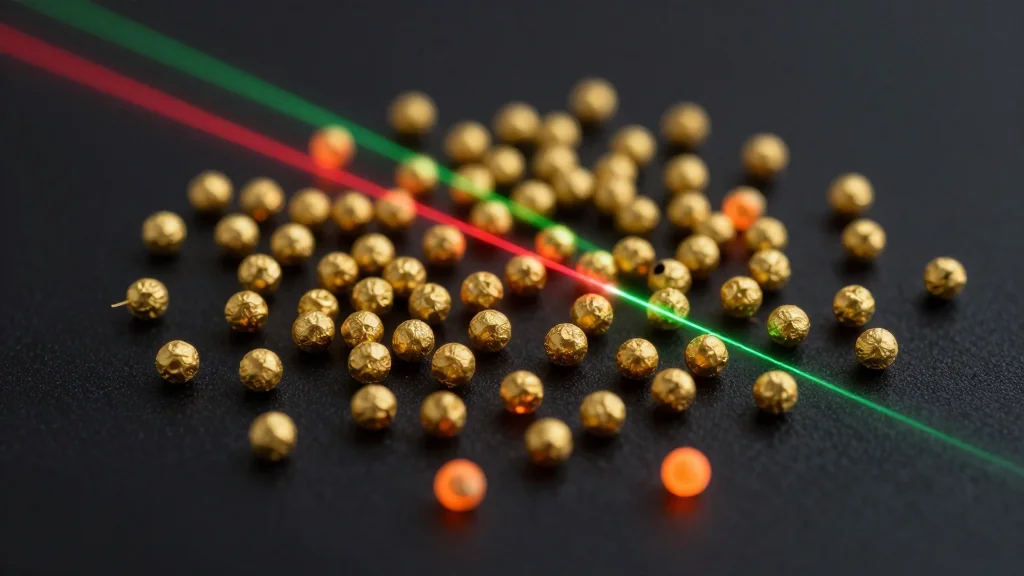
Gold Nanoparticles and Lasers Create Security Tags that Can Be Reset but Never Copied
Researchers at Sungkyunkwan University have created a physical unclonable function (PUF) that uses gold nanoparticles and purely optical processes for fabrication, authentication, and on‑demand reconfiguration. The technique traps ~100 nm particles with a 980 nm laser, fuses them via plasmonic heating, and...

A New Inhalable Treatment for Tuberculosis: Once-Weekly Nanoparticles Match Daily Oral Rifampin in Mice
Researchers at the University at Buffalo have created an inhalable nanoparticle that encapsulates rifampin and can be administered once weekly, matching the efficacy of daily oral dosing in mouse models of tuberculosis. The biodegradable particles target lung macrophages, sustain drug...
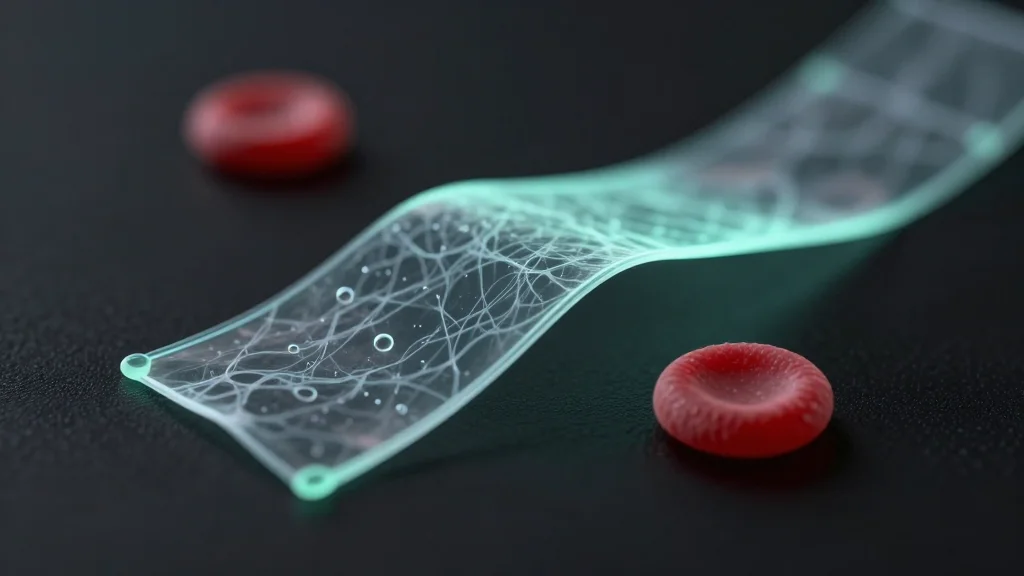
Novel Nanosheets Boost Clot Clearing While Limiting Systemic Bleeding
Researchers in China have unveiled a silicon‑based nanothrombolytic platform that couples urokinase with hydrogenated silicene (SiH) nanosheets and fibrinogen to clear arterial clots. The SiH sheets temporarily inhibit urokinase during circulation, then self‑degrade at the thrombus, reactivating the drug and...
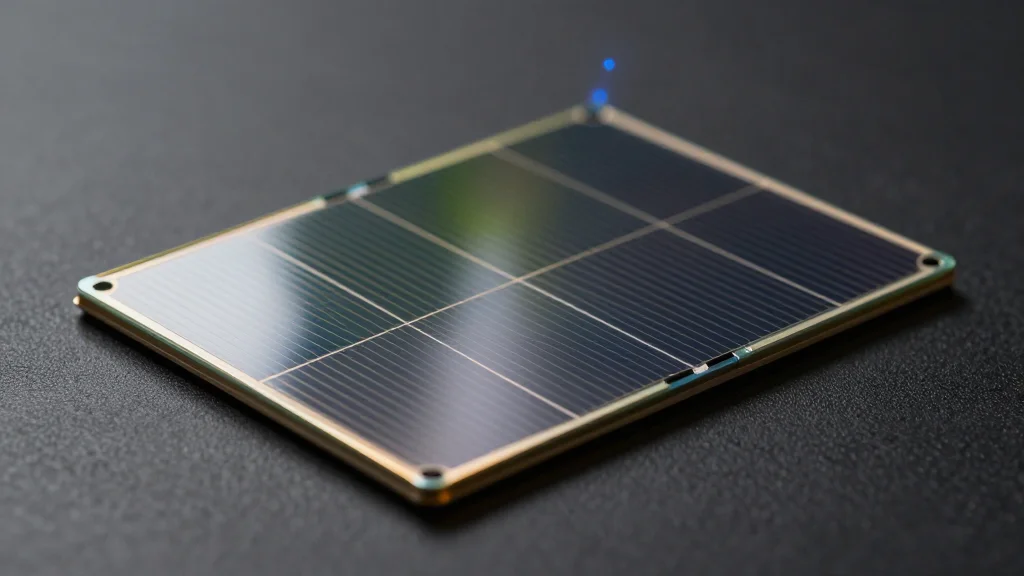
Scaling-Up Global Solar Panel Manufacturing Sustainably
A new life‑cycle assessment published in Nature Communications shows that decarbonising the electricity used to make silicon solar panels could cut manufacturing emissions by up to 8.2 gigatonnes of CO₂ – roughly 6.3 % of the remaining global carbon budget. The research,...

A Chemical Reaction in X-Ray Vision
An international team used time‑resolved synchrotron X‑ray techniques at DESY and ESRF to watch iron‑sulphur nanosheets form in real time. The study uncovered a fleeting, layer‑like intermediate that directs the crumpled nanosheet shape through a topotactic transformation. By simultaneously tracking...
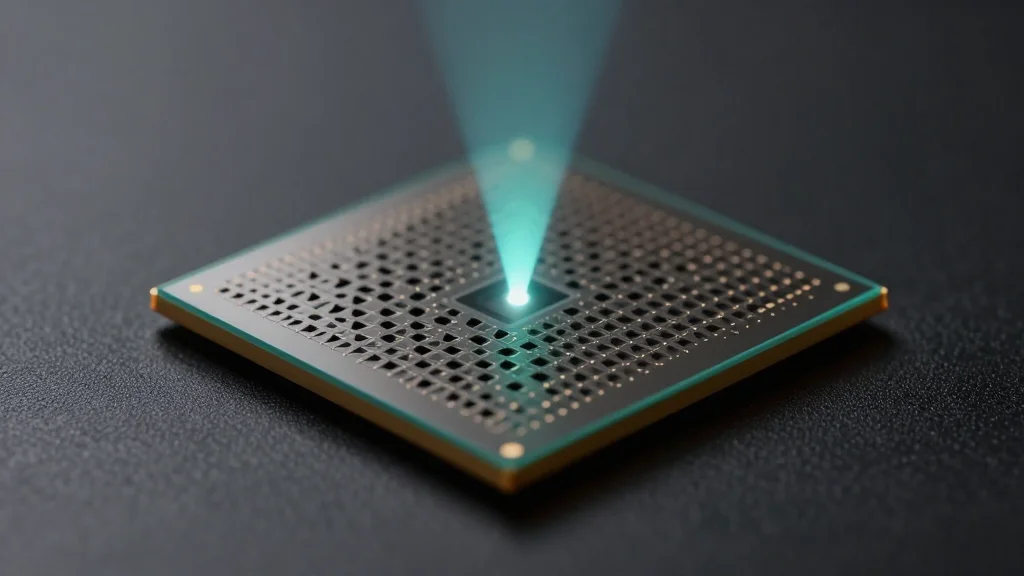
How a New Terahertz Antenna Could Unlock One-Terabit 6G Speeds
Researchers from Singapore, France, and the United States unveiled a compact terahertz antenna that leverages topological photonics. The silicon‑based chip, patterned with two sizes of triangular holes, creates a conical beam and achieves roughly 75 % spatial coverage—about 30 times better...

Artificial Neurons Ditch Magnetic Fields for More Powerful, Scalable Computing
Researchers at NTU and IIT Roorkee have demonstrated a spintronic artificial neuron that operates without external magnetic fields, using a ruthenium‑dioxide altermagnet coupled to a synthetic antiferromagnet. The device exploits out‑of‑plane spin‑splitting torque and built‑in exchange coupling to achieve intrinsic...
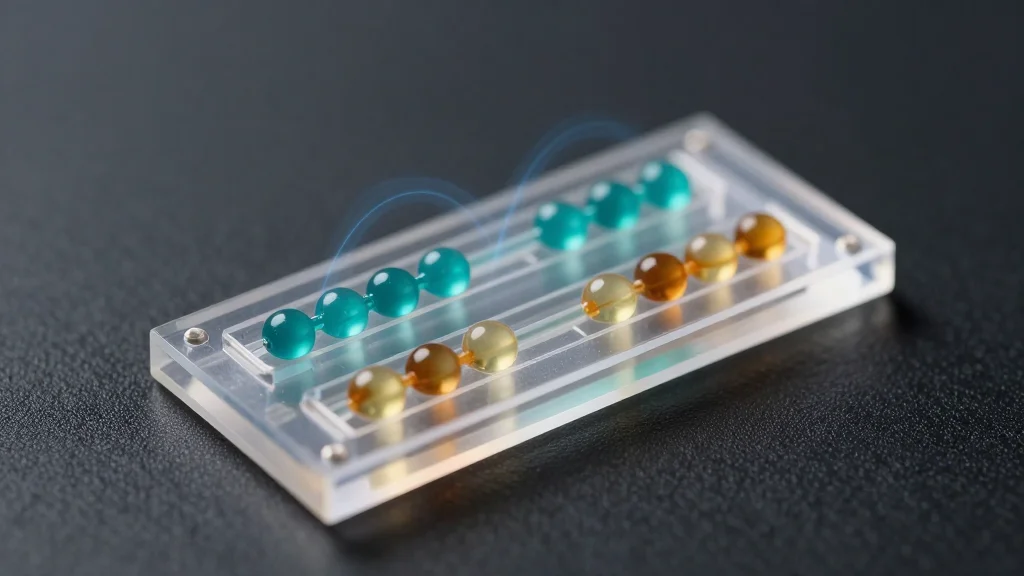
Novel Microfluidic Method Improves Nanoparticle Separation Accuracy
University of Oulu researchers unveiled a microfluidic technique that merges electrophoretic slip and viscoelastic forces to separate sub‑micron particles. The approach raises the purity of synthetic polystyrene beads by 30‑50% and improves cancer‑cell vesicle purity by over 20%. Unlike conventional...
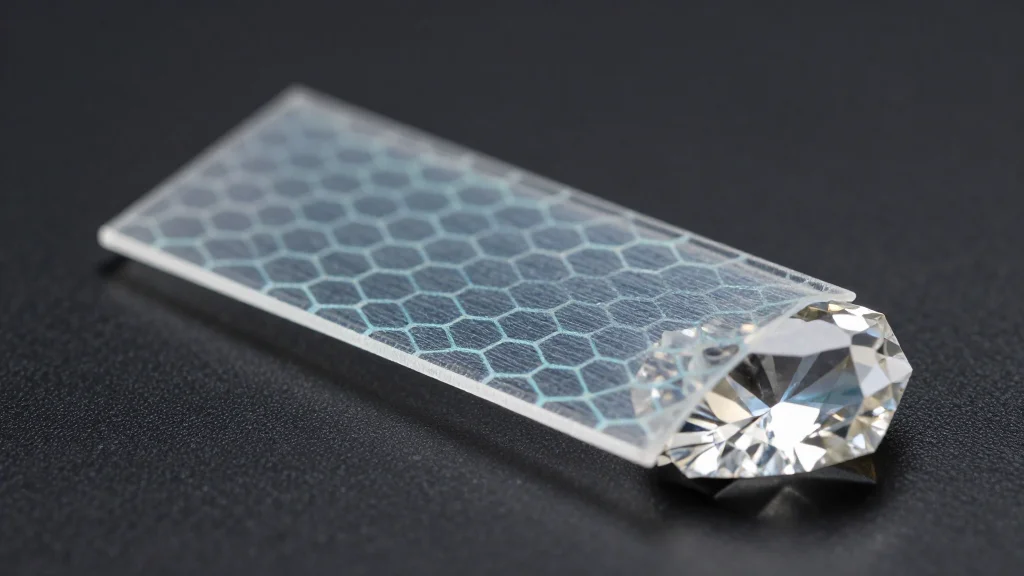
When the Softest Carbon Meets the Hardest
Researchers at Shanghai Jiao Tong University reviewed the emerging field of graphene‑diamond hybrids, materials that combine the flexibility and conductivity of graphene with the hardness and thermal stability of diamond. They categorize hybrids into van der Waals structures with weak...
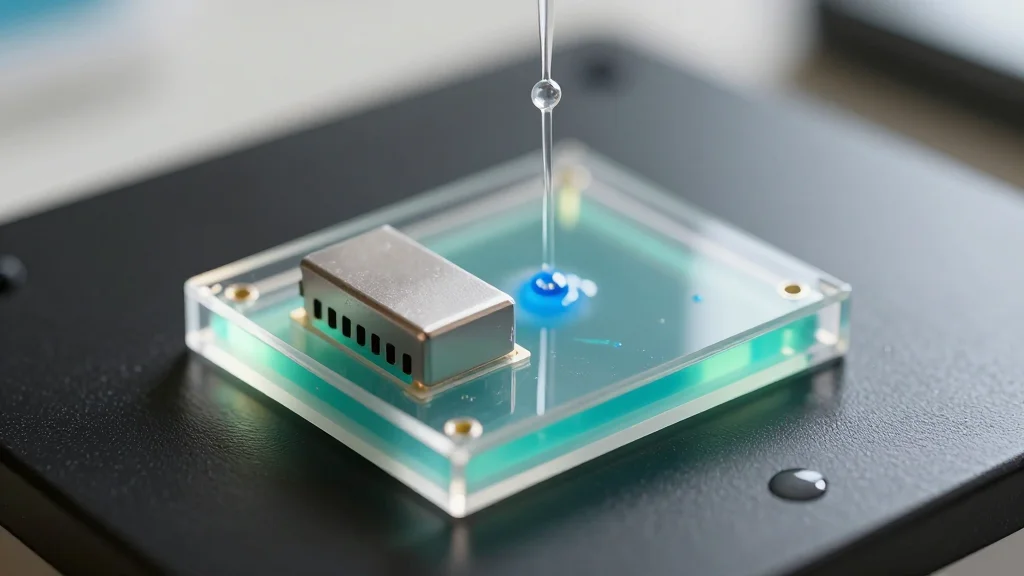
Microfluidic Reactor System Turns Sunlight and Waste Heat Into High-Efficiency Hydrogen Fuel
Researchers at National Taiwan University and National Tsing Hua University unveiled a compact microfluidic reactor that simultaneously harvests sunlight and waste heat to produce hydrogen. The device couples a Ti₃C₂‑CdS heterostructure catalyst with a thermoelectric generator, achieving a solar‑to‑hydrogen conversion...

Quantum Computation’s Light-Matter Link Mapped with Unprecedented Accuracy
Researchers solved the full Hamiltonian dynamics of a solid‑state spin‑photon interface, deriving exact fidelities for three key quantum protocols: photon‑number superposition generation, a controlled photon‑photon gate, and photonic cluster‑state production. By modeling multi‑mode light fields and incorporating spin hyperfine interactions,...
![Single-Molecule SERS Gets Steadier as CB[7] Traps a 'Dancing' Molecule](https://hixhlmpcokxhartfkpyi.supabase.co/storage/v1/object/public/images/thumbnails/a218bb91a3d27332f4ed8f925f30842c.webp)
Single-Molecule SERS Gets Steadier as CB[7] Traps a 'Dancing' Molecule
Researchers at the Institute of Physical Chemistry, Polish Academy of Sciences have demonstrated that encapsulating a single molecule within cucurbit[7]uril (CB[7]) stabilizes its surface‑enhanced Raman spectroscopy (SERS) signal. By forming a supramolecular complex with thionine dye, the CB[7] cage suppresses...
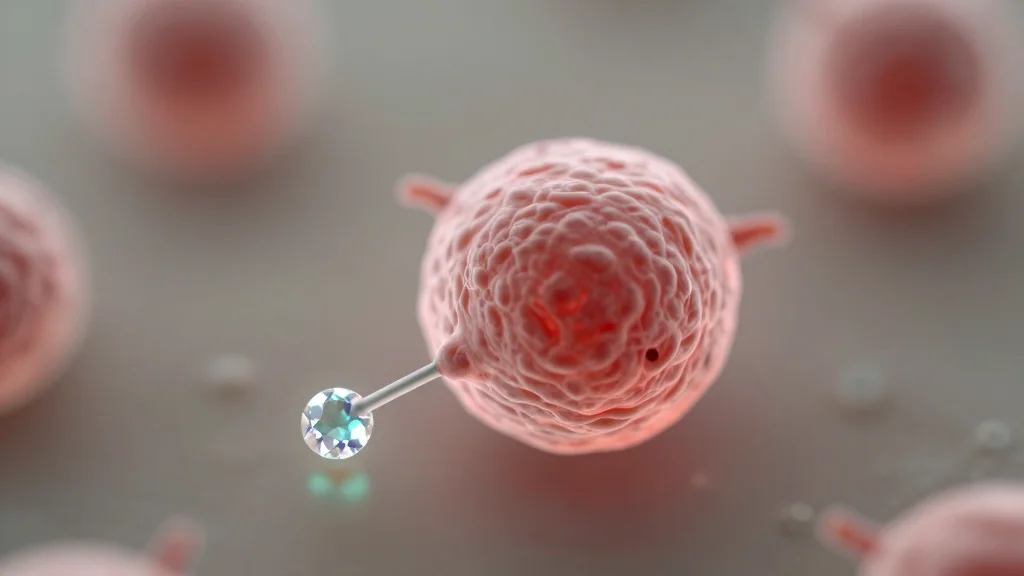
Diamond Quantum Sensors Detect Immune Cell Inflammation Through Electric Charge Shifts
Researchers at the University of Chicago and the University of Iowa have demonstrated that diamond nanoprobes containing nitrogen‑vacancy (NV) centers can detect inflammation in individual macrophages by measuring electric‑field‑induced shifts in the zero‑field splitting (ZFS) parameter. By introducing a secondary...

Nanodevice Tugs Single Proteins to Reveal How Cells Sense Force
Yale researchers have created a DNA‑based nanodevice that can tug on individual proteins with piconewton precision. The U‑shaped frame clamps a protein via DNA handles that fold to apply controlled tension. Using talin as a test case, the device reproduced...
![Record‐Low Compressibility in [N(C2H5)3CH3]FeCl4 Expands Phase Engineering Horizons in Hybrid Molecular Ferroelectrics](https://hixhlmpcokxhartfkpyi.supabase.co/storage/v1/object/public/images/thumbnails/107965387dfea3a80d86633fe165031c.webp)
Record‐Low Compressibility in [N(C2H5)3CH3]FeCl4 Expands Phase Engineering Horizons in Hybrid Molecular Ferroelectrics
Researchers report that the lead‑free hybrid ferroelectric [N(C2H5)3CH3]FeCl4 (EMAFC) exhibits a bulk modulus of 42 GPa, the lowest compressibility recorded for any molecular ferroelectric. The material remains structurally stable and mechano‑chromic up to 51.5 GPa, undergoing a reversible P63mc‑to‑P1 phase transition at...
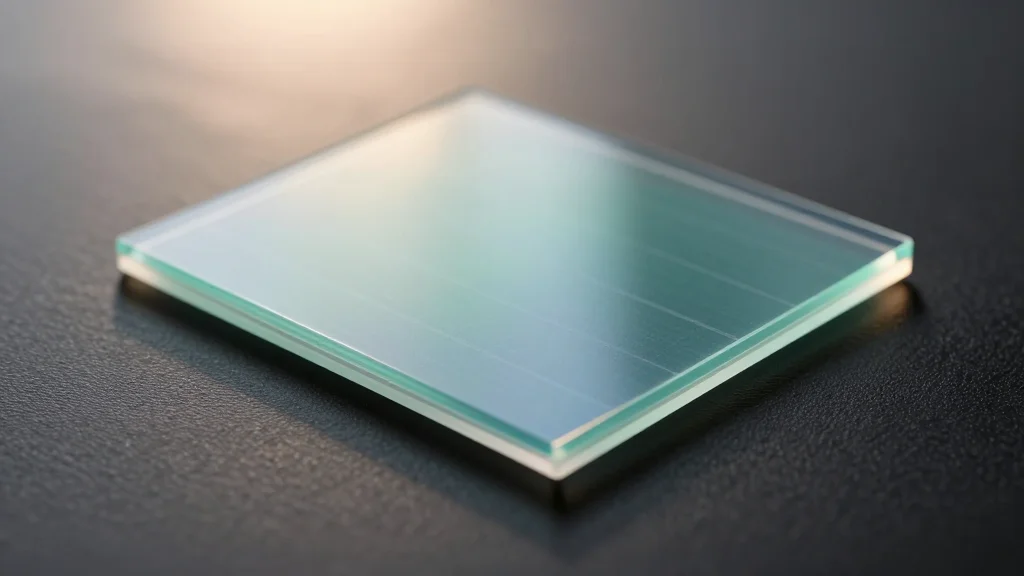
A Perspective on Commercializing Perovskite Solar Cells: Unlocking Opportunities in Niche Applications
Perovskite solar cells have reached certified efficiencies above 25 percent, rivaling silicon panels, but commercialization remains constrained by scaling, stability, and cost challenges. The article outlines strategies such as tandem architectures and targeting niche markets—like building‑integrated photovoltaics and aerospace—to leverage perovskite’s...

Incoherent‐Light‐Excitable Lanthanide Upconversion Enabled by Highly Hydrophilic and Photostable Dye Sensitization
Researchers introduced a one‑step coating method that transforms dye‑sensitized lanthanide upconversion nanoparticles (dsUCNPs) from hydrophobic, photolabile probes into highly hydrophilic, photostable agents. By applying unsaturated fatty acid salts—particularly sodium linolenate—the particles gain superior water dispersibility and a photobleaching half‑life 87...

Spontaneously Formed Orientation Polarization Thin Films for Engineering Organic‐Organic Interfaces
Researchers have demonstrated that vacuum‑deposited thin films of specially designed polar molecules can spontaneously develop orientation polarization (SOP) by tilting their permanent dipoles against the substrate. By incorporating multiple fluoroalkyl substituents, the molecules achieve extreme structural asymmetry, producing a record‑high...
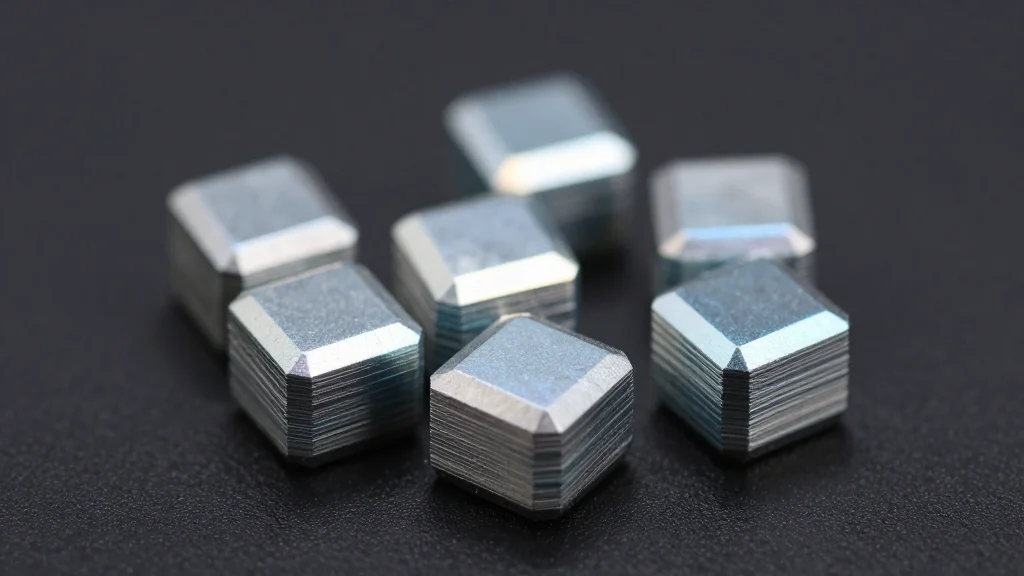
Structure‐Property‐Application Correlations of Early Transition Metal Chalcogenides: A Dichalcogenide‐Centered Perspective
Early transition metal (ETM) chalcogenides display a broad structural palette, from disulfides to polychalcogenides, enabling tunable electronic, catalytic, and memory functionalities. The review adopts a dichalcogenide‑centered lens to link crystal polymorphism with performance in 2‑D devices, phase‑change memory, and energy...

Hierarchically Structured Artificial SEI with Interlayer Electronic Coupling for High‐Performance Aqueous Zinc Batteries
Researchers introduced a hierarchically structured artificial solid‑electrolyte interphase (SEI) called ZnO@MX‑DE for aqueous zinc‑ion batteries. The engineered petalosphere heterostructure creates interlayer electron coupling that directs Zn²⁺ transport while repelling SO₄²⁻, dramatically improving ionic conductivity and Zn²⁺ transference. Laboratory tests showed...
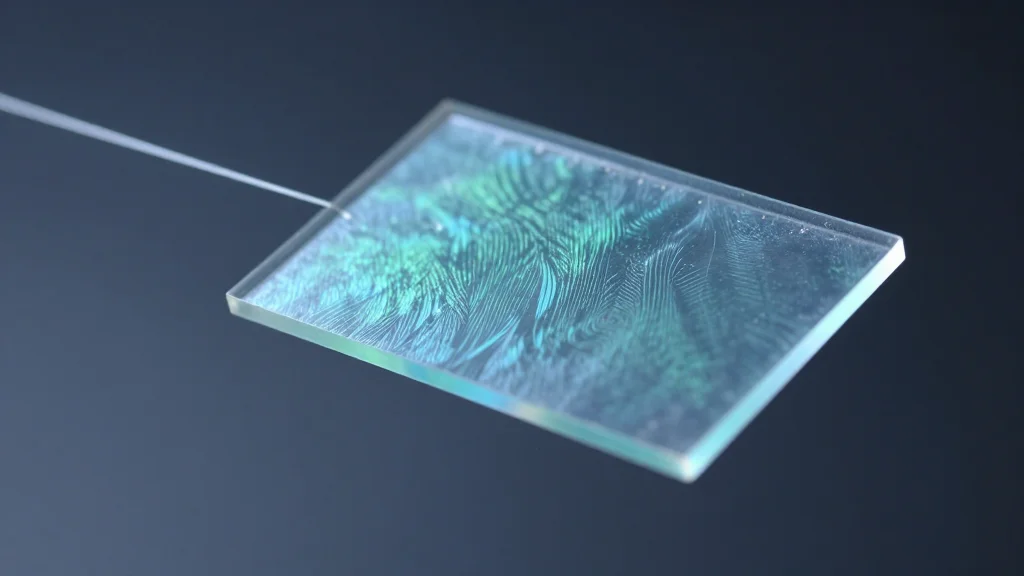
Colloidal Quasi‐2D Cs2AgBiBr6 Double Perovskite Nanosheets: Synthesis and Application as High‐Performance Photodetectors
Researchers have developed a colloidal synthesis route for quasi‑2D Cs2AgBiBr6 double‑perovskite nanosheets, achieving lateral dimensions up to 1.4 µm and thickness of only a few nanometers. By fine‑tuning ligand chemistry and reaction temperature, they obtained high‑purity nanosheets suitable for optoelectronic integration....
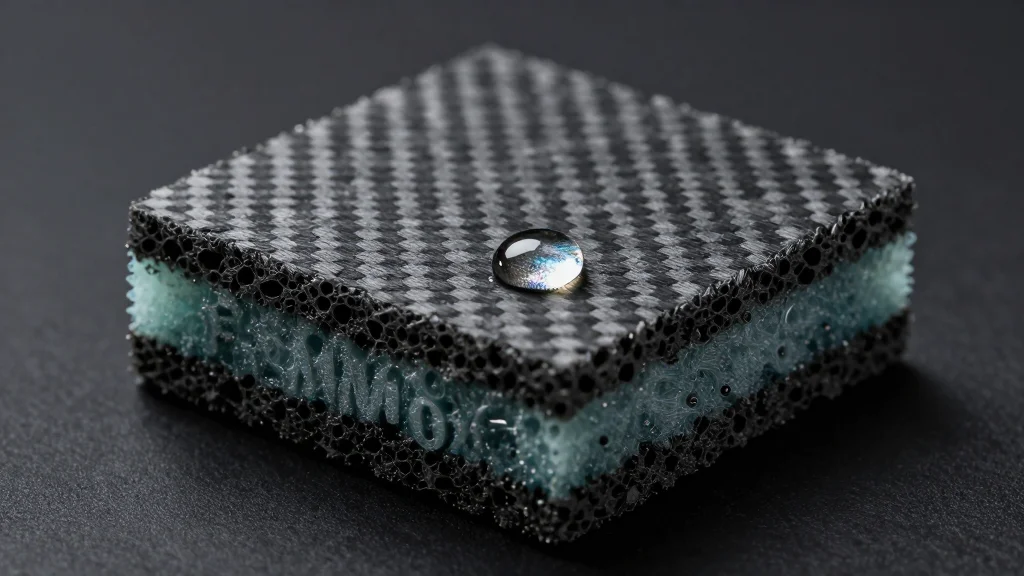
Orbital‐Hybridization‐Driven N‐Fe‐Mo Interatomic Charge Bridges at Amorphous FeMoOx/Porous Carbon Nitride Interface Boosting Peroxymonosulfate Activation in Fenton‐like Reaction
Researchers engineered an amorphous FeMoOx/porous carbon nitride interface featuring N‑Fe‑Mo interatomic charge bridges via orbital hybridization. This design accelerates electron transfer to peroxymonosulfate, dramatically lowering the Fe(III)→Fe(II) reduction barrier and favoring singlet oxygen generation. In a continuous‑flow test, the catalyst...
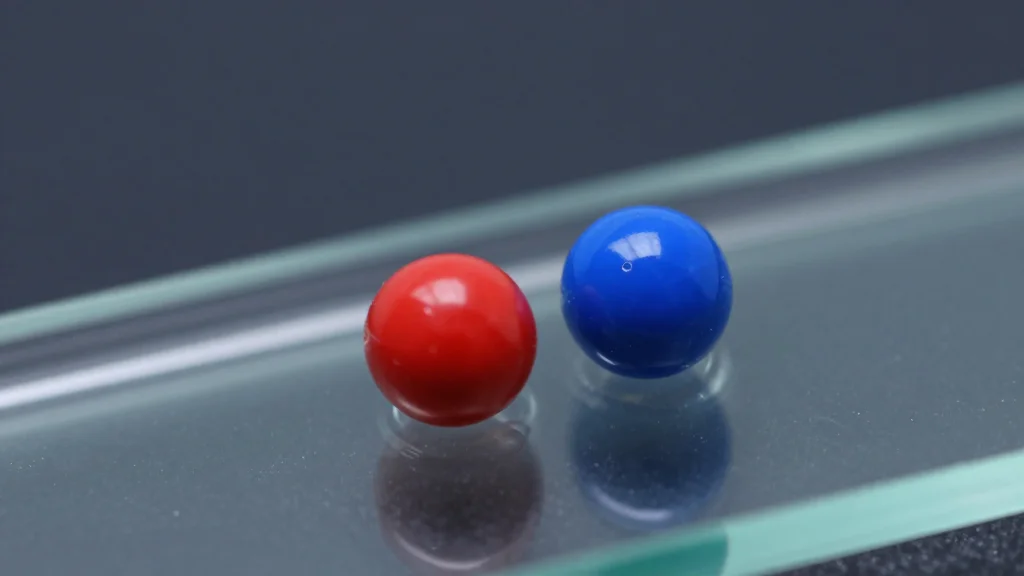
Separation of Magnetic Microparticles With Different Molecular Surface Functionalizations by Close‐to‐Surface Traveling‐Wave Magnetophoresis
Researchers demonstrated that magnetic microparticles (MPs) driven by traveling‑wave magnetophoresis exhibit velocity differences when transported close to a substrate. The velocity disparity arises from surface‑functionalization‑dependent drag forces, as distinct polymer coatings (COOH vs COOH/NH2) change the average particle‑wall separation. Experiments...
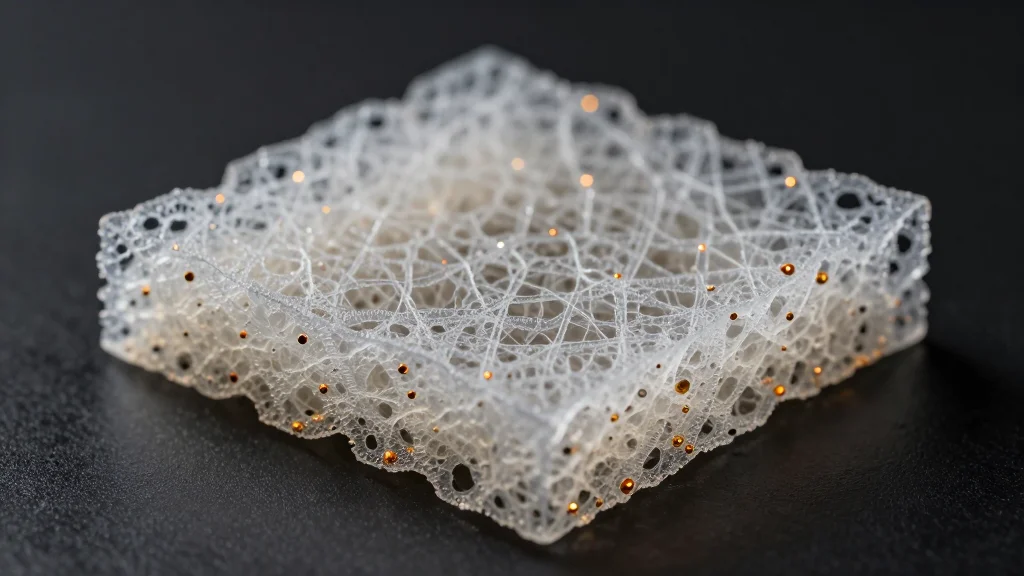
High‐Density Co and N Dual‐Doping in Self‐Supporting 3D Graphene Aerogel for Synergistically Enhanced Supercapacitor Performance
Researchers introduced a one‑step hydrothermal method to co‑dope cobalt and nitrogen into a three‑dimensional graphene aerogel, creating a self‑supporting Co‑NGA electrode. The dual‑doping and porous architecture deliver a record specific capacitance of 2092 F/g at 1 A/g, far surpassing undoped graphene aerogels....
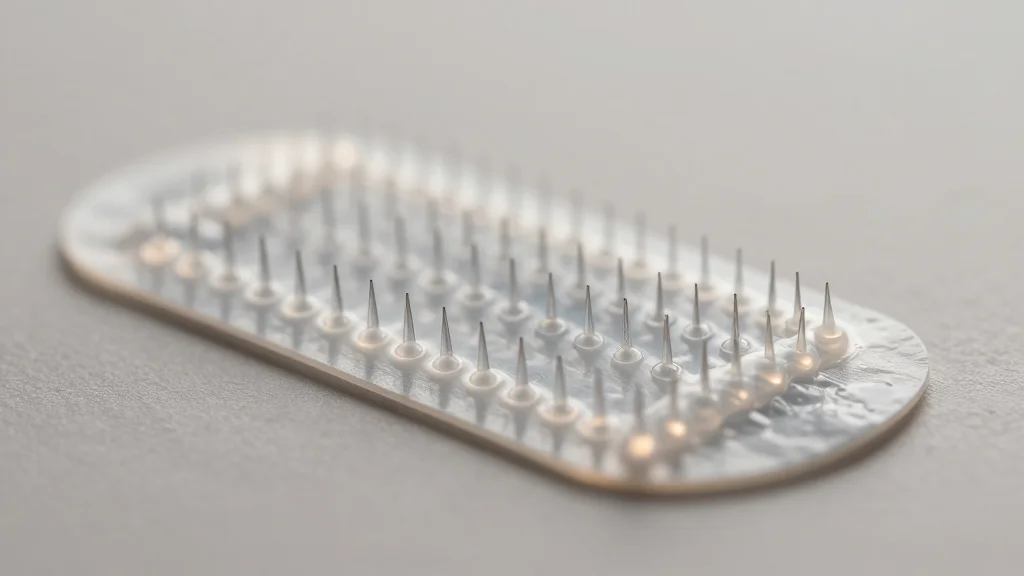
Hybrid Cryomicroneedles Enhance DC Vaccine Efficacy and Function as Non‐Typical Artificial Tertiary Lymphoid Structures to Provide Neuroprotective Immunity in Spinal...
Researchers have engineered hybrid cryomicroneedle patches (pG/DL@npDC‑cryoMNs) that embed a neuroprotective dendritic cell vaccine within a methacrylated decellularized lymph‑node matrix and porous GelMA hydrogel. The device rapidly releases viable npDCs, triggers a strong CD4⁺ T‑cell response, and forms a non‑typical...
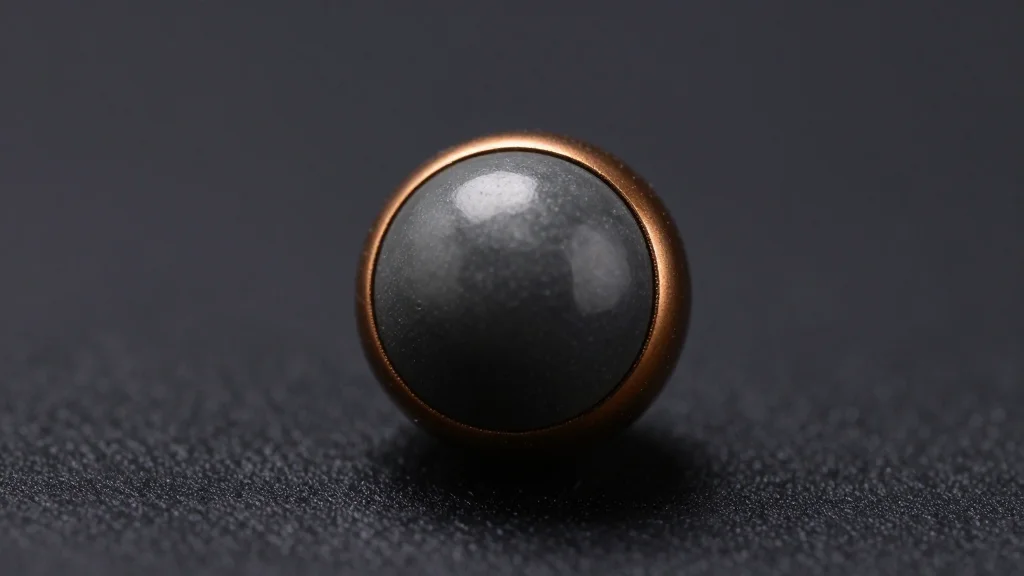
Designing a Silicon/Iron Selenide Heterojunction as Liquid and All‐Solid‐State Lithium‐Ion Battery Anodes Displaying Excellent Performances
Researchers have engineered a silicon‑iron selenide heterojunction anode (Si@FeSe@C) featuring a robust Fe–Se–Si interfacial bond and an external carbon coating. The material delivers 1,092.8 mAh g⁻¹ after 100 cycles at 0.2 A g⁻¹ and sustains Coulombic efficiencies above 99.6% for 500 cycles at 1.0 A g⁻¹....

Ionic Polyimine Nanocomposite Membranes with Bidirectionally Tunable Mechanics for Flexible Electronics
Researchers have created ionic polyimine nanocomposite membranes reinforced with inorganic conductive nanofillers (iCONs) via in‑situ polymerization. By varying iCONs loading, the membranes’ mechanics can be tuned bidirectionally—from highly flexible (76 % elongation) to rigid (8.56 MPa tensile strength). A wearable sensor built...
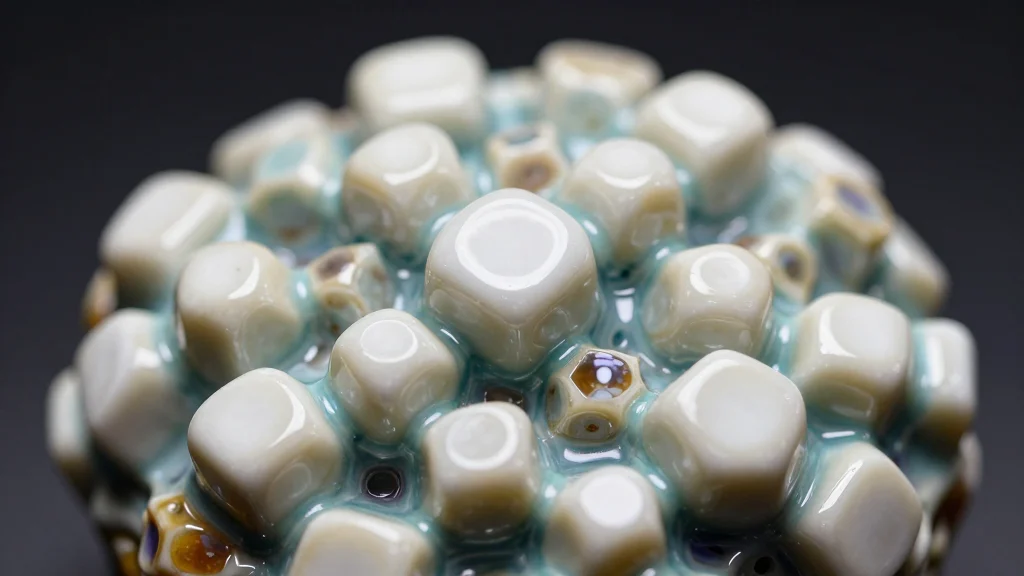
Inverse High‐Entropy Design Enables Superior Energy Storage in Moderate and High Electric Fields
Researchers introduced an inverse high‑entropy design by embedding ferroelectric BaTiO3 into the quasi‑linear ceramic Bi1/6Na1/6Sr1/6Ca1/6Li1/6La1/6TiO3 matrix. This approach creates a weakly polar tetragonal phase that boosts polarization while maintaining breakdown strength. The resulting composites achieve recoverable energy densities up to...

Atomically Dispersed Co Anchored Into Highly Nitrogen‐Doped One‐Dimensional Mesoporous Carbon with Large Pore Size for Ultra‐Stable Potassium‐Ion Storage
Researchers introduced a cobalt single‑atom‑doped, nitrogen‑rich mesoporous carbon anchored on carbon nanotubes (Co‑NMC@CNTs) using a tetraethyl orthosilicate‑mediated co‑assembly route. The composite exhibits a large 23.7 nm mesopore size, robust one‑dimensional structure, and 13.6 at% nitrogen doping, which together lower potassium‑ion diffusion barriers....

Interactions Weaken Precision of Electrical Current in Novel Hybrid Materials
Researchers Sobrino, Taddei, Fazio and colleagues analyzed Andreev‑mediated transport in normal‑superconducting quantum‑dot hybrids, showing that Coulomb interactions renormalize resonant conditions and suppress superconducting coherence. Their real‑time diagrammatic master‑equation approach revealed a marked reduction in current precision, even though average currents...