Today's Nutrition Pulse
Europe’s fibre frenzy: excess intake can backfire
While most Europeans still miss the UK’s 30 g daily fibre target, recent trends have pushed some consumers to exceed 50–70 g per day. Such high intakes are linked to bloating, diarrhea, constipation and reduced mineral absorption, especially when fibre is increased rapidly without sufficient hydration.

High-Quality Plant-Based Diets Linked to Lower Dementia Risk
A new longitudinal analysis of 92,849 adults followed for an average of 11 years found that higher‑quality plant‑based diets are associated with a lower incidence of Alzheimer’s disease and related dementias. Participants scoring highest on an overall plant‑based pattern experienced a 12% risk reduction, while those adhering to a healthful plant‑based pattern saw a 7% drop. Conversely, a diet rich in refined grains, sugary drinks and other low‑quality plant foods raised dementia risk by 6%. Shifts away from unhealthful plant foods over a decade further lowered risk by 11%.

GLP‑1s Reveal Calorie Restriction as Longevity Key
Its interesting that for the thousands of books written on health, we've learned since GLP-1s came on the market the best way to extend lifespan is to eat fewer calories
Study Finds Plant‑Rich Diet Cuts Dementia Risk by 11% in Older Adults
A large longitudinal study of nearly 93,000 adults aged 59 on average shows that switching to a high‑quality plant‑rich diet can lower the odds of Alzheimer’s and related dementias by 11% over ten years. The findings also warn that unhealthy...
Study Links High Sugar Intake to Higher Odds of Depression and Anxiety
A study published in Health Science Reports examined 377 adults and found that high consumption of sugar and sugary drinks is associated with increased odds of depression and anxiety. Researchers say the findings add to growing evidence that diet plays...
American Heart Association Unveils 2026 Plant‑Forward Dietary Guidance
The American Heart Association released its 2026 dietary guidance, urging a plant‑forward, minimally processed eating pattern to lower cardiovascular risk. The guidance shifts focus from nutrient counting to overall diet quality and targets all ages, from children to adults.
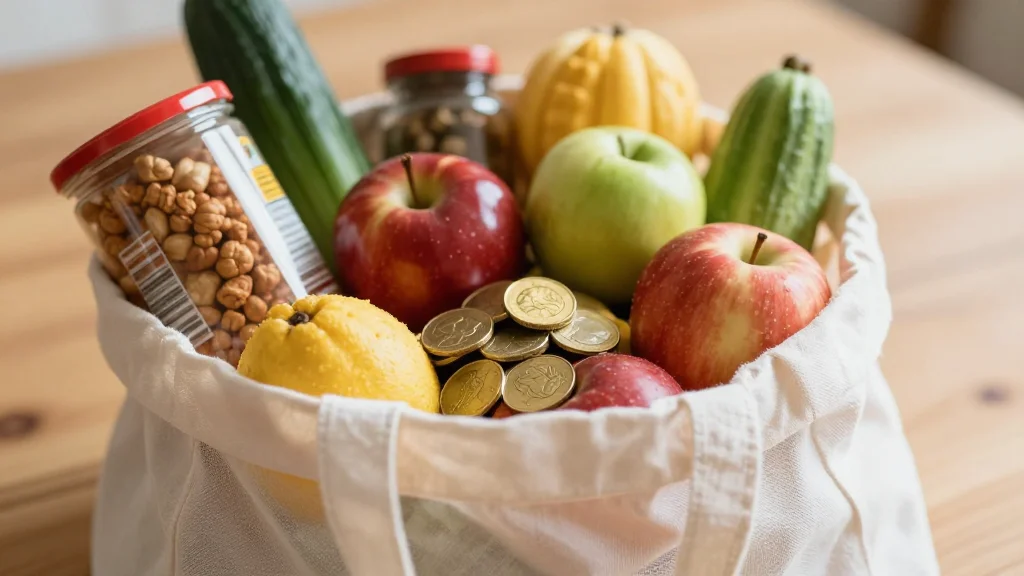
Survey Finds New US Dietary Guidelines Could Raise Grocery Bills 32% for Many Americans
A Numerator survey of over 2,000 shoppers reveals that the federal government's new 'Real Food' dietary guidelines would lift grocery expenses by 32%—about $1,012 per person each year. Half of respondents say cost is the main barrier to following the...
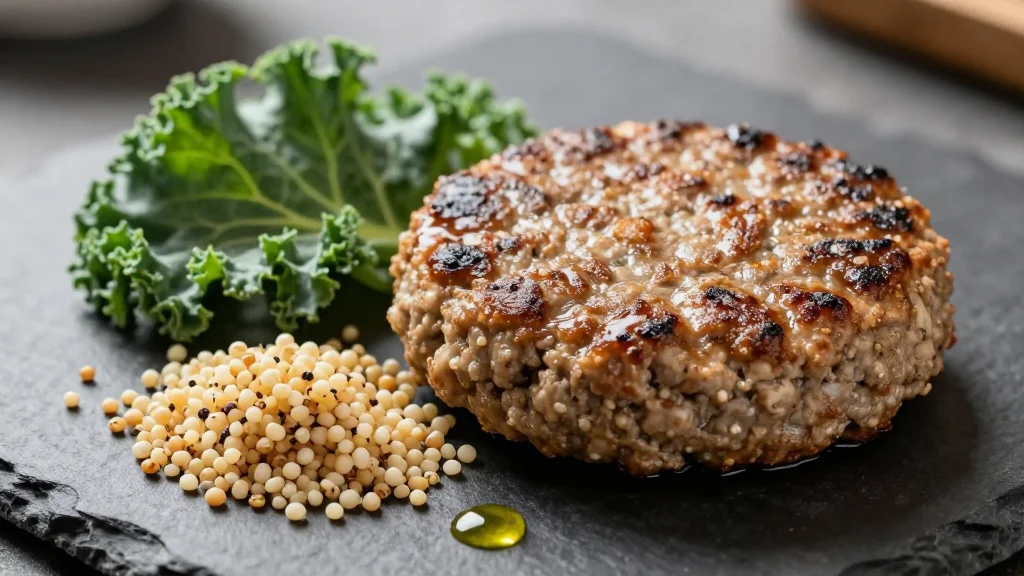
Swapping Processed Meat with Plant-Based Alternatives Boosts Health, Show Two Studies
Two UK studies from the London School of Hygiene and Tropical Medicine found that replacing processed meat with plant‑based analogues increases dietary fibre by 4‑6% and reduces saturated fat by about 6‑7%. Despite being classified as ultra‑processed, the evaluated plant‑based...

Urolithin A Enhances Mitochondrial Health and Endurance
I'm fascinated by Urolithin A. It's a compound that stimulates mitophagy (mitochondrial autophagy), helping clear out and replace damaged or dysfunctional mitochondria. Recent studies show that urolithin A improves endurance performance and even keeps immune cells "younger" with age. The data are early...
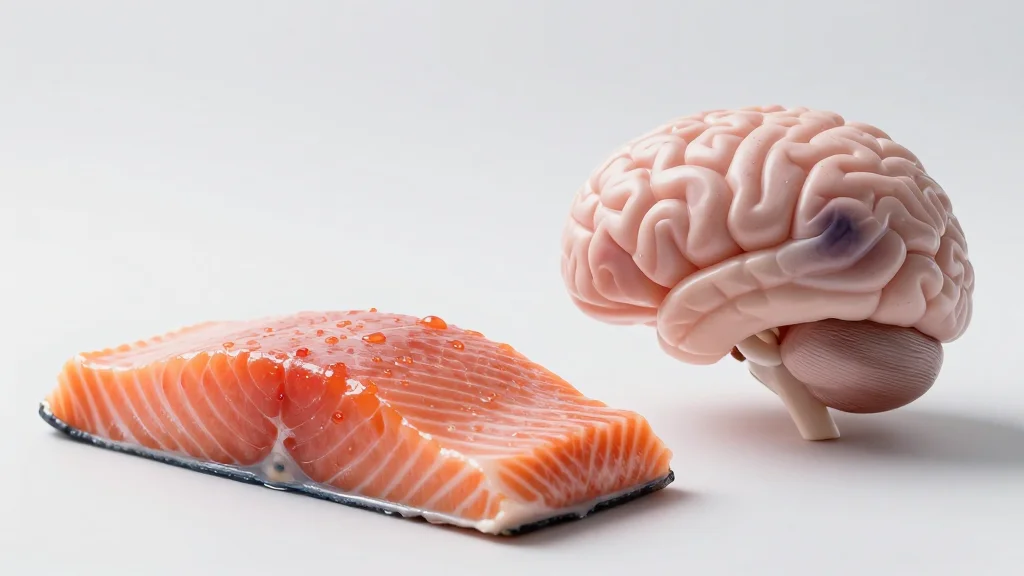
Fish Oil Supplement May Heighten CTE Risk After Brain Injury, Study Finds
Researchers at Cold Spring Harbor Laboratory and the Medical University of South Carolina discovered that eicosapentaenoic acid (EPA), a key component of fish oil, disrupts the brain’s repair mechanisms after traumatic injury in mice, potentially raising the long‑term risk of...
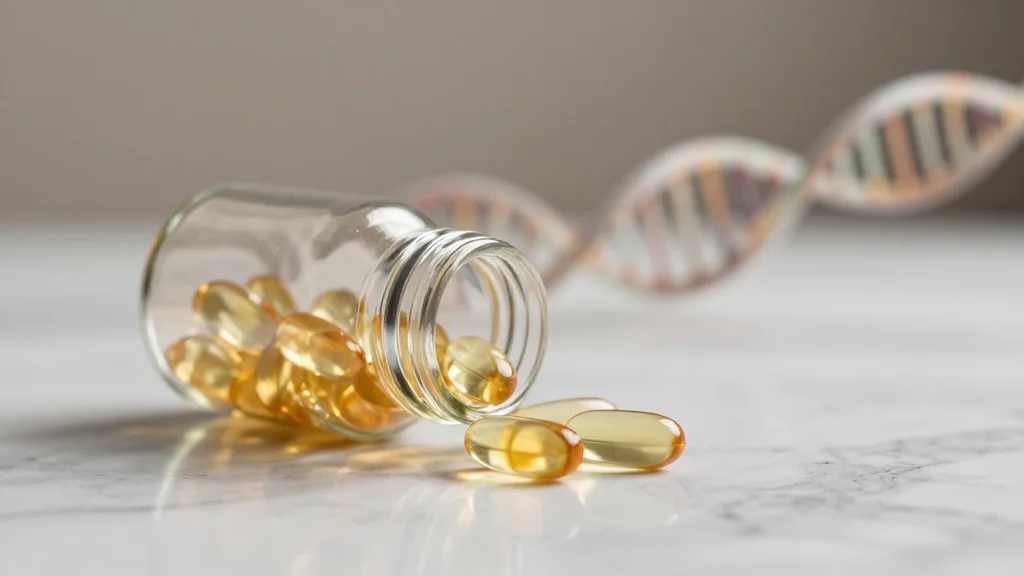
Daily Multivitamin Linked to Four‑Month Slowing of Biological Aging, Study Finds
Researchers led by Howard D. Sesso published a study in Nature Medicine showing that adults 60 and older who took a daily multivitamin for two years aged biologically about four months less than those on placebo. The finding revives discussion...

The Timing of Meals Matters for Biological Aging
A new analysis of 14,012 NHANES participants links meal timing to biological aging. Later first meals, later last meals, and feeding windows longer than 16 hours correlate with faster aging of the whole body, heart, liver and kidneys. The optimal window...
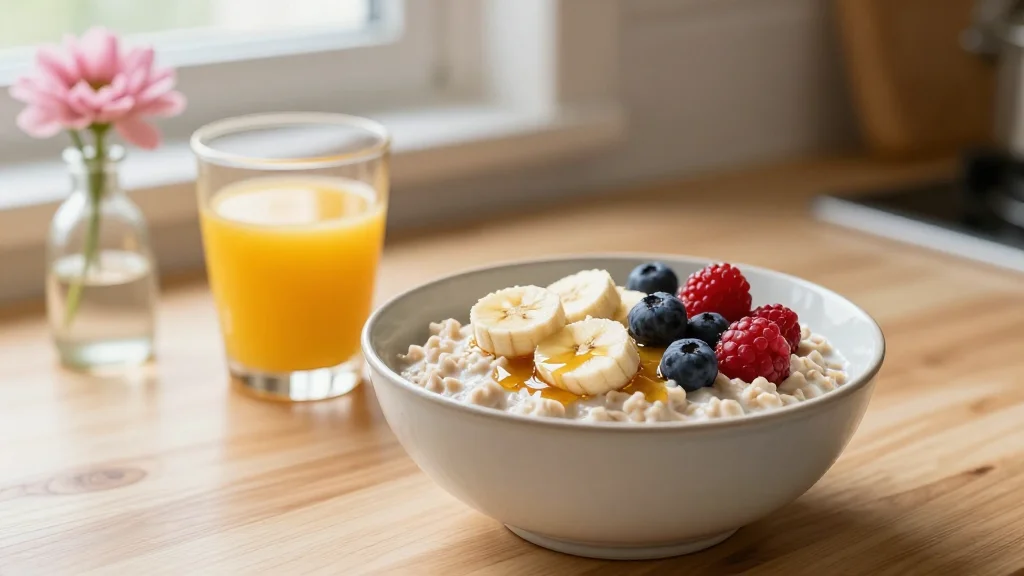
Eat Breakfast Early to Boost Fertility and Ovulation
"I skip breakfast and fast until noon because I heard fasting is good for you." It's not if you want to be fertile. Cortisol is highest in the morning. When you skip breakfast, your body has to lean on cortisol and adrenaline...

Burning 15,000 Calories in 18 Hours
A University of Gothenburg field study tracked a 37‑year‑old Swedish athlete who burned roughly 15,000 calories across a four‑discipline “Tetrathlon,” revealing a severe metabolic reset that lingered for weeks. The research captured real‑time nutrition, blood‑sugar, heart‑rate and blood biomarkers, offering...

Paediatric Neurology and Therapeutic Carbohydrate Restriction
The article reviews emerging evidence that ketogenic metabolic therapy may benefit neonatal brain injury, preterm infants with mitochondrial disease, and children with autism spectrum disorder linked to PTEN mutations. Case reports demonstrate rapid lactate reduction and metabolic stabilization in a...

Food Tank Explains: Food Is Medicine
Food is Medicine (FIM) initiatives link nutrition, agriculture, and healthcare to combat diet‑related chronic disease. The article highlights that poor diets drive 45% of US cardiometabolic deaths and cost over $1.1 trillion annually, disproportionately affecting low‑income and minority groups. Programs such...
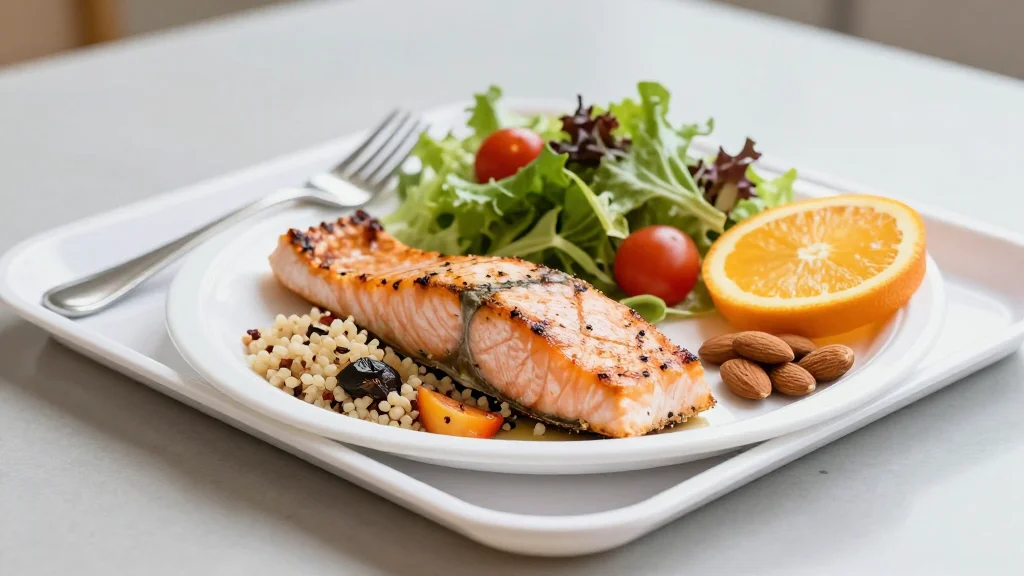
HHS Issues New Guidelines for Food Served in Hospitals
The U.S. Department of Health and Human Services (HHS) issued a memo directing hospitals to align their food service policies with the 2025‑2030 Dietary Guidelines. The rules require eliminating ultra‑processed foods, sugary drinks, refined grains, and processed meats, while mandating...
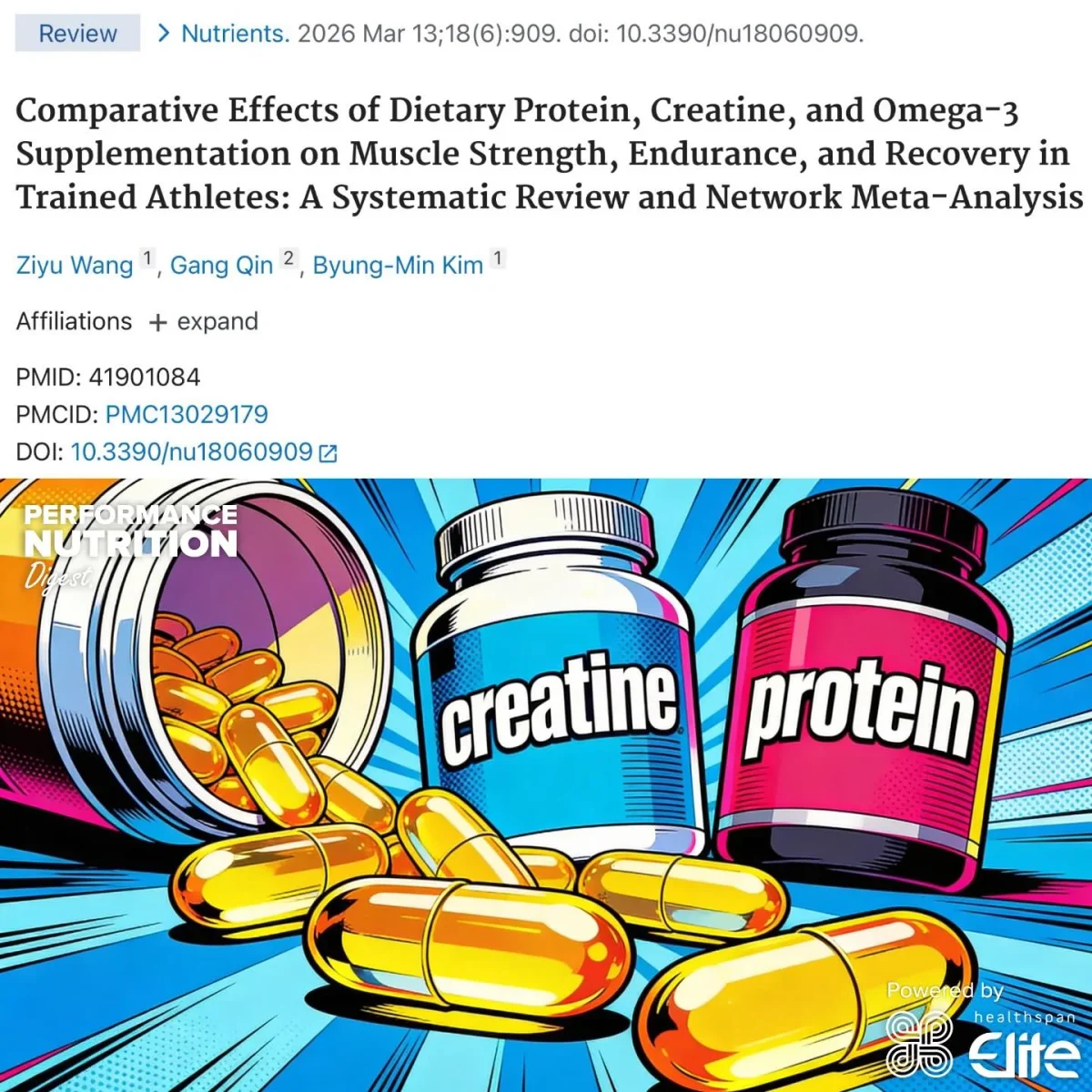
Creatine Outperforms Protein and Omega‑3 for Strength
Protein vs creatine vs omega-3 for trained athletes 🧐 This new meta-analysis compiled data from 35 trials (1211 participants) to establish which supplements… 🥤 Protein 💊 Creatine 🐟 Omega-3 …are best for athletic performance outcomes including muscle strength, endurance performance, and recovery 🔍 Here is what...

Dietary Amino Acid Restriction Shows Promise Against Pediatric Brain Cancer
Can rebooting the diet, eliminating 2 essential amino acids, help treat an aggressive brain cancer in children? mechanism and potential established from experimental model https://t.co/wmAFM2ErRB https://t.co/PAOr5SL30y

When You Eat on the Trail Matters More Than You Think. A Dietitian Explains.
Registered dietitian Aaron Owens Mayhew explains that when hikers eat is as critical as what they eat. He frames hiking as an endurance sport and urges pre‑hike breakfasts, hourly carbohydrate snacks, and terrain‑specific fueling. The article outlines six practical timing...

Science-Backed Sleep Aids: Ingredients & Supplements Explained
What ingredients and supplements help you to sleep better? Get the facts without the hype. Register to the webinar: https://t.co/6Nswtdw8XP https://t.co/gXE2Qm6x6D
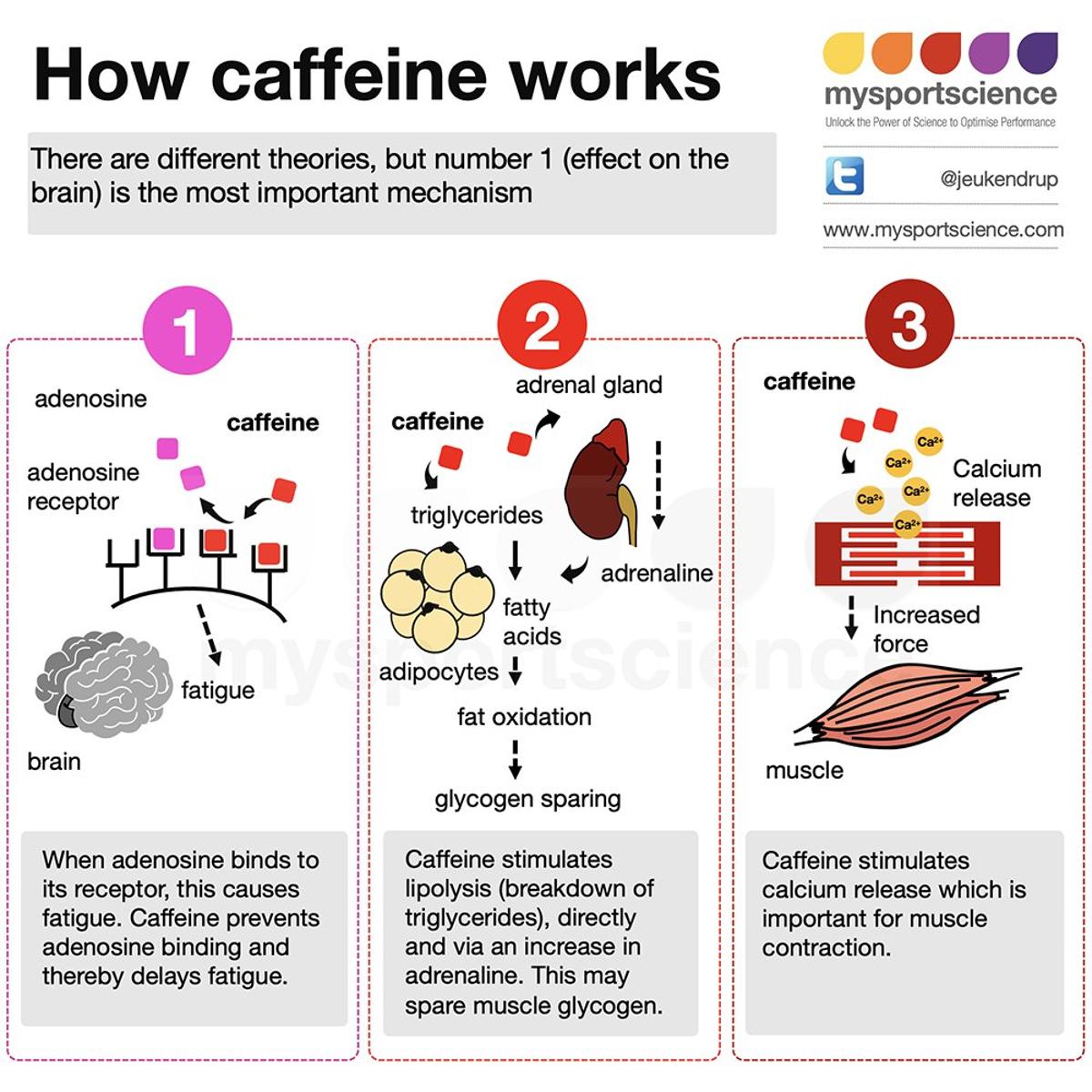
Caffeine Boosts Endurance Performance: How It Works
There is a substantial amount of evidence that caffeine has ergogenic effects, especially for endurance performance but how exactly does caffeine work? Read the full blog: https://t.co/4MicON03gV https://t.co/U5RpJzg2n2

Google Teams with Singapore’s AMILI to Launch $584 Gut‑Microbiome Nutrition App
Google and Singapore‑based microbiome firm AMILI announced the rollout of AMILI Optimise, a personalized nutrition app that blends gut‑microbiome analysis, continuous glucose monitoring and AI. The eight‑week program will cost SGD 750 (≈US $584), with a launch‑promotion price of SGD 400 (≈US $312).

Cooking Once a Week Could Protect Your Brain
A six‑year Japanese cohort study of 10,978 adults aged 65+ found that cooking meals from scratch at least once a week lowered dementia risk by roughly 25‑30%. The protective effect was dramatically stronger—about 65‑70%—among participants with limited cooking skills, suggesting...

Red Meat Consumption Linked to Lower Risk of Dementia
A long‑term Swedish cohort study of more than 2,100 adults over 15 years found that higher consumption of unprocessed red meat was associated with a slower rate of cognitive decline and roughly half the dementia risk among carriers of the...

What We’ve Been Told About Saturated Fat, Fish, and Omega-3s May Need a Rethink
Dr. Tom Brenna, a veteran of U.S. dietary‑guideline panels, argues that two entrenched nutrition messages—capping saturated fat at 10% of calories and warning pregnant women against fish—are built on shaky evidence. He highlights how early studies conflated saturated and trans...
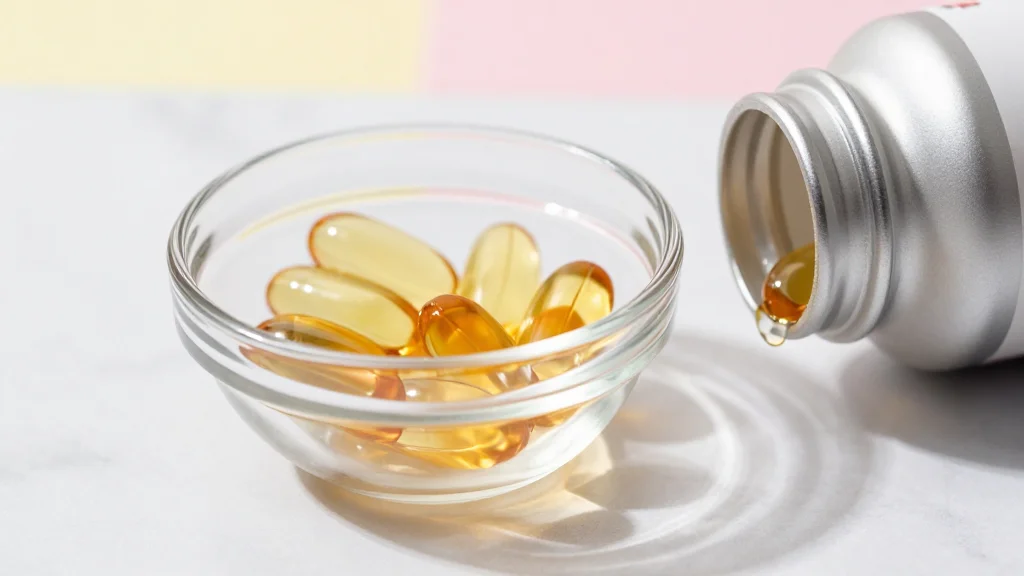
Three‑Month Omega‑3 Trial Cuts Stress and Boosts Sleep in Adults
In a double‑blind trial of 64 adults with high stress, daily omega‑3 capsules for three months produced statistically significant improvements in stress, anxiety, depression, sleep quality and everyday memory. The findings, published in the Journal of Affective Disorders, suggest a...

New Study Says I Was Wrong About NMN and NR?
A recent Norwegian crossover study reported that nicotinamide riboside (NR) raised blood NAD levels 2.3‑fold higher than nicotinamide mononucleotide (NMN) in six healthy adults. However, a larger 65‑participant Nature Metabolism trial found both NR and NMN roughly doubled NAD after...

Fuel Right, Perform Better: Nutrition Prevents Burnout
To perform your best, your body needs the right foods at the right times: ✔️ Carbs for energy ✔️ Lean protein for strength ✔️ Fluids for hydration ✔️Sufficient calories for energy, training and development This requires: ✅Planning meals & snacks in advance ✅Smart supplement strategy...
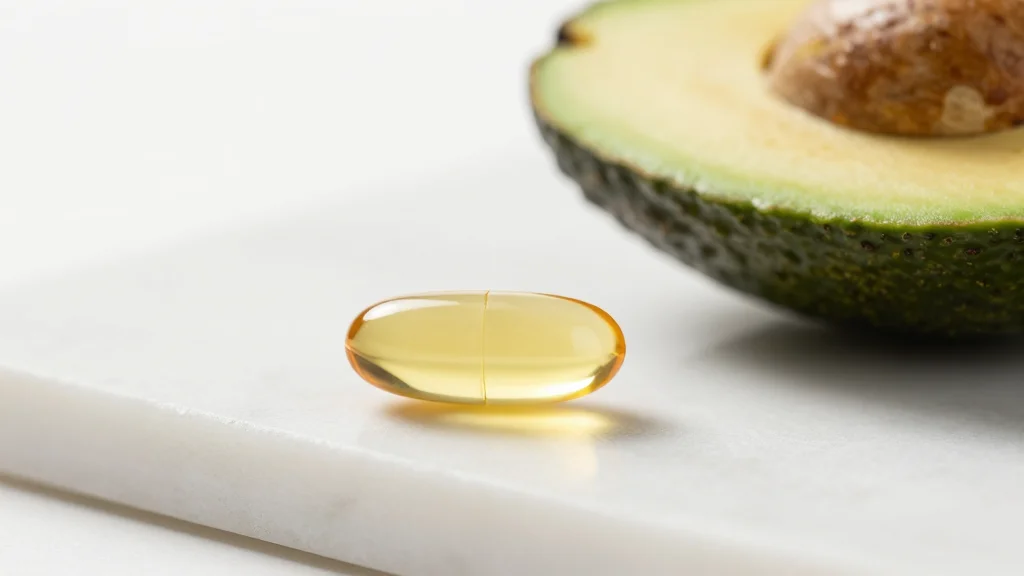
Coenzyme Q10 (CoQ10) U-Shaped Dose-Response Relation with Blood Glucose and Blood Pressure
A short‑term ubiquinol regimen of 200 mg per day for two weeks boosted strength and endurance while lowering perceived exertion in moderately trained adults. Muscle‑damage biomarkers also fell, indicating protective effects after strenuous exercise. Separate meta‑analyses suggest CoQ10 supplementation can cut...
:max_bytes(150000):strip_icc():format(jpeg)/GettyImages-846377244-bb1f6c85c6f4430c8b30859d7cf40f48.jpg)
The Real Difference Between Lemons and Limes—And Which One Packs More Nutrients
The article breaks down the nutritional nuances between lemons and limes, highlighting that lemons contain slightly more vitamin C, folate, potassium and vitamin B6, while limes offer higher citric acid, vitamin A and flavonoids. It links these differences to specific health benefits such...

10 Best Fiber Supplements for Gut Health in 2026
Americans are dramatically short on dietary fiber, with over 90% falling below the 25‑38 gram daily recommendation. A recent GQ roundup tested a variety of fiber supplements, highlighting Ancient + Brave True Biome as the best overall for its PHGG blend, BelliWelli gummies for...

How Probiotics Can Help Climbers Adjust to High Altitudes, According to Science
UC San Diego physiologist Tatum Simonson led a field study at the 12,470‑foot Barcroft Station to investigate how the gut microbiome reacts to high‑altitude hypoxia. Researchers observed classic altitude‑sickness symptoms—headaches, nausea, restless sleep—and linked them to stress on intestinal microbes....

The Best Trail Food for Sensitive Stomachs
Backpackers with IBS, Crohn’s, ulcerative colitis, or other GI sensitivities can keep their energy up by adopting a low‑residue, low‑fiber diet on the trail. Hiking diverts blood from the gut, adds dehydration and altitude stress, making high‑fat, high‑fiber foods harder...
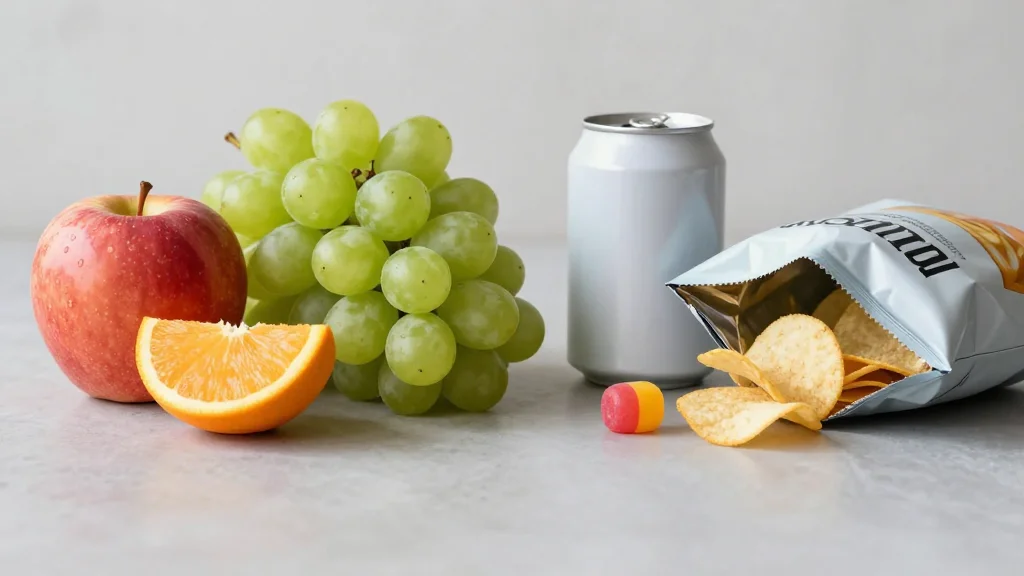
Meta‑analysis and NIH Trial Link Ultra‑processed Foods to 32 Diseases and 500 Extra Calories Daily
A BMJ meta‑analysis tying ultra‑processed food (UPF) consumption to 32 health conditions and a NIH‑run randomized trial documenting a 508‑calorie daily surplus on a UPF diet together highlight the public‑health threat of processed foods and the lack of FDA labeling...

Vitamin C Re-Evaluated: A Direct Inhibitor of the 'Ferro-Aging' Clock
A 2026 Cell Metabolism study gave aged cynomolgus monkeys 30 mg kg⁻¹ vitamin C daily via drinking water for 40 months, showing direct inhibition of the ACSL4‑driven ferro‑aging clock. Pharmacokinetic data reveal vitamin C’s plasma half‑life ranges from 30 minutes to two hours at high doses,...

Why Eating the Same Foods Every Day Might Be the Key to Fat Loss Success
A 12‑week American Psychological Association study of 112 overweight adults found that eating the same meals and keeping daily calories stable leads to greater fat loss than a varied diet. Participants who repeated a limited set of foods lost an...

Taurine and Heat Stress: The Missing Piece in Thermoregulation?
A 2026 Nutrients review examined taurine supplementation as an adjunct for human thermoregulation. Analyzing 28 human intervention studies, the authors found taurine can modestly reduce core temperature (≈0.3‑0.4 °C) by boosting sweat‑mediated heat loss. The amino acid also acts as an...
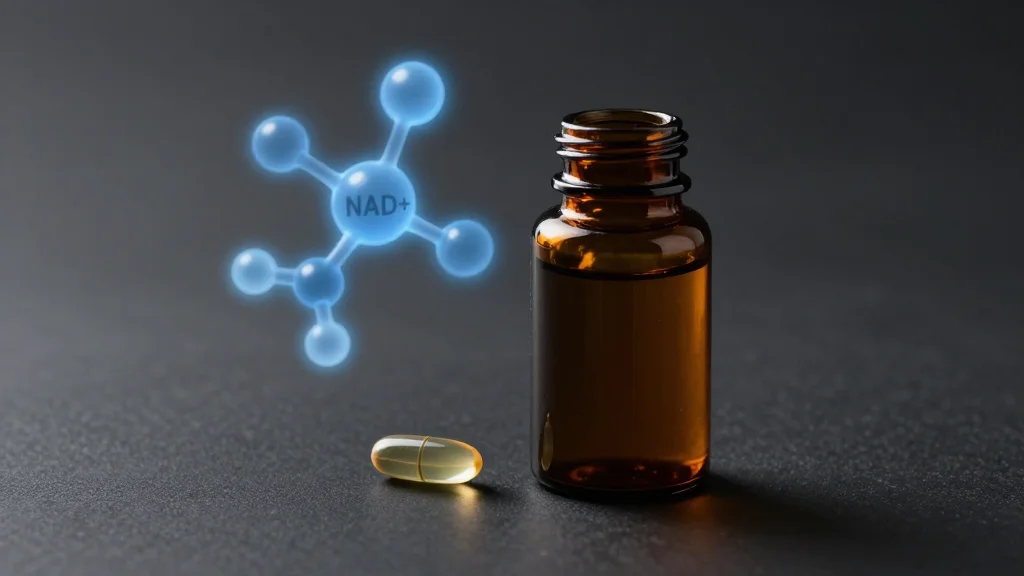
New Study Says I Was Wrong About NMN and NR?
Recent human trials show that nicotinamide riboside (NR) and nicotinamide mononucleotide (NMN) raise blood NAD levels similarly, contradicting a small crossover study that claimed NR was superior. Both compounds appear to be metabolized largely by gut microbes into nicotinic acid...
New Study Says I Was Wrong About NMN and NR?
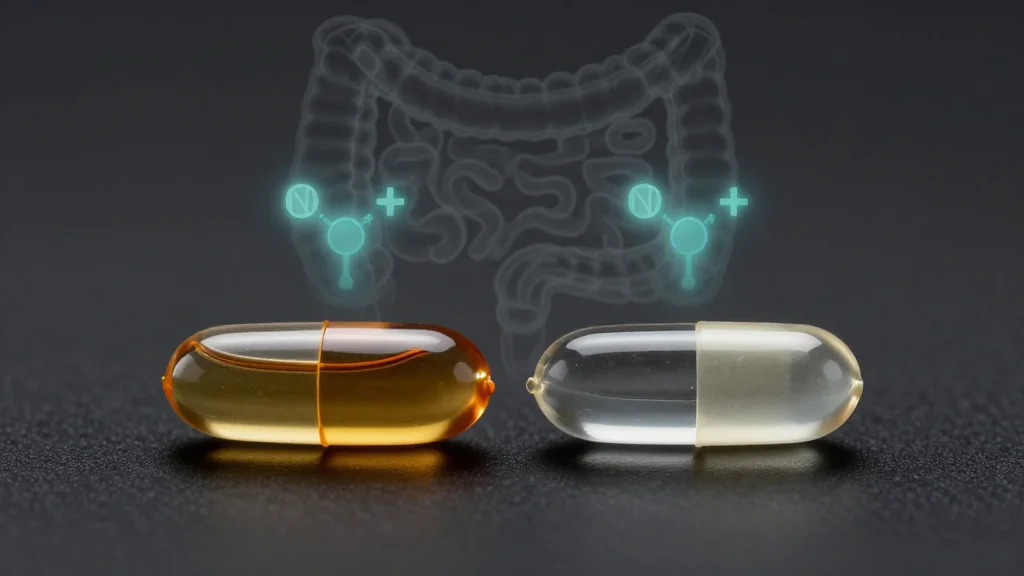
The debate between nicotinamide riboside (NR) and nicotinamide mononucleotide (NMN) is losing relevance after recent trials. A crossover study of six adults showed NR raised blood NAD 2.3‑fold more than NMN, but a larger 65‑participant Nature Metabolism trial found both...

‘Industry Must Rethink Creatine Messaging for Women’: Dr. Sue Kleiner
Dr. Sue Kleiner warns the supplement industry of a missed opportunity by continuing to market creatine as a male‑centric performance aid. She argues that messaging should pivot to metabolic health, daily functional strength, and fertility benefits that resonate with women at...
Low-Dose Ashwagandha Effective for Exercise Endurance and Overall Performance: RCT
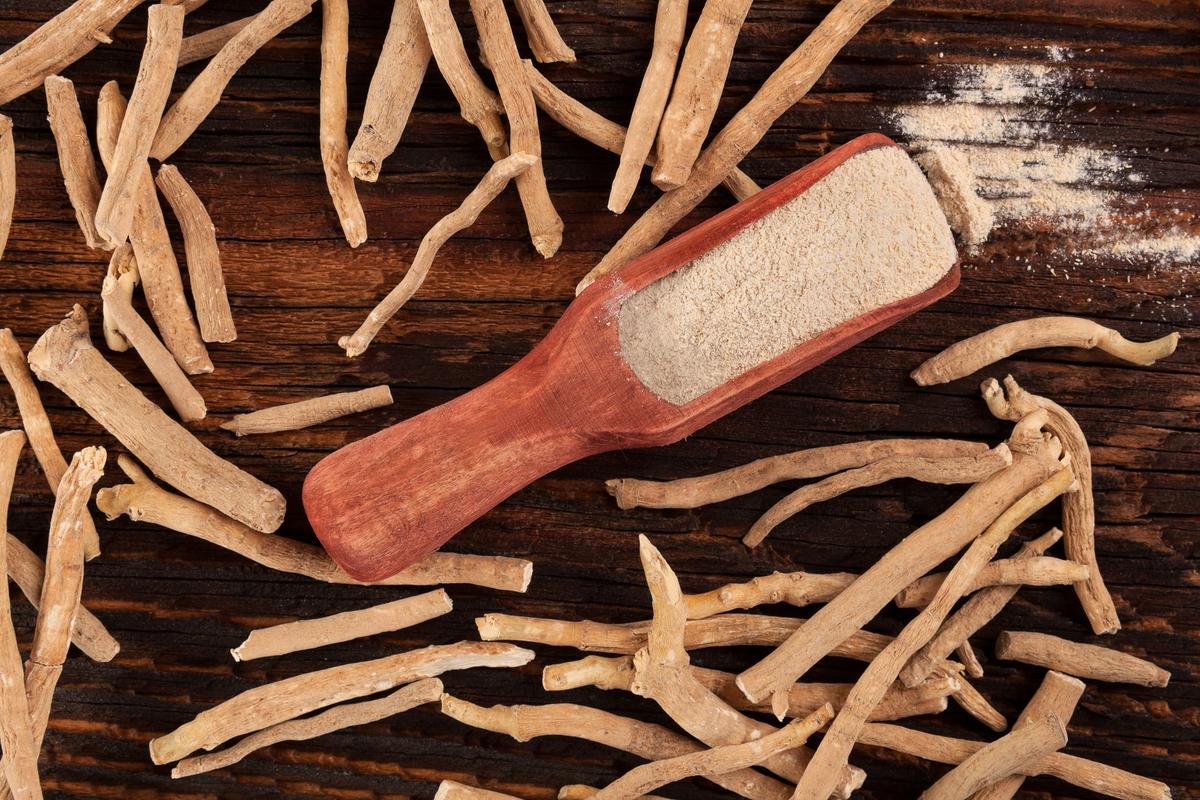
A double‑blind, eight‑week trial found that a low‑dose 30 mg Ashwa.30 supplement boosted VO₂ max by 10.1% and raised maximal heart rate in healthy adults, while significantly lowering lactic acid and creatine phosphokinase levels. Participants also reported reduced perceived exertion and fatigue,...
American Heart Association Issues a Different Take on Dietary Guidance
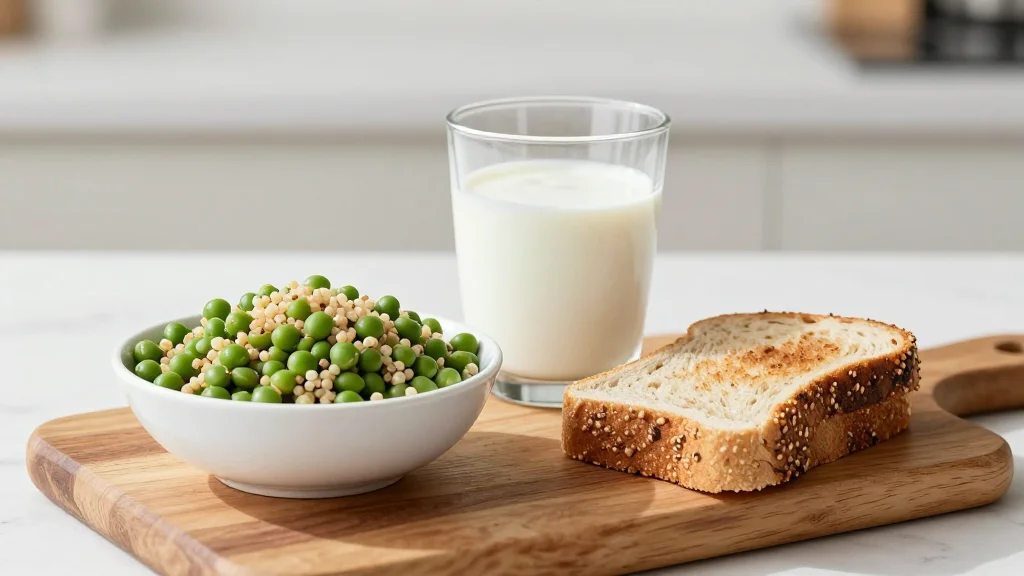
The American Heart Association released its 2026 Dietary Guidance, urging Americans to replace most meat with plant‑based proteins, choose low‑fat dairy, and prioritize whole grains while limiting red meat, full‑fat dairy, animal fats, and refined grains. The guidance also recommends...
Can Creatine Supplements Help You Ride Faster?
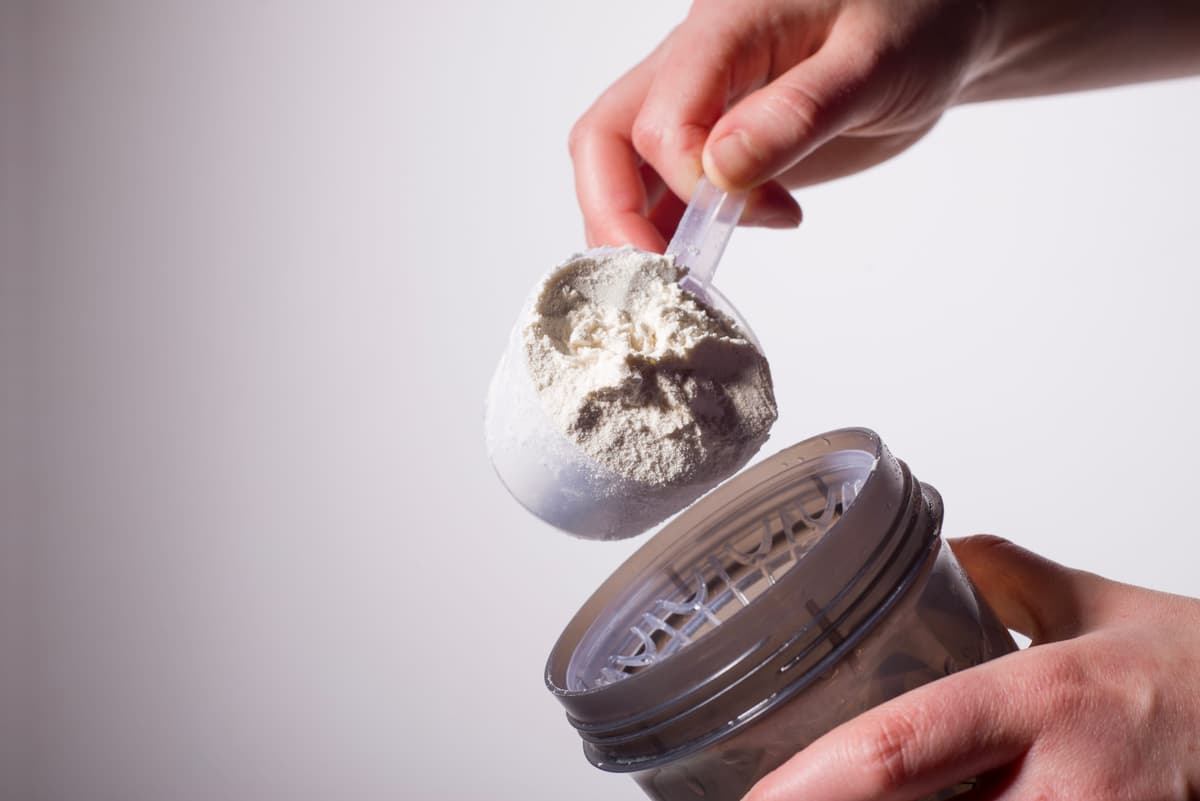
Creatine monohydrate, a well‑studied supplement, can increase phosphocreatine stores in muscle, enabling faster regeneration of ATP during brief, high‑intensity efforts. Research involving cyclists and other anaerobic athletes shows measurable gains in sprint power, hill‑climb bursts, and final‑lap accelerations, especially when...

Danone Bets on Nutrient Quality, Not Quantity, as Consumers Look to Food for Health
Danone is redefining better‑for‑you food by emphasizing nutrient quality, digestibility and gut health rather than simply boosting macronutrient grams. The company is positioning itself as an educator, helping shoppers navigate complex nutrition claims while delivering formats and textures that fit...
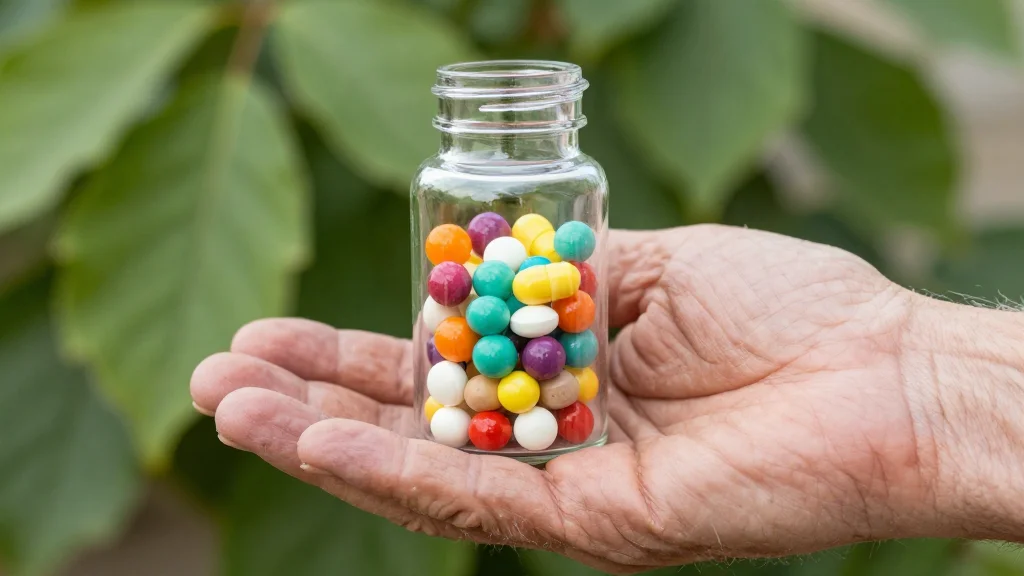
Daily Multivitamin Cuts Biological Aging by Four Months, Study Finds
Researchers from Mass General Brigham reported that taking a daily multivitamin slowed biological aging by roughly four months in adults aged 60 and older. The finding, published in Nature Medicine, could reshape how clinicians and consumers view over‑the‑counter supplements.
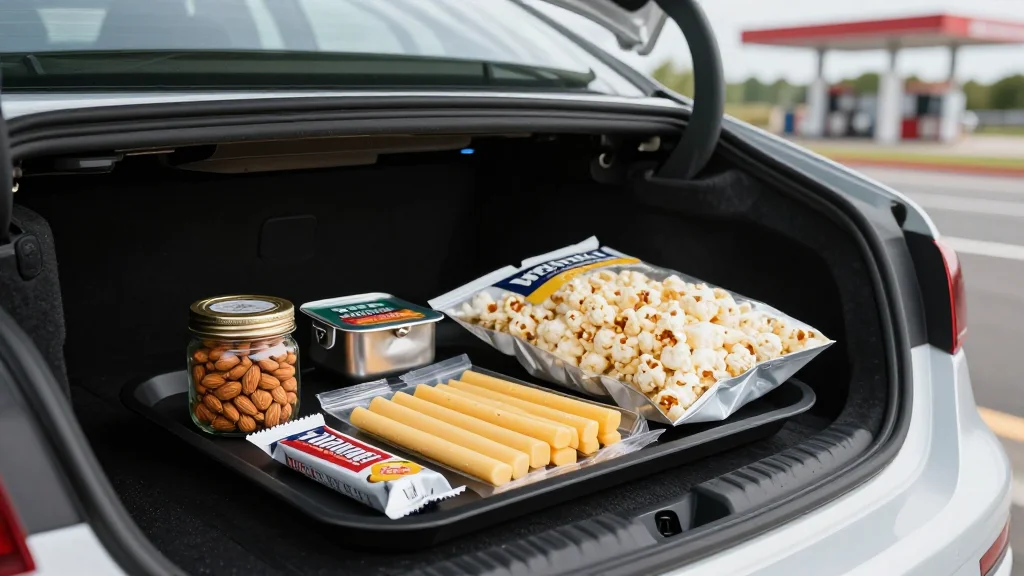
Gas Station Gourmet: 5 Healthy Snacks for Your Next Road Trip
MyFitnessPal’s dietitians highlight five gas‑station snacks that meet protein, fiber and healthy‑fat standards for road‑trip nutrition. Options include lightly salted almonds, Starkist Lunch‑to‑Go tuna pouches, mozzarella string cheese sticks, SmartFood white‑cheddar popcorn, and RX Peanut Butter Chocolate protein bars. Each...
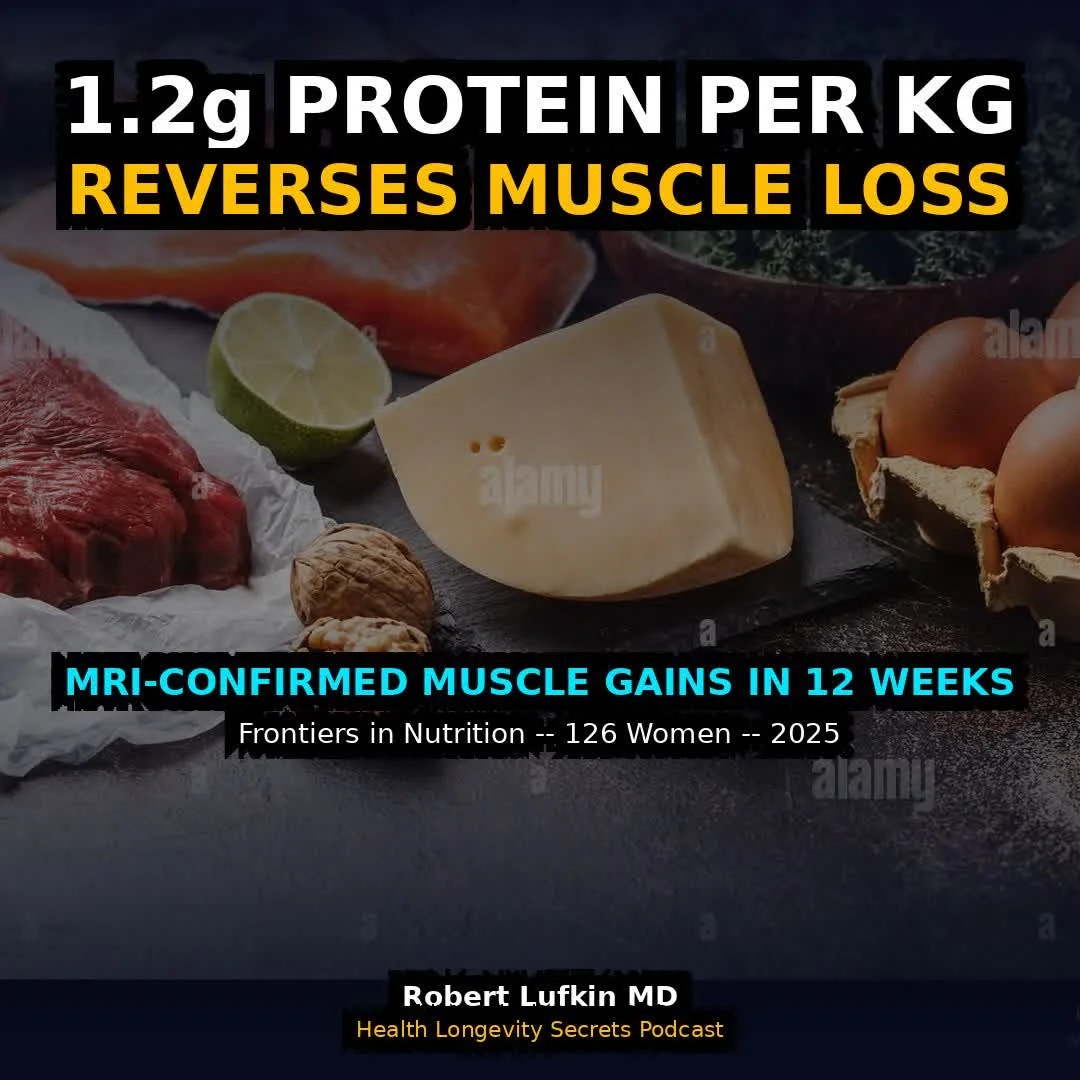
Higher Protein Intake Reverses Sarcopenia in Elderly Women
As a medical school professor, the protein recommendation I was taught -- 0.8 g/kg body weight -- is actively harming older adults. New data proves it. A 2025 Frontiers in Nutrition trial randomized 126 elderly women with sarcopenia into two groups...

Only Wild‑Caught, Properly Stored Frozen Salmon Is Safe
Frozen salmon can be okay for you, but you have to make sure it is wild caught and properly stored, or your body will pay the price. https://t.co/kZ7H32mEb2
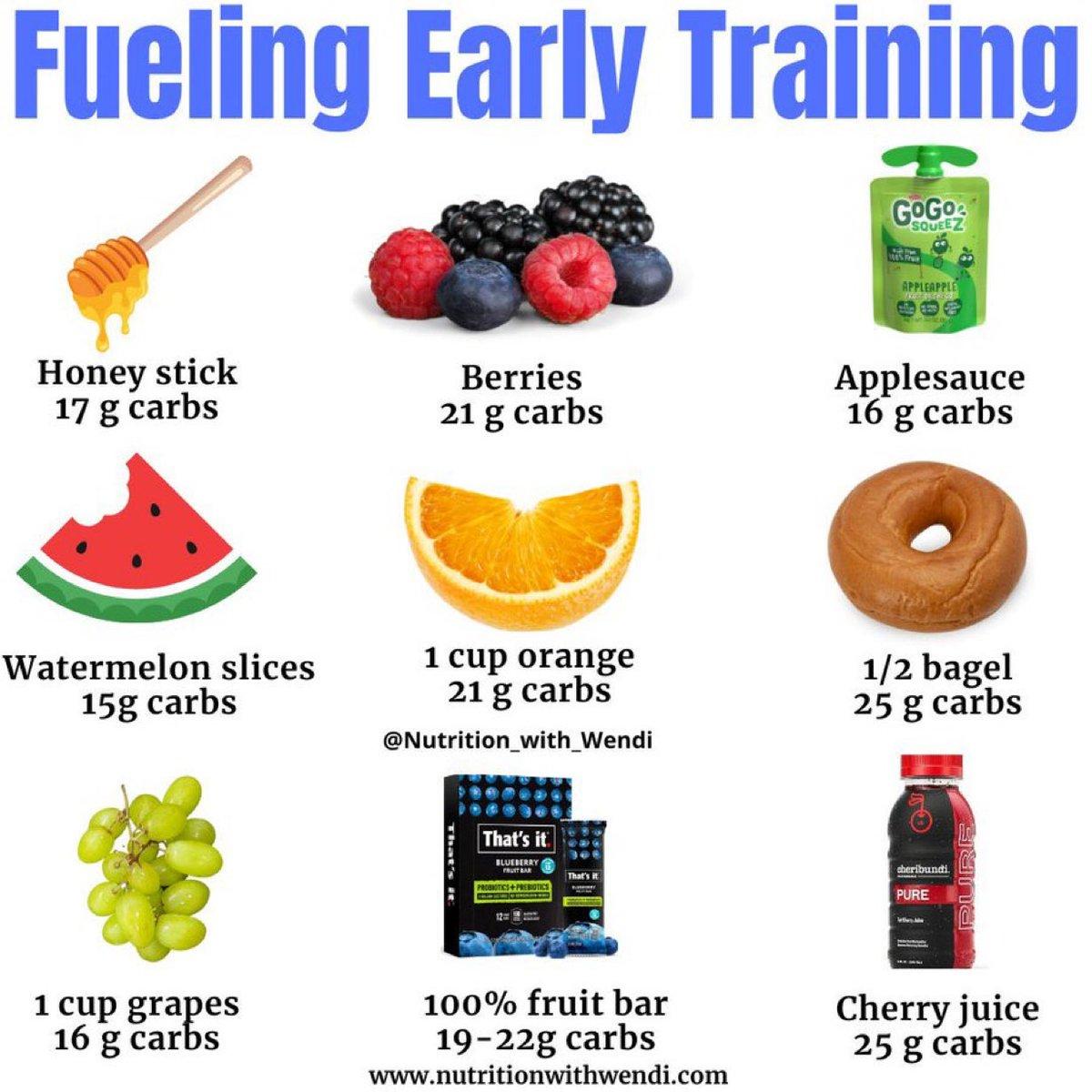
Pre‑Workout Carbs Boost Performance and Preserve Muscle
Research supports a performance benefit from carbohydrate intake 60-90 min before🏋️♀️. Before, during & post-training🍌CHO intake can: ⬇️Muscle breakdown 📉Decrease exercise-induced cortisol ⛽️Promote muscle glycogen synthesis All of which support desired training adaptations💪 https://t.co/eTMMB1R0IO

Coconut Water Matches Sports Drinks for Rehydration
This just in: coconut water (despite having lower sodium) is just as good as common branded “sports electrolyte drinks” for rehydration: https://t.co/amq8BEvGp0 https://t.co/rPXZZeyq9Y