Leptin/Adiponectin Ratio as a New Multidimensional Biomarker in Obese Patients with Liver Steatosis Undergoing VLEKT: Results From a Pilot Study
The pilot study of 37 obese adults undergoing an eight‑week Very‑Low Energy Ketogenic Therapy (VLEKT) showed significant reductions in body weight, BMI, fat mass, fasting glucose, insulin, HOMA, triglycerides, LDL‑C, hepatic steatosis (CAP) and liver stiffness. Both the leptin‑to‑adiponectin ratio (LAR) and HOMA decreased markedly, but LAR exhibited broader associations with fat‑free mass, renal function, calcium homeostasis and inflammatory adipokines, whereas HOMA primarily tracked insulin sensitivity and lipid improvements. Correlation analyses revealed baseline LAR predicted lower lean mass and higher creatinine, while reductions in LAR aligned with improvements in hepatic fat and renal markers; HOMA changes mirrored BMI and lipid profile gains. The authors propose using LAR alongside HOMA for personalized monitoring of metabolic response to VLEKT.
Docosahexaenoic Acid Intake and Health in Adults and Older Adults: A Narrative Review of Disparities by Country Income Level
A new narrative review synthesizes 52 studies on docosahexaenoic acid (DHA) intake and health outcomes across countries of differing income levels. The evidence, dominated by high‑income country research, links higher DHA status to modest reductions in ischemic stroke risk, favorable...

Bioactive Supplements May Modulate Gut Microbiota in Obesity: Study
Researchers in Korea tested alpha‑lipoic acid, betaine, and L‑carnitine supplementation in high‑fat‑fed mice. All three compounds altered gut microbiota composition, with L‑carnitine producing the strongest reduction in the Firmicutes/Bacteroidetes ratio. These microbial shifts were linked to lower leptin levels and...
These Kitchen Mistakes May Lower The Nutritional Value Of Your Food
The article outlines four everyday kitchen habits that can silently strip nutrients from meals: cutting cruciferous vegetables without a resting period, letting cooked vegetables linger too long, using pre‑ground coffee or pods, and exposing oils to light and air. It...
![[Comment] Should We Keep Pushing a High Fluid Intake in Kidney Stones?](https://hixhlmpcokxhartfkpyi.supabase.co/storage/v1/object/public/images/thumbnails/71728300caabf9cdd7e72489bb93c7ec.webp)
[Comment] Should We Keep Pushing a High Fluid Intake in Kidney Stones?
High fluid intake remains the cornerstone for preventing kidney stones, yet patient adherence is consistently low. Systematic reviews and a recent 2026 randomized trial confirm that adequate hydration reduces stone recurrence, but practical, behavioral, and environmental barriers limit real‑world effectiveness....

Extra Virgin Olive Oil May Help Better Preserve Cognitive Function than Refined
A two‑year analysis of 656 overweight adults aged 55‑75 in the PREDIMED‑Plus trial found that participants who regularly consumed virgin olive oil exhibited better preservation of cognitive function and greater gut‑microbiome diversity than those who used refined olive oil. The...

Science Shorts: Creatine Reference Intakes, Coffee Pulp Extract and Beetroot
The roundup presents new nutrition research ranging from a proposed dietary reference intake (AI) for creatine in adults to functional‑food studies showing coffee pulp extract lowers cholesterol and weight, beetroot juice improves post‑sprint agility in soccer players, KSM‑66 ashwagandha gummies...

This Is The Best Diet For Stronger Bones During Weight Loss, Per Research
New research published in JAMA Network Open shows that overweight older women who combine a Mediterranean‑style diet with a 30 % calorie cut and regular resistance‑focused exercise maintain higher bone density than those on diet alone. The year‑long trial of 924...

Cottage Cheese Is Having a Moment, and Runners Should Join the Party
Cottage cheese is enjoying a resurgence among runners because a single cup delivers roughly 25 grams of high‑quality protein, making it an inexpensive post‑workout fuel. Sports dietitians recommend this protein level for muscle repair and glycogen replenishment. The article highlights texture‑friendly...
Kick Your Tiredness with These 7 Natural Energy Boosters
Dr. Amy Shah, author of *I’m So Effing Tired*, outlines seven natural strategies to combat chronic fatigue, focusing on gut‑friendly nutrition, circadian alignment, and emotional recharge. She recommends high‑fiber, nutrient‑dense foods, eliminating sugary or caffeinated drinks, and choosing lean, plant‑based...

Memory Loss: This Supplement May Slow Brain Shrinkage By 50%
High-dose B‑vitamin supplementation (folic acid, B6, B12) was found to halve brain shrinkage in seniors with mild cognitive impairment over a two‑year trial. The 168 participants aged over 70 who received the vitamins showed 50 % less atrophy and modest gains...
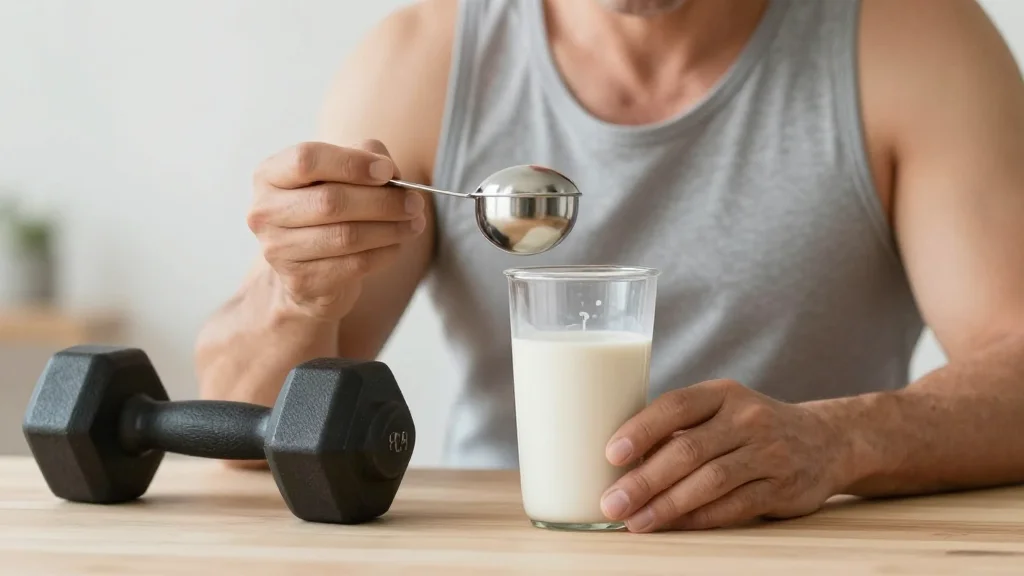
Protein Vs. Strength Training: What’s Better For Building Muscle In Midlife?
A meta‑analysis of 38 randomized trials involving 2,600 adults over 50 found that protein supplementation combined with strength training produced the greatest gains in lean mass, muscle strength, and functional performance. Strength training alone outperformed protein alone, confirming that resistance...

Will Caffeine Enhance Your Workout? Researchers Say Its Genetic
A recent double‑blind trial of 94 resistance‑trained adults found that caffeine’s strength‑boosting effect hinges on the CYP1A2 gene. Fast metabolizers (AA genotype) experienced 4‑12% higher propulsive velocity, while slow metabolizers (CC genotype) saw only marginal gains. The study administered 3 mg...

Impact of Enteral Feeding Strategies on Nosocomial Clostridioides Difficile Infection-Induced Diarrhea
A retrospective study of 78 Saudi hospital patients with Clostridioides difficile infection (CDI) found that continuous enteral feeding markedly lowered diarrhea severity compared with intermittent feeding (OR = 7.91, p < 0.001). Continuous feeding also stabilized serum sodium and reduced biochemical instability, while intermittent...

Fermented Milk Protein Consumption Improves Exercise Performance and Total Body Mass in Prepubertal Children: A Randomized Double-Blind, Placebo-Controlled Pilot Trial
A randomized, double‑blind pilot trial examined 8‑week consumption of a fermented milk protein beverage versus an equivalent non‑fermented milk protein drink and a protein‑free placebo in 44 prepubertal boys who play soccer. Both fermented and non‑fermented milk protein groups showed...
Uncovering Non-Linear Dietary Predictors of Cardiovascular Disease Risk in Older Adults with Periodontitis: A Cross-Sectional Analysis
A cross‑sectional analysis of NHANES and MPED data used interpretable machine‑learning to predict cardiovascular disease risk in older adults with periodontitis. XGBoost delivered the highest performance (AUC‑ROC 0.85‑0.89) and SHAP identified several non‑linear dietary predictors. Contrary to conventional guidance, higher...

Ultraprocessed Food Again Linked to Higher CVD Risk: MESA
A new analysis of the Multi‑Ethnic Study of Atherosclerosis (MESA) links each additional daily serving of ultra‑processed food to a 5.1% rise in incident cardiovascular disease (CVD). Participants in the highest consumption quintile faced a 66% higher CVD risk compared...

Study Shows 3-Hour Night Fast Improves Heart Health, Blood Pressure, and Blood Sugar
A Northwestern University study involving 39 overweight adults found that abstaining from food for at least three hours before bedtime improves cardiometabolic markers without altering calorie intake. Over a seven‑and‑a‑half‑week trial, participants who kept a 3‑hour night fast showed lower...
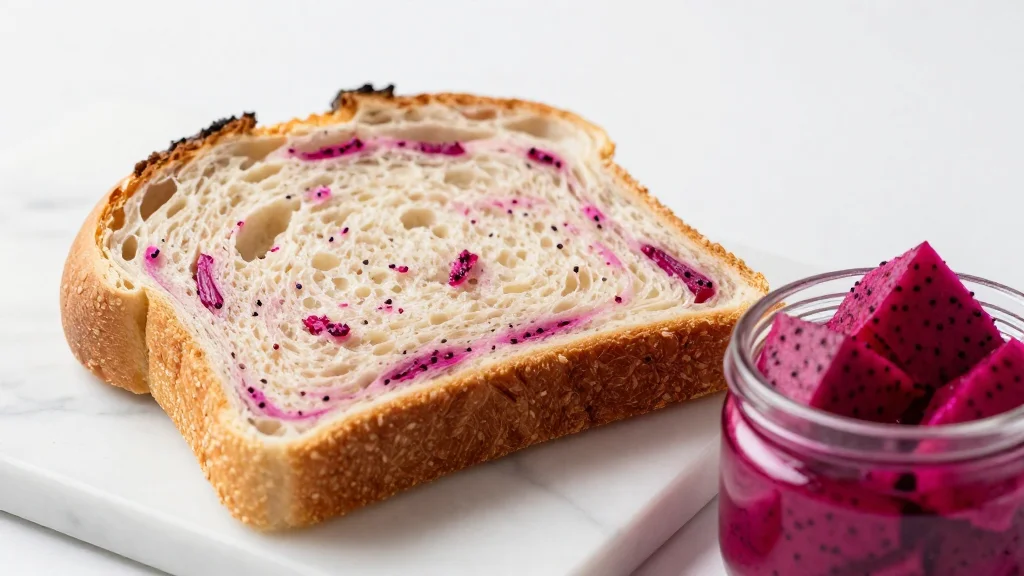
Scientists Show Dragon Fruit Peel Extract Boosts Bread Nutrition and Lowers Glycemic Potential
Researchers at the National University of Singapore have demonstrated that a purified betacyanin‑rich extract from red dragon fruit peel can be incorporated into wheat bread at a 0.75% level, enhancing antioxidant activity and slowing starch digestion. The fortified loaf maintains...

Beetroot Juice May Improve Post-Sprint Agility in Soccer Players
A Japanese crossover study found that a single 70 mL dose of concentrated beetroot juice containing 400 mg of nitrates improved post‑sprint agility in male soccer players. Participants performed three sets of six 20‑meter all‑out sprints and then completed sensor‑based agility tests,...

The 48-Hour Oatmeal Diet That Could Improve Heart Health by 10%
A two‑day oatmeal‑only diet cut LDL cholesterol by 10% in a German clinical trial. The 48‑hour regimen, providing 300 g of oats three times daily, also produced an average two‑kilogram weight loss and slight blood‑pressure reductions. Remarkably, these improvements remained evident...

Biomarker Assessments Reveal Global Vitamin B2 Deficiencies in Women and Children
A multi‑country study of 3,567 participants found riboflavin (vitamin B2) deficiency to be widespread, especially among women and children. Using the erythrocyte glutathione reductase activation coefficient (EGRac) assay, researchers documented deficiency rates of 45%‑90% in high‑ and low‑income nations. In Ireland...

Should You Work Out Less When Cutting?
Cutting requires a calorie deficit, which can impair recovery and performance. However, most lifters—especially those with less than a year of experience—should not automatically reduce workout intensity or volume. Instead, they should focus on proper deloads, sufficient sleep, and eating...
This Diet Pattern Is Linked To Weaker Bones, Based On 12 Years Of Data
A new British Journal of Nutrition study links high consumption of ultra‑processed foods to weaker bones. Analyzing 163,855 UK Biobank participants over an average 12‑year follow‑up, researchers found that higher intake corresponded with lower bone mineral density at the hip,...

Confused by the New Dietary Guidelines? Focus On These Simple, Evidence-Based Shifts to Lower Your Chronic Disease Risk
The 2026 Dietary Guidelines for Americans were released in a concise nine‑page format, shifting focus from nutrient targets to overall diet quality. Researchers, including USC professor Michael Goran, highlight that the strongest evidence supports cutting highly processed foods and sugary...

8 High-Protein Breakfasts You Can Make While You’re Still Half Asleep
A growing body of nutrition research emphasizes that a protein‑rich breakfast is essential for blood‑sugar stability, satiety, and muscle recovery. Dietitians recommend targeting roughly 30 % of daily protein—about 27 g—for a 150‑pound adult, which can be achieved with eight quick meals...
:max_bytes(150000):strip_icc():format(jpeg)/heart-healthy-vegetables-GettyImages-1611366542-becff83e29cb43449d5692ed22b15635.jpg)
The One Vegetable a Cardiologist Recommends for a Healthier Heart
Cardiologist Dr. Dariush Mozaffarian highlights avocado as the top vegetable‑like food for heart health. Rich in monounsaturated fats, soluble fiber, potassium and antioxidants, avocado helps lower LDL cholesterol, reduce blood pressure, and curb inflammation. The nutrient profile supports healthier blood‑lipid...
:max_bytes(150000):strip_icc():format(jpeg)/sour-dough-vs-whole-wheat-bread-GettyImages-873239220-91394cce82204cc1a091ed4782be2fa7.jpg)
Is Sourdough Bread Better for You Than Whole Wheat? We Asked Dietitians
Dietitians compare sourdough and whole wheat breads, highlighting distinct nutritional profiles. Sourdough’s natural fermentation reduces gluten and phytic acid, offering lower glycemic response and easier digestion, while whole wheat delivers higher fiber, magnesium, and potassium for satiety and heart health....

Millions of Kids Take Melatonin but Doctors Are Raising Red Flags
Melatonin has become a ubiquitous over‑the‑counter sleep aid for children, driven by parental demand for quick, natural‑appearing solutions. A recent Boston Children’s Hospital review confirms strong short‑term efficacy for kids with autism or ADHD, but finds scant long‑term safety data...
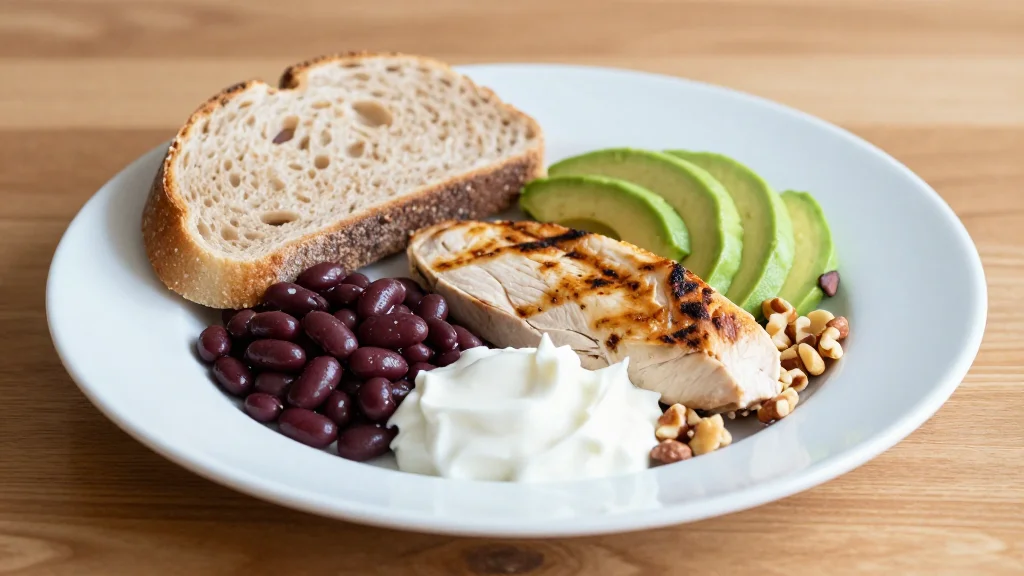
18 Things To Add To Your Lunch To Make It Way More Filling & Satisfying
The article outlines how to build a more filling lunch by incorporating all three macronutrients—carbohydrates, proteins, and fats. It explains the role of fiber‑rich carbs, lean proteins, and healthy fats in extending satiety and stabilizing energy. Nutrition expert Gisela Bouvier...
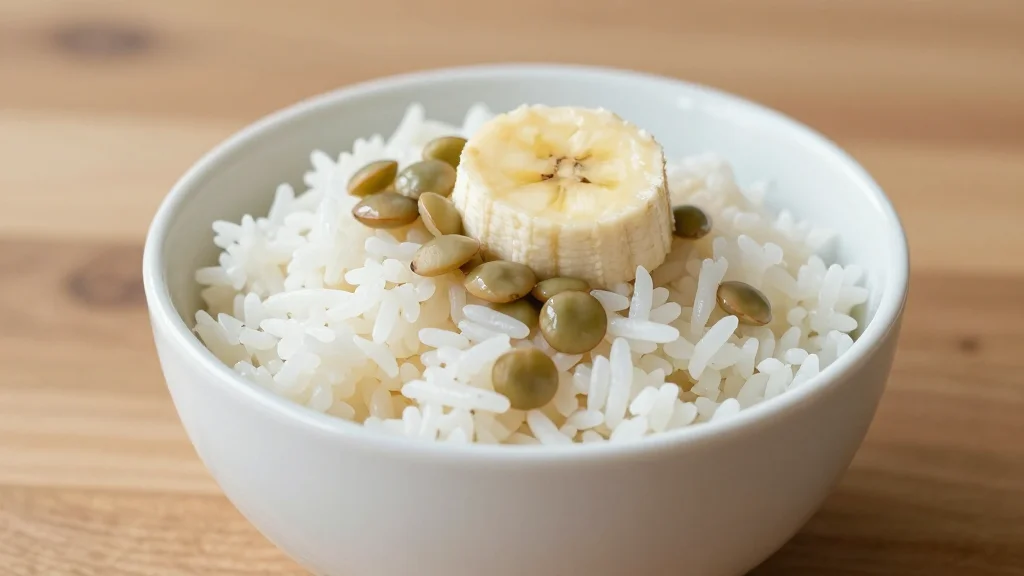
This Gut-Friendly Carb Might Help Prevent Blood Sugar Spikes (Not Fiber)
Resistant starches are a type of carbohydrate that escape digestion in the small intestine and act as prebiotic fibers in the colon. Research links them to improved insulin sensitivity, a “second‑meal” blood‑sugar stabilizing effect, and healthier colon tissue through short‑chain...

Case Report: Optimizing Wound Care: Tailored Nutritional Strategies with Immune- Modulating Enteral Nutrients
A dietitian‑led case series of four critically ill patients with advanced pressure ulcers implemented personalized enteral nutrition, targeting progressive energy and protein goals, glycemic control, and selective immunonutrient supplementation (arginine, glutamine, HMB). Over several weeks to months, each patient showed...

The Milpa Diet: A Functional, Sustainable Pattern for Human and Planetary Health
The Milpa diet revives a Mesoamerican polyculture of maize, beans, squash and chili, combined with traditional processing like nixtamalization, to create a nutrient‑dense, bioactive‑rich food system. Agroecologically, the intercropping maximizes land equivalent ratio, cuts water use and curtails deforestation, while...

Gut Microbiota Mediates the Anti-Obesity Effects of Gnaphalium Affine Methanol Extract in HFD-Induced Obesity
A methanol extract of the traditional plant *Gnaphalium affine* (GAE) markedly reduced weight gain, visceral fat, and metabolic dysfunction in high‑fat diet mice. The treatment restored antioxidant defenses, improved glucose tolerance, and reinforced intestinal tight‑junction proteins. Multi‑omics revealed GAE reshaped...
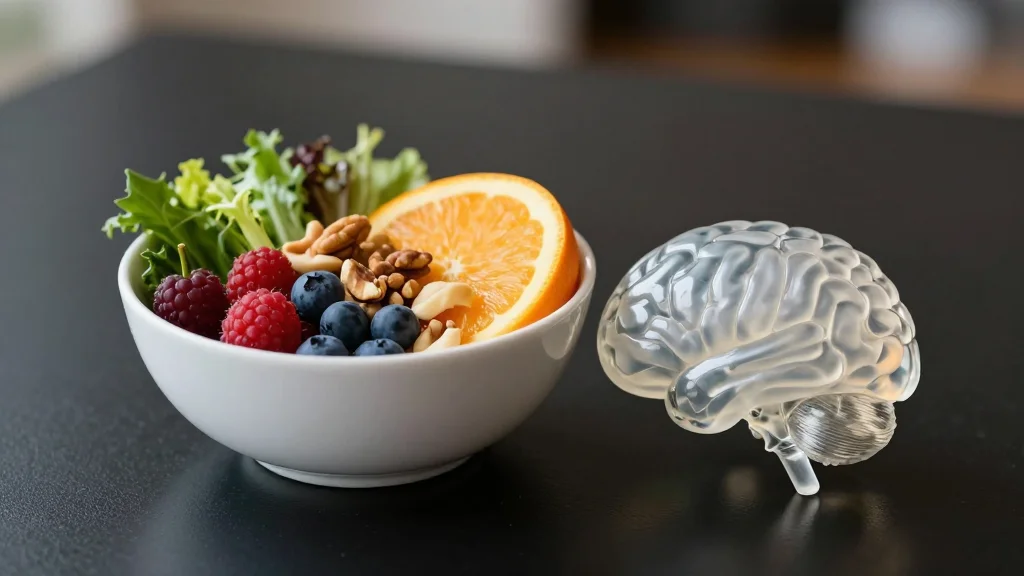
One-Month Early Time-Restricted Eating Enhances Cognition via White Matter–Cortical Pathways in Males with Metabolic Syndrome: Evidence From TBSS and SBM...
A one‑month early time‑restricted eating (eTRE) regimen in 21 male patients with metabolic syndrome led to significant reductions in weight, BMI, fasting glucose, insulin and HOMA‑IR. Neuroimaging revealed increased fractional anisotropy in the left anterior thalamic radiation and cortical thinning...

Should You Eat Before or After a Workout?
Sports dietitian Kate Patton explains that both pre‑ and post‑workout nutrition are crucial for optimal performance and recovery. A balanced meal rich in carbohydrates and moderate protein 3‑4 hours before exercise fuels the session, while a quick carb‑protein snack 30‑60...
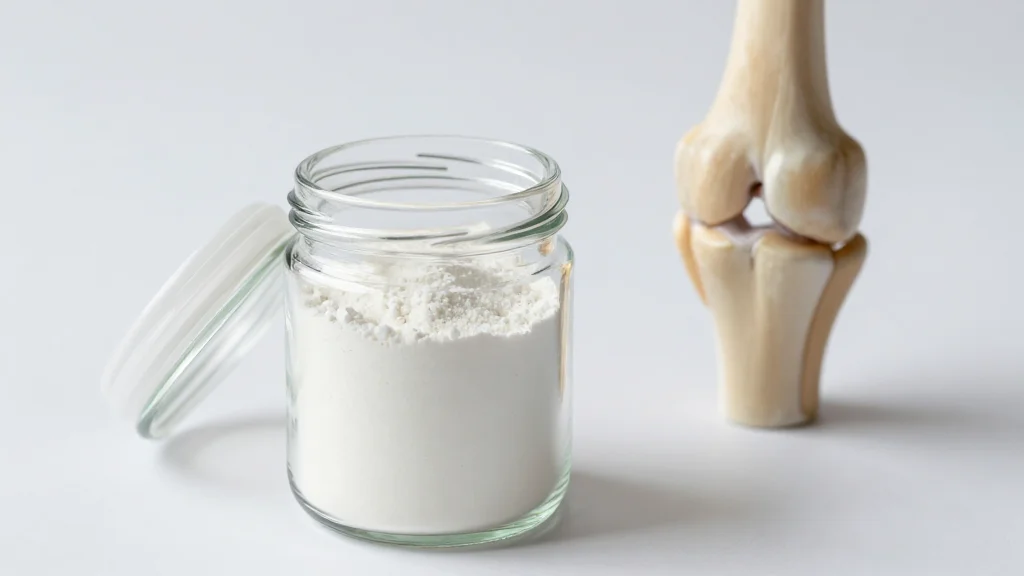
Gut Health Supplement Relieves Arthritis Pain, Finds New Study
A new randomized trial (INSPIRE) led by the University of Nottingham found that daily supplementation with the prebiotic fiber inulin significantly reduced knee osteoarthritis pain and improved grip strength. Participants receiving inulin also showed higher levels of butyrate and GLP‑1,...

Should I Take Vitamin C to Ward Off Colds, Lower Blood Pressure or Reduce Cancer Risk?
Vitamin C is essential for collagen synthesis, antioxidant protection and iron absorption, but its health‑boosting claims are frequently overstated. Systematic reviews show that daily supplementation of 200 mg or more does not lower the incidence of the common cold, and only...

Can High-Dose Vitamin D Prevent Long-COVID Cognitive Decline?
Researchers in the VIVID trial, one of the largest randomized studies on vitamin D and COVID‑19, found that a high‑dose vitamin D3 regimen (3,200 IU/day after a loading dose) did not lower acute disease severity, hospitalizations, or death. However, among participants...

A Cycling Fueling Guide for Rides of Every Length
Cyclists often over‑consume carbs, leading to gastrointestinal distress and reduced performance. The American College of Sports Medicine advises 30‑60 g of carbohydrate per hour, matching the intestine’s absorption ceiling of about one gram per minute. Mixing glucose with fructose or maltodextrin...
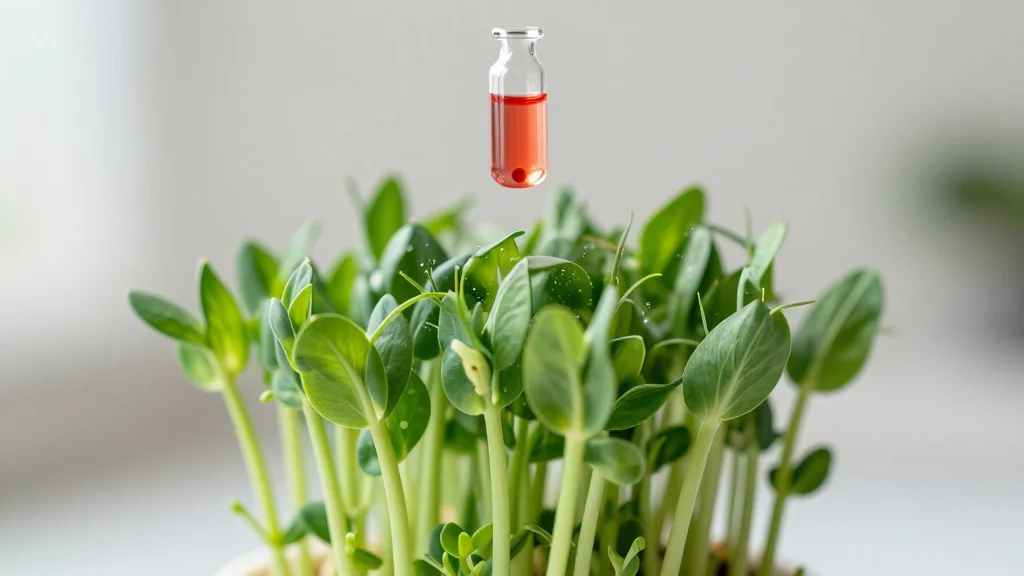
Fortified Salad Packs a Healthy Punch to Meet a Growing Vitamin B12 Need
A research‑industry partnership has used aeroponic indoor farming to fortify pea shoots with vitamin B12, delivering the full recommended daily allowance in a 15‑gram serving. The fortified shoots maintain B12 stability during cold storage and are bioavailable in simulated digestion tests....

Why Fasting Backfires For Some Women (And How To Do It Right)
Intermittent fasting is popular, but Dr. Jaime Seeman warns it isn’t a universal solution for women. She urges a goal‑driven, flexible approach that prioritizes protein, adequate calories, and nutrient‑dense foods during the eating window. Overly long fasts can leave active...

Low Vitamin D? Try These Tips
Vitamin D deficiency affects up to 35% of American adults, especially women over 50, seniors, and those with darker skin or limited sun exposure. Dr. Matthew McCoskey explains that low levels cause fatigue, bone pain, muscle weakness, mood changes, and...

11 Low-Calorie Snacks That Will Satiate You In Between Meals, Recommended By A Dietitian
A registered dietitian outlines eleven low‑calorie snacks that combine protein, fiber, and micronutrients while staying under 200 calories per serving. Each recipe balances macronutrients—ranging from a tuna‑Greek‑yogurt cucumber bite with 23 g protein to a frozen‑yogurt grape treat under 100 calories....
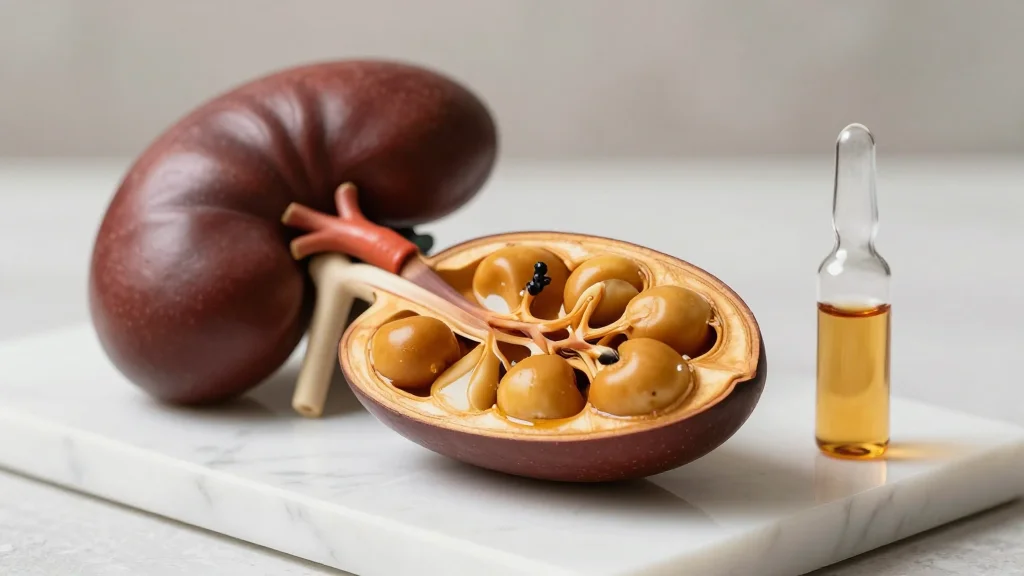
Effect of Doum (Hyphaene Thebaica) Mesocarp and Endosperm Extracts on Triton X-100 Induced Hyperlipidemic Rat: Mitigative Cardiovascular and Renal Dysfunction...
Researchers evaluated aqueous extracts of Doum palm mesocarp (DM) and endosperm (DE) in Triton X‑100‑induced hyperlipidemic rats. High‑dose DM (1,000 mg/kg) markedly lowered triglycerides, total cholesterol, LDL‑C and improved cardiovascular risk indices and renal function, while low‑dose DE (500 mg/kg) produced a...
Optimal Dosage of Exercise Combined with Intermittent Fasting for Body Composition and Cardiometabolic Health in Adults: A Systematic Review and...
A three‑level meta‑analysis of 65 randomized trials (3,293 adults) examined exercise combined with intermittent fasting (EX + IF). Compared with exercise alone, fasting alone, or no intervention, EX + IF produced modest but significant reductions in body mass, BMI, body‑fat percentage, waist circumference and...
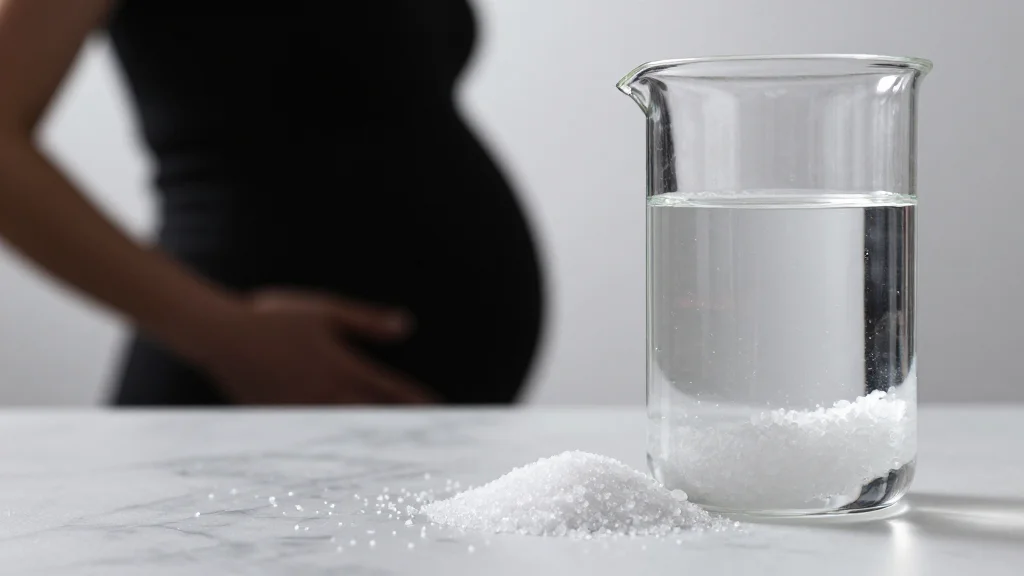
Stage-Specific Variations in Urinary and Salt Iodine Among Pregnant Women in Beijing
A longitudinal study of 400 Beijing pregnant women from 2021‑2024 found urinary iodine concentrations (UIC) declined sharply, with median levels dropping from 151.3 µg/L in 2022 to 122.9 µg/L in 2024, falling below the WHO adequacy threshold of 150 µg/L. Mixed‑effects modeling showed...
A Nutritional Blend of Taurine, Vitamins B6, B9, and B12 Improves Motivated Behaviors in Healthy Adults—A Double-Blinded Randomized Clinical Trial
A double‑blind, crossover trial involving 44 healthy adults tested a four‑week supplement containing taurine, vitamin B6, B9, and B12. The blend raised blood taurine and B‑vitamin levels and produced a roughly 12% increase in motivated performance on a monetary incentive force...

Regulatory Effects of Hawthorn on Lipid Metabolic Homeostasis: Mechanisms, Evidences, and Perspectives
A recent review highlights hawthorn (Crataegus spp.) as a promising natural agent for restoring lipid metabolic homeostasis. The plant’s rich flavonoids, phenylpropanoids, and terpenoids suppress hepatic lipogenesis, boost fatty‑acid β‑oxidation, and improve insulin signaling. Additional benefits arise from gut‑microbiota remodeling...
Effectiveness of Whole Grain to Body Weight and Cardiometabolic Risk in Adults with Obesity: A Parallel Randomised Controlled Trial
A 12‑week parallel randomised controlled trial involving 115 obese adults examined the impact of daily whole‑grain consumption at 50 g and 100 g doses. Both intervention groups lost approximately 2 kg more weight than the control, with corresponding reductions in BMI, body‑fat mass,...