
Effects of Low-Dose Medium-Chain Triglycerides on Bowel Habit Outcomes in Japanese Adults Prone to Constipation: A Randomized, Double-Blind, LCT-Controlled Crossover...
A randomized, double‑blind crossover trial in 82 Japanese adults prone to constipation found that consuming 2 g of medium‑chain triglycerides (MCT) daily for two weeks significantly increased the number of days with bowel movements, overall frequency, and stool volume compared with an equivalent dose of long‑chain triglycerides (LCT). Both interventions improved subjective abdominal discomfort, but only MCT showed a clear diet‑specific advantage in bowel‑movement metrics. No adverse events were linked to the low‑dose MCT supplement. The study suggests that even modest MCT intake can modestly enhance bowel regularity in a non‑clinical population.
A Clinical Assessment of the Therapeutic Effects of Ashwagandha Root Extract on Cognitive Performance, Sleep, and Fatigue in Children Aged...
A randomized, double‑blind, placebo‑controlled trial evaluated standardized Ashwagandha root extract gummies (150 mg twice daily) over eight weeks in 85 healthy children aged 6–12 with parent‑reported attention or memory concerns. Seventy‑three participants completed the study, and the Ashwagandha group showed significant...

3-Month Oral Nutritional Supplementation Adherence Impacts Positively on Survival in Malnourished Older Patients Following Hip Fracture: A Real-Life Study
A prospective cohort of 300 patients aged 65+ with fragility hip fractures examined how adherence to oral nutritional supplements (ONS) affected mortality. Patients who consistently retrieved ONS for at least three months showed a markedly lower 12‑month death rate (15.2%)...

Which Nut Butter Is Healthiest – Peanut, Almond or Cashew?
The Conversation compares peanut, almond and cashew butters, emphasizing that health benefits depend more on ingredient purity than the nut type. All three provide monounsaturated and polyunsaturated fats, protein, fibre and essential minerals, but commercial brands often add oils, salt,...

‘Baked, Not Fried’: Five Highlights From Nutrition Research
Recent nutrition research highlights that drinking coffee only before noon lowers all‑cause mortality by 16% and cardiovascular death by 31% compared with non‑drinkers, while consuming coffee throughout the day erases these benefits. A large metagenomic study shows vegans and vegetarians...

Why Are We so Obsessed with Protein? A New Book Looks for Answers
Samantha King and Gavin Weedon’s new book *Protein* examines why the nutrient has become a cultural obsession, tracing its scientific importance and its elevation in media and marketing. The authors explore protein’s role in muscle growth, immune function, and hormone...
Magtein Joins Schwarzenegger Platform for Brain Health Push
Magtein, a patented magnesium L‑threonate, announced a partnership with Arnold Schwarzenegger’s Pump Club at Natural Products Expo West 2026 to promote brain‑health content through newsletters and podcasts. The collaboration seeks to translate robust clinical research—including recent findings on cognition, sleep,...

Arginine Plus Fish Oil May Help Manage Sarcopenia: Study
A twelve‑week randomized, double‑blind trial found that daily supplementation with 14 g arginine and 6 g fish oil improved gait speed, hand‑grip strength, and functional activity scores in older adults with sarcopenia. The intervention also lowered inflammatory markers (TNF‑α, IL‑6) and triglyceride...
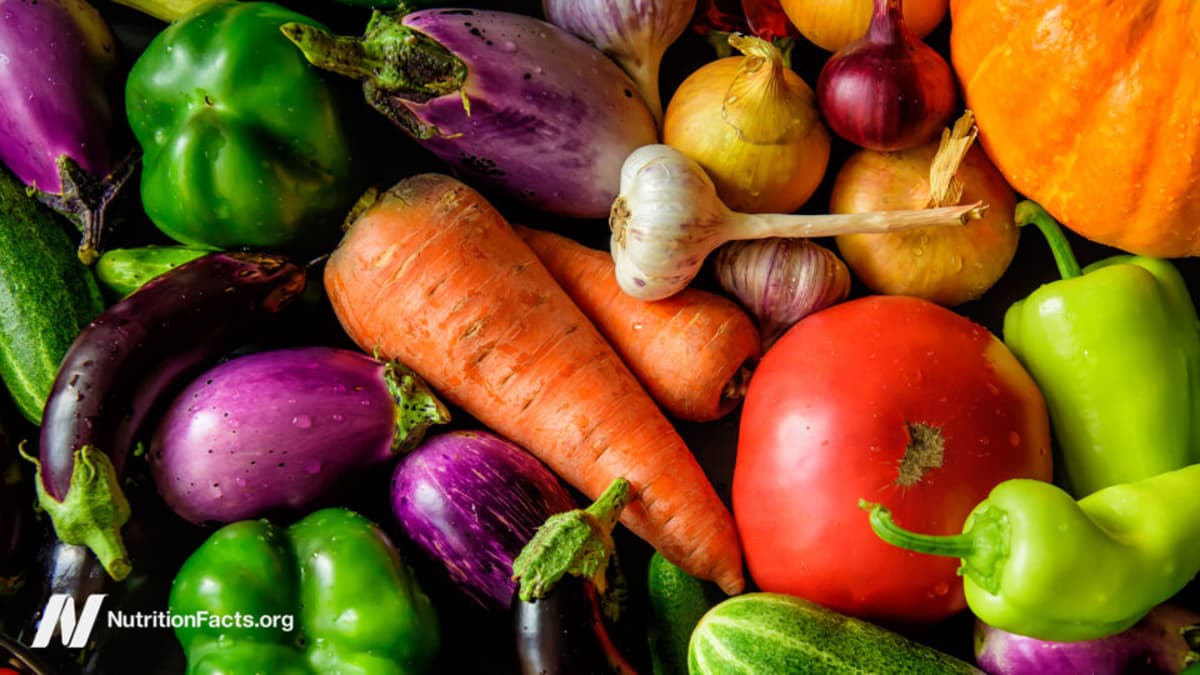
Fighting Cancer with Whole Plant Foods
The article argues that whole plant foods, not pharmaceuticals, are the most effective foundation for cancer prevention. It highlights the long latency of epithelial cancers and the ten hallmarks that drive tumor growth. Plant-derived bioactive compounds can simultaneously target multiple...

Can You Drink Coffee While Pregnant?
Maternal‑fetal specialist Dr. Cara Dolin confirms pregnant people can drink coffee, but only in moderation. The American College of Obstetricians recommends keeping caffeine below 200 mg per day, roughly one 12‑ounce cup of coffee. Exceeding this limit has been associated with...
Heart-Healthy Foods To Add to Your Grocery List
Preventive cardiology dietitian Julia Zumpano outlines a comprehensive list of heart‑healthy foods that can lower cardiovascular risk. The guide highlights omega‑3‑rich fish, nuts, seeds, berries, fruits, whole grains, legumes, soy, colorful vegetables, leafy greens, and dark chocolate as nutrient‑dense options....
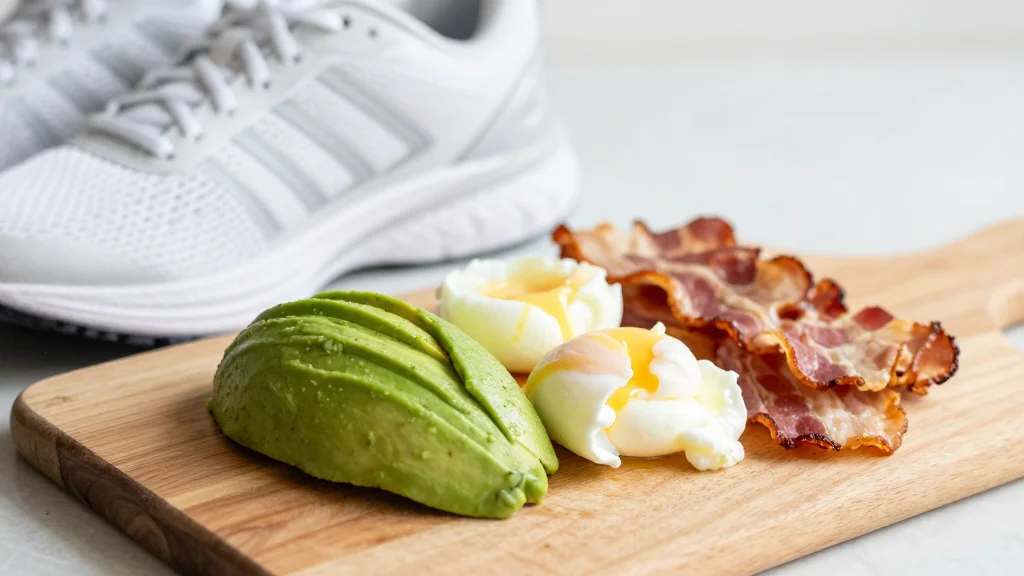
Scientists Found a Surprising Way to Make Exercise Work Better
Researchers at Virginia Tech discovered that a high‑fat ketogenic diet rapidly normalizes blood glucose in diabetic mice and enhances their response to aerobic exercise. Within a week, the mice’s hyperglycemia resolved, and prolonged feeding remodeled muscle fibers toward a more...
Taking a Multivitamin Could Slow some Signs of Aging, New Study Suggests
A randomized clinical trial of 958 adults aged 60 and older found that a daily multivitamin‑multimineral supplement modestly slowed two epigenetic aging clocks over two years. The clocks’ rate of increase decelerated by roughly 1.5 to 2 months per year...

Frailty Sets in Far Earlier than You’d Expect, but You Can Reverse It
New research reveals frailty can begin decades before old age, with many people in their 30s and 40s already in a pre‑frail state. Around 10 % of those in their 50s show early signs, rising to about half of individuals in...

A Daily Multivitamin May Slightly Slow Rates of Ageing
Researchers conducted a double‑blind, placebo‑controlled trial with 1,000 participants averaging 70 years old, giving half a daily multivitamin (Centrum Silver) and the other half a placebo. After two years, analysis of five epigenetic aging clocks indicated the supplement group aged...

IV Vitamin Therapy: Does It Work?
IV vitamin therapy is gaining popularity as a wellness service that delivers nutrients directly into the bloodstream, bypassing the digestive system. Proponents claim benefits such as improved mental clarity, fatigue reduction, and immune support, while critics point to limited high‑quality...
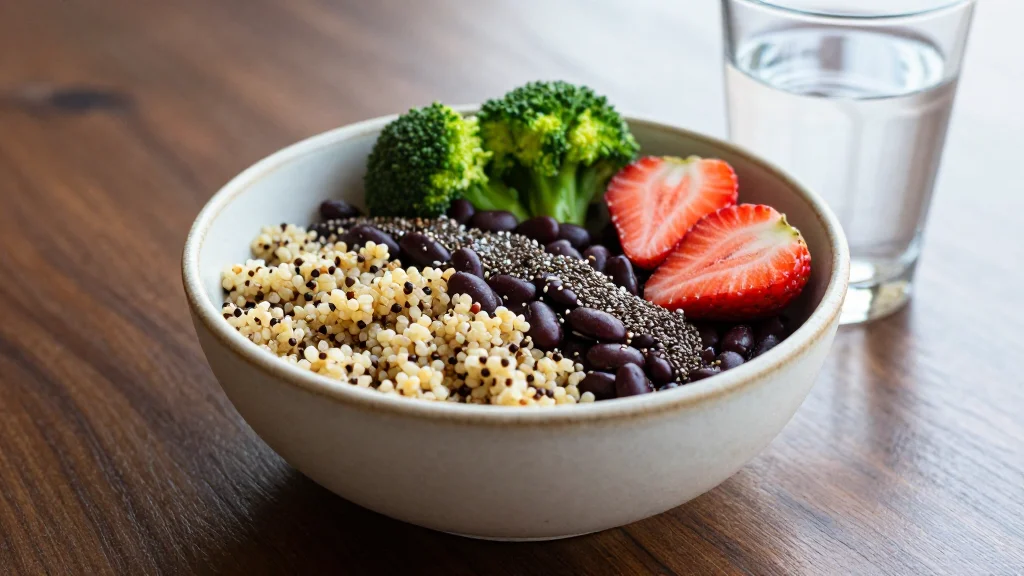
Scientists Say This Simple Diet Change Could Transform Your Gut Health
Scientists highlight “fibermaxxing,” a weight‑adjusted approach to meet daily fiber goals. Researcher Jennifer Lee explains that 22‑34 g of fiber (or 14 g per 1,000 calories) supports gut microbiota, improves satiety, and lowers metabolic disease risk. She differentiates soluble and insoluble fiber,...
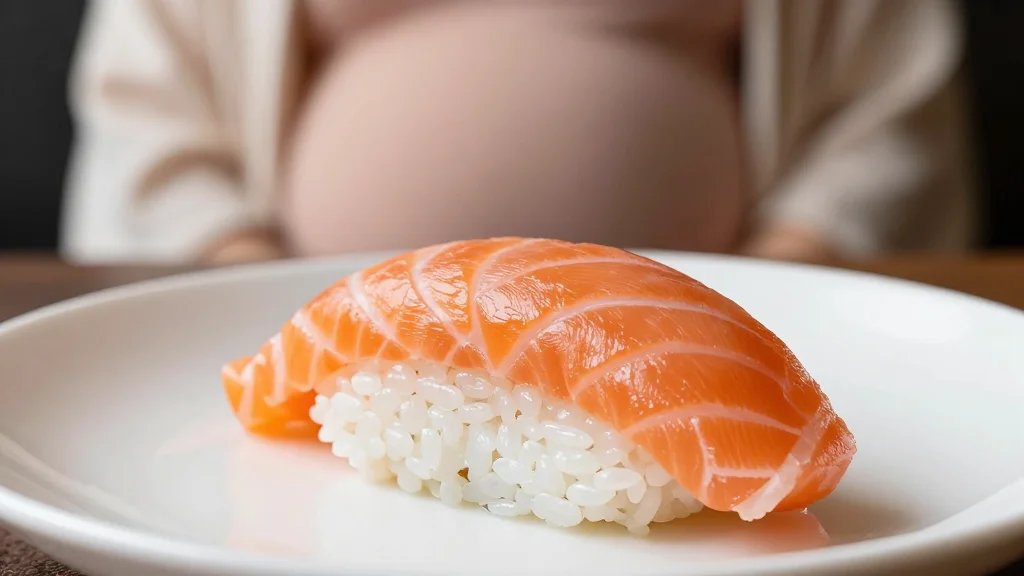
Is It Safe To Eat Sushi While You’re Pregnant?
Pregnant women face heightened risks when consuming raw or undercooked sushi due to potential Listeria infection, mercury exposure, and parasites. Maternal‑fetal specialist Dr. Cara Dolin advises eliminating raw fish, sashimi, nigiri, and high‑mercury species such as shark and swordfish. Safe...

What Does Personalized Nutrition Actually Deliver?
Personalized nutrition has surged in popularity, fueled by consumer genetics kits and promises of 3D‑printed custom foods. While genuine differences exist for allergies, intolerances, and certain metabolic traits, scientific studies show genetic variants explain only a few percent of nutrient...
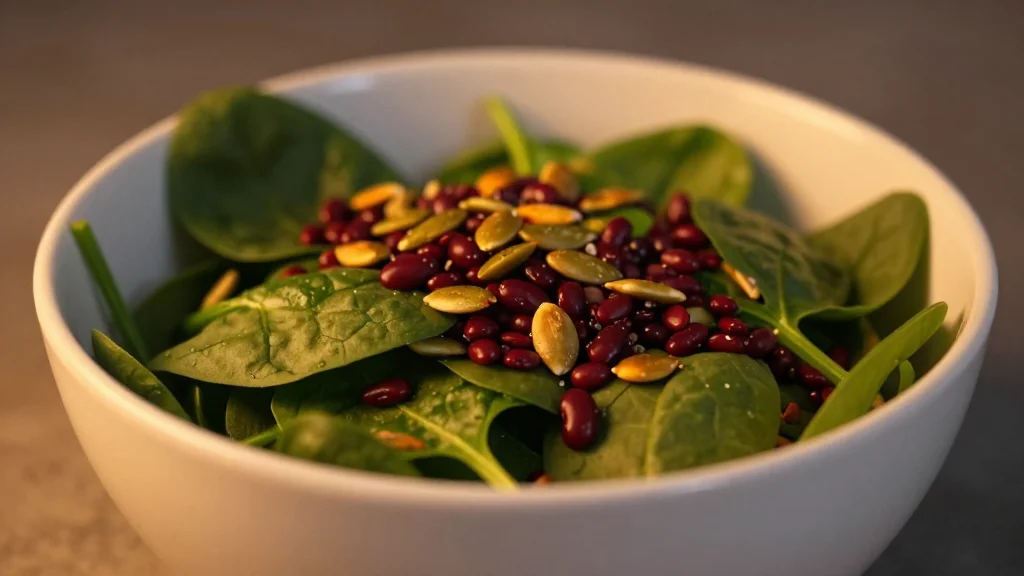
Scientists Discover Diet that Tricks the Body Into Burning Fat without Exercise
Scientists at the University of Southern Denmark discovered that restricting dietary methionine and cysteine triggers thermogenesis comparable to chronic cold exposure, leading to significant weight loss in mice. Over a week, mice on the amino‑acid‑restricted diet burned 20% more calories...
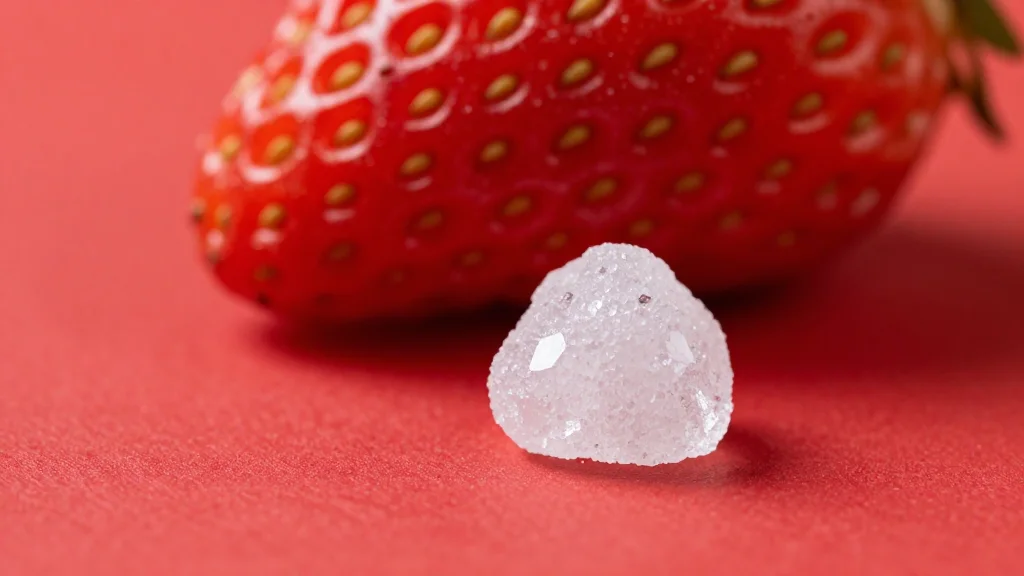
The False Promise of a “No Sugar” Diet
Recent U.S. dietary guidelines recommend zero added sugar for children under ten and advise adults to keep added sugar intake minimal. The push, amplified by health officials like Robert F. Kennedy Jr., conflates added sugars with all sugars, sparking calls...
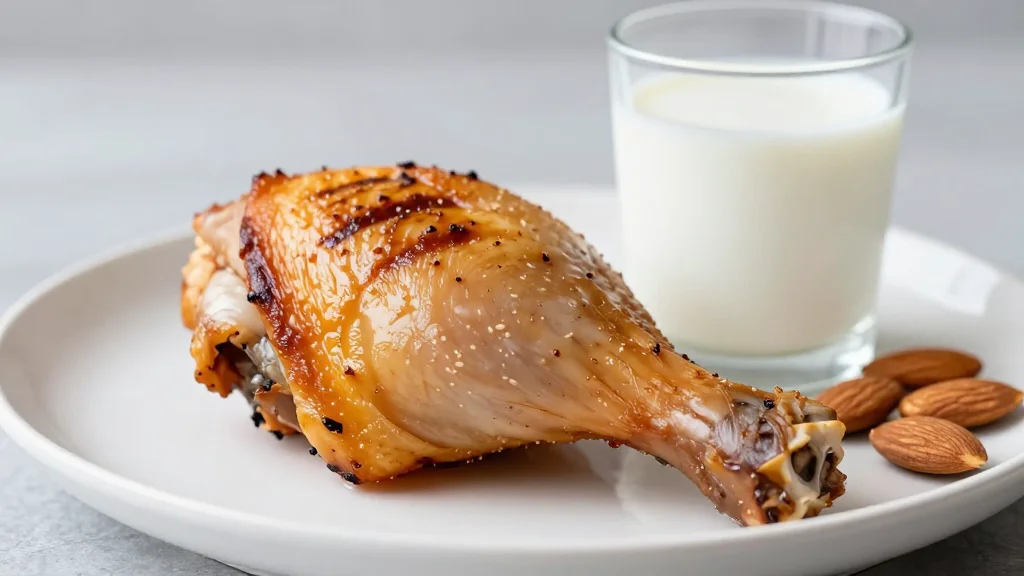
Study Finds Vegetarians over 80 Less Likely to Reach 100
A longitudinal study of more than 5,000 Chinese adults aged 80 and older found that non‑meat eaters were less likely to become centenarians than meat eaters. The disparity was confined to participants who were underweight, while those of normal weight...
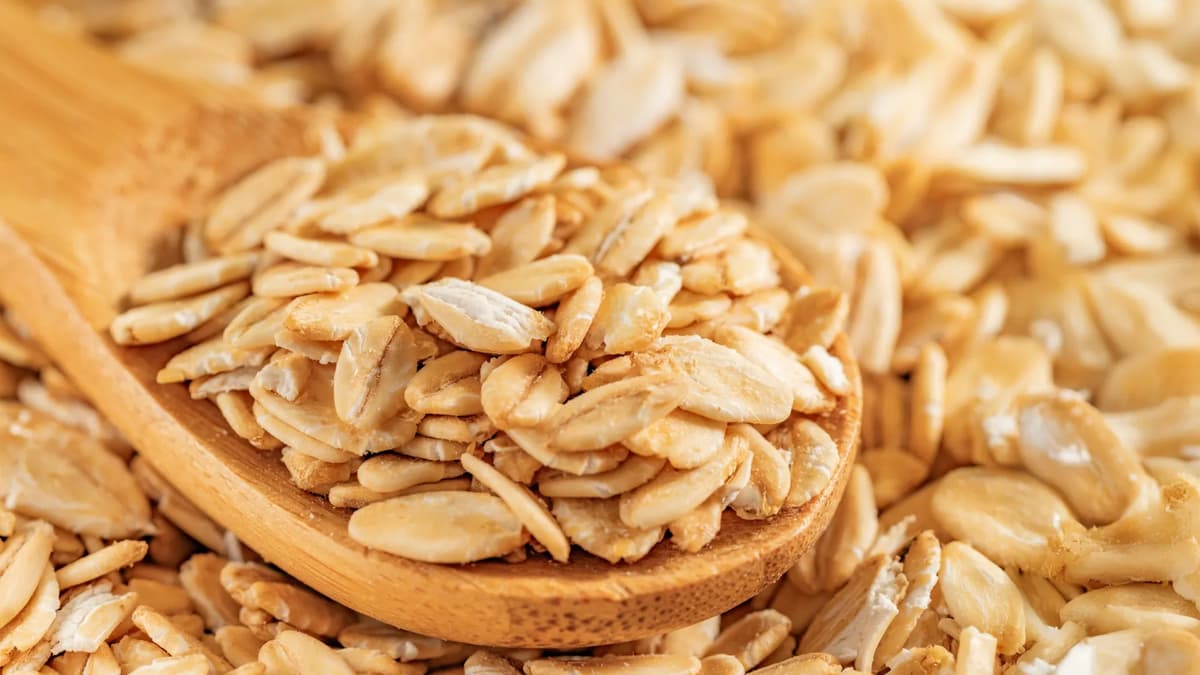
Just Two Days of Oatmeal Cut Bad Cholesterol by 10%
A University of Bonn randomized trial published in Nature Communications found that a two‑day, calorie‑restricted diet consisting of 300 g of oatmeal per day reduced LDL cholesterol by about 10 percent in participants with metabolic syndrome. The oat‑rich group also lost roughly...