:max_bytes(150000):strip_icc()/Doctor-Prescribe-Food-Instead-Pills-FT-DGTL0326-4bb1f3563aa84f99aeedcee9688121ce.jpg)
What Happens When Doctors Start Prescribing Food Instead of Pills?
The Rockefeller Foundation’s new report projects that expanding Food Is Medicine programs to the 43 million Americans with diet‑related conditions could generate roughly $45 billion in economic activity, create 316,000 jobs, and funnel more than $5.6 billion to small and mid‑size farms. Medically tailored meals are estimated to cut $32.1 billion in healthcare costs and prevent millions of hospitalizations each year. The analysis stresses that local sourcing is essential; otherwise, savings could be captured by national distributors rather than community farms. State‑level data show sizable revenue and job gains across the country, from California to Oklahoma.
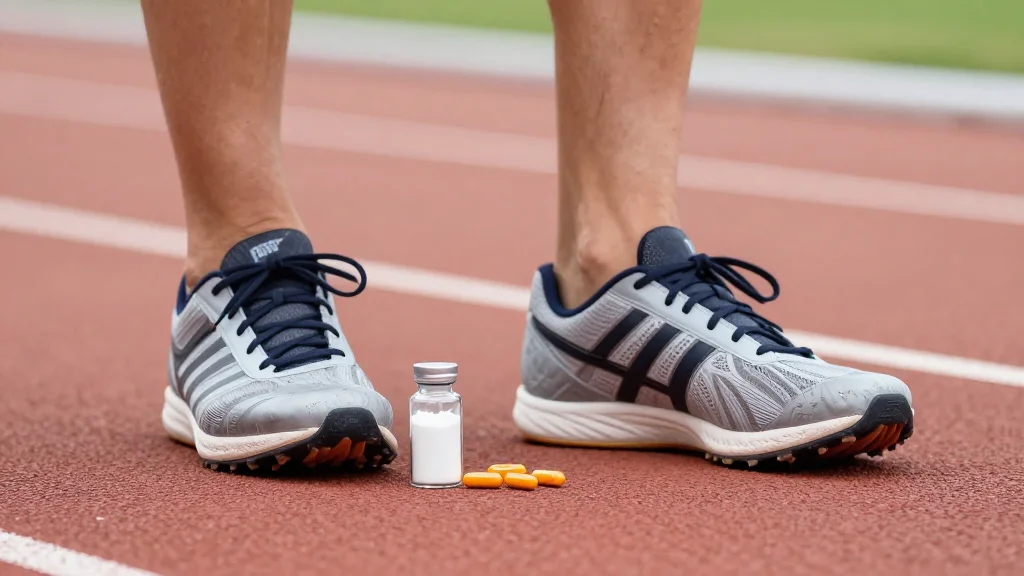
No Ergogeniceffect of Β-Alanine on Repeated Sprint Ability: A Systematic Review and Multilevel Meta-Analysis of Randomized Controlled Trials
The systematic review and multilevel meta‑analysis of 17 randomized controlled trials involving 293 healthy participants found that chronic β‑alanine supplementation does not improve repeated sprint ability (RSA). Pooled standardized mean differences for mean RSA performance, peak performance, and fatigue decrement...
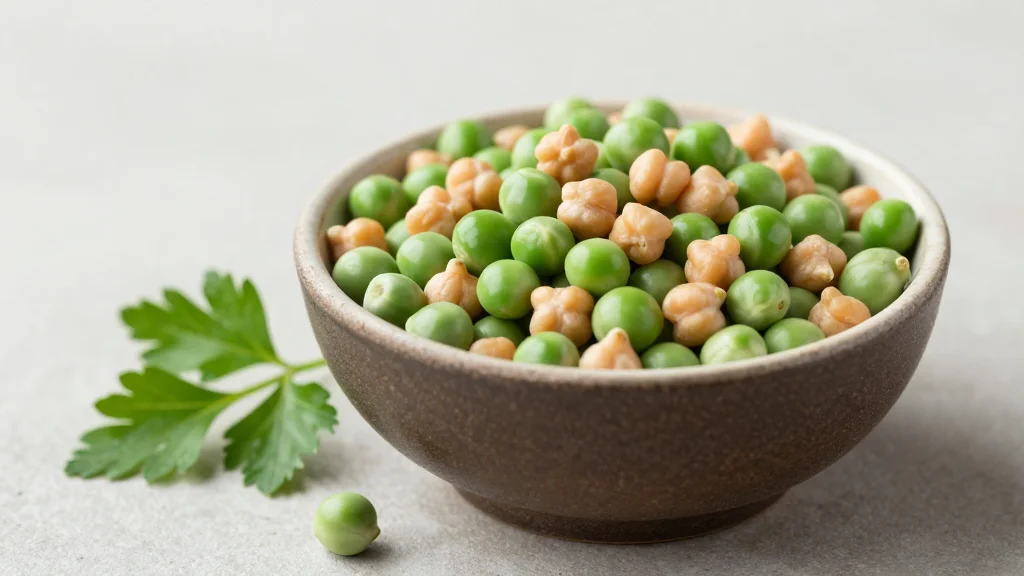
Consumption Patterns of Legumes and Related Dietary Guidelines Across Europe: A Specific Focus on Peas and Chickpeas
A new Frontiers in Nutrition study compared food‑based dietary guidelines across the 27 EU member states, focusing on peas and chickpeas. The analysis found that legumes are most often grouped with fruits‑vegetables or proteins, with Portugal uniquely creating a separate...
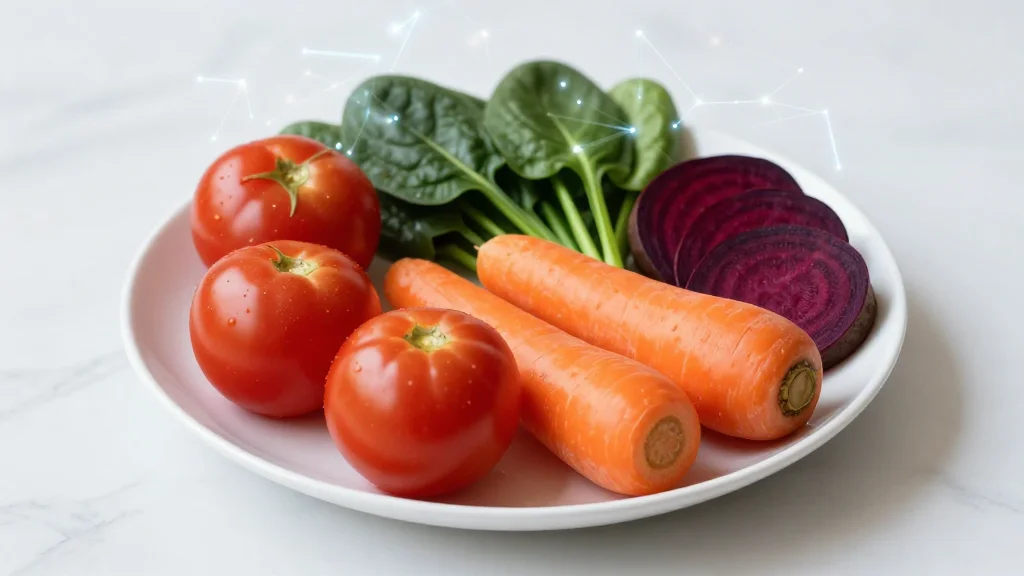
Artificial Intelligence-Driven Personalized Dietary Recommendations for Gastric Cancer High-Risk Populations: A Narrative Review
A new narrative review outlines how artificial intelligence can generate personalized dietary recommendations for individuals at high risk of gastric cancer. It surveys AI applications in metabolic disease management, details risk‑stratification methods using biomarkers, genetics, and the gastric microbiome, and...

Maternal Probiotic Supplementation and Offspring Health: An Umbrella Review with Re-Analysis of Systematic Reviews and Meta-Analyses
An umbrella review of 18 systematic reviews examined maternal probiotic supplementation during pregnancy and lactation and its impact on offspring health. The analysis, covering 62 outcomes, found moderate‑to‑high certainty evidence that probiotics may cut infant eczema risk by roughly half...

IBS Diets Don’t Work for Everyone. New Research Shows Why – and It’s Not Just About the Food
New research shows that the low‑FODMAP diet’s effectiveness for irritable bowel syndrome (IBS) depends as much on gut‑brain interactions as on food restriction. In a six‑month study of 112 adults, researchers tracked symptom changes across the diet’s restriction, reintroduction and...

At the Intersection of Personalized Health and GLP-1s
A NutraIngredients webinar highlighted how GLP‑1 agonists, wearables, and at‑home diagnostics are reshaping personalized health. Over 25‑30 million people are currently on GLP‑1 drugs, a figure expected to double by 2030, while roughly 100 million U.S. consumers now wear devices that generate...

Prunes: Nature’s Answer to Constipation
Constipation drives three million U.S. doctor visits annually, prompting interest in non‑pharmacologic remedies. Recent randomized trials show that consuming eight to twelve prunes daily, alongside adequate water, significantly boosts stool bulk and bowel‑movement frequency, matching or surpassing the effects of...

Study Explores Broccoli Powder Supplementation in Exercise
A recent Lithuanian Sports University study examined short‑term broccoli powder supplementation in 17 healthy men performing an incremental bike‑ergometer test. Participants consumed 10 g of broccoli powder (0.5 % mustard seed) for 14 days, which significantly increased urinary sulforaphane, confirming absorption. However,...

Vitamins B3 Plus B6 May Boost Muscle Repair After High Intensity Exercise: Nestlé Study
A Nestlé‑backed randomized trial gave healthy men 714 mg nicotinamide and 19 mg pyridoxine daily for nine days after intense eccentric exercise. The B‑vitamin combo boosted muscle stem cell numbers by 29% and accelerated differentiation markers—MyoD+ cells rose 67%, myogenin+ cells 34%,...

Probiotics Drink Reduces Loose Stools Tendency in Healthy Adults - Study
A randomized, double‑blind trial in Japan found that a daily 100 ml drink containing 10 billion CFU of Lactiplantibacillus plantarum 299v reduced bowel‑movement frequency and days with defecation in healthy adults prone to loose stools. After eight weeks, the probiotic group averaged 6.7...

Drinking Coffee for Smarts over Stature
A recent JAMA cohort study of 131,000 adults found that drinking 2–3 cups of caffeinated coffee daily (≈300 mg caffeine) is associated with the lowest risk of dementia, while decaffeinated coffee showed no benefit. The finding aligns with a 2024 umbrella...

Can Home-Cooked Meals Help Stave Off Dementia?
Researchers at the Tokyo Institute of Science tracked nearly 11,000 Japanese adults aged 65+ for six years and found that frequent home cooking was linked to up to a 30% lower risk of developing dementia. Even cooking once a week...
:max_bytes(150000):strip_icc():format(jpeg)/rebeccafondren-7eae4832c14a497ba32e81c228e7f9c4.jpg)
Are Mushroom Supplements Helpful for Brain Health?
Functional mushroom supplements, led by lion’s mane, reishi and chaga, are gaining mainstream attention for their purported cognitive, mood and immune benefits. Proponents cite adaptogenic compounds such as beta‑glucans, triterpenes and nerve‑growth factors that may support memory, stress response and...

Grass-Fed and Grain-Fed Beef Have Similar Effects on Inflammation
A recent Tufts Health & Nutrition study compared the inflammatory response to grass‑fed versus grain‑fed beef. Although grass‑fed beef contains higher levels of omega‑3 fatty acids, the research found no measurable difference in key inflammation markers after consumption of either...

At Risk for Heart Disease? Lower Your Saturated Fat Intake
A meta‑analysis of 17 randomized controlled trials involving more than 66,000 participants found that reducing saturated fat intake lowers the risk of heart attack and stroke. The risk reduction was most pronounced among individuals already at elevated cardiovascular risk. The...

New Dietary Guidelines for Americans
The U.S. Departments of Agriculture and Health and Human Services have issued the 2025–2030 Dietary Guidelines for Americans, the latest iteration of a five‑yearly series that began in 1980. The guidelines shape federal nutrition programs such as school meals, Meals...

‘Exciting’: Multivitamin-Minerals Linked to Slower Aging
A two‑year, double‑blind COSMOS trial found that a daily multivitamin‑mineral (Centrum Silver) modestly slowed epigenetic aging, translating to roughly four months less biological age over the study period. Researchers measured reductions of 0.214 years in PhenoAge and 0.113 years in GrimAge among 958...
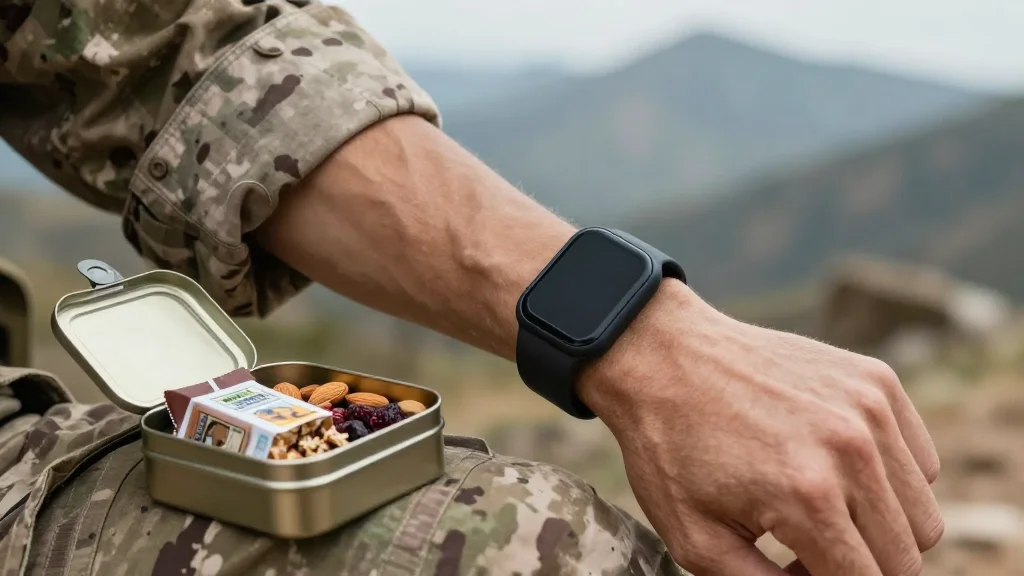
Mapping Smart Technologies and Nutritional Strategies for Monitoring Cognitive Resilience in Military Personnel Under Extreme Operational Conditions: A Scoping Review
The Frontiers in Nutrition scoping review mapped 79 studies on nutritional interventions and smart‑technology tools aimed at preserving cognitive resilience in military personnel operating in extreme environments. Nutritional supplements (42%) and personalized diets (31%) dominated the evidence base, while operational...
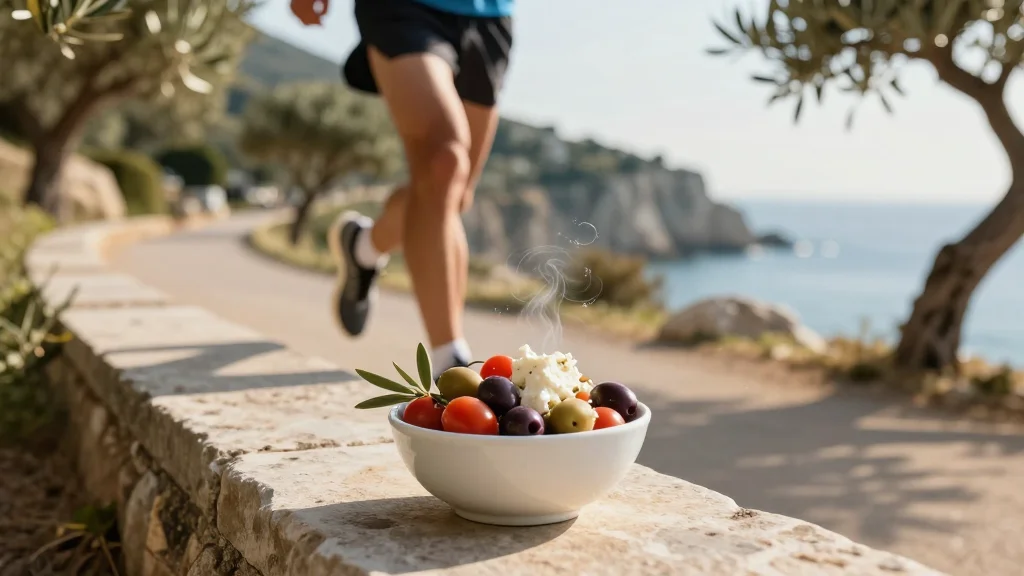
Mediterranean Diet Enhances Endurance Training Adaptation Through Gut Microbiota-Derived Short-Chain Fatty Acids
A 12‑week randomized trial with 60 competitive endurance athletes showed that a Mediterranean‑diet intervention markedly altered gut microbiota, boosting alpha diversity and enriching SCFA‑producing genera such as Faecalibacterium and Roseburia. Plasma concentrations of propionate and butyrate rose 42% and 58%...
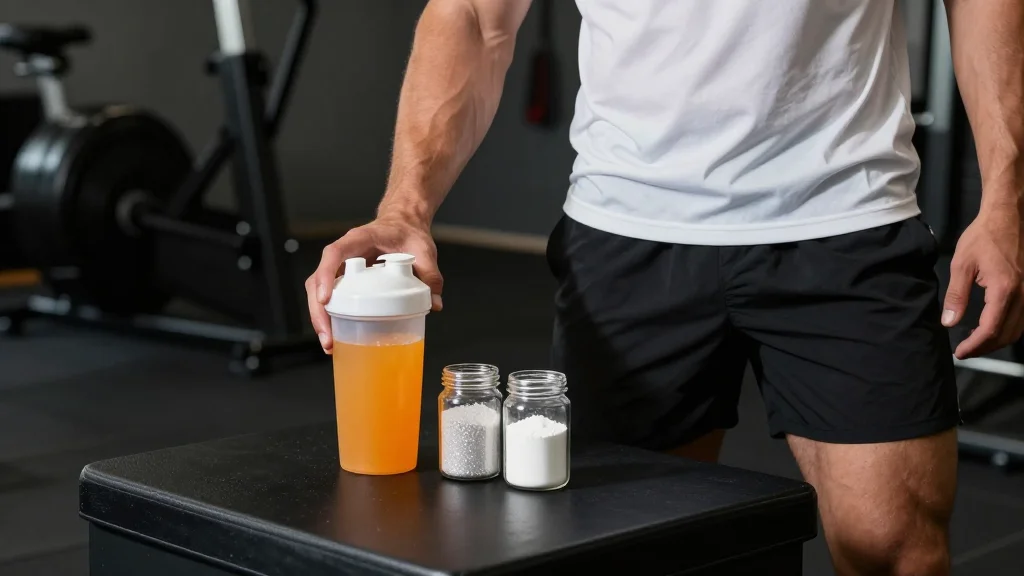
Acute Effects of Citrulline Malate and L-Arginine, Alone and in Combination, on Anaerobic Performance Indicators in Highly Trained Taekwondo Athletes
A double‑blind, randomized crossover trial examined 16 elite male taekwondo athletes who received either 6 g L‑arginine, 8 g citrulline malate, their combination (14 g total), or placebo one hour before a Wingate test. The combined citrulline malate + L‑arginine condition produced a statistically significant...
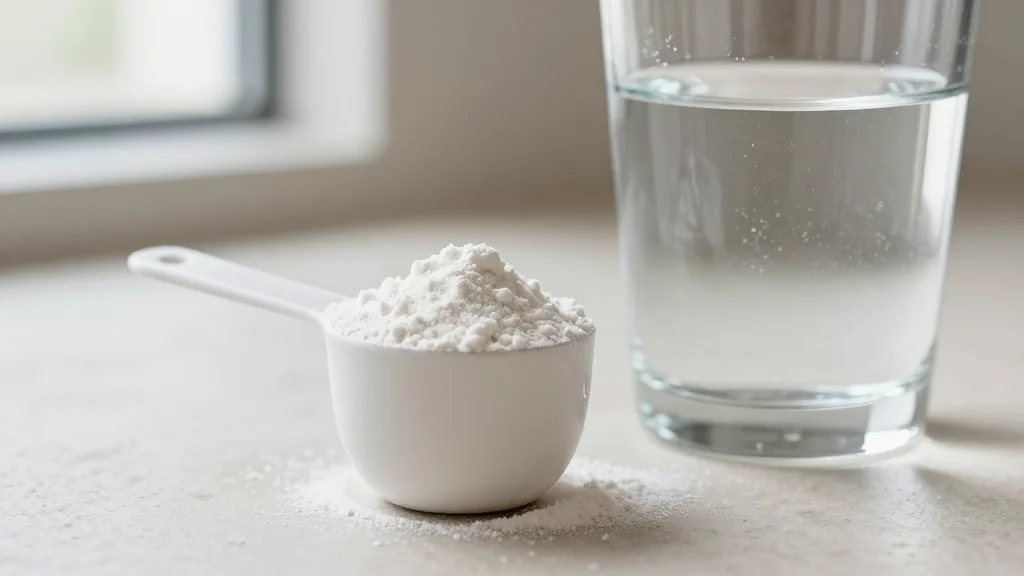
Creatine Supplementation on Fatigue Related to Post-COVID-19 Condition—Fatigue Study: A Randomized Controlled Trial
A randomized, single‑blind pilot trial evaluated creatine monohydrate at 6 g and 18 g daily for four weeks in adults with post‑COVID‑19 condition (PCC) experiencing fatigue. The 6 g/day regimen produced a statistically significant reduction in Piper Fatigue Scale‑Revised scores (‑2.05 points) and...

Can that First Cup of Coffee Boost Training?
Researchers found that a single 300 mg dose of caffeine taken an hour before a 7 a.m. workout significantly increased peak force and velocity in bench press and back squat, bringing morning strength measures up to typical evening levels. The study, involving...

These Are the Most Important Supplements for Women in Every Decade of Life
Women’s health experts outline age‑specific supplements that address shifting hormonal, bone and metabolic needs from the 20s through senior years. Vitamin D, calcium and iron dominate early adulthood, while magnesium, omega‑3s and vitamin K gain prominence in the 40s and beyond. In...

Is Vitamin D The Answer For Exhausted Moms? Symptoms Women Shouldn't Ignore
Recent observations highlight that many postpartum and perimenopausal mothers suffer from severe vitamin D deficiency, manifesting as chronic fatigue, brain fog, and mood instability. A Reddit‑shared case and clinical anecdotes show dramatic symptom reversal after targeted supplementation. Doctors recommend a...

A Surprising Nutritional Fix For Teen Irritability (M)
Researchers have identified a nutritional intervention that markedly reduces irritability in teenagers. In a double‑blind, eight‑week trial involving 200 adolescents, a daily 300 mg magnesium supplement lowered irritability scores by roughly 30% compared with placebo. The study also noted that participants...

Give Your Oatmeal A Fiber Boost With One Simple Ingredient
Fiber is a top consumer priority, and oatmeal already supplies four grams per half‑cup. Adding just an ounce of chia seeds—packed with 9.8 grams of fiber, omega‑3s, and antioxidants—more than doubles the bowl’s fiber content. Soaking chia before mixing prevents bloating...

Is Seltzer Water Like LaCroix Actually Healthy?
Seltzer water, including popular brands like LaCroix, hydrates just as well as still water, according to studies published in the American Journal of Clinical Nutrition. Flavored varieties use natural fruit essences that are FDA‑GRAS, despite recent lawsuits alleging synthetic additives....

Sirio Targets Taste and Efficacy with New Lipid-Friendly Chewable Supplement Format
Sirio Europe unveiled LifeChews, a plant‑based chewable jelly tablet that pre‑disperses lipid droplets to improve stability and dosing consistency. The format supports up to 55% lipid loading, allowing high‑dose oil‑soluble actives such as omega‑3s, CoQ10, and carotenoids in a single...

New Research Links Higher B Vitamin Levels with Lower Stroke Risk
A new analysis of roughly 222,000 participants from the Women’s Health Initiative and the All of Us Research Program shows that higher dietary intake of several B‑complex vitamins—particularly B1, B2, B3, B6 and folate—correlates with up to a 20 percent lower...

Sports Dietitians on the New Dietary Guidelines and What Athletes Need to Know
The 2025 Dietary Guidelines for Americans overhaul the classic food pyramid, placing protein‑dense foods at the apex and pushing grain‑based carbohydrates lower. The new guidance raises recommended protein to 1.2‑1.6 g per kilogram of body weight and emphasizes whole, minimally processed...
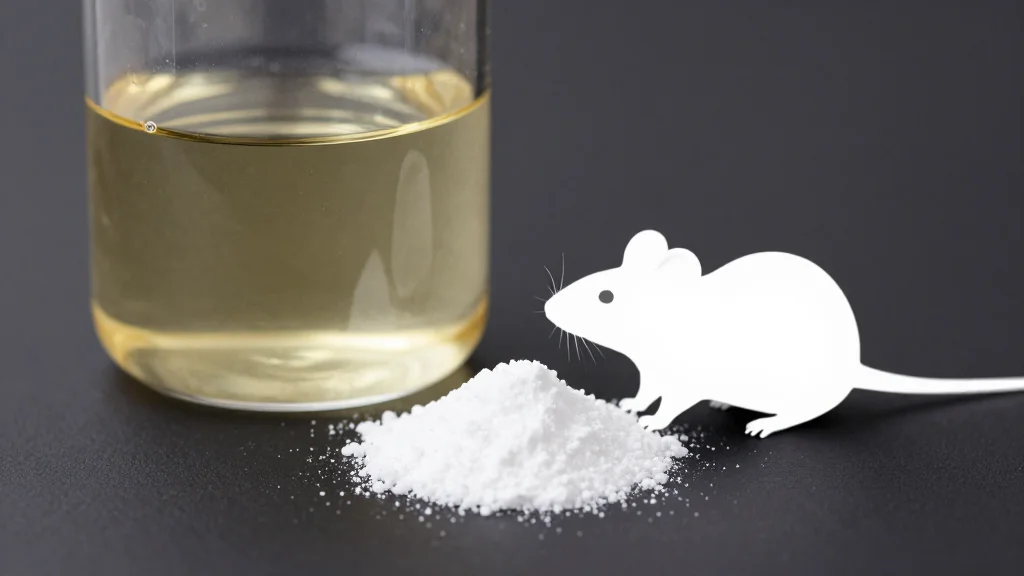
Dietary Fructo-Oligosaccharides Dose-Dependently Modulate the Microbiome and Suppress Type 2 Lung Inflammation in a Murine Model of House Dust Mite-Induced...
Researchers fed BALB/c mice diets containing 1 %, 2.5 %, 5 %, or 10 % fructo‑oligosaccharides (FOS) before and during house‑dust‑mite sensitisation. While overall eosinophil recruitment to the lungs was unchanged, FOS dose‑dependently lowered lung Th2 cell frequencies and reduced key type 2 cytokines such...

Higher Intake of Fruits, Veggies, Legumes, Potatoes May Cut Crohn Disease Risk
A large prospective study of 341,519 adults followed for 13.4 years found that high combined intake of fruits, vegetables, legumes and potatoes cut the risk of Crohn's disease by 56 percent (adjusted hazard ratio 0.44). The same dietary pattern showed...

What You Need To Know About Taking Supplements As an Athlete
Athletes increasingly rely on dietary supplements to boost performance, recovery, and overall health, but product safety and efficacy vary widely. Experts advise selecting third‑party certified supplements, such as Informed Sport or NSF Certified for Sport, to ensure they are free...

Nestlé Researchers Find Taurine-B Vitamin Blend May Support Motivation
Nestlé Research and the University of the Philippines demonstrated that a daily blend of 500 mg taurine, 1.3 mg vitamin B6, 0.2 mg vitamin B9 and 2.4 µg vitamin B12 improves motivated, goal‑oriented performance in healthy adults. In a double‑blind, crossover trial with 45 participants, the supplement...

Feeling Mentally Drained & Forgetful In Perimenopause? This Supplement Can Help
Perimenopausal women often experience brain fog as declining estrogen impairs neuronal ATP production. Nutritionist Molly Knudsen recommends creatine monohydrate to replenish cellular energy, with doses ranging from 5 g to 20 g depending on sleep quality. Adding Cognizin® citicoline, a clinically studied...
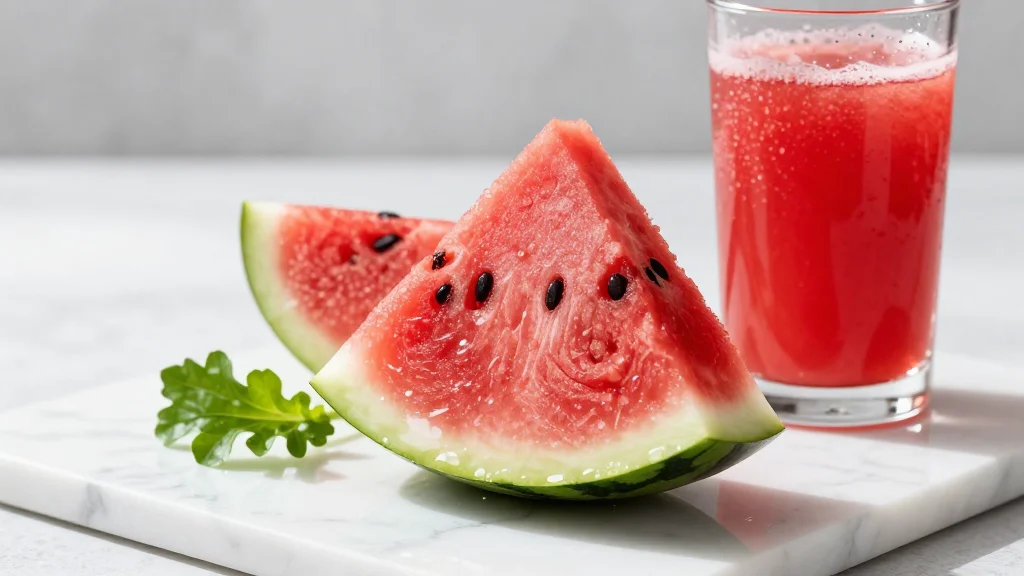
This Yummy Fruit May Help Balance Blood Sugar & Boost HRV
Researchers gave 18 healthy young adults watermelon juice daily for two weeks and then subjected them to a glucose challenge. Compared with a placebo, the juice group maintained steadier heart rate variability (HRV) despite the sugar spike. The effect is...
:max_bytes(150000):strip_icc():format(jpeg)/never-eat-these-raw-foods-GettyImages-1048831862-54d12dd231434cfd841ee675b3ddd7b3.jpg)
7 Foods You Should Never Eat Raw, According to Registered Dietitians
Registered dietitians warn that seven common foods—flour, ground beef, poultry, kidney beans, milk, lima beans, and cassava—must be fully cooked to avoid serious food‑borne illness. Raw flour can carry Salmonella and E. coli, while ground beef distributes bacteria throughout the meat,...

New Study Reveals One Overlooked Nutrient That Supports Aging Well
A two‑decade study of nearly 90,000 adults found that regular consumption of flavonoid‑rich foods—such as berries, apples, citrus, black tea and moderate red wine—significantly lowers age‑related frailty, physical decline, and mental health issues. Women with the highest intake saw up...
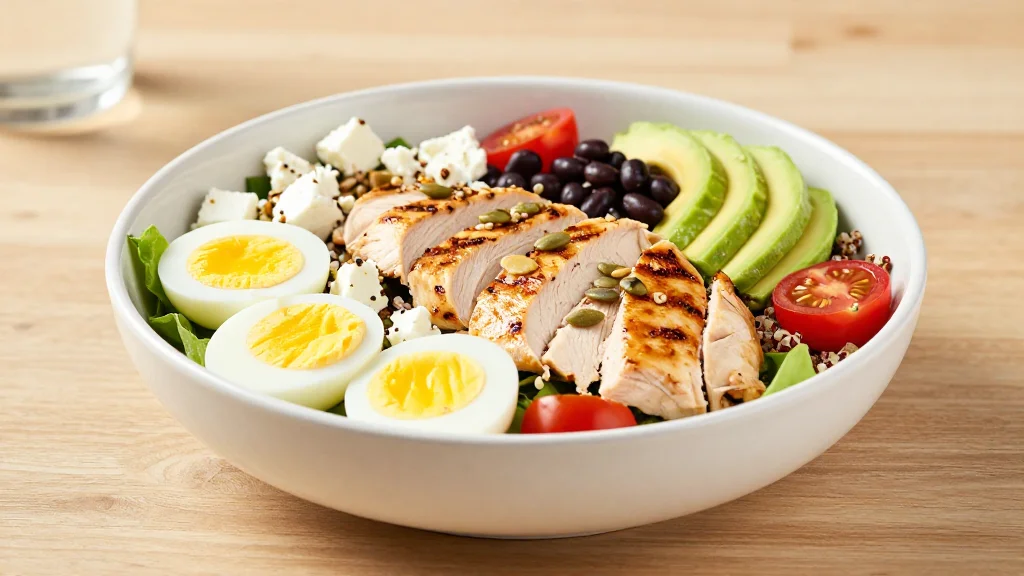
Turn Your Salad Into A Meal With 30+ Grams Of Protein With This Formula
The article presents a practical formula for turning a simple salad into a protein‑packed meal, recommending a 4‑ounce protein anchor that delivers roughly 30 grams of protein. It suggests layering a secondary boost—such as an egg, cheese, or seeds—for an additional...

You Need More Protein If You’re Working Hard in the Gym—Here’s How Much
People who train regularly need substantially more protein than the standard dietary allowance. Sports dietitian Sarah Gilbert notes the U.S. RDA is 0.8 g/kg, while performance nutrition experts like Raiders’ Ricky Ng recommend 1.6–2.4 g/kg for strength and endurance athletes. In addition...

These 10 Foods Are High in Potassium—And Might Just Lower Your Blood Pressure
A new health feature highlights that only about 2% of Americans consume enough potassium, despite its critical role in fluid balance, muscle function, and blood pressure regulation. The article lists ten potassium‑rich foods—such as tomato paste, lentils, and dried apricots—that...

When’s the Best Time to Take Magnesium?
Magnesium supplements are popular, but experts stress that most adults can meet the NIH‑recommended 400‑420 mg daily intake through food. When supplementation is needed, consistency outweighs precise timing, though certain forms like magnesium glycinate may be more effective before bedtime. Some...

Turns Out Your Coffee Addiction May Be Doing Your Brain a Favor
Researchers from Mass General Brigham analyzed data from over 130,000 participants in the Nurses’ Health Study and Health Professionals Follow‑Up Study across 43 years. They found that adults who consumed two to three cups of coffee or tea daily had...

This Could Be The Secret To Sticking To A Healthy Diet, Study Finds
A new study of 150 women tracked food intake and emotions over a week, revealing that women actively dieting are nearly twice as likely to choose unhealthy snacks when experiencing negative emotions, while non‑dieters tend to eat more overall during...
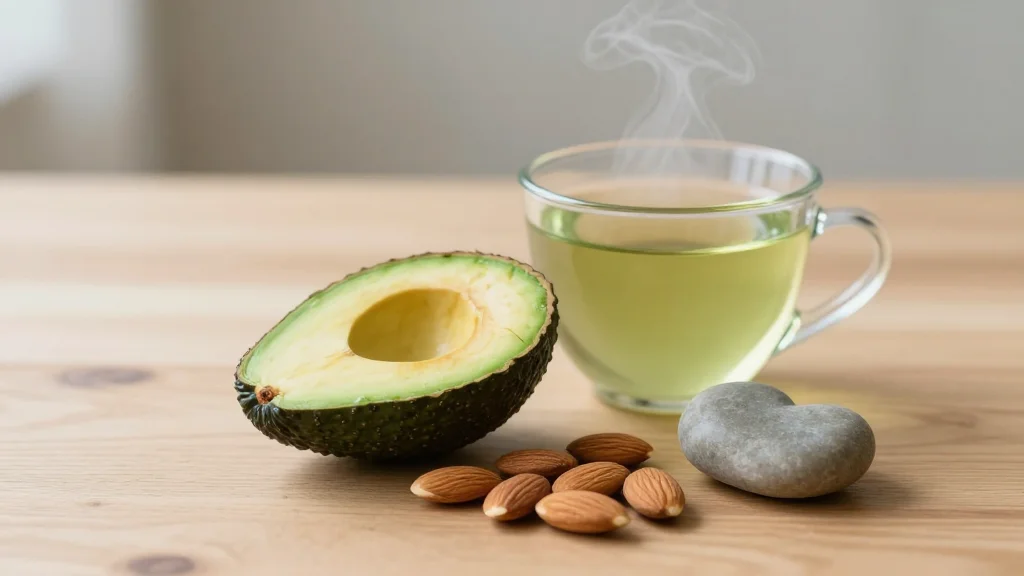
5 Diet & Lifestyle Habits That Lower ApoB & Support Heart Health
The article outlines five evidence‑based habits—soluble fiber intake, unsaturated fats, daily cardio, diverse plant foods, and strength training—that can lower apoB, a superior biomarker for cardiovascular risk. It explains apoB’s role in tagging all atherogenic lipoproteins and cites guideline targets...

This Naturally Hydrating Drink Supports A Healthier Gut Microbiome
A double‑blind, placebo‑controlled trial found that daily consumption of fresh coconut water for eight weeks markedly improved gut health in ulcerative colitis patients. Fifty‑three percent of participants achieved clinical remission versus 28 percent on placebo, and overall gut inflammation symptoms...

Wait, Are There Benefits to Eating Eggshells? What Research Shows
Recent research highlights the eggshell membrane—not the hard shell—as a potent source of collagen, elastin, and glycosaminoglycans. Clinical trials of supplements such as Ovoderm® report measurable gains in joint comfort, reduced stiffness, and faster cartilage recovery. Parallel studies show improvements...

The Overlooked Key to Feeling Less Bloated & More Like Yourself
Registered dietitian Molly Knudsen highlights that most Americans fall short of recommended fiber intake, contributing to chronic bloating and irregular bowel movements. She recommends an organic fiber+ supplement delivering 6 g of prebiotic fiber from guar beans, green kiwifruit, and a...

Four Rules for Fueling that Every Senior Cyclist Should Follow, According to a Dietitian and Cycling Coach
Senior cyclists are being urged to overhaul outdated fueling habits by eating before, during, and after rides. Nutrition expert Namrita Brooke recommends ingesting roughly 50 grams of carbohydrates per hour on the bike to sustain performance. She also stresses timing...