
When You Eat on the Trail Matters More Than You Think. A Dietitian Explains.
Registered dietitian Aaron Owens Mayhew explains that when hikers eat is as critical as what they eat. He frames hiking as an endurance sport and urges pre‑hike breakfasts, hourly carbohydrate snacks, and terrain‑specific fueling. The article outlines six practical timing tips, from early breakfast to post‑hike protein, emphasizing that proactive nutrition prevents energy crashes, mood swings, and safety hazards. By treating nutrition as part of the hike plan, outdoor enthusiasts can boost performance and recovery on multi‑day trips.

Red Meat Consumption Linked to Lower Risk of Dementia
A long‑term Swedish cohort study of more than 2,100 adults over 15 years found that higher consumption of unprocessed red meat was associated with a slower rate of cognitive decline and roughly half the dementia risk among carriers of the...
:max_bytes(150000):strip_icc():format(jpeg)/GettyImages-846377244-bb1f6c85c6f4430c8b30859d7cf40f48.jpg)
The Real Difference Between Lemons and Limes—And Which One Packs More Nutrients
The article breaks down the nutritional nuances between lemons and limes, highlighting that lemons contain slightly more vitamin C, folate, potassium and vitamin B6, while limes offer higher citric acid, vitamin A and flavonoids. It links these differences to specific health benefits such...

10 Best Fiber Supplements for Gut Health in 2026
Americans are dramatically short on dietary fiber, with over 90% falling below the 25‑38 gram daily recommendation. A recent GQ roundup tested a variety of fiber supplements, highlighting Ancient + Brave True Biome as the best overall for its PHGG blend, BelliWelli gummies for...

How Probiotics Can Help Climbers Adjust to High Altitudes, According to Science
UC San Diego physiologist Tatum Simonson led a field study at the 12,470‑foot Barcroft Station to investigate how the gut microbiome reacts to high‑altitude hypoxia. Researchers observed classic altitude‑sickness symptoms—headaches, nausea, restless sleep—and linked them to stress on intestinal microbes....

The Best Trail Food for Sensitive Stomachs
Backpackers with IBS, Crohn’s, ulcerative colitis, or other GI sensitivities can keep their energy up by adopting a low‑residue, low‑fiber diet on the trail. Hiking diverts blood from the gut, adds dehydration and altitude stress, making high‑fat, high‑fiber foods harder...

Why Eating the Same Foods Every Day Might Be the Key to Fat Loss Success
A 12‑week American Psychological Association study of 112 overweight adults found that eating the same meals and keeping daily calories stable leads to greater fat loss than a varied diet. Participants who repeated a limited set of foods lost an...

Taurine and Heat Stress: The Missing Piece in Thermoregulation?
A 2026 Nutrients review examined taurine supplementation as an adjunct for human thermoregulation. Analyzing 28 human intervention studies, the authors found taurine can modestly reduce core temperature (≈0.3‑0.4 °C) by boosting sweat‑mediated heat loss. The amino acid also acts as an...

‘Industry Must Rethink Creatine Messaging for Women’: Dr. Sue Kleiner
Dr. Sue Kleiner warns the supplement industry of a missed opportunity by continuing to market creatine as a male‑centric performance aid. She argues that messaging should pivot to metabolic health, daily functional strength, and fertility benefits that resonate with women at...
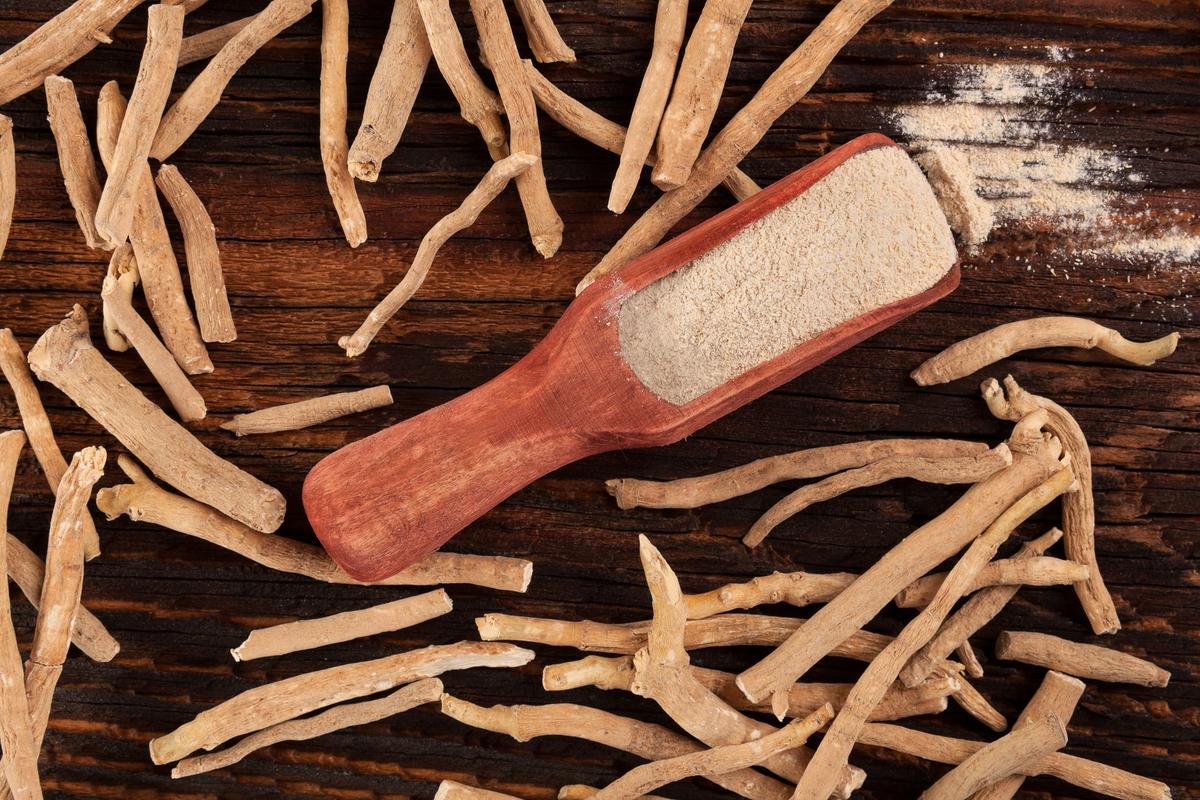
Low-Dose Ashwagandha Effective for Exercise Endurance and Overall Performance: RCT
A double‑blind, eight‑week trial found that a low‑dose 30 mg Ashwa.30 supplement boosted VO₂ max by 10.1% and raised maximal heart rate in healthy adults, while significantly lowering lactic acid and creatine phosphokinase levels. Participants also reported reduced perceived exertion and fatigue,...
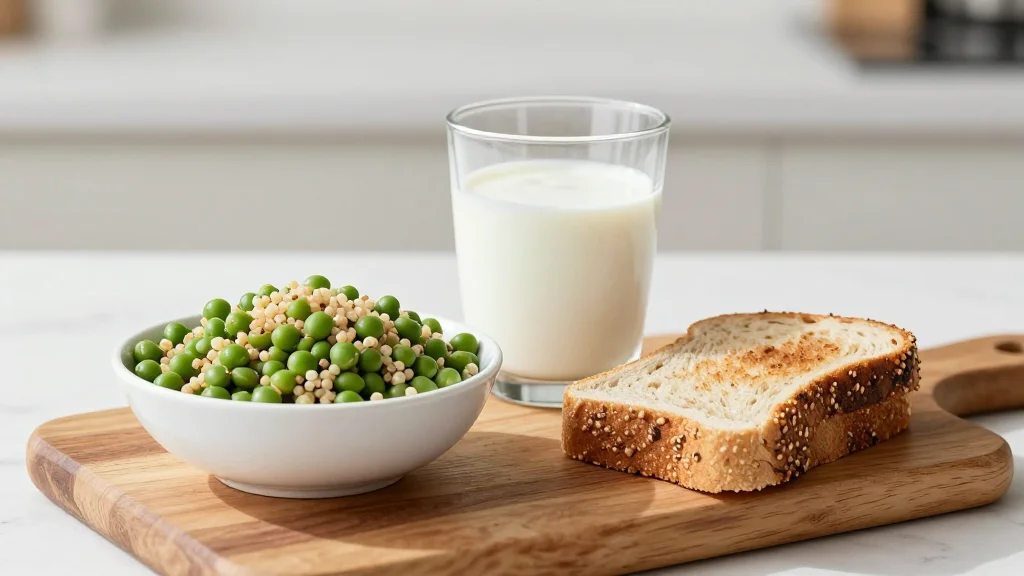
American Heart Association Issues a Different Take on Dietary Guidance
The American Heart Association released its 2026 Dietary Guidance, urging Americans to replace most meat with plant‑based proteins, choose low‑fat dairy, and prioritize whole grains while limiting red meat, full‑fat dairy, animal fats, and refined grains. The guidance also recommends...
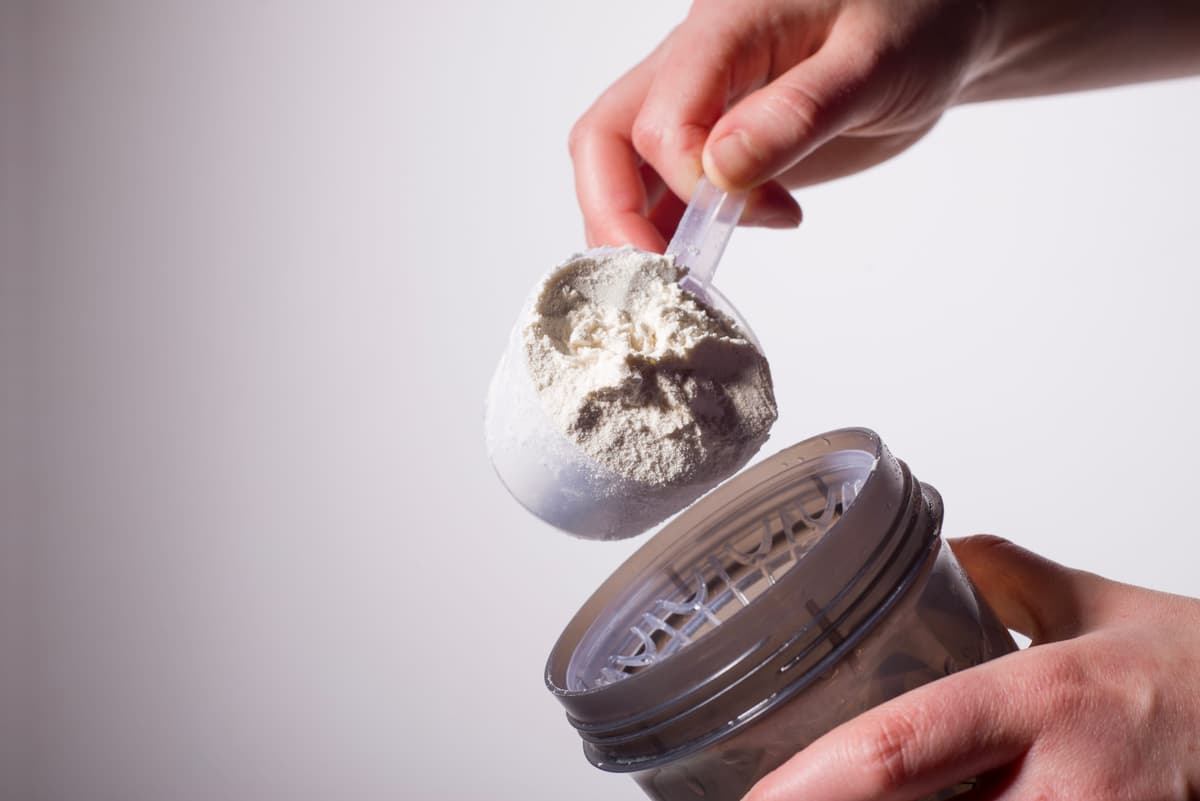
Can Creatine Supplements Help You Ride Faster?
Creatine monohydrate, a well‑studied supplement, can increase phosphocreatine stores in muscle, enabling faster regeneration of ATP during brief, high‑intensity efforts. Research involving cyclists and other anaerobic athletes shows measurable gains in sprint power, hill‑climb bursts, and final‑lap accelerations, especially when...

Danone Bets on Nutrient Quality, Not Quantity, as Consumers Look to Food for Health
Danone is redefining better‑for‑you food by emphasizing nutrient quality, digestibility and gut health rather than simply boosting macronutrient grams. The company is positioning itself as an educator, helping shoppers navigate complex nutrition claims while delivering formats and textures that fit...

Gas Station Gourmet: 5 Healthy Snacks for Your Next Road Trip
MyFitnessPal’s dietitians highlight five gas‑station snacks that meet protein, fiber and healthy‑fat standards for road‑trip nutrition. Options include lightly salted almonds, Starkist Lunch‑to‑Go tuna pouches, mozzarella string cheese sticks, SmartFood white‑cheddar popcorn, and RX Peanut Butter Chocolate protein bars. Each...
71% of Women Don’t Get Enough Of This Nutrient & It Affects Your Hormones
A new analysis of over 4,500 U.S. women finds that 71 % fail to meet the recommended daily creatine intake of 13 mg per kilogram of body weight. Women with suboptimal intake show higher rates of irregular menstrual cycles, pelvic infections, and...

How the Whole-Grain Trend Went Wrong
The whole‑grain movement, propelled by 1990s nutrition advice and reinforced by the Dietary Guidelines, turned wheat, oats and rice into a health‑selling label. Yet definitions of a "whole‑grain food" differ among the FDA, the Whole Grain Council and government guidelines,...

Luteolin as a Dietary Flavonoid for Brain Health: Modulating Neuroinflammation and Cognitive Decline in Neurodegenerative Disorders
Luteolin, a flavone abundant in celery, parsley and other herbs, possesses antioxidant and anti‑inflammatory properties that enable it to cross the blood‑brain barrier and influence neurodegenerative pathways. Its oral bioavailability is modest, but nano‑delivery systems and phospholipid complexes significantly boost...
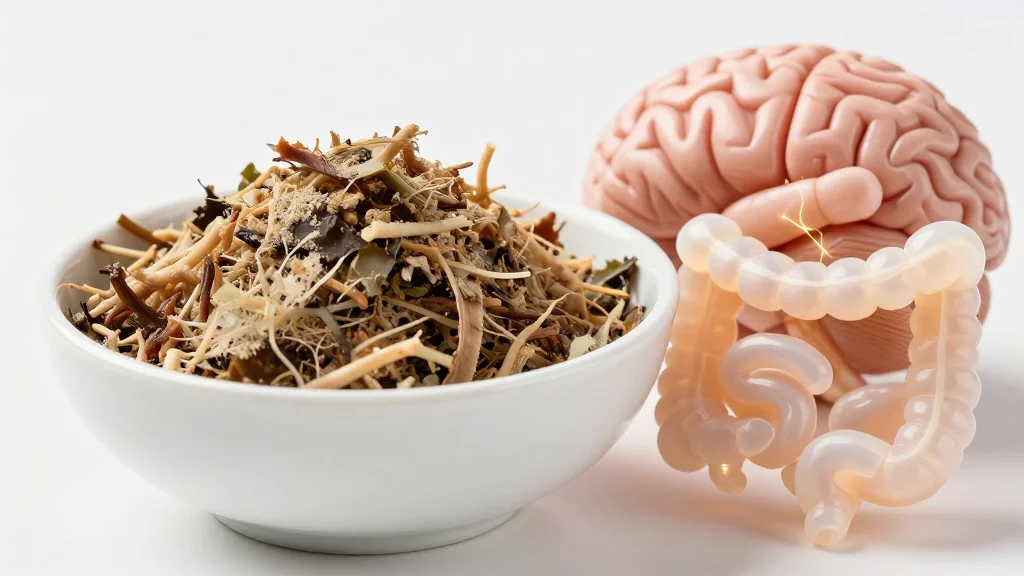
Gut-Brain Health Effects of PREbiotics in Older Adults with Suspected COgnitive DEcline: Design of the PRECODE Randomised Placebo-Controlled Trial
The PRECODE trial is a four‑arm, double‑blind, placebo‑controlled study enrolling 164 adults aged 60‑79 with subjective cognitive decline (SCD+) and additional lifestyle risk factors. Over 26 weeks participants receive chicory inulin, resistant dextrin, seaweed polysaccharide, or maltodextrin placebo to test whether...
Food-Derived Dihydromyricetin and Metabolic Dysfunction-Associated Steatotic Liver Disease: A Preclinical Systematic Review and Meta-Analysis
A systematic review and meta‑analysis of 14 murine studies evaluated dihydromyricetin (DHM) as a nutraceutical for diet‑induced metabolic dysfunction‑associated steatotic liver disease (MASLD). Across the pooled data, DHM consistently reduced hepatic triglycerides, total cholesterol, and liver enzyme levels (ALT, AST,...
Development of Functional Foods with Stable Encapsulated Docosahexaenoic Acid
The review outlines recent biotechnological advances that stabilize docosahexaenoic acid (DHA) for functional foods through encapsulation techniques such as micro‑, nano‑, and emulsion systems. It highlights the shift toward microalgal and genetically engineered plant sources, providing vegan‑friendly, sustainable DHA supplies....

Art of You on Moving Personalized Nutrition Beyond ‘Guesswork Dressed in an Algorithm’
Herbalife Ltd. announced a $150 million acquisition of UK‑based personalized supplement firm Bioniq, aiming to broaden its tailored nutrition offerings. The deal arrives as research on digital “gut twins” advances, promising more accurate predictions of probiotic success. Over the past decade,...

Italian Coffee Consumption May Be Linked to Better Liver Health
Italian researchers examined coffee intake and brewing methods in 1,426 adults, finding that moderate consumption of unfiltered Italian‑style coffee was associated with a roughly 50% reduction in metabolic dysfunction‑associated steatotic liver disease (MASLD) risk. The protective effect grew modestly with...

Struggling With High Cholesterol? This Ingredient Is A Helpful Add-On
New systematic review and meta‑analysis of randomized trials (2010‑2025) shows turmeric supplementation improves lipid profiles in adults with metabolic disorders. Across studies, turmeric lowered triglycerides by ~25 mg/dL, total cholesterol by 14 mg/dL, LDL by 17 mg/dL and raised HDL by 6 mg/dL. When...

I Wore a Glucose Monitor for a Month and Discovered 3 Fueling Mistakes That Were Making My Runs Feel Harder
A runner wore a sports‑specific continuous glucose monitor for a month and uncovered three fueling missteps that were hampering performance. Simple carbohydrates were needed before long runs to raise glucose levels, mid‑week workouts required intentional fuel instead of fasted sessions,...

Beyond The Plate: Foods That Support Whole Body Health
The article outlines how everyday food choices influence multiple body systems beyond digestion, highlighting specific nutrients that support brain function, immune strength, heart health, oral care, and mood stability. It lists omega‑3‑rich fish, leafy greens, berries, citrus, garlic, fermented dairy,...
Vitamin D Shows Potential to Reduce Long COVID Symptoms: JoAnn E. Manson, MD, MPH, DrPH
A recent randomized VIVID trial examined vitamin D₃ supplementation in newly diagnosed COVID‑19 patients and found a non‑significant trend toward fewer long‑COVID symptoms at eight weeks. While primary outcomes such as healthcare utilization were unchanged, researchers noted that delayed treatment...

What to Eat (and Avoid) for Psoriasis Relief, According to Experts
Psoriasis is driven by immune‑mediated inflammation and abnormal blood‑vessel growth. Experts highlight that dietary patterns, especially the Mediterranean diet, can lessen disease severity, as demonstrated in a 16‑week randomized trial. Key foods such as fatty fish, extra‑virgin olive oil, berries,...

What Makes a Good Protein?
Protein quality is gaining prominence as GLP‑1 weight‑loss drugs, aging populations, and plant‑based trends raise concerns about muscle loss and overall health. The article explains that a "good" protein must contain all nine essential amino acids and be highly digestible,...
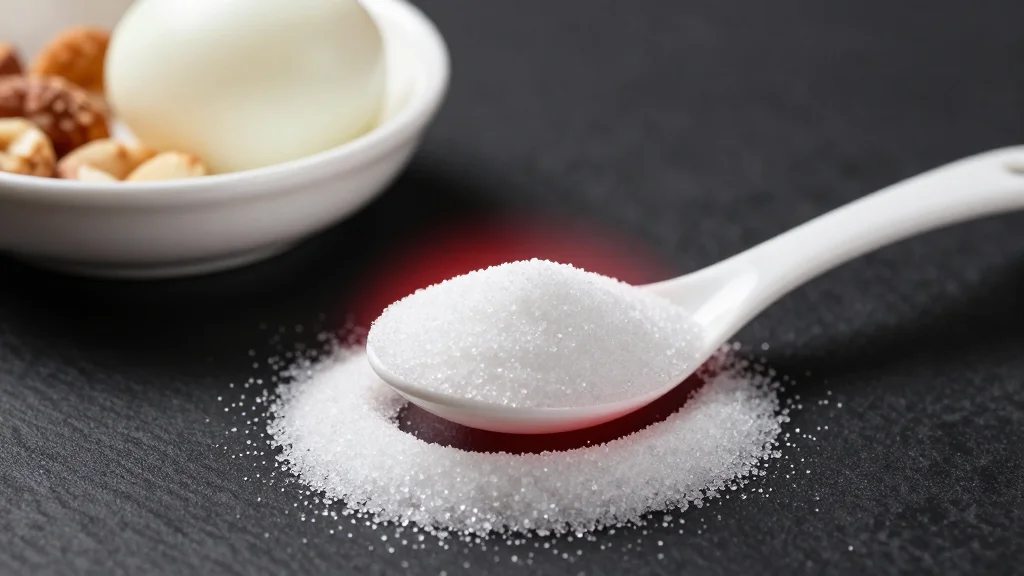
How To Stop Sugar Cravings: 8 Tips To Help You Resist
The average American adult consumes about 17 teaspoons of added sugar each day, far exceeding the American Heart Association’s recommendations of 6 teaspoons for women and children and 9 teaspoons for men. Registered dietitian Beth Czerwony explains that sugar activates...
:max_bytes(150000):strip_icc():format(jpeg)/heart-healthy-foods-GettyImages-1553296294-9c5d3aaa44eb41a6be72bb0ab118debe.jpg)
5 Vegetables That Are Especially Good for Your Heart, According to Health Experts
Health experts highlight five vegetables that offer strong cardiovascular benefits. Dark leafy greens, carrots, tomatoes, beets, and edamame each contain specific phytochemicals—such as polyphenols, beta‑carotene, lycopene, betalains, and soy protein—that have been linked to reduced inflammation, lower blood pressure, and...

Paediatricians Share the Simple 3-Part Breakfast Rule to Stop Kids Feeling Hungry Before Lunch
Paediatricians from the Royal College of Paediatrics and Child Health recommend a three‑part breakfast that provides 20‑25% of a child’s daily energy – roughly 300‑400 calories – by combining fibre, protein and a vitamin‑rich fruit. The guideline targets 5‑7 g of...

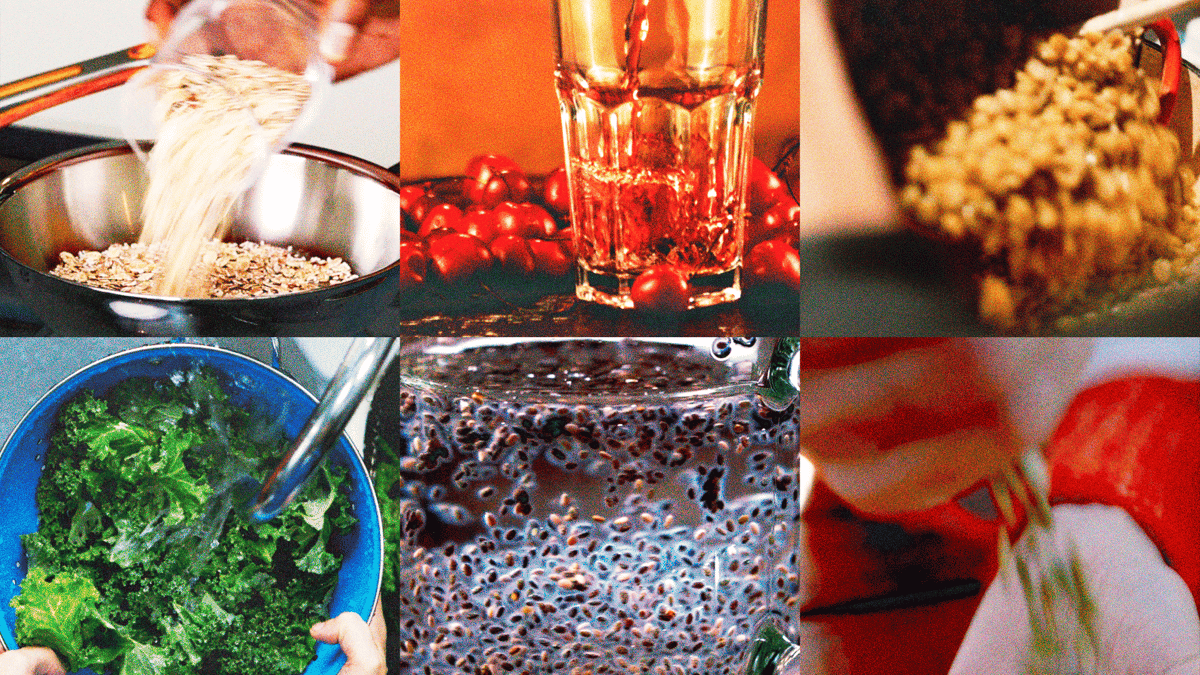
How the Best Drinks for Gut Health Can Improve Your Digestion (and Overall Health)
Gut health drinks have moved from specialty health shops into mainstream retail, driven by growing consumer awareness of the microbiome’s role in overall wellness. Studies like Tim Spector’s PREDICT link gut microbes to heart disease, obesity and diabetes risk, underscoring...
.png)
7 Magnesium-Rich Foods to Help Improve Your Sleep—And Your Mood
Magnesium deficiency affects nearly half of U.S. adults, despite the mineral’s role in over 300 bodily processes, including nerve function, blood pressure regulation, and immune support. The National Institutes of Health recommends 400‑420 mg daily, yet many people fall short. Dietitians...

These 6 Popular Workout Supplements Can Also Support Your Heart Health
A recent review of 33 studies examined six popular workout supplements—creatine, beta‑alanine, caffeine, synephrine, nitric‑oxide boosters, and taurine—highlighting both performance gains and cardiovascular effects. Creatine and taurine emerged as the most robust options, offering strength, endurance, and measurable heart‑protective benefits....
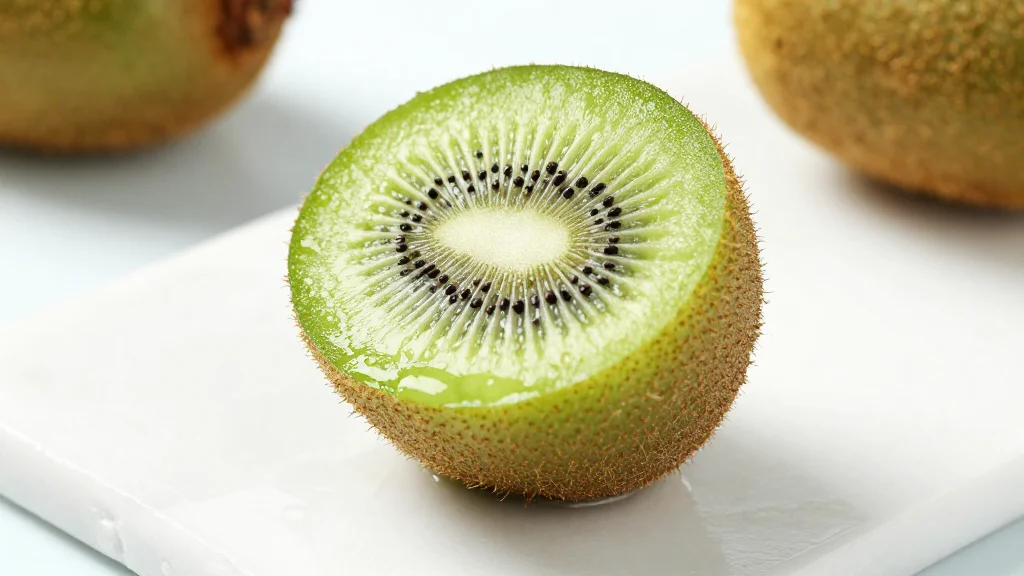
Eating This One Fruit Daily Can Improve Your Sleep & Gut Health
Kiwis deliver a potent mix of vitamin C, fiber, and the protein‑digesting enzyme actinidin, making them a standout fruit for overall health. Consuming one to two kiwis daily supplies roughly 65 mg of vitamin C per fruit and about four grams of fiber...

Yes, Creatine Benefits Include Reversing the Effects of Sleep Deprivation and Stress
Creatine monohydrate, long‑established for muscle growth, is gaining scientific backing as a brain‑fueling supplement. Recent studies show that higher daily doses—10 to 25 grams—can raise brain creatine levels and mitigate cognitive deficits caused by sleep loss and stress. Trials published...
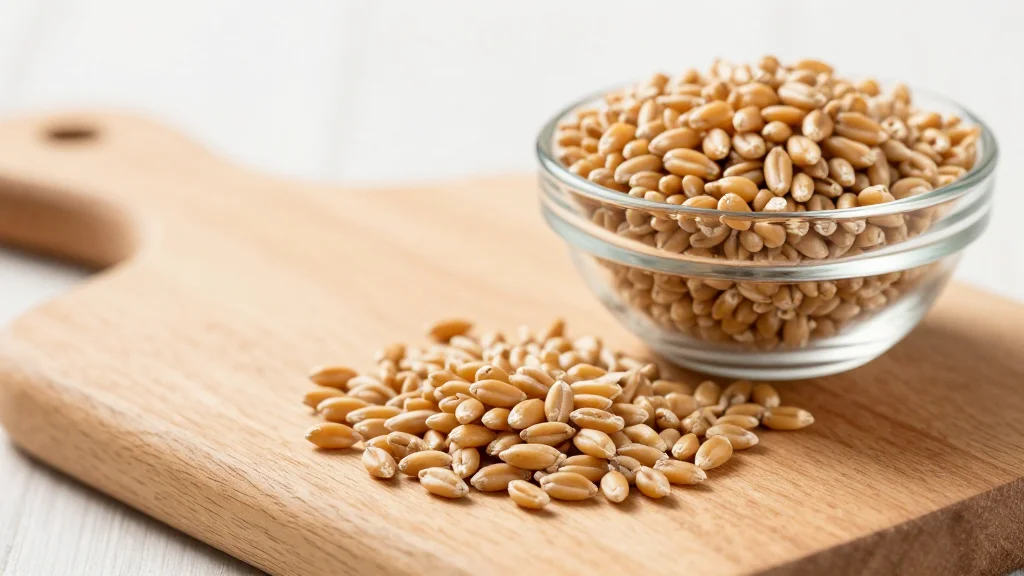
Make Sure You're Getting Enough Of This For Better Gut Health
A new study in *Mucosal Immunology* shows that wheat fiber can protect against intestinal inflammation, offering a potential dietary strategy for gut health. The World Health Organization recommends 25 grams of fiber daily, yet only about 5 % of Americans achieve this...

Staring at Screens All Day? These 3 Nutrients Support Your Eyes & Brain
Screen time is driving digital eye strain, sleep disruption, and cognitive fatigue, prompting a search for nutritional defenses. The article highlights three key nutrients—lutein/zeaxanthin, omega‑3 fatty acids, and vitamin A/β‑carotene—that protect the retina and brain from blue‑light stress. It outlines food...

These Foods & Nutrients Help Reduce Water Retention & Everyday Puffiness
The article outlines practical dietary steps to curb everyday water retention, explaining that excess sodium, hormonal changes, heat, and alcohol often trigger puffiness. It highlights potassium‑rich foods, natural diuretic options, consistent hydration, and adequate protein as key nutrients that help...

A Metabolism Researcher Shared 2 Simple Things He Does to Reduce His Cancer Risk
Dr. Charles Brenner, a metabolism researcher at City of Hope, says two simple habits—varying physical activity and eating a plant‑focused Mediterranean diet—help reduce cancer risk. He stresses moving frequently, from gym classes to dog‑walking and playing with his kids, to...

HiWell Absorfyx Launches Advanced Saw Palmetto Formula for Prostate, Urinary, and Hair Health
HiWell Absorfyx announced the launch of its Saw Palmetto Complex, a soft‑gel formula that combines standardized saw palmetto extract with pumpkin seed oil, Graminex® pollen extract, lycopene, nettle root, zinc and selenium. The product targets prostate health, urinary comfort and...

BienRaíz Launches Premium D3 + K2 Formula for Bone Health and Heart Function
BienRaíz announced a new premium supplement that pairs 5,000 IU of vitamin D3 with all‑trans MK‑7 vitamin K2 in a lipid‑based capsule. The formula targets the 40% of U.S. adults who are vitamin D deficient and aims to improve calcium...

Runners Are Discovering They Can Take Gels While Giving Birth—And Doctors Are on Board
Athlete mothers are bringing marathon energy gels into the delivery room, treating labor as an endurance event. Obstetricians confirm gels are safe as clear liquids, provided they contain no caffeine. Several runners, including Braden Oliver's wife and triathlete Alex Moler,...

Creating a Roadmap to Scale up Prenatal Supplementation Across Africa
Policymakers at the 2024 Africa Maternal Nutrition and MMS Technical Meeting outlined a unified framework to scale multiple micronutrient supplementation (MMS) for pregnant women across the continent. Evidence shows MMS reduces anemia‑related infant mortality by 29% and improves growth outcomes,...

Python Blood Could Hold the Secret To Healthy Weight Loss
Researchers at the University of Colorado Boulder have identified a python‑derived metabolite, para‑tyramine‑O‑sulfate (pTOS), that spikes dramatically after the snakes eat and appears to suppress appetite. In mouse studies, high doses of pTOS triggered weight loss without the gastrointestinal side...

This 5-Day Diet Helped Crohn’s Patients Feel Better Fast
A national randomized trial led by Stanford Medicine tested a five‑day, calorie‑restricted fasting‑mimicking diet (FMD) in 97 patients with mild‑to‑moderate Crohn's disease. Participants followed the low‑calorie, plant‑based protocol for five days each month over three months, while a control group...
:max_bytes(150000):strip_icc():format(jpeg)/parentsfeedingguide-92082cff71724aa188a07b924fac312f.png)
An Age-by-Age Feeding Chart for Newborns and Babies
A comprehensive baby feeding chart outlines average milk volumes and feeding frequencies from birth through the first year, emphasizing on‑demand feeding early on and gradual increases in intake. Newborns typically consume 0.5‑2 oz per feed eight to twelve times daily, progressing...
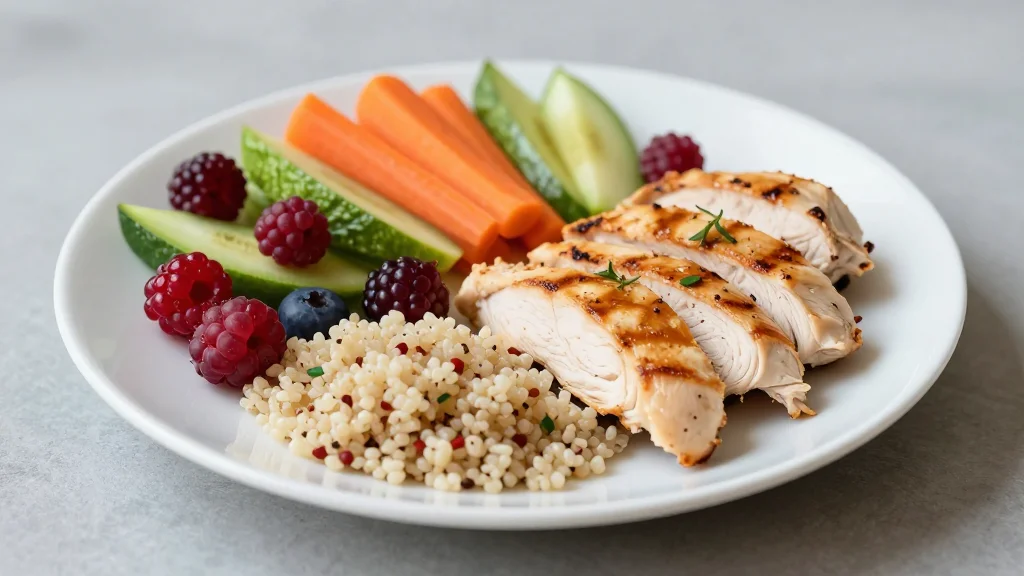
Counting the Number of Calories in a Pound of Fat
The classic 3,500‑calorie‑per‑pound rule, dating back to 1958, suggests a 500‑calorie daily deficit will shed one pound each week. Modern research shows this guideline oversimplifies weight loss because metabolism, muscle mass, genetics and lifestyle all influence energy balance. Registered dietitian...
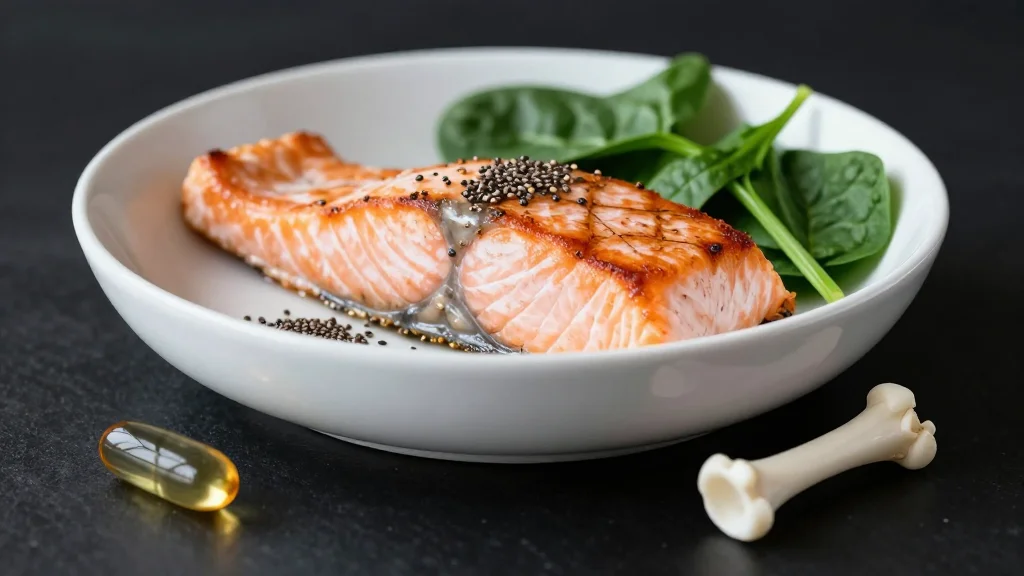
Omega-3 PUFAs in Musculoskeletal Health and Sports Medicine: From Molecular Pathways to Precision Nutrition Strategies
A new narrative review links omega‑3 polyunsaturated fatty acids (PUFAs) to musculoskeletal health by tracing their anti‑inflammatory and tissue‑repair pathways from the cellular level to clinical outcomes. The authors detail how omega‑3s remodel cell membranes, shift lipid mediator profiles, and...
Targeting Muscle–Vasculature Crosstalk in Aging Through the Integrative Roles of L-Citrulline, Leucine, and Exercise: Focus on Muscle Metabolism, Vascular Function,...
Aging simultaneously erodes skeletal muscle mass and vascular function, creating a feedback loop that accelerates sarcopenia. L‑citrulline boosts nitric‑oxide production, enhancing endothelial health, while leucine stimulates the mTOR pathway to increase muscle protein synthesis. Recent studies show that combining these...