
Microbiota-Metabolites Interaction Associated with Glycemic Improvement Following a Dietary Herbal Intervention in Type 2 Diabetes
The study evaluated QingYun7 (QY7), a standardized dietary herbal blend, in diabetic rats and a prospective cohort of 385 type‑2 diabetes patients. QY7 significantly lowered fasting, random and post‑prandial glucose while reshaping the gut microbiome and serum metabolite profile. Fecal microbiota transplants from post‑intervention patients improved glycemic responses in antibiotic‑treated mice, indicating a causal role of the microbiome. Mediation analysis pinpointed phenyllactic acid, 3‑methyl‑2‑oxobutanoic acid and anandamide as key metabolites linking specific bacterial taxa to glucose control.

Structural Elucidation and Antidiabetic Activity of Polysaccharides From the Parasitic Plant Orobanche Cumana
Researchers isolated three polysaccharide fractions from the parasitic plant Orobanche cumana and identified the alkaline‑extracted fraction OCP‑3 as a low‑molecular‑weight rhamnogalacturonan‑I‑rich polysaccharide. OCP‑3 showed strong antioxidant activity and inhibited key carbohydrate‑digesting enzymes, with IC₅₀ values of 98.5 µg mL⁻¹ for α‑amylase and...

New Directions in Mulberry Leaf Research for Diabetes: A Translational Approach Based on Multi-Component Synergy
Mulberry leaf (ML) extracts, rich in alkaloids, flavonoids, phenolic acids and polysaccharides, demonstrate multi‑target hypoglycemic effects. Preclinical models show that standardized multi‑component formulations can lower fasting glucose and improve insulin resistance comparable to metformin. A meta‑analysis of 12 randomized trials...
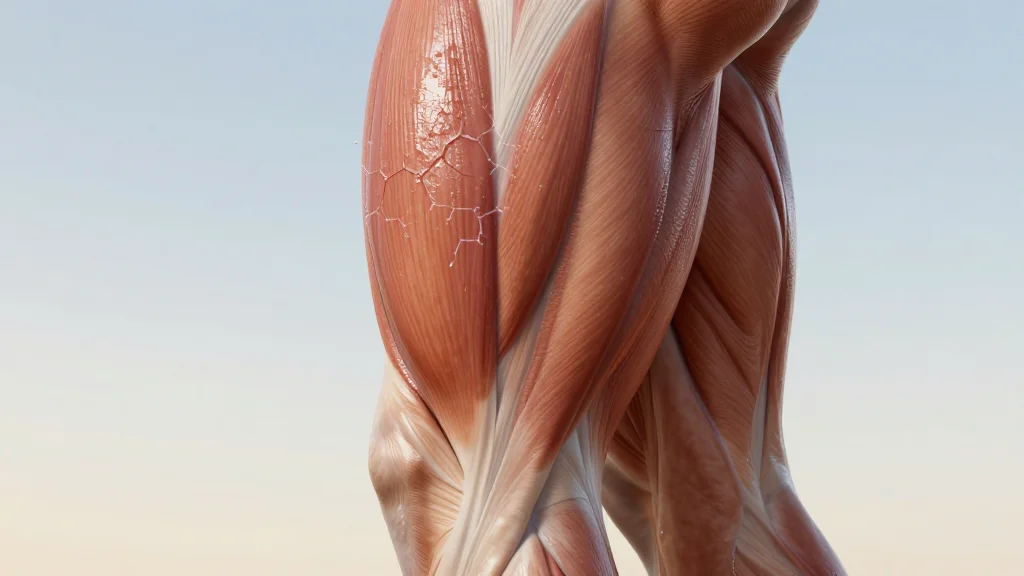
Icariin Improves Metabolic Response to Exercise by Promoting TFEB-Dependent Mitochondrial Clearance and Metabolic Reprogramming in C57BL/6 Mice and C2C12 Myotubes
A four‑week oral regimen of Icariin (50‑100 mg kg⁻¹) markedly improved aerobic capacity in C57BL/6 mice, raising VO₂ max, extending endurance run time, and blunting post‑exercise lactate spikes. Treated animals displayed skeletal muscle hypertrophy, a shift toward oxidative fiber types, and enhanced mitochondrial...
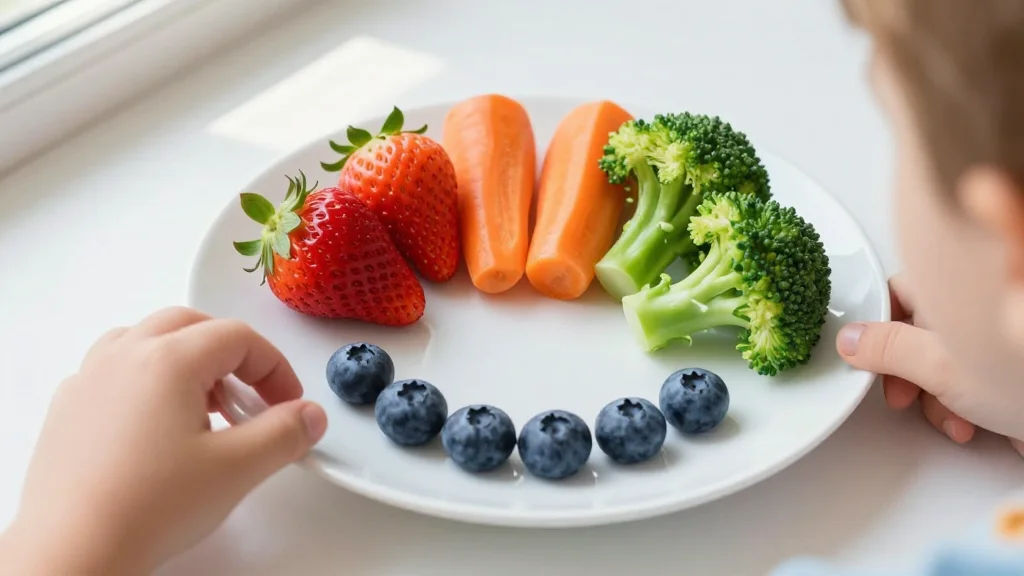
The Correlation Between Nutrition Index Scores and Nutrition Status of Preschool Children in a District of Shanghai
A quasi‑experimental study of 1,794 preschoolers in Shanghai’s Minhang district examined the Nutrition Quotient for Preschoolers (NQ‑P) and tested a three‑month family‑centered intervention on 163 children. Baseline analysis showed NQ‑P scores were positively linked to parental dietary responsibility, frequent family...

New Study Shows You Should Pair This With Creatine To Boost Performance
A recent four‑day loading study with 60 healthy young men found that pairing creatine with carbohydrates (and optionally protein) improves repeated high‑intensity performance more than creatine alone. Participants taking creatine plus carbs saw a 5‑10% increase in average power across...

How Healthy Are Oats?
Oats are a low‑fat, protein‑rich grain celebrated for their high beta‑glucan fiber content. The soluble fiber thickens gut contents, binding cholesterol‑laden bile acids and helping remove them from the body. The FDA has officially linked at least three grams of...

The Side Effects of Melatonin, According to Experts
Melatonin supplement use in the United States has surged more than 400% in the past 20 years, driven by widespread sleep deprivation. Experts say melatonin can help reset circadian‑rhythm disorders such as jet lag or shift‑work sleep onset, but it...

5 Major Health Benefits of Blueberries
A recent article outlines five major health benefits of blueberries, highlighting their nutrient profile and bioactive compounds. One cup of raw berries delivers 96 calories, 3.6 g of fiber, vitamin C, manganese, and vitamin K, while being low in sugar. The piece...

Weizmannia Coagulans BC99 Presents Promising Probiotic Strategy for Chronic Constipation
A double‑blind, placebo‑controlled trial of 88 adults showed that daily intake of Weizmannia coagulans BC99 (10 billion CFU) for eight weeks markedly improved bowel‑movement frequency, stool form and psychological well‑being. Participants receiving BC99 experienced faster colonic transit, higher levels of motility‑promoting peptides and...

Stanford Scientists Discover “Natural Ozempic” Without Side Effects
Stanford Medicine scientists have identified a naturally occurring 12‑amino‑acid peptide, dubbed BRP, that mimics the appetite‑suppressing effects of semaglutide (Ozempide) in animal models. In lean mice and minipigs, a single injection cut food intake by up to 50% and daily...
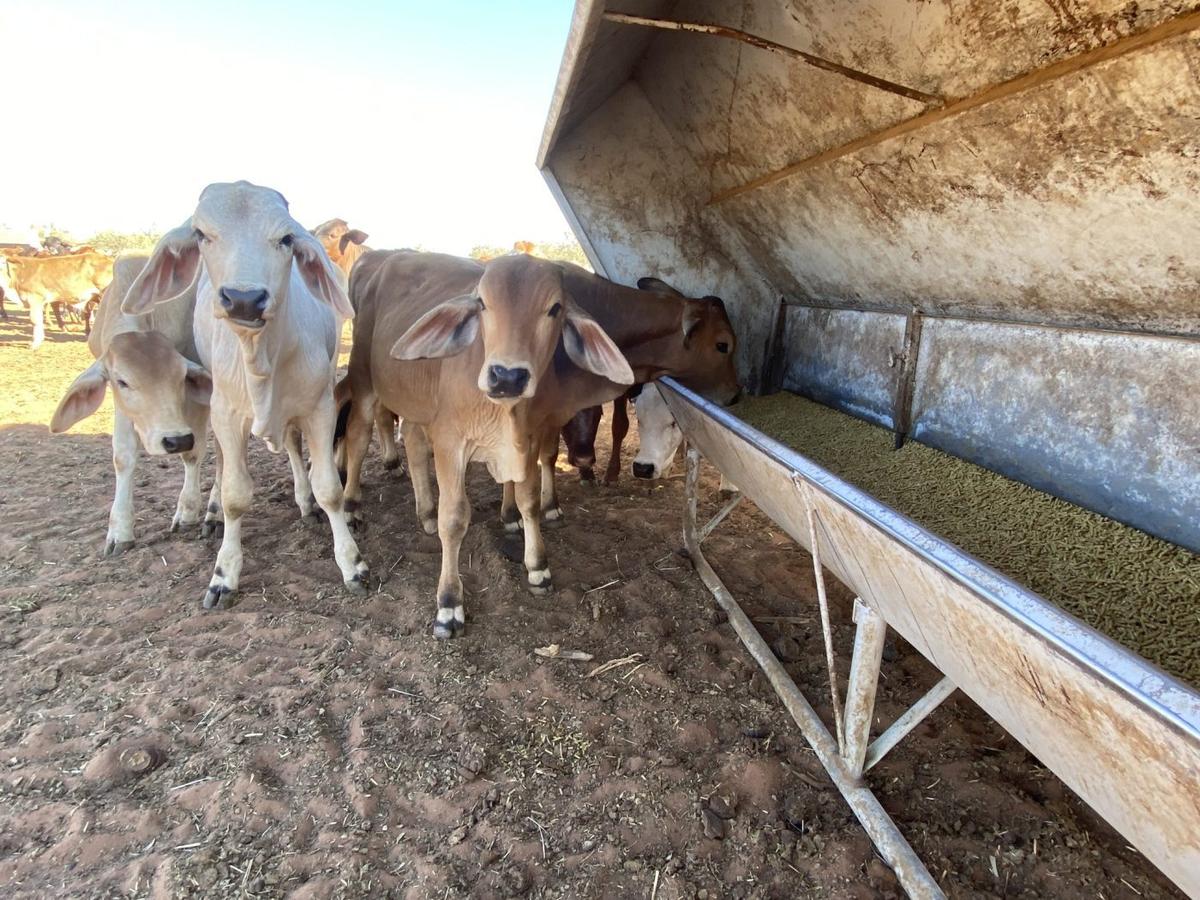
Build the Rumen. Build the Return.
Early rumen development is critical for cattle lifetime performance, influencing growth, feed conversion, and carcass outcomes. Milne Feeds' Early Weaner pellet program trains calves on pellets for 4‑5 days, providing protein and energy to establish rumen function without a complex...
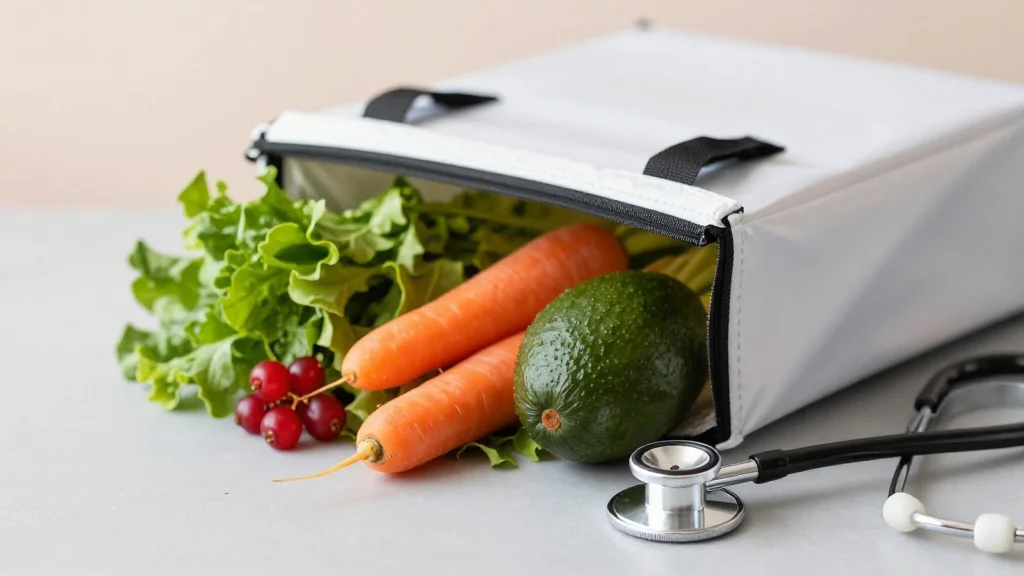
Food Delivery for Heart Failure Patients Shows High Uptake, May Boost Quality of Life
A randomized pilot trial (FOOD‑HF) at UT Southwestern delivered medically tailored meals or fresh‑produce boxes to 150 heart‑failure patients for 90 days after discharge. Delivery completion exceeded 90% and retention topped 95%, showing the model is feasible and well accepted....
:max_bytes(150000):strip_icc():format(jpeg)/healthiest-sandwich-bread-GettyImages-183953960-1a3aeb41759042849186f11e6a279510.jpg)
We Asked 3 Dietitians to Pick the Healthiest Sandwich Bread—And They All Chose the Same One
Three registered dietitians agree that 100 percent whole‑wheat sprouted bread is the healthiest sandwich loaf. They cite its high fiber, protein, and micronutrient profile, as well as a low glycemic response compared with refined breads. The experts also stress minimal added...
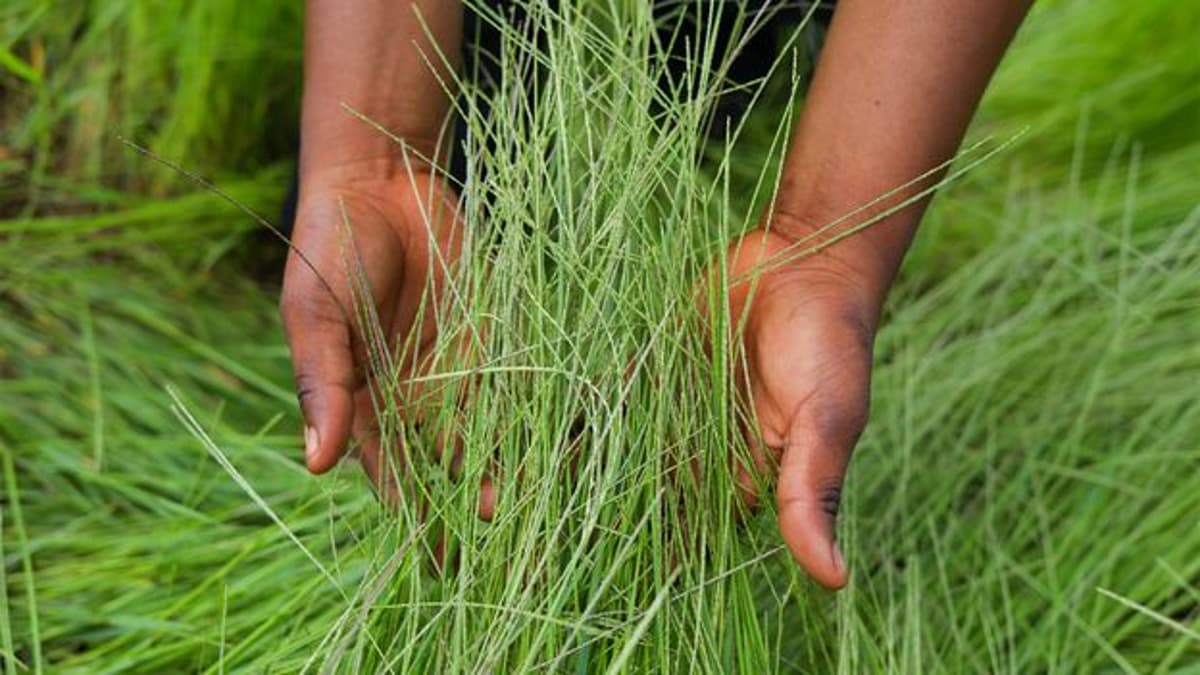
Are Ancient Grains Really Better for You?
Ancient grains like quinoa, spelt, and einkorn have surged in popularity, but scientists say their health edge over modern grains is modest. While wholegrain consumption consistently lowers disease risk, the age of the grain matters less than processing. Research shows...
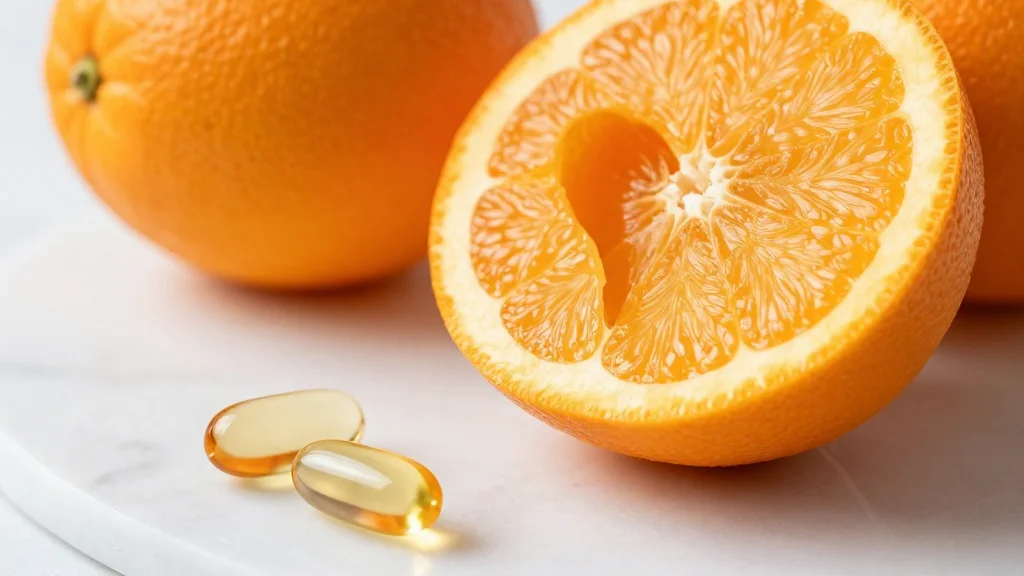
3 Major Ways This Surprising Supplement Supports Cardiovascular Health*
Vitamin C, widely known for immune support, also plays a pivotal role in cardiovascular health. Research links adequate vitamin C intake to healthier blood pressure by promoting collagen synthesis that keeps arteries flexible. The antioxidant protects endothelial cells, enhancing vessel dilation and...
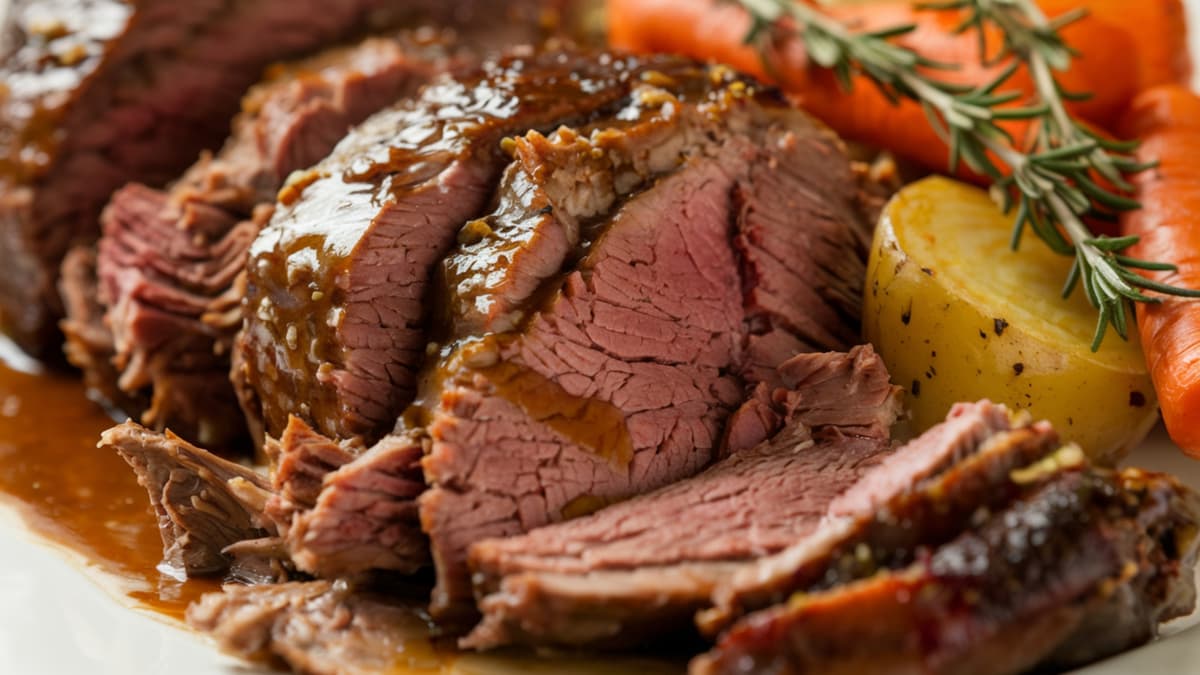
The Rookie Veggie Mistake That Makes Your Pot Roast Less Nutritious
Most home cooks peel carrots, potatoes, and parsnips before adding them to a pot roast, but the skins contain a substantial share of the vegetables' fiber, vitamins, and minerals. Leaving the skins on preserves up to 30% of dietary fiber...
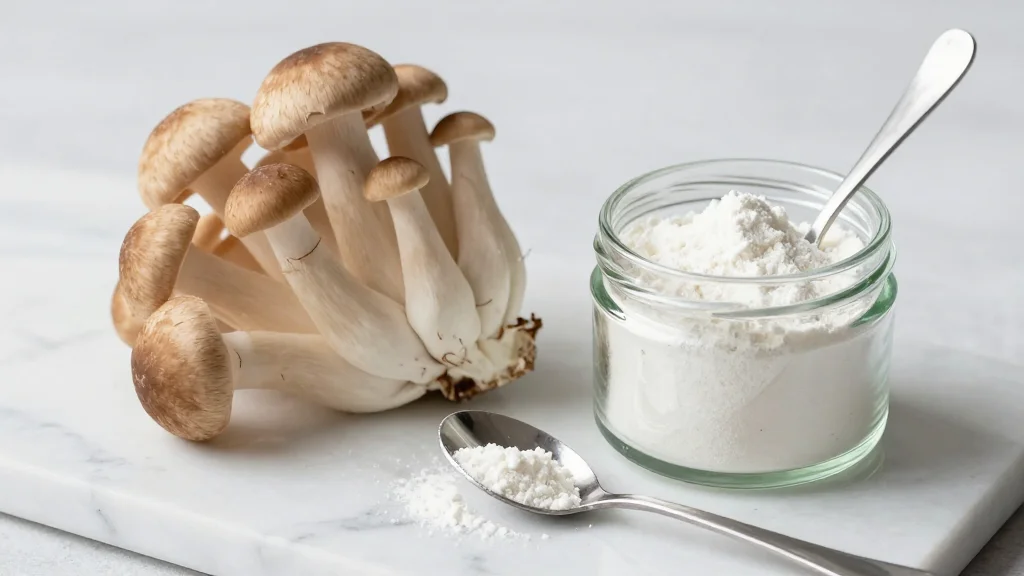
Hypsizygus Marmoreus Polysaccharides Protect Against Cisplatin-Induced Intestinal Mucositis via Modulation of Gut Microbiota, Inflammation, and Intestinal Barrier Function
Researchers extracted polysaccharides from the edible mushroom Hypsizygus marmoreus (HMP) with a 16% yield and characterized them as high‑molecular‑weight, glucose‑rich polymers. In a mouse model of cisplatin‑induced intestinal mucositis, oral HMP (10 mg kg⁻¹) mitigated weight loss, diarrhea, and immune‑organ atrophy while...
.jpg)
The 9 Best High-Protein Meals, According to Athletes, Nutritionists, and Chefs
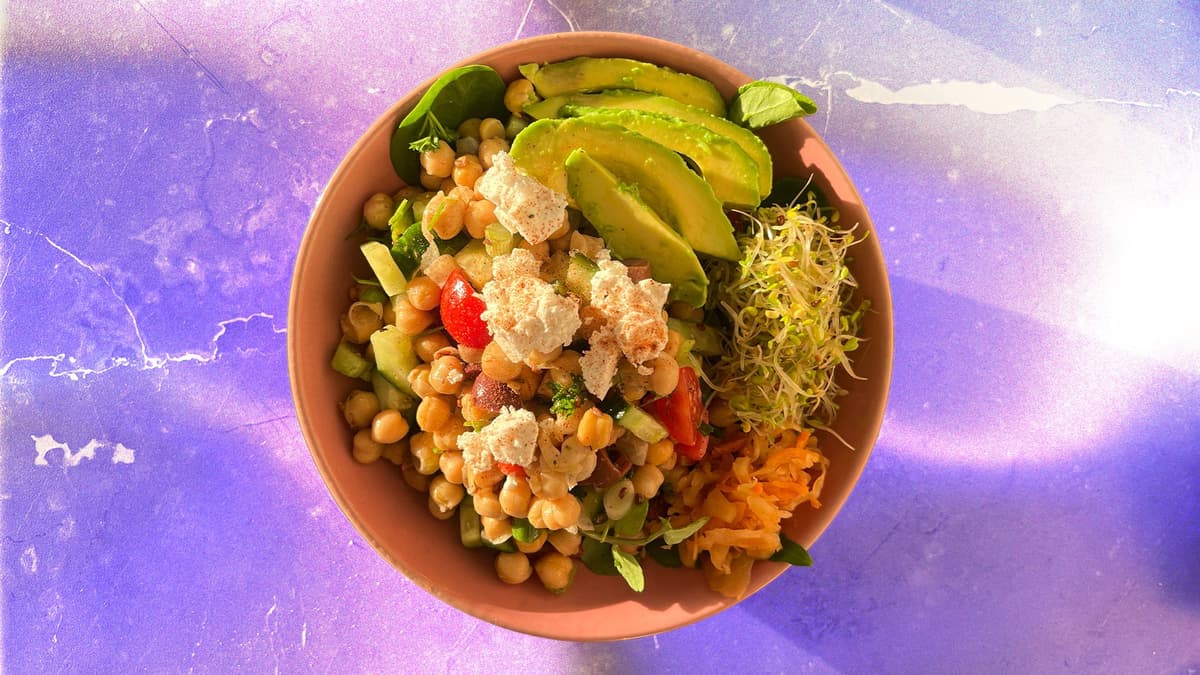
GQ compiled a list of nine high‑protein meals curated by nutritionists, elite athletes and professional chefs, showcasing how protein‑rich dishes can stay flavorful and varied. The lineup includes a chickpea bowl with 30 g of protein, a shakshuka with chorizo for...

When Is the Best Time to Take Creatine?
Creatine remains a staple for strength athletes, offering muscle, bone and cognitive benefits. Research and sports dietitians agree that the exact timing—pre‑ or post‑workout—has negligible impact on long‑term gains, though a pre‑workout dose may enhance immediate power. Consistency is key:...

Two Simple Eating Habits Linked to Lower Weight, Study Finds
A longitudinal study of 7,000 Spanish adults found that extending overnight fasting and eating breakfast early are linked to lower body‑mass index over five years. The research, published in the International Journal of Behavioral Nutrition and Physical Activity, used data...
Carbs For Brain Health? What 13 Years Of Research Just Uncovered
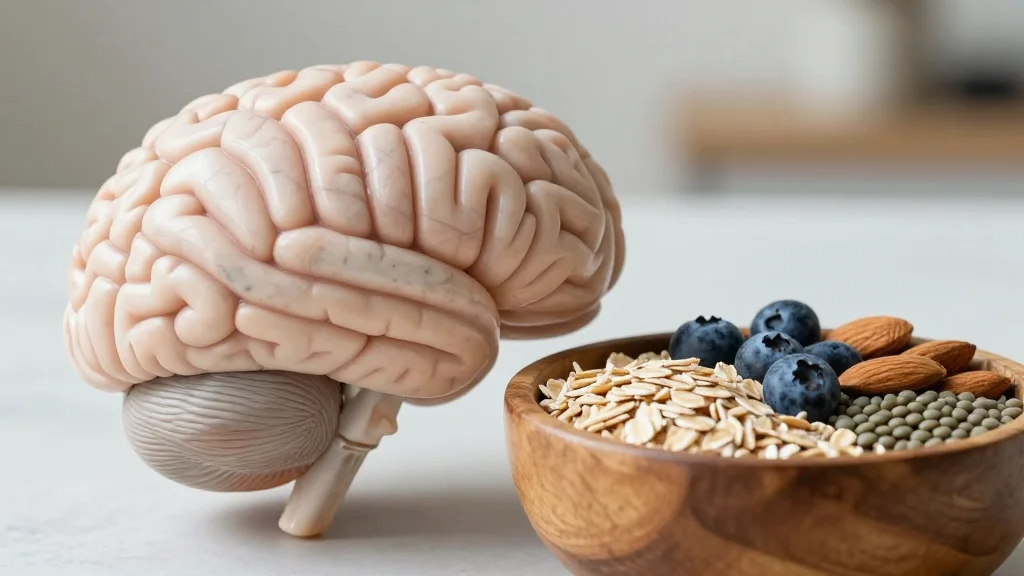
A 13‑year UK Biobank study of more than 200,000 adults found that diets low in glycemic index and glycemic load are associated with a reduced risk of dementia, including Alzheimer’s disease. Participants who consumed slower‑digesting, fiber‑rich carbohydrates experienced fewer cognitive...
Knee Pain? New Study Shows This Supplement Helps (Not Turmeric)
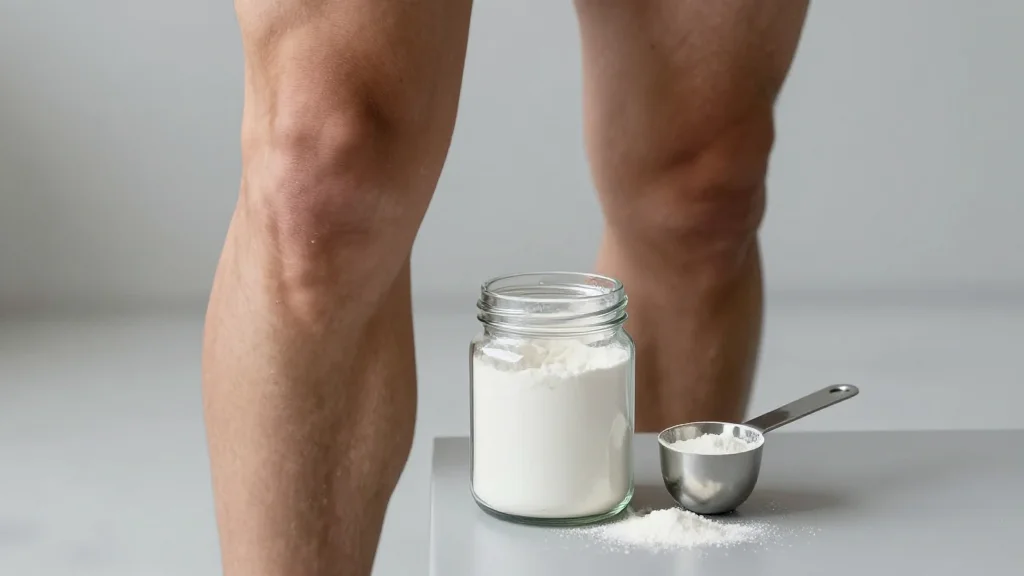
A double‑blind, placebo‑controlled trial found that adding creatine to a four‑week physical‑therapy program significantly reduced knee pain and improved functional scores in adults with mild to moderate osteoarthritis. Participants took a 20 g loading dose for one week followed by 5 g...

Can You Reset Your Sweet Tooth? A New Study Challenges This Popular Belief
A six‑month randomized trial published in The American Journal of Clinical Nutrition examined whether altering sugar exposure reshapes taste preferences. Researchers assigned 180 healthy adults to low, regular, or high sweet‑taste diets and tracked liking, food choices, weight and cardiometabolic...

How Creatine Can Boost Your Cognitive Function in the Outdoors
Creatine monohydrate, widely used for muscle performance, may also enhance cognitive function under extreme outdoor conditions. Recent studies report modest improvements in memory, processing speed, and reduced sleepiness among sleep‑deprived adults, while a 2025 review noted benefits for older adults....

Can Food Actually Be Medicine? These Doctors Say Yes
Medical schools across the United States are embedding culinary medicine into their curricula, teaching future doctors, dentists and dietitians to view food as a therapeutic tool. Tufts University recently ran a two‑month class where students prepared meals tied to specific...

The Role of Food in Mental Health and Mental Illness
Recent research solidifies nutritional psychiatry as a credible adjunct to traditional mental‑health treatment. Landmark trials such as SMILES demonstrated a 32% remission rate from a structured Mediterranean‑style diet, comparable to antidepressant outcomes, while omega‑3 EPA supplementation has earned formal endorsement...

The Recomposition Trap: Why Your Pursuit of the "Holy Grail" Is Keeping You Average
The article argues that pursuing simultaneous fat loss and muscle gain—often marketed as the "holy grail" of physique change—is a trap for most lifters. While body recomposition is possible in labs, real‑world results are slow unless you’re a beginner, an...

What Happens to Your Protein Needs As You Age
Recent research indicates older adults should consume more protein than the standard RDA of 0.8 g per kilogram. Experts now recommend 1.0–1.2 g per kilogram to counteract anabolic resistance and preserve muscle mass. For a 135‑lb individual this translates to roughly 61–74 g...
Commentary: The Effects of Creatine Supplementation on Cognitive Function in Adults: A Systematic Review and Meta-Analysis
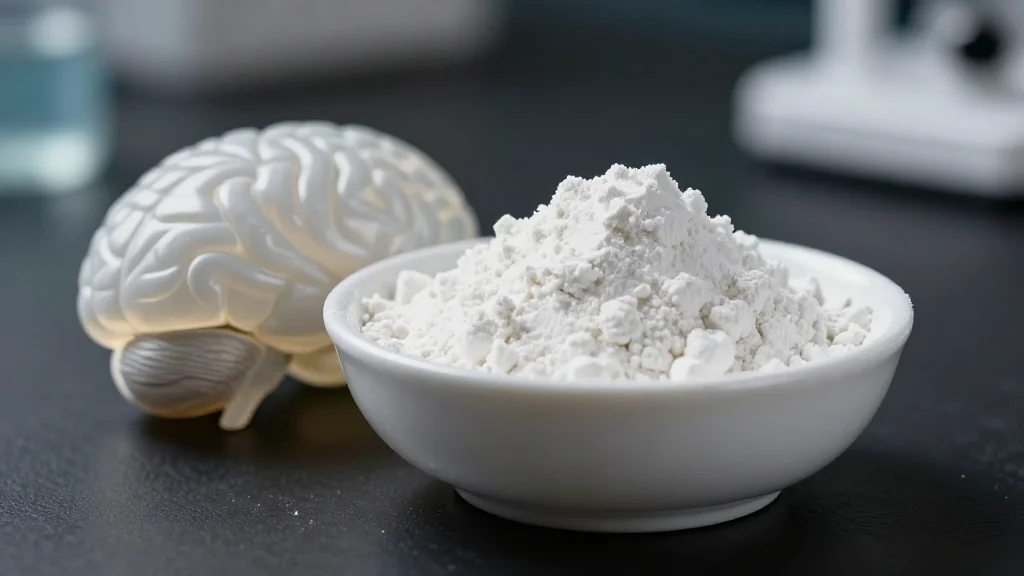
Tom Citherlet’s commentary challenges the recent meta‑analysis by Xu et al., arguing that it double‑counts multiple cognitive outcomes from the same participants, inflating sample size and statistical power. He cites similar methodological errors in earlier creatine‑memory reviews and notes the European...
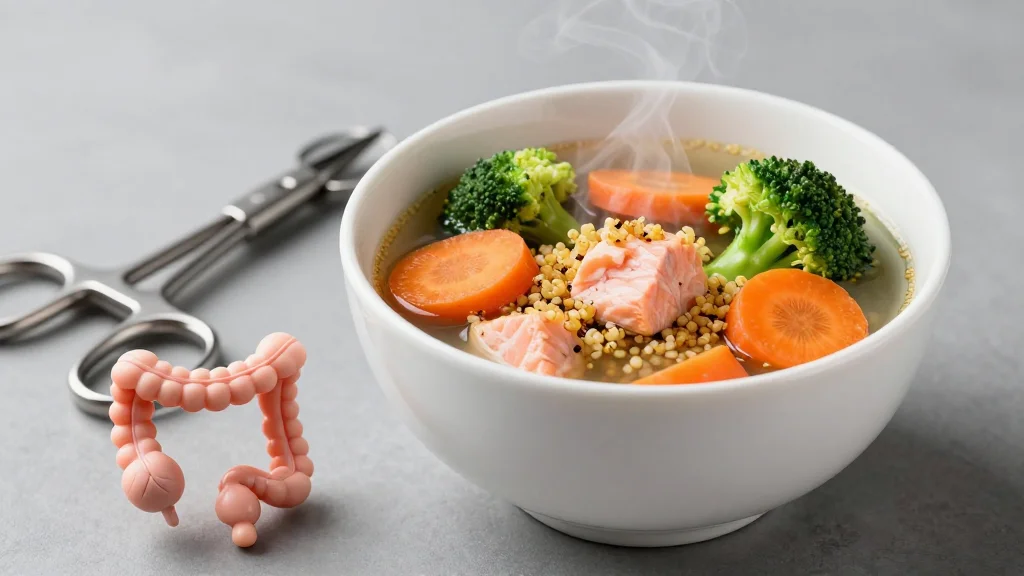
The Effect of Immunonutrition on Postoperative Ileus Following Colorectal Cancer Surgery: A Systematic Review and Meta-Analysis of Randomized Controlled Trials
A systematic review and meta‑analysis of 28 randomized trials involving 2,367 colorectal cancer patients found that peri‑operative immunonutrition significantly accelerates gastrointestinal recovery. Compared with standard diet, immunonutrition reduced time to first flatus by 0.56 days, time to first defecation by...
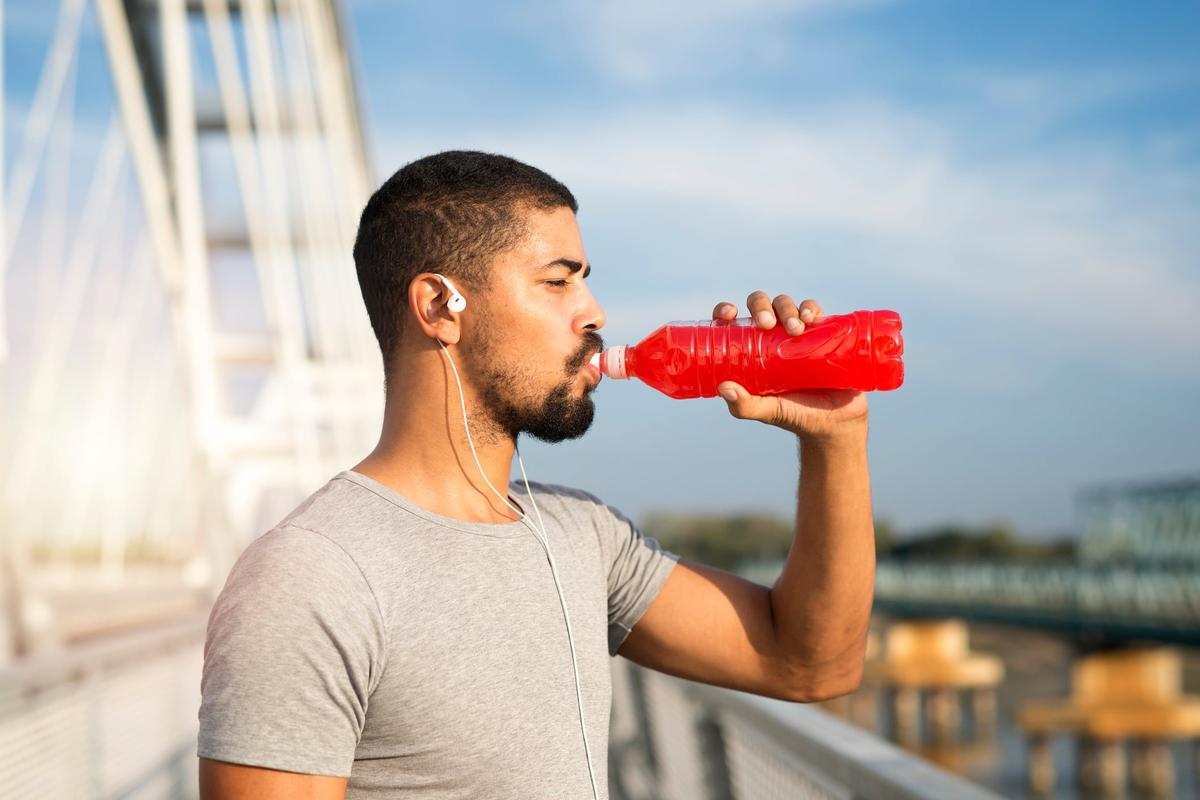
Isomaltulose May Offer Benefits over Sucrose for Energy Drinks: Study
The University of Auckland conducted a crossover trial comparing a caffeinated sucrose drink with an isomaltulose‑based counterpart that also contained L‑theanine. Results showed that isomaltulose produced lower post‑prandial glucose and insulin spikes while achieving non‑inferior scores on most cognitive domains....

Slimbiotics Study Suggests Postbiotic Can Reduce Body Fat, Increase Muscle Mass and Support Cognition
A 12‑week, double‑blind trial of Slimbiotics' heat‑inactivated Limosilactobacillus fermentum K8‑Lb1 postbiotic showed statistically significant reductions in body fat, weight, and waist circumference among 60 overweight adults. Participants also experienced a modest increase in muscle mass and reported better concentration, suggesting...

Feeling Stressed? This Hydration Tip Could Help Balance Cortisol Naturally
A recent study of 32 adults found that low daily water intake—around 1.3 L—significantly amplifies cortisol spikes during a standardized stress test, even though participants reported similar anxiety levels. The higher‑intake group, drinking roughly 4.4 L per day, showed muted hormonal responses....
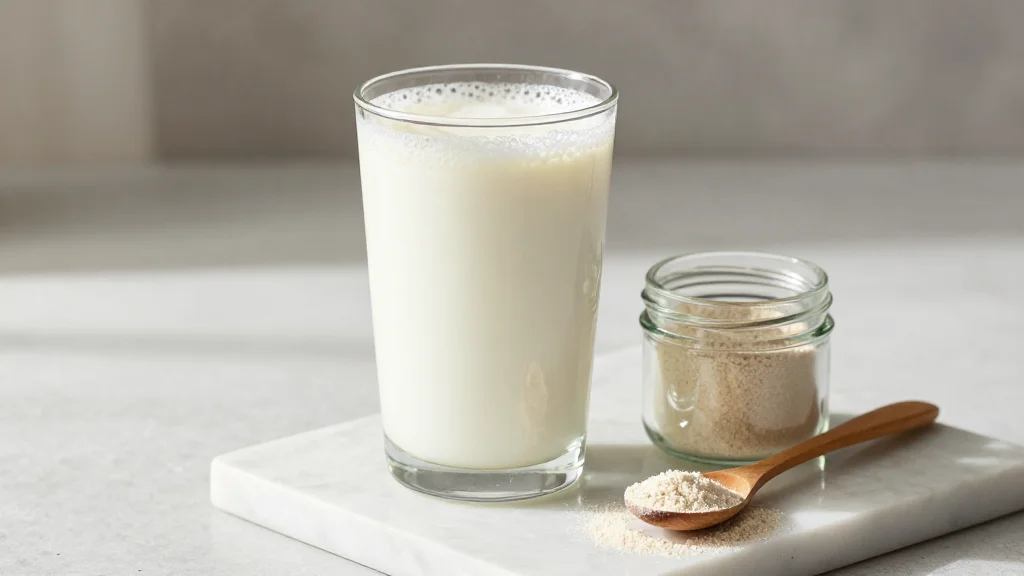
This Two-Food Combo May Be The Secret Inflammation Fix You're Missing
A University of Nottingham study found that a six‑week regimen of goat’s milk kefir paired with a blend of prebiotic fibers reduced inflammation markers more effectively than omega‑3 supplements alone. The synbiotic combination also improved immune balance and metabolic markers,...
This Could Be The Missing Link Between Inflammation & Muscle Recovery
A new review in Frontiers in Nutrition highlights that the modern 15:1 omega‑6 to omega‑3 intake ratio fuels chronic low‑grade inflammation, undermining bone, joint and muscle health. Supplementing 3–4 g of EPA and DHA daily can amplify muscle protein synthesis by...

Olive Oil By The Spoonful? Why I Swear By This Habit For Digestion
Registered dietitian Molly Knudsen highlights a growing habit of taking a spoonful of extra‑virgin olive oil daily to boost digestion and support thyroid health. The practice, popularized by colleague Bahar Ayar, involves consuming one to two tablespoons before meals, a...

AI-Based Monitoring Reveals Protein Deficiencies in People Taking GLP-1 Receptor Agonists for Weight Loss
A new real‑world study used an AI‑driven nutrition‑tracking app to examine dietary habits of adults on GLP‑1 receptor agonists semaglutide and tirzepatide. Participants ate significantly fewer calories, with notable drops in protein and micronutrient intake. The AI analysis flagged nutritional...
Why Some 'Healthy' Snacks Might Leave You Hungrier
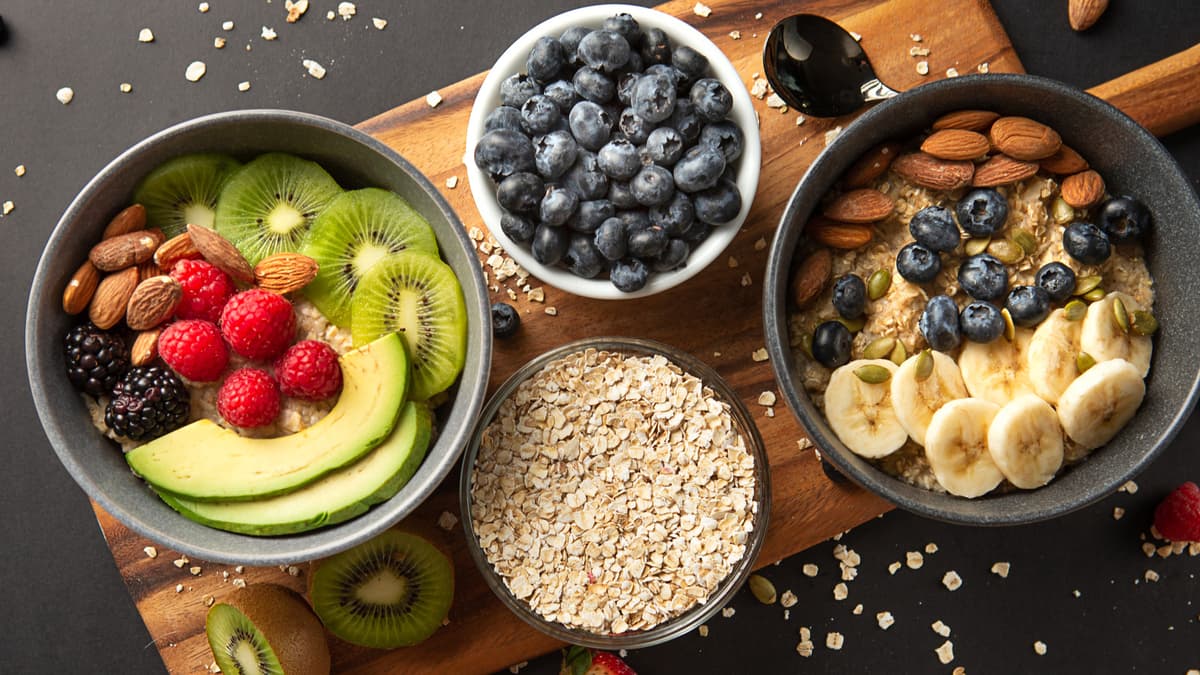
Many consumers reach for low‑calorie snacks like celery sticks or baked chips, only to feel hungry soon after. Registered dietitian Angel Luk explains that satiety depends more on macronutrient balance than on calorie count. Snacks rich in healthy fats, protein,...

Research Shows The One Supplement That Supports The Muscle-Brain Axis
Research published in April 2026 highlights creatine’s role in the muscle‑brain axis, showing that the supplement can boost the release of myokines that influence cognition, mood and neuroinflammation. The study outlines four pathways: enhanced ATP availability in muscle, increased muscle...
Worried About Memory Loss? 7 Studies Suggest This Nutrient May Help
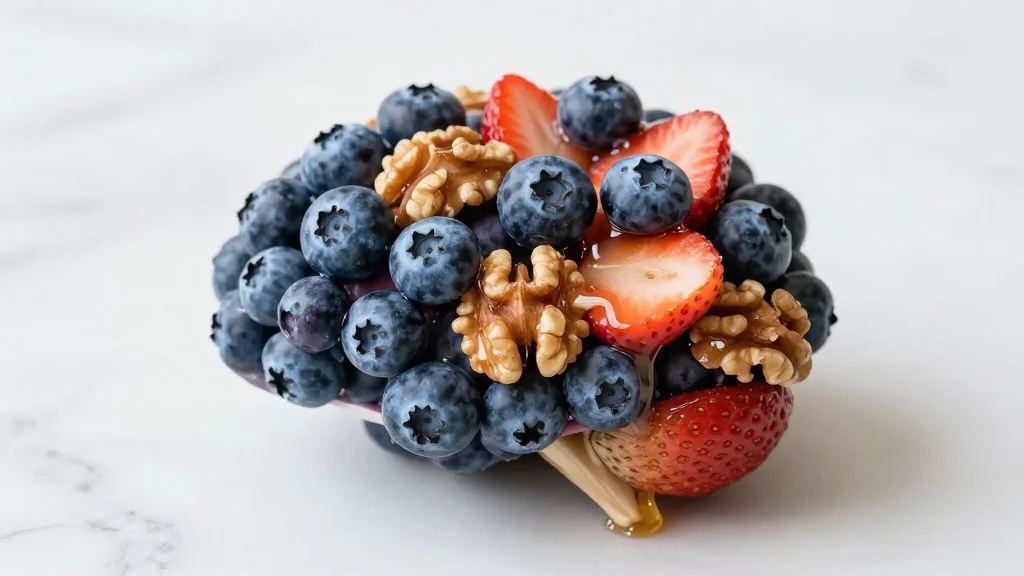
A 2023 systematic review of seven clinical studies found that citicoline, a brain‑derived nutrient, consistently preserved or improved cognitive scores in adults with mild cognitive impairment, Alzheimer’s, Parkinson’s‑related MCI, and post‑stroke deficits. The trials, averaging 213 participants and lasting up...

New Dietary Recommendations in the Netherlands: Less Meat, More Legumes
The Dutch Nutrition Center has revised its “Wheel of Five” to curb meat and cheese consumption while boosting legumes. Adults 18‑50 should limit meat to 300 g per week (no more than 100 g red) and cheese to 20 g daily, and increase...
Creatine Supplementation in Young Men Under Resistance versus Non-Resistance Training: A Systematic Review and Meta-Analysis of Strength, Performance, and Lean...
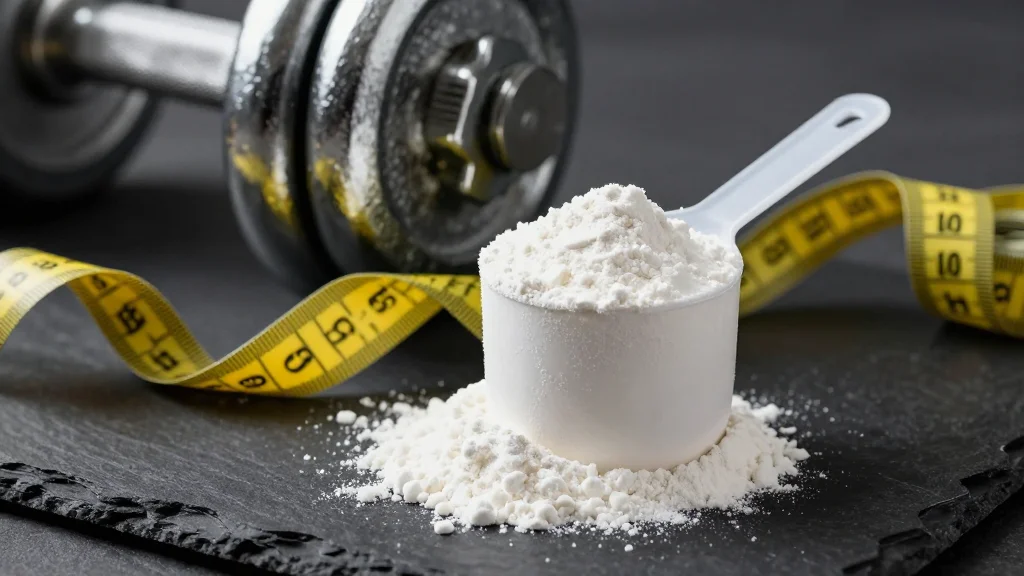
A systematic review and meta‑analysis of 39 randomized trials in healthy men aged 18‑30 examined creatine supplementation under resistance training (RT) versus non‑resistance training (non‑RT). Creatine combined with RT produced significant gains in fat‑free mass (+3.39 kg) and lean body mass...
Reducing Relapse in Children After Recovery From Severe Acute Malnutrition in Mali: Participatory Development of a Theory of Change for...
Researchers in Mali built a theory of change to curb the high relapse rate among children recovering from severe acute malnutrition. They pinpointed three direct drivers—insufficient initial treatment, poor post‑discharge diet, and frequent illness with low care‑seeking. The proposed solution...
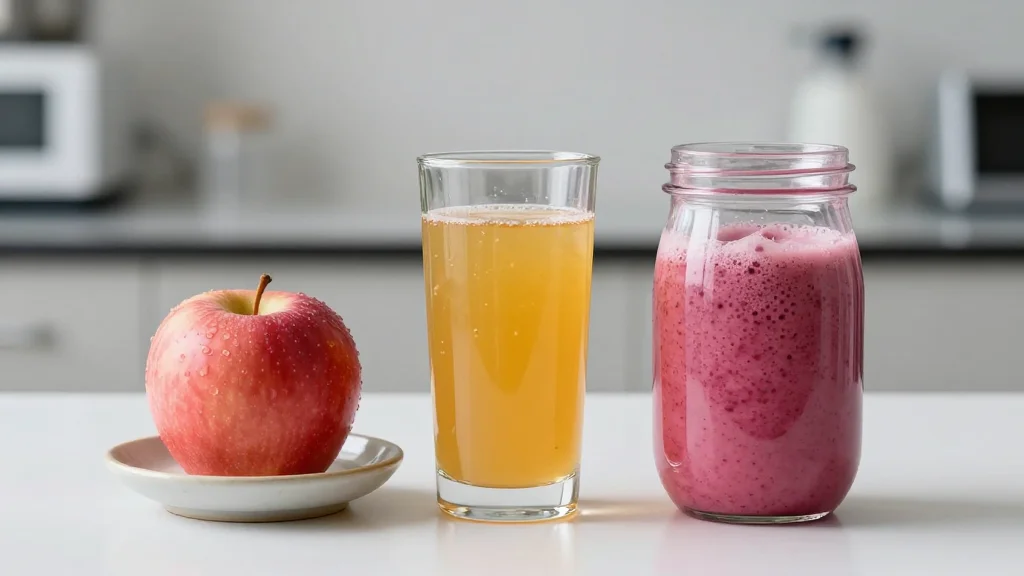
Health Associations of Various Fruit Forms: Solid Fruits, Juices, and Smoothies
A cross‑sectional survey of 443 adults compared solid fruit, 100 % fruit juice, and fruit smoothies. Participants who primarily drank smoothies showed the most favorable health profile, including the lowest hypertension prevalence (18.6 %), lowest BMI (22.7 kg/m²) and highest energy ratings. Juice...
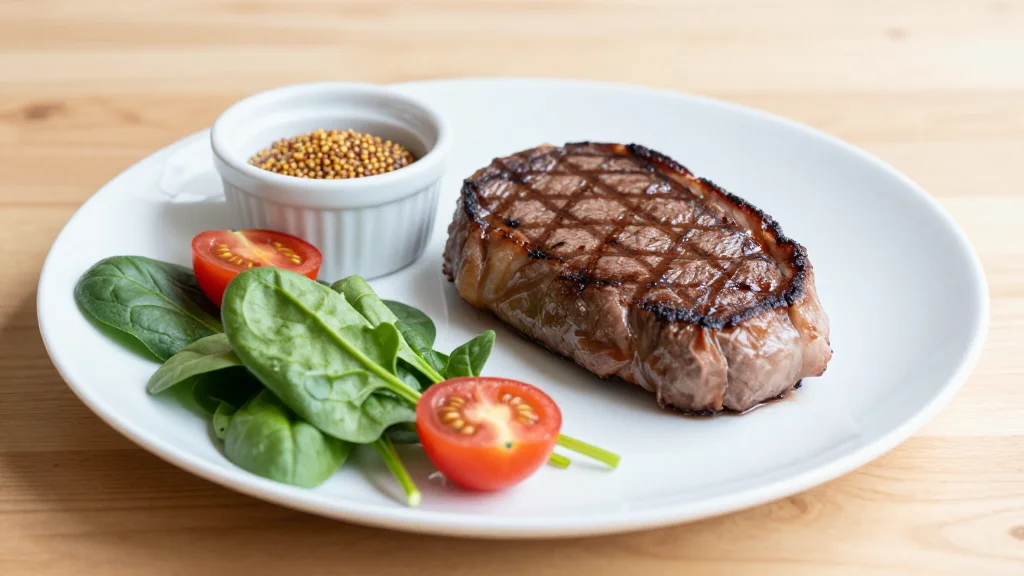
Perspective: Use of Beef in a Dietary Intervention as an Effective Strategy for Improving Cognition in Young Adult Females
A new perspective review highlights beef as a viable dietary strategy to boost cognition in young adult females, a group disproportionately affected by iron deficiency. The authors synthesize evidence linking heme iron and other beef‑derived nutrients—vitamin B12, zinc, choline, and creatine—to...

Comprehensive Evaluation of the Efficacy and Safety of Different Vitamin D Combination Regimens Based on Indirect Comparisons for Children with...
A Bayesian network meta‑analysis of ten randomized trials involving 867 children compared nine oral vitamin D‑based combination regimens with vitamin D₃ monotherapy for nutritional rickets. The combinations produced significantly higher serum 25‑hydroxyvitamin D, lower bone‑specific alkaline phosphatase, and increased calcium and phosphate levels,...
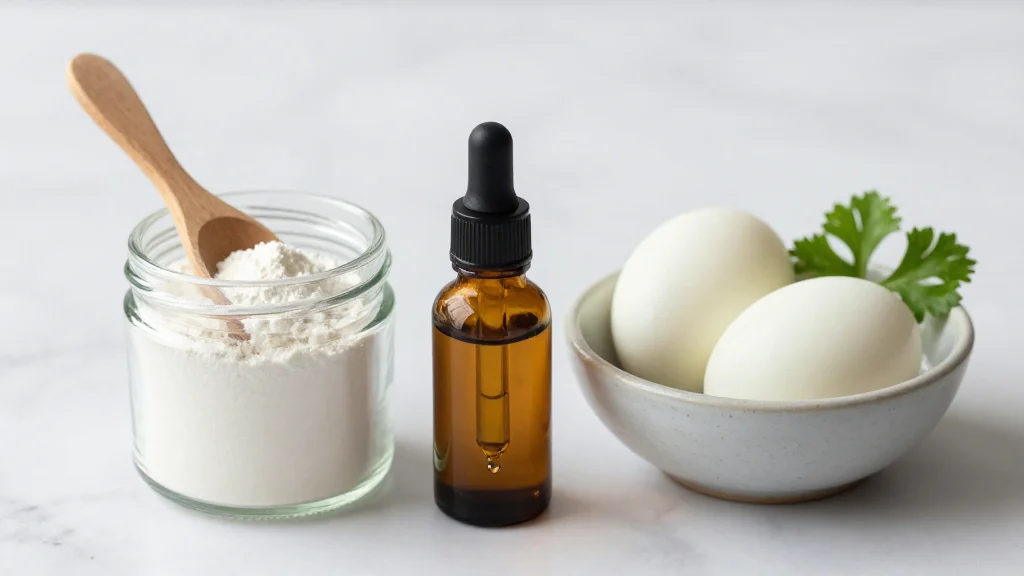
Effects of Sodium Bicarbonate, Cholecalciferol, and Protein Supplementation Interventions on Muscle Mass and Metabolic Disturbances in Patients with Chronic Kidney...
A systematic review and network meta‑analysis of 22 trials involving 2,879 chronic kidney disease (CKD) patients compared sodium bicarbonate, cholecalciferol (vitamin D3) and protein supplementation. The analysis found cholecalciferol significantly increased muscle mass, sodium bicarbonate most effectively raised serum albumin, and...

High-Quality Plant-Based Diets Linked to Lower Dementia Risk
A new longitudinal analysis of 92,849 adults followed for an average of 11 years found that higher‑quality plant‑based diets are associated with a lower incidence of Alzheimer’s disease and related dementias. Participants scoring highest on an overall plant‑based pattern experienced...
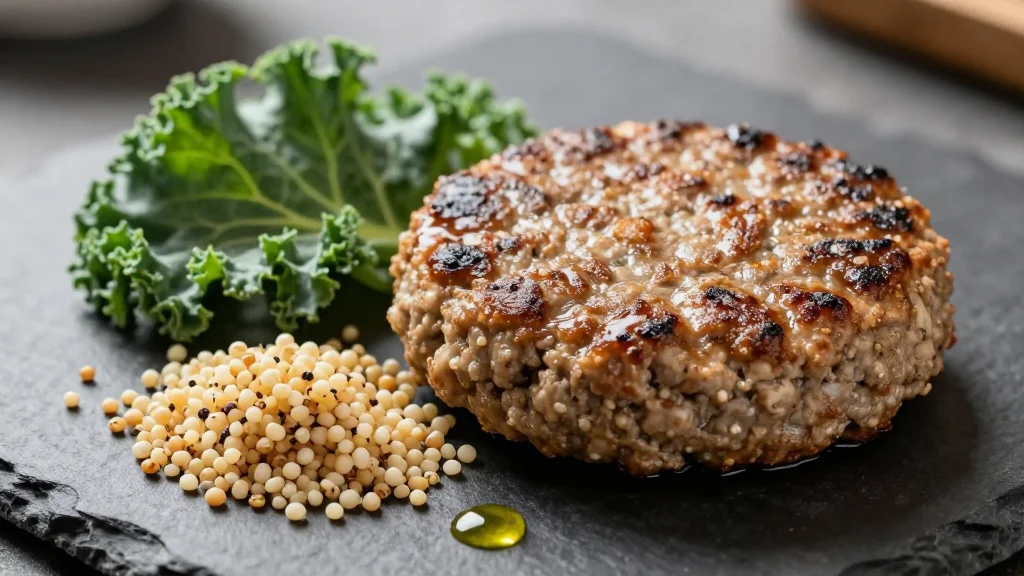
Swapping Processed Meat with Plant-Based Alternatives Boosts Health, Show Two Studies
Two UK studies from the London School of Hygiene and Tropical Medicine found that replacing processed meat with plant‑based analogues increases dietary fibre by 4‑6% and reduces saturated fat by about 6‑7%. Despite being classified as ultra‑processed, the evaluated plant‑based...